Kambo: Australia investigates suspected frog mucus deaths

Published8 hours agoShareclose panelShare pageCopy linkAbout sharingImage source, SuppliedBy Tiffanie TurnbullBBC News, SydneyFor the past two weeks, a small courthouse tucked away in a lush corner of eastern Australia has heard confronting and unusual evidence about the sudden deaths of two locals.Natasha Lechner died from a suspected cardiac event, while authorities believe Jarrad Antonovich died after injuries from severe vomiting.Both incidents happened shortly after they used kambo – poisonous frog mucus – in an ancient Amazonian ritual.And both took place in the northern New South Wales region – an area famous for its beautiful rainforests and stunning beaches, but also for its alternative therapy scene.A coroner is now investigating what went wrong and if anything could have been done to save the pair.What is a kambo ceremony?Kambo – also known as sapo – is a waxy substance harvested by scraping the skin of a live giant monkey frog.The frog, found throughout the Amazon, secretes the substance as a defence mechanism – to kill or warn off animals that try to eat it. But in a kambo ceremony, humans use it to trigger an intense so-called detoxification process.After participants drink over a litre of water, small burns are created on their skin and the substance is applied to the open wounds.It causes blood pressure to rise, the heart to race and the body to purge by vomiting or defecating – often both. Symptoms range in severity, and typically last up to half an hour.Indigenous people in South America have used kambo for centuries, believing it wards off bad luck and improves hunting skills.Image source, Getty ImagesThese days, it is a shamanic ritual which proponents assert rids the body of toxins, brings mental clarity and treats various illnesses.But there is no research proving its supposed health benefits – and it is banned by Australian health regulators.Kambo has been linked to deaths, seizures, liver failure, and heart attacks.Families call for answersOn 8 March 2019, Natasha Lechner set up a kambo ceremony at her house in Mullumbimby – 20 minutes from the coastal town of Byron Bay.She was morbidly obese and had turned to alternative medicines to manage chronic back pain.But on that day, within seconds of applying kambo to five small burns on her chest and arm, she passed out. Minutes later, she was dead.The 39-year-old had trained as a kambo practitioner just a couple of months before her death, but a court heard that she was not warned of the risk of sudden death that using kambo posed.Despite being with another kambo practitioner, who started CPR, no ambulance was called for Ms Lechner until her housemate came home 10 minutes later, finding her friend “foaming” at the mouth. She is believed to have died of an “acute cardiac event”.Jarrad Antonovich’s death on 16 October 2021 was more prolonged.He was attending a six-day retreat in Kyogle, an hour inland from Byron Bay, when he took kambo. He too had chronic conditions – a brain injury acquired in a car accident two decades earlier, which left him with speech and movement difficulties.An inquest this week heard the 46-year-old had looked unwell early on the day he died, and by nine or 10 hours later he was unable to walk unassisted and his face and neck were incredibly swollen.At some point during the evening, he is believed to have also consumed ayahuasca – another drug, which along with triggering hallucinations, often induces severe vomiting.By 23:30 he’d passed out, finally prompting someone to call an ambulance.Paramedics later recalled some sort of “ceremony” continuing after they arrived, and being shooed away from Mr Antonovich by a woman who accused them of interfering with his “aura”, the inquest in the NSW Coroner’s Court heard.No-one told the paramedics Mr Antonovich had consumed either kambo or ayahuasca. Instead, it was suggested to them that he was suffering from an asthma attack. In reality, his oesophagus had ruptured.Both Ms Lechner and Mr Antonovich had turned to alternative therapies to fill a gap they felt had been left by traditional health care. Now both of their families want answers. They accept their children took the substance voluntarily, but they question whether there was an unnecessary or unexplained level of risk.Glen Antonovich, Jarrad’s father, said “something didn’t add up” and it “still doesn’t”.”There was no medical staff, no risk mitigation,” he told the inquest.What happens next? The state coroner will make findings and recommendations in relation to the two deaths.The inquests have heard that identifying ways to prevent similar deaths in the future is a priority for Magistrate Teresa O’Sullivan – were there “opportunities missed” to help Ms Lechner and Mr Antonovich, or “safeguards” that should have been in place?When Australia’s Therapeutic Goods Administration (TGA) made kambo illegal in 2021, it listed it as a schedule 10 poison, the highest possible danger classification for medicines and chemicals.”They’re deemed to be of such great danger to human safety that you can’t even use it in research,” says Daniel Perkins, who heads a psychedelics research institute in Melbourne.Image source, Getty ImagesBut people who feel let down by traditional medicine are increasingly looking for alternative therapies.”There’s this growing proportion of people who have tried Western treatments – for primarily mental health conditions – and found that these just hadn’t been successful,” Dr Perkins says.While some of these are risky, there is also debate over whether banning alternative therapies or drugs actually increases safety, he says. Though substances like ayahuasca have long been illegal, “if there’s a demand for it, then people still use it… and you don’t have any visibility about what is happening – either the benefits or harms that are going on.”When a medicine is decriminalised or regulated, authorities can ensure minimum safety standards – including training requirements, and product quality standards.Dr Perkins points to the TGA’s recent decision to allow the use of psilocybin – or magic mushrooms – and MDMA in limited medical circumstances. It made Australia the first country in the world to officially recognise psychedelics as medicines.”You can provide a bit more guidance and a bit more surety to people who are doing that,” he says.”It may not work, but at least the experience they have will have to meet some sort of minimum safety standards.”More on this storyCould psychedelic drug ayahuasca have health benefits?Published29 September 2017The big business of Indian medicinePublished17 September 2015

Read more →

F.D.A. Advisers Say Benefits of Over-the-Counter Birth Control Pill Outweigh Risks

The agency is expected to decide this summer whether to allow the first nonprescription sales of an oral contraceptive in the United States.A panel of advisers to the Food and Drug Administration voted unanimously on Wednesday that the benefits of making a birth control pill available without a prescription outweigh the risks, a significant step in the decades-long push to make oral contraception obtainable over the counter in the United States.If the F.D.A. approves nonprescription sales of the medication, called Opill, this summer, it could significantly expand access to contraception, especially for young women and those who have difficulty dealing with the time, costs or logistical hurdles involved in visiting a doctor, reproductive health experts say. Approval is not a foregone conclusion, however. F.D.A. scientists who analyzed data submitted by the pill’s maker, HRA Pharma, have raised concerns about whether women with medical conditions that should preclude them from taking the pill — primarily breast cancer and undiagnosed vaginal bleeding — would avoid the product.The agency’s reviewers also questioned the reliability of the data from a company study that was intended to show that consumers would follow the label’s directions to take the pill at roughly the same time every day and use another form of contraception or abstain from sex if they happened to miss a dose. The F.D.A. analysts also raised questions about whether younger adolescents and people with limited literacy could follow the directions.“The F.D.A. has been put in a very difficult position of trying to determine whether it is likely that women will use this product safely and effectively at the nonprescription setting,” said Dr. Karen Murry, deputy director of the F.D.A.’s office of nonprescription drugs, during the advisory panel’s discussion session on Wednesday afternoon. “We can’t just approve it based on the experience in the prescription setting without the applicant doing adequate studies to look at what’s likely to happen in the nonprescription setting,” she said. “But I wanted to again emphasize that F.D.A. does realize how very important women’s health is and how important it is to try to increase access to effective contraception for U.S. women.”The advisory committee’s members overwhelmingly said that those concerns were vastly outweighed by the public health need and the long history of safety and efficacy of Opill, which was approved for prescription use 50 years ago. “The panel expresses confidence in the effectiveness, not only in the general population of females, but also in adolescent populations and those with limited literacy,” said Maria Coyle, the chairwoman of the committee, a pharmacist and an associate clinical professor at The Ohio State University. “The panel seems very comfortable with the limited number of risks from the medication itself.” The advisory committee’s members included a wide range of medical professionals: obstetrician-gynecologists, adolescent medicine specialists, a breast cancer specialist and experts in consumer health behavior and health literacy.The F.D.A. had originally scheduled the committee’s public hearing for last November, but postponed it until this spring after asking the company to submit additional information.The birth control medication Opill.Perrigo, via Associated PressSince the Supreme Court overturned the national right to an abortion almost a year ago, the accessibility of contraception has taken on more urgency. The move to make a nonprescription pill available for all ages has garnered a groundswell of support from specialists in reproductive and adolescent health and groups like the American Medical Association, the American College of Obstetricians and Gynecologists and the American Academy of Family Physicians.In a survey by the health care research organization KFF, more than three-quarters of women of reproductive age favored an over-the-counter pill, primarily because of convenience.While some Catholic organizations have spoken out against over-the-counter birth control, most anti-abortion groups have been quiet on the issue. Support was expressed in the vast majority of hundreds of comments submitted before the hearing, which began on Tuesday, and by most of the 37 people who spoke during the hearing’s public comment portion.Opill is known as a “mini pill” because it contains only one hormone, progestin, in contrast to “combination” pills, which contain both progestin and estrogen. A company that makes a combination pill, Cadence Health, has also been in discussions with the F.D.A. about applying for over-the-counter status.Dr. Daniel Grossman, a professor of obstetrics, gynecology and reproductive sciences at the University of California, San Francisco, spoke in support of the over-the-counter effort in the advisory committee’s hearing on Tuesday. He said in an interview that both types of pills were safe and about 93 percent effective in preventing pregnancy with typical use. Combination pills have been more popular in the United States, but that may be because progestin-only pills, which are widely used in Europe, have not been marketed much in this country, he said.HRA Pharma, which was purchased last year by Perrigo, a Dublin-based maker of over-the-counter pharmaceuticals, already sells a nonprescription progestin-only pill in the United Kingdom.

Read more →

Pancreatic Cancer Vaccine Shows Promise in Small Trial

Using mRNA tailored to each patient’s tumor, the vaccine may have staved off the return of one of the deadliest forms of cancer in half of those who received it.Five years ago, a small group of cancer scientists meeting at a restaurant in a deconsecrated church hospital in Mainz, Germany, drew up an audacious plan: They would test their novel cancer vaccine against one of the most virulent forms of the disease, a cancer notorious for roaring back even in patients whose tumors had been removed.The vaccine might not stop those relapses, some of the scientists figured. But patients were desperate. And the speed with which the disease, pancreatic cancer, often recurred could work to the scientists’ advantage: For better or worse, they would find out soon whether the vaccine helped.On Wednesday, the scientists reported results that defied the long odds. The vaccine provoked an immune response in half of the patients treated, and those people showed no relapse of their cancer during the course of the study, a finding that outside experts described as extremely promising.The study, published in Nature, was a landmark in the yearslong movement to make cancer vaccines tailored to the tumors of individual patients.Researchers at Memorial Sloan Kettering Cancer Center in New York, led by Dr. Vinod Balachandran, extracted patients’ tumors and shipped samples of them to Germany. There, scientists at BioNTech, the company that made a highly successful Covid vaccine with Pfizer, analyzed the genetic makeup of certain proteins on the surface of the cancer cells.Using that genetic data, BioNTech scientists then produced personalized vaccines designed to teach each patient’s immune system to attack the tumors. Like BioNTech’s Covid shots, the cancer vaccines relied on messenger RNA. In this case, the vaccines instructed patients’ cells to make some of the same proteins found on their excised tumors, potentially provoking an immune response that would come in handy against actual cancer cells.“This is the first demonstrable success — and I will call it a success, despite the preliminary nature of the study — of an mRNA vaccine in pancreatic cancer,” said Dr. Anirban Maitra, a specialist in the disease at the University of Texas MD Anderson Cancer Center, who was not involved in the study. “By that standard, it’s a milestone.”The study was small: Only 16 patients, all of them white, were given the vaccine, part of a treatment regimen that also included chemotherapy and a drug intended to keep tumors from evading people’s immune responses. And the study could not entirely rule out factors other than the vaccine having contributed to better outcomes in some patients.“It’s relatively early days,” said Dr. Patrick Ott of the Dana-Farber Cancer Institute.Beyond that, “cost is a major barrier for these types of vaccines to be more broadly utilized,” said Dr. Neeha Zaidi, a pancreatic cancer specialist at the Johns Hopkins University School of Medicine. That could potentially create disparities in access.But the simple fact that scientists could create, quality-check and deliver personalized cancer vaccines so quickly — patients began receiving the vaccines intravenously roughly nine weeks after having their tumors removed — was a promising sign, experts said.Since the beginning of the study, in December 2019, BioNTech has shortened the process to under six weeks, said Dr. Ugur Sahin, a co-founder of the company, who worked on the study. Eventually, the company intends to be able to make cancer vaccines in four weeks.And since it first began testing the vaccines about a decade ago, BioNTech has lowered the cost from roughly $350,000 per dose to less than $100,000 by automating parts of production, Dr. Sahin said.A personalized mRNA cancer vaccine developed by Moderna and Merck reduced the risk of relapse in patients who had surgery for melanoma, a type of skin cancer, the companies announced last month. But the latest study set the bar higher by targeting pancreatic cancer, which is thought to have fewer of the genetic changes that would make it ripe for vaccine treatments.In patients who did not appear to respond to the vaccine, the cancer tended to return around 13 months after surgery. Patients who did respond, though, showed no signs of relapse during the roughly 18 months they were tracked.Intriguingly, one patient showed evidence of a vaccine-activated immune response in the liver after an unusual growth developed there. The growth later disappeared in imaging tests.“It’s anecdotal, but it’s nice confirmatory data that the vaccine can get into these other tumor regions,” said Dr. Nina Bhardwaj, who studies cancer vaccines at the Icahn School of Medicine at Mount Sinai.Scientists have struggled for decades to create cancer vaccines, in part because they trained the immune system on proteins found on tumors and normal cells alike.Tailoring vaccines to mutated proteins found only on cancer cells, though, potentially helped provoke stronger immune responses and opened new avenues for treating any cancer patient, said Ira Mellman, vice president of cancer immunology at Genentech, which developed the pancreatic cancer vaccine with BioNTech.“Just establishing the proof of concept that vaccines in cancer can actually do something after, I don’t know, thirty years of failure is probably not a bad thing,” Dr. Mellman said. “We’ll start with that.”

Read more →

Fecal microbiota transplants: Two reviews explore what's worked, what hasn't, and where do we go from here

Fecal microbiota transplants are the most effective and affordable treatment for recurrent infections with Clostridioides difficile, an opportunistic bacterium and the most common cause of hospital-acquired intestinal infections. However, attempts to treat chronic noncommunicable diseases such as ulcerative colitis and metabolic syndrome via fecal microbiota transplantation (FMT) have yielded mixed results. Two review articles publishing May 10 in the journal Cell Host and Microbe discuss what we do and don’t know about why FMTs work (when they do).
Both research teams agree that we need to know more about how various under-explored factors — — such as the patient’s diet and genetic background, how closely the donor’s microbial composition matches the patient’s existing microbiome, and the presence of non-bacterial gut inhabitants like fungi and viruses — impact FMT success.
“To deepen our understanding of FMT mechanisms and to establish causality, human intervention trials using not just stool, but stool derivatives with defined compositions and characteristics, or with defined consortium of bacterial, viral, and metabolic components alone or in combination will serve as an important experimental platform,” writes Abbas Yadegar, a microbiologist at the Shahid Beheshti University of Medical Sciences in Iran and lead author of the first review.
“The application of cutting-edge technologies for microbiome assessment, along with changes in the current vision of fecal transplants, are expected to improve FMT protocols and outcomes,” writes Serena Porcari, a gastroenterologist at the Fondazione Policlinico Universitario Gemelli and Università Cattolica del Sacro Cuore, who led the second review.
Most FMT research has focused on the bacterial component of the microbiome, but viruses and fungi could also play a role. One study that transplanted sterile (i.e., bacteria-free) fecal material suggested that bacteria might not even be necessary for a transplant to successfully treat C. difficile. The role of fungi has received even less attention, but the presence of Candida in either donors or recipients is associated with reduced treatment efficacy.
Putting more thought into how we choose donors and pair them with patients may improve transplant outcomes, the researchers say. Historically, scientists and medical professionals simply chose “healthy” donors, but both research groups say that fine-scale taxonomic and metabolic analyses of both donor and recipient microbiomes would help with clinical decision-making, especially when treating diseases other than C. difficile infection. A personalized approach to choosing donor-patient pairings may even be warranted, though more research is needed.
“While some studies support the existence of shared characteristics that make up ‘super-donors’, others found that the optimal donor is more patient-specific, thus calling for personalized selection strategies with the help of microbiome sequencing tools, rather than a ‘one stool fits all’ approach,” write Porcari and colleagues.
“Pairing donor-recipient combinations based on their dietary patterns and preferences could further optimize efficacy, because the donor microbiota would be pre-adapted to the recipient’s diet,” write Yadegar and colleagues.
Ultimately, once we understand the mechanisms behind FMT success, Yadegar and colleagues argue that we should use that information to design new standardized therapies to replace FMTs. “Although highly effective, there are substantial drawbacks with fecal microbiota transplants, including infectious risks and sparse long-term safety data,” the authors write. “Better treatment options for recurrent C. difficile infections that are targeted, safe, and donor-independent are thus desired.”
The research team of Gianluca Ianiro (to which Dr. Porcari belongs) is optimistic that we might be able to refine FMTs as a therapy for other diseases, though we still have a few hurdles to overcome first. “Beyond improvements in technologies, some mindset shifts are, in our belief, needed to advance FMTs as a potential treatment option for noncommunicable disorders,” the authors write.
These mindset shifts include recognizing the need for, and implementing, in-depth microbial analyses of donor and patient microbes, moving beyond the paradigm of FMTs as an acute, single-use therapy.
“Responses to FMTs are typically not sustained long term for chronic noncommunicable disorders,” Porcari and colleagues write. “Therefore, sequential transplants have been applied in this setting with promising results, suggesting that chronic modulation of the patient microbiome may be beneficial in noncommunicable chronic disorders.”

Read more →

FDA-approved Alzheimer's drug lecanemab could prevent free-floating amyloid beta fibrils from damaging the brain

For the first time, researchers described the structure of a special type of amyloid beta plaque protein associated with Alzheimer’s disease (AD) progression. In a report published May 10 in the journal Neuron, scientists showed the small aggregates of the amyloid beta protein could float through the brain tissue fluid, reaching many brain regions and disrupting local neuron functioning. The research also provided evidence that a newly approved AD treatment could neutralize these small, diffusible aggregates.
As a cause of dementia, AD affects more than 50 million people worldwide. Previous research has discovered that AD patients have abnormal build-up of a naturally occurring substance — amyloid beta protein — in the brain that can disrupt neurotransmission. Currently, there is no cure for the disease. But in recent years, scientists have developed new treatments that can reduce AD symptoms such as memory loss.
“The paper is timely because, for the first time in human history, we have an agent that can actually treat people with Alzheimer’s in a way that could slow their cognitive decline,” says Dennis Selkoe, the paper’s corresponding author at the Brigham and Women’s Hospital in Boston. “And we’ve never been able to say those words until the last few months.”
In January, the U.S. Food and Drug Administration approved lecanemab, an antibody therapy for treating AD. In a phase III clinical trial, lecanemab slowed cognitive decline in patients with early AD. Scientists suspect the drug’s positive effect may be associated with its ability to bind and neutralize soluble amyloid beta protein aggregates, also known as protofibrils or oligomers, which are tiny, freely floating clumps of the amyloid beta protein. These small clumps can form in the brain before aggregating further into large amyloid plaques. The small aggregates can also break off and diffuse away from amyloid plaques that are already there.
“But nobody’s really been able to define with any structural rigor what is a ‘protofibril’ or ‘oligomer’ that lecanemab binds to,” says first author Andrew Stern, a neurologist at the Brigham and Women’s Hospital. “Our work identifies that structure after isolating it from the human brain. That’s important because patients and drug developers will want to know what exactly lecanemab binds to. Could that reveal something special about how it works?”
Stern, Selkoe, and their team successfully isolated the free-floating amyloid beta aggregates by soaking postmortem brain tissues from typical AD patients in saline solutions, which were then spun at high speed. These tiny aggregates of amyloid beta protein access important brain structures such as the hippocampus, which plays a major role in memory. Working with colleagues at the Laboratory for Molecular Biology in Cambridge, UK, they determined the atomic structure of these tiny aggregates, down to the individual atom.
“If you don’t know your enemies, it’s hard to defeat them,” Selkoe says. “It was a very nice coincidence that all this work we were doing came right alongside the time that lecanemab became widely known and available. This research brings together the identity of the bad guy and something that can neutralize the bad guy.”
Next, the team plans to observe how these tiny amyloid beta aggregates travel through living animal brains and study how the immune system responds to these toxic substances. Recent research has shown that the brain’s immune system reaction to amyloid beta is a key component of AD.
“If we can figure out exactly how these tiny, diffusible fibrils exert toxicity, then maybe the next AD drugs can be better,” Stern says.

Read more →

Human pangenome reference will enable more complete and equitable understanding of genomic diversity

UC Santa Cruz scientists, along with a consortium of researchers, have released a draft of the first human pangenome — a new, usable reference for genomics that combines the genetic material of 47 individuals from different ancestral backgrounds to allow for a deeper, more accurate understanding of worldwide genomic diversity.
By adding 119 million bases — the “letters” in DNA sequences — to the existing genomics reference, the pangenome provides a representation of human genetic diversity that was not possible with a single reference genome. It is highly accurate, more complete and dramatically increases the detection of variants in the human genome, as shown in a collection of groundbreaking papers published today in the journals Nature, Genome Research, Nature Biotechnology, and Nature Methods.
The pangenome was produced by the Human Pangenome Reference Consortium (HPRC), which is co-led by UCSC’s Associate Professor of Biomolecular Engineering Benedict Paten and Assistant Professor of Biomolecular Engineering Karen Miga and is now available for use in an assembly hub on the UCSC Genome Browser. More than a dozen UCSC researchers and students are contributors to this project, which will continue into 2024 when the researchers plan to release a final pangenome with genomic information from 350 individuals.
“We are introducing more diversity and equity into the reference by sampling diverse human beings and including them in this structure that everyone can use,” said Paten, who is the senior author on the main marker paper. “One genome isn’t enough to represent everybody — the pangenome will ultimately be something that is inclusive and representative.”
Understanding genomic variation
Each person’s genome varies slightly — by about 0.4 percent compared to the next person, on average — and understanding these differences can provide insight into their health, help to diagnose disease, predict medical outcomes, and guide treatments. Using the pangenome reference will improve scientists’ ability to detect and understand variation in future studies.

Typically when scientists and clinicians study an individual’s genome to look for variation, they compare that individuals’ DNA to that of a standard reference to determine where there are differences of one or more base pairs. Until now, the reference genome has primarily been represented by a single sequence for each human chromosome, mostly sourced from one individual. But, this reference is nearly 20 years old and fundamentally limited in that it can not represent the wealth of genetic variations present in the human population. This introduces an issue called reference bias into genome analysis.
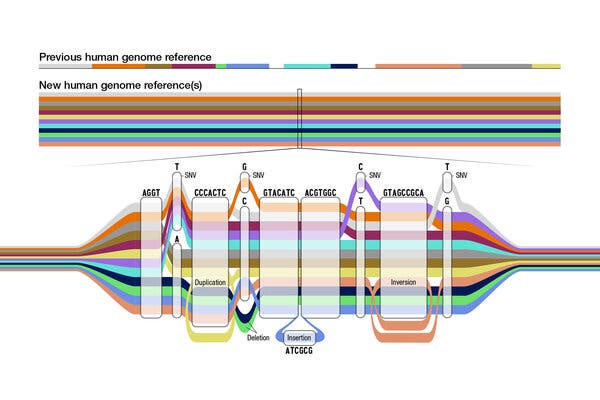
In contrast, the new pangenome is a reference that combines the genomes of 47 individuals from various ancestral backgrounds. The pangenome looks like a linear reference in areas where the sequences have the same bases, and expands to show the areas where there are differences. It represents many different versions of the human genome sequence at the same time, and gives scientists a more accurate point of comparison for variation that is present in some populations but not others.
“One genome can’t possibly represent all of the rich variation we know can be observed and studied around the world,” said Miga, Director of the HPRC Production Center at UCSC. “The No. 1 goal of the human pangenome reference is to try to broaden the representation of a reference resource to be more inclusive and more equitable for studying the human species, as a collection of references and not just one.”
Genomic variation can be small, consisting of differences of just one or a few DNA bases, or it can be large structural variants, classified as variants that are 50 base pairs or larger. These larger, structural variants can have important health implications. Until now, researchers have been unable to identify more than 70 percent of the structural variants that exist in human genomes due to limited technologies and the bias of using a single reference sequence.
Of the 119 million new bases added to the reference with the pangenome, roughly 90 million of these derive from structural variation. Structural variants are complex and may be inversions of sequences, insertions, deletions, or tandem repeats — a segment of two or more bases repeated numerous times. These new bases will help researchers to study regions in the genome for which there was previously no reference, and potentially be able to associate structural variants with disease in future studies.

“Now, we can map to more structural variants, so we’re finding features and areas in the genome that just weren’t there before,” Miga said. “That’s exciting because it’s allowing us to look at gene regulation in a unique way that we couldn’t study before, because those areas probably would have been inappropriately mapped or just ignored altogether.”
Using the pangenome reference for genomic analysis increases the detection of structural variants by 104 percent as compared to detection using the standard reference. The pangenome reference also increases the accuracy of calling small variants, those just a few bases long, by about 34 percent because of the increased amount of data present in the pangenome.
Each human carries a paired set of chromosomes — one set inherited from the mother and one from the father. The individual genomes present in the pangenome reference contains haplotype-resolved information, meaning it can confidently distinguish the two parental sets of chromosomes — a major scientific feat. Having this information will help scientists better understand how various genes and diseases are inherited.
This also means the current reference actually includes 94 distinct genome sequences, with the goal of getting to 700 by 2024.
Creating the pangenome
The pangenome was made possible through the development of advanced computational techniques to align the multiple genome sequences into one, usable reference in a structure called a pangenome graph. Paten and researchers in the UCSC Computational Genomics lab helped lead the HPRC efforts to develop the algorithmic methods needed to create this pangenome graph structure.
Because of the methods used in this project, all of the genomes within the pangenome reference are of extremely high quality and accuracy, covering more than 99 percent of each human genome with more than 99 percent accuracy.
“In the linear reference, we had only one sequence, one representation of each gene,” said Mobin Asri, a bioinformatics Ph.D. candidate at UCSC and co-first author on the main paper. “But we know that our genes have different variations in the human population. Using the pangenome graph, we want to have all of those variations in a single structure — and a graph is a natural way to do this.”
The HPRC project relies heavily on long- and ultra long-read sequencing technology to read DNA from biological samples. With recent advances, these techniques can now decode thousands to millions of base pairs of the genome at once. The long stretches of DNA reads are then assembled via specialized algorithms into more complete genomic sequences. Ideally each assembled sequence should represent the sequence of one chromosome.
Long reads contain errors about one percent of the time and current assembly algorithms are not perfect, which can cause the assembled sequences to be erroneous in some locations. To check for and correct these errors, the individual genomes that have been sequenced and assembled move through multiple tools, including a reliability pipeline developed by Asri. Once having been processed by these tools, the researchers can ensure the assemblies are accurate and complete.
After moving through Asri’s pipeline, the various genomes are compiled via complex algorithmic methods into the pangenome graph structure. Visually, the graph genome allows researchers to view differences in the various reference sequences as diverging areas in otherwise shared paths.
Building an accessible resource
All of the first 47 diploid genomes in the draft pangenome were sourced from individuals who participated in the 1000 Genomes Project (1000G), an influential effort which created a catalog of common human genetic variation from openly consented samples and was completed in 2015. The open consent status of these samples allow any researcher to access the resource without the privacy barriers that typically accompany genome research, with the aim of making the pangenome accessible to as many people as possible.
“Becoming a common resource is something that’s fundamental to the success of a human pangenome reference,” Miga said. “It has to have the ability to be accessible and open around the world to all researchers so we can use it as the foundation.”
The HPRC team is focused on outreach to ensure that the pangenome is a useful resource that will be utilized in clinics around the world. This means facilitating annotations, feedback, and input from the researchers carrying out studies using the pangenome reference.
“The draft pangenome is an important proof of principle that we hope is going to influence a lot of people and get them thinking about the pangenome and how it might affect their work,” Paten said. “Looking ahead, we see a lot of engagement with other groups — it takes a lot of different people to build something that is going to become a big community resource.”
Along with a focus on accessibility, the HPRC project has a dedicated ethics team focused on the social and legal implications of this project. They are working to anticipate challenging issues and help guide informed consent, prioritize the study of different samples, explore possible regulatory issues pertaining to clinical adoption, and work with international and Indigenous communities to incorporate their genome sequences in these broader efforts.
Continuing the legacy and future work
The human pangenome is a continuation of decades-long efforts from scientists at UC Santa Cruz to understand the biological code that underlies human life.
In 2000, Jim Kent, then a UCSC graduate student and now a research scientist at the Genomics Institute and director of the UCSC Genome Browser, wrote the code that assembled the first working draft of the human genome. UCSC scientists published it with open access to anyone who wanted to use it. Since then, UCSC has been at the forefront of genomics research.
In April 2022, UCSC’s Karen Miga co-led the Telomere-to-Telomere consortium to assemble the first complete sequencing of a human genome, filling in missing, complex regions of reference that had long eluded scientists.
“Since 2000, we’ve had a series of increasingly more accurate representations of one genome,” said David Haussler, Scientific Director of the UCSC Genomics Institute who led the UCSC team on the original Human Genome Project and advises on the pangenome project. “But no matter how accurately you represent one genome, that’s not going to represent all of humanity. Now is a turning point: no longer genomics of the one standard human genome, but genomics for everybody.”
The researchers are making progress toward the goal of completing the full pangenome by 2024. The team is in the process of recruiting new individuals to represent some populations not included in the 1000 Genomes Project, particularly people of Middle Eastern and African ancestry. Miga, as the director of the Data Production Center at UCSC, will spearhead these efforts going forward.
In addition to completing the final pangenome reference, the researchers are working toward forming an international human pangenome project that would establish partnerships with researchers across the world. These partnerships would include a two-way skills and knowledge exchange, aimed to bring the skills and technology needed to create high-quality reference genomes into the hands of researchers worldwide so they can carry out their own research.
Other UCSC researchers on the main paper include Marina Haukness, Glenn Hickey, Julian Lucas, Jean Monlong, Xian Chang, Jordan Eizenga, Charles Markello, Adam Novak, Hugh Olsen, and Trevor Pesout.
Other institutions involved in the Human Pangenome Reference Consortium may be found on the project’s main page.
Funding for the HPRC was primarily provided by the National Human Genome Research Institute.

Read more →

Clearest snapshot of human genomic diversity

For more than 20 years, scientists have relied on the human reference genome, a consensus genetic sequence, as a standard against which to compare other genetic data. Used in countless studies, the reference genome has made it possible to identify genes implicated in specific diseases and trace the evolution of human traits, among other things.
But it has always been a flawed tool. One of its biggest problems is that about 70 percent of its data came from a single man of predominantly African-European background whose DNA was sequenced during the Human Genome Project, the first effort to capture all of a person’s DNA. As a result, it can tell us little about the 0.2 to one percent of genetic sequence that makes each of the seven billion people on this planet different from each other, creating an inherent bias in biomedical data believed to be responsible for some of the health disparities affecting patients today. Many genetic variants found in non-European populations, for instance, aren’t represented in the reference genome at all.
For years, researchers have called for a resource more inclusive of human diversity with which to diagnose diseases and guide medical treatments. Now scientists with the Human Pangenome Reference Consortium have made groundbreaking progress in characterizing the fraction of human DNA that varies between individuals. As they recently published in Nature, they’ve assembled genomic sequences of 47 people from around the world into a so-called pangenome in which more than 99 percent of each sequence is rendered with high accuracy.
Layered upon each other, these sequences revealed nearly 120 million DNA base pairs that were previously unseen.
While it’s still a work in progress, the pangenome is public and can be used by scientists around the world as a new standard human genome reference, says The Rockefeller University’s Erich D. Jarvis, one of the primary investigators.
“This complex genomic collection represents significantly more accurate human genetic diversity than has ever been captured before,” he says. “With a greater breadth and depth of genetic data at their disposal, and greater quality of genome assemblies, researchers can refine their understanding of the link between genes and disease traits, and accelerate clinical research.”
Sourcing diversity

Completed in 2003, the first draft of the human genome was relatively imprecise, but it became sharper over the years thanks to filled-in gaps, corrected errors, and advancing sequencing technology. Another milestone was reached last year, when the final eight percent of the genome — mainly tightly coiled DNA that doesn’t code for protein and repetitive DNA regions — was finally sequenced.
Despite this progress, the reference genome remained imperfect, especially with respect to the critical 0.2 to one percent of DNA representing diversity. The Human Pangenome Reference Consortium (HPRC), a government-funded collaboration between more than a dozen research institutions in the United States and Europe, was launched in 2019 to address this problem.
At the time, Jarvis, one of the consortium’s leaders, was honing advanced sequencing and computational methods through the Vertebrate Genomes Project, which aims to sequence all 70,000 vertebrate species. His and other collaborating labs decided to apply these advances for high-quality diploid genome assemblies to revealing the variation within a single vertebrate: Homo sapiens.
To collect a diversity of samples, the researchers turned to the 1000 Genomes Project, a public database of sequenced human genomes that includes more than 2500 individuals representing 26 geographically and ethnically varied populations. Most of the samples come from Africa, home to the planet’s largest human diversity.
“In many other large human genome diversity projects, the scientists selected mostly European samples,” Jarvis says. “We made a purposeful effort to do the opposite. We were trying to counteract the biases of the past.”
It’s likely that gene variants that could inform our knowledge of both common and rare diseases can be found among these populations.

Mom, dad, and child
But to broaden the gene pool, the researchers had to create crisper, clearer sequences of each individual-and the approaches developed by members of the Vertebrate Genome Project and associated consortiums were used to solve a longstanding technical problem in the field.
Every person inherits one genome from each parent, which is how we end up with two copies of every chromosome, giving us what’s known as a diploid genome. And when a person’s genome is sequenced, teasing apart parental DNA can be challenging. Older techniques and algorithms have routinely made errors when merging parental genetic data for an individual, resulting in a cloudy view. “The differences between mom’s and dad’s chromosomes are bigger than most people realize,” Jarvis says. “Mom may have 20 copies of a gene and dad only two.”
With so many genomes represented in a pangenome, that cloudiness threatened to develop into a thunderstorm of confusion. So the HPRC homed in a method developed by Adam Phillippy and Sergey Koren at the National Institutes of Health on parent-child “trios” — a mother, a father, and a child whose genomes had all been sequenced. Using the data from mom and dad, they were able to clear up the lines of inheritance and arrive at a higher-quality sequence for the child, which they then used for pangenome analysis.
New variations
The researchers’ analysis of 47 people yielded 94 distinct genome sequences, two for each set of chromosomes, plus the sex Y chromosome in males.
They then used advanced computational techniques to align and layer the 94 sequences. Of the 120 million DNA base pairs that were previously unseen or in a different location than they were noted to be in the previous reference, about 90 million derive from structural variations, which are differences in people’s DNA that arise when chunks of chromosomes are rearranged — moved, deleted, inverted, or with extra copies from duplications.
It’s an important discovery, Jarvis notes, because studies in recent years have established that structural variants play a major role in human health, as well as in population-specific diversity. “They can have dramatic effects on trait differences, disease, and gene function,” he says. “With so many new ones identified, there’s going to be a lot of new discoveries that weren’t possible before.”
Filling gaps
The pangenome assembly also fills in gaps that were due to repetitive sequences or duplicated genes. One example is the major histocompatibility complex (MHC), a cluster of genes that code proteins on the surface of cells that help the immune system recognize antigens, such as those from the SARS-CoV-2 virus.
“They’re really important, but it was impossible to study MHC diversity using the older sequencing methods,” Jarvis says. “We’re seeing much greater diversity than we expected. This new information will help us understand how immune responses against specific pathogens vary among people.” It could also lead to better methods to match organ transplant donors with and patients, or identify people at risk for developing autoimmune disease.
The team has also uncovered surprising new characteristics of centromeres, which lie at the cruxes of chromosomes and conduct cell division, pulling apart as cells duplicate. Mutations in centromeres can lead to cancers and other diseases.
Despite having highly repetitive DNA sequences, “centromeres are so diverse from one haplotype to another, that they can account for more than 50 percent of the genetic differences between people or maternal and paternal haplotypes even within one individual,” Jarvis says. “The centromeres seem to be one of the most rapidly evolving parts of the chromosome.”
Relationship building
The current 47-people pangenome is just a starting point, however. The HPRC’s ultimate goal is to produce high-quality, nearly error-free genomes from at least 350 individuals from diverse populations by mid-2024, a milestone that would make it possible to capture rare alleles that confer important adaptive traits. Tibetans, for example, have alleles related to oxygen use and UV light exposure that enable them to live at high altitudes.
A major challenge in collecting this data will be to gain trust from communities that have seen past abuses of biological data; for example, there are no samples in the current study from Native American nor Aboriginal peoples, who have been long been disregarded or exploited by scientific studies. But you don’t have to go far back in time to find examples of unethical use of genetic data: Just a few years ago, DNA samples from thousands of Africans in multiple countries were commercialized without the donors’ knowledge, consent, or benefit.
These offenses have sown mistrust against scientists among many populations. But by not being included, some of these groups could remain genetically obscure, leading to a perpetuation of the biases in the data — and to continued disparities in health outcomes.
“It’s a complex situation that’s going to require a lot of relationship building,” Jarvis says. “There’s greater sensitivity now.”
And even today, many groups are willing to participate. “There are individuals, institutions, and governmental bodies from different countries who are saying, ‘We want to be part of this. We want our population to be represented,'” Jarvis says. “We’re already making progress.”

Read more →

Scientists Unveil a More Diverse Human Genome

More than 20 years after scientists first released a draft sequence of the human genome, the book of life has been given a long-overdue rewrite.A more accurate and inclusive edition of our genetic code was published on Wednesday, marking a major step toward a deeper understanding of human biology and personalized medicine for people from a wide range of racial and ethnic backgrounds.Unlike the previous reference — which was largely based on the DNA of one mixed-race man from Buffalo, with inputs from a few dozen other individuals, mostly of European descent — the new “pangenome” incorporates near-complete genetic sequences from 47 men and women of diverse origins, including African Americans, Caribbean Islanders, East Asians, West Africans and South Americans.The revamped genome map represents a crucial tool for scientists and clinicians hoping to identify genetic variations associated with disease. It also promises to deliver treatments that can benefit all people, regardless of their race, ethnicity or ancestry, researchers said.“It’s been long needed — and they’ve done a very good job,” said Ewan Birney, a geneticist and deputy director general of the European Molecular Biology Laboratory, who was not involved in the effort. “This will improve our fine-grained understanding of variation, and then that research will open new opportunities toward clinical applications.”Powered by the latest in DNA sequencing technology, the pangenome collates all 47 unique genomes into a single resource, providing the most detailed picture yet of the code that powers our cells. Gaps in the earlier reference are now filled, with nearly 120 million previously missing DNA letters added to the three-billion-letter-long code.Gone is the idea of a totemic strand of DNA that extends six feet when uncoiled and stretched out in a straight line. Now, the rebooted reference resembles a corn maze, with alternative paths and side trails that allow scientists to explore a broader range of the genetic diversity found in people the world over.The new pangenome reference shows many possible routes for a sequence to take, represented by the different colors: Yellow is a duplication variant; pink is an inversion variant; green and blue represent a deletion variant, and light blue is an insertion variant.Darryl Leja/NHGRIDr. Eric Green, director of the National Human Genome Research Institute, the government agency that funded the work, likens the pangenome to a new kind of bodywork manual for automotive repair shops. Whereas before, every mechanic only had the design specs for one kind of car, now there is a master plan that covers different makes and models.“We’ve gone from having one really nice blueprint of the Chevy to now having blueprints of 47 representative cars from each of 47 different manufacturers,” he said.Knowing what to do with this Kelley Blue Book of genomics will involve a steep learning curve. New analytical tools are needed. Coordinate systems must be redefined. Widespread adoption will take time.“Making this easy to be used by the community is work to be done,” said Heidi Rehm, chief genomics officer at Massachusetts General Hospital in Boston, who was not involved in the project.But in due course, experts said, the pangenome will revolutionize the field of genomic medicine.“We’re going to have the benefit of actually understanding ourselves as a species much, much better,” said Evan Eichler, a genome scientist at the University of Washington. Dr. Eichler was among more than 100 scientists and bioethicists who described the new pangenome reference in the journal Nature.The architects of the project are continuing to add more population groups, with the goal of including at least 350 high-quality genomes that encompass the bulk of global human diversity.“We want to represent all the branches of the human tree,” said Ira Hall, a geneticist who leads the Yale Center for Genomic Health.Some of the new genomes will come from New Yorkers who previously participated in a research program at the Mount Sinai Health System. If their preliminary DNA data seems to reflect certain underrepresented genetic backgrounds, those individuals will be invited to participate in the pangenome project.Some gaps might never get plugged in the publicly available reference, though — by design.Previous attempts to capture human genetic diversity often extracted sequence data from marginalized populations without regard for their needs and preferences. Informed by those ethical missteps, pangenome coordinators are now collaborating with Indigenous groups to develop formal policies around data ownership.“We are still grappling with the issue of native and tribal sovereignty,” said Barbara Koenig, a bioethicist at the University of California, San Francisco, who was involved in the project.In Australia, researchers are incorporating DNA sequences from various Aboriginal peoples into a similar depository that will be combined with the open-source pangenome, but then kept behind a firewall. According to Hardip Patel of Australia’s National Centre for Indigenous Genomics in Canberra, the scientists next plan to consult with community leaders about if or how to make the data accessible through request.Some Indigenous advocates want to see the pangenome project go further. Keolu Fox, a genomics scientist at the University of California, San Diego, who is Native Hawaiian has suggested training the next generation of Indigenous scientists to have greater agency over the genomic data.“It’s finally time that we decentralize power and control and redistribute that among the communities themselves,” Dr. Fox said.

Read more →

When Should Women Get Regular Mammograms? At 40, U.S. Panel Now Says.

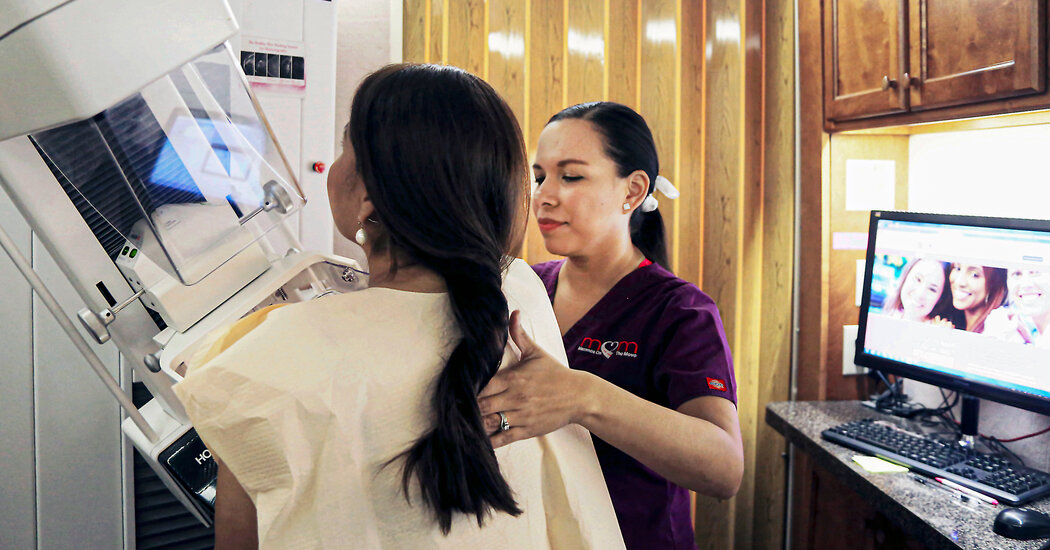
The new advice comes as breast cancer diagnoses rise among younger women and mortality rates among Black women remain persistently high.Alarmed by an increase in breast cancer diagnoses among younger women and persistently high death rates among Black women in particular, health experts on Tuesday offered a stark revision to the standard medical advice on mammograms. Women of all racial and ethnic backgrounds who are at average risk for breast cancer should start getting regular mammograms at age 40, instead of treating it as an individual decision until they are 50, as previously recommended, the U.S. Preventive Services Task Force said.The group issues influential guidelines on preventive health, and its recommendations usually are widely adopted in the United States. But the new advice, issued as a draft, represents something of a reversal.In 2009, the task force raised the age for starting routine mammograms to 50, from 40. At the time, researchers were concerned that earlier screening would do more harm than good, leading to unnecessary treatment in younger women, including biopsies that turn out to be negative.But there have been troubling trends in breast cancer in recent years. They include an apparent increase in the number of cancers diagnosed in women under 50 and a failure to narrow the survival gap for younger Black women, who die of breast cancer at twice the rate of white women of the same age.“We don’t really know why there has been an increase in breast cancer among women in their 40s,” Dr. Carol Mangione, immediate past chair of the task force, said in an interview. “But when more people in a certain age group are getting a condition, then screening of that group is going to be more impactful.”The new recommendation covers more than 20 million women in the United States between the ages of 40 and 49. In 2019, about 60 percent of women in this age group said they had gotten a mammogram in the past two years, compared with 76 percent of women aged 50 to 64 and 78 percent of women aged 65 to 74.The panel has said there is insufficient evidence to make recommendations one way or the other for women who were 75 and older.Dr. Mangione said the task force had for the first time commissioned studies of breast cancer specifically among Black women, as well as for all women, and needed more research into the factors driving the racial disparity. The task force also is calling for a clinical trial to compare the effectiveness of annual and biennial screening among Black women.Overall, mortality from breast cancer has declined in recent years. Still, it remains the second most common cancer in women after skin cancer and is the second leading cause of cancer deaths, after lung cancer, among women in the United States.Breast cancer diagnoses among women in their 40s had been increasing at less than 1 percent between 2000 and 2015. But the rate rose by 2 percent a year on average between 2015 and 2019, the task force noted.The reasons are not entirely clear. Postponement of childbearing, or not having children at all, may be fueling the rise, said Rebecca Siegel, senior scientific director of surveillance research at the American Cancer Society. Having children before age 35 reduces the risk of breast cancer, as does breast feeding.Still, she noted, there is much year-to-year variation in the diagnosis rates. Other researchers suggest the increase among younger women may simply reflect more screening, said Dr. Steven Woloshin, professor of medicine at Dartmouth College.Frequent screening can itself cause harm, leading to unnecessary biopsies that cause anxiety and treatment for slow-growing cancers that would never have been life-threatening, researchers have found.Yet there was a firestorm of criticism in 2009, from both patients and advocacy groups, when the task force advised that women start getting regular mammograms no later than age 50. Critics of that guidance feared that malignancies would be missed among younger women and suggested that a desire to cut health care costs drove the recommendation.At the time, the panel also called for longer intervals between mammograms: one every two years, rather than annual scans. That recommendation still stands.The American Cancer Society differs on this key point. Women aged 40 to 44 should be able to choose screening, the society says, but beginning at 45, women should get mammograms every year until age 55. The risk of fast-growing cancers is greatest before menopause. Karen E. Knudsen, chief executive officer of the cancer society, said she welcomed the task force’s advice to begin routine screening at a younger age because it will alleviate confusion resulting from contradictory recommendations from medical groups.Still, she said, “We are steadfast on annual screening. Cancers in premenopausal women grow faster, and it’s important they don’t develop during the two-year period and go undetected.”The task force’s new recommendation applies to all people assigned female at birth who are asymptomatic and at average risk for breast cancer, including those with dense breast tissue and a family history of breast cancer.But the advice does not apply to anyone who already has had breast cancer, carries genetic mutations that increase her risk, has had breast lesions identified in previous biopsies or has had high-dose radiation to the chest, which raises the risk of cancer.These women should consult with their doctors about how frequently to be screened.The task force emphasized that it was important for Black women to start mammograms at age 40, as they are more likely to get aggressive tumors at a young age and 40 percent more likely to die from breast cancer than white women are.Some scientists have called for moving away from a universal, one-size-fits-all approach to screening in favor of a “risk-adapted” approach, which would mean screening Black women six to eight years earlier than white women.“The recommendation should be tailored by race and ethnicity to maximize the benefits of screening and minimize its harms and to address the current racial disparity,” said Dr. Mahdi Fallah, who studies risk-adapted cancer prevention at the German Cancer Research Center in Heidelberg.But screening alone will not improve survival rates for Black women, who not only are more likely to develop aggressive tumors but also to struggle with delays getting medical care and with life circumstances that make treatment difficult.The task force’s new report found, for example, that while follow-up of abnormal breast scans is often delayed, it’s especially true for Black women.“So often when it’s a Black woman, you hear a narrative you wish you weren’t hearing,” Dr. Mangione said.“Oftentimes, these are women who find a lump themselves, or a discharge they know is abnormal, and they go in and they get dismissed. And it’s only because they’re not willing to accept no for an answer that they are ultimately diagnosed.”

Read more →

As Covid Emergency Ends, U.S. Response Shifts to ‘Peacetime’ Mode

The coronavirus public health emergency, declared by the Trump administration in 2020, will expire on Thursday. Interviews with senior health officials suggest the nation is not ready for a new pandemic.On Thursday, three years and 100 days after the Trump administration declared the coronavirus a public health emergency, the Biden administration will allow the emergency declaration to expire, ushering in a new era when the government will treat Covid-19 like any other respiratory ailment.If the coronavirus pandemic was a war, the United States is about to officially enter peacetime.But interviews with senior federal and state health officials — including the secretary of health and human services and the commissioner of the Food and Drug Administration — make clear that while the United States has greatly improved its capacity to fight Covid-19, it is not fully prepared for a radically different future variant or a new pandemic.State health officials, tasked with tracking the coronavirus, are burned out, their departments understaffed. President Biden’s coronavirus response team will soon disband. The White House has yet to fulfill Congress’s directive to set up a new pandemic preparedness office, and key officials, including Dr. Ashish K. Jha, the coronavirus response coordinator, and Dr. Rochelle P. Walensky, the director of the Centers for Disease Control and Prevention, are stepping down or intend to do so. Dr. Jha and other federal health officials have spent months laying the groundwork for the end of the public health emergency, and the Biden administration has set up programs to keep vaccines free for the uninsured and to support medical research into new vaccines and therapies. But the officials say they are operating on a tight budget; Congress has refused to give the administration any new money for the pandemic response.When asked if the country was prepared for a new pandemic, Dr. Francis S. Collins, the former director of the National Institutes of Health, simply replied, “No.” Mr. Biden’s secretary of health and human services, Xavier Becerra, paused for several seconds before answering the same question.Dr. Jha has told colleagues he intends to return to his job as dean of the Brown University School of Public Health.Cheriss May for The New York TimesDr. Walensky, the director of the Centers for Disease Control and Prevention, will step down at the end of June.Anna Rose Layden for The New York Times“It depends on the degree,” Mr. Becerra finally said, adding: “We’ve learned a lot from Covid. We’re prepared to deal with Covid — even some of the variants as they come. If it’s something totally different, avian flu, I become a little bit more concerned. If it becomes some kind of biological weapon, you know, that’s another issue altogether.”The emergency declaration, Dr. Jha said in an interview, has given the government and the nation’s health care system the flexibility to take extraordinary measures during the crisis, like setting up hospital beds in a parking lot. Dr. Jha, who has told colleagues he intends to return to his job as dean of the Brown University School of Public Health, said those kinds of steps were no longer necessary.But he cautioned that the virus was not going away. More than 1,000 people are still dying of Covid-19 in the United States each week, according to the C.D.C.“Covid is going to be with us, but we know how to live with it in a way that need not cause disruption, need not put people in the hospital — or worse,” Dr. Jha said. “And we know how to monitor this virus and manage it so that if it takes a turn, if it does something different, we’re ready for that.”In the immediate term, the end of the emergency declaration will not cause dramatic changes for Americans, though some people could face new costs for coronavirus testing. After Thursday, private insurers will no longer be required to cover up to eight at-home tests per month. Those with Medicare or private insurance may have co-pays for lab tests.For now, vaccines will continue to be free because the government has a stockpile of them. When they move to the commercial market later this year, they will remain free for most people with insurance. For the uninsured, the Biden administration plans to spend more than $1 billion on a new program to offer free shots, though questions remain about how the initiative will work.It is unclear when Paxlovid, the leading antiviral medication for Covid-19, will move to the commercial market. For now, it will also remain free because of the government’s stockpile, though patients may have to pick up part of the cost once the supply is depleted.Mr. Becerra hesitated when asked if the country was ready for a new pandemic. “It depends on the degree,” he finally said.Hilary Swift for The New York TimesSome experts fear that policymakers and elected officials, who have already put Covid-19 in the rearview mirror, will forget about it entirely once the emergency declaration is gone.“It’s going to be interpreted, I fear, as a ‘mission accomplished’ moment,” said Gary Edson, the president of the Covid Collaborative, a group of experts that has worked to inform the federal response, adding, “As soon as we take that view, we’ve given up all hope, all mobilization for defensive preparedness.”The country has learned and absorbed some lessons from Covid-19. The C.D.C. now tracks the spread of the virus by examining wastewater. The Strategic National Stockpile, the nation’s medical reserve, is substantially better equipped. As of early this month, it had 352 million N95 masks, 1.3 billion gloves and 150,000 ventilators, and the administration has more than 600 million at-home coronavirus tests on hand. The branch of the Department of Health and Human Services that handles logistics, like distributing tests and vaccines, has been beefed up.Still, an estimated seven million immunocompromised American adults remain especially at risk from Covid-19. Key monoclonal antibody treatments that were once critical to protecting that population are no longer cleared for use by the F.D.A. because they are ineffective against current variants. The administration is relying heavily on Paxlovid, which can reduce the severity of Covid-19.“We need an effective monoclonal against current variants,” Dr. David A. Kessler, who left the Biden administration in January after overseeing its vaccination and treatment program. “We need a more durable vaccine. And we should never rely on just one highly effective oral antiviral.”All told, more than 1.1 million people in the United States have died of Covid-19 — more than the number killed during both world wars. But while the military builds warships and fighter jets in peacetime, public health has long been caught in what experts call a cycle of panic and neglect.The Covid Crisis Group, a panel of experts led by Philip D. Zelikow, a University of Virginia historian who ran the commission that investigated the Sept. 11 attacks, says Congress and policymakers must view infectious disease threats through a national security lens. The group spent two years investigating the pandemic response and recently published its findings in a book, “Lessons From the Covid War.”Top federal health officials said the military readiness analogy was apt.Dr. Fauci, left, and Dr. David A. Kessler, who led a panel of experts that spent two years investigating the pandemic response, on Capitol Hill in 2021. Both men departed the federal government this winter.Pool photo by Greg Nash“What if we funded public health the way we funded the military?” asked Dr. Nirav D. Shah, the principal deputy director of the C.D.C. “We’d have a system that would have built-in flexibilities, in the same way that the military can respond very flexibly.”Instead, Biden administration officials say they are scrounging for money for pandemic preparedness. One concern is that the end of the emergency will lessen the economic incentives for pharmaceutical companies to develop new drugs, treatments and vaccines because there will no longer be a guaranteed government buyer.“One of the most important parts of Warp Speed and the whole pandemic response was reducing uncertainty for industry by putting the money up from the government,” Dr. Robert M. Califf, the F.D.A. commissioner, said in an interview, referring to Operation Warp Speed, the Trump administration’s vaccine initiative. “Because what you’re essentially asking industry to do now is to make the investment and take the risk.”To encourage innovation, the Biden administration intends to spend $5 billion on a new initiative, called Project Next Gen, to develop a new generation of Covid-19 vaccines and treatments. Officials have said little about how that money will be spent. The Biden administration could not persuade Congress to pay for the program, said Dawn O’Connell, the top emergency preparedness official at the Department of Health and Human Services.“We requested and requested and requested supplemental funds to be able to do Next Gen,” she said. When the money was not forthcoming from Congress, federal health officials decided to use unspent coronavirus response funds.For now, federal regulators are settling for a more incremental strategy — redesigning annual Covid booster shots to target newer variants of Omicron. A reformulated shot will most likely roll out by early September.With the end of the public health emergency, local and federal health officials will have less visibility into who has Covid-19 and where the virus is spreading. The C.D.C. and local health departments have used that information to guide communities about mask wearing and other precautions.Officials at the Centers for Disease Control and Prevention plan to rely on wastewater samples and hospital data as metrics for monitoring the virus.Tami Chappell/ReutersBut when the emergency expires, laboratories will no longer be required to report the results of coronavirus tests to the government. Last week, the C.D.C. announced that it would no longer track community levels of Covid-19 or the percentage of tests that come back positive.Instead, agency officials said they would rely on wastewater samples and hospital data as metrics for monitoring the virus. Hospitals will still be required to report coronavirus cases when the emergency ends, though not in as much detail as before.After Dr. Jha leaves, leadership of the federal Covid response may function more as a committee effort among agency chiefs, with Ms. O’Connell as a central coordinator. Ms. O’Connell said last week that she had talked with White House officials about the new pandemic preparedness office but did not know of plans for its leadership.“We’re just waiting to see where it lands,” she said.In recent weeks, Dr. Jha has talked to leading virologists to gauge the likelihood of another Omicron-like variant. One of those scientists, Dr. Dan H. Barouch, the director of the Center for Virology and Vaccine Research at Beth Israel Deaconess Medical Center, said in an interview that he told Dr. Jha that the way the coronavirus mutates meant it was nearly impossible to offer more than a “gut” prediction, which he put at around 20 percent in the next two years.Mr. Becerra insists that, whatever is coming, his department is prepared.“At the end of any major war, you don’t just let down your guard completely,” he said. “Because while it may seem like it’s over, there could easily be a flare-up. So we may be exiting the public health emergency, but we haven’t left the public health threat.”

Read more →