F.D.A. Advisers Weigh Allowing First U.S. Over-the-Counter Birth Control Pill

The panel heard strong support from the company and many doctors but concern from F.D.A. scientists.It was like a tale of two birth control pills.At a hearing Tuesday to consider whether the Food and Drug Administration should authorize the country’s first over-the-counter birth control pill, a panel of independent medical experts advising the agency was left to reckon with two contradictory analyses of the medication called Opill.During the eight-hour session, the manufacturer of the pill, HRA Pharma, which is owned by Perrigo, and representatives of many medical organizations and reproductive health specialists said that data strongly supported approval. They said that Opill, approved as a prescription drug 50 years ago, was safe, effective and easy for women of all ages to use appropriately — and that over-the-counter availability was sorely needed to lower the country’s high rate of unintended pregnancies.In contrast, F.D.A. scientists questioned the reliability of company data that was intended to show that consumers would take the pill at roughly the same time every day and comply with directions to abstain from sex or temporarily use other birth control if they missed a dose. The agency seemed especially concerned about whether women with breast cancer or unexplained vaginal bleeding would correctly choose not to take Opill and whether adolescents and people with limited literacy would use it accurately.“I’m just really quite confused by the level of discrepancy,” one member of the advisory panel, Pamela Shaw, a senior investigator with Kaiser Permanente Washington, saidafter both sides had made presentations.On Wednesday, the panel will take a nonbinding vote on whether the risks of an over-the-counter pill would outweigh its benefits. The F.D.A. is expected to make a final decision this summer.The move to make a nonprescription pill available for all ages has garnered a groundswell of support from specialists in reproductive and adolescent health and groups like the American Medical Association, the American College of Obstetricians and Gynecologists and the American Academy of Family Physicians.In a survey by the health care research organization KFF, more than three-quarters of women of reproductive age favored an over-the-counter pill, primarily because of convenience.Strikingly, at a time of fierce divisions over abortion, including abortion pills, many anti-abortion groups have declined to criticize over-the-counter birth control. Opposition appears to primarily come from some Catholic organizations. Support was expressed in the vast majority of hundreds of comments submitted before Tuesday’s hearing and by most of the 37 people who spoke during the hearing’s public comment portion.“As a teenager I was told by my doctor that I shouldn’t start the birth control pill because it would make me more likely to become sexually active,” said one speaker, Rebecca Heimbrock, a 20-year-old college sophomore. “Of course we know that this is not true, and young people without access to birth control simply have sex without being on birth control.”Opill is called a “mini pill” because it contains only one hormone, progestin, in contrast to “combination” pills, which contain both progestin and estrogen. Dr. Daniel Grossman, a professor of obstetrics, gynecology and reproductive sciences at the University of California, San Francisco, who spoke in support of the over-the-counter effort in public comments Tuesday, said both types of pills were safe and about 93 percent effective in preventing pregnancy with typical use. He said that compared to progestin-only pills, more medical conditions would preclude women from taking combination pills, which work by blocking the release of eggs from the ovaries and carry a risk of causing blood clots for some women.Progestin-only pills, which thicken cervical mucous to make it difficult for sperm to fertilize eggs and may also disrupt the release of eggs, have virtually no risk of causing blood clots. Data has suggested that it may be more important to take progestin-only pills within the same three-hour period each day, while combination pills allow somewhat greater flexibility, he said.Dr. Pamela Horn, director of an F.D.A. division for nonprescription drugs, said Tuesday that she “cares deeply about women’s health” and would “love to have unambiguous data” to support the application.But she said there were numerous concerns, concluding that “the evidence for likelihood of effectiveness in the nonprescription setting submitted by the applicant is mixed and has many limitations.”The F.D.A. highlighted the fact that about 30 percent of study participants reported taking more pills than they had received, a phenomenon called “overreporting” or “improbable dosing.” Dr. Jeena Jacob, an F.D.A. medical officer, said that raised concerns about those participants as well as the possibility that “other participants who are not part of the improbable dosing group may have incorrectly used or incorrectly reported use.”And Dr. Karen Murry, deputy director of the agency’s Office of Nonprescription Drugs, pushed back on a much-quoted figure that over 100 countries have over-the-counter pills. She said that pharmacists dispense such pills in most of those countries, so Americans’ experience might be different. Here, she said, “if this product is approved, people might get it in a pharmacy, but they also might get it in a gas station or a big box store with no health care professionals around.”Presentations supporting the company made a very different case.“Despite availability of a variety of contraceptive methods, nearly half of the pregnancies are unintended every year,” Dr. Carolyn Westhoff, an obstetrician-gynecologist at Columbia University’s Mailman School of Public Health, testified. She noted that other over-the-counter methods, such as condoms, were less effective than the pill and added, “We need more effective methods to be available without a prescription.”Dr. Westhoff suggested that for most women, there is no advantage to a doctor prescribing the pills because doctors don’t typically monitor patient adherence and often only see such patients once a year. She said it was especially important to make the pill available to adolescents because “these youngest women faced most significant barriers to accessing the more effective methods.”Other speakers, including some who spoke during the public comment session, emphasized that the product would also be helpful for women in low-income, rural and marginalized communities who didn’t have insurance or who found it difficult to see a doctor for a prescription because of the time, transportation or child care costs involved.Dr. Pamela Goodwin, a breast cancer oncologist at Sinai Health System in Toronto, testified that very few breast cancer patients would be at risk, because their doctors would advise them against using it. The company’s study found that 97 percent of breast cancer patients correctly opted not to take the pill.The study reported that participants had taken the pill on 92.5 percent of the days they were supposed to take it, Dr. Stephanie Sober, the U.S. medical liaison for the company. She said that nearly 85 percent of participants had taken a pill on at least 85 percent of the days. Most participants who missed a pill reported that they had followed the label’s directions to take mitigating steps such as abstaining from sex or using a condom, Dr. Sober said, adding that among 955 participants, only six women had become pregnant while using Opill.“Let’s face it — the instructions for Opill use are extremely simple: Take one pill, at the same time every day,” said Dr. Anna Glasier, a British reproductive health expert who testified for the company. “The vast majority of women did just that. And if they made a mistake, most took the appropriate mitigating action. And let’s remember that the women who did miss pills often did so because they could only get a supply from the site where they had enrolled, while in the real world situation, they could have bought a pill from any drugstore.”

Read more →
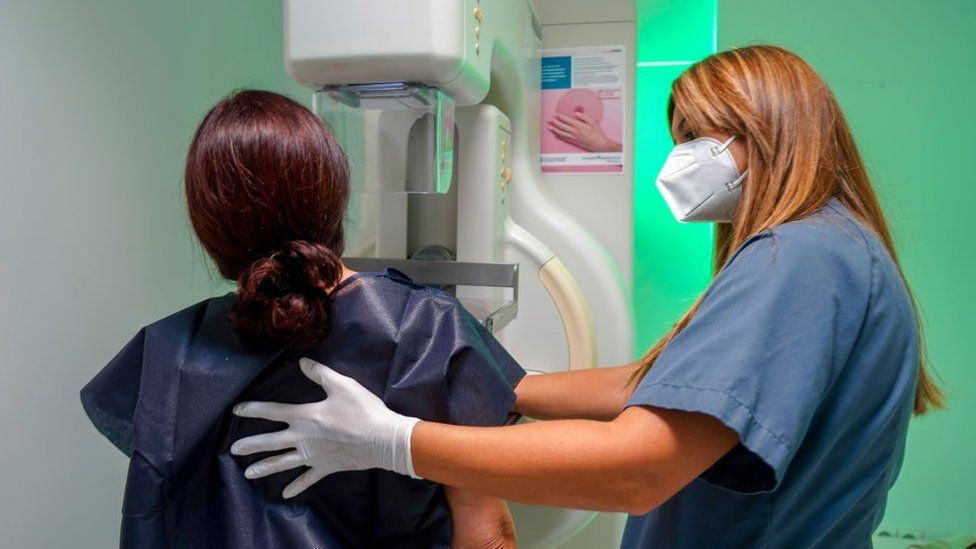

US health panel releases new breast cancer screening guidelines

Published9 MayShareclose panelShare pageCopy linkAbout sharingImage source, Getty ImagesBy Chelsea BaileyBBC News, WashingtonA body of US medical experts is recommending women begin preventative breast cancer screening a decade earlier than under current guidelines.They recommend preventative mammograms starting at age 40 with regular screenings every other year.The draft guidelines from the US Preventive Services Task Force (USPS) are now under review.Previous guidelines suggested most women start screening at age 50. The task force – made up of doctors and disease experts who look at research on the best way to prevent diseases – said that, if adopted, the new recommendations could save the lives of an additional 19% of American women. Breast cancer is the second most common cancer among US women, according to the Centers for Disease Control and Prevention, and nearly 13% of American women will be diagnosed with breast cancer at some point in their lifetimes.The new screening guidelines are especially crucial for black women, who are “40% more likely to die from breast cancer than white women”, the task force said on Tuesday. “Ensuring Black women start screening at age 40 is an important first step, yet it is not enough to improve the health inequities we face related to breast cancer,” Vice Chair Dr Wanda Nicholson said in a statement.The new draft guidelines would apply to women who have an average risk for breast cancer, or a family history of the disease. It also includes women with other risk factors like dense breast tissue, a condition that can both increase the risk of cancer and make it harder to detect using mammograms. The guidelines would not, however, apply to women who have a genetic risk of breast cancer, such as the BRCA1 genetic mutation. This video can not be playedTo play this video you need to enable JavaScript in your browser.If adopted, the new recommendations set the US apart from countries like the UK and Canada, which recommend screenings begin at 50. The UK’s National Health Service (NHS) considers cancer risk for women under 50 to be “generally very low”, according to Cancer Research UK, and women are invited to screen every three years. In Canada, screenings are not recommended for women aged 40-49. Instead, mammograms are recommended for women aged 50-69 “every two to three years”.Breast cancer incidence in the United States has risen over the last four decades, according to a study published last October in the American Cancer Society Journal. But death rates have fallen since their peak in 1989 thanks to advances in screening and treatment, the study found. Women diagnosed with breast cancer in the US have a 90% survival rate, according to the National Cancer Institute. But those survival rates shift dramatically if you are a minority in the US. Aggressive breast cancer hits black women harderA recent study found that, compared to white women, minority women are more likely to be diagnosed with advanced-stage breast cancer.The American College of Radiology has called for “earlier and more intensive” screening for high-risk women and called for women to have a breast cancer “risk assessment” by age 25 to determine if early preventative screening is needed. “Our worry is that if now the USPS task force says (to screen at) 40 and every two years, we have concerns that’s going to lead to even more disparities between whites and blacks in breast cancer diagnosis,” said chair of the American College of Radiology Breast Imaging Commission, Dr Stamatia Destounis. Black women in the US are 42% more likely to die of their breast cancer “despite pretty much equal incidence rates between whites and blacks” and are also much more likely to be diagnosed with later stage cancer, she said. The US Preventative Services Task Force guidelines will now enter a period of public comment that will remain open until 5 June.More on this storyAggressive breast cancer hits black women harderPublished26 October 2022The breast cancer surgeon who got breast cancerPublished20 April 2019Contraceptive mini pill breast cancer risk revealedPublished21 March

Read more →

Baby born from three people's DNA in UK first

Published1 day agoShareclose panelShare pageCopy linkAbout sharingImage source, Getty ImagesBy James GallagherHealth and science correspondentA baby has been born using three people’s DNA for the first time in the UK, the fertility regulator has confirmed.Most of their DNA comes from their two parents and around 0.1% from a third, donor woman. The pioneering technique is an attempt to prevent children being born with devastating mitochondrial diseases.Fewer than five such babies have been born, but no further details have been released. Mitochondrial diseases are incurable and can be fatal within days or even hours of birth. Some families have lost multiple children and this technique is seen as the only option for them to have a healthy child of their own. Mitochondria are the tiny compartments inside nearly every cell of the body that convert food into useable energy.Defective mitochondria fail to fuel the body and lead to brain damage, muscle wasting, heart failure and blindness. UK’s first ‘three-person babies’ approvedThey are passed down only by the mother. So mitochondrial donation treatment is a modified form of IVF that uses mitochondria from a healthy donor egg. There are two techniques for performing mitochondrial donation. One takes places after the mother’s egg has been fertilised by the father’s sperm and the other takes place before fertilisation.However, mitochondria have their own genetic information or DNA which means that technically the resulting children inherit DNA from their parents and a smidge from the donor as well. This is a permanent change that would be passed down through the generations.This donor DNA is only relevant for making effective mitochondria, does not affect other traits such as appearance and does not constitute a “third parent”. The technique was pioneered in Newcastle and laws were introduced to allow the creation of such babies in the UK in 2015. However, the UK did not immediately press ahead. The first baby born via this technique was to a Jordanian family having treatment in the US in 2016. The Human Fertilisation and Embryology Authority (the HFEA) is saying “less than five” babies have been born as of 20 April 2023. It is not giving precise numbers to prevent the families being identified. These limited details have emerged after a Freedom of Information request by the Guardian newspaper. “News that a small number of babies with donated mitochondria have now been born in the UK is the next step, in what will probably remain a slow and cautious process of assessing and refining mitochondrial donation,” said Sarah Norcross, the director of the Progress Educational Trust.There has been no word from the teams in Newcastle so it is still uncertain whether the technique was successful. Prof Robin Lovell-Badge, from the Francis Crick Research Institute, said: “It will be interesting to know how well the mitochondrial replacement therapy technique worked at a practical level, whether the babies are free of mitochondrial disease, and whether there is any risk of them developing problems later in life.”There is technically a risk of “reversion” where any defective mitochondria that are carried over could gain in number and still result in disease. It had once been estimated that up to 150 such babies could eventually be born each year in the UK. More on this storyPatients ‘back three-person babies’Published1 February 2015UK’s first ‘three-person babies’ approvedPublished2 February 2018The girl with three biological parentsPublished1 September 2014

Read more →

Researchers discovered that various species share a similar mechanism of molecular response to nanoparticles

Researchers at FHAIVE FHAIVE (Finnish Hub for Development and Validation of Integrated Approaches), Tampere University, have discovered a new response mechanism specific to exposure to nanoparticles that is common to multiple species. By analysing a large collection of datasets concerning the molecular response to nanomaterials, Doctoral Researcher Giusy del Giudice has revealed an ancestral epigenetic mechanism of defence that explains how different species, from humans to simpler creatures, adapt over time to this type of exposure.
The results of the research coordinated by Professor Dario Greco of the Faculty of Medicine and Health Technologies are presented in the scientific article An Ancestral Molecular Response to Nanomaterial Particulates, recently published in the journal Nature Nanotechnology.
“We have demonstrated for the first time that there is a specific response to nanoparticles, and it is interlinked to their nano-properties. This study sheds light on how various species respond to particulate matters in a similar manner. It proposes a solution to the one-chemical-one-signature problem, currently limiting the use of toxicogenomic in chemical safety assessment,” Director of the FHAIVE,Professor of Bioinformatics at Tampere University Dario Greco says.
Linking nanoparticles and immunity
The implications of this study go beyond the field of toxicology. The COVID-19 pandemic highlighted the importance of immune activation in predicting the clinical outcome of a viral infection. In more polluted areas, COVID-19 had a more severe impact on the human population.
“Our results uncover an important link between understanding the basic defence mechanisms in living organisms and their immune functions,” Greco points out.

“When it comes to drugs or viruses, we have understood that any exposure or infection leaves a trace on our immune system, and that this trace will affect the way we respond to future agents. Now, we have evidence that even particulate matter primes our immunity,” says Giusy del Giudice, the first author of the scientific publication.
The detrimental effects of air pollution on respiratory functions have been long known, but only recently scientists from The Francis Crick Institute proved it to be among the driving causes of lung cancer in non-smokers. In both cases, COVID-19 and lung cancer, the impact of particulate on the immune system contributed to these effects.
“The association between particulate matter and immune activation is of utmost importance and may lead to crucial epidemiological implications,” del Giudice says.
A step closer to planetary health
Another important lesson learned from the COVID-19 pandemic concerns the concept of planetary health: all living organisms on the Earth are interconnected, and the effects on one specie will eventually propagate to others. In this regard, the results of this study open also new avenues to formulate integrated models that predict the effects of chemical exposures on many species at a time.

“Our results move in this direction by describing fundamental defence mechanisms common to many species throughout the tree of life,” del Giudice says.
Nanotechnology plays an important part in many fields, from biomedicine to energy and climate. Engineered nanomaterials are chemical substances or materials with particle sizes just between 1 to 100 nanometres, one third of a human hair.
Currently, thousands of consumer products contain nanomaterials, which requires testing their possible health and environmental effects. Because traditional toxicology relies on animal or in vitro tests to monitor phenotypic changes in response to exposures, it cannot keep in pace with this technological development.
“We cannot test every new nanomaterial on every possible species on Earth. We need innovative ways to reliably assess possible dangerous products as quickly as possible. Scientific evidence such as the one generated in this study can help to develop new models that do not require large amounts of animal experiments,” Grego says.
This research was carried out within the EU project NanoSolveIT that establishes computational models to test environmental health and safety of engineered nanomaterials. The study was led by FHAIVE, and it involved researchers from universities across Europe, as well as in the United States, Australia, South Africa, Japan and South Korea. Moreover, FHAIVE also develops alternatives to animal testing at a national level.

Read more →

Basic 'toolkit' for organ development is illuminated by sea star

One of the most basic and crucial embryonic processes to unfold in virtually every living organism is the formation of hollow, tubular structures of various kinds. These tubes may form blood vessels or a digestive tract, and through branching and differentiation, complex organs including the heart, kidneys, and mammary glands. Abnormalities in these processes can cause congenital disorders such as dysfunctional, displaced, or non-symmetrical organs, as well as regeneration defects in blood vessels or in other regenerative organs.
Despite its fundamental importance, the general mechanisms of hollow tube formation during embryogenesis are not well understood, due to the great diversity of strategies that animals use to form tubular structures.
Enter the sea star, an ancient marine creature whose process of tubulogenesis is relatively easy to study, and which is becoming an important organism for understanding the genetics and mechanics of tube formation. In the May 9 issue of Nature Communications, Margherita Perillo of the Marine Biological Laboratory (MBL) and collaborators reveal in detail the initiation and early stages of tube formation in the sea star Patiria miniata.
“Most of our organs are tubular, because they need to transport fluids or gases or food or blood. And more complex organs like the heart start as a tube and then develop different structures. So, tubulogenesis is a very basic step to form all our organs,” Perillo said.
Perillo chose the sea star as a research organism “because I wanted to understand the basic mechanism of tube formation that is conserved across all vertebrates. So I needed an animal that was at the base along the tree of life, [evolving] before the chordates,” she said.
Using CRISPR and other techniques to analyze gene function, as well as long time-lapse movies of the developing sea star larvae, Perillo and colleagues ascertained how this organism generates tubes that branch out from its gut. Her study defines a basic toolkit from which the chordate tubular organs may have developed. (Chordates include the vertebrates — fish, amphibians, reptiles, birds and mammals — and a few invertebrate subphyla).
One open question in biology was exactly how organisms develop from one cell into the complex 3D tubular structures of various organs, Perillo said. In some organisms such as flies, “there is a big round of cell proliferation before all the cells start to make very complex migration patterns to elongate, change their shapes, and become a tube,” she said. In other animals, including mammals, cell proliferation and migration occur together. In the case of the sea star, “I found that, in order for tube formation, cells can proliferate and migrate at the same time,” as they do in vertebrate development. “So, this means that this mechanism of making organs was already established at the base” or root of the evolution of chordates, she said.
In addition to providing insights into the fundamental process that leads to organ formation, sea stars can serve as a model for much biomedical research, Perillo suggests. For example, she found that a gene called Six1/2 serves as a key regulator of the branching process in tube formation. In mice, knocking out Six1/2 causes kidneys to form abnormally. But researchers have found that mice lacking this gene also resist tumor formation, even when injected with tumor cells. The gene, which is overexpressed in cancer cells, could lead to new ways of studying disease progression, including cancer.
“I can now use this gene to understand not only how our organs develop, but what happens to organs when we have a disease, especially cancer,” she says. “My hope is that, in five to 10 years maximum, we will be able to use this gene to test how organs develop cancer and how cancer becomes metastatic.”
Sea star embryos have many practical experimental advantages, Perillo said. They are mostly transparent, so internal growth processes can be directly observed over long developmental periods without harming the organism. They are also easy to collect and breed in large numbers year-round, “so I always have a lot of material to work with.”

Read more →

Crab populations are crashing. Could losing their sense of smell be one of the important reasons why?

A new U of T Scarborough study finds that climate change is causing a commercially significant marine crab to lose its sense of smell, which could partially explain why their populations are thinning.
The research was done on Dungeness crabs and found that ocean acidification causes them to physically sniff less, impacts their ability to detect food odours and even decreases activity in the sensory nerves responsible for smell.
“This is the first study to look at the physiological effects of ocean acidification on the sense of smell in crabs,” says Cosima Porteus, an assistant professor in the department of biological sciences at U of T Scarborough and co-author of the study along with postdoc Andrea Durant.
Ocean acidification is the result of the Earth’s oceans becoming more acidic due to absorbing increasing amounts of carbon dioxide in the atmosphere. It’s a direct consequence of burning fossil fuels and carbon pollution, and several studies have shown it’s having an impact on the behaviour of marine wildlife.
Dungeness crabs are an economically important species found along the Pacific coast, stretching from California to Alaska. They are one of the most popular crabs to eat and their fishery was valued at more than $250 million in 2019.
Like most crabs, they have poor vision, so their sense of smell is crucial in finding food, mates, suitable habitats and avoiding predators, explains Porteus. They sniff through a process known as flicking, where they flick their antennules (small antenna) through the water to detect odours. Tiny neurons responsible for smell are located inside these antennules, which send electrical signals to the brain.

The researchers discovered two things when the crabs were exposed to ocean acidification: they were flicking less and their sensory neurons were 50 per cent less responsive to odours.
“Crabs increase their flicking rate when they detect an odour they are interested in, but in crabs that were exposed to ocean acidification, the odour had to be 10 times more concentrated before we saw an increase in flicking,” says Porteus.
There are a few potential reasons why ocean acidification seems to be impacting sense of smell in crabs. Porteus points to other research done at the University of Hull that showed ocean acidification disrupts odour molecules, which can impact how they bind to smell receptors in marine animals such as crabs.
For this study, published in the journal Global Change Biology, Porteus and Durant were able to test the electrical activity in the crabs’ sensory neurons to determine they were less responsive to odours. They also discovered that they had fewer receptors and their sensory neurons were physically shrinking by as much as 25 per cent in volume.
“These are active cells and if they aren’t detecting odours as much, they might be shrinking to conserve energy. It’s like a muscle that will shrink if you don’t use it,” she says.
Porteus says reduced food detection could have implications for other economically important species such as Alaskan king and snow crabs because their sense of smell functions the same way.
“Losing their sense of smell seems to be climate related, so this might partially explain some of the decline in their numbers,” says Porteus.
“If crabs are having trouble finding food, it stands to reason females won’t have as much energy to produce eggs.”
This research was supported by the Natural Sciences and Engineering Research Council of Canada. Some of the analysis was performed at U of T’s Centre for the Neurobiology of Stress.

Read more →

Best treatment for excessive daytime sleepiness

McMaster University researchers Dena Zeraatkar and Tyler Pitre have found that the drug solriamfetol is the most effective treatment for excessive daytime sleepiness (EDS) for people with obstructive sleep apnea (OSA).
The standard treatment for OSA is a positive airway pressure (PAP) mask that uses compressed air to support lung airways during sleep. However, some people with OSA still experience EDS and may benefit from anti-fatigue medication.
Zeraatkar and Pitre published their results in the Annals of Internal Medicine.
“The most important thing that people with OSA should do is use their PAP machine, but if they are still sleepy there are options in the form of medications that can reduce their tiredness,” said first author Tyler Pitre, a resident physician in internal medicine at McMaster University and incoming respirology fellow at the University of Toronto.
“Fifteen to 30 per cent of people in North America have a diagnosis of OSA and the prevalence could be much higher as many others are undiagnosed. Many people have symptoms as the condition is highly associated with obesity, which affects a large and increasing number of people in Canada, the United States and other high-income countries,” he said.
“Among those patients, many will have EDS, which affects their quality of life, making them less productive and also puts them at risk of other psychological issues. Improving this situation is of paramount importance to physicians.”
Pitre said that OSA affects nearly one billion people globally, leaving many of them at risk of EDS.
Zeraatkar and Pitre made their findings by conducting a systematic review of 14 clinical trials of anti-fatigue medications involving 3,085 people, as well as analysing data from MEDLINE, CENTRAL, EMBASE and ClinicalTrials.gov in a specific network meta-analysis. They conducted their research from October 2022 to January 2023.
Senior author Zeraatkar said that while solriamfetol is likely the best medication for EDS, the drugs armodafinil-modafinil and pitolisant are also effective in combatting fatigue.
Solriamfetol can also raise blood pressure, especially risky for people with OSA, as many of them also have cardiovascular issues.
“It would be interesting to see how effective these anti-fatigue medications will be for treating related illnesses such as chronic fatigue syndrome and long COVID, now that we know they work for a similar condition,” said Zeraatkar, an assistant professor of the Department of Anesthesia.

Read more →

Tuberculosis disease intensifies HIV antibody response in people with HIV

New research from Boston Medical Center found that people living with HIV that have had pulmonary tuberculosis had broader and more potent HIV antibody responses and differences in HIV sequences predicted to be antibody resistant as compared to those without suspected or documented tuberculosis. Published in iScience, the study suggests that concomitant tuberculosis disease has a significant impact on HIV immune responses and the viruses circulating in people living with HIV.
Tuberculosis infects more than 2 billion people in the world, and although tuberculosis is the most common co-infection in people living with HIV, previous studies have not examined how tuberculosis impacts HIV immune responses and virus characteristics.
This study suggest that tuberculosis may impact the efficacy of antibody based prevention and therapeutic strategies. Vaccines to elicit antibodies and antibodies are also being investigated as a means to treat and cure HIV. Higher prevalence of antibody resistant strains along with tuberculosis disease implies that these antibody-based interventions are more likely to in fail in these individuals.
“Tuberculosis is extremely common, especially in regions of the world with high levels of ongoing HIV transmission, and impacts both the immune responses and the characteristics of the circulating virus in people living with HIV so it is imperative we understand the relationship between the two,” said Manish Sagar, MD, an internist at Boston Medical Center and Professor of Medicine at Boston University Chobanian & Avedisian School of Medicine. “These studies have implications for HIV vaccines and antibody based HIV therapeutics.”
Researchers worked closely with investigators in Uganda and at the AIDS Clinical Trial Group (ACTG) to collect samples from people newly diagnosed with HIV that either did or did not have tuberculosis. From these individuals, they examined samples collected prior to and about 6 months after the start of HIV medications. Researchers compared antibodies, plasma inflammatory markers, and HIV sequences in the baseline and in treatment samples.
Tuberculosis disease is associated with higher prevalence of the some antibody resistant HIV. High ongoing HIV transmission in areas of the world with frequent tuberculosis disease suggest that a potential vaccine that elicits broad and potent antibodies may not work because these geographic regions are more likely to have antibody resistant strains.
Researchers highlight that this study has implications for HIV vaccine strategies as they aim to generate antibodies that can block the virus after exposure. Generating broad and potent HIV antibodies has not been accomplished and remains a monumental challenge. But Tuberculosis disease generates broadly potent antibody responses and dissecting biological pathways that provide insight into how tuberculosis enhances HIV antibody responses could be leveraged to develop novel strategies for eliciting broad and potent HIV antibodies.

Read more →

Potential found to counter depression by restoring key brain rhythm

Led by researchers from NYU Grossman School of Medicine and University of Szeged in Hungary, a new study in mice and rats found that restoring certain signals in a brain region that processes smells countered depression.
Publishing in the journal Neuron online May 9, the study results revolve around nerve cells (neurons), which “fire” — or emit electrical signals — to transmit information. Researchers in recent years discovered that effective communication between brain regions requires groups of neurons to synchronize their activity patterns in repetitive periods (oscillations) of joint silence followed by joint activity. One such rhythm, called “gamma,” repeats about 30 times or more in a second, and is an important timing pattern for the encoding of complex information, potentially including emotions.
Although its causes remain poorly understood, depression is reflected in gamma oscillation changes, according to past studies, as an electrophysiological marker of the disease in brain regions that manage the sense of smell, which have also been tied to emotions. These regions include the olfactory bulb adjacent to the nasal cavity, which is thought to be a source and “conductor” of brain-wide gamma oscillations.
To test this theory, the current study authors shut down the function of the bulb using genetic and cell signaling techniques, observed a related increase of depression-like behaviors in study rodents, and then reversed these behaviors using a device that boosted gamma signals of the brain at their natural pace.
“Our experiments revealed a mechanistic link between deficient gamma activity and behavioral decline in mice and rat models of depression, with the signal changes in the olfactory and connected limbic systems similar to those seen in depressed patients,” says corresponding study author Antal Berényi, MD, PhD, adjunct assistant professor in the Department of Neuroscience and Physiology at NYU Langone Health. “This work demonstrates the power of gamma-enhancement as a potential approach for countering depression and anxiety in cases where available medications are not effective.”
Major depressive disorder is a common, severe psychiatric illness often resistant to drug therapy, the researchers say. The prevalence of the condition has dramatically increased since the start of the pandemic, with more than 53 million new cases estimated.

Gamma Waves Linked to Emotions
Disease-causing changes in the timing and strength of gamma signals, potentially caused by infections, trauma, or drugs, from the olfactory bulb to other brain regions of the limbic system, such as the piriform cortex and hippocampus, may alter emotions. However, the research team is not sure why. In one theory, depression arises, not within the olfactory bulb, but in changes to its outgoing gamma patterns to other brain targets.
Removal of the bulb represents an older animal model for the study of major depression, but the process causes structural damage that may cloud researchers’ view of disease mechanisms. Thus, the current research team designed a reversible method to avert damage, starting with a single, engineered strand of DNA encapsulated in a harmless virus, which when injected into neurons in the olfactory bulbs of rodents caused the cells to build certain protein receptors on their surfaces.
This let the researchers inject the rodents with a drug, which spread system-wide, but only shut down the neurons in the bulb that had been engineered to have the designed drug-sensitive receptors. This way the investigators could selectively and reversibly switch off the communication between the bulb partner brain regions. These tests revealed that chronic suppression of olfactory bulb signals, including gamma, not only induced depressive behaviors during the intervention, but fordays afterward.
To show the effect of the loss of gamma oscillation in the olfactory bulb, the team used several standard rodent tests of depression, including measures of the anxiety that is one of its main symptoms. The field recognizes that animal models of human psychiatric conditions will be limited, and so uses a battery of tests to measure depressed behaviors that have proven useful over time.
Specifically, the tests looked at how long animals would spend in an open space (a measure of anxiety), whether they stopped swimming earlier when submerged (measures despair), whether they stopped drinking sugar water (took less pleasure in things), and whether they refused to enter a maze (avoided stressful situations).
The researchers next used a custom-made device that recorded the natural gamma oscillations from the olfactory bulb, and sent those paced signals back into the rodents’ brains as closed-loop electrical stimulation. The device was able to suppress gamma in healthy animals or amplify it. Suppression of gamma oscillations in the olfactory lobe induced behaviors resembling depression in humans. In addition, feeding an amplified olfactory bulb signal back into the brains of depressed rats restored normal gamma function in the limbic system, and reduced the depressive behaviors by 40 percent (almost to normal).
“No one yet knows how the firing patterns of gamma waves are converted into emotions,” says senior study author György Buzsáki, MD, PhD, the Biggs Professor in the Department of Neuroscience and Physiology at NYU Langone Health and a faculty member in its Neuroscience Institute. “Moving forward, we will be working to better understand this link in the bulb, and in the regions it connects to, as behavior changes.”
Along with Berényi and Buzsáki, the study was led by Orrin Devinsky, MD, professor in the in Department of Neurology at NYU Langone, and director of its Comprehensive Epilepsy Center. Berényi is also principal investigator of the Momentum Oscillatory Neuronal Networks Research Group, Department of Physiology at the University of Szeged in Hungary, along with first study authors Qun Li and Yuichi Takeuchi, and authors Jiale Wang, Levente Gellért, Livia Barcsai, Lizeth Pedraza, Anett Nagy, Gábor Kozák, Gyöngyi Horváth, Gabriella Kékesi and Magor L?rincz. Study authors Shinya Nakai and Masahiro Ohsawa are with the Department of Neuro-pharmacology, Graduate School of Pharmaceutical Sciences, at Nagoya City University in Japan. Takeuchi is also faculty in the Department of Physiology, Osaka City University Graduate School of Medicine and Faculty of Pharmaceutical Sciences, Hokkaido University in Japan. Also study authors were Shigeki Kato and Kazuto Kobayashi Department of Molecular Genetics, Institute of Biomedical Sciences at Fukushima Medical University School of Medicine in Japan.

Read more →

Extracting the best flavor from coffee

Espresso coffee is brewed by first grinding roasted coffee beans into grains. Hot water then forces its way through a bed of coffee grains at high pressure, and the soluble content of the coffee grains dissolves into the water (extraction) to produce espresso.
In 2020, researchers found that more finely ground coffee beans brew a weaker espresso. This counterintuitive experimental result makes sense if, for some reason, regions exist within the coffee bed where less or even no coffee is extracted. This uneven extraction becomes more pronounced when coffee is ground more finely.
In Physics of Fluids, from AIP Publishing, University of Huddersfield researchers explored the role of uneven coffee extraction using a simple mathematical model. They split the coffee into two regions to examine whether uneven flow does in fact make weaker espresso.
One of the regions in the model system hosted more tightly packed coffee than the other, which caused an initial disparity in flow resistance because water flows more quickly through more tightly packed grains. The extraction of coffee decreased the flow resistance further, as coffee grains lose about 20% to 25% of their mass during the process.
“Our model shows that flow and extraction widened the initial disparity in flow between the two regions due to a positive feedback loop, in which more flow leads to more extraction, which in turn reduces resistance and leads to more flow,” said co-author William Lee. “This effect appears to always be active, and it isn’t until one of the regions has all of its soluble coffee extracted that we see the experimentally observed decrease in extraction with decreasing grind size.”
The researchers were surprised to find the model always predicts uneven flow across different parts of the coffee bed.
“This is important because the taste of the coffee depends on the level of extraction,” said Lee. “Too little extraction and the taste of the coffee is what experts call ‘underdeveloped,’ or as I describe it: smoky water. Too much extraction and the coffee tastes very bitter. These results suggest that even if it looks like the overall extraction is at the right level, it might be due to a mixture of underdeveloped and bitter coffee.”
Understanding the origin of uneven extraction and avoiding or preventing it could enable better brews and substantial financial savings by using coffee more efficiently.
“Our next step is to make the model more realistic to see if we can obtain more detailed insights into this confusing phenomenon,” said Lee. “Once this is achieved, we can start to think about whether it is possible to make changes to the way espresso coffee is brewed to reduce the amount of uneven extraction.”

Read more →