W.H.O. Ends Mpox Global Emergency

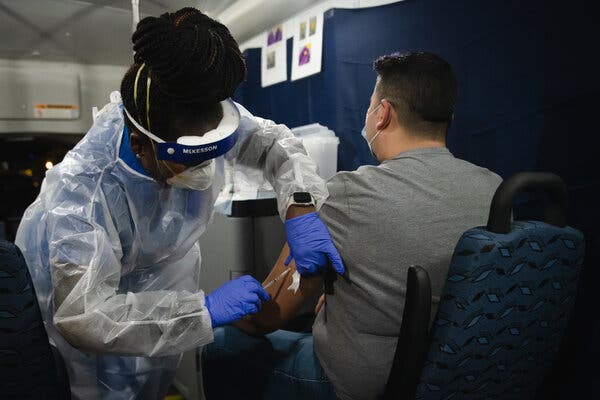
The NewsThe World Health Organization announced on Thursday that mpox — previously known as monkeypox — no longer constituted a public health emergency, almost exactly a year after the virus emerged as a threat.In lifting the emergency designation, the W.H.O. cited a recent sustained decline in reported cases. The number of cases over the past three months fell by 90 percent, compared with the previous three months.The outbreak primarily affected men who have sex with men, which came as a surprise to experts who had studied the disease in African countries, where pregnant women and young children were most at risk.A mobile mpox vaccination facility in Manhattan last fall.Kholood Eid for The New York TimesWhy It Matters: The sharp decline is a victory.The W.H.O.’s declaration is an acknowledgment that the world successfully managed an international outbreak even while still reeling from the Covid-19 pandemic.The initial response to the outbreak sputtered, much as it did when Covid began to spread. But most countries were able to quell their epidemics with a combination of vaccination and behavioral changes among affected communities.Mpox was the W.H.O.’s second global emergency in two years, and the seventh since 2007. The organization lifted the designation for Covid last week, a momentous if largely symbolic milestone.Background: Mpox caught the world by surprise.In July 2022, Dr. Tedros Adhanom Ghebreyesus, the W.H.O.’s director general, overruled a panel of advisers who could not come to a consensus, and declared mpox a global emergency. By then, the outbreak had swelled to more than 16,000 cases and five deaths in 75 countries.The global toll now stands at more than 87,000 cases and 140 deaths in 111 countries.Worldwide, about 84 percent of those infected were men who have sex with men; about half also had H.I.V. Mpox was particularly dangerous for people with H.I.V., who frequently became severely ill. About 15 percent of those with advanced H.I.V. who became seriously ill with mpox died.What’s Next: The virus is not gone.Health experts worry the virus may yet resurge this summer, particularly after Pride events scheduled worldwide over the next few weeks. Last year’s outbreak followed large gatherings in Spain and Belgium.Some countries, particularly in the Western Pacific region, have seen an uptick in cases since April 25, and Mexico reported 12 new deaths. In the United States, Chicago officials are investigating eight new cases, its highest number since November.“It remains important for countries to maintain their capacities and continue their efforts, assess their risk, quantify their needs to respond and act promptly when needed,” Dr. Tedros said at a meeting of the W.H.O.’s emergency committee on Wednesday.

Read more →

Monkeypox: WHO declares global emergency over

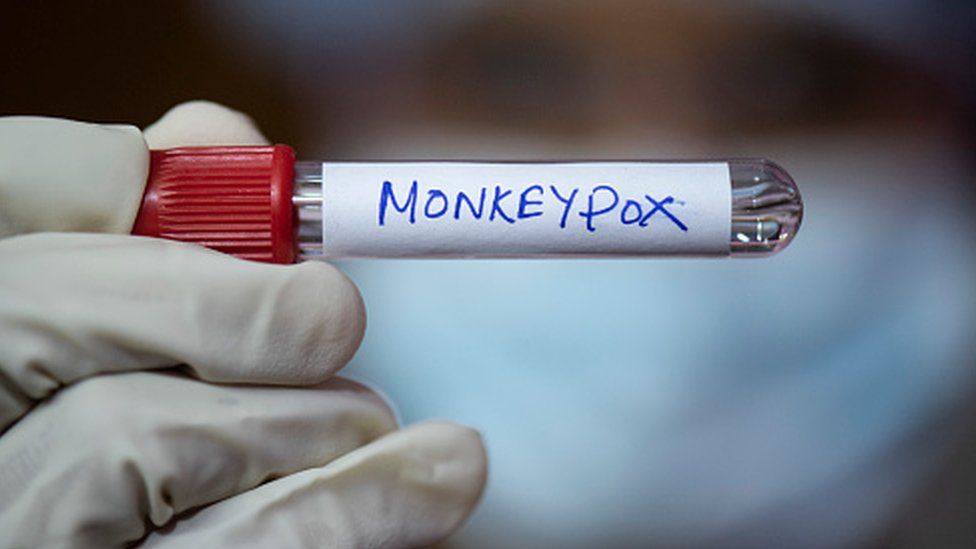
Published17 minutes agoShareclose panelShare pageCopy linkAbout sharingImage source, Getty ImagesBy Michelle RobertsDigital health editorMonkeypox is no longer a global public health emergency, the World Health Organization (WHO) has said, almost a year after the threat was raised. The virus is still around and further waves and outbreaks could continue, but the highest level of alert is over, the WHO added.The global health body’s chief Tedros Adhanom Ghebreyesus called on countries to “remain vigilant”.It can be passed on by close contact with someone who is infected. What is monkeypox?Its official name is Mpox and it is caused by the monkeypox virus, a member of the same family of viruses as smallpox, although it is much less severe. Initial symptoms include fever, headaches, swellings, back pain, aching muscles.Once the fever breaks a rash can develop, often beginning on the face, then spreading to other parts of the body, most commonly the palms of the hands and soles of the feet.Anyone with the virus should abstain from sex while they have symptoms, to help prevent passing it on to others.Vaccines can protect people too. More than 87,000 cases and 140 deaths have been reported from 111 countries during the global outbreak, according to a WHO count.But almost 90% fewer cases were recorded over the last three months compared with the previous three-month period, meaning the highest level of alert is no longer required, Tedros said.In the UK, only 10 cases have been reported since the beginning of the year. The announcement comes just a week after the UN agency also declared the Covid emergency over. Declaring a public health emergency of international concern (PHEIC) signals that countries need to work together to manage a shared threat, such as a disease outbreak. There is now just one WHO-declared PHEIC – for poliovirus, which was declared in May 2014. Dr Katy Sinka, head of sexually transmitted infections at the UK Health Security Agency, said: “If you’re eligible and still need to take up the vaccine, please come forward ahead of the summer months to ensure you have maximum protection. “First doses of the vaccine will end on 16 June and both doses will cease at the end of July.”More on this storyWhat is monkeypox and how do you catch it?Published5 August 2022Related Internet LinksMpox (monkeypox)The BBC is not responsible for the content of external sites.

Read more →

NHS misses targets in England to tackle care backlogs

Published8 minutes agoShareclose panelShare pageCopy linkAbout sharingImage source, Getty ImagesBy Nick TriggleHealth correspondentHospitals in England have failed to hit key targets to tackle the backlogs in cancer care and routine treatment.Waiting times show too many patients were still facing long waits at the end of March.The targets were to eliminate 18-month waits for planned care, such as knee and hip replacements, and to bring 62-day cancer waits to pre-pandemic levels.NHS England said huge progress had been made, particularly on routine care.The numbers waiting over 18 months for treatment peaked in September 2021 at nearly 125,000.By the end of March, just over 10,700 were waiting that long – but NHS England said around 4,000 of them were complex cases or patients who had been offered treatment but had chosen to wait.Half of the long waiters were concentrated in 10 NHS trusts.Overall, there are now more than 7 million people on a hospital waiting list, which is nearly 3 million higher than it was before the pandemic started, although in recent months the number has stopped rising.Ministers have warned it could be next spring before the number starts falling.’The wait was enormously stressful’Image source, OtherLast spring a tumour was found on Phil Martlew’s kidney.Doctors said there was an 80% chance it was cancerous.Within two months he had a pre-op assessment, but delays meant it was seven months before the tumour was eventually removed in January 2023.The 68-year-old from Merseyside said the treatment, when he received it, was “exemplary”.But he said the wait placed a huge mental strain on him.”The wait was enormously stressful and the thought that the tumour may be cancerous is on your mind every day. “It’s like the film Alien. I kept thinking that this thing’s inside of me and I just wanted it out. “All the medical staff who dealt with my care have been fabulous. “I’m annoyed about the admin and management of it.” The NHS had already acknowledged it was going to miss the cancer target.It was set a goal of bringing the number of people waiting more than 62 days for treatment back to pre-pandemic levels of 14,200.By the end of March more than 19,200 were waiting that long – although that is also well down from the peak in September 2022 of nearly 34,000.NHS England chief executive Amanda Pritchard said “great strides” were being made in the face of “incredible pressure”.As well as the demands placed on hospitals by flu and Covid this winter, the NHS has also had to contend with managing the impact of strikes by nurses, junior doctors, physios and ambulance workers which have caused the postponement of more than 500,000 appointments and operations.”There is still much work to be done, but these are remarkable achievements given all the NHS has had to contend with,” added Ms Pritchard.Prime Minister Rishi Sunak said: “I promised I would cut NHS waiting lists and we are delivering. “Reducing 18-month waits by over 90% is huge progress, and it is testament to the hard work of NHS staff who have achieved this despite one of the busiest winters on record.”At the end of last year the National Audit Office warned the plan to tackle the backlog in treatment was at serious risk.A lack of staff and hospital beds was affecting productivity, it warned.It has meant the NHS is still doing fewer planned treatments, such as knee and hip replacements, than before the pandemic. Tim Mitchell, from the Royal College of Surgeons of England, said it was “disappointing” the targets had not been met. He said NHS staff were “doing the very best they could”, but were being hampered by the “chronic staff vacancies that impede the day-to-day running of the NHS”.He urged ministers to published the much-delayed NHS workforce plan which will set out how staffing shortages will be tackled.The plan is expected in the coming weeks.More on this storyBacklog of longest-wait patients slashed in EnglandPublished9 August 2022’I’ve been let down – I shouldn’t have stage-4 cancer’Published10 August 2022NHS waits force patients to pay for private opsPublished22 July 2022

Read more →

Families of Those Lost to Covid Wrestle With Mixed Emotions as Emergency Ends

More than 1.1 million Americans have died of Covid. An official end to the health emergency has landed in complicated ways for those affected most acutely.Shannon Cummings, 53, has tried to push forward after her husband, Larry, a college professor, died of Covid-19 in March 2020.She flew from her home in Michigan to Southern California to attend a Harry Styles concert with family members and friends. Twice a week, she meets with her group therapy classes. She started going out to lunch in public again, a step that took her years.“We lost over a million people in the pandemic,” she said. “It doesn’t honor any of them to not live my life.”Yet she is still grappling with the milestone the nation will mark on Thursday: something of an official end of the pandemic, as the Biden administration will allow the three-year-old coronavirus public health emergency — and a separate declaration of a national emergency — to expire.“I feel like some people never really embraced that there was an emergency going on,” Ms. Cummings said. “It’s really hurtful to those of us who have actually experienced a loss from this.”Shannon Cummings at her home in Petoskey, Mich., in 2021.Lyndon French for The New York TimesThe end of the coronavirus public health emergency in the United States comes at a point when vaccines are effective and widely available, testing is easily accessible and treatments have vastly improved since the beginning of the pandemic.More than 1.1 million Americans have died of Covid, and the rate of death has markedly slowed in recent months. In 2020 and 2021, it was the third most common cause of death; by this point in 2023, preliminary data show, it has dropped to seventh.But the move by the Biden administration that takes effect on Thursday has landed with mixed emotions for many Americans who have lost family members and friends to the pandemic.For some people, it has brought worries that the pandemic is being politicized once again.“What’s triggering is when people say, ‘Now we know we didn’t have to shut things down or wear masks,’” said Kori Lusignan, a resident of Florida whose father, Roger Andreoli, died of Covid in 2020. “I got an intimate, up-close look at the suffering. And it led me to believe that we didn’t make hasty or inconsequential decisions. Those were choices we had to make, and there were good reasons for them.”For others, it is a welcome acknowledgment from Mr. Biden that the country is in a different place from where it was before.The surgical intensive care unit at the Brooklyn Hospital Center, which was inundated with Covid-19 patients during the pandemic.Victor J. Blue for The New York Times“I don’t think it’s premature, and I don’t have any hard feelings that he’s going to do this,” said Vincent Tunstall, who lives in Chicago and lost his brother, Marvin, to the virus in November 2020.Mr. Tunstall said that he was still being more cautious about Covid than many people, wearing a mask when he is in an indoor public space and on his daily commute on the train. Any mention of Covid reminds him of his brother, a lingering pain known only to those who have lost people in the pandemic.“Unfortunately, when I think about Covid and the pandemic, thoughts of him are intertwined with both of those,” he said.Pamela Addison, a Covid widow, mother of two and advocate for survivors, said the administration’s decision to allow the emergency to expire was a reminder that the federal government could do more for children who have lost parents and caregivers.“The kids are overlooked constantly,” she said. “We don’t want to talk about them. It’s like we don’t want to talk about the fact that they exist.”The end of the emergency declaration could result in new costs for coronavirus testing, because after Thursday, private insurers will no longer be required to cover up to eight at-home tests per month.Laura Jackson’s husband, Charlie, died of Covid-19 shortly after his 50th birthday. The Jacksons were together for 28 years and had three children.Mike Belleme for The New York TimesLaura Jackson, who lost her husband, Charlie, to the coronavirus, questioned the necessity of the move. Leaving Americans with out-of-pocket costs related to the virus is the equivalent of “dumping this back” on the public, she said, while the country remains unprepared for a future pandemic.“There’s so much more work that needs to be done,” she said, noting that there were still questions about the origin of the virus in China. “We shouldn’t be turning off resources.”For Ms. Jackson, who lives in Charlotte, N.C., the end on Thursday of the pandemic’s classification as a public health emergency has nearly coincided with the anniversary of her husband’s death on May 17, 2020. Both days, she said, have filled her with dread.She still encounters people on a regular basis who deny that Covid is real, or who imply that her husband died because of his pre-existing conditions, a comment that stings.“I never felt like we acknowledged those who we lost,” Ms. Jackson said. “I feel like we’ve always been in a hurry to move on from it. But it’s still so real.”

Read more →

As Covid Emergency Ends, Surveillance Shifts to the Sewers

With other virus tracking efforts winding down, wastewater data is likely to become increasing important in the months ahead, scientists say.When the Covid-19 public health emergency expires in the United States on Thursday, the coronavirus will not disappear. But many of the data streams that have helped Americans monitor the virus will go dark.The Centers for Disease Control and Prevention will stop tabulating community levels of Covid-19 and will no longer require certain case information from hospitals or testing data from laboratories. And as free testing is curtailed, official case counts, which became less reliable as Americans shifted to at-home testing, may drift even further from reality.But experts who want to keep tabs on the virus will still have one valuable option: sewage.People who are infected with the coronavirus shed the pathogen in their stool, whether or not they take a Covid test or seek medical care, enabling officials to track levels of the virus in communities over time and to watch for the emergence of new variants.This approach expanded rapidly during the pandemic. The National Wastewater Surveillance System, which the C.D.C. established in late 2020, now includes data from more than 1,400 sampling sites, distributed across 50 states, three territories and 12 tribal communities, Amy Kirby, the program lead, said. The data cover about 138 million people, more than 40 percent of the U.S. population, she said.And as other tracking efforts wind down, some communities are racing to set up wastewater surveillance programs for the first time, Dr. Kirby noted. “This is actually driving more interest in wastewater,” she said.In the months ahead, wastewater surveillance will become even more important, scientists said, and it should help officials spot some incipient outbreaks.But wastewater surveillance is still missing many communities, and more work is needed to turn what began as an ad hoc emergency effort into a sustainable national system, experts said. And officials will need to be thoughtful about how they use the data, as the pandemic continues to evolve.“Wastewater has to get better,” said David O’Connor, a virologist at the University of Wisconsin-Madison. “And we have to get a bit more savvy about interpreting what the wastewater data is telling us.”Pandemic patternsEngineering students at Colorado Mesa University in Grand Junction, Colo., collected wastewater samples for Covid testing in 2021.Eliza Earle for The New York TimesOver the past three years, wastewater surveillance repeatedly proved its worth. When testing was widely available, the wastewater trends mirrored the official Covid-19 case counts. When testing was scarce, spikes in the viral levels in sewage provided early warnings of coming surges, allowing officials to redistribute public health resources and hospitals to prepare for an influx of cases.Wastewater sampling helped scientists determine when new variants arrived in particular communities and helped clinicians make more informed decisions about when to use certain treatments, which may not work against all versions of the virus.“For SARS-CoV-2, our wastewater surveillance system is pretty solid now,” Marisa Eisenberg, an infectious disease epidemiologist at the University of Michigan, said. “We’ve kind of put it through its paces.”Houston, for instance, now has an extensive wastewater surveillance infrastructure, collecting samples weekly from all 39 of the city’s wastewater treatment plants as well as from individual schools, shelters, nursing homes and jails. The city has no plans to scale back, said Loren Hopkins, the chief environmental science officer for the Houston Health Department and a statistician at Rice University.“We really don’t know what Covid will do,” she said. “We’ll be continuing to look to the wastewater to tell us how much of the virus is out there.”The C.D.C. will still track deaths and hospitalizations, but those tend to be lagging indicators. So wastewater is likely to remain a critical early warning system for both officials and members of the public.“It can help people who are immunocompromised, who might want to be really cautious,” said Alexandria Boehm, an environmental engineer at Stanford University and a lead investigator for WastewaterSCAN, a sewage surveillance initiative. “It can help us make decisions about whether we want to mask or go to a really crowded concert.”As clinical testing drops off, wastewater surveillance will also be a key strategy for keeping tabs on new variants and for gauging the threat they pose, scientists said. Variants that quickly take over a sewershed, or whose spread is followed by a rise in local hospitalization rates, for instance, might warrant increased monitoring.Open to interpretationLabeling wastewater samples before RNA extraction in a laboratory in New York City.Jackie Molloy for The New York TimesStill, the data will not be available everywhere. Because the existing wastewater surveillance system emerged in a somewhat haphazard way, with interested jurisdictions opting in, coverage of the country is uneven. Wastewater sampling sites tend to be sparse — or absent — in many rural areas and parts of the South and West.And collecting wastewater data is just the first step. Making sense of it can be trickier, scientists cautioned.Among the challenges they cited: Now that many Americans have developed some immunity to the virus, wastewater spikes might not necessarily lead to the same wave of hospitalizations that some facilities have come to expect. And scientists still don’t know whether all variants will be equally detectable in wastewater.Moreover, simply spotting a new variant in wastewater does not necessarily portend a problem. For instance, since 2021, Marc Johnson, a virologist at the University of Missouri, and his colleagues have found dozens of unusual variants in wastewater samples across the United States.Some of these variants are radically different from Omicron and could theoretically pose a new public health risk. But so far, at least, these variants do not seem to be spreading. They are probably coming from individual, supershedding patients with long-term coronavirus infections, Dr. Johnson said.“Wastewater is really good because it can give you a comprehensive view of what’s going on,” Dr. Johnson said. But there are times, he said, “where it can mislead you.”And although a reduction in Covid case tracking was probably inevitable, wastewater surveillance is most informative when combined with other sources of public health data, scientists said. “I like to think of it more as being a complementary data stream,” Dr. Eisenberg said.Optimizing the systemProponents of wastewater surveillance are hoping to demonstrate its continued utility, both for Covid-19 and other diseases.Nathan Frandino/ReutersWastewater surveillance will continue to evolve, Dr. Kirby said. The C.D.C. is talking with some states about how to optimize their network of sampling sites, a process that could involve both adding new sites and scaling back in areas where multiple sampling locations are providing essentially redundant data.“We do expect some reduction in the number of sites in some of those states,” Dr. Kirby said. “But we’ll be working with them to be strategic about that, so that we’re not losing information.”Officials are exploring other possibilities, too. As part of the C.D.C.’s Traveler Genomic Surveillance program, for instance, Ginkgo Bioworks, a Boston-based biotechnology company, is now testing wastewater samples from planes landing at the international terminal at San Francisco International Airport.“Putting in place these indirect mechanisms that can give you a sense of what’s going on in the world are really important, as other forms of testing start falling off,” said Andrew Franklin, the director of business development at Concentric by Ginkgo, the company’s biosecurity and public health arm.The American Rescue Plan has provided enough funding to conduct wastewater surveillance in all states and territories through 2025, Dr. Kirby said.But maintaining wastewater surveillance will require ongoing funding over the longer term, as well as continued buy in from local officials, some of whom might lose interest as the emergency phase of the pandemic winds down. “We’re going to see some fatigue-based dropouts,” said Guy Palmer, an infectious disease pathologist at Washington State University and the chair of the wastewater surveillance committee of the National Academies of Sciences, Engineering and Medicine.So proponents of wastewater surveillance are hoping to demonstrate its continued utility, both for Covid-19 and other diseases. Some jurisdictions are already using wastewater to track influenza and other pathogens, and the C.D.C. hopes to roll out expanded testing protocols by the end of the year, Dr. Kirby said.“This is part of our surveillance portfolio for the long haul,” Dr. Kirby said. “I think we’re really going to see how powerful it can be once we’re out of this emergency response period.”

Read more →

Public Health Lessons Learned From the Coronavirus Pandemic

The United States’ struggle to respond to the virus has highlighted the importance of communicating with the public, sharing data and stockpiling vital supplies.A lot went wrong during the coronavirus pandemic as the virus tore through a polarized nation and public health leaders, policymakers and elected officials struggled to respond.Chronic underinvestment in public health at the federal, state and local levels only made things worse. All told, more than 1.1 million people have died of Covid-19 in the United States, and more than 1,000 are still dying each week.More than three years after the Trump administration declared the virus a public health emergency in January 2020, the government’s pandemic response is now entering a new phase. On Thursday, the Biden administration will allow the emergency declaration to expire, offering a moment to take stock of how the nation responded to the worst public health crisis in a century.Here are some lessons from the country’s fight against the virus.Get the messaging right.Public health experts say that when managing an infectious disease outbreak, communication is not part of the response. It is the response.The coronavirus pandemic showed that confusing messaging can worsen the spread of disease and erode faith in public health institutions. But messaging during a pandemic is a tricky business. The science is often changing, sometimes day by day, and instructions from public health officials — to mask or not to mask? — must change as well, which can create confusion and a lack of trust.The key, experts say, is for public health leaders to bring their audience along with them by explaining that the guidance they are giving today may change tomorrow — and then acknowledging that what they said yesterday might have been wrong.“When you’re in a daily conversation with the public, you can explain those mistakes, what you’ve learned from them,” said Dr. Richard E. Besser, a former acting director of the Centers for Disease Control and Prevention during the Obama administration. “You can own them.”Make it easy to share data.The C.D.C. was hamstrung during the pandemic by antiquated data systems and inconsistent data sharing between the federal government, states and health providers. And unlike Britain and Israel, which have national health care systems, the United States has no mechanism for a free flow of data between public health agencies and private providers.Responding to a quickly mutating virus that poses different risks to different populations requires better and faster data, experts said.“We were in the embarrassing position of having to call up the U.K. and Israel or South Africa to find out was going on — how many people were getting infected with this new infection, what the variant was,” said Dr. Anthony S. Fauci, who helped lead the pandemic response under both the Trump and Biden administrations. “How many people were getting vaccinated and what was the effect of those data? We literally had to wait months instead of getting it in real time.”Michael T. Osterholm, the director of the Center for Infectious Disease Research and Policy at the University of Minnesota, cited school closures as an example where real-time data would have helped.Some coronavirus variants were more lethal to children than others, he said, adding that if officials had had access to timely data on the effects of the virus on children, they might have been able to tailor school closures to when students were most at risk.“We need instantaneous data to know what’s going on,” said Dr. Osterholm, who advised President Biden’s transition team. “And as conditions change, we have to change.”Think carefully about school closures.School closures have been a particularly contentious topic, but many experts now agree that some schools were closed for too long and that abruptly removing millions of children from American classrooms has had harmful effects on their emotional and intellectual health.Both Dr. Fauci and Dr. Ezekiel J. Emanuel, a professor of medical ethics and health policy at the University of Pennsylvania, said the pandemic had shown that officials should think carefully about school closures and keep them as limited as possible. Both said better indoor air circulation might be one way to safely keep schools open.“One of the things we’ve learned is that we closed schools much longer than other countries, and we’ve had this terrible impact on educational attainment and we have seen the test scores go down,” said Dr. Emanuel, who also advised Mr. Biden’s transition team.Dr. Fauci said that early in the pandemic, “at a point when the hospitals were literally a day or two from being overrun,” closing public places like restaurants, bars and schools was important for keeping health care systems operating by slowing the spread of the virus.“But once you put a damper on the acceleration,” he said, “then you need to really examine how we keep the kids in school safely.”Stockpile vital supplies.In the early months of the pandemic, frontline health workers faced dramatic supply shortages, forcing them to reuse face masks, wear ill-fitting personal protective gear or go without such equipment altogether.The federal government has substantially expanded its reserve of pandemic supplies since, giving it a head start in responding to another devastating coronavirus wave or a different viral outbreak that would require similar resources.Before the pandemic, government purchases for the Strategic National Stockpile were heavily weighted toward protecting against bioterror agents like anthrax. In March 2020, the stockpile had 13 million N95 masks. As of early this month, it had 352 million. In the same period, the number of ventilators grew to about 150,000 from 12,700.Holly Fulmer, right, giving a booster shot to Ethel Brown at a nursing home in the Bronx last year.Andrew Seng for The New York TimesInvest in vaccines early.As a model for responding to future pandemics, experts point to Operation Warp Speed, the Trump administration’s coronavirus vaccine development program. The initiative brought effective vaccines to Americans in record time — in part, Dr. Fauci said, because the federal government had spent years investing in basic scientific research.Federal officials in the Warp Speed program made enormous bulk purchases of shots that were still in development. The federal government funded or supported clinical trials run by Moderna and Pfizer, the manufacturers of the two widely used coronavirus shots. And it lent expertise to the companies with clinical trial specialists, epidemiologists and budget experts.Quickly set up large randomized trials.Early treatments for the virus such as hydroxychloroquine and convalescent plasma were authorized by the Food and Drug Administration without strong data from large randomized controlled trials — considered the gold standard of evidence used by regulators to clear drugs and vaccines.Trials for treatments stalled because of a lack of funding or participants. Scientists, physicians and federal regulators relied on foreign data, such as a British study on dexamethasone, a steroid used to treat Covid-19.“Britain set up large randomized trials with very loose entry criteria, thousands of patients,” Dr. Emanuel said. “Within 30 to 60 days, we learned that steroids actually saved people who were hospitalized or very sick.”Dr. Walid F. Gellad, a drug safety expert at the University of Pittsburgh, pointed to a current trial being conducted by British researchers that he said would soon deliver results on the effectiveness of Paxlovid, Pfizer’s antiviral drug for Covid-19 that is widely used in the United States.“We didn’t have the infrastructure to collect data we needed to make decisions,” he said of the U.S. pandemic response.But don’t rely only on vaccines.Vaccines proved to be the most effective bulwark against hospitalization and death from Covid-19. But attention to vaccination often overshadowed efforts to develop and deliver treatments, public health experts said. Antibody medications critical for immunocompromised Americans are no longer cleared for use by the F.D.A., and experts say more antiviral drugs are needed.The Biden administration has focused heavily on deploying booster shots, which have had steadily fewer takers since an initial round was authorized in the fall of 2021. But other strategies meant to prevent the spread of the virus, such as improving indoor air quality, have received comparatively modest attention.“The myopic focus on vaccines alone at the exclusion of other areas that are really low-hanging fruit for a much superior response — it’s like saying you’re going to build a house with one wall or without a roof,” said Dr. Luciana Borio, a former acting chief scientist at the F.D.A. who advised Mr. Biden’s transition team.

Read more →

Why tall, leggy people run faster in the heat

Published33 minutes agoShareclose panelShare pageCopy linkAbout sharingImage source, Amy Bucci, Dartmouth CollegeIf you are a marathon runner in search of a personal best, your body shape could be just as important as your training, analysis suggests.A study of 170 Ironman contestants found tall, leggy runners performed better in warm climates, while shorter, stockier people had the upper hand in colder temperatures.But the effect is seen in men only, the researchers say.Natural selection probably means the fastest men became the best hunters.Study author Prof Ryan Calsbeek, a professor of biological sciences, at Dartmouth College, in the US, said his research was among the first to suggest human physiology may be adapted to climate to optimise physical performance.”Global patterns of temperature and climate may have shaped human body types to look and perform the way they do,” he said.So even before athletes leave the starting line in Ironman triathlons, marathons and other endurance events, some men may be better suited than others to racing – based on their body type and the temperatures they are running in.Daily walk prevents one in 10 early deaths – studyPumping weights could help you live longerExercise addicts urged to build in rest daysHumans, it turns out, may be just like animals, with cold-adapted species tending to be burlier with thicker, shorter limbs to limit heat loss.And in hotter climates, sleeker human (and animal) physiques are built to keep cool efficiently.The research, published in the journal PLOS ONE, analysed 171 triathletes who had competed in at least two Ironman events – one in a hot location, the other in a cold one – and used software to measure the athletes’ physiques, based on photos from the competitions.Ironman participants have to:swim 3.8km (2.4 miles)cycle 180kmrun 42.2kmTriathletes were chosen for the study because their event is a perfect way of studying how the size and shape of the human body affects performance.”There is one event, running in particular, that we know to be important in the evolution of humans and two events – swimming and cycling – that are not,” Prof Calsbeek said, which made comparisons very useful.He found the greatest difference in performance based on physique came in the running section.Endurance athletes are urged to think about which climates their body shape and type might be naturally suited to, while not taking their eye off the ball on training and motivation either.”People attempting a personal best time can think about race locations and average temperatures, to pick a venue based on how their body type is adapted to perform,” Prof Calsbeek said.More on this storyDaily walk prevents one in 10 early deaths – studyPublished1 MarchPumping weights could help you live longerPublished28 September 2022Best time to exercise may differ for men and womenPublished31 May 2022Exercise addicts urged to build in rest daysPublished19 January 2022Team sport training ‘key to being fittest of all’Published23 June 2019

Read more →

Figures show maternal death rate race disparity

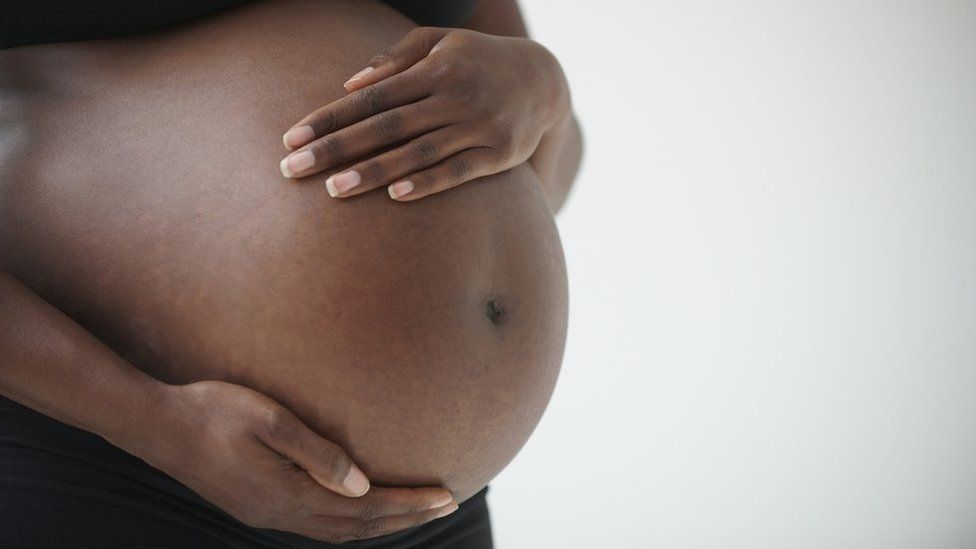
Published3 hours agoShareclose panelShare pageCopy linkAbout sharingImage source, Getty ImagesBy Jennifer HarbyBBC NewsFigures showing the risk of maternal death being almost four times higher among women from black ethnic minority backgrounds compared with white women in the UK have been published.The figures, which relate to 2019 – 2021, have been released by MBRRACE-UK, a collaboration involving the University of Leicester.The researchers called for a move towards more inclusive care.NHS England has been contacted for a comment.The MBRRACE-UK collaboration (Mothers and Babies: Reducing Risk through Audits and Confidential Enquiries), led from Oxford Population Health’s National Perinatal Epidemiology Unit, looked at data on women who died during, or up to six weeks after, pregnancy between 2019 and 2021 in the UK.The report showed the risk of maternal death in 2019 – 2021 was almost four times higher among women from black ethnic minority backgrounds compared with white women.The figures also suggested women from Asian backgrounds also continued to be at higher risk than white women and that women living in the most deprived areas had a higher maternal mortality rate than women living in the least deprived areas.’Inclusive care’Researchers found complications as a result of COVID-19 was the leading cause of maternal death in the UK between 2019 and 2021.Marian Knight, professor of Maternal and Child Population Health at Oxford Population Health and maternal reporting lead, said: “Persistent disparities in maternal health remain.”It is critical that we are working towards more inclusive care where women are listened to, their voices are heard, and we are acting upon what they are telling us.”Elizabeth Draper, professor of Perinatal and Paediatric Epidemiology at the University of Leicester, said: “We have been working to produce more detailed and timely mortality data in order to support trusts and health boards to monitor their rates.”This will enable them to act as quickly as possible to address any potential issues if their mortality rates show an increasing trend compared to other similar healthcare providers.”The report follows a recent call in the Women and Equalities Committee Black Maternal Health report for more rapid publication of data.Follow BBC East Midlands on Facebook, on Twitter, or on Instagram. Send your story ideas to eastmidsnews@bbc.co.uk.More on this storyEnd race gap in maternal deaths – MPsPublished18 AprilRelated Internet LinksMBRRACE-UKUniversity of LeicesterThe BBC is not responsible for the content of external sites.

Read more →

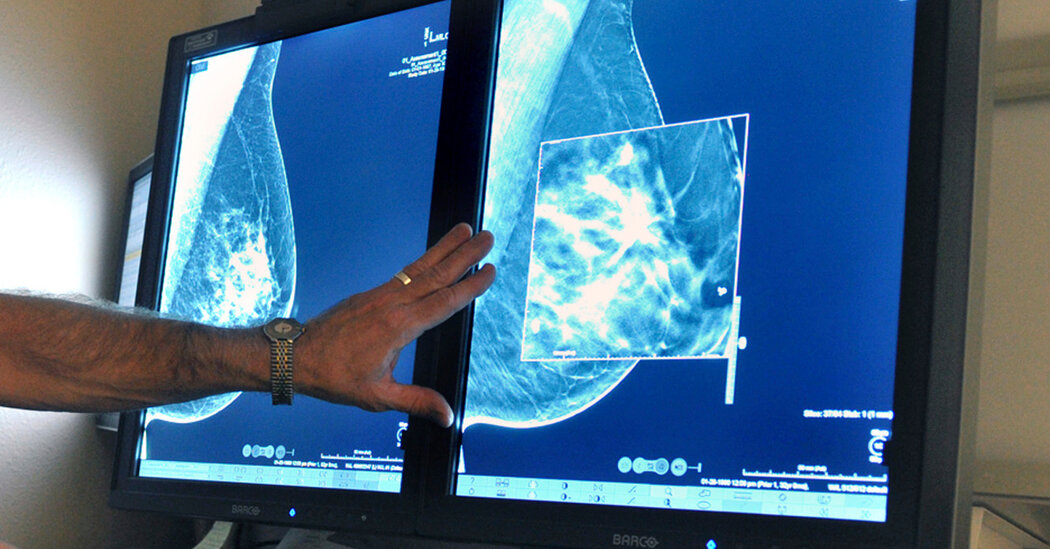
New Mammogram Advice: What to Know

If you’re at average risk for breast cancer, start getting mammograms at 40 and go every two years, an influential scientific panel says. Many women were doing it anyway.The U.S. Preventive Services Task Force, a panel of experts that issues guidelines about preventive care, has recommended all women start routine breast cancer screening at 40, instead of by 50, the previous recommendation.The panel continues to advise spacing the screenings at two-year intervals, although some other medical organizations endorse annual mammograms.Here’s more about what this means for you.Who is affected by the new guidelines?The advice applies to all “cisgender women and other people assigned female at birth” who are at average risk for breast cancer and do not have any troubling symptoms that might indicate breast cancer. This group includes women with dense breast tissue and a family history of breast cancer.The recommendation does not apply to anyone who has already had breast cancer, has genetic mutations that increase breast cancer risk, has received high-dose radiation to the chest, or has had breast lesions identified in previous biopsies.Why did the task force change its advice?The panel based its advice on recent, more inclusive science about breast cancer in women under 50. Although no new clinical trial data were available — and only one older trial included a significant proportion of Black women — the panel commissioned a review of screening strategies and modeling studies to come to its conclusions.The experts also took into account high death rates among Black women. Those diagnosed with breast cancer in their 40s have twice the mortality rate of white women.Why not yearly mammograms?When the task force makes recommendations, it tries to balance the benefits of mammography — lives saved — with the potential harms. Those include false-positive results that cause anxiety and lead to additional testing and invasive procedures, as well as overdiagnosis — the possibility that women will be subjected to treatment for “indolent” tumors that are slow-growing and would never become life-threatening. Mammograms also expose the breasts to radiation.Mammograms save lives, but the panel’s research found no benefit to annual mammograms over biennial scans. Annual mammograms were no better at detecting Stage 2 cancers and other dangerous tumors, they concluded. Modeling studies estimated that biennial screenings offered a better benefit-to-harm ratio.Will my insurance cover this?Insurance companies are already legally required to fully cover mammograms every year for women ages 40 through 74 who are at average risk of breast cancer. This recommendation will not change that.Will starting screening earlier save lives?The task force’s review of screening strategies indicated the change could increase the survival rate by almost 20 percent. Over all, biennial screening starting at 40 and continuing until age 74 will avert 1.3 additional breast cancer deaths per 1,000 women, compared with screening that starts at 50.The benefits may be even greater for Black women: an additional 1.8 breast cancer deaths averted per 1,000 women, according to the panel’s report.When can I stop screening?Women should continue screening until age 74. After that, it’s not clear, because there is no data on women 75 and over. The consensus seems to be that if a woman is in good health and has a life expectancy of at least another 10 years, she should continue receiving mammograms.

Read more →

FDA panel backs first over-the-counter birth control pill in US

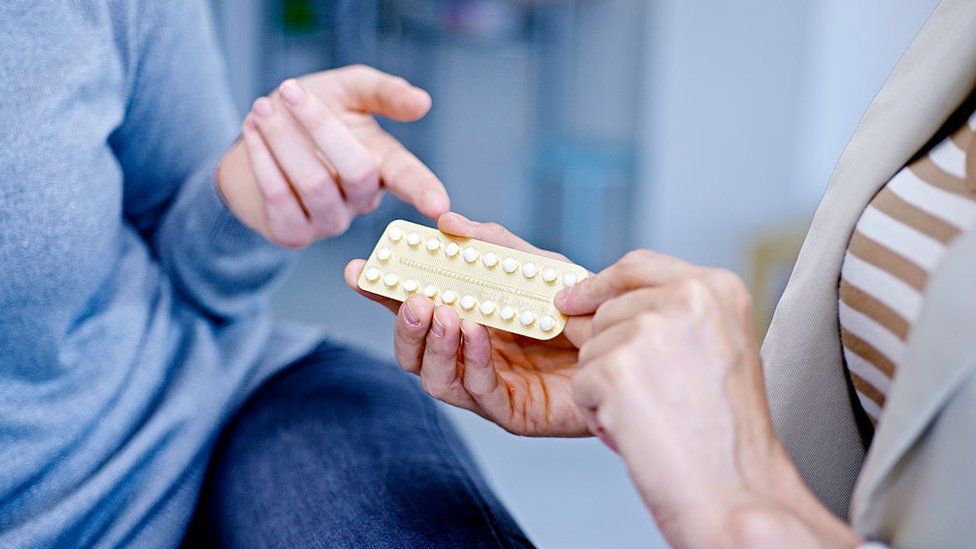
Published14 hours agoShareclose panelShare pageCopy linkAbout sharingImage source, Getty ImagesBy Sam CabralBBC News, WashingtonThe first non-prescription birth control pill in the US is on the way to approval, after a thumbs-up from an advisory committee of drug regulators.The Food and Drug Administration (FDA) panel’s unanimous vote is not binding, but means the agency is likely to formally approve the drug this summer.Opill has been available, but only by prescription, for the past 50 years.Over-the-counter birth control is available in over 100 countries, says Free the Pill, an advocacy group.The push for over-the-counter access in the US comes amid Republican-led efforts to restrict access to abortion and contraception at the national and state level.US considers over-the-counter birth control pillsUS retailers limit buying emergency contraceptivesTaking a risk with black-market abortion pillsBirth control pills are widely prescribed in the US, but nearly all US patients receive a pill that includes the oestrogen hormone.Opill is a progestin-only pill, meaning that it is made of a synthetic form of progesterone and does not include oestrogen. It is taken once daily and must be consumed at the same time every day.Seventeen outside experts from two FDA advisory panels met on Tuesday and Wednesday to deliberate over the safety and effectiveness of Opill.In briefing documents published last week, FDA officials had expressed scepticism over an updated analysis of the pill provided by the drug maker.They wrote that HRA Pharma appeared to have relied on low-quality studies, some dating back to when the drug was first approved in 1973.Despite these reservations, the panel voted 17-0 on Wednesday in support of switching the pill from prescription to over-the-counter.Advisors on the panel said they were mostly confident women of all ages would use the drug as appropriate without first consulting a healthcare provider.”In the balance between benefit and risk, we’d have a hard time justifying not taking this action,” said chairwoman Maria Coyle, an Ohio State University pharmacist.”The drug is incredibly effective, and I think it will be effective in the over-the-counter realm just as it is in the prescription realm.”HRA’s parent company Perrigo has told investors it expects the FDA to make a final decision within the next three months, the BBC’s US partner CBS News reports.If approved, Opill could be rolled out in pharmacies by the end of the year.

Read more →