How do you quit vaping?

Published24 May 2023Shareclose panelShare pageCopy linkAbout sharingImage source, Getty ImagesQuitting ain’t easy. But vaping’s helped millions of people to ditch traditional cigarettes.It’s widely considered less harmful than smoking tobacco – and the UK government endorses vapes as a quitting aid.But what do you do when you want to take the next step and quit completely?Why is vaping so addictive?The main reason vaping gets you hooked is nicotine – the same ingredient that makes smokers crave cigarettes.It’s thought to be pretty harmless on its own, but is powerfully addictive. That’s why vaping isn’t recommended for non-smokers.Nicotine creates new receptors in the brain when it enters the body, and you quickly come to associate it with feeling good.So when you stop getting it you’ll feel cravings. These tend to be worse in the first three to four days after your last dose.According to the NHS, other withdrawal symptoms, like bad moods, are likely in the early stages of quitting.How long does it take to quit vaping?There’s no firm answer to this – it varies for each person – but there are some things we do know.It’s technically possible to go “cold turkey” and suddenly stop vaping. But most people find this very difficult.Experts, such as the National Centre for Smoking Cessation and Training (NCSCT), generally recommend some sort of gradual approach.One tip for vapers is to reduce the nicotine strength of their e-liquid in two to four-week stages, working down to 0% solutions.This can be trickier with disposable vapes, which tend to come in higher strengths.But zero-nicotine versions are available, and the NCSCT says using one alongside your regular vape can help.Failing that, a temporary switch to a tank-style vape, giving you access to different e-liquids, might be better. Image source, Getty ImagesOther reduction strategies include:Extending the time between vapesTaking shorter puffs (especially if you use a disposable)Setting rules for yourself, like only vaping outside the homeAnother option is Nicotine Replacement Therapy (NRT) – patches, gum and sprays used instead of a vape.Nicotine pouches that go between the gum and lip are starting to appear on some shop shelves but these aren’t currently recommended by the NHS.Pull the triggersLike smoking, if you’ve been vaping a long time you’re likely to have formed habits around it.Certain situations or times of day – triggers – will have got you used to reaching for your vape. This can be hard to snap out of, so it can help to figure out what they are.How easy is it to buy an illegal vape?High lead and nickel levels found in illegal vapesVaping – is it a risk-free option?It’s also a good idea to try and fill this time with something else to distract you, like exercise.If you are a former smoker, the NCSCT says it’s worth keeping a vape on hand for emergencies.Because, if you do relapse, it’s better than reaching for a cigarette.Follow Newsbeat on Twitter and YouTube.Listen to Newsbeat live at 12:45 and 17:45 weekdays – or listen back hereMore on this storyHigh lead and nickel levels found in illegal vapesPublished23 May 2023Free vapes to be handed out in anti-smoking drivePublished11 April 2023Vaping – is it a risk-free option?Published24 June 2022

Read more →

Engineers create bacteria that can synthesize an unnatural amino acid

In this study, the researchers focused on para-nitro-L-phenylalanine (pN-Phe), a non-standard amino acid that is neither one of the twenty standard amino acids nor been observed in nature. pN-Phe has been used by other research groups to help the immune system mount a response to proteins that it does not ordinarily respond to.
“The nitro chemical functional group has valuable properties and has been underexplored by folks who are trying to rewire metabolism,” Kunjapur said. “pN-Phe also has a nice history in the literature — it can be added onto a protein from a mouse, delivered back to mice, and the immune system will no longer tolerate the original version of that protein. That ability has promise for the treatment or prevention of diseases that are caused by rogue proteins that the immune system struggles to lock onto.”
Genetic code expansion methods allowed the researchers to increase the “alphabet” of available amino acids encoded by DNA. By coupling metabolic engineering techniques with genetic code expansion, the researchers were able to create a system that produces nitrated proteins autonomously.
“Because of the nitro functional group chemistry, the amino acid that we picked as our target for this project was unconventional, and many scientists within our field may not have expected that it could be made using biosynthesis,” Kunjapur said.
The next step for this research is to optimize their methods to synthesize higher amounts of nitrated proteins and expand this work into other microorganisms. The long-term goal is to further refine this platform for applications related to vaccines or immunotherapies, efforts that are supported by Kunjapur’s 2021 AIChE Langer Prize and the 2022 National Institutes of Health Director’s New Innovator Award. To further support this long-term goal, Kunjapur and Neil Butler, doctoral candidate and first author on this paper, co-founded Nitro Biosciences.
“I think the implications are interesting, in that you can take a bacterium’s central metabolism, its ability to produce different compounds, and with a few modifications you are able to expand its chemical repertoire,” said Butler. “The nitro functionality is rare in biology and absent from the standard 20 amino acids, but we showed bacterial metabolism is malleable enough that it can be rewired to create and integrate this functionality.”
Kunjapur added, “Bacteria are potentially useful drug delivery vehicles. We think we have created a tool that could leverage the ability of bacteria to produce target antigens within the body and exploit the ability of nitration to shine a light on those antigens at the same time.”
The complete list of co-authors includes University of Delaware’s Neil Butler, Sabyasachi Sen, Lucas Brown, Minwei Lin, and Aditya Kunjapur. This research was supported by a grant from the National Science Foundation (CBET 2032243).

Read more →

A History of U.S. Surgeon General Warnings: Smoking, TV, Safer Sex and More

Public advisories from the nation’s top doctor are infrequent, but sometimes become turning points in American life. A warning issued by the United States surgeon general, Dr. Vivek Murthy, on Tuesday provided guidance about an issue that has been front of mind for American parents for years: the negative effects of social media on the mental health of young people.These types of public health advisories are infrequent, but sometimes become turning points in American life.Brian McBride, an anti-smoking advocate, in 1989.Brendan Read/Fairfax Media, via Getty ImagesDecades of effort to curb tobacco useIt took a surgeon general’s report in 1964 and decades of effort that followed for smoking in America to go from being seen as a glamorous habit to one with deadly consequences.The annual per capita cigarette consumption in the United States had increased from 54 cigarettes in 1900 to more than 4,000 cigarettes in 1963 when the first research suggested links between smoking and cancer.That prompted Dr. Luther L. Terry, the surgeon general under Presidents John F. Kennedy and Lyndon B. Johnson, to issue a landmark report on the health hazards and consequences of smoking in 1964.Dr. Terry described the crisis as a “national concern.”The fallout was swift. In 1965, Congress required all cigarette packages distributed in the United States to carry a health warning. In 1970, cigarette advertising on television and radio was banned.Tobacco has continued to be a target of surgeons general, who in later years highlighted concerns about secondhand smoke and tobacco promotions that targeted children. And in 2016, Dr. Murthy published a comprehensive report that called e-cigarettes and tobacco vaping “a major health concern.”Cigarettes smoking remains the leading cause of preventable disease and death in the United States today, according to the Centers for Disease Control and Prevention. But there has been progress: Smoking has declined from 21 percent of adults in 2005 to 11.5 percent in 2021.The “People With AIDS Alliance” in the 1983 San Francisco Gay Freedom Day parade.Getty ImagesA crucial report in the AIDS crisis in 1986Dr. C. Everett Koop, the surgeon general under President Reagan, was credited with changing the public discourse around the H.I.V./AIDS epidemic during the 1980s. In 1986, he issued a generation-defining report on AIDS. In plain language, the report discussed risk factors and ways that people could protect themselves, including the use of condoms for safer sex.But frank discussion of sexual topics later tripped up a surgeon general who served under President Bill Clinton, Dr. Joycelyn Elders. Although her efforts to expand access to health screenings and sex education were praised by some, she resigned under pressure in 1994 after she proposed the distribution of contraceptives in schools and condoned teaching children about masturbation as a way to prevent the transmission of H.I.V., among other views that drew the ire of conservatives.A customer checks out a copy of Grand Theft Auto IV inside a GameStop store in Chicago Tuesday, April 29, 2008.Charles Rex Arbogast/Associated PressConcerns about violence on TV and in video gamesIn 1972, Dr. Jesse L. Steinfeld, the surgeon general under President Richard Nixon, called for “appropriate and immediate remedial action” after a report found a “uniformly adverse effect” on children who watch televised violence.A decade later, Dr. Koop said that video games might be hazardous to the health of young people who are becoming addicted to the machines “body and soul” and that the games created “aberrations in childhood behavior.”The reality is murkier. The American Academy of Child and Adolescent Psychiatry has recognized some harm of children engaging with violent media, but has called for moderation.A billboard for Mothers Against Drunk Driving in St. Paul, Minn.Bill Pugliano/Getty ImagesA 1980s focus on reducing drunken drivingIn the late 1980s, the numbers were startling: About 25,000 people in the United States died in drinking-related traffic accidents annually.In one of his last acts as surgeon general, Dr. Koop called for tough new blood-alcohol level standards for drivers in 1989, as well as an increase in taxes on alcoholic beverages and a restriction of advertising of alcoholic beverages. He also called for the elimination of happy hours and the immediate suspension of any licensed driver found to be above the legal limit.These and other measures have greatly reduced drunken-driving deaths. In 2021, about 13,380 people were killed in motor vehicle crashes involving alcohol-impaired drivers, according to the National Highway Traffic Safety Administration.The Los Angeles Unified District (LAUD) board, the second largest school district in the country, voted August 27, 2002 to ban carbonated soft drinks in all its schools in an effort to combat childhood obesity.Kim Kulish/Corbis via Getty ImagesDeclaring obesity an epidemic in 2001By the turn of this century, some 300,000 Americans were dying from illness caused or worsened by obesity, prompting Dr. David Satcher, a surgeon general under President Clinton, in 2001 to call for major steps by schools, communities and the food industry to act on what he described as an epidemic.But the crisis has only grown. From 1999 through 2017, the prevalence of obesity in the U.S. increased to 42 percent from 30 percent, and severe obesity increased to 9 percent from 5 percent, according to the C.D.C.Travis Dove for The New York TimesA modern focus on guns and a ‘crisis of loneliness’Social media is not the only concern of the current surgeon general. Dr. Murthy has also called gun violence in American a public health issue and more recently an epidemic.He has called for more research and government intervention. Former surgeon generals and researchers have also called for a policy change centered around treating gun violence as a public health crisis. Nearly 50,000 Americans died from gun-related injuries in 2021, more than in any other year on record, according to the C.D.C., including homicides and suicides. It is the leading cause of death among children in the United States.And earlier this month, Dr. Murthy issued a surgeon general advisory and new framework this month to address “the public health crisis of loneliness, isolation, and the lack of connection in our country,” which he likened to the risks presented by daily smoking. This trend was magnified by the coronavirus pandemic, he said.The physical health consequences of poor or insufficient connection include higher risks of other health ailments.Here’s his advice on how to feel less lonely.Notably, the report on loneliness does not recommend social media as a form of connection, and urges Americans to ensure digital interactions do not “detract from meaningful and healing connection.”

Read more →

Researchers treat depression by reversing brain signals traveling the wrong way

Powerful magnetic pulses applied to the scalp to stimulate the brain can bring fast relief to many severely depressed patients for whom standard treatments have failed. Yet it’s been a mystery exactly how transcranial magnetic stimulation, as the treatment is known, changes the brain to dissipate depression. Now, research led by Stanford Medicine scientists has found that the treatment works by reversing the direction of abnormal brain signals.
The findings also suggest that backward streams of neural activity between key areas of the brain could be used as a biomarker to help diagnose depression.
“The leading hypothesis has been that TMS could change the flow of neural activity in the brain,” said Anish Mitra, MD, PhD, a postdoctoral fellow in psychiatry and behavioral sciences. “But to be honest, I was pretty skeptical. I wanted to test it.”
Mitra had just the tool to do it. As a graduate student at Washington University in Saint Louis, in the lab of Mark Raichle, MD, he developed a mathematical tool to analyze functional magnetic resonance imaging, or fMRI — commonly used to locate active areas in the brain. The new analysis used minute differences in timing between the activation of different areas to also reveal the direction of that activity.
In the new study published May 15 in the Proceedings of the National Academy of Sciences, Mitra and Raichle teamed up with Nolan Williams, MD, associate professor of psychiatry and behavioral sciences, whose team has advanced the use of magneticstimulation, personalized to each patient’s brain anatomy, to treat profound depression. The FDA-cleared treatment, known as Stanford Neuromodulation Therapy, incorporatesadvanced imaging technologies to guide stimulation with high-dose patterns of magnetic pulses that can modify brain activity related to major depression. Compared with traditional TMS, which requires daily sessions over several weeks or months, SNT works on an accelerated timeline of 10 sessions each day for just five days.
“This was the perfect test to see if TMS has the ability to change the way that signals flow through the brain,” said Mitra, who is lead author of the study. “If this doesn’t do it, nothing will.”
Raichle and Williams are senior authors of the study.

Timing is everything
The researchers recruited 33 patients who had been diagnosed with treatment-resistant major depressive disorder. Twenty-three received SNT treatment, and 10 received a sham treatment that mimicked SNT but without magnetic stimulation. They compared data from these patients with that of 85 healthy controls without depression.
When they analyzed fMRI data across the whole brain, one connection stood out. In the normal brain, the anterior insula, a region that integrates bodily sensations, sends signals to a region that governs emotions, the anterior cingulate cortex.
“You could think of it as the anterior cingulate cortex receiving this information about the body — like heart rate or temperature — and then deciding how to feel on the basis of all these signals,” Mitra said.
In three-quarters of the participants with depression, however, the typical flow of activity was reversed: The anterior cingulate cortex sent signals to the anterior insula. The more severe the depression, the higher the proportion of signals that traveled the wrong way.

“What we saw is that who’s the sender and who’s the receiver in the relationship seems to really matter in terms of whether someone is depressed,” Mitra said.
“It’s almost as if you’d already decided how you were going to feel, and then everything you were sensing was filtered through that,” he said. “The mood has become primary.”
“That’s consistent with how a lot of psychiatrists see depression,” he added. “Even things that are quite joyful to a patient normally are suddenly not bringing them any pleasure.”
Changing the flow
When depressed patients were treated with SNT, the flow of neural activity shifted to the normal direction within a week, coinciding with a lifting of their depression.
Those with the most severe depression — and the most misdirected brain signals — were the most likely to benefit from the treatment.
“We’re able to undo the spatio-temporal abnormality so that people’s brains look like those of normal, healthy controls,” Williams said.
A biomarker for depression
A challenge of treating depression has been the lack of insight into its biological mechanisms. If a patient has a fever, there are various tests — for a bacterial or viral infection, for example — that could determine the appropriate treatment. But for a patient with depression, there are no analogous tests.
“This is the first time in psychiatry where this particular change in a biology — the flow of signals between these two brain regions — predicts the change in clinical symptoms,” Williams said.
Not everyone with depression has this abnormal flow of neural activity, and it may be rare in less severe cases of depression, Williams said, but it could serve as an important biomarker for triaging treatment for the disorder. “The fMRI data that allows precision treatment with SNT can be used both as a biomarker for depression and a method of personalized targeting to treat its underlying cause,” he said.
“When we get a person with severe depression, we can look for this biomarker to decide how likely they are to respond well to SNT treatment,” Mitra said.
“Behavioral conditions like depression have been difficult to capture with imaging because, unlike an obvious brain lesion, they deal with the subtlety of relationships between various parts of the brain,” said Raichle, who has studied brain imaging for more than four decades. “It’s incredibly promising that the technology now is approaching the complexity of the problems we’re trying to understand.”
The researchers plan to replicate the study in a larger group of patients. They also hope others will adopt their analytic technique to uncover more clues about the direction of brain activity hidden in fMRI data. “As long as you have good clean fMRI data, you can study this property of the signals,” Mitra said.
The study was funded by a Brain and Behavior Research Foundation Young Investigator Award, the NIMH Biobehavioral Research Awards for Innovative New Scientists award (grant R01 5R01MH122754-02), Charles R. Schwab, the David and Amanda Chao Fund II, the Amy Roth PhD Fund, the Neuromodulation Research Fund, the Lehman Family, the Still Charitable Trust, the Marshall and Dee Ann Payne Fund, the Gordie Brookstone Fund, the Mellam Family Foundation, and the Baszucki Brain Research Fund.

Read more →

Biden Administration Pushes to Save Key Covid Programs in Debt Ceiling Talks

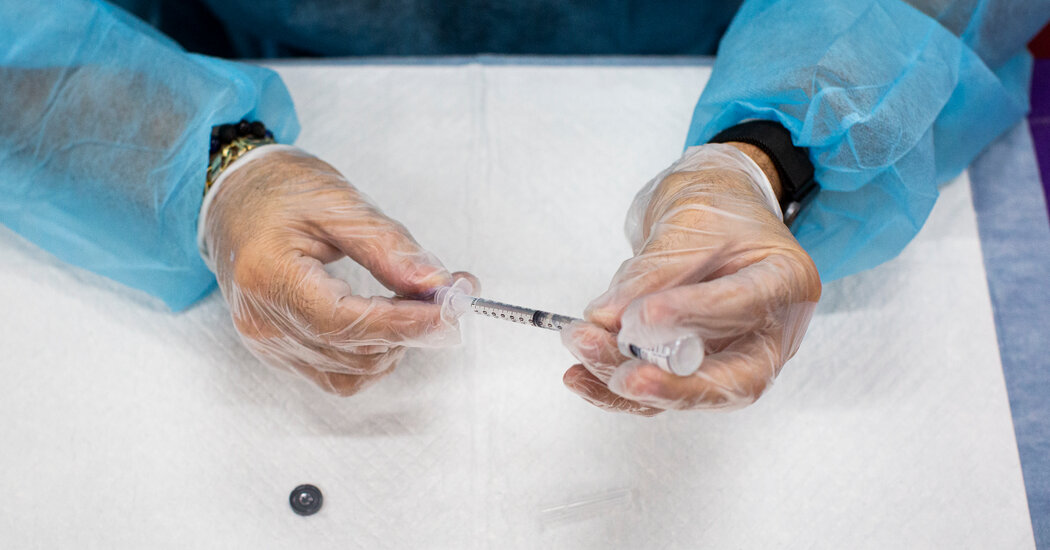
Preserving a $5 billion coronavirus vaccine development program is among the White House’s priorities in discussions with House Republicans over clawing back unspent Covid-19 funds.Biden administration officials were working on Tuesday to preserve funding for key components of the federal coronavirus response in negotiations with House Republicans over a deal to raise the debt limit, according to senior administration officials familiar with the talks.Administration officials are seeking to protect roughly $5 billion in funding for a program to develop the next generation of coronavirus vaccines and treatments. They are also looking to preserve more than $1 billion in funding for an initiative to offer free coronavirus shots to uninsured Americans, according to the officials.The funds that the administration is using for the two programs have already been approved by Congress, but they are now potentially in jeopardy because Republicans are seeking to extract spending cuts from the Biden administration as a condition for raising the debt limit.As one component of a debt limit deal, House Republicans want to reclaim tens of billions of dollars in unspent funds from previously approved Covid-19 relief legislation. It was unclear on Tuesday specifically which funds might be clawed back as part of a deal, though the administration and congressional negotiators have found some agreement on the topic. President Biden said this month that rescinding unspent coronavirus funds was “on the table.”Representatives for the White House and Speaker Kevin McCarthy did not immediately respond to requests for comment.Some White House officials view the vaccine development program, called Project NextGen, as the most important Covid measure to protect in the debt ceiling talks. It is loosely modeled on the Trump administration’s vaccine development program, known as Operation Warp Speed, which marshaled a series of effective shots to Americans in record time.Biden administration officials had repurposed other coronavirus response funds this year to support the NextGen program, including some money designated for testing, with the aim of delivering a more durable or effective vaccine as early as next year. While no contracts have been signed with vaccine manufacturers yet, the program could amount to one of the most ambitious undertakings in the administration’s coronavirus response, which moved into a new phase with the expiration of the public health emergency on May 11.Project NextGen aims to fund the development of coronavirus vaccines that use different technology from those made by Moderna and Pfizer. Such new vaccines could potentially offer longer-lasting protection against a wider array of coronavirus variants or better defense against infections.Vaccines administered via the nose or the mouth, known as mucosal vaccines, are among the options that administration officials are planning to support, with the aim of rolling one out as early as the fall of 2024, officials said. (In the shorter term, federal regulators are expected to authorize another round of booster shots later this year.)The project also intends to fund the development of pancoronavirus vaccines, which would protect against different coronaviruses. Officials are planning to fund the development of new monoclonal antibody treatments as well.Dawn O’Connell, the assistant secretary for preparedness and response at the Department of Health and Human Services, said in an interview this month that federal officials were busy surveying possible vaccine options for the project and lining up potential manufacturers.“We’re looking at all of this and figuring out what the gaps are, what is the thing we need most right now, and investing in those candidates,” Ms. O’Connell said, referring to the different technologies that could be used for the vaccines.By delivering vaccines directly to the nose or the mouth, where the virus first gains entry and starts replicating, scientists hope to be able to head off more infections before they begin, reducing the spread of the virus more dramatically than current injectable shots can.Public health experts believe pancoronavirus vaccines can potentially broaden people’s immune responses to the virus and, in the process, help people build defenses against new variants before they even arrive.

Read more →

What Is Post-Shingles Encephalitis? Dianne Feinstein’s Recent Illness

Senator Dianne Feinstein developed this rare and potentially debilitating complication after a shingles infection.Dianne Feinstein, a Democratic senator from California, has returned to the Capitol after spending more than two months recovering from shingles. The disease, often characterized by a painful rash, is triggered by the same virus that causes chickenpox, which stays in people’s bodies for life and, years later, can become reactivated.For Ms. Feinstein, 89, the virus also brought on a previously unreported case of encephalitis, a rare but potentially debilitating complication in which the brain swells. The condition is often caused by an infection or an immune response.What are the symptoms of encephalitis?Post-shingles encephalitis can cause headache, fever, sensitivity to light, vomiting, confusion, a stiff neck or even seizures.It can also leave some patients with more lasting problems. Those include memory or language trouble, sleep disorders, mood disorders, walking difficulty and other cognitive problems. Older patients tend to have the most trouble recovering.There are milder and more serious cases. A French study from last year looking at several dozen critically ill patients with the condition found that about one-fifth of them were significantly disabled a year after being hospitalized and one-third had died.A separate study in Denmark from 2020 found that roughly half of post-shingles encephalitis patients admitted to hospitals were at least moderately disabled three months after being discharged.How common is the condition?Dr. Adrien Mirouse, a physician and immunologist based at Sorbonne University in Paris, who led the French study last year, estimated that fewer than 1 percent of shingles patients go on to develop encephalitis.But precise rates, he said, were difficult to pin down: Milder cases often go unreported, making it hard to know the real number of patients with shingles or post-shingles encephalitis.Brain swelling has historically been thought to affect mostly those shingles patients with immune deficiencies. But recent studies have found that many patients are simply older and struggling with a routine weakening of their immune systems. For that reason, the condition may be increasingly common as populations age, experts said.What is the outlook for patients?It is not entirely clear why some shingles patients who develop encephalitis fare better or worse with the condition. Older age appears to put people at greater risk for more serious problems.But published case studies have described even younger patients who show signs of retrieving their cognitive functions, only to deteriorate again.“You may have some symptoms that last after the encephalitis,” Dr. Mirouse said of patients. “It’s not sure you will be able to recover completely. That’s true at 89, it’s also true at 30 or 20.”Ms. Feinstein may have been at higher risk for developing encephalitis because her shingles had spread to her face and neck, which is known to put patients at risk of brain inflammation.How else can shingles affect people’s cognition?Inflammation alone can damage cells in the brain.But shingles can also contribute to cognitive decline in other ways, including by damaging blood vessels of the brain, said Dr. Sharon E. Curhan, a physician and epidemiologist at Brigham and Women’s Hospital and Harvard Medical School, who is studying the link between shingles and changes in cognition.Shingles patients also face a significantly higher long-term risk of having a stroke, a condition that itself can lead to cognitive decline, according to a study led by Dr. Curhan published last year.Ms. Feinstein had received a shingles vaccine, which in most people provides strong protection against the virus and the complications that can follow. Federal health officials recommend the vaccine for people 50 and older and younger adults with weakened immune systems.

Read more →

Humans are unique but not exceptional species of mammal

In modern society, one parent may take a daughter to ballet class and fix dinner so the other parent can get to exercise class before picking up the son from soccer practice. To an observer, they seem to be cooperating in their very busy, co-parenting, monogamous relationship.
These people may think they are part of an evolved society different from the other mammals that inhabit earth. But their day-to-day behavior and child-rearing habits are not much different than other mammals who hunt, forage for food, and rear and teach their children, researchers suggest.
“For a long time it has been argued that humans are an exceptional, egalitarian species compared to other mammals,” said Monique Borgerhoff Mulder, professor emerita of anthropology at the University of California, Davis, and corresponding author of a new study. But, she said, this exceptionalism may have been exaggerated.
“Humans appear to resemble mammals that live in monogamous partnerships and to some extent, those classified as cooperative breeders, where breeding individuals have to rely on the help of others to raise their offspring,” she said.
The UC Davis-led study, with more than 100 researchers collaborating from several institutions throughout the world, is the first to look at whether human males are more egalitarian than are males among other mammals, focusing on the numbers of offspring they produce.
The article, “Reproductive inequality in humans and other mammals,” was published this week (May 22) in the Proceedings of the National Academy of Sciences. Co-authors include researchers from UC Davis, The Santa Fe Institute, the National Institute for Mathematical and Biological Synthesis, and the Max Planck Institute for Evolutionary Anthropology, Germany.

The researchers amassed data from 90 human populations comprising 80,223 individuals from many parts of the world — both historical and contemporary. They compared the records for men and women to lifetime data for 45 different nonhuman, free-ranging mammals.
The researchers found that humans are by no means exceptional, merely another unique species of mammal. Furthermore, as first author Cody Ross, former UC Davis graduate student in the Department of Anthropology now at the Max Planck Institute, points out “we can quite successfully model reproductive inequality in humans and nonhumans using the same predictors.”
Egalitarianism in polygynous societies
Somewhat unexpectedly, when focusing specifically on women, the researchers found greater reproductive egalitarianism in societies that allow for polygynous marriage than in those where monogamous marriage prevails. In polygynous systems, in which men take several wives at the same time, women tend to have more equal access to resources, such as land, food and shelter — and parenting help. This is because women, or their parents on their behalf, favor polygynous marriages with wealthy men who have more resources to share.
Researchers observed something else in their work.

“It turns out that monogamous mating (and marriage) can drive significant inequalities among women,” Borgerhoff Mulder said. Monogamy, practiced in agricultural and market economies, can promote large differences in the number of children couples produce, researchers found, resulting from large differences in wealth in such economies.
How humans may differ
The fact men are relatively egalitarian compared to other animals reflects our patterns of child rearing. Human children are heavily dependent on the care and resources provided by both mothers and fathers — a factor that is unusual, but not completely absent — in other mammals, researchers said.
The critical importance of the complementary nature of this care — that that each parent provides different and often non-substitutable resources and care throughout long human childhoods — is why we don’t show the huge reproductive variability seen in some of the great apes, said researcher Paul Hooper, from the University of New Mexico.
To support these inferences, however, anthropologists need more empirical data. “In short, the importance of biparental care is grounded in our model, but needs further testing,” Borgerhoff Mulder said.

Read more →

Skin patch shows promise for toddlers with peanut allergy

A global phase 3 clinical trial that included Ann & Robert H. Lurie Children’s Hospital of Chicago found that a year-long immunotherapy through a skin patch safely desensitized toddlers with peanut allergy, lowering the risk of a severe allergic reaction from accidental exposure. Results of this randomized, double-blind, placebo-controlled trial for children 1-3 years of age, funded by DBV Technologies, were published in the New England Journal of Medicine.
“We were excited to contribute to this landmark study that carries so much promise for our young patients with peanut allergy,” said co-author Melanie Makhija, MD, who was the Principal Investigator of the study at Lurie Children’s and is an Associate Professor of Pediatrics at Northwestern University Feinberg School of Medicine. “Children who originally reacted to a small fraction of a peanut were able to tolerate the equivalent of one to four peanuts after completing the treatment course. This means that these children will be well protected from accidental exposure to peanuts. Importantly, we found that the peanut patch was safe, with very low chances of a severe allergic reaction. This is terrific news for families of kids with peanut allergies.”
Peanut allergy affects approximately 2 percent of children in the United States, Canada and other westernized countries, and it commonly persists into adulthood. Life-threatening allergic reactions can be triggered by unintentional exposure to minute quantities, including through products manufactured on shared equipment as peanuts. Currently, there are no approved treatments for peanut-allergic children younger than 4 years of age.
Since 2012, the clinical trials program for food allergies at Lurie Children’s has enrolled patients on numerous studies of novel treatments, including the oral immunotherapy for peanuts that has been approved by the Food and Drug Administration (FDA). Ongoing trials are available for all age groups, from infancy to young adulthood. The program is led by Principal Investigators Elizabeth Lippner, MD, and Abigail Lang, MD, MSCI.
Research at Ann & Robert H. Lurie Children’s Hospital of Chicago is conducted through Stanley Manne Children’s Research Institute. The Manne Research Institute is focused on improving child health, transforming pediatric medicine and ensuring healthier futures through the relentless pursuit of knowledge. Lurie Children’s is a nonprofit organization committed to providing access to exceptional care for every child. It is ranked as one of the nation’s top children’s hospitals by U.S. News & World Report. Lurie Children’s is the pediatric training ground for Northwestern University Feinberg School of Medicine.

Read more →

In 2050, over 800 million people globally estimated to be living with back pain

Analysis of over 30 years of data has shown the number of cases of low back pain is growing, with modelling suggesting by 2050, 843 million people will be affected by the condition largely due to population increases and ageing of populations.
The continued lack of a consistent approach on back pain treatment, and limited treatment options have researchers concerned that this will lead to a healthcare crisis, as low back pain is the leading cause of disability in the world.
In Australia, there will be a nearly 50 percent increase in cases by 2050. The landscape of back pain cases is set to shift, with the biggest increases in back pain cases to be in Asia and Africa.
The findings are published in Lancet Rheumatology today, and is the new Global Burden of Disease (GBD) 2021 study.
“Our analysis paints a picture of growing low back pain cases globally, putting enormous pressure on our healthcare system. We need to establish a national, consistent approach to managing low back pain that is informed by research,” says lead author, Professor Manuela Ferreira from Sydney Musculoskeletal Health, an initiative of the University of Sydney, Sydney Local Health District and Northern Sydney Local Health District.
“Currently, how we have been responding to back pain has been reactive. Australia is a global leader in back pain research; we can be proactive and lead by example on back pain prevention,” said Professor Ferreira who is based at Sydney’s Kolling Institute.

The study reveals several milestones in back pain cases. Since 2017, the number of low back pain cases has ticked over to more than half a billion people.
In 2020, there were approximately 619 million cases of back pain.
At least one third of the disability burden associated with backpain was attributable to occupational factors, smoking and being overweight.
A widespread misconception is that low back pain mostly affects adults of working age. But researchers say this study has confirmed that low back pain is more common among older people. Low back pain cases were also higher among females compared to males.
This is the most comprehensive and up-to-date available data that includes for the first time global projections and the contribution of GBD risk factors to low back pain. The work was made possible by the joint efforts of The University of Sydney, the Institute for Health Metrics and Evaluation (IHME) at the University of Washington’s School of Medicine, IHME’s international collaborators, and the Global Alliance for Musculoskeletal Health.

“We also know that most available data come from high-income countries, making it sometimes hard to interpret these results for low to mid-income countries. We urgently need more population-based back pain and musculoskeletal data from countries of low to mid-income,” said senior author Professor Lyn March from Sydney Musculoskeletal Health and the Kolling Institute.
The study analysed GBD data from 1990 to 2020 from over 204 countries and territories to map the landscape of back pain cases over time. The GBD is the most comprehensive picture of mortality and disability across countries, time, age, and
It is also the first study to be used for modelling the future prevalence of back pain cases.
“Health systems need to respond to this enormous and rising burden of low back pain that is affecting people globally. Much more needs to be done to prevent low back pain and ensure timely access to care, as there are effective ways of helping people in pain” said Prof Anthony Woolf, co-chair of the Global Alliance for Musculoskeletal Health which is calling for priority to be given to addressing the growing burden of musculoskeletal conditions.
“Ministries of health cannot continue ignoring the high prevalence of musculoskeletal conditions including low back pain. These conditions have important social and economic consequences, especially considering the cost of care. Now is the time to learn about effective strategies to address the high burden and to act” said Dr Alarcos Cieza, Unit Head, World Health Organization, Headquarters, Geneva.
National guidelines will form basis of back pain prevention
In 2018, experts (independent to this study) voiced their concerns in The Lancet and gave recommendations, especially regarding exercise and education, about the need for a change in global policy on the best way to prevent and manage low back pain to stop the rise of inappropriate treatments.
However, since then, there has been little change. Common treatments recommended for low back pain have been found to have unknown effectiveness or to be ineffective — this includes some surgeries and opioids.
Professor Ferreira says there is a lack of consistency in how health professionals manage back pain cases and how the healthcare system needs to adapt.
“It may come as a surprise to some that current clinical guidelines for back pain treatment and management do not provide specific recommendations for older people.”
“Older people have more complex medical histories and are more likely to be prescribed strong medication, including opioids for back pain management, compared to younger adults. But this is not ideal and can have a negative impact on their function and quality of life, especially as these analgesics may interfere with their other existing medications. This is just one example of why we need to update clinical guidelines to support our health professionals.”
Co-author Dr Katie de Luca, from CQUniversity, said if the right action is not taken, low back pain can become a precursor to chronic health conditions such as diabetes, cardiovascular disease and mental health conditions, invasive medical procedures, and significant disability.
“Low back pain continues to be the greatest cause of disability burden worldwide. There are substantial socio-economic consequences of this condition, and the physical and personal impact directly threatens healthy ageing.”

Read more →

Ready, set, go: New study shows how marathon running affects different foot muscles

With the current trend of fitness consciousness, many people have taken up long-distance running as a part of their exercise regime. They also participate in various local, national, and global marathons. But marathon running can lead to muscular fatigue and damage in the foot muscles, which can in turn lead to chronic pain or injuries. At present, there is little information on the impact of marathon running on the various foot muscles.
Foot muscles are generally categorized as either intrinsic or extrinsic muscles. While intrinsic muscles originate and insert within the foot, extrinsic muscles originate in the lower leg and insert into the foot via the ankle. Both muscle groups help stabilize the medial (inner) longitudinal arch of the foot. Although some studies have linked muscle swelling caused by long-distance running to lowering of the longitudinal arch, it has, so far, been challenging to associate this with intrinsic and extrinsic muscle damage.
Now, a new study explores the damaging effects of full marathon running on intrinsic and extrinsic foot muscles, and its association with changes in the longitudinal foot arch. The research team was led by Professor Mako Fukano from Shibaura Institute of Technology (SIT) and also included Kento Nakagawa from Waseda University, Ayako Higashihara and Takayuki Inami from Keio University, and Takaya Narita from Toin University of Yokohama. Their findings have been published online on 27 April 2023 in Scandinavian Journal of Medicine & Science in Sports.
The study recruited 22 college runners from track and field clubs that run at least 2-3 times weekly and had registered for a full marathon race at the Mt. Fuji International Marathon, either in 2019 or 2021. The researchers first assessed the magnetic resonance imaging (MRI)-based transverse relaxation time (T2), as an indicator of muscle damage, for the intrinsic and extrinsic foot muscles of the participants at four intervals: before the marathon, and 1, 3, and 8 days after they ran the full marathon. T2 is defined as the time taken by the transverse magnetization vector in an MRI to decay to approximately 37% of its initial value, and is influenced by tissue-specific characteristics.
The intrinsic muscles studied included the abductor hallucis (ABH), flexor digitorum brevis (FDB), and quadratus plantae (QP) and the extrinsic muscles included the flexor digitorum longus (FDL), tibialis posterior (TP), and flexor hallucis longus (FHL). The researchers also determined the longitudinal foot arch height via three-dimensional analysis of foot posture for 10 of these participants at the same time intervals as the T2 MRI to determine the changes in longitudinal foot arch height.
On comparison with the values of T2 before the marathon, the researchers observed that the T2 values of QP, FDL, TP, and FHL significantly increased one day after the marathon, and varied throughout the observation period. Further, they also found that increase in T2 of TP persisted three days after the marathon. However, they did not observe any major difference in T2 for ABH and FDB. The team also did not find any significant changes in the toe flexor muscle strength in any of the participants. Interestingly, they also noted that the arch height ratio statistically decreased from pre-marathon to 1 and 3 days after the race, and this change could be correlated with T2 changes in FDL and FHL.
“These results indicate that the damage and recovery response after a full marathon differs among the various foot muscles. For our research participants, all three extrinsic muscles and only one intrinsic muscle showed damage after marathon running, suggesting that extrinsic muscles could be more susceptible to marathon-induced damage than the intrinsic ones,” explains Prof. Fukano. This prominent damage to extrinsic foot muscles reflects the extensive pressure borne by the ankle joint while running for long-distances as compared to the rest of the foot — something other studies have also shown. Since QP is attached to FDL and/or FHL, it may also have a secondary function in running, along with extrinsic foot muscles, making it the only intrinsic foot muscle to get damaged by marathon running. Furthermore, the correlation between FDL and FHL and the longitudinal foot arch height indicates that marathon-induced damage to these extrinsic muscles could be a factor in decreasing the foot arch height.
“Since more people are now running for their fitness, our findings can provide runners and sports professionals insights on planning better recovery strategies focusing on muscle fatigue and damage to prevent running-related injuries and also improve runners’ conditioning,” concludes Prof. Fukano.

Read more →