Previous smallpox vaccine provides immunity to mpox

Vaccines against smallpox given until the mid-1970s offer continuing cross-reactive immunity to mpox (previously known as monkeypox), researchers from Karolinska Institutet in Sweden report in a study published in the scientific journal Cell Host & Microbe.
During last year’s mpox outbreak, the virus spread for the first time outside Africa, causing over 85,000 cases of the disease to date. Men who have sex with men account for the most infections, with a marked skew towards the young.
The virus that causes mpox is what is known as an orthopoxvirus and is very similar to the virus that caused smallpox until the mid-1970s when it was finally eradicated.
Since there were data indicating that the old smallpox vaccine could protect against mpox, the researchers at Karolinska Institutet wondered if the individuals who were vaccinated decades ago against the former would have some protection against the latter owing to a remaining memory response.
“Our study shows that this is the case, which implies that the memory cells are very long-lived and that they can recognise closely related viruses such as the mpox virus and provide overlapping, or cross-reactive immunity,” says the study’s corresponding author Marcus Buggert, docent and researcher at the Center for Infectious Medicine, Karolinska Institutet.
By analysing the T-cell immune response in 105 healthy blood donors, the researchers were able to show that individuals born before 1976 had a significantly stronger immune response against both viral types. The researchers also analysed the immune response in 22 men with a recent mpox infection and showed that they also exhibited a strong immune response to the virus, which may provide future immunity.

The current study was too small to judge how much protection previous smallpox vaccination provides, but Dr. Buggert refers to a recently published British observational study examining the effect of a smallpox vaccine given to risk-group males in 2022.
“This study shows that smallpox vaccine can provide about 80 percent protection against mpox,” he says.
The study was financed by the Swedish Research Council, the Knut and Alice Wallenberg Foundation, the ERC, Karolinska Institutet, the Swedish Society for Medical Research (SSMF), the Swedish Cancer Society, the Åke Wiberg Foundation, the Magnus Bergvall Foundation and the Jonas Söderquist Foundation.
Marcus Buggert is a consultant for Oxford Immunotec, Mabtech, BMS and MSD.
Facts about mpox
Mpox (formerly monkeypox) is a viral infection spread mainly through close physical contact with an infected person. Physical sexual contact poses a particularly high risk. Common symptoms are blistering, sores and rashes, fever, and swollen glands. It can also cause pain and discomfort but typically clears up on its own after two to four weeks.
In Sweden, the smallpox vaccination programme started in the early 19th century and was discontinued in 1976 when the disease was eradicated. The vaccine was mandatory for the entire population.
The vaccine currently given for mpox is essentially a smallpox vaccine.

Read more →

CT scan best at predicting heart disease risk in middle age

CT scans are better at predicting a middle-aged person’s risk for a heart disease, such as a heart attack, than genetics, reports a new Northwestern Medicine study.
“Finding the best way to identify who is at risk for developing heart disease can help determine what needs to be done to lower their risk,” said lead study author Dr. Sadiya Khan, an assistant professor of medicine and preventive medicine at Northwestern University Feinberg School of Medicine and a Northwestern Medicine cardiologist. “This finding can help doctors and patients in managing risk for heart disease, which is the leading cause of death in the U.S.”
The study will be published May 23 in JAMA.
Currently, conventional measures of risk-factor levels, such as blood pressure and cholesterol, are used by doctors to determine a person’s likelihood of developing coronary heart disease or blockages of the arteries in the heart. But some people may experience a heart attack, or related heart problem, without one of those conventional factors picking it up.
Because the risk for heart disease can be inherited, scientists were optimistic that a person’s genetics can inform who is at greatest risk, Khan said. It was posited that polygenic risk scores — a compilation of more than 6 million commonly occurring genetic variants associated with heart disease — could be used as a potential breakthrough for personalized medicine.
But the new Northwestern study directly compares genetics and CT scans for coronary artery calcium and demonstrates that the CT scan does a better job than genetics at predicting risk for heart disease in middle age.
“These findings support recommendations to consider CT screening to calculate risk for heart disease in middle-aged patients when their degree of risk is uncertain or in the intermediate range,” Khan said.
The study used data from 3,208 adults from two cohort studies, one based in the U.S. and one in Rotterdam in the Netherlands. Investigators used data on risk factors for heart disease (smoking status, cholesterol levels, blood pressure), genetics and CT scan data to estimate the risk of developing heart disease. The study follow-up of up to 17 years.
The investigators looked at how using either CT scans or polygenic risk scores affected the risk predicted of individuals based on conventional risk factors — blood pressure and cholesterol, and whether the addition of either of these markers (CT or genetics) put them in a different risk category. Low risk means someone has less than a 7.5% risk of developing heart disease in the next 10 years. If it’s above 7.5%, statins are recommended.
Using genetic data did not affect a person’s risk category based on their conventional risk factors (blood pressure and cholesterol.) But only when considering CT scan, half the study participants moved into high-risk group.
“The data from the CT scan can help identify individuals who may benefit from medications, such as statins, to reduce their risk of heart disease,” Khan said.
Other Northwestern authors are Norrina Allen, Dr. Donald M. Lloyd-Jones and Dr. Philip Greenland.

Read more →

Artificial pancreas reduces disease management burden for people with diabetes

Type 1 diabetes affects 46.3 million people worldwide, and the number of people affected increases by about 3% each year. It requires careful calculations of insulin needs and bothersome daily injections to avoid peripheral diseases caused by extremes of high or low blood sugar.
Automated insulin delivery systems, also called artificial pancreases, make diabetes management much less onerous for patients. These systems — with implanted insulin sensors, pumps that deliver insulin inside the body, associated insulin pump controllers, and increasingly sophisticated control algorithms — are rapidly advancing.
In APL Bioengineering, by AIP Publishing, researchers from the University of Padova, University of Pavia, and Yale University designed a novel algorithm for controlling implanted insulin pumps that accounts for the unique characteristics of individual patients. Their model, tested using an FDA-approved diabetes computer simulation, proves intraperitoneal (within the abdominal cavity) insulin delivery is fast and closely mimics natural physiological insulin delivery.
“Not only is intraperitoneal infusion of insulin much more physiological because you are reproducing the natural physiology, but it simplifies the control problem because you don’t have delays,” author Claudio Cobelli said. “So, this means you can have a very simple, robust controller to handle the everyday situations.”
The current method of automated insulin delivery, which is based on technology called continuous subcutaneous glucose sensors, requires patients to manually enter the number of carbohydrates they consume, announcing their meals to the system before they eat. It is also slow to sense and deliver insulin. These delays, along with the likelihood of errors in manual meal calculations, make the system prone to inaccuracies and increase the prevalence of hyperinsulinemia, a state of high insulin in patients that causes diseases of the large blood vessels.
Using an FDA-accepted simulator designed for continuous subcutaneous insulin delivery, the researchers made modifications to simulate intraperitoneal insulin delivery. They developed a model that can account for individual patient differences and validated a pump control algorithm that does not require meal announcement.
“This is a big plus. It helps with tuning the devices and allows personalization,” Cobelli said. “Different people have different needs, so you need to personalize the algorithms.”
Tying together previous work and current experiments, the researchers successfully showed the similarities between intraperitoneal insulin delivery and the physiology of natural insulin secretion and validated a pump control algorithm that is robust to personalization factors and time variance for breakfast, lunch, and dinner meals.
Their work is part of a multiyear, collaborative European project called “FORGET DIABETES” that aims to rapidly advance automated insulin delivery technologies to the point of clinical trials.

Read more →

Social Media is a ‘Profound Risk’ to Youth, Surgeon General Warns

Dr. Vivek H. Murthy urged immediate action from policymakers, tech companies and parents to safeguard against potential harms.The NewsThe United States surgeon general, Dr. Vivek H. Murthy, issued a public advisory on Tuesday warning of the risks of social media use to young people. In a 19-page report, Dr. Murthy noted that although the effects of social media on adolescent mental health were not fully understood, and that social media can be beneficial to some users, “there are ample indicators that social media can also have a profound risk of harm to the mental health and well-being of children and adolescents.”The surgeon general called on policymakers, tech companies, researchers and parents to “urgently take action” to safeguard against the potential risks.Why It Matters: Young brains are particularly susceptible to social media.“Adolescents are not just smaller adults,” Dr. Murthy said in an interview with The New York Times about the advisory. “They’re in a different phase of development, and they’re in a critical phase of brain development.” The report noted that “frequent social media use may be associated with distinct changes in the developing brain in the amygdala (important for emotional learning and behavior) and the prefrontal cortex (important for impulse control, emotional regulation, and moderating social behavior), and could increase sensitivity to social rewards and punishments.”The report also cited research indicating that up to 95 percent of teens reported using at least one social media platform, while more than one-third said they used social media “almost constantly.” In addition, nearly 40 percent of children ages 8 to 12 use social media, even though the required minimum age for most sites is 13.Researchers have been struggling to understand the impact of social media use on teen mental health. The data are not straightforward and indicate that the effects can be both positive and negative. For instance, social media enables some young people to connect with others, find community and express themselves.But social media also brims with “extreme, inappropriate and harmful content,” the advisory noted, including content that “normalizes” self-harming, eating disorders and other destructive behavior. Cyberbullying is rampant. And the rise in social media use has coincided with declines in exercise, sleep and other activities considered vital to the developing brain.Moreover, social media spaces can be fraught for young people especially, the advisory added: “In early adolescence, when identities and sense of self-worth are forming, brain development is especially susceptible to social pressures, peer opinions, and peer comparison.”Background: The increased scrutiny comes amid a mental health crisis among American youth.The advisory joins a growing number of calls for action around adolescents and social media, as experts probe what role it may play in the ongoing teen mental health crisis. Earlier this month, the American Psychological Association issued its first-ever social media guidance, recommending that parents closely monitor teens’ usage and that tech companies reconsider features like endless scrolling and the “like” button.What’s Next: The surgeon general is calling for immediate action.In the advisory, Dr. Murthy expressed an “urgent need” for clarity on several research fronts. They include the types of social media content that cause harm; whether particular neurological pathways, such as those involving reward and addiction, are affected; and which strategies could be used to protect the mental health and well-being of children and adolescents.“Our children have become unknowing participants in a decades-long experiment,” Dr. Murthy wrote. “It is critical that independent researchers and technology companies work together to rapidly advance our understanding of the impact of social media on children and adolescents.”Dr. Murthy also acknowledged that, until now, “the burden of protecting youth has fallen predominantly on children, adolescents, and their families.”“That’s a lot to ask of parents — to take a new technology that’s rapidly evolving and that fundamentally changes how kids perceive themselves” and ask parents to manage it, Dr. Murthy told The Times. “So we’ve got to do what we do in other areas where we have product safety issues, which is to set in place safety standards that parents can rely on, that are actually enforced.”

Read more →

Sought Out by Science, and Then Forgotten

José Echeverría spends restless days in a metal chair reinforced with boards and padded with a piece of foam that his mother, Nohora Vásquez, adjusts constantly for his comfort. The chair is coming loose and will soon fall apart. Huntington’s disease, which causes José to move his head and limbs uncontrollably, has already left one bed frame destroyed. At 42, he is still strong.José’s sister Nohora Esther Echeverría, 37, lives with her mother and brother. Just two years into her illness, her symptoms are milder than his, but she is afraid to walk around her town’s steep streets, knowing she could fall. A sign on the front door advertises rum for sale that does not exist. The family’s scarce resources now go to food — José and Nohora Esther must eat frequently or they will rapidly lose weight — and medical supplies, like a costly cream for Jose’s skin.Huntington’s is a hereditary neurodegenerative disease caused by excess repetitions of three building blocks of DNA — cytosine, adenine, and guanine — on a gene called huntingtin. The mutation results in a toxic version of a key brain protein, and a person’s age at the onset of symptoms relates, roughly, to the number of repetitions the person carries. Early symptoms can include mood disturbances — Ms. Vásquez remembers how her late husband had chased the children out of their beds, forcing her to sleep with them in the woods — and subtle involuntary movements, like the rotations of Nohora Esther’s delicate wrists.The disease is relatively rare, but in the late 1980s a Colombian neurologist, Jorge Daza, began observing a striking number of cases in the region where Ms. Vásquez lives, a cluster of seaside and mountain towns near Barranquilla. Around the same time, American scientists led by Nancy Wexler were working with an even larger family with Huntington’s in neighboring Venezuela, gathering and studying thousands of tissue samples from them to identify the genetic mutation responsible.Mr. Echeverría’s chair, damaged by years of his involuntary movements from Huntington’s.Nohora Esther Echeverría, 37, José’s sister, has her hair combed by her daughter, María José. Although she is symptomatic, her disease as not as advanced as that of her brother.This Colombian region is now thought to house the second largest extended family with Huntington’s. Its members are of intense scientific interest because they hold clues to genetic modifiers of, and potential treatments for, Huntington’s disease. Yet since Dr. Daza’s untimely death in 2014, they have been cut off from a world of promising experimental treatments, genetic counseling and often basic medical care. Ms. Vásquez, like others in her generation, occasionally calls the disease by its 16th-century name, San Vito, or St. Vitus’ dance.The family members tend to come from the poorest segments of this coastal society: people who fish, clean beachside hotels or farm. Universities and health officials have shown up intermittently to take their blood samples, but no definitive epidemiological, clinical or genetic studies have been published. Few if any at-risk individuals know whether they are mutation carriers. Scientists are now trying to do better by them, hoping it’s not too late.‘Like starting from zero’In recent years, a group of researchers at the Universidad Simón Bolívar, in Barranquilla, have taken on the daunting task of rekindling clinical and genetic studies that stalled after the death of their colleague Dr. Daza. It felt, said neuropsychologist Johan Acosta, who is leading the effort, “like starting from zero.”Out in the towns and villages, the investigators found the Huntington’s families wary and tired. Almost everyone reported having had a blood sample taken in the past and being confused as to what it had been used for. Events organized by the researchers were poorly attended, so “we had to look for people in their homes, to establish more direct contact,” said Elsy Mejía, a neuropsychologist.Maria Orladys Echeverría, a Huntington’s patient in Juan de Acosta, Colombia, celebrating her 54th birthday in 2021, just months before her death, with her caretaker and daughter Mari and family.Maripaz Ariza at home in the beach town of Puerto Colombia. Her symptoms emerged seven years ago, when she was pregnant with her daughter.The group’s project, which is sponsored by the Colombian government, focuses on the subtlest, non-motor symptoms of the disease. Investigators conduct clinical evaluations and brain imaging in early symptomatic or pre-symptomatic people, as well as in noncarriers with family histories of Huntington’s. DNA has now been collected from nearly 300 individuals, through which scientists hope to identify genetic links to early symptom patterns.The researchers have promised to share findings from their studies with the family members, as well as results from clinical evaluations, although they cannot disclose genetic test results; that must wait until counseling is established. They offer help securing medicines and conduct daylong clinics in which any family member can see a doctor, for any reason.In 2021, the team produced a primer on the disease and its history in the region, aimed at local health professionals who in many cases know little about it. They hope that the university will soon take part in Enroll-HD, a global platform to study people with Huntington’s disease and facilitate clinical trials.They also know that if they — or other researchers — drop the ball with the family members, all will be lost. “This is not just science, this is social science,” said Pedro Puentes, a neuropsychologist and the leader of the research group. “People expect something” in return for what they’ve given, he added. “And as you can see, nothing really has been done for them.”Mari and JulietaJulieta Echeverría cared for her uncle Nelson Echeverría while raising two young boys. Her own parents could not help because her father was also ill.Julieta Echeverría, 23, raises two young boys in a home perched over a sandy creek into which people toss refuse, as there are no roads fit for a garbage truck. The roof and walls of her house are badly cracked; one bedroom must be evacuated when it rains.For months last year, Ms. Echeverría and her husband, a fisherman, nursed her bachelor uncle Nelson Echeverría through the end stages of Huntington’s disease. Her parents, who are farmers, could not care for Nelson because her father is also ill, although he has yet to see a neurologist. With hands now too unsteady to milk his cows, he survives on his wife’s sales of eggs.In the nearby town of Juan de Acosta, Mari Echeverría, 22, recounted an almost parallel existence to that of Julieta, her first cousin. (The two are also first cousins of José and Nohora Esther.) Last year, as Julieta bathed her uncle, played music to cheer him up and fed him Ensure through a syringe, Mari was doing the same for her mother, who died one month after Nelson. Mari, like Julieta, was caring for a baby and a toddler at the time.Julieta’s uncle, Nelson Echeverría, during a hospitalization a few weeks before he died. For most of his long illness he was without treatment.Mr. Echeverría’s funeral, led by Julieta, center, at the Juan de Acosta cemetery last June.Mari was a teenager when her mother’s illness began, at age 42. Those were the days when Dr. Daza still came around in his van with drugs and reassurances. Both Mari’s mother and Nelson lived out the rest of their illnesses largely without standard medications, such as tetrabenazine to control movements and psychiatric drugs to calm emotions and promote sleep. Mari’s mother, a kind and curious woman before her illness, would at times get hold of a knife and throw it.When Mari’s mother developed a fever, in her last weeks of life, Mari took her to a hospital in Barranquilla, where doctors did not recognize her symptoms, nor had they heard of her disease. “I had to write it out for them on the computer,” she recalled. “They asked me, ‘What treatment does your mother take?’ And I said, ‘What do I know about treatment?’”Unlike their older relatives, who recall a time when the disease was hidden, denied or attributed to other causes, Julieta and Mari grew up aware that they each have a 50 percent likelihood of developing Huntington’s by midlife. Both opted to have children, with partners who understood that risk.Julieta views the specter of Huntington’s with a certain resignation. “There are worse ways to die,” she said. But both she and Mari are taking part in the Universidad Simón Bolívar study. They also participate in events sponsored by Factor H, a Huntington’s charity active in Colombia and Venezuela that strives to connect researchers with families.“We want to lose this lack of trust that exists between vulnerable communities and the doctors,” said Ignacio Muñoz-Sanjuan, the founder of Factor H and the chief executive of Cajal Neurocience, a Seattle-based drug-discovery company. “And for the clinicians and researchers to understand there are human beings behind what they are trying to do.”Mari Echeverría, with her daughter Osmary, cared for her own mother beginning at age 16.A health care Catch-22The CHDI Foundation in Princeton, N.J., a nonprofit group that supports Huntington’s drug research globally, is increasingly active in Latin America. One reason is genetics. “We have found a number of so-called modifiers among the European population, and these are targets for new drugs,” said Dr. Cristina Sampaio, CHDI’s chief medical officer. In Latin America, she added, “we might find other genes that influence how the disease progresses. These modifiers could become targets.”Another reason is an abundance of younger, still-asymptomatic people. CHDI runs Enroll-HD, a global observational study of people with Huntington’s disease. Although most of its 25,000 participants so far have had advanced disease, “we have a really big scientific need to study people very early in the disease process,” Dr. Sampaio said. “Latin America may provide a place where we can find more of them, and these are the people who have the best opportunity to benefit from treatment.”Enroll-HD cannot work in Venezuela, because of political obstacles, a degraded health infrastructure and extreme poverty. Even in Colombia, where much of the population receives quality health care, huge disparities persist. The investigators at Universidad Simón Bolívar are eager to take part in Enroll-HD, but it remains to be worked out who can be studied under the platform.Valproic acid capsules, used to treat behavioral symptoms of Huntington’s.Juan de Acosta’s cemetery, the final resting place for generations of Huntington’s patients on Colombia’s Caribbean coast.“In these villages, you have roads that are bad — doctors aren’t available,” said Dr. Sampaio, who visited last year. “We cannot do studies in populations that do not have access to minimal standards of care. So this might be a Catch-22 type situation. Engaging them in research raises ethical concerns, but if they were enrolled, their access to care would improve.” For now, Dr. Sampaio said, Enroll-HD plans to work only with people who live in Barranquilla or who have the wherewithal to get there.Dr. Muñoz-Sanjuan of Factor H said he was optimistic that, with effort, conditions could be improved enough to allow people like Mari and Julieta to someday join a clinical trial.“The obstacle on the coast has been fragmented efforts without a holistic approach,” he said. “People want help from a clinical and social perspective; we need access to people to develop better therapies. These two things have to be connected.”MaripazGepsy Ariza, 34, does not know how her family is related to others around the region, just that they are a Huntington’s family. A pensive young woman, she, too, recounts the experience of caring for an ailing mother, of Dr. Daza and his medicines, and of giving her blood to some neurology students, only to be told later that the samples had been lost.In the dusty beach town where she lives, a short drive from Barranquilla yet a universe away from its comforts, Ms. Ariza helps look after her sister, Maripaz Ariza. At only 30, Maripaz has hands that fan and twist like a Balinese dancer’s, a wavering voice, and a stiff, awkward gait.Maripaz at home in Puerto Colombia. Her demeanor has become more childlike as her motor symptoms have progressed, but she has not seen a neurologist nor been diagnosed with Huntington’s, said her sister, Gepsy.Sisters Maripaz, left, and Gepsy as girlsMaripaz’s symptoms emerged seven years ago, when she was pregnant with her daughter. The disease first manifested as an emotional crisis, Gepsy recalls. When Maripaz was in the hospital, waiting to give birth, she ran outside in a panic, upset that her child would be a girl, not the boy she had hoped for. Staff members called in social workers to investigate before allowing her to see her newborn.The family history of Huntington’s was never explored. Maripaz was diagnosed with psychosis. Her behavior has grown more childlike as her motor symptoms have progressed, making her seem more like a friend than a parent to her little girl. When Maripaz first became sick, her uncle took Maripaz and her daughter into his home. He later died from Huntington’s, and now his widow looks after both.Little is known about Huntington’s disease and pregnancy, so rare are the cases in the scientific literature. Seven years into her illness, Maripaz still has not seen a neurologist.

Read more →

Vaping: High lead and nickel found in illegal vapes

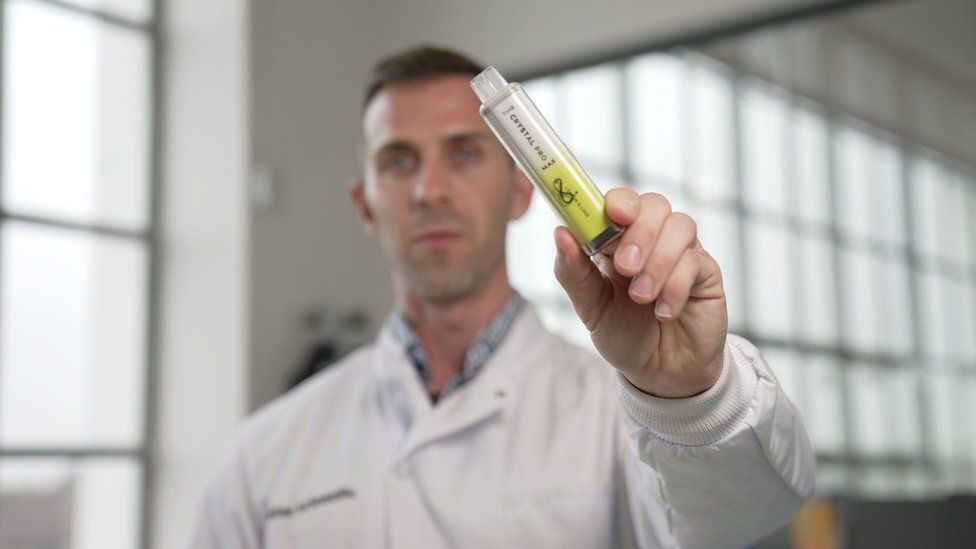
Published2 hours agoShareclose panelShare pageCopy linkAbout sharingImage source, BBC NewsBy Hugh Pym and Lucy WatkinsonBBC NewsVapes confiscated from school pupils contain high levels of lead, nickel and chromium, BBC News has found. Used vapes gathered at Baxter College in Kidderminster were tested in a laboratory.The results showed children using them could be inhaling more than twice the daily safe amount of lead, and nine times the safe amount of nickel.Some vapes also contained harmful chemicals like those in cigarette smoke.High levels of lead exposure in children can affect the central nervous system and brain development, according to the World Health Organization.It is thought vapes are being used widely by secondary school children and Baxter College is not alone in trying to stop them vaping during school hours.How easy is it to buy an illegal vape?Warning over vape misuse after children collapseHow to stop children vapingThe Inter Scientific laboratory, in Liverpool, which works with vape manufacturers to ensure regulatory standards are met, analysed 18 vapes.Most were illegal and had not gone through any kind of testing before being sold in the UK. Lab co-founder David Lawson said: “In 15 years of testing, I have never seen lead in a device.”None of these should be on the market – they break all the rules on permitted levels of metal. “They are the worst set of results I’ve ever seen.”In “highlighter vapes” – designed with bright colours to look like highlighter pens – the amounts of the metals found were:lead – 12 micrograms per gram, 2.4 times the stipulated safe exposure levelnickel – 9.6 times safe levels chromium – 6.6 times safe levelsThe metals were thought to come from the heating element – but the tests showed they were in the e-liquid itself.The lab tests also found compounds called carbonyls – which break down, when the e-liquid heats up, into chemicals such as formaldehyde and acetaldehyde, also found in cigarette smoke – at 10 times the level in legal vapes. Some even had more than cigarettes.Manufacturers have to follow regulations on ingredients, packaging and marketing – and all e-cigarettes and e-liquids must be registered with the Medicine and Health Care Products Regulatory Agency (MHRA). But the agency is not required to check the claims made in paperwork and has no power to investigate unregistered products.MHRA head of e-cigarettes Craig Copland said the results would be reviewed to assess whether the vapes posed a health risk.BBC News showed the findings to Baxter College pupils Leon and Oscar, whose vapes had been confiscated. They admitted in a previous interview they were hooked on nicotine and struggled to give up vaping.Image source, BBC NewsThe boys say it is easy to ignore the risks.”You won’t really care, if you’re addicted to it – you’ll just forget about it,” Oscar said.Leon said regulation and policing should be doing more to tackle the problem.”They’re not really as bothered as they should be,” he said.Head teacher Mat Carpenter was horrified by the findings. He has installed sensors in the school toilets to try to reduce opportunities to vape.”It’s been part of youth culture for a long time and we are a long way behind the curve in influencing children’s behaviour around this, which is why we need such a strong message,” Mr Carpenter said.Image source, BBC News”As a society we are capable of holding two messages, one that if you smoke already vaping can have a positive effect on your health, but children should not be vaping.”Is vaping bad for you?Vaping nearly killed me, says British teenagerUniversity of Nottingham epidemiology professor John Britton, who sits on the Royal College of Physicians Tobacco Group, said inhaling metals could be dangerous. “Lead is a neurotoxin and impairs brain development, chrome and nickel are allergens and metal particles in general in the bloodstream can trigger blood clotting and can exacerbate cardiovascular disease,” he said.”The carbonyls are mildly carcinogenic and so with sustained use will increase the risk of cancer – but in legal products, the levels of all of these things is extremely low so the lifetime risk to the individual is extremely small.”But Mr Lawson said there had been a much greater rise in illegal products recently and “some of these are hard to distinguish between the ones which are potentially legal”. The government has allocated £3m to tackle the sale of illegal vapes in England. It wants to fund more test purchases and have the products removed from shops and is calling for evidence to help cut the number of children accessing vapes. It is illegal to sell vapes to under-18s. But a YouGov survey in March and April for Action on Smoking and Health suggests a rise in experimental vaping among 11- to 17-year-olds, from 7.7%, last year, to 11.6%. More on this storySensors reduce student vaping, school saysPublished10 MarchNew measures to crack down on illegal teen vapingPublished9 April

Read more →

Bird flu: Brazil declares animal health emergency after several cases found

Published3 hours agoShareclose panelShare pageCopy linkAbout sharingImage source, ReutersBy James FitzGeraldBBC NewsBrazil has declared a six-month animal health emergency after several cases of avian flu were found in wild birds.Seven cases have been reported in Espirito Santo state, with another discovered in Rio de Janeiro state.The emergency declaration makes it easier for the government to now bring in measures to stop the highly infectious H5N1 virus from spreading.Brazil is the world’s largest exporter of chicken meat, with annual sales of nearly $10bn (£8bn). Authorities say the cases were found far away from Brazil’s main areas of production in the south of the country. However, outbreaks in commercial flocks elsewhere have sometimes been observed to follow the discovery of avian flu cases in wild birds.The finding of a case on a farm often triggers a cull of a large number of birds – and can sometimes prompt trade restrictions from other countries.The health emergency has been declared across the whole country for the next 180 days as a precaution.The world has been going through its worst ever outbreak of bird flu since October 2021, causing the deaths of more wild birds than ever before. Some mammals are also catching the disease.Scientists remain unsure why this outbreak is proving so much worse than others, but the World Organisation for Animal Health (WOAH) has reported “devastating impacts on animal health and welfare”.The World Health Organization (WHO) says the further spread of the H5N1 virus will have to be monitored closely to see whether it is mutating into a form which can spread amongst humans.Cases that do occur are the result of people coming into close contact with infected birds.More on this storyWhat is bird flu and what’s behind the outbreak?Published17 April

Read more →

The woman who travelled seven hours by camel to give birth

Published26 minutes agoShareclose panelShare pageCopy linkAbout sharingImage source, Sadam Alolofy/UnfpaBy Charlene Anne RodriguesBBC NewsWhen Mona’s contractions hit, a camel became her lifeline.Mona, 19, expected the 40km (25-mile) journey to the hospital would take four hours from her home on top of rocky mountains. But with no roads – suffering labour pains and in bad weather – it took seven hours instead.”With every step the camel took forward, I was torn apart,” she said. When the camel could go no further, Mona dismounted and trudged the final leg of her journey on foot with her husband. In north-west Yemen’s Mahweet province, Bani Saad hospital is the only surviving health facility for thousands of women. From Mona’s house, in Al-Maaqara village, the facility can only be reached through treacherous mountains on camels or by foot. While clinging to her ride, Mona feared for her safety and that of her unborn child. “The road was rocky,” she said, recalling the “physically and mentally exhausting trip”. “There were times I prayed that God would take me away and protect my baby so I could escape the pain.”Image source, Sadam Alolofy/UnfpaMona has no memory of arriving at the hospital but she does remember being filled with hope after hearing her baby’s cries in the hands of midwives and surgeons.She, along with her husband, named the baby boy Jarrah after the surgeon who saved them. The roads to the hospital from nearby villages are narrow. Some are disintegrated or blocked due to eight years of war between pro-government forces supported by a Saudi-led coalition and the Iranian-backed rebel Houthi movement. Women, family members, or partners often assist pregnant women for hours through the hills to the hospital. Salma Abdu, 33, who was accompanying an expectant mother, said that halfway through her journey she saw a pregnant woman who had died at night on her way. Salma is urging people to have mercy on the women and children.”We need roads, hospitals, pharmacies. We are stranded in this valley. Those who are lucky give birth safely. Others die, also having endured the misery of the trip,” she said. Some families can pay for the hospital but do not have the financial resources to get there. A woman dies every two hours during childbirth from preventable causes in Yemen, according to Hicham Nahro of the United Nations Population Fund (UNFPA) in Yemen.Mr Nahro said it was often the case that women in remote areas of Yemen did not have regular check-ups or seek help unless they started bleeding or were in severe pain. Image source, Sadam Alolofy/UnfpaFewer than half of births are assisted by a skilled doctor and only one third of births take place in a health facility, according to the UNFPA. Two fifths of Yemen’s population live more than an hour away from the nearest fully functioning public hospital.Yemen’s broken healthcare system was struggling even before the war. The conflict, though, has caused widespread damage to Yemen’s hospitals and roads, making it impossible for families to travel without difficulty.Hospitals are lacking qualified staff, equipment and medicines, and investment in roads and infrastructure has stalled.Only one in five of the functioning facilities can provide reliable maternal and child health services, according to UNFPA.’I thought it was the end’ Mona’s story is just one of many such cases of hardship faced by expectant mothers in Yemen. Car ownership is beyond the reach of most ordinary people in Yemen, where 80% of the population is reliant on aid. Hailah’s husband used the little money he had saved when he worked in Saudi Arabia to ensure his wife could travel to the hospital on a borrowed motorcycle. When her waters broke, her brother-in-law strapped her to the bike and set off, but on the way she fell. When they got to the Hadaka health centre in Dhamar, Hailah was quickly moved to the surgery ward. “I thought it was the end,” said the 30-year-old. “There was no way for me and my unborn to survive.”She was warned during the early stages of her pregnancy that giving birth at home was not an option due to risks of severe bleeding and other pregnancy complications.The doctor at the health centre said Hailah and the baby were saved at the 11th hour. She named her baby girl Amal, meaning “hope” in Arabic.”I nearly lost the baby and life lost its meaning due to the cursed war, but this baby gave me hope,” she said. With international funding drying up, centres like the Bani Saad hospital are further financially squeezed. Staff at the centre fear for the future of mothers and babies as they are forced to prioritise who they can save. Additional reporting by Fuad Rajeh and Mohammed Al Qalisi More on this storyYemen: Why is there a war there?Published14 AprilThe terrible toll on women of Yemen’s warPublished16 April

Read more →

Study may explain why high-sugar diets can worsen IBD

Excess sugar hampers cells that renew the colon’s lining in a mouse model of inflammatory bowel disease (IBD), according to a new study by University of Pittsburgh scientists.
The findings, published in Cellular and Molecular Gastroenterology and Hepatology, could help get to the bottom of why limiting sugary foods can ease symptoms for patients with IBD.
“The prevalence of IBD is rising around the world, and it’s rising the fastest in cultures with industrialized, urban lifestyles, which typically have diets high in sugar,” said senior author Timothy Hand, Ph.D., associate professor of pediatrics and immunology at Pitt’s School of Medicine and UPMC Children’s Hospital of Pittsburgh. “Too much sugar isn’t good for a variety of reasons, and our study adds to that evidence by showing how sugar may be harmful to the gut. For patients with IBD, high-density sugar — found in things like soda and candy — might be something to stay away from.”
Led by Ansen Burr, Ph.D., a student in Pitt’s Medical Scientist Training Program, the researchers started by feeding mice either a standard or high-sugar diet. Then they mimicked symptoms of IBD by treating the animals with a chemical called DSS that causes damage to the colon.
To their shock, all the mice on the high-sugar diet died within nine days. In contrast, all the animals on the standard diet survived until the end of the 14-day experiment.
To learn what made sugar so deadly in mice with IBD symptoms, the team looked at the animals’ colons. Also known as the large intestine, the colon is lined with a layer of epithelial cells that are arranged in finger-like projections called crypts. In a healthy colon, these cells are continually replenished by dividing stem cells at the bottom of each crypt.

“The colon epithelium is like a conveyor belt,” said Hand, who is also director of Pitt’s Gnotobiotic Animal Core Laboratory. “It takes five days for cells to travel through the circuit from the bottom to the top of the crypt, where they are shed into the colon and defecated out. You essentially make a whole new colon every five days.”
When mice on the high-sugar diet were given DSS, that circuit collapsed, said Hand. In some of the animals, the protective layer of epithelial cells was completely lost, causing the colon to be full of blood and immune cells.
Unexpectedly, a high-sugar diet was similarly lethal in germ-free mice treated with DSS, showing that sugar affects the colon directly and is not dependent on the gut microbiome as the researchers had predicted.
Next, the team tested how sugar affected mouse and human colonoids, poppy seed-sized miniature intestines that can be grown in a lab dish. As concentrations of glucose, sucrose or fructose increased, fewer colonoids developed and they grew slower, evidence that sugar impaired cell division.
“We found that stem cells were dividing much more slowly in the presence of sugar — likely too slow to repair damage to the colon,” said Hand. “The other strange thing we noticed was that the metabolism of the cells was different. These cells usually prefer to use fatty acids, but after being grown in high-sugar conditions, they seemed to get locked into using sugar.”
In sugary conditions, the cells had vastly altered metabolic pathways, and they produced lower levels of ATP, the energy-providing molecule that drives cellular processes. The researchers suspect that this rewiring of cellular pathways inhibits the capacity of stem cells to divide, slowing renewal of the colon lining and accelerating gut damage in IBD.

According to Hand, these findings could help explain other research that has linked sweetened beverages, including sodas, soft drinks and juices, to negative outcomes in IBD patients.
“If you eat an apple or an orange, you’re eating a lot of sugar, but that sugar is tied up in the fruit’s cells, so it takes a long time to digest and open up those cells to get the sugar,” said Hand. “Whereas if you drink a soda, the sugar is available almost the second it hits your intestine, and it’s easy to drink a huge amount of sugar in a very short time. Our research suggests that consuming high levels of sugar could have negative outcomes for repairing the colon in patients with inflammatory bowel disease.”
Hand said that future research, done in in collaboration with coauthor Semir Beyaz, Ph.D., assistant professor at Cold Spring Harbor Laboratory, will focus on understanding how diet and immune response can affect IBD.
“I think that we need to investigate more deeply what diets are going to benefit patients who have intestinal damage, whether that be from IBD or from radiation therapy to treat colon cancer,” said Hand. “It’s about a nutraceutical approach to colon damage, or the idea of finding the right diet for a particular patient.”
Other authors on the study were Junyi Ji, B.Med., of Tsinghua University; Kadir Ozler, B.S., Onur Eskiocak, B.S., and Brian Yueh, B.S., of Cold Spring Harbor Laboratory; and Heather L. Mentrup, Ph.D., Rachel Cumberland, B.A., Ashley V. Menk, B.S., Natalie Rittenhouse, B.S., Chris W. Marshall, Ph.D., Pailin Chiaranunt, B.S., Xiaoyi Zhang, M.D., Ph.D., Lauren Mullinax, M.D., Abigail Overacre-Delgoffe, Ph.D., Vaughn S. Cooper, Ph.D., Amanda C. Poholek, Ph.D., Greg M. Delgoffe, Ph.D., and Kevin P. Mollen, M.D., all of Pitt or UPMC.
This work was supported by the Richard King Mellon Institute for Pediatric Research, the National Institutes of Health (T32AI089443-10), the Damon Runyon Cancer Research Foundation (2360-19), the Kenneth Rainin Foundation and the Cancer Center Support Grant (5P30CA045508).

Read more →

Fluorine-based new drug synthesis at lightning speed

How short is one second? The duration of a second can be defined as one 86,400th of a 24-hour day. A bullet train traveling at 300 km per hour can cover a distance of 83 meters in one second. On average, an individual’s blink lasts for 0.3 seconds, allowing for three blinks to occur within one second. A joint team of researchers from POSTECH has proposed a synthesis method for fluorine-based compound via a rapid mixing reaction between a gaseous component and liquid that takes less than a single second.
The research team led by Professor Dong-Pyo Kim and Jeong-Un Joo (Department of Chemical Engineering at POSTECH), and Professor Heejin Kim and Hyune-Jea Lee (currently, a researcher at Samsung Advanced Institute of Technology) from the Department of Chemistry at Korea University has successfully developed a new method for synthesizing trifluoromethyl intermediate (-CF3) from fluoroform (CHF3). It involves the use of a special reactor capable of achieving an ultra-fast mixing between gas and liquid. This method offers promising prospects for the synthesis of novel fluorine-based new drugs. The research was published in Nature Communications.
Fluorine is not found in its pure form naturally, but instead exists solely in the form of various chemical compounds. Sodium fluoride, a compound containing fluorine, is used as an ingredient in toothpaste due to its ability to coat teeth and prevent cavities. Recent studies have highlighted the potential of synthetic drug molecules containing fluorine as they possess high permeability into cell membranes of diseased tissues and exhibit strong binding affinity against proteins. Consequently, there is growing interest in the development of drugs containing fluorine.
There are several approaches to synthesizing trifluoromethyl, but the most cost-effective method involves substituting a hydrogen atom from fluoroform, a simple precursor, with another element or functional group. However, gaseous fluoroform is volatile, which makes it difficult to mix with liquids and exhibits low reactivity. Moreover, it decomposes instantly, requiring the addition of a substance that can react with it. Unfortunately, this process can result in unintended chemical reactions that lead to a low yield of trifluoromethyl.
To address the challenge of synthesizing trifluoromethyl from fluoroform, the research team developed a novel gas-liquid reactor with a zigzag-shaped channel and highly permeable non-porous membranes sandwiched between upper and lower channels. This configuration allowed for the swirling and mixing of superbase, a liquid utilized for dehydrogenation, and gaseous fluoroform within the reactor. By breaking fluoroform bubbles into smaller pieces to increase the contact area between gas and liquid, the team was able to effectively produce trifluoromethyl anion (CF3-). Unlike traditional approaches, they produced a fluoride intermediate effectively without requiring stabilizers or additives.
The research team synthesized a fluorine-based compound by immediately adding a compound that will react with the fluoride anion intermediate. The entire process, which involved the generation of a fluorine anion intermediate from fluoroform took place within a second. The team maximized the formation of a trifluoromethyl anion, which is known to be short-lived, and rapidly facilitated the subsequent reaction before the intermediate decomposed. This method allowed for improved yield of fluoride-based compounds and introduced a robust technique for the synthesis of fluorine-based drugs.
The research findings have significant implications for industrial applications in the economically efficient synthesis of fluoride compounds, making them more practical as well contributing significantly to studies on several unstable intermediates.
The study was conducted with the support from the National Research Foundation of Korea.

Read more →