Researchers expand ability of robots to learn from videos

New work from Carnegie Mellon University has enabled robots to learn household chores by watching videos of people performing everyday tasks in their homes.
The research could help improve the utility of robots in the home, allowing them to assist people with tasks like cooking and cleaning. Two robots successfully learned 12 tasks including opening a drawer, oven door and lid; taking a pot off the stove; and picking up a telephone, vegetable or can of soup.
“The robot can learn where and how humans interact with different objects through watching videos,” said Deepak Pathak, an assistant professor in the Robotics Institute at CMU’s School of Computer Science. “From this knowledge, we can train a model that enables two robots to complete similar tasks in varied environments.”
Current methods of training robots require either the manual demonstration of tasks by humans or extensive training in a simulated environment. Both are time consuming and prone to failure. Past research by Pathak and his students demonstrated a novel method in which robots learn from observing humans complete tasks. However, WHIRL, short for In-the-Wild Human Imitating Robot Learning, required the human to complete the task in the same environment as the robot.
Pathak’s latest work, Vision-Robotics Bridge, or VRB for short, builds on and improves WHIRL. The new model eliminates the necessity of human demonstrations as well as the need for the robot to operate within an identical environment. Like WHIRL, the robot still requires practice to master a task. The team’s research showed it can learn a new task in as little as 25 minutes.
“We were able to take robots around campus and do all sorts of tasks,” said Shikhar Bahl, a Ph.D. student in robotics. “Robots can use this model to curiously explore the world around them. Instead of just flailing its arms, a robot can be more direct with how it interacts.”
To teach the robot how to interact with an object, the team applied the concept of affordances. Affordances have their roots in psychology and refer to what an environment offers an individual. The concept has been extended to design and human-computer interaction to refer to potential actions perceived by an individual.
For VRB, affordances define where and how a robot might interact with an object based on human behavior. For example, as a robot watches a human open a drawer, it identifies the contact points — the handle — and the direction of the drawer’s movement — straight out from the starting location. After watching several videos of humans opening drawers, the robot can determine how to open any drawer.
The team used videos from large datasets such as Ego4D and Epic Kitchens. Ego4D has nearly 4,000 hours of egocentric videos of daily activities from across the world. Researchers at CMU helped collect some of these videos. Epic Kitchens features similar videos capturing cooking, cleaning and other kitchen tasks. Both datasets are intended to help train computer vision models.
“We are using these datasets in a new and different way,” Bahl said. “This work could enable robots to learn from the vast amount of internet and YouTube videos available.”
More information is available on the project’s website and in a paper presented in June at the Conference on Vision and Pattern Recognition.

Read more →

New research reveals the impact of different species and their traits on human wellbeing

New research has revealed for the first time that well-functioning ecosystems are crucial to human health and wellbeing, with human-biodiversity interactions delivering wellbeing gains equating to substantial healthcare cost-savings, when scaled-up across populations.
The University of Kent-led study, which is part of the European Research Council-funded project ‘Relating Subjective Wellbeing to Biodiversity’ (RELATE), set out to understand which components of nature and biodiversity played a particular role in human wellbeing.
The team, which was led by Kent’s Professor Zoe Davies, analysed the effects of species’ traits, based on people’s feedback following a series of workshops, to identify those that generate different types of wellbeing e.g., physical, emotional, cognitive, social, spiritual, and ‘global’, the latter being akin to ‘whole-person health’.
The team found that, in general, the vast majority of species and traits are beneficial to human wellbeing. They also discovered that each species may support multiple traits, potentially with different impacts. For example, the colours of brambles (black, pink, red) are linked to multiple positive physical, emotional and social wellbeing types, but their prickly texture generated negative emotional wellbeing. The numerous traits from across an ecological community can elicit a multitude of wellbeing responses, illustrating the true complexity of how people relate to biodiversity.
Professor Davies, a biodiversity conservationist at Kent’s Durrell Institute of Conservation and Ecology (DICE), said: ‘While we know that spending time in natural environments can improve our health and wellbeing, we still need to know more about which species, or traits of species (such as colours, sounds, smells, textures and behaviours), deliver these benefits — and how people’s relationships with biodiversity are both contextually and culturally specific. Understanding how people experience biodiversity is therefore key to successfully managing biodiversity to facilitate human wellbeing.’
Study co-author, Professor Martin Dallimer, from the School of Earth and Environment, University of Leeds, said: ‘For the first time, through analysing people’s own words and reflections, we are able to explicitly link that feeling of wellbeing with species and their traits. How people respond to biodiversity is hugely varied and if we want people’s wellbeing to benefit from spending time in nature, then it is essential to make sure we are maintaining and restoring high quality biodiverse spaces for wildlife and for people. Our aim is that these findings really drive home how important biodiversity is in underpinning wellbeing benefits, particularly to healthcare and public sectors who include ‘spending time in nature’ as an element of mental health and wellbeing.’
Dr Jessica Fisher, also from DICE, added: ‘By starting to comprehend how people experience biodiversity, we can begin to manage our natural environments for both biodiversity conservation and human health. Even small improvements in wellbeing at an individual level could scale up to substantial healthcare cost savings across an entire country. Our approach can be used to create better-tailored public health interventions or architectural/landscape designs by, for example, maximising the likelihood of people having interactions with certain species and their traits. Critically, as each additional species in an ecological community supports additional traits, maintaining or enhancing biodiversity will be key to delivering human wellbeing.’

Read more →

Low-dose aspirin may increase anaemia risk in healthy older adults: study

A new study analysing data from the landmark ASPREE trial has found that prolonged daily aspirin use increases the risk of anaemia by 20 per cent in people mostly aged 70 and over.
The results have prompted researchers to suggest that regular monitoring for anaemia be considered for older adults who take low-dose aspirin, and if older adults have concerns about their health or medications they should discuss them with their GP.
The results have prompted researchers to suggest that regular monitoring for anaemia be considered for older adults who take low-dose aspirin and to discuss any concerns about their health or medications with their GP.
The Monash University-led study, published in Annals of Internal Medicine, followed 18,153 initially healthy older adults in Australia and the USA and recorded incidents of anaemia over an average 4.7 years.
The risk of developing anaemia was found to be 20 per cent higher in the aspirin group compared to those in the placebo group.
It was the largest study to investigate anaemia in older people as part of a randomised controlled trial, ASPREE (ASPirin in Reducing Events in the Elderly) — with half the participants taking a placebo and the other half a daily low dose (100mg) of aspirin.
Anaemia is commonly experienced by older adults, potentially affecting overall function and increasing fatigue, disabilities, depressive symptoms and cognitive problems.
In addition to a higher risk of anaemia, blood tests revealed a faster decline of haemoglobin and reduced ferritin (a protein that carries iron) levels in the aspirin group compared to the placebo group.
Lead author, Associate Professor Zoe McQuilten from Monash University’s School of Public Health and Preventive Medicine, said while bleeding was a known side-effect of aspirin, few previous studies had looked at the effect of prolonged aspirin use on the progressive development of anaemia in older adults.
“This study gives a clearer picture of the additional risk of becoming anaemic with aspirin use and the impact is likely to be greater in older adults with underlying diseases, such as kidney disease,” Associate Professor McQuilten said.
Associate Professor McQuilten said the new data gave doctors insight into the risk of anaemia from prolonged aspirin use by their older patients. “Older adults are more likely to become anaemic generally and now doctors can potentially identify patients at higher risk of developing anaemia,” she said.
Associate Professor McQuilten urged patients to follow the advice of their doctor about their daily use of aspirin. She cautioned that for some older adults, aspirin was recommended as a valuable therapy to prevent recurring heart attacks or stroke. “Patients should not change their aspirin regimen without speaking to their GP,” she said.

Read more →

Regular napping linked to larger brain volume

Daytime napping may help to preserve brain health by slowing the rate at which our brains shrink as we age, suggests a new study led by researchers at UCL and the University of the Republic in Uruguay.
The study, published in the journal Sleep Health, analysed data from people aged 40 to 69 and found a causal link between habitual napping and larger total brain volume — a marker of good brain health linked to a lower risk of dementia and other diseases.
Senior author Dr Victoria Garfield (MRC Unit for Lifelong Health & Ageing at UCL) said: “Our findings suggest that, for some people, short daytime naps may be a part of the puzzle that could help preserve the health of the brain as we get older.”
Previous research has shown that napping has cognitive benefits, with people who have had a short nap performing better in cognitive tests in the hours afterwards than counterparts who did not nap.
The new study aimed to establish if there was a causal relationship between daytime napping and brain health.
Using a technique called Mendelian randomisation, they looked at 97 snippets of DNA thought to determine people’s likelihood of habitual napping. They compared measures of brain health and cognition of people who are more genetically “programmed” to nap with counterparts who did not have these genetic variants, using data from 378,932 people from the UK Biobank study, and found that, overall, people predetermined to nap had a larger total brain volume.

The research team estimated that the average difference in brain volume between people programmed to be habitual nappers and those who were not was equivalent to 2.6 to 6.5 years of ageing.
But the researchers did not find a difference in how well those programmed to be habitual nappers performed on three other measures of brain health and cognitive function — hippocampal volume, reaction time and visual processing.
Lead author and PhD candidate Valentina Paz (University of the Republic (Uruguay) and MRC Unit for Lifelong Health & Ageing at UCL) said: “This is the first study to attempt to untangle the causal relationship between habitual daytime napping and cognitive and structural brain outcomes. By looking at genes set at birth, Mendelian randomisation avoids confounding factors occurring throughout life that may influence associations between napping and health outcomes. Our study points to a causal link between habitual napping and larger total brain volume.”
Dr Garfield added: “I hope studies such as this one showing the health benefits of short naps can help to reduce any stigma that still exists around daytime napping.”
The genetic variants influencing our likelihood to nap were identified in an earlier study looking at data from 452,633 UK Biobank participants. The study, led by Dr Hassan Dashti (Harvard University and Massachusetts General Hospital), also an author on the new study, identified the variants on the basis of self-reported napping, and this was supported by objective measurements of physical activity recorded by a wrist-worn accelerometer.

In the new study, researchers analysed health and cognition outcomes for people with these genetic variants as well as several different subsets of these variants, adjusted to avoid potential bias, for instance avoiding variants linked to excessive daytime sleepiness.
Genetic data and magnetic resonance imaging (MRI) scans of the brain were available for 35,080 individuals drawn from the larger UK Biobank sample.
In terms of study limitations, the authors noted that all of the participants were of white European ancestry, so the findings might not be immediately generalisable to other ethnicities.
While the researchers did not have information on nap duration, earlier studies suggest that naps of 30 minutes or less provide the best short-term cognitive benefits, and napping earlier in the day is less likely to disrupt night-time sleep.
Previous research looking at the UK and the Netherlands found that nearly a third of adults aged 65 or over had a regular nap.
The study was supported by Diabetes UK, the British Heart Foundation and the Diabetes Research and Wellness Foundation. In Uruguay it was supported by Programa de Desarrollo de las Ciencias Básicas (PEDECIBA, MEC-UdelaR), Agencia Nacional de Investigación e Innovación (ANII), Comisión Sectorial de Investigación Científica (CSIC, UdelaR), and Comisión Académica de Posgrados (CAP, UdelaR). In the United States it was supported by the National Heart, Lung, and Blood Institute.

Read more →

Everyone's brain has a pain fingerprint — new research has revealed for the first time

New research has revealed everyone’s brain has a ‘pain fingerprint’ that varies from person to person.
The University of Essex-led study, in collaboration with the neuroscience of pain group at the Ludwig Maximilians University of Munich, found fast-oscillating brain waves linked to brief pain and touch can differ widely in scans.
These waves, called gamma oscillations, were previously thought to represent pain perception in the brain — with past research focussing on group data and overlooking individual differences, even discarding them as ‘noise’ in scans.
The Department of Psychology’s Dr Elia Valentini found major differences in timing, frequency and location of the gamma oscillations and incredibly some people showed no waves at all.
Dr Valentini said: “Not only, for the first time, can we pinpoint the extreme variability in the gamma response across individuals, but we also show that the individual response pattern is stable across time.”
“This pattern of group variability and individual stability may apply to other brain responses, and characterising it may allow us to identify individual pain fingerprints in the activity of the brain.”
The study, published in the Journal of Neurophysiology, was able to map patterns in participants from another lab, suggesting a replicable phenomenon.

In total, data from 70 people were examined. The experiments were split into two studies with a laser used to generate pain.
Overall, it was discovered that the subject’s gamma waves were “remarkably stable” and created similar individual patterns when stimulated.
Interestingly, some recorded feeling pain and having no gamma response, whilst others had a large response.
At this stage, it is not known why there is such variation — but it is hoped this will be a springboard for future research.
Dr Valentini added: “I think we need to go back to square one because past findings on the relationship between pain and gamma oscillations do not represent all the participants.
“Unfortunately, this minority can drive the research results and lead to misleading conclusions about the functional significance of these responses.
“We don’t mean for gamma oscillations not to have a role in pain perception, but we certainly won’t find its true role if we keep quantifying it as we did thus far.”
Dr Valentini hopes this study will also change the way gamma oscillations are measured in other sensory domains.

Read more →

Self-driving revolution hampered by a lack of accurate simulations of human behavior

Self-driving revolution hampered by a lack of accurate simulations of human behaviour.
Algorithms that accurately reflect the behaviour of road users — vital for the safe roll out of driverless vehicles — are still not available, warn scientists.
They say there is “formidable complexity” in developing software that can predict the way people behave and interact on the roads, be they pedestrians, motorists or bike riders.
To improve the modelling, a research team led by Professor Gustav Markkula from the Institute of Transport Studies at the University of Leeds has developed the first-ever simulation of how people behave on the roads based on key cognitive theories.
Those separate theories were integrated into a larger, single psychological model that would “describe behaviour in more complex, real-world tasks.”
During computer tests, the model accurately reproduced various well-known but not previously understood behaviours of pedestrians and drivers in common road scenarios. The model also predicted how real-life human subjects would behave when facing interactive situations in a virtual reality simulator.

Professor Markkula said: “These findings suggest that everyday road user behaviour relies on a number of complex underlying cognitive mechanisms, which may be part of the reason why it has been more difficult than expected to create self-driving vehicles.”
“Our research shows that it is possible to integrate separate theories from psychology into combined theories for applications such as simulating the way people behave in traffic, which is something which has been called for but rarely achieved.”
The researchers’ findings — Explaining human interactions on the road by large-scale integration of computational psychological theory — are published today (Tuesday, June 20) in the scientific journal PNAS Nexus.
Algorithms needed to unlock self-driving revolution
The development of automated vehicles could have a major impact on the UK economy.

In a vision statement, the UK Government has said driverless vehicles will launch a £42 billion industry and create 38,000 new jobs. The aim is to see the start of the safe roll out of driverless vehicles by 2025.
But writing in the scientific journal PNAS Nexus, the researchers argue that work towards driverless vehicles has been “hampered by a lack of models of how human road users interact.”
Accurate models are needed to run simulations necessary in both development and testing of driverless vehicles and their control systems, for example to demonstrate that the vehicles remain safe when confronted with a range of human behaviour on the road.
Up to now, most computer models of road user behaviour have been statistically based, with predictions of how people might behave based on analysis of large datasets, but typically without analysing those models at a detailed behavioural level.
The research by Professor Markkula and his team has instead focused specifically on the details of human behaviour and key concepts in human psychology.
Road user behaviours and theories
The researchers looked at several typical human behaviours that exist on the road, such as hesitation in unclear situations, or implicit communication using vehicle or body movement to assert priority or to encourage someone else to go first.
The model predicts how people will behave by reference to key cognitive theories. For example, one is “theory of mind,” where people will form beliefs about what someone else is doing and how their own behaviour may affect decisions being made by the other. This relates also to “behavioural game theory,” explaining how people consider the combined effects of their own behaviour and the behaviour of others when deciding what to do.
Another theory incorporated in the model describes imperfect human perception, requiring people to take time to assess and understand what is going on in their environment.
Testing with human participants in the laboratory — including the HIKER pedestrian simulator at the University of Leeds Virtuocity facilities — revealed that the new psychological-theory based model could also make correct predictions about driver-pedestrian interaction scenarios studied in the experiments.
Professor Markkula, who holds the chair in Applied Behaviour Modelling at Leeds, added: “Our research has shown that, by taking a number of existing but separate mathematical theories about human psychology and behaviour, and putting these together, we can model — in much more detail than previously possible — how humans interact in road traffic, for example as drivers or pedestrians, including phenomena such as hesitation and interpretation of others’ intentions.”
In the paper, the researchers say that much work remains to be done in the development of psychological based models of road user behaviour.
The overall aim, say the researchers, is to develop computer models that better reflect the human dimension to behaviour on the roads.
The authors of the paper — Explaining human interactions on the road by large-scale integration of computational psychological theory — are Gustav Markkula, Yi-Shin Lin, Aravinda Srinivasan, Jac Billington, Matteo Leonetti, Amir Hossein Kalantari, Yue Yang, Yee Mun Lee, Ruth Madigan, and Natasha Mera. Matteo Leonetti is from Kings College London — the others are based at the University of Leeds.

Read more →

Prof Davies apologises to relatives of Covid victims

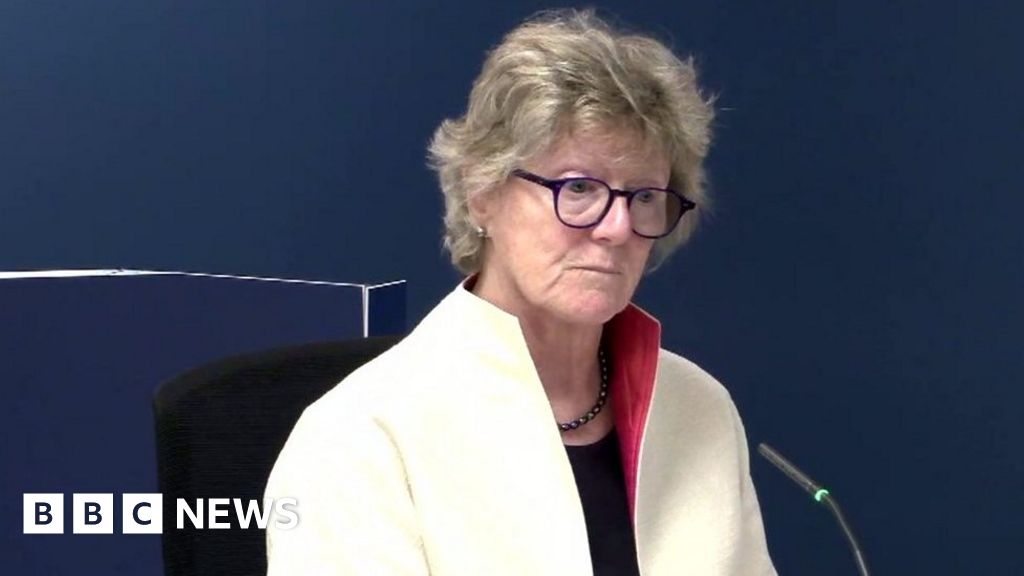
England’s former Chief Medical Officer said “how sorry I am” to those who lost loved ones in the pandemic.In an emotional moment, Professor Dame Sally Davies told the Covid inquiry that “it wasn’t just the deaths, it was the way they died”.Ex-chief medical officer’s sorrow for Covid bereaved

Read more →

Immune Resilience is Key to a Long and Healthy Life

Caption: A new measure of immunity called immune resilience is helping researchers find clues as to why some people remain healthier even in the face of varied inflammatory stressors. Credit: Modified from Shutterstock/Ground Picture

Do you feel as if you or perhaps your family members are constantly coming down with illnesses that drag on longer than they should? Or, maybe you’re one of those lucky people who rarely becomes ill and, if you do, recovers faster than others.

It’s clear that some people generally are more susceptible to infectious illnesses, while others manage to stay healthier or bounce back more quickly, sometimes even into old age. Why is this? A new study from an NIH-supported team has an intriguing answer [1]. The difference, they suggest, may be explained in part by a new measure of immunity they call immune resilience—the ability of the immune system to rapidly launch attacks that defend effectively against infectious invaders and respond appropriately to other types of inflammatory stressors, including aging or other health conditions, and then quickly recover, while keeping potentially damaging inflammation under wraps.

The findings in the journal Nature Communications come from an international team led by Sunil Ahuja, University of Texas Health Science Center and the Department of Veterans Affairs Center for Personalized Medicine, both in San Antonio. To understand the role of immune resilience and its effect on longevity and health outcomes, the researchers looked at multiple other studies including healthy individuals and those with a range of health conditions that challenged their immune systems.

By looking at multiple studies in varied infectious and other contexts, they hoped to find clues as to why some people remain healthier even in the face of varied inflammatory stressors, ranging from mild to more severe. But to understand how immune resilience influences health outcomes, they first needed a way to measure or grade this immune attribute.

The researchers developed two methods for measuring immune resilience. The first metric, a laboratory test called immune health grades (IHGs), is a four-tier grading system that calculates the balance between infection-fighting CD8+ and CD4+ T-cells. IHG-I denotes the best balance tracking the highest level of resilience, and IHG-IV denotes the worst balance tracking the lowest level of immune resilience. An imbalance between the levels of these T cell types is observed in many people as they age, when they get sick, and in people with autoimmune diseases and other conditions.

The researchers also developed a second metric that looks for two patterns of expression of a select set of genes. One pattern associated with survival and the other with death. The survival-associated pattern is primarily related to immune competence, or the immune system’s ability to function swiftly and restore activities that encourage disease resistance. The mortality-associated genes are closely related to inflammation, a process through which the immune system eliminates pathogens and begins the healing process but that also underlies many disease states.

Their studies have shown that high expression of the survival-associated genes and lower expression of mortality-associated genes indicate optimal immune resilience, correlating with a longer lifespan. The opposite pattern indicates poor resilience and a greater risk of premature death. When both sets of genes are either low or high at the same time, immune resilience and mortality risks are more moderate.

In the newly reported study initiated in 2014, Ahuja and his colleagues set out to assess immune resilience in a collection of about 48,500 people, with or without various acute, repetitive, or chronic challenges to their immune systems. In an earlier study, the researchers showed that this novel way to measure immune status and resilience predicted hospitalization and mortality during acute COVID-19 across a wide age spectrum [2].

The investigators have analyzed stored blood samples and publicly available data representing people, many of whom were healthy volunteers, who had enrolled in different studies conducted in Africa, Europe, and North America. Volunteers ranged in age from 9 to 103 years. They also evaluated participants in the Framingham Heart Study, a long-term effort to identify common factors and characteristics that contribute to cardiovascular disease.

To examine people with a wide range of health challenges and associated stresses on their immune systems, the team also included participants who had influenza or COVID-19, and people living with HIV. They also included kidney transplant recipients, people with lifestyle factors that put them at high risk for sexually transmitted infections, and people who’d had sepsis, a condition in which the body has an extreme and life-threatening response following an infection.

The question in all these contexts was the same: How well did the two metrics of immune resilience predict an individual’s health outcomes and lifespan? The short answer is that immune resilience, longevity, and better health outcomes tracked together well. Those with metrics indicating optimal immune resilience generally had better health outcomes and lived longer than those who had lower scores on the immunity grading scale. Indeed, those with optimal immune resilience were more likely to:

Live longer,

Resist HIV infection or the progression from HIV to AIDS,

Resist symptomatic influenza,

Resist a recurrence of skin cancer after a kidney transplant,

Survive COVID-19, and

Survive sepsis.

The study also revealed other interesting findings. While immune resilience generally declines with age, some people maintain higher levels of immune resilience as they get older for reasons that aren’t yet known, according to the researchers. Some people also maintain higher levels of immune resilience despite the presence of inflammatory stress to their immune systems such as during HIV infection or acute COVID-19. People of all ages can show high or low immune resilience. The study also found that higher immune resilience is more common in females than it is in males.

The findings suggest that there is a lot more to learn about why people differ in their ability to preserve optimal immune resilience. With further research, it may be possible to develop treatments or other methods to encourage or restore immune resilience as a way of improving general health, according to the study team.

The researchers suggest it’s possible that one day checkups of a person’s immune resilience could help us to understand and predict an individual’s health status and risk for a wide range of health conditions. It could also help to identify those individuals who may be at a higher risk of poor outcomes when they do get sick and may need more aggressive treatment. Researchers may also consider immune resilience when designing vaccine clinical trials.

A more thorough understanding of immune resilience and discovery of ways to improve it may help to address important health disparities linked to differences in race, ethnicity, geography, and other factors. We know that healthy eating, exercising, and taking precautions to avoid getting sick foster good health and longevity; in the future, perhaps we’ll also consider how our immune resilience measures up and take steps to achieve or maintain a healthier, more balanced, immunity status.

References:

[1] Immune resilience despite inflammatory stress promotes longevity and favorable health outcomes including resistance to infection. Ahuja SK, Manoharan MS, Lee GC, McKinnon LR, Meunier JA, Steri M, Harper N, Fiorillo E, Smith AM, Restrepo MI, Branum AP, Bottomley MJ, Orrù V, Jimenez F, Carrillo A, Pandranki L, Winter CA, Winter LA, Gaitan AA, Moreira AG, Walter EA, Silvestri G, King CL, Zheng YT, Zheng HY, Kimani J, Blake Ball T, Plummer FA, Fowke KR, Harden PN, Wood KJ, Ferris MT, Lund JM, Heise MT, Garrett N, Canady KR, Abdool Karim SS, Little SJ, Gianella S, Smith DM, Letendre S, Richman DD, Cucca F, Trinh H, Sanchez-Reilly S, Hecht JM, Cadena Zuluaga JA, Anzueto A, Pugh JA; South Texas Veterans Health Care System COVID-19 team; Agan BK, Root-Bernstein R, Clark RA, Okulicz JF, He W. Nat Commun. 2023 Jun 13;14(1):3286. doi: 10.1038/s41467-023-38238-6. PMID: 37311745.

[2] Immunologic resilience and COVID-19 survival advantage. Lee GC, Restrepo MI, Harper N, Manoharan MS, Smith AM, Meunier JA, Sanchez-Reilly S, Ehsan A, Branum AP, Winter C, Winter L, Jimenez F, Pandranki L, Carrillo A, Perez GL, Anzueto A, Trinh H, Lee M, Hecht JM, Martinez-Vargas C, Sehgal RT, Cadena J, Walter EA, Oakman K, Benavides R, Pugh JA; South Texas Veterans Health Care System COVID-19 Team; Letendre S, Steri M, Orrù V, Fiorillo E, Cucca F, Moreira AG, Zhang N, Leadbetter E, Agan BK, Richman DD, He W, Clark RA, Okulicz JF, Ahuja SK. J Allergy Clin Immunol. 2021 Nov;148(5):1176-1191. doi: 10.1016/j.jaci.2021.08.021. Epub 2021 Sep 8. PMID: 34508765; PMCID: PMC8425719.

Links:

COVID-19 Research (NIH)

HIV Info (NIH)

Sepsis (National Institute of General Medical Sciences/NIH)

Sunil Ahuja (University of Texas Health Science Center, San Antonio)

Framingham Heart Study (National Heart, Lung, and Blood Institute/NIH)

“A Secret to Health and Long Life? Immune Resilience, NIAID Grantees Report,” NIAID Now Blog, June 13, 2023

NIH Support: National Institute of Allergy and Infectious Diseases; National Institute on Aging; National Institute of Mental Health; National Institute of General Medical Sciences; National Heart, Lung, and Blood Institute

Read more →

Taiwan kindergarten druggings spark alarm among islands' parents

Published12 minutes agoShareclose panelShare pageCopy linkAbout sharingImage source, Getty ImagesBy Derek CaiBBC NewsInvestigations into the drugging of preschool children in Taiwan have sparked widespread alarm on the island.Teachers at a kindergarten in New Taipei City have been accused of sedating students with cough syrups containing drugs like phenobarbital and benzodiazepines.Police have been investigating for weeks and say it’s not clear why the children were fed the addictive syrups.But the scandal has sparked family protests outside government buildings.Hundreds joined a demonstration in New Taipei City on Sunday calling for greater transparency from the police investigation, with many criticising authorities for their lack of public disclosure.On Monday, a separate case also emerged concerning a medical practice in the southern city of Kaohsiung, on the other end of the island.The local health department there found four doctors guilty of misconduct and improper use of phenobarbital on about 20 children. They were ordered to suspend their practice for six months, and were fined 1.4m Taiwanese dollars (£35,989, $46,121).Amid growing public concern, Taipei City Hospital has also begun offering free blood tests for preschool children to check for traces of sedatives.The measures come after the scandal first emerged in May, when parents at a private preschool in New Taipei City accused staff of feeding their children “unknown drugs”.Mike, a father of a five-year-old child, told BBC Chinese that parents had noticed what appeared to be withdrawal symptoms in their children over the long Lunar New Year holiday period in February.”Some parents found their children, over the vacation, had become irritable, restless and screamed when sleeping, and even cried out with leg cramps,” he said.After speaking to the children, parents learnt that their teachers had fed them an “unknown potion”. Complaints were filed with police in April and May.Following more complaints from parents in June, local authorities launched an investigation, and found at least eight children with trace amounts of phenobarbital and benzodiazepines – a class of psychoactive drugs – in their system. The kindergarten at the centre of the controversy, a franchise of the Kid Castle Educational Institute, was ordered to shut down on 12 June. Its directors have been fined 150,000 Taiwanese dollars(£3,800 $4,872).The principal and five teachers were arrested and questioned by police but have since been released on bail. A criminal investigation is underway. Local media reported that the staff said the parents had consented to a list of medicine provided by the school but some parents in response questioned the medicines used by the school.A Taiwanese pharmacist told local media that, although rare, some cough and gastrointestinal medicine contain phenobarbital. Drugs containing phenobarbital are mostly used in the treatment of epilepsy and or used as surgical anaesthesia, and are difficult to obtain. Benzodiazepines are a class of depressant drugs most commonly used to treat severe anxiety.The drugs are highly addictive, and overdose may lead to drowsiness and shortness of breath. More on this storyChina and Taiwan: A really simple guidePublished6 AprilTaiwan sees MeToo outpouring after Netflix showPublished5 days ago

Read more →

Egg freezing rises as more women look to preserve fertility

Published6 hours agoShareclose panelShare pageCopy linkAbout sharingImage source, Getty ImagesBy Charlie JonesBBC NewsRecord numbers of women are freezing their eggs in the hope of having a family later in life, according to a new report.More than 4,000 patients froze their eggs in 2021, compared to 2,500 in 2019, the Human Fertilisation and Embryology Authority (HFEA) said. The “dramatic rise” could be linked to the pandemic, a charity said.But doctors warned there needed to be more awareness of the pros and cons.Sarah Norcross, director of the Progress Educational Trust fertility charity, said some women had considered their fertility during the lockdowns. “Restrictions on socialising may have prompted some women to think more about their fertile window, and decide to try to increase their reproductive choices,” she said.Despite the number of egg collections increasing, less women decided to donate their eggs for another woman to use, according to the report.There were nearly 1,500 new egg donors in 2019 but this dropped to just over 1,400 in 2021.Image source, Helen HenryHelen Henry, from Thurrock in Essex, donated some of her eggs when she had hers frozen 10 years ago at the age of 34.She was in a long-term relationship with a partner at the time, who did not want children.”I remember having counselling explaining the reason why I wanted to freeze my eggs and being given the opportunity to donate as well. I took that option as I wasn’t just doing it for myself. “After donating I started to feel quite guilty. I wasn’t sure that I had done the right thing. What if the mother of the child isn’t a good one? What if the child ends up in foster care? What if it’s neglected? “Fast forward a few years, I found out that a baby girl was born in December 2011 from my donation. Finding out a child was born made those guilty feelings go away,” she said.Ms Henry went on to have her own children with a new partner, and never used her frozen eggs, which have now been disposed of.”I fell pregnant naturally and quite quickly and had my first daughter at age 39 and I am currently on maternity leave again having had my son last December, aged 44,” she said.”This will be an ongoing conversation with my two children that they have a genetic sister out there in the world. I pray that I will see this child one day. It is one of my last wishes.”Image source, Vicky PattisonTV presenter and podcaster Vicky Pattison, who also lives in Essex, has just had some of her eggs frozen, after deciding she was not yet ready for children. Three of her eggs were turned into embryos with her partner’s sperm, which she was told have a 20% chance of resulting in a baby. She has also kept three as unfertilised eggs, which have a 10% chance.She shared her feelings throughout the treatment, saying there was “not enough genuine, honest information out there”.Success is strongly dependent on the age of the woman at the time of freezing her eggs, the HFEA said, with higher success rates in those aged under 35.Consultant obstetrician and gynaecologist Bassel Wattar said more work was needed to inform patients and support them through their fertility journey.”Unfortunately, there is limited public awareness on the pros and cons of this treatment and how it could be best planned to optimise chances of starting a family in the future,” he said.Are you freezing your eggs? Do you want to have children later in life? You can share your experiences by emailing haveyoursay@bbc.co.uk.Please include a contact number if you are willing to speak to a BBC journalist. You can also get in touch in the following ways:WhatsApp: +44 7756 165803Tweet: @BBC_HaveYourSayUpload pictures or videoPlease read our terms & conditions and privacy policy

If you are reading this page and can’t see the form you will need to visit the mobile version of the BBC website to submit your question or comment or you can email us at HaveYourSay@bbc.co.uk. Please include your name, age and location with any submission. Find BBC News: East of England on Facebook, Instagram and Twitter. Got a story? Email eastofenglandnews@bbc.co.uk or WhatsApp us on 0800 169 1830More on this story’Sharing my egg-freezing journey nearly broke me’Published1 day agoThe pandemic made me decide to freeze my eggsPublished18 June 2022Eggs and sperm storage limit increased to 55 yearsPublished6 September 2021How many frozen eggs result in babies?Published17 February 2020

Read more →