Menopause Retreats Are the Latest in Wellness Travel

A growing number of spas and resorts are offering programs that target the changes of perimenopause and menopause. The biggest benefit may be the chance to bond with other women going through the same thing.With a growing number of women approaching the age of hormonal changes — by 2025, approximately 1.1 billion women worldwide will have experienced menopause — the travel industry is catering to a new niche: Women who want help dealing with everything from hot flashes to mood swings, with perhaps some classic spa treatments thrown in.Menopause-centered offerings vary widely, from mindfulness techniques to herbal remedies to nutritional guidance and exercise. Sometimes, the most important activity is just the chance to bond with other women facing the same issues, experts say. “There’s a great healing and discovery when a group of people are going through a similar circumstance,” said Melissa Biggs Bradley, the founder and chief executive of Indagare, a membership-based travel company that recently announced its first midlife and menopause retreat.At the Six Senses Hotel & Spa in Portugal’s Douro Valley, I recently took part in a three-day bespoke menopause retreat to deal with my night sweats, migraines, joint pain and mood swings, and to get a greater understanding of the hormonal roller coaster I’ve been on (rooms starting at 850 euros or about $924). After a health screening, I was given a tailored agenda to nurture and balance my aging, changing body. First up was a personalized strength training session — squats, lunges, planks and resistance band exercises — to remedy my joint pain and build bone.A treatment room at the Six Senses Hotel & Spa in Portugal’s Douro Valley, which offers treatments designed to address the symptoms of menopause. Six Senses Douro ValleyFor my excessively dry skin, I was given a collagen-boosting facial — collagen production decreases with the loss of estrogen that accompanies menopause — replete with serums and a mask for hydration. To reduce inflammation, I trembled during a daily cold plunge, followed by 15 minutes in an infrared sauna. The finale consisted of a 30-minute bio-hacking treatment, during which I wore thigh-high compression boots — think pulsating, vibrating currents moving up and down your legs — to enhance lymphatic drainage and relax sore muscles; listened to a guided meditation through headphones while wearing an eye-mask; and experienced infrared light stimulation on my face, which is said to heal the cell renewal process and again, stimulate collagen.At the end, my entire body felt relaxed, but what it all added up to is hard to say. Dr. Lauren Streicher, a clinical professor of obstetrics and gynecology at Northwestern University and host of the Menopause Podcast, is skeptical when it comes to claims that spa treatments will reduce the symptoms of menopause. Dr. Streicher warns women to beware of medical claims made by spas. “It’s OK if you want to talk to other menopausal women, share information and get support,” she said. “The problem is when information is presented as if it’s scientific. It can be manipulative to say a smoothie will make your vagina less dry.”If you’re seeking medical advice about your symptoms — which some destinations offer — Dr. Streicher advises knowing what specifically you are seeking to address, and recommends consulting with a licensed physician if you are considering long-term solutions, such as hormone replacement therapy.Ms. Biggs Bradley said she decided to offer a menopause retreat because “so many conversations on our trips have steered to the physical changes of the 40s and 50s and how to navigate them. Women were starved for information.”When it comes to menopause travel, Dr. Heather Hirsch, founder of the Menopause & Midlife Clinic at Boston’s Brigham and Women’s Hospital, and author of “Unlock Your Menopause Type,” sees the greatest benefits in terms of self-care, community and education. “The fact that you’re carving out this time and resources for yourself, which women in midlife don’t do very often, is an important thing,” said Dr. Hirsch.The Kripalu Center offers access to the outdoors, including along the shores of the Stockbridge Bowl. Kripalu Center for Yoga & HealthThere are all sort of products claiming to reduce symptoms, and a retreat can be a good way to get ideas and test products before committing to a purchase. These getaways are unlikely to alleviate your consistent, long-lasting symptoms, but Dr. Hirsch said, “even if the infrared mask makes your skin feel great for a few weeks, it is the combination of self-care, community and education that will stay for much longer.”Here are a few getaways with specific perimenopause and menopause programs. What they all have in common is a focus on facing the inevitable hormonal changes that come with the aging female body.The Kripalu Center for Yoga & Health, in Stockbridge, Mass., will be hosting its first menopause-focused retreat from Sept. 15 to 17, called “Unearthing the Wisdom of Menopause Rituals for Self-Care and Discovery.” The weekend — guided by two members of Kripalu’s lead faculty — will focus less on symptoms and more on adjusting to overall bodily change. There will be a combination of discussion, sharing circles, yoga, breath practices, tools from Ayurveda (the holistic approach of India’s ancient medical system), and a fire ritual to celebrate the “journey of transformation.” The retreat includes meals and access to the center’s grounds ($299 plus accommodations; rooms starting at $145).In the Jaavu Spa at the Amilla Maldives Resort, the four-day Pause menopause retreat is offered three times in September. Led by Claire O’Sullivan, a women’s health and nutrition coach, this retreat is structured around four themes — balance, move, relax and evolve. In addition to one-on-one coaching, the retreat includes treatments such as reflexology and light therapy. There are yoga and meditation sessions, and seminars on intuitive movement, stress reduction and hormone balancing ($5,915, including room, meals and treatments).Indagare’s Wise Women retreat at Canyon Ranch Berkshires in Lenox, Mass., is the company’s first to focus on midlife and menopause. The five-day retreat, from Oct. 29 to Nov. 2, will be hosted by Dr. Robin Noble, an OB-GYN, specializing in the menopausal transition. There will be private consultations and daily group sessions addressing the impact of hormonal shifts on sleep, mood, bone and heart health, metabolism, fitness and sexual activity. Each morning, guests have the option to choose among Canyon Ranch’s offerings, such as yoga, hiking, meditation and spa treatments; afternoons and evenings are reserved for cooking classes and workshops on topics such as how to become your own health advocate, optimizing sexual function and strategies for navigating life’s shifting roles (starting at $4,500, including room, meals and activities).The Raj Ayurveda Health Spa, in Fairfield, Iowa, offers a Menopause Program using ayurvedic treatments. A five-day program, offered year-round, begins with a private wellness consultation, including an ayurvedic pulse assessment from which a treatment plan is created. Guests spend several hours a day in herbal body treatments to restore balance and remove impurities. There is time for yoga and meditation, and personalized sessions with resident experts to monitor progress and devise a take-home plan to help maintain daily routines for nutrition, herbal therapies, yoga and meditation. The Raj offers the choice of eating at a table with other guests or dining alone (starting at $3,900, including room, meals and treatments).Women take part in a wall yoga class as part of the Feisty Menopause retreat at the Lake Nona Wave Hotel in Orlando, Fla. Feisty MenopauseTargeted at “active, performance-minded women in and beyond the menopause transition,” the weekend-long Feisty Menopause retreat — from Nov. 16 to18 — will take place at the Lake Nona Wave Hotel in Orlando, Fla. Led by a fitness coach-trainer and an orthopedic surgeon, it will welcome two dozen women seeking to address the health and fitness goals that shift during menopause so they can stay active and avoid injury. The gathering will focus on exercise, strength-training and nutrition, and includes a full body musculoskeletal analysis to look at movement patterns and areas of weakness. Activities also include suspension yoga, which is performed in a fabric sling, resistance and barbell training, and even time for dancing (starting at $2,500, including accommodations and some meals).Les Margeurites is a five-day retreat based at a boutique hotel in Alet-les-Bains in southwestern France. The retreat is facilitated by a nurse and a therapist, who are working to change the narrative around perimenopause and menopause — not just the hormonal changes, but also how they impact women’s lives and relationships. Capped at six women, the retreat will include workshops and coaching sessions, plant-based meals to build estrogen, meditation, massage, tincture-making with an herbalist and yoga. Retreats will be held in November, and in April and September 2024 (starting at 1,350 British pounds, or about $1,698, including room and meals).In 2005, Paula Gallardo and Tania Smith co-founded Mamaheaven, a retreat for new mothers. Fast forward nearly 20 years, and they are now running Menoheaven, twice-yearly retreats in October and May that gather up to 12 women at the Florence House, a Victorian inn one hour south of London. With a naturopath, nutritionist and yoga teacher leading discussions, the retreat aims to “destigmatize and demystify” the symptoms of perimenopause and menopause. This three-day retreat includes sharing circles, organic meals, healing massages, yoga, cold-water swimming and workshops that cover topics from stress and sleep to libido and brain-fog (starting at 550 British pounds, including room and meals).The Preidlhof spa hotel in South Tyrol, Italy, has a weeklong Menopause-Wellness retreat offered during the months of February, March, June and September. The program includes 22 treatments — ranging from massages and acupuncture to deep breathing and holistic coaching sessions. The retreat offers medical wellness sessions, and spa treatments accompanied by real-time biofeedback and data analysis to assess biological age. There are dance and voice classes, forest bathing (a form of meditation in nature) and many outdoor trails nearby (1,987 euros, not including room and meals; room and meals starting at 212 euros).Camiral, a wellness resort located an hour from Barcelona, will offer its five-day Renew and Harmonize Retreat, in March 2024. Each day focuses on a theme: Reconnect highlights the body-mind connection; Energize focuses on movement, strengthening and ways to alleviate menopausal symptoms; Nourish concentrates on ways to nourish the body to maximize bone density and cardiac health; Recover concentrates on mindfulness and stress reduction; and Grow features treatments and a debrief with a nutritionist around managing hormonal changes. The retreat is led by a fitness specialist, a physician and a nutritionist, and includes treatments such as cryotherapy and hyperbaric oxygen therapy (starting at 2,128 euros, including room and meals).Follow New York Times Travel on Instagram and sign up for our weekly Travel Dispatch newsletter to get expert tips on traveling smarter and inspiration for your next vacation. Dreaming up a future getaway or just armchair traveling? Check out our 52 Places to Go in 2023.

Read more →


NHS gets limited stock of Wegovy weight-loss jab

Published10 hours agoShareclose panelShare pageCopy linkAbout sharingImage source, Getty ImagesBy Michelle RobertsDigital health editorSome NHS patients could be prescribed the Wegovy weight-loss drug after limited stock arrived in the UK.The injection will be offered by some specialist NHS weight-loss management services, as well as some private clinics.As doses become available, it could help tens of thousands of patients in England, the NHS said.There has been a global shortage of the jabs, which blunt appetite. The cost to the health service is unclear.What is Wegovy and does it work?Research suggests the treatment can help people shed more than 10% of their body weight, by making users feel they are already full so they eat less.Experts warn the jabs – widely used in the US and endorsed by many celebrities – are not a quick fix nor a substitute for a healthy diet and exercise.In trials, users often put weight back on after stopping treatment.Weight-loss jabs investigated for suicide riskWeight-loss drug heart benefit exploredIt is not clear how much stock the NHS will be able to access or what it will cost but the health service often negotiates a confidential discount with drug manufacturers. The list price for a month’s supply ranges from £73.25 to £175.80 depending on the dose. Users inject themselves once a week.Some high street pharmacies, as well as private medical providers, have said they plan to sell it to customers too, offering a full prescribing and dispensing service. The Danish maker of Wegovy, Novo Nordisk, said it would continue to restrict global supplies as it works to ramp up manufacturing. It said in a statement there would be a controlled and limited launch: “As we expect supply to be constrained for the foreseeable future, a proportion of available supply will be allocated for use only within the NHS. “We will continue to work with healthcare professionals to help ensure that patients with the highest unmet medical need are prioritised.”We are closely monitoring demand and are working with regulators and providers to ensure people living with obesity can have access to and remain on the treatment.”NHS guidelines say patients can only access Wegovy, which contains the drug semaglutide, if they are significantly overweight and have weight-related health problems.Eligible patient can be prescribed it for a maximum of two years via specialist weight-management services, alongside diet and exercise advice.These services are largely hospital based, meaning only about 35,000 have access, but the government says tens of thousands more people could be eligible if a new scheme to let GPs prescribe it works. An NHS spokesperson said: “Despite global supply constraints, NHS England is taking action to begin implementing NICE guidance for weight management, while at the same time working to restore supplies of this class of drug for people with type 2 diabetes.”Around 50,000 eligible patients in England could be prescribed Wegovy through NHS specialist weight management services, that are able to provide appropriate multidisciplinary care.”More on this storyGPs set to offer weight-loss jab to reduce obesityPublished7 JuneCelebrity weight loss jab to be sold by chemistsPublished13 FebruaryWeight-loss jabs investigated for suicide riskPublished10 JulyRelated Internet LinksNICE guidance on semaglutideThe BBC is not responsible for the content of external sites.

Read more →

Martha's rule: Call for right to second opinion after tragic teen death

Published11 hours agoShareclose panelShare pageCopy linkAbout sharingThis video can not be playedTo play this video you need to enable JavaScript in your browser.By Smitha MundasadHealth reporter The parents of a teenager who died in hospital two years ago are calling for patients to be given the right to an urgent second opinion, if they feel their concerns are not being taken seriously by medical staff.Martha Mills, who would have been 16 on Monday, died after failures in treating her sepsis at King’s College Hospital.An inquest said she could have survived had her care been better.Martha’s mother, Merope, has been speaking exclusively to the BBC.She told BBC Radio 4’s Today programme that her family were not listened to by senior doctors on several occasions and were “not given the full picture” about Martha’s deteriorating condition – leaving them unable to speak up for better treatment.She wants hospitals around the country to bring in “Martha’s rule”, which would give parents, carers and patients the right to call for an urgent second clinical opinion from other experts at the same hospital if they have concerns about their current care.The hospital that looked after Martha has admitted mistakes were made and the trust said in a statement that it “remains deeply sorry that we failed Martha when she needed us most”.An NHS spokesperson said: “All patients and families are able to seek a second opinion if they have concerns about their care and, as professional guidance for doctors in England sets out, it is essential that any patient’s wishes to seek a second opinion are respected.” Martha’s storyThe happy 13-year-old had been enjoying her summer holidays – “her days filled with books and memorising song lyrics”, Merope, an editor at the Guardian, recalls.But while Martha was on a family holiday in Wales, cycling on a flat and “family friendly” path, she slipped on some sand. She fell on to the handle bars of her bike, with her abdomen taking the full brunt of the tumble.Merope told the BBC: “At first, we thought she was just winded because there wasn’t any blood or [a] cut. “It didn’t look like anything serious. But it turns out that the force of the fall pushed her pancreas against her spine, causing a laceration.”It was a difficult, tricky injury, but it did not have to be a fatal one,” Merope says.Martha was transferred to the children’s liver team at King’s College Hospital NHS Foundation Trust – one of the few teams in the country that specialises in dealing with young people with pancreatic trauma.After a few weeks on the ward, she developed an infection that would not go away and her condition worsened drastically.Martha had developed signs of sepsis – when the body’s response to an infection is overwhelming and ends up injuring its own tissues and organs. A subsequent inquest and medical reviews into her death revealed this was not managed properly. One of the major failings was Martha not being transferred to intensive care quickly enough to support her organs as they became overwhelmed.The coroner said; “If she had been referred promptly and had been appropriately treated, the likelihood is that she would have survived her injuries.”Reviews suggest there had been several missed opportunities to act. Image source, Merope MillsMerope said as her daughter’s condition started to worsen, the family’s concerns were not taken seriously.”She started bleeding out of the tube in her arm… and one in her abdomen as well.”It was a lot of blood as well, you know, soaking her sheets, and at night, we had to keep changing them.”The doctors just told us it was a normal side effect of the infection, that her clotting abilities were slightly off.”But Merope says some experts have advised her that this is the point her daughter should have been moved to intensive care – as the bleeding was probably a sign of very disordered clotting and severe sepsis taking hold. The bleeding did stop, but the infection did not go away and Merope was concerned that the August bank holiday weekend was approaching, when it might be more difficult to get hold of certain staff. “We started putting two and two together and started using the word sepsis ourselves. “I said to the consultant, ‘I’m worried it’s going to be a bank holiday weekend, and she’s going to go into septic shock, and none of you will be here’.”But she was “reassured again”.”And so we weren’t listened to and Martha herself was ignored.”Martha had further worrying signs of sepsis including a rash that that was mistaken for an allergic reaction, but it was after Martha had a fit in her mother’s arms that she was finally transferred to intensive care.Merope said: “The thing that I find most unforgivable, is that they left her so long, she knew she was going to die.”She lay in bed and she said to me it feels like it’s unfixable.”By this point “it was too late for them to do anything and a day later, she was dead”.The day before her death, Martha was moved to London’s Great Ormond Street Hospital as an emergency transfer.Merope wants to speak out to avoid others going through the same agony. “Even if you were to give the doctors the benefit of the doubt and say they were trying not to worry us, the result is that they did not give us any agency in demanding the correct treatment for our daughter – and that control – that overconfidence in yourself and your decision-making – is absolutely fine if the system works perfectly, but the system is so far from perfect.”This video can not be playedTo play this video you need to enable JavaScript in your browser.Merope has helped the think tank Demos write a report which is calling on NHS England to urgently put in place Martha’s rule. This would “effectively formalise the idea of asking for a second opinion, from a different team outside the team currently looking after you if you feel you are not being listened to”, she said.She added that asking for a second opinion when there is a deterioration “shouldn’t be a problem and it shouldn’t involve confrontation”.It might be that a patient or family could escalate to another team over the phone to get an urgent critical care review. Some similar systems exist already around the world, including one at the UK’s Royal Berkshire Hospital.Here people who are worried a patient is deteriorating, but that the healthcare team is not recognising their concerns, can ring a critical care hotline for immediate help.In Australia, hospitals in Queensland have a process called Ryan’s rule, which came into effect after the tragic death of a boy called Ryan who also had a poorly managed serious infection.Merope acknowledges that some medics would have concerns that the system could be overrun, but reviews have shown this not to be the case. When the Royal Berkshire NHS Trust first tried it, there were just 37 calls to the system in the first year – some resulting in life-saving interventions. She said: “I genuinely believe that good doctors should welcome good input from patients or family members – who are the other experts in the room – and they should certainly welcome the input and second opinion of another doctor.”King’s College Hospital said it had put several measures in place since Martha’s death, including sepsis training for all clinical staff looking after children.Best of Today: Martha’s Rule – BBC SoundsNew hospital guidelines recommend the “escalation of a child’s care in those cases where we are unable to provide sufficient reassurance to parents”.And the trust has introduced a specially trained team to review seriously unwell children on wards.BBC Radio 4’s Mishal Husain asked Merope how she is coping now. She said: “In all honesty, her sister is what gets me through the day. “Martha would be 16 and I think about her all the time, every day.”I think about what she’d been doing and how much fun she would be having and how much fun she has already missed. “I hope in having these conversations we can stop other people going through this horror.”Sign up for our morning newsletter and get BBC News in your inbox.More on this story’Doctor knows best’ attitude must be challenged. Video, 00:02:18’Doctor knows best’ attitude must be challengedPublished6 October 20222:18Related Internet LinksDemos.website’We had such trust, we feel such fools’: how shocking hospital mistakes led to our daughter’s death – The GuardianThe BBC is not responsible for the content of external sites.

Read more →

85,000 Highchairs Recalled After Reports of Two Dozen Falls

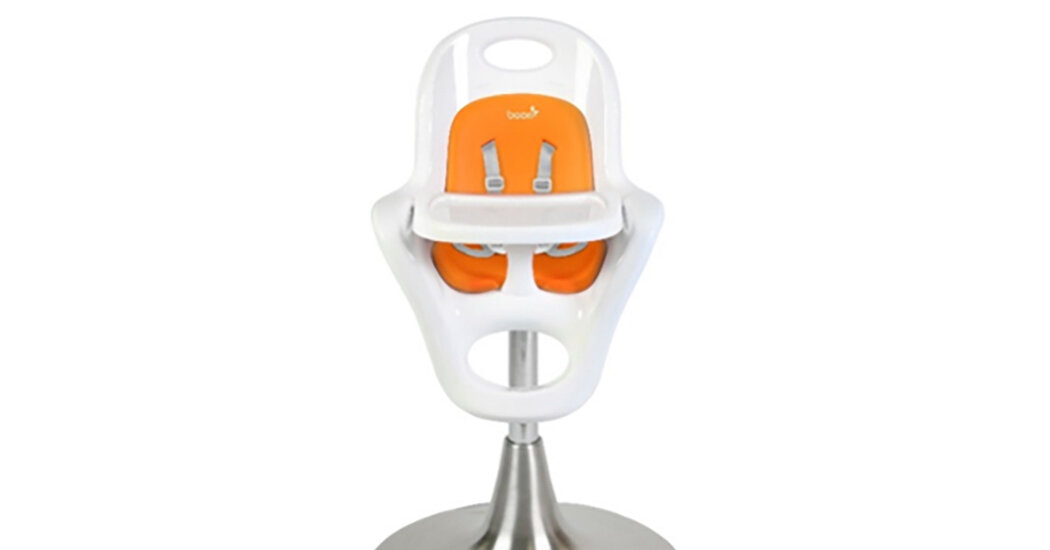
The company that makes the chairs has received reports of falls resulting in nearly a dozen injuries, such as bruises or scratches.More than 85,000 highchairs sold online and at retailers across North America are being recalled after reports of two dozen falls related to the chairs, according to federal regulators.TOMY International, a toy and nursery company, is voluntarily recalling about 83,000 Boon Flair and Flair Elite model highchairs in the United States and an additional 2,850 that were sold in Canada, the U.S. Consumer Product Safety Commission said on Thursday.The bolts used to secure the seat to the base can loosen and become a falling hazard, the commission said. The company said it had received 34 reports of the chair’s separating from the base. Two dozen of those cases led to falls resulting in 11 injuries, such as bruising or scratches.The company and federal regulators recommend customers stop using the chairs and contact TOMY for a free repair kit, which can be ordered at the company’s website.“We want to ensure that your child has only the safest products we can offer and will work to remedy this situation promptly — with your child’s safety and your trust in mind,” the company said in a statement.The chairs were sold online and at brick-and-mortar stores such as Bed Bath & Beyond, Target and Toys “R” Us.The Flair Elite models were sold from 2008 to 2009. The Flair models were sold from January 2008 through February 2017.Customers can check the model numbers on the chairs to determine whether they were part of the recall.

Read more →

Long Covid Poses Special Challenges for Seniors

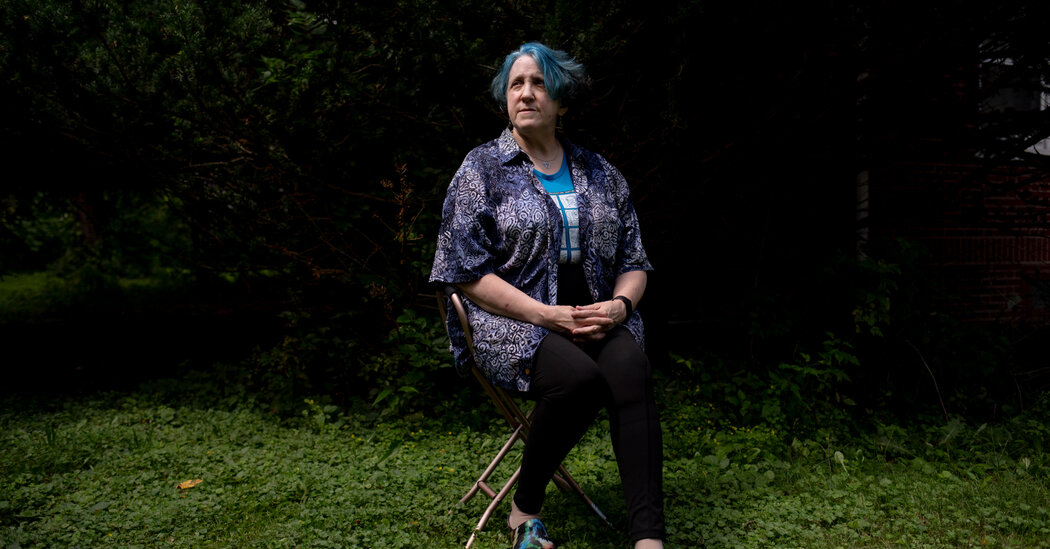
Older people are less likely to be diagnosed but more likely to experience certain kinds of illnesses, research suggests.Ask Patricia Anderson how she is doing, and you probably will not get a routine answer. “Today, I’m working and I’m fine,” she said on a recent Tuesday. “Saturday and Sunday, I was bedridden. Long Covid is a roller coaster.”Before the pandemic, Ms. Anderson practiced martial arts and did without a car, instead walking and taking buses around Ann Arbor, Mich., where she is a medical librarian. Just before contracting Covid-19 in March 2020, she had racked up — oh, she keeps track — 11,409 steps in one day.The virus caused extreme chills, shortness of breath, a nervous system disorder and such cognitive decline that, for months, Ms. Anderson was unable to read a book.“I was very sick for a long time, and I never really got better,” she said. On some days, fatigue cut her step count to three digits. Rehabilitation attempts brought progress, then crashes.The dozens of symptoms collectively known as long Covid, or post-Covid, can sideline anyone who has been infected. But they take a particular toll on some older patients, who may be more prone to certain forms of the illness.About 11 percent of American adults have developed long Covid after an infection, the Centers for Disease Control and Prevention reported last month, down from the almost 19 percent recorded from June 2022 to June 2023. The figure suggests that some adults are pulling out of the syndrome as time passes.People over age 60 actually have lower rates of long Covid overall than those aged 30 to 59. That might reflect higher vaccination and booster rates among older Americans, or more protective behavior like masking and avoiding crowds.“There may also be biologic factors we don’t understand yet,” said Akiko Iwasaki, an immunologist and researcher at Yale School of Medicine. Though knowledge of long Covid has increased, she added, much remains unknown about the illness.Only recently has Ms. Anderson, 66, regained most cognitive and some physical function; she can manage 3,000 to 4,000 daily steps now. But she wears an N95 mask whenever she goes out and takes a sitting cane so “if I go shopping and run out of steam halfway down the aisle, I can rest.”And she worries. Her employer has allowed her to continue working remotely, but what if the library starts requiring more than her current one day a week on-site? “I can’t afford to retire,” she said. “It’s very scary.”The C.D.C. says long Covid begins when symptoms persist a month or more after infection. But the World Health Organization defines long Covid as “the continuation or development of new symptoms” three months after the initial infection, lasting at least two months with no other explanation.The extensive list of long Covid symptoms includes breathing difficulties, cardiovascular and metabolic diseases, kidney disease, gastrointestinal disorders, cognitive loss, fatigue, muscle pain and weakness and mental health problems.“There’s almost no organ system long Covid doesn’t touch,” said Dr. Ziyad Al-Aly, a clinical epidemiologist at Washington University School of Medicine and senior author of a recent study showing that these symptoms can persist for two years.“It can affect nearly everyone from children to older adults, across the life span,” he said.Though long Covid is more likely to afflict people who become severely ill with Covid and require hospitalization — and long Covid symptoms last longer in those patients — it can also follow mild infections. It can arise after the first bout of Covid, or the second or fourth.Paxlovid reduces the risk of long Covid by about 20 percent among those in their 60s and by about 34 percent among those over 70.Wolfgang Rattay/ReutersWhile older people are not more prone to long Covid overall, Dr. Al-Aly’s research using large Veterans Affairs databases shows that they are more at risk for four particular clusters of symptoms:Metabolic disorders, including new-onset diabetes and high cholesterol.Cardiovascular problems, including heart disease, heart attacks and arrhythmias like atrial fibrillation.Gastrointestinal problems like diarrhea and constipation, pancreatitis and liver disease.Strokes, cognitive decline and other neurological symptoms.Jane Wolgemuth caught Covid in June 2022, along with her husband. “He waltzed through it in two days,” she recalled. “I was in bed for a week.”They both felt better after taking the oral antiviral Paxlovid. Yet months later, Ms. Wolgemuth, 69, a retired bank employee in Monument, Colo., began noticing cognitive problems, particularly when driving.“I wasn’t reacting fast enough,” she said. “The brain fog was really taking over.”After an MRI and other tests came back normal, Ms. Wolgemuth was diagnosed with long Covid. She has been taking supplements and trying light therapy, and she has stretched her walking distance to four miles most days.She feels more herself, she said, but “it’s remarkable how destructive Covid was.”Seniors may mistake long Covid for other conditions common at older ages. “They may think, ‘Maybe I’m just aging or I need to adjust my blood pressure medication,’” said Dr. Monica Verduzco-Gutierrez, the chair of rehabilitation medicine at the University of Texas Health Science Center at San Antonio. She has co-authored American Academy of Physical Medicine and Rehabilitation guidance statements for treating long Covid.Long Covid can also exacerbate the health problems many seniors already contend with. “If they had mild cognitive impairment, do they move into dementia? I’ve seen that happen,” Dr. Verduzco-Gutierrez said. A mild heart condition can become more serious, reducing an older person’s mobility and increasing fall risks.“The best way in the world to prevent long Covid is to prevent Covid,” Dr. Al-Aly said. As infection rates tick up across the country, masking again in close quarters and eating outdoors at restaurants can help reduce infection.“Definitely get boosted,” he said. “Vaccination and boosters reduce but don’t eliminate the risk of long Covid” — by 15 percent to 50 percent, studies have found.“If you’re infected, get tested to be sure it’s Covid, then call a provider as soon as possible and see if you are eligible for Paxlovid,” he said. The antiviral treatment also reduces the risk of long Covid by about 20 percent for those in their 60s, and by about 34 percent for those over 70.Without longitudinal studies yet, it’s unclear if older people recover from long Covid more slowly. Patients like Ms. Anderson and Ms. Wolgemuth have tried an array of treatments — supplements, electrolytes, compression garments, various physical therapy regimens. “But we don’t have a medicine that has been shown to reverse it,” Dr. Iwasaki said.Certain rehabilitation approaches have proven to be effective, Dr. Verduzco-Gutierrez pointed out, but there are not enough programs or clinics experienced with long Covid. Some doctors dismiss long Covid symptoms, patients have reported.That leaves them searching for solutions largely on their own.“They are rising up together to advocate for research and find treatments,” Dr. Iwasaki said, comparing long Covid patients to the AIDS activists of the 1980s. She co-directs the Yale LISTEN study, which works with long Covid patients to better understand their conditions.The Biden administration recently announced a new federal office to lead long Covid research, and more clinical trials are beginning. For now, though, many patients rely on groups like Long Covid Support and the Covid-19 Longhauler Advocacy Project, and participate in the Patient-Led Research Collaborative.Sheila McGrath, 71, who lives in Herndon, Va., recovered from her first Covid infection in February 2020, but has suffered ever since her second bout five months later. Though her health has improved, “I haven’t gotten back to where I was,” she said.Now she and Ms. Anderson co-host an online chat for Long Covid Support. “Often someone winds up in tears,” Ms. McGrath said. “They’re so frustrated with not being listened to, not being validated, being told it’s psychosomatic, being refused treatment. None of us wants to be sick.”

Read more →

Software analyzes calcium 'sparks' that can contribute to arrhythmia

A team of UC Davis and University of Oxford researchers have developed an innovative tool: SparkMaster 2. The open-source software allows scientists to analyze normal and abnormal calcium signals in cells automatically.
Calcium is a key signaling molecule in all cells, including muscles like the heart. The new software enables the automatic analysis of distinct patterns of calcium release in cells. This includes calcium “sparks,” microscopic releases of calcium within cardiac cells associated with irregular heartbeats, also known as arrhythmia.
A research article demonstrating the capabilities of SparkMaster 2 was published in Circulation Research.
Jakub Tomek, the first author of the research article, is a Sir Henry Wellcome Fellow in the Department of Physiology, Anatomy and Genetics at the University of Oxford. He spent his fellowship year at UC Davis, working with Distinguished Professor Donald M. Bers.
“It was great to present SparkMaster 2 at recent conferences and see the enthusiastic response. I felt it would be an outlier and that few people would care. But many people were excited about having a new analysis tool that overcomes many of the limitations they have experienced with prior tools,” Tomek said.
Fellowship at UC Davis leads to updated tool
Problems with how and when calcium is released by cells can have an impact on a range of diseases, including arrhythmia and hypertension. To understand the mechanisms behind these diseases, researchers use fluorescent calcium indicators and microscopic imaging that can measure the calcium changes at the cellular level.

Read more →

SMART-BARN — a cutting-edge technology lab to study animal groups

Researchers from the Cluster of Excellence Centre for the Advanced Study of Collective Behaviour (CASCB) and the Max Planck Institute of Animal Behavior have converted a former barn into a cutting-edge technology lab for complex behavioral analysis. In it, they can now study the intricate behaviour of animal groups. The barn also served as a prototype for the largest swarm behaviour lab at the University of Konstanz: the Imaging Hangar.
A major limitation in behavioural research is that scientists can either study animals under highly-controlled, yet often unrealistically simplified and small, environments in the lab, or in largely uncontrolled conditions in the wild. This has limited our ability to study many facets of behaviour, including collective behaviour — the movements and interactions among animals that underlie their complex social lives. What is needed to address this? First, a place with lots of space. Second, state of the art technology.
Both are available in an 18th-century barn at the Max Planck Institute of Animal Behavior in Möggingen near Konstanz and now in the Imaging Hangar, a hall the size of a gymnasium at the University of Konstanz. Both labs are used to closely examine the group behaviour of animals. To do so in a multidimensional way, researchers from the Cluster of Excellence Centre for the Advanced Study of Collective Behaviour at the University of Konstanz and the Max Planck Institute of Animal Behavior have developed a tool called SMART-BARN.
SMART-BARN is an acronym for Scalable Multimodal Arena for Real-time Tracking Behaviour of Animals in large numbers. “It is a new tool that allows studying complex behaviour traits of an individual or interactions between groups of animals like insects, birds, or mammals,” says Hemal Naik. Together with Máté Nagy, Co-Speaker of the Cluster, Iain Couzin, and colleagues developed SMART-BARN. The team was very interdisciplinary: Biologists, physicists, engineers and computer scientists developed it together.
Máté Nagy explains the tool further: “We are using high throughput measurement techniques like optical and acoustic tracking, with which we can study the exact 3D position and posture of animals and calculate their field of view.” Users of the new facility will have the flexibility to perform different experimental paradigms by leveraging the modular nature of the system.
Why scale matters
“SMART-BARN is designed to enhance the scale of typical indoor behavioural experiments in terms of experimental volume and measured behaviour traits and group sizes,” computer scientist Hemal Naik says and adds: “This means that users can measure previously unseen behaviour repertoire because animals have more space.” The facility can — depending on the size of the animals — host 100s of animals simultaneously and extend the possibility of experiments to novel species typically not studied in indoor environments. “In fact, we have now scaled this to work with many thousands of animals,” adds Couzin, “We recently conducted a study in the Imaging Hangar where we tracked 10,000 plague locusts. This would have been impossible without our SMART-BARN technology.”
How SMART-BARN can be used
So far, SMART-BARN was used within different experimental use cases involving subjects as diverse as pigeons, starlings, moth, bats, and humans. Naik is delighted because: “The facility is shaping important new interdisciplinary collaborations.” He continues: “For example, SMART-BARN offers the ability to track 3D gaze and posture of birds in a group of ten or more while maintaining their identity. This technique is being used by researchers to explore the role of gaze in decision making.” The same technique is used by computer scientists to design novel computer vision and AI based algorithms facilitating 3D tracking of animals without attaching any markers to them. “Our method has resulted in an even larger system in the Imaging Hangar at the University of Konstanz to track swarms of robots or thousands of insects,” says Iain Couzin.
Máté Nagy says: “In a nutshell, the scope of its applications is only limited by our ability to come up with ideas of experimentation.” The team imagines the facility to be a collaborative space where researchers from all over the globe can contribute to the exploration of behavioural questions. Therefore, the team invites researchers across the world to connect with them and plan experiments.

Read more →

Immune cells shape their own path

When fighting disease, our immune cells need to reach their target quickly. Researchers at the Institute of Science and Technology Austria (ISTA) now discovered that immune cells actively generate their own guidance system to navigate through complex environments. This challenges earlier notions about these movements. The researchers’ findings, published in the journal Science Immunology, enhance our knowledge of the immune system and offer potential new approaches to improve human immune response.
Immunologic threats like germs or toxins can arise everywhere inside the human body. Luckily, the immune system — our very own protective shield — has its intricate ways of coping with these threats. For example, a crucial aspect of our immune response involves the coordinated collective movement of immune cells during infection and inflammation. But how do our immune cells know which way to go?
A group of scientists from the Sixt group and the Hannezo group at the Institute of Science and Technology Austria (ISTA) addressed this question. In their study, published today in Science Immunology, the researchers shed light on the immune cells’ ability to collectively migrate through complex environments.
Dendritic cells — The Messengers
Dendritic cells (DCs) are one of the key players in our immune response. They function as a messenger between the innate response — the body’s first reaction to an invader, and the adaptive response — a delayed reaction that targets very specific germs and creates memories to fight off future infections. Like detectives, DCs scan tissues for intruders. Once they locate an infection site, they are activated and immediately migrate to the lymph nodes, where they hand over the battle plan and initiate the next steps in the cascade. Their migration towards the lymph nodes is guided by chemokines — small signaling proteins released from lymph nodes — that establish a gradient. In the past, it was believed that DCs and other immune cells react to this external gradient, moving along towards a higher concentration. However, novel research conducted at ISTA now challenges this notion.
One receptor — two functions
The scientists took a close look at a receptor — a surface structure found on activated DCs called “CCR7.” CCR7’s essential function is to bind to a lymph node-specific molecule (CCL19), which triggers the next steps of the immune response. “We found that CCR7 not only senses CCL19 but also actively contributes to shaping the distribution of chemokine concentrations,” Jonna Alanko, a former postdoc from the lab of Michael Sixt, explains.

Read more →

Di-isononyl phthalate disrupts pregnancy in mice, study finds

We are constantly exposed to phthalates in our environment through plastic products such as storage containers, medical devices, packages, fabrics, and toys. Specifically, di-isononyl phthalate is inevitably becoming a part of our lives. Unfortunately, the impact of DiNP on the establishment and maintenance of pregnancy is largely unknown. In a new study, researchers used mice to understand how DiNP affects pregnancy.
“Although we finally recognize that environmental chemicals impact women’s health, most studies have focused on men’s reproductive health and very few studies have looked at how these chemicals affect women,” said Jodi Flaws (EIRH co-leader/MME), a professor of comparative biosciences. “Our paper is novel because we are the first to look at this aspect of reproduction.”
For their study, the researchers chose a DiNP dose that humans are exposed to on a daily basis. They exposed pregnant female mice to DiNP orally for their first week of pregnancy, which is analogous to the first trimester in humans.
“I chose this window because most women don’t know from day one that they are pregnant. As a result, they maintain their general lifestyle for a while and may become more careful once they know that they are pregnant. During that time, however, they will continue to be exposed to DiNP,” said Arpita Bhurke, a postdoctoral fellow in the Bagchi lab and the first author of the paper.
In the early stages of pregnancy, the embryo attaches to the uterus and embeds in the maternal tissue, which supports the growth and development of the embryo. The process also stimulates the formation of new blood vessels, ensuring that the embryo has an adequate supply of oxygen and nutrients from the mother. Using tissue-staining techniques, the researchers found that DiNP exposure impairs the formation of blood vessels in both the maternal tissue and the placenta.
“In mice, these maternal blood vessels are formed after the first week of pregnancy and they have been exposed to DiNP before this development happens,” said Indrani Bagchi (EIRH co-leader), a Billie Field Professor of Reproductive Biology. “As a result, the tissue formation is effected and it creates a ripple effect, impairing embryo growth.”
The impact of DiNP on the placenta had several consequences later on in the pregnancy. The researchers found that pregnant mice that had been exposed to DiNP had smaller litter sizes and shorter gestation periods. Mice that were fed corn oil instead of DiNP produced an average of 16 pups per litter, whereas DiNP-fed mice produced 11 pups, and on average the pups weighed less. Additionally, instead of delivering their litter in 20 days, DiNP-fed mice were giving birth 18-24 hours earlier.
“We know that DiNP causes defects in the formation of the placenta. However, it is unclear whether this is due to the effect of DiNP on the embryo or on the maternal tissue or both. We want to address this question in our future work,” Bagchi said.
The researchers are also interested in deciphering how the chemicals impact the uterine tissue and litter birth. “I will focus on cell culture systems because we want to distinguish between the embryo and the maternal tissue effects. By using just the cells, we can better understand how DiNP is impacting the placenta in both early and late stages of pregnancy,” Bhurke said.

Read more →

Toxic molds, fossil fuels, antibiotics linked to chemical intolerance

What initiates chemical intolerance (CI)? In a newly released survey of thousands of U.S. adults, respondents most frequently cited exposures to biological sources, such as mold and algae “blooms,” and/or fossil fuels, their combustion products and synthetic chemical derivatives such as pesticides, plastics and persistent organic pollutants.
It’s an issue in the news, as toxic mold spawned by the moisture left behind by flood waters from Hurricane Idalia could lead to severe health problems for people who suffer from chemical intolerance. This mold also could initiate the condition in some individuals.
“Everyone should avoid prolonged exposure to mold whenever possible,” said physician-researcher Claudia Miller, MD, MS, from The University of Texas Health Science Center at San Antonio, also called UT Health San Antonio. “Research has increasingly shown that toxic mold is much more dangerous than was previously recognized.”
In the survey, published in the journal Environmental Sciences Europe, 17.5% of participants who attributed their illness to an initiating event cited mold exposure as the perceived cause of their chemical intolerance. CI is estimated to afflict up to 20% to 30% of Americans, Miller, senior author of the study, said.
Participants were queried about antibiotic use, as well. According to the results, prolonged courses of antibiotics were associated with an increased risk of CI.
The survey data also indicate that with each additional initiating exposure respondents can recall, the odds of their reporting CI nearly triple.
“With climate change contributing to more severe storms and more intense flooding worldwide, the danger posed by toxic mold is likely to increase dramatically in the near future,” Miller said. “As mold exposure is known to be a major initiator, the likelihood of more and more people with chemical intolerance is also unfortunately on the rise.”
TILT

Read more →