Racial and socioeconomic differences still determine survival rates of premature babies in the US

The US continues to face stark inequalities in preterm birth and mortality rates between mothers of differing socioeconomic status and race, finds a new report led by UCL researchers.
The study, published in JAMA Paediatrics, examined data from the US National Centre for Health Statistics Birth Infant/Death Dataset, of over 12 million preterm infant births over the course of 25 years, between 1995 and 2020.
Preterm birth is defined as any infant born before 37 weeks and is the leading cause of infant death worldwide.
Despite its leading economic status, the US has one of the top ten highest rates of preterm births across the globe. Mothers also face large inequalities as a result of their socioeconomic status, race and geographic region.
The researchers wanted to examine how these inequalities had changed over time.
Using information reported on an infant’s US birth certificate, the team considered the race of the mother, alongside her smoking status, educational attainment, antenatal care and insurance status, to see how these issues affected preterm mortality rates.
They found that, although all preterm infants born in 2020 were less likely to die than in 1995, the gap in preterm infant mortality between mothers of differing races had remained constant — with Black infants 1.4 times more likely to die following preterm birth than White and Hispanic infants.

Read more →

Los desafíos de la covid persistente para los adultos mayores

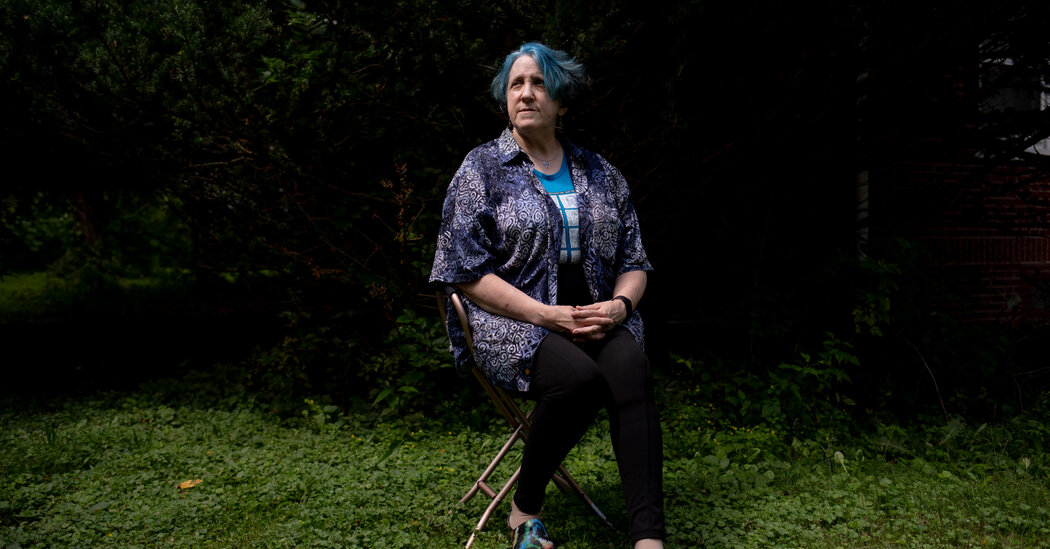
Las personas de más edad pueden confundir la covid persistente con otras afecciones de esta etapa de la vida. Una investigación identifica cuatro grupos concretos de síntomas relacionados con la condición.Pregúntale a Patricia Anderson cómo está, y quizá no obtendrás una respuesta rutinaria. “Hoy trabajo y estoy bien”, dijo un martes reciente. “El sábado y el domingo estuve postrada en cama. La covid prolongada es una montaña rusa”.Antes de la pandemia, Anderson practicaba artes marciales y no tenía auto, sino que caminaba y tomaba autobuses en la zona de Ann Arbor, Míchigan, donde trabaja como bibliotecaria médica. Justo antes de contraer COVID-19 en marzo de 2020, había acumulado —sí, lleva la cuenta— 11.409 pasos en un día.El virus le causó escalofríos extremos, dificultad para respirar, un trastorno del sistema nervioso y tal deterioro cognitivo que, durante meses, Anderson fue incapaz de leer un libro.“Estuve muy enferma durante mucho tiempo y nunca mejoré”, afirmó. Algunos días, el cansancio reducía su número de pasos a tres dígitos. Los intentos de rehabilitación trajeron avances, y luego recaídas.Las decenas de síntomas conocidos de manera colectiva como covid prolongada, o pos-covid, pueden dejar fuera de juego a cualquiera que haya sido infectado. Pero afectan sobre todo a algunos pacientes de edad avanzada, que pueden ser más propensos a ciertas formas de la enfermedad.Alrededor del 11 por ciento de los adultos estadounidenses ha desarrollado covid prolongada después de una infección, informaron los Centros para el Control y la Prevención de Enfermedades (CDC, por su sigla en inglés) el mes pasado, por debajo del casi 19 por ciento registrado entre junio de 2022 y junio de 2023. La cifra sugiere que algunos adultos dejan atrás el síndrome a medida que pasa el tiempo.Las personas mayores de 60 años en realidad tienen tasas más bajas de covid prolongada en general que aquellos de entre 30 y 59 años. Esto podría reflejar tasas de vacunación y refuerzo más elevadas entre los estadounidenses de más edad, o un comportamiento más precavido, como usar cubrebocas y evitar aglomeraciones.“También puede haber factores biológicos que aún no comprendemos”, aseguró Akiko Iwasaki, inmunóloga e investigadora de la Facultad de Medicina de Yale. Aunque el conocimiento que hay de la covid prolongada ha aumentado, añadió, aún queda mucho por saber sobre la enfermedad.Solo recientemente Anderson, de 66 años, ha recuperado la mayor parte de sus funciones cognitivas y algunas físicas; ahora puede dar entre 3000 y 4000 pasos diarios. Pero usa un cubrebocas N95 siempre que sale y un bastón con asiento plegable para sentarse, de modo que “si voy de compras y me quedo sin fuerzas a mitad del pasillo, puedo descansar”.Y se preocupa. Su jefe le ha permitido seguir trabajando a distancia, pero ¿y si la biblioteca empieza a exigirle más de su actual jornada semanal de manera presencial? “No puedo jubilarme”, señaló. “Me da mucho miedo”.Según los CDC, la covid prolongada comienza cuando los síntomas persisten un mes o más después de la infección. Pero la Organización Mundial de la Salud la define como “la continuación o el desarrollo de nuevos síntomas” tres meses después de la infección inicial, los cuales duran al menos dos meses sin ninguna otra explicación.La extensa lista de síntomas de la covid prolongada incluye dificultades respiratorias, enfermedades cardiovasculares y metabólicas, enfermedad renal, trastornos gastrointestinales, pérdida cognitiva, fatiga, dolor y debilidad muscular y problemas de salud mental.“Casi no hay sistema orgánico al que no afecte la covid prolongada”, explicó Ziyad Al-Aly, investigador clínico de salud pública de la Facultad de Medicina de la Universidad de Washington y autor principal de un estudio reciente que demuestra que estos síntomas pueden persistir durante dos años.“Puede afectar a casi todo el mundo, desde niños hasta adultos mayores, a lo largo de toda la vida”, afirmó.Aunque es más probable que la covid prolongada afecte a personas que enferman gravemente de covid y requieren hospitalización —y los síntomas de la covid prolongada duran más en esos pacientes—, también puede aparecer tras infecciones leves. Puede aparecer tras el primer brote de covid, o tras el segundo o el cuarto.Paxlovid reduce el riesgo de covid prolongada en aproximadamente un 20 por ciento entre las personas de 60 años y en aproximadamente un 34 por ciento entre las personas mayores de 70 años. Wolfgang Rattay/ReutersAunque, en general, las personas mayores no son más propensas a padecer covid prolongada, la investigación de Al-Aly, realizada a partir de grandes bases de datos del Departamento de Asuntos de los Veteranos, muestra que tienen más riesgo de padecer cuatro grupos concretos de síntomas:Trastornos metabólicos, como diabetes de nueva aparición y colesterol alto.Problemas cardiovasculares, como cardiopatías, infartos y arritmias como la fibrilación auricular.Problemas gastrointestinales, como diarrea y estreñimiento, pancreatitis y enfermedades hepáticas.Accidentes cerebrovasculares, deterioro cognitivo y otros síntomas neurológicos.Jane Wolgemuth contrajo COVID-19 en junio de 2022, junto con su marido. “Él lo superó en dos días”, recordó. “Yo estuve en cama una semana”.Ambos se sintieron mejor tras tomar el antiviral oral Paxlovid. Sin embargo, meses después, Wolgemuth, de 69 años, empleada jubilada de un banco de Monument, Colorado, empezó a notar problemas cognitivos, sobre todo al conducir.“No reaccionaba con la rapidez suficiente”, relató. “La niebla cerebral se estaba apoderando de mí”.Las personas mayores pueden confundir la covid prolongada con otras afecciones comunes a la edad avanzada. “Pueden pensar: ‘Tal vez solo estoy envejeciendo o necesito ajustar mi medicación para la presión arterial’”, dijo Mónica Verduzco-Gutiérrez, catedrática de medicina de rehabilitación en el Centro de Ciencias de la Salud de la Universidad de Texas en San Antonio. Es coautora de las directrices de la Academia Americana de Medicina Física y Rehabilitación para el tratamiento de la covid prolongada.La covid prolongada también puede agravar los problemas de salud que ya padecen muchas personas mayores. “Si tenían un deterioro cognitivo leve, ¿pasan a la demencia? Lo he visto”, aseguró Verduzco-Gutiérrez. Una afección cardiaca leve puede agravarse, reducir la movilidad de una persona mayor y aumentar el riesgo de caídas.“La mejor manera del mundo de prevenir la covid prolongada es prevenir la covid”, afirmó Al-Aly. A medida que aumentan las tasas de infección en todo el país, usar cubrebocas de nuevo en lugares cerrados y comer al aire libre en restaurantes puede ayudar a reducir el contagio.“Definitivamente, hay que vacunarse”, señaló. “La vacunación y los refuerzos reducen, pero no eliminan, el riesgo de covid prolongada”, entre un 15 y un 50 por ciento, según los estudios.“Hazte la prueba para asegurarte de que se trata de covid, luego llama a un proveedor lo antes posible y comprueba si eres apto para recibir Paxlovid”, dijo. El tratamiento antivírico también reduce el riesgo de contraer la covid prolongada en aproximadamente un 20 por ciento para las personas de 60 años, y en un 34 por ciento para las mayores de 70.Dado que aún no hay estudios longitudinales todavía, no está claro si las personas mayores se recuperan más lentamente de la covid prolongada. Pacientes como Anderson y Wolgemuth han probado toda una serie de tratamientos: suplementos, electrolitos, prendas de compresión y diversos regímenes de fisioterapia. “Pero no disponemos de un medicamento que haya demostrado revertirla”, concluyó Iwasaki.Ciertos enfoques de rehabilitación han demostrado ser efectivos, señaló Verduzco-Gutiérrez, pero no hay suficientes programas o clínicas con experiencia en covid prolongada. Algunos médicos descartan los síntomas prolongados, según informaron los pacientes.Eso los deja, en gran medida, buscando soluciones por su cuenta.“Se están organizando juntos para abogar por la investigación y encontrar tratamientos”, dijo Iwasaki, comparando a los pacientes con covid prolongada con los activistas contra el sida de la década de 1980. Codirige el estudio LISTEN de Yale, que trabaja con pacientes con covid prolongada para comprender mejor sus condiciones.El gobierno de Joe Biden anunció recientemente una nueva oficina federal para liderar investigaciones sobre la covid prolongada y están comenzando más ensayos clínicos. Sin embargo, por ahora, muchos pacientes dependen de grupos como Long Covid Support y Covid-19 Longhauler Advocacy Project, y participan en Patient-Led Research Collaborative.Sheila McGrath, de 71 años, que vive en Herndon, Virginia, se recuperó de su primera infección por covid en febrero de 2020, pero ha sufrido desde su segundo episodio cinco meses después. Aunque su salud ha mejorado, “no he vuelto a ser la misma de antes”, dijo.Ahora ella y Anderson son copresentadoras de un chat en línea de apoyo a covid prolongada. “A menudo alguien termina llorando”, dijo McGrath. “Están muy frustrados porque no los escuchan, no los validan, les dicen que es psicosomático y les niegan el tratamiento. Ninguno de nosotros quiere estar enfermo”.

Read more →

Hundreds of UK women can now take legal action over Essure device

Published1 day agoShareclose panelShare pageCopy linkAbout sharingImage source, Deborah ChalkBy Philippa RoxbyHealth reporterTwo hundred women in the UK who claim they were left in pain after having a permanent contraception device fitted, can now take group legal action through the courts, against its manufacturer.The Essure coil “has caused irreparable damage physically and mentally”, the women’s lawyers say.German maker Bayer says it will defend itself vigorously against the claims.Essure was withdrawn from sale in 2017 but the UK medicines regulator says there is no risk to safety.Lawyers in England began legal action in 2020 and now have permission to bring a group claim on behalf of 200 women.Other women wishing to join the group action have until 2024 to do so.Heavy bleedingThe Essure device is a small metal coil inserted into a woman’s fallopian tubes. Scar tissue forms around the coil, creating a barrier that blocks the tubes and keeps sperm from reaching the eggs.Launched in 2002, the device was marketed as a simpler alternative to sterilisation by surgery.But some women say they suffered constant pain and complications afterwards, including heavy bleeding, with some ending up having hysterectomies or the device removed altogether.’Mood changes’Deborah Chalk, 39, had the device fitted following the birth of her third child, after talking to her GP, but soon started having all kinds of issues.”I began to suffer with headaches, abdominal pain, heavy bleeding, rashes, extreme itching and mood changes, to name a few,” she says.”The Christmas after the device was inserted, I woke up and my face had gone numb, which led to neurologists believing I had multiple sclerosis.”The symptoms began to affect her daily life – but doctors put the symptoms down to her Crohn’s disease. “It was only when I had a CT [computed tomography] scan and the doctor mentioned in passing that the device was in place that it dawned on me that it could also be the root of my issues,” Deborah says.She had it removed privately, as part of a hysterectomy, and felt “immediate relief”.”I was sat up laughing and smiling – something I hadn’t done in a while,” Deborah says. “My mood just shifted and I have had no issues since.”‘Benefit-risk profile’A company official said: “Bayer’s highest priority is the safety profile and effectiveness of our products and we have great sympathy for anyone who has experienced health problems while using any of our products, regardless of cause. “The company stands by the safety profile and efficacy of Essure and will continue to defend itself from these claims vigorously.”Bayer said the device had been tested in 10 clinical trials and more than 70 real-world observational studies involving thousands of women.”While all birth-control products and procedures have risks, the totality of scientific evidence on Essure demonstrates that the benefit-risk profile is positive,” it said. The claimants would still have to prove the merits of their alleged claims, the company added.’Unnecessary pain’Lisa Lunt, who represents the 200 women and is head of medical-product claims at law firm Pogust Goodhead, said: “Thousands of women have been fitted with the Essure device, around the world, and sadly many of them have suffered adverse effects from this product.”And she hoped that “Bayer agrees to compensate our clients for all of their unnecessary pain and suffering”.The pharmaceutical company is facing legal action around the world in relation to the device.It has paid out more than $1.6bn (£1.3bn) in the United States, to resolve claims from nearly 39,000 women, but admits no wrongdoing or liability.The US Food and Drug Administration says women successfully using the device “can and should continue to do so”.If you have you used the Essure coil how have you been affected? Tell us your story by emailing: haveyoursay@bbc.co.uk.Please include a contact number if you are willing to speak to a BBC journalist. You can also get in touch in the following ways:WhatsApp: +44 7756 165803Tweet: @BBC_HaveYourSayOr fill out the form belowPlease read our terms & conditions and privacy policy

If you are reading this page and can’t see the form you will need to visit the mobile version of the BBC website to submit your question or comment or you can email us at HaveYourSay@bbc.co.uk. Please include your name, age and location with any submission. More on this storyWomen take sterilising-device legal actionPublished15 November 2020Sterilisation implant withdrawnPublished20 September 2017Essure study finds safety concernsPublished14 October 2015

Read more →

Wegovy: Weight-loss drug firm becomes Europe's most valuable

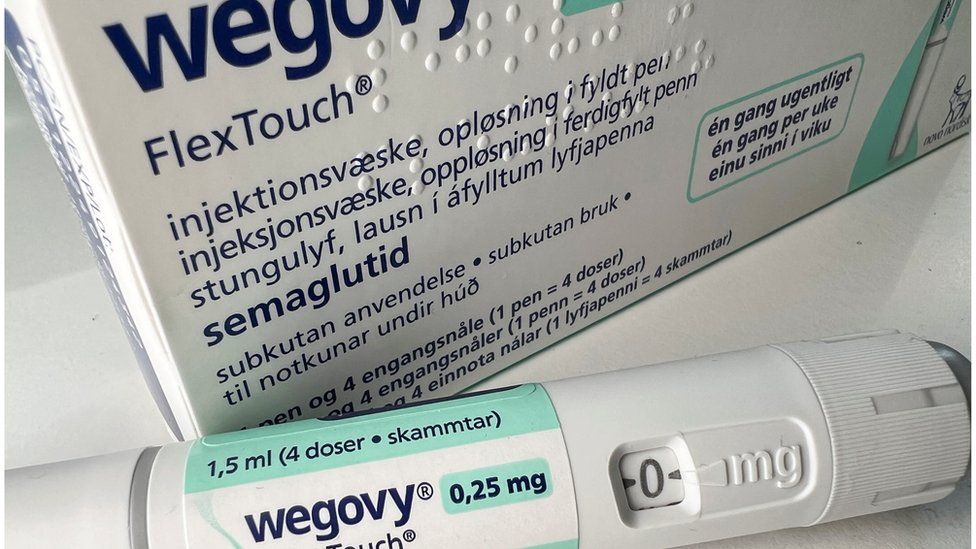
Published43 minutes agoShareclose panelShare pageCopy linkAbout sharingImage source, ReutersBy Mariko OiBusiness reporterThe maker of weight-loss drug, Wegovy, has become Europe’s most valuable firm dethroning the French luxury conglomerate LVMH.Shares rose after the Danish pharmaceutical giant, Novo Nordisk, launched the popular drug in the UK.At the close of trading on Monday, the firm had a stock market valuation of $428bn (£339bn).The drug is now available in the UK public healthcare system and also on the private market.Wegovy is an obesity treatment that is taken once a week which tricks people into thinking that they are already full, so they end up eating less and losing weight.Famous personalities such as Elon Musk are among the reported users of the drug, which has captivated Hollywood and the public more widely since it was approved by regulators in the US in 2021.Wegovy and Ozempic – a diabetes treatment with similar effects – have been described as “miracle” drugs.But experts warn the jabs are not a quick fix nor a substitute for a healthy diet and exercise.In trials, users often put weight back on after stopping treatment.There has been a global shortage of the jabs so only limited stock arrived for the UK’s National Health System (NHS).The company said it would continue to restrict global supplies as it worked to ramp up manufacturing.In the UK, NHS guidelines say patients can only access Wegovy, which contains the drug semaglutide, if they are significantly overweight and have weight-related health problems.According to the Organisation for Economic Co-operation and Development (OECD), nearly one in three adults are obese in the UK which is the highest level in Europe.Last month, a new trial showed Wegovy has also been proven to reduce the risk of a stroke or heart attack.While the findings still have to be fully reviewed, experts agreed the results were potentially significant.More on this storyNHS gets limited stock of Wegovy weight-loss jabPublished20 hours agoWeight-loss jabs maker reports soaring profitsPublished10 August

Read more →

First Lady Tests Positive for Covid, but President Does Not

Jill Biden was experiencing mild symptoms and recovering at the family home in Delaware, the White House said. President Biden returned to Washington after her diagnosis.Jill Biden, the first lady, tested positive for Covid-19, the White House announced late Monday night, but she is experiencing only mild symptoms and will remain at the family home in Rehoboth Beach, Del., where she and President Biden spent part of the weekend.Mr. Biden tested negative for the virus after the first lady’s diagnosis, a spokeswoman said. The president returned to the White House on Monday evening.Officials said Mr. Biden would continue to test on “a regular cadence” throughout the week and would monitor for possible signs of infection.The first lady’s diagnosis is a reminder that Covid-19 remains a potent virus in the country.In recent weeks, public health authorities have noted an increase in the number of Covid infections around the country, though the total number remains low and experts do not believe the United States will experience a dangerous wave of illness like those during the height of the pandemic in 2020 and 2021.Still, scientists have identified new variants of concern, called EG.5 and BA.2.86. EG.5 has become the dominant variant of Covid in the United States and BA.2.86 — while responsible for fewer infections — shows more than the usual amount of mutations from the original coronavirus, a fact that concerns scientists because it could mean it is better at evading vaccines.The effects of Covid-19 on daily life in America have largely receded, though it remains a danger for the elderly and people with compromised immune systems.The number of deaths from the virus is the lowest since the pandemic began, and roughly one-tenth of the levels seen in January of this year. Few people wear masks when they are in public and businesses no longer close for fear of the virus’s spreading.But doctors are still urging people to make sure they get vaccinated. An updated vaccine expected this fall is designed to better protect against some of the newer variants.For Mr. Biden, his wife’s illness is a throwback to the beginning of his administration, when the virus was raging and the economy was reeling from closures.Those days are largely in the past. Mr. Biden rarely mentions Covid or the pandemic in speeches anymore. In Labor Day remarks in Pennsylvania on Monday morning, Mr. Biden only made a glancing reference to the economic effects of the virus.“We’ve recovered all the jobs lost during the pandemic,” he said. “We’ve added millions more.”Mr. Biden spent Saturday with his wife as the couple traveled to Florida to tour damage from Hurricane Idalia. They spent Sunday at their home in Rehoboth Beach.If Mr. Biden does test positive in the next several days, it could jeopardize his plans to travel abroad later in the week. He is scheduled to leave on Thursday for a three-day trip to India, where he is supposed to attend a meeting of the Group of 20 leaders from around the world. He is then scheduled to travel to Vietnam for a day before returning to the United States.

Read more →

Sewage: Mum says daughter got E. coli after swimming in polluted sea

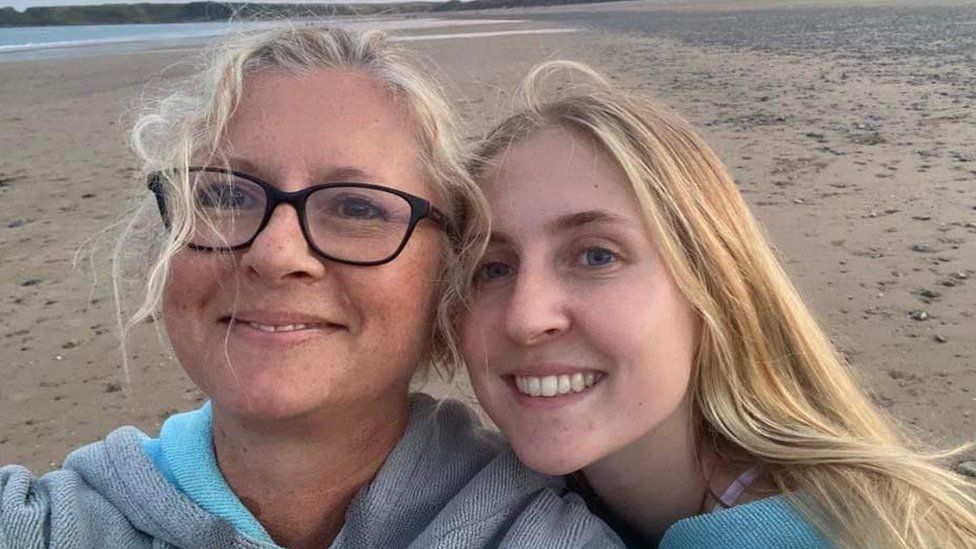
Published9 hours agoShareclose panelShare pageCopy linkAbout sharingImage source, Jayne Etherington/Media WalesA student needed dialysis and blood transfusions after swimming in the sea following a sewage spill, her mum said.After getting E. coli, Caitlin Edwards developed haemolytic uraemic syndrome (HUS) which damaged her kidneys.Jayne Etherington said her 22-year-old daughter’s “horrendous” five-month ordeal began after she swam in the sea just off west Wales in last summer.”She’d gone from a happy, healthy, vibrant 22-year-old to looking like she was going to die,” mum Jayne said.Caitlin had gone for a dip at the beach at Amroth in Pembrokeshire, a few miles east of Tenby, and did not know about the untreated sewage spill at Wiseman’s Bridge, just down the coast, on 24 August, 2022.At the time it was reported storm sewage was discharged at four beaches, including Wiseman’s Bridge and Saundersfoot, with Welsh Water saying the spill came from combined storm overflows (CSOs).Wales Covid sewage testing ends as £4m funding axedWelsh Water boss defends pollution record and six-figure salarySewage spill prevention will hit water billsBut Welsh Water said the Wiseman’s Bridge spill was from a private source and nothing to do with them.”We were allowed to believe it was a CSO spill,” said Jayne.Image source, Jayne Etherington/Media Wales”No-one said, ‘This is something more serious’.”After leaving her home in Pembrokeshire and staying in London with her boyfriend, Caitlin started having stomach cramps and diarrhoea.After five days, she went to hospital and was diagnosed with E. coli and HUS.Her mum said she wasn’t called until she was in the resuscitation department.Image source, Getty ImagesJayne said the family “didn’t know she wasn’t going to die”, adding: “It was horrendous.”Jayne said Public Health Wales (PHW) investigated what Caitlin had eaten and found the likeliest cause was untreated sewage as harmful bacteria had entered her intestine.Caitlin has now made a full recovery, completed her English and Spanish degree and is now working in Canada running children’s camps.PHW said it could not comment on individual cases and Welsh Water said the spill was not down to them.Image source, Jayne Etherington/Media WalesPembrokeshire council said it had placed warning signs on the beach “acting on information received regarding a pollution incident from Natural Resources Wales”. NRW said its investigation into the Wiseman’s Bridge pollution concluded “the effluent discharge was due to a private discharge point failure”. “The owners of the private discharge point acted immediately to resolve the issue as soon as possible,” said Nicola Mills of NRW.Image source, Jayne Etherington/Media Wales”Our officers have visited the area since and there have been no further concerns witnessed or reported.”Around the same time there was also an ongoing CSO discharge therefore it was not possible to pinpoint sole responsibility for the failure of bathing water sampling at Wiseman’s Bridge.”The organisation said Amroth and Wiseman’s Bridge were sampled on the same day.”Results from those tests showed a failure in water quality at Wiseman’s Bridge but not at Amroth,” Ms Mills said. “Every discharge outlet has its own permit limits.”More on this storySwimmers told to avoid sea after E.coli foundPublished8 AugustOrgan talk needed says three-liver recipientPublished26 AprilBlood donors saved my life and my girls, says mumPublished21 January 2022

Read more →

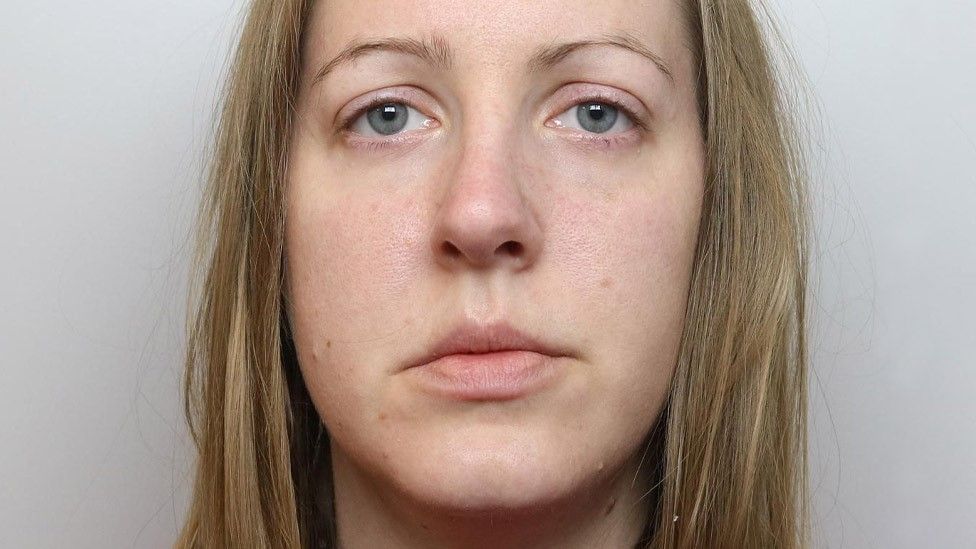
Lucy Letby: Senior judge appointed to lead inquiry

Published17 minutes agoShareclose panelShare pageCopy linkAbout sharingImage source, Cheshire PoliceLady Justice Thirlwall has been appointed to chair the Lucy Letby inquiry.The senior appeal court judge has been tasked with exploring how neonatal nurse Letby was able to murder seven babies. The inquiry will look at how the NHS handled the case and its response to doctors who raised concerns.It will be a statutory inquiry so will have powers to compel witnesses to give evidence.Letby is the most prolific child serial killer in modern British history. Health Secretary Steve Barclay called her crimes “some of the very worst the UK has witnessed”.”I know that nothing can come close to righting the wrongs of the past but I hope that Lady Justice Thirlwall’s inquiry will go at least some way towards giving the victims’ families the answers they deserve,” he said.Ministers had initially said the inquiry would not have full statutory powers but last week announced, after criticism from victims’ families, it would be upgraded.Silence doctorsLetby, 33, was given a whole life sentence for murdering seven babies and attempting to kill six more while working at the Countess of Chester Hospital neonatal unit between 2015 and 2016, meaning she will spend the rest of her life in prison.She was found not guilty of a further two attempted murders and the jury failed to reach verdicts on another six, during the 10-month trial.BBC News has since been told hospital bosses failed to investigate allegations against Letby and tried to silence doctors.The hospital also delayed calling the police, despite months of warnings the nurse may have been killing babies, according to its doctors.Mr Barclay also told the House of Commons the government would consider whether tighter regulation of managers was needed.Officials at the Department of Health and Social Care and NHS England would explore introducing a disbarring service, he said, something previously seen as unnecessary following reviews of NHS management.More on this storyDo public inquiries answer families’ questions?Published4 days agoWarnings ignored as Letby killed more babiesPublished18 August

Read more →

ChatGPT is debunking myths on social media around vaccine safety, say experts

ChatGPT could help to increase vaccine uptake by debunking myths around jab safety, say the authors of a study published in the peer-reviewed journal Human Vaccines and Immunotherapeutics.
The researchers asked the artificial intelligence (AI) chatbot the top 50 most frequently-asked Covid-19 vaccine questions. They included queries based on myths and fake stories such as the vaccine causing Long Covid.
Results show that ChatGPT scored nine out of 10 on average for accuracy. The rest of the time it was correct but left some gaps in the information provided, according to the study.
Based on these findings, experts who led the study from the GenPoB research group based at the Instituto de Investigación Sanitaria (IDIS) — Hospital Clinico Universitario of Santiago de Compostela, say the AI tool is a “reliable source of non-technical information to the public,” especially for people without specialist scientific knowledge.
However, the findings do highlight some concerns about the technology such as ChatGPT changing its answers in certain situations.
“Overall, ChatGPT constructs a narrative in line with the available scientific evidence, debunking myths circulating on social media,” says lead author Antonio Salas, who as well as leading the GenPoB research group, is also a Professor at the Faculty of Medicine at the University of Santiago de Compostela, in Spain.
“Thereby it potentially facilitates an increase in vaccine uptake. ChatGPT can detect counterfeit questions related to vaccines and vaccination. The language this AI uses is not too technical and therefore easily understandable to the public but without losing scientific rigor.

Read more →

New genes and natural toxins offer hope for cancer patients unresponsive to chemotherapy

Scientists from Queen Mary University of London have discovered two new genes that cause head and neck cancer patients to be resistant to chemotherapy, and that silencing either gene can make cancer cells previously unresponsive to chemotherapy subsequently respond to it.
The two genes discovered actively ‘work’ in most human cancer types, meaning the findings could potentially extend to other cancers with elevated levels of the genes.
The researchers also looked through a chemical library, commonly used for drug discovery, and found two substances that could target the two genes specifically and make resistant cancer cells almost 30 times more sensitive to a common chemotherapy drug called cisplatin. They do this by reducing the levels of the two genes and could be given alongside existing chemotherapy treatment such as cisplatin. One of these substances is a fungal toxin — Sirodesmin A — and the other — Carfilzomib — comes from a bacterium. This shows that there may be existing drugs that can be repurposed to target new causes of disease, which can be cheaper than having to develop and produce new ones.
The research, led by Queen Mary and published in Molecular Cancer, is the first evidence for the genes NEK2 and INHBA causing chemoresistance in head and neck squamous cell carcinoma (HNSCC) and gene silencing of either gene overturning chemoresistance to multiple drugs.
The scientists first used a method known as data mining to identify genes that may be affecting tumour responsiveness to drug therapy. They tested 28 genes on 12 strains of chemoresistant cancer cell lines, finding 4 ‘significant’ genes that were particularly responsive that they then investigated further and tested multidrug-resistance.
Dr Muy-Teck Teh, senior author of the study from Queen Mary University of London, said: “These results are a promising step towards cancer patients in the future receiving personalised treatment based on their genes and tumour type that give them a better survival rate and treatment outcome.
“Unfortunately, there are lots of people out there who do not respond to chemotherapy or radiation. But our study has shown that in head and neck cancers at least it is these two particular genes that could be behind this, which can then be targeted to fight against chemoresistance.
“Treatment that doesn’t work is damaging both for the NHS and patients themselves. There can be costs associated with prolonged treatment and hospital stays, and it’s naturally extremely difficult for people with cancer when their treatment doesn’t have the results they are hoping for.”
90% of all head and neck cancers are caused by HNSCCs, with tobacco and alcohol use being key associations. There are 12,422 new cases of head and neck cancer each year, and the overall 5-year survival rate of patients with advanced HNSCC is less than 25%. A major cause of poor survival rates of HNSCC is because of treatment failure that stems from resistance to chemotherapy and/or radiotherapy.
Unlike lung and breast cancer patients, all HNSCC patients are treated with almost the same combinations of treatment irrespective of the genetic makeup of their cancer.

Read more →

First-in-class targeted microRNA therapy slows cancer tumor growth

A new cancer therapy developed by Purdue University researchers attacks tumors by tricking cancer cells into absorbing a snippet of RNA that naturally blocks cell division. As reported today in Oncogene, tumors treated with the new therapy did not increase in size over the course of a 21-day study, while untreated tumors tripled in size over the same time period.
Cancer can begin almost anywhere in the human body. It is characterized by cells that divide uncontrollably and that may be able to ignore signals to die or stop dividing, and even evade the immune system. The therapy, tested in mouse models, combines a delivery system that targets cancer cells with a specially modified version of microRNA-34a, a molecule that acts “like the brakes on a car,” slowing or stopping cell division, said Andrea Kasinski, lead author and the William and Patty Miller Associate Professor of biological sciences at Purdue University.
In addition to slowing or reversing tumor growth, the targeted microRNA-34a strongly suppressed the activity of at least three genes — MET, CD44 and AXL — known to drive cancer and resistance to other cancer therapies, for at least 120 hours. The results indicate that the patent-pending therapy, the newest iteration in more than 15 years of work targeting microRNA to destroy cancer, could be effective on its own and in combination with existing drugs when used against cancers that have built drug resistance.
“When we acquired the data, I was ecstatic. I am confident that this approach is better than the current standard of treatment and that there are patients who will benefit from this,” said Kasinski, a member of the Purdue Institute for Cancer Research.
MicroRNA-34a is a short double strand of ribonucleic acid — a string of ribonucleic acids attached like the teeth of a zipper along the length of a sugar-phosphate chain. The two strings of the microRNA are unevenly zipped together, with one string acting to guide a protein complex to the worksite in the cell while the other string is destroyed.
In healthy cells, microRNA-34a is abundant, but its presence is dramatically reduced in many cancer cells.
While the idea of reintroducing microRNA-34a to cancer cells appears simple, the research team had to overcome many challenges in crafting an effective therapy. Naturally occurring RNA breaks down rapidly, so to improve the durability of the therapy, the team stabilized microRNA-34a by adding several small clusters of atoms along the length of the strand. The team modeled its modifications on an FDA-approved chemical structure that researchers at the biotechnology company Alnylam used on similar short interfering RNAs. Experiments on mouse models show the modified microRNA-34a endures for at least 120 hours after being introduced.

Read more →