Genetic mutations that promote reproduction tend to shorten human lifespan, study shows

A University of Michigan-led study based on a review of genetic and health information from more than 276,000 people finds strong support for a decades-old evolutionary theory that sought to explain aging and senescence.
In 1957, evolutionary biologist George Williams proposed that genetic mutations that contribute to aging could be favored by natural selection if they are advantageous early in life in promoting earlier reproduction or the production of more offspring. Williams was an assistant professor at Michigan State University at the time.
Williams’ idea, now known as the antagonistic pleiotropy theory of aging, remains the prevailing evolutionary explanation of senescence, the process of becoming old or aging. While the theory is supported by individual case studies, it has lacked unambiguous genome-wide evidence.
In the new study, scheduled for publication Dec. 8 in Science Advances, U-M evolutionary biologist Jianzhi Zhang and a Chinese colleague tested the Williams hypothesis using genetic, reproductive and death-registry information from 276,406 participants in the United Kingdom’s Biobank database.
They found reproduction and lifespan to be genetically strongly negatively correlated, meaning that genetic mutations that promote reproduction tend to shorten lifespan.
In addition, individuals carrying mutations that predispose them to relatively high reproductive rates have lower probabilities of living to age 76 than those carrying mutations that predispose them to relatively low reproductive rates, according to the study.
However, the authors caution that reproduction and lifespan are affected by both genes and the environment. And compared with environmental factors — including the impacts of contraception and abortion on reproduction and medical advances on lifespan — the genetic factors discussed in the study play a relatively minor role, according to the authors.

“These results provide strong support for the Williams hypothesis that aging arises as a byproduct of natural selection for earlier and more reproduction. Natural selection cares little about how long we live after the completion of reproduction, because our fitness is largely set by the end of reproduction,” said Zhang, the Marshall W. Nirenberg Collegiate Professor in the U-M Department of Ecology and Evolutionary Biology.
Fitness is a concept biologists use to describe the degree to which an organism’s characteristics increase its number of offspring.
“Interestingly, we found that when you control for the genetically predicted amount and timing of reproduction, having two kids corresponds to the longest lifespan,” Zhang said. “Having fewer or more kids both lower the lifespan.” That result supports the findings of several previous studies.
Zhang’s co-author on the Science Advances paper is Erping Long of the Chinese Academy of Medical Sciences and Peking Union Medical College. Long was a visiting student at U-M when the study began.
In genetics, the concept of pleiotropy posits that a single mutation can influence multiple traits. The idea that the same mutation can be both beneficial and harmful, depending on the situation, is known as antagonistic pleiotropy and was proposed by Williams to underlie the origin of aging in a paper titled “Pleiotropy, natural selection, and the evolution of senescence.”
To a biologist, senescence refers specifically to a gradual decline of bodily functions that manifests as a decline in reproductive performance and an increase in the death rate with age.

The U.K.’s Biobank database enabled Zhang and Long to assess the genetic relationship between reproduction and lifespan at the genomic scale.
The researchers examined the frequency of 583 reproduction-associated genetic variants in the database and found that several of the variants associated with higher reproduction have become more common in recent decades, despite their simultaneous associations with shorter lifespan. The increased frequency of the variants is presumably a result of natural selection for higher reproduction.
“The antagonistic pleiotropy hypothesis predicts that most mutations that increase reproduction but reduce lifespan have larger fitness advantages than disadvantages so are selectively favored,” Zhang said.
Even so, human life expectancy, birth rate and reproductive behavior have all changed drastically in the last few decades. Specifically, more than half of humans live in areas of the world where birth rates have declined, along with increased incidences of contraception, abortion and reproductive disorder, according to the new study.
Global human life expectancy at birth, on the other hand, has steadily increased from 46.5 years in 1950 to 72.8 years in 2019.
“These trends are primarily driven by substantial environmental shifts, including changes in lifestyles and technologies, and are opposite to the changes caused by natural selection of the genetic variants identified in this study,” Zhang said. “This contrast indicates that, compared with environmental factors, genetic factors play a minor role in the human phenotypic changes studied here.”
Funding for the study was provided by the U.S. National Institutes of Health, the National Natural Science Foundation of China and the Chinese Academy of Medical Sciences Innovation Fund.

Read more →

A tale of two very different Covid inquiries

Published3 hours agoShareclose panelShare pageCopy linkAbout sharingImage source, UK COVID-19 INQUIRYBy Lisa SummersScotland Health CorrespondentFor weeks we have heard apologies, finger-pointing, and denials at the UK Covid Inquiry hearings in London. Meanwhile, in Edinburgh, a very different narrative of personal Covid stories is being replayed. It will be at least another year before the Scottish inquiry hears from former First Minister Nicola Sturgeon and those who were in charge at the time but in London a parade of former ministers and the prime minister at the time, Boris Johnson, have already given evidence.This has led to the UK inquiry hearing of WhatsApp exchanges depicting a “toxic” atmosphere in Downing Street and a “flip-flopping” PM who was veering around like a shopping trolley.However, instead of questioning ministers as they are in London, the Scottish inquiry has seen witness after witness arrive in the small inquiry room on George Street to relive those terrible months during which their lives changed forever. Sons, daughters, husbands, wives and parents – all telling heartbreaking stories of guilt and frustration as loved ones died alone in hospital or in care homes.They have told of the virus spreading within families with fatal consequences, of grief-stricken relatives who could only attend a funeral from the car park and of desperate pleas for exemptions to the rules so they could hold a loved one’s hand during their last moments.Image source, PA MediaThe inquiry heard Caroleanne Stewart’s story of paramedics arriving at her brother’s house but refusing to get out of the ambulance. It was told they drove off leaving Derek slumped over the driveway, his lips purple and struggling to breath. A transport ambulance eventually took him to hospital where he deteriorated further. He died in May 2020 in ICU.Gillian Grant’s grandmother died in a Covid outbreak at an East Dunbartonshire care home. Ms Grant said she only found out a “do not resuscitate” order had been placed on her grandmother without her consent, as she was preparing for the inquiry with lawyers.Diane Montgomery’s feeling about the care her mother received was that “more people are dying in care homes because they can’t see their loved ones, than dying of Covid”.Sharon Mair, a former BBC employee, described the “hurt, anger, disregard” she felt on learning that her mother’s funeral took place on the same day as a party in Downing Street.Her poignant testimony was delivered while Boris Johnson sat in another witness box 400 miles away.Image source, PA MediaHere in Scotland the starting point for the chair, Lord Brailsford, is the impact of the pandemic and hearing from those for whom the consequences were the most devastating. This stage is only about marking the horror that people faced in these moments, with witnesses spared a courtroom-style grilling. It is a deliberately softer approach by Scotland’s inquiry underlined by the fact that, unusually for public inquiries, witnesses in this phase are not giving evidence under oath.This is in stark contrast to the evidence from the witnesses called to appear during this phase of the London hearings before Lady Hallett. So-called Module 2 is aimed at discovering how well the heart of government was functioning at key moments. But those testifying have sometimes resorted to desperately defending the positions they took or pointing the finger of blame at others.This week former PM Boris Johnson was asked about 5,000 missing WhatsApp messages from the early days of the pandemic but, in contrast, no-one in the Scottish government has yet appeared to give evidence on why senior figures wiped messages or used an auto-delete function.Nicola Sturgeon has previously told reporters there had been a Scottish government policy on social media messaging which advised their deletion after 30 days.Humza Yousaf, the former heath secretary who is now first minister, said government business wasn’t routinely done over WhatsApp and ministers were not told to delete messages to prevent potential embarrassment for the administration.The inquiry in Scotland will continue to hear evidence from bereaved relatives until Tuesday when it will pause until February.This is to allow the UK Inquiry to come north of the border to continue its investigations. From 16 January, Lady Hallett will chair two weeks of public hearings at the Edinburgh International Conference Centre. That is when the public will be able to hear from former First Minister Nicola Sturgeon, her colleagues and advisors about the key decisions they made. When the Scottish inquiry returns, there will be further impact hearings in the area of health and social care.There was a memorandum of understanding that the two inquiries would avoid duplication but because of its different structure, it will be at least 2025 before the Scottish inquiry takes its turn to question ministers and officials about their actions. Image source, PA MediaBefore that, much of next year will be focused on exploring the further impacts on young people in education, and on businesses. More deeply raw emotion is likely to be expressed.There are recurring questions such as: Why did the rules feel so arbitrary? Why did this system that was supposed to protect people fail for their loved ones? Why did it feel that the desperate needs of the most vulnerable were often less important than others?These are the kind of questions that both the Scottish and UK inquiries aim to address, in their own ways.They want to find out how decisions were made, how they were the implemented and what consequences they had. The end goal of each inquiry is the same, to find out what lessons can be learned, but the route they are taking is strikingly different.More on this storyFive takeaways from Johnson at the Covid inquiryPublished1 day agoContrite, shorn of theatrics – Johnson’s first day at inquiryPublished2 days agoFamily did not approve gran’s ‘do not resuscitate’ planPublished23 NovemberWhat is Scotland’s Covid inquiry investigating?Published24 October’Moronic’: Vicious Covid WhatsApps reveal No 10 battlesPublished31 October

Read more →

New Sickle Cell Therapies Will Be Out of Reach Where They Are Needed Most

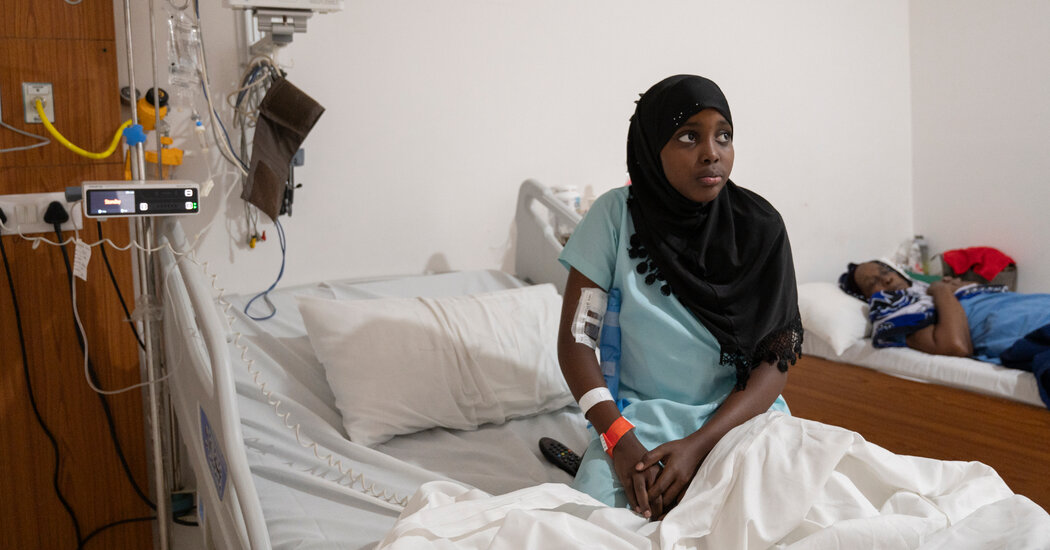
There is no clear path for African patients to get access to the treatments, which have multimillion-dollar price tags and are highly complex to manufacture and deliver.The Food and Drug Administration’s approval on Friday of two groundbreaking gene therapy treatments for sickle cell disease has brought a rare moment of hope and celebration to people with the agonizing blood disorder.But there is no clear path for the new therapies — one-time treatments so effective in clinical trials that they have been hailed as cures — to reach the countries where the vast majority of people with sickle cell live. Shortly after the approval their manufacturers announced sticker prices in the millions of dollars: $3.1 million for Lyfgenia, made by Bluebird Bio, and $2.2 million for Casgevy, made by Vertex Pharmaceuticals.Lyfgenia will launch in the United States. Vertex has been prioritizing winning approval in six wealthy countries — the United States, Italy, Britain, France, Germany and Saudi Arabia — that, by one estimate, are home to 2 percent of the global sickle cell population.Three-quarters of the world’s sickle cell patients are in sub-Saharan Africa. Several million of them are believed to be sick enough that they would be eligible for the new therapies, compared with some 20,000 in the United States.We are having trouble retrieving the article content.Please enable JavaScript in your browser settings.Thank you for your patience while we verify access. If you are in Reader mode please exit and log into your Times account, or subscribe for all of The Times.Thank you for your patience while we verify access.Already a subscriber? 

Read more →

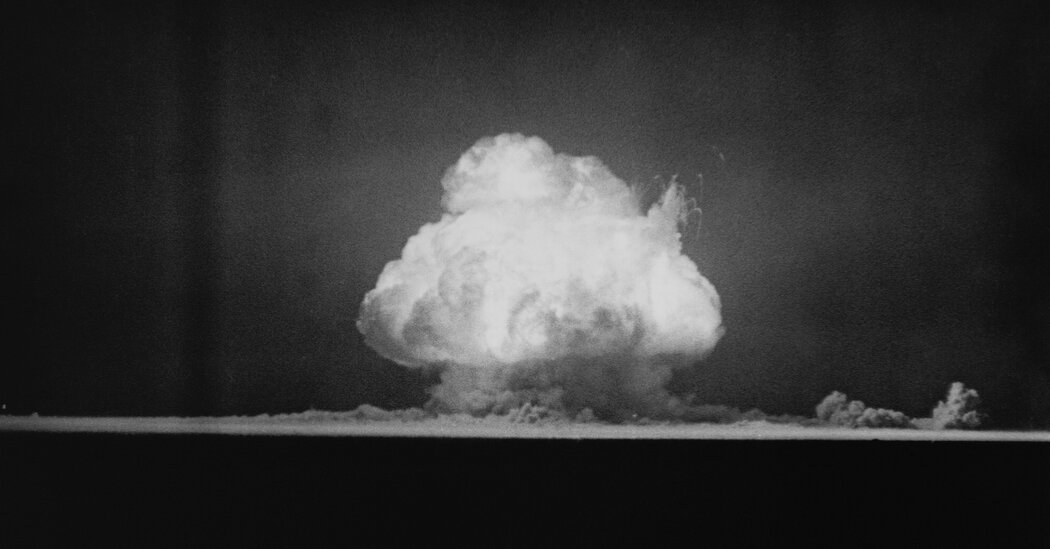
Fund for Nuclear Waste Exposure Victims in Limbo as Congress Balks at Cost

Bipartisan efforts to extend and expand a program granting compensation to victims of government-caused nuclear contamination are faltering. It is set to expire in June.More than two decades ago, Congress declared that victims of government-caused nuclear contamination who developed cancer and other serious illnesses — including uranium miners and those exposed to radiation from Manhattan Project-era atomic tests — should receive federal compensation.“The health of the individuals who were unwitting participants in these tests was put at risk to serve the national security interests of the United States,” read the law enacted in 1990. “The United States should recognize and assume responsibility for the harm done to these individuals.”Now that statute, known as the Radiation Exposure Compensation Act, is in peril, set to expire in June without a clear path for renewal. And an effort to broaden it substantially beyond Cold War-era victims, to others who have been harmed by the aftereffects in the decades since, has run into a brick wall on Capitol Hill.The Senate voted overwhelmingly in July to attach legislation renewing and expanding the program to the annual defense policy bill. But in the final version negotiated behind doors by congressional leaders, that measure, sponsored by Senators Josh Hawley, Republican of Missouri, and Ben Ray Luján, Democrat of New Mexico, was dropped.Republicans objected to its hefty price tag, which congressional scorekeepers estimated could top $100 billion.In an angry floor speech on Thursday, Mr. Hawley said the move amounted to Congress “rescinding” the apology it had made to victims decades ago.“That allows this program to expire,” he said. “That turns its back on the tens of thousands of good Americans who have sacrificed for their country, who have dutifully given their health and in many cases their lives to this country, and gotten nothing.”“It is true that the Manhattan Project is in the past and the Cold War-era nuclear testing is in the past,” Senator Josh Hawley said. “But people are still dealing with the consequences of that.”Kent Nishimura for The New York TimesThe original legislation was written with a narrow scope, meant to compensate those who participated in or were present for aboveground atomic bomb testing, a hallmark of the Manhattan Project in the 1940s, or uranium miners who worked between 1942 and 1971.The law has paid out more than $2.5 billion in benefits to more than 55,000 claimants since its creation in 1990, according to congressional researchers. Claimants, who can include children or grandchildren of those who would have benefited from the program but have since died, receive a one-time payment ranging from $50,000 to $100,000.The updated version by Mr. Hawley and Mr. Luján would expand the number of people eligible to receive compensation, and also increase the highest payout to $150,000. The law currently restricts eligibility for “down-winders,” or people who lived near one of the test sites, to those who resided in a handful of counties in Utah, Nevada and Arizona.“The members that worked on this policy once upon a time, they left out states like New Mexico — and not just the entire state,” Mr. Luján, who has pushed to expand eligibility to individuals in most western states, said in an interview. “They left out the entire county where the first bomb was tested. That alone shows the people have been left out.”The bill, which President Biden has endorsed, makes the case that the federal government should compensate anyone grievously sickened by the legacy of the nation’s nuclear weapons program.It would extend access to the federal fund for 19 years and expand eligibility to Missourians sickened by radioactive waste that was never properly disposed of — and in some cases left out in the open near a creek — in St. Louis, the home of a uranium processing site in the 1940s.A blockbuster report by The Missouri Independent, MuckRock and The Associated Press earlier this year found that generations of families growing up in the area have since faced “rare cancers, autoimmune disorders and other mysterious illnesses they have come to believe were the result of exposure to its waters and sediment.”It wasn’t until 2016 that the Centers for Disease Control and Prevention advised residents to avoid the creek entirely, and cleanup is expected to take until 2038.“It is true that the Manhattan Project is in the past and the Cold War-era nuclear testing is in the past,” Mr. Hawley said in an interview. “But people are still dealing with the consequences of that.”Senator Ben Ray Luján noted that the original law had “left out the entire county where the first bomb was tested,” in his state of New Mexico. Alyssa Schukar for The New York TimesUnless Congress passes new legislation extending the law, the fund will shut down in June. Republican leaders in both the House and Senate objected to including it in the annual defense bill, citing a report by the Congressional Budget Office estimating that the proposed renewal would introduce $140 billion in new, mandatory spending.Mr. Hawley and Mr. Luján said they had sought to whittle down the legislation to decrease costs, but that Republicans maintained that the billions of dollars involved would still be untenable.Congress could still try to pass the legislation on its own, but it is increasingly rare for single-issue bills to make it through both chambers and to Mr. Biden’s desk. That is why the pair had attempted to use the hulking annual defense bill, regarded as a must-pass item, to push it through. Now they are regrouping.“Every option is on the table to be able to get this done,” Mr. Luján said.

Read more →

Genes That Boost Fertility Also Shorten Our Life, Study Suggests

A study of DNA from half a million volunteers supports an old evolutionary theory about why our bodies eventually wear out.Why do we grow old and die?In the 19th century, the German biologist August Weismann argued that the machinery of life inevitably wore out with time. Death had evolved “for the need of the species,” he declared. It cleared away weak, old individuals so they wouldn’t compete with young ones.That explanation never made sense to George Williams, an American evolutionary biologist. Natural selection acts only on the genes that are passed down from one generation to the next. What happens at the end of an animal’s life can have no effect on the course of evolution.It occurred to Williams that growing old might instead be an inescapable side effect of natural selection. In 1957, he proposed a new theory: Genetic mutations that increased an animal’s fertility could also cause harm late in life. Over many generations, those mutations would create a burden that would lead eventually to death.A new study, published on Friday in the journal Science Advances, bolsters Williams’s theory using a trove of human DNA. Researchers found hundreds of mutations that could boost a young person’s fertility and that were linked to bodily damage later in life.Smaller studies in the past had already offered some support for Williams’s theory. In 2007, for example, a team of researchers studying a tiny worm found a pair of mutations that lengthened the creature’s life while cutting down its average number of offspring.But Jianzhi Zhang, an evolutionary biologist at the University of Michigan, was not satisfied with these experiments. “These are case studies,” he said. “We don’t know if in the entire genome there are lots of such mutations.”Dr. Zhang tapped into the UK Biobank, a database containing genetic material from half a million volunteers in Britain, along with information on their health and life experiences. The biobank has permitted scientists to uncover subtle links between genetic variations and thousands of traits such as high blood pressure, schizophrenia and a habit of smoking.Working with Dr. Erping Long, a medical researcher now at the Chinese Academy of Sciences, Dr. Zhang pored over the database for information about reproduction and longevity. The scientists found that the genetic variations linked to fertility, such as the number of children a volunteer had, were also linked to a shorter life span.George Williams, the biologist who proposed that genetic mutations that increased an animal’s fertility might also have harmful effects later in life, in 1991.Michael ShavelWhat’s more, variants that affected reproduction were almost five times more likely to influence longevity than were variants that had nothing to do with reproduction. And variants good for reproduction were far more likely to be bad for long life.Dr. Zhang and Dr. Long also found that volunteers with a large number of reproduction-promoting variants had slightly lower odds of surviving to age 76. Taken together, all of these results suggest that George Williams was correct, and that aging is essentially a side effect of natural selection’s impact on fertility. “They all point in the same direction,” Dr. Zhang said.He and Dr. Long also found evidence hinting that this evolution did not stop sometime in our distant past. People in the database who were born in 1965 carried a greater number of reproduction-boosting variants than did people born in 1940.The idea that fertility variants shorten life span might seem like a paradox, given how much longer people are living these days. In Britain, for example, the average life expectancy is about 80 years, up from 59 years a century ago.Dr. Zhang noted that the mutations he and Dr. Long identified each had a tiny influence on a person’s longevity. As the variants have become more common, the environment has changed drastically, with better food and medicine lowering childhood mortality and helping more people reach older ages.Steven Austad, an expert on aging at the University of Alabama at Birmingham who was not involved in the study, said that detecting the effect of these variants even though life expectancy had increased made the results all the more impressive.“The pattern is so strong that it comes through these major changes to our life histories in modern times,” he said.

Read more →

Major breakthrough for severe asthma treatment

A landmark study has shown that severe asthma can be controlled using biologic therapies, without the addition of regular high-dose inhaled steroids which can have significant side effects.
The findings from the multinational SHAMAL study, published in The Lancet, demonstrated that 92% of patients using the biologic therapy benralizumab could safely reduce inhaled steroid dose and more than 60% could stop all use.
The study’s results could be transformative for severe asthma patients by minimising or eliminating the unpleasant, and often serious, side effects of inhaled steroids. These include osteoporosis which leads to increased risk of fractures, diabetes and cataracts.
Asthma is one of the most common respiratory diseases worldwide — affecting almost 300 million people — and around 3 to 5% of these have severe asthma. This leads to daily symptoms of breathlessness, chest tightness and cough, along with repeated asthma attacks which require frequent hospitalisation.
The SHAMAL study was led by Professor David Jackson, head of the Severe Asthma Centre at Guy’s and St Thomas’ and Professor of Respiratory Medicine at King’s College London.
Professor Jackson said: “Biological therapies such as benralizumab have revolutionised severe asthma care in many ways, and the results of this study show for the first time that steroid related harm can be avoided for the majority of patients using this therapy.”
Benralizumab is a biologic therapy that reduces the number of inflammatory cells called eosinophil. This is produced in abnormal numbers in the airway of patients with severe asthma and is critically involved in the development of asthma attacks. Benralizumab is injected every four to eight weeks and is available in specialist NHS asthma centres.

The SHAMAL study took place across 22 sites in four countries — the UK, France, Italy and Germany.
The 208 patients were randomly assigned to taper their high dose inhaled steroid by varying amounts over 32 weeks, followed by a 16 week maintenance period. Approximately 90% of patients experienced no worsening of asthma symptoms and remained free of any exacerbations throughout the 48 week study.
Similar studies to SHAMAL will be necessary before firm recommendations can be made regarding the safety and efficacy of reducing or eliminating high dose steroid use with other biologic therapies.
The study was funded by AstaZeneca and carried out by researchers at renowned universities including Queens University Belfast, Université Paris-Saclay and Trinity College Dublin.

Read more →

Formaldehyde, a carcinogen, is also used by the body to regulate our genes

Formaldehyde, a toxin and carcinogen found in construction materials, carpets, car exhaust, cigarette smoke and even permanent press clothing, turns out to play an important role in the body — one that may explain why the chemical causes cancer.
In a study published this month in the journal Science, researchers from the University of California, Berkeley, and the University of Oxford in the United Kingdom reported that formaldehyde is an inhibitor of DNA methylation, the enzymatic attachment of a methyl (CH3) group to DNA, which is one of the body’s most common epigenetic ways of turning genes off or on.
The study provides the first evidence that formaldehyde, which scientists only recently discovered is made by the body in small quantities, is actually used by the body to regulate epigenetic change, and it suggests that, in excess, it may suppress the body’s attempts to prevent the expression or overexpression of certain genes.
Previous research demonstrated that formaldehyde in very large quantities disables DNA by causing crosslinks, but it didn’t explain the toxicity of small amounts of formaldehyde.
“People haven’t looked for formaldehyde inside the body because they just think about the environmental consequences of formaldehyde. But it’s naturally made inside each and every one of our cells,” said the study’s senior author, Christopher Chang, UC Berkeley professor of chemistry and of molecular and cell biology. “The broader implication of our study is that it provides a biochemical mechanism for how formaldehyde might be a carcinogen. We know smoking’s bad for you, and pollution is bad for you, in part because of the formaldehyde. We showed that if you alter your body’s internal formaldehyde levels, that can also change your epigenetics, which then can reprogram cancer.”
Chang and his laboratory team began exploring the role of one-carbon atoms such as formaldehyde — chemical formula CH2O — after it was found to be produced in the body.
“It seems to be a really bad idea to make a bunch of formaldehyde inside our own bodies. But clearly in evolution, we’ve conserved it,” said Chang, who holds the Class of 1942 Chair in the College of Chemistry and is a faculty scientist at Lawrence Berkeley National Laboratory. “We felt optimistic that there’s got to be a good reason why your own body would make it, because nature wouldn’t have put it there if it was all bad for you. I think it’s going to end up to be like reactive oxygen species or nitric oxide, where very small amounts are going to be incredibly useful for the body. But then, of course, too much of a good thing can be bad for you.”
He teamed up with a group led by Ketan Patel at Oxford to investigate the role formaldehyde plays in regulating gene activity by looking at changes to the proteins, or proteome, produced in mouse cells. Chang and Patel six years ago collaborated on a study showing that when mice lacking the gene that detoxifies formaldehyde were fed a diet rich in folate, which is metabolized to formaldehyde, they had an increased rate of cancer.

“We used a chemical proteomics approach to identify what are the internal biochemical targets for formaldehyde,” Chang said. “And we found this really interesting pathway, where formaldehyde regulates a whole class of biochemistry called one-carbon metabolism.”
Specifically, they found that formaldehyde inhibits an enzyme that makes another one-carbon molecule, S-adenosylmethionine, which is the source of methyl groups that are attached to DNA to change the expression of specific genes.
“S-adenosylmethionine is a methyl donor, so it attaches methyl groups — single-carbon units — to basically everything in the cell,” Chang said. “But one of the most important things that it does is it attaches it to your DNA. So formaldehyde directly causes epigenetic changes.”
Chang and his colleagues are now looking for biomarkers of high formaldehyde levels in the body that could warn of increased cancer risk. These biomarkers are more likely to be formaldehyde-induced changes in the proteome, since formaldehyde levels are so low in the body that the chemical would be hard to detect.
“You could have a very simple prick test, kind of like the glucose test used by those with diabetes,” he said. “I think that that’s where we would be going with this. It could inform you that a low folate diet might be good for you or that you should look out for environmental exposures.”
The researchers also are investigating whether increased levels of formaldehyde in the body contribute to aging.

Chang noted that formaldehyde is known to affect growth in simpler organisms, such as bacteria, which implies that the chemical’s role in life dates from early in our evolutionary history.
“When you think about one-carbon metabolism, it goes all the way to the simplest bacteria and the origins of life,” he said. “And now, we make that same sort of one-carbon molecule in our own cells. So in terms of evolutionary biology, the implications are quite broad.”
The research was supported primarily by the National Institutes of Health (ES28096, ES4705).
Vanha Pham and Kevin Bruemmer, two graduate students in UC Berkeley’s Department of Chemistry, contributed equally to the study. Other co-authors are Daniel Nomura, UC Berkeley professor of nutritional science and toxicology, and researchers from UC Berkeley’s Innovative Genomics Institute and institutes in Spain and Argentina.

Read more →

Mothers need more 'exclusive breastfeeding' support

Exclusive breastfeeding for the first six months of life is proven to protect both mother and child health. According to the World Health Organization (WHO), between 2015 and 2021, 48% of mothers exclusively breastfed, meaning that their babies were not given any other food or liquids. However, this figure is based on data collected from surveys which report what a child was given in the previous 24 hours. A research team, including members from the University of Tokyo, has found that this “24-hour recall” method overestimates exclusive breastfeeding by about six times compared to a “since-birth recall” method. The 24-hour recall data also do not reflect the positive impact of in-hospital breastfeeding support and guidance. More indicators to assess child-feeding practices and mothers’ experiences are needed to increase exclusive breastfeeding and to improve breastfeeding outcomes for both.
Breastfeeding is a natural behavior but also a learned behavior that requires appropriate support. The World Health Organization and the United Nations Children’s Fund (UNICEF) recommend that babies be exclusively breastfed until the age of six months. Breast milk contains antibodies and hormones, along with nutrients, which can help build babies’ resistance to common childhood illnesses and can even reduce the risk of some diseases in adulthood. According to the Centers for Disease Control and Prevention in the U.S., breastfeeding also benefits the mother by reducing the risk of breast and ovarian cancer, type 2 diabetes and high blood pressure. However, many women breastfeed without sufficient help or guidance, which can result in mothers struggling with this demanding task and stopping earlier.
The WHO has set a global target to increase exclusive breastfeeding in the first six months from an estimated 38% between 2006 and 2010, to over 50% by 2025. To assess progress toward this target, the WHO and UNICEF collect data on child feeding from population-based household surveys every three to five years. These surveys ask what babies under the age of 5 months were fed, and how often, within the past 24 hours. However, this 24-hour recall method has been criticized for not giving a true picture of breastfeeding practices.
“We have found that merely asking mothers whether they are currently breastfeeding overestimates the prevalence of breastfeeding and also overlooks the importance of providing proper support in maternity facilities,” said Assistant Professor Keiko Nanishi from the Graduate School of Medicine at the University of Tokyo. “I have long thought that 24-hour recall used by the WHO as an indicator does not reflect the responsibilities of health staff and facilities. As a mother, a pediatrician, a lactation consultant and a researcher in maternal and child health, I think breastfeeding promotion should focus on creating a mother- and baby-friendly environment including health staff and facilities implementing evidence-based infant-feeding practices.”
In a study of over 4,000 mothers in Japan, Nanishi and team compared responses to questions about breastfeeding using the 24-hour recall method and the since-birth recall method. For the latter, additional questions were asked about when breastfeeding started and finished during the months since birth, when formula milk was introduced and stopped, and when complementary feeding began. Participants were also asked about in-hospital breastfeeding support, measured against the WHO’s recommended Ten Steps to Successful Breastfeeding, along with their intentions to breastfeed, social background and factors related to their experience of childbirth.
Results of the surveys showed that when using the 24-hour recall method, exclusive breastfeeding for children under 5 months was estimated to be much higher at 29.8% compared to since-birth recall, which was 4.4%. Also, exclusive breastfeeding was clearly more common when more in-hospital breastfeeding support was provided (following the WHO’s Ten Steps). However, the connection between in-hospital support and exclusive breastfeeding falsely appeared to be weaker and inconsistent when relying on data from 24-hour recall, compared to since-birth recall.
“The development, implementation and improvement of health policies require appropriate indicators to evaluate factors such as the prevalence of breastfeeding in a country or region, who needs explicit support, whether the support is effective and whether breastfeeding rates are improving,” explained Nanishi. “While the 24-hour recall method has been widely used (for example, in The State of the World’s Children report by UNICEF), we have found that using it risks misleading policymakers.”
Based on these results, Nanishi suggests that to improve breastfeeding rates, more supportive environments and policies are needed. “Medical professionals tend to unconsciously use the 24-hour recall method in their practice. They tend to ask their clients, ‘Are you currently breastfeeding your infant?’ and then try to find the cause of the failure of breastfeeding in the mother. Instead, they must ask themselves, ‘When this mother gave birth, did we provide her with appropriate care for breastfeeding?'” said Nanishi.
“I would like the general public, especially mothers, to know that successful breastfeeding is not their sole responsibility, and that proper hospital care and appropriate health policies are very important,” Nanishi explained. “Mothers tend to blame themselves when breastfeeding does not work. But instead of blaming themselves, they have the right to ask for more appropriate policies and support. I hope for a healthy and sustainable society, and I believe breastfeeding support is essential for that.”

Read more →

Structure of a central component of the human immune system revealed

A central component of the human immune system, the NLRP3 inflammasome plays an important role in fighting off infections. However, its chronic activation is also implicated in a variety of common diseases, such as Alzheimer’s, Parkinson’s, multiple sclerosis, atherosclerosis, gout, and type II diabetes. The NLRP3 inflammasome occurs primarily in specialized immune cells in the blood and elsewhere. It is a dense complex in which several proteins interact with each other. A key protein in this complex is known by the abbreviation ASC. In non-activated immune cells, it is distributed homogeneously throughout the cell.
If the NLRP3 inflammasome is activated, all of the ASC protein present in the cell aggregates in the inflammasome complex. Under an ordinary fluorescence microscope, the ASC protein, once labeled, appears as a single, bright, nearly round spot. Due to the small size and high density of this ASC speck, scientists have been unable to elucidate details of its structure inside cells. Different models were proposed in the scientific literature but a comprehensive understanding was missing.
An international team of researchers, including the research groups of LMU professors Don Lamb, Ralf Jungmann, and Veit Hornung, has now visualized the 3D structure of the ASC speck inside cells using various fluorescence microscopy methods. Recently published in the journal iScience, their study shows that the ASC speck has an amorphous structure with a dense core from which filaments reach out into the periphery. To be able to fully label and image the structure, the researchers had to combine two different approaches. They labeled the less dense periphery of the ASC speck with antibodies and the dense interior with nanobodies.
“When we used just one of the labeling methods, it led to artifacts and thus to data that would be falsely interpreted,” says Professor Christian Sieben from the Helmholtz Centre for Infection Research in Braunschweig. “By combining the two approaches, we could overcome this limitation” adds Lamb. This is an important insight for the imaging of dense structures with high-resolution fluorescence microscopy in general. An elegant analysis of the microscopy images of a large number of ASC specks also indicates that as the ASC protein accumulates within the speck, the speck scarcely grows at all, but primarily becomes denser. “Our results solve the existing controversies in relation to the structure of the ASC speck and are an important step on the road to the complete visualization of the inflammasome in cells,” says Dr. Ivo Glück, first author of the new study.
“These results could only have been achieved by an international collaboration of leading researchers in the fields of fluorescence microscopy and inflammasome biology. It is a paramount example of modern, interdisciplinary research, which has yielded important insights for several fields,” adds Lamb.

Read more →

How immune cells recognize their enemies

As complicated as their name is, they are important for the human organism in the fight against pathogens and cancer: Vγ9Vδ2 T cells are part of the immune system and, as a subgroup of white blood cells, fight tumor cells and cells infected with pathogens. They recognize their potential victims by their altered cell metabolism.
Research teams from the University of Würzburg and the University Hospital of Würzburg, together with groups in Hamburg, Freiburg, Great Britain and the USA, have now gained new insights into how these cells manage to look inside the cell. Thomas Herrmann, Professor of Immunogenetics at the Institute of Virology and Immunobiology and his colleague Dr. Mohindar Karunakaran at Julius-Maximilians-Universität Würzburg (JMU), were responsible for the study published in the journal Nature Communications.
Crucial for the Control of Infections and Tumors
“Around one to five percent of lymphocytes, a subgroup of white blood cells in the human body, are so-called Vγ9Vδ2 T cells. However, these multiply massively under certain circumstances,” says Thomas Herrmann, explaining the background to the research project.
“Certain circumstances” in this case means that the T cells encounter so-called phosphoantigens, metabolic products of pathogens, which can also accumulate spontaneously in tumor cells or after drug-based cancer therapy. “Vγ9Vδ2 T cells are therefore crucial for the control of infections and tumors,” explains Herrmann.
Receptors Give the Signal to Kill
As the scientists discovered, phosphoantigens bind to a special group of molecules inside the cell, the so-called BTN3A1 molecules, with which they then form molecular complexes. “These complexes are recognized by receptors on the surface of the Vγ9Vδ2 T cells, which gives the cell the signal to kill,” says the immunogeneticist. However, it turned out that relatives of the BTN3A1 molecules that do not bind phosphoantigens are also required to trigger these signals.

Which areas of the molecules involved react with each other and which areas are not necessary for this: The research groups have now identified further details on this. “These findings can improve the clinical use of Vγ9Vδ2 T cells in the fight against tumors,” explains Herrmann. On this basis, it is conceivable, for example, to develop drugs that strengthen this interaction. However, further analyses of the interaction between the BTN molecules and the receptors of the Vγ9Vδ2 T cells are still required.
Some BTN Molecules Prevent Infections
However, the BTN molecules are also interesting from another point of view: “Some forms of the BTN3 molecules prevent human cells from becoming infected with the bird flu virus, for example,” says Herrmann. And the BTN3A1 molecule suppresses the fight against tumors by so-called conventional T lymphocytes.
In future studies, the scientists therefore now want to investigate whether these different functions are mediated by the same areas of the BTN molecules and whether certain properties of these molecules can be specifically enhanced or suppressed.

Read more →