First observation of structures resulting from 3D domain swapping in antibody light chains

Antibodies (immunoglobulins) are Y-shaped proteins that recognize and neutralize specific pathogens. Their ability to target specific molecules or cells has made them promising candidates for future drug development. However, their light chains — parts of the antibody that contribute to recognizing and binding to specific antigens — misfold and aggregate, leading to amyloidosis, a condition that brings about complications and tissue dysfunction in the body. In the context of drug development, antibody aggregation can compromise their capacity to bind to antigens and diminish their therapeutic potential. However, lack of detailed structural information on its aggregation is one of the factors hindering progress in the field. As a result, ongoing efforts aim to provide detailed reports on aggregate structures and their formation mechanisms to advance antibody drug development.
In a study published in Nature Communications, a team of researchers from Japan, led by Shun Hirota from Nara Institute of Science and Technology (NAIST), has recently provided new insights into the structures formed during antibody aggregation through 3D domain swapping (3D-DS), a process where a specific region of a protein is exchanged between two or more molecules of the same protein. The 3D-DS process has been observed in various proteins but not in antibody light chains until the present study.
In their investigation, the researchers used a modified version of the antibody light chain. In this modified form, a cysteine (Cys) residue, which typically forms a disulfide bond with a heavy chain cysteine, was replaced with alanine (Ala). This alteration allowed the team to isolate and study the structures resulting from 3D-DS in the segment of the antibody contributing to antigen binding. The 3D-DS of the antibody light chain involves the formation of dimers (structures consisting of two identical subunits) and tetramers (structures composed of two dimers with four identical subunits). “Our study provides the first report on the atomic-level structure of the 3D-DS phenomenon in an antibody light chain’s variable region,” points out Hirota.
The size exclusion chromatography of the antibody light chain #4C214A revealed that the antibody exists as individual monomers and four-subunit tetramers. To determine the region where tetramers are formed, the researchers partitioned the antibody light chain into the variable region (the tip of the Y-shaped antibody) and the constant region (the middle part of the Y-shaped antibody). They found that the variable region #4VL can switch between monomeric and tetrameric states.
Further analysis using X-ray crystallography and thermodynamic simulations revealed that tetramer formation is driven by hydrophobic interactions occurring between two 3D-DS dimers.
Compared to monomers, the tetramers were found to have more rigid β-sheet structures, making them less flexible. The formation of the 3D-DS tetramer can help prevent protein aggregation by decreasing flexibility, potentially avoiding the formation of insoluble aggregates. On the other hand, 3D-DS may promote aggregation of antibodies.
Hirota concludes: “These findings not only clarify the domain-swapped structure of the antibody light chain but also contribute to controlling antibody quality and advancing the development of future molecular recognition agents and drugs.”

Read more →

New cause of diabetes discovered, offering potential target for new classes of drugs to treat the disease

Researchers at Case Western Reserve University and University Hospitals have identified an enzyme that blocks insulin produced in the body — a discovery that could provide a new target to treat diabetes.
Their study, published Dec. 5 in the journal Cell, focuses on nitric oxide, a compound that dilates blood vessels, improves memory, fights infection and stimulates the release of hormones, among other functions. How nitric oxide performs these activities had long been a mystery.
The researchers discovered a novel “carrier” enzyme (called SNO-CoA-assisted nitrosylase, or SCAN) that attaches nitric oxide to proteins, including the receptor for insulin action.
They found that the SCAN enzyme was essential for normal insulin action, but also discovered heightened SCAN activity in diabetic patients and mice with diabetes. Mouse models without the SCAN enzyme appeared to be shielded from diabetes, suggesting that too much nitric oxide on proteins may be a cause of such diseases.
“We show that blocking this enzyme protects from diabetes, but the implications extend to many diseases likely caused by novel enzymes that add nitric oxide,” said the study’s lead researcher Jonathan Stamler, the Robert S. and Sylvia K. Reitman Family Foundation Distinguished Professor of Cardiovascular Innovation at the Case Western Reserve School of Medicine and president of Harrington Discovery Institute at University Hospitals. “Blocking this enzyme may offer a new treatment.”
Given the discovery, next steps could be to develop medications against the enzyme, he said.
The research team included Hualin Zhou and Richard Premont, both from Case Western Reserve School of Medicine and University Hospitals, and students Zack Grimmett and Nicholas Venetos from the university’s Medical Science Training Program.

Many human diseases, including Alzheimer’s, cancer, heart failure and diabetes, are thought to be caused or accelerated by nitric oxide binding excessively to key proteins. With this discovery, Stamler said, enzymes that attach the nitric oxide become a focus.
With diabetes, the body often stops responding normally to insulin. The resulting increased blood sugar stays in the bloodstream and, over time, can cause serious health problems. Individuals with diabetes, the Centers for Disease Control reports, are more likely to suffer such conditions as heart disease, vision loss and kidney disease.
But the reason that insulin stops working isn’t well understood.
Excessive nitric oxide has been implicated in many diseases, but the ability to treat has been limited because the molecule is reactive and can’t be targeted specifically, Stamler said.
“This paper shows that dedicated enzymes mediate the many effects of nitric oxide,” he said. “Here, we discover an enzyme that puts nitric oxide on the insulin receptor to control insulin. Too much enzyme activity causes diabetes. But a case is made for many enzymes putting nitric oxide on many proteins, and, thus, new treatments for many diseases.”

Read more →

New genes can arise from nothing

The complexity of living organisms is encoded within their genes, but where do these genes come from? Researchers at the University of Helsinki resolved outstanding questions around the origin of small regulatory genes, and described a mechanism that creates their DNA palindromes. Under suitable circumstances, these palindromes evolve into microRNA genes.
The human genome contains ca. 20,000 genes that are used for the construction of proteins. Actions of these classical genes are coordinated by thousands of regulatory genes, the smallest of which encode microRNA molecules that are 22 base pairs in length. While the number of genes remains relatively constant, occasionally new genes emerge during evolution. Similar to the genesis of biological life, the origin of new genes has continued to fascinate scientists.
All RNA molecules require palindromic runs of bases that lock the molecule into its functional conformation. Importantly, the chances of random base mutations gradually forming such palindromic runs are extremely small, even for the simple microRNA genes. Hence, the origin of these palindromic sequences has puzzled researchers. Experts at the Institute of Biotechnology, University of Helsinki, Finland resolved this mystery, describing a mechanism that can instantaneously generate complete DNA palindromes and thus create new microRNA genes from previously noncoding DNA sequences.
In a project funded by the Academy of Finland, researchers studied errors in DNA replication. Ari Löytynoja, the project leader, compares DNA replication to typing of text.
“DNA is copied one base at a time, and typically mutations are erroneous single bases, like mis-punches on a laptop keyboard. We studied a mechanism creating larger errors, like copy-pasting text from another context. We were especially interested in cases that copied the text backwards so that it creates a palindrome.”
Researchers recognised that DNA replication errors could sometimes be beneficial. They described these findings to Mikko Frilander, an expert in RNA biology. He immediately saw the connection to the structure of RNA molecules.
“In an RNA molecule, the bases of adjacent palindromes can pair and form structures resembling a hairpin. Such structures are crucial for the function of the RNA molecules,” he explains.

Researchers decided to focus on microRNA genes due to their simple structure: the genes are very short — just a few tens of bases — and they have to fold into a hairpin structure to function correctly.
A central insight was to model the gene history using a custom computer algorithm. According to postdoctoral researcher Heli Mönttinen, this enables the closest inspection of the origin of genes thus far.
“The whole genome of tens of primates and mammals is known. A comparison of their genomes reveals which species have the microRNA palindrome pair, and which lack it. With a detailed modelling of the history, we could see that whole palindromes are created by single mutation events,” says Mönttinen.
By focusing on humans and other primates, researchers in Helsinki demonstrated that the newly found mechanism can explain at least a quarter of the novel microRNA genes. As similar cases were found in other evolutionary lineages, the origin mechanism appears universal.
In principle, the rise of microRNA genes is so easy that novel genes could affect human health. Heli Mönttinen sees the significance of the work more broadly, for example in understanding the basic principles of biological life.
“The emergence of new genes from nothing has fascinated researchers. We now have an elegant model for the evolution of RNA genes,” she highlights.
Although the results are based on small regulatory genes, researchers believe that the findings can be generalised to other RNA genes and molecules. For example, by using the raw materials generated by the newly found mechanism, natural selection may create much more complex RNA structures and functions.
The study was published in PNAS.

Read more →

A fork in the 'rhod': Researchers unveil comprehensive collection of rhodamine-based fluorescent dyes

When Senior Scientist Jonathan Grimm came to Janelia 13 years ago, he didn’t know much about fluorescence or fluorescent dyes. But as an organic chemist who had been working in drug discovery at Merck, he certainly knew a thing or two about medicinal chemistry.
On a whim, Grimm and Janelia Senior Group Leader Luke Lavis decided to try using a mainstay medicinal chemistry reaction Grimm had picked up in the pharmaceutical industry to improve centuries-old dye chemistry. They thought this approach could allow access to completely new, previously inaccessible rhodamines — molecules Lavis had been working to make brighter and longer-lasting so they could be used to better image cells under powerful microscopes.
The result was the start of what would become the now ubiquitous and indispensable Janelia Fluor dyes, bright, photostable, cell-permeable fluorescent probes that allow biologists to see the molecules inside cells. More than a decade after they were first unveiled, these fluorescent dyes that span the color spectrum have become a staple of biology labs worldwide.
Using a similar approach, Grimm, Lavis, and their collaborators have now released the culmination of their years of work: a comprehensive collection of additional rhodamine-based fluorescent dyes — a whole new set of far-red shifted dyes that can penetrate deeper into tissue and are good for in vivo imaging, making them vitally important for biologists. The team also shared their approach — the novel chemistry they developed to synthesize the dyes and insights that provide a roadmap for designing future probes.
“Along the way we applied or modified or came up with totally new ways to make rhodamines that have pretty broad scope and that enabled us to make so many dyes relatively quickly,” Grimm says. “This is probably the most comprehensive work we’ve done with rhodamines so far.”
Creating a comprehensive collection
The latest project started at the onset of the COVID-19 pandemic in early 2020. The team had just released research detailing the novel chemistry they used to expand the Janelia Fluor dye palette. Next, they wanted to see if they could apply what they learned about optimizing the Janelia Fluor dyes to other types of rhodamine-based dyes, while also further improving the chemistry used to synthesize them.

As the world shut down, Grimm and Lavis planned new chemistry — including completely novel chemical reactions — that sought to rationally incorporate the lessons learned from the Janelia Fluor dyes into other classic but suboptimal rhodamines. A few months later, Grimm got back into the lab and began seeing if their work on paper could translate to the real — and sometimes unpredictable — world of organic chemistry. With COVID precautions in place, Grimm worked alone in the lab optimizing the chemistry and creating the first new dyes.
“It probably would have happened anyway, but for better or for worse, when there is nothing else to focus on, or the things to focus on were bad — as 2020 was for everybody — chemistry was a nice distraction,” Grimm says.
The new research lays out the culmination of the team’s work over the past three-plus years. Unlike the traditional Janelia Fluor dyes, which are characterized by an appendage called an azetidine ring, the other rhodamine-based dyes have different substituents protruding from other parts of their molecular structures. Armed with knowledge from optimizing the JF dyes, the team modified these other areas on the older rhodamine dyes to alter their color, brightness, photostability, cell permeability, and other characteristics.
The result is a whole new set of rhodamine-based dyes for imaging. The team was also able to devise several new ways to make classic rhodamine dyes, enabling them to create dozens of functional versions relatively quickly.
“We had known for a long time how changing the functionality on the ‘top’ of the molecule affects the colors of the fluorophores, but we also figured out that this strongly affects the chemical properties of the dye,” Lavis says. “We exploited that in different ways to make bright, red-shifted imaging agents.”
The final chapter
While this isn’t the end of the story for rhodamine dyes, the work is likely moving in a different direction. Now the team is focused on designing reagents that are specifically tailored for use by their biologist collaborators, working to build the very best tools they can with the knowledge they’ve gained.

“We can make any rhodamine dye we would ever want with this chemistry, and so the big question is what do we make next,” Lavis says. “It’s not what can we make but what should we make.”
Grimm says developing this expansive set of rhodamines, which took over a decade, is a testament to HHMI Janelia’s support of long-term efforts that are beneficial to the wider scientific community. Having permanent staff scientist positions at Janelia also enables Grimm and other senior scientists to provide continuity to a large project like the Janelia Fluor dyes. Four of the researchers on the most current publication were also on the very first rhodamine dye paper the lab published, in 2011.
For Grimm, it also means he gets to do what he loves — be in the lab, do chemistry, and create tools that are useful to biologists. And, more than 13 years later, he’s also learned a thing or two about fluorescent dyes.
“It is very satisfying to have this timeline of papers that show all that we’ve done over the years, and it all started with just one random reaction based on a little calculation that Luke did, which itself was enabled by a synthetic method that we just happened to pursue, on a whim, simply to make dye synthesis a little easier,” Grimm says. “Even if a calculation looks great, it doesn’t always pan out that way. In this case, it was dead on, and it certainly paid off.”

Read more →

Merthyr Tydfil: The industrial town that paved the way for Viagra

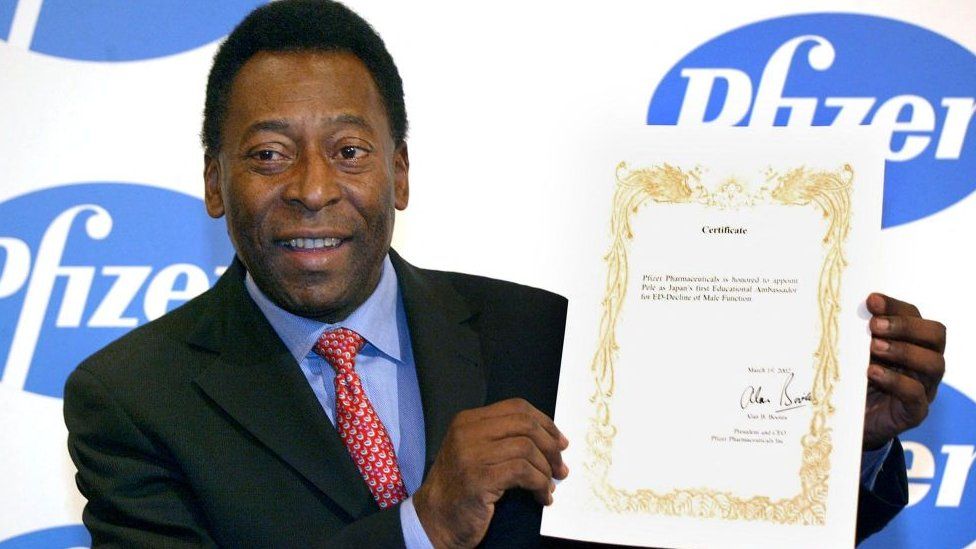
Published1 hour agoShareclose panelShare pageCopy linkAbout sharingImage source, Getty ImagesBy Peter ShuttleworthBBC NewsPele may have been its poster boy – and the Pope gave it his blessing – but if it wasn’t for a south Wales industrial town, we may never have known about Viagra.Men from Merthyr Tydfil, including ex steelworkers desperate for cash during the town’s industrial decline, went to a local research centre to volunteer as medical guinea pigs.Little did they know the trial they were agreeing to take part in helped change the world.Because it wasn’t until 30 years later that some of them discovered it laid the foundations for the drug that has since helped millions of men with erectile dysfunction.How does Viagra work?Buying Viagra: What you should knowSix ways to cope with erection problemsAt the start of the 1990s, drug company Pfizer was testing a compound called Sildenafil UK-92,480 in an effort to treat high blood pressure and angina.It contracted medical studies out of a research house in Merthyr Tydfil and recruited local young men to test it.Idris Price was one of the men who signed up to test the new drug in 1992. At the time he was going from job to job having been laid off in the local steelworks.”If I was short of money, I’d go down this place called Simbec,” Idris said.Image source, BBC / TWO RIVERS MEDIAHe would ask what studies he could do for cash, adding: “We were told nothing about the drug apart from the doctor said the tablet is for angina and you might have side effects. “A lot of the boys were nervous about what was going to happen.”The volunteers, all young men, were paid to take the compound UK-92,480 pill three times a day for 10 consecutive days.”In the late 1980s and early 90s, it was very hard times for us and you’d try to get any money you could get,” Idris told BBC documentary Keeping It Up.”The money from the trial was very important to my family as we had nothing in those days. “It allowed us to get in extra food and instead of having two bags of coal for the fire, we had five. It was actually a doddle, easy money which came in handy.”But when the trial was over, unforeseen side effects from the drug proved the “lightbulb moment” for Pfizer.How was Viagra discovered?”Volunteers started coming forward and saying ‘it’s a little embarrassing, but I’ve noticed I’m getting more erections than usual – and the erections are a lot harder than usual’,” said Dr Pete Ellis, Pfzier’s former discovery and development lead.The chance observations in Merthyr Tydfil saw Pfizer put funding together to launch an impotence study.Image source, Getty ImagesPatients with erectile dysfunction were tested at Bristol’s Southmead Hospital, before a further clinical trial the following year in 1994 in Swansea.The clinic at Swansea’s Morriston Hospital was the widest spectrum as it included men with diabetes and heart disease, where the side effects can include erectile dysfunction.”Pfizer said they had to be heterosexual men in a stable relationship,” recalled trial leader and endocrinology consultant David Price.”They were all regular guys, all married and ordinary blue collar Swansea men. The trial included showing the men erotic videos.”Image source, BBC / TWO RIVERS MEDIAA device was attached to the penis of the men to monitor the drug’s impact and doctors reassured the men they wouldn’t be interrupted.The results from the Swansea trial, like the Bristol study, were positive. Pfizer quickly realised they had a potentially game-changing drug on their hands.In fact so positive were the results, several men refused to return their unused tablets.Pfizer’s marketing team then kicked into overdrive on how to land their message of this new pill as experts pondered whether it’d be seen by the public as “extremely special or disastrous”.The firm was concerned about launching what could be described as a sex drug into what they thought was a relatively conservative world – so they used the feedback from men on the trials as their marketing message.Viewers can watch the big story of the little blue pill on BBC iPlayer and on BBC Two on Friday at 21:00 GMT.”One idea from the research was how deeply impotence impacts a person’s sense of self, the other was how much this impacted relationships,” said Pfizer’s former senior marketing manager Jennifer Doebler,”I was deeply touched by what men were saying and how much this hurt relationships and how much it mattered to them.”To boost their PR message that their possible impotence cure could repair struggling relationships, Pfizer got religious blessing from the Vatican by saying Viagra could help the institution of marriage and strengthen family values.Viagra hit the shelves in the USA and UK in 1998 as the first approved oral treatment for erectile dysfunction in a blaze of publicity and quickly became the fastest selling drug in history with annual sales peaking in 2008 of almost $2bn.But Idris, oblivious to the fact the side effects fellow volunteers reported helped create Viagra, was unaware of Merthyr’s role in Viagra’s story until researchers from BKeeping It Up told him earlier this year.Image source, BBC / Quay Street Productions / Tom JacksonThe story of Viagra’s origin in south Wales has been made into a feature-length drama Men Up, which counts Doctor Who and It’s A Sin’s Russell T Davies as an executive producer, and is to be broadcast on BBC One over Christmas.”I was amazed when I found out,” Idris said. “Viagra is a big thing now… I’m glad it was found in Merthyr Tydfil.”Viagra co-founder Dr David Brown said if it wasn’t for the men of south Wales, Viagra may not exist.”They made history,” he said. “They were probably just desperate to earn a bit of income but they’ve made a big difference to many people’s lives and they should feel good about that.”Image source, BBC / TWO RIVERS MEDIAHow common is erectile dysfunction?The NHS says impotence or erectile dysfunction is “very common, particularly in men over 40” and some research estimates it can effect about half of all men between the ages of 40 and 70 – so more than four million men in the UK.Other studies suggest that by 2025, 322 million men across the world may be affected by erectile dysfunction – more than double of the estimated 152 million in 1995.More on this storyViagra may be useful against Alzheimer’s dementiaPublished6 December 2021The perilous search for ‘Himalayan Viagra’Published17 July 2018Viagra can be sold over the counterPublished28 November 2017Room for growth: Viagra patent endsPublished22 June 2013Pfizer loses Viagra patentPublished8 November 2000

Read more →

Parkinson's Disease: 'You can have a career after diagnosis'

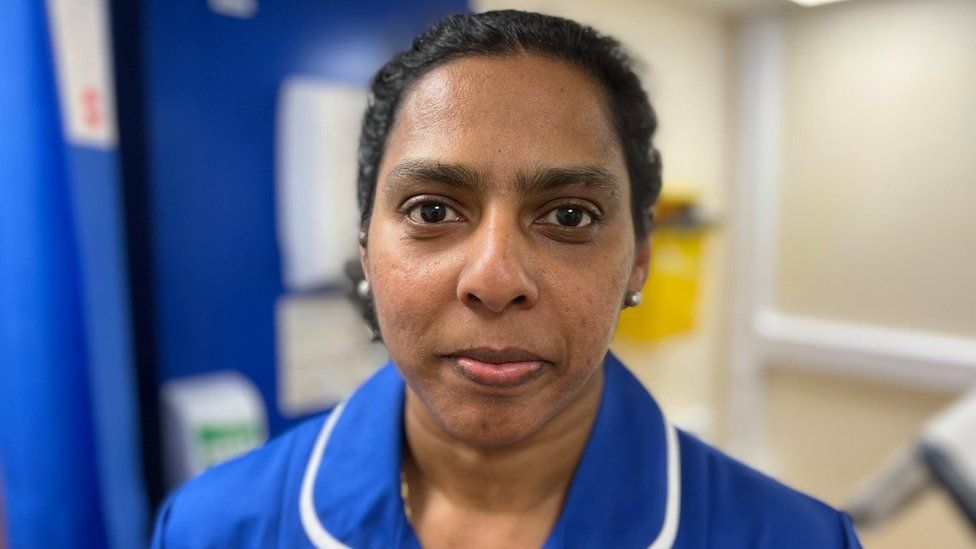
Published23 minutes agoShareclose panelShare pageCopy linkAbout sharingImage source, Nikki Fox/BBCBy Nikki FoxBBC East health correspondentTincy Jose is a junior sister working in urgent care at the Queen Elizabeth Hospital in King’s Lynn, Norfolk. When the 45-year-old reported symptoms to her GP, she said a diagnosis of Parkinson’s Disease completely overwhelmed her. But she has managed to turn her journey into “a calling” – to support and encourage others with the condition. This is her story.Something under my shoe?Image source, Kevin Saddington/BBC”It was a night shift and the corridors in the hospital were really quiet. I was walking along, and noticed that my right footstep noise was louder than my left. Initially I thought there was something stuck under my shoe, so I lifted it to check, but there wasn’t. I didn’t go to the doctor straight away as I didn’t want him to think I was silly. Being a nurse, working and taking care of the family, you don’t always consider your own health. After my colleagues noticed my symptoms, I went to my GP and he referred me to a neurologist.While waiting for a diagnosis, I noticed some stiffness in my shoulder, then I went to Mass and the prayer card I was holding in my right hand was shaking.I started to think something was really wrong, but I didn’t want to think too much about it. Image source, Tricia Yourkevich/BBCWhile reading the BBC website, I came across an article on Dr Paul Sinha, from the TV programme, The Chase. He had been diagnosed with Parkinson’s. There was a link to his blog which explained his symptoms. He talked about stiffness in his shoulder and limping. I thought, am I going that way? I read it again and again.When you hear the words ‘Parkinson’s Disease’ you know it’s an incurable and progressive condition. It was overwhelming me.’My mind went blank’Image source, Nikki Fox/BBCI was at work when I received the diagnosis over the phone. The first thing that came into my mind was being a mum of young children. My mind and brain went blank. Even though I was expecting it, I felt like I was in a different world.The neurologist told me to take time to accept it and said he had prescribed me medication. He booked an appointment for six weeks’ time. I put the phone down, turned around and my colleague said: ‘Are you ok?’ – I couldn’t talk. Then, from nowhere my matron stood in front of me. I thought God had sent her. She took me into her office and gave me a chair. I just burst out in tears. She gave me time and space to calm down. She said: ‘Remember there is a treatment. You can still progress in your career, you can see your children growing up, you can spend time with them.’ She told me to prepare my mind and that nothing was going to stop me.’Out of hibernation’Image source, Queen Elizabeth HospitalIt took me nearly one and a half years to disclose the diagnosis to all of my colleagues. But I gradually realised there was a purpose to it. I believe it was ‘a calling’.Normally I’m calm and quiet, but I wanted to raise awareness and started to come out of my hibernation because of that.I’m a member of an informal group of NHS professionals diagnosed with the disease. There are 40 members across the UK, Ireland and Australia. We are trying to raise awareness about the importance of timely medication for those with Parkinson’s in hospital. The medications control the symptoms and if there is a delay in giving it, the symptoms will reappear. If this delay is more than 30 minutes, it can affect the patients’ ability to walk and talk – and a person’s discharge home. According to Parkinson’s UK, 58% of patients admitted to hospital, didn’t get their medication on time, every time.The charity also gave me the opportunity to meet the minister for disabled people, Tom Pursglove. I explained how I am living with Parkinson’s and the medication campaign. I also spoke to him about the importance of adding Parkinson’s to the prescription exemption list and how we feel more specialists need to be recruited.[A spokesperson for NHS England said: “While local NHS trusts are each responsible for their own medicines policy, NHS England has commissioned a range of support, information and resources for organisations on this issue, which have been used by hundreds of health professionals – we will continue to encourage their use so patients in hospital can get their medication in a timely way.”]’There is life after diagnosis’Image source, Queen Elizabeth HospitalParkinson’s has more than 40 symptoms. Not everyone feels the same, but it does affect movement. If you are getting towards the end of a busy day, you may feel incredibly tired. You get stressed easily and my writing has slowed down, but working with a supportive team helps.I want to show others that there is life after diagnosis. I have had the opportunity to develop my career, progressing from a band five nurse to a band six junior sister. You have to be active and confident you can continue your work.Recently I was awarded the ‘Best Nurse of the Year’ from MalayalamUK. Malayalam is a language spoken in Kerala in India, where I lived before relocating to the UK in 2008.Tincy’s mantraI believe to live well with Parkinson’s, you have to be a ‘PARKINSON’:Positivity helps you to go forwardActive nature improves your movementResilience helps to face your challengesKind to yourself Insightful thinking is power to be purposefulNurturing skills will help to support othersSelf confidence is mandatory Optimism will help you achieve dreamsNoble attitude leads you to positive outcome’Super mum’If you are struggling, you need to get support. Your mind is your weapon.The former president of India, Dr APJ Abdul Kalam said: ‘Life is very similar to a boxing ring. The defeat is not declared when you fall down, but it is declared when you fail to rise up.’ The same way that when you receive a long term diagnosis, it is not the end of your career or your life. It is not the end of your world. There will be more opportunities, but if you’re not looking for the door or knocking on it, you won’t find the opportunities.On the first Mother’s Day after my diagnosis, my son wrote ‘super mum’ on my card. I asked him: “Why did you write that?”. He said: “You are a super mum because you have Parkinson’s, you’re still working and looking after us.” That made me cry. I’m so grateful for them supporting and helping me.I will continue my work until I can.”Find BBC News: East of England on Facebook, Instagram and Twitter. If you have a story suggestion email eastofenglandnews@bbc.co.ukMore on this storyParkinson’s implant restores man’s walkPublished6 November’My NHS hell waiting for surgery and information’Published29 OctoberGut problems may be early warning of Parkinson’sPublished25 AugustParkinson’s disease device trialled at hospitalPublished11 AprilRelated Internet LinksThe Queen Elizabeth Hospital King’s LynnParkinson’s disease – NHSThe BBC is not responsible for the content of external sites.

Read more →

Discrimination during pregnancy may alter circuits in infants' brains

Racial discrimination and bias are painful realities and increasingly recognized as detrimental to the health of adults and children.
These stressful experiences also appear to be transmitted from mother to child during pregnancy, altering the strength of infants’ brain circuits, according to a new study from researchers at Columbia, Yale, and Children’s Hospital of Los Angeles.
The study found similar brain changes in infants whose mothers experienced stress from adapting to a new culture during pregnancy.
“A leading hypothesis would be that the connectivity changes that we see could reduce one’s ability to regulate their emotions and increase risk for mental health disorders,” says the study’s lead author Marisa Spann, PhD, the Herbert Irving Associate Professor of Medical Psychology in the Department of Psychiatry at Columbia University Vagelos College of Physicians and Surgeons.
“It remains to be seen if the connectivity differences we found lead to long-term mental health outcomes in children. Our team and others in the field still have the opportunity to test this.”
Previous research by Spann and colleagues has documented the impact of various forms of prenatal distress — depression, stress, and anxiety — on the infant brain. “We work with vulnerable and underrepresented populations, and the experience of stigma and discrimination are distressingly common,” Spann says. “This naturally led to discussions about the impact of other stressors, like discrimination and acculturation, on the infant brain.”
In the new study, the researchers analyzed data collected from 165 young, mostly Hispanic women who had participated in an earlier study of teen pregnancy, stress, and nutrition by co-authors Catherine Monk, PhD, and Bradley Peterson, MD. The data included self-reported measures of discrimination and acculturation, along with measures of general stress, childhood trauma, depression, and socioeconomic status.

An analysis of the data showed that stress from discrimination and acculturation were separate and distinct from other types of stress and might have unique effects on the brain.
To look for these unique effects, the researchers compared the mothers’ discrimination and acculturation stress to the strength of their infants’ brain circuits, as measured with MRI scans. This analysis of 38 mother-infant pairs showed that infants of mothers who experienced discrimination generally had weaker connections between their amygdala and prefrontal cortex and infants of mothers who experienced acculturation stress had stronger connectivity between the amygdala and another brain region called the fusiform.
The amygdala is an area of the brain associated with emotional processing that is altered in many mood disorders. It also may be involved in ethnic and racial processing, such as differentiating faces.
“The amygdala is very sensitive to other types of prenatal stress,” Spann says, “and our new findings suggest that the experience of discrimination and acculturation also influences amygdala circuitry, potentially across generations.”
The take-home message, Spann says, is that “how we treat and interact with people matters, especially during pregnancy — a critical time point where we can see the far-reaching effects on children.”
Spann adds that more research is needed to investigate the biological mechanisms that carry the experiences of adversity from parent to offspring as well as the long-term impact of these findings. She currently is leading a study — funded by the Community-Based Participatory Research program of Columbia’s Irving Institute for Clinical and Translational Research and in collaboration with the Northern Manhattan Perinatal Partnership — to examine the relationship between maternal experiences of discrimination and acculturative stress on the development of their infant’s racial processing.

The new research was supported by the National Institute of Mental Health (grants K24MH127381, R01MH126133, and R01MH117983); the National Center for Advancing Translational Sciences (TL1TR001875); the National Health and Lung and Blood Disease Institute (R25HL096260); the BEST-DP: Biostatistics & Epidemiology Summer Training Diversity Program; Eunice Kennedy Shriver National Institute for Child Health and Human Development (K23HD092589); and an Irving Scholar Award from the Irving Institute for Clinical and Translational Research at Columbia University.
Catherine Monk and Bradley Peterson provided data from a previous study, which was supported by a grant from the National Institute of Mental Health (R01MH093677).
Catherine Monk, PhD, is the Diana Vagelos Professor of Women’s Mental Health in the Department of Obstetrics & Gynecology at Columbia University Vagelos College of Physicians and Surgeons and leads the department’s Center for the Transition to Parenthood. She also is professor of medical psychology in the Department of Psychiatry.
The authors declare no competing interests.

Read more →

Hydrogen sulfide regulates neural circuit for respiration

Hydrogen sulfide, recognized by its characteristic rotten egg smell, is synthesized in the respiratory center — an integral brain region governing respiration. Researchers at the University of Tsukuba have identified that hydrogen sulfide within the respiratory center plays a crucial role in maintaining the rhythm and depth of respiration by modulating neurotransmissions.
While commonly associated with the unpleasant odor of hot springs, hydrogen sulfide is naturally produced in the body. Despite its toxicity at higher concentrations, the lower concentrations generated internally are indispensable for life. Researchers from the University of Tsukuba have demonstrated the importance of hydrogen sulfide in the brain for normal respiration although the precise mechanism remained unclear.
The medullary respiratory center, responsible for the rhythm and depth of respiration, comprises various neurons dedicated for inspiration and expiration. In this study, researchers focused on the hydrogen sulfide production within the respiratory center. Results revealed that inhibiting hydrogen sulfide production alters neurotransmissions, leading to disruptions in the rhythm and depth of respiration.
Moreover, the study identified variations in this mechanism across distinct regions within the respiratory center. These results imply that hydrogen sulfide, produced in the respiratory center, exerts a modulating influence on neural circuits, contributing to the stability of respiration.
Understanding the role of hydrogen sulfide in respiration offers valuable insights into disorders characterized by respiratory irregularities and potential avenues for treatment. Furthermore, these findings deepen our understanding of how hydrogen sulfide sustains life.
This research was supported by Japan Society for the Promotion of Science Kakenhi grants (22H05557 and 23KJ0245), the Japan Science and Technology Agency SPRING (JPMJSP2124), and the Japan Foundation for Applied Enzymology Research Grant.

Read more →

Riding sound waves in the brain

Brain tumours, brain haemorrhages and neurological and psychological conditions are often hard to treat with medication. And even when effective drugs are available, these tend to have severe side effects because they circulate throughout the brain and not just the area they are meant to treat. In light of this situation, researchers have high hopes of one day being able to provide a more targeted approach that would deliver medications to very specifically defined locations. To this end, they are in the process of developing mini-transporters that can be guided through the dense maze of blood vessels.
Researchers at ETH Zurich, the University of Zurich and the University Hospital Zurich have now managed for the first time to guide microvehicles through the blood vessels in the brain of an animal using ultrasound.
Ultrasound instead of magnetism
Compared to alternative navigation technologies such as those based on magnetic fields, ultrasound offers certain benefits. Daniel Ahmed, Professor of Acoustic Robotics at ETH Zurich and supervisor of the study, explains: “In addition to being widely used in the medical field, ultrasound is safe and penetrates deep into the body.”
For their microvehicle, Ahmed and his colleagues used gas-filled microbubbles coated in lipids — the same substances that biological cell membranes are made of. The bubbles have a diameter of 1.5 micrometres and are currently used as contrast material in ultrasound imaging.
As the researchers have now shown, these microbubbles can be guided through blood vessels. “Since these bubbles, or vesicles, are already approved for use in humans, it’s likely that our technology will be approved and used in treatments for humans more quickly than other types of microvehicles currently in development,” Ahmed says. He was awarded a Starting Grant by the European Research Council ERC in 2019 for his project to research and develop this technology.
Another benefit of the ultrasound-guided microbubbles is that they dissolve in the body once they’ve done their job. When using another approach, magnetic fields, the microvehicles have to be magnetic, and it’s not easy to develop biodegradable microvehicles. Moreover, the microbubbles developed by the ETH Zurich researchers are small and smooth. “This makes it easy for us to guide them along narrow capillaries,” says Alexia Del Campo Fonseca, a doctoral student in Ahmed’s group and lead author of the study.

Going against the flow
Over the past few years, Ahmed and his group have been working in the lab to develop their method for guiding microbubbles through narrow vessels. Now, in collaboration with researchers from the University of Zurich and University Hospital Zurich, they have tested this method on blood vessels in the brains of mice. The researchers injected the bubbles into the rodents’ circulatory system, where they are swept along in the bloodstream without any outside help. However, the researchers managed to use ultrasound to hold the vesicles in place and guide them through the brain vessels against the direction of blood flow. The researchers were even able to guide the bubbles through convoluted blood vessels or get them to change direction multiple times in order to steer them into the narrowest branches of the bloodstream.
To control the microvehicles’ movements, the researchers also attached four small transducers to the outside of each mouse’s skull. These devices generate vibrations in the ultrasonic range, which spread through the brain as waves. At certain points in the brain, the waves emitted by two or more transducers can either amplify each other or cancel each other out. The researchers guide the bubbles using a sophisticated method of adjusting the output of each individual transducer. Real-time imaging shows them what direction the bubbles are moving in.
To create the imaging for this study, the researchers used two-photon microscopy. In the future, they also want to use ultrasound itself for imaging and plan to enhance ultrasound technology for this purpose.
In this study, the microbubbles were not equipped with medications. The researchers first wanted to show that they could guide the microvehicles along blood vessels and that this technology is suitable for use in the brain. That’s where there are promising medical applications, including in the treatment of cancer, stroke and psychological conditions. The researchers’ next step will be to attach drug molecules to the outside of the bubble casing for transport. They want to enhance the entire method to the point at which it can be used in humans, hoping it will one day provide the basis for the development of new treatments.

Read more →

Engineers develop a way to determine how the surfaces of materials behave

Designing new compounds or alloys whose surfaces can be used as catalysts in chemical reactions can be a complex process relying heavily on the intuition of experienced chemists. A team of researchers at MIT has devised a new approach using machine learning, that removes the need for intuition and provides more detailed information than conventional methods can practically achieve.
For example, applying the new system to a material that has already been studied for 30 years by conventional means, the team found the compound’s surface could form two new atomic configurations that had not previously been identified, and that one other configuration seen in previous works is likely unstable.
The findings are described this week in the journal Nature Computational Science, in a paper by MIT graduate student Xiaochen Du, professors Rafael Gómez-Bombarelli and Bilge Yildiz, MIT Lincoln Laboratory technical staff member Lin Li, and three others.
Surfaces of materials often interact with their surroundings in ways that depend on the exact configuration of atoms at the surface, which can differ depending on which parts of the material’s atomic structure are exposed. Think of a layer cake with raisins and nuts in it: Depending on exactly how you cut the cake, different amounts and arrangements of the layers and fruits will be exposed on the edge of your slice. The environment matters as well. The cake’s surface will look different if it is soaked in syrup, making it moist and sticky, or if it is put in the oven, crisping and darkening the surface. This is akin to how materials’ surfaces respond when immersed in a liquid or exposed to varying temperatures.
Methods usually used to characterize material surfaces are static, looking at a particular configuration out of the millions of possibilities. The new method allows an estimate of all the variations, based on just a few first-principles calculations automatically chosen by an iterative machine-learning process, in order to find those materials with the desired properties.
In addition, unlike typical present methods, the new system can be extended to provide dynamic information about how the surface properties change over time under operating conditions, for example while a catalyst is actively promoting a chemical reaction, or while a battery electrode is charging or discharging.
The researchers’ method, which they call an Automatic Surface Reconstruction framework, avoids the need to use hand-picked examples of surfaces to train the neural network used in the simulation. Instead, it starts with a single example of a pristine cut surface, then uses active learning combined with a type of Monte-Carlo algorithm to select sites to sample on that surface, evaluating the results of each example site to guide the selection of the next sites. Using fewer than 5,000 first-principles calculations, out of the millions of possible chemical compositions and configurations, the system can obtain accurate predictions of the surface energies across various chemical or electrical potentials, the team reports.

“We are looking at thermodynamics,” Du says, “which means that, under different kinds of external conditions such as pressure, temperature, and chemical potential, which can be related to the concentration of a certain element, [we can investigate] what is the most stable structure for the surface?”
In principle, determining the thermodynamic properties of a material’s surface requires knowing the surface energies across a specific single atomic arrangement and then determining those energies millions of times to encompass all the possible variations and to capture the dynamics of the processes taking place. While it is possible in theory to do this computationally, “it’s just not affordable” at a typical laboratory scale, Gómez-Bombarelli says. Researchers have been able to get good results by examining just a few specific cases, but this isn’t enough cases to provide a true statistical picture of the dynamic properties involved, he says.
Using their method, Du says, “we have new features that allow us to sample the thermodynamics of different compositions and configurations. We also show that we are able to achieve these at a lower cost, with fewer expensive quantum mechanical energy evaluations. And we are also able to do this for harder materials,” including three-component materials.
“What is traditionally done in the field,” he says, “is researchers, based on their intuition and knowledge, will test only a few guess surfaces. But we do comprehensive sampling, and it’s done automatically.” He says that “we’ve transformed a process that was once impossible or extremely challenging due to the need for human intuition. Now, we require minimal human input. We simply provide the pristine surface, and our tool handles the rest.”
That tool, or set of computer algorithms, called AutoSurfRecon, has been made freely available by the researchers so it can be downloaded and used by any researchers in the world to help, for example, in developing new materials for catalysts, such as for the production of “green” hydrogen as an alternative emissions-free fuel, or for new battery or fuel cell components.
For example, Gómez-Bombarelli says, in developing catalysts for hydrogen production, “part of the problem is that it’s not really understood how their surface is different from their bulk as the catalytic cycle occurs. So, there’s this disconnect between what the material looks like when it’s being used and what it looks like when it’s being prepared before it gets put into action.”
He adds that “at the end of the day, in catalysis, the entity responsible for the catalyst doing something is a few atoms exposed on the surface, so it really matters a lot what exactly the surface looks like at the moment.”

Another potential application is in studying the dynamics of chemical reactions used to remove carbon dioxide from the air or from power plant emissions. These reactions often work by using a material that acts as a kind of sponge for absorbing oxygen, so it strips oxygen atoms from the carbon dioxide molecules, leaving behind carbon monoxide, which can be a useful fuel or chemical feedstock. Developing such materials “requires understanding of what the surface does with the oxygens, and how it’s structured,” Gómez-Bombarelli says.
Using their tool, the researchers studied the surface atomic arrangement of the perovskite material strontium titanium oxide, or SrTiO3, which had already been analyzed by others using conventional methods for more than three decades yet was still not fully understood. They discovered two new arrangements of the atoms at its surface that had not been previously reported, and they predict that one arrangement that had been reported is in fact unlikely to occur at all.
“This highlights that the method works without intuitions,” Gómez-Bombarelli says. “And that’s good because sometimes intuition is wrong, and what people have thought was the case turns out not to be.” This new tool, he said, will allow researchers to be more exploratory, trying out a broader range of possibilities.
Now that their code has been released to the community at large, he says, “we hope that it will be inspiration for very quick improvements” by other users.
The team included James Damewood, a PhD student at MIT, Jaclyn Lunger PhD ’23, who is now at Flagship Pioneering, and Reisel Millan, a former postdoc who is now with the Institute of Chemical Technology in Spain. The work was supported by the U.S. Air Force, the Department of Defense, and the National Science Foundation.

Read more →