New Zealand smoking ban: Māori mourn loss of hard-won smoking reform

Published29 minutes agoShareclose panelShare pageCopy linkAbout sharingImage source, Hāpai Te Hauora By Frances MaoBBC NewsWhen New Zealand’s new government announced it was scrapping the country’s world-leading tobacco laws, it came as a particularly hard blow to the Maori people.With the indigenous community being the country’s heaviest smokers, its leaders had fought for reforms for years. The country’s model was the first to spell a complete end to smoking – and so was hailed by health advocates globally.From 2024, the laws would have cut nicotine levels in cigarettes to non-addictive levels, eliminated 90% of retailers allowed to sell tobacco, and created “smoke-free” generations of citizens by banning cigarette sales to anyone born after 2008. But with the measures now abandoned, the Maori will suffer the most, advocates say.Last year, Teresa Butler and her six-year-old daughter sat in front of a room full of politicians, begging them to enact the laws.Dressed in a traditional feathered cloak, her voice quavered as she thrust a photo of her mother at the committee. She presented the death certificate.Cause of death: Emphysema, the result of more than 30 years of tobacco smoking. Teresa had her first cigarette aged eight. She recalls running down to the shops in Christchurch, with five dollars in hand and a note from her mum for a packet of smokes. She only kicked the habit when she fell pregnant.”I wanted a healthy baby to continue a healthy strong whakapapa [family line],” she said.She has spent the last seven years of her life as an anti-smoking counsellor, going into Māori neighbourhoods to try and wean people off the deadly addiction.These days, only 8% of New Zealand’s adult population are daily smokers, but the number is more than double that- 19.9% – among Māori. It is even higher among Māori women.It takes a toll, not only on health but finances.A packet of cigarettes in New Zealand costs NZ$40 (£19; $24) on average. Chain smokers can inhale a pack a day.”It’s stress, it’s a lack of education, they have children, they’re single mums,” says Ms Butler, relaying a typical encounter.”I go into a home and I can clearly see her kids don’t have any nappies on. There’s no food in the cupboard. And I’m saying to her: ‘It’s winter time, you’ve got no power. Why don’t you have any money?’ And she’ll tell me: “Because I’ve just spent the last $30 on smokes.”Smokers tell her they want to kick the habit but feel trapped.”They say to me: ‘Look, it’s too easy to access this Teresa. I can wake up at one o’clock in the morning, have anxiety, be depressed and go down to the local shop, the 24-hour petrol station and purchase cigarettes.’ It’s just a quick fix, just like alcohol.”Image source, NEW ZEALAND PARLIAMENTTargeting tobacco, not peopleThe proposed policies – especially denicotisation and the so-called Smokefree generation – have never been implemented anywhere.But public health researchers considered New Zealand – a high-income country of just over five million people – an ideal setting to try and achieve tobacco “endgame”.What was new here was the focus: targeting the industry, not the individual.Almost all smokers will tell you that they want to stop, researchers say. The problem, for many, is individual capability and access to resources.Like other countries, New Zealand had already had anti-smoking measures in place for years: excise increases on cigarettes, a Quitline phone service, and mass media campaigns carrying health warnings.But while these helped drive down the smoking rate for European and Asian populations, the rate among Māori and Pasifika groups remained stubbornly high at around 20%.”The problem we realised was because it was reliant on individuals too much,” says Andrew Waa, an associate professor of public health at the University of Otago who is Māori and who has led most of the tobacco control studies in the country.He says these measures targeted “more superficial aspects” of tobacco control – for example focusing on helping people quit – instead of targeting fundamental causes for why people take up smoking and continue to smoke – like the widespread availability of cigarettes, and the tobacco industry’s role.And the resources needed to quit aren’t equally distributed across New Zealand, researchers say. There remain significant hurdles.There are many drivers behind “health inequity” – but the underlying reasons are rooted in New Zealand’s colonial history. White Europeans took over the Pacific nation in the 18th century.”Colonisation is an underlying driver of ethnic inequalities in smoking behaviour,” Associate Prof Waa and other researchers wrote in the Tobacco Control journal last year.They noted Indigenous’ people’s experience of generational theft, racism and cyclical poverty were the “basic causes” affecting access to income and housing and overall health.So when the Smokefree measures were introduced in 2021, the resounding praise from public health circles was rooted in the view that such policies would vastly improve health equity.And in a clear example of best practice, where policy is enacted not “on” Māori but “by” Māori, the laws were also the direct extension of a political push by Maori politicians in the mid-2000s, when one MP first suggested an end to tobacco sales.In 2010, Māori legislators set up the country’s first large-scale inquiry into tobacco’s harm on Māori and other communities nationally- the parliament inquiry heard from a range of groups across the country. The results of this inquiry led to the New Zealand government in 2011 setting one of the most daring public health targets in the world: a Smokefree country by 2025, with smoking prevalence under 5%.However the National government at the time did little by way of policy to achieve it, researchers say.It was only Jacinda Ardern’s government, a decade later, who decided to launch a package of radical reforms to get the country and in particular its Maori people across the finish line.A quick guide to smoking bans across the worldShe appointed Ayesha Verrall, a doctor and epidemiologist, as health minister – who prioritised Māori community consultation in shaping legislation. The government further dedicated $14m to community health programmes, and set up Te Aka Whai Ora, the Maori Health Authority, an independent government body that sets Māori health policy and tailors the country’s health system delivery to Indigenous people.The scientific modelling backed up the Smokefree reforms. Simulation studies conducted by Associate Prof Waa and other researchers concluded the measures would see the smoking rate for Māori drop to 7.8% by 2025, compared to a 2040 timeframe under previous smoking policy. More profoundly, the mortality gap for Māori women would be shortened 23%, for Māori men nearly 10%.”It is unlikely that any other feasible health intervention would reduce ethnic inequalities in mortality by as much,” the researchers wrote.But New Zealanders in October voted in a change of government.The conservative coalition then said it intended to repeal the health laws to fund tax cuts – a policy blindside given the leading National party never once mentioned the Smokefree laws during campaigning. The new government also plans to dismantle the Māori Health Authority.”We thought that once the legislation was passed last year it was a done deal. So we’re really confused as to how and why this can happen,” says a furious Ms Butler.”It’s heartbreaking because this is life changing, life-saving legislation, particularly for Māori,” she says.Currently about 5,000 people die each year in New Zealand from smoking and smoking-related problems – nearly a 1,000 of whom are Māori, according to a New Zealand Medicine Journal study.National has said they feared the smoking crackdown would fuel an already existing black market for tobacco in New Zealand and increase crime – arguments first used by tobacco companies opposing the laws.Prime Minister Christopher Luxon argued that reducing the number of retailers would turn the shops left selling tobacco into a “massive magnet for crime”. Meanwhile, Deputy Prime Minister Winston Peters has argued the smoking ban is a violation of people’s rights and free choice.The finance minister also revealed that the “about a billion dollars” in tax raised from cigarette sales would go directly into funding “tax relief for working Kiwis”. It has blamed negotiations with Act and New Zealand First, two right-wing, populist minor parties it needed to form government, for forcing their hand.The New Zealand Health Minister’s office admitted to the BBC the repeal of Smokefree laws were “not a National Party policy – but that’s the nature of a negotiation.”But previous government modelling had shown that Smokefree would save the country’s healthcare system $1.4bn over two decades.Dr Shane Reti, the new Health Minister, has faced calls from the nation’s practitioners to step down from his medical registrations – given his abandonment of the public health policy.His office told the BBC the government “remained committed to reducing smoking rates” but did not answer questions on how it would achieve that now with the Smokefree policies scrapped.Critics have also raised questions about the tobacco industry’s influence in the policy reversal. New Zealand had been viewed as the dangerous ‘endgame’ precedent for Big Tobacco, Prof Waa says.Since New Zealand announced the laws in 2021, they had inspired other countries; the UK this year also announced ambitions for a smokefree generation.The National party declined to answer the BBC’s questions about political funding from tobacco companies.Meanwhile, health activists and Māori leaders are fighting again to keep their hard-won reform. More than 20,000 New Zealanders signed a petition last week calling for the laws to stay. “We simply cannot afford to go backwards, while our whānau continue to die at the hands of this product,” read the Hāpai Te Hauora petition.Thousands also protested on the streets in capital city protests around the country this week, criticising the incoming government for its “anti-Māori” policies with many singling out the dismantling of Smokefree laws.But there are murmurings and concerns that the government, with a majority in parliament, could scrap the laws by Christmas.More on this storyShock as New Zealand axes world-first smoking banPublished27 NovemberDisillusioned New Zealand eyes shift away from the leftPublished12 OctoberYouth vaping crisis clouds New Zealand’s smoke-free futurePublished13 AugustNew Zealand law aims to phase out smokingPublished9 December 2021

Read more →
Why do people always wait until January to get fit?

Published20 minutes agoShareclose panelShare pageCopy linkAbout sharingImage source, Getty ImagesBy Annabel RackhamHealth reporterThe start of January has become synonymous with lifestyle changes – many new-year’s resolutions involve getting fit, losing weight and changing eating habits.It is all down to the fresh-start effect – most people believe choosing a set point, such as a new year, will help motivate them to reach a particular goal.But research suggests this does not always work, particularly for fitness.And there are a few reasons why those thinking about getting into exercise should bring their 2024 resolutions forward a few weeks.Why do people wait until January?The first month of a new year is seen as a transition point and has been adopted as a time that marks a new beginning.Psychology professor Dr John Norcross has been researching new-year’s resolutions for more than 40 years. And his findings suggest the most popular concern physical health, with more than a third of the thousands of people he has examined saying their main goal is to improve it.The second most popular category is weight loss, with 20% of participants saying they want to slim down and 13% they want to change their eating habits.But when Dr Norcross followed those making these resolutions, he found a third had given up after a month – and after six, most had. Image source, Getty ImagesHealth and diet expert Dr Duane Mellor tells BBC News: “It can feel harder to to start exercising in winter – and we artificially put in new-year’s resolutions, which are set with the best intentions, at sort of that time of year, when we feel we should do better.”And a lot of this comes from trying to recover from the “excess food and alcohol” consumed over the Christmas period, which, when coupled with less movement during colder days, leaves some feeling sluggish and in need of change.Why might it be better to start in December?”From a behavioural point of view, it’s more sensible to start doing exercise earlier in winter or later in autumn, as our natural habitats, our environment and our way of living, tends to slow down this type of time of year,” Dr Mellor says.”With the darkening nights, our minds push away from [thinking about being active] so going against that can be a real strong positive.” Dr Mellor advises finding a routine that works in the late autumn and early winter period, while also “trying to maintain a healthy way of eating”, so when the new year rolls around, healthier habits are already in place.As gyms struggle, how can the UK tackle inactivity?Friends could be key to finding fitness motivationHow your daily step count can help heart and headMany choose, running, the gym or group exercise classes as the place to kickstart a health journey – 12.5 million people took part in this type of activity last year, according to Sport England.But typically, workout spaces are a lot busier in January than December, thanks to resolutions.Image source, Getty ImagesPure Gym, which has 327 branches in the UK, and more than a million members, tells BBC News January is their busiest month, with November and December the quietest. And in January 2023, their gyms were nearly 40% busier than November and December 2022.Parkrun, which puts on free outdoor running events, tells BBC News they “usually see a strong upturn in January, particularly in the first Saturday of the new year”. And in January 2023, they had more than 50,000 registrations in the UK, compared with 26,000 in December 2022. Personal trainer and fitness coach Morgan Brazier tells BBC News January fitness goals put too much pressure on people to achieve.”If someone says they are going to start in January and make this massive change, if for whatever reason that doesn’t work out, they can feel a sense of guilt and think the year has already started off badly,” she says.Image source, Getty ImagesNew starters can be put off by regular or experienced users – but with gyms so much quieter around Christmas, they can “feel more comfortable”, with the time and space to build confidence by learning how to use machines or develop techniques.Ms Brazier’s other tips include:Have an induction when joining a gym – most offer them and it will help work out where everything isGo in with a plan – lots of free resources are available online to help structure a workoutBring a friend to a workout – it will increase confidence, especially if they are more advancedTry out a class and turn up early to speak to the instructor More on this storyAs gyms struggle, how can the UK tackle inactivity?Published20 SeptemberFriends could be key to finding fitness motivationPublished19 October 2022How your daily step count can help heart and headPublished4 April

Read more →

Dr. John A. Talbott, Champion of Care for the Mentally Ill, Dies at 88

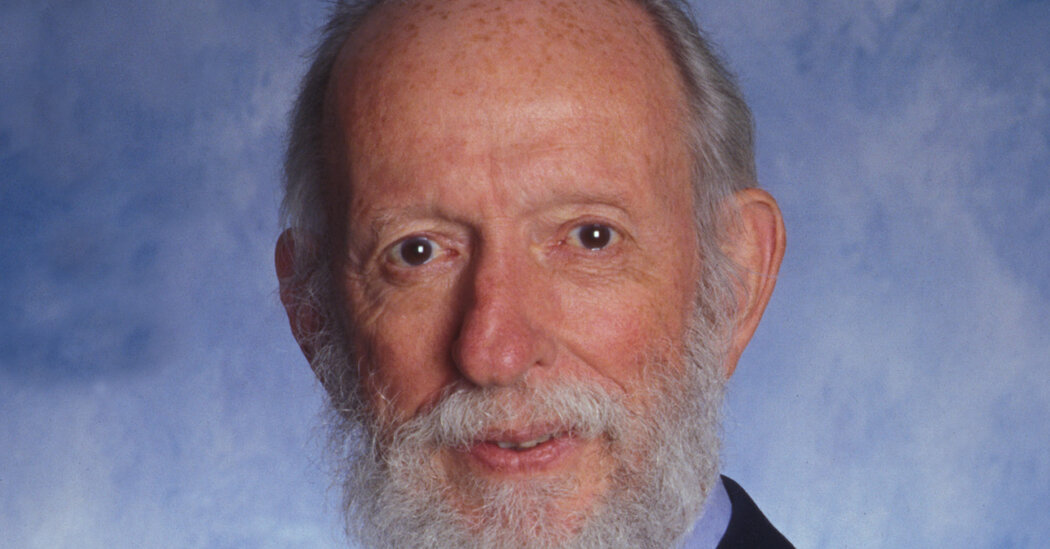
A psychiatrist and a prolific author, he criticized what he referred to as a “nonsystem” that left vulnerable people on the streets to fend for themselves.Dr. John A. Talbott, a psychiatrist who championed the care of vulnerable populations of the mentally ill, especially the homeless — many of whom were left to fend for themselves in the nation’s streets, libraries, bus terminals and jails after mass closures of state mental hospitals — died on Nov. 29 at his home in Baltimore. He was 88.His wife, Susan Talbott, confirmed the death.Dr. Talbott was an early backer of a movement known as deinstitutionalization, which pushed to replace America’s decrepit mental hospitals with community-based treatment. But he became one of the movement’s most powerful critics after a lack of money and political will stranded thousands of the deeply disturbed without proper care.“The chronic mentally ill patient had his locus of living and care transferred from a single lousy institution to multiple wretched ones,” Dr. Talbott wrote in the journal Hospital and Community Psychiatry in 1979.In a career of more than 60 years, Dr. Talbott held many of the leading positions in his field. He was president of the American Psychiatric Association; director of a large urban mental hospital, Dunlap-Manhattan Psychiatric Center, on Wards Island; chairman of the department of psychiatry at the University of Maryland, Baltimore; and editor of three prominent journals: Psychiatric Quarterly, Psychiatric Services and The Journal of Nervous and Mental Disease — which he was editing at his death.Dr. Talbott exerted influence not as a researcher of the brain or neurological drugs but as a hospital leader, an academic and a member of blue-ribbon panels — including President Jimmy Carter’s Commission on Mental Health — and, especially, through prolific writings. A clear and muscular polemicist, he wrote, edited or contributed to more than 50 books.“I admired him for taking the directorship of Manhattan State Hospital and his belief that psychiatrists should take the hard jobs and not just do private practice on the Upper West Side,” Dr. E. Fuller Torrey, a prominent psychiatrist and the founder of the Treatment Advocacy Center in Arlington, Va., said in an email.In 1984, during Dr. Talbott’s presidency, the American Psychiatric Association released its first major study of the homeless mentally ill. The study found that the practice of discharging patients from state hospitals into ill-prepared communities was “a major societal tragedy.”“Hardly a section of the country, urban or rural, has escaped the ubiquitous presence of ragged, ill and hallucinating human beings, wandering through our city streets, huddled in alleyways or sleeping over vents,” the report said. It estimated that up to 50 percent of homeless people had chronic mental illnesses.Six years earlier, Dr. Talbott had published a book, “The Death of the Asylum,” which railed against both the broken system of state hospitals and the broken policies that replaced them.In an interview with The New York Times in 1984, he acknowledged that psychiatrists who had championed community-based treatment as an alternative to institutions, including himself, bore part of the blame.“The psychiatrists involved in the policymaking at that time certainly oversold community treatment, and our credibility today is probably damaged because of it,” he said.In an account of Dr. Talbott’s career submitted to a medical journal after his death, a former colleague, Dr. Allen Frances, wrote, “Few people have ever had so distinguished a career as Dr. Talbott, but perhaps none has ever had a more frustrating and disappointing one.”Dr. Frances, the chairman emeritus of the department of psychiatry and behavioral sciences at Duke University, explained in an interview that Dr. Talbott had been a leader in the field of “community psychiatry,” which held that mental illness was influenced by social conditions — not just a biological disposition — and that treatments required taking into account a patient’s living conditions and the range of services available.Community psychiatry was supposed to be the alternative for patients no longer warehoused in run-down, often abusive state hospitals. A new generation of drugs held promise that patients could live at least semi-independently.“They were working hard to get psychiatry to be less stodgy, less biological, less psychoanalytical and more socially and community oriented,” Dr. Frances said of Dr. Talbott and others who championed community psychiatry.But the high hopes for robust outpatient treatment in community settings were never adequately realized. The Community Mental Health Act, a 1963 law championed by President John F. Kennedy, envisioned 2,000 community mental health centers by 1980. Fewer than half that many had been opened by then, as funding failed to materialize or was diverted elsewhere.At the same time, deinstitutionalization cut the number of patients in state hospitals by 75 percent, to fewer than 140,000 in 1980 from 560,000 in 1955.“The disaster occurred because our mental health delivery system is not a system but a nonsystem,” Dr. Talbott wrote in 1979.Dr. Talbott speaking at an antiwar protest at Riverside Church in New York in 1969. He became active in the antiwar movement after serving as a captain in the Medical Corps in Vietnam.Don Hogan Charles/The New York TimesJohn Andrew Talbott was born on Nov. 8, 1935, in Boston. His mother, Mildred (Cherry) Talbott, was a homemaker. His father, Dr. John Harold Talbott, was a professor of medicine and an editor of The Journal of the American Medical Association.In 1961, Dr. Talbott married Susan Webster, who had a career as a nurse and hospital administrator, after the couple met during intermission at the Metropolitan Opera in New York.Along with his wife, Dr. Talbott is survived by two daughters, Sieglinde Peterson and Alexandra Morrel; six grandchildren; and a sister, Cherry Talbott.He graduated from Harvard College in 1957 and received his M.D. from the Columbia College of Physicians and Surgeons in 1961. He did further training at Columbia Presbyterian Hospital/New York State Psychiatric Institute and the Columbia University Center for Psychoanalytic Training and Research.Drafted during the Vietnam War, he served as a captain in the Medical Corps in Vietnam in 1967 and 1968. He received a Bronze Star for persuading troops to take their malaria pills.“The reason they weren’t taking them was because a case of malaria was a ticket home,” he later explained. “Then I scared the hell out of them by showing them examples of what malaria could lead to.”Once he was home, Dr. Talbott became active in the antiwar movement. He was a spokesman for Vietnam Veterans Against the War at the 1968 Democratic National Convention in Chicago. The next year he helped organize a protest at Riverside Church in Manhattan in which the names of soldiers killed in Vietnam were read aloud by a procession of speakers, including Edward I. Koch, Leonard Bernstein and Lauren Bacall.After retiring as chairman of psychiatry at the University of Maryland in 2000 after 15 years, Dr. Talbott indulged a lifelong appreciation for fine dining by contributing to online food sites. In 2006, he began a blog, John Talbott’s Paris, in which he chronicled meals he ate on frequent visits to the French capital.

Read more →

R.S.V. Vaccine Is Slow to Reach Its Target: Older Americans

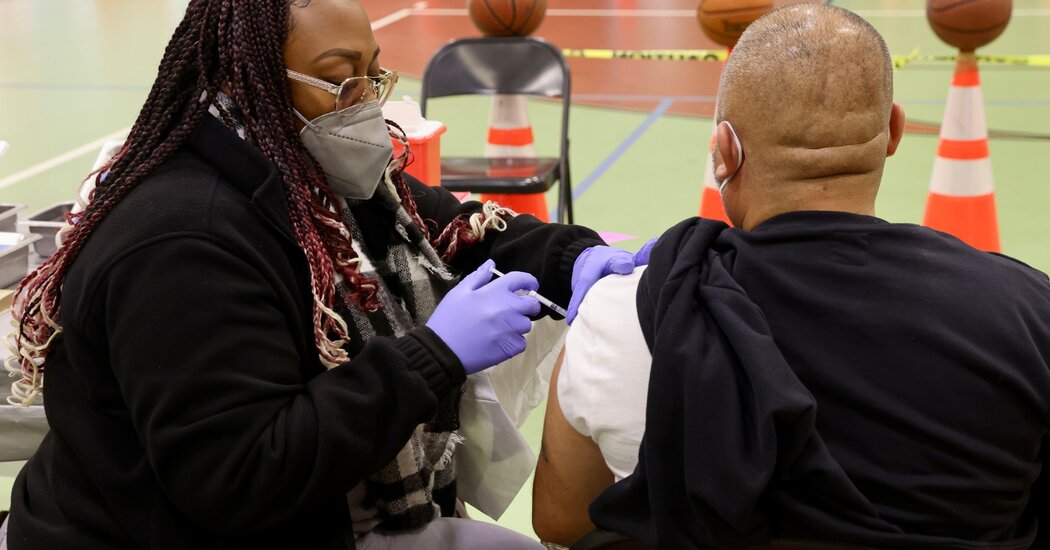
The virus sends up to 160,000 people over 65 to hospitals every year. But just 15 percent have gotten the newly available shots.Toby Gould was an early adopter. In September, Mr. Gould, 78, went to a pharmacy in Hyannis, Mass., to get one of the new vaccines for respiratory syncytial virus, known as R.S.V. He has asthma, which would heighten his risk of serious illness if he were to be infected.Carol Kerton, 64, knew R.S.V. could be dangerous: Her 3-year-old granddaughter had such a severe case that she was taken to an emergency room. Ms. Kerton was vaccinated in September at a local supermarket in Daytona Beach, Fla.Sam Delson, 63, received the R.S.V. vaccine last month in Sacramento. His doctor recommended it, he said, “because I’m over 60 and have a somewhat weakened immune system” after a long-ago bout with cancer.They are the exceptions. So far, only about 15 percent of Americans over 60 have received one of the two new R.S.V. shots, which the Food and Drug Administration approved in May and are the first-ever vaccines against the disease. Just 16 percent more said they definitely planned to, according to the Centers for Disease Control and Prevention.By contrast, more than 62 percent of adults over 65 have received the recommended flu shot this fall, and a third have gotten the updated Covid-19 vaccine.“It’s a new vaccine, and people are trying to figure out whether they need it or not,” said Dr. Preeti Malani, a geriatrician and infectious disease specialist at University of Michigan Health.That is if they know about the R.S.V. vaccines at all. A national survey this summer of people ages 60 through 80 found that nearly half hadn’t heard about them.The C.D.C. recommends the R.S.V. vaccines for people over 60, after having individual discussions with their health care providers, something called “shared clinical decision-making.” Medicare Part D, Medicaid and most private insurers will cover the entire cost.The fact that older people are vulnerable to R.S.V. is an unfamiliar concept to many people. For decades, the virus was mostly considered a threat to infants and young children. Most physicians, “when they went to medical school, were taught that R.S.V. was a pediatric illness,” said Dr. William Schaffner, an infectious disease specialist at Vanderbilt University Medical Center. “It’s still the leading cause of hospitalization in infants in the U.S.”But the F.D.A. estimates that the virus sends 60,000 to 160,000 people over 65 to hospitals each year and causes 6,000 to 10,000 deaths. Other published estimates are even higher.“It is a very contagious virus,” Dr. Malani said. Though children can become quite ill, more often, “a 4-year-old with a runny nose could have R.S.V. and not become very sick; it looks like a regular cold,” she said. However, she added: “The grandparents could get pneumonia.”Pfizer’s R.S.V. vaccine in production. Only about 15 percent of Americans over 60 have received one of the two new R.S.V. shots.Pfizer, via ReutersThe risk of becoming seriously ill from R.S.V. increases markedly with age. Hospitalization rates rise sharply for those in their 70s and 80s, especially for those with chronic heart and lung diseases like asthma, heart failure and chronic obstructive pulmonary disease. Older adults who have diabetes or liver and kidney disease, or weakened immune systems, also face higher risk. Adults can be infected repeatedly, and there’s no drug that ameliorates the disease, as there is for the flu and Covid-19.A study published in The New England Journal of Medicine in 2005 followed patients over four winters and reported that, among high-risk patients (their average age was 70) with heart failure or pulmonary disease who contracted R.S.V., 16 percent required hospitalization. In another cohort of older patients hospitalized with respiratory symptoms (with an average age of 75) and diagnosed with R.S.V., 15 percent wound up in intensive care.The new R.S.V. vaccines are highly effective. Clinical trials results showed that Arexvy, the shot made by GSK, was 94 percent effective against severe illness in older adults. Pfizer’s shot, called Abrysvo, was 86 percent effective against severe illness.So why haven’t the vaccines caught on more with their intended recipients?One reason: A shared decision-making recommendation from the C.D.C. can depress vaccination rates, Dr. Schaffner said, because “you can’t promote it with quite the intensity and assurance as with a blanket recommendation” — like the one recommending flu shots for everyone over 6 months old.Also, older people now receive multiple public health messages about seasonal vaccinations. “A few years ago, we were all recommending one vaccine each winter — flu,” Dr. Schaffner said. “We haven’t yet organized ourselves to be persuasive in getting people to accept three seasonal vaccines,” for influenza, Covid-19 and now R.S.V. (Getting two or three at the same time is fine, the C.D.C says.)When R. Jessica Jones, 76, who lives in Haiku, Hawaii, texted her doctor about seasonal vaccinations, he replied that she should get the Covid-19 booster and a flu shot, but that getting an R.S.V. vaccine was “optional.”Ms. Jones, surprised, asked why. He told her he thought the data on their safety and efficacy was “limited” (the F.D.A. disagreed), so she skipped getting one.“When providers are confused, patients are also confused,” Dr. Malani, of University of Michigan Health, said. “If we really want uptake in the population that could benefit, we need to provide clear information to doctors and others.”While some health care providers hope to improve the vaccination rate among older Americans, the vaccines’ manufacturers are apparently delighted with the number of people seeking out the shots so soon after shipping them to pharmacies, hospitals and doctors’ offices last summer. The manufacturers are collecting data on the vaccines’ effectiveness and side effects and — a central unanswered question — how often people will need to be revaccinated to maintain protection.“For a new class of vaccines, this is really fantastic,” said Dr. Len Friedland, who directs public health for GSK Vaccines.“There will always be hiccups,” he said. “But in general it’s gone very well, and we’re not hearing that there are access problems for patients.”Dr. Nathaniel Hupert, co-director of the Cornell Institute for Disease and Disaster Preparedness, was more cautious. Fifteen percent is “a lot better than zero,” he said, pointing out that until last summer, there was no prevention available against R.S.V. But, he said, “if you’d like to stamp out R.S.V., that’s not going to happen with this level of coverage.”Other manufacturers have R.S.V. vaccines in development, and older Americans may eventually have greater protection as more pregnant women and babies are immunized, as the C.D.C. recommends. “Kids have the distribution franchise for these respiratory viruses every winter,” Dr. Schaffner, of Vanderbilt University Medical Center, said.Over time, “we’ll probably see less R.S.V. transmission from kids to their grandparents,” Dr. Hupert said. “But we’re not there yet.”

Read more →

Battle of the AIs in medical research: ChatGPT vs Elicit

The use of generative AI in literature search suggests the possibility of efficiently collecting a vast amount of medical information, provided that users are well aware that the performance of generative AI is still in its infancy and that not all information presented is necessarily reliable. It is advised to use different generative AIs depending on the type of information needed.
Can AI save us from the arduous and time-consuming task of academic research collection? An international team of researchers investigated the credibility and efficiency of generative AI as an information-gathering tool in the medical field.
The research team, led by Professor Masaru Enomoto of the Graduate School of Medicine at Osaka Metropolitan University, fed identical clinical questions and literature selection criteria to two generative AIs; ChatGPT and Elicit. The results showed that while ChatGPT suggested fictitious articles, Elicit was efficient, suggesting multiple references within a few minutes with the same level of accuracy as the researchers.
“This research was conceived out of our experience with managing vast amounts of medical literature over long periods of time. Access to information using generative AI is still in its infancy, so we need to exercise caution as the current information is not accurate or up-to-date.” Said Dr. Enomoto. “However, ChatGPT and other generative AIs are constantly evolving and are expected to revolutionize the field of medical research in the future.”
Their findings were published in Hepatology Communications.

Read more →

SmileDirectClub Shuts Down, Months After Filing for Bankruptcy

The telehealth company, which sold teeth alignment devices to two million customers, was unprofitable and had been criticized by medical groups.SmileDirectClub, a telehealth company that sold teeth-straightening devices through the mail and faced criticism from medical groups, said on Friday that it had shut down.The company, founded in 2014, sold teeth aligners online and in its shops for $1,850. It marketed them as a faster, cheaper alternative to braces. SmileDirectClub’s initial public offering in 2019 valued it at $8.9 billion.SmileDirectClub served more than two million customers over nearly a decade. But the company was not profitable and filed for Chapter 11 bankruptcy in September with nearly $900 million of debt, court filings and financial statements show. And this year, it settled a lawsuit from the District of Columbia attorney general’s office that had accused the company of using confidentiality clauses to stifle consumer criticism.On Friday, SmileDirectClub said on its website that it was shutting down its global operations immediately. It apologized to customers for the inconvenience, and urged them to consult a doctor or dentist about future treatment.Outstanding orders have been canceled, the company said. Customers on a monthly installment payment plan are expected to continue making all of their payments. Those who have completed treatment will no longer qualify for the free touch-ups that the company had guaranteed.For customers seeking refunds, SmileDirectClub said that it would have more information “once the bankruptcy process determines next steps.”SmileDirectClub was founded in Nashville by childhood friends Alex Fenkell and Jordan Katzman. To order its products, customers made a mold of their teeth at home with a kit mailed by the company or had their teeth scanned at a “SmileShop” retail location. The scans were reviewed by dentists and orthodontists in the company’s network.SmileDirectClub’s services, which did not require in-person visits, had drawn criticism from dentist and orthodontist groups. The company has sued some of those critics and accused California’s dental board of stifling competition.After going public, the company’s shares traded at about $18 apiece but later became a penny stock. As the company failed to turn a profit, it also dealt with legal fights throughout its existence and dissatisfied customers who accused it of false advertising and of violating Food and Drug Administration regulations.SmileDirectClub offered refunds within 30 days after its aligners arrived, but anything after that was considered outside the company’s official refund policy and came with a nondisclosure provision, The New York Times reported in 2020. The agreement prohibited customers from telling others about the refund and required them to delete negative social media posts and reviews.The District of Columbia attorney general’s office sued the company in 2022, accusing it of blocking customers who had been harmed by its products from filing complaints with regulators or law enforcement. Under a settlement to resolve the litigation earlier this year, SmileDirectClub was required to release more than 17,000 customers from the agreements and pay $500,000 to the district. The company said in the settlement that it had not violated the law or engaged in unfair or deceptive practices.

Read more →

F.D.A. Approves 2 Sickle Cell Treatments, One Using CRISPR Gene Editing

People with the genetic disease have new opportunities to eliminate their symptoms, but the treatments come with obstacles that limit their reach.On Friday, the Food and Drug Administration approved the first gene editing therapy ever to be used in humans, for sickle cell disease, a debilitating blood disorder caused by a single mutated gene.The agency also approved a second treatment using conventional gene therapy for sickle cell that does not use gene editing.For the 100,000 Americans with the disease, most of them Black, the approvals offer hope for finally living without an affliction that causes excruciating pain, organ damage and strokes.While patients, their families and their doctors welcome the F.D.A.’s approvals, getting either therapy will be difficult, and expensive.“It is practically a miracle that this is even possible,” said Dr. Stephan Grupp, chief of the cellular therapy and transplant section at Children’s Hospital of Philadelphia. Dr. Grupp, who consults for Vertex, said his medical center was hoping to begin treating sickle cell patients next year.But, he added, “I am very realistic about how hard this is.”The obstacles to treatment are myriad: an extremely limited number of medical centers authorized to provide it; the requirement that each patient’s cells be edited or have a gene added individually; procedures that are so onerous that not everyone can tolerate them; and a multimillion-dollar price tag and potential insurance obstacles.As a result, sickle cell experts said, only a small fraction of patients in the United States are expected to receive the new treatment (to say nothing of the millions of sickle cell patients overseas, particularly in Africa, for whom it may be completely out of reach for now). The F.DA. estimates that about 20,000 patients — who are 12 and older and have had episodes of debilitating pain — will be eligible for the therapies.The gene editing treatment, called Exa-cel and using the brand name Casgevy, was jointly developed by Vertex Pharmaceuticals of Boston and CRISPR Therapeutics of Switzerland. It uses CRISPR, the Nobel Prize-winning gene editing tool, to snip patients’ DNA. For a small number of subjects in clinical trials, it corrected the effects of the mutation, which results in red blood cells that are shaped like sickles or crescents that become caught in blood vessels, blocking them.Casgevy is the first treatment to be approved that uses CRISPR. Patients will also need expensive, intensive medical care and a long hospitalization.The other treatment, called Lyfgenia and made by Bluebird Bio of Somerville, Mass., uses a common gene therapy method to add a good hemoglobin gene to patients’ DNA.Vertex says its price to edit a patient’s genes will be $2.2 million; for, Bluebird it will be $3.1 million.But living with the disease is also extremely costly: On average, $1.7 million for those with commercial insurance over a patient’s lifetime. Patients themselves may pay about $44,000 out of pocket on average over the course of their lives.For patients and the doctors who treat them, it is tantalizing to think of being free from the complications of sickle cell. So despite the many unknowns, medical centers say they are compiling lists of interested patients who are ready to pursue treatment when it becomes available.“We are talking for the first time about survivorship,” said Dr. Sharl Azar, medical director of the comprehensive sickle cell disease treatment center at Massachusetts General Hospital. Patients, said Dr. Azar, who previously consulted for Vertex, are starting to hope they can live into their 70s and 80s rather than dying young.Opportunities and ObstaclesIn clinical trials, Exa-cel corrected the effects of a mutation in red blood cells that forms shapes like sickles or crescents that become caught in blood vessels, blocking them.BSIP SA/Alamy Treatment will start with hospital visits to collect patients’ bone marrow stem cells — the precursors of red blood cells that are treated to enable the production of healthy blood cells. Stem cells must be released from the marrow into the blood so they can be collected. To release them, doctors inject patients with a drug, plerixafor.It can take months to get enough stem cells to send to a central facility for treatment. And Vertex has only one gene editing facility in the United States, in Tennessee, and one in Europe, in Scotland. Bluebird’s facility is in New Jersey.After editing a patient’s cells with CRISPR, technicians do a sequence of quality checks. About 16 weeks after the process begins, the cells will be shipped back to the medical center to be infused into the patient, said Dr. Julie Kanter, director of the adult sickle cell center at the University of Alabama at Birmingham.At that point, doctors must clear the patient’s marrow with intensive chemotherapy to make way for the new cells. Patients remain in the hospital for a month or more while their edited stem cells repopulate their marrows, during which time they have no functioning immune system.That is if they can find a medical center that offers the new therapy. Most hospitals will not be able to offer Casgevy even if they want to. So far, Vertex has authorized only nine centers to provide its treatment. The company says it will eventually authorize about 50.Bluebird has 27 authorized centers and also plans to add more.The gene editing treatment is so challenging and requires so many resources that leading medical centers say that even if they are authorized to provide it they would probably only be able to treat a small number of patients a year.“We can’t do more than 10 a year,” said Dr. Kanter, who has in the past consulted for Vertex and Bluebird Bio.And, Dr. Kanter said, “we’re really good at it,” adding that her medical center had extensive experience treating sickle cell patients and participating in the Bluebird clinical trials.Others said the same. “Five to 10 a year,” said Dr. Jean-Antoine Ribeil, clinical director of the Center of Excellence in Sickle Cell Disease at Boston Medical Center, which says it is the largest sickle cell center in New England and is one approved by Vertex to offer its therapy.Vertex has not revealed how many patients’ cells it will be able to edit each year, saying only that it is confident it can meet the demand at the time the treatment is introduced.Nor has Bluebird. But, Dr. Grupp said, Bluebird’s gene therapy for thalassemia — a genetic disorder in which the body does not make enough hemoglobin — gives a hint. Bluebird, he said, has only been able to treat the cells of 50 patients a year since the drug was approved in August 2022. And that is “for the entire country,” Dr. Grupp said.Insurance payments pose another obstacle. Before treatment starts, a patient’s insurer has to agree to pay. That can take months, said Dr. David Jacobsohn, chief of the division of blood and marrow transplantation at Children’s National Hospital in Washington. His medical center is among those authorized to provide the Vertex and the Bluebird treatments.Most sickle cell patients are insured through Medicaid, noted Dr. John DiPersio, director of the Center for Gene and Cellular Immunotherapy at the Washington University School of Medicine in St. Louis. Dr. DiPersio consults for Vertex and Bluebird.“If every sickle cell patient in Missouri gets treated, the state couldn’t afford it,” he said.Another concern involves unknowns about the new therapy. While a panel of F.D.A. experts concluded that the benefits outweighed the risks, doctors remain mindful of unexpected outcomes.“We don’t know yet what the long-term effects will be,” Dr. DiPersio said. “We haven’t followed patients long enough — just a couple of years.” And stem cells, he added, “will live forever,” so if CRISPR or the Bluebird gene therapy does genetic damage, it will remain.Exa-cel was jointly developed by Vertex Pharmaceuticals of Boston and CRISPR Therapeutics of Switzerland.Joseph Prezioso/Agence France-Presse — Getty ImagesHow Patients and Doctors FeelHaja Sandi, a 19-year-old student at Rowan University in New Jersey, hopes to be at the top of the list at the Children’s Hospital of Philadelphia.She has frequent hospitalizations for pain so intense she has to take morphine. Her symptoms have forced her into remote schooling. “There is no way I could do it in person,” she said.Hearing about the Vertex therapy, she contacted the hospital in Philadelphia asking if she could get it.“God willing, I will go forward with it,” she said.The Children’s Hospital of Philadelphia, among others, is hoping to get on Vertex’s list of approved centers and is planning to take eligible patients on a first-come-first-served basis.Still others, like Children’s National Hospital in Washington, will give priority to the sickest patients.Dr. Azar intends to take a different approach if Massachusetts General is approved. He said he wanted to proceed with extreme caution, starting with just one patient and going through the entire process before accepting more.He worries that a misstep could sully the treatment for those who could be helped.Going forward, the therapies will be provided without the extensive support that the companies gave to clinical trial participants. And it will be a test case for using CRISPR gene editing to treat other diseases. CRISPR Therapeutics is now studying gene editing to treat cancer, diabetes, and A.L.S., among others.“It is a blessing and curse that we are going first,” Dr. Azar said. “Sickle cell disease has never been first for anything.”The people seeking the therapy — mostly Black patients — often mistrust the health care system, he added.“We want to do this right,” Dr. Azar said. “We don’t want patients to feel like they are guinea pigs.”

Read more →

What happens when the brain loses a hub?

A University of Iowa-led team of international neuroscientists have obtained the first direct recordings of the human brain in the minutes before and after a brain hub crucial for language meaning was surgically disconnected. The results reveal the importance of brain hubs in neural networks and the remarkable way in which the human brain attempts to compensate when a hub is lost, with immediacy not previously observed.
Hubs are critical for connectivity
Hubs are everywhere. The hub of a bicycle wheel, with spokes shooting out from the center, keeps the wheel from collapsing when the bicycle is ridden. Airport hubs connect cities across the world. And social hubs like coffee shops or online social networks are places people gather for interaction.
The human brain has hubs, too — the intersection of many neuronal pathways that help coordinate brain activity required for complex functions like understanding and responding to speech. However, whether highly interconnected brain hubs are irreplaceable for certain brain functions has been controversial. By some accounts the brain, as an already highly interconnected neural network, can in principle immediately compensate for the loss of a hub, in the same way that traffic can be redirected around a blocked off city center.
With a rare experimental opportunity, the UI neurosurgical and research teams led by Matthew Howard III, MD, professor and DEO of neurosurgery, and Christopher Petkov, PhD, professor and vice chair for research in neurosurgery, have achieved a breakthrough in understanding the necessity of a single hub. By obtaining evidence for what happens when a hub required for language meaning is lost, the researchers showed both the intrinsic importance of the hub as well as the remarkable and rapid ability of the brain to adapt and at least partially attempt to immediately compensate for its loss. The findings were reported recently in the journal Nature Communications.
Evaluating the impact of losing a brain hub
The study was conducted during surgical treatment of two patients with epilepsy. Both patients were undergoing procedures that required surgical removal of the anterior temporal lobe — a brain hub for language meaning — to allow the neurosurgeons access to a deeper brain area causing the patients’ debilitating epileptic seizures. Before this type of surgery, neurosurgery teams often ask the patients to conduct speech and language tasks in the operating room as the team uses implanted electrodes to record activity from parts of the brain close to and distant from the planned surgery area. These recordings help the clinical team effectively treat the seizures while limiting the impact of the surgery on the patient’s speech and language abilities.

Typically, the recording electrodes are not needed after the surgical resection procedure and are removed. The innovation in this study was that the neurosurgery team was able to safely complete the procedure with the recording electrodes left in place or replaced to the same location after the procedure. This made it possible to obtain rare pre- and post-operative recordings allowing the researchers to evaluate signals from brain areas far away from the hub, including speech and language areas distant from the surgery site. Analysis of the change in responses to speech sounds before and after the loss of the hub revealed a rapid disruption of signaling and subsequent partial compensation of the broader brain network.
“The rapid impact on the speech and language processing regions well removed from the surgical treatment site was surprising, but what was even more surprising was how the brain was working to compensate, albeit incompletely within this short timeframe,” says Petkov, who also holds an appointment at Newcastle University Medical School in the UK.
The findings disprove theories challenging the necessity of specific brain hubs by showing that the hub was important to maintain normal brain processing in language.
“Neurosurgical treatment and new technologies continue to improve the treatment options provided to patients,” says Howard, who also is a member of the Iowa Neuroscience Institute. “Research such as this underscores the importance of safely obtaining and comparing electrical recordings pre and post operatively, particularly when a brain hub might be affected.”
According to the researchers, the observation on the nature of the immediate impact on a neural network and its rapid attempt to compensate provides evidence in support of a brain theory proposed by Professor Karl Friston at University College London, which posits that any self-organizing system at equilibrium works towards orderliness by minimizing its free energy, a resistance of the universal tendency towards disorder. These neurobiological results following human brain hub disconnection were consistent with several predictions of this and related neurobiological theories, showing how the brain works to try to regain order after the loss of one of its hubs.
In addition to Petkov and Howard, the research team included researchers in the UI Departments of Neurosurgery, Radiology, and Psychological and Brain Sciences, as well as colleagues from Newcastle University, UCL, and University of Cambridge in the UK, and from Carnegie Mellon University, University of Wisconsin-Madison, and Gonzaga University in the United States.
The research was funded in part by grants from National Institutes of Health, the Wellcome Trust. and the European Research Council.

Read more →

Zika's shape-shifting machinery, and a possible vulnerability

Viruses have limited genetic material — and few proteins — so all the pieces must work extra hard. Zika is a great example; the virus only produces 10 proteins. Now, in a study published in the journal PLOS Pathogens, researchers at Sanford Burnham Prebys have shown how the virus does so much with so little and may have identified a therapeutic vulnerability.
In the study, the research team showed that Zika’s enzyme — NS2B-NS3 — is a multipurpose tool with two essential functions: breaking up proteins (a protease) and dividing its own double-stranded RNA into single strands (a helicase).
“We found that Zika’s enzyme complex changes function based on how it’s shaped,” says Alexey Terskikh, Ph.D., associate professor at Sanford Burnham Prebys and senior author of the paper. “When in the closed conformation, it acts as a classic protease. But then it cycles between open and super-open conformations, which allows it to grab and then release a single strand of RNA — and these functions are essential for viral replication.”
Zika is an RNA virus that’s part of a family of deadly pathogens called flaviviruses, which include West Nile, dengue fever, yellow fever, Japanese encephalitis and others. The virus is transmitted by mosquitoes and infects uterine and placental cells (among other cell types), making it particularly dangerous for pregnant women. Once inside host cells, the virus re-engineers them to produce more Zika.
Understanding Zika on the molecular level could have an enormous payoff: a therapeutic target. It would be difficult to create safe drugs that target the domains of the enzyme needed for protease or helicase functions, as human cells have many similar molecules. However, a drug that blocks Zika’s conformational changes could be effective. If the complex can’t shape-shift, it can’t perform its critical functions, and no new Zika particles would be produced.
An efficient machine
Researchers have long known that Zika’s essential enzyme was composed of two units: NS2B-NS3pro and NS3hel. NS2B-NS3pro carries out protease functions, cutting long polypeptides into Zika proteins. However, NS2B-NS3pro’s abilities to bind single-stranded RNA and help separate the double-stranded RNA during viral replication were only recently discovered.

In this study, the researchers leaned on recent crystal structures and used protein biochemistry, fluorescence polarization and computer modeling to dissect NS2B-NS3pro’s life cycle. NS3pro is connected to NS3hel (the helicase) by a short amino acid linker and becomes active when the complex is in its closed conformation, like a closed accordion. The RNA binding happens when the complex is open, whereas the complex must transition through the super-open conformation to release RNA.
These conformational changes are driven by the dynamics of NS3hel activity, which extends the linker and eventually “yanks” the NS3pro to release RNA. NS3pro is anchored to the inside of the host cell’s endoplasmic reticulum (ER) — a key organelle that helps shepherd cellular proteins to their appropriate destinations — via NS2B and, while in the closed conformation, cuts up the Zika polypeptide, helping generate all viral proteins.
On the other side of the linker, NS3hel separates Zika’s double-stranded RNA and conveniently hands a strand over to NS3pro, which has positively charged “forks” to grab on to the negatively charged RNA.
“There’s a very nice groove of positive charges,” says Terskikh. “So, RNA just naturally follows that groove. Then the complex shifts to the closed conformation and releases the RNA.”
As NS3hel reaches forward to grab the double-stranded RNA, it pulls the complex with it; however, since the NS3pro is anchored in the ER membrane, and the linker can only extend so far, the complex snaps into the super-open conformation and releases RNA. The complex then relaxes back to the open conformation, ready for a new cycle.
Meanwhile, when NS3pro detects a viral polypeptide to cut, it forces the complex into the closed conformation, becoming a protease. The authors call this process “reverse inchworm,” because grabbing and releasing the single-stranded RNA resembles inchworm movements, but backward, with the jaws (the protease) trailing behind.
In addition to providing a possible therapeutic target for Zika, this detailed understanding could be applied to other flaviviruses, which share similar molecular machinery.
“Versions of the NS2B-NS3pro complex are found throughout the flaviviruses,” says Terskikh. “It could potentially constitute a whole new class of drug targets for multiple viruses.”

Read more →

Potential new drug treatment for multiple sclerosis

CAMH-led pre-clinical studies using a small molecule drug have shown promise as a potential new treatment for multiple sclerosis (MS). The results have been published today in the journal Science Advances.
Expanding on Dr. Fang Liu’s earlier work that identified a novel drug target for the treatment of MS, she and her team have now created a small molecule compound that is effective in two different animal models of MS. This represents a key advancement that brings this MS research closer to the clinic to impact patient care.
MS is a progressive neurological disease that currently has no cure. It is associated with a wide-range of debilitating symptoms, including problems with coordination, cognition, muscle weakness and depression. For unknown reasons, it is more common in northern latitudes and more than twice as common in women.
It is known that MS damages myelin, a protective sheath that forms around nerves in the brain and spinal cord. As the myelin damage is triggered by inflammation in the immune system, up until now all current drug treatments for MS target the immune system.
In this study, CAMH Senior Scientist Dr. Fang Liu and her team treated MS in a completely different way — targeting the glutamate system. Study results showed that the newly synthesized lead compound not only reduced MS-like symptoms, it also may repair the damaged myelin in two different pre-clinical models of MS.
“Our compound had a stunning effect on rescuing myelin and motor function in the lab models, and I hope these effects will translate to the clinic to add to current treatments and bring new hope to patients with MS,” said Dr. Liu. “As with cancer chemotherapy drug cocktails, simultaneous targeting of the MS disease pathway at multiple points can have synergistic effects and result in better outcomes.”
Dr. Iain Greig, Reader in Medicinal Chemistry at the University of Aberdeen, alongside his team, are working to turn the molecules identified by Dr. Liu into advanced “drug-like” molecules suitable for continued development towards clinical use in patients. He added: “In all my years as a medicinal chemist, I have never seen a more promising starting point for a drug development project. It has been a huge pleasure to be involved in this program and I am looking forward to continuing to drive it towards to the clinic.”
Much of the funding for this novel treatment for MS, which Dr. Fang and her team have been investigating for over a decade, has come from the Multiple Sclerosis Society of Canada and the National Multiple Sclerosis Society USA’s Fast Forward commercial research program.
“We are pleased to have helped enable the early development of a novel neuroprotective strategy for MS, and look forward to seeing it progress through the critical next stages needed to determine its potential benefits for people living with MS,” said Walt Kostich, PhD, head of the National MS Society (USA)’s Fast Forward commercial research program.
Dr. Liu believes that the evidence of efficacy and tolerability generated in this study for the small molecule drug makes it a good candidate to be developed for human trials. The next steps in drug development will involve some further pre-clinical research, including investigating safety and stability of the compound. CAMH and the University of Aberdeen have already filed patent applications to protect this research and are actively seeking industry partners to further advance this work towards clinical trials over the next few years.

Read more →