AI chatbot shows potential as diagnostic partner

Physician-investigators at Beth Israel Deaconess Medical Center (BIDMC) compared a chatbot’s probabilistic reasoning to that of human clinicians. The findings, published in JAMA Network Open, suggest that artificial intelligence could serve as useful clinical decision support tools for physicians.
“Humans struggle with probabilistic reasoning, the practice of making decisions based on calculating odds,” said the study’s corresponding author Adam Rodman, MD, an internal medicine physician and investigator in the department of Medicine at BIDMC. “Probabilistic reasoning is one of several components of making a diagnosis, which is an incredibly complex process that uses a variety of different cognitive strategies. We chose to evaluate probabilistic reasoning in isolation because it is a well-known area where humans could use support.”
Basing their study on a previously published national survey of more than 550 practitioners performing probabilistic reasoning on five medical cases, Rodman and colleagues fed the publicly available Large Language Model (LLM), Chat GPT-4, the same series of cases and ran an identical prompt 100 times to generate a range of responses.
The chatbot — just like the practitioners before them — was tasked with estimating the likelihood of a given diagnosis based on patients’ presentation. Then, given test results such as chest radiography for pneumonia, mammography for breast cancer, stress test for coronary artery disease and a urine culture for urinary tract infection, the chatbot program updated its estimates.
When test results were positive, it was something of a draw; the chatbot was more accurate in making diagnoses than the humans in two cases, similarly accurate in two cases and less accurate in one case. But when tests came back negative, the chatbot shone, demonstrating more accuracy in making diagnoses than humans in all five cases.
“Humans sometimes feel the risk is higher than it is after a negative test result, which can lead to overtreatment, more tests and too many medications,” said Rodman.
But Rodman is less interested in how chatbots and humans perform toe-to-toe than in how highly skilled physicians’ performance might change in response to having these new supportive technologies available to them in the clinic, added Rodman. He and colleagues are looking into it.
“LLMs can’t access the outside world — they aren’t calculating probabilities the way that epidemiologists, or even poker players, do. What they’re doing has a lot more in common with how humans make spot probabilistic decisions,” he said. “But that’s what is exciting. Even if imperfect, their ease of use and ability to be integrated into clinical workflows could theoretically make humans make better decisions,” he said. “Future research into collective human and artificial intelligence is sorely needed.”
Co-authors included Thomas A. Buckley, University of Massachusetts Amherst; Arun K. Manrai, PhD, Harvard Medical School; Daniel J. Morgan, MD, MS, University of Maryland School of Medicine.
Rodman reported receiving grants from the Gordon and Betty Moore Foundation. Morgan reported receiving grants from the Department of Veterans Affairs, the Agency for Healthcare Research and Quality, the Centers for Disease Control and Prevention, and the National Institutes of Health, and receiving travel reimbursement from the Infectious Diseases Society of America, the Society for Healthcare Epidemiology of America. The American College of Physicians and the World Heart Health Organization outside the submitted work.
Read more →

Swine flu: No further cases detected in people in UK

Published2 hours agoShareclose panelShare pageCopy linkAbout sharingImage source, Getty ImagesNo further cases of a new strain of human swine flu have been found, after health officials followed up contacts of one confirmed case.The UK Health Security Agency said enhanced surveillance would continue over the coming weeks, as a precaution.One person in North Yorkshire was found to have a form of flu similar to the virus detected in pigs, on 23 November.The 75-year-old, who was otherwise well, had fully recovered after a mild illness, officials said.The new influenza strain A(H1N2)v detected had not been seen before in the UK.First human case of new swine flu strain found in UKIt was identified by UKHSA scientists using genome sequencing, as part of routine testing for flu carried out by GPs.The infected person did not work with pigs and had had no direct contact with any animal.UKHSA incident director Dr Meera Chand said: “Since the virus was confirmed, we have been working rapidly to learn more about it and how it might have been acquired.”Investigations to date have not identified any further human cases – and sporadic cases of influenza from swine viruses are known to occur.”The identification of this case highlights the importance of our flu surveillance and genomic sequencing in helping us to identify and learn more about new viruses.”More on this storyFirst human case of new swine flu strain found in UKPublished27 NovemberIs Covid now just a regular winter bug?Published31 OctoberCovid and flu winter jabs to be brought forwardPublished30 August

Read more →

Government wants to regulate NHS non-doctor associate roles

Published28 minutes agoShareclose panelShare pageCopy linkAbout sharingImage source, Getty ImagesThe government is beginning a legal process to set new rules around the NHS roles of physician associates (PA) and anaesthesia associates (AA). There have been calls for regulation of the non-doctor jobs for patient safety. People in these roles are fully trained, but do not currently undergo the types of mandatory checks that doctors and nurses do. With no obligatory register, any who malpractice cannot formally be struck off, for example. PAs can already join a voluntary register with the Royal College of Physicians. The future plan though is for PAs and AAs to be regulated by the General Medical Council, which also oversees doctors, to set standards of practice, education and training, and operate fitness-to-practise procedures.The government will lay legislation this week so the change can be brought in by the end of 2024. What do PAs do?There are about 1,500 PAs working in hospitals and 1,700 in GP practices, seeing patients and helping doctors with their work. The government plans a big expansion of this workforce, with 10,000 more in the next decade or so. They are usually science graduates who have two years of intense training for the role.PAs can ask patients about their symptoms, carry out physical examinations, order and look at test results and discuss treatments – but they should always be supervised by doctors. AAs – there are about 320 of them – similarly help anaesthetists, but, again, should be fully supervised. Health and Social Care Secretary Victoria Atkins said: “Physician associates and anaesthesia associates are already making a great contribution to the NHS, supporting doctors to provide faster high-quality care for patients. “This new legislation paves the way for these professionals to be held to the same strict standards as doctors, boosting patient safety. “This is part of our Long Term Workforce Plan to reform the NHS to ensure it has a workforce fit for the future.” Not everyone is happy about the roles though. In July, members of the doctors’ union the British Medical Association (BMA) called for the PA role to be renamed as “physician assistant” and for more efforts to ensure that they were not confused with doctors.The mother of a woman who died after a misdiagnosis by an NHS worker she mistakenly believed was a GP has called for better patient protection.Image source, Family handoutEmily Chesterton, from Salford, died in 2022 after being seen twice by a PA.The 30-year-old, who lived in London, was told her calf pain was a sprain, when she actually had a blood clot.Ms Chesterton’s mother Marion previously told the BBC: “If I had known earlier that she had not seen a doctor, I would have marched back to the surgery or gone straight to hospital.”Physician associate sounds grander than a GP,” she added. The Doctors’ Association has written an open letter to the GMC with concerns about PA and AA regulation. It says:If the regulation of PAs by the GMC goes ahead, distinct GMC numbers should be allocated to PAs to distinguish them from medical doctorsAll PAs transferring from the voluntary Royal College of Physicians register to the GMC’s statutory register must undergo thorough verification and checks, especially with regard to fitness-to-practise proceduresThe GMC must establish a clearly defined scope of practice for PAs and AAs, eliminating the option for these to be set locallyMore on this storyCall for physician associate clarity after deathPublished15 JulyGP chain swapping doctors for less qualified staffPublished13 June 2022

Read more →

Sign Up for Well’s 6-Day Energy Challenge

Set yourself up for an invigorating new year.Would you like more energy as you go about your day? We’ll bet the answer is yes. Whether you’re younger or older, working or retired, raising a family or living solo, most of us could use more vigor in our lives.There are lots of reasons we may feel sluggish or uninspired. Some factors, like medical conditions, are beyond our control. “But most of the time, there are very small, simple and achievable lifestyle habits that can raise our energy levels,” said Dr. Sue Varma, an assistant professor of psychiatry at New York University’s Grossman School of Medicine and author of the upcoming book “Practical Optimism.”So we’ve crafted a six-day challenge to set you up for a more energetic year.Starting on Jan. 1, 2024, the Well desk will share a week of evidence-based tips and inspiration so you can feel more awake throughout the day. Some challenges are fun, others will help you feel more creative or introspective — but every one provides an easy way to feel more, well, alive.Jancee Dunn, Well’s columnist, will be your guide — along with nutritionists, therapists, doctors and exercise scientists.By the end of the week, you’ll be more aware of what lights you up and how to harness those feelings for good health. You’ll also have the tools and motivation to stay recharged throughout the year.How to get startedFirst, make sure you’re signed up for the Well newsletter. If you already are, you don’t need to do anything — an email will arrive in your inbox each morning from Jan. 1 to Jan. 6.If you haven’t received the newsletter before, you can use the module below to subscribe.What you’ll getYou’ll receive prompts, exercises and ideas to help you fortify and maintain your energy levels — exploring areas like movement, nutrition, relationships and even rest.After the challenge ends, you will get our Well newsletter, which features guidance to live your healthiest life, delivered every Thursday.If you already receive the Well newsletter, you will automatically get the challenge, and will not see a way to sign up below. You can find out which newsletters you are signed up for here.

Read more →

'Cancer found in pregnancy has robbed me of seeing my baby grow'

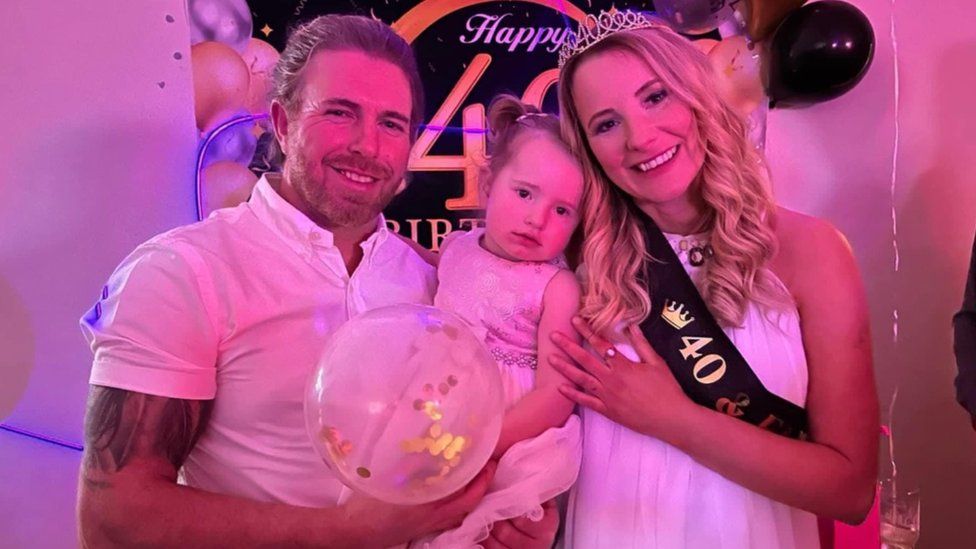
Published2 hours agoShareclose panelShare pageCopy linkAbout sharingImage source, Louise BeeversBy Alex Moss & Caroline Bilton, Yorkshire and Lincolnshire Investigation TeamBBC NewsSigns of cancer in pregnant women are being mistaken for potential symptoms of their pregnancy, it is feared. Concerns around potential misdiagnosis have prompted calls for greater awareness among healthcare professionals.At the start of the year, Louise Beevers had everything to live for. She was turning 40 and expecting her fourth child. Fast forward to September and weeks after giving birth, a terminal cancer diagnosis robbed her of the chance of seeing her baby daughter grow up.January 2023 brought an unexpected pregnancy when Louise and her partner, Alister, returned from a family holiday “with extra baggage”. Their initial surprise turned to excitement for the future and a new addition to the family – but then Louise found a pea-sized lump in her breast.However, she was told it was likely to be pregnancy-related when she went to see a doctor.Louise, from Willingham by Stow, near Gainsborough in Lincolnshire, recalls: “I sort of skipped away, thinking ‘OK, I don’t need to worry about that, it’s just my hormones’ and I thought ‘Let’s concentrate on having this baby’.”Image source, BBC/Alex MossWithin a few months, however, the lump had grown into two distinct masses. In the May, at just over four months pregnant, she was diagnosed with breast cancer and underwent a radical mastectomy and lymph node clearance. Then, just weeks after giving birth to baby Suzy, and while Louise was undergoing chemotherapy, the family were told the cancer had spread to her lungs and was incurable.Suddenly, that earlier excitement for the future ahead was replaced with the knowledge she would be leaving Suzy, her three-year-old-sister, Avice, and two older siblings without a mum.”No one healthcare professional can put a time on how long I’ve got left,” said Louise, “and that is really difficult to deal with because I need to put plans in place for my children – special birthdays, life events. I want to write letters to them so they can open them if I’m not here.”I’ll take great joy in ripping up those letters if I meet those milestones with my children, but the cancer’s in a free-for-all and it’s going to choose where it goes.”Image source, Louise BeeversLouise says she cannot help but think back to when she first found the lump. Had she been referred for further investigations then, would the outcome have been different?Experts stress the sooner cancer is detected, the better the chances of survival. But often pregnant women’s cancer concerns can be dismissed by healthcare professionals as symptoms of pregnancy with no further testing suggested. Prof Richard Simcock, chief medical officer for Macmillan Cancer Support and a consultant clinical oncologist, says a diagnosis of cancer in pregnancy, particularly in the breast, is challenging.”The majority of abnormalities in the breast are benign, but it’s impossible to tell that just by an examination,” he says.”We encourage people to be assessed fully and properly, usually by a breast specialist with imaging.”Pete Wallroth’s wife Mair experienced a cancer diagnosis in pregnancy. He set up the charity Mummy’s Star after Mair died from the disease in 2012 aged 41, having being diagnosed while pregnant with their second child. Image source, Pete WallrothHe says the dismissal of symptoms early on is “by far and away the single biggest issue with cancer and pregnancy.”Many of the women supported by the charity – the only one of its kind in the UK – found those first symptoms were missed, which then allowed the cancer time to metastasise.”Women’s health full stop is beset by issues around dismissal of symptoms and feelings,” says Pete.”If a person is presenting with what would otherwise be a red flag symptom, irrelevant of their pregnancy, then it should be getting investigated straight away.”Thousands dying needlessly of cancer, says charityMum’s cancer ‘turmoil’ shared in online diaryHow do I tell my four-year-old I have cancer?Cancer in pregnancy is rare – statistics suggest around one in 1,000 cases of breast cancer appear in pregnancy.Data published in the British Medical Journal this year showed the average risk of dying from breast cancer in the five years after a diagnosis has fallen from 14% to 5% since the 1990s.But Prof Simcock stresses that these findings are “down to early diagnosis”.He says: “Louise’s story is very sad and I’m sorry she got the wrong answer at the time she was worried. “If a person hasn’t got a satisfactory answer, particularly if symptoms are not improving, then they should be empowered to return and ask for a referral.”He says the need for raised awareness is more pronounced because of the trend towards women having children later in life.Prof Simcock explains: “Breast cancer is a disease that becomes more common as you get older, so the likelihood of pregnancy and breast cancer occurring at the same time increases.”One of our jobs is to make sure we educate healthcare professionals involved in the care of pregnant women about how breast cancer can present itself at that time. That means educational initiatives with midwives, primary care professionals etc.”Image source, BBC/Caroline BiltonMeanwhile, Louise’s unfolding story points to a devastating ending for her and the family. She has refused her final chemo session because she doesn’t want to risk spending what could be her last Christmas sick from the side effects.Instead, her focus remains firmly on making the best memories with her family.”My four children are my everything, but they’re losing a mum and that role never gets replaced,” she says.”I want to make sure whatever time we’ve got together is the best. There’s no time for tears. “We’re going to tell each other we love each other. We’ve got at least a billion times to say that before anything happens.”And while she faces uncertainty over how long is left to make those memories, she is desperate to prevent other women having to walk the same path.”I’d urge anybody who finds anything remotely unusual to just please, go to your GP,” says Louise.”If you’re not referred, insist on being referred. It’s two minutes of that GP’s time to get referred and get checked out and then hopefully it will be nothing.”But then you can go home and get on with the rest of your life. But please, persist.”Follow BBC East Yorkshire and Lincolnshire on Facebook, X (formerly Twitter), and Instagram. Send your story ideas to yorkslincs.news@bbc.co.ukRelated Internet LinksMummy’s StarMacmillan Cancer SupportSigns and symptoms of pregnancy – NHSThe BBC is not responsible for the content of external sites.

Read more →

First-in-human clinical trial of CAR T cell therapy with new binding mechanism shows promising early responses

Early results from a Phase I clinical trial of AT101, a new CAR T cell therapy that uses a distinct binding mechanism to target CD19, show a 100 percent complete response (CR) rate at the higher dose levels studied in the trial, according to researchers from the University of Pennsylvania Perelman School of Medicine and Penn Medicine’s Abramson Cancer Center. The findings were published today in Molecular Cancer and presented at the 65th American Society of Hematology (ASH) Annual Meeting and Exposition (Abstract 2096).
CAR T cell therapy has revolutionized treatment for many people with blood cancers who had run out of other treatment options. While some patients experience long-term responses to CAR T cell therapy, it doesn’t work-or the cancer eventually returns-for others. The CD19 CAR T cell therapies that are currently approved all target CD19 through the same epitope (FMC63). To try and make CD19 CAR T cell therapy more effective for more patients, Marco Ruella, MD, an assistant professor of Hematology-Oncology and Scientific Director of the Lymphoma Program, and his research team, along with the Korean company AbClon Inc, co-developed a CAR T product (AT101), using cells originating from the same patient, that targets CD19 through a different epitope, located closer to the cell membrane, via a novel antibody (h1218). In preclinical studies, the team previously demonstrated that h1218-CART19 had decreased T cell exhaustion and improved control compared to FMC63-CART19.
The Phase I first-in-human clinical trial (NCT05338931) was conducted in South Korea and enrolled 12 patients with relapsed or refractory B cell non-Hodgkin’s lymphoma (NHL). The study was designed to increase the dose level of AT101 after safety was confirmed in the first six patients. After a median follow-up of 6.5 months, all six patients who received dose level 2 or higher experienced a complete response and their cancer has not relapsed.
“We’ve learned that the way you design your CAR really matters. Designing a different CAR might drastically change the way the T cells work, potentially allowing that CAR T cell product to work where other CAR T cell products have failed,” Ruella said. “We were not expecting such a drastic early difference in this study. The CART19 products that are already FDA-approved are very effective, and it’s not easy to do better. While there is not a randomized trial of this product yet, the initial results seem very promising, and we look forward to moving into the planned Phase II portion of the study.”
The drug was found to be safe, with manageable side effects, including cytokine-release syndrome in four patients and immune-cell-related neurotoxicity syndrome in three patients. One patient experienced grade 3 sepsis that resolved; the same patient later developed fatal neutropenic septic shock outside the dose-limiting toxicity time frame.
The Phase I study enrolled patients who had not previously received any other CAR19 therapy. In the Phase II expansion, the study will also include patients who have previously received CAR19 therapy.

Read more →

'Exceptional' results in phase III leukemia trial

Personalised treatment for the most common form of adult leukaemia helps patients survive for longer and stay in remission, a phase III trial has found.
The trial, by the University of Leeds, has been identified as groundbreaking research by the New England Journal of Medicine and the 65th American Society of Hematology (ASH) Annual Meeting and Exposition in San Diego, where the results are presented today.
The data shows that the duration of therapy can be individualised for each patient by using regular blood tests to monitor their response. In the trial, this approach resulted in significant improvements in both progression-free and overall survival in patients with previously untreated chronic lymphocytic leukaemia (CLL). The effect was stronger among patients with poorer outcomes to standard treatments, such as those with some genetic mutations.
Adult patients were given a combination of cancer growth blocking drugs over varied durations depending on how rapidly their disease responded.
The trial found that this approach significantly improved progression-free and overall survival compared to the standard treatment for CLL, with more than 19 in 20 patients in remission three years after starting treatment.
The study, named FLAIR, is a phase III randomised controlled trial for untreated CLL, taking place in more than 100 hospitals across the UK. It was funded by Cancer Research UK, Janssen Research & Development, LLC, and AbbVie Pharmaceutical Research and Development.
Lead author Peter Hillmen, Professor of Experimental Haematology in the University of Leeds’ School of Medicine, and Honorary Consultant Haematologist at Leeds Teaching Hospitals NHS Trust, said: “Our findings show that, for this group of patients, the treatment is very effective at tackling their disease and is well tolerated by them. This means that patients on our trial had better outcomes while also enjoying a better quality of life during their treatment. Most patients treated with the new combination have no detectable leukaemia in their blood or bone marrow by the end of treatment which is better than with previous treatments and is very encouraging.”
Dr Iain Foulkes, Executive Director of Research and Innovation at Cancer Research UK, said: “We are delighted to see these results from the FLAIR trial which show the importance and effectiveness of tailoring cancer treatment to the individual patient. Not only this, but the trial has found a way to do so without requiring frequent bone marrow tests which are more invasive and can be painful.

“The collaborative effort that went into this trial — involving researchers, healthcare professionals, funders and dedicated patients and their families — point to a new standard of care which could see real progress made against leukaemia.”
Chronic lymphocytic leukaemia is a type of cancer that affects the blood and bone marrow. It cannot usually be cured but can be managed with treatment. More than nine in 10 people are aged 55 and over when they are diagnosed.
Current treatments include chemotherapy, immunotherapy, or cancer growth blockers.
The FLAIR trial tested cancer growth blockers called Ibrutinib and Venetoclax (I+V). Also known by the brand names Imbruvica and Venclexta, these are usually administered either continuously or for the same fixed duration rather than tailored to each patient’s response. This means that many patients may stop treatment too early and don’t get the full potential benefit from their therapy or continue therapy for longer than necessary. This could lead to a greater chance of relapse of their leukaemia and/or of treatment side effects.
FLAIR researchers aimed to discover whether it was possible to personalise I+V treatment duration for patients based on regular blood sampling and / or bone marrows, and whether this was as effective or better than standard treatment (FCR).
This regular blood and bone marrow monitoring gave researchers a more up-to-date picture of how patients were responding to I+V, and meant that the duration of I+V treatment could be tailored accordingly to each patient. In addition, it was found that basing the duration of treatment on less invasive, quicker blood samples was just as effective as using bone marrows, which can be painful and sometimes require sedation.

FLAIR was launched in 2014, recruiting 1,509 patients with CLL. They were randomised to four treatment groups, each receiving a different treatment.
This part of the FLAIR trial compared two of the groups, placing 260 patients on I+V and 263 on the standard treatment, known as FCR. Almost three quarters were male, which was to be expected as CLL occurs more frequently in males. The average age was 62, and just over a third had advanced disease.
At the end of this stage of the trial, 87 patients had seen their disease progress, 75 of which were on FCR, and 12 on I+V.
To date, 34 of these patients have died during the trial. Of these, 25 were treated with FCR and only nine with I+V.
The patients on I+V underwent blood tests and bone marrows to monitor their response to treatment. The technique used is known as measurable residual disease (MRD) which allows clinicians to see the number of remaining cancer cells. The number of cells may be so small that the patient is asymptomatic. An MRD positive test result means that there are remaining cancer cells.
The research team now hope that this more personalised therapy approach, guided by blood test monitoring will be adopted as a new standard of care for patients needing first line CLL treatment.
Professor Hillmen said: “The results of the FLAIR Trial, led by the Leeds Cancer Research UK Clinical Trials Unit at the University of Leeds, are exceptional and herald a change in the way chronic lymphocytic leukaemia will be treated. FLAIR has been a huge collaborative effort over the last decade by the UK’s leading CLL specialists and by the haematology teams in over 100 hospitals throughout the UK. The participation of patient groups, individual patients and their families were critical to delivering such progress particularly through the challenges of the pandemic.”
The trial was co-ordinated by the Leeds Cancer Research UK Clinical Trials Unit at the University of Leeds. Deputy Director Professor David Cairns said: “The vision of the Leeds Cancer Research UK CTU is to improve the length and quality of survival for cancer patients on a worldwide scale. Our strategy to do this is to ensure that we build evidence to identify the correct treatment, for the correct duration, for the correct patient. FLAIR is a trial well aligned to our strategy, and reflects team science including clinicians, laboratory scientists, methodologists and operational experts working together to deliver important trial results. None of this would be achieved without the selfless commitment of trial participants who contribute their time and data.”

Read more →

Covid inquiry: What was the impact of Eat Out to Help Out?

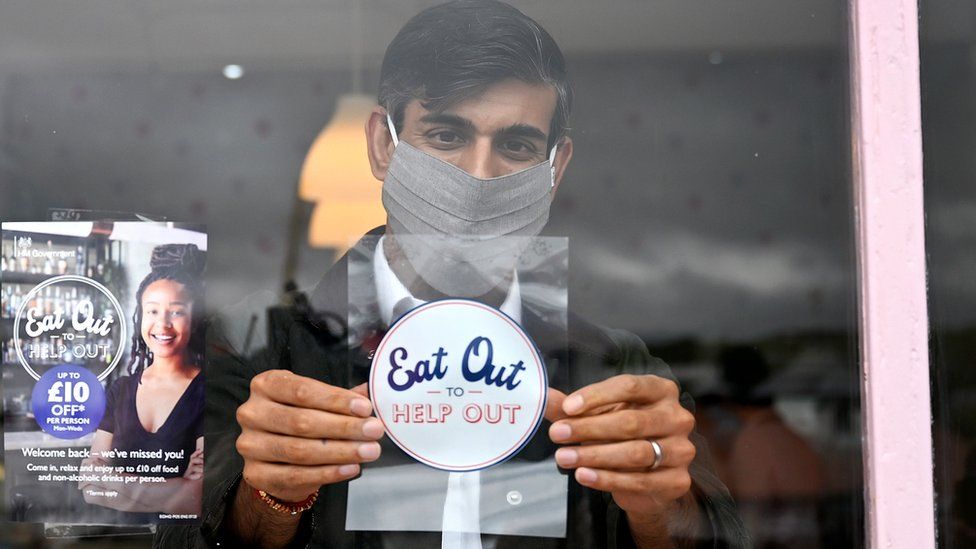
Published36 minutes agoShareclose panelShare pageCopy linkAbout sharingImage source, Getty ImagesBy Robert CuffeBBC VerifyPrime Minister Rishi Sunak, who this week is set to defend his handling of the pandemic at the Covid inquiry, has been criticised for his role in the 2020 Eat Out To Help Out scheme. Government scientists say they were not consulted and that it was “highly likely” to have increased Covid infections and deaths. Representatives of bereaved families claim “masses of people almost certainly died” because of the then-chancellor’s “callous and reckless attitude”. At the time, Mr Sunak played down a link between his scheme and the spread of the virus in the UK, saying “what’s happening here is pretty much in sync with what’s happening around the world in second waves”. BBC Verify examines how much the scheme contributed to the growth of the virus. What was Eat Out To Help Out? Diners received a state-backed 50% discount on meals and soft drinks in pubs and restaurants (up to £10 each) on Mondays, Tuesdays and Wednesdays around the UK during August 2020. The scheme aimed to protect jobs in the hospitality sector by encouraging people to dine out. This was one of several support measures for a sector that had already been hit hard during the pandemic, and included pubs, restaurants, cinema, hotels and nightclubs. Other measures included VAT cuts, rates relief and small business grants. How much did Eat Out To Help Out help the economy? The scheme cost £840m and covered 160 million meals during the month.At the time, lockdown restrictions were easing and some people had money to spend after months with little socialising. According to data from booking site OpenTable, restaurant reservations on Monday to Wednesday (the days of the scheme) were up by more than half in August 2020 compared with the previous August.Image source, PA MediaBut some of the extra bookings on those days were people choosing different nights to go out, rather than deciding to go out more. The Office for National Statistics found that a higher proportion of restaurant spend on Revolut debit cards happened from Monday to Wednesday that month.The scheme was a “significant boost for the sector when it needed it the most”, says Kate Nicholls, the chief executive of industry body UK Hospitality. But furlough and business rates relief were “more significant”, she adds, offering help to the whole sector, rather than just pubs and restaurants. The overall economic activity in accommodation and food services was still slightly down on the previous August.And an analysis of footfall and job adverts in areas where more restaurants used the scheme suggests that any benefits were small and “transitory”. The study’s authors, from the London School of Economics, suggested that the programme “failed to encourage people to go out for other purposes and to eat out after the discount ended”. How much did Eat Out To Help Out help to spread coronavirus? The scheme ran during August 2020. There was often a delay between infection and it showing up in the official Covid figures. If you caught coronavirus at the end of August, for example, it might not appear in the figures for a week or so. Case numbers from testing in the UK rose from about 6,400 in the first week of August to about 23,000 in the second week of September – roughly a 250% rise. But as the chart below shows, some of our European neighbours saw faster rises over that period. Although countries like Spain and France did not have specific eating out schemes, they did allow holidaymakers to travel there in the summer, and suffered a new spike in cases. In England, as well as Eat Out To Help Out, the country was generally opening up after a very stringent lockdown. From 4 July, most hospitality businesses could reopen, and people were allowed to meet in groups of up to 30 – although it was recommended to avoid groups of more than six. The rises in infections started to pick up speed in early September, as children went back to school and some of their parents returned to the office. And we now know that the same month, the Alpha variant, which took over in December, had already started spreading.A study from University of Warwick, that tried to tease out the effect of the scheme, reported a link between how much Eat Out To Help Out was used and the spread of the virus. The authors estimated that the scheme might have increased the number of cases seen in August by up to 20%. Based on the speed of the virus’s spread at the time, a 20% increase would be like bringing the autumn wave forward “by about three days”, Bristol mathematician Prof Oliver Johnson told BBC’s More or Less this year.The scheme may have contributed to the spread of the virus even in places that did not have as many meals out. It “completely reversed” the government’s messaging that mixing was high-risk, Sir Patrick Vallance, the government’s chief scientific adviser, told the inquiry. But even the total increase in Covid from August to mid-September is tiny compared with the rise to the peak in early January 2021.Take deaths involving Covid: it often took a month for a fatal case of coronavirus to run its course.So infections from August that ended in death might not have done so until September. In September, nearly 900 deaths in the UK involved Covid, according to death certificates, up from just under 550 in August. In January 2021, more than 36,000 deaths involved Covid. “I doubt that the UK’s Covid-19 epidemic in late 2020 would have unfolded that differently without Eat Out to Help Out,” Prof Mark Woolhouse, a scientist involved in Sage, the government’s scientific advisory body, told the Covid inquiry. But Mr Sunak had little way of knowing that when he commissioned the scheme. Government scientists repeatedly told the inquiry that they were not asked to model what effect the scheme would have, only learning about the plans when they were announced.Additional reporting: Gerry Georgieva, Jemimah Herd, Rob England and Tamara Kovacevic

Read more →

Mosquito-borne disease risk looms for UK – study

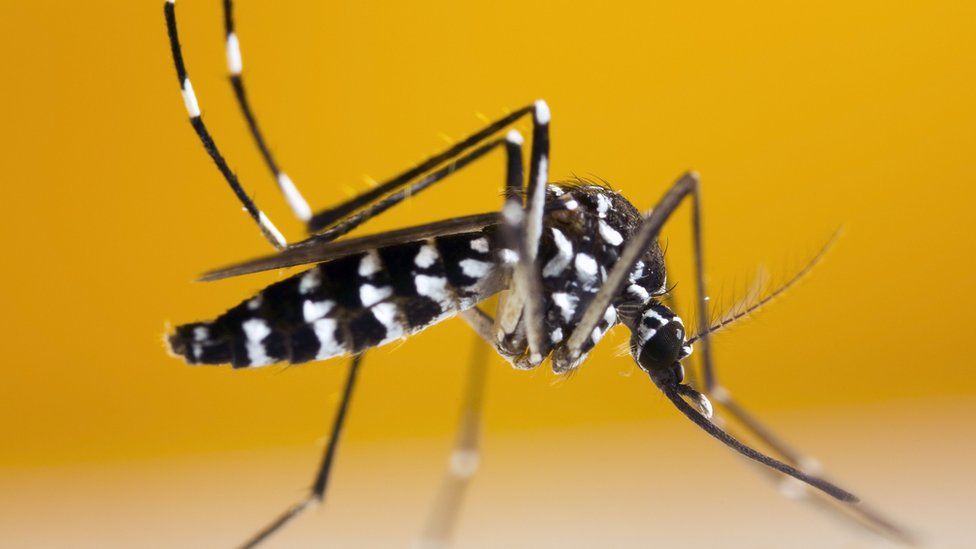
Published11 minutes agoShareclose panelShare pageCopy linkAbout sharingImage source, Getty ImagesBy Smitha MundasadHealth reporter Some parts of the UK could become home to mosquitoes capable of spreading dengue fever, chikungunya and zika virus by the 2040s and 2050s, health officials warn.The UK Health Security Agency’s report is based on a worst-case scenario, which would see high emissions and temperatures rising by 4C by 2100.It says other impacts include a rise in heat-related deaths and flooding.But many potential problems are still avoidable with swift action, it says.Steep cuts to greenhouse gas emissions could avert some of the worst consequences, it adds.The report, involving 90 experts, pulls together the “substantial and growing” evidence of the current effects of climate change on our health.It also makes projections based on what it says is a “plausible worst-case scenario” that could happen if international commitments to tackle climate change are not properly kept.Current United Nations Environment Programme estimates suggest the world is on track for about a 2.7C warming by 2100, based on current pledges, although the exact numbers are uncertain.Prof Nigel Arnell, professor of climate change at the University of Reading, says: “Whilst we clearly hope temperatures won’t get that far, it is prudent to prepare for the worst case when planning health resources, if the consequences of us underestimating the risk are so significant.”Mosquito-borne diseases risk increasing in EuropeHow scientists are fighting climate-fuelled diseaseFive climate change solutions under the spotlight at COP28One major health concern is the UK becoming more suitable for invasive species such as the Asian tiger mosquito, also known as Aedes albopictus.While the mosquito only carries harmful viruses after biting infected people, London could see regular cases of dengue fever by 2060, the report says.The virus is most commonly seen in tropical regions and can make people seriously ill. England would be the first country in the UK to be affected, with Wales, Northern Ireland and parts of the Scottish Lowlands also becoming suitable habitats later in the century.The mosquitoes have already been responsible for cases of dengue in France and chikungunya virus in Italy in recent years. Image source, Getty ImagesThe UK Health Security Agency (UKHSA) already has a surveillance system in place to rapidly spot invasive mosquitoes, including a network of traps placed at UK borders that detect mosquito eggs. This would need to be expanded in the worst-case scenario, says Dr Jolyon Medlock, from the UKHSA..If the insects go on to establish a home in the UK, people would also need to consider how to store water safely, as it is a common breeding ground for mosquitoes.This would mean making sure buckets are not collecting stagnant water in gardens, paddling pools being covered and any potential rain-collecting vessels being upturned, he added. Slower and reduced warming is likely to delay these risks by decades or beyond this century – but once these mosquitoes have arrived, their establishment is largely irreversible, the report says. Under the high-warming scenario and without action, it says there could be:up to 10,000 excess deaths a year due to extreme heat by the 2050ssubstantial number of deaths related to the cold, particularly for an ageing populationeffects on the price and supply of fruit and vegetables due to extreme weather events in countries the UK relies on for importschanging rainfall patterns increasing the risk of floodingbig impacts on mental health and wellbeing of young people in particularExperts also warn the impact of climate change will be unequal, with the worst effects felt by vulnerable people, including older people, those with medical conditions or living in deprived areas and children. Some risks, such as drought and wildfires, will likely emerge earliest in the southern regions of the UK. Image source, Getty ImagesUKHSA says targeted interventions and adaptations are key and many of the risks can be averted.It says actions that may help include:national heat and cold alert systems like UKHSA ones already in placeincreasing green spaces appropriately and improving flood defencesputting protection in place for the most vulnerable, for example – improving energy efficiency in care homesMore on this storyMosquito-borne diseases risk increasing in EuropePublished22 JuneHow scientists are fighting climate-fuelled diseasePublished3 DecemberRelated Internet LinksUK Health Security AgencyThe BBC is not responsible for the content of external sites.

Read more →

'The law needs to catch up on student mental health'

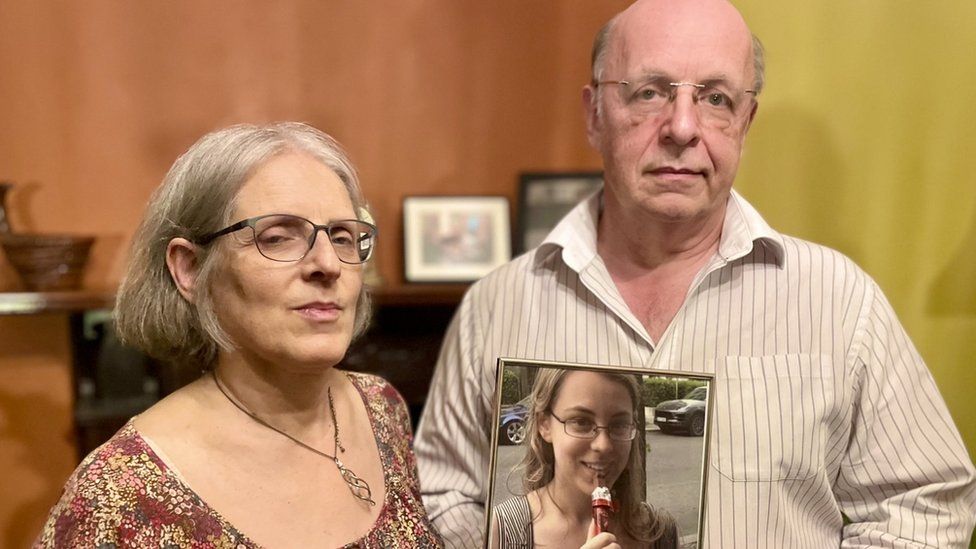
Published21 minutes agoShareclose panelShare pageCopy linkAbout sharingImage source, BBC/ Hazel ShearingBy Hazel ShearingEducation correspondentA court case this week could change the way universities are expected to look after their students – including their mental health.The High Court is considering whether universities owe what is called a duty of care to their students.Lawyers acting for the parents of Natasha Abrahart, who took her own life, will make the case in court.The University of Bristol, where she studied, says that no such duty exists. A judge will examine whether “reasonable steps” must be taken to avoid students coming to harm, and whether universities have a duty not to cause such harm.The three-day hearing in Bristol calls into question what, exactly, falls under a university’s remit.It seeks to provide clarity on where universities’ limitations lie, and how responsible they ought to be for their students – the majority of whom are young adults living away from their family homes for the first time.Universities told to step up to prevent suicidesCall loved ones to stop student suicides, unis toldIt comes at the end of a sixth year of campaigning for Maggie and Bob Abrahart.Their daughter, Natasha, had social anxiety, and had been due to give a presentation in a large lecture theatre on the day she died in 2018.Last year, a judge ruled that the University of Bristol had failed to make reasonable adjustments for Natasha – a decision against which the university is now appealing.But the judge also said it was not clear that the university owed Natasha a duty of care, saying there was “no statute or precedent which establishes the existence of such a duty of care owed by a university to a student”. The Abraharts are appealing against that decision.Image source, BBC / Hazel ShearingDr Abrahart told the BBC there should be a duty of care as a “minimum standard of legal protection”.”The world has changed. Students have changed. The law needs to catch up,” he said.Mrs Abrahart said: “We know what universities are aiming for – and there’s an awful lot the government is looking at, you know, what is best practice. But what we really need to see is, what is the minimum that you can expect? “No matter what you read in your prospectus, don’t ever assume that’s what’s going to happen – because without a duty of care, it doesn’t have to happen.”‘Burden on staff’The University of Bristol said it was “deeply sorry” for the Abraharts’ loss, and stressed that Natasha was offered alternative options to giving a presentation.A spokesman said the university was concerned by the prospect of a “major additional burden on staff who are primarily educators, not healthcare professionals”. “Higher education staff across the country share our concern about the wider impact this judgement could have,” he added.”It is important that students and their families are clear on what universities can and cannot do, and that students receive appropriate specialist care under the NHS, should they need it.”More than 100,000 people signed a petition from the Abraharts and other families of students who had killed themselves, prompting a debate among MPs in June.During the debate, Higher Education Minister Robert Halfon said a statutory duty of care “may not be the most effective intervention”, but that he was “not closing the door on future legislation”.Mental health campaigner Ben West, who was among the petition’s signatories, told the BBC a duty of care – which would apply in England and Wales – would not affect most students.Image source, BBC / Hazel Shearing”What we’re really focusing on here is the minority of students that are in a vulnerable position that are potentially suicidal, struggling with their mental health, struggling with issues outside of university. Maybe they’ve experienced sexual assault,” he said. “They need protection that’s not given currently under the law.”Official estimates suggest 64 students killed themselves in England and Wales in 2019-20 – a lower proportion than among the general population of similar ages – but families say reporting issues mean the number is higher.Universities UK (UUK), which represents more than 140 institutions, said it wanted to see progress on student mental health and suicide protection.But a statement added: “We do not believe a proposed additional statutory duty of care, beyond the existing duties that already apply to universities, would be practical, proportionate, or the best approach to supporting students.”If you have been affected by any of these issues, you can visit the BBC’s Action Line or contact the Samaritans.Last year, UUK advised universities to introduce information-sharing policies, giving staff the ability to reach out to students’ loved ones listed as “trusted contacts” if they were concerned about a student’s mental health – with or without the student’s permission.However, it is not clear how many universities have implemented the guidance.Mr Halfon has also asked universities to sign up to the University Mental Health Charter – a set of principles developed by the charity Student Minds to help institutions prioritise mental health.’Theoretical’Dominic Smithies, a spokesman for the charity, told the BBC his understanding was that there was already a duty of care for universities “not to be negligent or harmful”.”Why we’re here at the moment is we haven’t really seen many tests of this duty in the courts,” he said.”We’re watching, as is the rest of the higher education sector, how this plays out.”Mr Smithies said the Abraharts’ campaign was “identifying a lot of challenges and gaps that we do need to address” but the idea of a statutory duty of care “feels very theoretical”.”The question that we have is, is this the right solution to the problems that are being raised? And without seeing this fully mapped out, without seeing how this would manage the risks and the concerns and apprehensions that we have, it’s very hard to provide proper comment and ultimately provide support for this call without seeing what it looks like,” he said.The concerns, he said, included implementing legislation across the board when universities differ in size and student population, and staff feeling as though they would be “picking up risk and personal liability” when speaking to students about their mental health.The Department for Education said it would “carefully consider the court’s judgement when it is handed down”.The three-day hearing in Bristol Civil and Family Justice Centre ends on Wednesday, although it is not clear when a ruling will be made. More on this storyUniversities told to step up to prevent suicidesPublished6 JuneCall loved ones to stop student suicides, unis toldPublished6 October 2022

Read more →