IT failures causing patient deaths, says NHS safety body

Published25 minutes agoShareclose panelShare pageCopy linkAbout sharingBy Sharon Barbour, Nat Wright and Philippa RoxbyBBC NewsUrgent action is needed to address NHS computer failings which are causing harm to patients, the patient safety watchdog has told BBC News. The watchdog has evidence of patient deaths due to IT system errors.The government called the reports “concerning” and said it would work with NHS England to take necessary action to protect patients.A recent BBC investigation found thousands of hospital letters were unsent due to computer issues.The Health Services Safety Investigations Body (HSSIB) says IT failures are among the most serious issues facing hospitals in England. “We have seen evidence of patient deaths as a result of IT systems not working,” said interim head, Dr Rosie Benneyworth. Dr Benneyworth cited the example of a patient who was found unresponsive and then wrongly identified by healthcare staff as not wishing to be resuscitated. Staff were unable to access information on the patient quickly through their IT system, which would have shown a mistake had been made, said the watchdog.Electronic upgradeAn NHS England spokesperson said £900m had been invested to help hospital trusts upgrade electronic patient record systems, to quicken doctors’ access to information. 24,000 hospital letters lost in computer errorHospital NHS trust failed to send 400,000 lettersDr Benneyworth said computer failings were found in virtually every HSSIB investigation. She describes poorly set up and badly used software, with some systems incompatible with others.”We need to see much faster action in this area so that patients don’t come to any further harm,” Dr Benneyworth said.The watchdog says examples of serious harm to patients due to IT failures include: a patient diagnosed with lung cancer, but not followed up because of IT problems, who died two months lateranother, given the wrong medications because of a mix-up with their electronic notes, who died 18 days laterThe HSSIB wants NHS England to issue guidance to all healthcare organisations to improve staff access to critical patient information.One of the biggest and busiest trusts, Guy’s and St Thomas’ in London, suffered a catastrophic failure when their IT system went down last summer, during a heatwave. A report showed operations were cancelled when doctors could not access medical records, putting some patients at serious risk.Nizam Mamode, a professor of transplant surgery at Guy’s and Great Ormond Street Hospitals, until he retired last year before the incident, said IT problems were a major issue.He told the BBC: “There is significant potential for error, for problems arising, for harm arising and I think, therefore, it’s one of the most urgent issues that the NHS faces.”In October, Guy’s and St Thomas’ NHS Foundation Trust launched a new £450m electronic patient record system, jointly with King’s College Hospital, aiming to deliver “major improvements”.Prof Mamode said letters failing to reach GPs from hospitals could also lead to significant patient harm.’I didn’t know if I had cancer’ Martin Dawe, from County Durham, contacted the BBC following its investigation into lost hospital letters.After waiting weeks for medical test results, Mr Dawe, 54, was shocked to see three serious medical conditions, including cancer, on his NHS app profile.”There were prostate cancer, cirrhosis of the liver, and also pulmonary fibrosis. All three of these I’ve never been told about,” he said.He made an appointment to see his GP and was told these diseases were not listed on his record at the surgery, leaving him “dumbfounded”. After the BBC contacted his hospital trust to find out more, Martin was told a nurse had wrongly added a prostate cancer diagnosis to his notes.In a statement, South Tyneside and Sunderland NHS Foundation Trust said the mistake was resulted from “human error” and in no way related to any IT issues.”It is clear there has been some delay in communication with Mr Dawe about his care and we apologise for this on our part.” The trust said letters were not posted to Mr Dawe but were sent electronically to his GP.However, his GP surgery, Stanley Medical Group, did not confirm receipt of the letters, saying: “Letters are scanned and recorded on the patient record on receipt, however we would not apply a diagnosis code until this is definite.” The surgery apologised for Mr Dawe having to deal “with a confusing situation”.”This caused myself and my family stress, it affected my home life, my work and my mental health. We did not know if I had cancer,” Mr Dawe said.He is now being tested for cirrhosis of the liver and pulmonary fibrosis.NHS England said: “It is vital that local organisations, who are responsible for managing their records systems, provide patients and staff with timely and high-quality communication.” More on this story24,000 hospital letters lost in computer errorPublished26 SeptemberHospital NHS trust failed to send 400,000 lettersPublished29 SeptemberThe hospitals struggling the most as winter bitesPublished1 day agoRelated Internet LinksHealth Services Safety Investigations Body (HSSIB)The BBC is not responsible for the content of external sites.

Read more →
Bird Flu Is Still Causing Havoc. Here’s The Latest.

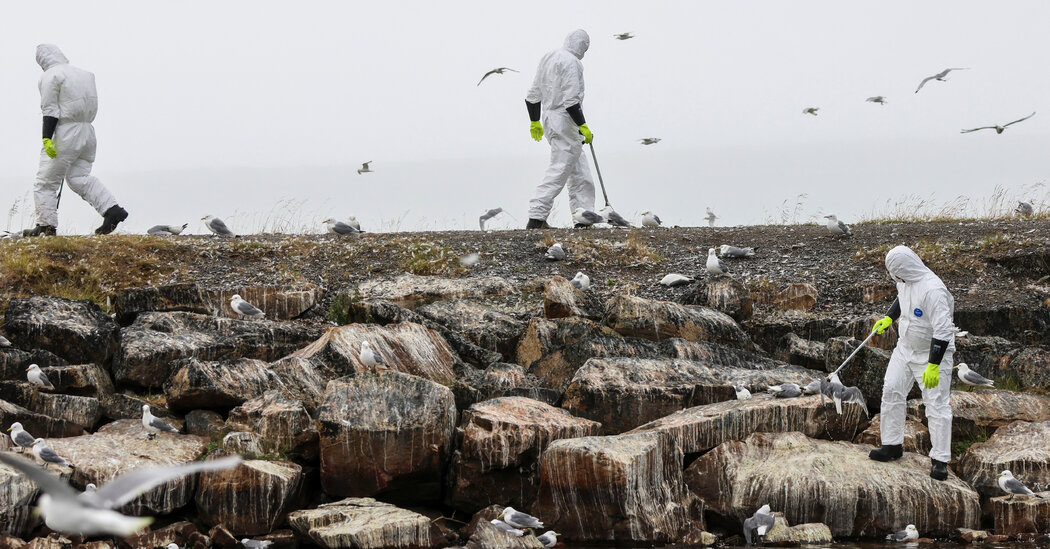
The virus, which recently reached the Antarctic region for the first time, is surging again in North America.Over the last three years, a highly contagious, often deadly form of bird flu has taken a staggering toll on animals around the globe.The virus, known as H5N1, has infected birds in more than 80 countries. It has infiltrated big commercial poultry farms and tiny backyard henhouses, affecting 72 million farmed birds in the United States alone, according to the Department of Agriculture. It has struck a wide range of wild bird species, killing gulls and terns by the thousand. And it has turned up repeatedly in mammals, including foxes, skunks, bears, cats, sea lions and dolphins. (It has also caused a small number of deaths in people, primarily in those who had close contact with birds. The risk to the general public remains low, experts say.)The virus is not done yet. It is surging again in Europe and North America and causing mass animal mortality events in South America. It also appears to be spreading in the Antarctic region for the first time.“It continues to be unprecedented,” said Thomas Peacock, a virologist at the Pirbright Institute in England. “By several measures, we’re at the worst it’s ever been, particularly in terms of geographical spread, how widespread it is in birds and how many mammals are getting infected.”In Europe, however, where the virus has been circulating the longest, early signs suggest that this winter may not be as bad as the last few, Dr. Peacock said. And there is very preliminary evidence that some wild birds might be developing immunity to the virus.Here’s the latest:The virus is expanding into new territory.The current version of the virus has spread around the world with astonishing speed. After emerging in 2020, it quickly began causing outbreaks in Europe, Africa and Asia. In late 2021, it showed up in North America, storming through Canada and the United States. In the fall of 2022, the virus appeared in South America, spreading down to the tip of the continent in mere months.This rapid southward spread prompted concern that the virus would soon reach Antarctica, which provides critical breeding habitat for more than 100 million birds. And in October 2023, the virus was found in the Antarctic region for the first time, detected in brown skuas on Bird Island, South Georgia. Since then, scientists have identified additional confirmed or suspected cases in gulls and petrels as well as in elephant seals and other animals in the region, according to the Antarctic Wildlife Health Network.A Manx shearwater that was tested for bird flu in a quarantine and rehabilitation center in Rio de Janeiro.Bruna Prado/Associated PressAlthough the virus has not yet been reported on the Antarctic mainland, scientists said they were expecting that news to come any day now. “It probably is already in Antarctica, but it hasn’t been picked up,” Dr. Peacock said.Many of the birds and marine mammals in the region are already struggling to survive in the face of climate change and other threats. And because Antarctica has never been hit by a highly pathogenic bird flu virus before, its wild animals could be especially vulnerable to this one, scientists say.Seasonal patterns may be emerging.In the United States, summer provided a respite from what had already become the worst bird flu outbreak in the nation’s history. Between May and September, the nation logged just several small outbreaks in poultry, and cases in wild birds tapered off.“We breathed a sigh of relief for a number of months when things really quieted down,” said Rebecca Poulson, an expert on avian influenza at the University of Georgia. “But it’s back. Or maybe it never left.”Since the beginning of October, the virus has hit more than 1,000 poultry flocks in 47 states; 12 million farmed birds have been affected, according to the U.S.D.A.Europe has documented a similar pattern, with virus detections increasing sharply in late October, according to a recent surveillance report from the European Center for Disease Prevention and Control.A northern gannet flying over Bempton Cliffs in England.Oli Scarff/Agence France-Presse — Getty ImagesAlthough the virus is still relatively new, these seasonal cycles might be here to stay. “My gut would say it might be part of the new normal,” Dr. Poulson said.Hot, humid weather is not traditionally conducive to the spread of flu viruses, and many birds are stationary in the summer, spending those months on their breeding grounds. In the fall, many birds begin migrating and avian populations swell with young birds that have little exposure to the flu. All of these factors can fuel autumn surges. (The virus can also flare up in the spring, when birds migrating in the other direction congregate at high densities.)Immunity remains a wild card.Now that the virus has been circulating for several years, critical questions have arisen regarding immunity: Do birds that survive a brush with the virus gain some immunity against it — and could that dampen the ferocity of these outbreaks?There is little data so far, but in one recent study, scientists found potential signs of immunity in northern gannets, a seabird species that suffered heavy losses in H5N1 outbreaks in 2022. “This is encouraging, particularly for species with threatened populations,” said Diann Prosser, a research wildlife ecologist at the U.S. Geological Survey’s Eastern Ecological Science Center.More anecdotally, in Europe, some of the bird species that were hit hard in previous years do not seem to be dying off at the same rate, Dr. Peacock said.Scientists said they expected that birds that survived infection would develop some degree of immunity to the virus. But what that means for the future of the panzootic — the animal version of a pandemic — will depend on a variety of factors that are harder to pin down, such as how robust that immune protection is, how long it lasts and how well it holds up against a virus that has been evolving rapidly.“I would expect that development of immunity within the wild bird populations would affect the trajectory of the panzootic, while the specific path is hard to predict,” Dr. Prosser said.Outbreaks in mammals are causing concern.Health workers measure a dead porpoise that is suspected to have died of bird flu in Rio Grande do Sul, Brazil, last month.Diego Vara/ReutersAlthough the virus is a threat primarily to birds, it has been showing up with unusual frequency in mammals, especially in wild scavengers like foxes. Many of these cases have probably been dead-end infections, in which mammals contracted the virus after eating infected birds and then died without passing the virus on.But some larger outbreaks have caused concern. In the fall of 2022, the virus hit a mink farm in Spain, and over the last several months it has been detected in numerous fur farms in Finland, which house mink, foxes and raccoon dogs. In Peru, H5N1 has been linked to mass die-offs of South American sea lions.Viral samples taken from some of these animals have contained mutations that are known to make the virus better adapted to mammals. Although it is not unusual to see those mutations pop up when mammals are infected, these findings, combined with the size and speed of the outbreaks, have been worrisome. “It looks like there was probably mammal-to-mammal transmission in at least a couple of cases,” Dr. Peacock said.Although human infections remain rare, a version of H5N1 that spreads more easily among mink or sea lions could also spread more easily among humans, potentially setting off another pandemic, scientists worry.Several curious outbreaks in cats have also been reported this year. One, at a cat shelter in South Korea, was linked to contaminated food, which has also been suggested as a potential cause of cat infections in Poland. Although it is not clear whether the virus spread from cat to cat, viral samples did show signs of mammalian adaptation. And every infection of a mammal provides more opportunities for the virus to mutate and evolve, posing risks not only to humans but also to other wild creatures.“We’re worried about these viruses jumping into mammals and then maybe more specifically into humans,” Dr. Poulson said. “I just always like to point out that wildlife is important for its own sake. And this has proved to be a really devastating virus to mammalian and avian species.”

Read more →

Mandy Cohen, New CDC Director, Tries to Foster Trust in a Battered Agency

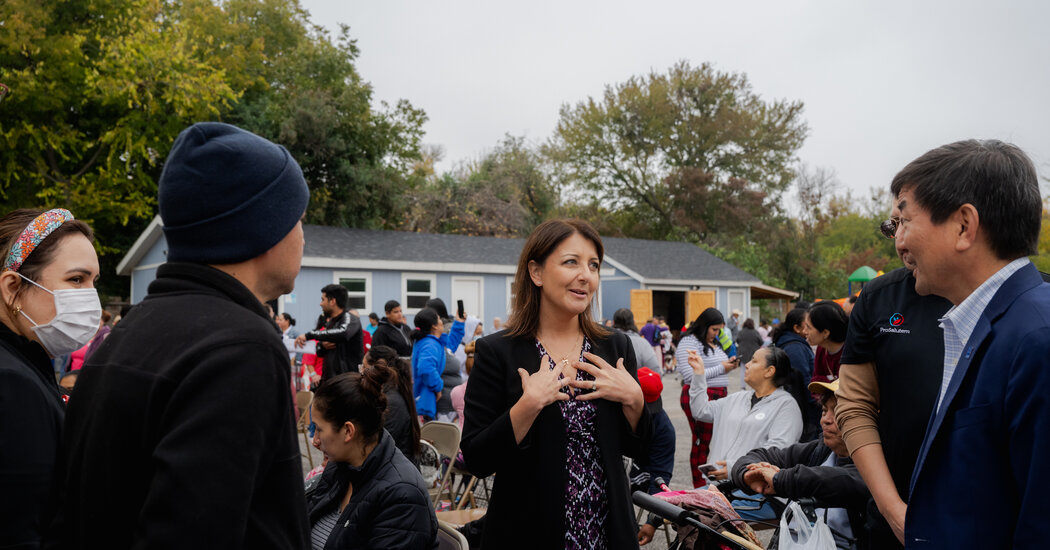
Five months into her tenure at the Centers for Disease Control and Prevention, Dr. Mandy K. Cohen is trying to put a human face on public health.Dr. Mandy K. Cohen dropped by the Fox affiliate in Dallas in November, just days after the governor of Texas signed a law barring private employers from requiring Covid-19 shots. If she thought promoting vaccination would be a tough sell in a ruby-red state, Dr. Cohen, the new director of the Centers for Disease Control and Prevention, did not give any indication.“I’m not just the C.D.C. director, I’m also a mom,” she said cheerily, noting on live television that her daughters, 9 and 11, had already received the latest Covid and flu shots. She added, “So I wouldn’t recommend something for the American people I wouldn’t recommend for my own family.”It was the kind of stock phrase that Dr. Cohen has repeatedly invoked as she pursues a task that some public health experts fear is impossible: restoring Americans’ faith in public health, and in her battered agency. Five months into her tenure, with the Covid public health emergency officially over, the C.D.C.’s new leader is relentlessly on message.Americans’ trust in the agency, and in science more broadly, was badly damaged by the coronavirus pandemic, and the loss of faith is particularly pronounced among Republicans. In a recent survey by the Pew Research Center, 38 percent of Republicans said they had little or no confidence in scientists to act in the public’s best interests, up from 14 percent in April 2020.At the same time, the C.D.C.’s winter vaccination campaign appears to be falling on deaf ears. On Thursday, the agency issued an alert warning that low vaccination rates for the flu, Covid and respiratory syncytial virus, known as R.S.V., could lead to “severe disease and increased health care capacity strain in the coming weeks.” And partisan divisions over vaccination persist: A KFF poll in September found that seven in 10 Democrats but just a quarter of Republicans planned to get the updated Covid shot.Dr. Cohen preparing for an interview at the Fox affiliate in Dallas. She faces the challenge of restoring Americans’ faith in public health.Desiree Rios for The New York TimesDr. Cohen, whom President Biden selected to succeed Dr. Rochelle P. Walensky, is responding with a nationwide media blitz. Since taking the helm of the C.D.C. in July, she has traveled the country, promoting vaccination in 19 cities in 13 states. She has visited 22 vaccination sites and has participated in dozens of interviews, including an appearance on NBC’s “Today” just before Thanksgiving.She has left a trail of social media posts in her wake, including a series of short videos, called “Check-In With Dr. Cohen,” that typically begin with some variation of the same greeting: “Hi everyone, it’s Mandy Cohen!”In one video recorded on Long Island, Dr. Cohen and a county health official, wearing hard hats and vests, reported on how wastewater can help scientists track viruses and disease. In Dallas, she appeared with another county health official to talk about the importance of data, and with a nurse at a church health fair. And in Chicago, she stood by the president of the American Medical Association as he promoted vaccination.When she speaks to reporters, she frequently brings up her children.“Science is important and yes, the data is important,” Dr. Cohen said in an interview with The New York Times. “But at the end of the day, we’re also all humans. And if we can have a human-to-human conversation about what I would do for my own kids, who I love and I want to be healthy, maybe that can connect us in a different way.”Dr. Cohen is taking over an agency that is in transition. Her predecessor, Dr. Walensky, who began serving at the start of the Biden administration and stepped down in June, commissioned a review of the C.D.C. that identified serious weaknesses in areas ranging from testing to data collection to communications. She then initiated an overhaul of the agency.Dr. Cohen has said she is committed to carrying out that plan, which included setting up a new forecasting and analytics center, as well as structural changes intended to enable the agency to quickly translate its science into coherent policy recommendations. But even her staunchest allies say her top priority must be to change the way the public views her agency.“Restoring trust probably is the No. 1 challenge right now,” said Dr. Judith Monroe, the president and chief executive of the C.D.C. Foundation, an independent nonprofit established by Congress to mobilize private-sector support for the agency’s work. “Because where’s your platform if folks don’t trust what you say?”Experts agree that C.D.C. officials and other public health leaders made serious messaging missteps during the pandemic. Officials bred mistrust by speaking “with certainty when there wasn’t any” and later changing their recommendations, said Brian C. Castrucci, the president and chief executive of the de Beaumont Foundation, a public health nonprofit that is partnering with Frank Luntz, a pollster and political strategist, to study attitudes toward public health.Mr. Luntz, who rose to prominence working for Republicans, said his research had found that a significant portion of the public — as much as 20 or 25 percent — was now unreachable, because public health officials used language that “sounded like it was lecturing, and almost abusive toward people who had legitimate doubts.”Based on Mr. Luntz’s surveys and focus groups, the foundation has developed messaging guidance, including a “communications cheat sheet,” to help public health officials reach Americans of all political stripes. Dr. Tom Frieden, who served as C.D.C. director under President Barack Obama and has participated in the project, said Dr. Cohen’s communications style was in keeping with its findings.“You’re there to empower people with information, not berate people to change their behavior,” he said. “I think Dr. Cohen gets that.”The morning before she was to leave for a two-day, three-city swing through Texas, Dr. Cohen huddled with her top aides and her infectious disease team at the C.D.C. headquarters in Atlanta for an update on the flu, Covid and R.S.V. — which circulate during what the agency now calls the “winter respiratory virus season.” One benefit of that moniker: Winter viruses are less politically toxic than Covid.Dr. Cohen handed out a challenge coin in Dallas, one stop during a two-day, three-city swing through Texas.Desiree Rios for The New York TimesThe news was mixed. Hospitalizations from the flu were up slightly from last year. The rate of Covid vaccination was much lower than that of flu vaccination among health care workers — not a good sign. A new monoclonal antibody shot to prevent R.S.V. in infants was in short supply, but 77,000 more doses had just been released. Texas was seeing an uptick in R.S.V.But there was something else on Dr. Cohen’s mind. During her travels, she had been hearing from people who worried about side effects from vaccination and wanted more information about what federal health officials were doing to monitor vaccine safety. The C.D.C., she told her colleagues, needed to be able to “tell a clear and concise story.”To that end, Dr. Cohen is changing the language that the C.D.C. uses to describe itself. Testifying last month before a House subcommittee in what was her first appearance before Congress in her new post, she described the agency as a “critical national security asset” — a phrase that might have particular appeal to House Republicans, who have proposed cutting the C.D.C.’s funding by $1.6 billion, or roughly one-sixth of its budget.But M. Anthony Mills, a senior fellow at the conservative American Enterprise Institute who studies public trust in science, said the national security frame might not appeal to ordinary Americans who distrust the C.D.C. and other agencies like the National Institutes of Health and the Food and Drug Administration.“For Americans who believe N.I.H. lied about funding research that caused the pandemic, suspect the pharmaceutical industry is in bed with the F.D.A. and see public health efforts as an infringement on their freedom, that constellation of concerns doesn’t have much to do with national security,” he said.Unlike Dr. Walensky, who had no prior government experience and made headlines for seeking out media training, Dr. Cohen is not a stranger to Washington or the spotlight.Dr. Cohen, the former secretary of health and human services in North Carolina, succeeded Dr. Rochelle P. Walensky as C.D.C. director.Desiree Rios for The New York TimesShe was a top official at the Centers for Medicare & Medicaid Services during the Obama administration. Later, as secretary of health and human services in North Carolina, she laid the groundwork for the Republican-controlled legislature to accept an expansion of Medicaid, and she helped steer the state through the pandemic.After news reports that Mr. Biden was planning to pick Dr. Cohen for the director’s post, more than two dozen congressional Republicans signed a letter accusing her of politicizing science. They cited her tenure in North Carolina, where she called for students and staff members in K-8 schools to wear masks and threatened legal action against a school district over its Covid policies.But while her relationships with Republicans in North Carolina may have been tense, they never veered into vitriol, said State Representative Donny Lambeth, a Republican and a chair of the Health Committee in the North Carolina House of Representatives.“She was cool, calm and collected almost every time we had her in front of us,” Mr. Lambeth said. “She did not get rattled.”There were few fireworks during her congressional testimony last month. When Representative Daniel Crenshaw, Republican of Texas, pushed her to admit that the C.D.C. had been wrong during the pandemic, she politely ignored the request.Representative Jeff Duncan, Republican of South Carolina, wanted to know if she had regrets about Covid restrictions from her time in North Carolina. Dr. Cohen did not admit to any. When he asked her pointedly if she would impose such restrictions today, she ducked the question, telling him instead that she was looking forward to a new chapter at the C.D.C.“The good news,” she said, “is we’re in a new place.”

Read more →

Autism diagnosis wait times hit 300 days – NHS data

Published3 hours agoShareclose panelShare pageCopy linkAbout sharingImage source, Rose MatthewsBy Jonathan Fagg & Lauren WoodheadBBC England Data UnitThe average wait for an autism diagnosis in England has hit 300 days, according to new NHS data. That is up 53% from 12 months prior and exceeds the NICE target of 91 days. The National Autistic Society described such wait times as appalling, warning “autistic people shouldn’t miss out on vital support because they haven’t got a timely assessment.”A government spokesperson said it had made £4.2m available this year to improve services for autistic children. Rose Matthews, 63, from County Durham, said receiving an autism diagnosis had been “lifesaving – and I don’t say that flippantly”. Before receiving their diagnosis at the age of 59, Rose, who uses “they” and “them” as personal pronouns, said: “My life was unravelling.”My career was unravelling.” They said their GP had “deeply misguided ideas about what being autistic meant” and brushed them aside. Joey Nettleton-Burrows, policy and public affairs manager for the National Autistic Society (NAS), said: “We do see lot of misunderstanding from people, and it can include health and social care staff, but I wouldn’t say it is common with GPs.” Rose paid about £1,300 for a private diagnosis.’Difficulties down to differences'”The difference it has made is indescribable, really in terms of self-compassion, self-care, asking for help, knowing what adjustment and accommodations I need,” they said.”I used to think I must be a very difficult person because of the things that happened to me. Now I understand that my difficulties are because I have differences.” But they added: “It is a matter of great concern that privilege buys you access to something that is life changing.”Image source, Carolina Jaramillo / Getty ImagesIn September 2023, there were 157,809 people in England with an open referral for suspected autism, according to new NHS data.That is up 50% from 12 months prior. Of those currently open, 134,315 (85%) had a referral that had been open at least 13 weeks. The NICE target for suspected autism is for an assessment to take place within 13 weeks – 91 days – of referral. However, the latest figures show median wait times for those contacted between July and September reached 300 days this year, up from 196 at the same point in 2022. Some Integrated Care Boards have much longer average waits – the longest is 1,176 at Derby and Derbyshire, followed by 787 at Cornwall and the Isles of Scilly. Mr Nettleton-Burrows said that to bring waiting times down more money needed to be spent on recruitment and retention.He added the parts of England most struggling with staffing would “undoubtedly have the highest waiting times”.He added the NAS was aware of people facing wait times as high as five or six years.”Ultimately, people shouldn’t be waiting longer than 13 weeks,” he said.”Anything else is completely unacceptable.” In September, NHS Devon apologised after some people were told to expect a five-year wait for an autism assessment. The latest data has been adjusted slightly from previous releases to make the definition of “open referral” more accurate. What is autism? Autism spectrum disorder (ASD) – its medical name – is the name for a range of conditions which affect how a person communicates and interacts with the world around them, as well as their interests and behaviour. It’s not a disease or an illness but a condition somebody is born with.The NHS says if you or your child have signs of autism, the next step is to talk to someone about it – including a GP, health visitor, a special educational needs co-ordinator (SENCO) at school – and they will be able to refer on for assessment. An assessment is done by autism specialists. It’s the only way to find out if you or your child are autistic.(Source: NHS)Rose said those waiting for a diagnosis should not “let the fact that you haven’t got a diagnosis hold you back from being part of the community of autistic and neurodivergent people”. “I felt a bit like I wasn’t entitled to be part of that community until I was officially diagnosed, which was complete nonsense.”Because when I did join a community of people online, they accepted me.” A Department of Health and Social Care spokesperson said they knew it was “vital to have a timely diagnosis of autism”.They added: “We’ve made £4.2m available this year to improve services for autistic children and young people, and the NHS Long Term Plan will expand and transform mental health services in England with at least an extra £2.3bn a year by March 2024.”NHS England has published a national framework and guidance on how people can receive a timely assessment and providing support before and after a diagnosis.”We expect all integrated care boards and NHS Trusts to follow the clinical guidelines on autism published by the National Institute for Health and Care Excellence.”More on this storyFamilies ‘going round in circles’ over autism delaysPublished6 AugustAutism diagnosis delays leave youths ‘struggling’Published16 MayRelated Internet LinksNHS EnglandDepartment of Health and Social CareThe BBC is not responsible for the content of external sites.

Read more →

'Long flu' has emerged as a consequence similar to long COVID

Since the COVID-19 pandemic began, extensive research has emerged detailing the virus’s ability to attack multiple organ systems, potentially resulting in a set of enduring and often disabling health problems known as long COVID. Now, new research from Washington University School of Medicine in St. Louis and the Veterans Affairs St. Louis Health Care System indicates that people hospitalized with seasonal influenza also can suffer long-term, negative health effects, especially involving their lungs and airways.
The new study comparing the viruses that cause COVID-19 and the flu also revealed that in the 18 months after infection, patients hospitalized for either COVID-19 or seasonal influenza faced an increased risk of death, hospital readmission, and health problems in many organ systems. Further, the time of highest risk was 30 days or later after initial infection.
“The study illustrates the high toll of death and loss of health following hospitalization with either COVID-19 or seasonal influenza,” said senior author Ziyad Al-Aly, MD, a clinical epidemiologist at Washington University. “It’s critical to note that the health risks were higher after the first 30 days of infection. Many people think they’re over COVID-19 or the flu after being discharged from the hospital. That may be true for some people. But our research shows that both viruses can cause long-haul illness.”
The findings are published Dec. 14 in The Lancet Infectious Diseases.
The statistical analysis spanned up to 18 months post-infection and included a comparative evaluation of risks of death, hospital admissions and 94 adverse health outcomes involving the body’s major organ systems.
“A review of past studies on COVID-19 versus the flu focused on a short-term and narrow set of health outcomes,” said Al-Aly, who treats patients within the VA St. Louis Health Care System and is an assistant professor of medicine at Washington University. “Our novel approach compared the long-term health effects of a vast array of conditions. Five years ago, it wouldn’t have occurred to me to examine the possibility of a ‘long flu.’ A major lesson we learned from SARS-CoV-2 is that an infection that initially was thought to only cause brief illness also can lead to chronic disease. This revelation motivated us to look at long-term outcomes of COVID-19 versus flu.
“We wanted to know whether and to what degree people with flu also experience long-term health effects,” Al-Aly said. “The big answer is that both COVID-19 and the flu led to long-term health problems, and the big aha moment was the realization that the magnitude of long-term health loss eclipsed the problems that these patients endured in the early phase of the infection. Long COVID is much more of a health problem than COVID, and long flu is much more of a health problem than the flu.”
However, the overall risk and occurrence of death, hospital admissions, and loss of health in many organ systems are substantially higher among COVID-19 patients than among those who have had seasonal influenza, Al-Aly said. “The one notable exception is that the flu poses higher risks to the pulmonary system than COVID-19,” he said. “This tells us the flu is truly more of a respiratory virus, like we’ve all thought for the past 100 years. By comparison, COVID-19 is more aggressive and indiscriminate in that it can attack the pulmonary system, but it can also strike any organ system and is more likely to cause fatal or severe conditions involving the heart, brain, kidneys and other organs.”

The researchers analyzed de-identified medical records in a database maintained by the U.S. Department of Veterans Affairs, the nation’s largest integrated health-care delivery system. They evaluated information involving 81,280 patients hospitalized for COVID-19 at some point from March 1, 2020, through June 30, 2022, as well as 10,985 patients hospitalized for seasonal influenza at some point from Oct. 1, 2015, through Feb. 28, 2019.
Patients represented multiple ages, races and sexes.
Regarding both viruses, patient vaccination status did not affect results. Those in the COVID-19 cohort were hospitalized during the pre-delta, delta and omicron eras.
During the overall 18-month study period, patients who had COVID-19 faced a 50% higher risk of death than those with seasonal influenza. This corresponded to about eight more deaths per 100 persons in the COVID-19 group than among those with the flu.
Although COVID-19 showed a greater risk of health loss than seasonal influenza, infection with either virus carried significant risk of disability and disease. The researchers found COVID-19 exhibited increased risk of 68% of health conditions examined across all organ systems (64 of the 94 adverse health outcomes studied), while the flu was associated with elevated risk of 6% of health conditions (six of the 94) — mostly in the respiratory system.
Also, over 18 months, COVID-19 patients experienced an increased risk of hospital readmission as well as admission to an intensive care unit (ICU). For every 100 persons in each group, there were 20 more hospital admissions and nine more ICU admissions in COVID-19 than flu.

“Our findings highlight the continued need to reduce the risk of hospitalization for these two viruses as a way to alleviate the overall burden of health loss in populations,” Al-Aly said. “For both COVID-19 and seasonal influenza, vaccinations can help prevent severe disease and reduce the risk of hospitalizations and death. Optimizing vaccination uptake must remain a priority for governments and health systems everywhere. This is especially important for vulnerable populations such as the elderly and people who are immunocompromised.”
In both COVID-19 and the flu, more than half of death and disability occurred in the months after infection as opposed to the first 30 days, the latter of which is known as the acute phase.
“The idea that COVID-19 or flu are just acute illnesses overlooks their larger long-term effects on human health,” Al-Aly said. “Before the pandemic, we tended to belittle most viral infections by regarding them as somewhat inconsequential: ‘You’ll get sick and get over it in a few days.’ But we’re discovering that is not everyone’s experience. Some people are ending up with serious long-term health issues. We need to wake up to this reality and stop trivializing viral infections and understand that they are major drivers of chronic diseases.”

Read more →

Diverse gut bacteria communities protect against harmful pathogens by nutrient blocking

The human gut is home to hundreds of different bacterial species collectively known as the gut microbiome. A major health benefit these provide is to protect the gut against invading pathogens (disease-causing microorganisms) that could cause harmful infections. But up to now, how this protective effect comes about has been unclear, and whether certain bacterial species have a more important role than others.
To investigate this, researchers at the University of Oxford tested 100 different gut bacteria strains individually and in combination for their ability to limit the growth of two harmful bacterial pathogens: Klebsiella pneumoniae and Salmonella enterica. Individual gut bacteria showed a very poor ability to restrict the spread of either pathogen. But when communities of up to 50 species were cultured together, the pathogens grew up to 1000 times less effectively than when cultured with any individual species. This ‘community protection effect’ was seen regardless of whether the bacteria were cultured together in vials, or in ‘germ-free’ mice (which had no resident gut bacteria at the start of the experiments).
Author Professor Kevin Foster (Departments of Biology and Biochemistry, University of Oxford) said: ‘These results clearly demonstrate that colonization resistance is a collective property of microbiome communities; in other words, a single strain is protective only when in combination with others.’
However, the researchers found that the members of the bacterial communities — and not just the overall diversity — had a critical effect on the level of protection. Certain species were found to be essential for community-based protection, even though these species offered little protection on their own.
The researchers demonstrated that protective bacterial communities block pathogen growth by consuming the nutrients that the pathogen needs. By assessing the genomes of the different bacterial species, they found that the most protective communities were composed of species with highly similar protein compositions to the pathogenic species. They also used metabolic profiling to demonstrate that the protective species had similar demands for carbon sources as the pathogens.
Author Frances Spragge (Departments of Biology and Biochemistry, University of Oxford) added: ‘Crucially, although increased microbiome diversity increases the probability of protection against these pathogens, the overlap in nutrient utilization profiles between the community and the pathogen is key. Certain species that have a crucial role in community protection show a high degree of metabolic overlap with the pathogen, and therefore similar nutrient demands.’
The researchers used this nutrient blocking principle to predict communities of bacteria that would offer weak and strong protection against a different pathogen: an antimicrobial resistant E. coli strain. When tested experimentally, the communities which had the highest nutrient overlap with the E. coli strain were up to 100-fold more effective at reducing the pathogen’s abundance than the communities predicted to give weak protection.
According to the researchers, these new insights could be developed into novel strategies to combat harmful gut pathogens through optimising gut microbiome communities. They may also explain why individuals can become more susceptible to species such as K. pneumoniae after taking antibiotic treatments that can lower the diversity of gut microbiome species.
Author Dr Erik Bakkeren (Departments of Biology and Biochemistry, University of Oxford) added: ‘Our work supports the general hypothesis that a more diverse microbiome can carry health benefits. This gives promise to the goal of optimising the composition of microbiomes to protect against bacterial species that are harmful to health.’

Read more →

Opportunities to improve future HIV vaccine candidates

An effective HIV vaccine may need to prompt strong responses from immune cells called CD8+ T cells to protect people from acquiring HIV, according to a new study from researchers at the National Institute of Allergy and Infectious Diseases (NIAID), part of the National Institutes of Health, and colleagues. The study findings, appearing in Science, draw comparisons between the immune system activity of past HIV vaccine study participants and people with HIV who naturally keep the virus from replicating even in the absence of antiretroviral therapy (ART). The latter individuals are often called “long-term non-progressors” or “elite controllers” (LTNPs/ECs).
When HIV enters the body, the virus begins to damage the immune system by inserting itself into CD4+ T cells, which are white blood cells that help coordinate the immune response to pathogens. In most people, HIV continues to replicate and damage more and more CD4+ T cells unless controlled by ART. Among LTNPs/ECs, the immune system appears to promptly recognize CD4+ cells with HIV and activate other immune cells called CD8+ T cells. CD8+ T cells destroy CD4+ cells with HIV, enabling the suppression of HIV in a person’s blood.
The aim of an effective HIV vaccine is to provide durable protective immunity to HIV, or if initial defenses are bypassed, to help control HIV in the body long term, as happens with LTNPs/ECs. Although several preventive HIV vaccine candidates have been designed to stimulate CD8+ T-cell activity, they did not prevent HIV acquisition or control viral replication in clinical trials. Understanding and addressing this lack of effect is a scientific priority of HIV vaccine research.
Scientists in the HIV-Specific Immunity Section of NIAID’s Laboratory of Immunoregulation and colleagues designed their study to better understand which CD8+ T-cell functions were lacking in previous HIV vaccine recipients. They compared laboratory samples from previous HIV vaccine study participants with samples from LTNPs/ECs. They found that both HIV vaccine recipients and LTNPs/ECs generated large numbers of CD8+ T cells that recognized HIV. However, unlike the CD8+ T cells of LTNPs/ECs, HIV vaccine recipients’ CD8+ T cells failed to deliver the proteins necessary to destroy HIV-infected CD4+ T cells with HIV.
Further tests suggested this dampened response was due to reduced sensitivity to HIV of vaccine recipients’ T-cell receptors — the part of a CD8+ T cell that detects a CD4+ T cell with HIV. This reduced T-cell receptor sensitivity suggests the vaccine candidates from several prior studies did not sufficiently stimulate the maturation of CD8+ T cells to recognize, reach, and destroy all CD4+ T cells with HIV in a person’s body.
According to the authors, the study suggests that future HIV vaccine candidates may be more successful if they include additional doses or persist longer in the body to further stimulate the immune system. They also write that the potential of an HIV vaccine might be better judged by measuring how it affects CD8+ T-cell function and sensitivity in addition to just assessing the number of CD8+ T cells generated, which has been the usual practice.
These findings build on decades of research by the HIV-Specific Immunity Section of NIAID’s Laboratory of Immunoregulation to better understand the immune response to HIV. The insights from this work may help guide future preventive and therapeutic HIV vaccine design and development, as well as HIV immunotherapy approaches.
Editorial note: While the terms “elite controller” and “long-term non-progressor” are used in scientific settings, the HIV research community is working to identify person-first language as a possible alternative to these phrases.

Read more →

How the immune system fights to keep herpes at bay

Herpes simplex virus (HSV) is extremely common, affecting nearly two-thirds of the world’s population, according to the World Health Organization.
Once inside the body, HSV establishes a latent infection that periodically awakens, causing painful blisters on the skin, typically around the nose and mouth. While a mere nuisance for most people, HSV can also lead to dangerous eye infections and brain inflammation in some people and cause life-threatening infections in newborns.
Researchers have long known that the virus and the host immune system are in a perpetual competition, but why does this battle reach a stasis in most people while causing serious infections in others?
More important, precisely how does the battle unfold at the level of cells and molecules? This question has continued to bedevil scientists and hamper the quest for treatments that prevent or cure infections.
A recent study by researchers at Harvard Medical School, conducted using lab-engineered cells and published in PNAS, unveils the precise maneuvers used by host and pathogen in the fight for dominance of the cell.
Furthermore, the research shows how the immune system keeps the virus at bay in a battle taking place at the control center of the cell — its nucleus.
Immune signaling proteins issue a call to arms
The research reveals a key role for a group of signaling proteins called interferons, which recruit other protective molecules and block the virus from establishing infection.

Once inside the host, HSV multiplies by making copies of itself inside the nuclei of cells, using the host’s genetic machinery. For that to happen, the virus must outcompete the host’s immune system. But many of the tactics the virus and the immune system use in this contest have remained a mystery, making it challenging to design medicines to help patients defeat the virus.
Interferons — named for their ability to interfere with pathogens’ attempts to infect cells — are signaling molecules released when the immune system detects the presence of microbes, such as viruses. The distress signals sent by interferons activate genes in that cell and other cells that produce proteins, which in turn block viruses from establishing infection in the first place.
Several different mechanisms that interferons use to thwart viruses within the cytoplasm, the gelatinous liquid that fills cells, are well known. But how interferons work against DNA viruses — those launching their attack within the cell nucleus — has remained elusive.
“We know a lot about how interferon and immune stimulants work against viruses in the cytoplasmic body of the cell, but up until now, we knew very little about how the immune system blocks viral infection in the cell’s nucleus,” said study senior author David Knipe, the Higgins Professor of Microbiology and Molecular Genetics in the Blavatnik Institute at HMS. “Our findings define the mechanisms of action of any treatment that induces interferons and how they can prevent and treat infections from HSV, as well as other herpesviruses and nuclear DNA viruses.”
Knipe said the insights from this work could also help researchers understand — and perhaps eventually develop treatments for — other nuclear DNA viruses, including well-known troublemakers like the Epstein-Barr virus, which causes mononucleosis; human papillomavirus; hepatitis B; and smallpox.
These results define the mechanisms of action of interferon treatments for herpesvirus diseases and other treatments such as toll-like receptor ligands that have been tested for herpes, the researchers said. Other new activators of interferons such as cGAS agonists could also be used to induce herpes resistance through the newly defined mechanisms, the researchers added.

The researchers caution that any new potential therapies for HSV and other DNA viruses are purely conceptual at this point. Any such approaches should be first tested in small animals such as mice, then in larger animals and, finally, in humans.
Mapping the steps of a viral arms race
In the new study, Knipe and co-author Catherine Sodroski, an HMS PhD graduate now at the National Institutes of Health, discovered that a host protein called IFI16 is recruited by interferon to help block the virus from reproducing in several ways.
One of the strategies used by IFI16 to fend off HSV involves building and maintaining a shell of molecules around the viral DNA genome. This molecular “bubble wrap” prevents the virus from unfurling. With the virus wrapped up, it can’t activate its DNA to express its genes and make copies of itself.
To counter these protective maneuvers, however, the virus produces molecules called VP16 and ICP0 that can remove the wrapping, deactivate the host cell’s protective molecules, and enable the virus to reproduce.
Another mechanism used by IFI16 to fight HSV infection is to neutralize VP16 and ICP016. Under normal circumstances, when the cell is not preparing to repel a viral invader, there is some IFI16 present within the nucleus. But this background level of IFI16 isn’t enough to fight off the viral helper proteins and keep the virus wrapped and restrained.
Without interferon’s call to the cell to send in more IFI16, the virus wins the arms race and infects the cell. However, the experiments showed, when interferon signals recruit higher levels of IFI16, the immune system wins.
This current study echoes similar findings that found elevated levels of IFI16 in clinical samples of tissues where the immune system appeared to be successfully controlling symptoms of the closely related HSV-2 virus, providing crucial insights about the molecular machinery at work in staving off outbreaks of symptoms.
Using insights from the lab to improve human health
Knipe says he became interested in the biology of herpesviruses as an undergraduate while recovering from a bout of mononucleosis. He turned that curiosity into a career.
The Knipe lab studies what happens at the level of molecules and cells when HSV causes symptomatic and dormant infections. He is particularly interested in how the host immune system responds to HSV. Knipe has applied the insights gained by studying HSV to explore the possibilities of using genetic material from HSV to deliver vaccines for HIV, SARS, West Nile, and anthrax.
“Solving the puzzles that underlie the basic biology of how these viruses interact with the host cell nucleus and immune system is endlessly fascinating, and finding new ways to apply that knowledge to fighting diseases is endlessly rewarding,” Knipe said. “The most exciting part is that we’re just scratching the surface of the deep knowledge we can tap into for this fight.”

Read more →

The quest to find healthy and cheap sweeteners

Published3 hours agoShareclose panelShare pageCopy linkAbout sharingImage source, Getty ImagesBy Zoe CorbynSan Francisco”We believe it is the holy grail of sugar replacement,” says Ziv Zwighaft of a white granulated powder called allulose. Allulose is about 70% as sweet as sugar, but is very low calorie and has a negligible impact on blood sugar levels, an effect measured by the glycemic index.Allulose is found naturally in tiny quantities, for example in figs and raisins. First approved for use in the US over a decade ago, the so called “rare sugar” is commercially produced from fructose.But while it is widely regarded as an excellent all-round sugar replacer, similar in both taste and function, it is niche because production is expensive. Dr Zwighaft’s Israeli based startup, Ambrosia Bio has a dramatically cheaper way of making it with a proprietary enzyme (produced by a genetically modified microorganism), and which uses either sugar or high-fructose corn syrup as the raw material. By partnering with sugar producers, Dr Zwighaft hopes to take allulose mainstream. Image source, Falling WallsWith rates of obesity and diabetes skyrocketing, consumers are looking for better, healthier sugar alternatives. An array of food tech start-ups is trying to deliver them for large food companies to incorporate into their products.”The global sugar substitute industry is on a definite upward trajectory,” notes Gaurav Sahni, an analyst at innovation consulting firm GreyB.He adds that governments are contributing to the trend with measures including sugar taxes.GreyB projects the global sugar substitute market, worth around $17bn (£14bn) today, will be worth more than $28bn (£23bn) in a decade’s time.Plenty of replacements exist already. There are older artificial sweeteners like aspartame, saccharin and sucralose – typically used in diet drinks – and newer natural sweeteners such as stevia and monk fruit extracted from plants (the latter isn’t yet approved as a food item in the UK or EU). Many times sweeter than sugar, they require only tiny amounts. There are also polyols or sugar alcohols – erythritol particularly has gained traction in recent years.Naturally occurring but produced commercially from sugar and starch, they aren’t as sweet as sugar but have the right amount of bulk for making baked goods and other processed food.Image source, Getty ImagesYet the alternatives fall short, say experts. Aftertaste and mouth-feel can be problematic. Sugar also plays an important part in texture, browning colour and shelf-life – roles that the alternatives can fail to fill. “Sugar does a lot more than sweeten,” says Mervyn de Souza, senior director at US biotech firm Ginkgo Bioworks, who tracks the sector.There are also potential safety concerns – and they extend beyond the laxative effects that high consumption of polyols can produce.Erythritol has been linked to strokes and heart attacks (though others say that conclusion is premature).Aspartame has been designated as “possibly carcinogenic” by World Health Organisation (WHO) cancer experts (though a separate WHO body affirmed it safe within current intake guidelines).In May, the WHO made a general recommendation against the use of non-sugar sweeteners to control weight, adding they may also increase the risk of diabetes and cardiovascular disease (it reviewed evidence for many established products including stevia, but didn’t consider monk fruit, erythritol or allulose).The start-ups see room for improvement.Ambrosia Bio isn’t alone in trying to bring forth affordable rare sugar. In January US-based startup Bonumose, with the assistance of ASR Group, the world’s largest refiner of cane sugar, opened a new plant to produce another – tagatose – also at lower cost.It too is considered an excellent all-round sugar replacer, even pipping allulose with 90% of the sweetness. “It matches even more closely,” says Ed Rogers, Bonumose’s chief executive.Other new bulking sweeteners are emerging too. In the UK, The Supplant Company has developed a low calorie, low glycemic response product which is mildly sweet. Supplant produces it from agricultural waste, including cobs, husks, stems and stalks, using enzymes found in fungi.It is functionally like sugar and the raw ingredient is abundant, cheap and environmentally sustainable, says chief executive Dr Tom Simmons. Another Israeli start-up, Incredo, embeds sugar crystals with the inert mineral silica (sand), which is commonly used in small amounts in food, for example as an anti-caking agent. Physically modified in this way effectively makes the sugar sweeter: it dissolves more easily in the mouth, so less is required for the same taste. Incredo’s customers include US bulk chocolate manufacturer Blommer.Meanwhile, so called sweet proteins – thousands of times sweeter than sugar, and which occur naturally in some equatorial fruits and berries – offer a tastier high intensity sweetener say their proponents.Image source, Kayla Schmah PhotographyUS-based start-up Oobli produces sweet proteins by fermenting sugar using genetically modified yeast. “Sweet proteins absolutely work in sodas,” says Ali Wing, Oobli’s chief executive.Yet the start-up companies face hurdles.One can be finding customers. It can take a few years for the large manufacturers to reformulate a product using a new ingredient. The start-ups also need to demonstrate they can produce their alternatives reliably and at scale. There can also be hesitancy amongst shoppers about trying new products. More technology of businessCould there be a gold rush for buried hydrogen?The t-shirt chewing enzyme ready to tackle plastic wasteCould airports make hydrogen work as a fuel?What happens after a nuclear power station is closed?The incredible power of blue LEDsGetting regulatory approval for new ingredients can be difficult too. While most have US approval through Generally Recognized As Safe (GRAS) designations, approval is more onerous in Europe.Allulose isn’t currently approved in the UK or EU, though a consortium of companies is trying to change that. The Supplant Company is currently preparing dossiers to submit its product to UK and EU regulators.Tagatose, meanwhile, has long been approved in the US, UK and EU.But marketing it may be hard: it isn’t permitted to be described as “zero sugar” the way allulose is because it has slightly more calories than allulose.It is exciting to see new sugar alternatives emerging says Kimber Stanhope, a research nutrition biologist at the University of California, Davis. The best solution is to cut out sugar, but it can be difficult. “We do need these products,” she says.Dr Shanhope believes, contrary to the WHO’s recommendation, non-sugar sweeteners can be helpful in controlling weight and reducing diabetes risk. She points out that the WHO based its recommendation on only one type of study.But she also notes each new product will need to be carefully evaluated both for safety and for potential benefit. “We need clinical trials,” she says.

Read more →

AI study reveals individuality of tongue's surface

Artificial Intelligence (AI) and 3D images of the human tongue have revealed that the surface of our tongues are unique to each of us, new findings suggest.
The results offer an unprecedented insight into the biological make-up of our tongue’s surface and how our sense of taste and touch differ from person to person.
The research has huge potential for discovering individual food preferences, developing healthy food alternatives and early diagnosis of oral cancers in the future, experts say.
The human tongue is a highly sophisticated and complex organ. It’s surface is made up of hundreds of small buds — known as papillae — that assist with taste, talking and swallowing.
Of these numerous projections, the mushroom-shaped fungiform papillae hold our taste buds whereas the crown-shaped filiform papillae give the tongue its texture and sense of touch.
The taste function of our fungiform papillae has been well researched but little is known about the difference in shape, size and pattern of both forms of papillae between individuals.
A team of researchers led by the University of Edinburgh’s School of Informatics, in collaboration with the University of Leeds, trained AI computer models to learn from three-dimensional microscopic scans of the human tongue, showing the unique features of papillae.

They fed the data from over two thousand detailed scans of individual papillae — taken from silicone moulds of fifteen people’s tongues — to the AI tool.
The AI models were designed to gain a better understanding of individual features of the participant’s papillae and to predict the age and gender of each volunteer.
The team used small volumes of data to train the AI models about the different features of the papillae, combined with a significant use of topology — an area of mathematics which studies how certain spaces are structured and connected.
This enabled the AI tool to predict the type of papillae to within 85 per cent accuracy and to map the position of filiform and fungiform papillae on the tongue’s surface.
Remarkably, the papillae were also found to be distinctive across all fifteen subjects and individuals could be identified with an accuracy of 48 per cent from a single papilla.
The findings have been published in the journal Scientific Reports.

The study received funding from the United Kingdom Research and Innovation (UKRI) CDT in Biomedical AI and European Research Council (ERC) under the European Union’s Horizon 2020 research and innovation program.
Senior author, Professor Rik Sakar, Reader, School of Informatics, University of Edinburgh, said:
“This study brings us closer to understanding the complex architecture of tongue surfaces.
“We were surprised to see how unique these micron-sized features are to each individual. Imagine being able to design personalized food customised to the conditions of specific people and vulnerable populations and thus ensure they can get proper nutrition whilst enjoying their food.
Professor Sakar, added:
“We are now planning to use this technique combining AI with geometry and topology to identify micron-sized features in other biological surfaces. This can help in early detection and diagnosis of unusual growths in human tissues.
Lead author, Rayna Andreeva, PhD student at the Centre for Doctoral Training (CDT) in Biomedical AI, University of Edinburgh, said:
“It was remarkable that the features based on topology worked so well for most types of analysis, and they were the most distinctive across individuals. This needs further study not only for the papillae, but also for other kinds of biological surfaces and medical conditions.”

Read more →