Avoidable 111 calls may risk lives over Christmas, service head warns

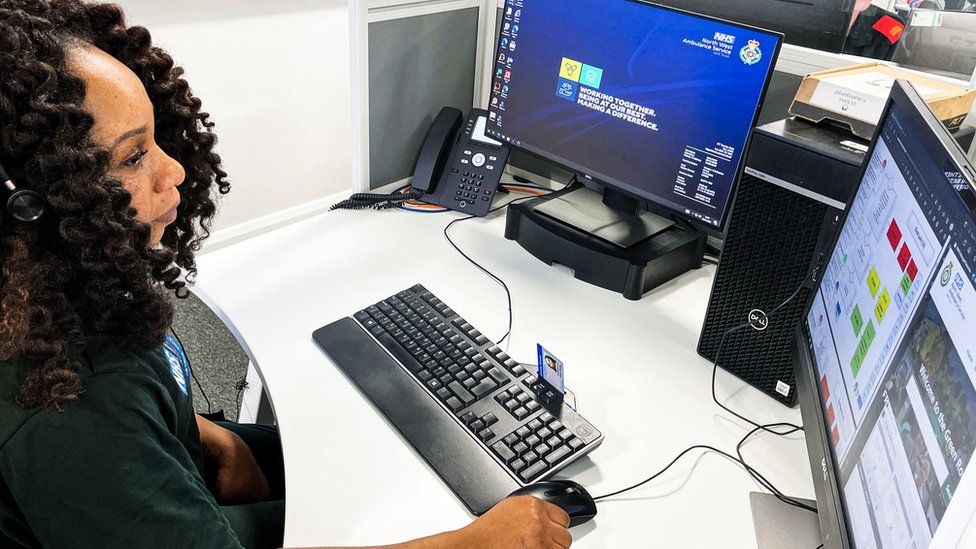
Published7 hours agoShareclose panelShare pageCopy linkAbout sharingImage source, NWASBy Aurelia FosterHealth reporter Too many repeat medication requests over Christmas could harm sick patients and potentially risk lives, the north-west of England’s NHS 111 out-of-hours advice service has warned.It had a big increase in such requests over last year’s festive period.Its director Dan Ainsworth told the BBC this was “avoidable” and puts the service under “significant” pressure.NHS England urged people in need of repeat prescriptions to organise them before the Christmas break.The call centre, which is managed by the North West Ambulance Service (NWAS), said it received 20% more calls about routine prescriptions in December 2022 compared with the previous month – 8,139 compared with 6,794. Prescriptions are often requested because a patient has run out of long-term medication and failed to organise a fresh supply with their GP before Christmas, Mr Ainsworth said.’Significant pressure'”The service is already under significant pressure, and what we’ve seen over the last few years is an increasing demand through those bank holiday periods from patients who haven’t made arrangements to collect their ongoing medication.”He added that on one bank holiday last December, call handlers took more than 2,000 such requests in a single day.He said for some “acutely unwell” patients calling 111 “every second counts”, and that a large number of prescription requests would slow down its response to the most sick callers.Asked if it could cost lives, Mr Ainsworth told the BBC: “Potentially, absolutely.”Mr Ainsworth said he realised some such calls to 111 were necessary, but he believed they were “avoidable in in almost every circumstance” if people planned their medication supplies.Between the start of December 2022 and the end of February, the service received 3,000 more calls for repeat medication than it did during the months from June to August, according to NWAS’s data.NWAS said the issue is a consistent problem on bank holidays throughout the year.”The longer your GPs are closed, the bigger the pressure on the one-on-one service,” Mr Ainsworth said.During the three-day August bank holiday weekend, 111 call handlers in the region took 1,634 such calls, compared with 879 on the same days the previous week – an 86% increase. The overall increase in calls from all patients was just 19.5%. Mr Ainsworth said extra staff had been employed in the north-west’s 111 and 999 call centres to help manage demand over the winter period, but he remained “worried” about the next few months.More on this storyNHS 111 software outage confirmed as cyber-attackPublished6 August 2022NHS 111 call-wait times reduced to two minutesPublished27 NovemberRelated Internet LinksNWAS – North West Ambulance ServiceNHS EnglandThe BBC is not responsible for the content of external sites.

Read more →

Volunteers breathe polluted air to test impact on brain

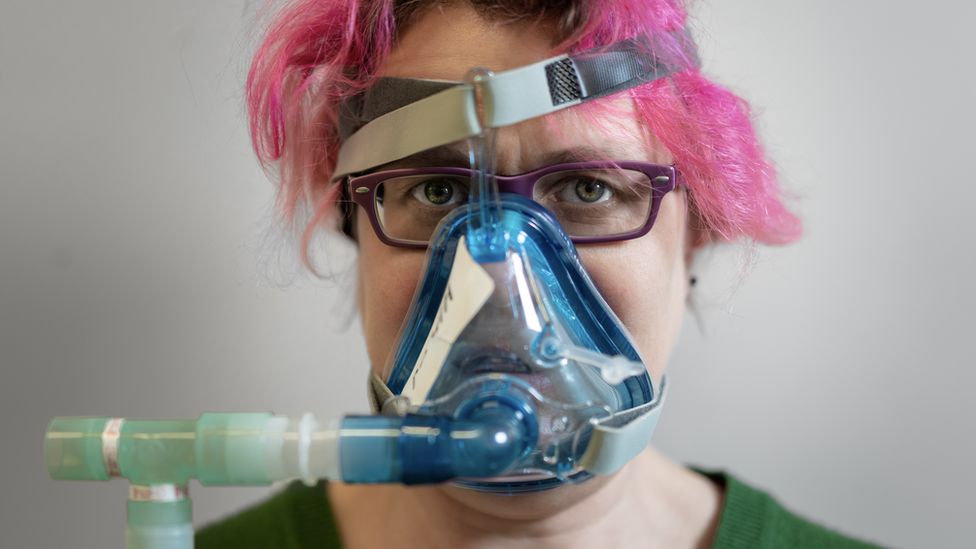
Published5 days agoShareclose panelShare pageCopy linkAbout sharingImage source, Tony Jolliffe/ BBCBy Rebecca Morelle and Alison Francis BBC News Science In a lab in Manchester, volunteers are donning masks to breathe in lungfuls of polluted air.They’re being exposed to different kinds of fumes, from diesel to cleaning products, in a bid to understand how pollution impacts the brain.Scientists are analysing blood samples and the results of cognitive tests taken before and after exposure. While it’s well known that air quality affects the lungs and cardiovascular system, the brain is less studied. Dr Ian Mudway, an environmental toxicologist from Imperial College London, is one of the scientists leading the study. “Over the last 10 years, we have begun to see statistical associations between air pollution and a whole range of brain-related issues – all the way from how children learn, the way in which their cognition changes, to mental health and increased risks of dementia. “What we’re trying to do in this study is to actually do experiments to understand why there’s an association, to find out what the underlying biological mechanisms are that link air pollution to adverse effects on the human brain.”Image source, Tony Jolliffe/BBCThe experiments are being carried out at the University of Manchester where researchers are creating four different types of pollution: diesel exhaust, wood smoke, cleaning products and cooking fumes (created by frying a pork chop in a fume cupboard).The pollutant levels are carefully measured and controlled, then fed into an air chamber – essentially a room-sized plastic sac – and piped out to the volunteers to breathe in.The participants come to the lab multiple times over several months, and for each visit they are exposed to a different pollutant or clean air for an hour. They never know what they’re breathing in while the experiments take place.Image source, Tony Jolliffe/BBCProf Gordon McFiggans, from the University of Manchester’s Centre for Atmospheric Science, says a key aim is to rank the risk associated with each pollutant – both indoor and outdoor.”There’s a lot of emerging evidence that indoor air pollution can actually be more harmful than outdoor air pollution,” he explained.”And of course, when you open a window or you have mechanical ventilation, you can get outdoor pollutants inside and also indoor pollutants on the outside, so there’s this whole wide range of exposures that everybody’s receiving. “And I think what we need to do is have some comprehensive guidance to individuals, so they’re aware of the possibilities of different sorts of implications for their health.” Image source, Tony Jolliffe/BBCThe team says the brain tests are a direct way to look at cognitive function, while the biological samples can reveal what’s happening to the body. “What we want to do is understand the pathways by which the pollution actually affects the brain,” Prof McFiggans says. He says the team wants to establish if the pollutants are directly reaching the brain or whether it’s an indirect effect. One possibility is that the pollutants cause inflammation in other parts of the body, like the lungs, and the chemicals produced by this biological process then make their way to the brain.”At the moment we just don’t know,” he says. Image source, Tony Jolliffe/BBCThe World Health Organization says 99% of the global population breathes in air that exceeds the UN’s limits for common air pollutants and the combined effects of outside and indoor air pollution contribute to seven million premature deaths every year.The team says understanding more about how pollution is impacting brain health is vital.And although at first glance the study seems small – it involves 13 people – it’s one of the largest analyses of its kind. This is because each volunteer is separately exposed to four pollutants (and clean air), and these results are compared with each other and then cross-compared with the results of every other participant to produce an analysis that will be statistically significant.Image source, Tony Jolliffe/BBCBryony Evens is one of those taking part. She says she’s happy to breathe in pollution in the name of science – and passes the hours hooked up to the air chamber by reading a book.She says: “If they can get more data on these sorts of things, it feels like it’s a really worthwhile use of my time to help with the study like this. “Anything that can be done to find out things that cause us damage, just in our normal way of life, that can be changed, seems like a really valuable thing to do.”The results are expected over the coming months.Follow Rebecca on X, formerly known as Twitter.Related Internet LinksCentre for Atmospheric Science -University of ManchesterThe BBC is not responsible for the content of external sites.

Read more →

Lead Levels in Children’s Applesauce May Be Traced to Cinnamon Additive

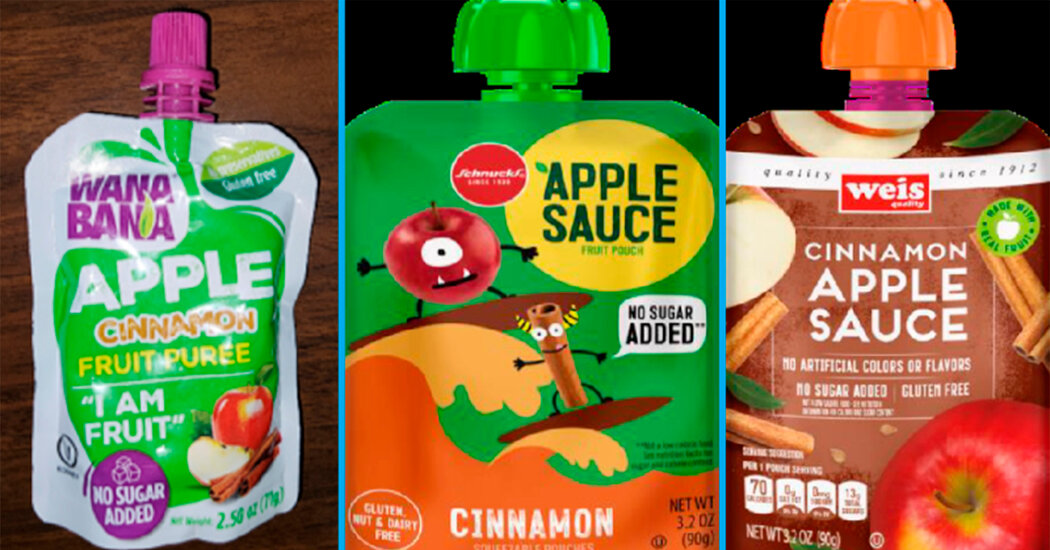
The F.D.A. is investigating the sources of cinnamon and other ingredients produced outside the U.S. as the possible cause of lead poisoning in dozens of children. Advocates are urging mandatory testing of lead in food.With dozens of children across the United States suffering from lead poisoning, federal regulators are now investigating whether the culprit is cinnamon that was added to some popular applesauce pouches, and if lead had been added somewhere along the global supply chain, either to enhance the spice’s reddish color or to add weight.In November, the Food and Drug Administration announced a national recall of three million pouches of cinnamon applesauce made in Ecuador and sold at dollar stores and other outlets under the WanaBana, Schnucks and Weis brand names.Concern about the poisoning cases, affecting as many as 125 children, has highlighted a broader gap in F.D.A. food oversight. There is no federal requirement to test for lead in food made domestically or imported into the United States. In this case, a North Carolina health department investigation pinpointed the source of contamination after receiving reports of high levels of lead readings in children’s blood tests.That the levels of lead in children’s blood tends to be the first line of detection for lead in food is “effectively using kids as canaries,” said Tom Neltner, senior director of safer chemicals at the Environmental Defense Fund, an advocacy group. He said that the F.D.A. has not set enforceable limits for lead in food, much less in spices.“What this shows is a breakdown in the agency, and an industry that has to be fixed,” Mr. Neltner said.Jim Jones, the F.D.A.’s food division director, said in an interview with Politico that the lead contamination appeared to be an “intentional act.”On Friday the F.D.A. said one theory it is exploring is the potential “that the cinnamon contamination occurred as a possible result of economically motivated adulteration.” In simpler terms, that explanation could mean that the company producing the cinnamon used additives to make the spice more appealing and commercially profitable.The agency emphasized that its inquiry was not finished and included other theories.Food safety experts said the addition of lead has long been a concern in spices with a reddish hue.“If you’re selling spices by the pound or ton, you’re going to get a better price for lead-weighted or lead-colored spice,” said Charlotte Brody, national director of Healthy Babies Bright Futures, which advocates the removal of toxins from baby food. “But you’re also going to poison children.”Tests for lead in children’s blood are required in some states and cities but are voluntary in most areas, Mr. Neltner said. When elevated levels are found, lead in paint is often assumed to be the culprit, he said, adding that investigations as careful as the one in North Carolina are exceptional.Like most foods consumed in the United States, the various ingredients in the applesauce pouches came from and were manufactured in different parts of the world before landing on store shelves. The cinnamon applesauce pouches were manufactured in Ecuador by Austrofood, but its supply of cinnamon was provided by another company, Negasmart.This week, the F.D.A. said that it was conducting an on-site inspection of Austrofood’s manufacturing facility in northern Ecuador, and was collecting samples of the cinnamon used in the recalled products. Austrofood did not respond to an email seeking comment.The F.D.A. said that Ecuadorean authorities had told U.S. regulators that Negasmart’s cinnamon had higher levels of lead than those allowed by Ecuador and that the company is currently engaged in a process to determine who was responsible for the contamination. Negasmart did not respond to a query for comment.Ms. Brody said the F.D.A.’s notices and company statements on the recall so far have left a major question unanswered: Which company shipped the cinnamon, which is typically imported from Asia, and where else is it used?“Are we getting contaminated cinnamon from other companies?” she asked. “We need to know.”The F.D.A. said last month that it was screening cinnamon imports from “multiple countries for lead contamination,” and had no indication that the contamination extended beyond the recalled applesauce pouches. It added that as of Nov. 30, the screenings had not turned up any shipments with “higher levels of lead.”The F.D.A. policies on lead in food consumed by children are less rigorous than government standards for the cribs that they sleep in, Ms. Brody said. Children are particularly vulnerable to the effects of lead, which can damage their nervous systems, affecting growth, learning and speech development.In 2017, the F.D.A. set recommendations for the amount of lead in children’s candy after regulators in California discovered popular candies from Mexico that had been tainted either by lead that seeped from the bright wrappers or from the chili powder used in some of the treats.And earlier this year, the agency proposed maximum limits for lead in baby foods like mashed fruits and dry cereals, after years of studies that showed many processed products contained high levels of lead. The draft guidance, which would not be mandatory for food manufacturers to follow, has not yet been finalized.The agency has asked Congress for more power to address the problem, according to its legislative proposals for 2024. The requests include authority to set binding contamination limits in food, noting that under current law, “F.D.A. has limited tools to help reduce exposure to toxic elements in the food supply.”In its congressional request, the agency also pointed out that the food “industry is not required to test ingredients or final products” meant to be consumed by infants or children, and sought authority to require food makers to test for toxic elements.New York State enforces a lead limit in spices, which has spurred a number of product recalls in recent years.California is following New York’s lead, taking a more aggressive stance around testing for heavy metals, especially in baby food. Starting in January, manufacturers of food meant for children under 2 years will need to test a sample of each product once a month for arsenic, cadmium, lead and mercury. Manufacturers will also be required to share the results with California health regulators, if requested.In January 2025, baby-food makers will be required to publicly post the results of their testing.Weis Markets, which pulled the affected cinnamon applesauce pouches from its shelves in late October, said in a statement that it was the manufacturer’s responsibility to test the applesauce pouches for “multiple items” and to “certify the products are wholesome and unadulterated.”Weis said another company, Purcell International in California, which imported the applesauce pouches from Ecuador, was also responsible for testing the safety of the product. Purcell did not respond to an email seeking comment.

Read more →

‘Financial Ruin Is Baked Into the System’: Readers Debate Long-Term Care Costs

Thousands of people shared their experiences and related to the financial drain on families portrayed in the Dying Broke series.Thousands of readers reacted to the articles in the Dying Broke series about the financial burden of long-term care in the United States. They offered their assessments for the government and market failures that have drained the lifetime savings of so many American families. And some offered possible solutions.In more than 4,200 comments, readers of all ages shared their struggles in caring for spouses, older parents and grandparents. They expressed their own anxieties about getting older and needing help to stay at home or in institutions like nursing homes or assisted-living facilities.Many suggested changes to U.S. policy, like expanding the government’s payments for care and allowing more immigrants to stay in the country to help meet the demand for workers. Some even said they would rather end their lives than become a financial burden to their children.Many readers blamed the predominantly for-profit nature of American medicine and the long-term care industry for depleting the financial resources of older people, leaving the federal-state Medicaid programs to take care of them once they were destitute.“It is incorrect to say the money isn’t there to pay for elder care,” Jim Castrone, 72, a retired financial controller from Placitas, N.M., commented. “It’s there, in the form of profits that accrue to the owners of these facilities.”“It is a system of wealth transference from the middle class and the poor to the owners of for-profit medical care, including hospitals and the long-term care facilities outlined in this article, underwritten by the government,” he added.But other readers pointed to insurance policies that, despite limitations, had helped them pay for services. And some relayed their concerns that Americans were not saving enough and were unprepared to take care of themselves as they aged.“It was a long, lonely job, a sad job, an uphill climb.”Marsha MoyerWhat other nations provideOther countries’ treatment of their older citizens was repeatedly mentioned. Readers contrasted the care they observed older people receiving in foreign countries with the treatment in the United States, which spends less on long-term care as a portion of its gross domestic product than do most wealthy nations.Marsha Moyer, 75, a retired teaching assistant from Memphis, said she spent 12 years as a caregiver for her parents in San Diego County and another six for her husband. While they had advantages many don’t, Ms. Moyer said, “it was a long, lonely job, a sad job, an uphill climb.”In contrast, her sister-in-law’s mother lived to 103 in a “fully funded, lovely elder care home” in Denmark during her last five years. “My sister-in-law didn’t have to choose between her own life, her career and helping her healthy but very old mother,” Ms. Moyer said. “She could have both. I had to choose.”Birgit Rosenberg, 58, a software developer from Southampton, Pa., said her mother had end-stage dementia and had been in a nursing home in Germany for more than two years. “The cost for her absolutely excellent care in a cheerful, clean facility is her pittance of Social Security, about $180 a month,” she said. “A friend recently had to put her mother into a nursing home here in the U.S. Twice, when visiting, she has found her mother on the floor in her room, where she had been for who knows how long.”Birgit Rosenberg, 58, of Southampton, Pa.Caroline Gutman for KFF Health NewsBrad and Carol Burns moved from Fort Worth, Texas, in 2019 to Chapala, Jalisco, in Mexico, dumping their $650 a month long-term care policy because care is so much more affordable south of the border. Mr. Burns, 63, a retired pharmaceutical researcher, said his mother lived just a few miles away in a memory care facility that costs $2,050 a month, which she can afford with her Social Security payments and an annuity. She is receiving “amazing” care, he said.“As a reminder, most people in Mexico cannot afford the care we find affordable and that makes me sad,” he said. “But their care for us is amazing, all health care, here, actually. At her home, my mom, they address her as Mom or Barbarita, little Barbara.”Insurance policies debatedMany, many readers said they could relate to problems with long-term care insurance policies, and their soaring costs. Some who hold such policies said they provided comfort for a possible worst-case scenario while others castigated insurers for making it difficult to access benefits.“They really make you work for the money, and you’d better have someone available who can call them and work on the endless and ever-changing paperwork,” said Janet Blanding, 62, a technical writer from Fancy Gap, Va.Derek Sippel, 47, a registered nurse from Naples, Fla., cited the $11,000 monthly cost of his mother’s nursing home care for dementia as the reason he bought a policy. He said he pays about $195 a month with a lifetime benefit of $350,000. “I may never need to use the benefit(s), but it makes me feel better knowing that I have it if I need it,” he wrote. He said he could not make that kind of money by investing on his own.“It’s the risk you take with any kind of insurance,” he said. “I don’t want to be a burden on anyone.”Pleas for more immigrant workersOne solution that readers proposed was to increase the number of immigrants allowed into the country to help address the chronic shortage of long-term care workers. Larry Cretan, 73, a retired bank executive from Woodside, Calif., said that over time, his parents had six caretakers who were immigrants. “There is no magic bullet,” he said, “but one obvious step — hello people — we need more immigrants! Who do you think does most of this work?”Victoria Raab, 67, a retired copy editor from New York, said that many older Americans must use paid help because their grown children live far away. Her parents and some of their peers rely on immigrants from the Philippines and Eritrea, she said, “working loosely within the margins of labor regulations.”“These exemplary populations should be able to fill caretaker roles transparently in exchange for citizenship because they are an obvious and invaluable asset to a difficult profession that lacks American workers of their skill and positive cultural attitudes toward the elderly,” Ms. Raab said.“For too many, the answer is, ‘How can we hide assets and make the government pay?’”Mark DennenFederal fixes soughtOthers called for the federal government to create a comprehensive national long-term care system, as some other countries have. In the United States, federal and state programs that finance long-term care are mainly available only to the very poor. For middle-class families, sustained subsidies for home care, for example, are fairly nonexistent.“I am a geriatric nurse practitioner in New York and have seen this story time and time again,” Sarah Romanelli, 31, said. “My patients are shocked when we review the options and its costs. Medicaid can’t be the only option to pay for long-term care. Congress needs to act to establish a better system for middle-class Americans to finance long-term care,” she said.John Reeder, 76, a retired federal economist from Arlington, Va., called for a federal single-payer system “from birth to senior care in which we all pay and profit-making removed.”John Reeder, 76, at home in Arlington, Va.Eric Harkleroad/KFF Health NewsOther readers, however, argued that people needed to take more responsibility by preparing for the expense of old age.Mark Dennen, 69, from West Harwich, Mass., said people should save more rather than expect taxpayers to bail them out. “For too many, the answer is, ‘How can we hide assets and make the government pay?’ That is just another way of saying, ‘How can I make somebody else pay my bills?’” he said, adding: “We don’t need the latest phone/car/clothes, but we will need long-term care. Choices.”Questioning life-prolonging proceduresA number of readers condemned the country’s medical culture for pushing expensive surgeries and other procedures that do little to improve the quality of people’s few remaining years.Dr. Thomas Thuene, 60, a consultant in Roslindale, Mass., described how a friend’s mother who had heart failure was repeatedly sent from the elder care facility where she lived to the hospital and back, via ambulance. “There was no arguing with the care facility,” he said. “However, the moment all her money was gone, the facility gently nudged my friend to think of end-of-life care for his mother. It seems the financial ruin is baked into the system.”Joan Chambers, 69, an architectural draftsperson from Southold, N.Y., said that during a hospitalization on a cardiac unit she observed many fellow patients “bedridden with empty eyes,” awaiting implants of stents and pacemakers.“I don’t want to be a burden on anyone.”Derek Sippel“I realized then and there that we are not patients, we are commodities,” she said. “Most of us will die from heart failure. It will take courage for a family member to refuse a ‘simple’ procedure that will keep a loved one’s heart beating for a few more years but we have to stop this cruelty.“We have to remember that even though we are grateful to our health care professionals, they are not our friends, they are our employees and we can say no.”One physician, Dr. James D. Sullivan, 64, from Cataumet, Mass., said he planned to refuse hospitalization and other extraordinary measures if he suffered from dementia. “We spend billions of dollars, and a lot of heartache, treating demented people for pneumonia, urinary tract infections, cancers, things that are going to kill them sooner or later, for no meaningful benefit,” Dr. Sullivan said. “I would not want my son to spend his good years, and money, helping to maintain me alive if I don’t even know what’s going on,” he said.Thoughts on assisted dyingOthers went further, declaring they would rather arrange for their own deaths rather than suffer in greatly diminished capacity. “My long-term care plan is simple,” said Karen D. Clodfelter, 65, a library assistant from St. Louis. “When the money runs out I will take myself out of the picture.” Ms. Clodfelter said she helped care for her mother until her death at 101. “I’ve seen extreme old age,” she said, “and I’m not interested in going there.”Some suggested that assisted dying should be a more widely available option in a country that takes such poor care of its elderly. Meridee Wendell, 76, from Sunnyvale, Calif., said: “If we can’t manage to provide assisted living to our fellow Americans, could we at least offer assisted dying? At least some of us would see it as a desirable solution.”

Read more →

US adults eat a meal's worth of calories of snacks in a day

Snacks constitute almost a quarter of a day’s calories in U.S. adults and account for about one-third of daily added sugar, a new study suggests.
Researchers analyzing data from surveys of over 20,000 people found that Americans averaged about 400 to 500 calories in snacks a day – often more than what they consumed at breakfast – that offered little nutritional value.
Though dietitians are very aware of Americans’ propensity to snack, “the magnitude of the impact isn’t realized until you actually look at it,” said senior study author Christopher Taylor, professor of medical dietetics in the School of Health and Rehabilitation Sciences at The Ohio State University.
“Snacks are contributing a meal’s worth of intake to what we eat without it actually being a meal,” Taylor said. “You know what dinner is going to be: a protein, a side dish or two. But if you eat a meal of what you eat for snacks, it becomes a completely different scenario of, generally, carbohydrates, sugars, not much protein, not much fruit, not a vegetable. So it’s not a fully well-rounded meal.”
Survey participants who were controlling their type 2 diabetes ate fewer sugary foods and snacked less overall than participants without diabetes and those whose blood sugar levels indicated they were prediabetic.
“Diabetes education looks like it’s working, but we might need to bump education back to people who are at risk for diabetes and even to people with normal blood glucose levels to start improving dietary behaviors before people develop chronic disease,” Taylor said.
The study was published recently in PLOS Global Public Health.

Researchers analyzed data from 23,708 U.S. adults over 30 years of age who had participated from 2005 to 2016 in the National Health and Nutrition Examination Survey. The survey collects 24-hour dietary recalls from each participant – detailing not just what, but when, all food was consumed.
Respondents were categorized according to their HbA1c level, a measure of glucose control, into four groups: nondiabetes, prediabetes, controlled diabetes and poorly controlled diabetes.
Among the whole survey sample, snacks accounted for between 19.5% and 22.4% of total energy intake – while contributing very little nutritional quality.
In descending order of proportion, snacks consisted of convenience foods high in carbohydrates and fats, sweets, alcoholic beverages, non-alcoholic drinks that include sugar-sweetened beverages, protein, milk and dairy, fruits, grains and, lagging far behind, vegetables.
Noting that capturing 24 hours of food consumption doesn’t necessary reflect how people usually eat, “it gives us a really good snapshot of a large number of people,” Taylor said. “And that can help us understand what’s going on, where nutritional gaps might be and the education we can provide.”
Finding that people with diabetes had healthier snacking habits was an indicator that dietary education is beneficial to people with the disease. But it’s information that just about everyone can use, Taylor said – and it’s about more than just cutting back on sugar and carbs.

“We need to go from just less added sugar to healthier snacking patterns,” he said. “We’ve gotten to a point of demonizing individual foods, but we have to look at the total picture. Removing added sugars won’t automatically make the vitamin C, vitamin D, phosphorus and iron better. And if we take out refined grains, we lose nutrients that come with fortification.
“When you take something out, you have to put something back in, and the substitution becomes just as important as the removal.”
And so, rather than offering tips on what foods to snack on, Taylor emphasizes looking at a day’s total dietary picture and seeing whether snacks will fulfill our nutritional needs.
“Especially during the holidays, it’s all about the environment and what you have available, and planning accordingly. And it’s about shopping behavior: What do we have in the home?” he said.
“We think about what we’re going to pack for lunch and cook for dinner. But we don’t plan that way for our snacks. So then you’re at the mercy of what’s available in your environment.”
This work was supported by Abbott Nutrition and Ohio State. Co-authors included Kristen Heitman, Owen Kelly, Stephanie Fanelli and Jessica Krok-Schoen of Ohio State and Sara Thomas and Menghua Luo of Abbott Nutrition.

Read more →

Endocrine-disrupting chemicals found in menstrual products

The average menstruator will use over 11,000 tampons or sanitary pads in their lifetime. Vaginal and vulvar tissue that touch pads and tampons is highly permeable. Through this permeable tissue chemicals are absorbed without being metabolized, which makes endocrine-disrupting chemicals potentially dangerous when found in menstrual products. Endocrine-disrupting chemicals can interfere with human hormones and cause medical issues, including gynecological conditions such as endometriosis and uterine fibroids.
Joanna Marroquin, a Mason PhD in Public Health student, and Associate Professor Anna Pollack, reviewed studies conducted since 2103 that measured chemicals in menstrual products and that measured human biomarkers of chemical exposure and determined that endocrine-disrupting chemicals were found in menstrual products including tampons, pads, and liners.
“Identifying chemicals in menstrual products that menstruators regularly use is important because exposure through these products can impact menstruators’ reproductive health,” said Marroquin, the paper’s first author.
The study found that menstrual products contain a variety of endocrine-disrupting chemicals including phthalates, volatile organic compounds, parabens, environmental phenols, fragrance chemicals, dioxins and dioxin-like compounds.
This issue is even more relevant thanks to the Robin Danielson Menstrual Product and Intimate Care Product Safety Act of 2023, which was introduced in the U.S. House of Representatives in October 2023. The Act would establish a program of research regarding the risks posed by the presence of dioxins, phthalates, pesticides, chemical fragrances, and other components in menstrual products and intimate care products.
This literature reviewed 15 papers published between 2013 and 2023 that tested menstrual products in the U.S., Japan, and South Korea. The researchers note that there are few publications available that measure chemicals in menstrual products.
Additionally, though forever chemicals (PFAS) have been found in menstrual underwear, there is a lack of peer-reviewed research on menstrual underwear and other newly-popular-in-the-U.S. products such as menstrual cups and discs.
Chemicals in menstrual products: A systematic review was published in BJOG, an international journal of obstetrics and gynecology in September 2023. Additional authors include Marianthi-Anna Kiomourtzoglou from Mailman School of Public Health, Columbia University and Alexandra Scranton from Women’s Voices for the Earth.
The research was supported by Pollack’s National Institute of Environmental Health Sciences R01ES31079 award.

Read more →

Study shows exposure to household chemicals can lower odds of getting pregnant

Exposure to phthalates, a group of plasticizing and solvent chemicals found in many household products, was linked to a lower probability of getting pregnant, but not to pregnancy loss, according to research by a University of Massachusetts Amherst environmental and reproductive epidemiologist.
The study, published this week in the journal Environmental Health Perspectives, also noted an association between preconception exposure to phthalates and changes in women’s reproductive hormones, as well as increased inflammation and oxidative stress.
“Phthalates are ubiquitous endocrine disruptors and we’re exposed to them every day,” says lead author Carrie Nobles, assistant professor of environmental health sciences in the School of Public Health and Health Sciences.
Phthalates are found in such common products as shampoo, makeup, vinyl flooring, toys and medical devices. People are exposed primarily by ingesting food and liquid that has come in contact with products containing the chemicals, according to a Centers for Disease Control and Prevention fact sheet.
Nobles and team analyzed data from a “unique cohort” of women in the preconception time-to-pregnancy study known as EAGeR (Effects of Aspirin in Gestation and Reproduction), which evaluated the effect of low-dose aspirin on live-birth rates. The study includes detailed information on 1,228 participants during six menstrual cycles when they are attempting to get pregnant. The women who became pregnant were followed through pregnancy.
“We were able to look at some environmental exposures like phthalates and how that relates to how long it takes to get pregnant. There was detailed data for each menstrual cycle, so we had a good handle on the date of ovulation and the timing of pregnancy when that happened,” Nobles says.
The body breaks down phthalates into metabolites that are excreted in urine and can be analyzed. The researchers measured 20 phthalate metabolites in urine samples taken when the participants enrolled in the study.

“We found there were three parent compounds that seem to be most strongly associated with taking longer to get pregnant, although we saw a general trend toward it taking longer to get pregnant across the phthalates we looked at,” Nobles says. “As exposure got higher, we saw more and more of an effect.”
The researchers also looked at a global marker of inflammation, C-reactive protein, and found the women who had higher levels of phthalates exposure also had higher levels of inflammation and oxidative stress, which can lead to organ and tissue damage and ultimately to disease.
In addition, women who showed higher levels of phthalates had lower estradiol and higher follicle-stimulating hormone across the menstrual cycle, which play an important role in ovulation and the early establishment of pregnancy.
“This profile — estradiol staying low and follicle-stimulating hormone staying high — is actually something that we see in women who have ovarian insufficiency, which can happen with age as well as due to some other factors,” Nobles says. “Ovulation just isn’t happening as well as it used to.”
While women can check consumer product labels and look for phthalate-free options, the ubiquitous nature of the chemicals makes it difficult for an individual to control their exposure.
In Europe, certain phthalates are banned or severely restricted in their use, but the U.S. has no formal prohibitions. Nobles says the research findings add to the evidence that phthalates exposures have a negative impact on women’s reproductive health and can be used to help inform policy making.
“Maybe we want to think differently about our regulatory system and how we identify important exposures that are having adverse effects on whether people can get pregnant and have a healthy pregnancy,” Nobles says.

Read more →

Revolutionary seaweed and carbonated water based hydrogel for treating skin wounds

Acting as the main interface between the internal and the external world, the skin is the largest and most important organ of the human body. It is frequently exposed to many types of physical injuries or wounds, including cuts, scrapes, scratches, infections, and ulcers. Unfortunately, as one ages, the skin becomes more frail and less capable of healing itself without help. With many countries experiencing a rapid rise in the aging population, the demand for treating such skin wounds has created a greater need for accessible and effective wound care products.
Over the past few decades, hydrogels have received a lot of attention for treating skin wounds. When applied over a lesion, these special gels can promote healing by absorbing discharged fluids (exudates) and keeping the wound protected, well-hydrated, and oxygenated.
However, most developed hydrogels are given adhesive properties to skin tissue to follow skin movement. Since these hydrogels are sticky and adhere to the skin and wound site, they stretch and expand the wound itself once they swell up after absorbing exudates. This not only causes pain to the user but also puts them at a higher risk of bacterial infection due to the wound area expansion. Therefore, in order to create hydrogels that can effectively treat wounds without interfering with the wound healing process, it is necessary to experiment with the preparation of hydrogels based on new ideas while utilizing existing material properties.
Against this backdrop, a team of researchers from Tokyo University of Science (TUS), Japan, have now proposed an innovative and highly-value added medical material for treating skin wounds. As reported in their recent study published in the International Journal of Biological Macromolecules, they developed a novel, low-cost hydrogel using a component found in seaweed, achieving physical properties completely different from those of conventional hydrogels. The study, which was made available online on 8 November 2023, and will be published in Volume 254, Part 3 of the journal in January 2024, was led by Mr. Ryota Teshima, a Master’s student at TUS. Assistant Professor Shigehito Osawa, Ms. Miki Yoshikawa, Associate Professor Yayoi Kawano, Professor Hidenori Otsuka, and Professor Takehisa Hanawa, all from different faculties and departments at TUS, were also a part of this study.
The method of preparation of the proposed hydrogel is quite straightforward. It was made using alginate, calcium carbonate, and carbonated water. Alginate is a biocompatible substance that can be extracted from beach-cast seaweed. Most importantly, it does not adhere strongly to cells or skin tissues. Thanks to the special structure formed by alginate and calcium ions, in addition to the protective effect of the CO2 in carbonated water against acidification, the resulting hydrogel not only exhibited ideal pH and moisture conditions for wound recovery but also demonstrated significantly lower adhesion and swelling, compared to other commercial hydrogel wound dressings.
The researchers tested the effectiveness of their new hydrogel using cell cultures and a mouse model, both of which yielded excellent results. “Through animal experiments, we demonstrated that our hydrogel has a high therapeutic effect and at the same time can suppress the temporary expansion of the wound area caused by conventional clinical preparations,” remarks Mr. Teshima. “This proves our initial hypothesis that gels with low skin adhesion and low-swelling properties are excellent as wound dressing materials, which is the complete opposite of conventional wisdom.”
Worth noting, alginate can be extracted from beach-stranded seaweed, a renewable resource that is often regarded as a coastal waste material. Since the proposed hydrogel is not only inexpensive but also biodegradable, this development marks an important step towards future progress on sustainable medicine. “Medical materials still lack a sustainability-oriented perspective, and we believe this research will serve as a benchmark for the design of future medical materials and lead to sustainable and low-cost wound care,” says Mr. Teshima. “Moreover, our findings can help clarify issues with hydrogel formulations currently in clinical use and provide new design guidelines for next-generation wound treatment gels.”

Read more →

Researchers discover first ever link between hemoglobin-like protein and normal heart development

In a landmark study led by the University of Maryland School of Medicine, researchers discovered for the first time that a certain kind of protein similar to hemoglobin, called cytoglobin, plays an important role in the development of the heart. Specifically, it affects the correct left-right pattern of the heart and other asymmetric organs. The findings, published today in the journal Nature Communications, could eventually lead to the development of new therapeutic interventions to alter the processes that lead to these defects.
The team used CRISPR gene editing technologies to knock out the cytoglobin gene in zebrafish. The lack of cytoglobin caused the development of embryos with a mirrored heart, meaning the heart had a reversed left-right pattern. In humans, cytoglobin is involved in processes involving nitric oxide, a compound that helps regulate healthy blood flow to organs. Study co-senior author Mark T. Gladwin, MD, the John Z. and Akiko K. Bowers Distinguished Professor and Dean, University of Maryland School of Medicine, and Vice President for Medical Affairs, University of Maryland, Baltimore, has been researching the effects of nitric oxide on blood vessels for more than 20 years including in this recent study finding.
“Since its discovery two decades ago, cytoglobin has been found to be expressed in nearly all human tissues, but the mechanisms of how this protein functions were largely unknown,” said Dr. Gladwin. “We know that cytoglobin can play a role in modulating and maintaining nitric oxide levels, but our new finding indicates that it positively regulates NO production to ensure proper cilia function and its absence can lead to major laterality abnormalities of organs.”
To conduct the study, the research team knocked out the gene for cytoglobin in zebrafish and were amazed to see that it led to dramatic defects in the structure and location of organs in developing embryos. The heart, for example, was located on the right side of the fish instead of the left with a looping to the left instead of the right.
“We found that cytoglobin plays a vital role in the structure and function of tiny hair-like structures called cilia, which determine the asymmetry and proper development of organs,” said study senior author Paola Corti, PhD, Assistant Professor of Biochemistry and Molecular Biology at UMSOM.
This is the first time cytoglobin — or any of the globin proteins like hemoglobin — has been found to be involved in fetal development and that a paucity could be linked to birth defects. It’s also the first time that cytoglobin has been linked to cilia function. Such a finding could open the door for the development of therapeutics for rare birth defects that affect the movement of cilia.
About 1 in every 10,000 to 30,000 people are born with Primary Ciliary Dykinesia (PCD), a rare disease that affects the cilia and can cause breathing issues from thickened mucus clogging airways. “Kartagener’s syndrome is a form of PCD and is known to cause the type of heart defects seen in the zebrafish where the heart is abnormally positioned to the right and rotated,” said Dr. Corti. “There is no cure for this condition, just surgery to fix any heart defects and treatments to manage symptoms.”
While certain genes have been identified that are known to cause about 70 percent of PCD cases, cytoglobin could play a key role in the 30 percent of cases with no known genetic cause.

“We found the phenotype and connected the dots to cilia. In the presence of cytoglobin, we could track the function of the protein and how if led to proper cilia function and organ development. In the absence, we saw these defects,” said Elizabeth Rochon, PhD, first author of the study and Assistant Professor of Medicine at UMSOM.
Funding for the study was from the National Institutes of Health, the American Heart Association, and the Institute for Transfusion Medicine and the Hemophilia Center. UMSOM faculty co-authors include Anthony W. DeMartino, PhD, Assistant Professor of Medicine, and Qinzi Xu, MD, Assistant Professor of Medicine.
Other co-authors included faculty at the University of Pittsburgh School of Medicine and the University of Copenhagen in Denmark.

Read more →

New York City Is Offering Free Online Therapy to Teens: Will it Work?

The city’s $26 million contract with Talkspace makes mental health care very accessible. But some worry it is ‘a Band-Aid’ at a time of crisis.For the past month, New York City has been inviting teenagers to participate in one of the biggest experiments in the country aimed at helping struggling adolescents: a program offering free online therapy to all residents ages 13 to 17.The city has entered a three-year, $26 million contract with Talkspace, one of the largest digital mental health care providers. After a parent or legal guardian signs a consent form, teenagers can exchange unlimited messages with an assigned therapist and receive one 30-minute virtual therapy session each month.The rollout of the program, NYC Teenspace, on Nov. 15 took many in the city’s large mental health care community by surprise. In interviews, providers hailed the effort for having made mental health care available to teenagers who otherwise might not have had access.But many also worried about whether the limited treatment Teenspace offers will meet the needs of teenagers who have more complex issues. And some questioned why the city was partnering with a for-profit provider like Talkspace, which is the target of a class-action lawsuit filed by a former client.“Conceptually, this could be a game changer,” said C. Vaile Wright, senior director of the Office of Health Care Innovation at the American Psychological Association. “This could absolutely revolutionize access to care.”But, she added, the “devil is in the details.” It remains unclear whether digital providers can “realistically meet capacity,” and set appropriate expectations around response times and informed consent procedures, she said, “so there aren’t unintended consequences if someone is disappointed or even harmed by this model of care.”Dr. Ashwin Vasan, New York City’s health commissioner, acknowledged in an interview that the city was “taking a risk here” by embracing teletherapy at this scale. But, he added, given the alarming levels of distress among teens, the “cost of inaction is much higher.”In New York City public schools, there is one guidance counselor for every 272 students. In addition, a report released this month by the state attorney general’s office surveyed 13 health plans and found that 86 percent of the mental health providers listed as in-network were actually “ghosts,” meaning that they were unreachable, not in-network or not accepting new patients.“What we wanted to do was create the easiest low barrier, democratized access to help that we could,” Dr. Vasan said. “This is free of charge. It’s in the palm of your hand. We’re very much empowering the young person to be comfortable asking for help, and to do that independently of any adult, other than the initial parental consent.”So far, about 1,400 teenagers, or less than 1 percent of the more than 400,000 eligible adolescents, have signed up.Digital therapy providers like Talkspace, one of the largest digital mental health care providers, have sometimes been criticized for care that falls short of traditional psychotherapy.TalkspaceAt a webinar on the program this month, city parents were shown head shots of the available therapists — an array of young, dynamic faces, some with dreadlocks or hijabs. Teenspace’s smartphone sign-up page also flashed on the screen: “You get free therapy through NYC Health department!”Parents typed questions to a chat window.“Is text therapy effective?”“Can students remain anonymous?”“Is this free or not?”The arrival of Teenspace comes amid a wave of similar partnerships across the country. An analysis published this month by The Associated Press found that 16 of the largest U.S. public school districts are offering online therapy sessions.In February, Los Angeles County signed a two-year, $24 million contract with Hazel Health, which offers virtual health care to more than 160 school districts nationwide. The Los Angeles partnership will deliver teletherapy services for up to 1.3 million public school students in grades K-12.Few areas of the country have a larger mental health work force than New York City does, and some advocates questioned the city’s decision to partner with a for-profit company at a time when city agencies are being asked to slash their budgets.“Choosing to privatize this while simultaneously forcing deep cuts across the social sector (and beyond) does not make any sense to me,” said Matt Kudish, chief executive of the National Alliance on Mental Illness of New York City.Steven DiMarzo, president of the New York Mental Health Counselors Association, said digital platforms typically offer relatively low pay and push their employees to meet “unrealistic expectations.” He said he had heard nothing about Teenspace until a reporter contacted him, but was “concerned” about the quality of care it would provide.Other experts questioned the level of treatment Teenspace offers adolescents.Dr. Zachary Blumkin, senior clinical director of the Psychiatry Faculty Practice Organization at Columbia University Irving Medical Center, hailed the spirit behind the initiative as “pretty amazing.” But he said he had seen no evidence that a monthly therapy session and text exchanges would offer a substantial benefit for teens with mental illness.“One concern is, this could be kind of a Band-Aid over a gushing wound, and that could make things worse,” he said. As a provider who treats adolescents, he said, “this is not a level of intervention that I would feel comfortable providing.”As teletherapy has become more prevalent in recent years, digital providers like Talkspace and BetterHelp have sometimes been criticized for care that falls short of traditional psychotherapy.“The whole point of these platforms is scale,” said Livia Garofalo, a researcher at the nonprofit research institute Data & Society, who studies telehealth. “That is their jam; we need to scale it up. And in the process there are compromises that both the therapist and the client have to accept.”In March, a school administrator, Naomi Weizman, filed a class-action lawsuit against Talkspace in a federal court in California, charging that the company “creates the false impression that Talkspace has a large enough network of therapists to meet demand,” and then unilaterally enrolls clients in automatically renewing payment plans.A motion by Talkspace to dismiss the class claims in the lawsuit was denied last week. The judge in the case, P. Casey Pitts, dismissed two elements of Ms. Weizman’s claims, including a request for an injunction that would halt the platform’s subscription plan.John Reilly, the chief legal officer of Talkspace, said on Monday that the allegations in the claim were not accurate. “We work to connect members with providers as quickly as possible, and they are typically connected to a therapist within one to two days,” he added.High schoolers lined up for the first day of school last year in Brooklyn. In New York City public schools, there is one guidance counselor for every 272 students, less than what is recommended.Anna Watts/The New York TimesDr. Vasan said the city “went through a long and quite detailed due diligence” as it considered digital providers, and opted for Talkspace in part because of its size and focus on New York.Dr. Jon R. Cohen, the chief executive of Talkspace, said the company stood out because it is based in New York City and could match teenagers with a therapist “within hours.” Talkspace is also “an incredibly inexpensive, affordable platform,” he added.Dr. Vasan said the health department expected to analyze and update the service as it grows, adding therapists if necessary and streamlining referrals for teens who need more intensive services.“We can make those adjustments over time,” Dr. Vasan said. “And this is going to be some rigorous learning that we’re going to be undergoing. And I just want to reiterate that last point — I wish I knew all the answers in advance, but I think the cost of inaction is greater.”After teenagers verify that they are between the ages of 13 and 17, they must provide a parent’s email address, and, except in rare exceptions, their parents or guardians must sign and return a consent form. After signing up, they can use the platform’s self-guided exercises, or opt for therapy.The teens share their presenting problem and preference for a provider’s gender, and will then be matched with one of Talkspace’s New York State-licensed therapists, which number about 500.Right now, only 40 percent identify as specialists in adolescent care, but a company spokesperson said the training in the specialty, led by a Talkspace clinician, is being offered to any therapist who is part of the Teenspace program.In addition to the monthly video session, clients can send an unlimited number of text, audio or video messages to their therapist, but the response will not be immediate. Typically, providers communicate at least once or twice daily during their working hours, “depending on the cadence and preference of the teen,” a Talkspace spokesperson said.The providers cannot prescribe medicine. “The guts of this program is therapy,” Dr. Cohen said. He declined to disclose the metrics outlined in the NYC Teenspace contract, but said “one of the benchmarks is to get teens to use it.”Teenagers who are in crisis are directed to call 988 or another help line instead of using the app. As an added precaution, the company uses artificial intelligence to scan text conversations for indications that a client is at risk for self-harm and then alerts the therapist, who decides what to do next.Talkspace struggled financially after going public in 2021, but its business-to-business revenue, which is derived from partnerships with cities as well as companies, has been a bright spot in its financial reports.In 2020, Hillary Schieve, the mayor of Reno, Nev., announced a $1.3 million, one-year contract with Talkspace to provide care free of charge for citizens. Usage was relatively low — around 3,100 of the city’s roughly 250,000 residents used the service — and the city did not renew the contract.In an interview, Ms. Schieve said she was satisfied with the mental health services provided to individuals, but disappointed by the company’s efforts at promoting the service.“They failed there pretty miserably,” she said, adding that she would advise cities partnering with digital providers to pay platforms based on the number of clients served.“I don’t think they will get their money’s worth, though I hope they do,” said Ms. Schieve, who, as president of the U.S. Conference of Mayors, has made mental health an area of focus. “I want cities to be cautious when working in this space.”When asked about the promotion in Reno, Dr. Cohen, the Talkspace chief executive, responded that “we all would have liked to see better utilization.” He added that in New York City, “we are concentrating a significant amount of our efforts right now to get the word out.”Ms. Garofalo, the telehealth researcher, said the quality of the experience on Teenspace is particularly crucial because it will, in many cases, be a young person’s first encounter with mental health care.“This is your chance to maybe convince someone they need help, or would benefit from talking to someone,” she said. “What if there is case management that needs to be involved? It’s a monumental task they have set for themselves.”

Read more →