Viking dentistry was surprisingly advanced

Widespread caries and toothache — but also some dental work and filing of front teeth. Viking Age teeth from Varnhem bear witness to surprisingly advanced dentistry. This has been shown in a study carried out at the University of Gothenburg.
The study examined 3,293 teeth from 171 individuals among the Viking Age population of Varnhem in Västergötland, Sweden. The site is known for extensive excavations of Viking and medieval environments, including tombs where skeletons and teeth have been preserved well in favorable soil conditions.
The research team from the University of Gothenburg’s Institute of Odontology worked with an osteologist from Västergötland’s Museum. The skulls and teeth were transported to Gothenburg, where all the examinations were carried out.
The teeth underwent clinical examinations using standard dentistry tools under bright light. A number of X-ray examinations were also performed using the same technique used in dentistry, where the patient bites down on a small square imaging plate in the mouth.
Caries and tooth loss
The results, which have been published in the journal PLOS ONE, show that 49% of the Viking population had one or more caries lesions. Of the adults’ teeth, 13% were affected by caries — often at the roots. However, children with milk teeth — or with both milk and adult teeth — were entirely caries-free.
Tooth loss was also common among adults. The studied adults had lost an average of 6% of their teeth, excluding wisdom teeth, over their lifetimes. The risk of tooth loss increased with age.

The findings suggest that caries, tooth infections, and toothache were common among the Viking population in Varnhem. However, the study also reveals examples of attempts to look after teeth in various ways.
“There were several signs that the Vikings had modified their teeth, including evidence of using toothpicks, filing front teeth, and even dental treatment of teeth with infections,” says Carolina Bertilsson, a dentist and Associate Researcher, and the study’s first-named and corresponding author.
Not unlike today’s treatments
One sign of more sophisticated procedures was molars with filed holes, from the crown of the tooth and into the pulp, probably in order to relieve pressure and alleviate severe toothache due to infection.
“This is very exciting to see, and not unlike the dental treatments we carry out today when we drill into infected teeth. The Vikings seem to have had knowledge about teeth, but we don’t know whether they did these procedures themselves or had help.”
The filed front teeth may have been a form of identity marker. In both this and previous studies, the cases found were male. Carolina Bertilsson continues:
“This study provides new insights into Viking oral health, and indicates that teeth were important in Varnhem’s Viking culture. It also suggests that dentistry in the Viking Age was probably more sophisticated than previously thought.”

Read more →

People, not the climate, caused the decline of the giant mammals

About 100,000 years ago, the first modern humans migrated out of Africa in large numbers. They were eminent at adapting to new habitats, and they settled in virtually every kind of landscape — from deserts to jungles to the icy taiga in the far north.
Part of the success was human’s ability to hunt large animals. With clever hunting techniques and specially built weapons, they perfected the art of killing even the most dangerous mammals.
But unfortunately, the great success of our ancestors came at the expense of the other large mammals.
It is well-known that numerous large species went extinct during the time of the world-wide colonization by modern humans. Now, new research from Aarhus University reveals that those large mammals that survived, also experienced a dramatic decline.
By studying the DNA of 139 living species of large mammals, the scientists have been able to show that abundances of almost all species fell dramatically about 50,000 years ago.
This is according to Jens-Christian Svenning, a professor and head of the Danish National Research Foundation’s Center for Ecological Dynamics in a Novel Biosphere (ECONOVO) at Aarhus University, and the initiator of the study.
“We’ve studied the evolution of large mammalian populations over the past 750,000 years. For the first 700,000 years, the populations were fairly stable, but 50,000 years ago the curve broke and populations fell dramatically and never recovered,” he says, and continues:
“For the past 800,000 years, the globe has fluctuated between ice ages and interglacial periods about every 100,000 years. If climate was the cause, we should see greater fluctuations when the climate changed prior to 50.000 years ago. But we don’t. Humans are therefore the most likely explanation.”

Who killed the large mammals?
For decades, scientists have debated what is behind the extinction or rapid decline of large mammals over the past 50,000 years.
On one side are scientists who believe that rapid and severe fluctuations in the climate are the main explanation. For example, they believe that the woolly mammoth went extinct because the cold mammoth steppe largely disappeared.
On the opposite side are a group who believe that the prevalence of modern humans (Homo sapiens) is the explanation. They believe that our ancestors hunted the animals to such an extent that they either became completely extinct or were severely decimated.
So far, some of the most important evidence in the debate has been fossils from the past 50,000 years. They show that the strong, selective extinction of large animals in time and space roughly matches the spread of modern humans around the globe. Therefore, the extinction of animals can hardly be linked to climate. Nevertheless, the debate continues.
The new study presents brand new data that sheds new light on the debate. By looking at the DNA of 139 large living mammals — species that have survived for the past 50,000 years without becoming extinct — the researchers can show that the populations of these animals have also declined over the period. This development seems to be linked to the spread of humans and not climate change.

DNA contains the long-term history of the species
In the past 20 years, there has been a revolution within DNA sequencing. Mapping entire genomes has become both easy and inexpensive, and as a result the DNA of many species has now been mapped.
The mapped genomes of species all over the globe are freely accessible on the internet — and this is the data that the research group from Aarhus University has utilized, explains assistant professor Juraj Bergman, the lead researcher behind the new study.
“We’ve collected data from 139 large living mammals and analysed the enormous amount of data. There are approximately 3 billion data points from each species, so it took a long time and a lot of computing power,” he says and continues:
“DNA contains a lot of information about the past. Most people know the tree of life, which shows where the different species developed and what common ancestors they have. We’ve done the same with mutations in the DNA. By grouping the mutations and building a family tree, we can estimate the size of the population of a specific species over time.
The larger the population of an animal, the more mutations will occur. It’s really a question of simple mathematics. Take elephants, for example. Every time an elephant is conceived, there’s a chance that a number of mutations will occur, and it will pass these on to subsequent generations. More births means more mutations.”
The large mammals
The 139 large mammals examined in the study are all species that exist today. They include elephants, bears, kangaroos and antelopes among others.
It is estimated that there are 6,399 species of mammals on the Earth, but the 139 extant megafauna were selected in this study to test how their populations changed over the past 40,000 to 50,000 years, when similar large animals went extinct.
The large mammals are also called megafauna — and are defined as animals weighing more than 44 kg when fully grown. Humans are therefore also considered megafauna. In the study, however, the researchers examined species weighing as little as 22 kg, so that all continents have been represented — except Antarctica.
Looking at the neutral parts of the DNA
However, the size of the elephant population is not the only thing that affects the number of mutations.
If the area in which elephants live suddenly dries up, the animals come under pressure — and this affects the composition of mutations. The same applies if two isolated groups of elephants suddenly meet and mix genes.
If not only the size of the population affects how many mutations occur, you would think that the results are rather uncertain. But this is not the case, explains Juraj Bergman.
“Only 10 per cent of mammalian genomes consist of active genes. Great selection pressure from the environment or migration will primarily lead to mutations in the genes. The remaining 90 percent, on the other hand, are more neutral,” he says, and continues:
“We have therefore examined mutations in those parts of the genome that are least susceptible to the environment. These parts primarily indicate something about the size of the population over time.”
The woolly mammoth is an atypical case
Much of the debate about what caused the large animals to either become extinct or decline has centered around the woolly mammoth. But this is a bad example because the majority of the megafauna species that went were associated with temperate or tropical climates, as Jens-Christian Svenning explains.
“The classic arguments for the climate as an explanatory model are based on the fact that the woolly mammoth and a number of other species associated with the so-called “mammoth steppe” disappeared when the ice melted and the habitat type disappeared,” he says, and continues:
“This is basically an unsatisfactory explanatory model, as the vast majority of the extinct megafauna species of the period did not live at all on the mammoth steppe. They lived in warm regions, such as temperate and tropical forests or savannahs. In our study, we also show a sharp decline during this period in populations of the many megafauna species that survived and come from all sorts of different regions and habitats.”
The final full stop in the debate has probably yet to be set, but Jens-Christian Svenning finds it difficult to see how the arguments for the climate as an explanation can continue.
“It seems inconceivable that it is possible to come up with a climate model that explains how, across all continents and groups of large animals, there have been extinctions and continuous decline since about 50,000 years ago. And how this selective loss of megafauna is unique for the past 66 million years, despite huge climate change
Given the rich data we now have, it’s also hard to deny that instead it is because humans spread across the globe from Africa and subsequently grew in population.”

Read more →

Unlocking the human genome: Innovative machine learning tool predicts functional consequences of genetic variants

In a novel study, researchers from the Icahn School of Medicine at Mount Sinai introduced LoGoFunc, an advanced computational tool that predicts pathogenic gain- and loss-of-function variants across the genome.
Unlike current methods that predominantly focus on loss of function, LoGoFunc distinguishes among different types of harmful mutations, offering potentially valuable insights into diverse disease outcomes. The findings were described in the November 30online issue of Genome Medicine.
Genetic variations can alter protein function, with some mutations boosting activity or introducing new functions (gain of function), while others diminish or eliminate function (loss of function). These changes can have significant implications for human health and treatment of disease.
“Tools presently available fall short in differentiating between gain and loss of function, which motivated us to develop LoGoFunc. This matters because these variants impact protein activity differently, influencing disease outcomes. We created an innovative tool that addresses a critical gap in the field, providing a practical way to understand the functional consequences of genetic variations on a larger scale,” says co-senior corresponding author Yuval Itan, PhD, Associate Professor of Genetics and Genomic Sciences and a core member of The Charles Bronfman Institute for Personalized Medicine at Icahn Mount Sinai.
LoGoFunc uses machine learning trained on a database of known pathogenic gain-of-function and loss-of-function mutations identified in the literature. It considers a wide range of 474 biological features, including data from protein structures predicted by AlphaFold2 and network features reflecting human protein interactions. Tested on sets from the Human Gene Mutation Database and ClinVar, LoGoFunc demonstrated high accuracy in predicting gain-of-function, loss-of-function, and neutral variants, according to the investigators.
“Beyond personalized medicine, LoGoFunc has implications for drug discovery, genetic counseling, and accelerating genetic research. Its accessibility promotes collaboration and offers a comprehensive view of variant impact across the human genome,” says co-senior corresponding author Avner Schlessinger, PhD, Professor of Pharmacological Sciences and Associate Director of the Mount Sinai Center for Therapeutics Discovery. “Therefore, we believe that LoGoFunc holds promise for precision medicine, enabling the possibility of more tailored treatments based on an individual’s genetic makeup.”
The investigators caution that while these findings are a significant step forward, translating them into clinical applications requires further validation and integration with other medical information. LoGoFunc’s predictions are based on training data and inherent assumptions. Ongoing validation efforts are crucial for reliable outcomes. As genetic data continues to grow, refining LoGoFunc’s capabilities and extending its scope are priorities for future research.
“By bridging the gaps, the tool enhances our understanding of genetic variations that contribute to diseases, paving the way for personalized treatment strategies and drug discovery,” says study first author David Stein, a PhD candidate at Icahn Mount Sinai. “We believe that LoGoFunc will be a powerful tool for deciphering the functional consequences of genetic variations. While its potential applications are vast, ongoing validation efforts will ensure its real-world impact.”
The tool’s predictions for missense variants across the entire genome are accessible for non-commercial use and analysis at https://itanlab.shinyapps.io/goflof/.
The study was funded by the Leducq Foundation, Helmsley Foundation (2209-05535), the Charles Bronfman Institute for Personalized Medicine, and the National Institutes of Health (U01 CA271318, R01 GM108911 and R01 CA277794).

Read more →

High cholesterol caused by childhood sedentariness could be reversed with light physical activity

Increased sedentary time in childhood can raise cholesterol levels by two thirds as an adult, leading to heart problems and even premature death — but a new study has found light physical activity may completely reverse the risks and is far more effective than moderate-to-vigorous physical activity.
The study was conducted in collaboration between the University of Exeter, University of Eastern Finland, and University of Bristol and published in The Journal of Clinical Endocrinology & Metabolism. Researchers used data from the University of Bristol study Children of the 90s (also known as the Avon Longitudinal Study of Parents and Children), which included 792 children aged 11 years who were followed up until the age of 24.
Results from this study found that accumulated sedentary time from childhood can increase cholesterol levels by two thirds (67 percent) by the time someone reaches their mid-twenties. Elevated cholesterol and dyslipidaemia from childhood and adolescence have been associated with premature death in the mid-forties and heart problems such as subclinical atherosclerosis and cardiac damage in the mid-twenties.
Healthy lifestyles are considered important in the prevention of dyslipidaemia and one of the primary ways of lowering cholesterol, apart from diet, is movement behaviour. For the first time, this study objectively examined the long-term effects of sedentary time, light physical activity, and moderate-to-vigorous physical activity on childhood cholesterol levels.
The World Health Organization currently recommends children and adolescents should accumulate on average 60 minutes of moderate-to-vigorous physical activity a day and reduce sedentary time but have limited guidelines for light physical activity. Yet this new study and other recent studies has found light physical activity — which includes exercises such as long walks, house chores, or slow dancing, swimming, or cycling — is up to five times more effective than moderate-to-vigorous physical activity at promoting healthy hearts and lowering inflammation in the young population.
Dr Andrew Agbaje from the University of Exeter led the study and said: “These findings emphasise the incredible health importance of light physical activity and shows it could be the key to preventing elevated cholesterol and dyslipidaemia from early life. We have evidence that light physical activity is considerably more effective than moderate-to-vigorous physical activity in this regard, and therefore it’s perhaps time the World Health Organization updated their guidelines on childhood exercise — and public health experts, paediatricians, and health policymakers encouraged more participation in light physical activity from childhood.”
During the research, accelerometer measures of sedentary time, light physical activity, and moderate-to-vigorous physical activity were collected at ages 11, 15, and 24 years. High-density lipoprotein cholesterol, low-density lipoprotein cholesterol, triglyceride, and total cholesterol were repeatedly measured at ages 15, 17, and 24 years. These children also had repeated measurement of dual-energy Xray absorptiometry assessment of total body fat mass and muscle mass, as well as fasting blood glucose, insulin, and high sensitivity C-reactive protein, with smoking status, socio-economic status, and family history of cardiovascular disease.

During the 13-year follow-up, sedentary time increased from approximately six hours a day to nine hours a day. Light physical activity decreased from six hours a day to three hours a day while moderate-to-vigorous physical activity was relatively stable at around 50 minutes a day from childhood until young adulthood. The average increase in total cholesterol was 0.69 mmol/l. It was observed without any influence from body fat.
An average of four-and-a-half hours a day of light physical activity from childhood through young adulthood causally decreased total cholesterol by (-0.53 mmol/l), however, body fat mass could reduce the effect of light physical activity on total cholesterol by up to six percent. Approximately 50 minutes a day of moderate-to-vigorous physical activity from childhood was also associated with slightly reduced total cholesterol (-0.05 mmol/L), but total body fat mass decreased the effect of moderate-to-vigorous physical activity on total cholesterol by up to 48 percent. Importantly, the increase in fat mass neutralised the small effect of moderate-to-vigorous physical activity on total cholesterol.
The paper is entitled Associations of Sedentary Time and Physical Activity from Childhood with Lipids: A 13-Year Mediation and Temporal Studyand published in The Journal of Clinical Endocrinology & Metabolism. These findings come shortly after another study led by Dr Andrew Agbaje published this week in Nature Communications found light physical activity may completely reverse childhood obesity linked to increased sedentary time in more than 6000 children. Sedentary time contributed seven to ten percent of the total fat mass gained during growth from childhood until young adulthood. Light physical activity decreased the overall gain in fat mass by 9.5-15 percent, while moderate-to-vigorous physical activity decreased fat mass by 0.7-1.7 percent.
Dr Andrew Agbaje of the University of Exeter said: “Our research suggests light physical activity may be an unsung hero and it is about time the world replaced the mantra of ‘an average of 60 minutes a day of moderate-to-vigorous physical activity’ with ‘at least 3 hours a day of light physical activity’. Light physical activity appears to be the antidote to the catastrophic effect of sedentary time in the young population.”
Dr Andrew Agbaje’s research group (urFIT-child) is supported by research grants from Jenny and Antti Wihuri Foundation, the Finnish Cultural Foundation Central Fund, the Finnish Cultural Foundation North Savo Regional Fund, the Orion Research Foundation, the Aarne Koskelo Foundation, the Antti and Tyyne Soininen Foundation, the Paulo Foundation, the Yrjö Jahnsson Foundation, the Paavo Nurmi Foundation, the Finnish Foundation for Cardiovascular Research, Ida Montin Foundation, the Foundation for Pediatric Research, and Alfred Kordelin Foundation.

Read more →

New study advances search for accurate blood markers for acute kidney injury

Using cells from kidney biopsies, Johns Hopkins Medicine, researchers report progress in the search for more accurate and easier-to-obtain markers to help predict, manage and assess treatment of acute kidney injury (AKI). Marked by serious inflammation, AKI can lead to sudden loss of kidney function, and clinicians have long searched for markers that alert them to AKI status without the need for invasive kidney biopsies.
Results of this study, which overall looked at 120,985 nuclei from kidney biopsy samples from 24 participants, were published December 13th in the journal of Science Translational Medicine.
According to the National Library of Medicine, AKI is estimated to affect 15% to 20% of patients who are hospitalized, putting them at higher than usual risk of in-hospital death, and a progressive form of chronic kidney disease that may ultimately require dialysis or transplant. The new research was designed to help address a lack of noninvasive assessments of what is known as maladaptive proximal tubule (PT) repair. PT is a process marked by excessive inflammation as the body’s immune system responds to AKI. This PT maladaptation process offers an opportunity to identify noninvasive markers in blood or urine that can better and more safely predict AKI and manage treatment.
“Patients with AKI are critically ill, frequently in the ICU, and performing kidney biopsies is not feasible due to safety considerations. There is an urgent need to identify tissue signatures in the blood or urine that can inform us about how kidneys are healing.” says, Chirag Parikh, MD, Ph.D., director of the division of nephrology at Johns Hopkins Medicine and corresponding author of the study.
The study used a single-nucleus ribonucleic acid (RNA) sequencing approach to profile 120,985 nuclei from kidney biopsy samples from 17 participants with AKI and seven healthy participants courtesy of the Kidney Precision Medicine Project. The development of PT maladaptation markers required analysis of plasma proteome in patients having cardiac surgery and in marathon runners who may have suffered exercise-related AKI. Researchers found that patients with AKI had maladaptive PT cells present and were able to identify six different protein markers. The protein markers found include, increased transforming growth factor-β2 (TGFB2), collagen type XXIII-α1 (COL23A1), and X-linked neuroligin 4 (NLGN4X) and had decreased plasminogen (PLG), ectonucleotide pyrophosphatase/phosphodiesterase 6 (ENPP6), and protein C (PROC).
Parikh adds that, “the newer tools available to interrogate the genetic messages in the kidney biopsy tissue and find the corresponding products (proteins) in the blood enables us to track the condition of the kidney during the course of AKI.”
Parikh says, “the availability of the panel of such proteins is equivalent of a “liquid biopsy” and could assist with therapeutic development as well as assist clinicians with AKI management when a biopsy is not feasible.” With the results of this study results, researchers have potentially taken another step closer to treating AKI.

Read more →

Blackpool nurse and colleague jailed over drugging patients

Published8 minutes agoShareclose panelShare pageCopy linkAbout sharingImage source, Lancashire PoliceBy Lauren Hirst & Rachael Lazaro & PA NewsBBC NewsAm”evil” nurse and healthcare worker who conspired to unlawfully drug patients on a stroke unit for an “easy shift” have been jailed. Catherine Hudson, 54, was found guilty of giving unprescribed sedatives to two patients at Blackpool Victoria Hospital in 2017 and 2018.She was also convicted of conspiring with Charlotte Wilmot, 48, to give a sedative to a third patient.Hudson was jailed for seven years and Wilmot for two months and three years. Evidence during the trial highlighted the “dysfunctional” drugs regime on the stroke ward with free and easy access to controlled drugs and medication which led to “wholesale theft” by staff.Prosecutors described it as a “culture of abuse” after police examined WhatsApp phone messages between the co-defendants and other members of staff.Hudson wrote about one of her victims: “I sedated one of them to within an inch of her life lol. Bet she’s flat for a week haha xxx.”In a message exchange about an elderly male patient, Hudson wrote: “I’m going to kill bed 5 xxx.”The next evening, Hudson messaged Wilmot: “If bed five starts he will b getting sedated to hell…”I’ll get u the abx [antibiotic] xxx.”Image source, Lancashire PoliceThe pair were investigated after a student nurse witnessed events while on a work placement on the stroke unit and told senior managers in November 2018, who called in police.The whistleblowing nurse, who the prosecution had asked not to be named, told officers she had concerns over the use of insomnia medication Zopiclone, which can be life-threatening if given inappropriately.She said Hudson had told her the patient had a Do Not Resuscitate Order in place “so she wouldn’t be opened up if she died or… came to any harm”.Judge Robert Altham, Honorary Recorder of Preston, said the defendants had a duty to “protect and care” for these patients who were “as vulnerable as anyone could be”. “These defendants exploited them for an easy shift, for amusement and to exercise contemptuous power over them,” he added.’Sickening and calculated’ One of Hudson’s victims was Aileen Scott, from Glasgow, now 76, who had suffered a stroke while on holiday in Blackpool and was taken to the hospital. During the sentencing hearing, Ms Scott’s son, Brian, turned to Hudson in the dock and said: “The way you spoke about patients is beyond belief and nothing short of wicked and pure evil.”Thanks to the bravery of a student nurse in highlighting you and your evil and uncaring ways, it has most likely saved my mum’s life.”The judge also commended the whistleblower’s actions, adding: “It was only as a result of her courage and sense of public duty that what was happening on the ward was exposed and stopped.”Image source, Police handoutGiving evidence, both defendants denied all the allegations and claimed the private messages were “banter” and not supposed to be taken seriously.They said the “gallows humour” was the venting of their frustrations at working in a chronically-understaffed unit.Hudson was also convicted of stealing Mebeverine, a medication intended for an end-of-life patient.Nurse’s ill-treatment of mum haunts us – sonNurse guilty of drugging patients for ‘easy life’Healthcare worker said we love sedation, jury toldShe pleaded guilty at an earlier hearing to conspiring with other colleagues to steal other drugs, including Zopiclone, and also a further offence of perverting the course of justice.Wilmot was convicted of encouraging Hudson to ill-treat a patient and also pleaded guilty to conspiring to steal medication from the hospital.Hudson’s boyfriend, Marek Grabianowski, 46, pleaded guilty earlier this year to conspiring with her to steal Zopiclone and medication and perverting the course of justice by disposing of evidence.Grabianowski, of Montpelier Avenue, Bispham, who at the time was a band seven nurse at the hospital’s accident and emergency department, was jailed for 14 months.Image source, Lancashire PoliceDet Ch Insp Jill Johnston, of Lancashire Police, said: “For a loved one to enter hospital is often a difficult and worrying time for their relatives. For two nurses to behave this way is sickening. “They were both fully aware of the risks, which makes their behaviour even harder to comprehend.”Hudson’s offending was particularly calculated, all while portraying herself as a role model nurse. “This could not be further from the truth.”Why not follow BBC North West on Facebook, X and Instagram? You can also send story ideas to northwest.newsonline@bbc.co.ukMore on this storyNurse’s ill-treatment of mum haunts us – sonPublished19 hours agoNurse guilty of drugging patients for ‘easy life’Published5 OctoberHealthcare worker said we love sedation, jury toldPublished21 SeptemberNurse accused of ill-treatment denies ‘fraud’ claimPublished20 SeptemberNurse accused of ill-treatment ‘devoted to job’Published19 SeptemberSedating patient message was ‘banter’, jury toldPublished18 SeptemberNurses drugged stroke unit patients, jury toldPublished6 SeptemberRelated Internet LinksHM Courts ServiceThe BBC is not responsible for the content of external sites.

Read more →

Doctors' warning after man tears hole in throat trying to stop sneeze

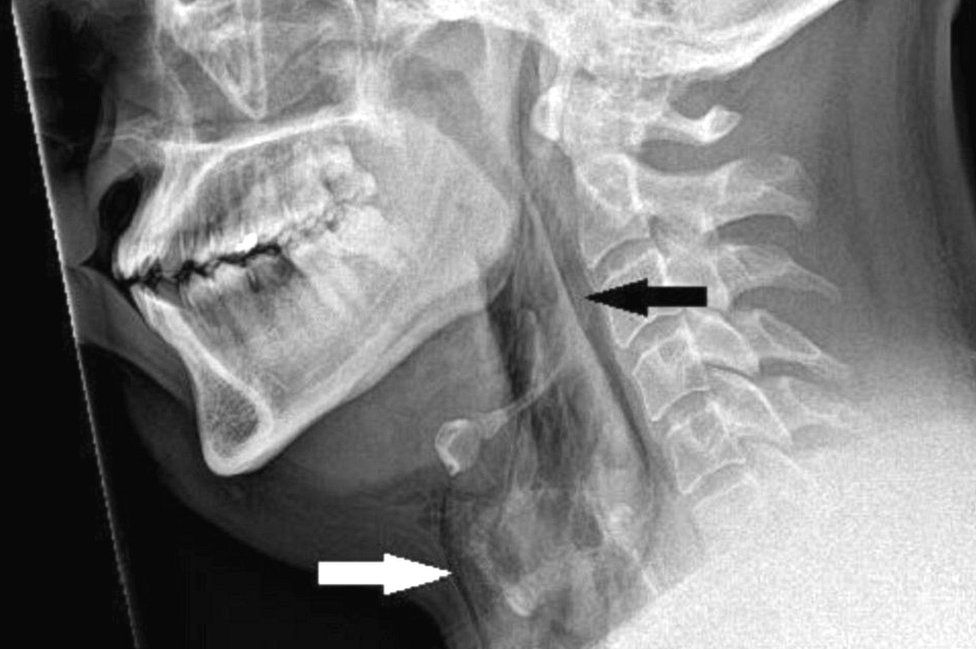
Published1 hour agoShareclose panelShare pageCopy linkAbout sharingImage source, BMJDoctors have issued a warning after a man tore a hole in his throat while trying to stop a sneeze.The patient in his 30s was taken to Ninewells Hospital, Dundee, in severe pain after he pinched his nose and closed his mouth to stifle the sneeze.Scans revealed he had suffered a 2mm tear in his windpipe.University of Dundee medics said if both mouth and nose are closed during a sneeze, the pressure in the upper airways can increase by about 20 times.This can also lead to injuries including ruptured eardrums, aneurysms and even broken ribs. The case is documented in the medical journal BMJ Case Reports. When doctors examined the patient they heard a cracking sound after touching his neck and found he did not have control of movement.The unnamed man, who was driving at the time of the sneeze, had a history of allergies and throat irritation.Image source, Getty ImagesThe patient did not need surgical treatment and was kept in hospital for observation.He was discharged and given painkillers and hayfever medication. Doctors also advised him to avoid strenuous physical activity for two weeks.Five weeks later a scan showed that the tear had healed.Dr Rasads Misirovs, the report’s lead author, said: “We suspect the trachea perforated due to a rapid build-up of pressure in the trachea while sneezing with a pinched nose and closed mouth.”Everyone should be advised not to stifle sneezes by pinching the nose while keeping the mouth closed as it can result in tracheal perforation.”A sudden throat tear, known medically as a “spontaneous tracheal perforation” is rare and can be potentially life-threatening.Only a few cases have been reported, including one in 2018 when a man in Leicester also tore his throat by trying to hold in a sneeze. More on this storyMan ruptures throat by stifling a sneezePublished16 January 2018Related Internet LinksSpontaneous tracheal perforation following a sneeze – BMJ Case ReportsThe BBC is not responsible for the content of external sites.

Read more →

Revealed: The hospitals struggling the most in England as winter bites

Published36 minutes agoShareclose panelShare pageCopy linkAbout sharingImage source, AFPBy Nick TriggleHealth correspondentDangerous delays for people needing emergency care are putting them at risk, the ambulance service is warning.Overcrowding on wards means patients face long waits in A&E – with growing numbers of those arriving by ambulances being stuck in queues outside.It should only take 15 minutes for patients brought in by ambulance to be handed over to A&E staff.But last week, at some hospital trusts, more than 80% waited longer than 30 minutes, NHS data for England shows.Ambulance service leaders said these delays put patients at risk of harm – and delayed them answering other emergency calls.NHS England acknowledged the system was under “considerable strain”, but said extra staff had been recruited and beds opened, leaving the health service in a better position than this time last year. Alongside the data on handover times, figures released on Thursday showed:30% of patients waited longer than the target time of four hours in A&E in NovemberAverage response times of more than 38 minutes for category two emergency calls such as heart attacks and strokes – above the target time of 18 minutesBoth measures are a slight improvement on this time last year, which ended up being the worst winter since records began 20 years ago.

A modern browser with JavaScript and a stable internet connection are required to view this interactive.

‘Severe impact’However, the deteriorating situation with handover times which are more up-to-date – for the week ending 10 December – suggests performance may get worse as winter progresses.More than a third of ambulances waited longer than 30 minutes when they arrived at A&E last week – up from just above a quarter the week before.While the data only covers England, the Association of Ambulance Chief Executives (AACE) said it was a problem all parts of the UK were facing.AACE managing director Anna Parry said the delays with handover times were “concerning”.She said they had a particularly “severe impact” on the ability of the ambulance service to respond quickly to category two emergency calls.Richard Webber, of the College of Paramedics, said his members had started to see longer delays developing in recent weeks with waits of more than four hours “not unusual”. “Every day we are hearing of crews stuck outside A&E that long – some of the big hospitals can have 15 to 20 ambulances outside at times.”It is really frustrating as we know there are patients in the community who need our help but we cannot get to them.”Image source, PA MediaThe warnings come just weeks after the senior coroner in Cornwall, Andrew Cox, wrote to Health Secretary Victoria Atkins, urging her to take action over the delays ambulance crews were facing. He said he had overseen three inquests into deaths where the problems were a factor, but said these were “not isolated cases” – adding future deaths will occur unless action is taken. ‘Patients waiting hours to be seen’BBC health correspondent Sharon Barbour at Cumberland InfirmaryIn the foothills of the Lake District, the Cumberland Infirmary is the largest hospital in Cumbria. But it is not big enough. It is already full. There are no more beds on wards. There is no more room in A&E – with about 50 patients waiting to be seen. Some patients have waited up to 30 hours for a bed. We met one patient who had been brought in the night before. She had spent two hours waiting in an ambulance and 14 hours sitting in A&E – but the staff, she says, “had been excellent”.As we filmed, seven ambulances were outside. Paramedics are held up here caring for their patients – some in the back of ambulances.Health bosses here in Carlisle say they are doing their best, but they are struggling to free up beds because it is so difficult to discharge patients because of the lack of support in the community.NHS England medical director Prof Sir Stephen Powis admitted the emergency care system was under “considerable strain”.But he praised staff for continuing to “pull out all the stops” to deliver for patients – and also pointed out the waiting list for routine care had dropped from 7.77 million to 7.71 million in October.”While the sheer amount of care being delivered for patients by our staff is incredible, we know we still face a challenging winter on a number of fronts, with the number of patients in hospital with flu and norovirus increasing considerably each week, continued issues discharging patients and another period of industrial action,” he said.Next week junior doctors will stage a three-day strike, followed by a six-day strike at the start of January, the longest walkout in NHS history.Siva Anandaciva, chief analyst at The King’s Fund think tank, said: “Last winter was one of the most challenging periods in the recent history of the NHS. “Today’s performance data suggests the NHS and patients will again be facing a winter of record pressure.”Data analysis by Libby Rogers, Rob England, Aidan McNamee and Harriet AgerholmHave you experienced a long wait for an ambulance, a bed on a ward or in A&E? Share your experiences by emailing haveyoursay@bbc.co.uk.Please include a contact number if you are willing to speak to a BBC journalist. You can also get in touch in the following ways:WhatsApp: +44 7756 165803Tweet: @BBC_HaveYourSayUpload pictures or videoPlease read our terms & conditions and privacy policy

If you are reading this page and can’t see the form you will need to visit the mobile version of the BBC website to submit your question or comment or you can email us at HaveYourSay@bbc.co.uk. Please include your name, age and location with any submission. More on this storyShop around on NHS app to shorten treatment waitPublished25 May

Read more →

Find out how the NHS is coping in your area

Published6 days agoShareclose panelShare pageCopy linkAbout sharingBy The Data Journalism TeamBBC NewsThe NHS is entering another difficult winter period. Staff face similar pressures to last year, with ambulances queuing outside hospitals and people waiting in A&E or for routine operations.Enter a postcode to find out what is happening in your area with A&E, ambulances and hospital waiting lists across the UK.

A modern browser with JavaScript and a stable internet connection are required to view this interactive.

If you can’t see the lookup, click hereProduced by Libby Rogers, Rob England, Nick Triggle, Jana Tauschinski, Harriet Agerholm, Aidan McNamee and Christine Jeavans. Development by Alexandra Nicolaides, Allison Shultes, Marcos Gurgel and Mark Oludimu. Testing by Jerina Jacobs. More on this storyPublic satisfaction with NHS drops to record lowPublished29 MarchEngland hospitals with the worst A&E waits revealedPublished14 FebruaryAmbulance waits down by nearly an hour in a monthPublished9 FebruaryI worry we’re killing people – ambulance dispatcherPublished10 JanuaryThe NHS crisis – decades in the makingPublished7 January

Read more →

Tesco recalls Christmas stuffing mix because it may contain moths

Published25 minutes agoShareclose panelShare pageCopy linkAbout sharingImage source, Getty ImagesBy Tom EspinerBusiness reporter, BBC NewsTesco has recalled a batch of Christmas stuffing mix due to the possible presence of moths in the product.The batch of Tesco Finest Apple & Cranberry Stuffing Mix may be “unfit for human consumption”, the retailer warned via the Food Standards Agency.Customers can return the 130g packets without a receipt for a full refund, said Tesco, which apologised for the inconvenience.The stuffing batch has a best before date of September 2024.”We are recalling a single batch of Tesco Finest Apple & Cranberry Stuffing Mix due to the possible presence of moths which makes the product unfit for human consumption,” Tesco said in the recall notice.Tesco advised people who need further information to contact customer services.More on this storyWarning Christmas shoppers may lose £100m in scamsPublished1 day ago

Read more →