Tongue Tie Surgery: Inside the Business of Cutting Babies’ Tongues
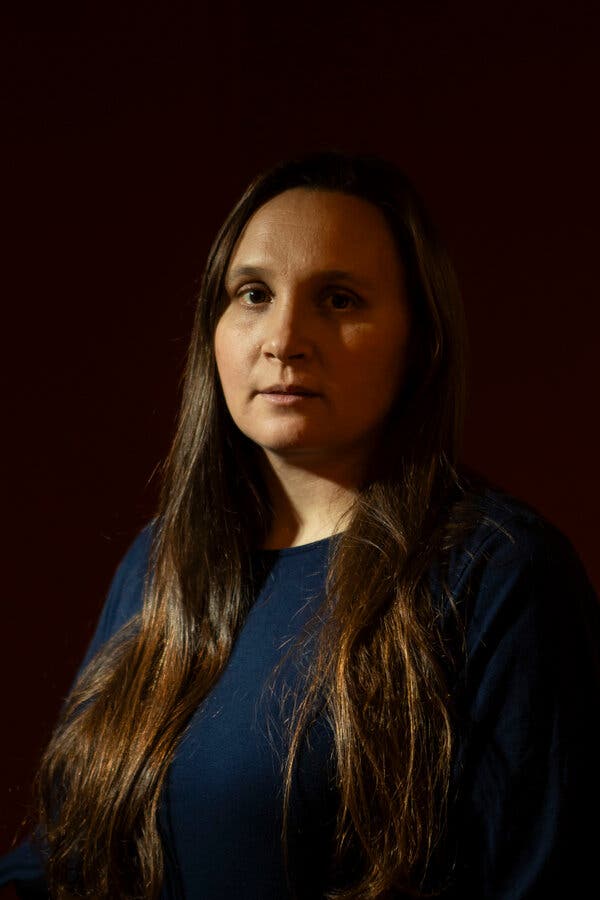
Tess Merrell had breastfed three babies and never expected trouble with her fourth. But after a month of struggling with her newborn, she hired Melanie Henstrom for help.Ms. Henstrom, a lactation consultant, identified a culprit: The infant’s tongue was tethered to the bottom of her mouth. It was a common problem, she said, and could be fixed with a quick procedure at a dentist’s office.“It was touted as this miracle cure,” said Ms. Merrell, a high school soccer coach in Boise, Idaho.Ms. Henstrom recommended a dentist, who in December 2017 cut under the baby’s tongue with a laser. Within days, the infant, Eleanor, was refusing to eat and had become dangerously dehydrated, medical records show. She spent her first Christmas on a feeding tube.For centuries, midwives and doctors have been cutting such “tongue-ties” to ease breastfeeding. But the procedure’s popularity has exploded over the past decade as women face intensifying pressure to nurse.Lactation consultants and dentists have aggressively promoted the procedures, even for babies with no signs of genuine tongue-ties and despite a slight risk of serious complications, a New York Times investigation found.A small fraction of babies are born with a bundle of tissue that attaches the tip of their tongue to the bottom of their mouth. In some pronounced cases, doctors snip that tissue. But many tongue-ties are harmless, and the evidence that cutting them improves feeding is scant.Yet some lactation consultants and dentists pitch laser surgery to anxious and exhausted mothers like Ms. Merrell as a cure-all that will improve breastfeeding and prevent a litany of health problems, including sleep apnea, speech impediments and constipation, according to dozens of parents, dentists, doctors and consultants.Tongue-tie evangelists recommend lasering not only the tissue under the tongue but also the webbing that connects the lips and cheeks to the gums. Diagnosing and cutting these “oral ties” — often for hundreds of dollars — has become a niche industry.Tess Merrell, whose fourth child, Eleanor, had a tongue-tie release to help breastfeed in 2017.Natalie Behring for The New York TimesOne well-known dentist in Manhattan takes in millions of dollars a year from his tongue-tie practice. Lactation consultants who refer patients and assist dentists get paid, too. And companies that make lasers are also jumping on the trend.It is difficult to tally the volume of surgeries, which are often not covered by insurance. But by all accounts the numbers are soaring.Tongue releases done in hospitals — a small proportion of the total — grew more than 800 percent nationally between 1997 and 2012, to more than 12,000, one study found. Ear, nose and throat specialists in 25 states said they had seen sharp increases in requests for tongue-tie consultations, sometimes overwhelming their schedules. And searches for “tongue tie” on Google reached a record in June, more than doubling over the last five years.Many families swear by the procedures. But the tongue-tie boom has unnerved pediatricians across the country.In 2020, a large practice in New Jersey sent an email to families warning that babies were “being clipped, snipped and lasered at an alarming rate.” Last year, an office in Kentucky issued a similar alert, citing babies who refused to eat and were in “severe pain” after laser procedures. Dr. Charles Cavallo told The Times he wrote that alert in response to what he saw as a “money grab” by local dentists and lactation consultants.Serious complications are rare. But doctors said they had seen the cuts cause such pain that babies refused to eat, becoming dehydrated and malnourished. A few said newly floppy tongues blocked infants’ airways.Some parents said their guilt from seeing their babies suffer tipped them into depression. Others spent thousands of dollars on chiropractors and speech therapists who claimed their services were necessary for successful recoveries.Unlike most medical specialties in America, the tongue-tie world operates with little oversight. State dental boards accept complaints from the public, but they rarely suspend dentists’ licenses. And only three states regulate lactation consultants.Ms. Henstrom, for example, has continued to practice as a lactation consultant in Boise, despite health care workers and clients repeatedly filing complaints about her.In a brief phone call, Ms. Henstrom said she gave careful attention to each client. “I have literally thousands of people who are thrilled with what I’m doing,” she said. She did not respond to a list of detailed questions.Eleanor Merrell, Christmas 2017.via Tess Merrell‘Profit, Greed and Ignorance’The idea that tongue-ties can interfere with breastfeeding has been around for centuries. Midwives once used a long, sharp fingernail to rip the tissue beneath a baby’s tongue. In 1601, a royal surgeon cut the tongue-tie of Louis XIII, the future king of France.But doctors have also long raised alarms about the procedure. “Frequently the parents are deceived, for profit, greed and ignorance,” a German obstetrician wrote in 1791. “This aid is abused, and one unties where nothing is tied.”With the arrival of mass-produced formula in the 20th century, breastfeeding fell out of favor, and tongue-ties were rarely discussed. That began to change in the 1970s, as breastfeeding made a comeback.Sucking from a bottle is easy. But to breastfeed, infants must learn to use their tongues to extract milk.Specialized lactation consultants like Alison Hazelbaker emerged to teach nursing techniques. Some babies she saw in the 1980s had obvious tongue-ties that prevented them from nursing, she said, but pediatricians knew little about the condition. In 1993, she developed an assessment tool for tongue-ties that is still in use.At the time, pediatricians carried out the releases with scissors, typically on babies with ties under the front of their tongues.But in 2004, an article in the newsletter of the American Academy of Pediatrics suggested that a wider range of babies might benefit. A pediatric surgeon and a lactation consultant wrote that some patients had subtle tethers at the back of their tongues. Others had tissue tightly connecting their lips to their gums. Any of these ties, the authors warned, could impede breastfeeding.Despite relying on anecdotes, the article became influential. Ms. Hazelbaker said she watched with alarm as the diagnosis of tied tongues, cheeks and lips accelerated. Before long, Facebook groups about tongue-ties gained thousands of members. “Everything started to go to hell in a handbasket,” she said in an interview with The Times.In 2020, a panel of 16 leading ear, nose and throat specialists published guidelines warning that tongue-ties were being over-diagnosed and that cheek-tie releases simply “should not be performed.”With or without surgery, breastfeeding often improves over time, making it hard to sort out cause and effect. Many women credit the procedures for making nursing easier.Before the release, “I was sob-crying, it was so painful,” said Adrianne Parkey of Little Rock, Ark., whose baby was born this month. After, she said, she felt immediate relief. Some research has shown that the procedure reduces nipple pain.Searches for “Tongue Tie” Have Steadily RisenRelative monthly Google search volume for the term “tongue tie” in the U.S.

Source: GoogleBy The New York TimesThe procedures appear to be more popular than ever. Even some of their original proponents now worry the releases are performed too often.“I have huge concerns,” said Catherine Watson Genna, a lactation consultant in New York who co-wrote the 2004 newsletter article. Newer research, she said, has shown that some babies might be mistaken for having tongue-ties when in fact they have other conditions that restrict the tongue. “Everything looks like a nail because everybody’s got a hammer now.”While lasting problems from oral releases are rare, they can be wrenching for families.In Montana, a dentist released lip and tongue-ties on Clara Reck’s infant daughter in November 2022. Ms. Reck said her baby lost the ability to suck. Medical records show that she dropped from the 97th to the 15th percentile for weight in three months. Until last month, her daughter was still getting feeding therapy.In Delaware, Dr. Nicole Aaronson, a pediatric ear, nose and throat surgeon, said that last week, she saw an 11-day-old boy who was hospitalized for weight loss because of tongue damage from a laser procedure. “He will heal and eventually do fine, but my point is that these procedures are not without risk,” she said.And in Texas, Satina Bolton said she was pitched on “how we’re going to save your breastfeeding journey.” After two tongue-tie procedures, her daughter was hospitalized and needed a feeding tube.Lasers and TequilaDr. Scott Siegel, right, prepared a patient for a tongue-tie release at his Manhattan practice.Jackie Molloy for The New York TimesDr. Scott Siegel of Manhattan has been cutting babies’ tongues for two decades, ever since he took over the practice of one of the authors of the 2004 article.He said he sees up to 100 patients a week, charging $900 for a five-minute procedure to release oral ties.In November, Times reporters watched Dr. Siegel perform releases on three babies.Before each procedure, he met with the parents, listing what he described as tongue-tie symptoms, including spitting up, gas and falling asleep while trying to breastfeed.One mother came in because of trouble breastfeeding. Another had a fussy baby, and the third was hoping to avoid future health issues. Dr. Siegel told one family that the release could prevent problems like sleep apnea. “We’re looking at being proactive,” he said.Working with two assistants, he swaddled the babies and covered their eyes with protective glasses. The laser released a plume of white vapor as it cut tissue.Dr. Siegel acknowledged that few medical studies supported releasing oral ties. But his experience had convinced him that the procedures improved feeding and had other benefits. He has hundreds of five-star reviews online.Not every family has been satisfied. Lainie Goldwert’s lactation consultant referred her to Dr. Siegel because her newborn was constantly nursing, never seeming satiated. After the tongue release, she said, her daughter’s mouth became weak. Ms. Goldwert had to squeeze her cheeks to help her suck, even when using a bottle.“We went from a child who was breastfeeding voraciously to one who was not able to breastfeed,” she said. “It felt like, what the hell did I just do to my child?”Dr. Siegel said he had very low complication rates. As for Ms. Goldwert’s baby, “this is a case that I would most likely treat differently now,” he said, including by warning parents that the recovery process might be long and complicated.Companies that manufacture the lasers used by Dr. Siegel and other dentists are catering to this new market.One company, Biolase, sells an $80,000 laser machine. In April, it hosted a conference at a resort in Scottsdale, Ariz., for more than 100 pediatric dentists and their colleagues. It was called “Tequila and Tongue Ties.”Before rounds of tequila shots and margaritas, attendees were trained on how to perform tongue-tie releases and use social media to build their businesses. Dentists posed for photos with bottles of tequila against a backdrop that read, “Nacho average dental meeting.”Biolase’s chief executive, John Beaver, said he thought tongue-tie releases were beneficial to patients. He said the company’s financing plan meant dentists needed to perform only three procedures a month to break even and could generate a “huge” return on investment by doing more.Dr. Soham Roy, chair of the pediatric ear, nose and throat practice at Children’s Hospital Colorado, has operated on babies injured by lasers. “There are some folks out there who either buy or rent these lasers and they use them as cash-making machines,” he said.‘Trust Me’Melanie Henstrom’s lactation consultancy in Boise.Natalie Behring for The New York TimesMs. Henstrom, the lactation consultant in Idaho, was converted to the benefits of tongue-tie releases after undergoing the procedure herself in her 40s. She claimed that it improved her scoliosis and that she stopped getting migraines and acid reflux. “I immediately felt a release of tension not just in my mouth, but throughout my entire body,” she wrote on her website.After arriving in Boise in 2017, Ms. Henstrom got to work establishing her lactation consulting business, Baby Bonds, taking midwives out to lunch and offering free breastfeeding classes. Undiagnosed tongue-ties were always her focus.“If your baby is super fussy, chances are your babe has a missed tongue tie,” her website states.While the group that grants credentials for lactation consultants says they should not diagnose tongue-ties if they don’t have medical degrees, Ms. Henstrom often unequivocally tells parents that their infants are tongue-tied, sometimes without examining them in person, according to parents and her social media posts.“According to pics and video, babe is for sure tied,” Ms. Henstrom wrote in 2020 in response to a parent’s post on a tongue-tie Facebook group.In 2017, Ms. Merrell, fed up with trying to get Eleanor to nurse comfortably, contacted the local chapter of La Leche League, a well-known organization that promotes breastfeeding. Ms. Henstrom, a volunteer with the group, responded in a Facebook message that Eleanor’s problem was “likely” a tongue-tie.Ms. Merrell replied that her pediatrician, a physical therapist and a previous lactation consultant had all said that wasn’t the issue.“Trust me,” Ms. Henstrom said later in the exchange. “I have seen this hundreds of times and a revision always fixes it.”“I hope so,” Ms. Merrell responded. “It would be nice to have an easy fix.”After the surgery, Eleanor initially seemed to be improving. But then she stopped eating and became dehydrated. Her pediatrician sent her to the hospital. “We felt really stupid afterward because we paid to hurt our baby,” Ms. Merrell said.“I feel terrible for what the Merrell family had to endure,” said Dr. Joel Whitt, the dentist who performed the procedure. He said this was the only bad outcome of nearly 800 such surgeries he had performed. He referred The Times to two past clients, who confirmed that their babies had benefited from surgery.Dr. Whitt said he later dramatically reduced the volume of surgeries he was performing, in part because he worried that the benefits of releasing lip ties were being overstated.By early 2020, Ms. Henstrom was exclusively referring patients to another dentist, Dr. Samuel Zink. She also assisted during the procedures, holding babies down while Dr. Zink cut their numbed mouths with a laser, according to a recent podcast interview and interviews with her clients.Lauren Lavelle and her daughter, June. Ms. Henstrom advised June to undergo a tongue-tie release before meeting her.Natalie Behring for The New York TimesMs. Henstrom’s clients said she charged $150 for attending the tongue-tie release session, with optional follow-up visits. Parents said Dr. Zink’s fee was usually about $600. Insurance rarely covered the costs.Dr. Zink did not respond to requests for comment.Several of Ms. Henstrom’s clients said that when they expressed trepidation about the releases, she warned that untreated tongue-ties could lead to learning disabilities, scoliosis and sleep apnea.Lauren Lavelle hired Ms. Henstrom to help with breastfeeding before giving birth to her daughter, June. Without even meeting the 3-day-old baby, Ms. Henstrom warned that, absent laser surgery, “she will never breastfeed,” according to Ms. Lavelle. “She will never eat solids.”Two days after Dr. Zink performed the procedure, Ms. Henstrom visited Ms. Lavelle’s home and swept her fingers around June’s sore mouth. After that, the baby’s crying intensified and she began clawing at her face. Ms. Lavelle took her to the emergency room, where she said a doctor asked how such a tiny baby had such a large wound in her mouth and gave her pain medication.Ms. Lavelle said the experience made her question her ability as a mother.Several other parents said Ms. Henstrom also placed her fingers inside their babies’ mouths to prevent the tissue from reattaching, and she instructed the parents to do the same every six hours.There is no research supporting the use of such techniques, which some specialists said can cause babies to fear eating because they associate their mouth with pain.Courtney Wambeke tried to keep up with Ms. Henstrom’s instructions, prying her fingers into her daughter’s clenched mouth. But at a follow-up appointment, Ms. Henstrom said the tongue-tie had reattached. Ms. Wambeke was shocked when the consultant reached into the crying baby’s mouth and broke open the wound with her finger.A Barrage of ComplaintsAubrey Nobili with a freezer filled with breast milk at her home. Her daughter, Vivi, was recommended by Ms. Henstrom to undergo a tongue-tie release. After the procedure, Vivi never breastfed again.Natalie Behring for The New York TimesLast summer, an employee at St. Luke’s contacted the Boise police department, asking officers to check on the well-being of a 2-month-old who was being treated “for injuries from a tongue-tie,” according to a police report. The baby had lost weight “due to pain during eating.”Ms. Henstrom had recommended the procedure and later “put her fingers in the infant’s mouth to manipulate the area recently operated on,” the police report said.The investigation did not proceed, according to the report, because the baby had recovered and the parents said they were satisfied with Ms. Henstrom’s care.It wasn’t the first time that health care workers had raised concerns about her.In 2018, Ms. Henstrom worked part-time at a Boise midwifery practice. Soraya Mazloomi, a doula who also worked there, said several mothers complained about Ms. Henstrom’s pressuring them to get surgery for their babies. She was encouraged to leave. (The practice, Treasure Valley Midwives, is under new management, and a representative declined to comment.)Most states, including Idaho, do not regulate lactation consultants. But more than 19,000 of the consultants have credentials from the International Board of Lactation Consultant Examiners. That group has received at least three complaints about Ms. Henstrom since 2020.Kathy Strickland, a pediatric physical therapist, filed one that February. “I was getting referred to parents who were uncomfortable, who went in for follow-up and said it was traumatic, that she pushed so hard on their baby’s mouth,” she said in an interview.Later in 2020, Ms. Lavelle also complained to the board, describing how she had been traumatized by her daughter’s tongue-tie release.The lactation board, which reports its disciplinary decisions, has not taken action against Ms. Henstrom. A spokeswoman for the board, Susan Brayshaw, declined to comment on the complaints, citing a policy of confidentiality. “Some complaints take significantly longer than others due to the nature of the allegations and related investigations,” she said.Since 2002, the board has revoked the certifications of only three lactation consultants.Ms. Lavelle also filed a complaint against Dr. Zink with the Idaho board of dentistry. The board collected medical records and statements from Ms. Lavelle and Dr. Zink. Dr. Zink told the board that June’s procedure was “uneventful” but that an extremely small percentage of patients do not respond well to the procedure. He said none of his hundreds of other tongue-tie patients had previously complained.The board’s executive director informed Ms. Lavelle via email that the group “didn’t feel that further investigation was warranted.” It found that Dr. Zink was not at fault.Late last year, Ms. Henstrom recommended tongue, lip and cheek tie releases for an infant named Vivi. Sitting in Dr. Zink’s waiting room a few days later, Vivi’s mother, Aubrey Nobili, could hear her baby’s screams over the muffling hum of a noise machine.When Ms. Henstrom brought Vivi back into the room, the wailing infant couldn’t catch her breath. Ms. Nobili pulled her daughter close and smelled charred flesh.Vivi never breastfed again.Six months later, a specialist at St. Luke’s assessed Vivi because she was having difficulty swallowing and would sometimes choke while drinking from a bottle. The specialist wrote in her medical records afterward that the problems were “likely due to” the laser surgery.Ms. Nobili is a stay-at-home mother, and her husband, Ryan, works at Costco. They have four other young children. They said they ran up more than $5,000 in credit card debt paying for Vivi’s feeding therapies.She turned 1 in November. Her family decorated their home with red and pink balloons and dressed her up as a strawberry.Only one thing was missing: a birthday cake. Vivi still can’t eat solid food.Vivi at her first birthday party.via Aubrey NobiliSusan Beachy

Read more →
Norfolk woman faces 60-week wait for a wheelchair

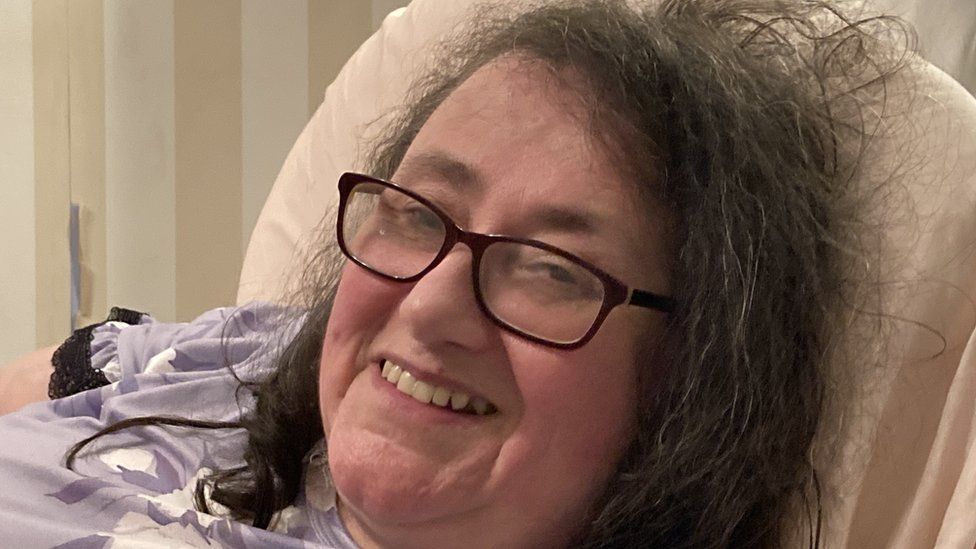
Published5 hours agoShareclose panelShare pageCopy linkAbout sharingImage source, Jill Bennett/BBCBy Jill BennettBBC News, NorfolkA woman said it was the “biggest shock ever” when she was told she would have to wait more than a year for a wheelchair. Alison Norman, 54, from Norfolk, has spina bifida and would be bedridden without the use of a wheelchair because her old one was too small.She was scared that months in bed would rob her of strength and independence.Norfolk Community Health and Care NHS Trust apologised and said it was trying to clear its wheelchair waiting list.Ms Norman said her troubles began after an operation and added: “It was to have a shoulder replacement because after years of pushing myself in a manual wheelchair I had basically ruined my shoulder joint.”When I came out of hospital this condition made it impossible for me to propel myself, I was actually told not to – I was stopped from transferring myself [in and out of a wheelchair] and everything I had been able to do before I went in.”She said her legs had become more swollen and she could not fit in to her old wheelchair, and her only option was to have a new, wider one.’Big Challenge'”I had the biggest shock ever when I was told I would have to wait 30 weeks just to get assessed for a new wheelchair,” she said. “Then it would be followed up by possibly another 30 weeks to get the actual chair delivered.”My only option was to be bedridden, and to be quite honest, I haven’t been the sort of person who would go to bed when I was really, really poorly in the past, so it’s come as a big challenge for me.”Image source, Norfolk Community Health and CareNorfolk Community Health and Care says there is a long backlog of people needing to be assessed and supplied with wheelchairs in Norfolk, which it was ‘focussed on’ reducing.Rob Mack, the director of community health and social care at the trust, said he was “really sorry” that some patients have to wait a long time for wheelchair assessments.He added: “We understand the impact this can have on people. Waiting lists have grown due to increased demand for this service. We also face staffing challenges and difficulties with supply of specialist equipment.” He wanted to reassure patients that they were looking at solutions and urged people to stay in touch.Follow East of England news on Facebook, Instagram and X. Got a story? Email eastofenglandnews@bbc.co.uk or WhatsApp us on 0800 169 1830More on this storyJob of minister for disabled people downgradedPublished3 days agoGovernment failing disabled people, watchdog saysPublished17 AugustDisability protestors against ticket office closuresPublished14 JulyRelated Internet LinksNorfolk Community Health & Care TrustThe BBC is not responsible for the content of external sites.

Read more →

Overseas staff 'exploited and trapped' at UK care home

Published19 minutes agoShareclose panelShare pageCopy linkAbout sharingBy BBC PanoramaReporting teamCare home staff have told the BBC they feel exploited and trapped by the firm that brought them to the UK to work. Employees at Prestwick Care told an undercover Panorama reporter they believed their contracts prevented them from leaving.The BBC investigation also saw low staffing levels which health professionals said put vulnerable residents at risk. Prestwick Care denies any suggestion of systematic wrongdoing or bad practice.An undercover reporter for Panorama took a job as a care assistant at Addison Court in Ryton, near Newcastle – one of 15 care homes in the north-east of England owned by Prestwick Care. He worked there from September to November this year, after hearing allegations from local health professionals about conditions in the home.Addison Court is home to more than 50 elderly people, with weekly fees averaging about £1,100. These are paid for either by the local authority, the NHS, the residents or their families.Like many care homes in the UK, Addison Court relies heavily on workers from overseas. In the year to September 2023, 140,000 visas were issued for overseas health and care workers to come to the UK – more than double the previous year. Of these, 39,000 were issued to people from India. Nurses and care workers from overseas are eligible for a skilled worker visa. This means that they can work in the UK, but they need to be sponsored by an employer. If they leave their job, they have 60 days to find another suitable post – otherwise they have to return to their home country.Concerns have been raised about the power this gives employers. “If you are in a position of power as a boss, then you can exert coercive control over an individual,” says Andrew Wallis of the anti-exploitation charity Unseen. Prestwick Care employs about 180 overseas workers who are in the UK on visas – nearly a third of its staff base.One Indian nurse there told the reporter that she was unhappy in her job, but felt she could not quit, because her visa was sponsored by the company, and she believed she had no choice.”I can’t get out of here. If I was back at home I could at least resign. But here, I can’t just walk away,” she explained.Prestwick does not make life easy for those overseas nurses who have chosen to quit the company. Ahmed (not his real name), came to the UK from the southern Indian state of Kerala in 2018. When he arrived, he was asked to sign a contract. It said that if he left the company within five years, he would have to pay Prestwick Care more than £4,000, which included the money the company had already paid to the Home Office, and the legal fees for his visa. According to the Department of Health and Social Care (DHSC) Code of Conduct, staff should not have to pay these costs. Ahmed says he was told: “If you don’t want to stay here on that contract, you can go back to India.” He says he felt Prestwick Care was trying to prevent him leaving, but he nevertheless resigned after being offered a more senior role at a care home run by another company. Prestwick Care then started legal action against Ahmed, claiming that he owed the company more than £5,000. He then called Bunty Malhotra, CEO of the Malhotra Group, which owns Prestwick Care. He told Ahmed, “What you have done is immoral, unethical and terrible.”Ahmed was also told a clause in his contract stopped him from working for any competitor care home for six months. Liana Wood is a solicitor. She says that this clause would not be upheld by a court or a tribunal, and says that it was simply there “to serve a purpose of making [nurses and senior care assistants] trapped in their situation”.The legal action against Ahmed was eventually settled by his new employer.Andrew Wallis of Unseen says that loading workers with debt is used as a means to control by unscrupulous bosses. Prestwick Care denies that its contracts are designed to intimidate its employees and says it is now reviewing repayment clauses in all staff contracts.For some of the staff at Addison Court, the situation was made worse by the fact that they had also paid between £6,000 and £10,000 for their visas through a recruitment agency called BGM Consulting. A three-year visa would only have cost £551 if they had applied directly through the UK government website.The DHSC says that companies should not work with recruitment agents that charge job seekers a fee.BGM’s director, Sunil Thomas, says the company has not taken any funds towards the recruitment of care workers in the UK, and claims that any money paid would have been to “sub-agents” acting without his knowledge in India.Prestwick Care says it has now suspended all new arrangements with BGM Consultancy. The reporter also heard concerns about how low staffing was affecting the standard of care at Addison Court. There are no rules on how many staff a care home should employ. Prestwick Care says that on night shifts (between 20:00 and 08:00), one nurse can provide ample care for 54 residents, as they are supported by a team of carers, some of whom can administer medication.However, an agency nurse who covered the night shift told the reporter that this was difficult to manage, and that some residents were not always receiving their medicines on time. Administering drugs late can have serious consequences for some conditions, for instance, insulin injections for diabetics, or medicines for Parkinson’s disease.The agency nurse says he once tried to raise concerns about staffing levels with Bunty Malhotra. He says Mr Malhotra swore at him and was dismissive in his response – a claim Mr Malhotra denies.Other staff at Addison Court also told the undercover reporter that concerns had been raised about the lack of staffing, but that the management were not interested. The workers’ concerns have been echoed by local health professionals.A GP with patients at Addison Court, who asked to remain anonymous, told Panorama she saw a trend with certain patients not getting their medication on time.She said that staff recognised that care was not always adequate, but they felt there was no point bringing their concerns to the management, because they would “either somehow make it their fault or just try and sweep it under the carpet”. The manager of Addison Court says that it is completely untrue that she fails to investigate complaints, and says she has positive relationships with staff at the home. Care Workers Under PressurePanorama investigates a care home short of staff, where external medical professionals report seeing residents neglected, and overseas staff complain of being exploited.Watch on BBC iPlayer or on BBC One at 19:00 on Monday 18 December (20:30 in Northern Ireland – and in Wales at 22:40 on Tuesday 19 December)NHS nurse Katy Maughan visited the home once a week until last year. She says the nurses she spoke to were unhappy, but felt they couldn’t leave. She thought staff were not escalating concerns because they did not want to upset the company and have to leave the country. Ms Maughan says she was so worried about some residents that she made 33 safeguarding alerts over a two-year period to the local authority, Gateshead Council. One of those alerts was about a resident who she says died after being left for 72 hours with severe constipation. She believes the death was preventable.”They [the staff] should be speaking to the GP and saying, look, we still haven’t had a bowel motion, and they should be getting medical advice. It’s neglect.”Gateshead Council told Panorama it was unable to share the outcomes of the safeguarding concerns because it would involve releasing highly sensitive personal information. It says each alert was responded to and “managed in the best interests of the residents… based on the evidence provided at the time”.In its latest published accounts, Prestwick Care’s parent company, Malhotra Care Homes Limited, made a profit of £9.3m in in the financial year 2021-22. Chartered accountant Vivek Kotecha says this margin – about 40% – is very high for a care home. He thinks that an explanation for this may be that the company is spending less than its competitors on staff. “That’s kind of worrying,” he says, “because these kinds of patients need staff and care… otherwise they are at risk of falls or injuries.”In December 2022, Prestwick Care had its licence to sponsor overseas staff suspended by the Home Office. No reason has been given for the action.Following the news, Bunty Malhotra called Addison Court’s Indian staff to attend a meeting, where he tried to persuade them to stay. He implied that he was willing to overlook and cover up any mistakes they made.”If you work for the NHS, one mistake [and you will be] reported to the NMC (Nursing and Midwifery Council) straight away,” he is recorded saying. This video can not be playedTo play this video you need to enable JavaScript in your browser.”We will always protect our staff, we’ll always say, ‘this mistake is a training issue’… this protection isn’t allowed outside.”Seeing the footage of the meeting, Katy Maughan said she was shocked at how he appeared to be trying to scare staff into staying at the care home. The Home Office has now “fully revoked” Prestwick Care’s licence to sponsor overseas staff. Following the safeguarding reports, including from the BBC, the regulator, the Care Quality Commission (CQC), has suspended Addison Court’s “good” rating.In a statement to the BBC, the CQC said that it was “closely monitoring Addison Court along with the other locations registered to this provider”. It added that if there were immediate concerns about people’s safety, “we will use our enforcement powers to keep people safe”.Prestwick Care says any suggestion that there has been systematic wrongdoing or bad practice, is unfair and inaccurate. It says that the safety and wellbeing of staff remains paramount, and that it is “fully committed to thoroughly investigating all concerns raised, and taking appropriate actions as necessary”.

Read more →

Spiking crackdown to see more funding for test kits

Published24 minutes agoShareclose panelShare pageCopy linkAbout sharingImage source, Getty ImagesBy Becky MortonPolitical reporterMore training for door staff and funding for testing kits are among a package of measures announced to crack down on spiking. The Home Office has said the law will also be “modernised” to make it clear spiking – putting alcohol or drugs into another person’s drink or body without their consent – is a crime. The plans have broadly been welcomed by campaigners. But they stop short of calls from some to make spiking a specific offence. The measures announced by the government include: Training hundreds more door staff to stop potential perpetrators and signs someone may have been spikedInvesting in research into testing kits to detect if someone’s drink has been spikedIntensive operations by the National Police Chiefs’ Council (NPCC) across England and Wales, targeting key weeks when spiking tends to be prevalentAn online tool to be rolled out to all police forces to make it easier for people to report spiking anonymouslyHome Secretary James Cleverly said: “Spiking is a perverse crime which can have a lasting impact on victims. “Our comprehensive new measures are designed to help police and staff in bars, restaurants, pubs and other premises to protect victims and bring more offenders to justice.”Spiking: ‘I’m losing out on my 20s and having fun’What’s being done to stop drink spiking?On Sunday the government announced it would amend the Criminal Justice Bill to make clear “without any doubt” that spiking is illegal. It said this would be backed by separate guidance, set in law, to provide an “unequivocal” definition of spiking. The change will update parts of the Offences Against the Person Act 1861, which already makes it an offence to maliciously administer poison so as to endanger the life of someone or inflict grievous bodily harm.Earlier this year the government said there were already several offences which covered spiking so it was not necessary to create a new law. MPs on the Home Affairs Committee are among those who have called for the creation of a specific offence of spiking, arguing it could help increase reporting of incidents and improve police data. Asked why the government was not planning to do this, Mr Cleverly told reporters: “This is a law that police officers understand, they’re familiar with, but it is very, very old.”So what we’re doing is we’re updating the law to make it more relevant, to make it explicit to spiking, so the police officers can understand it and deploy it, so that people hear that it is completely unacceptable.”Official statistics on spiking are not routinely published but last year the NPCC said almost 5,000 cases of needle and drink spiking incidents were reported to police in England and Wales in the 12 months to September 2022.Dawn Dines, who founded the campaign group Stamp Out Spiking, welcomed the announcement as “monumental”. “Spiking being clearly recognised in law and the language being modernised will give a clear message to the perpetrators that giving someone any drug – including alcohol without that person’s knowledge or consent – can result in a criminal conviction and not be tolerated,” she said. Former Love Island contestant Sharon Gaffka, who has campaigned on the issue after being a victim of drink spiking herself, said: “While urging legislative updates has been my primary request for some time, the introduction and investment in preventive measures like venue staff training and drink testing kits is crucial.”Labour said the Conservatives were “finally moving in the right direction but there is more work to do”.The party pointed to figures suggesting spiking reports have increased five-fold in the past five years but the proportion leading to a charge is falling. Shadow minister for domestic violence and safeguarding Alex Davies-Jones said: “Labour have called for spiking to be made a separate offence to increase people coming forward and the chance for convictions, and for every police force to have a rape and serious sexual offence unit.”More on this storyNo need for specific spiking law, government saysPublished11 JanuarySpiking: ‘I’m losing out on my 20s and having fun’Published28 December 2022What’s being done to stop drink spiking?Published12 November 2021

Read more →

Ellie Middleton: 'Learning the way my brain works has changed everything for me'

Published45 minutes agoShareclose panelShare pageCopy linkAbout sharingImage source, Candid StudiosBy Hayley ClarkeBBC Access AllEllie Middleton celebrated her second birthday in October.Not her birth date, but the date that she says changed her life – receiving her ADHD diagnosis. Six months later, she was diagnosed as autistic too.Now Ellie 2.0, as she calls herself, has over 400,000 followers online, has done a TEDx talk, and her first book Unmasked: The Ultimate Guide to ADHD, Autism and Neurodivergence was recently published.But until her diagnosis, life was very different.Ellie dropped out of school during sixth form due to bullying and mental health struggles. She found it hard to keep a job and only went for ones that seemed less stressful because she became overwhelmed easily. “I thought everyone was just as drained as I was after an eight-hour day in the office,” she says.”I would go home, I would basically have to lie in a dark room and scroll, and I’d struggle to have the energy to eat.” She says the diagnosis allowed her to finally work with her brain, not against it.LISTEN: You can hear more from Ellie Middleton on BBC Access All.”Learning the way my brain works has changed everything for me,” she says, and describes herself as almost being a poster girl for what can happen when you get the answers you need. It was a question from Ellie’s counsellor about whether anyone had looked into why she took things so literally that put her on a path to diagnosis. Ellie had told her councillor she had fallen out with her then-boyfriend because he had stayed out after a football match instead of getting the train home as planned.She couldn’t understand why he would change his plans and why she wasn’t able to be relaxed about it. And it wasn’t the first time she had felt like this either.She Googled “ADHD and autism in women” and says it was a “lightbulb moment” when she saw herself reflected back in the words others had written.Desperate for more answers, she paid for an ADHD diagnosis privately because waiting for an NHS assessment could take five years.Six months on from that she received her autism diagnosis too via the NHS’s Right to Choose. This programme enables people to choose where they receive their assessments, providing their GP agrees to a referral, and includes some private practices. The assessment is funded by the NHS and waiting times are said to be only months.Since her diagnosis, Ellie says she is the healthiest and happiest she has ever been and launching her book, so she could help others in a similar situation, was “amazing”. But she says it isn’t “all rainbows and sunshine”. It has also come with “grief”, she says, as she processes her diagnosis which means she sometimes has to turn down opportunities to manage her energy levels.”My battery is smaller than everyone else’s,” she says. “It’s realising that actually, every single day for the rest of my life I’m going to have to carefully manage my energy, because If I don’t, I get burnt out.”Image source, Candid StudiosEllie also believes one of the reasons she went undiagnosed until the age of 24 was down to what she calls “pretty privilege”.This is the idea that if your appearance is appealing – let’s say pretty and thin – then you often have an easier ride in life and face fewer barriers.”However, in the context of getting access to support, it almost is a hindrance,” she says. Although Ellie says this stopped her from being ostracised at school, she thinks it also stopped people realising she needed support. It made it far easier to cover it all up.This “covering up” is often referred to as masking, and is where you copy another person instead of being your true self. It disguises aspects of behaviour that might seem different to non-autistic people”I was able to mask, and my support needs were quite low. It was always put down to ‘all teenage girls have trouble with friends’,” Ellie says, remembering the difficulties she had keeping friendships at school.”Actually, it was that I have a social and communication disability.”Image source, Candid StudiosAfter receiving her diagnoses Ellie set up Unmasked, an online community to help those navigate late-diagnosis.For Ellie, meeting others through Unmasked has been vital in helping her to realise which of her traits are down to autism or ADHD because, in the early days of research, women and girls weren’t studied.One question Ellie’s GP asked her when she was inquiring about an assessment was whether she collected information about “birds, cars, trains and planes”. This might help unearth typical special interests in boys but girls often have other special interests that don’t show up in the same way.”I don’t collect information about any of those things, but that’s mostly because of the fact that I’m a 24-year-old woman and not an eight-year-old boy,” she says. Instead of planes and trains, it’s indie bands and football for Ellie, which people didn’t realise could indicate that she is autistic. Ellie says biases in the diagnostic criteria mean the experiences of women and other marginalised groups often go undiagnosed until adulthood.As a result, Ellie wants to see more practical and emotional support offered to those who receive a late diagnosis of autism or ADHD to give them support with managing their needs. Two years on from her own diagnosis, Ellie is hopeful for the future.”I’m looking forward to continuing to learn more about myself as my unmasking journey continues.” You can listen to the podcast and find information and support on the Access All page.Related Internet LinksUnmaskedThe BBC is not responsible for the content of external sites.

Read more →

Michelle Mone admits she stands to benefit from £60m PPE profit

Published22 hours agoShareclose panelShare pageCopy linkAbout sharingThis video can not be playedTo play this video you need to enable JavaScript in your browser.By Laura KuenssbergPresenter, Sunday with Laura KuenssbergMichelle Mone has admitted that she stands to benefit from tens of millions of pounds of profit from personal protective equipment (PPE) sold to the UK government during the pandemic by a company led by her husband, Doug Barrowman. In an interview with the BBC, the couple apologised for denying their role in the deal for more than three years. But a defiant Baroness Mone said: “I don’t honestly see there is a case to answer. I can’t see what we have done wrong.”PPE Medpro was awarded government contracts worth more than £200 million to supply PPE to the NHS during the pandemic through a so-called “VIP lane”, introduced to help the government choose between huge numbers of supplier offers. In November 2021, the government revealed that Baroness Mone was the “source of referral” for PPE Medpro getting a place in the VIP lane.Millions of gowns the company supplied were never used but the couple say these were supplied in accordance with the contract. PPE Medpro is being sued by the UK government for £122m plus costs for “breach of contract and unjust enrichment”. Having previously denied gaining directly from the contracts, which yielded profits of around £60m, the former Conservative peer and lingerie tycoon admitted she and her children were beneficiaries of financial trusts where the money is held. Baroness Mone said “of course” she stands to gain, adding: “If my husband passes away before me, then I am a beneficiary, as well as his children and my children.” She told the BBC her life had been “destroyed” by allegations about their PPE profits, even though “we’ve only done one thing, which was lie to the press to say we weren’t involved”.She said that was “not a crime” and added: “No-one deserves this.”Mr Barrowman said that Baroness Mone “was always going to benefit, and my family will benefit in due course… her family benefit, my family benefit”. “That’s what you do when you are in a privileged position of making money,” he said.But Baroness Mone insisted that neither she nor her children had yet seen a penny of the money that is being held in the trust. Nor had the couple used the proceeds of the deal to buy a yacht, she said.She also suggested she would not benefit if “God forbid, we get divorced after this show”.The Scottish businesswoman was made a Conservative peer by David Cameron but is no longer in the party. Watch the full interview with Michelle MoneThe peer, in an exclusive interview on Sunday with Laura Kuenssberg, says she stands to benefit from £60m PPE profit.Watch now on BBC iPlayer (UK Only)The couple confirmed to the BBC that they had been under investigation by the National Crime Agency (NCA) “ongoing for two-and-a-half years”, and said that they had both only been interviewed once. They also confirmed the investigation was into conspiracy to defraud, fraud by false representation, and bribery. The couple admitted to the BBC that they had lied about their involvement with PPE Medpro. Baroness Mone said: “I should have said I am involved, straight away, but I didn’t want the press intrusion for my family. My family have gone through hell with the media over my career, and I didn’t want another big hoo-ha.”They first made the admission they were linked to the deal during a documentary funded by the company and posted online.Tory peer Mone ‘regrets’ denying PPE firm linksGove and Hancock questioned in Mone PPE probeBaroness Mone and Mr Barrowman told the BBC they were “upfront, straight up people”, and apologised for not telling the truth at the start, saying: “We both regret that we didn’t.” Mr Barrowman said that he had led the PPE Medpro consortium, even though he is not listed at Companies House as having any connection to the company. He told the BBC that he was, in effect, the ultimate beneficial owner of the firm – the person who ultimately owns or controls a company. Baroness Mone is also under investigation by the House of Lords for not declaring her interest in PPE Medpro. She told the Sunday with Laura Kuenssberg show that Cabinet Office officials had told her that she only had to declare her interest to them, not the House of Lords. She said: “I discussed it with the Cabinet Office, and you do not declare your interests in the House of Lords if you are not a director, you’re not a shareholder, you’re not financially benefitting.” Baroness Mone claimed an official suggested, she just “declare your interest to us”. “That’s exactly what I did,” she said, “I did everything they asked me to do.”This video can not be playedTo play this video you need to enable JavaScript in your browser.Mr Barrowman said “the Cabinet Office clearly felt there was a perceived conflict, because you have an unusual situation of husband and wife team being together”.He told the BBC that PPE Medpro had agreed two contracts, to a value of £202m, making a 30% profit of around £60m, which he described as a “good return”. Mr Barrowman said there had been “no guarantee” that PPE Medpro would be paid until the masks and gowns had been supplied. He added that the “risks were absolutely extraordinary”.He denied that the deal was profiteering, saying that it had presented very competitive prices for the taxpayer. The Department of Health launched its claim against PPE Medpro, which is separate to the criminal investigation being carried out by the NCA, a year ago. Mr Barrowman alleged that a government official had suggested he hand over a significant amount of money to “call off the dogs”, which he took to mean to end the criminal investigation. He said: “They asked me would I pay more for the other matter to go away. I was speechless… I was absolutely gobsmacked.” An NCA spokesperson said: “The NCA opened an investigation in May 2021 into suspected criminal offences committed in the procurement of PPE contracts by PPE Medpro. The NCA is operationally independent and our investigations are intelligence-led.” The Department of Health would not comment. The couple said that the government’s handling of PPE had been “shambolic”. Baroness Mone said: “It’s appalling that over £9.1 billion was overordered, five years of stock, of PPE, when it only has a shelf life of two years. And all I will say, right now, is why are we not holding them to account, the [Department of Health]?” She said that their lives had been “destroyed” by the media attention, and that the couple had been scapegoated by the government because they were “high profile and successful”. The baroness, who is currently on a leave of absence from Parliament, said she hadn’t yet thought about whether she would hand her title back, but said it was “appalling” that Keir Starmer and Rishi Sunak had jousted over her situation at Prime Minister’s Questions, “when they don’t know the facts”. Deputy Prime Minister Oliver Dowden, also speaking on the programme, defended the VIP lane process and refuted claims of cronyism. “The government’s intention in respect of that was to make sure that if legitimate claims came forward, we’d process them quickly,” he said. “There were no favours or special treatment.”He added that if there was fraud in the couple’s case, “the government will crack down on it”. Watch the Sunday with Laura Kuenssberg show on iPlayer.Sign up for our morning newsletter and get BBC News in your inbox.More on this storyTory peer Mone ‘regrets’ denying PPE firm linksPublished10 DecemberGove and Hancock questioned in Mone PPE probePublished27 NovemberTory peer Mone to take leave of absence from LordsPublished7 December 2022

Read more →

Why Covid is still flooring some people

Published1 day agoShareclose panelShare pageCopy linkAbout sharingImage source, Getty ImagesBy James GallagherInside Health presenter, BBC Radio 4What is it like to catch Covid now? It is a question I have been pondering since a friend was surprised by how roughed up they were by it. Their third bout of Covid was significantly worse than the previous time they caught it. “I thought every time you catch an illness it’s supposed to be a bit better each time?” was the message from his sickbed. That has certainly been said a lot during the pandemic. But I also know work colleagues and people I have interviewed or chatted to at the school gates, who have been hit hard by Covid in the past few months. A familiar tale has been a week of coughing, headaches or fever followed by a lingering fatigue. It is important to stress that Covid has always caused a wide range of symptoms. Even before vaccines, some lucky people barely got sick or did not even develop symptoms. For some of us, Covid is just a sniffle – not even enough to make you go digging around in the bathroom cabinet to see if there is a lateral flow test hiding in there. But scientists specialising in our immune system warn Covid is still causing stonking infections that may be worse than before and knock us out for weeks.So what is going on?How we fare after being exposed to Covid comes down to the battle between the virus itself and our body’s defences. The earliest stages are crucial as they dictate how much of a foothold the virus gets inside our body, and how severe it is going to be. However, waning immunity and the virus evolving are tipping the scales. ‘Feel pretty rough’Prof Eleanor Riley, an immunologist at the University of Edinburgh, has had her own “horrid” bout of Covid that was “much worse” than expected. She told me: “People’s antibody levels against Covid are probably as low now as they have been since the vaccine was first introduced.”Antibodies are like microscopic missiles that stick to the surface of the virus and stop it from infecting our body’s cells. So, if you have lots of antibodies, they can mop up the virus quickly and any infection will hopefully be short and mild.”Now, because antibodies are lower, a higher dose [of the virus] is getting through and causing a more severe bout of disease,” Prof Riley says.Antibody levels are relatively low because it has been a long time since many of us were vaccinated (if you are young and healthy you were only ever offered two doses and a booster) or infected, which also tops up immunity. Prof Peter Openshaw, from Imperial College London, told me: “The thing that made the huge difference before was the very wide and fast rollout of vaccines – even young adults managed to get vaccinated, and that made an absolutely huge difference.”Image source, Getty ImagesThis year even fewer people are being offered the vaccine. Last winter, all over-50s could have one. Now it is only the over-65s, unless you are in an at-risk group. Prof Openshaw says he is not a “doomster”, but thinks the result will be “a lot of people having a pretty nasty illness that is going to knock them out for several days or weeks”.”I’m also hearing of people having nasty bouts of Covid, who are otherwise young and fit. It’s a surprisingly devious virus, sometimes making people quite ill and occasionally leading to having ‘long Covid’,” he says.He thinks there is a “good chance” you are susceptible if you have not caught Covid in the past year.The official government decision in the UK is to vaccinate those at risk of dying from Covid or needing hospital treatment. This relieves pressure on the National Health Service. Prof Riley argues: “But that’s not to say people who are under 65 are not going to get Covid, and are not going to feel pretty rough. “I think the consequence of not boosting those people is we have more people who are off work for a week or two or three over winter.”Decisions on who gets vaccinated are not the only thing to have altered – the virus is also changing.’Little immunity’Antibodies are highly precise as they rely on a close match between the antibody and the part of the virus to which they stick. The more a virus evolves to change its appearance, the less effective the antibodies become. Prof Openshaw said: “The viruses circulating now are pretty distant immunologically from the original virus which was used to make the early vaccines, or which last infected them.”A lot of people have very little immunity to the Omicron viruses and their variants.”Image source, Getty ImagesIf you are feeling rough with Covid – or rougher than you have done before – it could be this combination of waning antibodies and evolving viruses.But this does not mean you are more likely to become critically ill or need hospital treatment. A different part of our immune system – called T-cells – kick in once an infection is already under way and they have been trained by past infections and vaccines.T-cells are less easily befuddled by mutating viruses as they spot cells that have been infected with Covid and kill them. “They will stop you getting severely ill and ending up in hospital, but in that process of killing off the virus there’s collateral damage that makes you feel pretty rough,” says Prof Riley.Relying on your T-cells to clear out Covid is what results in the muscle pain, fever and chills. So where does this leave the thought that Covid is on a trajectory towards becoming a mild, innocuous infection?There are four other human coronaviruses, related to Covid, that cause common cold symptoms. One of the reasons they are thought to be mild is we catch them in childhood and then throughout our lives.Prof Openshaw is clear “we are not there yet” with Covid, but “with repeated infection we should build up natural immunity”.In the meantime will some of us have to suck up a grotty winter?”I fear so,” says Prof Riley.Are you affected by the issues raised in this story? Share your experiences by emailing haveyoursay@bbc.co.uk.Please include a contact number if you are willing to speak to a BBC journalist. You can also get in touch in the following ways:WhatsApp: +44 7756 165803Tweet: @BBC_HaveYourSayUpload pictures or videoPlease read our terms & conditions and privacy policy

If you are reading this page and can’t see the form you will need to visit the mobile version of the BBC website to submit your question or comment or you can email us at HaveYourSay@bbc.co.uk. Please include your name, age and location with any submission.

Read more →

Did Your Baby Spend Time in the NICU? Tell Us About It.

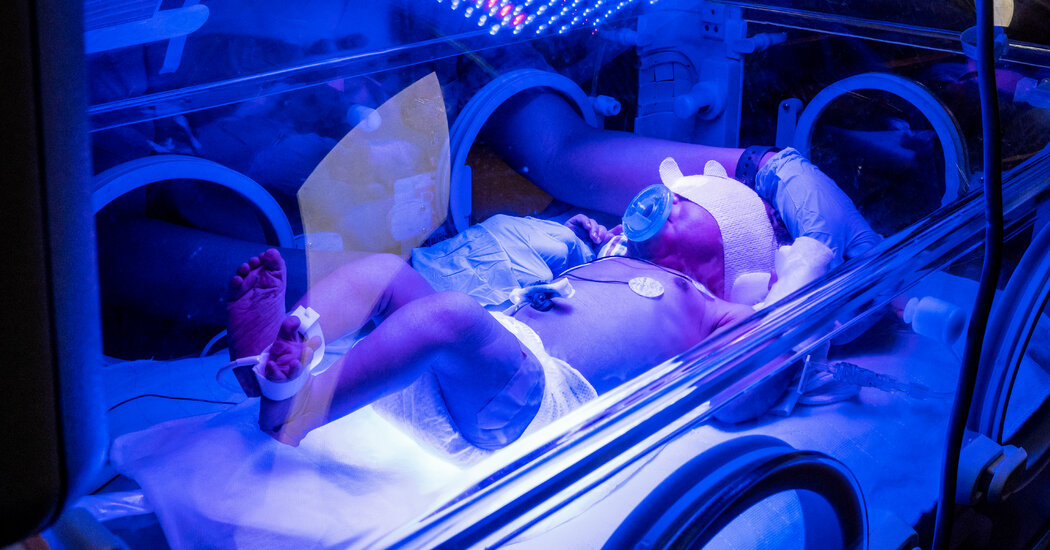
We want to hear from families about their experiences and medical bills in the past five years.Across the country, neonatal intensive care units provide critical care to seriously ill babies.That care can be lifesaving but also comes at a price, as some parents report receiving multimillion dollar bills for their babies’ hospital stays. Some researchers have questioned whether too many babies are being admitted to the NICU and whether there is a profit motive at play.The New York Times is looking to hear from readers who can share their recent experiences with NICU care. Hearing from families about their experiences helps us better understand where we should focus our reporting.We will not publish any part of your response to this questionnaire without talking with you first. We will not share your contact information outside the Times newsroom, and will use it only to reach out to you. If you’d feel more comfortable sharing your story with us anonymously, please visit our tips page.

Read more →

What to Know About the Effects of Ketamine

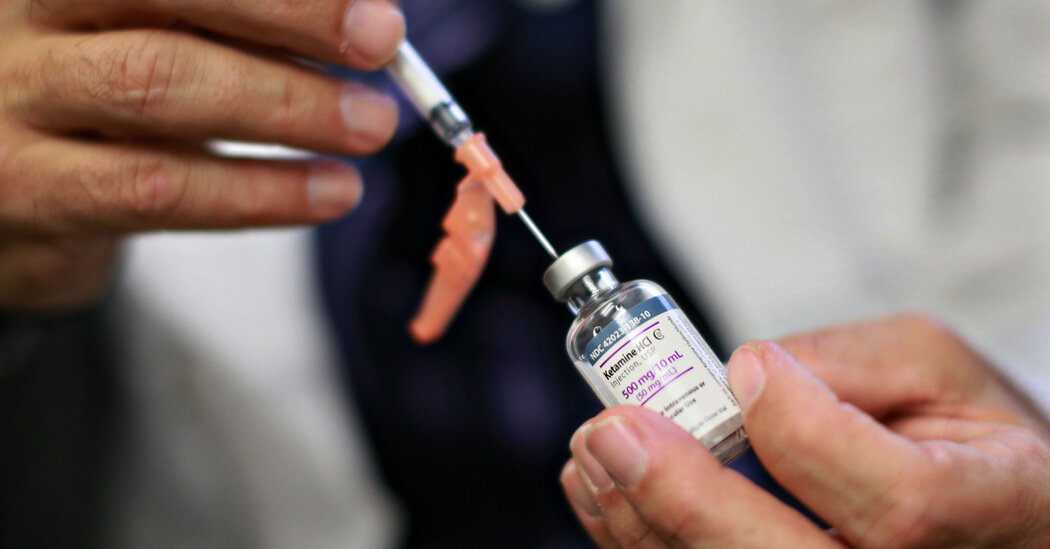
Matthew Perry’s death was attributed to the effects of high levels of the anesthetic drug, which is increasingly used to treat depression.An autopsy report released by the Los Angeles County medical examiner on Friday said the death of “Friends” actor Matthew Perry, who was found face down and unresponsive in a hot tub at his home on Oct. 28, resulted from the “acute effects” of ketamine, an anesthetic with psychedelic properties.Ketamine has become increasingly popular as a therapy for treatment-resistant depression and other mental health issues. It is also used recreationally.Mr. Perry had publicly acknowledged his long struggle with alcohol and drug use, but the report said he had been sober for 19 months and little was known about his relationship to ketamine.What is ketamine, and is it legal?Ketamine is an injectable, short-acting dissociative anesthetic that can have hallucinogenic effects at certain doses. It distorts perceptions of sight and sound and makes users feel detached from pain and their surroundings.Developed as a battlefield anesthetic in the 1960s, ketamine has been legal since 1970 for use in both people and animals. It is frequently used as an anesthetic for children, especially in the developing world.But the psychiatric use of ketamine is still unapproved and unregulated, although it is increasingly used off label for treating depression, suicidal ideation and chronic pain.In 2019, the Food and Drug Administration approved a nasal spray version of ketamine for treatment-resistant depression that is marketed as esketamine.Ketamine has the potential for abuse, which may lead to moderate or low physical dependence or high psychological dependence, but experts consider it a safe medication.Those who use it recreationally often snort the drug in powder form or administer it intranasally by spray.“People shouldn’t be afraid to use ketamine if it’s prescribed by their physician and it’s delivered correctly in a health care setting,” said Dr. Gerard Sanacora, director of the Yale Depression Research Program and co-director of the Yale New Haven Hospital Interventional Psychiatry Service.Can ketamine be lethal?Ketamine is rarely lethal, but an overdose can cause unconsciousness and dangerously slowed breathing, according to the Drug Enforcement Administration. The amount of ketamine found in Mr. Perry’s system was extremely high, comparable to an anesthetic dose, the medical examiner’s office wrote.Side effects like increased blood pressure and paranoia are rare and typically occur at very high doses. Frequent users of the drug can develop bladder problems.The F.D.A. in October issued a warning about the dangers of using compounded versions of ketamine. Compounded drugs are those that have been modified or tailored in a lab for the specific needs of an individual patient.The agency, citing adverse incident reports, warned that the unsupervised use of compounded ketamine heightened the risk of dangerous psychiatric reactions and health problems like increased blood pressure, respiratory depression and urinary tract issues that can lead to incontinence.Matthew Perry had more ketamine in his system than the amount used for a typical infusion, the autopsy report showed.Carlo Allegri/ReutersDr. Steven Radowitz, chief medical officer at Nushama, a ketamine clinic in New York, said patients must pass a full medical and psychiatric screening “to ensure they are a fit for treatment.”At Nushama and other clinics, doses are administered at “sub-anesthetic” levels so that patients remain conscious during their therapy sessions, Dr. Radowitz said.What is known about Mr. Perry’s ketamine use?Mr. Perry had been undergoing medically supervised ketamine infusion therapy for depression and anxiety, and he had received an infusion a week and a half before he died, according to the autopsy report. The medical examiner’s office determined that treatment was unrelated to his death because the drug remains in the system for just a few hours.Although the report did not say so, that suggests Mr. Perry was using ketamine at home at the time of his death.Law enforcement authorities did not find any ketamine at his home, the medical examiner said.The report did not detail the exact sequence of events that led to Mr. Perry’s death, but it cited three contributing factors: drowning, coronary artery disease and buprenorphine, a prescribed medication that he was taking to treat opioid addiction.“At the high levels of ketamine found in his postmortem blood specimens, the main lethal effects would be from both cardiovascular overstimulation and respiratory depression,” the report read.At high doses, ketamine can cause dangerous changes in blood pressure that may be particularly harmful for people with cardiovascular disease.The sedating effects of ketamine could have been compounded by the buprenorphine Mr. Perry was taking.Dr. Sanacora of Yale University said the plethora of risk factors made it hard to pinpoint what caused Mr. Perry’s death.“I’m not a coroner or a forensic pathologist, but he had a lot of risk factors and there are a lot of potential things that could have happened,” he said. “The most important takeaway is that ketamine is not a drug to be taken at home.”

Read more →

Michael Stone, Psychiatrist and Scholar Who Studied Evil, Dies at 90

He attempted to define evil by plumbing the biographies and motivations of hundreds of violent felons who had committed heinous crimes.Dr. Michael H. Stone, a psychiatrist and scholar who sought to define evil and to differentiate its manifestations from the typical behavior of people who are mentally ill, died on Dec. 6 at his home in Manhattan. He was 90.The cause was complications of a stroke he had in January, his son David said.Dr. Stone was best known to the public as the author of the book “The Anatomy of Evil” (2009) and as the host from 2006 to 2008 of the television program “Most Evil,” for which he interviewed people imprisoned for murder to determine what motivated them to engage in an evil criminal act.He ranked the acts on a 22-category scale of his creation. Modeled on Dante’s nine circles of hell, his taxonomic scale ranged from justifiable homicide to murders committed by people whose primary motivation was to torture their victims.Only human beings are capable of evil, Dr. Stone wrote in “The Anatomy of Evil,” although evil is not a characteristic that people are born with. He acknowledged that while acts of evil were difficult to define, the word “evil” was derived from “over” or “beyond,” and could apply to “certain acts done by people who clearly intended to hurt or to kill others in an excruciatingly painful way.”For an act to be evil, he wrote, it must be “breathtakingly horrible” and premeditated, inflict “wildly excessive” suffering and “appear incomprehensible, bewildering, beyond the imagination of ordinary people in the community.”“Mike’s major contribution to psychiatry was sharpening the distinction between mental illness and evil,” Dr. Allen Frances. a former student of Dr. Stone’s who is now chairman emeritus of the department of psychiatry and behavioral sciences at Duke University School of Medicine in Durham, N.C., said in a phone interview.“The problem,” Dr. Frances said, “is that with every mass murderer, every crazy politician, every serial killer, the first tendency in the public mind and the media is that he’s mentally ill.” Dr. Stone, he said, helped to change that default position.Dr. Stone became known for his book “The Anatomy of Evil” and for hosting the TV program “Most Evil.”Prometheus BooksAnalyzing the biographies of more than 600 violent criminals, Dr. Stone identified two predominant personality traits: narcissism, to the point of having little or no ability to care about their victims; and aggression, in terms of exerting power over another person to inflict humiliation, suffering and death.In “The New Evil: Understanding the Emergence of Modern Violent Crime” (2019), a sequel to Dr. Stone’s 2009 book, he and Dr. Gary Brucato warned that since the 1960s there had been an “undeniable intensification and diversification” of evil acts committed mostly by criminals who “are not ‘sick’ in the psychiatric and legal sense, as much as psychopathic and morally depraved.”The reasons, they wrote, included greater civilian access to military weaponry; the diminution of both individual and personal responsibility, as preached by fascist and communist governments earlier in the 20th century; sexual liberation, which unleashed other inhibitions; the ease of communication on cellphones and the internet; the rise of moral relativism; and a backlash against feminism.In 2000, Dr. Stone figured in a sensational murder trial that tested the limits of doctor-patient confidentiality. He wanted to testify in the murder trial of Robert Bierenbaum, a plastic surgeon and former patient of his who was accused of killing his wife, Gail Katz-Bierenbaum, in 1985.Dr. Stone had written a letter to his patient’s wife two years before her death, advising her to live apart from her husband for her own safety. He had asked that she sign and return it, but she never did. He had also contacted Dr. Bierenbaum’s parents, with his permission.The judge ultimately excluded Dr. Stone’s testimony from the trial on the basis of professional confidentiality. But the testimony of several other witnesses about the letter contributed to Dr. Bierenbaum’s conviction.Dr. Stone identified two predominant personality traits in those who commit evil acts: narcissism and aggression.Librado Romero/The New York TimesMichael Howard Stone was born on Oct. 27, 1933, in Syracuse, N.Y., the grandson of Eastern European immigrants. His father, Moses Howard Stone, owned a wholesale paper business. His mother, Corinne (Gittleman) Stone, was a homemaker.A prodigy who learned Latin and Greek as a child, he was only 10 years old when he began seventh grade. As the youngest and smallest student in the school, as well as the only Jewish one, he formed an alliance with a 17-year-old classmate who was a boxer, his son David said: Mike would do the classmate’s homework, and the classmate would protect him from local antisemitic bullies.He entered Cornell University in Ithaca, N.Y., when he was 16, enrolling in a premedical curriculum but double-majoring in classics in case he was rejected by medical schools that had already met their quota of Jewish students. He enrolled in Cornell Medical School in Manhattan after graduating from Cornell in 1954 and received his medical degree in 1958.He originally studied hematology and cancer chemotherapy at Sloan Kettering Institute in Manhattan, but his mother’s chronic pain disorder prompted him to switch to neurology and then, eventually, to psychiatry. He did his residency at the New York State Psychiatric Institute at Columbia Presbyterian Hospital, where he met Dr. Clarice Kestenbaum, whom he married in 1965.He is survived by two sons, David and John Stone, from that marriage, which ended in divorce in 1978; his wife, Beth Eichstaedt; his stepchildren, Wendy Turner and Thomas Penders; three grandchildren; and one great-grandson.Dr. Stone spoke 16 languages and, like a vestige from another era, customarily wore three-piece suits. He was known for his impish sense of humor: His latest book, “The Funny Bone,” published this year, is a collection of his cartoons, jokes and poems.An amateur carpenter, he built the shelves that housed his library of 11,000 books. His collection included about 60 books on Hitler — further evidence, like his memories of childhood bullying, of his yearning to define evil.As a psychiatrist, a psychoanalyst and for many years a professor of clinical psychiatry at Columbia University College of Physicians and Surgeons, Dr. Stone also conducted a long-term study of patients with borderline personality disorders, including those who had contemplated suicide. He concluded that, often as a result of therapy and other treatment, the condition of about two-thirds of them had improved appreciably some 25 years later.In “The New Evil,” Dr. Stone and Dr. Brucato offered a possible explanation for why “particularly heinous and spectacular crimes,” especially those committed in America and by men, had been on the rise since the 1960s. They warned against “the rise of a sort of ‘false compassion,’ in which the most relentless, psychopathic persons are sometimes viewed as ‘victims.’”The two concluded by invoking a familiar metaphor: A frog dropped in a pot of boiling water will immediately try to escape; but, if placed in cold water that is gradually heated, the frog will remain complacent until it’s too late.“It is our ardent hope that, after a period of terrible growing pains, our culture will eventually learn that true power and control come only after a lifelong process of mastering and inhibiting the self,” they wrote. “Perhaps, as a first step, we should admit that the water in our collective pot is growing disquietingly warmer, day by day.”

Read more →