What Are Puberty Blockers?

Recent conservative legislation has targeted a class of drugs used to treat transgender adolescents. But what do these drugs actually do?When Sebastian Liafsha came out as transgender in middle school, his mother, Heather, jumped into research mode.Ms. Liafsha, a registered nurse in Lexington, S.C., put together a three-inch-thick binder packed with printouts of various laws, medical guidelines, pharmaceutical records and more. It was there that she would record the dates and details of Sebastian’s puberty blocker injections every three months for two and a half years, starting at age 14.As a child who had never truly understood himself to be a girl, female puberty felt like an obstacle on Mr. Liafsha’s journey to manhood.For Mr. Liafsha, now 19, puberty blockers not only paused the development of unwanted secondary sexual characteristics like breasts and a menstrual cycle, they gave him and his family time to continue his social transition (the process of presenting and living as the desired gender) and prepare for any future medical interventions.“Before he started his transition, there were just a few months where puberty hit him, and he was off the wall,” Ms. Liafsha recalled. “He became really depressed.”Puberty blockers helped to increase Sebastian’s confidence and happiness as an adolescent, which Ms. Liafsha likes to illustrate by pointing to her son’s life in the theater. In middle school, she said, he had always hidden in the ensemble, but by 10th grade — after two years on puberty blockers — he had flourished into a leading man.Lately, puberty blockers have become a subject of debate in state legislatures, as lawmakers across the country introduce bills to limit health care options for transgender youth. Legislators in Arkansas already passed such a law, although Gov. Asa Hutchinson vetoed it last month. Arkansas conservatives argued that “the risks of gender transition procedures far outweigh any benefit at this stage of clinical study on these procedures.” But medical experts say that’s not the case.Among the significant benefits of puberty blockers are a reduction in suicidal tendencies, which are often high in transgender adolescents, and a reduced need for expensive gender-affirming operations as adults. But while puberty blockers are commonly referred to as “fully reversible,” more research is needed to fully understand the impact they may have on certain patients’ fertility. There is also little known about the drugs’ lasting effects on brain development and bone mineral density.Transgender youth have been the focus of new laws in states including Mississippi and Idaho, and pending in many others, designed to restrict their participation in sports — but this debate is largely separate from the discussion of puberty blockers.Because the use of puberty blockers in transgender kids is still relatively new, the information is developing.Here is a roundup of what experts know so far.What are puberty blockers?Puberty blockers are medications that suppress puberty by halting the production of estrogen or testosterone. They can stop transgender kids from experiencing the effects of puberty that may not align with their gender identities. Medically, the class of medications are called gonadotropin-releasing hormone agonists, or GnRH agonists. They are approved by the Food and Drug Administration to treat precocious puberty — puberty occurring at an unusually early age — so when they are prescribed to treat transgender youth, it’s considered an off-label use.“Off-label,” the American Academy of Pediatrics noted in a 2014 statement, “does not imply an improper, illegal, contraindicated or investigational use” — it merely refers to the process of F.D.A. approval.Ms. Liafsha recorded details about Sebastian’s puberty blockers in her binder, including date and time of injection, site of injection on the body, dosage and type of needle used.Leslie Ryann McKellar for The New York TimesThe medications may be given as shots in a doctor’s office every one, three or six months, or as an implant which lasts for about a year. Dr. Jessica Kremen, a pediatric endocrinologist for Boston Children’s Hospital’s Gender Multispecialty Service, noted that patients and families may prefer the convenience of the implants or six-month shots.“It depends a lot on what is obtainable through a patient’s insurance,” Dr. Kremen said. Insurance companies are reluctant to cover off-label drug treatments, and implants can run up to approximately $45,000 per implant out of pocket, while shots cost can cost thousands of dollars per dose.“That often determines which form we ended up using,” Dr. Kremen said. “But they all work well, as long as you administer them on time.”How do they work?Typically, in puberty, gonadotropin-releasing hormone helps to produce follicle-stimulating hormone (FSH) and luteinizing hormone (L.H.). In people assigned female at birth, these hormones prompt the ovaries to make estrogen, which promotes processes like breast growth and menstruation. In people assigned male at birth, they prompt the testes to make testosterone, which promotes processes like facial hair growth and a deepening of the voice.Puberty blockers disrupt the production of FSH and L.H., therefore blocking the production of estrogen or testosterone. As a result, transgender adolescents do not continue to develop unwanted secondary sexual characteristics — transgender boys do not develop breasts and transgender girls do not develop facial hair, for example.Puberty blockers do not stop an early stage in sexual maturation called adrenarche, which can cause acne, the growth of underarm and pubic hair and body odor.Who can get puberty blockers?Although parents might think they should start puberty blockers very young, so that a child never has to experience any physical changes associated with the unwanted gender, experts say it’s better to wait at least until the early stages of puberty have started. Dr. Stephen Rosenthal, medical director of the child and adolescent gender center for U.C.S.F. Benioff Children’s Hospitals, was a co-author of the Endocrine Society’s 2017 guidelines for transgender health care. He recommended starting puberty blockers when breast budding or the enlargement of the testes has begun, at the earliest.That’s because Dr. Rosenthal does not recommend puberty blockers for prolonged use outside of the normal window of puberty. They restrict the functioning of the gonads, which may lead to adverse health effects. The longer blockers are used past the typical start of puberty — generally age 14, at the latest — the greater the possible risk.When blockers are initiated in the early stages of puberty, Dr. Rosenthal typically suggests that his patients stop using them by age 14. At that point, patients, with their families and their doctors, can determine whether to introduce hormones that help them develop according to their gender identity or resume puberty in the gender assigned at birth.Dr. Rosenthal further recommended that before starting blockers, children be evaluated by a mental health professional and determined to have gender dysphoria. He said families should also undergo a thorough process of informed consent, during which they are educated about the potential effects of blocking puberty — including adverse ones.The World Professional Association for Transgender Health’s guidelines for medical care suggest that “before any physical interventions are considered for adolescents, extensive exploration of psychological, family and social issues should be undertaken.” Professionals emphasized mental health care as an integral part of the process.What are the benefits?Treatment with puberty blockers may improve the mental health of transgender adolescents, who are at high risk for suicide. A 2020 study found lower odds of lifetime suicidal ideation in transgender adults who wanted to take puberty blockers and were able to access this treatment. Another recent study showed similarly positive effects: transgender adolescents receiving puberty blockers had less “emotional and behavioral problems” than transgender adolescents recently referred to care, and also reported rates of self-harm and suicidality similar to those of their non-transgender peers. A 2020 study of 50 transgender adolescents indicated that puberty blockers and gender-affirming hormone treatments, or both, could positively impact quality of life and decrease depression and suicidal ideation. A 2014 study found that 55 young transgender adults who used puberty blockers, took gender-affirming hormones and had gender confirmation surgeries were able to “resolve” their gender dysphoria and showed overall well-being “in many respects comparable to peers.”When Mr. Liafsha was an adolescent, puberty blockers helped to increase his confidence. After years in his school’s ensemble theater casts, he became a leading man.Leslie Ryann McKellar for The New York TimesBecause puberty blockers halt the development of secondary sexual characteristics, transgender adolescents who take them before gender-affirming hormones may also be able to avoid future gender-affirming procedures. For instance, transgender men who don’t develop breasts wouldn’t have reason to have mastectomies, while transgender women who don’t develop masculine facial features might no longer choose to have facial feminization surgery.What are the risks?Puberty blockers are largely considered safe for short-term use in transgender adolescents, with known side effects including hot flashes, fatigue and mood swings. But doctors do not yet know how the drugs could affect factors like bone mineral density, brain development and fertility in transgender patients.The Endocrine Society recommends lab work be done regularly to measure height and weight, bone health and hormone and vitamin levels while adolescents are taking puberty blockers.A handful of studies have underscored low bone mineral density as a potential issue, though a 2020 study posited that low bone mineral density may instead be a pre-existing condition in transgender youth. Treatment with gender-affirming hormones may theoretically reverse this effect, according to Endocrine Society guidelines.The impact of puberty blockers on brain development is similarly hazy. The Endocrine Society guidelines point to two studies: A small one published in 2015 showed that the drugs did not seem to impact executive functioning (cognitive processes including self-control and working memory), while a 2017 study of rams treated with GnRH agonists suggested chronic use could harm long-term spatial memory. (Of course, rams are not humans.)The effects of puberty blockers are often referred to as “fully reversible,” including in both the Endocrine Society and WPATH guidelines, because of evidence showing that girls treated for precocious puberty were still able to undergo normal puberty and have children later in life.While much of the data gleaned from precocious puberty treatments are applicable to transgender patients, Dr. Kremen said, “you’re asking a different question for precocious puberty than you are for a transgender child” when it comes to fertility. Halting puberty at its onset and then later starting gender-affirming hormones — a typical course for some transgender adolescents — may affect the ability to have children, she said. The Endocrine Society advises clinicians to counsel patients on “options for fertility preservation prior to initiating puberty suppression in adolescents.”It is also worth noting that Lupron, one of the drugs widely used as a puberty blocker, has been reported to have long-term adverse effects in women who used it to treat precocious puberty. Women have reported issues including depression, bone thinning and chronic pain.Puberty blockers may also impact future gender-affirming surgeries for transgender women. A recent study showed that transgender women who began puberty blockers at the start of puberty were 84 times more likely to require abdominal surgery if they wanted to pursue gender-affirming surgery. Because tissue from the penis and testes is used to construct a neovagina, and puberty blockers prevent the growth of those organs, material from the colon or omentum may need to be used.An in-depth conversation detailing puberty blocker treatment and all its potential effects is an essential part of any transgender adolescent’s care. Specialists are eager for more research, but for now, they say the apparent benefits outweigh the hypothetical risks.“Medications are rarely without side effects,” Dr. Kremen said. “That is usually not enough of a reason to allow a child, who is telling you that they’re extremely distressed by the pubertal changes that they’re seeing, to continue going through puberty.”“Knowing what we do know, these medications have enormous benefits for the population that we care for,” she added.

Read more →

The Strange New Life of Vaccine Sites

A little over a year ago, streets emptied and businesses shuttered. The emptying was an act of mutual self-preservation on a planetary scale. Images of vacated parks and squares, sports stadiums and theaters, museums and malls captured the sudden terror of the pandemic.

But they captured something else, too: hope.

Otherworldly and deeply alarming, the sight of the Place de la Concorde and Times Square minus people also represented humanity’s best stab at combating a crisis at a time when we knew little about the virus and vaccines seemed years off at best. This effort required going our separate ways. Briefly, we came together to face down calamity by doing, in essence, the reverse:
abandoning shared spaces which, when we actively occupy them, are ordinarily a signal that society is working.

These places are mirrors. We build them. They measure us. Now, a year after we left these parking lots, strip malls, sports arenas and other sites in the United States, scores of them have been requisitioned as temporary vaccine centers.

A defunct Circuit City in Dartmouth, Mass., has been reborn.

A theater in Philadelphia, dark for months because of the pandemic, is drawing crowds daily — for vaccines.

Photographs of these places look no less surreal than last year’s pictures of empty squares. Their message is similar, too: that, like all crises, the pandemic is an opportunity. In the before times, attempting, say, to eliminate a single curbside parking space in New York City provoked endless government hearings and costly legal battles. Then Covid-19 arrived. Restaurants closed. Residents sequestered in cramped apartments. The demand for outdoor dining and for more places where people could get some fresh air became urgent and obvious.

In response, City Hall erased roughly 12,000 parking spaces and pedestrianized miles of streets overnight. Hundreds of businesses were given a lifeline. Sidewalks in Flushing and Red Hook suddenly conjured up scenes in Paris and Rome. Although officials have been noticeably less adept at maintaining the open streets, the initial act of reconfiguration was proof that change can happen — that we can reboot, nimbly, at scale, if we have the will and a little imagination.

Where to start? A racetrack in Queens can be used to help thousands escape the virus with a vaccine.

A Six Flags America in Maryland can make people feel safer.

The Natural History Museum in Manhattan can use its popular life-size blue whale model to entice vaccine recipients.

Can we think bigger? How about transforming some of those older office towers mothballed during the pandemic into much-needed mixed-income housing? Now is the time to finally fix our decrepit public transit hubs, open more bridges to cyclists and pedestrians, and create more parks and plazas, especially in underserved neighborhoods, because these features proved indispensable to New Yorkers’ physical and mental health.

Who would have imagined a year ago that at this point, billions around the world would be clamoring for vaccines while the United States grappled with holdouts? The obstacles to progress can still seem insurmountable — which is why these photos are also instructive. They tell a different story.

We’ve come together before, they remind us. We can think differently.

A dead mall can be a lifesaver.

Read more →

Why Do Humans Feed So Many Animals?

In England and America, selling bird seed for feeders is a big business. In Delhi, people toss bits of meat into the air for black kites. Fleets of ships ply the oceans to catch fish for domestic cats, the descendants of predatory land animals.Humans feed animals all the time, whether it’s our pets, the chickens we plan to eat or the ducks at the park pond, even though we shouldn’t.Throughout history in fat years and lean across many cultures, sometimes with no apparent reason, humans have fed animals of every imaginable stripe in every imaginable way. Some researchers think the desire to give food to other animals may drive domestication as much as the human desire to eat them does.Our Stone Age leftovers from the hunt may have fostered the domestication of dogs. Some of us give our beloved dead to vultures, which is a problem when the birds disappear. We fed and feed cats both tame and feral, sharks, alligators, deer, hedgehogs, bears, pigeons of all sorts, ducks, swans, zoo animals, lab animals, pets, farm animals and more.Now, a group of researchers in Britain is asking: Where does this desire to give food to other animals come from, and what has it meant for animals, humans and their shared environments?One striking possible answer is extinction. Domestication may be the death knell for wild progenitors. The ancestors of horses and cattle are gone. And while there are still wolves around, they are not thriving the way dogs are.Some feeding of animals is purely practical. You feed chickens today if you want to eat their eggs, or their wings, tomorrow. You can’t ride a starving horse. Animals used for experiments in laboratories have to be kept alive to get cancer.But a lot of feeding is unrelated to any return on investment. The black kites of Delhi reach population densities that may be the highest for raptors anywhere because of accidental and purposeful feeding. They rely on garbage and on the tasty and nutritious pests that garbage attracts. And they also benefit from the charity of Muslims who follow a tradition of tossing bits of meat into the air for the birds.Many Indians feed street dogs as a matter of course, treating them as animal neighbors. In a small city near Ahmedabad where I reported on anti-rabies efforts, residents told me that you can’t just give dogs plain leftover bread. You have to put some clarified butter on it, to make it palatable. The residents were middle class, and had both bread and butter to give, but I also met people who lived by the side of the road, with nothing more than mattresses and a few pots, who shared their food with dogs.Almost nothing about humans feeding animals is fully understood, largely because scholars have not given the subject a great deal of attention. And that, most of all, is what the researchers in England and Scotland want to change. With a four-year grant of more than $2 million from the Wellcome Trust, five researchers are pursuing a collaborative multidisciplinary attempt to give animal feeding its due, and begin to answer some puzzling questions. They call their project, “From ‘Feed the Birds’ to ‘Do Not Feed the Animals.’”Naomi Sykes, an archaeologist at the University of Exeter, is the moving force behind the project.The first chickensChickens were one of the animals that led Dr. Sykes to this point of view, she said. She was working on some ancient sites in Britain and was surprised by what isotope studies of fossilized chicken bones suggested about the birds’ diet. Isotopes are different forms of elements like carbon and nitrogen, and researchers use the amount of one versus another to determine what animals or humans ate. Different grains or even grains from different geographical regions give different results, or values.“At sites where there’s a lot of chicken sacrifice to the gods of Mercury and Mithras” during the Roman occupation of Britain, Dr. Sykes said, “some of the values of those chickens just looked really bizarre.” It seemed the chickens were eating some sort of special diet. She talked to colleagues who told her that, in fact, chickens in Roman times that were to be sacrificed were sometimes fed a special diet of millet in preparation for their ritual slaughter.Eventually, chickens became a major food source. But they are one example, Dr. Sykes said, of a process of domestication in which feeding animals was more important at first than eating them.In addition to their religion, the Romans brought with them dogs and cats. Remains of the cats are found in settlements along with remains of wildcats that seemed to be living with or near humans as well, not as pets, but not quite wild either.“That got me thinking about cat diet, which then made me think, wait a minute, why do we feed domestic cats fish?” Dr. Sykes asked.Cats and ChristianityCould Christianity have something to do with it?“I think that monks start keeping cats for the first time, at least in Britain, as domestic pets,” she explained. “And they keep them because they want to have cats to eat the mice that eat the documents that they’re writing. And of course, monks are eating fish because they’re required to fast all the time.”Perhaps, she said, the monks fed the cats fish. The practice spread. And now an entire separate fishery catches fish for cat food.That worries Dr. Sykes because of its environmental impact. She says shoppers don’t put the same pressure for sustainability on the cat food fleets that they do on fisheries providing food for people.She began to wonder more generally: “What is it that encourages people to feed animals in the first place? What are the drivers of this throughout time and across cultures?”The four colleagues who joined Dr. Sykes in this project are: Angela Cassidy, also at the University of Exeter, who researches government policy on animals and has written about the internecine wars over the culling of badgers in Britain; Gary Marvin, an anthropologist at the University of Roehampton, who holds one of the world’s few professorships in human-animal studies; Stuart Black, a geochemist at the University of Reading; and Andrew Kitchener, principal curator of vertebrates at National Museums Scotland.The group is limiting its research geographically to Britain, for practical and logistical reasons. Its attention is mainly focused on the roles played by birds and cats in human life, as pets, pests, wild animals and zoo animals. In each case, they are asking the same broad questions about the origin of and reason behind various feeding methods, and what needs to change, if anything.For instance, Dr. Sykes will be looking at the archaeological records of cats from Roman settlements. Dr. Black will be studying the isotopes in modern and ancient cat bones to determine what cats were eating. Did monks’ cats in fact eat a lot of fish? He has already proved his technique on modern cats. “We can tell a fishy cat from a meaty cat,” he said. “In fact we can tell an Iams cat from a Whiskers cat,” although he concedes that knowledge may not be so useful in studying felines from the Middle Ages.Guy BilloutDr. Kitchener can look at old cat skeletons from Roman times and see that wildcats, now restricted to a small population in Scotland, were living in human settlements. Dr. Cassidy may look at political policies on feeding stray cats.Dr. Marvin said he would be working with postdoctoral researchers employed through the grant to look at cultural artifacts and historical literature to gauge how human attitudes toward cats have changed. He is also working with another postdoctoral researcher in Italy who will pursue anthropological studies among women who feed the feral cats of the coliseum in Rome. This interdisciplinary approach is very important, Dr. Marvin said. “To be in a room where a geneticist can be talking to an anthropologist and actually helping to answer questions, or ask more interesting questions — I think it’s quite a feat.”The feeding of birds suggests numerous avenues of research such as where, when, how and why it began. Also how is it that people come to view some birds as beloved but disdain others?And that in turn brings up the deep philosophical question of squirrels. In Britain, Dr. Marvin said, people spend somewhere around 200 million pounds feeding birds, presumably because they like them, and want to be close to nature. But they don’t like pigeons. And squirrels are beyond the pale. “You’ve got good and bad creatures in your back garden,” he said.Dr. Black’s isotope work is key to the interdisciplinary approach of this research, which is unusual, he said, because, “it’s a humanities-driven project.” The archaeologists, anthropologists and sociologists pose questions that he can help answer.For example, in the 1500s in England, laws known as the vermin acts set bounties for killing many animals, not just rats and mice. “There were things like crows, red kites, lots of birds of prey,” Dr. Black said. What caused the change in perspective? What were people thinking? Searching texts and literature from the time may bring some answers. But one idea is that the cold temperatures of the time, known as the little ice age, made food scarce and caused animals that normally might have been foraging in the wild to turn to human settlements to steal food or prowl for refuse.Studying old bone samples and comparing them to modern bones will show, for instance, if birds of prey in the 1500s depended more on human food than on traditional forage. Old, excavated raptor bones are plentiful to examine because 16th-century British citizens empowered by the vermin acts would kill the birds and toss them on garbage heaps.Chimp tea partiesIn addition, the project is taking one look at zoo inhabitants that is not simply a question of what tigers or koalas should eat. For years a British brand of tea, PG Tips, promoted its product with television advertisements that featured dressed up chimps having tea, with crumpets and scones, of course.The chimps lived at the Twycross Zoo, although chimp tea parties were common at zoos all over England. The zoo was founded in the 1960s by “two women who were mad about primates,” Lisa Gillespie, the zoo’s research and conservation manager said in an interview. “The ladies, as they were called,” she said, had trained the chimps for parties at the zoo and for advertisements, prompting the tea company to approach them. Income from those commercials greatly helped the zoo in its early days.“The animals ate human food, tea with milk in it, cake,” Ms. Gillespie said. Because adult chimps are too aggressive to keep as pets or use in advertisements, the zoo featured babies under 3 years old. Primatologists, zookeepers and the Twycross founders later acknowledged the harm in using the chimps that way, both from high sugar foods and from interfering with their natural behavioral development as chimpanzees. They were retired to the Twycross Zoo. With no tea or parties or costumes. The last of the PG Tips chimps to die was a female named Choppers in 2016.The chimps are, however, now unwittingly helping science. The National Museum of Scotland, where Dr. Kitchener works, collected the full skeletons of the PG Tips chimps to add to their trove of animal remains from other zoos and the wild.In studying the skeletons of Choppers and the other tea party chimps, Dr. Kitchener and other researchers identified signs of illness, probably related to what they were fed.Dr. Black is using isotope analysis to nail down the nutritional profile of the tea party chimps. The project is partnering with the Powell-Cotton Museum in Kent, which has a large collection of remains of wild chimps.He and Dr. Sykes have also been looking at changes in wildcats in Britain and their diet over time, and studying the bones of wild squirrels that were fed peanuts to help keep the population going. In adapting to the diet, the squirrels may not have developed the same jaw muscles as squirrels that have to struggle with pine cones, he said. Adaptations to changing diets for animals that live around or near humans can result in significant skeletal changes, he said, which raises questions about some physical changes that are thought to accompany domestication in different animals. Animals might have adapted to living around humans long before they became what we think of as domesticated. “So did the change come before they were domesticated or did the change come because they were domesticated?” he asked.The group will largely restrict itself to the last 2,000 years, but Dr. Black said some detours are irresistible, like the Tomb of the Eagles, a 5,000-year-old stone-age site in the Orkney Islands known officially as the Ibister Chambered Cairn. The cairn, or tomb, held about 16,000 human bones, and the remains of about 30 white-tailed sea eagles, Dr. Black said. “They were deposited over quite a significant period of time,” he said, “so it was people coming back, putting eagle remains in there.”He said: “The key question that nobody has really answered at the moment is whether people went out and killed and then deposited them as a sort of an offering. There is a suggestion that they may have been pets.” If that were the case, the eagles would have probably been eating a different diet than wild eagles that were foraging at sea.Dr. Sykes sees much of the human habit of feeding animals in the light of domestication, which she says happened as much through the process of humans feeding animals as it did through catching and corralling them to eat. That seems clear enough with our close companions, dogs and cats.It also seems that some animals that we now eat, like chickens and rabbits, may have first come into our lives not as food, but as eaters.And, she said, “domestication is not this thing that happened way back when, in this kind of neolithic moment where everybody got together and goes, we’re going to domesticate animals. I just don’t buy it. I think it’s something that has not only continued throughout time, but it’s really accelerating.”Bird feeding is just one example, and that sets off warning bells for her, because domestication and extinction often go together even if the cause and effect isn’t clear.The aurochs gave way to cattle. There are plenty of domestic cats in Britain, but just a few Scottish wildcats. Wolves are still here but not the wolves that dogs descended from. They are extinct. And modern wolves are just hanging on, while dogs might number a billion. Their future, at least in terms of numbers, is bright. As long as there are people, there will be dogs. No one knows what they will look like, and whether we will have to brush their teeth day and night, and spend a fortune on their haircuts. But they will be here.The same cannot be said of wolves. And as wild creatures go extinct, we all lose.

Read more →

Need a Pandemic Reset? Try This 10-Day Challenge

Studies show that moments of disruption offer a unique opportunity to set and achieve new goals. The 10-day Well challenge will help you get started.If there was ever a perfect time to make a life change, this is it.Behavioral scientists have long known that times of disruption and transition also create new opportunities for growth and change. Disruption can come in many forms, and it happens when life knocks us out of our normal routines. It can be moving to a new city, starting a new job, getting married or divorced or having a child. And for many of us, there’s never been a bigger life disruption than the pandemic, which changed how we work, eat, sleep and exercise, and even how we connect with friends and family.“I think this fresh start is really a big opportunity,” said Katy Milkman, a professor at the Wharton School and author of the new book “How to Change: The Science of Getting From Where You Are to Where You Want to Be. “I don’t know when we’ll have another one like it. We have this blank slate to work on. Everything is on the table to start fresh.”Much of Dr. Milkman’s research has focused on the science of new beginnings, which she calls “the fresh start effect.” Dr. Milkman and her colleagues have found that we’re most inclined to make meaningful changes around “temporal landmarks” — those points in time that we naturally associate with a new beginning. New Year’s Day is the most obvious temporal landmark in our lives, but birthdays, the start of spring, the start of a new school year, even the beginning of the week or the first of the month are all temporal landmarks that create psychological opportunities for change.In one study, Dr. Milkman found that students were most likely to visit the gym around the start of the week, the first of the month, following birthdays or after school breaks. Another study found that “fresh start language” helped people kick-start their goals. In that study, people were far more likely to start a new goal on a day labeled “the first day of spring” compared to an unremarkable day labeled “the third Thursday in March.” (It was the exact same day, just labeled differently.)Another study found that when people were advised to start saving money in a few months, they were less likely to do so than a group of people told to start saving around their birthday that was also a few months away. The birthday group saved 20 to 30 percent more money.For many people, the lifting of pandemic restrictions and getting vaccinated means planning vacations and returning to more-normal work and school routines. It’s exactly the kind of psychological new beginning that could prompt the fresh start effect, said Dr. Milkman.“We have this opportunity with this blank slate to change our health habits and be very conscientious about our day,” said Dr. Milkman. “What is our lunch routine going to look like? What is our exercise routine? There’s an opportunity to rethink. What do we want a work day to look like?”It’s Not Too Late to Reset.As the pandemic recedes, some people are worried that the past year of lockdowns, restrictions and time at home was a missed opportunity. Leslie Scott, a nonprofit event organizer in Eugene, Ore., said she feels that she just muddled through a stressful year, rather than using the time to make meaningful life changes.“I sometimes wonder if I squandered this gift of time,” said Ms. Scott, who is an organizer of the Oregon Truffle Festival. “I have all this anxiety that we’re just going to go back to what people think of as normal. As we come out of our cocoons, am I emerging from something and moving toward something new? Or am I just stuck?”While some people did develop healthy new habits during pandemic lockdowns, it’s not too late if you spent your pandemic days just getting by. The good news is that the end of the pandemic is probably a more opportune time for meaningful change than when you were experiencing the heightened anxiety of lockdowns.“Covid-19 was an awful time for many of us,” said Laurie Santos, a psychology professor at Yale who teaches a popular online course called “The Science of Well-Being.” “There’s lots of evidence for what’s called post-traumatic growth — that we can come out stronger and with a bit more meaning in our lives after going through negative events. I think we can all harness this awful pandemic time as a time to get some post-traumatic growth in our own lives.”So What’s Your Next Chapter?One of the biggest obstacles to change has always been the fact that we tend to have established routines that are hard to break. But the pandemic shattered many people’s routines, setting us up for a reset, Dr. Santos said.“We’ve all just changed our routines so much,” she said. “I think many of us have realized during the pandemic that some of the things we were doing before Covid-19 weren’t the kind of things that were leading to flourishing in our lives. I think many of us were realizing that aspects of our work and family life and even our relationships probably need to change if we want to be happier.”One reason fresh starts can be so effective is that humans tend to think about the passage of time in chapters or episodes, rather than on a continuum, Dr. Milkman said. As a result, we tend to think of the past in terms of unique periods, such as our high school years, the college years, the years we lived in a particular town or worked at a certain job. Going forward, we’re likely to look back on the pandemic year as a similarly unique chapter of our lives.“We have chapter breaks, as if life is a novel — that is the way we mark time,” said Dr. Milkman. “That has implications for the psychology of fresh starts, because these moments that open a new chapter give us a sense of a new beginning. It’s easier to attribute any failings to ‘the old me.’ You feel like you can achieve more now, because we’re in a new chapter.”Take the Fresh Start Challenge!While the start of a new chapter is a great time for change, the pages will turn quickly. Now that we’re emerging from the restrictions of pandemic life, social scientists say it’s an ideal time to start thinking about what you’ve learned in the past year. What are the new habits you want to keep, and what parts of your prepandemic life do you want to change?“It’s time to rethink your priorities,” said Dr. Milkman, who outlines more detailed steps for change in her new book. “We have to ask ourselves, ‘How am I going to schedule my time?’ We have a limited window to be deliberate about it, because pretty quickly, we’ll have a new pattern established, and we probably won’t rethink it again for a while.”A good first step is to take our 10-Day Fresh Start Challenge. Sign up, and starting Monday, May 17, we’ll send one or two messages a day to prompt moments of mindful reflection, build stronger connections and take small steps toward building healthy new habits. You can text us, too! The challenge will include 10 daily challenges, with a break over the weekend.To sign up, just text “Hi” or any word to 917-809-4995 for a link to join. (Message and data rates may apply.) If you prefer not to text or live outside the United States, you can follow along on the website or app. Just bookmark nytimes.com/well and join us on May 17 for the first challenge.“I think a lot of us have realized how fragile some of the things were that gave us joy before, from going to the grocery store, to going out to a restaurant with friends, going to a movie, giving your mom a hug whenever you’d like,” said Dr. Santos. “My hope is that we’ll emerge from this pandemic with a bit more appreciation for the little things in life.”

Read more →

China census: Data shows slowest population growth in decades

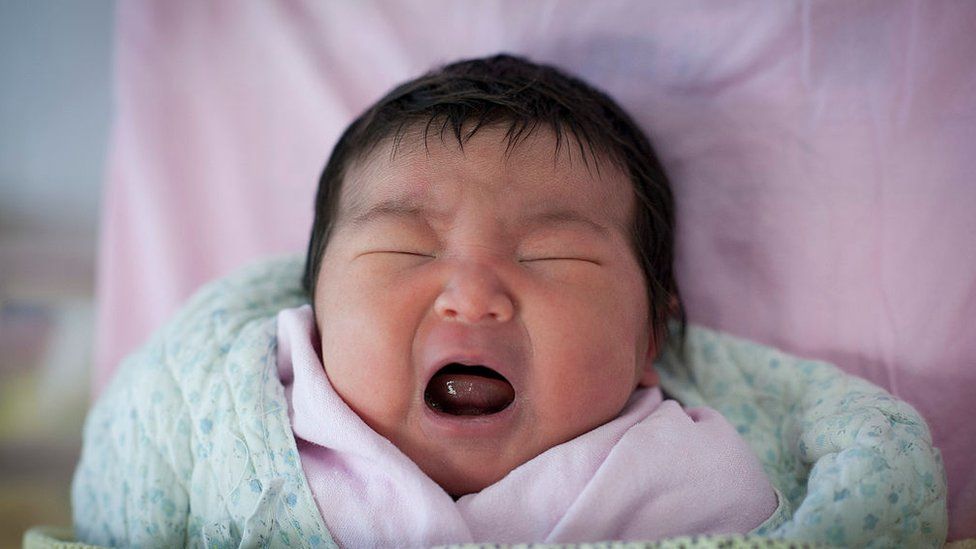
SharecloseShare pageCopy linkAbout sharingimage copyrightGetty ImagesChina’s population grew at its slowest pace in decades, according to government data released on Tuesday. The average annual growth rate was 0.53% over the past 10 years, down from a rate of 0.57% between 2000 and 2010 – bringing the population to 1.41bn.The results add pressure on Beijing to boost measures for couples to have more babies and avert a population decline. The results were announced in a once-a-decade census, which was originally expected to be released in April. The census was conducted in late 2020 where some seven million census takers had gone door-to-door to collect information from Chinese households.Given the sheer number of people surveyed, it is considered the most comprehensive resource on China’s population, which is important for future planning. ‘Jaw-dropping’ world fertility rate crash expectedMothers, your country needs you!The nations with big (and small) population issuesWhat do we know about China’s birth rate?Ning Jizhe, head of the National Bureau of Statistics revealed that 12 million babies were born last year – a significant decrease from the 18 million newborns in 2016. However he added that it was “still a considerable number”. Mr Ning added that a lower fertility rate is a natural result of China’s social and economic development.As countries become more developed, birth rates tend to fall due to education or other priorities such as careers.Its neighbouring countries Japan and South Korea, for example, have also seen birth rates fall to record lows in recent years despite various government incentives for couples to have more children. Last year, South Korea recorded more deaths than births for the first time in history, raising fresh alarm in a country which already has the world’s lowest birth rate. Shrinking populations are problematic due to the inverted age structure, with more old people than the young. When that happens, there won’t be enough workers in the future to support the elderly, and there may be an increased demand for health and social care. Hasn’t China already been trying to improve this?Yes. In 2016, the government ended a controversial one-child policy and allowed couples to have two children. But the reform failed to reverse the country’s falling birth rate despite a two-year increase immediately afterwards.Ms Yue Su, principal economist from The Economist Intelligence Unit, said: “While the second-child policy had a positive impact on the birth rate, it proved short-term in nature.”There had been expectations that China might scrap the family planning policy altogether along with the new census results, but this did not happen.A report by the Financial Times earlier this April also quoted people familiar with the matter as saying the census would reveal a population decline. This did not happen with the 2020 report but experts have told various media outlets that it could still happen over the next few years.”It will in 2021 or 2022, or very soon,” Huang Wenzhang, a demography expert at the Centre for China and Globalisation told Reuters. image copyrightGetty ImagesChina’s population trends have over the years been largely shaped by the one-child policy, which was introduced in 1979 to slow population growth. Families that violated the rules faced fines, loss of employment and sometimes forced abortions. What else have we learnt?China’s working-age population – which it defines as people aged between 16 and 59 – has also declined by 40 million as compared to the last census in 2010. But chief methodologist Zeng Yuping said that the total size “remains big” with 880 million.”We still have an abundant labour force,” he said. However, economist Ms Yue warned that going forward, continued drops in the labour force “will place a cap on China’s potential economic growth.”She added: “The demographic dividend that propelled the country’s economic rise over recent decades is set to dissipate quickly.”After a few extra weeks in which officials were reportedly working to “prepare” the numbers and help to “set the agenda” the bottom line is the number of Chinese in China is growing – just.Most of that is people getting older – and staying older. There was a small increase in the number of under 14s, a vindication of the decision to end the one-child policy in 2015, according to the government’s census chief. But state media is already talking about the population beginning to fall next year. This is not a demographic change unique to China, but with the biggest population in the world and an economy that it’s trying to make more reliant on domestic consumption, this is a particularly salient issue. China’s Communist leaders have already said retirement age will need to go up to deal with those demands and costs. This could mean more work to come for the country’s workers. Experts warned that any impact on China’s population, such as a decline, could have a vast effect on other parts of the world.Dr Yi Fuxian, a scientist at the University of Wisconsin-Madison, said: “China’s economy has grown very quickly, and many industries in the world rely on China. The scope of the impact of a population decline would be very wide.”Additional reporting by the BBC’s Yip Wai Yee

Read more →

WHO says India Covid variant of 'global concern'

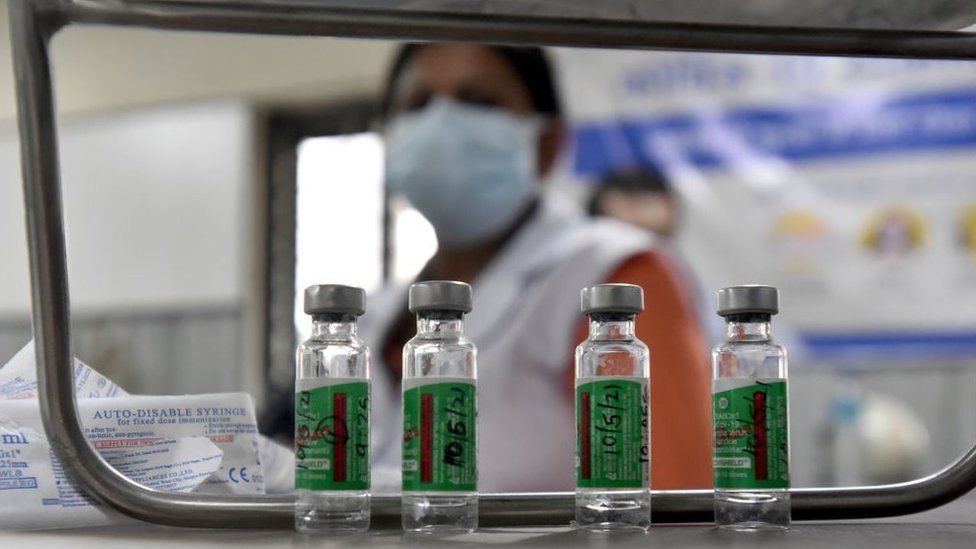
SharecloseShare pageCopy linkAbout sharingimage copyrightGetty ImagesThe World Health Organization (WHO) has classified the coronavirus variant first found in India last year as a “variant of global concern”.It said preliminary studies show the B.1.617 mutation spreads more easily than other variants and requires further study. The variant has already spread to more than 30 countries, the WHO says.Three other variants from the UK, South Africa and Brazil have been given the same designation.A mutation is elevated from a “variant of interest” to a “variant of concern” (VOC) when it shows evidence of fulfilling at least one of several criteria, including easy transmission, more severe illness, reduced neutralisation by antibodies or reduced effectiveness of treatment and vaccines.How Indian pilgrims became Covid super-spreadersIndia’s Covid crisis delivers a blow to brand ModiHow India failed to prevent a deadly second waveThe variant is being studied to establish whether it is responsible for a deadly surge in India, which is currently overwhelming hospitals and crematoriums. India reported 366,161 new infections and 3,754 deaths on Monday, down from record peaks. Experts say the actual figures could be far higher than reported. Surging cases have meant that oxygen shortages continue to be a problem and have spread beyond the capital, Delhi.Local media in the southern state of Andhra Pradesh reported that 11 Covid patients died overnight in the city of Tirupati after an oxygen tanker supplying the hospital was delayed.The Indian government says there is evidence of a link between the variant and India’s deadly second wave, but that the correlation is not yet “fully established”.What is the India Covid variant?India says new variant linked to Covid surgeThe deadly ‘black fungus’ maiming Covid patientsSeveral states have imposed localised lockdowns, curfews and curbs on movement over the last month. However, Prime Minister Narendra Modi’s government is coming under increasing pressure to announce a nationwide lockdown and stop the spread of the virus. He is also facing criticism for allowing massive gatherings at Hindu festivals and election rallies to go ahead despite rising cases. image copyrightGetty ImagesOn Monday, Delhi’s health minister said the capital had just three or four days of vaccine supplies left. Shortages are further disrupting a lagging vaccination programme, with just over 34.8 million, or about 2.5% of the population receiving both doses of a vaccine so far. The WHO says current vaccines will continue to be effective against the Indian variant, although the WHO’s technical lead did say there may be some evidence of “reduced neutralization,” at a press conference on Monday.

Read more →

Covid: DR Congo in race against time to vaccinate people

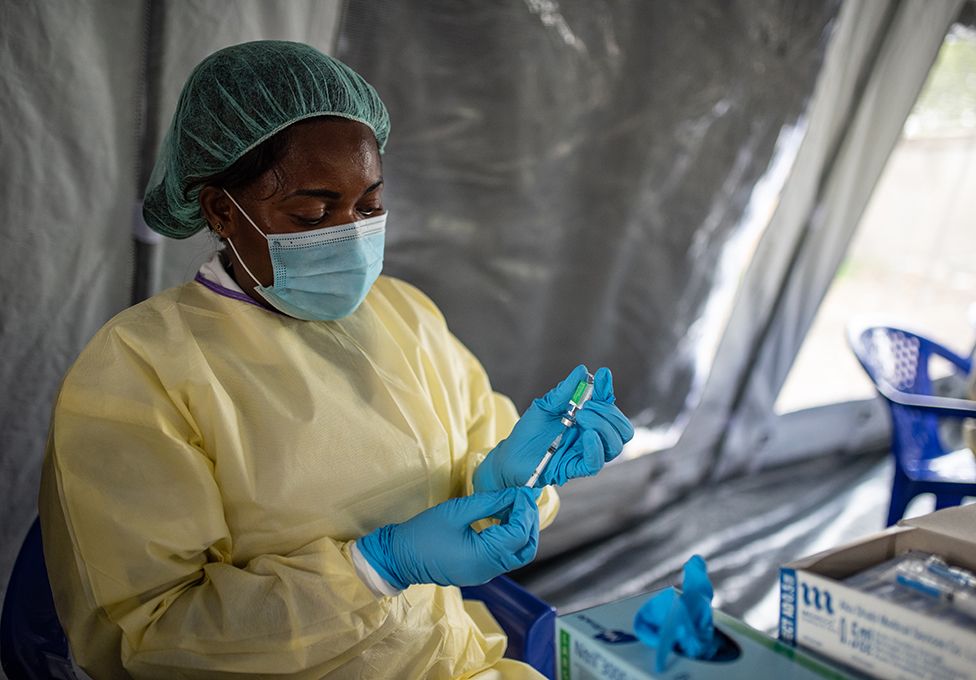
SharecloseShare pageCopy linkAbout sharingimage copyrightOlivia Acland / UNICEFNurse Jeanne Dusungu is vaccinating anyone who turns up to the white Unicef tent in the grounds of North Kivu provincial hospital in Goma against Covid-19 – but very few are locals.”There are some false rumours circulating, that the vaccine is fake, that it will make us sterile. There are people who think that,” she says, disbelievingly.”I tell the people to come and get vaccinated – it is protecting yourself and protecting others, your family, the entire nation.”But in the Democratic Republic of Congo, the second largest country in Africa and nearly the size of Western Europe, this is proving an uphill struggle.Only 5,000 people have been vaccinated out of a population of nearly 90 million.And in the city of Goma, where the rollout has just started after numerous delays, there is a worrying lack of interest. image copyrightOlivia Acland / UNICEFIt means 1.3 million AstraZeneca doses, out of 1.7 million received in early March through Covax – the international fair access scheme – are being redistributed to other African countries for use before they expire at the end of June.The reasons are complex:concerns over the potential link to rare blood clots in Europe delayed vaccine rollout in many African countries too, just as vaccination was startingsome European countries restricted use of the vaccine to certain age groups or gave away their doses altogetheras a result, harmful misinformation spread on social media about its safetyimage copyrightOlivia Acland / UNICEFimage copyrightOlivia Acland / UNICEFThere’s also a lack of trust in the systems and governments and a feeling Covid is less of a threat than many other deadly diseases like Ebola and measles.A recent outbreak of measles in DR Congo killed more than 7,000 people – many of them children, while Ebola outbreaks regularly occur. For some Goma residents, Covid is not visible. Claudine, 40, a cleaner, says she has never seen anyone who died from it and is not scared of it, unlike Ebola.image copyrightUnicefFor others in the conflict-hit DR Congo, there are more pressing priorities than Covid-19.”The war kills a lot more people than corona does,” says Gabriel, 46, a taxi driver.Josue, 23, a student, is put off by what he hears online and prefers to focus his energy on studying and then finding a job.”We heard that Covid-19 would kill lots of people but much bigger problems are insecurity and unemployment, because we don’t know even if tomorrow we’ll be alive,” says John Remi Bahati, who is 35 and unemployed. How many vaccines is Covax delivering?In Africa, 42 out of 54 countries have joined Covax and received 18.3 million doses between them, with nearly eight million used so far.The international scheme aims to ensure equal access to safe and effective Covid vaccines worldwide,The Oxford-AstraZeneca vaccine makes up more than 90% of doses supplied to Africa, which are manufactured in India.Covax wants to vaccinate at least 20% of the African population by the end of 2021, with the first 3% – 90 million doses – going to health workers and other vulnerable groups.What about other African countries?African countries which are not part of Covax can access vaccines through the African Union or through their own deals with manufacturers.Countries doing this include South Africa, Zimbabwe and Gabon.Why are vaccines going to waste in Africa?New virus variants causing concern in AfricaIn Malawi, where uptake of the vaccine had been very good, there’s a different challenge.False rumours started spreading that its vaccine stock was out of date after it received supplies of AZ from South Africa, which no longer wanted them.Dr Charles Mwansambo, Malawi’s health minister, told the BBC: “Unfortunately people thought all our vaccines had expired.”Some stopped coming to our facilities completely, saying that they would be getting expired vaccines, whilst those that came ended up hesitating. So that reduced our numbers by about 50%,” he said.To restore public confidence, health officials in Malawi now plan to set fire to 16,000 unused doses.Meanwhile, neighbouring Rwanda delivered all the AZ doses they received into arms within weeks, as did Ghana and Ethiopia, although there are concerns that delays to new supplies arriving from India could delay progress there. High demand for vaccines in India means no deliveries to African countries until at least June.image copyrightOlivia Acland / UNICEFThe World Health Organization says 22 countries in Africa have used less than a quarter of their supplied vaccines. It says not using them quickly risks another wave of Covid.It’s now a race against time in these countries to increase people’s trust in all the vaccines.Dr Ayoade Alakija, head of the African Union’s vaccine taskforce, says real damage has been done by headlines and delays over safety.”In the US, there were announcements saying ‘don’t take the Johnson & Johnson vaccine but we will give you a Pfizer or a Moderna’. But in most parts of the world there isn’t an alternative,” she said. Only just over 1% of the population of Africa have been vaccinated with a first dose, compared with 20% in Europe and 25% in the US.One worry is that there could be uncontrolled spread of the virus among unvaccinated people which could lead to mutations, or a more virulent form of the disease emerging.image copyrightOLIVIA ACLANDimage copyrightOlivia Acland / UNICEF”Variants are my biggest worry if people stay unvaccinated,” says Catherine Kyobutungi, executive director of the African Population and Health Research Centre.To date, there have been about 122,000 deaths from Covid-19 across Africa – lower than the UK’s death toll alone, but under-reporting means the true figure could be higher.Vaccines are the only way to save lives from Covid-19 in the long term and building trust in them is now vital.Nicolas Sinumyayo Barole, 60, who works in the health sector in Goma, had the vaccine and says: “Lots of people have not understood the importance of the vaccine.”I want to tell them about the advantages, tell them to come and vaccinate themselves. “If the rest of the world is getting vaccinated to stop the spread of Covid-19, then why not here?”Related Internet LinksCOVID-19 vaccines – WHO – Regional Office for AfricaCOVID-19 Vaccination – Africa CDCThe BBC is not responsible for the content of external sites.

Read more →

The volunteers using 'honeypot' groups to fight anti-vax propaganda

SharecloseShare pageCopy linkAbout sharingimage copyrightGetty ImagesIn a policy shift, Facebook is now removing groups and pages that discourage people from getting vaccines. As social media giants grapple with the anti-vaccine movement, Specialist disinformation reporter Marianna Spring meets the everyday citizens battling conspiracy theories in their spare time.The banner image shows a Photoshopped picture of Bill Gates with a crazed expression holding a needle decorated with a skull and crossbones. It looks like a Facebook group promoting anti-vaccine conspiracy theories.But this group actually has very different intentions. Richard is a builder, a trainee psychologist – and one half of the duo behind the decoy group. He says he aims not to spread bad information but rather to help people attracted to conspiracy theories.His friend Dave (not his real name; we’ve agreed to give him a pseudonym because he fears abuse from anti-vaccine activists) believed in conspiracy theories for the best part of 20 years.”If I was to actually create a group saying, ‘I’m going to re-educate you’… then I’m not going to get any takers,” he says.”So I have to do it in a stealth way, which is a bit underhanded, I suppose. But the intentions are good.”The group’s name references Bill Gates and completely unfounded conspiracy theories that the Microsoft founder is plotting to kill millions of people and control them with implanted microchips. And once people are drawn in, the two moderators try to reason with them, to bring them back to reality.image copyrightFacebookRichard and Dave are just two of the dozens of volunteers the BBC has spoken to who are combating online misinformation about vaccines. But are they doing work that should be Facebook’s responsibility?The problemOriginal research from BBC Monitoring has revealed how Facebook pages and groups promoting misleading and false claims about vaccines saw a significant rise in followers in several countries across the globe in the past year.In Ukraine, pages sharing anti-vaccine content grew by 157% in 2020, reaching nearly 26,000 page likes, double the rate for the previous year. In Mexico, Brazil and India, similar pages grew by around 50% each in the past year – faster than in the two previous years. We showed volunteers an anti-vax video. How did they react?It’s further proof of the spread of anti-vaccine content throughout the pandemic. Previous research found a huge spike in followers of English-language social media accounts promoting anti-vaccine material during the pandemic, especially on Instagram and Facebook. Although there is some overlap online, our research focused on extreme content – accounts and groups spreading false “genocide” and “implanted microchip” claims – rather than legitimate questions people have about safety and efficacy, and stories about rare cases of blood clots. How many people have been vaccinated so far?How will we know Covid vaccines are safe?Covid jabs and blood clots: Your questions answeredThe Anti-Vax FilesThe Anti-Vax Files: A series from Trending, on the BBC World Service. Download the podcast or listen online Volunteers fight backIt was the pandemic’s wave of anti-vaccine content that prompted Dave and Richard to embark on their plan. “I was out of work,” Dave says. “So I wanted to do something constructive.” Although the duo have only met in real life once, they now run multiple “honeypot” Facebook groups that have thousands of members from all over the world. Inside the groups, people who believe in vaccine and Covid-19 conspiracy theories are allowed by the moderators to post false and misleading articles. Richard admits he’s conflicted about the deception.”It was horrible having to lie to begin with,” he says.After members initially joined the group, he says, the pair would observe what they shared, sometimes for weeks. “And then it’d stop,” Richard says, “and we’d start questioning their narrative.” Dave and Richard debunk myths and challenge people in comments under posts and via private message.image copyrightFacebookDave uses his own personal experience of conspiracy theories to strike up a rapport with those in the group. He began to question his previous worldviews after he realised that the people promoting conspiracies were conning him. Their nightmare scenarios, he says, never seemed to come true. “I just got tired of it,” he says, “I got tired of finding out about the next conspiracy, the next conspiracy and then looking back and thinking, well, this didn’t happen and that didn’t happen.”Richard says some of his friends and family have been affected by online misinformation. He tries to engage with members of the groups to understand how they have fallen for falsehoods. ‘I might not be here’ One of those people was Brian. He was scared off vaccines by misleading posts on social media sites – including graphic videos promoting false claims about foetuses being used in jabs. Brian’s encounters with the underbelly of social media coincided with an incredibly difficult personal time. Towards the end of 2019, he lost his job. He has multiple sclerosis, and around the same time, his condition started getting worse. Then the pandemic hit.”I wasn’t in a good place,” he says, sitting on his leather sofa at home. He explains how he spent hours watching YouTube videos made by anti-vaccine activists. But he also joined Dave and Richard’s Facebook group, thinking it was an anti-vaccine community. And that’s when things started to change.”They sort of swung me round,” Brian says, “by sending me actual factual information.”Richard talked with him about the personal difficulties that had left him vulnerable to the easy explanations of online pseudoscience. And he also explained how the algorithms of social media sites work to reel people in – with emotion, and by serving up content similar to that which the user has seen before. Brian even credits Dave and Richard with saving his life. If he hadn’t encountered their group, Brian says, “I might not be here. I went to some dark places.” But now, he says, things are looking up. “I’m in a better place,” he says. “I’m in a proper home environment now, I’ve got rugrats running around my feet again.” His face lights up as he speaks of his grandchildren. He’s also had a vaccine against Covid-19, having been completely opposed to it just a few months before.’Vaccine discouragement’Richard blames social media sites – particularly Facebook – for failing to protect users like Brian. “It needs to be policed a lot better,” he says. “And until they do, conspiracies are going to keep growing.” In an interview, Facebook’s vice president for Northern Europe Steve Hatch acknowledged that the company has “a big responsibility to ensure people are seeing accurate information.”Mr Hatch told the BBC that the company is now removing groups, pages and accounts that deliberately discourage people from taking vaccines, regardless of whether the information can be verified as false or not. It’s a shift in policy. Previously Facebook would only delete groups – and accounts on Instagram, which it owns – filled with outright false vaccine information. Some of the groups that fall under the new policy may include material that’s true, or unverifiable, but are not outright falsehoods.image copyrightGetty ImagesThis includes Facebook groups with tens of thousands of members that have sprung up in recent months, dedicated to stories of people allegedly injured by Covid vaccines. We’ve seen several of these groups rapidly become popular. They’re often filled with scary stories, but just as frequently lacking in details and hard evidence.Facebook say they’ve been combating misinformation, that they’ve labelled more than 160 million pieces of misleading content since the start of the pandemic, and connected 2 billion people to information from trusted health authorities.Policy dilemmas Meanwhile, Richard and Dave’s honeypot group has been suspended – because while they say their intentions are good, the group does contain posts pushing falsehoods. It’s a situation that highlights the moderation challenges faced by Facebook – where a group like this, which they say is dedicated to helping individuals, technically breaches the company’s rules. Richard and Dave are appealing the decision. And they plan to keep using their methods to help people like Brian -and others like him, who they are yet to reach.Listen to The Anti-Vax Files from BBC Trending, on the World Service. Download the podcast or listen online.

Read more →

Identifying the rise of multi drug resistant E. coli

Antibiotic resistance in E. coli has been steadily increasing since the early 2000s despite attempts to control it, a new study suggests. In the biggest genomic survey of E. coli to date, that took more than 16 years in Norway, researchers have successfully tracked the spread of antibiotic resistant genes and have shown that these genes are being transferred between E. coli strains.
Researchers from the Wellcome Sanger Institute and University of Oslo have tracked multidrug resistance in Norway and compared this to a previous study from the UK. They found that resistant strains developed around the same time, but increased more rapidly in the UK population.
The results, published today (10th May) in The Lancet Microbe show that tracking these resistant strains is important in the surveillance and control of drug resistant E. coli, which poses a significant issue in hospitals where it can cause severe infection and mortality. In addition, understanding how these genes are transferred between strains, and what has caused them to acquire drug resistance can help prevent the growth of antibiotic resistance strains.
The bacterium, Escherichia coli is a common cause of bloodstream infections world-wide*, which seem to be increasing over the last decade. E. coli is commonly found in the gut, where it does not cause harm, but if it gets into the bloodstream due to a weakened immune system it can cause severe and life threatening infections. As an added challenge for health care providers, multi-drug resistance (MDR) has become a frequent feature of such infections, and in a worrying number of cases the available treatment options are becoming limited.
In the largest study of its kind, and only the second systematic longitudinal genomic study of bacteremia E. coli, researchers from the Wellcome Sanger Institute and the University of Oslo processed a nation-wide catalogue of samples from more than 3,200 patients to track antibiotic resistance over 16 years. By harnessing the power of large-scale DNA sequencing, they tracked the emergence of drug resistance and compared this to a similar study conducted in the UK.
The team found that MDR started to increase and show in more strains in the early 2000s due to antibiotic pressure, and now multiple MDR E. coli strains are present in Norway. However, MDR E. coli seems to be more widely present in the UK, despite similar policies in place around antibiotic use. The UK population however is considerably larger than Norway which could explain some of the differences. Further research is needed to allow for closer comparison and to identify the exact factors that cause rapid spread in some locations compared to others.
MDR is relatively rare in bacteria. However, this new study has identified that lineages that previously were not thought to have MDR have acquired drug-resistance genes, showing the increased ability of E. coli to share MDR genes that move horizontally between strains.
Professor Jukka Corander, co-author and Associate Faculty member at the Wellcome Sanger Institute, said: “The high number of samples from the Norwegian population and the level of genomic detail on the strains of bacteria enabled us to make much more far-reaching conclusions than were ever possible before. This study demonstrates the power arising from a systematic national surveillance of resistant organisms, which both collects and makes the data available for in-depth analyses. Without these in place, it would have been impossible to approach the central research questions formulated in the study and find answers to them.”
The researchers hope to conduct similar research in the UK to build on previous studies and gain a full data set of 16 years in the UK in order to more closely track MDR resistant E. coli.
Dr Rebecca Gladstone, lead author of the study and Bioinformatician at the University of Oslo, Norway, said: “Being able to estimate the expansion timelines of the MDR clones of E. coli and to identify multiple occasions of novel acquisition of resistance genes is particularly exciting as this is the first time that this has been possible. Understanding and tracking the movement of these drug resistance genes and the strains that carry them are necessary for controlling the spread of drug-resistant bacteria, which is a huge issue in healthcare.”
Professor Julian Parkhill, co-author and Professor in the Department of Veterinary Medicine at University of Cambridge, said: “Long-term studies such as this one provide in-depth understanding about the complex epidemiology underlying bloodstream infections. The next step would be further research to detail the factors determining the success of emerging pathogenic clones of these bacteria, to help find a way to control and possibly minimise the spread of multidrug resistance.”

Read more →