Controlling cholesterol in microglia alleviates chronic pain, opioid-free

Chemotherapy can induce a painful peripheral neuropathy (CIPN), a chronic condition and common adverse effect for cancer patients undergoing treatment. Researchers at University of California San Diego School of Medicine, with colleagues elsewhere, have used a mouse model to demonstrate the pivotal role of cholesterol in CIPN, and proposed a novel therapeutic approach to reverse it.
The findings are published in the May 10, 2021, online issue of the Journal of Experimental Medicine.
The study was a collaboration between the laboratories of senior study author Yury Miller, MD, PhD, professor of medicine, and Tony Yaksh, PhD, professor of anesthesiology and pharmacology, both at UC San Diego School of Medicine. Miller studies cholesterol metabolism and cardiovascular and neuro inflammation. Yaksh specializes in neuropathic pain.
“It was truly gratifying to work at the intersection of two disciplines and identify the role cholesterol plays in activation of microglia — immune cells of the spinal cord — and regulation of chronic pain,” said first author Juliana Navia-Pelaez, PhD, a postdoctoral fellow in Miller’s lab.
“The metabolism of cellular cholesterol was already linked to neurological conditions, such as Alzheimer’s disease, but we were first to show its role and underlying mechanisms in chronic pain.”
Cholesterol is essential for brain function, both during development and in adult life. It is a major component of cell membranes, a precursor to some hormones and serves as a cellular messenger. However, excess of cholesterol is detrimental to human health; buildup of cholesterol plaques in large arteries often causes heart attacks and stroke.

Read more →

How to get Bangladeshi men talking about mental health

Bangladeshi men have been hit hard by the pandemic – in terms of higher death rates compared to other communities, shut down industries and job losses. But with lockdown easing, many fear that the impact of the pandemic on their mental health may be overlooked.Imran Khan lost his father earlier this year to coronavirus. While he reached out to this GP for support, other Bangladeshi men are less likely to do so, says psychologist Shah Alam. He believes Islam could play a key role in getting men to open up and reducing the stigma around mental health issues. Imam Sheikh Abdullah Hasan has been exploring this – he has been providing mental health toolkits to more than 200 imams and scholars around the UK.If you are affected by the issues in this story, help and support are available at BBC Action Line.

Read more →

FDA Authorizes Pfizer-BioNTech Vaccine for Children 12 to 15

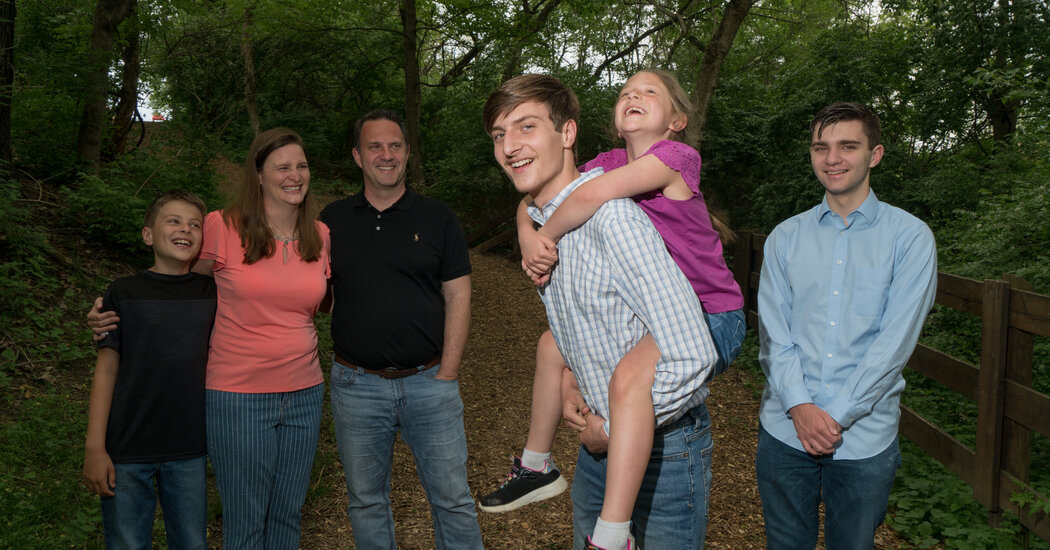
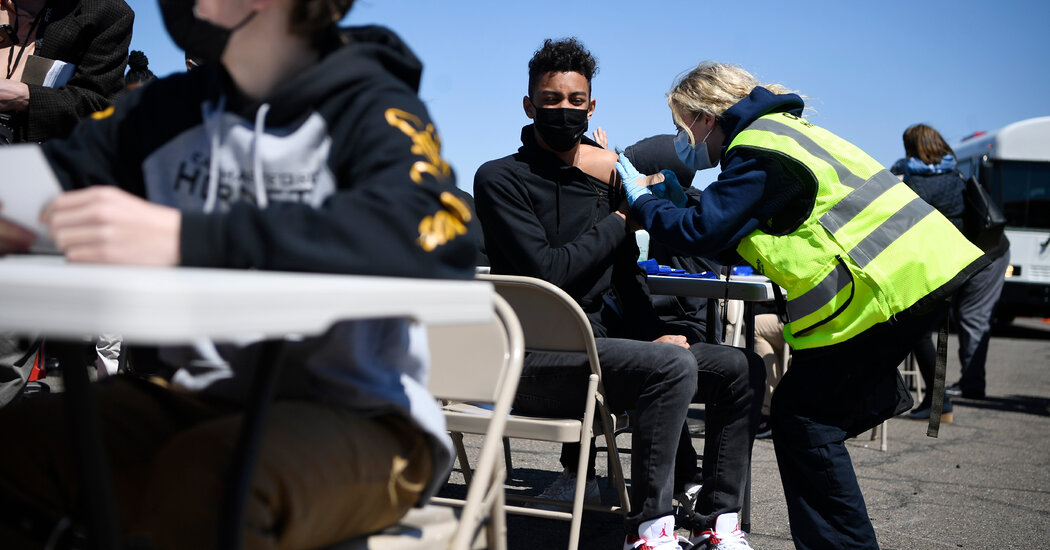
The shots may allow millions of youngsters to get back to school, camps, sleepovers and hangouts with friends.The Food and Drug Administration on Monday authorized use of the Pfizer-BioNTech Covid-19 vaccine for 12- to 15-year-olds in the United States, a crucial step in the nation’s steady recovery from the pandemic and a boon to millions of American families eager for a return to normalcy.The authorization caps weeks of anticipation among parents, who have been grappling with how to conduct their lives when only the adults in a household are immunized. It removes an obstacle to school reopenings by reducing the threat of transmission in classrooms, and affords more of the nearly 17 million children in this age group opportunities to attend summer camps, sleepovers and Little League games.“This is great news,” said Dr. Kristin Oliver, a pediatrician and vaccine expert at Mount Sinai Hospital in New York. “It feels like we’ve been waiting a long time to start protecting children in this age group.” The Pfizer-BioNTech vaccine is already available to anyone over 16.The F.D.A.’s go-ahead is not the final hurdle. An advisory committee of the Centers for Disease Control and Prevention is expected to meet shortly to review the data and make recommendations for the vaccine’s use in 12- to 15-year-olds.If the committee endorses the vaccine for that age group, as expected, immunizations in theory can begin immediately. Clinical trials have shown that these children may safely receive the dose already available for adults.President Biden has said that about 20,000 pharmacies are ready to administer the vaccine to adolescents, and health officials in some states are already drawing up immunization campaigns targeted to youngsters.In a clinical trial, Pfizer and BioNTech enrolled 2,260 participants ages 12 and 15 and gave them either two doses of the vaccine or a placebo three weeks apart. The researchers recorded 18 cases of symptomatic coronavirus infection in the placebo group, and none among the children who received the vaccine, indicating that it was highly effective at preventing symptomatic illness.The vaccine also appeared to be safe for these children, with side effects comparable to those seen in trial participants who are 16 to 25 years old. Fevers were slightly more common among inoculated 12- to 15-year-olds; about 20 percent of them had fevers, compared with 17 percent in the older age group.The trend toward more fevers at younger ages was consistent with observations in an earlier trial, said Dr. Bill Gruber, a senior vice president at Pfizer and a pediatrician.The trial results were a “trifecta” of good news, Dr. Gruber added: “We have safety, we got the immune response we wanted — it was actually better than what we saw in the 16- to 25-year-old population — and we had outright demonstration of efficacy.”The company is still gathering information on potential asymptomatic infections by continuing to test the trial participants for the coronavirus every two weeks and checking them for antibodies produced in response to a natural infection, according to Dr. Gruber.The authorization arrives at a opportune time. Roughly one-third of eighth graders, usually 13 and 14 years old, are still learning fully remotely, and widespread vaccination may help speed a return to classrooms.Coronavirus outbreaks have been a concern particularly for students participating in team sports, and immunizations should ease the concerns of many parents whose children have been unable to participate in football, basketball and other team sports involving close contact.In summer, families often catch up the vaccinations required for children to return to schools in the fall, and so pediatricians and family doctors may be best positioned to immunize young teenagers as they come in for annual physical examinations.The Pfizer-BioNTech vaccine can be stored for only five days in standard refrigerators, but the companies are planning to ship smaller packs for doctors’ offices. It is also developing a formulation that can be refrigerated for up to 10 weeks.The push to immunize children may run into the same problems with hesitancy that have plagued attempts to inoculate adults. In one recent poll, 30 percent of parents said they would have their children vaccinated right away, while 26 percent said they planned to wait to see how the vaccine was working.Most of the other parents said they would definitely not have their children vaccinated, or would do so only if schools required it. All 50 states require certain vaccines for children who attend school, but those mandates apply only to vaccines that have been fully approved by the F.D.A. The Pfizer-BioNTech vaccine has been authorized only for emergency use.The companies have applied to the F.D.A. for full approval, but that process is expected to take several months. Even after approval, students may still opt out by citing medical reasons or religious beliefs.Still, scientists agreed that the vaccine appeared to meet all expectations regarding safety and efficacy. Dr. Megan Ranney, an emergency room physician and professor at Brown University in Providence, R.I., said she had “zero safety concerns” about the Pfizer-BioNTech vaccine, noting that hundreds of millions of people worldwide had received it.Her 12-year-old daughter is eager to be vaccinated, and her 9-year-old son will be immunized as soon as he is eligible, she said. Dr. Ranney has not allowed her children to sleep at friends’ houses since the pandemic began. The vaccine should allow them to safely resume social activities, she said.“The risk of your child catching Covid and getting really sick is low, but it’s not zero,” she said. “And the risk of them getting sick or hospitalized or worse with Covid or with the post-Covid multi-inflammatory syndrome is higher than the risk of something bad from this vaccine.”Vaccinating children shields others in the community from the virus, she noted, including people who are not protected by the vaccine, such as organ transplant recipients, cancer patients and those with impaired immune responses.“It also protects all of us from the virus continuing to spread and mutating further,” Dr. Ranney said. “That’s the thing that I’m most scared of right now.”Vaccinating children is crucial to building up population levels of immunity and curtailing the spread of the coronavirus. Though children spread the virus less efficiently than adults do, they make up about 23 percent of the population.Experts have said that the country is unlikely to reach the “herd immunity” threshold — the point at which virus transmission essentially stalls — but vaccinating children will be important for getting as close as possible.Ty Dropic, 14, one of the trial participants, urged others his age to be vaccinated so they could build up widespread immunity and protect themselves. He had no side effects, leading him to suspect that he got the placebo. If that turns out to be the case, he plans to be immunized as soon as possible.“I know it can be kind of scary, but it’s really not as bad as it seems,” he said. “If you do get Covid, it’ll be a lot worse than getting stuck with a needle for, like, two seconds.”Ty’s three siblings, ages 8, 10 and 16, are also enrolled in vaccine trials for their age groups. Their mother, Dr. Amanda Dropic, a pediatrician in northern Kentucky, said that in her practice, most parents were eager to have their children vaccinated so they could regain some semblance of normalcy.“The anxiety and depression that we’re seeing with kids, the social delays, has been tremendous,” she said.Dr. Dropic said her children understood the risks and were willing to volunteer because they saw it as a civic duty. Every medicine available today came to be because “somebody was willing to go first,” she added.Pfizer and BioNTech began testing the vaccine in children ages 5 to 11 in March, and last month extended the trial to even younger children, ages 2 to 5. The companies next plan to test children who are 6 months to 2 years old.Assuming trial results are encouraging, the companies expect to apply to the F.D.A. in September for emergency authorization to administer the vaccine to children ages 2 to 11.Results from trials of Moderna’s vaccine in 12- to 17-year-olds are expected in the next few weeks. Findings from another trial of the company’s vaccine in children 6 months to 12 years old should be available in the second half of this year.AstraZeneca is testing its vaccine in children 6 months and older. Johnson & Johnson plans to wait for results from trials in participants older than 12 before testing its vaccine in younger children.Jan Hoffman contributed reporting.

Read more →

Coronavirus: Hugs with loved ones as PM confirms England's biggest step back to normal

SharecloseShare pageCopy linkAbout sharingPeople in England will be allowed to hug loved ones and enjoy indoor hospitality from next Monday, the PM has said – whilst urging people to “exercise caution and common sense”.Boris Johnson said this was the “single biggest step” to unlocking society but that people should remain vigilant.Indoor mixing and overnight stays in groups of up to six people or two households will also resume.Leisure venues such as cinemas, museums and children’s play areas will reopen.Speaking at a Downing Street news conference, Mr Johnson said the further relaxation of England’s lockdown would go ahead on 17 May as the government had met its four tests for easing restrictions.These tests relied on the success of the vaccine rollout, evidence that the jabs were reducing serious illness and death, infection rates remaining under control and the risks from new Covid variants not changing.Zero Covid deaths for England, Scotland and NIHSBC to pilot Zoom-free Friday afternoonsFace masks no longer required in classroomsWhat is changing in England on 17 May?People can meet in groups of up to 30 outdoorsSix people or two households can meet indoorsOvernight stays will be allowed in groups of up to six people or two householdsPubs, restaurants and other hospitality venues can reopen indoorsAdult indoor group sports and exercise classes can restartIndoor entertainment such as museums, theatres, cinemas, bingo halls, sports stadia and children’s play areas can reopenPerformances and large events can restart, with limits on audience numbersRemaining outdoor entertainment, such as outdoor theatres and cinemas can openHotels, hostels and B&Bs can reopenHolidays abroad to green list countries will be allowedUp to 30 people can attend weddings (although dancing will still not be allowed) and more than 30 can attend funeralsThe prime minister said the latest data showed deaths and hospitalisations had dropped to their lowest level since last July.Zero coronavirus deaths were announced in England, Scotland and Northern Ireland on Monday, while Wales recorded four deaths.More than two-thirds of adults across the UK have now received a coronavirus vaccine, with almost 18 million people having had their second dose.The UK’s four chief medical officers said earlier that the UK’s Covid alert level should be lowered from level four to three. It means that although coronavirus is in general circulation, transmission is no longer high or rising exponentially, so restrictions can be gradually reduced. Mr Johnson said that all the data supported the latest easing of restrictions, which he said amounted to “a considerable step on the road back to normality”.”And today we’re taking a step toward that moment when we learn to live responsibly with Covid, when we cease eventually to rely on detailed government edicts and make our own decisions based on the best scientific advice about how best to protect our families and those around us.”He added that, as part of the latest lockdown easing, the government would update its guidance on close contact between close family and friends shortly.The advice would explain the risks involved so people could make informed choices, he said.”This doesn’t mean that we can suddenly throw caution to the winds. We all know that close contacts such as hugging is a direct way of transmitting this disease,” he said.”So I urge you to think about the vulnerability of your loved ones.”Mr Johnson said social distancing should still be followed when people are not with their friends and family in workplaces, shops, pubs, restaurants and other settings.LOOK-UP TOOL: How many cases in your area?LOCKDOWN RULES: What are they and when will they end?OXFORD JAB: What is the Oxford-AstraZeneca vaccine?He also confirmed that the wearing of face masks in secondary school classrooms in England will not be required after 17 May.Care home residents will be able to have up to five named visitors, he said, and greater freedoms to enjoy low- risk visits outside their home without having to isolate on their return. This next unlocking is – as the prime minister and his scientists stressed – the most significant step yet.Indoors is, after all, where transmission is most likely to take place, which explains why quite a sober tone accompanied the confirmation that restrictions would lift.It means vaccines are going to have to do most of the work in terms of controlling infection levels – during the winter it has been lockdown and social distancing that has played a key role in getting cases down.The good news is that all the evidence is pointing to the vaccines being incredibly effective.It means the threat of the NHS being overwhelmed and lockdowns reimposed has gone – unless a new variant comes along that can evade the vaccines in a significant way (considered unlikely by most experts).But cases could still creep up and there could be local outbreaks that need intervening on.It’s why the key message is proceed with caution.The devolved nations are working to their own timeframe for easing restrictions.Under current plans in Wales, indoor attractions, cinemas and theatres will open alongside pubs and restaurants serving customers inside on 17 May.In Scotland, indoor hospitality venues are expected to resume with alcohol being served until 22:30. Cinemas, amusement arcades and bingo halls should reopen and indoor group exercise restart.More restrictions might be lifted in Northern Ireland on 24 May, including the reopening of indoor hospitality, B&Bs and hotels. The prime minister said subject to the impact of the latest easing on the data, England was still on track to progress to step four of the government’s roadmap from 21 June – when it is hoped that all legal limits on social contact will be removed.Asked by BBC Health editor Hugh Pym if the final stage of unlocking would be brought forward, Mr Johnson said every time restrictions are relaxed, “we give ourselves breathing space” to make sure that cases are not rising too much due to more social contact being allowed.The easing of measures next week is the most significant step, he added, saying that businesses want to get ready for the next planned relaxation on 21 June with the “biggest certainty” they can have.In order to give businesses time to prepare, further details will be released later this month “about what the world will look like and what role there could be, if any, for certification and social distancing”, Mr Johnson said.Meanwhile, new data published by Public Health England shows that a single dose of the Oxford-AstraZeneca Covid jab reduces the risk of death with Covid by 80% compared with unvaccinated individuals. Researchers also found the two doses of the Pfizer-BioNtech vaccine reduced the risk of death by 97%.In other key developments:Surge Covid testing is taking place in a fourth London council area- the Royal Borough of Kensington and Chelsea – after cases of the South African variant were found in Notting Hill. Surge testing is also set to start in Nottingham for two weeks after a rise in cases of the Indian variantPeople in Scotland will be able to travel to some foreign destinations without the need to quarantine on their return under a traffic lights system due to come into force on 24 May, the BBC understands FRESH STARTS: Follow extraordinary people who set out on courageous new beginningsTHE MAN WHO COULD HAVE BEEN A PRINCE: Keith found out the surprising truth about his birth parentsIs there someone you have been waiting until the guidance changes to hug? Who are you most looking forward to hugging and why? Share your stories by emailing haveyoursay@bbc.co.uk.Please include a contact number if you are willing to speak to a BBC journalist. You can also get in touch in the following ways:WhatsApp: +44 7756 165803Tweet: @BBC_HaveYourSayUpload pictures or videoPlease read our terms & conditions and privacy policy

If you are reading this page and can’t see the form you will need to visit the mobile version of the BBC website to submit your question or comment or you can email us at HaveYourSay@bbc.co.uk. Please include your name, age and location with any submission.

Read more →

The F.D.A. authorizes the Pfizer-BioNTech vaccine for children 12 to 15.

The Food and Drug Administration on Monday authorized use of the Pfizer-BioNTech Covid-19 vaccine for 12- to 15-year-olds in the United States, a crucial step in the nation’s steady recovery from the pandemic and a boon to tens of millions of American families eager for a return to normalcy.The authorization caps weeks of anticipation among parents, who have been grappling with how to conduct their lives when only the adults in a household are immunized. It removes an obstacle to school reopenings by reducing the threat of transmission in classrooms, and affords millions of adolescents the opportunity to attend summer camps, sleepovers and get-togethers with friends.“This is great news,” said Dr. Kristin Oliver, a pediatrician and vaccine expert at Mount Sinai Hospital in New York. “It feels like we’ve been waiting a long time to start protecting children in this age group.” The Pfizer-BioNTech vaccine is already available to anyone over 16.The F.D.A.’s go-ahead is not the final hurdle. An advisory committee of the Centers for Disease Control and Prevention is expected to meet shortly to review the data and make recommendations for the vaccine’s use in 12- to 15-year-olds.If the committee endorses the vaccine for that age group, as expected, immunizations in theory could begin immediately. Clinical trials have shown that these children may safely receive the dose already available for adults.In a clinical trial, Pfizer and BioNTech enrolled 2,260 participants ages 12 and 15 and gave them either two doses of the vaccine or a placebo three weeks apart. The researchers recorded 18 cases of symptomatic coronavirus infection in the placebo group, and none among the children who received the vaccine, indicating that it was highly effective at preventing symptomatic illness.The vaccine also appeared to be safe for these children, with side effects comparable to those seen in trial participants who are 16 to 25 years old. Fevers were slightly more common among inoculated 12- to 15-year-olds; about 20 percent of them had fevers, compared with 17 percent in the older age group.The trend toward more fevers at younger ages was consistent with observations in an earlier trial, said Dr. Bill Gruber, a senior vice president at Pfizer and a pediatrician.The trial results were a “trifecta” of good news, Dr. Gruber added: “We have safety, we got the immune response we wanted — it was actually better than what we saw in the 16- to 25-year-old population — and we had outright demonstration of efficacy.”The company is still gathering information on potential asymptomatic infections by continuing to test the trial participants for the coronavirus every two weeks and checking them for antibodies produced in response to a natural infection, according to Dr. Gruber.The push to immunize children may run into the same problems with hesitancy that have plagued attempts to inoculate adults. In one recent poll, just over half of parents said they were likely to have their children get a vaccine as soon as one was authorized.Dr. Megan Ranney, an emergency room physician at Rhode Island Hospital in Providence, said she had “zero safety concerns” about the Pfizer-BioNTech vaccine, noting that hundreds of millions of people worldwide have received it.Her 12-year-old daughter is eager to be vaccinated, and her 9-year-old son will be immunized as soon as he is eligible, she said.“The risk of your child catching Covid and getting really sick is low, but it’s not zero,” she said. “And the risk of them getting sick or hospitalized or worse with Covid or with the post-Covid multi-inflammatory syndrome is higher than the risk of something bad from this vaccine.”Vaccinating children shields others in the community from the virus, she noted, including people who are not protected by the vaccine, such as organ transplant recipients, cancer patients and those with impaired immune responses.“It also protects all of us from the virus continuing to spread and mutating further,” Dr. Ranney said. “That’s the thing that I’m most scared of right now.”Pfizer and BioNTech began testing the vaccine in children ages 5 to 11 in March and extended the trial to even younger children, ages 2 to 5, last month. The companies next plan to test children who are 6 months to 2 years old.Assuming trial results are encouraging, the companies expect to apply to the F.D.A. in September for emergency authorization to administer the vaccine to children ages 2 to 11.Results from trials of Moderna’s vaccine in 12- to 17-year-olds are expected in the next few weeks. Findings from another trial of the company’s vaccine in children 6 months to 12 years old should be available in the second half of this year.AstraZeneca is testing its vaccine in children 6 months and older. Johnson & Johnson plans to wait for results from trials in participants older than 12 before testing its vaccine in younger children.Jan Hoffman contributed reporting.

Read more →

Animal production responsible for vast majority of air quality-related health impacts from U.S. food

Poor air quality caused by food production in the United States is estimated to result in 16,000 deaths annually, 80 percent of which are related to animal production, according to a new study led by researchers at the University of Minnesota. The research also found there are measures farmers and consumers alike can take to reduce the air quality-related health impacts of the food we eat.
In a paper published in the journal Proceedings of the National Academy of Sciences, researchers measured how the production of various foods affects air quality, discovering that animal production is overwhelmingly responsible for agriculture’s air quality-related health impacts. The study — the first food-by-food accounting of the damage to air quality caused by agriculture — also shows how improving animal and crop management practices, as well as how eating more plant-rich diets, can substantially reduce mortality from food-related air pollution.
“Discussions on the environmental impacts of different foods typically focus on their greenhouse gas emissions, land and water use, and biodiversity impacts, but little is known about how different foods affect air quality. Our research allows for this important piece of the puzzle to be included in the conversation,” said Nina Domingo, a doctoral candidate in the Department of Bioproducts and Biosystems Engineering in the University of Minnesota’s College of Food, Agricultural and Natural Resource Sciences and College of Science and Engineering.
The authors estimated how much agriculture increased levels of fine particulate matter, or PM2.5, in the air. Chronic exposure to PM2.5 increases the risk of heart disease, cancer, and stroke. Farming activities such as plowing land, fertilizing crops, and storing and spreading manure all release pollution that increases PM2.5 levels.
Animal-based foods tend to have higher air quality-related human health damages than plant-based foods because of pollution released from the manure of animals themselves and from fertilizer use and tillage of land when growing the crops — primarily corn, hay and soybeans — that they eat. Of particular concern is ammonia, which is released in large quantities from nitrogen fertilizers and manure, as it reacts with other pollutants to form PM2.5.
The study shows that, per serving, the average air quality-related harm of red meat to human health is two times greater than that of eggs, three times greater than those of dairy products, seven times greater than those of poultry, 10 times greater than those of nuts and seeds, and at least 15 times greater than the average of other plant-based foods.
“Air quality-related mortality from the U.S. food system is comparable to that of other sources of air pollution, such as motor vehicles and electricity production. Nevertheless, food-related emissions are lightly regulated and less studied compared to these other sectors,” said Jason Hill, professor in the Department of Bioproducts and Biosystems Engineering. “Fortunately, air quality-related mortality of food can be reduced by improving fertilizer and manure management practices, and by shifting to diets that contain greater portions of fruits, vegetables, legumes, whole grains and other plant-based foods.”
The paper also finds that many of the things that farmers and consumers can do to reduce pollution from food have many benefits beyond improving air quality, such as reducing greenhouse gas emissions, reducing water pollution, and preventing species extinctions. Furthermore, these actions can improve farm profitability and contribute to better health through healthier diets.
“There are many available solutions that can improve air quality-related health outcomes,” said Domingo. “Meaningful changes will require coordinated efforts of farmers, food-producing companies, consumers and policymakers.”
The research was funded by the U.S. Environmental Protection Agency through the Center for Air, Climate, and Energy Solutions (CACES), the U.S. Department of Agriculture, and the Wellcome Trust. The research team included researchers from the University of Minnesota, University of Oxford, Carnegie Mellon University, University of Washington, and University of Illinois.

Read more →

Intoxication brings strangers physically closer

In a study with pandemic-related implications, researchers report that strangers who consume alcohol together may keep their distance initially — but draw physically closer as they become intoxicated. No previous studies have tested the effects of alcohol consumption on social distance, the researchers say. They report the new findings in the Proceedings of the National Academy of Sciences.
To test how social familiarity influences drinking behavior, the researchers asked study subjects to each bring a friend who would also participate in the study. The 212 young, healthy social drinkers were assigned to different experimental conditions.
“In half of the cases, participants drank with a friend,” said Catharine Fairbairn, a professor of psychology at the University of Illinois Urbana-Champaign who led the research. “In the other half, they drank with the friend of another participant — a stranger.”
The pairs were assigned to consume either alcoholic or nonalcoholic beverages.
The team gave those in the experimental condition enough alcohol to bring their blood-alcohol to levels associated with intoxication. The researchers videotaped the interactions of each pair.
“We measured distance between the individuals via machine-learning methods that detect hands, arms, legs and head position for each person in the video,” said study co-author Nigel Bosch, a professor of information sciences and of educational psychology at the U. of I. who developed the method. “We used a bit of geometry to turn the pixel coordinates of people detected in the video into real-world distances based on objects of known size visible in the video.”
Friends tended to draw close to one another whether or not they consumed alcohol, Fairbairn said.
“But participants interacting with a stranger only moved closer to that individual if they were intoxicated. The physical distance between these pairs decreased by about 1 centimeter per three-minute interval,” she said.
Those who drank nonalcoholic beverages with strangers did not draw significantly closer to one another during the experiment, the team found.
“This study shows that over time, alcohol reduces physical distance between people who are not previously acquainted,” said study lead author Laura Gurrieri, a researcher in psychology at the U. of I. “This finding is particularly important in the context of the COVID-19 pandemic because it suggests that alcohol might facilitate virus transmission and impede the following of social distancing guidelines.”
Fairbairn said that participants’ ability to move closer to one another was somewhat constrained as they sat across from one another at a table, and the study was conducted in a quiet, spacious laboratory and not a bar.
“Folks would likely draw even closer to one another in a crowded bar with loud music when compared with our laboratory environment,” she said. “That would have to be the subject of another study.”
Story Source:
Materials provided by University of Illinois at Urbana-Champaign, News Bureau. Original written by Diana Yates. Note: Content may be edited for style and length.

Read more →

PARP inhibitor shrinks tumors in pancreatic cancer patients with mutations

More than two-thirds of pancreatic cancer patients harboring genetic mutations saw their tumor stop growing or shrink substantially after being switched from intensive chemotherapy to the PARP inhibitor rucaparib as a maintenance therapy, researchers from the Abramson Cancer Center (ACC) at the University of Pennsylvania reported online today in the Journal of Clinical Oncology. The results from the phase II trial at the ACC support the use rucaparib for pancreatic cancer patients with BRCA1, BRCA2, and PALB2 variants to help control tumor growth without the aggressive side effects of chemotherapy.
Rucaparib — a targeted therapy in pill form — is currently approved by the U.S. Food and Drug Administration as a maintenance therapy for patients with recurrent ovarian and fallopian tube cancer and prostate cancer, but not pancreatic cancer.
“This is another step forward for PARP inhibitors and for the treatment of tough-to-treat pancreas tumors,” said Kim Reiss, MD, an assistant professor of Hematology-Oncology in Penn’s Perelman School of Medicine and the study’s lead author. “It’s a safe option that not only has the potential to maintain responses, but also shrink pancreatic tumors and, in some cases, achieve complete responses for those carrying these mutations.”
Seventy-one-year-old Arnold Simon, who was first diagnosed in 2016 with metastatic pancreatic cancer and later discovered he had the BRCA2 mutation, is one of those patients. An early participant in the trial, Simon has been on rucaparib for more than three years. Since then, every one of his last 16 CT scans has been clear, with no signs of active cancer.
“The biggest benefit of being on the PARP inhibitor is that it is pills only, and the side effects have been minimal,” Simon said. “I don’t have to go down and sit and have chemo dripped for six hours into me. As far as I’m concerned, for me, there’s nothing better than what I’m currently on.”
Rucaparib is the second PARP inhibitor to show a benefit in patients with pancreatic cancer and germline BRCA mutations, and the first to show efficacy in those with germline PALB2 mutations and somatic mutations in BRCA. Lydia Henson, a 56-year-old patient who was diagnosed with metastatic pancreatic cancer in 2014, was treated with chemotherapy for years before discovering she had the PALB2 mutation, which led her to the ACC trial. She has been on the PARP inhibitor for 18 months, with no signs of active cancer.

Read more →

Stimulators could aid spinal cord, heart therapies

Implants that require a steady source of power but don’t need wires are an idea whose time has come.
Now, for therapies that require multiple, coordinated stimulation implants, their timing has come as well.
Rice University engineers who developed implants for electrical stimulation in patients with spinal cord injuries have advanced their technique to power and program multisite biostimulators from a single transmitter.
A peer-reviewed paper about the advance by electrical and computer engineer Kaiyuan Yang and his colleagues at Rice’s Brown School of Engineering won the best paper award at the IEEE’s Custom Integrated Circuits Conference, held virtually in the last week of April.
The Rice lab’s experiments showed an alternating magnetic field generated and controlled by a battery-powered transmitter outside the body, perhaps on a belt or harness, can deliver power and programming to two or more implants to at least 60 millimeters (2.3 inches) away.
The implants can be programmed with delays measured in microseconds. That could enable them to coordinate the triggering of multiple wireless pacemakers in separate chambers of a patient’s heart, Yang said.
“We show it’s possible to program the implants to stimulate in a coordinated pattern,” he said. “We synchronize every device, like a symphony. That gives us a lot of degrees of freedom for stimulation treatments, whether it’s for cardiac pacing or for a spinal cord.”
The lab tested its tiny implants, each about the size and weight of a vitamin, on tissue samples, live hydra vulgaris and in rodents. The experiments proved that over at least a short distance, the devices were able to stimulate two separate hydra to contract and activate a fluorescent tag in response to electrical signals, and to trigger a response at controlled amplitudes along a rodent’s sciatic nerve.
“There’s a study on spinal cord regeneration that shows multisite stimulation in a certain pattern will help in the recovery of the neuro system,” Yang said. “There is clinical research going on, but they’re all using benchtop equipment. There are no implantable tools that can do this.”
The lab’s devices, called MagNI (for magnetoelectric neural implants) were introduced early last year as possible spinal cord stimulators that didn’t require wires to power and program them. That means wire leads don’t have to poke through the skin of the patient, a situation that would risk infection. The other alternative, as used in many battery-powered implants, is to replace them via surgery every few years.
Video: https://www.youtube.com/watch?v=W0KbaK67PoM&t=1s
Story Source:
Materials provided by Rice University. Note: Content may be edited for style and length.

Read more →

Integrating medical imaging and cancer biology with deep neural networks

Despite our remarkable advances in medicine and healthcare, the cure to cancer continues to elude us. On the bright side, we have made considerable progress in detecting several cancers in earlier stages, allowing doctors to provide treatments that increase long-term survival. The credit for this is due to “integrated diagnosis,” an approach to patient care that combines molecular information and medical imaging data to diagnose the cancer type and, eventually, predict treatment outcomes.
There are, however, several intricacies involved. The correlation of molecular patterns, such as gene expression and mutation, with image features (e.g., how a tumor appears in a CT scan), is commonly referred to as “radiogenomics.” This field is limited by its frequent use of high-dimensional data, wherein the number of features exceeds that of observations. Radiogenomics is also plagued by several simplifying model assumptions and a lack of validation datasets. While machine learning techniques such as deep neural networks can alleviate this situation by providing accurate predictions of image features from gene expression patterns, there arises a new problem: we do not know what the model has learned.
“The ability to interrogate the model is critical to understanding and validating the learned radiogenomic associations,” explains William Hsu, associate professor of radiological sciences at the University of California, Los Angeles, and director of the Integrated Diagnostics Shared Resource. Hsu’s lab works on problems related to data integration, machine learning, and imaging informatics. In an earlier study, Hsu and his colleagues used a method of interpreting a neural network called “gene masking” to interrogate trained neural networks to understand learned associations between genes and imaging phenotypes. They demonstrated that the radiogenomic associations discovered by their model were consistent with prior knowledge. However, they only used a single dataset for brain tumor in their previous study, which means the generalizability of their approach remained to be determined.
Against this backdrop, Hsu and his colleagues, Nova Smedley, former graduate student and lead author, and Denise Aberle, a thoracic radiologist, have carried out a study investigating whether deep neural networks can represent associations between gene expression, histology (microscopic features of biological tissues), and CT-derived image features. They found that the network could not only reproduce previously reported associations but also identify new ones. The results of this study are published in the Journal of Medical Imaging.
The researchers used a dataset of 262 patients to train their neural networks to predict 101 features from a massive collection of 21,766 gene expressions. They then tested its predictive ability on an independent dataset of 89 patients, while pitting its ability against that of other models within the training dataset. Finally, they applied gene masking to determine the learned associations between subsets of genes and the type of lung cancer.
They found that the overall performance of neural networks at representing these datasets was better than the other models and generalizable to datasets from another population. Additionally, the results of gene masking suggested that the prediction of each imaging feature was related to a unique gene expression profile governed by biological processes.
The researchers are encouraged by their findings. “While radiogenomic associations have previously been shown to accurately risk stratify patients, we are excited by the prospect that our model can better identify and understand the significance of these associations. We hope this approach increases the radiologist’s confidence in assessing the type of lung cancer seen on a CT scan. This information would be highly beneficial in informing individualized treatment planning,” observes Hsu.

Read more →