Cancer has ripple effect on distant tissues

A new study with zebrafish shows that a deadly form of skin cancer — melanoma — alters the metabolism of healthy tissues elsewhere in the body. The research from Washington University in St. Louis suggests that these other tissues could potentially be targeted to help treat cancer.
“Tumors rely on a constant supply of nutrients to grow. Instead of competing with tumors for nutrients, other tissues can reprogram their metabolism to be complementary. In some instances, this may even allow healthy tissues to feed the tumor,” said Gary Patti, the Michael and Tana Powell Professor of Chemistry in Arts & Sciences at Washington University and a professor of chemistry and medicine at the School of Medicine.
Patti is the corresponding author of the study published May 13 in Cell Metabolism.
Cancer consumes tremendous amounts of glucose, a key source of energy for cells in the body. Glucose, or blood sugar, is derived from food and transported around the body through the bloodstream after eating. Tumors actively soak up glucose as a fuel to support their rapid growth.
This trait is so well known that physicians regularly use it as a diagnostic test for cancer, where patients are administered a specific form of glucose that can be monitored with a PET scan. What is less clear is how a tumor’s penchant for glucose affects other tissues.
“Glucose levels are tightly regulated,” Patti said. “When glucose levels get too low, it’s dangerous. We wanted to know whether a tumor with a high avidity for glucose might influence glucose levels in the blood.”
Even when healthy people go a long period of time without eating, blood glucose levels are kept relatively constant. That is because glucose can be made by the liver when it cannot be obtained directly from food.

Read more →

Researchers identify a missing piece of the Lyme disease puzzle

Epidemic. Pandemic. These terms have become second nature to us, popping up in everyday conversation, and for good reason — COVID-19 is the latest pandemic to pose a threat to humanity.
But in recent months, far less attention has been paid to another widely spread problem that has been proliferating since the late 1970s: Lyme disease.
Lyme disease is the most reported vector-borne disease in the country. Over the past 20 years, the United States has experienced a dramatic increase in both the number of reported cases and the geographic distribution of the disease. In Virginia, the disease is transmitted by blacklegged ticks, which are infected with the Lyme disease-causing bacterium Borrelia burgdorferi.
Virginia Tech Assistant Professor Brandon Jutras and his lab have continued to tackle the Lyme disease epidemic over the past year, and they have recently identified another missing piece of the Lyme disease puzzle.
“This discovery furthers our understanding of how Borrelia burgdorferi causes inflammation and disease,” said Mari Davis, who is the lead author on the paper, a former master’s graduate of the Jutras lab in the Department of Biochemistry in the College of Agriculture and Life Sciences. “It is a testament to how unique that this bacterium is — and how we need to keep working to understand more about what is going on behind the scenes in order to develop future diagnostics and treatments.”
Their findings were recently published in PLOS Pathogens, a peer-reviewed open-access medical journal.

Read more →

Vaccinated Americans Now May Go Without Masks in Most Places, the C.D.C. said

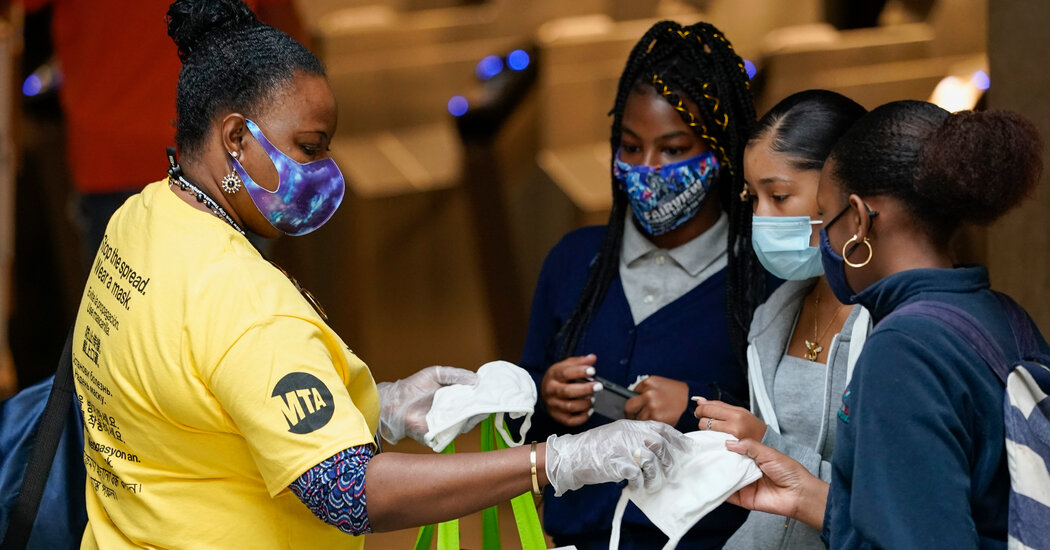
In a sharp turnabout from previous recommendations, federal health officials on Thursday advised that Americans who are fully vaccinated against the coronavirus may stop wearing masks or maintaining social distance in most indoor and outdoor settings, regardless of size.The advice from the Centers for Disease Control and Prevention comes as welcome news to Americans who have tired of restrictions and marks a watershed moment in the pandemic. Masks ignited controversy in communities across the United States, symbolizing a bitter partisan divide over approaches to the pandemic and a badge of political affiliation.Permission to stop using them now offers an incentive to the many millions who are still holding out on vaccination. As of Wednesday, about 154 million people have received at least one dose of a Covid-19 vaccine, but only about one-third of the nation, some 117.6 million people, have been fully vaccinated.But the pace has slowed: Providers are administering about 2.16 million doses per day on average, about a 36 percent decrease from the peak of 3.38 million reported in mid-April.“The science is clear: If you are fully vaccinated, you are protected, and you can start doing the things that you stopped doing because of the pandemic,” the C.D.C. said in a statement on Thursday.The new advice comes with caveats. Even vaccinated individuals must cover their faces and physically distance when going to doctors, hospitals or long-term care facilities like nursing homes; when traveling by bus, plane, train or other modes of public transportation, or while in transportation hubs like airports and bus stations; and when in prisons, jails or homeless shelters.In deference to local authorities, the C.D.C. said vaccinated Americans must continue to abide by existing state, local, or tribal laws and regulations, and follow local rules for businesses and workplaces. Individuals are considered fully vaccinated two weeks after the one-dose Johnson & Johnson shot or the second dose of either Pfizer-BioNTech or Moderna vaccine series.Still, the changes are likely to galvanize Americans who have become unaccustomed to appearing in public unmasked — or to seeing others do so.“We’ve got to liberalize the restrictions so people can feel like they’re getting back to some normalcy,” Dr. Anthony S. Fauci, the Biden administration’s senior adviser on the pandemic, said in an interview. “Pulling back restrictions on indoor masks is an important step in the right direction.”“You can’t inhibit people from doing the things they want to do, which is one of the reasons they wanted to get vaccinated in the first place, because other people are not getting vaccinated,” he added.The move could raise alarms among more cautious Americans, who may be more reluctant to engage in public activities when more people are unmasked. There is no way to know who is vaccinated and who is not, and the majority of the population is not yet fully vaccinated.“For those who are more risk averse, you have a choice of continuing to wear it if you want to,” Dr. Fauci said.In justifying the move, agency officials pointed to several recent studies showing that vaccines are more than 90 percent effective at preventing mild and severe disease, hospitalizations and deaths from Covid-19 in real world settings.Among them was a study of 6,710 health care workers in Israel, including 5,517 fully vaccinated workers, that found the Pfizer vaccine was 97 percent effective at preventing symptomatic infections among the fully vaccinated, and 86 percent effective at preventing asymptomatic infections among them. (Vaccination rates in Israel are far higher than in the United States, however.)The C.D.C. also emphasized that vaccines in use have also proven effective against variants of the coronavirus that are circulating in the United States.The C.D.C. has been under fire recently for moving too gingerly to lift restrictions on public activities for those who are vaccinated. Some critics have said the agency’s caution may suggest to Americans that officials lack confidence in the vaccines.Allowing immunized people to go mask-free indoors may help persuade more people to opt for the vaccine, said Angela Rasmussen, a virologist at Vaccine and Infectious Diseases Organization in Saskatchewan, Canada. Removing mask requirements “is another incentive that is extremely low cost and is very much supported by evidence.”Though the C.D.C. historically has been one of the most trusted public health agencies in the world, public confidence in its recommendations lagged during the Trump administration, which sought to muzzle government experts and to alter the agency’s advice, and has not fully rebounded.Only half of Americans said that they had a “great deal” of trust in the C.D.C., according to a new survey conducted in February and March by the Robert Wood Johnson Foundation and the Harvard T.H. Chan School of Public Health.

Read more →

Many Unvaccinated Latinos in the U.S. Want the Shot, New Survey Finds

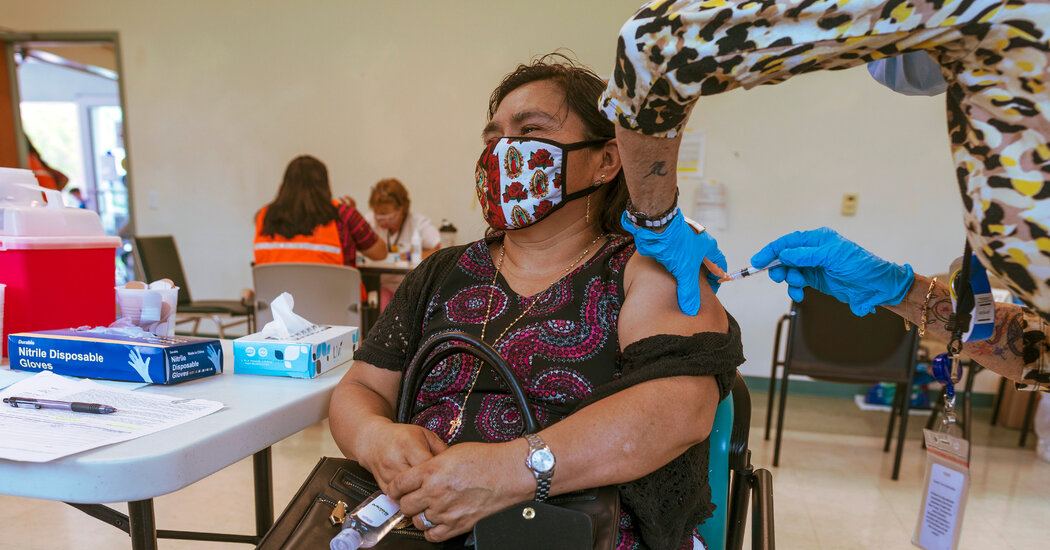
Issues of access and fears of employment and immigration consequences have kept their Covid vaccination rates low, the findings suggest.Latino adults in the United States have the lowest rates of Covid-19 vaccination but among the unvaccinated, they are the demographic group most willing to receive the Covid shots as soon as possible, a new survey shows.The findings suggest that their depressed vaccination rate does not uniformly reflect skepticism about the shots, but rather is also indicative of misinformation about their cost and access, as well as concerns about employment and immigration issues, according to the latest edition of the Kaiser Family Foundation Covid-19 Vaccine Monitor.“With so many unvaccinated Hispanic adults eager to get a shot, there’s an opportunity to further close the gap in vaccination rates by addressing worries about costs and practical concerns such as time off work,” said Liz Hamel, a vice president of the foundation and director of public opinion and survey research.Indeed 33 percent of unvaccinated Latino adults responding to the survey said they wanted the shots as soon as possible, compared with 16 percent of the unvaccinated white adults and 17 percent of the unvaccinated Black adults.Over all, nearly half of the Latino respondents, 47 percent, said they had gotten at least one dose of a Covid vaccine, compared with 60 percent of white adults and 51 percent of Black adults.“The report shows that many Latinos have a high motivation to get vaccinated,” said Kurt Organista, a professor of social welfare at the University of California, Berkeley. “They live in multigenerational households and cramped quarters. They want to protect their families.”But, he added, “they work a lot — their work participation rates are higher than average Americans — so they don’t want to jeopardize their jobs by taking time off to get vaccinated.”The survey showed that misunderstandings about cost and eligibility had also stymied them.Even though the Covid vaccines are free in the United States, half of the unvaccinated Latino respondents worried that they would have to pay for the shot. Two-thirds said they feared they would have to miss work because of side effects.About 18 percent of the Latino respondents said they did not yet have permanent residential status in the United States. Though the Biden administration and local public health officials have reiterated that the shots are available to anyone regardless of immigration status, more than half of this group reported being unsure about whether they were eligible to get the shots.Nearly 40 percent of all the unvaccinated Latinos responding to the survey said they feared they would need to produce government-issued identification to qualify. And about a third said they were afraid that getting the shot would jeopardize either their immigration status or that of a family member.Many health departments have been undertaking increasingly inventive measures to sign up Spanish speakers and to reassure them that their immigration status will not be endangered, said Erin Mann, the program manager for the National Resource Center for Refugees, Immigrants and Migrants, based at the University of Minnesota, which advises communities about best practices to reach underserved people. These include having language-specific drive-up lanes for testing and vaccination, holding events in the evenings and having health care workers phone individuals to sign them up.The results of the poll were drawn from a nationally representative telephone survey, conducted between April 15 and April 29, of 2,097 adults, including 778 English- and Spanish-speaking Latinos.The report on the findings also explored the disproportionately harsh impact of the pandemic on Latino families, which helped explain their willingness to be vaccinated. About 38 percent of Latino adults said that a relative or close friend had died from Covid-19, compared with 18 percent of white adults who reported having had similar experiences. Two-thirds of Latino adults said they feared that either they or a relative might get sick from the coronavirus. Financial fears related to the pandemic rippled through Latino families, too. Nearly half said they had been adversely affected economically, compared with about one-third of white respondents who said so.While about a third of unvaccinated Latino adults were eager to get a shot as soon as possible, two-thirds were more reluctant, describing themselves as wait-and-see, only if required by work or definitely not (35 percent, 13 percent and 17 percent). But this group did seem amenable to incentive strategies, the report suggested. For them, improved access would be helpful.More than half in this group who are overall reluctant and also employed said they would get the shots if their employers gave them paid time off to recover from side effects, which the Biden administration has urged, a rate nearly three times that of white workers. And 38 percent of this group would be inclined to be vaccinated if their employer arranged for the shots to be distributed at the work site. Nearly four in 10 said they would be more likely to get the shot if their employer provided a $200 incentive to do so.Their responses also pointed to the importance of community-based access. Nearly half said they would be more likely to get vaccinated if the shots were available at sites where they normally go for health care. Dr. Organista said this finding showed the growing use of such clinics, which rely heavily on “promotores de salud”— community-based health workers, often volunteers, who provide assistance especially to Spanish-speaking residents.“These clinics treat people irrespective of their ability to pay and immigration status,” he said. “People in the community know this. That’s a big opportunity and a solution for vaccination.”

Read more →

A Lingering Effect of the Pandemic: ‘Never-Ending’ Guilt

Like many people, Erin Fitch has been feeling guilty lately.She and her husband, who live in San Diego, decided to prioritize safety over socialization during the pandemic. But that meant that their three boys, ages 9, 11 and 14, have had to remain pretty isolated — learning remotely for the most part and keeping their distance from friends.Over the last few months — and especially after her 11-year-old said he would pay $100 if he could learn inside a classroom again — Ms. Fitch, 44, has been wondering if she is making the right call, the self-doubt creeping in as she watches other families loosen their restrictions.“The guilt wakes me up every morning and puts me to bed every night. It’s never-ending,” she said. “This is mom guilt on steroids.”Or, to be even more specific, it’s unjustified pandemic guilt — a nagging, self-punishing emotion that keeps surfacing as we continue to navigate the crisis. “The highly distressing, morally difficult, and cumulative nature of Covid-19 related stressors may be a perfect storm to result in a guilt and shame response (although the actual prevalence will not be known for some time),” wrote the authors of a paper published in August in the journal Psychological Trauma.Feelings of guilt may be particularly prevalent among health care workers. An October survey of 14,000 health staff in the United Kingdom, including nurses and assistants, found that 51 percent had sought mental health support during the pandemic.One nurse reported: “It was a nightmare — I felt guilty and helpless about not being able to do more. I couldn’t sleep and was very anxious.”Perhaps you feel self-conscious about the good things in your life — or even your own survival — when others have suffered so greatly. Or maybe you feel responsible for things that are not really your fault, like accidentally infecting a family member with Covid-19. Or you’re in anguish over your choices, even when there isn’t a definitive path to follow.“People feel much more guilt for all kinds of things than they did before, especially unjustified guilt,” said June Tangney, a psychology professor at George Mason University in Fairfax, Va., who studies guilt and shame.We asked experts how we can pull ourselves out of the pandemic guilt spiral if we’re feeling unwarranted remorse.Erin Fitch watches over her youngest son, Luke, during his online piano class. She feels guilty that her children have had to give up group activities and sports during most of the pandemic.John Francis Peters for The New York TimesTurn brooding into action.“I have extreme feelings of guilt as someone who has most of my extended family in India,” said Neha Shastry, 30, who lives in Brooklyn. She has been shaken by the deepening Covid crisis there, as infections and deaths rapidly advance from big cities into rural areas. “It’s surreal to wake up a year later in New York City and see the streets full and businesses flourishing again, while my family is fearing for their lives.”She has coped, in part, by writing out her thoughts every morning and attempting to “embrace the guilt and accept it.”With unjustified guilt, people punish themselves even though circumstances are out of their control or they didn’t deliberately hurt anyone, said Sherry Cormier, a psychologist and bereavement trauma specialist in Edgewater, Md., who has observed survivor’s guilt during the pandemic.Experts draw a distinction between guilt and shame. Shame is the more insidious feeling of being defective and internalizing negative beliefs about yourself, whereas guilt stems from something we’ve done or failed to do, or from the act of comparing ourselves with others.“The best way to get out of the guilt spiral is to do something concretely,” Dr. Cormier said. “Because as long as we continue to think about the event or the situation that’s making us feel guilty, and we just brood about it, we’re going to keep living in guilt.”If you are feeling guilty about your good fortune, for example, you might consider either volunteering or making a financial donation to a charity or an individual. Or, if you didn’t get a chance to say a proper goodbye to a relative who died during the pandemic, you may want to bolster your relationships with other relatives or friends in your life.Barbara Nehmad, 59, who lives in Woodbury, N.J., started feeling guilty after learning that her friend of more than a decade — with whom she had a falling out in 2019 — died of Covid last April.“I still feel grief and shock that he’s not around anymore,” she said. “I miss him.”Soon Ms. Nehmad began questioning why her life was spared and not his.He had more people depending on him, like his wife, she added, which meant that — in her eyes — his life seemed “more important.”“I don’t have any spouse or children or, you know, anybody to take care of. I don’t even have any pets, because I’m allergic,” she said, adding that these are choices she is still happy with. “If I died, nobody would miss me, honestly.”When her friend’s wife started a GoFundMe to help cover medical costs and other expenses, Ms. Nehmad made a contribution, then began drumming up donations by sending the GoFundMe campaign to everyone she could think of who might have known the couple. Doing this helps “a little,” she said, because she knows it’s something her friend would have wanted.“I can hear his voice in my ear saying, ‘Go! Go! Go!’” she said, laughing.Ms. Fitch, in California, is taking action, too. Her 14-year-old is now back in school and when the new school year starts, her two youngest sons will return as well.“We’ll have to take whatever risks come with it,” she said. “They can’t just keep doing this.”Ms. Hills found it difficult to let her mother go and encouraged her to fight her illness.Mary Beth Koeth for The New York TimesHer parents, Sylvia and Philip Miller, both died this year — her mother was 97 and her father was 99.Mary Beth Koeth for The New York TimesSwat down negative self-talk.The way you speak to yourself might perpetuate the guilt you feel.When Sumayya Alsenan, 36, gave birth to her first child last year in Brooklyn, she was guilt-ridden about having brought new life into such a complex and oftentimes problematic world.“I remember just looking at the baby and truly verbalizing how sorry I was,” Ms. Alsenan said. “I noticed that I was trying to actually find ways to take the blame. Like, how did I not know that pandemics are going to be a thing now?”By identifying the negativity in your thought process, you can begin to tackle your guilt, the experts said.In his book, “Think Like a Monk,” the author Jay Shetty details a technique called “Spot, Stop, Swap” that can help people reframe their thinking. Mr. Shetty, who lived as a monk in his early 20s, said this is his name for what monks describe as awareness, addressing and amending.Say you feel bad for not spending as much time with a friend as you’d like to.“If we spot these feelings, we can trace them to their root. We can become curious instead of critical,” Mr. Shetty explained in an email. “Why is this bothering us? Are we not honoring our values because we’re truly not prioritizing our friendship?”In the stop phase, “we can shift from guilt to compassion,” he added, and recognize the reasons it has been difficult to honor our values. “We can then make a mental swap to something more positive and empowered. We can acknowledge that while we can’t be perfect, we can be present.”If you’re stuck in a cycle of negative self-talk, remember that the past is gone and that we own only the present and the future, Dr. Cormier said.“You can’t really go back to relive that moment,” she added. “But we can change what’s happening right now in our brain. And we can change the way that we respond in that situation or a similar situation in the future.”Because she has been stringent about social distancing, Ms. Fitch’s boys have spent the last year together, playing on the trampoline, kicking a soccer ball around or skateboarding in the driveway to burn off energy.John Francis Peters for The New York TimesRelinquish control.At the hospital in Florida where the nurse Donna Kearns works, when patients are near death, they are allowed one visitor for 30 minutes, provided the visit is “supervised,” she said.“This feels so invasive and such an emotional, private thing. So intrusive. I try to just stay near the door and avert my eyes,” Ms. Kearns, 63, said. “There’s a lot of guilt in feeling like you wish you could do more.”If you’re feeling guilty about things over which you have no control, the guilt you’re feeling is not warranted, the experts said.Dr. Tangney suggested imagining what you would say if a good friend were in the same situation. Would you berate your friend? Or would you respond with compassion and empathy?“Doing that little switch — where you’re stepping outside of yourself — can help people to a point of self-compassion, of giving yourself a break,” she said.Talking it through with a trusted friend or, if your thoughts are pervasive, with a therapist, can help you analyze your thinking and any assumptions you might be making.Stephanie Hills, 68, who lost both of her parents earlier this year, regrets that she wasn’t able to see her mother, who had Covid, after she was admitted to the hospital. At the time, Ms. Hills had Covid, too.When she spoke to her mother on the phone, “I kept on telling her I’d come back and wouldn’t forget her,” said Ms. Hills, who lives in Davie, Fla. But her mother was so weak she couldn’t respond.The hospital rabbi suggested that she tell her mother that it was OK for her to go.“I couldn’t say it,” Ms. Hills said. “I wanted her to fight and get better.”This only compounded her feelings of guilt, Ms. Hills said recently.People are hard-wired to engage in counterfactual thinking, Dr. Tangney said. In other words, if something negative happened, they will dwell on that experience and wonder if there was anything they could have done that would have changed the outcome. “If only I had left a little earlier,” for example, or “If only I had said something different.”This kind of thinking can be practical in instances where we want to find new solutions or alternative ways of doing things.“We’re just looking for ways to get control, so that X doesn’t happen again,” Dr. Tangney said.But if it’s applied to circumstances that are beyond our control, it can also reinforce feelings of guilt, she added.Ask yourself: Could I really have foreseen this? Is this something I would hold someone else responsible for?“Bad, bad things happen,” Dr. Tangney said. “And sometimes it’s nobody’s fault.”

Read more →

Hydrogen peroxide-producing drug boosts cancer-killing effect of radiotherapy

A small drug molecule that appears to protect normal tissue from the damaging effects of radiation, may simultaneously be able to boost the cancer-killing effect of radiation therapy, according to a new study led by scientists at University of Iowa, University of Texas Southwestern Medical Center, and Galera Therapeutics, Inc.
The study, published online May 12 in Science Translational Medicine, suggests that the drug’s dual effect is based on a fundamental difference between the ability of cancer cells and healthy cells to withstand the damaging effects of a highly reactive molecule called hydrogen peroxide, which is produced during the dismutation of superoxide.
The drug, known as Avasopasem manganese, is made by Galera Therapeutics. It acts like a natural enzyme called superoxide dismutase and converts superoxide into hydrogen peroxide. Based on its ability to “mop up” damaging superoxide molecules, which are produced by radiation treatment, the drug is currently in clinical trials to test its ability to protect mucosal tissue from the side-effect of radiotherapy.
Since radiation generates large amounts of superoxide, combining the drug with radiation therapy can generate high levels of hydrogen peroxide. This does not harm normal tissue because healthy cells have metabolic systems that remove hydrogen peroxide. In contrast, cancer cells, which are biologically abnormal, can be overwhelmed by high levels of hydrogen peroxide.
“Cancer cells and healthy cells respond very differently to the increased amount of hydrogen peroxide,” says Douglas Spitz, PhD, UI professor of radiation oncology and co-lead author of the study. “Our study shows that Avasopasem manganese interacts synergistically with high doses of radiation to create hydrogen peroxide that selectively kill cancer cells but is relatively harmless to normal tissue.”
The study showed that in mouse models of lung and pancreatic cancer the drug synergized with radiotherapy to such an extent that the treatment was able to destroy the tumors. The study also showed the greatest synergy occurred with high daily dose radiotherapy, similar to the doses delivered with Stereotactic Body Radiation Therapy (SBRT) currently used to treat some patients with cancer.
The researchers used several experiments to confirm that hydrogen peroxide was the key component in the synergistic effect. They showed the effect was blocked by adding in an enzyme that removes hydrogen peroxide and was enhanced when hydrogen peroxide breakdown was prevented.
“These findings are the result of collaborative efforts over several years by scientists primarily at Iowa, UT Southwestern Medical Center, and Galera, and are already being translated into several ongoing clinical studies,” adds Spitz, who is a member of Holden Comprehensive Cancer Center at the UI. “One of those early phase trials recently reported that Avasopasem manganese in combination with high daily dose radiotherapy appears to nearly double overall survival in patients with pancreatic cancer compared to a placebo plus the same radiotherapy. Our study lays out the novel scientific basis for this potentially ground-breaking therapy for patients.”
In addition to Spitz, the study team included co-lead author Michael Story, PhD, at UT Southwestern Medical Center, and colleagues at UI, UTSW, and Galera Therapeutics, Inc.
The research was funded in part by grants from the National Cancer Institute and a sponsored research agreement with Galera Therapeutics.
Story Source:
Materials provided by University of Iowa Health Care. Original written by Jennifer Brown. Note: Content may be edited for style and length.

Read more →

Ticking upward: Researcher studies rise of tick-borne diseases in Midwest

When Ram Raghavan heard from a former colleague at the Centers for Disease Control and Prevention that a 7-year-old girl had died from Rocky Mountain spotted fever as the result of a tick bite, he thought of his own daughter, also 7 years old at the time, and the potentially fatal danger posed to vulnerable populations by tick-borne diseases.
Now a professor at the University of Missouri College of Veterinary Medicine and School of Health Professions, Raghavan is an epidemiologist studying how ticks, mosquitos and other arthropods spread disease that impact people, pets and livestock over time in various geographical regions.
In a recent study, the most comprehensive of its kind in the Midwest region of the United States, Raghavan and former graduate student Ali Hroobi collected and identified various species of ticks on the outskirts of Pittsburg, Kansas, twice a month for a 3-year period. They not only found a majority of the ticks to be most active in the humid spring and summer seasons, but their comprehensive documentation of what, when and where ticks are present help public health officials better understand the threat of tick-borne diseases to humans, companion animals and livestock.
“We have seen increases recently in both the number and severity of tick-borne diseases in the Midwest, particularly in the humid climates of Missouri, Kansas, Oklahoma and Arkansas,” Raghavan said. “Since more people get infected by tick-borne diseases each year than any other vector-borne disease, it is important that we better understand what type of ticks are present in our region, where they are located and what time of year they are most prevalent. This information will help keep us, our families, pets and livestock safe.”
Raghavan explained that several factors have contributed to the rise in tick-borne diseases. Humans are increasingly relocating from densely populated urban cities to more suburban areas on the outskirts of towns near forests and grasslands where ticks are often present. Outdoor fitness activities such as hiking, biking and walking have also become more popular, especially since the COVID-19 pandemic and particularly during the warmer spring and summer seasons in the Midwest.
Climate change has played a role as well, as the warmer temperatures and humidity seem to be creating perfect conditions for ticks and the pathogens they carry to thrive. Finally, a sharp increase in population of white-tailed deer, the primary animal host for the most common tick found in the Midwest, Amblyomma Americanum, is another contributing factor.
“This comprehensive research study helps us create a baseline understanding of the current situation from a public health perspective,” Raghavan said. “These contributing factors will likely continue to play a role going forward, and now we have meaningful, relevant data to look back on for comparisons to see if certain trends continue in the future.”
Raghavan added that because there are currently no vaccines for tick-borne diseases, prevention practices and tick awareness are the best ways to avoid tick bites.
“Wearing protective clothing such as long sleeve shirts and pants when walking outdoors or on hiking trails is highly recommended, and spraying permethrin insect repellent can help as well,” Raghavan said. “Other common sense safety practices such as staying on the main trails away from vegetation and keeping dogs on leash can help protect you and your pets from ticks. Always check oneself and pets for any attached ticks after being outdoors. Also, visit with your doctor if you start to have any flu-like symptoms, as most tick-borne diseases are entirely curable, but early diagnosis is crucial.”
The research can help inform future studies to better identify when and where specific pathogens amplify within various ticks, their effects on disease severity, and the impact of climate change and land use change on the prevalence of tick-borne diseases.
“It is important to remember health does not operate separately for humans compared to animals or the environment,” Raghavan said. “This is a ‘One Health’ issue, and as humans, we are just a small part of an enormous ecosystem. The more we learn and understand the problems, the better we can protect ourselves against these preventable diseases.”

Read more →

COVID-19 mRNA vaccines are immunogenic in pregnant and lactating women, study finds

Pregnant women with symptomatic COVID-19 have a higher risk of intensive care unit admissions, mechanical ventilation and death compared to non-pregnant reproductive age women. Increases in preterm birth and still birth have also been observed in pregnancies complicated by the viral infection. The Centers for Disease Control and Prevention (CDC) recommended that people who are pregnant may choose to be vaccinated at their own discretion with their healthcare provider. However, pregnant and lactating women were not included in Phase 3 vaccine efficacy trials; thus, data on vaccine safety and immunogenicity in this population is limited.
In a new study from Beth Israel Deaconess Medical Center (BIDMC), specialists in the Department of Obstetrics and Gynecology and the Center for Virology and Vaccine Research evaluated the immunogenicity of COVID-19 mRNA vaccines in pregnant and lactating women who received either the Pfizer or Moderna COVID-19 vaccines. The researchers found that both vaccines triggered immune responses in pregnant and lactating women. Further analyses revealed that maternal vaccine antibodies are transferred into infant cord blood and breast milk. The team’s findings appear today in the Journal of the American Medical Association.
“Our study supports the use of vaccines in pregnant and lactating individuals. The vaccine-elicited antibodies we detected in both infant cord blood and breast milk suggest that vaccinating pregnant mothers may potentially protect infants from COVID-19 infection,” said lead author Ai-ris Y. Collier, MD, a Maternal-Fetal Medicine specialist at BIDMC. “Future research should focus on determining the timing of vaccination that optimizes delivery of antibodies through the placenta and breast milk to newborns.”
Collier and colleagues conducted an exploratory, descriptive study of 103 women, ages 18-45, who received an mRNA COVID-19 vaccine (54 percent received Pfizer; 46 percent received Moderna). The scientists found similar levels of vaccine-induced antibody function and T cell responses in all non-pregnant, pregnant and lactating women after their second vaccine dose. Additionally, both pregnant and non-pregnant women who received the mRNA vaccines developed cross-reactive immune responses against the COVID-19 variants of concern B.1.1.7 and B.1.351.
“The COVID-19 mRNA vaccines raised robust immune responses in pregnant, lactating, and non-pregnant non-lactating women,” said senior corresponding author Dan. H. Barouch, MD, PhD, Director of the Center for Virology and Vaccine Research at BIDMC. “Additionally, the vaccine-elicited antibody responses were greater than antibody responses seen after COVID-19 infections. These findings add to the emerging data that support the use of these vaccines in pregnant and lactating women.”
Co-authors included Katherine McMahan, Jingyou Yu, Lisa H. Tostanoski, Ricardo Aguayo, Jessica Ansel, Abishek Chandrashekar, Shivani Patel, Esther A. Bondzie, Daniel Sellers, Julia Barrett, Owen Sanborn, Huahua Wan, Aiquan Chang, Tochi Anioke, Joseph Nkolola, Connor Bradshaw, Catherine Jacob-Dolan, Makda Gebre, Erica N. Borducchi, Jinyan Liu, Michele R. Hacker of BIDMC; Jared Feldman, Aaron G. Schmidt and Galit Alter of the Ragon Institute of MGH, MIT, and Harvard; Todd Suscovich and Caitlyn Linde of Seromyx Systems.
This works was supported by the National Institutes of Health (CA260476, AI146779), Ragon Institute of MGH, MIT, and Harvard, Massachusetts Consortium for Pathogen Readiness, Musk Foundation, Reproductive Scientist Development Program from the Eunice Kennedy Shriver National Institute of Child Health & Human Development and Burroughs Wellcome Fund (HD000849), Multidisciplinary AIDS Training Program (AI007387), and the Harvard Clinical and Translational Science Center (TR002541)

Read more →

Covid Vaccines Protect Pregnant Women, Study Confirms

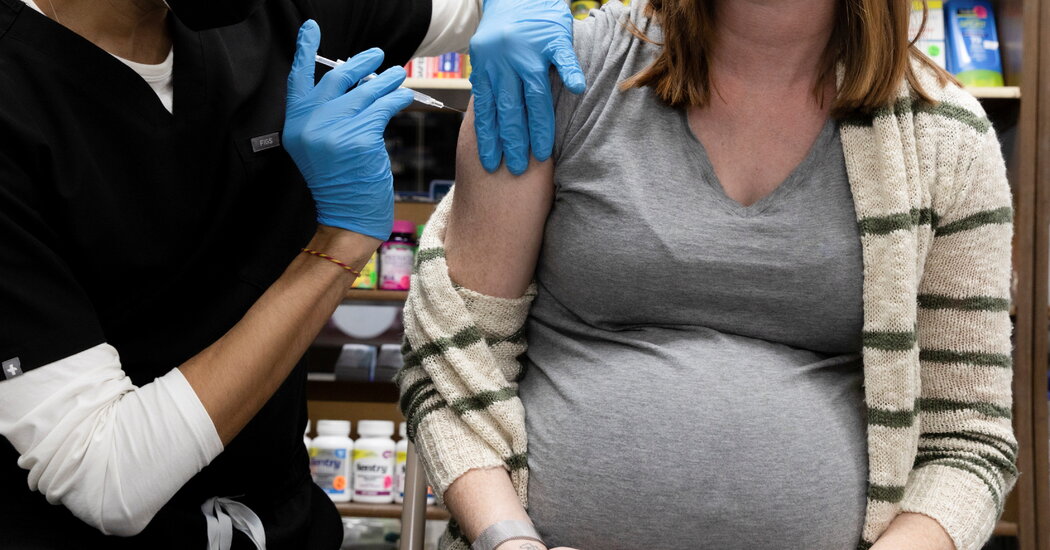
The shots may also have benefits for infants and do not seem to damage the placenta, according to the latest research.When the coronavirus vaccines were first authorized in December, scientists knew little about how well they might work in pregnant women, who had been excluded from the clinical trials.Since then, scientists have accumulated a small but steadily growing body of evidence that the vaccines are safe and effective during pregnancy. Preliminary results from two continuing studies provide additional encouraging news.The Pfizer-BioNTech and Moderna vaccines produce robust immune responses in pregnant and lactating women, and are likely to provide at least some protection against two dangerous coronavirus variants, according to a study published in JAMA on Thursday. Vaccinated women can also pass protective antibodies to their fetuses through the bloodstream and to their infants through breast milk, the research suggests.In a second study, published in the journal Obstetrics & Gynecology on Tuesday, researchers found no evidence that either the Pfizer or Moderna vaccines damaged the placenta during pregnancy.“We can shift our framework from, ‘Let’s protect pregnant people from the vaccine,’ to ‘Let’s protect pregnant people and their infants through the vaccine,’” said Dr. Emily S. Miller, an expert in maternal-fetal medicine at Northwestern University and co-author of the placenta study. “I think that’s really powerful.”Covid presents serious risks during pregnancy. Research has shown, for instance, that pregnant women with coronavirus symptoms are more likely to be admitted to the intensive care unit, require mechanical ventilation and to die from the virus than are symptomatic women of a similar age who are not pregnant.Because of these risks, the Centers for Disease Control and Prevention has recommended that the vaccines at least be made available to pregnant people, many of whom have opted to receive the shots.In the JAMA study, scientists at the Beth Israel Deaconess Medical Center in Boston and Harvard Medical School studied blood samples from 103 women who had received the Pfizer or Moderna vaccine between December 2020 and March 2021. Of these women, 30 had received the vaccine while pregnant, 16 while lactating and 57 while neither pregnant nor lactating.The researchers analyzed the blood samples for signs that the shots had conferred some protection against the coronavirus. Immune responses are complex, and may involve both antibodies — proteins that can bind to and block the virus — and T cells, which help the body recognize the virus and destroy infected cells.The vaccines produced similar responses in all three groups of women, eliciting both antibody and T-cell responses against the coronavirus, the scientists found. Of particular note, experts said, was the fact that the shots produced high levels of neutralizing antibodies, which can prevent the virus from entering cells, in both pregnant and nonpregnant women.“Clearly, the vaccines were working in these people,” said Akiko Iwasaki, an immunologist at Yale University who was not involved in the research. “These levels are expected to be quite protective.”The researchers also found neutralizing antibodies in the breast milk of vaccinated mothers and in umbilical cord blood collected from infants at delivery. “Vaccination of pregnant people and lactating people actually leads to transfer of some immunity to their newborns and lactating infants,” said Dr. Ai-ris Y. Collier, a physician-scientist at Beth Israel who is the first author of the paper.The results are “really encouraging,” Dr. Iwasaki said. “There is this added benefit of conferring protective antibodies to the newborn and the fetus, which is all the more reason to get vaccinated.”The scientists also measured the women’s immune responses to two variants of concern: B.1.1.7, which was first identified in Britain, and B.1.351, which was first identified in South Africa. All three groups of women produced antibody and T-cell responses to both variants after vaccination, although their antibody responses were weaker against the variants, especially B.1.351, than against the original strain of the virus, according to the study.“These women developed immune responses to the variants, although the asterisk is that the antibody responses were reduced several-fold,” said Dr. Dan Barouch, a study author and virologist at Beth Israel. (Dr. Barouch and his colleagues developed the Johnson & Johnson vaccine, which was not included in this study.)“Overall, it’s good news,” he added. “And it increases the data that suggests that there is a substantial benefit for pregnant women to be vaccinated.”The researchers also found that 14 percent of pregnant women reported a fever after their second vaccine dose, compared to 52 percent of nonpregnant women. They did not observe any severe complications or side effects.The study will continue, with researchers monitoring women’s longer-term immune responses. And larger epidemiological studies are still needed to confirm these lab-based results, Dr. Collier noted.In the second study, a research team from Northwestern University and the Ann and Robert H. Lurie Children’s Hospital of Chicago examined the placentas from 200 women who gave birth between April 2020 and April 2021. Eighty-four of the women had received either the Pfizer or Moderna vaccine during pregnancy; the remainder had not received any coronavirus vaccine.The placentas from vaccinated women were not any more likely to show signs of injury or abnormality than those from unvaccinated women, the researchers found.“These data build upon the emerging data that’s come out about these vaccines and their safety in pregnant people,” Dr. Miller said. “These are translational data that suggests the placenta doesn’t see any injurious impact of the vaccine. And that’s really fantastic.”The findings have limitations, she acknowledged. Because the vaccines were only authorized recently, most of the women in the study were vaccinated in the third trimester of pregnancy, and many of them were health care workers, who were among the first people eligible for the shots.Dr. Miller and her colleagues are continuing to collect more data, including from patients who were vaccinated earlier in their pregnancies and who received the one-shot Johnson & Johnson vaccine.“This is ongoing work,” Dr. Miller said. But they wanted to publish their preliminary data as soon as they had it, she added, “to help people make the best decision they can.”

Read more →

Eating more fruit and vegetables linked to less stress, study finds

Eating a diet rich in fruit and vegetables is associated with less stress, according to new research from Edith Cowan University (ECU).
The study examined the link between fruit and vegetable intake and stress levels of more than 8,600 Australians aged between 25 and 91 participating in the Australian Diabetes, Obesity and Lifestyle (AusDiab) Study from Baker Heart and Diabetes Institute.
The findings revealed people who ate at least 470 grams of fruit and vegetables daily had 10 per cent lower stress levels than those who consumed less than 230 grams. The World Health Organization (WHO) recommends eating at least 400 grams of fruit and vegetables per day.
Lead researcher, PhD candidate Simone Radavelli-Bagatini from ECU’s Institute for Nutrition Research, said the study strengthens the link between diets rich in fruit and vegetables and mental wellbeing.
“We found that people who have higher fruit and veggie intakes are less stressed than those with lower intakes, which suggests diet plays a key role in mental wellbeing,” said Ms Radavelli-Bagatini.
A growing issue
Mental health conditions are an increasing problem in Australia and around the world. Around one in two Australians will experience a mental health issue in their lifetime. Globally, approximately 1 in 10 people live with a mental health disorder.

Read more →