New research optimizes body's own immune system to fight cancer

A groundbreaking study led by engineering and medical researchers at the University of Minnesota Twin Cities shows how engineered immune cells used in new cancer therapies can overcome physical barriers to allow a patient’s own immune system to fight tumors. The research could improve cancer therapies in the future for millions of people worldwide.
The research is published in Nature Communications, a peer-reviewed, open access, scientific journal published by Nature Research.
Instead of using chemicals or radiation, immunotherapy is a type of cancer treatment that helps the patient’s immune system fight cancer. T cells are a type of white blood cell that are of key importance to the immune system. Cytotoxic T cells are like soldiers who search out and destroy the targeted invader cells.
While there has been success in using immunotherapy for some types of cancer in the blood or blood-producing organs, a T cell’s job is much more difficult in solid tumors.
“The tumor is sort of like an obstacle course, and the T cell has to run the gauntlet to reach the cancer cells,” said Paolo Provenzano, the senior author of the study and a biomedical engineering associate professor in the University of Minnesota College of Science and Engineering. “These T cells get into tumors, but they just can’t move around well, and they can’t go where they need to go before they run out of gas and are exhausted.”
In this first-of-its-kind study, the researchers are working to engineer the T cells and develop engineering design criteria to mechanically optimize the cells or make them more “fit” to overcome the barriers. If these immune cells can recognize and get to the cancer cells, then they can destroy the tumor.

Read more →

Ion transporters in chloroplasts affect the efficacy of photosynthesis

A study led by LMU plant biologist Hans-Henning Kunz uncovers a new role for ion transporters: they participate in gene regulation in chloroplasts.
In plants, photosynthesis takes place in intracellular ‘factories’ called chloroplasts. Plant chloroplasts evolved from photosynthetic cyanobacteria, which were engulfed by a non-photosynthetic cell in the course of evolution. As a result of this evolutionary event, chloroplasts possess two envelope membranes, and have retained functional remnants of their original cyanobacterial genomes. Henning Kunz (LMU Biocenter), his group, and their collaborators have now demonstrated that proteins involved in ion transport in the inner chloroplast membrane participate in the regulation of gene expression in the organelle, therefore playing an important role in the control of photosynthesis.
Photosynthesis actually occurs in a highly specialized ‘thylakoid’ membrane system in the chloroplast. This system is encapsulated by the inner and outer envelope. Among the proteins embedded in the inner membrane are ion transporters that regulate the ion balance in the medium, known as the stroma, which bathes the thylakoid membranes in the center of the organelle. It also contains the organelle’s DNA genome, and the ribosomes that synthesize the proteins which it encodes. Notably, photosynthesis is crucially dependent on the coordinated expression of the chloroplast genome and genes that now reside in the cell nucleus. “Using the model plant Arabidopsis thaliana, we have now shown that the ion balance in the stroma plays a role in the exchange of regulatory information between chloroplasts and the nucleus,” says Kunz.
He had previously observed that chloroplast development was delayed and plant growth retarded when two genes that code for specific ion-transport proteins were deleted. “Our experiments show that, in the absence of these ion transporters, certain RNA binding proteins that are encoded by nuclear genes are unable to bind to their target RNAs in the stroma of the chloroplasts,” he explains. As a consequence, the processing and maturation of these RNAs (which are necessary for the transfer of genetic information from the chloroplast genome into stromal proteins) is inhibited. “This defect has a particularly significant effect on RNAs that are required for ribosome assembly in the stroma. The resulting reduction in the numbers of functional ribosomes severely impairs chloroplast protein synthesis in these mutants,” Kunz explains.
The results reported in the new study could contribute to efforts to enhance the efficiency of photosynthesis under otherwise unfavorable environmental conditions, which would help crop plants to adapt to climate change. “Ion transporters could serve as important tools in this context,” says Kunz. “Photosynthetic efficiency is highly dependent on the biochemistry of the stroma. These transport proteins have an important influence on this fine-tuned balance. Only if we start to understand their structures and complex functions in detail it will be possible to manipulate and benefit from the transporters’ action.”
Story Source:
Materials provided by Ludwig-Maximilians-Universität München. Note: Content may be edited for style and length.

Read more →

New immunotherapy 'highly effective' against hepatitis B

Scientists at UCL have identified a new immunotherapy to combat the hepatitis B virus (HBV), the most common cause of liver cancer in the world.
Each year, globally, chronic HBV causes an estimated 880,000 deaths from liver cirrhosis and hepatocellular carcinoma/liver cancer (HCC).
The pioneering study used immune cells isolated directly from patient liver and tumour tissue, to show that targeting acyl-CoA:cholesterol acyltransferase (ACAT), an enzyme that helps to manage cholesterol levels in cells*, was highly effective at boosting immune responses.
Published in Nature Communications, the findings show that blocking the activity of ACAT with ACAT inhibitors boosts the specific immune cells that can fight both the virus and associated cancerous tumours, demonstrating its effectiveness as an immunotherapy. Inhibiting ACAT was also found to impede HBV’s own replication, thereby also acting as a direct antiviral. ACAT inhibitors such as avasimibe, taken orally, have previously been shown to be well-tolerated as cholesterol-lowering drugs in humans.
Explaining the study, lead author Professor Mala Maini (UCL Division of Infection & Immunity), said: “Chronic hepatitis B virus infection is a major global health problem and the most common cause of liver cancer in the world.
“The development of novel therapeutic options is crucial to improve patient care. Immune cells such as T cells are indispensable for fighting viruses and tumours but are often highly dysfunctional and fail to control these diseases. Current standard of care treatments are often incapable of eliminating the virus, do not prevent cancer development and do not rescue immune cells.

Read more →

The eyes offer a window into Alzheimer's disease

While it has been said that the eyes are a window to the soul, a new study shows they could be a means for understanding diseases of the brain. According to new research by scientists at the UCSF Weill Institute for Neurosciences, retinal scans can detect key changes in blood vessels that may provide an early sign of Alzheimer’s, while offering important insights into how one of the most common Alzheimer’s risk genes contributes to the disease.
“The most prevalent genetic risk for Alzheimer’s disease is a variant of the APOE gene, known as APOE4,” said lead author Fanny Elahi, MD, PhD. “We still don’t fully understand how this variant increases risk of brain degeneration, we just know that it does, and that this risk is modified by sex, race, and lifestyle. “Our research provides new insights into how APOE4 impacts blood vessels and may provide a path forward for early detection of neurodegenerative disease.”
Studies in mice have explored the effect of APOE4 on capillaries in the brain. Elahi, an assistant professor of neurology and member of the UCSF Memory and Aging Center (MAC), has long suspected these tiny blood vessels may play a significant role in Alzheimer’s disease, since they deliver nutrients and oxygen, carry away waste, and police immune system responses through the protective shield known as the blood-brain barrier. Damage to these blood vessels could cause a host of problems, she says, including the protein buildup and cognitive decline seen in individuals affected by Alzheimer’s disease.
Because the technology does not exist to visualize individual capillaries in living people’s brains, Elahi and colleagues turned to the eye. In the new study, which published May 11, 2021, in the journal Alzheimer’s and Dementia: Diagnosis, Assessment & Disease Monitoring, Elahi and her team have shown that APOE4-associated capillary changes can be detected in humans through an easy, comfortable eye scan. As a light-penetrating tissue that shares biology with the brain, the retina, researchers believe, may help determine what APOE4 variants may be doing to similar capillaries inside the brain, even in those without dementia.
The team — which includes Ari Green, MD, a neuro-ophthalmologist, professor, and director of the UCSF Neurodiagnostics Center, and Amir Kashani, MD, PhD, associate professor of ophthalmology at the Johns Hopkins Wilmer Eye Institute — used an advanced retinal imaging technique known as optical coherence tomography angiography (OCTA) to peer into the eyes of aging people with and without APOE4 mutations to evaluate the smallest blood vessels at the back of the eye.
The team leveraged the well-characterized cohorts of people enrolled in ongoing studies of brain aging and neurodegenerative disease at the MAC. By adding OCTA scans to existing MRI and PET scan data, they gain comparative insights without putting volunteer participants through additional discomfort. “That’s the beauty of this technique,” Elahi said. “It’s very easy, noninvasive and participant-friendly.”
Analyzing the retinal scans, the researchers found reduced capillary density in APOE4 carriers, an effect that increased with participant age. To test whether those scans accurately reflected what was happening in the brain, the team then compared the abnormalities seen in OCTA scans of retinal capillaries to measurements of brain perfusion, or the flow of blood through the brain, as measured via MRI. They found that people with higher retinal capillary density also had greater blood flow in the brain.
Finally, the team looked to participants with prior PET scans of beta-amyloid, the protein associated with Alzheimer’s disease, to see how their retinal capillary measurements related to the burden of amyloid plaques in the brain, which is the major focus of Alzheimer’s disease diagnosis, research and treatment to date. They found that capillary density did not differ between groups with and without amyloid plaques, nor did it vary along with amyloid burden. According to Elahi, that independence suggests that capillary abnormalities are unlikely to be driven by amyloid pathology, or that their relation may at most be indirect.
“This is the first time that we have demonstrated in living, asymptomatic humans that the smallest blood vessels are affected in APOE4 gene carriers,” said Elahi. That’s important, she added, because it suggests that the increased risk of brain degeneration and Alzheimer’s disease in APOE4 carriers may be through its effect on blood vessels.
Elahi and her colleagues plan to follow their study participants to better understand blood vessel dysfunction at a molecular level. That work could help detect the onset of Alzheimer’s disease before significant damage occurs to the brain and identify new vascular targets for early treatment.
“This is just the beginning,” Elahi said. “But the implications for early detection and possible intervention can be significant in combatting Alzheimer’s disease and other neurodegenerative disorders. It’s much harder to regenerate neurons than to stop their degeneration from happening in the first place. Similar to cancer, early detection can save lives,”

Read more →

New inhibitor against key leukemia protein

The protein made by the ASH1L gene plays a key role in the development of acute leukemia, along with other diseases. The ASH1L protein, however, has been challenging to target therapeutically.
Now a team of researchers led by Jolanta Grembecka, Ph.D., and Tomasz Cierpicki, Ph.D., from the University of Michigan has developed first-in-class small molecules to inhibit ASH1L’s SET domain — preventing critical molecular interactions in the development and progression of leukemia.
The team’s findings, which used fragment-based screening, followed by medicinal chemistry and a structure-based design, appear in Nature Communications.
In mouse models of mixed lineage leukemia, the lead compound, known as AS-99, successfully reduced leukemia progression.
“This work points to a new, exiting avenue to develop new therapeutic agents against acute leukemia, as well as providing a new approach to further study the biological functions of ASH1L and its role in the development of the disease,” says Grembecka, associate professor of pathology at Michigan Medicine and co-director of the developmental therapeutics program at the U-M Rogel Cancer Center.
The study was a close collaboration between her lab and the lab of co-senior author Cierpicki, an associate professor of biophysics and pathology.
Story Source:
Materials provided by Michigan Medicine – University of Michigan. Original written by Ian Demsky. Note: Content may be edited for style and length.

Read more →

Improving safety and quality of Heparin

A new method to analyse the blood thinning drug Heparin has been developed that can pinpoint contaminants more accurately and quickly, providing greater quality control and safety.
An interdisciplinary team from the University of Nottingham’s Schools of Pharmacy and Medicine have used the latest chemical imaging technology to identify contaminants in Heparin at the nanoscale, a discovery that manufacturers could use to improve the quality and safety of this widely used anticoagulant drug. The research has been published in Communications Chemistry.
Heparin is naturally occurring glycosaminoglycan (GAG) but is also widely used widely as a medication. It is often used as an anticoagulant (blood thinner) before and after surgery but is also used in kidney dialysis and in blood processing. Pharmaceutical-grade heparin is derived from mucosal tissues of pig intestines or cow lungs. The majority of Heparin is made in China and in 2008 there were a number of deaths and illnesses caused by a contaminated batch. Continuing problems with the supply chain remain a concern.
Using a state-of-the-art chemical imaging technique called Time of Flight Secondary Ion Mass Spectrometry (ToF-SIMS) the researchers developed a new analytical approach that is more than 100 times more sensitive at detecting contaminants in Heparin, whilst also being faster and requiring less material to analyse. This technique blasts high-energy beams of positive ions at the sample’s surface to produces secondary ions. These ions are then accelerated into a time-of-flight analyser and where their mass can be measured. The spectrum of ions provides a detailed measurement of the sample’s chemical make-up.
Dr Andrew Hook from the School of Pharmacy led the research and said: “Heparin is particularly susceptible to contamination, commonly from other glycosaminoglycans and as they are all very similar chemically it is difficult to tell them apart using traditional analysis techniques. Whilst there are safety measures in place already to prevent contamination we saw room for improvement and using the ToF-SIMS techniques we were able to create a faster and more sensitive method for analysing Heparin that can be achieved with a very small amount of sample material.”
Professor of Stem Cell Glycobiology, Cathy Merry adds: “There are many real risks to the heparin supply chain, not least of which are the increasing prevalence of animal viruses. The previous heparin crisis was linked to a reduction in the supply of porcine heparin following an outbreak of swine flu. There is a real risk this will happen again and there is now even tighter control on the international trade in animals so it is even more likely that vast numbers of animals could be destroyed if there’s another outbreak. There’s also been a huge drive to create synthetic heparin and, although this is still a way off, when it is available there will still be a need for a rapid, sensitive comparative technique to characterise the drug heparin which this technique can provide.”
This new technique is scalable for commercial use with the ability to analyse large numbers of samples at a time.
Dr Hook continues; “It is critical that safety measures are as accurate and sensitive as possible. This technique will be a cost-effective way for manufacturers to take their safety and quality control to the next level. We are also looking at how this technique could be adapted to diagnose GAG based disorders that are typically difficult to diagnose like Hunter’s Syndrome.”
Story Source:
Materials provided by University of Nottingham. Note: Content may be edited for style and length.

Read more →

Vaccinated Americans May Go Without Masks in Most Places, Federal Officials Say

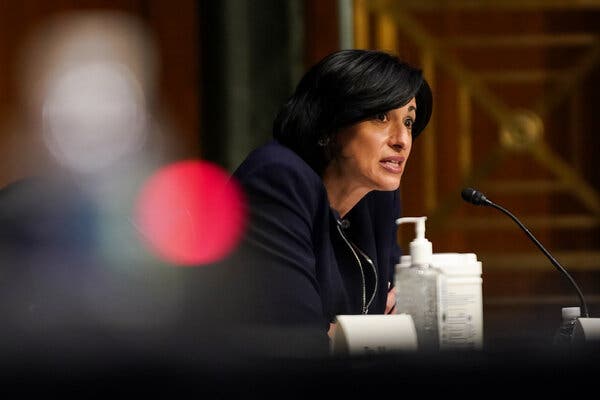
Fully vaccinated people do not have to wear masks or maintain social distance indoors or outdoors, with some exceptions, the C.D.C. advised.Federal health officials on Thursday advised Americans who are fully vaccinated against the coronavirus that they could stop wearing masks or maintaining social distance in most settings, the clearest sign yet that the pandemic might be nearing an end in the United States.The new recommendations caught state officials and businesses by surprise and raised a host of difficult questions about how the guidelines would be carried out. But the advice came as welcome news to many Americans who were weary of restrictions and traumatized by the past year.“We have all longed for this moment,” Dr. Rochelle P. Walensky, the director of the Centers for Disease Control and Prevention, said at a White House news conference on Thursday. “If you are fully vaccinated, you can start doing the things that you had stopped doing because of the pandemic.”Masks had come to symbolize a bitter partisan divide. Setting them aside in restaurants and sidewalks, in museums and shops, would represent not just the beginning of the end of the pandemic but hope for a return to normalcy.Permission to stop using masks also offers an incentive to the many millions who are still holding out on vaccination. As of Thursday, about 155 million people had received at least one dose of a Covid-19 vaccine, but only about one-third of the nation, 119 million people, had been fully vaccinated.And the pace of vaccination has slowed: Providers are administering about 2.09 million doses per day on average, about a 38 percent decrease from the peak of 3.38 million reported in mid-April.At the White House on Thursday, President Biden hailed the new recommendations as a “milestone” in the nation’s effort to beat back the pandemic and urged Americans to roll up their sleeves for vaccinations.Still, Mr. Biden urged Americans not to turn on those who were still wearing masks, including the unvaccinated. “Please treat them with kindness and respect,” he said. “We’ve had too much conflict, too much bitterness, too much anger, too much politicization of this issue about wearing masks.”While there may well be scientific justification for the guidelines, they raised a host of questions for which there are no easy answers: How to trust that unvaccinated neighbors will wear masks when they should? What about younger children, for whom no vaccinations have been authorized, and schools? Is it possible to enforce such guidelines?The new advice arrived just two days after Senate Republicans tore into the C.D.C. for what they called outdated and overly conservative guidance on mask-wearing, accusing the agency at a hearing on the government’s pandemic response of losing the trust of Americans looking to return to normal life.“Free at last,” a maskless Senator Mitch McConnell of Kentucky, the Republican leader in the Senate, said as he left the Capitol on Thursday.The agency said that vaccinated Americans would have to continue to abide by existing state, local or tribal laws and regulations and follow local rules for businesses and workplaces. But many local officials and business operators will be hard-pressed to maintain mask requirements now that the federal agency has spoken.“While we all share the desire to return to a mask-free normal, today’s C.D.C. guidance is confusing and fails to consider how it will impact essential workers who face frequent exposure to individuals who are not vaccinated and refuse to wear masks,” said Marc Perrone, the president of the United Food and Commercial Workers union.About two dozen states currently mandate masking in public. Connecticut, Pennsylvania and Washington State promptly lifted mask mandates on Thursday after the C.D.C.’s announcement. Governors in states like New York and New Jersey said they would study the C.D.C. recommendations before making any moves.In some ways, the C.D.C.’s mask guidance has now come full circle. In the early days of the pandemic, health experts expressed ambivalence about whether masks were useful outside hospital settings. It was only in April 2020 that C.D.C. officials determined that masks could slow the spread of the virus and urged Americans to wear cloth masks they could make at home.President Trump famously resisted wearing a mask, and many of his ardent supporters followed suit. Still, masking became ubiquitous in many parts of the country, and federal health officials have been relentless in advocating their use.Dr. Walensky said on Thursday that the new recommendations had resulted from a steep drop in coronavirus cases — infections have declined by about a third in the last two weeks — and an increase in the availability of vaccines. She also cited a “coalescence” of new research that showed the vaccine’s effectiveness against virus variants and in preventing transmission.Dr. Rochelle Walensky, the C.D.C. director, appearing before a Senate committee on Tuesday.Pool photo by Greg NashSome scientists, even those who approved, were startled that an agency renowned for its caution had executed such a swift about-face. Just two and a half weeks ago, the C.D.C. advised fully vaccinated people that they could remove their masks outdoors but not in crowded spaces.“If you’re healthy and vaccinated, and don’t have any household members who are vulnerable — and if you’re willing to accept risk of mild illness — then it seems like it’s time,” said Linsey Marr, an expert on aerosols at Virginia Tech and a vigorous critic of the agency’s past advice on transmission of the virus.Still, she warned, “In places where the numbers are still high, it’s riskier even if you are vaccinated.”Other researchers were unconvinced by the agency’s reasoning. “I am shocked,” said Dr. Leana Wen, former health commissioner for the city of Baltimore. “We have gone from one extreme to the other.”Dr. Wen said she was hoping that mask recommendations would be lifted locally in regions that had achieved vaccination rates of 70 percent. “We now have a free-for-all,” she said. “No one is checking who is fully vaccinated. What is to stop people from doing whatever they want to do and making everyone else unsafe?’’Some health leaders in underserved communities also expressed concern that restrictions were being lifted too soon. “You’re still dealing with a situation where an overwhelming majority of the community is not fully vaccinated,” said Dr. Shereef Elnahal, a former New Jersey state health commissioner and chief executive of University Hospital in Newark.“To lift restrictions without vaccine verification in those areas, which are predominantly minority communities that have had a tough time with the pandemic, would be high risk,” he said.The C.D.C.’s new advice was sprinkled with caveats. Even vaccinated individuals must cover their faces and physically distance when going to doctors, hospitals or long-term-care facilities like nursing homes and homeless shelters; when traveling by bus, plane, train or other modes of public transportation or while in transportation hubs like airports and bus stations; and when in prisons and jails.The agency was not specific about masking in some settings, including schools. Dr. Walensky said that agency recommendations would be refined in the coming weeks.The new federal advice is likely to galvanize Americans who have grown unaccustomed to appearing in public unmasked — or to seeing others do so. “We’ve got to liberalize the restrictions so people can feel like they’re getting back to some normalcy,” Dr. Anthony S. Fauci, the Biden administration’s senior adviser on the pandemic, said in an interview.The guidelines come with caveats: Vaccinated people must continue to cover their faces when going to doctors, hospitals or nursing homes, when traveling by public transportation, or when in transportation hubs, shelters and jails.Whitten Sabbatini for The New York TimesBut the move could raise alarms among more cautious Americans, who may be reluctant to engage in public activities when more people are unmasked. There is no way to know who is vaccinated and who is not, and the majority of the population is not yet fully vaccinated.John Moore, a virologist at Weill Cornell Medicine in New York, said people would need to assess their own comfort in different situations, depending on the size of the gathering and the number of cases in the area.“Would I go to a modest dinner party with vaccinated friends?” he said. “Absolutely. But walking into a bar in a poorly vaccinated state, or walking into a large gathering of people — I would be uncomfortable doing that without a mask.”“I know people who are of my age who are very very skittish about any form of mingling,” added Dr. Moore, who said he is in his 60s. “It’s going to take a lot of adjustment, but I think it’s a good idea, and appropriate on the science.”In a sense, the agency is asking that neighbors, colleagues and complete strangers trust one another to do the right thing, some scientists noted. Shedding masks may rekindle a national debate on vaccine passports, as verification of immunity becomes more important in unmasked settings like offices and restaurants.Ellie Murray, an epidemiologist at the Boston University School of Public Health, said, “Basically, what that relies on, then, is individuals policing people around them, or business owners checking vaccination status in some way or just relying on some sort of honor code.”In justifying the recommendations, agency officials pointed to several recent studies showing that vaccines are more than 90 percent effective at preventing mild and severe disease, hospitalizations and deaths from Covid-19 in real world settings.Among them was a study of 6,710 health care workers in Israel, including 5,517 fully vaccinated workers, that found that the Pfizer-BioNTech vaccine was 97 percent effective at preventing symptomatic infections among the fully vaccinated and 86 percent effective at preventing asymptomatic infections among them.“Vaccinated people are much less likely to transmit than we were worried they might be before, and they are protected themselves,” said Angela Rasmussen, a virologist at the Vaccine and Infectious Diseases Organization in Saskatchewan, Canada. Vaccines in use have proven effective against preventing serious illness and death from known variants of the coronavirus, she added.Discarded syringes and other waste after a day of inoculations in East Hartford. In justifying the move, agency officials pointed to recent studies showing that vaccines are more than 90 percent effective at preventing disease, hospitalizations and deaths from Covid.Christopher Capozziello for The New York TimesSome critics have said the agency’s caution may be undermining faith in the vaccines. The new guidelines may help restore confidence, said Bill Hanage, an epidemiologist at the Harvard T.H. Chan School of Public Health.“Given vaccination rates in some places, there’s the possibility that things might go awry locally,” he said, referring to possible outbreaks. But “the benefit in terms of encouraging people to get the shot among those who don’t like their masks might well outweigh it.”The new guidelines contrasted with rising concerns about indoor air quality. On Thursday, a group of scientific experts called on policymakers and building engineers to prioritize clean air in public buildings to minimize the risk of respiratory infections.Reduced masking “makes it even more important that workplaces and other buildings ensure that they have good ventilation,” Dr. Marr, a member of the group, said.It’s unclear whether the C.D.C. plans to modify its recommendations for children. The agency had said that children must wear masks even outdoors while at summer camps, a measure critics have derided as unnecessary.“I think no matter what, people are always going to be unhappy with the C.D.C.’s recommendations,” Dr. Rasmussen said. “It is always going to be criticized for being either too conservative or not conservative enough.”Reporting was contributed by Remy Tumin, Adeel Hassan, Nicholas Fandos and Michael Corkery.

Read more →

Businesses Offer Perks to Vaccinated Customers

Tossing their masks, jumping on side-by-side treadmills, sharing peanuts next to fellow sports fans, the vaccinated find special freedoms await.At Fort Bragg, soldiers who have gotten their coronavirus vaccines can go to a gym where no masks are required, with no limits on who can work out together. Treadmills are on and zipping, unlike those in 13 other gyms where unvaccinated troops can’t use the machines, everyone must mask up and restrictions remain on how many can bench-press at one time.Inside Dodgers Stadium in Los Angeles, where lines not long ago snaked for miles with people seeking coronavirus vaccines, a special seating area allows those who are fully inoculated to enjoy games side by side with other fans.When Bill Dugan reopens Madam’s Organ, his legendary blues bar in Washington, D.C., people will not be allowed in to work, drink or play music unless they can prove they have had their shots. “I have a saxophone player who is among the best in the world. He was in the other day, and I said, ‘Walter, take a good look around because you’re not walking in here again unless you get vaccinated.’”Evite and Paperless Post are seeing a big increase in hosts requesting that their guests be vaccinated.As the United States nudges against the soft ceiling of those who will willingly take the vaccine, governments, businesses and schools have been extending carrots — actually doughnuts, beers and cheesecake — to prod laggards along. Some have even offered cold hard cash: In Ohio, Gov. Mike DeWine this week went so far as to say that the state would give five vaccinated people $1 million each as part of a weekly lottery program.On Thursday, federal health officials offered the ultimate incentive for many when they advised that fully vaccinated Americans may stop wearing masks.Now, private employers, restaurants and entertainment venues are looking for ways to make those who are vaccinated feel like V.I.P.s, both to protect workers and guests, and to possibly entice those not yet on board.Come summer, the nation may become increasingly bifurcated between those who are permitted to watch sports, take classes, get their hair cut and eat barbecue with others, and those who are left behind the spike protein curtain.Soldiers at Fort Bragg in North Carolina have access to a dedicated gym where the vaccinated can work out maskless and in unlimited numbers.Travis Dove for The New York TimesAccess and privilege among the vaccinated may rule for the near future, in public and private spaces.“The bottom line is this interesting question of the conception of our society,” said Dr. Tom Frieden, a former head of the Centers for Disease Control and Prevention and the architect of a smoking ban and a tuberculosis control program in New York City, both of which included forms of mandates. “Are we in some important way connected or not?”A vaccine requirement to attend school or participate in the military is not a novel concept. But because the three Covid vaccines offered in the United States have yet to receive full approvals by the Food and Drug Administration, the military has declined to insist on inoculation. For their part, public school districts cannot consider mandates until the vaccines are available to most children. The F.D.A. just granted emergency use authorization to Pfizer this week for children ages 12 to 16.But even without a mandate, a nudge can feel like a shove. The military has been strongly encouraging vaccines among the troops. Acceptance has been low in some branches, like the Marines, with only 40 percent having gotten one or more shots. At Fort Bragg, one of the largest military installations in the country and among the first to offer the vaccine, just under 70 percent have been jabbed.A Paperless Post design for  for post-pandemic parties: vaccinated only please RSVP.Paperless PostA podcast designed to knock down misinformation — a common misbelief is that the vaccines affect fertility — plays around the base. In addition to their freedom gym, vaccinated soldiers may now eat in groups as they please, while the unvaccinated look on as they grab their grub and go.With soldiers, experts “talk up to decliners versus talk down,” said Col. Joseph Buccino, a spokesman at Fort Bragg.Still, holdouts pose obstacles. For a recent mission to Europe, a handful of unvaccinated troops had to be replaced with those who had gotten shots, because of quarantine rules in countries there. “What we need to do is restore readiness,” Col. Buccino said.Segregating the unvaccinated and limiting access to gyms and dining areas were not measures aimed specifically at getting soldiers vaccinated, he said, “but there is an enticement.”The private sector, sometimes with the encouragement of government, is also trying to make life a bit nicer for the vaccinated, emphasizing the privileges — rather than perceived infringements on freedom — bestowed by the protection of the vaccines.It’s baseball season, and fans have clamored to get back to normal, to a place where the wave used to mean something other than the next surge of the coronavirus. Major League Baseball is heavily promoting inoculations, and stadiums have become a new line of demarcation, where vaccinated sections are highlighted as perks akin to V.I.P. skyboxes.In Washington, Gov. Jay Inslee recently announced that sporting venues and churches would be able to increase their capacity by adding sections for the vaccinated.Some businesses — like gyms and restaurants — where the coronavirus was known to spread easily are also embracing a reward system. Even though many gyms have reopened around the country, some still haven’t allowed large classes to resume.Others are inclined to follow the lead of gyms like Solid Core in Washington, D.C., which seeks proof of inoculation to enroll in classes listed as “Vaccine Required: Full Body.” “Our teams are now actively evaluating where else we think there will be client demand and will be potentially introducing it to other markets in the weeks ahead,” said Bryan Myers, president of the national gym chain, in an email.At Dragon’s Den in New Orleans, customers were induced to get vaccinated on site.Emily Kask for The New York TimesThe Bayou, a restaurant in Salt Lake City, will open its doors only to those who have had their shots, according to Mark Alston, one of the owners.“It was entirely driven by the fact that I work at the Bayou seven days a week,” he said. “I do not work from a comfy office and send staff off to work in unsafe conditions, but work there alongside them.”The “vaxxed-only” policy has flooded his voice mail with rancorous messages. “One in particular accuses us of running some kind of pedophile beer cult,” he said. “It’s a bit unhinged.”Even private citizens are deploying the practice in their homes. A spokesperson for Evite said 548,420 guests had received online invitations to events mentioning “fully vaccinated” or using other vaccinated-related terms since March 1, 2021, and invitations with the exact term “fully vaccinated” had been sent to 103,507 people. A similar company, Paperless Post, has created specific invitation designs with the inoculated in mind, vaccinated only please RSVP.Not everyone endorses this type of exclusion as good public policy. “I worry about the operational feasibility,” said Jennifer Nuzzo, an epidemiologist at the Johns Hopkins Coronavirus Resource Center. “In the U.S., we don’t yet have a standard way to prove vaccination status. I hope we’ll see by fall such low levels of infection in the U.S. that our level of concern about the virus will be very low.”But few dispute that it is legal. “Having dedicated spaces at events reserved for vaccinated people is both lawful and ethical,” said Lawrence O. Gostin, an expert in health law at Georgetown Law School. “Businesses have a major economic incentive to create safer environments for their customers, who would otherwise be reluctant to attend crowded events. Government recommendations about vaccinated-only sections will encourage businesses and can help us back to more normal.”The gym for vaccinated soldiers at Fort Bragg. The perks of vaccination don’t stop there: For a recent mission to Europe, a handful of unvaccinated troops were replaced with those who had gotten shots.Travis Dove for The New York TimesLarge employers with a few notable exceptions have been reluctant so far to impose vaccine mandates for workers, especially in a tight labor market. “Our association came out in favor of masks,” said Emily Williams Knight, president of the Texas Restaurant Association. “We probably will not be taking a position on mandates, which are incredibly divisive.”But some companies are moving that way. Norwegian Cruise Line is threatening to keep its ships out of Florida ports if the state stands by a law prohibiting businesses from requiring vaccines in exchange for services.Public health mandates — from smoking bans to seatbelt laws to containing tuberculosis outbreaks by requiring TB patients to take their medicines while observed — have a long history in the United States.“They fall into a cluster of things in which someone is essentially making the argument that what I do is only my business,” said Dr. Frieden, who is now chief executive of Resolve to Save Lives, a program designed to prevent epidemics and cardiovascular disease. “A lot of times that’s true, unless what you do might kill someone else.”Dr. Frieden was the main official who pushed for a smoking ban in bars and restaurants in 2003 when he was the New York City health commissioner under former Mayor Michael R. Bloomberg. Other senior aides at the time felt certain the ban would cost Mr. Bloomberg a second term. “When I was fighting for that, a City Council member who was against the ban said of bars, ‘That is my place of entertainment.’ And I said, ‘Well, that’s someone’s place of employment.’ It did have impact.”Mr. Dugan, the bar owner in Washington, said protecting his workers and patrons are of a piece. “As we hit a plateau with vaccines, I don’t think we can sit and wait for all the nonbelievers,” he said. “If we are going to convince them, it’s going to be through them not being able to do the things that vaccinated people are able to do.”

Read more →

How India's vaccine drive went horribly wrong

SharecloseShare pageCopy linkAbout sharingimage copyrightGetty ImagesIt took 31-year-old Sneha Marathe half a day to book an appointment online for a Covid vaccine.”It was a game of ‘fastest finger first’,” she says. “The slots filled up in three seconds.” But the hospital cancelled her slot at the last minute: they had no vaccines. Ms Marathe went back to try for another appointment.All 18-44 year-olds in India have to register on the government’s CoWin platform to get vaccinated. With demand for jabs far outstripping supply, tech-savvy Indians are even writing code to corner elusive appointments.Ms Marathe can’t code, but she is among millions of Indians who are on the right side of the country’s digital divide – unlike hundreds of millions of others who don’t have access to smartphones or the internet, currently the only route to a jab. Prime Minister Narendra Modi’s federal government has opened up vaccinations for some 960 million eligible Indians without having anything close to the required supply – more than 1.8 billion doses. It has barely enough for two million jabs a day. Worse, the severe shortage comes amid a deadly second Covid wave and warnings of an impending third wave. A cocktail of blunders – poor planning, piecemeal procuring and unregulated pricing – by Mr Modi’s government has turned India’s vaccine drive into a deeply unfair competition, public health experts told the BBC. How did the world’s largest vaccine manufacturer, often dubbed “pharmacy of the world” for generic drugs, end up with almost no vaccines for itself? A piecemeal strategy”India waited till January to place orders for its vaccines when it could have pre-ordered them much earlier. And it procured such paltry amounts,” says Achal Prabhala, a co-ordinator with AccessIBSA, which campaigns for access to medicines in India, Brazil and South Africa.Between January and May 2021, India bought less than 250 million doses of the two approved vaccines – the Oxford-AstraZeneca jab, manufactured as Covishield by the Serum Institute of India (SII), and Covaxin by Indian firm Bharat Biotech. At $2 per dose, they were among the cheapest in the world. Declaring that India had defeated Covid, Mr Modi even took to “vaccine diplomacy”, exporting free jabs that eventually outnumbered those that were administered in India by March. Contrast that with the US or EU, who pre-ordered more doses than they required nearly a year before the vaccines became available for immunisation. image copyrightGetty Images”This guaranteed vaccine manufacturers a market, gave them certainty to forecast supply and sales, and ensured that some of these governments got large quantities as quickly as possible, once the vaccines were ready,” Mr Prabhala says. India has since ordered an additional 100 million doses of Covishield and 20 million doses of Covaxin, which are expected to be delivered by the end of July. But only about 36 million Indians have been fully vaccinated so far, and some 100 million are still waiting for their second jab.Unlike the US and the UK, India also waited until 20 April – well into the second wave – to advance $610m to SII and Bharat Biotech to boost production.Another failure, according to Malini Aisola, co-convener of the All India Drug Action Network, was the decision not to enlist the vast swathe of India’s manufacturing capabilities – biologics factories, for instance, that could have been repurposed into vaccine production lines.Again, four firms, including three government-owned ones, have only recently been given rights to make Covaxin, which is partially publicly-funded.On the other hand, by early April, Russian developers of Sputnik V, had inked manufacturing deals with a host of Indian pharma companies, which are set to produce the vaccine. A fractured marketAs the sole buyer initially, the federal government could have held far greater leverage over pricing, Ms Aisola says.”Centralised bulk procurement would have allowed the price to come down from $2. Instead it has gone up,” she adds.But since 1 May, it has been up to individual states and private hospitals to broker their own deals with manufacturers. Opposition parties have called it a “scam”, saying the federal government had abdicated its responsibility, opening up “debilitating competition among states”.States have to pay double – $4 – the federal government’s rate for a dose of Covishield and four times as much for Covaxin – $8. This was after the two companies lowered prices for states as a “philanthropic gesture”. States are also competing for scarce stocks alongside private hospitals, which can pass on the costs to customers. The result: a veritable free market for vaccines that have been developed and manufactured with both public and private funding. At private hospitals, a single dose can now cost up to 1,500 rupees ($20; £14). @das_seed & I looked at charges for vaccination(1 dose) in pvt hospitals on CoWINRates vary a lot:COVISHIELD, Rs.700-900; COVAXIN, Rs.1000-1500Paid vaccines r only at large hospitals in big cities @MaxHealthcare @ManipalHealth @fortis_hospital @HospitalsApollo @YashodaHospital pic.twitter.com/Jmswf4bNvF— Malini Aisola (@malini_aisola) May 8, 2021
The BBC is not responsible for the content of external sites.View original tweet on TwitterSeveral states have now announced plans to import other vaccines from Pfizer, Moderna and Johnson & Johnson. But India is yet to approve these vaccines, and no manufacturer is able to guarantee supply in the next few months.Sputnik V has been approved, but it’s still unclear when the vaccines will be rolled out. Should India’s vaccines cost so much?Some have accused SII and Bharat Biotech of “profiteering” during a pandemic, especially after receiving public funding.But others say they took substantial risks and that the fault lies with the government. India is the only country where the federal government is not the sole buyer, and one of the few where vaccinations are not free.But public health experts agree that SII and Bharat Biotech need to be more transparent about their manufacturing costs and their commercial contracts.Ms Aisola says SII needs to disclose how it spent the $300m it received from the international Covax scheme and the Gates Foundation, funding which was meant to finance vaccines for low-income countries. SII has failed to do so, partly because India banned exports. The company is also fielding a legal notice from AstraZeneca for defaulting on its promise to send 50% of its supply to low-income countries.Public health experts are also calling for scrutiny of the Indian government’s contract with Bharat Biotech, especially since the Indian Council of Medical Research has said it “shares” intellectual property (IP) for Covaxin, which it developed along with the company. But the jab costs more – often double – than Covishield.”They say they share IP but what sort of an agreement did they sign? Does it give them [the government] the right to override any clauses in case of an emergency?” asks Dr Anant Bhan, a public health expert. While India has supported waiving the patents on foreign-made vaccines, it has made no move to suspend it for Covaxin. Contrary to its international position, it has opposed suggestions from opposition leaders to invoke compulsory licensing and allow other pharma companies to manufacture the approved vaccines, saying these measures would prove “counterproductive”.Dr Bhan agrees that at this stage it would take time to transfer technology and build capacity in other pharma companies – but he also says it’s unclear why none of this was attempted earlier.Vaccinating even 70% of India’s 1.4 billion people was always going to be a long exercise in planning and patience. But given the country’s strong record on immunisation, it was not an impossible task, Dr Bhan says. However, why the government chose to rely on just two companies who can now control supply and dictate prices is a question that is bewildering experts. Charts by Shadab NazmiRead more of our Covid coverage:Do India reinfections pose a challenge to vaccines?The Indian newsroom counting the uncounted deathsHow Indian pilgrims became Covid super-spreadersIndia’s Covid crisis delivers a blow to brand ModiDeadly Covid wave rips through small-town India

Read more →

Face masks in labour: 'I feared I would vomit'

Rosie Brown was wrongly told she had to wear a mask while giving birth.She says it made her feel nauseous and sick, and that made her panic. Research by the charity Pregnant Then Screwed, shared exclusively with BBC News, suggests Rosie isn’t alone. Reporter: Divya TalwarVideo journalist: Brandon BrownAdditional editing: Tobias ChappleNews Editor: Kimberley Rowell

Read more →