Food scientists aim to make plant-based protein tastier and healthier

As meat-eating continues to increase around the world, food scientists are focusing on ways to create healthier, better-tasting and more sustainable plant-based protein products that mimic meat, fish, milk, cheese and eggs.
It’s no simple task, says food scientist David Julian McClements, University of Massachusetts Amherst Distinguished Professor and lead author of a paper in the new Nature journal, Science of Food, that explores the topic.
“With Beyond Meat and Impossible Foods and other products coming on the market, there’s a huge interest in plant-based foods for improved sustainability, health and ethical reasons,” says McClements, a leading expert in food design and nanotechnology, and author of Future Foods: How Modern Science Is Transforming the Way We Eat.
In 2019, the plant-based food market in the U.S. alone was valued at nearly $5 billion, with 40.5% of sales in the milk category and 18.9% in plant-based meat products, the paper notes. That represented a market value growth of 29% from 2017.
“A lot of academics are starting to work in this area and are not familiar with the complexity of animal products and the physicochemical principles you need in order to assemble plant-based ingredients into these products, each with their own physical, functional, nutritional and sensory attributes,” McClements says.
With funding from the USDA’s National Institute of Food and Agriculture and the Good Food Institute, McClements leads a multidisciplinary team at UMass Amherst that is exploring the science behind designing better plant-based protein. Co-author Lutz Grossmann, who recently joined the UMass Amherst food science team as an assistant professor, has expertise in alternative protein sources, McClements notes.
“Our research has pivoted toward this topic,” McClements says. “There’s a huge amount of innovation and investment in this area, and I get contacted frequently by different startup companies who are trying to make plant-based fish or eggs or cheese, but who often don’t have a background in the science of foods.”
While the plant-based food sector is expanding to meet consumer demand, McClements notes in the paper that “a plant-based diet is not necessarily better than an omnivore diet from a nutritional perspective.”
Plant-based products need to be fortified with micronutrients that are naturally present in animal meat, milk and eggs, including vitamin D, calcium and zinc. They also have to be digestible and provide the full complement of essential amino acids.
McClements says that many of the current generation of highly processed, plant-based meat products are unhealthy because they’re full of saturated fat, salt and sugar. But he adds that ultra-processed food does not have to be unhealthy.
“We’re trying to make processed food healthier,” McClements says. “We aim to design them to have all the vitamins and minerals you need and have health-promoting components like dietary fiber and phytochemicals so that they taste good and they’re convenient and they’re cheap and you can easily incorporate them into your life. That’s the goal in the future, but we’re not there yet for most products.”
For this reason, McClements says, the UMass Amherst team of scientists is taking a holistic, multidisciplinary approach to tackle this complex problem.

Read more →

Gene protection for COVID-19 identified

The first evidence of a genetic link explaining why some people who catch Covid-19 don’t become sick has been discovered
A scientific and medical team led by Newcastle University, UK, has demonstrated that the gene, HLA-DRB1*04:01, is found three times as often in people who are asymptomatic. This suggests that people with this gene have some level of protection from severe Covid.
The study, funded by Innovate UK, the UK’s innovation agency, compared asymptomatic people to patients from the same community who developed severe Covid but had no underlying illnesses, and is published in the HLA journal.
The study team believe this is the first clear evidence of genetic resistance because this study compared severely affected people with an asymptomatic COVID group and used next generation sequencing to focus in detail and at scale on the HLA genes which are packed together on chromosome 6. Other studies have scanned the whole genome but that approach is less effective in the tissue typing complex.
Genome wide studies can be likened to a satellite image. The high density and complexity of the histocompatibility complex and variation in different populations means significant variation can be overlooked. For example, different alleles or versions of the same gene could have opposite effects on the immune response. This study was much more focused and compared symptomatic to asymptomatic in the same population revealing the “protective” qualities of the allele.
It is known that the human leukocyte antigen gene identified, HLA-DRB1*04:01, is directly correlated to latitude and longitude. This means more people in the North and West of Europe are likely to have this gene.

Read more →

C.D.C. Says Child Covid Hospitalizations Are Rare, but More Frequent Than Flu

The number of hospitalizations related to Covid-19 among adolescents in the United States was about three times greater than hospitalizations linked to influenza over three recent flu seasons, according to a study published by the Centers for Disease Control and Prevention on Friday.The findings run counter to claims that influenza is more threatening to children than Covid-19 is, an argument that has been used in the push to reopen schools, and to question the value of vaccinating adolescents against the coronavirus.“Much of this suffering can be prevented,” the C.D.C. director, Dr. Rochelle P. Walensky, said in a statement. “Vaccination is our way out of this pandemic.”Children have a much lower risk overall of Covid-19, compared with adults, but their chances of infection and severe illness are thought to increase with age. Since the start of the pandemic, the rate of hospitalizations among children ages 12 to 17 was 12.5 times lower than among adults. But the rate was higher than that seen in children ages 5 to 11, according to the new report.The researchers tallied Covid-19 hospitalizations among children ages 12 to 17 from March 1, 2020, to April 24, 2021. The data came from Covid-Net, a population-based surveillance system in 14 states, covering about 10 percent of Americans.The number of adolescents hospitalized for Covid-19 declined in January and February of this year, but rose again in March and April. Between Jan. 1, 2021, and March 31, 2021, 204 adolescents were likely hospitalized primarily for Covid-19. Most of the children had at least one underlying medical condition, such as obesity, asthma or a neurological disorder.None of the children died, but about one-third were admitted to the intensive care unit, and 5 percent required invasive mechanical ventilation. Roughly two-thirds of the hospitalized adolescents were Black or Hispanic, reflecting the greater risk posed by the virus to these populations.The researchers compared the numbers for Covid-19 with hospitalizations for flu in the same age group during the 2017-18, 2018-19 and 2019-20 flu seasons. From Oct. 1, 2020, to April 24, 2021, hospitalization rates for Covid-19 among adolescents were 2.5 to 3.0 times higher than for seasonal flu in previous years.The rate may have increased this spring because of the more contagious variants of the coronavirus in circulation, as well as school reopenings that brought children together indoors, and looser adherence to precautions like wearing masks and social distancing, the researchers said.The data lend urgency to the drive to get more teenagers vaccinated, said Dr. Walensky, who added that she was “deeply concerned” by the numbers.

Read more →

Heavy water makes biological clocks tick more slowly

They recently published their findings in the journal Advanced Materials. Cells are not only our biological building blocks, but also highly dynamic, active systems. The research group led by Professor Käs has succeeded in significantly reducing these dynamics with heavy water, without damaging the cells.
“Generally, a lot of people know heavy water for its important technical use in nuclear power plants. We took a different approach here and were able to show that for cells, time — or, more specifically, their dynamics — can be significantly slowed down in the presence of heavy water,” said Käs, who has devoted himself to researching the physical properties of cells and tissue. The research showed on various biological levels that the movement of cells and their dynamics was only taking place in slow motion. “It is very intriguing that cellular dynamics can be slowed down at the same temperature. So far, only the theory of relativity has offered such possibilities in the physical context,” explained Käs. He added that the results form the basis of a method to offer cells and organs longer-lasting protection against degeneration.
The researchers confirmed this effect with a variety of complementary methods and attributed the observations to an increased interaction between the structural proteins. “Heavy water also forms hydrogen bonds, but these are stronger than in normal aqueous environments. As a result, structural proteins such as actin seem to interact more strongly with one another and briefly stick together. What is spectacular here is that the effects are reversible, with cells showing their native properties again as soon as they are transferred into a normal aqueous medium,” said Dr Jörg Schnauß. “What is even more astonishing is that these changes show the fingerprint of a passive material. However, cells are highly active and far from thermodynamic equilibrium. If they behave like a passive material, they are usually dead,” added Käs.
However, as the researchers were able to show, this was not the case in their experiments. They now hope to be able to use the knowledge gained to keep cells or even tissue vital for longer. If this approach is confirmed, heavy water could be used for longer storage times, for example during organ transplants.
Story Source:
Materials provided by Universität Leipzig. Note: Content may be edited for style and length.

Read more →

Self-excising designer proteins report isoform expression

Proteins are the key players in our cellular processes. Their generation follows principles called transcription and translation. First, DNA copies its genetic information to messenger RNA (mRNA), which then determines the sequence in a chain of amino acids, which finally fold into a protein. The reality, however, is more complex: More than 90 per cent of our genes do not result in only one mRNA and then one protein, but a process called alternative splicing produces several mRNA variants, only some of which are then translated into a specific protein isoform in a specific cell at a given time. Conventional techniques to detect alternative splicing are mostly single time-point measurements that are work-intense and cannot reliably monitor over time which protein isoforms are actually translated in the cell.

advertisement

Read more →

A missing antibody molecule may indicate when dengue will become deadly

A first encounter with the dengue virus typically causes very mild symptoms; however, a subsequent infection is a different story. For a small proportion of people who are reinfected, the virus can cause severe symptomatic disease, which is often life-threatening.
“The main hypothesis for some time has been that antibodies generated the first time around, instead of providing protection against disease, can actually exacerbate it,” says Stylianos Bournazos, research assistant professor at Rockefeller. “But even in secondary infection, we see a wide range of symptoms — so the presence of antibodies alone cannot explain why only some cases turn deadly.”
Now new findings published in Science by the lab of Jeffrey V. Ravetch in collaboration with the Pasteur Institute in Cambodia suggest that the susceptibility and severity of dengue disease comes down to a particular type of antibody that is missing a specific sugar, fucose, on its stem. This impacts the antibody’s so-called Fc region, which is responsible for binding and passing instructions along to other immune cells.
Previously, researchers in the Ravetch lab found that patients with severe dengue disease have unusually high levels of these fucose-less antibodies. However, it was not clear whether the absence of fucose was the result of severe disease or its cause.
By analyzing samples from a variety of dengue patients early in the onset of their disease, the team found that those who eventually developed the most severe disease also had significantly higher levels of fucose-deficient antibodies at the time of hospital admission. As a result of this change to their structure, the antibodies bind too strongly to white blood cells, increasing inflammation and leading to the destruction of platelets crucial for blood clotting. The result is hemorrhagic fever and shock syndrome often seen in severe dengue disease.
The findings suggest that the fucose status of antibodies represents a robust prognostic tool, says Ravetch, Theresa and Eugene M. Lang Professor and head of the Leonard Wagner Laboratory of Molecular Genetics and Immunology. “It can help us identify patients at risk of severe illness so they can receive appropriate medical care early on.”
Story Source:
Materials provided by Rockefeller University. Note: Content may be edited for style and length.

Read more →

New findings offer improved therapy of early-stage, BRCA mutation-associated breast cancer

Results were released this week on a new treatment with the potential to improve the outcomes for patients with hereditary BRCA mutations and high-risk, early-stage breast cancer. These results represent the first time a drug that blocks cancer cells from repairing their DNA (called a PARP inhibitor) has been shown to significantly reduce the risk of breast cancer returning in high-risk patients following completion of standard chemotherapy, surgery and radiation therapy.
Titled “Adjuvant Olaparib for Patients with BRCA1 or BRCA2 Mutated Breast Cancer,” the paper appears in the June 3 issue of the New England Journal of Medicine and will be presented June 6 as the first abstract during the plenary session at the 2021 American Association of Clinical Oncology (ASCO) Annual Meeting. Lead author and the OlympiA trial steering committee chair Andrew Tutt, M.D., Ph.D., of The Institute of Cancer Research and King’s College London was principal investigator on the portion of study conducted in patients outside the U.S. and will present the results at ASCO.
Led by top experts in BRCA-associated breast cancer from around the world, the OlympiA trial’s co-chairs were Charles E. Geyer, Jr., M.D., a breast medical oncologist and deputy director of the Houston Methodist Cancer Center, Judy E. Garber, M.D., M.P.H., of the Dana-Farber Cancer Institute, and Bella Kaufman, M.D., of the Sheba Medical Center in Israel. Geyer was the principal investigator on the NCI-sponsored portion of the study conducted in the U.S.
“OlympiA represents a successful global collaboration among leading international academic breast cancer research groups, cancer genetics experts, the National Cancer Institute and pharmaceutical industry partners to evaluate the efficacy and safety of olaparib to address the unmet need for improved therapy for individuals with high-risk, BRCA mutation-associated early breast cancer,” said Geyer, who also is a professor of medicine in oncology with the Houston Methodist Research Institute and has provided scientific leadership on the trial since 2013.
The OlympiA trial was a tremendous effort recruiting 1,836 patients from 420 centers across 23 countries. A randomized double-blind phase 3 trial, OlympiA was designed to test the efficacy of the Poly(ADP-ribose)-polymerase (PARP) inhibitor drug olaparib and showed that it significantly improved invasive and distant disease-free survival when given for 52 weeks following the completion of such standard therapies as chemotherapy, surgery and radiation.
Patients were recruited from June 2014 through May 2019, and patients who consented to participate were randomly assigned to receive olaparib or a placebo. After three years following initiation of treatment with olaparib, 85.9% of patients were alive and free of recurrent, invasive breast cancer and new second cancers, compared with 77.1% of patients who received a placebo. During this same timeframe, 87.5% of patients receiving olaparib were alive and free of distant metastatic disease, compared to 80.4% on the placebo.
While olaparib was also associated with 27 fewer deaths than those on placebo, researchers say longer blinded follow up is required to assess the impact of this therapy on overall survival. What is certain, say researchers, is that germline BRCA1 and BRCA2 sequencing is becoming an important biomarker for the selection of systemic therapy in early breast cancer.
Story Source:
Materials provided by Houston Methodist. Note: Content may be edited for style and length.

Read more →

Giving brown fat a boost to fight type 2 diabetes

Increasing a protein concentrated in brown fat appears to lower blood sugar, promote insulin sensitivity, and protect against fatty liver disease by remodeling white fat to a healthier state, a new study led by UT Southwestern scientists suggests. The finding, published online in Nature Communications, could eventually lead to new solutions for patients with diabetes and related conditions.
“By taking advantage of this natural system, we may be able to help make fat depots more metabolically healthy and potentially prevent or treat obesity-associated diabetes,” says study leader Perry E. Bickel, M.D., associate professor of internal medicine at UTSW.
Tens of millions of Americans have Type 2 diabetes, a disease characterized by elevated blood sugar and resistance to insulin, the hormone that allows cells to use blood sugar for energy. This disease has been linked to obesity, with excess white adipose tissue (WAT) — fat tissue that holds the majority of the body’s stored energy — associated with elevated blood sugar and insulin resistance in susceptible people. Humans and other mammals also have a second type of fat, known as brown adipose tissue (BAT), which is able to burn fat as a way to increase body heat in cold temperatures. BAT has been investigated as a potential target for weight loss, says Bickel, but may also have a role in improving blood sugar independent of weight loss.
In the study, Bickel and his colleagues, including co-leader Violeta I. Gallardo-Montejano, M.D., an instructor at UTSW, found that brown fat could play an important protective role against diabetes. The researchers made this discovery while studying perilipin 5 (PLIN5), a protein that coats lipid droplets inside cells, particularly in BAT.
When the team genetically engineered mice that made extra PLIN5 in BAT, the animals maintained significantly lower blood sugar concentrations and higher insulin sensitivity during glucose tolerance tests, compared with mice with normal PLIN5 levels. They also had less fatty livers, a condition associated with Type 2 diabetes.
Searching for the mechanism behind these positive changes, the scientists found that the BAT’s mitochondria in the genetically engineered mice had adapted to burn even more fat, similar to what’s seen in animals placed in cold temperatures. However, the adaptation wasn’t enough to explain the blood sugar-lowering effect. Looking closer, the researchers found that the white adipocytes of animals that had extra PLIN5 in their brown adipocytes were smaller and had reductions in some markers of inflammation — changes that are associated with improved sensitivity to insulin and metabolism of sugar.
Bickel notes that BAT appears to communicate with WAT in some unknown way, potentially sending a molecular factor through the bloodstream when PLIN5 levels increase inside brown adipocytes.
“The next question we want to address,” says Bickel, “is what that factor is and whether we can harness it for therapeutic benefit.”
The study was funded by grants from the National Institutes of Health (R01DK115875, R01DK112826, and R01DK108833) and Wayne State University Startup funds.
Other researchers who contributed to this study include Chaofeng Yang and the late Lisa Hahner of UTSW, Joshua A. Johnson, John L. McAfee of Cleveland Clinic, William L. Holland of the University of Utah, and Rodrigo Fernandez-Valdivia of Wayne State University School of Medicine.
Bickel holds the Daniel W. Foster, M.D., Distinguished Chair in Internal Medicine.
Story Source:
Materials provided by UT Southwestern Medical Center. Note: Content may be edited for style and length.

Read more →

MLB 'FEVER' — improved elbow MRI view for Major League Baseball pitchers

According to a pilot study published in ARRS’ American Journal of Roentgenology (AJR), the flexed elbow valgus external rotation (FEVER) view can improve MRI evaluation of the ulnar collateral ligament (UCL) in Major League Baseball (MLB) pitchers.
“The increased joint space width confirms elbow valgus stress with FEVER view,” wrote corresponding author Thomas Knoblauch at the University of Nevada Las Vegas. “Diagnostic confidence increased, and additional UCLs were identified as abnormal.”
Due to repetitive extreme valgus stress during overhead throwing maneuvers, UCL injuries remain common in throwing athletes. Because standard positioning for elbow MRI is often suboptimal for UCL rendering, Knoblauch, Arizona Diamondbacks head team physician Gary Waslewski, and colleagues piloted their study to assess FEVER view impact on ulnotrochlear (UT) joint space measurement and UCL reader evaluation, as incorporated with conventional elbow MRI.
A total of 44 MLB pitchers underwent elbow MRI, including both standard sequences and a coronal fat-saturated proton density-weighted sequence in the FEVER view using specific positioning maneuvers and sandbags to immobilize the elbow in valgus stress, while visualizing the UCL parallel to its long axis. To measure UT joint space and assess confidence in UCL-related findings with overall UCL normality, two radiologists independently evaluated standard and FEVER views.
“Among 44 MLB pitchers undergoing elbow MRI,” Knoblauch et al. continued, “the FEVER view, compared with standard view, yielded increased UT joint space width (mean increase, 1.80 mm) and increased confidence for three of five UCL-related findings (mean increase, -0.14 to 0.98).” Readers 1 and 2 classified 3 and 2 additional UCLs as abnormal on FEVER compared with standard view; neither reader classified any UCL as abnormal in standard view but normal in FEVER view.
“The findings support the FEVER view as a practical addition to standard elbow MRI protocols for achieving elbow valgus stress in throwing athletes,” the authors of this AJR article concluded, “thereby providing functional information to complement the high-resolution anatomic assessment provided by MRI.”
Story Source:
Materials provided by American Roentgen Ray Society. Note: Content may be edited for style and length.

Read more →

Covid: G7 vaccine decisions will 'define 21st Century'

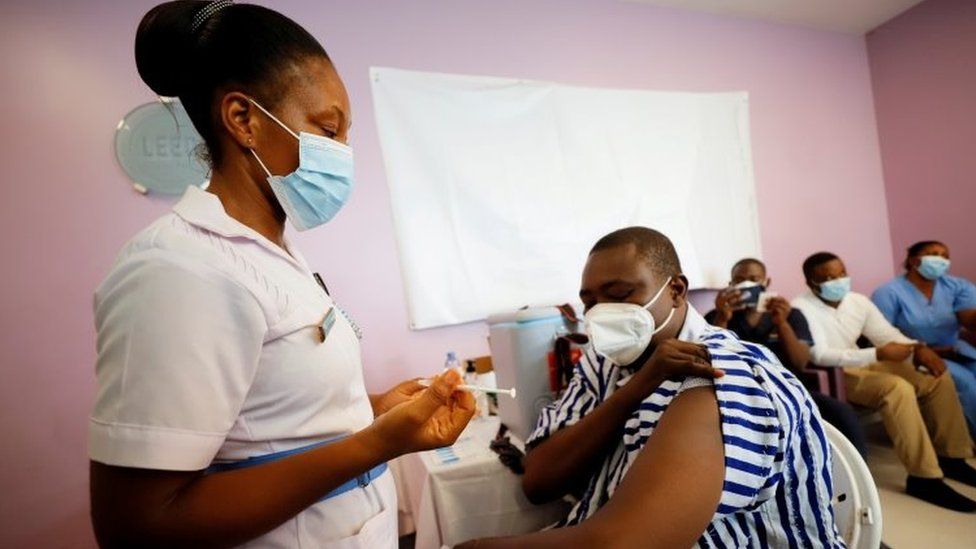
SharecloseShare pageCopy linkAbout sharingimage copyrightReutersThere are fresh calls for the UK to show “historic leadership” and start sharing its vaccine doses with the world right now. The country is hosting this year’s G7 summit, where seven of the world’s most powerful countries will come together in Cornwall next week. The Covid pandemic will be high on the agenda.In an open letter to UK Prime Minister Boris Johnson, the heads of the Wellcome Trust and Unicef in the UK are warning that hard earned freedoms in the country will be “short lived” if enough people in other countries are not vaccinated too. The letter says decisions at the summit “will define the 21st Century”, and calls on Mr Johnson and other G7 leaders to “rise to this challenge and end this crisis for good”.The UK says it has no surplus supplies to share at the moment, but will donate doses when it does. But Unicef says the UK and the other G7 countries could share 20% of their supplies in the next three months without impacting their own domestic rollouts.World on brink of catastrophic moral failure – WHOEU approves Pfizer jab for 12-15 year oldsI’m under 30 – which vaccine will I get?Ever since India stopped exporting Covid vaccines because of the crisis there, countries in Africa have been counting down their last doses. “It is deeply unfair,” says Dr Phionah Atuhebwe, who is in charge of new vaccine introductions for the World Health Organization (WHO) in Africa. “Of the almost two billion doses that have been administered globally, sub-Saharan Africa has received about 1% of all these vaccines.” She says 18 African countries have either already run out of doses or are about to, including: Completely run out:Morocco Rwanda eSwatiniWill run out in next few weeks: Kenya Ghana Malawi Hoarding vaccine suppliesIt’s a massive blow to many low and middle income countries. In Ghana, there’s been a very successful rollout of the first dose of vaccines for the most at risk groups, including health workers. Their second doses are now due – but officials are unclear on when they will arrive. Meanwhile, richer countries have bought up the lion’s share of global supplies and are pushing full steam ahead with their vaccination programmes, now administering doses to much lower-risk groups including teenagers. The UK, US and Canada have vaccinated more than half of their populations, while in Germany, Italy and France the numbers are over 30%. Japan’s uptake has been much slower, but not because they’re short on supplies.Whereas some countries in Africa have yet to vaccinate a single person, including health workers looking after Covid patients on the front line. The international vaccine equality scheme Covax, which is providing vaccines to some of the world’s poorest countries, is currently 190 million doses short. In the open letter, Wellcome’s Prof Sir Jeremy Farrar and Unicef UK’s Steven Waugh said that because high income countries – including the UK and G7 – have most of the world’s Covid vaccine supplies, they “are the only ones who can makes doses available right now”. Deadlier mutations warningWellcome and Unicef UK are calling for G7 countries to donate 20% of their doses in June, July and August to help plug the massive gap. For the month of June that works out as:US – 26.9 million doses UK – 4.1 million doses Germany – 3.3 million doses France – 2.7 million doses Italy – 2.4 million doses Japan – 2.3 million doses SOURCE: Airfinity/ Unicef “If we do not get… doses, we get back to the virus circulating and possibly mutating yet again, coming up with new variants that affect the world and take us all back to square zero,” says Dr Atuhebwe. So far France and New Zealand are the only nations to have already started diverting some of their own supplies to poorer countries. Boris Johnson promised to donate the UK’s surplus doses three months ago.In the open letter, the authors called on the prime minister to “make that pledge a reality”.But speaking at the G7 health ministers meeting in Oxford this week, Health Secretary Matt Hancock said there were no plans to do that, yet. “The UK vaccination programme has very much been based on delivering vaccines as soon as they’re delivered to us,” he said. “So we don’t have excess doses at the moment. But absolutely we want to lean in to this global effort, when there is spare capacity.” In the latest round of pledges this week, countries have promised another $2.4bn (£1.7bn) to the Covax scheme to help get vaccines into poorer countries. But with manufacturing unable to keep up with demand, and a few rich countries hoarding current supplies – it’s the world’s poorest who remain last in line. That in turn could mean deadlier versions of a mutated version of Covid-19 ending up back on the shores of wealthier nations.Follow @tulipmazumdar on Twitter

Read more →