Nepalese PM calls on UK to provide vaccines as cases surge

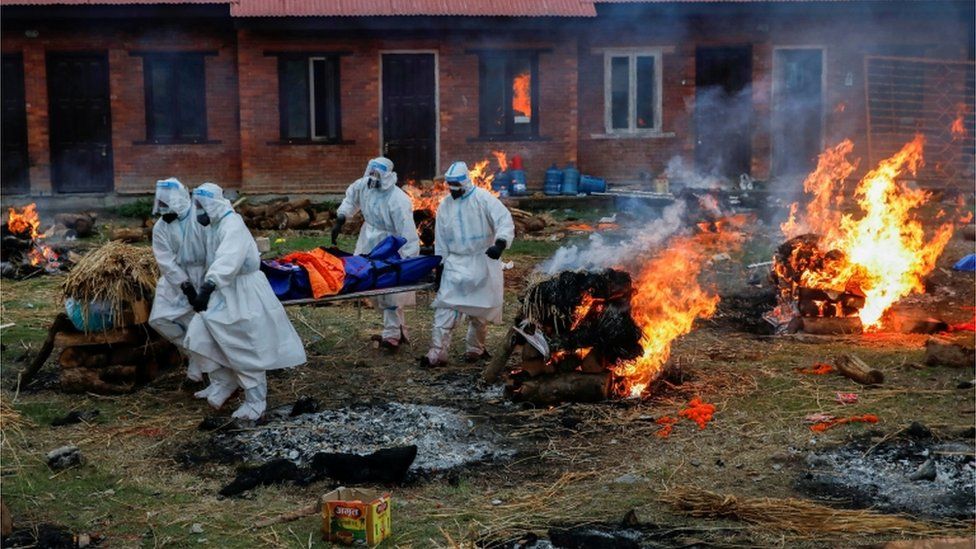
SharecloseShare pageCopy linkAbout sharingNepal’s prime minister has made an urgent plea for vaccines to his UK counterpart Boris Johnson, as the Himalayan nation experiences a devastating second wave of coronavirus.Speaking to the BBC, KP Sharma Oli said it was Britain’s responsibility given the historic ties the nations share.Mr Oli said the sacrifices of Nepal’s Gurkha soldiers serving the UK should make Nepal a priority for UK Covid aid.Nepal reported a high of 9,000 daily infections last month.”I want to convince the UK Government, particularly Prime Minister Boris Johnson, about the situation in Nepal and how we are suffering,” Mr Oli said. Nepal, which has one of the highest rates of positive tests in the world, saw a surge of cases in May, recording more than 4,000 deaths over the course of the month. Like its neighbour India, Nepal has struggled with shortages of beds and oxygen supplies. The situation has eased recently in places like the capital Kathmandu, but the virus is now spreading in rural areas.At the start of February, Nepal was reporting around 100 daily cases, but by early May that figure had jumped to as many as 9,000 daily infections. A national lockdown which began in April remains in place but many say it came too late.The country’s borders with India remain open. Critics say that failing to close them allowed the Delta variant detected in India to spread quickly into Nepal as migrant workers returned home. The Himalayan country has received some international aid, including 260 ventilators and 2,000 PPE kits from the UK. But Mr Oli said it was vaccines he needed. Fewer than 3% of Nepal’s population of 30 million has been fully vaccinated. Short on vaccines, Nepal faces looming Covid crisisIndia’s neighbours are battling new Covid wave”If we vaccinate people, then we can control Covid-19, otherwise it will be hard for us,” Mr Oli said.Nepalese authorities have ordered supplies from China, but many elderly Nepalis who received their first dose of the Astrazeneca jab are now unable to get their second, after supplies promised from India were delayed because of the crisis there. Prime Minister Oli said he was making the direct appeal to the UK, as Nepal’s “oldest friend”.”The Gurkhas have served the UK for many years, keeping their lives at risk,” he said. “People who are serving in Britain have their families in Nepal. So that is a very deep connection.”A spokesperson for the UK Foreign Office told the BBC it “stood shoulder-to-shoulder with Nepal during this pandemic” and was “one of the first countries to send health experts and life-saving medical equipment to Nepal”.”The UK is a leading donor to COVAX, the international initiative to procure and distribute vaccines equitably,” the spokesperson added. “We have committed £548 million to the scheme that will provide more than a billion vaccines to developing countries, including Nepal, this year.”image copyrightReutersMr Oli said his country’s foreign minister had spoken to UK counterpart Dominic Raab to discuss the issue, but he was trying to establish direct telephone contact with Mr Johnson.The appeal to the UK comes as the US has announced it will send vaccines to Nepal as part of a donation of 7 million doses to Asia. Mr Oli has faced criticism of his handling of the pandemic and for failing to take the virus seriously. He previously claimed that it could be washed away by gargling guava leaves and turmeric, and said Nepali’s have stronger immune systems because of their diets. Last month, as case numbers were rising sharply, he said the situation in Nepal was “under control”.Prime Minister Oli, who remains in power after a recent vote of no confidence, also drew criticism for holding mass political rallies earlier this year as MPs in his own party withdrew support for him.

Read more →

UK approves Pfizer jab for 12 to 15-year-olds

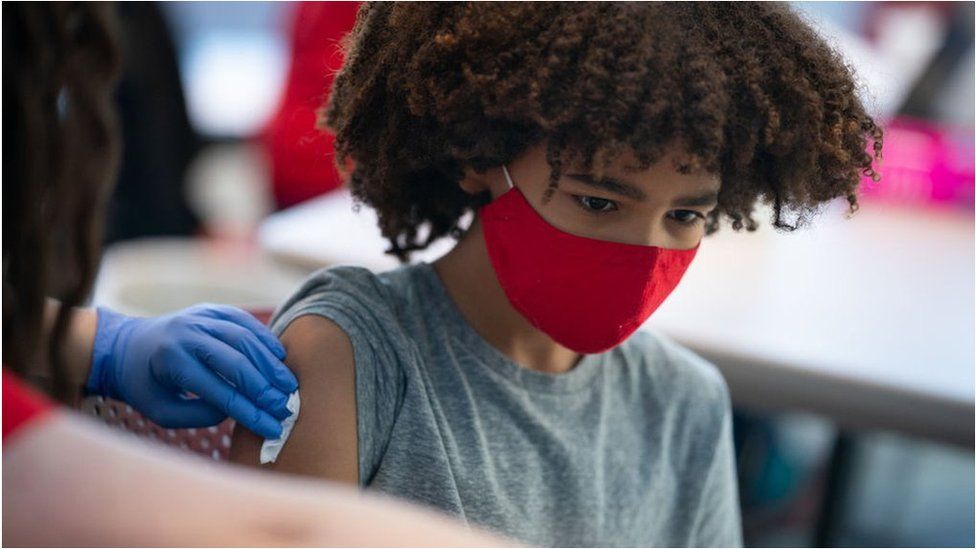
SharecloseShare pageCopy linkAbout sharingimage copyrightGetty ImagesThe UK regulator has approved the use of the Pfizer-BioNTech vaccine in children aged 12-15, saying it is safe and effective in this age group and the benefits outweigh any risks.The MHRA said it had carried out a “rigorous review” of the vaccine in adolescents.The UK’s vaccines committee will now decide whether children should get the jab.The Pfizer vaccine is already approved for use in people aged 16 and over.Should all children get a Covid vaccine?EU approves Pfizer jab for 12-15 year oldsI’m under 30 – which vaccine will I get?Dr June Raine, chief executive of the Medicines and Healthcare products Regulatory Agency (MHRA) said the safety of the vaccine in 12-15 year olds would be carefully monitored.”No extension to an authorisation would be approved unless the expected standards of safety, quality and effectiveness have been met,” she said.The Joint Committee on Vaccination and Immunisation (JCVI) must now advise government on whether this age group should be vaccinated as part of the UK rollout.A spokesperson for the Department of Health and Social Care said it would be “guided by the expert advisors and will update in due course”.At present, there is no routine vaccination of under 18s against Covid in the UK.However, current advice is that 16-18 years old who are in a priority group or who live in the same house as someone who is extremely vulnerable, should be offered a Covid vaccine.The EU recently approved the Pfizer-BioNTech vaccine for 12-15 year olds, and the US and Canada started vaccinating children in this age group earlier this month.Germany has indicated it will start vaccinating children over 12 from 7 June.Alongside the regulator, a UK independent advisory group also analysed data on the quality, effectiveness and safety of the vaccine in adolescents against any potential risk of side effects.The Commission on Human Medicines concluded that “its benefits outweigh any risk”.The data is based on more than 2,000 children aged 12-15 years old who took part in trials of the Pfizer vaccine. There were no cases of Covid from a week after the second dose – compared to 16 cases in the placebo group, and the vaccine appeared to work as well in adolescents as in young adults aged 16-25.

Read more →

The Sperm-Count ‘Crisis’ Doesn’t Add Up

Reports of a decline in male fertility rely on flawed assumptions, a new study contends.Male scientists have long waxed poetic on the contents of their testes. “Sperm is a drop of brain,” wrote the ancient Greek writer Diogenes Laërtius. Leonardo da Vinci drew the penis with a sperm duct that connected directly to the spinal cord. The 17th-century microscopist Antonie van Leeuwenhoek claimed that each sperm cell contained within it a folded-up human being waiting patiently to unfurl.For nearly as long, scientists have fretted about sperm’s seemingly inevitable decline. Most recently, a series of alarming headlines — as well as a new book by an epidemiologist at Mount Sinai Medical Center in New York — warned that falling sperm counts might threaten the future of the human race. “It’s a global existential crisis,” said Shanna H. Swan, author of the book “Count Down.”Most of these headlines can be traced to an influential 2017 meta-analysis by Dr. Swan and others, which found that sperm counts in Europe, North America, Australia and New Zealand had plummeted by nearly 60 percent since 1973. The authors screened 7,500 sperm-count studies from around the world, weeded out most of them and ultimately analyzed 185 studies on 43,000 men worldwide.They called the decline a “canary in the coal mine” for waning male reproductive health worldwide. Today, the authors would revise that statement. “There is clear and present alarm now,” said Dr. Hagai Levine, an epidemiologist at Hebrew University-Hadassah School of Public Health and a co-author on the 2017 review, in an email. “The canary is in trouble now.” Dr. Swan, in the same email, agreed.Now a group of interdisciplinary researchers from Harvard and the Massachusetts Institute of Technology contend that fears of an impending Spermageddon have been vastly overstated. In a study published in May in the journal Human Fertility, they re-evaluated the 2017 review and found that it relied on flawed assumptions and failed to consider alternate explanations for the apparent decline of sperm.In an interview, Sarah Richardson, a Harvard scholar on gender and science and the senior author on the new study, called the conclusion of the 2017 review “an astonishing and terrifying claim that, were it to be true, would justify the apocalyptic tenor of some of the writing.” Fortunately, she and her co-authors argue, there is little evidence that this is the case.The 2017 authors were “methodologically rigorous” when it came to screening sperm-count studies for quality and consistency, Dr. Richardson and her colleagues write. However, even the data that passed muster was geographically sparse and uneven and often lacked basic criteria like the age of the men. Moreover, its authors took for granted that a single metric — sperm count — was an accurate predictor of male fertility and overall health.The connection sounds logical: Without sperm, there can be no conception. That’s why sperm count is one of the first metrics that fertility specialists measure to try to determine the cause of infertility in a couple. But beyond that truism, the science of sperm count is surprisingly slippery.For starters, no one knows what an “optimal” sperm count is. The World Health Organization sets a range of “normal” sperm count as from 15 to 250 million sperm per milliliter. (Men produce about 2 to 5 milliliters per ejaculation.) But it isn’t clear that more is better. Above a certain threshold — 40 million per milliliter, according to the W.H.O. — a higher sperm count does not mean a man is more fertile.“Doubling your sperm count from 25 to 50 million doesn’t double your chances,” said Allan Pacey, an andrologist at the University of Sheffield and the editor of Human Fertility. “Doubling it from 100 to 200 million doesn’t double your chances — in fact it flattens off, if anything. So this relationship between sperm count and fertility is weak.”Frozen sperm samples in the Cryos International Sperm Bank in Aarhus, Denmark. Although the male-fertility crisis is overstated, scientists say, the science of men’s health has long been neglected. Thomas Fredberg/Science SourceGermaine M. Buck Louis, a reproductive epidemiologist at George Mason University who studies environmental influences on human fertility, agreed that sperm count is a poor indicator of fertility. “We don’t see it predicting much of anything, especially in the context of a partner with a healthy female pelvis,” said Dr. Buck Louis, who was not involved in the sperm-count studies.The authors of the 2017 study inferred that lower sperm counts equated to lower fertility — even though the sperm-count declines they documented all took place within the “normal” range, Dr. Richardson noted. “It’s similar to the whole conversation around testosterone — more is better, and more is manlier,” she said. “That’s really a point we make, that there is no known normal or baseline for average population sperm counts.”Sperm count has other limitations as a metric. It takes around two months for stem cells in the testes to develop into new sperm, meaning that any single count is merely a snapshot of an evolving landscape.“Something that’s going on in a man’s body one month may be totally different from what’s happening the next month, and the effects on sperm count might be changing also,” said Meredith Reiches, an author on the 2021 paper and a biological anthropologist at the University of Massachusetts, BostonIt also overlooks a vital piece of the infertility puzzle: women. Focusing only on the male metric leaves out key interactions between sperm, the female reproductive tract and the egg. “It’s very important, actually, to look at the couple,” said Dr. Bradley D. Anawalt, a reproductive endocrinologist at the University of Washington School of Medicine.In her book, Dr. Swan suggests that sperm counts have plummeted largely due to the rise of endocrine disruptors, a class of hormone-mimicking chemicals found in everything from shampoo to TV-dinner packaging. (She also cites lifestyle factors like obesity, alcohol, and smoking.) Dr. Swan has shown in previous studies that exposure to these chemicals in utero can alter male and female sexual development.Dr. Richardson and her co-authors suggested an alternative explanation: Perhaps sperm levels naturally rise and fall over time and within populations. The question has not been explored by reproductive researchers and cannot be answered easily, as global sperm counts before 1970 are largely unknown.There are other possible explanations, as well. Sperm-counting is a tricky business and notoriously prone to human error, Dr. Pacey said. (“I say it from the point of view of someone who spent 30 years counting sperm and knows how difficult it is,” he added.) In a 2013 review article, he noted that as methodologies for counting had improved and been standardized since the 1980s, sperm counts had appeared to fall. In other words, it may simply be that earlier scientists were overcounting sperm.Dr. Swan and Dr. Levine agreed that exploring these alternative hypotheses was important, so that threats to reproductive health could be established and prevented. “We showed evidence for decline, and raised alarm,” Dr. Levine wrote in an email. “We need to study the causes, including the unlikely possibility of non-pathological decline.”There was one point that every author agreed on: Men’s reproductive health matters. And until now, it has been surprisingly neglected.Male infertility contributes to at least half of all cases of infertility worldwide. Yet historically, women have shouldered most of the blame for the inability to conceive. And with the rise of reproductive technologies like in vitro fertilization, women’s bodies are the ones that have been meticulously measured and tracked by reproductive medicine.As a result, science still lacks basic knowledge when it comes to sperm, said Rene Almeling, a sociologist of medicine and author of “GUYnecology: The Missing Science of Men’s Reproductive Health.” For instance, just this year, researchers reported for the first time that sperm swim in a corkscrew motion, rather than undulating like eels.“We have built up such a medical infrastructure around the fertility and reproductivity of women’s bodies that we haven’t asked some of the basic questions about men’s reproductive health,” Dr. Almeling said. “There is just so, so much basic research still to be done about sperm.”The main qualities of sperm that infertility specialists look at nowadays — how many, what shape and how they swim — have not changed in the past 40 years, said Dr. Abraham Morgentaler, a urologist and founder of Men’s Health Boston.Dr. Morgentaler, who worked at a semen analysis lab at Beth Israel Deaconess Medical Center in the 1980s, attributes this stagnation to the rise of I.V.F. and other reproductive technologies, which have become frontline treatments for almost any male factor fertility problem. “It almost doesn’t even matter what’s wrong with the sperm,” he said.These knowledge gaps radiate out to all bodies. In fact, Dr. Swan said part of her motivation for writing the book was that she wanted to see the public — men and women — become more proactive about their reproductive health.“It’s invisible,” she said. “People don’t talk about it. You talk about, ‘Oh, I’ve got a high cholesterol measure,’ or ‘My blood pressure’s up.’ But you never would say, ‘My egg count is down,’ or ‘My sperm count is down.’”Dr. Richardson agreed that the impact of reproductive toxins on fertility deserved further investigation. “To say that we think these are alarmist and apocalyptic claims, and they’re not well founded, is not to say that we think it isn’t an important research agenda,” she said. “There is a need to center on men’s reproductive health and understand their bodies as reproductive and as porous to the environment as anyone’s bodies.”

Read more →

Can Travel Be Fun Again?

For many people, after more than a year of the pandemic, travel feels like something to dread. But it can still mean liberation, the author and psychologist argues.After 9/11, people wondered whether anyone would still travel. How could anyone take to the skies after such a hideous tragedy? For a while, it felt risky, though I was back on a plane even before carry-on items were allowed, for a flight to London that seemed to take a lifetime without even a book. Security amped up (really? my shoes? my belt?) and so did anxiety.Yet international travel did not wither, but burgeoned. Many travelers grew accustomed to the risk, which felt on par with the health risks of fast food, the firetrap perils of living in tall buildings, or the risk of crossing urban streets against the light. New York remained an obvious target for terrorism, but it was not abandoned, and neither were the hubs at J.F.K. and Newark.In a world battered by the pandemic, anxiety about travel has reached a similar peak. Necessary business trips are undertaken with considerable apprehension. Journeys people once took for sheer pleasure now look threatening and dangerous, even irresponsible.Travelers tend to be both restless and self-protective, and while some have historically tended toward adventure, more have looked for relaxation and a pleasant change of pace. It is usually safest to stay home, but that safety can feel deadening. Wary after a year of dealing with an airborne virus, many people are wondering when it will be possible to plan a week in Paris or the Caribbean without worrying whether the pandemic will overshadow the fun. Will a cruise ship ever again seem like a pleasure vessel rather than a deathtrap?Most adult would-be travelers in the United States enjoy relative privilege and are gaining access to the vaccine, and while herd immunity remains elusive in the country at large, it is higher among more socioeconomically privileged populations, and therefore, perhaps, among fliers, the anti-vaxxers notwithstanding. The cycle of modernization dictates that new dangers emerge in one area as new safety measures pop up in another: cars are faster, but they have seatbelts; more people visit the Grand Canyon, but there are guard rails where visitors congregate. Will we continue to wear masks at 5,000 feet? Given how many ordinary colds I contracted after flights in the old days, the idea of exposing myself to shared, recycled, compressed air has become distasteful as a matter more of general hygiene than of mortal terror, though most airlines are employing advanced filtration systems.What will travelers find?The pandemic is under better control in developed locations than in developing ones. This is not only a moral outrage, but also a problematic one for less wealthy countries where local economies depend on tourism. Americans who fear Covid may prioritize travel to Britain or Europe. But what will they find there? Covid has closed down restaurants and museums, and they are reopening only very gradually, even in London, Vienna, Sardinia and Prague.In a time of celebrating the non-European ancestry of a near-majority of Americans, the urgency of visiting Africa, Asia, Latin America and the Middle East is self-evident. Decisions must be made country by country. Many travelers across the years have assessed reports of possible unrest, or considered whether particular places are welcoming to women, to L.G.B.T.Q. people, to members of religious minorities. We will continue to follow those Covid numbers as if they were both revelatory and predictive. It’s comforting to be vaccinated and to go where everyone else is vaccinated, too; but there are ways to regulate trips to places where vaccines are less available and still stay safe while ensuring you don’t become a superspreader yourself. Travelers can avoid crowded settings, wear masks and dine outside in places where the climate allows them to do so.Tennyson’s Ulysses says, “I cannot rest from travel: I will drink / Life to the lees.” Many inveterate travelers share this brave impatience, the sense that the world is full of adventures and excitements begging for exploration. I have visited about half of the world’s nearly 200 countries, and my favorites are an odd assortment: England, because I live there part-time: Mongolia, for its wild beauty and unbounded authenticity; Russia, for the streak of idealism that informs its intelligentsia even under the yoke of oppression; Afghanistan, for a quality of hospitality I have not encountered anywhere else; Namibia, because no other landscape is as arresting as the desert at Sossuvlei; Peru, for the food and history; Brazil, for its ecstatic parties and ineffable melancholy.The list could go on and on; I have written about dancing with a friend under the full moon for the denizens of a highland village in the Solomon Islands; about getting stuck in the ice as I ventured to Antarctica; about the solemn tragedy of the people and the astonishing humanity of the gorillas in Rwanda; and about the most dangerous trip I ever took, which was to Australia, where I spent half a day floating in scuba gear after the boat that had taken me out into the Pacific motored away without me. To imagine a world where such adventures are impossible is to imagine a world much less vibrant than the one where I’ve lived.Reclaiming the skies.In early May, I took my first commercial flight since travel restrictions have eased and my vaccination reached full potency, to visit my daughter in Texas. I didn’t feel wildly unsafe; it was psychologically uncomfortable, but I have always disliked airports and planes. I ate and drank nothing onboard, and my mask was tightly fixed on my face.Still, there was also a feeling of festive nostalgia attached to reclaiming the skies, a feeling I usually associate with returning to a university where I once studied, or revisiting the scene of childhood summers. As we broke through the clouds into that stratosphere of private sunshine that is so familiar to jet travelers, I felt the uneasy joy I discovered when I first hugged friends after being vaccinated. The quarantine had given me extra time with my husband and son, days to write, and the comforting patterns of repetition. But breaking out of it was a relief, nonetheless.Even with the dread that may accompany it, travel is a liberation. The things and places and people I have loved and will love have been out there all this time and I am no longer chained to New York with a leg-iron. In September, I intend to return to London for a friend’s 50th birthday and see my seven English godchildren. I’ve currently been away from Britain, where I have citizenship, for longer than I have at any time since I was 12.Travel’s realms of possibilities.The question of travel is not merely a matter of fun. Travel is a necessary part of our continuing education. The 19th-century naturalist Alexander von Humboldt wrote, “There is no worldview so dangerous as the worldview of those who have not viewed the world.” Much as the boundaries of our bubbles drove many of us slightly mad during quarantine, so being locked in our own country has been devastating for many of us. Every country’s success depends on the inquisitiveness of its citizens. If we lose that, we lose our moral compass.Equally, much as I yearn to go elsewhere, I am eager to welcome people to these shores. It’s eerie to walk through the great New York City museums and not hear the din of 100 languages. Travel is a two-way street, and let us hope that it will soon be bumper-to-bumper in both directions.At the end of “Paradise Lost,” Adam and Eve are banished from the Garden of Eden, and John Milton makes no bones about their anguish at being cast out. But he does not end on that sour note, because banishment from one place meant an opportunity to find another, however tentatively that process was undertaken:Some natural tears they dropd, but wip’d them soon;The World was all before them, where to chooseThir place of rest, and Providence thir guide:They hand in hand with wandring steps and slow,Through Eden took thir solitarie way.That will be how we return to the pre-Covid realms of possibility. As the virus comes under control, we will set forth with renewed vigor. The world is all before us. We may start with wandering steps and slow, cautiously and uncertainly. But think of it. A year ago, many of us feared to venture farther than the grocery store; now we are given back a whole planet to explore, however gingerly.Andrew Solomon, a professor of medical clinical psychology at Columbia University Medical Center, is the author of “Far and Away: How Travel Can Change the World.”THE WORLD IS REOPENING. LET’S GO, SAFELY. Follow New York Times Travel on Instagram, Twitter and Facebook. And sign up for our Travel Dispatch newsletter: Each week you’ll receive tips on traveling smarter, stories on hot destinations and access to photos from all over the world.

Read more →

India orders 300 million unapproved Covid jabs

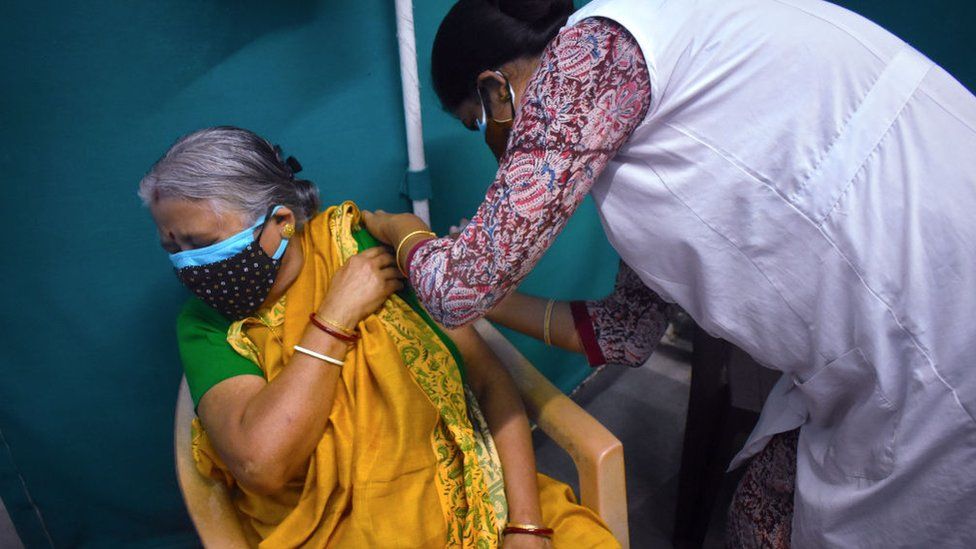
SharecloseShare pageCopy linkAbout sharingimage copyrightGetty ImagesIndia has ordered 300 million doses of an unapproved coronavirus vaccine amid a devastating second wave. The unnamed vaccine from Indian firm Biological E is in Phase 3 trials, and had showed “promising results” in the first two phases, the federal government said in a statement. The $206m order is the first India has signed for a jab that has not received emergency approval. This comes as the country struggles to speed up its lagging vaccine drive.India has administered just over 220 million jabs so far, although much of its 1.4 billion population is now eligible for the vaccine. Less than 15% of the country has received at least one dose of the vaccination, largely because of a severe shortage of doses. Although Covid case numbers have been dropping, India is still adding more than 100,000 news cases a day. It has recorded more than 340,000 deaths from the virus so far, but experts say the number is vastly underestimated.India’s federal government, led by Prime Minister Narendra Modi, has been criticised for not placing huge orders ahead of time with either Indian or foreign vaccine makers. image copyrightGetty ImagesIndia is currently giving three vaccines – Covishield, manufactured by the Serum Institute of India (SII), and Covaxin, developed by Indian firm Bharat Biotech and the government’s Indian Council of Medical Research, and Sputnik V, which is developed by Moscow’s Gamaleya Institute.Compared to the single order from Biological E for 300 million doses, India brought about 350 million doses from both Covishield and Covaxin between January and May. India’s drug regulator gave Covaxin emergency approval in January before trials were completed – data on its efficacy is yet to be released. The new vaccine from Biological E is “likely to be available in the next few months,” according to the government. How India’s vaccine drive went horribly wrongWhat we know about India’s Covid-19 vaccinesPregnant, unprotected and living in fear of CovidCan India get all adults vaccinated this year?Why did India rush to approve a homegrown vaccine?Mr Modi’s government is racing to shore up its vaccine stocks as Covid numbers dip, hoping to be well-prepared for what experts say is an inevitable third wave. India’s vaccine drive, which had a promising start in January, began to slow down because vaccine hesitancy crept in as cases dropped. But numbers soon rose again in a deadly second wave that saw hospitals falling short of beds and crematoriums running short of space. Hoping to stem the tide, the government threw open the drive in May to everyone above the age of 18 but India’s two vaccine makers – Serum Institute and Bharat Biotech – could not guarantee supply at that scale. But shortages persist and have also led to vast inequalities in access with rural areas, the poor and women falling behind in the line for jabs.

Read more →

Many COVID-19 patients produce immune responses against their body's tissues or organs

A University of Birmingham-led study funded by the UK Coronavirus Immunology Consortium has found that many patients with COVID-19 produce immune responses against their body’s own tissues or organs.
COVID-19 has been associated with a variety of unexpected symptoms, both at the time of infection and for many months afterwards. It is not fully understand what causes these symptoms, but one of the possibilities is that COVID-19 is triggering an autoimmune process where the immune system is misdirected to attack itself.
The study, published today (June 4) in the journal Clinical & Experimental Immunology, investigated the frequency and types of common autoantibodies produced in 84 individuals who either had severe COVID-19 at the time of testing or in the recovery period following both severe COVID-19 and those with milder disease that did not need to attend hospital. These results were compared to a control group of 32 patients who were in intensive care for another reason other than COVID-19.
An autoantibody is an antibody (a type of protein) produced by the immune system that is directed against one or more of the individual’s own proteins and can cause autoimmune diseases. Infection can, in some circumstances, lead to autoimmune disease. Early data suggest that SARS-CoV-2 infection can trigger long-term autoimmune complications and there are reports of SARS-CoV-2 infection being associated with a number of autoimmune disorders including Guillain-Barre Syndrome.
Supported by UK Research and Innovation (UKRI) and the National Institute for Health Research (NIHR), the study found higher numbers of autoantibodies in the COVID-19 patients than the control group and that these antibodies lasted up to six months.
Non-COVID patients displayed a diverse pattern of autoantibodies; in contrast, the COVID-19 groups had a more restricted panel of autoantibodies including skin, skeletal muscle and cardiac antibodies.
The authors also find that those with more severe COVID-19 were more likely to have an autoantibody in their blood.
First author Professor Alex Richter, of the University of Birmingham, explained: “The antibodies we identified are similar to those that cause a number of skin, muscle and heart autoimmune diseases.
“We don’t yet know whether these autoantibodies are definitely causing symptoms in patients and whether this is a common phenomenon after lots of infections or just following COVID-19. These questions will be addressed in the next part of our study.”
Senior Author Professor David Wraith, of the University of Birmingham, adds: “In this detailed study of a range of different tissues, we showed for the first time that COVID-19 infection is linked to production of selective autoantibodies. More work is needed to define whether these antibodies contribute to the long-term consequences of SARS-CoV-2 infection and hence could be targeted for treatment.”
Professor Paul Moss, Principal Investigator of the UK Coronavirus Immunology Consortium and Professor of Haematology at the University of Birmingham added: “This is an interesting study that reveals new insights into a potential autoimmune component to the effects of COVID-19. Research like this has been made possible by the huge collaborative efforts made by those that are a part of the UK Coronavirus Immunology Consortium. This study is another important step towards delivering real improvements in prevention, diagnosis, and treatment of COVID-19 to patients.”
The study participants were separated into four cohorts: Group one: 32 individuals sampled during their stay in intensive care for reasons other than COVID-19. 41% of individuals had autoantibodies. In this group, there were many different causes of their illness (over half was pneumonia) and autoantibodies were found against nearly all of the different autoantigens examined, indicating a more random distribution. Group two: 25 individuals who were sampled during their stay in intensive care following a diagnosis of severe COVID-19. 60% had autoantibodies. Of those who tested positive for autoantibodies, 41% had epidermal (skin) antibodies, while 17% had skeletal antibodies. Group three: 35 individuals who had been admitted to intensive care with COVID-19, survived and were sampled three to six months later during routine outpatient follow up. 77% of individuals had autoantibodies. Of those who tested positive for autoantibodies, 19% had epidermal (skin) antibodies, 19% had skeletal antibodies, 28% had cardiac muscle antibodies; and 31% had smooth muscle antibodies. Group four: 24 healthcare workers sampled one to three months after mild to moderate COVID-19 that did not require hospitalisation. 54% of individuals had autoantibodies. In those who tested positive for autoantibodies, it was against only four autoantigens: 25% had epidermal (skin) antibodies; 17% had smooth muscle antibodies; 8% had anti-neutrophil cytoplasm (ANCA) antibodies that target a type of human white blood cells; and 4% had gastric parietal antibodies which are associated with autoimmune gastritis and anaemia.
Story Source:
Materials provided by University of Birmingham. Note: Content may be edited for style and length.

Read more →

Neurological symptoms like fatigue common in mild COVID, review finds

Neurological and psychiatric symptoms such as fatigue and depression are common among people with Covid-19 and may be just as likely in people with mild cases, according to a new review study led by a UCL researcher.
By reviewing evidence from 215 studies of Covid-19, the meta-analysis published in the Journal of Neurology, Neurosurgery and Psychiatry reports a wide range of ways that Covid-19 can affect mental health and the brain.
Lead author Dr Jonathan Rogers (UCL Psychiatry and South London and Maudsley NHS Foundation Trust) said: “We had expected that neurological and psychiatric symptoms would be more common in severe Covid-19 cases, but instead we found that some symptoms appeared to be more common in mild cases. It appears that Covid-19 affecting mental health and the brain is the norm, rather than the exception.”
The research team systematically reviewed evidence from 215 studies of Covid-19 from 30 countries, involving a total of 105,638 people with acute symptoms of Covid-19, including data up until July 2020 (acute refers to the main disease stage, rather than longer-term impacts). The studies varied as to which symptoms they were tracking, and the research team pooled data to compare how common each symptom was among the studies that tracked it.
Across the whole dataset, the most common neurological and psychiatric symptoms were: anosmia (loss of smell; reported by 43% of patients with Covid-19), weakness (40%), fatigue (38%), dysgeusia (loss of taste; 37%), myalgia (muscle pain; 25%), depression (23%), headache (21%) and anxiety (16%). They also identified the presence of major neurological disorders such as ischaemic stroke (1.9% of cases in the dataset), haemorrhagic stroke (0.4%) and seizure (0.06%). Patients with severe Covid-19 were overrepresented in the dataset as a whole, as most of the studies focused on hospitalised patients, and even the studies of people outside of hospital included few people with very mild or no symptoms.
But among people with symptomatic acute Covid-19 who were not hospitalised, neurological and psychiatric symptoms were still common: 55% reported fatigue, 52% loss of smell, 47% muscle pain, 45% loss of taste, and 44% reported headaches. The researchers say it’s still possible that such symptoms are just as common in severe cases, as mild symptoms might not be reported by a patient in critical care.
While this review did not investigate causal mechanisms, the researchers suggest a few possible explanations. In the acute phase of the illness, inflammation has been found in the brain, which may explain some of the symptoms. Psychosocial factors relating to the context of the global pandemic may play a role, as people who are acutely ill may feel isolated when they cannot see their family or friends, which may explain why depression and anxiety have been found in some Covid-19 studies to be more common than in other viral illnesses such as the flu.
Dr Rogers said: “Many factors could contribute to neurological and psychiatric symptoms in the early stages of infection with Covid-19, including inflammation, impaired oxygen delivery to the brain, and psychological factors. More studies are needed to understand these links better.”
Joint senior author Dr Alasdair Rooney (University of Edinburgh) said: “Neurological and psychiatric symptoms are very common in people with Covid-19. With millions of people infected globally even the rarer symptoms could affect substantially more people than in usual times. Mental health services and neurological rehabilitation services should be resourced for an increase in referrals.”
The researchers found that most of the studies looked at a small subset of neurological symptoms, such as fatigue or muscle aches, while often neglecting symptoms of mental illnesses such as depression, anxiety and post-traumatic stress disorder (PTSD), as well as stroke and seizures, so they say more studies are required into the full range of symptoms linked to Covid-19.
The study was led by researchers at UCL, the University of Edinburgh, King’s College London and Queen Mary University of London, along with co-authors in the UK, Bulgaria, Canada, India and Germany.

Read more →

First U.S. Vaccine Donations Will Go to ‘Wide Range’ of Nations in Need

Latin America, South and Southeast Asia and Africa will be among the recipients of an initial 25 million excess doses that the Biden administration is sharing this month.WASHINGTON — The White House, besieged with requests from other nations to share its supply of coronavirus vaccine, announced Thursday that it would distribute an initial 25 million doses this month across a “wide range of countries” in Latin America and the Caribbean, South and Southeast Asia, and Africa, as well as the Palestinian territories, war-ravaged Gaza and the West Bank.The doses are the first of a total 80 million that President Biden has pledged to send overseas by the end of this month. Three-quarters of the initial batch will be given to the international vaccine effort known as Covax, officials said at a White House briefing on the pandemic, though administration officials are helping decide where to send them.The rest will be reserved for “immediate needs and to help with surges around the world” and regions dealing with “urgent, present crises,” said Jake Sullivan, the president’s national security adviser, including in India, Ukraine and Iraq as well as the West Bank and Gaza.But the donation is nowhere close to enough. About 11 billion doses are needed to vaccinate 70 percent of the world’s population against the coronavirus, according to estimates from researchers at Duke University. As of last month, the analytics firm Airfinity estimated that 1.7 billion doses had been produced.Thursday’s announcement comes a week before Mr. Biden leaves for Cornwall, England, to meet with the heads of state of the Group of 7 industrialized nations, where the global vaccine supply is certain to be a topic of discussion. Officials said the Biden administration would donate additional doses throughout the summer as they become available.“This is just the beginning,” said Jeffrey Zients, Mr. Biden’s coronavirus response coordinator. “Expect a regular cadence of shipments around the world, across the next several weeks.”While China and Russia have used vaccine donations as an instrument of diplomacy in an effort to extract favors from other nations, Mr. Biden has insisted the United States will not do that — a point that Mr. Sullivan emphasized on Thursday in describing the White House strategy.Nearly two-thirds of U.S. adults have had at least one shot of a coronavirus vaccine, and the rate of new cases and deaths has plummeted, contributing to an overall picture across the country that is “encouraging and uplifting,” Dr. Rochelle P. Walensky, the director of the Centers for Disease Control and Prevention, said on Thursday.But the picture around the world, especially in poorer nations in Africa and Central and South America, where vaccination rates are much lower, is bleak. According to data from Johns Hopkins University, Uruguay, Argentina, Colombia and Paraguay are all awash in new cases; in Colombia, nearly 500 people a day have died of the coronavirus over the past several weeks. A sudden, sharp rise in coronavirus cases in many parts of Africa could amount to a continental third wave, the World Health Organization warned on Thursday.Some African nations have less than 1 percent of their populations partly vaccinated, according to data from the Our World in Data project at the University of Oxford, and the percentages of vaccinated people in Honduras and Guatemala are around 3 percent of the population.Mr. Sullivan said the administration had decided to give priority to “neighbors” of the United States, including countries like Guatemala and Colombia, Peru and Ecuador, while also working with existing regional networks like the African Union to allow local authorities to allocate the vaccines as they see fit.Mr. Biden came into office vowing to restore America’s position as a leader in global health, and he has been under increasing pressure from activists, as well as some business leaders, to do more to address the global vaccine shortage. This year, he said he was reluctant to give away vaccine doses until the United States had enough for its own population, though he promised in March to send a total of four million doses of AstraZeneca’s vaccine to Mexico and Canada.Those doses, it turned out, were made at a Baltimore facility owned by Emergent BioSolutions, where production has since been put on hold after an incident of contamination.Mr. Biden’s pledge to donate 80 million doses this month involves vaccines made by four manufacturers. Besides AstraZeneca, they are Pfizer-BioNTech, Moderna and Johnson & Johnson, the last three of which have received U.S. emergency authorization for their vaccines.The president has made several announcements to help reach his goal. He said last month that his administration would send 20 million doses of the authorized vaccines overseas in June — the first time he had pledged to give away doses that could be used in the United States. Officials said Thursday that the number rose to 25 million because more authorized doses have become available.Mr. Biden also announced last month that he would send one million doses of Johnson & Johnson’s vaccine to South Korea; a plane carrying those doses was expected to take off Thursday evening, Mr. Zients said.And the president has pledged to donate up to 60 million doses of AstraZeneca’s vaccine. But those doses, also made at the Emergent plant, are not authorized for domestic use and cannot be released to other countries until regulators deem them safe. If they are not cleared for release, Mr. Biden would have to agree to donate more of the three vaccines used here to fulfill his 80 million promise.The president has described the vaccine donations as part of an “entirely new effort” to increase vaccine supplies and vastly expand manufacturing capacity, most of it in the United States. To further broaden supply, Mr. Biden recently announced he would support waiving intellectual property protections for coronavirus vaccines. He also put Mr. Zients in charge of developing a global vaccine strategy.But activists say simply donating excess doses and supporting the waiver are not enough. They argue that Mr. Biden must create the conditions for pharmaceutical companies to transfer their intellectual property to vaccine makers overseas, so that other countries can establish their own vaccine manufacturing operations.“Peter Maybarduk, the director of Public Citizen’s Access to Medicines program, called Thursday for the administration to invest $25 billion in “urgent public vaccine manufacturing at sites worldwide” to make eight billion doses of vaccine using mRNA technology within a year, and to “share those vaccine recipes with the world.”Asked recently whether the United States was prepared to do that, Andrew Slavitt, a senior health adviser to the president, sidestepped the question, saying only that the United States would “play a leadership role” but still needed “global partners across the world.”On Thursday, Mr. Zients said the United States was lifting the Defense Production Act’s “priority rating” for three vaccine makers — AstraZeneca, Novavax and Sanofi — that do not make coronavirus vaccines authorized for U.S. use. The shift means that companies in the United States that supply the vaccine makers will be able to “make their own decisions on which orders to fulfill first,” Mr. Zients said.That could free up supplies for foreign vaccine makers, allowing other countries to ramp up their own programs.Abdi Latif Dahir

Read more →

U.S. Covid Vaccine Donations Will Go to 'Wide Range' of Nations

Latin America, South and Southeast Asia and Africa will be among the recipients of an initial 25 million excess doses that the Biden administration is sharing this month.WASHINGTON — The White House, besieged with requests from other nations to share its supply of coronavirus vaccine, announced Thursday that it would distribute an initial 25 million doses this month across a “wide range of countries” in Latin America and the Caribbean, South and Southeast Asia, and Africa, as well as the Palestinian territories, war-ravaged Gaza and the West Bank.The doses are the first of a total 80 million that President Biden has pledged to send overseas by the end of this month. Three-quarters of the initial batch will be given to the international vaccine effort known as Covax, officials said at a White House briefing on the pandemic, though administration officials are helping decide where to send them.The rest will be reserved for “immediate needs and to help with surges around the world” and regions dealing with “urgent, present crises,” said Jake Sullivan, the president’s national security adviser, including in India, Ukraine and Iraq as well as the West Bank and Gaza.But the donation is nowhere close to enough. About 11 billion doses are needed to vaccinate 70 percent of the world’s population against the coronavirus, according to estimates from researchers at Duke University. As of last month, the analytics firm Airfinity estimated that 1.7 billion doses had been produced.Thursday’s announcement comes a week before Mr. Biden leaves for Cornwall, England, to meet with the heads of state of the Group of 7 industrialized nations, where the global vaccine supply is certain to be a topic of discussion. Officials said the Biden administration would donate additional doses throughout the summer as they become available.“This is just the beginning,” said Jeffrey Zients, Mr. Biden’s coronavirus response coordinator. “Expect a regular cadence of shipments around the world, across the next several weeks.”While China and Russia have used vaccine donations as an instrument of diplomacy in an effort to extract favors from other nations, Mr. Biden has insisted the United States will not do that — a point that Mr. Sullivan emphasized on Thursday in describing the White House strategy.Nearly two-thirds of U.S. adults have had at least one shot of a coronavirus vaccine, and the rate of new cases and deaths has plummeted, contributing to an overall picture across the country that is “encouraging and uplifting,” Dr. Rochelle P. Walensky, the director of the Centers for Disease Control and Prevention, said on Thursday.But the picture around the world, especially in poorer nations in Africa and Central and South America, where vaccination rates are much lower, is bleak. According to data from Johns Hopkins University, Uruguay, Argentina, Colombia and Paraguay are all awash in new cases; in Colombia, nearly 500 people a day have died of the coronavirus over the past several weeks. A sudden, sharp rise in coronavirus cases in many parts of Africa could amount to a continental third wave, the World Health Organization warned on Thursday.Some African nations have less than 1 percent of their populations partly vaccinated, according to data from the Our World in Data project at the University of Oxford, and the percentages of vaccinated people in Honduras and Guatemala are around 3 percent of the population.Mr. Sullivan said the administration had decided to give priority to “neighbors” of the United States, including countries like Guatemala and Colombia, Peru and Ecuador, while also working with existing regional networks like the African Union to allow local authorities to allocate the vaccines as they see fit.Mr. Biden came into office vowing to restore America’s position as a leader in global health, and he has been under increasing pressure from activists, as well as some business leaders, to do more to address the global vaccine shortage. This year, he said he was reluctant to give away vaccine doses until the United States had enough for its own population, though he promised in March to send a total of four million doses of AstraZeneca’s vaccine to Mexico and Canada.Those doses, it turned out, were made at a Baltimore facility owned by Emergent BioSolutions, where production has since been put on hold after an incident of contamination.Mr. Biden’s pledge to donate 80 million doses this month involves vaccines made by four manufacturers. Besides AstraZeneca, they are Pfizer-BioNTech, Moderna and Johnson & Johnson, the last three of which have received U.S. emergency authorization for their vaccines.The president has made several announcements to help reach his goal. He said last month that his administration would send 20 million doses of the authorized vaccines overseas in June — the first time he had pledged to give away doses that could be used in the United States. Officials said Thursday that the number rose to 25 million because more authorized doses have become available.Mr. Biden also announced last month that he would send one million doses of Johnson & Johnson’s vaccine to South Korea; a plane carrying those doses was expected to take off Thursday evening, Mr. Zients said.And the president has pledged to donate up to 60 million doses of AstraZeneca’s vaccine. But those doses, also made at the Emergent plant, are not authorized for domestic use and cannot be released to other countries until regulators deem them safe. If they are not cleared for release, Mr. Biden would have to agree to donate more of the three vaccines used here to fulfill his 80 million promise.The president has described the vaccine donations as part of an “entirely new effort” to increase vaccine supplies and vastly expand manufacturing capacity, most of it in the United States. To further broaden supply, Mr. Biden recently announced he would support waiving intellectual property protections for coronavirus vaccines. He also put Mr. Zients in charge of developing a global vaccine strategy.But activists say simply donating excess doses and supporting the waiver are not enough. They argue that Mr. Biden must create the conditions for pharmaceutical companies to transfer their intellectual property to vaccine makers overseas, so that other countries can establish their own vaccine manufacturing operations.Peter Maybarduk, the director of Public Citizen’s Access to Medicines program, called Thursday for the administration to invest $25 billion in “urgent public vaccine manufacturing at sites worldwide” to make eight billion doses of vaccine using mRNA technology within a year, and to “share those vaccine recipes with the world.”Asked recently whether the United States was prepared to do that, Andrew Slavitt, a senior health adviser to the president, sidestepped the question, saying only that the United States would “play a leadership role” but still needed “global partners across the world.”On Thursday, Mr. Zients said the United States was lifting the Defense Production Act’s “priority rating” for three vaccine makers — AstraZeneca, Novavax and Sanofi — that do not make coronavirus vaccines authorized for U.S. use. The shift means that companies in the United States that supply the vaccine makers will be able to “make their own decisions on which orders to fulfill first,” Mr. Zients said.That could free up supplies for foreign vaccine makers, allowing other countries to ramp up their own programs.Abdi Latif Dahir

Read more →

Arthur Staats Dies at 97; Called ‘Time Out’ for Unruly Kids

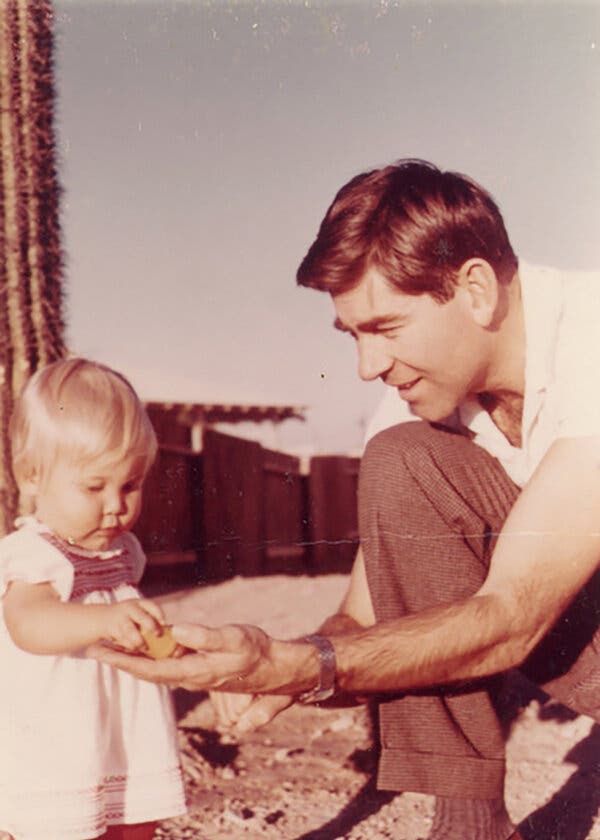
A behavioral psychologist, he advised that it was more productive to briefly isolate a misbehaving child than to spank or yell at him. Thus a household phrase was born.Literary references to grounding unruly children reverberate from at least the early 19th century, when the father in the 1835 novel “Home,” by Catharine Sedgwick, sternly orders his son Wallace to “go to your own room” after scalding a cat.Such banishments were later epitomized by the Swedish artist Carl Larsson’s 1894 watercolor “The Naughty Corner,” a picture of a glum little boy relegated to a chair in the living room.In the late 1950s, not long after his daughter, Jennifer, was born, Arthur W. Staats turned what had been a more or less random parental punishment into a staple of behavioral psychology and a household phrase. He called it a “time out.”Exhaustive experiments conducted by Dr. Staats (rhymes with “spots”) and his collaborators found that removing a child from the scene of improper behavior, and whatever had provoked it, ingrained an emotional connection with self control and was preferable to punishment. As a bonus, it gave frustrated parents a short break.Dr. Staats emphasized that children needed to be warned of the consequences of their behavior in advance, and that the “time out” tactic had to be applied consistently and within the context of a positive relationship between parent and child. He advised that the time out period (typically five to 15 minutes) should end when the child stopped misbehaving (having a tantrum, for example).Dr. Staats died at 97 on April 26 at his home in Oahu, Hawaii. He was 97. His son, Dr. Peter S. Staats, said the cause was heart failure.Dr. Staats and his daughter, Jennifer, in about 1960. He taught her to read before she was 3. She grew up to become a child and adolescent psychiatrist.via Jennifer KelleyEarly on, Arthur Staats had experimented with time outs on both his children. “My sister and I were trained with the timeout procedure invented by my father in the late 1950s,” Dr. Peter Staats wrote in the Johns Hopkins Magazine last year.His sister, Dr. Jennifer Kelley, put her own twist on the procedure’s development. “A few years ago,” she said in an email, “my brother came up with the joke that I was so bad that my dad had to invent time out.”In 1962, when Jennifer was 2, Dr. Staats told Child magazine: “I would put her in her crib and indicate that she had to stay there until she stopped crying. If we were in a public place, I would pick her up and go outside.”He also experimented with preschool learning, teaching his daughter to read before she was 3 and inventing a “token reinforcement” system: A device he devised doled out tiny markers, which could be saved up and later exchanged for toys and other prizes.That Peter went on to found the Division of Pain Medicine at Johns Hopkins University and Jennifer became a child and adolescent psychiatrist may be a measure of their father’s success.The elder Dr. Staats described his approach as psychological behaviorism and cognitive behavioral psychology. His perspectives on emotional development and learning were so distinct that in 2006, Child magazine named him one of the “20 People Who Changed Childhood.”The journal American Pediatrics reported in 2017 that a recent survey had found that 77 percent of parents of children ages 15 months to 10 years relied on time outs to moderate behavior.Montrose M. Wolf, one of Dr. Staats’s graduate assistants, mentioned the procedure in a 1964 study, and Dr. Staats elaborated on it in the book “Learning, Language and Cognition,” published in 1968.Dr. Staats was the author of several books, including this one, published in 2012.He was regarded as one of a handful of pioneers in behavior modification. As he wrote in his book “Marvelous Learning Animal” (2012), “Our small group provided the foundations of the fields of behavior therapy and behavior analysis.”While much research has been focused on how differences in the chemistry and physiology of the brain affects behavior and the ability to read and write, Dr. Staats argued that more study was needed into what impact learning and a child’s environment had on producing those differences.His experiments, he wrote, demonstrated that “children have a variety of explicit problem behaviors that can be treated by explicit training” — that dyslexic children can be trained to read and that a child’s IQ can be improved. The research, he asserted, provided “irrefutable evidence of the tremendous power of learning for determining human behavior.”Arthur Wilbur Staats was born Jan. 17, 1924, in Greenburgh, N.Y., in Westchester County, to Frank Staats, a carpenter, and Jennifer (Yollis) Staats, a Jewish immigrant from Russia. His father died when he was 3 months old, just a few days after the family had disembarked in Los Angeles after a voyage from the East Coast to the West by way of the Panama Canal. His mother supported the couple’s four children by doing laundry for neighbors.Arthur was an indifferent student, devoting himself primarily to sports and reading for pleasure. He dropped out of high school at 17 to join the Navy, served on the battleship Nevada during the D-Day invasion. After the war he enrolled in the University of California, Los Angeles, under the G.I. Bill.He earned a bachelor’s degree in psychology in 1949, a master’s in psychology in 1953 and a doctorate in general experimental and clinical psychology in 1956.After teaching as a professor of psychology at Arizona State University and a visiting professor at the University of California, Berkeley, and the University of Wisconsin, he was hired in 1966 by the University of Hawaii at Manoa. He was a professor of psychology there until he retired in 1997 and was named professor emeritus.The license plate on Dr. Staats’s car alluded to his legacy.via Staats familyDr. Staats married Carolyn Kaiden, a fellow doctoral student at U.C.L.A. They collaborated on the book “Complex Human Behavior: A Systematic Extension of Learning Principles” (2011). In addition to his son and daughter, she survives him along with five grandchildren and three great-grandchildren.Dr. Staats’s legacy was reflected by the license plate of his silver BMW — TYM-OUT — as well as the behavior of his great-granddaughters.“We have two, ages 6 and 3, and they are really wonderful little girls,” Dr. Kelley said of her grandchildren. “The little one is very funny. When she does something wrong, she puts herself in time out. I guess she saw her sister having a time out, so she figured out how it works.”

Read more →