Pandemic prevention measures linked to lower rates of Kawasaki disease in children

The rate of Kawasaki disease in South Korea has substantially decreased during the COVID-19 pandemic, possibly due to pandemic prevention efforts, such as mask-wearing, hand-washing and physical distancing, according to new research published today in the American Heart Association’s flagship journal Circulation.
Kawasaki disease is the most common cause of heart disease that develops after birth in children, creating inflammation in blood vessels, particularly heart arteries. Kawasaki disease usually occurs before age 5 and is more common among children of Asian descent, although it affects children of all races and ethnicities. South Korea has the second-highest incidence of Kawasaki disease in the world, after Japan.
According to the 2021 American Heart Association’s heart disease and stroke statistics, the incidence of Kawasaki disease in 2006 was 20.8 per 100,000 U.S. children under age 5, the most recent national estimate available and is limited by reliance on weighted hospitalization data from 38 states. Although Kawasaki disease can occur into adolescence (and rarely beyond), 76.8% of U.S. children with the condition are age 5 or younger. Boys have a 1.5-fold higher incidence of Kawasaki disease than girls. The rate of Kawasaki disease appears to be rising worldwide, possibly due to improved awareness and recognition of the disease, more frequent diagnosis of incomplete Kawasaki disease and true increasing incidence.
Symptoms of Kawasaki disease include fever, rash, red lips and strawberry tongue (bumpy and red with enlarged taste buds). Prompt treatment is critical to prevent significant heart problems, and most children recover fully with treatment. Although the cause of Kawasaki disease is unknown, it may be an immune response to an acute infectious illness based in part on genetic susceptibilities.
South Korean researchers noted that efforts to prevent COVID-19 provided a unique opportunity to analyze the possible effects of mask-wearing and social distancing on Kawasaki disease. Since February 2020, South Korea has required strict mask-wearing, periodic school closures, physical distancing, and frequent testing and isolation for people with COVID-19 symptoms.
Researchers reviewed health records from January 2010 to September 2020 in a South Korean national health insurance database to identify Kawasaki disease cases among children from birth to 19 years old. They identified 53,424 cases of Kawasaki disease during the 10 years studied, and 83% of cases occurred in children younger than 5 years of age.

Read more →

Controlling insulin production with a smartwatch

Many modern fitness trackers and smartwatches feature integrated LEDs. The green light emitted, whether continuous or pulsed, penetrates the skin and can be used to measure the wearer’s heart rate during physical activity or while at rest.
These watches have become extremely popular. A team of ETH researchers now wants to capitalise on that popularity by using the LEDs to control genes and change the behaviour of cells through the skin. The team is led by Martin Fussenegger from the Department of Biosystems Science and Engineering in Basel. He explains the challenge to this undertaking: “No naturally occurring molecular system in human cells responds to green light, so we had to build something new.”
Green light from the smartwatch activates the gene
The ETH professor and his colleagues ultimately developed a molecular switch that, once implanted, can be activated by the green light of a smartwatch.
The switch is linked to a gene network that the researchers introduced into human cells. As is customary, they used HEK 293 cells for the prototype. Depending on the configuration of this network — in other words, the genes it contains — it can produce insulin or other substances as soon as the cells are exposed to green light. Turning the light off inactivates the switch and halts the process.
Standard software
As they used the standard smartwatch software, there was no need for the researchers to develop dedicated programs. During their tests, they turned the green light on by starting the running app. “Off-the-shelf watches offer a universal solution to flip the molecular switch,” Fussenegger says. New models emit light pulses, which are even better suited to keeping the gene network running.
The molecular switch is more complicated, however. A molecule complex was integrated into the membrane of the cells and linked to a connecting piece, similar to the coupling of a railway carriage. As soon as green light is emitted, the component that projects into the cell becomes detached and is transported to the cell nucleus where it triggers an insulin-producing gene. When the green light is extinguished, the detached piece reconnects with its counterpart embedded in the membrane.
Controlling implants with wearables
The researchers tested their system on both pork rind and live mice by implanting the appropriate cells into them and strapping a smartwatch on like a rucksack. Opening the watch’s running program, the researchers turned on the green light to activate the cascade.
“It’s the first time that an implant of this kind has been operated using commercially available, smart electronic devices — known as wearables because they are worn directly on the skin,” the ETH professor says. Most watches emit green light, a practical basis for a potential application as there is no need for users to purchase a special device.
According to Fussenegger, however, it seems unlikely that this technology will enter clinical practice for at least another ten years. The cells used in this prototype would have to be replaced by the user’s own cells. Moreover, the system has to go through the clinical phases before it can be approved, meaning major regulatory hurdles. “To date, only very few cell therapies have been approved,” Fussenegger says.
Story Source:
Materials provided by ETH Zurich. Original written by Peter Rüegg. Note: Content may be edited for style and length.

Read more →

Simple blood test can accurately reveal underlying neurodegeneration

Levels of a protein called neurofilament light chain (NfL) in the blood can identify those who might have neurodegenerative diseases such as Down’s syndrome dementia, motor neuron disease (ALS) and frontotemporal dementia, when clinical symptoms are not definitive.
Published in Nature Communications and part-funded by the NIHR Maudsley Biomedical Research Centre, the research determined a set of age-related cut-off levels of NfL which could inform its potential use in primary care settings through a simple blood test.
Joint Senior Author on the study, Dr Abdul Hye from the NIHR Maudsley Biomedical Research Centre at King’s College London and South London and Maudsley NHS Foundation Trust said: ‘For the first time we have shown across a number of disorders that a single biomarker can indicate the presence of underlying neurodegeneration with excellent accuracy. Though it is not specific for any one disorder, it could help in services such as memory clinics as a rapid screening tool to identify whether memory, thinking or psychiatric problems are a result of neurodegeneration.’
Neurodegenerative diseases are debilitating conditions that result in ongoing degeneration or death of nerve cells, leading to problems in thought, attention and memory. There are currently around 850,000 people with dementia in the UK which is projected to rise to 1.6 million by 2040. In order to help identify the onset of these debilitating diseases and put in place preventative measures as early as possible there has been a drive to develop reliable and accessible biomarkers that can recognise or rule out whether the processes in the brain that are responsible for neurodegeneration are occurring.
Current biomarkers used to identify neurodegenerative disorders are taken from the fluid that surrounds the brain and spinal column (cerebrospinal fluid — CSF) which has to be extracted using an invasive procedure called lumbar puncture. Advances have been made to use biomarkers from the blood which would provide a more accessible and comfortable assessment. A central and irreversible feature in many neurodegenerative disorders is damage to the nerve fibre which results in the release of neurofilament light chain (NfL). Using ultrasensitive tests, NfL can be detected in blood at low levels and is increased in a number of disorders, unlike phosphorylated tau which is specific for Alzheimer’s disease. This means NfL can be of use in the diagnostic process of many neurodegenerative diseases most notably in this study Down’s syndrome dementia, ALS and frontotemporal dementia.
Co-author Professor Ammar Al-Chalabi from at King’s College London and co-lead of the Psychosis and Neuropsychiatry research theme at the NIHR Maudsley BRC. said ‘For neurodegenerative diseases like Alzheimer’s, Parkinson’s or motor neuron disease, a blood test to allow early diagnosis and help us monitor disease progression and response to treatment would be very helpful. Neurofilament light chain is a promising biomarker that could speed diagnosis of neurodegenerative diseases and shorten clinical trials.’

Read more →

How the ‘Alpha’ Coronavirus Variant Became So Powerful

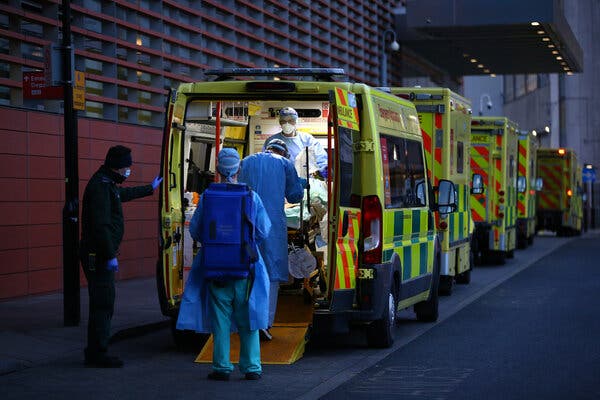
A new study suggests how the variant first identified in Britain hides from the human immune system. Its stealth may be part of its success.In December, British researchers discovered that a new variant was sweeping through their country. When it arrived in other countries, the variant, now known as Alpha, tended to become more common in its new homes as well. By April, it had become the dominant variant in the United States, and it has remained so ever since.Alpha’s swift success has left scientists wondering how the variant conquered the world. A new study points to one secret to its success: Alpha disables the first line of immune defense in our bodies, giving the variant more time to multiply.“It’s very impressive,” said Dr. Maudry Laurent-Rolle, a physician and virologist at the Yale School of Medicine who was not involved in the new study. “Any successful virus has to get beyond that first defense system. The more successful it is at doing that, the better off the virus is.”The report was posted online on Monday and has not yet been published in a scientific journal.Alpha has 23 mutations that set it apart from other coronaviruses. When the variant started to surge in Britain, researchers began inspecting these genetic tweaks to look for explanations as to why it was spreading faster than other variants.A lot of researchers focused their attention on the nine mutations that alter the so-called spike protein that covers the coronavirus and allows it to invade cells. One of those mutations helps the virus bind more tightly to cells, potentially improving its chances of a successful infection.But other scientists have focused on how Alpha affects the human immune response. Gregory Towers, a virologist at the University College London, and his colleagues grew coronaviruses in human lung cells, comparing Alpha-infected cells with those infected with earlier variants of the coronavirus.They found that lung cells with Alpha made drastically less interferon, a protein that switches on a host of immune defenses. They also found that in the Alpha cells, the defensive genes normally switched on by interferon were quieter than in cells infected with other variants.Somehow, the immune system’s most important alarm bells were barely ringing in the presence of the Alpha variant. “It’s making itself more invisible,” Dr. Towers said.A patient getting transferred to the Royal London Hospital in January, as Covid cases in Britain were surging.Hollie Adams/Getty ImagesTo investigate how Alpha achieved this invisibility, the researchers looked at how the coronavirus replicated inside of infected cells. They found that Alpha-infected cells make a lot of extra copies — some 80 times more than other versions of the virus — of a gene called Orf9b.“It’s off the chart,” said Nevan Krogan, a molecular biologist at the University of California, San Francisco, and a co-author of the new study.In previous research, Dr. Krogan and his colleagues had found that Orf9b makes a viral protein that locks onto a human protein called Tom70. And it just so happens that Tom70 is essential for a cell’s release of interferon in the face of an invading virus.Putting all of the evidence together, Dr. Krogan and his colleagues argue that the Alpha variant carries a mutation that forces the production of a lot more Orf9b proteins. Those proteins swarm the human Tom70 proteins, dampening the production of interferon and a full immune response. The virus, protected from attack, has better odds of making copies of itself.An infected cell can gradually remove the Orf9b proteins from its Tom70 molecules, however. By about 12 hours after infection, the alarm system starts coming back online. And because of that immune response, Dr. Towers said, “all hell breaks loose.”Dr. Towers speculated that when the delayed immune response finally happens, people infected with Alpha have a more robust reaction than they would with other variants, coughing and shedding virus-laden mucus from not only their mouths, but also their noses — making Alpha even better at spreading.“What they’re showing makes sense,” Dr. Laurent-Rolle said. But she would like to see more lines of evidence in support of their conclusion. For example, the scientists did not run a standard test to measure the number of Orf9b proteins.“That’s one thing that could be concerning,” she said. Dr. Krogan said he and his colleagues were developing that test now.Dr. Krogan’s team has also started similar experiments on other variants, including the variant first identified in South Africa, known as Beta, and the one first identified in India, known as Delta. The preliminary results surprised them.Both Beta and Delta drive down interferon in infected cells. But there’s no sign that they do so by flooding the cells with Orf9b proteins. They may have independently evolved their own tricks for manipulating our immune system.“They’re all turning down the immune response in different ways,” Dr. Krogan said.Cecile King, an immunologist at the Garvan Institute of Medical Research in Sydney, Australia, who was not involved in the study, said that understanding how the virus was evolving these escapes would help scientists design better vaccines for Covid-19.The current crop of vaccines direct the immune system to recognize spike proteins. But studies on people who recover naturally from Covid-19 have shown that their immune systems learn to recognize other viral proteins, including Orf9b.A number of researchers are putting together combinations of coronavirus proteins into new vaccines. But they need to take caution, because some of the proteins may actually dampen immunity.“It’s quite a tricky enterprise, but becoming more possible as we learn more,” Dr. King said.

Read more →

We Could All Use a Health Coach

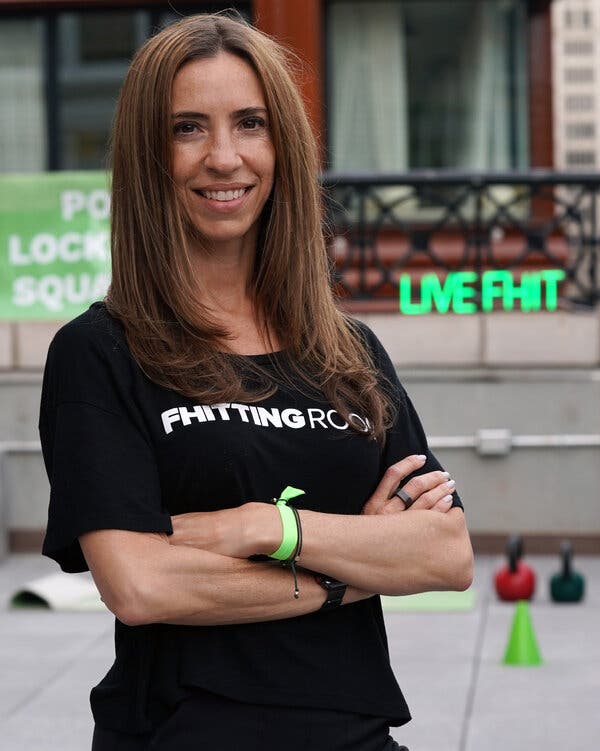
Health coaches can give patients the tools they need to improve their own care and well-being, but they aren’t widely available.Are you among the 133 million Americans suffering from one or more chronic health conditions? Conditions like diabetes, high blood pressure, heart disease, obesity, arthritis, respiratory or digestive disease, among others that can diminish the quality of your life?How well do you understand your condition and its treatment? Do you know how to minimize potentially disabling effects and delay its progression? Are you having difficulty following your doctor’s advice?Or maybe you’re currently healthy but one or more of your habits could ultimately undermine your health and result in a chronic disorder.In either case, you’d likely benefit from the help of a health coach, whose job it is to give patients the knowledge, skills, tools and confidence they need to participate fully in their own care and well-being.While anyone can claim to be a health coach (as with nutritionists, there is no standardized certification), some health coaches specially trained in behavioral health, nutrition and other areas that doctors aren’t traditionally taught in medical school are gradually being incorporated into primary care practices. In addition to fostering better health among patients, they support doctors whose time with each patient is likely to be limited to 12 to 15 minutes.“The doctor may tell a patient ‘eat less, exercise more, take your medicine and come back in three months,’ but not how to execute this plan,” said Dr. Rushika Fernandopulle, a primary care doctor in Hyannis, Mass.As founder of Iora Health, a national network of primary care practices, Dr. Fernandopulle has made health coaches an integral part of patient care at dozens of medical sites around the country. Even if doctors had more time, he said, they’re not taught — and few know how — to motivate patients to make changes that would improve their health.Currently, however, health coaches who assist in medical practices are not a dime a dozen. Clinics that utilize them can be very expensive, and they are not always covered by health insurance. There’s not even a code under which doctors could submit insurance claims for the services provided by health coaches.To help cover the expense and improve their patients’ health, most primary care practices that utilize health coaches include the cost in the patient’s overall care. Iora, for example, operates through Medicare Advantage on what is known as a capitation system, getting a set amount for the care of each patient that includes health coaching. The healthier their patients remain, the more money the plan gets to keep.Courtney Hamilton, a publicist in Los Angeles, is a prime example of someone who has benefited from a health coach. She had suffered for more than 20 years with the debilitating digestive symptoms of irritable bowel syndrome until a health coach at Parsley Health, a national network of primary care clinics, told her it wasn’t normal for her belly to “blow up” as if she was six months pregnant after eating an ordinary meal.Tests at the clinic in Los Angeles revealed that her gut was overrun with gas-causing bacteria that thrived on her often haphazard diet. Treated first with antibiotics to kill off the harmful organisms, she was told she had to make drastic changes in her diet to keep them at bay. A health coach taught her how and was on call to help whenever she had problems or questions.“It was very difficult to navigate at first,” Ms. Hamilton said. “All the fun foods in my life were banned for the sake of my quality of life. But the health coach helped me over the rough spots and made healthier decisions easier. She gave me recipes and cooking tips and taught me what to order in restaurants. In a matter of months my bowels were normal for the first time in decades.”Erica Zellner, a health coach at the Parsley clinic, said, “I never met a patient that didn’t have some resistance to change. Coaches take the time to get to know patients fully, find their internal motivation and set them up for success that’s personalized. Health happens in the 99.9 percent of your life when you’re not in the doctor’s office.”Angela Hill said her goal as a health coach at Iora Primary Care in Seattle is to build a relationship with patients, learn what concerns them, what their health goals are and what might be keeping them from making needed behavior changes.“I meet the patients where they’re at, find out what’s holding them back and go forward from there,” she said. “Together we come up with attainable goals and a plan that’s easy and accessible for the patient to implement,” she said.Dr. Russell S. Phillips, director of the Harvard Medical School Center for Primary Care, told me, “Health coaching should be an integral part of primary care. It helps patients better manage chronic conditions like diabetes and hypertension and improves outcomes.“As a primary care doctor,” he added, “I’m focused on diagnosis, treatment and a lot of other medical issues. It’s great to have health coaches available to help patients make needed changes and sustain them over time.”Although there have been few controlled clinical trials that could demonstrate the value of health coaching, researchers at the University of Southern Maine in Portland found that patients aided by health coaches saved $412 per patient per month. The study covered the claims for health care services of 1,161 patients who participated for six months or longer.Monetary savings aside, the value to patients is immeasurable. Alison Tibbals, a 76-year-old in Seattle, said she struggled to control her fluctuating high blood pressure until the health coach at Iora helped her learn how best to regulate it.“My health coach is deeply committed to my well-being,” she said. “As I grow older, it’s thrilling to know I’m heard and cared for, that there’s somebody out there who’s really interested in me and knows me.”Katie Bernard, who manages a wellness coaching team at the Mayo Clinic in Rochester, Minn., told of a 66-year-old woman on the waiting list for a lung transplant who was very stressed and sleeping terribly. “A doctor would have said she was doing fine,” Ms. Bernard said, but by helping her make gradual changes in her diet and exercise routine, “the woman’s sleep did a complete 180.”If and when the Biden administration tackles the astronomical costs of American health care, it would do well to find ways to make health coaches accessible to more people. Their still limited inclusion in modern medical care is a telling example of the penny-wise, pound-foolish structure of American medicine.As leading causes of disability and premature death, chronic disorders are responsible for the majority of the trillions of dollars now spent on health care. With the current surge in the number of Americans seeking insurance under the Affordable Care Act, insurers would be wise to include health coaching among the services offered.

Read more →

Unlocking: India states start reopening amid dip in Covid cases

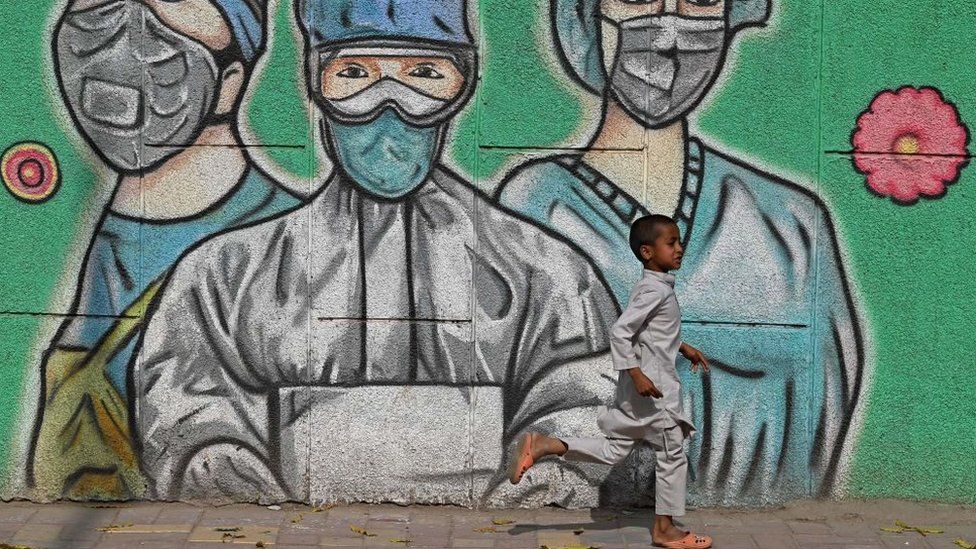
SharecloseShare pageCopy linkAbout sharingimage copyrightGetty ImagesMajor Indian states that have been virus hotpots are easing restrictions as Covid case numbers continue to fall. National capital Delhi and financial hub, Mumbai, are among the cities that are opening partially. This comes in the wake of a crushing second wave that saw hospital beds, medicines and even oxygen run short as cases spiked and deaths rose. But experts continue to advice precaution amid a lagging vaccine drive and the threat posed by new variants. India has administered more than 230 million jabs of a Covid vaccine so far – but less than four percent of it’s 1.4 billion people have been fully vaccinated. It has also struggled to speed up the drive across the country, partly because of a botched roll-out that saw demand outstrip supply. Among other things, it allowed higher prices for jabs in private hospitals, which has skewed access heavily in favour urban areas and those who can afford to pay. Vaccine hesitancy too remains a challenge, especially in rural areas. India reported about 101,000 new infections on Monday and more than 2,400 deaths – far lower than the nearly 400,000 daily cases it was recording about a month ago. It has registered some 28 million cases and 349,000 deaths so far, but experts say the actual toll is far higher.image copyrightGetty ImagesDespite the drop in case numbers, not all states have chosen to reopen. Rajasthan in the north, and Karnataka, Kerala Tamil Nadu and Telangana in the south have all extended lockdowns until the middle or end of this week. Even those that have reopened – Uttar Pradesh, Maharashtra, Haryana – are doing so cautiously, in phases and with conditions. The India Covid patients whose lonely deaths went viralIndia orders 300 million unapproved Covid jabsDelhi’s chief minister, Arvind Kejriwal, said more restrictions will be announced if case numbers continue to fall, adding that his government is preparing for a third wave. The Delhi metro, India’s largest rapid transport system, for instance, resumed operations on Monday at half its capacity. The city’s shops will take turns to open on alternate days to limit crowding at markets or inside malls. In Mumbai, shops and restaurants can reopen but malls and cinemas will remain shut. Local trains, considered the lifeline of the city, will run only for a few hours. In Uttar Pradesh, Covid restrictions have been lifted in all but a few districts. But curfew will continue every night and on weekends. Haryana state has allowed shops, malls and places of worship to open – but the last cannot allow more than 21 people in at a time. Weddings, funerals and social gatherings have also been permitted for groups of 21.

Read more →

Taking Down COVID-19

I recently spoke with World Wrestling Entertainment (WWE) superstar Drew McIntyre to take down COVID-19. I made the case to all WWE fans that the best way to get past the COVID-19 pandemic is for as many people as possible to roll up their sleeves and get vaccinated. I also told everyone listening about We Can Do This, four words to type into their browsers to access evidence-based answers to questions about the COVID-19 vaccines. We spoke virtually on May 13.

Read more →

New York Turns to Smart Thermometers for Disease Detection in Schools

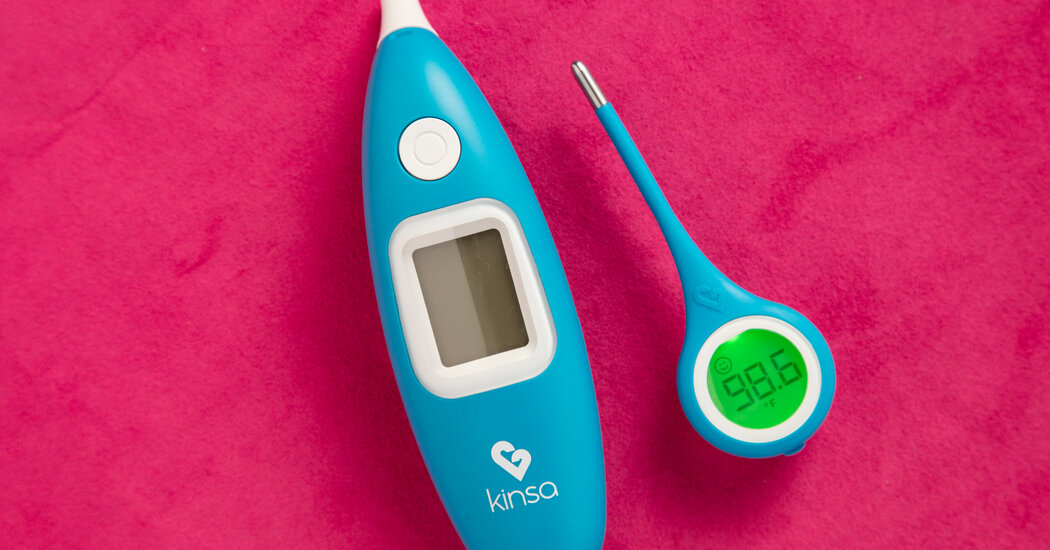
The technology company Kinsa will distribute as many as 100,000 internet-connected thermometers through the city’s elementary schools.Over the past few years, a California-based tech start-up has repeatedly made headlines for beating public health agencies at their own game.The start-up, Kinsa, which makes internet-connected thermometers, has routinely detected the spread of seasonal flu weeks before the Centers for Disease Control and Prevention. And when Covid hit last year, the company saw unusual spikes in fevers about 18 days before states recorded peaks in deaths.“The difference is not that we’re smarter,” said Inder Singh, the founder and chief executive of Kinsa. “We’ve got better data.”Many disease-tracking efforts, including the C.D.C.’s flu surveillance system, rely on data — patient symptoms, test results, inpatient admissions and deaths, for instance — reported by hospitals, laboratories and other health care facilities. But Kinsa’s devices provide an illness signal as soon as someone feels sick enough to use a thermometer. “In simple terms, we talk to mildly symptomatic patients,” Mr. Singh said. “The health care system misses them entirely.”Now, the company is putting its pandemic prognostication skills to a new test in a partnership with the New York City Department of Health. Over the coming months, Kinsa will distribute as many as 100,000 free smart thermometers through the city’s elementary schools and will make the resulting data available to local health officials. The goal is to create a citywide early warning and response system for outbreaks of Covid, the flu and other infectious diseases.“One of the critical lessons that we have learned during the Covid epidemic is how important it is to have as accurate information as we can possibly get, in real time, about how diseases spread through communities,” said Dr. Jay Varma, the senior adviser for public health to Mayor Bill de Blasio.The Kinsa partnership, he added, is “going to help us strengthen our ability to understand new and emerging diseases that may pop up in the school community.”This is not Kinsa’s first foray into schools. Since 2015, it has distributed thermometers through more than 4,000 individual schools across the United States as part of its FLUency program. But the New York City initiative will be its first citywide rollout.The first phase began last month, when the company began distributing 5,000 free thermometers to teachers, staff members and families at 50 elementary schools in city neighborhoods that had been particularly hard-hit by Covid. In the fall, Kinsa hopes to open the program to all of the city’s elementary schools.The program is entirely voluntary, officials at both Kinsa and City Hall stress. Schools that opt into the program will send Kinsa’s brochures home to students’ families; if parents want to participate, they can download Kinsa’s app and order a free thermometer.“There’s nothing about this program that is mandated,” Dr. Varma said. “Schools are not required to participate. Families are not required to participate, and of course they can kind of discontinue it at any time.”The program — which is partly being funded by Lysol — will be free to schools and families.Readings from the thermometers will be sent to the accompanying app, which also asks users to log any other symptoms they may be experiencing. Depending on what they report, the app may recommend that a child stay home from school, suggest a visit to the doctor or direct users to a nearby Covid testing site. School administrators and families can view information about grade-level trends at their own schools — that there are four ailing fourth-graders, for instance.City health officials will also have access to this aggregated, anonymized data, which they hope will help them identify unusual illness clusters earlier than is currently possible. “It’s measuring something that we’ve never really been able to measure before,” Dr. Varma said. “This is information about people’s biological measurements, being taken by somebody in their home before they’ve actually, in many situations, sought care.”If officials see an illness beginning to spread through a school, they could marshal a targeted response, Dr. Varma said — perhaps by doing some deep cleaning, temporarily closing a school building or helping students and staff members access care.And while the rollout focuses on schools, Kinsa says that the system could benefit all New Yorkers. “The reason that we’re targeting elementary schools is because we know parents of elementary-age children are power users of thermometers,” said Nita Nehru, vice president of communications at Kinsa. “In a normal illness season, illness spreads rapidly within schools, and that’s where you want to start gathering data earlier, if you want to be able to stop the spread of illness more broadly.”The data has limitations. Thermometers, of course, will not catch ailments that are not accompanied by fevers, and many cases of Covid, especially in children, are asymptomatic. Moreover, schools and families that opt into the program may not be representative of the city’s population at large.And then, of course, there are the inevitable privacy concerns. Kinsa emphasizes that all data provided to the city will be aggregated and anonymized. “None of the individual data is going to anyone other than to that individual,” Mr. Singh said. “They own the data, and we’re really adamant about this.”While digital privacy experts say that these are important safeguards, they also note that information about children and health is particularly sensitive. “It’s really important to balance the public health benefits and needs with the social or societal risks,” said Rachele Hendricks-Sturrup, the health policy counsel at the Future of Privacy Forum, a think tank focused on data privacy.For instance, even de-identified data can sometimes be re-identified. “Even if it becomes ‘A fourth-grader at this school in this neighborhood,’ that could narrow it down,” said Hayley Tsukayama, a legislative activist at the Electronic Frontier Foundation, a digital privacy group. “It doesn’t take a lot of data points to re-identify something.”The data, aggregated by ZIP code, will also be incorporated into illness signals that Kinsa makes available in its public HealthWeather map. The company sometimes shares this ZIP-code-level information with pharmacies, vaccine distributors and other companies. Clorox, for instance, has used Kinsa’s data to determine where to target its ads. (Lysol will have no special access to the data, Kinsa says.)Both Kinsa and the city need to be transparent with families about how the data will be used, stored and shared and how long it will be retained, experts said. City officials are “essentially putting their stamp of approval on this,” said Amelia Vance, the director of youth and education privacy at the Future of Privacy Forum. “They need to make sure that they are living up to the trust that parents will have that this program has been fully vetted and is safe for their kids and their families.”Over the coming months, city officials will keep close tabs on how well the program is working, Dr. Varma said. How do families feel about the program? Is there enough uptake to produce useful data? Can they actually catch outbreaks earlier — and slow the spread of disease?“Our goal is to try to see whether or not, in the real world, whether it really does have that impact that we hope it does,” Dr. Varma said. “It’s also possible the system may not detect anything abnormal or unusual, but that it still proves to be successful because it provides people with information that they find useful and builds their confidence in having their kids at school.”

Read more →

Covid: Twitter suspends Naomi Wolf after tweeting anti-vaccine misinformation

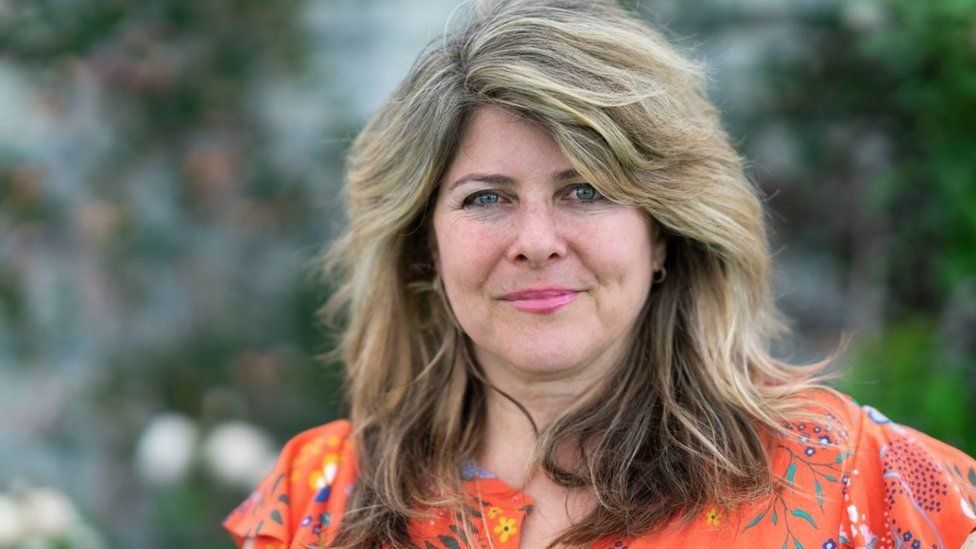
SharecloseShare pageCopy linkAbout sharingimage copyrightGetty ImagesAmerican author Naomi Wolf has been suspended from Twitter after spreading vaccine misinformation.Dr Wolf, well known for her acclaimed third-wave feminist book The Beauty Myth, posted a wide-range of unfounded theories about vaccines.One tweet claimed that vaccines were a “software platform that can receive uploads”.She also compared Dr Anthony Fauci, the top Covid adviser in the US, to Satan to her more than 140,000 followers.Most recently, she tweeted that the urine and faeces of people who had received the jab needed to be separated from general sewage supplies while tests were done to measure its impact on non-vaccinated people through drinking water.The volunteers using ‘honeypot’ groups to fight anti-vax propagandaYouTube deletes 30,000 vaccine misinfo videosHow did a volunteer panel react when we showed them an anti-vax video?Dr Wolf was also duped into tweeting a made up quote on an image of an American adult film star dressed up as a doctor. Her suspension has been welcomed by many on the platform. Professor Gavin Yamey tweeted that he was pleased, adding that “Dr Wolf peddles horrific, dangerous anti-vaxx nonsense”. But some have voiced concern that her suspension was stifling free speech.In 2019, the US publisher of a book by Dr Wolf cancelled its release after accuracy concerns were raised.During a BBC radio interview, it came to light that the author had misunderstood key 19th Century English legal terms within the book.You may also be interested in:

Read more →