Ion and lipid transporters specialize for their niche

Cell viability require that a variety of functions at the cell membrane are maintained properly. P-type ATPases translocate substrates across the membrane, and they have evolved into different types taking care of specific substrates within a diverse range. Now, key structural aspects have been described on how two different types of P-type ATPases — a Ca2+ transporting Ca2+ -ATPase and a lipid transporting P4-ATPase — have adapted to different substrates and physical environments.
Many bacteria export intracellular calcium using active transporters homologous to the well-described mammalian Ca2+-ATPases such as plasma-membrane Ca2+-ATPase and sarco-endoplasmic reticulum Ca2+-ATPase (PMCA and SERCA, respectively). Crystal structures of Ca2+-ATPase 1 from Listeria monocytogenes (LMCA1) suggest that LMCA1 is pre-organized for dephosphorylation upon Ca2+ release, which can explain the rapid dephosphorylation observed earlier in single-molecule studies.
Also, variation in the architecture of the calcium binding sites explains why LMCA1 transports a single Ca2+ ion similar to PMCA, in contrast to two transported Ca2+ ions in SERCA. The LMCA1 structures provide insight into the evolutionary divergence and conserved features of this important class of ion transporters that also inform us on central mechanisms of mammalian Ca2+ -ATPases and how they can be regulated or affected by pathological conditions.
For the P4-ATPase study, researchers took a different perspective. The transport cycle of a P-type ATPase consist of two half-reactions. Phosphorylation where a phosphate is transferred from ATP to the transporter, and dephosphorylation, where the phosphate is again released. In contrast to ion transporters such as LMCA1, the P4-ATPases transport lipids and are known as lipid flippases. Importantly, the lipid transport is coupled to the dephosphorylation reaction of the cycle, where for ion transporting P-type ATPases it is mainly coupled to the phosphorylation reaction.
Through new structures determined by cryo-electron microscopy (cryo-EM) of a yeast lipid flippase, Drs2p/Cdc50p, it was investigated how the lipid flippases have diverged from ion transporters and have adapted the enzymatic mechanism for the “flipped” purpose. Cryo-EM was a critical technique for this study, and multiple structures of the transport cycle could be determined by locking Drs2p/Cdc50p using different inhibitors and electron microscopy data collected at the electron microscopy infrastructure facility at Aarhus University (EMBION).
The two studies have been spearheaded by PhD student Sara Basse Hansen and Postdoc Milena Timcenko — under the supervision of Professor Poul Nissen (and Sara also of Associate Professor Magnus Kjærgaard) — and are being published in Journal of Molecular Biology.
Story Source:
Materials provided by Aarhus University. Original written by Lisbeth Heilesen. Note: Content may be edited for style and length.

Read more →

Monoclonal antibody therapy for COVID-19 safe, effective for transplant patients, study finds

Treating transplant patients with mild to moderate cases of COVID-19 with monoclonal antibodies is safe and helps prevent serious illness, according to a Mayo Clinic study recently published in Open Forum Infectious Diseases. These results are especially important because transplant patients who are infected with COVID-19 have a higher risk of severe illness and death.
“Monoclonal antibody therapy is really important for the transplant population because they are less likely to develop their own immunity. Providing them with these antibodies helps them recover from COVID-19,” says Raymund Razonable, M.D., a Mayo Clinic infectious diseases specialist and the study’s senior author.
The retrospective study focused on the first 73 solid organ transplant patients who received monoclonal antibody infusions for treatment of mild to moderate COVID-19 between Nov. 19, 2020, and Jan. 23 at Mayo Clinic. Eleven patients had an emergency department visit and nine patients were hospitalized. Most significantly, no patients required mechanical ventilation, died or experienced organ rejection.
“While we expected monoclonal antibody therapy would be beneficial for patients, we were pleasantly surprised by the results. Only one patient required care in the ICU for non-COVID-19 indication, and, most importantly, there were no deaths,” Dr. Razonable says.
Monoclonal antibodies help prevent the virus that causes COVID-19 from attaching to human cells, which helps block the spread of infection. In fall 2020, the Food and Drug Administration authorized the emergency use of bamlanivimab and casirivimab-imdevimab to treat mild to moderate COVID-19 in patients with a high risk of becoming seriously ill. But since the safety and efficacy of these therapies for transplant patients remained unknown due to the limited clinical data, many health care institutions initially hesitated to set up infusion centers, Dr. Razonable says.
The study’s results highlight the important role monoclonal antibodies can play in treating transplant patients with mild to moderate COVID-19. Knowing how best to treat these patients remains crucial given that recent studies indicate that COVID-19 vaccines are not as effective for transplant patients.
“It is important that these patients have early access to monoclonal antibody treatment,” Dr. Razonable says. “Our data show the outcomes for patients are better if they get infused earlier.” The study’s lead author is Zachary Yetmar, M.D., Mayo Clinic. Other co-authors are Elena Beam, M.D.; Jack O’Horo, M.D.; Ravindra Ganesh, M.B.B.S., M.D.; Dennis Bierle, M.D.; Lisa Brumble, M.D.; and Teresa Seville, M.D. ? all of Mayo Clinic.
Story Source:
Materials provided by Mayo Clinic. Original written by Heather Carlson Kehren. Note: Content may be edited for style and length.

Read more →

Largescale brain epigenetics study provides new insights into dementia

The largest study of its kind has unveiled new insights into how genes are regulated in dementia, including discovering 84 new genes linked to the disease.
Led by the University of Exeter, the international collaboration combined and analysed data from more than 1,400 people across six different studies, in a meta-analysis published in Nature Communications. These studies had used brain samples from people who had died with Alzheimer’s disease. The project, funded by Alzheimer’s Society and supported by the Medical Research Council and the National Institutes for Health, looked at an epigenetic mark called DNA methylation at nearly half a million sites in the genome. Epigenetic processes control the extent to which genes are switched on and off, meaning they behave differently as needed across the different cell-types and tissues that make up a human body. Importantly, unlike our genes, epigenetic processes can be influenced by environmental factors, making them potentially reversible and a possible route to new treatments.
The study looked at epigenetic patterns across the genome, in a number of different regions of the brain. The team then related the amount of DNA methylation to the amount of neurofibrillary tangles within the brain, which is an important hallmark of the severity of Alzheimer’s disease.
The team looked in different regions of the brain, which are affected in Alzheimer’s disease before looking for common changes across these cortical regions. They identified 220 sites in the genome, including 84 new genes, which showed different levels of DNA methylation in the cortex in individuals with more severe Alzheimer’s disease, which weren’t seen in another area of the brain called the cerebellum.
The team went on to show that a subset of 110 of these sites could distinguish in two independent datasets whether a brain sample had high or low levels of disease, with more than 70 per cent accuracy. This suggests that epigenetic changes in the brain in Alzheimer’s disease are very consistent. The findings were subsequently confirmed in an independent set of brain samples from the Brains for Dementia Research cohort funded by the Alzheimer’s Society and Alzheimer’s Research UK.
Professor Katie Lunnon, of the University of Exeter, who led the research, said: “Our study is the largest of its kind, giving important insights into genomic areas that could one day provide the key to new treatments. The next step for this work is to explore whether these epigenetic changes lead to measurable changes in the levels of genes and proteins being expressed. This will then allow us to explore whether we could repurpose existing drugs that are known to alter the expression levels of these genes and proteins, to effectively treat dementia”
The study included a number of international collaborators from the US (Columbia University and Mount Sinai School of Medicine in New York, Rush University Center in Chicago, Arizona State University), and Europe (Maastricht University in Netherlands, University of Saardland, Germany). The paper is titled ‘A meta-analysis of epigenome-wide association studies in Alzheimer’s disease highlights novel differentially methylated loci across cortex’, published in Nature Communications.
Dr Richard Oakley, Head of Research, Alzheimer’s Society said: “Epigenetics is a flourishing area of dementia research. Work like this, led by the University of Exeter, is another step forward in our understanding of the incredibly complex role our genes play in Alzheimer’s disease.
“It’s now important to delve into the specific impact of these epigenetic changes and the associated genes on the changes in the brains of people with Alzheimer’s disease. This work is in early stages but breakthroughs in research begins with work like this, and it brings us a step closer to developing new treatments for Alzheimer’s disease.
“Alzheimer’s Society is delighted to have part-funded this work and ‘Brains for Dementia Research’, which provided the tissue samples to this research team. Without the support of charities, this work simply would not be possible — we are committed to investing in, and accelerating, dementia research. However, dementia research remains hugely underfunded. We need public support now more than ever to help us continue our ground-breaking research to make a world without dementia a reality.”
Story Source:
Materials provided by University of Exeter. Note: Content may be edited for style and length.

Read more →

Nearly one in five patients who die from unexplained sudden cardiac death have suspicious gene, study finds

As many as 450,000 Americans die every year from a sudden, fatal heart condition, and in slightly more than one in ten cases the cause remains unexplained even after an autopsy. Researchers from the University of Maryland School of Medicine (UMSOM) and their colleagues found that nearly 20 percent of patients with unexplained sudden cardiac death — most of whom were under age 50 — carried rare genetic variants. These variants likely raised their risk of sudden cardiac death. In some cases, their deaths may have been prevented if their doctors had known about their genetic predisposition to heart disease. The study findings were published last week in JAMA Cardiology.
“Genetic screening isn’t routinely used in cardiology, and far too many patients still die suddenly from a heart condition without having any previously established risk factors. We need to do more for them,” said study corresponding author Aloke Finn, MD, Clinical Associate Professor of Medicine at UMSOM.
To conduct the study, Dr. Finn and his colleagues performed genetic sequencing in 413 patients, who died at age 41 on average of sudden unexplained heart failure. Nearly two-thirds of the group were men, and about half were African American. The study found that 18 percent of patients who experienced sudden death had previously undetected genes associated with life-threatening arrhythmia or heart failure conditions. None of those who carried these genetic variants had been previously diagnosed with these abnormalities. Their hearts looked normal on autopsies without any signs of heart failure or significant blockages in their coronary arteries.
“What we found opens the door and asks some important questions,” said Dr. Finn. “Should we be doing routine genetic screening in those who have a family history of unexplained sudden cardiac death?”
Such screening could have the potential to save lives. It may also leave patients and doctors in a quandary over what to do with such information. There are currently no clear guidelines on how to monitor or treat patients with these variants in the absence of clinically detectable disease.
Study faculty co-authors from UMSOM include Kristen Maloney, MS, Instructor of Medicine, Libin Wang, BM PhD, Assistant Professor of Medicine, Susie Hong, MD, Assistant Professor of Medicine, Anuj Gupta, MD, Associate Professor of Medicine, Linda Jeng, MD, PhD, Clinical Associate Professor of Medicine, Braxton Mitchell, PhD, Professor of Medicine, and Charles Hong, MD, PhD, the Melvin Sharoky, MD, Professor of Medicine.
“This is a fascinating study that provides important new insights into devastating deaths due to unexplained cardiac abnormalities,” said E. Albert Reece, MD, PhD, MBA, Executive Vice President for Medical Affairs, UM Baltimore, and the John Z. and Akiko K. Bowers Distinguished Professor and Dean, University of Maryland School of Medicine. “It certainly makes the case for more research to address this urgent health need and save lives in the future.”
Story Source:
Materials provided by University of Maryland School of Medicine. Original written by Deborah Kotz. Note: Content may be edited for style and length.

Read more →

Study confirms safety and effectiveness of COVID-19 vaccination in people with cancer

Since the early days of the COVID-19 pandemic, there were questions about how people in active cancer treatment would fare if they became infected with SARS-CoV-2. The worries were due, in large part, to the effects that cancer and its treatments can have on the immune system. Now that COVID-19 vaccines are widely available, concerns have shifted to the safety and effectiveness of vaccination in this potentially vulnerable population. A study published June 5 in the journal Cancer Cell aims to allay those fears.
In a review of 200 patients with a wide spectrum of cancer diagnoses, researchers at Montefiore Health System and Albert Einstein College of Medicine in the Bronx, NY, found that after full vaccination, 94% of patients overall demonstrated seroconversion, which was determined by the presence of antibodies to the SARS-CoV-2 spike protein. Response rates were very high among patients with solid tumors and were lower in people with certain blood cancers, but even the majority of those patients mounted an immune response.
“Studies from early in the pandemic found that cancer patients who get COVID-19 have higher rates of morbidity and mortality compared to the general population,” says senior co-author Amit Verma, director of the Division of Hemato-Oncology at Montefiore and professor of medicine and of developmental and molecular biology at Einstein, and associate director, translational science, Albert Einstein Cancer Center. “We really need efforts to protect these vulnerable patients from infection. This study should help people feel reassured that these vaccines work very well, even in those receiving chemotherapy or immunotherapy.”
“This study confirms that there is no need for patients to wait for vaccination until they finish their chemotherapy or immunotherapy,” says senior co-author Balazs Halmos (@DrSteveMartin), director of the Multidisciplinary Thoracic Oncology Program at Montefiore, professor of medicine at Albert Einstein College of Medicine, and a member of the Albert Einstein Cancer Center (AECC). “The side effects from vaccination seen in these populations were not substantially worse than in other groups. Not a single patient had to go to the emergency room or be admitted to the hospital because of side effects from the vaccines.”
This study was the largest of its kind to look at seroconversion rates in cancer patients who have been fully vaccinated. Previous studies have looked at much smaller populations or have analyzed antibody levels after only the first dose of two-dose vaccines.
In serum tests to look for IgG levels after vaccination, the researchers found that among patients with solid tumors, 98% showed seroconversion. Among patients with hematologic cancers, the rate of seroconversion was 85%.
Patients receiving some treatments fared worse than others. Those receiving therapies for blood cancers that work by killing B cells (such as rituximab or CAR T therapies) had seroconversion rates of 70%. For those who had recently had bone marrow or stem cell transplants, the rate was 74%. But those rates were still much higher than expected, the researchers say.
“Although those receiving treatments that affect B cells didn’t do as well, patients with blood cancers that affect the myeloid cells rather than the lymphoid cells had a pretty good response with regard to seropositivity,” says first author Astha Thakkar (@asthakkar15) a Montefiore hematologic oncology fellow. “This includes people with acute myeloid leukemia and myelodysplastic syndrome.”
The researchers say that one reason their data are so significant is that they include patients who had a broad range of cancers and who were undergoing a number of different treatments. “The patients themselves were also diverse and were representative of the patients we treat in the Bronx,” Halmos says. “About one-third were Black and 40% were Hispanic.”
“Vaccination among these populations have been lower, even though these groups were hardest hit by the pandemic,” Verma concludes. “It’s important to stress how well these patient populations did with the vaccines.”
Funding support was provided by the National Cancer Institute (NCI) and the NCI Community Oncology Research Program (NCORP).
Story Source:
Materials provided by Cell Press. Note: Content may be edited for style and length.

Read more →

Predisposition to addiction may be genetic, study finds

People who have a high sensation-seeking personality trait may be more likely to develop an addiction to cocaine, according to a Rutgers study.
“Although many people try illicit drugs like cocaine or heroin, only a small proportion develop an addiction,” said lead author Morgan James, a member of the Rutgers Brain Health Institute and an assistant professor in the department of psychiatry at Rutgers Robert Wood Johnson Medical School. “The interaction found between sensation-seeking traits and the drug-taking experience show that predisposition to addiction has a genetic basis, and that this interacts with environmental factors such as patterns of drug use. The sensation-seeking trait was predictive of rats’ likelihood to exhibit stronger motivation for drugs when we gave them the opportunity to take cocaine.”
The findings, published in the journal Neuropharmacology, shed light on what predisposes people to addiction and may help with substance use screening and treatment.
The lab study found that high sensation-seeking rats — those with a strong desire for new experiences and a willingness to take risks to be stimulated — were more prone to developing behavior that reflects human addiction. The findings suggest that high sensation-seeking people have a greater risk of losing control over their drug intake, which makes them more vulnerable to drug addiction.
A major goal of addiction research is to identify behavioral biomarkers that predict addiction vulnerability. Future studies can build on these findings to determine what is different in the brains of those who are high sensation-seeking to see what predisposes them to addiction.
Story Source:
Materials provided by Rutgers University. Original written by Patti Verbanas. Note: Content may be edited for style and length.

Read more →

Italian woman wakes up after 10 months in coma

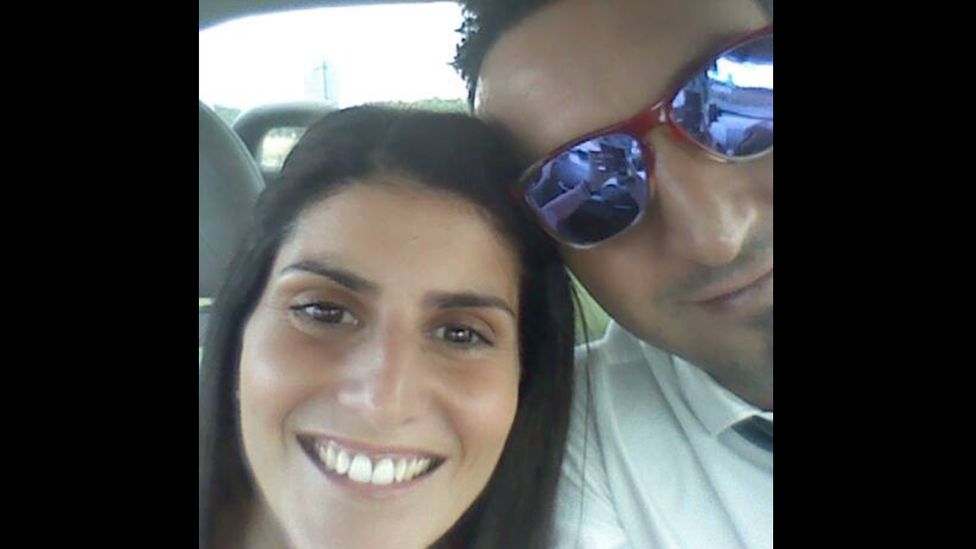
SharecloseShare pageCopy linkAbout sharingimage copyrightCristina Rosi/ FacebookAn Italian woman has woken from a coma after 10 months, according to local media reports.Cristina Rosi, 37, was seven months pregnant when she suffered a heart attack in July last year. Her daughter, Caterina, was delivered by emergency Caesarean section. However, Ms Rosi was left in a coma with suspected brain damage.She has now woken up and spoken her first word, “Mamma”, her husband has said.”We didn’t expect it, it was a real joy after so much suffering,” Gabriele Succi, told La Nazione newspaper. ‘Miracle’ baby born to Covid coma mumWoman wakes after 27 years in a comaMs Rosi was transferred to a clinic in Austria in April to receive specialist care during her recovery. Both her husband and mother were by her side when she spoke.Her treatment abroad has been paid for by a crowdfunding page, which has so far raised more than €170,000 ($208,000, £148,000) for further rehabilitation, including physiotherapy.”Cristina is hardly recognisable now,” Mr Succi was quoted as saying by the Arezzo Notizie news website. “She’s more relaxed, they removed her tracheotomy [and] through a pump they are giving her a medicine that should lead to other physical progress.”The couple’s daughter spent a number of months in hospital due to a lack of oxygen during delivery.

Read more →

Biden to Send Millions of Pfizer Vaccine Doses to 100 Countries

The White House’s move is part of a nascent campaign to inoculate the world, and came as President Biden faced intense pressure to do more.WASHINGTON — President Biden, under pressure to aggressively address the global coronavirus vaccine shortage, will announce as early as Thursday that his administration will buy 500 million doses of the Pfizer-BioNTech vaccine and donate them among about 100 countries over the next year, according to people familiar with the plan.The White House reached the deal just in time for Mr. Biden’s eight-day European trip, which is his first opportunity to reassert the United States as a world leader and restore relations that were badly frayed by President Donald J. Trump.“We have to end Covid-19, not just at home, which we’re doing, but everywhere,” Mr. Biden told American troops after landing at R.A.F. Mildenhall in Suffolk, England. “There’s no wall high enough to keep us safe from this pandemic or the next biological threat we face, and there will be others. It requires coordinated multilateral action.”People familiar with the Pfizer deal said the United States would pay for the doses at a “not for profit” price. The first 200 million doses will be distributed by the end of this year, followed by 300 million by next June, they said. The doses will be distributed through Covax, the international vaccine-sharing initiative.Mr. Biden is in Europe for a week to attend the NATO and Group of 7 summits and to meet with President Vladimir V. Putin of Russia in Geneva. He is likely to use the trip to call on other nations to step up vaccine distribution.In a statement on Wednesday, Jeffrey D. Zients, the White House official in charge of devising a global vaccination strategy, said Mr. Biden would “rally the world’s democracies around solving this crisis globally, with America leading the way to create the arsenal of vaccines that will be critical in our global fight against Covid-19.”The White House is trying to spotlight its success in fighting the pandemic — particularly its vaccination campaign — and use that success as a diplomatic tool, especially as China and Russia seek to do the same. Mr. Biden has been insistent that, unlike China and Russia, which have been sharing their vaccines with dozens of countries, the United States will not seek to extract promises from countries receiving American-made vaccines.AstraZeneca vaccines being delivered in Mexico City under Covax, the international vaccine-sharing initiative. The program will distribute the 500 million doses that the Biden administration will donate.Henry Romero/ReutersThe 500 million doses still fall far short of the 11 billion the World Health Organization estimates are needed to vaccinate the world, but significantly exceed what the United States has committed to share so far. Other nations have been pleading with the United States to give up some of its abundant vaccine supplies. Less than 1 percent of people are fully vaccinated in a number of African countries, compared with 42 percent in the United States and the United Kingdom.Advocates for global health welcomed the news, but reiterated their stance that it is not enough for the United States to simply give vaccine away. They say the Biden administration must create the conditions for other countries to manufacture vaccines on their own, including transferring technology to make the doses.“The world needs urgent new manufacturing to produce billions more doses within a year, not just commitments to buy the planned inadequate supply,” Peter Maybarduk, the director of Public Citizen’s Access to Medicines program, said in a statement. He added, “We have yet to see a plan from the U.S. government or the G7 of the needed ambition or urgency to make billions more doses and end the pandemic.”The deal with Pfizer has the potential to open the door to similar agreements with other vaccine manufacturers, including Moderna, whose vaccine was developed with American tax dollars — unlike Pfizer’s. In addition, the Biden administration has brokered a deal in which Merck will help produce Johnson & Johnson’s vaccine, and those doses might be available for overseas use.The United States has already contracted to buy 300 million doses of the Pfizer-BioNTech vaccine, which requires two shots, for distribution in the United States; the 500 million doses are in addition to that, according to people familiar with the deal.Neither Pfizer nor administration officials would say what the company is charging the government for the doses. Pfizer is also offering the Biden administration an option to buy even more doses at cost to be donated overseas, according to several people familiar with the arrangement.For Pfizer, the decision to sell the Biden administration so much supply without making a profit is a significant step.Its vaccine accounted for $3.5 billion in revenue in the first three months of this year, nearly a quarter of Pfizer’s total revenue. By some estimates, the firm earned roughly $900 million in pretax profits from the vaccine during the first quarter.But the company also faced criticism that it was disproportionately aiding wealthy nations, even though Pfizer’s chief executive, Albert Bourla, had promised in January to help ensure that “developing countries have the same access as the rest of the world.”For Mr. Biden, the agreement shows that his administration is willing to dip more deeply into the nation’s treasury to help out poorer countries.Last week, Mr. Biden said the United States would distribute 25 million doses this month to countries in the Caribbean and Latin America; South and Southeast Asia; Africa; and the Palestinian territories, Gaza and the West Bank.Those doses are the first of 80 million that Mr. Biden pledged to send abroad by the end of June; three-quarters of them will be distributed by Covax. The rest will go toward addressing pressing and urgent crises in places like India and the West Bank and Gaza, administration officials have said. Many of the 80 million doses were made by AstraZeneca and are still tied up in a complex review by the Food and Drug Administration.A popup vaccine site in Brooklyn in May. About 64 percent of adults in the United States have received at least one shot.James Estrin/The New York TimesMr. Biden has also committed to supporting a waiver of an international intellectual property agreement, which would make it harder for companies to refuse to share their technology. But European leaders are blocking the proposed waiver, and pharmaceutical companies are strongly opposed to it. The World Trade Organization’s Council for Trade-Related Aspects of Intellectual Property Rights is meeting this week to consider the waiver.The president’s promise of vaccines for the global market comes as he prepares to meet on Thursday with Prime Minister Boris Johnson of Britain, who has called on leaders to commit to vaccinating everyone in the world by the end of 2022. Mr. Biden’s announcement is likely to be welcome news for Mr. Johnson, whose critics have questioned where the money will come from to meet his pledge.“The truth is that world leaders have been kicking the can down the road for months — to the point where they have run out of road,” Edwin Ikhouria, the executive director for Africa at the ONE Campaign, a nonprofit aimed at eradicating global poverty, said in a statement on Wednesday.About 64 percent of adults in the United States are at least partly vaccinated, and the president has set a goal of bringing that number up to 70 percent by July 4. The pace of vaccination has dropped sharply since mid-April, leading the Biden administration to pursue a strategy of greater accessibility and incentives to reach Americans who have not yet gotten shots.In spite of those efforts, there are unused vaccine doses that could go to waste. Once thawed, doses have a limited shelf life and millions could begin expiring within two weeks, according to federal officials.Providing equitable access to vaccines has become one of the most intractable challenges to reining in the pandemic. Wealthier nations and private entities have pledged tens of millions of doses and billions of dollars to shore up global supplies, but the disparity in vaccine allocations so far has been stark.Dr. Tedros Adhanom Ghebreyesus, the director general of the World Health Organization, warned this week that the world was facing a “two-track pandemic,” in which countries where vaccines are scarce will struggle with virus cases even as better-supplied nations return to normal.Those lower-income countries will be largely dependent on wealthier ones until vaccines can be distributed and produced on a more equitable basis, he said.Daniel E. Slotnik

Read more →