Biden to Send 500 Million Doses of Pfizer Vaccine to 100 Countries Over a Year

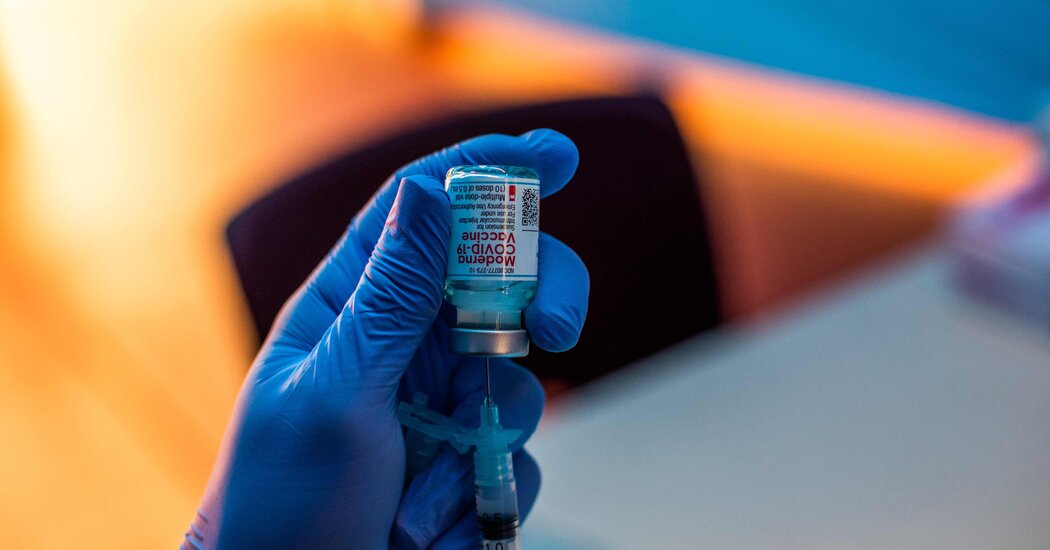
The White House’s move is part of a nascent campaign to inoculate the world, and came as President Biden faced intense pressure to do more.WASHINGTON — President Biden, under pressure to aggressively address the global coronavirus vaccine shortage, will announce as early as Thursday that his administration will buy 500 million doses of the Pfizer-BioNTech vaccine and donate them among about 100 countries over the next year, according to people familiar with the plan.

Read more →

'Miraculous' mosquito hack cuts dengue by 77%

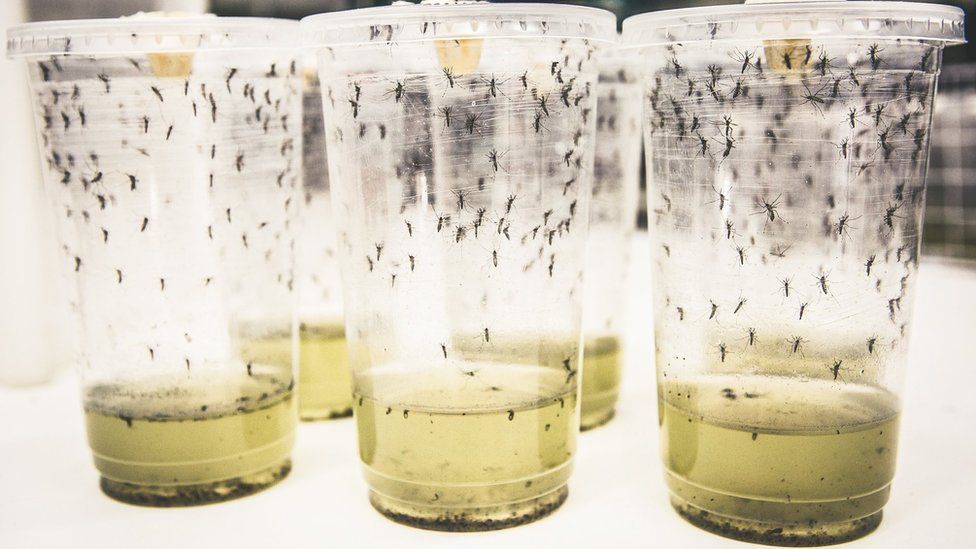
SharecloseShare pageCopy linkAbout sharingimage copyrightWorld Mosquito ProgrammeDengue fever cases have been cut by 77% in a “groundbreaking” trial that manipulates the mosquitoes that spread it, say scientists. They used mosquitoes infected with “miraculous” bacteria that reduce the insect’s ability to spread dengue. The trial took place in Yogyakarta city, Indonesia, and is being expanded in the hope of eradicating the virus. The World Mosquito Programme team says it could be a solution to a virus that has gone around the world. Few people had heard of dengue 50 years ago, but it has been a relentless slow-burning pandemic and cases have increased dramatically. In 1970, only nine countries had faced severe dengue outbreaks, now there are up to 400 million infections a year. Dengue is commonly known as “break-bone fever” because it causes severe pain in muscles and bones and explosive outbreaks can overwhelm hospitals. The enemy of my enemyThe trial used mosquitoes infected with Wolbachia bacteria. One of the researchers, Dr Katie Anders, describes them as “naturally miraculous”.Wolbachia doesn’t harm the mosquito, but it camps out in the same parts of its body that the dengue virus needs to get into. The bacteria compete for resources and make it much harder for dengue virus to replicate, so the mosquito is less likely to cause an infection when it bites again. image copyrightWorld Mosquito ProgrammeThe trial used five million mosquito eggs infected with Wolbachia. Eggs were placed in buckets of water in the city every two weeks and the process of building up an infected population of mosquitoes took nine months. Yogyakarta was split into 24 zones and the mosquitoes were released only in half of them. The results, published in the New England Journal of Medicine, showed a 77% reduction in cases and an 86% reduction in people needing hospital care when the insects were released.”It’s very exciting, it’s better than we could have hoped for to be honest,” Dr Anders told the BBC. The technique has been so successful the mosquitoes have been released across the whole city and the project is moving to surrounding areas with the aim of eradicating dengue in the region. Dr Anders, who is also the director of impact assessment at the World Mosquito Programme, said: “This result is groundbreaking.”We think it can have an even greater impact when it is deployed at scale in large cities around the world, where dengue is a huge public health problem.”Wolbachia are also spectacularly manipulative and can alter the fertility of their hosts to ensure they are passed on to the next generation of mosquitoes. It means once Wolbachia has been established, it should stick around for a long time and continue to protect against dengue infection. This is in sharp contrast to other control methods – such as insecticides or releasing large numbers of sterile male mosquitoes – that need to be kept up in order to suppress the blood-suckers. Dr Yudiria Amelia, the head of disease prevention in Yogyakarta City, said: “We are delighted with the outcome of this trial. “We hope this method can be implemented in all areas of Yogyakarta and further expanded in all cities in Indonesia.”The trial is a significant landmark after years of research as the species of mosquito that spreads dengue – Aedes aegypti – is not normally infected with Wolbachia.Disease modelling studies have also predicted Wolbachia could be enough to completely suppress dengue fever if it can be established.David Hamer, a professor of global health and medicine at Boston University, said the method had “exciting potential” for other diseases such as Zika, yellow fever and chikungunya; which are also spread by mosquito bites. Follow James on Twitter

Read more →

Jessica Morris, Whose Brain Cancer Was Her Cause, Dies at 57

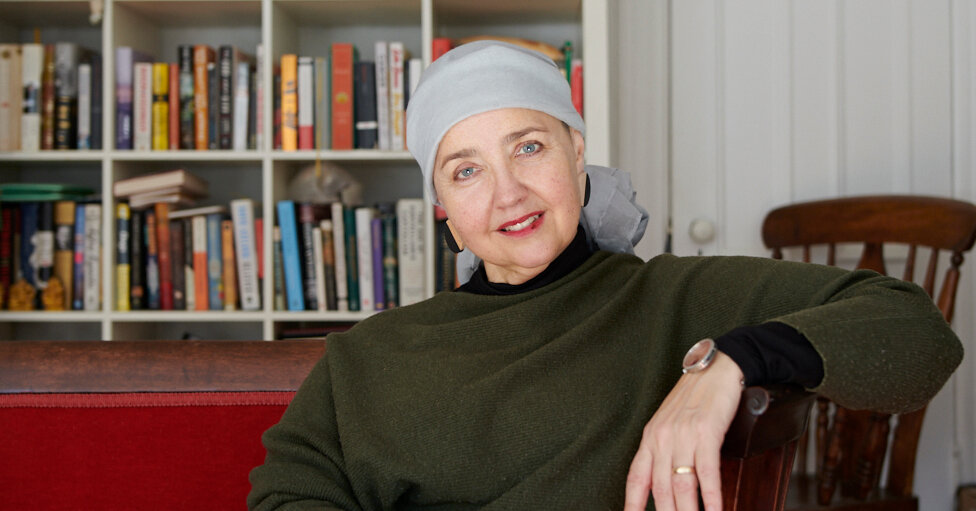
After her diagnosis of glioblastoma in 2016, she founded an organization that advocated for patients and research.Jessica Morris, who turned her experience with glioblastoma, a deadly brain cancer, into a crusade for more research and a patient-directed approach to treatment, founding the organization Our Brain Bank, died of complications of the disease on Tuesday at her home in Park Slope, Brooklyn. She was 57.Her husband, Ed Pilkington, a reporter for The Guardian, announced her death to friends and supporters by email, expressing hope that the organization she started “would help keep her flame and this fight alive.”In an opinion essay in The New York Times in 2017, Ms. Morris described a fateful day in January 2016.“I was hiking in upstate New York when I started to feel inexplicably odd,” she wrote. “I wanted to alert my companions that something was wrong, but there was a disconnect between the desire to speak and my ability to do so. Then my eyelids closed and that was that: a full-blown seizure, followed by an ambulance ride off the mountain, and brain surgery two days later.”Glioblastoma is a particularly aggressive type of brain tumor that seems to defy treatment. It is what killed President Biden’s son Beau in 2015 and Senator John McCain in 2017.“Median survival, the point by which half of those with glioblastoma have died, is usually put at 14 months,” Ms. Morris wrote in the essay. “Only one in 20 people survive five years.”She herself made it to that five-year mark, and she used those years to educate herself about the illness and become an advocate for a different approach to treating it, one that didn’t automatically default to surgery, radiation and chemotherapy.“The problem with this regime is that it is, as my neuro-oncologist delicately put it, ‘suboptimal,’” she wrote. “Bluntly, for a vast majority of patients, it doesn’t work.”That neuro-oncologist was Dr. Fabio M. Iwamoto of Columbia University’s Department of Oncology.“She knew then that something needed to be done and that patients like her had enormous power,” Dr. Iwamoto said in a statement. “Despite being busy with the tumor treatments and looking after three children, Jessica found the time and energy to be a pioneering advocate of a new contract between the medical profession and the patient community.”Through Our Brain Bank, the nonprofit she founded, Ms. Morris encouraged treating more than just the tumor.“When you’re suddenly told that you have a condition that is considered terminal,” she said on the podcast the Human Guinea Pig Project in 2019, “the one thing you desperately need is psychological support, and it’s not there.”She also wanted to ensure that patients had access to and funding for second opinions, so that those who were told “nothing can be done” by one doctor might seek out a more aggressive approach if they chose. She herself pursued several novel approaches, her husband said, including an experimental therapy that one of her doctors had suggested, involving an injection of herpes virus into the tumor in the hope of stimulating a defensive response.“Even if I don’t know exactly how particular treatments might work — and nobody really does — it kind of makes sense to try and block as many pathways to the cancer as possible,” Ms. Morris explained on the podcast.Another goal was making it easier for glioblastoma patients to enroll in clinical trials of drugs and therapies. The process of getting into such trials can be cumbersome and frustrating to patients with a limited life expectancy. And since glioblastoma is a complex disease in which each tumor has different characteristics, Ms. Morris and her organization developed an app that patients can use to report symptoms and share information with one another and with medical professionals — as an aid to understanding the disease better.“Patient symptom data is a largely untapped pool of information that can inform researchers, so they can better design treatments,” Ms. Morris said during a 2019 panel discussion on patient-centric treatments. “Involving patients in that process has the added benefit of providing people with the disease to feel they are managing the disease, and not the other way ’round.”Jessica Jane Morris was born on July 22, 1963, in Greenwich, near London. Her father, Bill, was an architect, and her mother, Elizabeth (Villar) Morris, is an artist.Ms. Morris studied history at King’s College, Cambridge, graduating in 1985. She and her family relocated to New York in 2006.In New York she worked as a communication strategist, most recently for FleishmanHillard, a public relations and marketing firm, where she was a senior vice president. Ms. Morris kept a blog during the course of her disease and wrote a book, “All in My Head,” which is to be published this year by Little, Brown.In addition to her husband, whom she married in 1993, and her mother, she is survived by a brother, Ben; a sister, Frances Morris; a son, Felix; and two daughters, Tess and Emma.Dr. Iwamoto noted that Ms. Morris’s commitment to improving the prognosis for glioblastoma continues after her death.“She donated her brain,” he said in a phone conversation. “She was very passionate about research, for her and for everyone else.”

Read more →

A Multibillion-Dollar Plan to End Polio, and Soon

A global partnership announced plans to spend more than $5 billion to eradicate poliovirus.As the world adjusts to the idea of coexisting with the coronavirus for the foreseeable future, global health organizations are laying plans to eradicate another scourge that has already lingered for thousands of years: poliovirus.The Global Polio Eradication Initiative, a public-private partnership led by national governments and health groups, on Wednesday released a $5.1 billion plan to eradicate polio by 2026.Polio can cripple or even kill those afflicted with it. For decades, the initiative has been trying to achieve a polio-free world by immunizing every child against the virus, but with limited success.Many countries were dealing with sporadic outbreaks of polio before the coronavirus emerged, but the pandemic brought some polio vaccination programs to a halt, at least for a few months, and worsened the trend. Last year, there were 1,226 cases of polio worldwide, compared with 138 in 2018.There was also some good news. In August, African countries were declared free of wild poliovirus, leaving Afghanistan and Pakistan as the only two countries where polio is endemic. And in November, the World Health Organization granted the first emergency authorization to a new vaccine that promises to minimize polio outbreaks.“Now is the time to double down and really make sure that we stop transmission and that we’re able to deliver a polio-free world,” said John Vertefeuille, chief of the polio eradication branch at the Centers for Disease Control and Prevention, one of the partners in the global initiative.Previous efforts to end polio have been hamstrung by inadequate funding and a lack of political commitment — factors that may pose an even tougher challenge now with Covid-19 continuing to siphon attention and resources.The new strategy includes policies intended to increase political commitment while taking the pandemic into account, Dr. Vertefeuille said. It embraces two key goals: integrating polio programs with other health care programs and focusing on areas with chronically low immunization rates. The plan also ensures vaccine supply and outlines a communication strategy to increase vaccine acceptance.The architects of the plan consulted with more than 40 civil society organizations, academic institutions and donors to help them integrate polio eradication with other health challenges.Health workers vaccinated a child in December, in Kandahar, where the polio vaccination effort resumed after a seven-month pause.Muhammad Sadiq/EPA, via ShutterstockTrying to engage communities in regions where there is hesitancy, or even hostility, to vaccines “is easier said than done, obviously, but at least in my opinion, it’s in the right direction,” said Dr. Walter Orenstein, associate director of the Emory Vaccine Center and a former director of the United States’ Immunization Program.Dr. Orenstein was optimistic about the new strategy overall, and particularly the tactic of combining polio with other health programs to gain political support.“Eradication is a very unforgiving goal — one infection is one infection too many,” he said. But the new plan “clearly has shown they’re taking into account lessons they have learned.”From March to July last year, polio immunization campaigns were suspended in more than 30 countries, resulting in more unvaccinated children and more outbreaks of vaccine-derived polio.The oral polio vaccine that is currently used widely contains a weakened strain of the virus. Children who are immunized with this vaccine can pass the virus into the environment through their feces; from there, it can infect unprotected people. As the virus passes from one unvaccinated person to another, genetic changes can cause it to revert to a form that can cause paralysis.About 90 percent of polio outbreaks are a result of this vaccine-induced poliovirus. In 2020, there were more than 1,000 cases detected in 29 countries, many more than in previous years. A new oral vaccine introduced in November is designed to make the virus more genetically stable and is thought to minimize the risk of vaccine-induced cases.“It’s not a magic bullet that will solve all of our problems — the vaccines still need to reach people in order for them to work,” said Simona Zipursky, an adviser to the W.H.O. on polio eradication. “But we do feel it will really help us in sustainably stopping these outbreaks.”The new vaccine is approved only for emergency use, and countries that qualify must commit to monitoring its safety and effectiveness. More than 20 million doses have already been distributed.Outbreaks of wild poliovirus — the original scourge — now occur only in Pakistan and Afghanistan. Since 2018, vaccination campaigns have missed about 3 million children in Afghanistan because of a Taliban ban on house-to-house immunization. The vast majority of outbreaks in Afghanistan in 2019 and 2020 originated in these areas.“Understanding how we can gain access through dialogue with them remains a critical focus of the of the program,” Dr. Vertefeuille said, referring to the Taliban.In Pakistan, Pashto-speaking communities near the Afghanistan border represent about 15 percent of the country’s population but more than 80 percent of wild polio cases. Vaccine hesitancy and misinformation spread via social media have led to a rise in cases since 2018.“Those issues certainly were there before, and Covid pauses allowed case numbers to increase pretty dramatically, pretty quickly,” Dr. Vertefeuille said.Polio eradication programs will focus on immunizing hard-to-reach communities in the two countries, and training older female health workers, who are more successful in persuading caregivers to vaccinate their children.The global initiative has set up two teams to respond to outbreaks within 72 hours: one in the eastern Mediterranean region (which comprises 21 countries, including Pakistan and Afghanistan), and the other in sub-Saharan Arica. This time, the strategy also involves health ministers in the eastern Mediterranean region, so that governments are urged to focus on polio by their peers, rather than by a global health organization.“Eradication remains a top health priority,” said Dr. Faisal Sultan, special assistant on health to the prime minister of Pakistan. “We look forward to working with international partners to achieve a polio-free world.”Nigeria, another country where polio was endemic, was declared polio-free last June, after addressing some of the same challenges. Commitment from political leaders at every level of government — including having their grandchildren vaccinated on television — turned the tide.To reinstate polio as a priority, even with competing health challenges in these cash-strapped countries, officials emphasize that programs to squelch polio can also be used to help turn back Covid-19 and other diseases, Dr. Vertefeuille said: “It allows you to be prepared for any emergency.”Health care workers in Sanaa, Yemen, knocking on doors last month to deliver vaccines.Yahya Arhab/EPA, via ShutterstockDuring the coronavirus pandemic, more than 31,000 polio workers in more than 30 countries pivoted to working on Covid-19 surveillance, contact tracing, distribution of supplies for hand hygiene, and training for medical personnel and frontline workers.In Pakistan, polio labs provided testing and sequencing for the coronavirus, and a polio telephone line became the national information center for information on Covid-19. Polio workers trained nearly 19,000 health care workers and engaged 7,000 religious leaders and 26,000 influencers.In Nigeria, health workers used data systems and analytics set up for polio to track health care needs for Covid-19. Polio workers were similarly helpful during the Ebola outbreak in Nigeria.In Pakistan and Afghanistan, polio immunization was bundled with delivery of other vaccines or other health necessities, like vitamin A and deworming tablets. Polio workers can also combine their immunization efforts with delivery of Covid-19 vaccines, even though the children vaccinated for polio are too young for coronavirus vaccines.At the same time, confusion about Covid-19 vaccines has affected polio immunization campaigns, said Melissa Corkum, senior manager for polio outbreak response at Unicef. Polio workers are “having to spend a lot more time educating and communicating at the doorstep with parents and caregivers,” she said.In Nigeria, the first country to introduce the new polio vaccine, the immunization campaign began “almost in parallel with their Covid rollout, it may have actually been exactly on the same days and slightly different areas,” Ms. Zipursky said.Polio workers faced a lot of questions and concerns about the two vaccines, she said, underscoring the need to be prepared with the right information. “It was really a good lesson learned.”

Read more →

Reports of Severe Covid or Death After Vaccination Are Rare, but Not Unexpected

No vaccine is ever 100 percent effective, experts say, stressing that the shots remain critical in reducing severe disease and death from the coronavirus.Over the last few months, a steady drumbeat of headlines has highlighted the astounding real-world effectiveness of the Covid-19 vaccines, especially the mRNA vaccines made by Pfizer-BioNTech and Moderna. The vaccines, study after study has shown, are more than 90 percent effective at preventing the worst outcomes, including hospitalization and death.But alongside this good news have been rare reports of severe Covid in people who had been fully vaccinated.On June 3, for instance, Napa County announced that a fully vaccinated woman, who was more than a month past her second Moderna shot, had died after being hospitalized with Covid. The woman, who was over 65 and had underlying medical conditions, had tested positive for the Alpha variant, which was first identified in Britain.Although these cases are tragic, they are uncommon — and not unexpected.“I’m very sad that she had a sufficiently severe illness that it actually led to her death,” said Dr. William Schaffner, medical director of the National Foundation for Infectious Diseases and a vaccine expert at Vanderbilt University. But, he noted, “we expected to have the occasional breakthrough infection.”Such cases should not dissuade people from getting vaccinated, scientists said. “There is not a vaccine in history that has ever been 100 percent effective,” said Dr. Paul Offit, the director of the Vaccine Education Center at Children’s Hospital of Philadelphia. “This is your best chance of avoiding severe, critical disease. But as is true of everything in medicine, it’s not perfect.”Severe Covid is rare in people who have been fully vaccinated. In a paper published last month, the Centers for Disease Control and Prevention said that it had received reports of 10,262 breakthrough infections by April 30. That is just a tiny fraction of the 101 million Americans who had been vaccinated by that date, though the agency noted that it likely represented “a substantial undercount” of breakthrough infections.Of those breakthrough cases, 10 percent of patients were hospitalized and 2 percent died — and in some of those cases, patients were hospitalized or died from something unrelated to Covid-19. The median age of those who died was 82.Older adults, who are at greater risk for Covid complications, may also be more likely to develop breakthrough infections because they are known to mount weaker immune responses to vaccines. People who are immunocompromised or have other chronic health conditions may also be at increased risk.Some of the variants — particularly Beta, which was first identified in South Africa — may be more likely to evade the protection induced by vaccines. But Beta is not currently common in the United States, Dr. Schaffner noted.The Alpha variant that infected the Napa County woman is highly contagious, but vaccines provide good protection against it — as well as against the original strain of the virus.“Vaccines provide exceptional protection against death and illness from the virus and all residents should continue to get vaccinated to protect themselves and others,” Dr. Karen Relucio, Napa County’s public health officer, said in a statement.Breakthrough infections are likely to decrease as more people get vaccinated and community transmission rates fall. “The virus will find fewer and fewer people to infect — it will be harder for the virus to work its way through the population,” Dr. Schaffner said. “These are great vaccines. In order for the vaccines to work optimally — on an individual basis and a community basis — as many people as possible have to be vaccinated.”

Read more →

Severe Covid Cases Among the Vaccinated? They're Rare.

Over the last few months, a steady drumbeat of headlines has highlighted the astounding real-world effectiveness of the Covid-19 vaccines, especially the mRNA vaccines made by Pfizer-BioNTech and Moderna. The vaccines, study after study has shown, are more than 90 percent effective at preventing the worst outcomes, including hospitalization and death.But alongside this good news have been rare reports of severe Covid in people who had been fully vaccinated.On June 3, for instance, Napa County announced that a fully vaccinated woman, who was more than a month past her second Moderna shot, had died after being hospitalized with Covid. The woman, who was over 65 and had underlying medical conditions, had tested positive for the Alpha variant, which was first identified in Britain.Although these cases are tragic, they are uncommon — and not unexpected.“I’m very sad that she had a sufficiently severe illness that it actually led to her death,” said Dr. William Schaffner, medical director of the National Foundation for Infectious Diseases and a vaccine expert at Vanderbilt University. But, he noted, “we expected to have the occasional breakthrough infection.”Such cases should not dissuade people from getting vaccinated, scientists said. “There is not a vaccine in history that has ever been 100 percent effective,” said Dr. Paul Offit, the director of the Vaccine Education Center at Children’s Hospital of Philadelphia. “This is your best chance of avoiding severe, critical disease. But as is true of everything in medicine, it’s not perfect.”Severe Covid is rare in people who have been fully vaccinated. In a paper published last month, the Centers for Disease Control and Prevention said that it had received reports of 10,262 breakthrough infections by April 30. That is just a tiny fraction of the 101 million Americans who had been vaccinated by that date, though the agency noted that it likely represented “a substantial undercount” of breakthrough infections.Of those breakthrough cases, 10 percent of patients were hospitalized and 2 percent died — and in some of those cases, patients were hospitalized or died from something unrelated to Covid-19. The median age of those who died was 82.Older adults, who are at greater risk for Covid complications, may also be more likely to develop breakthrough infections because they are known to mount weaker immune responses to vaccines. People who are immunocompromised or have other chronic health conditions may also be at increased risk.Some of the variants — particularly Beta, which was first identified in South Africa — may be more likely to evade the protection induced by vaccines. But Beta is not currently common in the United States, Dr. Schaffner noted.The Alpha variant that infected the Napa County woman is highly contagious, but vaccines provide good protection against it — as well as against the original strain of the virus.“Vaccines provide exceptional protection against death and illness from the virus and all residents should continue to get vaccinated to protect themselves and others,” Dr. Karen Relucio, Napa County’s public health officer, said in a statement.Breakthrough infections are likely to decrease as more people get vaccinated and community transmission rates fall. “The virus will find fewer and fewer people to infect — it will be harder for the virus to work its way through the population,” Dr. Schaffner said. “These are great vaccines. In order for the vaccines to work optimally — on an individual basis and a community basis — as many people as possible have to be vaccinated.”

Read more →

An atomic look at lithium-rich batteries

Batteries have come a long way since Volta first stacked copper and zinc discs together 200 years ago. While the technology has continued to evolve from lead-acid to lithium-ion, many challenges still exist — like achieving higher density and suppressing dendrite growth. Experts are racing to address the growing, global need for energy-efficient and safe batteries.
The electrification of heavy-duty vehicles and aircraft requires batteries with more energy density. A team of researchers believes a paradigm shift is necessary to make a significant impact in battery technology for these industries. This shift would take advantage of the anionic reduction-oxidation mechanism in lithium-rich cathodes. Findings published in Nature mark the first time direct observation of this anionic redox reaction has been observed in a lithium-rich battery material.
Collaborating institutions included Carnegie Mellon University, Northeastern University, Lappeenranta-Lahti University of Technology (LUT) in Finland, and institutions in Japan including Gunma University, Japan Synchrotron Radiation Research Institute (JASRI), Yokohama National University, Kyoto University, and Ritsumeikan University.
Lithium-rich oxides are promising cathode material classes because they have been shown to have much higher storage capacity. But, there is an ‘AND problem’ that battery materials must satisfy — the material must be capable of fast charging, be stable to extreme temperatures, and cycle reliably for thousands of cycles. Scientists need a clear understanding of how these oxides work at the atomic level, and how their underlying electrochemical mechanisms play a role, to address this.
Normal Li-ion batteries work by cationic redox, when a metal ion changes its oxidation state as lithium is inserted or removed. Within this insertion framework, only one lithium-ion can be stored per metal-ion. Lithium-rich cathodes, however, can store much more. Researchers attribute this to the anionic redox mechanism — in this case, oxygen redox. This is the mechanism credited with the high capacity of the materials, nearly doubling the energy storage compared to conventional cathodes. Although this redox mechanism has emerged as the leading contender among battery technologies, it signifies a pivot in materials chemistry research.
The team set out to provide conclusive evidence for the redox mechanism utilizing Compton scattering, the phenomenon by which a photon deviates from a straight trajectory after interacting with a particle (usually an electron). The researchers performed sophisticated theoretical and experimental studies at SPring-8, the world’s largest third-generation synchrotron radiation facility which is operated by JASRI.
Synchrotron radiation consists of the narrow, powerful beams of electromagnetic radiation that are produced when electron beams are accelerated to (almost) the speed of light and are forced to travel in a curved path by a magnetic field. Compton scattering becomes visible.
The researchers observed how the electronic orbital that lies at the heart of the reversible and stable anionic redox activity can be imaged and visualized, and its character and symmetry determined. This scientific first can be game-changing for future battery technology.
While previous research has proposed alternative explanations of the anionic redox mechanism, it could not provide a clear image of the quantum mechanical electronic orbitals associated with redox reactions because this cannot be measured by standard experiments.
The research team had an “A ha!” moment when they first saw the agreement in redox character between theory and experimental results. “We realized that our analysis could image the oxygen states that are responsible for the redox mechanism, which is something fundamentally important for battery research,” explained Hasnain Hafiz, lead author of the study who carried out this work during his time as a postdoctoral research associate at Carnegie Mellon.
“We have conclusive evidence in support of the anionic redox mechanism in a lithium-rich battery material,” said Venkat Viswanathan, associate professor of mechanical engineering at Carnegie Mellon. “Our study provides a clear picture of the workings of a lithium-rich battery at the atomic scale and suggests pathways for designing next-generation cathodes to enable electric aviation. The design for high-energy density cathodes represents the next-frontier for batteries.”
Story Source:
Materials provided by College of Engineering, Carnegie Mellon University. Original written by Lisa Kulick. Note: Content may be edited for style and length.

Read more →

Laughing gas relieves symptoms in people with treatment-resistant depression

A single, one-hour treatment that involves breathing in a mixture of oxygen and nitrous oxide — otherwise known as laughing gas — significantly improved symptoms in people with treatment-resistant depression, according to new data from researchers at Washington University School of Medicine in St. Louis and the University of Chicago.
In a phase 2 clinical trial, the researchers demonstrated that symptoms of depression improve rapidly following treatment with inhaled nitrous oxide. Further, they reported the benefits can last for several weeks.
The findings are published June 9 in the journal Science Translational Medicine.
“A large percentage of patients don’t respond to standard antidepressant therapies — the patients in this study had failed an average of 4.5 antidepressant trials — and it’s very important to find therapies to help these patients,” said Charles R. Conway, MD, a professor of psychiatry at Washington University and one of the study’s senior investigators. “That we saw rapid improvements in many such patients in the study suggests nitrous oxide may help people with really severe, resistant depression.”
Conway, and the study’s other co-senior investigator, Peter Nagele, MD, professor and chair of the Department of Anesthesia & Critical Care at the University of Chicago, and who previously had an appointment in the Department of Anesthesiology at Washington University School of Medicine, have been studying the potential of nitrous oxide as an antidepressant for the past decade.
Standard antidepressant drugs affect norepinephrine and serotonin receptors in the brain, yet they often take weeks to improve a person’s symptoms. Nitrous oxide, however, interacts with different receptors on brain cells — NMDA glutamate receptors — and tends to improve symptoms within hours when effective.

Read more →

Having trouble falling asleep predicts cognitive impairment in later life

A study of nearly 2,500 adults found that having trouble falling asleep, as compared to other patterns of insomnia, was the main insomnia symptom that predicted cognitive impairment 14 years later.
Results show that having trouble falling asleep in 2002 was associated with cognitive impairment in 2016. Specifically, more frequent trouble falling asleep predicted poorer episodic memory, executive function, language, processing speed, and visuospatial performance. Further analysis found that associations between sleep initiation and later cognition were partially explained by both depressive symptoms and vascular diseases in 2014 for all domains except episodic memory, which was only partially explained by depressive symptoms.
“While there is growing evidence for a link between insomnia and cognitive impairment in older adults, it has been difficult to interpret the nature of these associations given how differently both insomnia and cognitive impairment can present across individuals,” said lead author Afsara Zaheed, a graduate student in clinical science within the department of psychology at the University of Michigan. “By investigating associations between specific insomnia complaints and cognition over time using strong measures of cognitive ability, we hoped to gain additional clarity on whether and how these different sleep problems may lead to poor cognitive outcomes.”
Insomnia involves difficulty falling asleep or staying asleep, or regularly waking up earlier than desired, despite allowing enough time in bed for sleep. Daytime symptoms include fatigue or sleepiness; feeling dissatisfied with sleep; having trouble concentrating; feeling depressed, anxious, or irritable; and having low motivation or energy.
The study analyzed data from the Health and Retirement Study, which involved 2,496 adults who were at least 51 years of age. In 2002 they reported the frequency of experiencing insomnia symptoms. In 2016 the participants’ cognition was assessed as part of the Harmonized Cognitive Assessment Protocol and operationalized with a comprehensive neuropsychological battery tapping episodic memory, executive function, language, visuoconstruction, and processing speed. Analyses controlled for sociodemographics and baseline global cognitive performance.
“These results are important given the lack of currently available treatments for late-life cognitive disorders, like Alzheimer’s disease and other dementias,” said Zaheed. “Sleep health and sleep behaviors are often modifiable. These results suggest that regular screening for insomnia symptoms may help with tracking and identifying people with trouble falling asleep in mid-to-late life who might be at risk for developing cognitive impairments later in life. Additional intervention research is needed to determine whether intervening on insomnia symptoms can help prevent or slow the progression of cognitive impairments in later life.”
Story Source:
Materials provided by American Academy of Sleep Medicine. Note: Content may be edited for style and length.

Read more →

Persistent insomnia symptoms since childhood associated with mood, anxiety disorders

A 15-year longitudinal study shows that childhood insomnia symptoms that persist into adulthood are strong determinants of mood and anxiety disorders in young adults.
Results show that insomnia symptoms persisting from childhood through adolescence and into adulthood were associated with a 2.8-fold increased risk of internalizing disorders. Insomnia symptoms that newly developed over the course of the study were associated with a 1.9-fold increased risk of internalizing disorders. No increased risk of internalizing disorders was found for those children in whom insomnia symptoms remitted during the study period.
“We found that about 40% of children do not outgrow their insomnia symptoms in the transition to adolescence and are at risk of developing mental health disorders later on during early adulthood,” said lead author Julio Fernandez-Mendoza, who has a doctorate in psychobiology and is an associate professor at Penn State College of Medicine. He is a psychologist board certified in behavioral sleep medicine at Penn State Health Sleep Research and Treatment Center in Hershey, Pennsylvania.
Data were analyzed from the Penn State Child Cohort, a population-based sample of 700 children with a median age of 9 years. The researchers had followed up 8 years later with 421 participants when they were adolescents (median age of 16 years) and now 15 years later with 492 of them when they were young adults (median age of 24 years). Insomnia symptoms were defined as moderate-to-severe difficulties initiating or maintaining sleep.
The symptoms were parent-reported in childhood and self-reported in adolescence and young adulthood. The presence of internalizing disorders was defined as a self-report of a diagnosis or treatment for mood and/or anxiety disorders. Results were adjusted for sex, race/ethnicity, age, and any prior history of internalizing disorders or use of medications for mental health problems.
According to the authors, childhood insomnia symptoms have been shown to be associated with internalizing disorders, which include depressive disorders and anxiety disorders. “These new findings further indicate that early sleep interventions are warranted to prevent future mental health problems, as children whose insomnia symptoms improved over time were not at increased risk of having a mood or anxiety disorder as young adults,” said Fernandez-Mendoza.
Story Source:
Materials provided by American Academy of Sleep Medicine. Note: Content may be edited for style and length.

Read more →