Model shows sharp decrease in HIV incidence in England

The annual number of new HIV infections among men who have sex with men (MSM) in England is likely to have fallen dramatically, from 2,770 in 2013 to 854 in 2018, showing elimination of HIV transmission by 2030 to be within reach — suggests work by researchers from the MRC Biostatistics Unit at the University of Cambridge and Public Health England (PHE), published in The Lancet HIV.
To manage the HIV epidemic among MSM in England, enhanced testing and earlier treatment strategies were scaled-up between 2011 and 2015 and supplemented from 2015 by pre-exposure prophylaxis (PrEP). The researchers examined the effect of these interventions on the number of new infections and investigated whether the United Nations (UN) targets for HIV control and elimination of HIV transmission by 2030 might be within reach among MSM in England.
A complexity in this assessment is that HIV infections are not observed. Routine surveillance collects data on new HIV diagnoses, but trends in new diagnoses alone can be misleading as they can represent infections that occurred many years previously and depend on the testing behaviour of infected individuals.
To estimate new HIV infections among adult MSM (age 15 years and above) over a 10-year period between 2009 and 2018, the researchers used a novel statistical model that used data on HIV and AIDS diagnoses routinely collected via the national HIV and AIDS Reporting System in England, and knowledge on the progression of HIV. Estimated trends in new infections were then extrapolated to understand the likelihood of achieving the UN elimination target defined as less than one newly acquired infection per 10,000 MSM per year, by 2030.
The peak in the number of new HIV infections in MSM in England is estimated to have occurred between 2012 and 2013, followed by a steep decrease from 2,770 new infections in 2013 to 1,740 in 2015, and a further steadier decrease from 2016, down to 854. The decline was consistent across all age groups but was particularly marked in MSM aged 25-34 years, and slowest in those aged 45 years or older. Importantly, this decrease began before the widespread roll-out of PrEP in 2016, indicating the success of testing and treatment as infection prevention measures among MSM in England.
Through extrapolation, the researchers calculated a 40% likelihood of England reaching the UN elimination target by 2030 and identified relevant age-specific targeting of further prevention efforts (i.e., to MSM aged ≥45 years) to increase this likelihood.
Senior author, Professor Daniela De Angelis, Deputy Director of the MRC Biostatistics Unit, University of Cambridge, said:
“This is very good news and suggests that prevention measures adopted in England from 2011 have been effective. With the rollout of PrEP, England looks on course to meet the goal of zero transmissions by 2030. Our study also shows the value of regular estimation of HIV incidence to recognise and respond appropriately to changes in the current downward trend. The challenge now is to achieve these reductions in all groups at risk for HIV acquisition.”
Valerie Delpech, Head of National HIV Surveillance at Public Health England, said:
“We have made good progress towards ending HIV transmission by 2030 in England. Frequent HIV testing and the use of PrEP amongst people most at risk of HIV, together with prompt treatment among those diagnosed, are key to ending HIV transmission by 2030.
“You can benefit from life-saving HIV treatments if you are diagnosed with HIV and it also means you cannot pass the virus on.
“HIV and STI tests are still available through sexual health clinics during the COVID pandemic. Many clinics offer online testing throughout the year — people can order tests on clinic websites, take them in the privacy of their own home, return by post and receive results via text, phone call or post.”
Story Source:
Materials provided by University of Cambridge. The original story is licensed under a Creative Commons License. Note: Content may be edited for style and length.

Read more →

New way to 3D-print custom medical devices to boost performance and bacterial resistance

Using a new 3D printing process, University of Nottingham researchers have discovered how to tailor-make artificial body parts and other medical devices with built-in functionality that offers better shape and durability, while cutting the risk of bacterial infection at the same time.
Study lead, Dr Yinfeng He, from the Centre for Additive Manufacturing, said: “Most mass-produced medical devices fail to completely meet the unique and complex needs of their users. Similarly, single-material 3D printing methods have design limitations that cannot produce a bespoke device with multiple biological or mechanical functions.
“But for the first time, using a computer-aided, multi-material 3D-print technique, we demonstrate it is possible to combine complex functions within one customised healthcare device to enhance patient wellbeing.”
The hope is that the innovative design process can be applied to 3D-print any medical device that needs customisable shapes and functions. For example, the method could be adapted to create a highly-bespoke one-piece prosthetic limb or joint to replace a lost finger or leg that can fit the patient perfectly to improve their comfort and the prosthetic’s durability; or to print customised pills containing multiple drugs — known as polypills — optimised to release into the body in a pre-designed therapeutic sequence.
Meanwhile, the aging population is increasing in the world, leading to a higher demand for medical devices in the future. Using this technique could improve the health and wellbeing of older people and ease the financial burden on the government.
How it works
For this study, the researchers applied a computer algorithm to design and manufacture — pixel by pixel — 3D-printed objects made up of two polymer materials of differing stiffness that also prevent the build-up of bacterial biofilm. By optimising the stiffness in this way, they successfully achieved custom-shaped and -sized parts that offer the required flexibility and strength.
Current artificial finger joint replacements, for example, use both silicone and metal parts that offer the wearer a standardised level of dexterity, while still being rigid enough to implant into bone. However, as a demonstrator for the study, the team were able to 3D-print a finger joint offering these dual requirements in one device, while also being able to customise its size and strength to meet individual patient requirements.
Excitingly, with an added level of design control, the team were able to perform their new style of 3D-printing with multi-materials that are intrinsically bacteria-resistant and bio-functional, allowing them to be implanted and combat infection (which can occur during and after surgery) without the use of added antibiotic drugs.
The team also used a new high-resolution characterisation technique (3D orbitSIMS) to 3D-map the chemistry of the print structures and to test the bonding between them throughout the part. This identified that — at very small scales — the two materials were intermingling at their interfaces; a sign of good bonding which means better device is less likely to break.
The study was carried out by the Centre for Additive Manufacturing (CfAM) and funded by the Engineering and Physical Sciences Research Council. The complete findings are published in Advanced Science, in a paper entitled: ‘Exploiting generative design for 3D printing of bacterial biofilm resistant composite devices’.
Prior to commercialising the technique, the researchers plan to broaden its potential uses by testing it on more advanced materials with extra functionalities such as controlling immune responses and promoting stem cell attachment.
Story Source:
Materials provided by University of Nottingham. Note: Content may be edited for style and length.

Read more →

Institutional environments trap disabled geoscientists between a rock and a workplace

Inaccessible workplaces, normative departmental cultures and ‘ableist’ academic systems have all contributed to the continued underrepresentation and exclusion of disabled researchers in the Geosciences, according to an article published today (Thursday 8 June) in Nature Geosciences.
The article argues that changes to both working spaces and attitudes are urgently needed if institutions are to attract, safeguard and retain people with disabilities.
Anya Lawrence, a disabled early career researcher in the University of Birmingham’s School of Geography, Earth and Environmental Science and author of the piece says:
“Disabled geoscientists like myself face barrier after barrier on a daily basis just to get by in academia. My aim, in writing this article, was to capture some of the shared difficulties that disabled geoscientists experience, particularly struggles that may be less obvious or less apparent at a surficial level, but are significant nonetheless. For example, I think it may come as a surprise to some that traditional workplace cultures like communal coffee breaks can actually be a source of exclusion for those with disabilities. Likewise, ‘feeling sorry’ and showing pity for disabled colleagues could seem well-meaning but just serves to reinforce negative stereotypes towards disability.”
The article makes a series of suggestions about how those with disabilities can be attracted, supported and retained in academic geosciences such as university leaders taking advice from outside agencies with experience in embedding inclusion in the workplace, along with making visible commitments to disability-hiring initiatives.
Anya adds: “I think lots of examples of best practice are already out there in other sectors. It’s a case of whether people across the various different levels of the academic hierarchy from those in the highest leadership roles to the academics ‘on the ground’ and doing the research in Geoscience departments, are committed to creating respectful cultures and welcoming spaces for disabled scholars.”
“Although I have encountered many hurdles myself, I am very fortunate in that I have an amazingly supportive supervisor and head of school and also my parents who everyday face the challenge of caring for a disabled child with nothing but great courage and selflessness. I realise that so many disabled researchers just don’t have this kind of close support network and are quite isolated and alone in academia.”
Another potential initiative outlined in the article is increased collaborative research involving mixed groups of disabled and non-disabled geoscientists.
“Collaborating with other geoscientists without disabilities or with different disabilities to me has been really beneficial not only at a personal level but for the research itself,” says Anya. “By working with people who have different opinions, life experiences and areas of expertise from myself I have learnt so much; I have been prompted to try new methods and analytical techniques, publish my findings in outlets I hadn’t even heard of and think critically about my research at every stage of the process — all of which wouldn’t have been possible had I kept going it alone.”
“It’s also just nice to feel included and valued- working with people who appreciate my involvement and view disability as being different, not deficient, means the world to me. To this end I would like to thank the editors of Nature Geoscience, especially Dr James Super and Dr Simon Harold for being sensitive and deeply respectful in their communication and, most of all, for inviting someone with lived experience of disability to contribute to the discussion on disability in the geosciences!”
Story Source:
Materials provided by University of Birmingham. Note: Content may be edited for style and length.

Read more →

Cells construct living composite polymers for biomedical applications

Biomedical engineers at Duke University have demonstrated that a class of interwoven composite materials called semi-interpenetrating polymer networks (sIPNs) can be produced by living cells. The approach could make these versatile materials more biologically compatible for biomedical applications such as time-delayed drug delivery systems.
The research appears online on June 8 in the journal Nature Communications.
The concept of sIPNs has been around for more than 100 years and has been used in automotive parts, medical devices, molding compounds and engineering plastics. The general idea is for one or more polymers to assemble around another polymer scaffold in such a way that they become interlocked. Even though the polymers are not chemically bonded, they cannot be pulled apart and form a new material with properties greater than the simple sum of its parts.
Traditional methods for manufacturing sIPNs typically involve producing the constituent parts called monomers and mixing them together in the right chemical conditions to control their assembly into large networks in a process called polymerization.
“When it works, it’s a fantastic platform that can incorporate different functionalities into the self-assembled layer for biomedical or environmental applications,” said Lingchong You, professor of biomedical engineering at Duke. “But the process is often not as biocompatible as you might want. So we thought why not use living cells to synthesize the second layer to make it as biocompatible as possible?”
In the new paper, Zhuojun Dai, a former postdoc in the You lab who is now an associate professor at the Shenzhen Institute of Synthetic Biology, uses a platform that the lab has been developing for several years called “swarmbots” to do just that.

Read more →

Compound blocks SARS-CoV-2 and protects lung cells, study finds

Research conducted at LSU Health New Orleans Neuroscience Center of Excellence reports that Elovanoids, bioactive chemical messengers made from omega-3 very-long-chain polyunsaturated fatty acids discovered by the Bazan lab in 2017, may block the virus that causes COVID-19 from entering cells and protect the air cells (alveoli) of the lung. Their findings are published online in Scientific Reports.
“Because the compounds are protective against damage in the brain and retina of the eye and the COVID-19 virus clearly damages the lung, the experiment tested if the compounds would also protect the lung,” notes Nicolas Bazan, MD, PhD, Director of the LSU Health New Orleans Neuroscience Center and senior author of the paper.
The research team tested Elovanoids (ELVs) on infected lung tissue from a 78-year-old man in petri dish cultures. They found that ELVs not only reduced the ability of the SARS-CoV-2 spike protein to bind to receptors and enter cells, but they also triggered the production of protective, anti-inflammatory proteins that counteract lung damage.
The scientists report that ELVs decreased the production of ACE2. ACE2 is a protein on the surface of many cell types. ACE2 receptors act like locks on cells, and the SARS-CoV-2 spike proteins act like keys that open the locks letting the virus enter cells to multiply rapidly. They also demonstrated for the first time that alveolar cells are endowed with pathways for the biosynthesis of ELVs.
“Since SARS-CoV-2 affects nasal mucosa, the GI tract, the eye, and the nervous system, uncovering the protective potential of ELVs expands the scope of our observations beyond the lung,” adds Dr. Bazan. “Our results provide a foundation for interventions to modify disease risk, progression, and protection of the lung from COVID-19 or other pathologies (including some types of pneumonia).”
The LSU Health New Orleans research team included Drs. Jorgelina M. Calandria, Surjyadipta Bhattacharjee, Marie-Audrey I. Kautzmann, Aram Asatryan, William C. Gordon, Khanh V. Do, Bokkyoo Jun, and Pranab K. Mukherjee, as well as Dr. Nicholas J. Maness from Tulane University and Dr. Nicos A. Petasis from the University of Southern California.
This work was supported by an Institutional Grant from the LSU Health New Orleans School of Medicine.
Story Source:
Materials provided by Louisiana State University Health Sciences Center. Note: Content may be edited for style and length.

Read more →

Memory biomarkers confirm aerobic exercise helps cognitive function in older adults

Increasing evidence shows that physical activity and exercise training may delay or prevent the onset of Alzheimer’s disease (AD). In aging humans, aerobic exercise training increases gray and white matter volume, enhances blood flow, and improves memory function. The ability to measure the effects of exercise on systemic biomarkers associated with risk for AD and relating them to key metabolomic alterations may further prevention, monitoring, and treatment efforts. However, systemic biomarkers that can measure exercise effects on brain function and that link to relevant metabolic responses are lacking.
To address this issue, Henriette van Praag, Ph.D., from Florida Atlantic University’s Schmidt College of Medicine and Brain Institute and Ozioma Okonkwo, Ph.D., Wisconsin Alzheimer’s Disease Research Center and Department of Medicine at the University of Wisconsin-Madison and their collaborators, tested the hypotheses that three specific biomarkers, which are implicated in learning and memory, would increase in older adults following exercise training and correlate with cognition and metabolomics markers of brain health. They examined myokine Cathepsin B (CTSB), brain derived neurotrophic factor (BDNF), and klotho, as well as metabolomics, which have become increasingly utilized to understand biochemical pathways that may be affected by AD.
Researchers performed a metabolomics analysis in blood samples of 23 asymptomatic late middle-aged adults, with familial and genetic risk for AD (mean age 65 years old, 50 percent female) who participated in the “aeRobic Exercise And Cognitive Health (REACH) Pilot Study” (NCT02384993) at the University of Wisconsin. The participants were divided into two groups: usual physical activity (UPA) and enhanced physical activity (EPA). The EPA group underwent 26 weeks of supervised treadmill training. Blood samples for both groups were taken at baseline and after 26 weeks.
Results of the study, published in the journal Frontiers in Endocrinology, showed that plasma CTSB levels were increased following this 26-week structured aerobic exercise training in older adults at risk for AD. Verbal learning and memory correlated positively with change in CTSB but was not related to BDNF or klotho. The present correlation between CTSB and verbal learning and memory suggests that CTSB may be useful as a marker for cognitive changes relevant to hippocampal function after exercise in a population at risk for dementia.
Plasma BDNF levels decreased in conjunction with metabolomic changes, including reductions in ceramides, sphingo- and phospholipids, as well as changes in gut microbiome metabolites and redox homeostasis. Indeed, multiple lipid metabolites relevant to AD were modified by exercise in a manner that may be neuroprotective. Serum klotho was unchanged but was associated with cardiorespiratory fitness.
“Our findings position CTSB, BDNF, and klotho as exercise biomarkers for evaluating the effect of lifestyle interventions on brain function,” said van Praag, corresponding author, an associate professor of biomedical science, FAU’s Schmidt College of Medicine, and a member of the FAU Brain Institute and the FAU Institute for Human Health & Disease Intervention (I-HEALTH). “Human studies often utilize expensive and low throughput brain imaging analyses that are not practical for large population-wide studies. Systemic biomarkers that can measure the effect of exercise interventions on Alzheimer’s-related outcomes quickly and at low-cost could be used to inform disease progression and to develop novel therapeutic targets.”
CTSB, a lysosomal enzyme, is secreted from muscle into circulation after exercise and is associated with memory function and adult hippocampal neurogenesis. Older adults with cognitive impairment have lower serum and brain CTSB levels. BDNF is a protein that is upregulated in the rodent hippocampus and cortex by running and is important for adult neurogenesis, synaptic plasticity, and memory function. Klotho is a circulating protein that can enhance cognition and synaptic function and is associated with resilience to neurodegenerative disease, possibly by supporting brain structures responsible for memory and learning.
“The positive association between CTSB and cognition, and the substantial modulation of lipid metabolites implicated in dementia, support the beneficial effects of exercise training on brain function and brain health in asymptomatic individuals at risk for Alzheimer’s disease,” said van Praag.
Story Source:
Materials provided by Florida Atlantic University. Original written by Gisele Galoustian. Note: Content may be edited for style and length.

Read more →

Menstrual Cups in Museums? It’s Time.

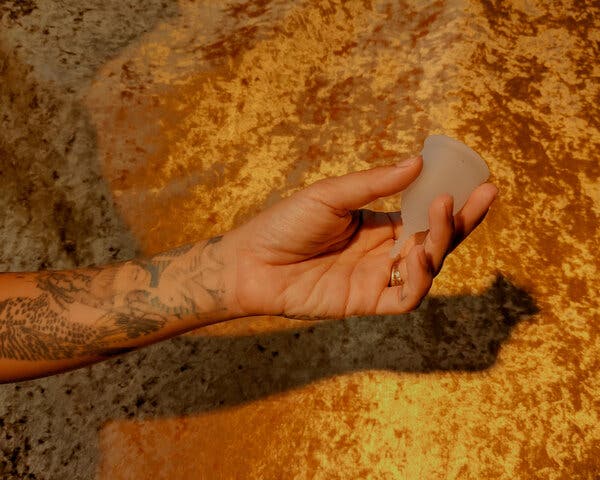
Consider the menstrual cup.A repository for bodily fluid, it was first patented in 1867, a half-century before the commercial tampon arrived, and even a decade before the pad. A rubber model appeared in the 1930s, but its prevalence was curtailed by World War II, when rubber was in short supply. Enter the disposable tampon, which has dominated since.Now a team of design curators, health care practitioners and advocates want you to reconsider the menstrual cup, remove it from the still pink-hued feminine hygiene aisle, and look at it as an object, not of private utility, but of beauty. It sure beats a wad of cotton.An example of a menstrual cup held by Marilyn Rondon, an artist who modeled for four of the photographs in this article. She gave birth to her first baby in November.Natalia Mantini for The New York TimesDesigns vary, but in its most common iteration, it is bell-shaped and elegant, flexible, durable and washable. Its history is tied to fashion: the first commercial cup was devised by Leona W. Chalmers, a onetime Broadway star who created it because she wanted to wear her costumes of white silk without fear. Chalmers was ceaseless in championing her version for “modern women,” and, it seemed, she was far ahead of her time: the cup has recently proliferated, with sales gaining momentum. Tampax introduced its own version in 2018.“What makes it so beautiful also, it’s affordable, it’s environmentally conscious — it’s just one object that one needs, rather than a lifetime of buying pads and tampons to discard,” said Amber Winick, a design historian. Winick and Michelle Millar Fisher, a curator of contemporary decorative arts at the Museum of Fine Arts, Boston, believe that the menstrual cup is museum-worthy, along with the breast pump, the speculum and the IUD — devices that normally are not valued for their aesthetics and are often culturally invisible.Their provocative new book and exhibition series, “Designing Motherhood: Things That Make and Break Our Births,” makes the case that there is a whole world of objects pertaining to women, mothers and pregnant people that have been overlooked from the perspective of form and function, and unstudied in terms of how their designs came to be.“Why,” the organizers write, have these artifacts “remained so hidden, even as they define the everyday existence of so many?”Natalia Mantini for The New York TimesIt is, in part, a problem of perspective and access, Millar Fisher added in an interview. “These objects are often used by people who have not had the power to write history, make decisions or frame material culture,” she said. “They have just not been part of the conversation, out loud, until recently.”“Designing Motherhood” begins with a small exhibition, which opened in Philadelphia in May at the Mütter Museum, a medical museum known for its collection of anatomical oddities. A larger exhibition is to open in September at the Center for Architecture and Design in Philadelphia. The pandemic meant the two exhibitions no longer ran concurrently, as originally planned, but the idea was always to blend audiences from science, medicine and design, organizers said. The duo worked with Juliana Rowen Barton, a curator and historian focused on the intersection of gender, race and design, and partnered with Maternity Care Coalition, a community nonprofit in Philadelphia that primarily helps low-income families, as they developed their project.Its cornerstone is a book, due in September from M.I.T. Press. In sections devoted to reproduction, pregnancy, birth and postpartum life, it winds through social and medical history, highlighting innovations, like a sleek new concept for the speculum, and inventions of necessity, like the Del-Em, a 1971 “menstruation extraction” device, still adapted for abortions today. Both are on view at the Mütter Museum.The activist Carol Downer, her cat and the Del-Em, a 1971 “menstruation extraction” device that she helped pioneer. A version is still used for abortions worldwide today.via Carol DownerThe authors also take on changing ideologies: one midwife they feature has done away with medical stirrups in her practice, for example, using guidance on how to examine people who are in wheelchairs or otherwise differently mobile. As it turns out, the gynecologist’s stirrup — used for the convenience of doctors, but for ages a shorthand for the discomfort of women on the exam table — need not be the standard.The female form is almost certainly one of the most visualized parts of art, and among the most represented in collections. Yet “museums neglecting designed objects that address the needs of women’s bodies is not an accident,” Alexandra Cunningham Cameron, curator of contemporary design at the Cooper Hewitt, Smithsonian Design Museum, said in an email. “Rather, it’s symptomatic of an historically male dominated curatorial and industrial design field; of a culture that prioritizes fantasy over biology; that privatizes birth; that commodifies women’s bodies. Design museums are in a unique position to illuminate social and historical inequities and advancements through product innovation, but still hesitate.”Lee Miller, a model and later photojournalist, photographed by Edward Steichen for a 1928 ad in McCall’s magazine.via the Museum of MenstruationRuth Schwartz Cowan, a historian and the author of “More Work for Mother: The Ironies Of Household Technology From the Open Hearth to the Microwave,” said that, while museums have come a long way from narrowly defining “women’s interests,” it is still rare to have items related to women’s bodies put on a pedestal. “There’s very little about sex and very little about reproduction — nobody wants to get involved in interpreting that stuff for the public, it’s just too hairy, and so they don’t do it,” she said. “‘Designing Motherhood,’” she said, “is a pathbreaking effort.”* * *Amid the body parts preserved in formaldehyde at the goth-y Mütter, the “Designing Motherhood” exhibition, which will remain on view for a year, stands out as bright and nearly hopeful, at least at first glance. There’s a chrome-plated breast pump and baby bottle, by the Philadelphia artist Aimee Gilmore, who wrote that after she gave birth, she considered them like trophies, “monuments to motherhood.”Clockwise from top: Several IUD contraceptives, including, at left, the Dalkon Shield, subject of a multibillion-dollar class-action settlement after thousands of women complained of infections; a 1970s battery-powered breast pump; the Egnell SMB breast pump from 1956; a glass nipple shield.Clockwise from top: Constance Mensh for The College of Physicians of Philadelphia; Lindsey Beal/Mütter Museum, Philadelphia; Bengt Backlund/Upplandsmuseet; Lindsey Beal/The Dittrick Medical History Center at Case Western Reserve University, ClevelandThen there’s the gruesomely surgical — a reproduction of a Roman-era speculum that looks fit for torture — and the cutting-edge, like the 3-D-printed models of perineal tears (fabricated, for the kick of it, in hot pink). A case full of pessaries, to treat pelvic organ prolapse, answers the question of whether items that mend bodily trauma can also be beautiful. In rings and loops of brass, wood and steel, they may seem painful to put in, but they also look like modernist accessories that wouldn’t be out of place at the MoMA design store. (The modern exhibition design is by Helen Cahng of the Philadelphia Museum of Art.)Listening to the heartbeat of a fetus with a Pinard horn, a simple stethoscope. Allan GichigiThe subject matter draws visitors into personal revelations almost instantly. Here come the birth stories, the agonies endured in eras when women’s health was even more sidelined than it is today.Taking in the giant forceps, or the 18th-century pewter nipple shield that’s laced with lead, is squirm inducing. Reproductive design should be guided by safety, comfort and privacy, alongside efficacy — yet the Mütter display raises immediate questions about whose needs were prioritized. “The designed object can be about that conversation, but who gets to access it has always been asymmetrical — who in this country gets to feel safe, who gets to have comfort, who gets to have privacy?” Millar Fisher said.Even something as basic as a baby carrier highlights the ways in which our built environment is not meant for parents and children, Winick said. “It’s a design that, in other ways, helps us with the lack of design in other places, like subway stairs, that are so unfriendly to mothers,” she said.A woman carrying a baby in a rebozo in Oaxaca, Mexico, in 2014.Alejandro Linares GarciaOnly by examining the secret lives of these objects, the curators argue, can we unpack the systems that produced them, and address the inequities within. Gabriella A. Nelson, the associate director of policy at Maternity Care Coalition, whose background is in city planning, said the project helped her see new connections between objects and their environments. Then, “my design thinking immediately goes to design of policy,” she said.Karen Pollack, executive vice president of programs and operations at the coalition, said the exhibition allowed her staff and clients — predominantly people of color — to see themselves, and their experiences, “reflected in the world of art and design.” It was a rare opportunity, she said. “Even when design is done for women, design is done for white women.”The hope is to change “what we hold to be of cultural worth and preservation in perpetuity, which is what museums are meant to do,” Millar Fisher said. “I really wish there weren’t so many Fabergé eggs on display, and I wish there were more breast pumps.”She lobbied, unsuccessfully, to get one of the original, hospital-grade, portable breast pumps — a chromed, curvilinear model from the ’50s, with Swedish engineering and American notions of labor-saving — accepted into exhibitions at institutions like the Museum of Modern Art or the Philadelphia Museum of Art, when she worked there. Her department, decorative arts, meant “luxury items,” she was told.Toasters, toothbrushes, children’s toys — all sorts of household items have earned a place in museum collections, but the breast pump, which inspires impassioned monologues from anyone who has ever used one, cataloging its (many) design flaws and features, was spurned.Millar Fisher eventually succeeded in having a breast pump displayed at the Art Institute of Chicago. But those initial no’s — mystifying and infuriating to her, especially from people who “had never lactated,” as she put it — fueled the work on “Designing Motherhood,” which she and Winick began conceptualizing in 2017, after meeting at a baby shower. (Winick has children; Millar Fisher and Barton, their co-curator, do not. They made sure their work grappled with the choices and cultural and medical history of being child-free.)* * *The project comes at a moment when the material needs of women and mothers are being recognized more, driven in part by the booming personal care marketplace and young, body-positive consumers, said Cunningham Cameron, of the Cooper Hewitt. A research-backed movement for culturally specific maternal care is growing (Erica Chidi, a doula and a founder of the reproductive wellness site Loom, wrote a prologue for the “Designing Motherhood” book).Parents whose bodily needs are different are also getting more attention. A designer in Sweden developed a prototype for an adaptive stroller for wheelchair users. A society for the blind in England posted the research and specs behind its tactile pregnancy test, to speed its manufacture.In response to the pandemic and recent social and political upheavals, museums including the Cooper Hewitt developed rapid collecting initiatives, to capture how design is responding to contemporary issues. “I think we will see more museums acquiring graphic and product designs that speak to women’s health — in part because of activist projects like ‘Designing Motherhood’” that share context through social platforms, Cunningham Cameron said.Natalia Mantini for The New York TimesAnd the entry of more women into fields like biomedical engineering, said Cowan, the science historian, has led to innovation in areas that were previously stagnant. The M.I.T. Media Lab held hackathons to improve the breast pump (“Make the Breast Pump Not Suck”), in 2014 and 2018, when there was also a policy summit around paid leave. (Because organizers realized that what was needed, as much as the redesign of a machine, was the overhaul of a system that forces parents of infants back to work.)One piece of reproduction-oriented design that has only recently begun to get its due (and is featured in the book) is the home pregnancy test. It was created in 1967 by Meg Crane, a graphic designer, who was then employed at a New Jersey pharmaceutical company, working on packaging for its makeup division. An encounter with a row of test tubes in the lab — pregnancy tests being done for doctors’ offices — and the gumption to believe that women should control that information themselves sent her home to sketch a new model. Her bosses at first refused to entertain her idea, then pitched it themselves, excluding her.But when she heard they were moving forward with prototypes, so did she. That December, she abandoned a holiday party in her West Village neighborhood, high-tailing it to her studio in a printer’s shop on Houston Street. “I went there and sat all night, on New Year’s Eve, just to get the final one worked out,” she said of her model, which was made from a clear paper-clip box, an eyedropper, and a slanted mirror that reflected the results.Though Crane said she thought more about function than form, the transparency of her design was part of what made it stand out, especially among the options created by men, full of poofs and frippery. She got the patent but was persuaded to sell the rights to her creation, called the Predictor, for $1, which the company never even paid, she said. It took a decade to get it to market in the United States, becoming one of the first medical diagnostics broadly available for home use. The Smithsonian bought one of her prototypes in 2015.Until then, the details of Crane’s invention were not widely known. She didn’t claim credit earlier, she said, partly because she felt that no one would believe a graphic designer was responsible for this medical device.Natalia Mantini for The New York TimesNow, though, design is front and center in the evolution of the pregnancy test. The latest iteration, called Lia, is the brainchild of a pair of women who met in a graduate program for product design at the University of Pennsylvania. Lia is the first entirely biodegradable (flushable) nonplastic pregnancy test. It was inspired, said Bethany Edwards, one of the creators, “by the idea of temporality.” Pregnancy tests are only used for a few minutes, but their materials last forever. “Your mother’s plastic pregnancy test is probably still in a landfill somewhere,” she said.Lia, which will be on view at the Center for Architecture and Design, is made of paper, and, unlike the plastic wands that have owned the market since the ’80s, has an hourglass shape and a soft, ribbed edge. It is intentionally pretty, instead of just utilitarian.Taking designs for mothers seriously depends in part upon their agency and visibility in public life. Some of the most eye-boggling images in the “Designing Motherhood” book are 19th-century tintypes known as “hidden mother” photos. For these pictures of children, the photographers had their family members hide, awkwardly, under fabric while they held the kids: a mound of dark cloth where a lap should be.A “hidden mother” photograph from the 19th century.Collection of Lee Marks and John C. DePrez Jr.,Shelbyville, IndianaIn the 21st century, invisible mothers are still an issue — so much so that hashtags have sprung up, thanks to mothers who realized they had reams of images of kids and co-parents in their feeds, but none of themselves. Now there’s #MomStaysInThePicture and #ProofOfMom — because, they say, whatever our state, we deserve to be seen.Surfacing is a column that explores the intersection of art and life, produced by Alicia DeSantis, Jolie Ruben, Tala Safie and Josephine Sedgwick.

Read more →

Moderna Apples for Authorization of Its Covid Vaccine for Adolescents

Moderna requested an emergency authorization on Thursday from the Food and Drug Administration for use of its coronavirus vaccine in 12- to 17-year-olds. If authorized, as expected, the vaccine would offer a second option for protecting adolescents from the coronavirus, and hasten a return to normalcy for middle- and high-school students.The company has already filed for authorization with Health Canada and the European Medicines Agency, and plans to seek approval in other countries, the chief executive Stéphane Bancel said in a statement. Authorization by the F.D.A. typically takes three to four weeks.Last month, the F.D.A. expanded emergency use authorization for the vaccine made by Pfizer and BioNTech for use in children ages 12 to 15 years. That vaccine was already available to anyone older than 16. About 7 million children under 18 have received at least one dose of the vaccine so far, and about 3.5 million are fully protected.Moderna’s vaccine was authorized for use in adults in December. Its application to the F.D.A. for young teens is based on study results reported last month. That clinical trial enrolled 3,732 children ages 12 to 17 years, with 2,500 receiving two doses of the vaccine and the remaining a saltwater placebo.The trial found no cases of symptomatic Covid-19 among fully vaccinated teens, which translates to an efficacy of 100 percent, the same figure that Pfizer and BioNTech reported for that age group. The trial also found that a single dose of the Moderna vaccine has an efficacy of 93 percent. Participants did not experience serious side effects beyond those seen in adults: pain at the site of the injection, headache, fatigue, muscle pain and chills.An independent safety monitoring committee will follow all participants for 12 months after their second injection to assess long-term protection and safety.

Read more →

U.S. Surgeon General on Emotional Well-Being and Fighting the Opioid Epidemic

From September 2019 to September 2020, the Centers for Disease Control and Prevention reported nearly 90,000 overdose deaths in the United States. These latest data on the nation’s opioid crisis offer another stark reminder that help is desperately needed in communities across the land. NIH’s research efforts to address the opioid crisis have been stressed during the pandemic, but creative investigators have come up with workarounds like wider use of telemedicine to fill the gap.

Much of NIH’s work on the opioid crisis is supported by the Helping to End Addiction Long-term (HEAL) Initiative. Recently, the more-than 500 investigators supported by HEAL came together virtually for their second annual meeting to discuss the initiative’s latest research progress and challenges.

As part of the meeting, I had a conversation with Dr. Vivek Murthy, the U.S. Surgeon General. Dr. Murthy served as the 19th U.S. Surgeon General under the Obama Administration and was recently confirmed as the 21st Surgeon General under the Biden Administration. In his first term as America’s Doctor, in which I had the privilege of working with him, Dr. Murthy created initiatives to tackle our country’s most urgent public health issues, including addiction and the opioid crisis. He also issued the nation’s first Surgeon General’s Report on addiction, presenting the latest scientific data and issuing a call to action to recognize addiction as a chronic illness—and not a moral failing.

In 2016, Dr. Murthy sent a letter to 2.3 million healthcare professionals urging them to join a movement to tackle the opioid epidemic. This was the first time in the history of the office that a Surgeon General had issued a letter calling the medical profession to action on this issue. In 2017, Dr. Murthy focused his attention on chronic stress and isolation as prevalent problems with profound implications for health, productivity, and happiness.

Our conversation during the HEAL meeting took place via videoconference, with the Surgeon General connecting from Washington, D.C., and me linking in from my home in Maryland. Here’s a condensed transcript of our chat:

Collins: Welcome, Dr. Murthy. We’ve known each other for a few years, and I know that you’ve talked extensively about the national epidemic of loneliness. What have you learned about loneliness and how it affects our emotional wellbeing?

Murthy: Thanks, Francis. Loneliness and perceived social isolation are profound challenges for communities struggling with addiction, including opioid use disorders. I had no real background in these issues when I started as Surgeon General in 2014. I was educated by people I met all across the country, who in their own way would tell me their stories of isolation and loneliness. It’s a common stressor, especially for those who struggle with opioid use disorders. Stress can be a trigger for relapse. It’s also connected with overdose attempts and overdose deaths.

But loneliness is bigger than addiction. It is not just a bad feeling. Loneliness increases our risk of anxiety and depression, dementia, cardiac disease, and a host of other conditions. However you cut it, addressing social isolation and loneliness is an important public-health issue if we care about addiction, if we care about mental health—if we care about the physical wellbeing of people in our country.

Collins: Vivek, you made the diagnosis of an epidemic of American loneliness back before COVID-19 came along. With the emergence of COVID-19 a little more than a year ago, it caused us to isolate ourselves even more. Now that you’re back as Surgeon General and seeing the consequences of the worst pandemic in 103 years, is loneliness even worse now than before the pandemic?

Murthy: I think there are many people for whom that sense of isolation and loneliness has increased during the pandemic. But the pandemic has been a very heterogenous experience. There are some people who have found themselves more surrounded by their extended family or a close set of friends. That has been, in many ways, a luxury. For many people who are on the frontlines as essential workers, whose jobs don’t permit them to just pick up and leave and visit extended family, these have been very stressful and isolating times.

So, I am worried. And I’m particularly worried about young people—adolescents and young adults. They already had high rates of depression, anxiety, and suicide before the pandemic, and they’re now struggling with loneliness. I mention this because young people are so hyperconnected by technology, they seem to be on TikTok and Instagram all the time. They seem to be chatting with their friends constantly, texting all the time. How could they feel isolated or lonely?

But one of the things that has become increasingly clear is what matters when it comes to loneliness is the quality of your human connections, not the quantity. For many young people that I spoke to while traveling across the country, they would say that, yes, we’re connected to people all the time. But we don’t necessarily feel like we can always be ourselves in our social media environment. That’s where comparison culture is at its height. That’s where we feel like our lives are always falling short, whether it’s not having a fancy enough job, not having as many friends, or not having the right clothing or other accessories.

We talk a lot about resilience in our country. But how do we develop more resilient people? One of the keys is to recognize that social connections are an important source of resilience. They are our natural buffers for stress. When hard things happen in our lives, so many of us just instinctively will pick up the phone to call a friend. Or we’ll get into the car and go visit a member of our family or church. The truth is, if we want to build a society that’s healthier mentally and physically, that is more resilient, and that is also more happy and fulfilled, we have to think about how we build a society that is more centered around human connection and around relationships.

My hope is that one of the things we will reevaluate is building a people-centered society. That means designing workplaces that allow people to prioritize relationships. It means designing schools that equip our children with social and emotional learning tools to build healthy relationships from the earliest ages. It means thinking about public policy, not from just the standpoint of financial impact but in terms of how it impacts communities and how it can fracture communities.

We have an opportunity to do that now, but it won’t happen by default. We have to think through this very proactively, and it starts with our own lives. What does it mean for each of us to live a truly people-centered life? What decisions would we make differently about work, about how we spend time, about where we put our attention and energy?

Collins: Those are profound and very personal words that I think we can all relate to. Let me ask you about another vulnerable population that we care deeply about. There are 50 million Americans who are living with chronic pain, invisible to many, especially during the pandemic, for whom being even more isolated has been particularly rough—and who are perhaps in a circumstance where getting access to medical care has been challenging. As Surgeon General, are you also looking closely at the folks with chronic pain?

Murthy: You’re right, the populations that were more vulnerable pre-pandemic have really struggled during this pandemic—whether that’s getting medications for treatment, needed counseling services, or taking part in social support groups, which are an essential part of the overall treatment approach and staying in recovery. It’s a reminder of how urgent it is for us, number one, to improve access to healthcare in our country. We’ve made huge strides in this area, but millions are still out of reach of the healthcare system.

A potential silver lining of this pandemic is telemedicine, which has extraordinary potential to improve and extend access to services for people living with substance use disorders. In 2016, I remember visiting a small Alaskan fishing village that you can only get to by boat or plane. In that tiny village of 150 people, I walked into the small cabin where they had first-aid supplies and provided some basic medical care. There I saw a small monitor mounted on the wall and a chair. They told me that the monitor is where people, if they’re dealing with a substance use disorder, come and sit to get counseling services from people in the lower 48 states. I was so struck by that. To know that telemedicine could reach this remote Alaskan village was really extraordinary.

I think the pandemic has accelerated our adoption of telemedicine by perhaps five years or more. But we must sustain this momentum not only with investment in broadband infrastructure, but with other things that seem mundane, like the reimbursement structure around telemedicine. I talk to clinicians now who say they are seeing some private insurers go back on reimbursement for telemedicine because the pandemic is starting to get better. But the lesson learned is not that telemedicine should go away; it’s that we should be integrating it even more deeply into the practice of medicine.

The future of care, I believe, is bringing care closer to where people are, integrating it into their workflow, bringing it to their homes and their neighborhoods. I saw this so clearly for many of the patients I cared for who fell into that category of being in vulnerable populations. They were working two, three jobs, trying to take care of their children at the same time. Having a conversation with them about how they could find time to go to the gym was almost a laughable matter because they were literally dealing with issues of survival and putting food on the table for their kids. As a society we have to do more to understand the lives of people who fall into those categories and provide services that bring what they need to them, as opposed to expecting them to come to us.

If we continue in a purely fee-for-service-based environment where people must go multiple places to get their care, we will not ultimately get care to the vulnerable populations that have struggled the most and that are hoping that we will do better this time around. I think we can. I think we must. And I think COVID may just be, in part, the impetus to move forward in a different way that we need.

Collins: Let’s talk a minute about the specifics of the opioid crisis. If we’re going to move this crisis in the right direction, are there particular areas that you would say we really need more rigorous data in order to convince the medical care system—both the practitioners and the people deciding about reimbursement—that these are things we must do?

Murthy: There are a few areas that come to mind, and I’ve jotted them down. It is so important for us to do research with vulnerable populations, recognizing they often get left out. It’s essential that we conduct studies specifically for these populations so that we can better target interventions to them.

The second area is prevention programs. People want to prevent illnesses. I have not met anybody anywhere in the United States who has said, “I’d rather get diabetes first and treat it versus prevent it in the first place.” As silly as that might sound, it is the exact opposite of how we finance health interventions in our country. We put the lion’s share of our dollars in treatment. We do very little in prevention.

The third piece is the barriers faced by primary-care clinicians, who we want to be at the heart of providing a lot of these treatment services. I’ll tell you, just from my conversations with primary-care docs around the country, they worry about not having enough for their patients in the way of social work and social support services in their offices.Finally, it has become extraordinarily clear to me that social support is one of the critical elements of treatment for substance use disorders. That it is what helps keep people in recovery. I think about the fact that many people I met who struggle with opioid use disorders had family members who were wondering how they could be helpful. They weren’t sure. They said, “Should I just keep badgering my relative to go to treatment? Should I take a tough love approach? What should I do to be helpful?”

This actually is one of the most pressing issues: social support is most often going to come from family, from friends, and from other community members. So, being able to guide them in an evidence-based way about what measures, what forms actually can be helpful to people struggling with opioid use disorders could also be immensely helpful to a group that is looking to provide assistance and support, but often is struggling to figure out how best to do that.

Collins: Vivek, you were focused as Surgeon General in the Obama Administration on the importance of changing how America thinks about addiction—that it is not a moral failing but a chronic illness that has to be treated with compassion, urgency, skill, and medical intervention. Are we getting anywhere with making that case?

Murthy: Sometimes people shy away from addressing the stigma around addiction because it feels too hard to address. But it is one of the most important issues to address. If people are still feeling judged for their disorders, they are not going to feel comfortable coming forward and getting treatment. And others will hesitate to step up and provide support.

I will always remember the young couple I met in Oklahoma who had lost their son to an opioid overdose. They told me that previously in their life whenever they had a struggle—a job loss or other health issue in the family—neighbors would come over, they would drop off food, they would visit and sit with them in their living room and hold their hands to see if they were okay. When their son died after opioid use disorder, it was silent. Nobody came over. It’s a very common story of how people feel ashamed, they feel uncomfortable, they don’t know quite what to say. So they stay away, which is the worst thing possible during these times of great pain and distress.

I do think we have made progress in the last few years. There are more people stepping forward to tell their stories. There are more people and practitioners who are embracing the importance of talking to their patients about substance use disorders and getting involved in treating them. But the truth is, we still have many people in the country who feel ashamed of what they’re dealing with. We still have many family members who feel that this is a source of shame to have a loved one struggling with a substance use disorder.

To me, this is much bigger than substance use disorders. This is a broader cultural issue of how we think about strength and vulnerability. We have defined strength in modern society as the loudest voice in the room or the person with the most physical prowess, the person who’s aggressive in negotiations, and the person who’s famous.But I don’t think that’s what strength really is. Strength is so often displayed in moments of vulnerability when people have the courage to open up and be themselves. Strength is defined by the people who have the courage to display love, patience, and compassion, especially when it’s difficult. That’s what real strength is.

One of my hopes is that, as a society, we can ultimately redefine strength. As we think about our children and what we want them to be, we cannot aspire for them to be the loudest voice in the room. We can aspire for them to be the most-thoughtful, the most-welcoming, the most-inviting, the most-compassionate voice in the room.

If we truly want to be a society that’s grounded in love, compassion, and kindness, if we truly recognize those as the sources of strength and healing, we have to value those in our workplaces. They have to be reflected in our promotion systems. We have to value them in the classroom. Ultimately, we’ve got to build our lives around them.

That is a broader lesson that I took from all of the conversations I’ve had with people who struggle with opioid use disorders. What I took was, yes, we need medication and assisted treatment; yes, we need counseling services; yes, we need social services and wraparound services and recovery services. But the engine that will drive our healing is fundamentally the love and compassion that come from human relationships.

We all have the ability to heal because we all have the ability to be kind and to love one another. That’s the lesson that it took me more than two decades to learn in medicine. More important than any prescription that I could write is the compassion that I could extend to patients simply by listening, by showing up, by being present in their lives. We all have that ability, regardless of what degrees follow our name.

Collins: Vivek, this has been a wonderful conversation. We are fortunate to have you as our Surgeon General at this time, when we need lots of love and compassion.

Murthy: Thank you so much, Francis.

Links:

Opioids (National Institute on Drug Abuse/NIH)

Opioid Overdose Crisis (NIDA)

Vice Admiral Vivek H. Murthy (U.S. Department of Health and Human Services, Washington, D.C.)

Helping to End Addiction Long-term (HEAL) Initiative (NIH)

Video: Emotional Well Being and the Power of Connections to Fight the Opioid Epidemic (HEAL/NIH)

Read more →