Alcohol Abuse Is on the Rise. Here's Why Doctors Fail to Treat It.
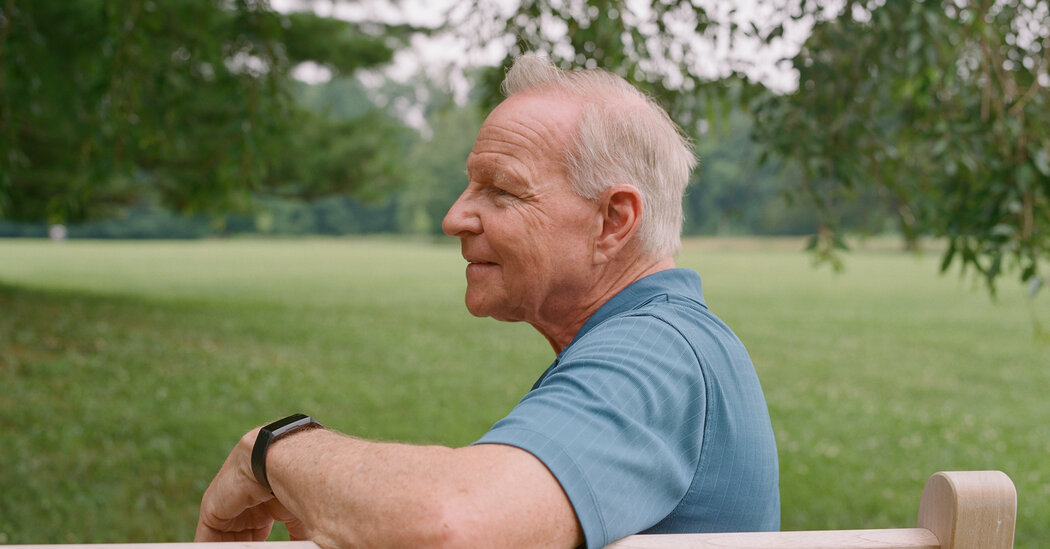
People with alcohol use disorder are often seen in clinics and hospitals, but medical professionals too often ignore the condition.Like many people who struggle to control their drinking, Andy Mathisen tried a lot of ways to cut back.He attended Alcoholics Anonymous meetings, went to a rehab center for alcohol abuse, and tried using willpower to stop himself from binge drinking. But nothing seemed to work. This past year, with the stress of the pandemic weighing on him, he found himself craving beer every morning, drinking in his car and polishing off two liters of Scotch a week.Frustrated, and feeling that his health and future were in a downward spiral, Mr. Mathisen turned to the internet and discovered Ria Health, a telehealth program that uses online coaching and medication to help people rein in their drinking without necessarily giving up alcohol entirely.After signing up for the service in March, he received coaching and was given a prescription for naltrexone, a medication that diminishes cravings and blunts the buzz from alcohol. The program accepts some insurance and charges $350 a month for a one-year commitment for people who pay out of pocket. Since he started using it, Mr. Mathisen has reduced his drinking substantially, limiting himself to just one or two drinks a couple days a week.“My alcohol consumption has dropped tremendously,” said Mr. Mathisen, 70, a retired telecommunications manager who lives in central New Jersey. “It’s no longer controlling my life.”Mr. Mathisen is one of the roughly 17 million Americans who grapple with alcoholism, the colloquial term for alcohol use disorder, a problem that was exacerbated this past year as the pandemic pushed many anxious and isolated people to drink to excess. The National Institutes of Health defines the disorder as “a medical condition characterized by an impaired ability to stop or control alcohol use despite adverse social, occupational or health consequences.” Yet despite how prevalent it is, most people who have the disorder do not receive treatment for it, even when they disclose their drinking problem to their primary care doctor or another health care professional.Last month, a nationwide study by researchers at the Washington University School of Medicine in St. Louis found that about 80 percent of people who met the criteria for alcohol use disorder had visited a doctor, hospital or medical clinic for a variety of reasons in the previous year. Roughly 70 percent of those people were asked about their alcohol intake. Yet just one in 10 were encouraged to cut back on their drinking by a health professional, and only 6 percent received any form of treatment.Alcohol abuse can be driven by a complex array of factors, including stress, depression and anxiety, as well as a person’s genetics, family history and socioeconomic circumstances. Many people kick their heavy drinking habit on their own or through self-help programs like Alcoholics Anonymous or SMART Recovery. But relapse rates are notoriously high. Research suggests that among all the people with alcohol use disorder who try to quit drinking every year, just 25 percent are able to successfully reduce their alcohol intake long-term. While there is no silver bullet for alcohol use disorder, several medications have been approved to treat it, including pills like acamprosate and disulfiram, as well as oral and injectable forms of naltrexone. These medications can blunt cravings and reduce the urge to drink, making it easier for people to quit or cut back when combined with behavioral interventions like therapy.Yet despite their effectiveness, physicians rarely prescribe the drugs, even for people who are most likely to benefit from them, in part because many doctors are not trained to deal with addiction or educated on the medications approved to treat it. In a study published last month, scientists at the N.I.H. found that just 1.6 percent of the millions of Americans with alcohol use disorder had been prescribed a medication to help them control their drinking. “These are potentially life saving medications, and what we found is that even among people with a diagnosable alcohol use disorder the rate at which they are used is extremely low,” said Dr. Wilson Compton, an author of the study and deputy director of the National Institute on Drug Abuse.The implications of this are substantial. Alcohol is one of the most common forms of substance abuse and a leading cause of preventable deaths and disease, killing almost 100,000 Americans annually and contributing to millions of cancers, car accidents, heart attacks and other ailments. It is also a significant cause of workplace accidents and lost work productivity, as well as a driver of frayed family and personal relationships. Yet for a variety of reasons, people who need treatment rarely get it from their physicians.Mr. Mathisen now has only a few drinks a week, after signing on with a telehealth program called Ria Health that uses online coaching and medication to help people rein in their drinking.Elianel Clinton for The New York TimesSome doctors buy into a stereotype that people who struggle with alcohol are difficult patients with an intractable condition. Many patients who sign up for services like Ria Health do so after having been turned away by doctors, said Dr. John Mendelson, a professor of clinical medicine at the University of California, San Francisco, and Ria Health’s chief medical officer. “We have patients who come to us because they’ve been fired by their doctors,” he added.In other cases, doctors without a background in addiction may worry that they don’t have the expertise to treat alcoholism. Or they may feel uncomfortable prescribing medications for it, even though doing so does not require special training, said Dr. Carrie Mintz, an assistant professor of psychiatry at Washington University and a co-author of the study last month that looked at nationwide treatment rates.The result is that a lot of patients end up getting referred to mental health experts or sent to rehab centers and 12-step programs like A.A.“There’s a stigma associated with substance use disorders, and the treatment for them has historically been outside of the health care system,” Dr. Mintz said. “We think these extra steps of having to refer people out for treatment is a hindrance. We argue that treatment should take place right there at point of care when people are in the hospital or clinic.”But another reason for the low rates of treatment is that problem drinkers are often in denial, said Dr. Compton at the National Institute on Drug Abuse. Studies show that most people who meet the criteria for alcohol use disorder do not feel that they need treatment for it, even when they acknowledge having all the hallmarks of the condition, like trying to cut back on alcohol to no avail, experiencing strong cravings, and continuing to drink despite it causing health and relationship problems.“People are perfectly willing to tell you about their symptoms and the difficulties they face,” Dr. Compton said. “But then if you say, ‘Do you think you need treatment?’ they will say they do not. There’s a blind spot when it comes to putting those pieces together.”Studies suggest that a major barrier to people seeking treatment is that they believe that abstinence is their only option. That perception is driven by the ubiquity and long history of 12-step programs like A.A. that preach abstinence as the only solution to alcoholism. For some people with severe drinking problems, that may be necessary. But studies show that people who have milder forms of alcohol use disorder can improve their mental health and quality of life, as well as their blood pressure, liver health and other aspects of their physical health, by lowering their alcohol intake without quitting alcohol entirely. Yet the idea that the only option is to quit cold turkey can prevent people from seeking treatment.“People believe that abstinence is the only way — and in fact it’s not the only way,” said Katie Witkiewitz, the director of the Addictive Behaviors and Quantitative Research Lab at the University of New Mexico and a former president of the Society of Addiction Psychology. “We find robust improvements in health and functioning when people reduce their drinking, even if they’re not reducing to abstinence.”For people who are concerned about their alcohol intake, Dr. Witkiewitz recommends tracking exactly how much you drink and then setting goals according to how much you want to lower your intake. If you typically consume 21 drinks a week, for example, then cutting out just five to 10 drinks — on your own or with the help of a therapist or medication — can make a big difference, Dr. Witkiewitz said. “Even that level of reduction is going to be associated with improvements in cardiovascular functioning, blood pressure, liver function, sleep quality and mental health generally,” she added.Here are some tools that can help.Ria Health is a telehealth program that offers treatment for people with alcohol use disorder. It provides medical consultations, online coaching, medication and other tools to help people lower their alcohol intake or abstain if they prefer. It costs $350 a month for the annual program, cheaper than most rehab programs, and accepts some forms of health insurance.The National Institute on Alcohol Abuse and Alcoholism has a free website called Rethinking Drinking that can help you find doctors, therapists, support groups and other ways to get treatment for a drinking problem.Cutback Coach is a popular app that helps people track their alcohol intake and set goals and reminders so they can develop healthier drinking habits. The service allows people to track their progress and sends out daily reminders for motivation. The cost is $79 if you pay annually, $23 per quarter or $9 a month.Moderation Management is an online forum for people who want to reduce their drinking but not necessarily abstain. The group offers meetings, both online and in person, where members can share stories, advice and coping strategies. It also maintains an international directory of “moderation-friendly” therapists.CheckUp & Choices is a web-based program that screens people for alcohol use disorder. It provides feedback on your drinking habits and options for cutting back. The service charges $79 for three months or $149 per year.

Read more →
Why We Should Keep Washing Our Hands Post Pandemic

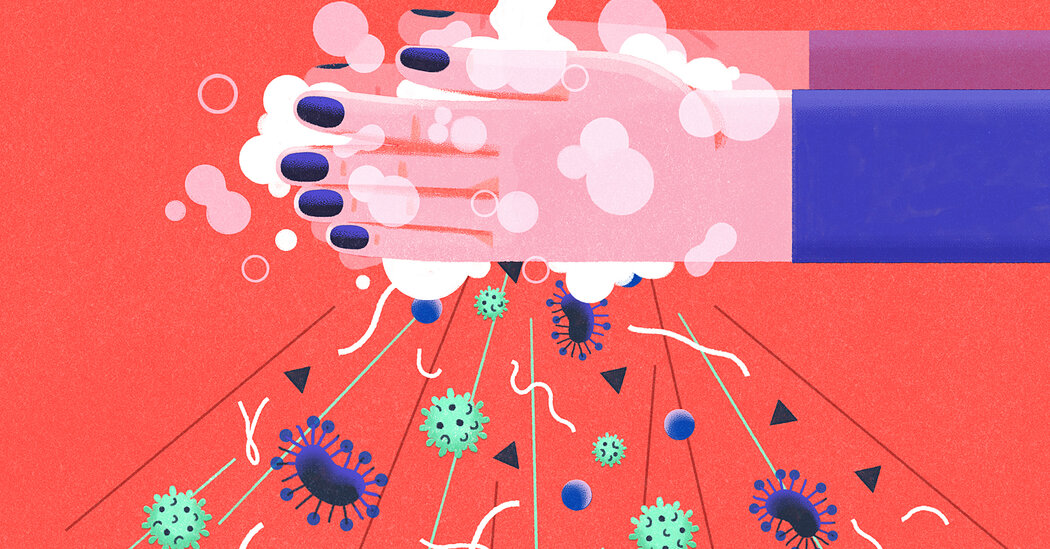
As we get back into the world and the germs that inhabit it, we shouldn’t drop the hand-washing habits so many us adopted in the Covid era.After a year of obsessive 20-second hand-washings every time I touched something from outside my home, I think I should have stocked up on hand cream, not toilet paper, at the start of the pandemic. It was certainly not a good time for CVS to discontinue my favorite product, Healthy Hands lotion, which could have kept my skin from resembling sandpaper these many months.Nonetheless, I don’t regret this habit that, along with consistent mask-wearing and social distancing, helped me remain hale and hearty while waves of Covid-19 ravaged New York City. Not only did I stay free of the coronavirus, I never even got a sniffle despite daily outdoor exercise and dog walks and a stubborn refusal to let others do my grocery shopping.Now, with many people seeming to have caught a cold in recent weeks as we get back into the world and drop our guard, it’s a good reminder that we shouldn’t drop the hand-washing habits we learned during the pandemic.On average, our hands come into contact with many hundreds of surfaces a day, exposing them to hundreds of thousands of microorganisms. Fortunately, most are innocuous. Still, given that we touch our faces about 16 or more times an hour, without proper hand hygiene, we risk the chance of introducing a not-so-harmless infectious organism, including the Delta variant of the coronavirus, into our mouths, noses or eyes.Last year, the Centers for Disease Control and Prevention and just about every public health specialist emphasized repeatedly that hand-washing with soap and water for at least 20 seconds, or using an alcohol-based hand sanitizer when soap and water are unavailable, is the first line of defense against the spread of Covid-19.The agency recommends using clean running water (warm or cold), plain soap (not antibacterial), lathering up, then rubbing hands together, front and back and between fingers. After the 20-second lather, rinse hands well to remove dirt and germs and minimize irritation. Then either air-dry for 20 seconds or use a clean towel to dry them; wet hands are vectors for transferring germs.Before Covid and the resulting reminders at every turn of the importance of good hand hygiene, American hand-washing habits left much to be desired. In an online survey of 1,000 nationally representative members of American adults in 2012, 71 percent of respondents said they washed their hands “regularly,” whatever that may mean (maybe only once a day!). Fifty-eight percent said they’d seen others leave a restroom without washing; more than half said they did not wash after being on public transportation, using shared equipment or handling money, and 39 percent (most likely a gross underestimate, based on personal observation) admitted to not washing after they sneezed, coughed or blew their nose.Even health care workers have not always been diligent. A team from Britain and Australia reported in the Journal of Clinical Nursing last year that “as nurses, we are aware that hand-washing has not always been taken as seriously as it should, with compliance and adherence in clinical settings far from optimal over time.” According to multiple reports from different countries, before Covid, compliance with hand-hygiene guidelines among nurses averaged only 40 percent, the team noted.“Although this is a simple and lifesaving task, it is not, regrettably, always undertaken,” they wrote. They urged that the current attention to hand-washing prompted by Covid-19 be continued throughout communities, as well as among health care professionals, “once the pandemic is over.”Washing one’s hands after using the bathroom is a universal recommendation, for good reasons. It’s been shown to reduce the incidence of diarrhea by as much as 40 percent. The coronavirus can be transferred through stool, and a single gram of human feces can contain a trillion germs.Chances are your parents and teachers taught you to wash your hands before eating. I often recall an amusing interchange I witnessed at a friend’s house years ago. When she called her 4-year-old son in for supper and told him to wash his hands, he went straight to the kitchen sink. “Not there, in the bathroom,” the exasperated mom said, to which the boy replied, “Is this a sink, or isn’t it?”The Jewish tradition calls for hand-washing before the blessing that starts a meal, and during the Passover Seder, hands are washed twice: once before eating the bitter vegetable dipped in salt water and again before blessing the matzo. The Talmud states: “Any food that is dipped into a liquid requires washing of the hands before it is eaten” because the liquid could become contaminated and transfer a noxious organism to the food.Muslims, who are told they must be clean before presenting themselves to God, also perform ritual hand-washing. Each hand (among other body parts) is supposed to be washed three times before prayers.Surgeons, however, most likely win the hand-washing award these days. Surgical gloves did not exist when the 19th century surgeon Joseph Lister, whose name was co-opted by the product Listerine, demonstrated that preoperative disinfection was the key to preventing infections in surgical wounds. Hand-washing with soap and warm water, often with a brush, for five minutes became an accepted protocol at the end of the 1800s.However, the introduction of sterile gloves did not render thorough hand cleansing by surgeons irrelevant. After surgery, some 18 percent of gloves have been shown to have tiny punctures that are not noticed by surgeons more than 80 percent of the time. And when an operation lasts two hours, more than a third of the surgeons’ gloves are likely to have holes.Thus, anyone likely to touch the surgical field is supposed to scrub up to the elbows and under every fingernail for five minutes to reduce the risk of contamination. The goal is to eliminate microorganisms that inhabit the hands and inhibit the growth of bacteria under the surgeon’s gloves.Surgeons are taught to use warm water, which enhances the effectiveness of soap. They’re told to avoid very hot water because it removes protective fatty acids from the skin, a good lesson for us all.In an Op-Ed in March on “The Neurology of Handwashing” in Medpage Today, Dr. James Santiago Grisolia of Scripps Mercy Hospital in San Diego described hand-washing as a kind of neurological sedative. “Washing the hands resonates deeply within our brain, sounding deep notes of acting with care and integrity in a dirty, sometimes dangerous world,” he wrote.To minimize the tedium of watching the clock or counting to 20 every time you wash your hands, experts suggested singing the Happy Birthday song all the way through twice to achieve full ablution. However, Dr. Grisolia, citing a Covid-19 baby bust and the fact that in less than a year the pandemic spread throughout the world, suggested that a more timely mantra might be to sing the chorus to “It’s a Small World (After All).”

Read more →

Covid vaccine: Thailand decides to mix jabs as cases spike

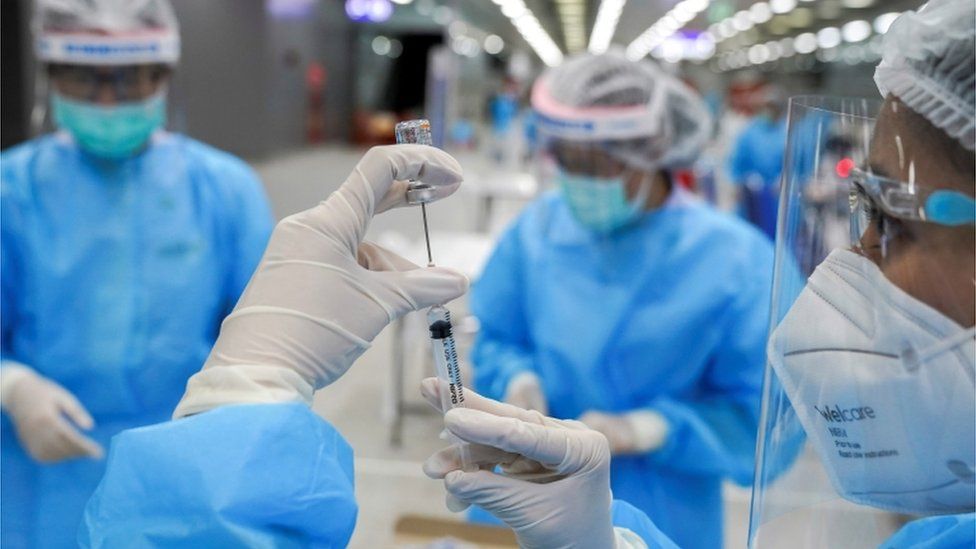
SharecloseShare pageCopy linkAbout sharingimage copyrightReutersThailand has changed its vaccine policy to mix China’s Sinovac with the AstraZeneca vaccine in a bid to boost protection. The decision comes after hundreds of medical workers caught Covid despite being fully vaccinated with Sinovac.Instead of two Sinovac shots, people will now receive the AstraZeneca vaccine after their first Sinovac shot. Health workers already fully vaccinated with Sinovac will also receive a third booster from a different vaccine.This can be either the AstraZeneca vaccine, or an mRNA vaccine like Pfizer/BioNTech. This third dose will be given three to four weeks after their second Sinovac jab, said the country’s National Infectious Disease Committee on Monday. AstraZeneca is currently the only other vaccine available in the country, with Pfizer/BioNTech shots donated by the US set to arrive soon. Thailand first received Sinovac vaccines from China and began giving shots to its health workers in February. On Sunday, the health ministry said out of more than 677,000 medical staff who were fully vaccinated with Sinovac, 618 were infected between April and July. One nurse has died and one medical staff is still in critical condition. According to a study published in the New England Journal of Medicine showing results from Chile, Sinovac has an efficacy rate of 65.9% against Covid-19, is 87.5% effective at preventing hospitalisation and 86.3% effective at preventing death. Thailand is currently in the midst of a spike of new infections, reporting a record high of 9,418 on Sunday. The death toll for the previous day stood at 91, also a record number.Concerns over the efficacy of the Chinese vaccine amid rising cases have sharply driven demand for other shots offered by some private clinics. Last week, one clinic selling the US Moderna vaccine on an online shopping platform saw its offer sold out within minutes. The Phyathai Hospital offered 1,800 vaccination slots for a single Moderna shot at 1,650 Thai baht ($50, £36) via Shopee.Overall, Thailand has seen more than 330,00 confirmed cases of Covid-19 and 2,7111 deaths since the beginning of the pandemic in 2020. There are concerns that the spike in cases in many South East Asian countries is due to the spread of the more infectious Delta variant, first discovered in India.

Read more →

The Rationing of a Last-Resort Covid Treatment

While ventilator shortages have been largely averted in the U.S., this lifesaving therapy is scarce. How to choose which critically ill patients get it?During a surge of coronavirus cases at Houston Methodist Hospital last summer, a patient in his 40s on a ventilator was declining. There was one more option, a last-resort treatment that can mechanically substitute for badly damaged lungs.But that day, the slots designated for the intensive treatment, called ECMO, were filled. One patient, a man a decade older, had been receiving the therapy for over a month. Doctors had concluded he had almost no chance of recovery, and had recommended several times stopping the treatment, but his relatives were not ready to let him go.“We have to push some more,” said Dr. Sarah Beshay, a critical care physician, because the younger patient “needs a chance too.”That afternoon, she called the older man’s daughter, who had not been allowed to visit because of Covid restrictions. Explaining that the therapy was in scarce supply, the physician said, “It’s a matter of using the available resources in the wisest way possible.”The daughter interrupted, bluntly asking if the doctors were trying to remove the equipment from her father to give it to someone else. Dr. Beshay said no, adding that it was a physician’s duty to inform a family that persisting with treatment was “not the right thing from a medical perspective” when chances of recovery were minimal.The next day, the family agreed to withdraw ECMO and he died. A day later, two patients were successfully taken off the treatment after improving, and others started on it, including the man in his 40s. A month later, however, doctors were having a difficult conversation with his family.Throughout the pandemic, such scenes have played out across the country as American doctors found themselves in the unfamiliar position of overtly rationing a treatment. But it was not ventilators, as initially feared: Concerted action largely headed off those shortages. Instead, it was the limited availability of ECMO — which requires expensive equipment similar in concept to a heart-lung machine and specially trained staff who can provide constant monitoring and one-on-one nursing — that forced stark choices among patients.Doctors tried to select individuals most likely to benefit. But dozens of interviews with medical staff and patients across the country, and reporting inside five hospitals that provide ECMO, revealed that in the absence of regional sharing systems to ensure fairness and match resources to needs, hospitals and clinicians were left to apply differing criteria, with insurance coverage, geography and even personal appeals having an influence.“It’s unsettling to have to make those kinds of decisions,” said Dr. Ryan Barbaro, a critical care physician in Michigan and head of an international registry of Covid-19 patients who have received ECMO — short for extracorporeal membrane oxygenation — about half of whom survived hospitalization.“Patients died because they could not get ECMO,” said Dr. Lena M. Napolitano, co-director of the Surgical Critical Care Unit at the University of Michigan. This spring, she was overwhelmed with requests to accept patients considered good candidates for the therapy. “We could not accommodate all of them,” she said.And despite the progress the United States has made against the virus, some doctors are still having to ration ECMO, which is offered in less than 10 percent of hospitals.“It’s something we’re balancing every day,” said Dr. Erik Eddie Suarez, a cardiovascular surgeon at Houston Methodist. If the hospital accepts too many Covid patients for ECMO, he said, “we can’t do cardiac surgery,” because some of those patients also need the treatment.Dr. Erik Eddie Suarez, center, a cardiovascular surgeon at Houston Methodist Hospital, was among those who faced impossible choices about whether to put patients on ECMO.Erin Schaff/The New York TimesOf the more than 185 million known coronavirus cases worldwide since December 2019, close to 8,000 patients have received ECMO to date, including nearly 5,000 in North America, according to a registry maintained by the Extracorporeal Life Support Organization.Among them were a family doctor and a police sergeant nearing death in Southern California whose cases demonstrate both the promise and the clinical and ethical challenges of the therapy.Dr. David Gutierrez, 62, cared for patients with the coronavirus in a high desert town northeast of Los Angeles before catching it last winter. But the hospital where he was gravely ill did not offer ECMO, and others nearby that did were full or would not take him. “My father had no options,” said Dr. David Gutierrez Jr.The elder Dr. Gutierrez was beyond the age cutoff established by Providence Saint John’s Health Center in Santa Monica, Calif., during the coronavirus surge and had underlying health conditions that decrease ECMO’s chances of success. Physicians there accepted him in January anyway, partly because of the risks he had taken caring for patients, said Dr. Terese Hammond, head of the intensive care unit. During the peak, the hospital had 11 Covid patients on ECMO at one time; as of Sunday, it had three.Dr. Terese Hammond, right, head of the I.C.U. at Providence Saint John’s Health Center in Santa Monica, Calif., celebrating a patient’s improvement.Isadora Kosofsky for The New York TimesDuring surges there and elsewhere, securing a precious ECMO slot often required extraordinary advocacy by a patient’s family, colleagues or medical providers.That was the case for the Los Angeles police sergeant, Anthony Ray White, an athletic, 54-year-old father of two with Type 2 diabetes whose department sent him for coronavirus testing after a potential exposure on the job in late December. When he fell ill, he was treated first at a Kaiser Permanente hospital that did not offer ECMO. The medical team there told his family that he would die, that it was time to withdraw care and say goodbye.His wife and sister refused to accept the prognosis. The medical director of the Los Angeles Police Department intervened, persuading the hospital to allow Sergeant White to be transferred to Saint John’s. “They’re my family so I advocate for them,” Dr. Kenji Inaba said of the police department. He said he had pushed to get ECMO for several other officers who almost certainly would have died without it.“A person shouldn’t have to be a police officer or have connections to get health care,” said Twila White, the sergeant’s sister.Finding the ‘Goldilocks’ momentAfter the coronavirus struck China, some doctors there used ECMO to treat Covid-19 patients, but they reported poor outcomes — 80 percent of patients in one Hubei, China, study died. When the disease exploded next in Italy, doctors were overwhelmed and did not try it much. That March, the Swiss Academy of Medical Sciences recommended against giving the treatment to Covid patients.ECMO involves a bedside surgery to connect major blood vessels with equipment that adds oxygen and removes carbon dioxide from the blood before pumping it back to the patient, allowing the lungs or heart to rest. One to two highly trained nurses care for each patient, with respiratory therapists and often with technicians known as ECMO specialists or perfusionists.ECMO, short for extracorporeal membrane oxygenation, adds oxygen and removes carbon dioxide from a patient’s blood before pumping it back in.Victor J. Blue for The New York TimesWhen cases began rising in New York last March, ECMO teams were “flying blind,” said Dr. Mangala Narasimhan, a director of critical care services at Northwell Health, New York’s largest medical system. Unsure of whether to offer ECMO, staff members debated potential risks and benefits.While a course of ECMO often lasts four or five days for respiratory failure, doctors learned that Covid patients could require weeks. “You’ve got to figure out, do they really need it and is it really enough,” Dr. Narasimhan said. Out of roughly 14,000 Covid patients treated in the hospital system during the initial surge — close to 2,500 in intensive care — only 23 were put on ECMO, with about 60 percent surviving, she said.One day last April at Long Island Jewish, a flagship Northwell hospital, Dr. Narasimhan was called multiple times to consider potential ECMO patients. That week, roughly 900 suspected or confirmed coronavirus cases packed a facility whose usual bed capacity was 583. One bad day, 84 patients died.Across the hospital system, seven patients were on ECMO for lung failure; normally there would be one or two. Dr. Narasimhan went to evaluate a 60-year-old with diabetes and heart disease who had Covid and was faring poorly. The physician turned the patient down for ECMO, given the age and underlying conditions.Dr. Narasimhan then discussed a 20-year-old at a hospital roughly an hour away. “The patient’s already dying,” she told a colleague. Team members could go get the patient, but “they don’t think they can get up there fast enough.”Putting a critically ill patient on ECMO requires finding what Dr. Subhasis Chatterjee of Baylor St. Luke’s Medical Center in Houston called the “Goldilocks” moment — not too early, when less intense therapies may still work, but also not too late, when too much damage has occurred.As coronavirus patients flooded Houston Methodist Hospital last summer, officials set a cap of eight Covid patients on the therapy at any time, even though there were additional ECMO devices — in part to reserve capacity for heart surgery patients, and because nurses reported that they could not safely care for more. But the prospect of watching good candidates for ECMO die was excruciating. In mid-July, Dr. Suarez, the cardiovascular surgeon, started a patient on the treatment despite having been told not to because the ceiling had been reached. “The man was dying in front of me, and we had the machine,” he said. The patient survived and made it home. As cases continued to rise, the hospital created a daily process to triage ECMO, which included input from ethicists. Doctors specializing in end-of-life care worked with family members to help prepare them for the possibility that their loved ones would not recover, and they were allowed to visit before a dying patient was taken off ECMO. A patient on the ECMO unit last May at Long Island Jewish hospital, part of New York’s largest medical system.Victor J. Blue for The New York TimesStill, the dilemmas have persisted. Houston Methodist, which has treated 90 Covid patients with ECMO, turned down roughly 120 requests for it just this year, mostly for lack of capacity, according to the head of critical care, Dr. Faisal Masud. He said he expected demand to remain high because of unvaccinated residents and the treatment’s broader utility for lung failure.Dr. Jayna Gardner-Gray, a critical care and emergency physician at Henry Ford Health System in Detroit, said during a surge this spring she kept asking herself how long to keep patients on ECMO when it appeared, but was not certain, that they would never recover. “If no one else was waiting, would I let them go?” she said.Dr. Antone Tatooles works at two Chicago-area hospitals that initially had good success with ECMO. But when one of them took on more Covid patients, survival rates fell. “We got overwhelmed,” he said. “We can apply technology, but we need appropriate human resources.”Outcomes vary widely among hospitals. Overall, however, survival has decreased over time, including at major U.S. and European hospitals. From January to May of 2020, according to the international registry, less than 40 percent of Covid patients died in the first 90 days after ECMO was started. But in the months after that, more than half died. “The patients seem to be doing markedly worse,” Dr. Barbaro said.He and his colleagues are analyzing whether that relates to factors like new virus variants, less experienced centers providing care or changes in the treatments patients receive before ECMO.Who can pay, and who can’tECMO is offered in few community hospitals, where most Americans get care. Saint John’s, the Santa Monica facility where the doctor and police sergeant received the treatment, is an exception.It started an ECMO program about a year before Covid-19 emerged. The 266-bed hospital has provided the therapy to 52 Covid patients during the pandemic, about the same as the entire Northwell health system in New York, which has more than 6,000 hospital and long-term-care beds.The Saint John’s charitable foundation, supported by the area’s wealthy donor base, helped fund the ECMO program and its expansion. The hospital accepted some uninsured Covid patients for ECMO, whereas elsewhere these patients were often turned down despite a federal program that reimburses hospitals for their care.“There are just so many inequities,” said Dr. Hammond, Saint John’s I.C.U. director. And for every Covid patient who survived with ECMO, there are “probably three, four, five people that die on the waiting list.”She and other doctors said the pandemic highlighted the need for ECMO to be made more widely available and less resource intensive. Until then, “we really need to have a system for sharing,” she said. Allocation systems do exist for transplant organs and trauma care.Getting patients moved to a hospital with ECMO often depends on relationships between doctors and having a case manager “who really knows how to push,” said Dr. Michael Katz, a critical care specialist at St. Jude Medical Center in Fullerton, Calif., who has transferred patients elsewhere for ECMO. In multiple cases, he said, by the time a hospital had financially evaluated the patient’s insurance status, it was too late.By contrast, Minnesota’s ECMO centers formed a consortium and issued standard eligibility criteria to help ensure that every patient had “the same shot” at getting the therapy, said Dr. Matthew Prekker, the ECMO medical director at Hennepin County Medical Center. “There weren’t any double standards. No one had to go ECMO shopping.”Centralized ECMO triage systems also exist in Britain and the Paris metropolitan region.Melissa Peters, a speech therapist working with Dr. Gutierrez at Saint John’s. The hospital accepted him for ECMO even though he was beyond its age cutoff for the treatment.Isadora Kosofsky for The New York TimesThroughout the world, the main considerations for selecting patients have been medical ones, and the organization that maintains the ECMO registry offers guidelines. During a surge in cases, individual institutions often tightened the criteria.That mostly involved lowering age limits — as Saint John’s did, moving its cap from 70 to 60 — because the treatment tends to be less successful in older patients.There were some exceptions, like 62-year-old Dr. Gutierrez, who loved Netflix and Korean dramas and was soon to become a grandfather.Dr. Gutierrez had a rocky course on ECMO. Fluid collected around his heart. He bled easily, developed other infections and required kidney dialysis.In February, he improved enough for the medical team to stop ECMO. Still, he faded in and out of consciousness and continued to require a ventilator.Dr. Gutierrez’s daughter, showing a family photo, visited the hospital, as did his wife and son.Isadora Kosofsky for The New York TimesHis wife and his two adult children visited, and other relatives joined a daily prayer call. Over several months, his lungs began to heal. He spoke between huffs, closing his eyes with the effort. Without ECMO, he said, he would probably be dead.In June, medical staff at his rehabilitation facility clapped as he was discharged home in time for Father’s Day. He remains weak, but aims to be treating patients again by January.Dr. Gutierrez celebrated Father’s Day with his family after being released from the hospital. Isadora Kosofsky for The New York TimesSergeant White improved after transferring to Saint John’s for ECMO. Doctors woke him up, and he engaged in video calls with his school-age children and his wife, Tawnya White.But his lungs did not recover, and in late February, he was transferred to U.C.L.A. for a transplant evaluation. To qualify, he had to get strong enough to walk, and test negative for the coronavirus and other infections. He wrote on a white board that he was hoping to “get well for retirement.”Back at their family home in Eastvale, about 50 miles from the city, Sergeant White’s 11-year-old son recalled his father teaching him to play chess. His 15-year-old daughter spoke wistfully of going out for fast food with him after soccer practice. He and her mother would sing as they cooked together, near a sign that read, “This kitchen is for dancing.”Tawnya White visiting her husband, Sgt. Anthony Ray White, at Saint John’s. He improved after being put on ECMO.Isadora Kosofsky for The New York Times“He is a beautiful person with a beautiful heart,” his wife said.Soon he could sit in a chair, and in March, he stood for the first time in months. He even took a few steps, and doctors hoped that his lungs might yet heal.But setbacks chased every milestone. A chamber of his heart malfunctioned. His oxygen levels dipped. He developed an unusual fungal infection.The weeks passed in a painful limbo for Ms. White, who was not allowed to visit. “I go to bed thinking about him, I wake up thinking about him,” she said.At last, in April, the hospital loosened its no-visitor policy. Her husband took her hand, and she read his lips as he tried to speak: “How do I get stronger?”Two days later, Sergeant White had his second consecutive negative coronavirus test. He had finally cleared the infection. But two days after that, his 100th day of hospitalization, doctors told Ms. White her husband was dying. He had developed an aggressive bacterial pneumonia. Within days, he was gone.His wife takes comfort that he was given his best chance at survival. “I’m still at peace that everything possible was done for him,” she said. But she feels it is unfair that was not the case for other patients. “Everyone should have access to everything that Anthony had,” she said.Isadora Kosofsky

Read more →

Long Covid: Early findings bring hope for diagnostic tests

SharecloseShare pageCopy linkAbout sharingimage copyrightGetty ImagesScientists say they have detected irregularities in the blood of long Covid patients that could one day pave the way for a test for the condition.Imperial College London researchers found a pattern of rogue antibodies in the blood of a small number of people with long Covid.They hope it could lead to a simple blood test within six to 18 months.Dr Elaine Maxwell, from the National Institute of Health Research, said the early findings were “exciting”.She said there could be “a number of different things happening after a Covid-19 infection” and an autoimmune response “has been one of the suspected mechanisms”.But she warned that long Covid was a “complex condition”, saying it was important to continue to research the other causal factors so all different types of post-Covid syndrome could be diagnosed and treated.Long Covid is not yet fully understood and can cover a range of symptoms lasting long after initial infection including fatigue, breathlessness, headaches and muscle pain.There are currently no tests to diagnose long Covid.Prof Danny Altmann, who is leading the research team at Imperial, said he believes the work will lead to a test which could be done in a doctor’s surgery.More than 2m in England may have had long CovidLong Covid: Fears others will suffer when restrictions endPatients call for long Covid clinics in WalesBut he said he was concerned the UK government’s plans to “live with” Covid-19 could be stoking the next wave of cases of the condition.The government plans to end most coronavirus restrictions in England in a week’s time, on 19 July.But amid rising cases Prof Altmann warned that it is not yet known if vaccinations will protect people from long-term symptoms.”If we’re heading into a phase of 100,000 cases per day, and, we’re saying that 10-20% of all infections can result in long Covid, I can see no certainty that we’re not brewing those long Covid cases despite having a vaccinated population,” he said.’Very exciting’In the pilot study, researchers compared the blood of dozens of people and found what are called autoantibodies that were not present in people who recovered quickly, or those who have not had Covid-19.Normally, human immune systems create antibodies to fight disease. But sometimes the body turns on itself – creating the autoantibodies that attack healthy cells.Prof Altmann believes these autoantibodies may be one of the things causing long Covid symptoms.He said it is also possible that some people still have the virus “persisting” in their bodies, while others may have other problems with their immune systems.The research is still at an initial stage, meaning the research was done on a small sample size which can be scaled up later. Prof Altmann warned that the findings cannot yet be described as a breakthrough, but said they were “a very exciting advancement”. An estimated 962,000 people in the UK had long Covid in the four weeks up to 4 June, according to data from the Office for National Statistics.And around 385,000 people in the UK are estimated to have been suffering with symptoms for more than a year.Long Covid can affect people of all ages, including children and people who were previously fit and healthy, as well as those who only experienced mild coronavirus symptoms at first.’I had long Covid, and then caught Covid again’I am 44 years old – but in my body, I’m like someone twice my age.I caught Covid in March last year. Having long Covid means I wake up in pain and go to bed with pain. I have vertigo, migraines and blurred vision.After 11 hard months, I began to feel exactly as I had almost a year previously.I went for a test and that evening I got an email saying I had Covid again.Read Lucy’s story here.In May, the UK government promised to set up 89 long Covid clinics to help patients with specialist care.The guidelines say these clinics should be doctor-led and should accept patients regardless of whether they had needed hospital treatment for Covid-19.However, BBC Panorama found some clinics are not staffed by doctors – and four of them only see patients who were originally hospitalised with Covid.Ten clinics had patients who had been waiting more than 100 days and the longest wait was more than six months, at 191 days.In response, NHS England said it has “invested more than £134 million” in long Covid services and is setting up 15 paediatric hubs.Neither Scotland nor Wales have specialised clinics. Both told the BBC they were strengthening existing services. Scotland said it was investing in £2.5m in research.Northern Ireland’s first long Covid clinics will open in October. A spokesperson from the Department of Health said: “The government rapidly provided specialist care for acutely ill Covid-19 patients at the start of the pandemic and we’ve matched that speed and scale in our support for people with long Covid.”They said they had backed scientists with over £50m for research to better understand the long-term effects.Panorama’s Long Covid: Will I Ever Get Better? will be on BBC One at 19:35 BST on Monday 12 July and on BBC iPlayer (UK only) Do you have questions about long Covid? Get in touch by emailing haveyoursay@bbc.co.uk.Please include a contact number if you are willing to speak to a BBC journalist. You can also get in touch in the following ways:WhatsApp: +44 7756 165803Tweet: @BBC_HaveYourSayPlease read our terms & conditions and privacy policy

If you are reading this page and can’t see the form you will need to visit the mobile version of the BBC website to submit your question or comment or you can email us at HaveYourSay@bbc.co.uk. Please include your name, age and location with any submission.

Read more →

Long Covid: It’s been more than a year – will I ever recover?

BBC correspondent Lucy Adams has been sick for more than a year with long Covid.She caught coronavirus in March last year. But 16 months on, she’s still suffering from fatigue, headaches, and vertigo.BBC Panorama follows Lucy as she tries to find out what’s behind her symptoms – and whether she’ll ever feel well again.Watch BBC Panorama – Long Covid: Will I Ever Get Better? at 19:35 BST on Monday 12 July on BBC One, or catch up on BBC iPlayer.

Read more →

Janet Yellen Warns That Coronavirus Variants Threaten Global Recovery

At the end of a gathering of the finance ministers of the Group of 20 nations, the U.S. Treasury secretary called for an acceleration of vaccine distribution worldwide.Treasury Secretary Janet L. Yellen said on Sunday that coronavirus variants could hinder the global economic recovery and called for a stepped-up effort to vaccinate the world’s population.Luca Bruno/Associated PressVENICE — Treasury Secretary Janet L. Yellen said on Sunday that she was concerned that coronavirus variants could derail the global economic recovery and called for an urgent push to deploy vaccines more rapidly around the world.Her comments, made at the conclusion of a gathering of the finance ministers of the Group of 20 nations, came as the highly contagious Delta variant of the coronavirus was driving outbreaks among unvaccinated populations in countries such as Australia, Indonesia, Malaysia and Portugal. Delta is also now the dominant variant in the United States.“We are very concerned about the Delta variant and other variants that could emerge and threaten recovery,” Ms. Yellen said. “We are a connected global economy. What happens in any part of the world affects all other countries.”Many cities and countries have started to declare victory against the pandemic, easing restrictions and returning to normal life. But Ms. Yellen warned that the public health crisis was not over.She said that the world’s top economic officials had spent much of the weekend in Venice discussing how they could improve vaccine distribution, with the goal of getting 70 percent of the world inoculated by next year. Ms. Yellen noted that many countries had been successful in financing the purchase of vaccines, but that the logistics of getting them into people’s arms were falling short.“We need to do something more and to be more effective,” she said.The spread of variants has started to dampen optimism about the trajectory of the recovery.Analysts at Capital Economics said this week that they planned to lower their economic growth outlook for the year to below 6 percent.The spread of new coronavirus variants has “raised doubts about the pace of real economic growth in the second half of this year and beyond,” Paul Ashworth, the chief North America economist at Capital Economics, wrote in a research note.The International Monetary Fund said that it was maintaining its projection for 6 percent global growth this year, but it warned that growth was being suppressed in developing countries where infection rates were surging.“The divergence across economies is intensifying,” Kristalina Georgieva, the managing director of the I.M.F., said on Saturday. “Essentially, the world is facing a two-track recovery.”Some finance ministers also expressed concern over the weekend that variants and slow vaccine uptake could upend the recovery. That concern was highlighted as a downside risk to the global economy in the joint statement that the group released.“The single hurdle on the way to a quick, solid economic rebound is the risk of having a new wave of pandemics,” said Bruno Le Maire, the French finance minister. “We all have to improve our vaccination performance.”The I.M.F. executive board approved a plan last week to issue $650 billion worth of reserve funds that countries could use to buy vaccines and to finance health care initiatives.Ms. Yellen said that she had pressed her Group of 20 counterparts to accelerate “equitable” delivery and distribution of vaccines, diagnostics and therapeutics to ensure that low- and middle-income countries could fight flare-ups of the virus.Policymakers at the meeting this weekend also spent time focusing on new investments to prepare for future pandemics. Ms. Yellen said that, while this was important, there was more that needed to be done in the near term.“Certainly variants represent a threat to the entire globe,” she said.

Read more →

Covid: 'We're moving to: You are expected to wear a mask'

Vaccines Minister Nadhim Zahawi has said that people will be “expected” to wear face masks in indoor spaces after Covid restrictions in England change from 19 July.Speaking to BBC’s Andrew Marr, Mr Zahawi said this approach would be part of the “cautious” move to step four of the roadmap where there would be both a personal responsibility and a corporate responsibility.

Read more →

A Covid Test as Easy as Breathing

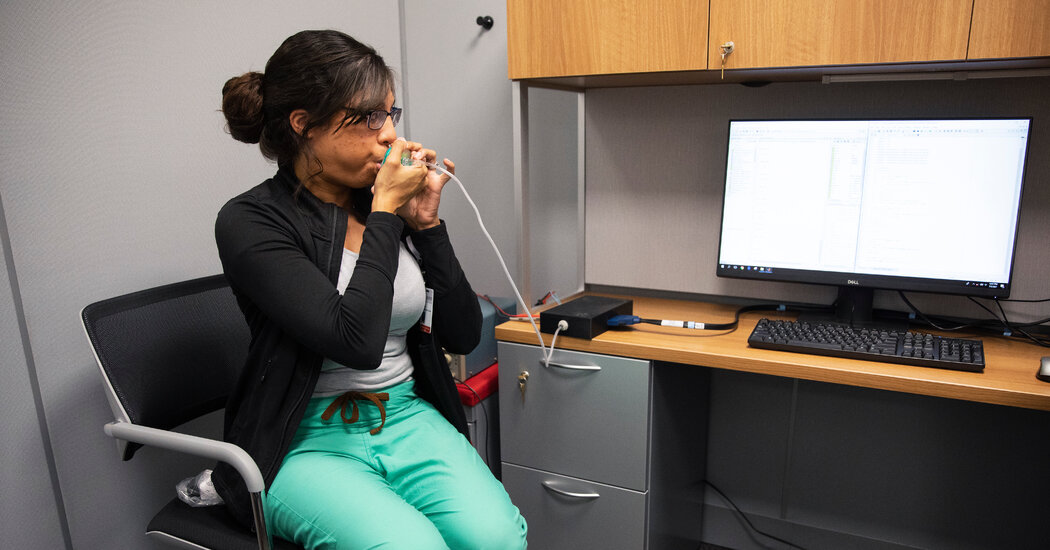
Scientists have been dreaming of disease-detecting breathalyzers for years. Has the time for the technology finally come?In May, musicians from dozens of countries descended on Rotterdam, the Netherlands, for the Eurovision Song Contest. Over the course of the competition, the performers — clad in sequined dresses, ornate crowns or, in one case, an enormous pair of angel wings — belted and battled it out for their chance at the title.But before they were even allowed onstage, they had to pass another test: a breath test.When they arrived at the venue, the musicians were asked to exhale into a water-bottle-sized device called the SpiroNose, which analyzed the chemical compounds in their breath to detect signatures of a coronavirus infection. If the results came back negative, the performers were cleared to compete.The SpiroNose, made by the Dutch company Breathomix, is just one of many breath-based Covid-19 tests under development across the world. In May, Singapore’s health agency granted provisional authorization to two such tests, made by the domestic companies Breathonix and Silver Factory Technology. And researchers at Ohio State University say they have applied to the U.S. Food and Drug Administration for an emergency authorization of their Covid-19 breathalyzer.“It’s clear now, I think, that you can detect this disease with a breath test,” said Paul Thomas, a chemist at Loughborough University in England. “This isn’t science fiction.”Scientists have long been interested in creating portable devices that can quickly and painlessly screen a person for disease simply by taking a whiff of their breath. But delivering on this dream has proved to be a challenge. Different diseases may cause similar breath changes. Diet can affect the chemicals someone exhales, as can smoking and alcohol consumption, potentially complicating disease detection.Still, scientists say, advances in sensor technology and machine learning, combined with new research and investment spurred by the pandemic, mean that the moment for disease-detecting breathalyzers may have finally arrived.“I’ve been working in the area of breath research for almost 20 years now,” said Cristina Davis, an engineer at the University of California, Davis. “And during that time, we’ve seen it progress from a nascent stage to really being something that I think is close to being deployed.”The biology of breathDr. Cristina Davis, an engineer at the University of California, Davis. “The idea that exhaled breath could hold diagnostic potential has been around for some time,” she said.Salgu Wissmath for The New York TimesHuman breath is complex. Whenever we exhale, we release hundreds of gases known as volatile organic compounds, or V.O.C.s., byproducts of respiration, digestion, cellular metabolism and other physiological processes. Disease can disrupt these processes, altering the mix of V.O.C.s that the body emits.People with diabetes, for instance, may have breath that smells fruity or sweet. The odor is caused by ketones, chemicals produced when the body begins to burn fat instead of glucose for energy, a metabolic state known as ketosis.“The idea that exhaled breath could hold diagnostic potential has been around for some time,” Dr. Davis said. “There are reports in ancient Greek and also ancient Chinese medical training texts that reference a physician’s use of smell as a way to help guide their clinical practice.”Modern technologies can detect more subtle chemical changes, and machine learning algorithms can identify patterns in breath samples from people with certain diseases. In recent years, scientists have used these methods to identify unique “breathprints” for lung cancer, liver disease, tuberculosis, asthma, inflammatory bowel disease and other conditions. (Dr. Davis and her colleagues have even used V.O.C. profiles to distinguish among cells that had been infected with different strains of flu.)Before Covid hit, Breathomix had been developing an electronic nose to detect several other respiratory diseases. “We train our system, ‘OK, this is how asthma smells, this how lung cancer smells,” said Rianne de Vries, the company’s chief technology and scientific officer. “So it’s building a big database and finding patterns in big data.”Last year, the company — and many other researchers in the field — pivoted and began trying to identify a breathprint for Covid-19. During the virus’s initial surge in the spring of 2020, for instance, researchers in Britain and Germany collected breath samples from 98 people who showed up at hospitals with respiratory symptoms. (Participants were asked to exhale into a disposable tube; the researchers then used a syringe to extract a sample of their breath.)Thirty-one of the patients turned out to have Covid, while the remainder had a variety of diagnoses, including asthma, bacterial pneumonia or heart failure, the researchers reported. The breath samples from people with Covid-19 had higher levels of aldehydes, compounds produced when cells or tissues are damaged by inflammation, and ketones, which fits with research suggesting that the virus may damage the pancreas and cause ketosis.The Covid patients also had lower levels of methanol, which could be a sign that the virus had inflamed the gastrointestinal system or killed the methanol-producing bacteria that live there. Those breath changes combined “give us a Covid-19 signal,” said Dr. Thomas, a co-author of the study.Waiting to exhaleThe SpiroNose device, made by the Dutch company Breathomix, is just one of many breath-based Covid-19 tests under development across the world.BreathomixSeveral other studies have also detected unique chemical patterns in the breath of patients with Covid-19, and some devices claim impressive results. In one study of the SpiroNose, which included 4,510 participants, a team of Dutch researchers reported that the device correctly identified at least 98 percent of people who were infected with the virus, even in a group of asymptomatic participants. (The study, which included researchers from Breathomix, has not yet been peer-reviewed.)But the SpiroNose had a relatively high rate of false positives, the study found. Because of this problem, the device does not provide consumers with a definitive diagnosis; the results either come back negative or inconclusive, in which case a standard P.C.R. test is administered.Dozens of testing sites in the Netherlands are now using the machine, Ms. de Vries said, but there have been some hiccups. In May, Science reported that Amsterdam’s public health authorities suspended use of the SpiroNose after 25 false negatives. Officials later determined that user error was largely responsible, and SpiroNose screening has resumed, Ms. de Vries said.Other groups are working on their own breathalyzers. Researchers at the Children’s Hospital of Philadelphia, who have identified a breathprint of Covid in children, are now trying to identify breath markers of a rare but dangerous complication of the disease, known as multi-system inflammatory syndrome in children (MIS-C).“The clinicians on the front line, they’re really struggling with which children we need to worry most about,” said Dr. Audrey Odom John, an infectious disease specialist at Children’s Hospital of Philadelphia, who is leading the research.In addition to studying the V.O.C.s emitted by Covid patients, Dr. Davis and her colleagues are analyzing what is known as exhaled breath condensate, a concentrated solution of the tiny droplets of fluid, or aerosols, that are present in breath. These aerosols contain all sorts of complex biological molecules, including proteins, peptides, antibodies and inflammatory markers.They hope to find biomarkers to help doctors predict which Covid-19 patients are most likely to become severely ill. “I think that that will be a part of a clinical arsenal, where clinicians cannot only do rapid diagnostics, but then they could try to understand what’s the trajectory for that particular patient,” she said.Other teams are working to create breath tests that look for the virus itself. Researchers at Washington University in St. Louis, for instance, are developing a biosensor that is coated in tiny antibody fragments, or nanobodies, that bind to SARS-CoV-2. If someone is exhaling viral particles, they should attach to the nanobodies, activating the sensor.Passing the smell testPerena Gouma, a materials scientist at Ohio State University, is already hearing from colleges, sports leagues and others seeking to use the breathalyzing device her team is developing.Maddie McGarvey for The New York TimesInterest in the technology is fierce. Perena Gouma, a materials scientist at Ohio State who has applied for F.D.A. authorization for her Covid-19 breathalyzer, said she has already heard from colleges, theaters, sports leagues, travel authorities and others who want to get their hands on the device.“I don’t think that there has been anyone who has been affected by this pandemic that hasn’t been excited about the prospect of having a breath test,” she said.But the approach still needs to be validated in larger studies, and basic scientific questions remain unanswered.“If we take a blood test for example, it’s well established that there is a normal range for, let’s say, hemoglobin levels or white blood cell count,” said Oliver Gould, an analytical chemist at the University of the West of England. “So of course, then it’s very easy to see when something is abnormal.” Those reference ranges don’t yet exist for breath, he noted.Researchers said that they do not expect breath-based tests to completely replace other diagnostic tests. “Do I think that a breathalyzer is going to be used in your pediatrician’s office? Probably not,” said Dr. John. “Where I really see breath testing being useful is where you need to screen a whole bunch of people quickly. Could you screen every child in a school on a Monday? Could you do it before people enter a mall or a bounce house?”And once the technology has been developed and validated, it could theoretically be used to screen for a wide variety of different diseases. “The thing about a breath test is, if you have the technology in place, you can learn the signal for a new disease very fast,” Dr. Thomas said.So the research being done now could pay long-term dividends.“We’re developing the tools necessary to hopefully help us in the fight for the next disease,” said Edward DeMauro, an engineer at Rutgers University who is working on a Covid breathalyzer. “There is a very big value in, even if the pandemic’s over, not sitting back. That’s not the time to catch our breath.”

Read more →

Australia: New South Wales confirms first Covid-related death in 10 months

SharecloseShare pageCopy linkAbout sharingAustralia has reported its first locally contracted coronavirus death this year.The authorities said a woman, in her 90s, died in Sydney. She had contracted the virus in a family setting.New South Wales reported 77 new cases on Sunday. There are now 52 people in hospital, with 15 in intensive care.Sydney is currently in lockdown, as Australia’s largest city fights to contain the highly transmissible Delta strain of the virus.The reported death is the state’s 57th and the first in 10 months.NSW Premier Gladys Berejiklian warned that the number of new daily infections would rise further on Monday.”I’ll be shocked if it’s less than 100,” she said at a briefing on Sunday.She said she feared that “tomorrow and the few days afterwards will be worse, much worse than we’ve seen today”.Australia to halve arrivals to fight Delta strainHalf of Australians in lockdown amid vaccine chaosHow Delta burst Australia’s Covid bubbleAustralia has recorded 911 deaths and more than 31,000 cases since the pandemic began. image copyrightGetty ImagesA stay-at-home order covering more than five million residents in the Greater Sydney, Wollongong and Central Coast areas was due to be lifted on Friday. It has now been extended to 16 July. .The New South Wales government said it recognised the “pain and stress” that lockdown was causing families and businesses.Less than 10% of Australians are fully vaccinated. A lack of supplies, specifically of the Pfizer vaccine, means many Australians will not be able to get a jab until the final months of the year.Australia has used lockdowns and swift contact tracing to combat outbreaks of the virus when it has breached the nation’s strict border defences.

Read more →