Biden Officials Now Expect Vulnerable Americans to Need Booster Shots
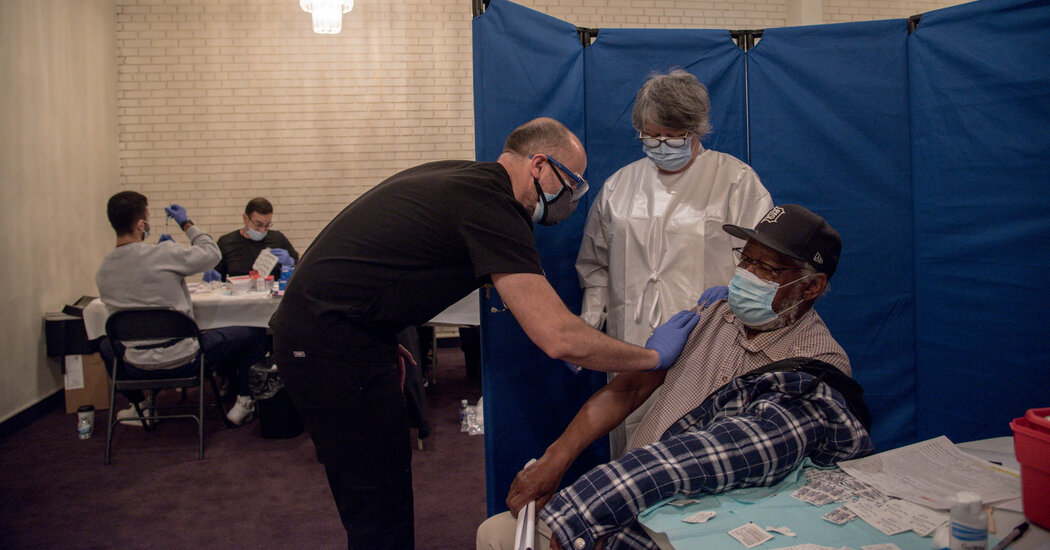
The growing consensus that at least some Americans will need a booster is partly tied to research suggesting that Pfizer’s vaccine is less effective after about six months.WASHINGTON — Biden administration health officials increasingly think that vulnerable populations will need booster shots even as research continues into how long the coronavirus vaccines remain effective.Senior officials now say they expect that people who are 65 and older or who have compromised immune systems will most likely need a third shot from Pfizer-BioNTech or Moderna, two vaccines based on the same technology that have been used to inoculate the vast majority of Americans thus far. That is a sharp shift from just a few weeks ago, when the administration said it thought there was not enough evidence to back boosters yet.On Thursday, a key official at the Centers for Disease Control and Prevention said the agency is exploring options to give patients with compromised immune systems third doses even before regulators broaden the emergency use authorization for coronavirus vaccines, a step that could come soon for the Pfizer vaccine.Dr. Amanda Cohn, the chief medical officer of the C.D.C.’s immunizations division, told an advisory committee to the agency that officials were “actively looking into ways” to provide certain people access to booster shots “earlier than any potential change in regulatory decisions.”“So stay tuned,” she added.The growing consensus within the administration that at least some Americans will need a booster is tied in part to research suggesting that the Pfizer vaccine is less effective against the coronavirus after about six months. More than half of those fully vaccinated in the United States so far have received Pfizer’s vaccine, in two doses administered three weeks apart.Pfizer’s continuing global study of its clinical trial participants shows that four to six months after the second dose, the vaccine’s effectiveness against symptomatic infection drops from a high of 95 percent to 84 percent, according to the company.Data from the Israeli government, which has fully vaccinated more than half of its population with Pfizer doses since January, also points to a downward trend in effectiveness over time, although administration officials are viewing that data cautiously because of wide margins for error.The most recent figures from the Israeli Ministry of Health, released late this week, suggested that Pfizer’s vaccine was just 39 percent effective in preventing infection in that country in late June and early July, compared to 95 percent from January to April.The vaccine remained more than 90 percent effective in preventing severe disease, and nearly as effective in preventing hospitalization. Israel began offering a third Pfizer dose to citizens with severely weakened immune systems on July 12.Dr. Anthony S. Fauci, who heads the infectious disease division of the National Institutes of Health, said he was surprised by the apparent steep falloff in the Pfizer vaccine’s effectiveness that the Israeli data seems to suggest. He said he wanted to compare it with data that the C.D.C. had been gathering from cohorts of thousands of people across the United States. “People are sort of raising their eyebrows a bit,” he said.While other questions abound, senior administration officials said it appeared increasingly clear that the vaccines would not grant indefinite immunity against the virus, and that boosters might be necessary for at least some people perhaps nine months after their first shot. The administration has already purchased more than enough vaccine to deliver third doses of both Pfizer and Moderna, and has been quietly preparing to expand the distribution effort, should it become necessary.With so little data yet public, many health officials and experts have spoken cautiously about booster shots. Dr. Paul A. Offit, a member of the Food and Drug Administration’s outside advisory committee of vaccine experts, said a rise in mild or moderate cases of Covid-19 among vaccinated people did not necessarily mean a booster was required.“The goal of this vaccine is not to prevent mild or low, moderate infectious disease,” he said. “The goal is to prevent hospitalization to death. Right now this vaccine has held up to that.”Prematurely dangling the prospect of a third dose could also work as a deterrent against vaccination, other health experts warn. If Americans think that immunity from the vaccines is short-lived, they said, they may be less likely to get their initial shot.“We don’t want people to believe that when you’re talking about boosters, that means that the vaccines are not effective,” Dr. Fauci testified at a congressional hearing Tuesday. “They are highly effective.”Among the vaccine manufacturers, Pfizer has been especially proactive in sharing its data with the government. But the administration was taken aback by the company’s public announcement this month that it planned to seek emergency authorization from the F.D.A. for a booster shot.The company said that early data from its booster study showed the level of neutralizing antibodies among clinical trial participants who received a third dose six months after the second was five to 10 times as high as among two-dose recipients.Fearful the American public would get the wrong message, the F.D.A. and the C.D.C. reacted with an unusual public statement saying, “Americans who have been fully vaccinated do not need a booster shot at this time.” They added, “We are prepared for booster doses if and when the science demonstrates that they are needed.”Typically, the F.D.A. would authorize use of a booster, perhaps after a meeting of its outside advisory committee. Then the C.D.C., which has its own advisory committee, would need to formally recommend it, Dr. Offit said..css-1xzcza9{list-style-type:disc;padding-inline-start:1em;}.css-3btd0c{font-family:nyt-franklin,helvetica,arial,sans-serif;font-size:1rem;line-height:1.375rem;color:#333;margin-bottom:0.78125rem;}@media (min-width:740px){.css-3btd0c{font-size:1.0625rem;line-height:1.5rem;margin-bottom:0.9375rem;}}.css-3btd0c strong{font-weight:600;}.css-3btd0c em{font-style:italic;}.css-w739ur{margin:0 auto 5px;font-family:nyt-franklin,helvetica,arial,sans-serif;font-weight:700;font-size:1.125rem;line-height:1.3125rem;color:#121212;}#NYT_BELOW_MAIN_CONTENT_REGION .css-w739ur{font-family:nyt-cheltenham,georgia,’times new roman’,times,serif;font-weight:700;font-size:1.375rem;line-height:1.625rem;}@media (min-width:740px){#NYT_BELOW_MAIN_CONTENT_REGION .css-w739ur{font-size:1.6875rem;line-height:1.875rem;}}@media (min-width:740px){.css-w739ur{font-size:1.25rem;line-height:1.4375rem;}}.css-9s9ecg{margin-bottom:15px;}.css-uf1ume{display:-webkit-box;display:-webkit-flex;display:-ms-flexbox;display:flex;-webkit-box-pack:justify;-webkit-justify-content:space-between;-ms-flex-pack:justify;justify-content:space-between;}.css-wxi1cx{display:-webkit-box;display:-webkit-flex;display:-ms-flexbox;display:flex;-webkit-flex-direction:column;-ms-flex-direction:column;flex-direction:column;-webkit-align-self:flex-end;-ms-flex-item-align:end;align-self:flex-end;}.css-12vbvwq{background-color:white;border:1px solid #e2e2e2;width:calc(100% – 40px);max-width:600px;margin:1.5rem auto 1.9rem;padding:15px;box-sizing:border-box;}@media (min-width:740px){.css-12vbvwq{padding:20px;width:100%;}}.css-12vbvwq:focus{outline:1px solid #e2e2e2;}#NYT_BELOW_MAIN_CONTENT_REGION .css-12vbvwq{border:none;padding:10px 0 0;border-top:2px solid #121212;}.css-12vbvwq[data-truncated] .css-rdoyk0{-webkit-transform:rotate(0deg);-ms-transform:rotate(0deg);transform:rotate(0deg);}.css-12vbvwq[data-truncated] .css-eb027h{max-height:300px;overflow:hidden;-webkit-transition:none;transition:none;}.css-12vbvwq[data-truncated] .css-5gimkt:after{content:’See more’;}.css-12vbvwq[data-truncated] .css-6mllg9{opacity:1;}.css-qjk116{margin:0 auto;overflow:hidden;}.css-qjk116 strong{font-weight:700;}.css-qjk116 em{font-style:italic;}.css-qjk116 a{color:#326891;-webkit-text-decoration:underline;text-decoration:underline;text-underline-offset:1px;-webkit-text-decoration-thickness:1px;text-decoration-thickness:1px;-webkit-text-decoration-color:#326891;text-decoration-color:#326891;}.css-qjk116 a:visited{color:#326891;-webkit-text-decoration-color:#326891;text-decoration-color:#326891;}.css-qjk116 a:hover{-webkit-text-decoration:none;text-decoration:none;}But if the F.D.A. fully licenses a vaccine, doctors would have vastly more leeway to prescribe a booster for their patients. Some health experts expect that Pfizer could receive that approval by this fall.At the C.D.C. advisory panel’s meeting Thursday, Dr. Cohn, the medical officer for the vaccine division, suggested that it might be possible to offer booster shots to those with weakened immune systems through an investigational study or other avenues, without waiting for the F.D.A.Dr. Camille Kotton, an infectious disease expert with Massachusetts General Hospital, told the panel that some patients, especially those who are more educated or “empowered to take care of their own health care,” are managing to get a third dose on their own, despite the lack of a green light from the government.“Many have taken matters into their own hands,” she said. “I am concerned about them doing this kind of in an unsupervised fashion,” she said, while doctors’ hands are tied because of the lack of regulatory approval.People with compromised immune systems make up 2.7 percent of the population, according to the C.D.C., and include those with cancer, organ or stem cell transplants or H.I.V., among other conditions.At Tuesday’s hearing of the Senate’s health committee, several senators grilled administration health officials on how soon they would act on the question of boosters. Senator Mitt Romney, a Utah Republican, said he was unhappy that officials could not provide a better timetable.Senator Richard M. Burr, a North Carolina Republican, noted that Israel was already offering some of its most vulnerable citizens a third shot. “Why aren’t we making the same decisions?” he asked.Dr. Rochelle Walensky, the director of the C.D.C., testified that scientists were studying the vaccines’ efficacy in tens of thousands of people, including nursing home residents and more than 5,000 essential workers.“Fortunately, we’re anticipating that this will wane and not plummet,” she said of their efficacy. “As we see that waning, we — that will be our time for action.”Pfizer is expected to soon publicize its clinical trial research about waning immunity and the benefits of a booster shoot in articles in a peer-reviewed journal. Moderna has yet to release data on any booster studies, officials said.Johnson & Johnson’s one-shot vaccine has so far played a minor role in the nation’s vaccination campaign. Clinical trial data on how that vaccine works with two shots is expected next month.Noah Weiland

Read more →

C.D.C. Warns of Superbug Fungus Outbreaks in 2 Cities

For the first time, the C.D.C. identified several cases of Candida auris that were resistant to all drugs, in two health facilities in Texas and a long-term care center in Washington, D.C.A deadly, hard-to-treat fungal infection that has been spreading through nursing homes and hospitals across the United States is becoming even more dangerous, according to researchers, who for the first time have identified several cases in which the fungus, Candida auris, was completely impervious to all existing medication.The finding, released Thursday by the Centers for Disease Control and Prevention, is an alarming development in the evolution of C. auris, a tenacious yeast infection discovered in Japan in 2009 that has since spread across much of the world.Federal health officials say the bug has spread even more widely during the coronavirus pandemic, with overwhelmed hospitals and nursing homes struggling to keep up with the surveillance and control measures needed to contain local outbreaks.In the new report, the C.D.C. said, five of more than 120 cases of C. auris were resistant to treatment.The C.D.C. did not identify the facilities where the novel infections took place, but health officials said there was no evident link between the outbreaks, which occurred in Texas at a hospital and a long-term care facility that share patients, and at a single long-term care center in Washington, D.C. The outbreaks took place between January and April.Nearly a third of the infected patients died within 30 days, according to the C.D.C., but because they were already gravely ill, officials said it was unclear whether their deaths were caused by the fungus.Over the past eight years, the C.D.C. has identified more than 2,000 Americans colonized with C. auris — meaning the fungus was detected on their skin — with most cases concentrated in New York, New Jersey, Illinois and California. Between 5 and 10 percent of those colonized with the pathogen go on to develop more serious bloodstream infections.Once it gains a foothold, the fungus is difficult to eliminate from health care facilities, clinging to cleaning carts, intravenous poles and other medical equipment. While relatively harmless to those in good health, the yeast infection can be deadly to seriously ill hospital patients, residents of long-term care facilities and others with weakened immune systems.“If you wanted to conjure up a nightmare scenario for a drug-resistant pathogen, this would be it,” said Dr. Cornelius J. Clancy, an infectious diseases doctor at the VA Pittsburgh Health Care System. “An untreatable fungus infection would pose a grave threat to the immunocompromised, transplant recipients and critically ill patients in the I.C.U.”While C. auris has long been notoriously hard to treat, researchers for the first time identified five patients in Texas and Washington, D.C., whose infections did not respond to any of the three major classes of antifungal medication. So-called panresistance had been previously reported in three patients in New York who were being treated for C. auris, but health officials said the newly reported panresistant infections occurred in patients who had never received antifungal drugs, said Dr. Meghan Lyman, a medical officer at the C.D.C. who specializes in fungal diseases.“The concerning thing is that the patients at risk are no longer the small population of people who have infections and are already being treated with these medications,” she said.Infectious disease specialists say the coronavirus pandemic has probably accelerated the spread of the fungus. The shortages of personal protective equipment that hobbled health care workers during the early months of the pandemic, they say, increased opportunities for the fungus’s transmission, especially among the thousands of Covid-19 patients who ended up on invasive mechanical ventilation.The chaos of recent months also did not help. “Infection control efforts at most heath care systems are stretched thin in the best of times, but with so many Covid patients, resources that might have gone to infection control were diverted elsewhere,” Dr. Clancy said.For many health experts, the emergence of a panresistant C. auris is a sobering reminder about the threats posed by antimicrobial resistance, from superbugs like MRSA to antibiotic-resistant salmonella. Such infections sicken 2.8 million Americans a year and kill 35,000, according to the C.D.C.Dr. Michael S. Phillips, chief epidemiologist at NYU/Langone Health, said health systems across the country were struggling to contain the spread of such pathogens. The problem, he said, was especially acute in big cities like New York, where seriously ill patients shuttle between nursing homes with lax infection control and top-notch medical centers that often draw patients from across a wider region.“We need to do a better job at surveillance and infection control, especially in places where we put patients in group settings,” he said. “Candida auris is something we should be concerned about, but we can’t lose sight of the bigger picture because there are a lot of other drug-resistant bugs out there we should be worried about.”

Read more →

Purnell Choppin, 91, Dies; Researcher Laid Groundwork for Pandemic Fight

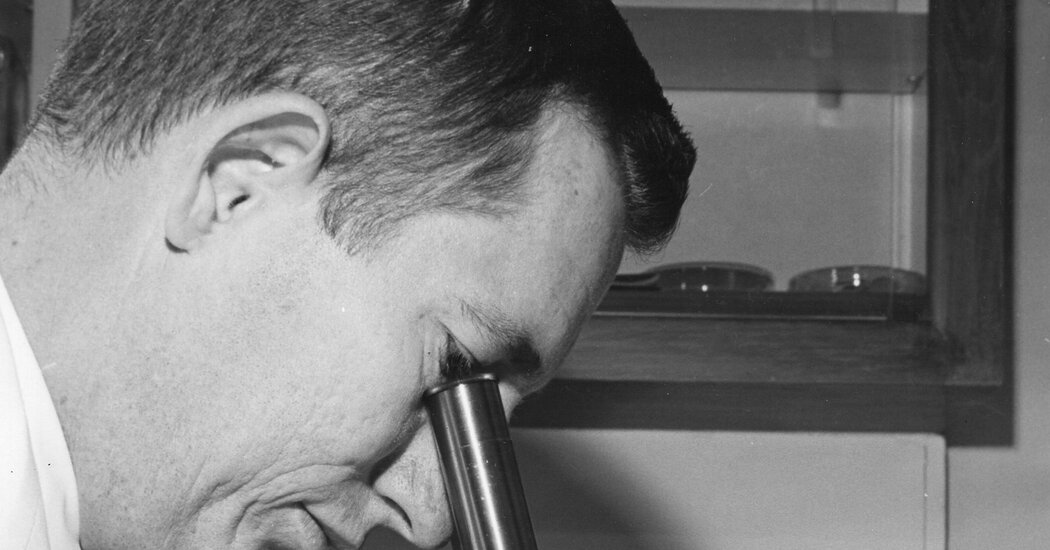
He explored how viruses multiply. An accomplished administrator, he also turned the Howard Hughes Medical Institute into a global biomedical powerhouse.Purnell Choppin, whose research on how viruses multiply helped lay the foundation for today’s fight against the Covid-19 pandemic, died on July 3 at his home in Washington, one day shy of his 92nd birthday.His daughter, Kathleen, said the cause was prostate cancer.Dr. Choppin, who was born, raised and educated in Louisiana, arrived at Rockefeller University in Manhattan in 1957, just as a global influenza outbreak reached the city. He isolated six strains of the virus, including one from his own throat, which were used to develop anti-viral agents.He then set himself on a decades-long mission to discover how viruses multiplied. He was among the first to show how they invade cells and turn them into factories to produce more viruses, work that was seminal in vaccine development.Dr. Choppin (pronounced show-PAN) focused on measles and influenza, but his research, and the methods he developed to conduct it, proved critical for later work on other viruses, including severe acute respiratory syndrome coronavirus 2, the virus behind the Covid-19 pandemic, said David Baltimore, an emeritus professor of biology at the California Institute of Technology and a winner of the 1975 Nobel Prize in Physiology or Medicine.“The issue of how viruses infect cells was very much on his mind, and the mechanisms he worked out studying influenza were central to thinking about coronaviruses,” Dr. Baltimore said. “Thanks to his work and that of so many others, when the pandemic hit, we were able to formulate questions about the virus in quite precise terms.”Dr. Choppin was equally well known as an administrator, first at Rockefeller and then at the Howard Hughes Medical Institute, which hired him in 1985 as its chief medical officer. He later ran the institute for 12 years, turning it from a modest-size research organization into a global research powerhouse.His death elicited an outpouring of remembrances from some of the highest-profile figures in medicine, including Anthony Fauci, the head of the National Institute of Allergy and Infectious Diseases.“With Purnell’s passing,” he said, “we have lost one of our pre-eminent physician-scientists and research administrators.”Dr. Choppin, left, in 1994 in the atrium of the Howard Hughes Medical Institute in Chevy Chase, Md., where he was its president. With him, from left, were C.F. Wolfe, vice president; and their colleagues Nina Scherago, Lillian Blucher and Ellen Safir. Stephen Crowley/The New York TimesGeorge Purnell Whittington Choppin was born in Baton Rouge, La., on July 4, 1929. His father, Arthur Choppin, was a chemistry professor at Louisiana State University, and his mother, Eunice (Bolin) Choppin, taught high school.As well as his daughter, his wife, Joan, survives him.After he took over at the Hughes Institute, Dr. Choppin liked to tell his colleagues a story about meeting their famously reclusive benefactor. In 1938, Hughes, an accomplished aviator as well as an industrialist, was stopping in Baton Rouge to refuel, and Arthur Choppin took 9-year-old Purnell and his brother, Arthur Jr., to see him. They shook hands, but, he said, his primary memory was that Hughes was “very tall.”Dr. Choppin graduated from high school at 16 and entered L.S.U., where he also attended medical school. He received his doctorate in 1953 and completed his residency at Washington University. He served in the Air Force, in Japan, from 1954 to 1955.He began at Rockefeller University as a postdoctoral fellow and was named a professor in 1959. He later moved into administration, and was a vice president and dean of graduate studies when the Howard Hughes Medical Institute hired him away.Howard Hughes had founded the institute in 1953, and later transferred his entire holdings in the Hughes Aircraft Company to it, for tax purposes, creating an awkward arrangement in which a medical-research nonprofit owned one of the country’s largest defense contractors.Just weeks before Dr. Choppin arrived, the institute sold the company to General Motors for $5.2 billion, immediately making it one of the country’s wealthiest philanthropies.In 1987, the institute’s president was forced to resign after a financial scandal, and Dr. Choppin was named to replace him. Over the next decade he built it into a leading source of funding for biomedical research, doling out some $4.5 billion to hundreds of scientists as well as for undergraduate and high school science education.With a calm, easygoing demeanor that disguised a fierce, visionary ambition, Dr. Choppin took an innovative approach to funding. Unlike other institutions, which provide grants for specific projects, he focused on identifying top researchers and then showering them with money and resources. Even better, he did not ask them to move to the institute, in Chevy Chase, Md. — they could stay where they were and let the Hughes largesse come to them.Dr. Choppin and his wife, Joan Choppin, during an event in 2010 at Rockefeller University in Manhattan, where he had been a leading research scientist. Dr. Choppin thought that doing so was less disruptive and made for better science, but it also made for great advertising, promoting the Hughes brand throughout the research world.It worked. In 1988 The Washington Post called the institute “the modern version of the 15th century Medici family of Florence,” adding that “instead of art, the focus is medical science.”Science magazine wrote that in Dr. Choppin’s hands, the presidency of the Hughes Institute was “the most influential biomedical research job in the world.”While Dr. Choppin was sometimes criticized for making safe bets on established scientists who probably didn’t need his help, he made no apologies, and had the track record to prove the soundness of his approach: Dozens of Hughes researchers had gone on to become members of the National Academy of Sciences, and six won the Nobel Prize.“We bet on people who look like they are going to be winners,” he told The Washington Post in 1988. “You look for originality. How they pick a problem and stick to it. Their instinct for the scientific jugular.”

Read more →

New organ-on-a-chip finds crucial interaction between blood, ovarian cancer tumors

In the evolving field of cancer biology and treatment, innovations in organ-on-a-chip microdevices allow researchers to discover more about the disease outside the human body. These organs-on-chips serve as a model of the state an actual cancer patient is in, thus allowing an opportunity to finding the correct treatment before administering it to the patient. At Texas A&M University, researchers are pushing these devices to new levels that could change the way clinicians approach cancer treatment, particularly ovarian cancer.
The team has recently submitted a patent disclosure with the Texas A&M Engineering Experiment Station.
“We claim several novelties in technological design as well as biological capabilities that didn’t exist in prior organs-on-chips,” said Dr. Abhishek Jain, lead researcher and assistant professor in the Department of Biomedical Engineering.
Jain also has a joint appointment in the College of Medicine at Texas A&M.
Jain’s device — the ovarian tumor microenvironment-chip (OTME-Chip) — focuses on platelets, tiny blood cells that help the body form clots to stop bleeding. The microdevice, about the size of a USB, models the properties of a tumor in the lab. Researchers then can recreate events within platelets circulating in the blood as they approach the tumor and make it more potent and metastatic.
“We are creating a platform technology using the organ-on-a-chip approach where tumor biology can be advanced, and new drugs can be identified by recreating the platelet-tumor and platelet-tumor-drug interactions under the influence of flow, supporting blood vessels and the extracellular matrix,” Jain said.

Read more →

Using silicone wristbands to measure air quality

A study by researchers at the Texas A&M University School of Public Health shows that inexpensive and convenient devices such as silicone wristbands can be used to yield quantitative air quality data, which is particularly appealing for periods of susceptibility such as pregnancy.
The research team found that the wristbands, when used as passive samplers, have the ability to bind smaller molecular weight semi-volatile polycyclic aromatic hydrocarbons (PAHs) — a class of chemicals that occur naturally in coal, crude oil and gasoline and are produced when coal, oil, gas, wood, garbage and tobacco are burned — in a similar pattern as active sampling.
Published recently in Nature’s Journal of Exposure Science & Environmental Epidemiology, the study focused on pregnant women in Hidalgo County in South Texas. This particular area of Texas was selected because of the heightened prevalence of childhood asthma in the region, as well as a higher prematurity rate (14.8 percent) compared to the rest of the state (12.9 percent).
The study was aimed at quantifying maternal PAH exposure in pregnant women residing in McAllen. To gather the data, participants carried backpacks containing air-sampling equipment. A silicone wristband was also attached to each backpack. After three nonconsecutive 24-hour periods, the air-sampling equipment and wristbands were analyzed for PAHs. Prenatal exposure to PAHs has been shown to lead to adverse health effects in children.
When the researchers analyzed and compared the data from the air sampling equipment and the wristbands, they found that the wristbands yielded similar results to the more traditional testing methods. The researchers suggest that the use of the silicone wristbands as a passive sampler could be useful in studies of semi-volatile PAHs.
“The use of wristbands is appealing because it is inexpensive and easy to wear,” said co-author Itza Mendoza-Sanchez, assistant professor in the Department of Environmental and Occupational Health (EOH). “Wristbands have been used to detect a number of pollutant, but qualification of those pollutants remains a challenge. Our goal was to evaluate to what extent we can use wristbands as passive samplers to quantify PAHs in air.
“We found that patterns of detection are similar for low-molecular weight compounds and that attaching the wristbands to the backpack’s strap is a good sampling design for evaluating conditions under which wristbands could be used for quantifying PAHs in air.”
Mendoza-Sanchez co-authored the study with Inyang Uwak, a recent Doctor of Public Health graduate. It was part of a larger maternal environmental health study led by Associate Professor Natalie Johnson and Associate Professor Dr. Genny Carrillo. Former EOH students Louise Myatt, Kristal A. Rychlik, Jairus C. Pulczinski, and Allison Van Cleve also took part in the research.
“Maternal exposure to PAHs during pregnancy is particularly harmful to children’s health since this is a phase of rapid human growth and development,” Johnson said. “Thus, easy methods to quantify PAH exposure are of critical need in order to evaluate risk and develop effective intervention strategies.”
Johnson said the results of the study support that wristbands used as passive samplers may be helpful in future studies evaluating adverse health outcomes from prenatal PAH exposure.
Other contributors to the study include: Misti Levy Zamora and Kirsten Koehler from the Department of Environmental Health and Engineering at Johns Hopkins Bloomberg School of Public Health; Stephen Sweet from the Geochemical and Environmental Research Group at Texas A&M; and Tara Ramani and Josias Zietsman from the Environment and Air Quality Division at the Texas A&M Transportation Institute.
Story Source:
Materials provided by Texas A&M University. Original written by Tim Schnettler. Note: Content may be edited for style and length.

Read more →

When Euphemisms (but Never Sharks) Attack

Plus, orphaned grizzlies, baby deer in the shower, hoot-owl restrictions and more in the Friday edition of the Science Times newsletter.Shark scientists have been exhorting the public to call human-shark interactions something other than shark attacks, preferring less pejorative terms like “shark encounters.” The scientists emphasize that humans tend to be to blame for shark injuries — stepping accidentally on small sharks, which snap back; swimming in murky water, venturing too close.“A ‘shark attack’ is a story of intent,” Christopher Pepin-Neff of the University of Sydney, told the Times reporter Alan Yuhas. “But sharks don’t know what people are. They don’t know when you’re in the boat. They don’t know what a propeller is. It’s not an attack.”But the terms being offered as replacements, while more accurate and less inflammatory, have a ring of gentility to them, evoking the top hats and evening gloves of centuries past.To wit, a shark incident:A shark reaction:A shark bite:Meanwhile, scientists elsewhere this week published one of the most detailed views yet of shark guts, using a CT scanner to reveal “the complex inner geographies of more than 20 species of sharks,” Veronique Greenwood writes. The results, in stunning 3-D video, indicate that the spiraling intestine of some sharks behaves like a Tesla valve, drawing fluid forward without moving parts.The study also appears to confirm the long-held notion that such intricacy helps to slow down digestion and extract the most calories from its prey. Chew on that while you do your part to avoid shark, uh, euphemisms.What we’re metabolizing latelyHard to miss: Earlier this week a rare, 100-pound opah, or moonfish, washed ashore in Oregon.This week on “The Argument,” Michio Kaku, a physicist at the City College of New York, and Douglas Vakoch, an astrobiologist and the president of the research and educational nonprofit METI (Messaging Extraterrestrial Intelligence) International, discussed the wisdom of trying to contact other intelligent life in the universe.These African wild dog parents aren’t bringing home bacon, exactly, but this rare footage of them feeding their pups sure is adorable.And there are few better moments to read Norman Maclean, both “A River Runs Through It,” his majestic fly-fishing memoir, and “Young Men and Fire,” his reconstruction of the 1949 Mann Gulch tragedy in Montana that took the lives of a dozen U.S. Forest Service firefighters. “The story, which I’ve read at least four times now, is agonizing to read, making the hairs on my arms stand on end,” Anna Holmes wrote in The Times in 2015. “It is also one of the most pleasurable experiences I’ve had.”Facts of note“On Tuesday, the Montana Department of Fish, Wildlife and Parks imposed “hoot owl” restrictions on the Missouri River, one of the most popular trout fishing sites in the state, between Helena and Great Falls because of warm water temperatures. The rule bans fishing after 2 p.m. (The term “hoot owl restrictions” stems from the early days of the timber industry. Loggers work early in the mornings of late summer, when it’s cooler, because the forests are dry and that increases the risk of chain saws or other equipment sparking a fire. Loggers often heard owls during their early morning shifts.)”Sync your calendar with the solar systemNever miss an eclipse, a meteor shower, a rocket launch or any other astronomical and space event that’s out of this world.More Newsletters You Might Like

Read more →

New understanding of cell stability with potential to improve immune cell therapies

Research in mice, published today in Science Immunology by researchers at the Babraham Institute, UK and VIB-KU Leuven, Belgium, provides two solutions with potential to overcome a key clinical limitation of immune cell therapies. Regulatory T cells have potential in treating autoimmunity and inflammatory diseases yet they can switch from a protective to damaging function. By identifying the unstable regulatory T cells, and understanding how they can be purged from a cell population, the authors highlight a path forward for regulatory T cell transfer therapy.
Cell therapy is based on purifying cells from a patient, growing them up in cell culture to improve their properties, and then reinfusing them into the patient. Professor Adrian Liston, Immunology group leader at the Babraham Institute, explained their therapeutic potential: “The leading use of cell therapy is to improve T cells so that they can attack and kill a patient’s cancer, however the incredible versatility of the immune system means that, in principle, we could treat almost any immune disorder with the right cell type. Regulatory T cells are particularly promising, with their ability to shut down autoimmune disease, inflammatory disease and transplantation rejection. A key limitation in their clinical use, however, comes from the instability of regulatory T cells — we just can’t use them in cell therapy until we make ensure that they stay protective.”
T cells come in a large variety of types, each with unique functions in our immune system. “While most T cells are inflammatory, ready to attack pathogens or infected cells, regulatory T cells are potent anti-inflammatory mediators,” Professor Susan Schlenner, University of Leuven, explains. “Unfortunately this cell type is not entirely stable, and sometimes regulatory T cells convert into inflammatory cells, called effector T cells. Crucially, the converted cells inherit both inflammatory behaviour and the ability to identify our own cells, and so pose a significant risk of damage to the system they are meant to protect.”
The first key finding of this research shows that once regulatory T cells switch to becoming inflammatory, they are resistant to returning to their useful former state. Therefore, scientists need to find a way to remove the risky cells from any therapeutic cell populations, leaving behind the stable regulatory T cells.
By comparing stable and unstable cells the researchers identified molecular markers that indicate which cells are at risk of switching from regulatory to inflammatory. These markers can be used to purify cell populations before they are used as a treatment.
In addition to this method of cell purification, the researchers found that exposing regulatory T cells to a destabilising environment purges the unstable cells from the mixture. Under these conditions, the unstable cells are triggered to convert into inflammatory cells, allowing the researchers to purify the stable cells that are left. “The work needs to be translated into human cell therapies, but it suggests that we might be best off treating the cells mean,” says Professor Adrian Liston. “Currently, cell culture conditions for cell therapy aim to keep all the cells in optimal conditions, which may actually be masking the unstable cells. By treating the cultures rougher, we may be able to identify and eliminate the unstable cells and create a safer mix of cells for therapeutic transfer.”
Dr Steffie Junius, lead author on the paper who undertook the research as a PhD student at the University of Leuven, commented: “The next stage in the research is to take the lessons learned in mice and translate them into optimal protocols for patients. I hope that our research contributes to the improved design and allows the development of effective regulatory T cell therapy.”
Establishing a thorough process to improve cell population stability in mice helps to lay the groundwork for improved immune cell therapies in humans, although the methods described in this work would require validation in humans before they were used in cell therapy trials. Dr Timothy Newton, CEO of Reflection Therapeutics, a Babraham Research Campus-based company designing cell therapies against neuro-inflammation, who was not involved in this study, commented on the translational potential of the study: “This research makes a significant impact on regulatory T cell therapeutic development by characterising unstable subsets of regulatory T cells that are likely to lose their desirable therapeutic qualities and become pro-inflammatory. The successful identification of these cells is of great importance when designing manufacturing strategies required to turn potential T cell therapeutics into practical treatments for patients of a wide range of inflammatory disorders.”
Story Source:
Materials provided by Babraham Institute. Note: Content may be edited for style and length.

Read more →

What does a virtual roller coaster ride tell us about migraine?

When experiencing the ups and downs of a virtual roller coaster ride, people who get migraine headaches reported more dizziness and motion sickness than people who do not get migraines, according to a new study published in the July 7, 2021, online issue of Neurology, the medical journal of the American Academy of Neurology.
Researchers also found that people who get migraines also had more nerve cell activity in certain areas of the brain during the virtual roller coaster ride and less activity in other areas. Researchers said this abnormal processing of the visual motion stimuli in the brain was linked to migraine disability and more susceptibility to motion sickness.
“Millions of people regularly experience painful and debilitating migraine headaches that can reduce their quality of life,” said study author Arne May, MD, PhD, of the University of Hamburg in Germany. “People with migraine often complain of dizziness, balance problems and misperception of their body’s place in space during migraine. By simulating a virtual roller coaster ride, our study found that some of these problems are not only magnified in people who experience migraine, but they are also associated with changes in various areas of the brain. By identifying and pinpointing these changes, our research could lead to a better understanding of migraine which could in turn lead to the development of better treatments.”
The study involved 20 people with migraine who were compared to 20 people without migraine. Participants had an average age of 30 and more than 80% were women. People with migraine had an average of four migraines per month.
Researchers used functional magnetic resonance imaging (fMRI) to take brain scans of each participant as they watched videos to experience the virtual roller coaster rides. No participants experienced a migraine during the virtual rides. After the virtual rides, participants were surveyed about their perceived levels of dizziness, motion sickness and other symptoms.
Researchers found that 65% of people with migraine experienced dizziness compared to 30% of people without migraine. On a questionnaire about motion sickness, which scored symptom intensity on a scale of 1-180, those with migraine had an average score of 47 compared to an average score of 24 for people without migraine. People with migraine also experienced symptoms longer, an average of 1 minute and 19 seconds compared to an average of 27 seconds. Their symptoms were also more intense.
From the brain scans, researchers were able to identify changes in nerve cell activity based on blood flow to certain areas of the brain. People with migraine had increased activity in five areas of the brain, including two areas in the occipital gyrus, the visual processing area of the brain, and decreased activity in two other areas including the middle frontal gyrus. These brain changes correlated with migraine disability and motion sickness scores.
“One other area of the brain where we found pronounced nerve cell activity in people with migraine was within the pontine nuclei, which helps regulate movement and other motor activity,” said May. “This increased activity could relate to abnormal transmission of visual, auditory and sensory information within the brain. Future research should now look at larger groups of people with migraine to see if our findings can be confirmed.”
The study was supported by the German Research Foundation.
Story Source:
Materials provided by American Academy of Neurology. Note: Content may be edited for style and length.

Read more →

Advantages of intranasal vaccination against SARS-CoV-2

There are many reasons that an intranasal vaccine against the SARS-CoV-2 virus would be helpful in the fight against COVID-19 infections, University of Alabama at Birmingham immunologists Fran Lund, Ph.D., and Troy Randall, Ph.D., write in a viewpoint article in the journal Science.
That route of vaccination gives two additional layers of protection over intramuscular shots because it produces: 1) immunoglobulin A and resident memory B and T cells in the respiratory mucosa that are an effective barrier to infection at those sites, and 2) cross-reactive resident memory B and T cells that can respond earlier than other immune cells if a viral variant does start an infection.
“Given the respiratory tropism of the virus, it seems surprising that only seven of the nearly 100 SARS-CoV-2 vaccines currently in clinical trials are delivered intranasally,” Lund and Randall said. “Advantages of intranasal vaccines include needle-free administration, delivery of antigen to the site of infection, and the elicitation of mucosal immunity in the respiratory tract.”
Their viewpoint article goes on to detail the individual advantages and challenges of each of the seven intranasal vaccine candidates. Six are viral vectors, including three different adenovirus vectors, and one candidate each for live-attenuated influenza virus, live-attenuated respiratory syncytial virus and live-attenuated SARS-CoV-2. The seventh vaccine candidate is an inert protein subunit.
Among the drawbacks of using viruses that people may have encountered before is negative interference from anti-vector antibodies that impair vaccine delivery. And because of the minimal risk of reversion for the live-attenuated SARS-CoV-2 virus, it would likely be contraindicated for infants, people over 49 and immunocompromised persons.
“Notably absent from the list of intranasal vaccines are those formulated as lipid-encapsulated mRNA,” Lund and Randall said, listing some of the challenges and adverse side effects that accompany that approach.
“Ultimately, the goal of vaccination is to elicit long-lived protective immunity,” the UAB researchers concluded. Comparing the benefits and disadvantages of intranasal vaccination against intramuscular vaccinations, they suggest that perhaps effective vaccination need not be restricted to a single route.
“The ideal vaccination strategy,” the immunologists concluded, “may use an intramuscular vaccine to elicit a long-lived systemic immunoglobulin G response and a broad repertoire of central memory B and T cells, followed by an intranasal booster that recruits memory B and T cells to the nasal passages and further guides their differentiation toward mucosal protection, including immunoglobulin A secretion and tissue-resident memory cells in the respiratory tract.”
At UAB, Lund is a professor of microbiology and holds the Charles H. McCauley Chair of Microbiology. Randall is a professor of medicine in the Division of Clinical Immunology and Rheumatology, and he holds the Meyer Foundation William J. Koopman, M.D., Endowed Chair in Immunology and Rheumatology.
Story Source:
Materials provided by University of Alabama at Birmingham. Original written by Jeff Hansen. Note: Content may be edited for style and length.

Read more →

Americans with higher net worth at midlife tend to live longer

One of the keys to a long life may lie in your net worth.
In the first wealth and longevity study to incorporate siblings and twin pair data, researchers from Northwestern University analyzed the midlife net worth of adults (mean age 46.7 years) and their mortality rates 24 years later. They discovered those with greater wealth at midlife tended to live longer.
The researchers used data from the Midlife in the United States (MIDUS) project, a longitudinal study on aging. Using data from the first collection wave in 1994-1996 through a censor date of 2018, the researchers used survival models to analyze the association between net worth and longevity.
To tease apart factors of genetics and wealth, the full sample was segmented into subsets of siblings and twins.
In the full sample of 5,400 adults, higher net worth was associated with lower mortality risk. Within the data set of siblings and twin pairs (n=2,490), they discovered a similar association with a tendency for the sibling or twin with more wealth to live longer than their co-sibling/twin with less. This finding suggests the wealth-longevity connection may be causal, and isn’t simply a reflection of heritable traits or early experiences that cluster in families.
“The within-family association provides strong evidence that an association between wealth accumulation and life expectancy exists, because comparing siblings within the same family to each other controls for all of the life experience and biology that they share,” said corresponding author Eric Finegood, a postdoctoral fellow in the Institute for Policy Research at Northwestern.
The researchers also considered the possibility that previous health conditions, such as heart disease or cancer, could impact an individual’s ability to accrue wealth due to activity limitations or healthcare costs — possibly confounding any association between wealth and longevity. To address this, they re-analyzed the data using only individuals without cancer or heart disease. However, even within this sub-group of healthy individuals, the within-family association between wealth and longevity remained.
The study’s senior author is Greg Miller, the Louis W. Menk Professor of Psychology and faculty fellow at the Institute for Policy Research at Northwestern. Co-authors of the study include other Northwestern faculty and trainees (Edith Chen, Daniel Mroczek, Alexa Freedman) as well as researchers from the University of Illinois, Urbana-Champaign; West Virginia University; Purdue University; and the University of Minnesota.
“Far too many American families are living paycheck to paycheck with little to no financial savings to draw on in times of need, said Miller. “At the same time, wealth inequality has skyrocketed. Our results suggest that building wealth is important for health at the individual level, even after accounting for where one starts out in life. So, from a public health perspective, policies that support and protect individuals’ ability to achieve financial security are needed.”
Story Source:
Materials provided by Northwestern University. Original written by Stephanie Kulke. Note: Content may be edited for style and length.

Read more →