Researchers show a little radiation goes a long way in heating up cold tumors

A Ludwig Cancer Research study conducted in both mice and a small group of patients with advanced cancers has shown that so-called “cold” tumors that are nearly devoid of immune cells — and therefore unresponsive to immunotherapy — can be turned “hot” with extremely low doses of radiation and the rational use of existing therapies.
Led by George Coukos, Melita Irving and Fernanda Herrera of the Ludwig Institute for Cancer Research Lausanne Branch, and published in Cancer Discovery, the study found that the treatment cured 20% of mice and induced regressions in 37% of patients with immunologically cold tumors. The researchers also detailed the underlying mechanisms of tumor control induced by the combination therapy, identifying novel molecular and cellular phenomena essential to its efficacy.
Many types of tumors are all but devoid of tumor infiltrating T lymphocytes (TILs), immune cells essential to the anti-cancer response. Researchers have tried using high dose radiotherapy to destroy cancer cells and draw these and other immune cells into cold tumors. But that isn’t an option for malignancies that spread into the abdomen — like ovarian and gastrointestinal cancers with peritoneal dissemination — where repeated, intense radiation would seriously injure vital organs. Nor is it viable for prostate cancer with disseminated bone metastases, where such radiation to the bone marrow would induce systemic immune suppression.
“We came up with this idea of stressing the tumor using levels of radiation that wouldn’t kill its cells, but still apply enough pressure to make it send out signals telling the immune system, ‘come to me because something bad is happening here’,” said Herrera, a radiation oncologist at the Ludwig Lausanne Branch.
But generating an anti-tumor response, the researchers reasoned, would require a multipronged strategy. Additional measures would include the inhibition of immunosuppressive cells — like regulatory T cells (Tregs) — in the tumor microenvironment; the stimulation of “innate” immune cells that present antigens to the “adaptive” immune system’s T cells, directing them to cancer cells and stimulating their activity; and the activation of effector T cells.
“We began by interrogating in mice what happens to the microenvironment of advanced ovarian tumors if you apply low doses of radiation and showed there was a massive uptick in the expression of druggable targets,” said Irving, a group leader of the Human Integrated Tumor Immunology Discovery Engine (Hi-TIDe) at the Ludwig Lausanne Branch. “It was a rational approach to the therapy.”
After examining several drug combinations, they settled on four for use in a mouse study: an existing antibody that stimulates a receptor, CD40, on dendritic cells and boosts their activity; a low dose of the chemotherapy, cyclophosphamide, which is known to suppress Tregs; and a combination of the anti-CTLA-4 and anti-PD-1 immunotherapies that mobilize a T cell attack on tumors.

Read more →

Screen time only mildly linked to behavioral problems, but may have social benefits

School-aged children who spend more time in front of screens are only slightly more likely to have attention disorders, disturbed sleep or lower grades and are no more likely to suffer from depression and anxiety, finds one of the largest studies to date to explore how screen time impacts youth.
The research, published Sept. 8 in the journal PLOS ONE, also revealed a potential upside to the oft-maligned devices: Kids who spent more time with screens had more close friends.
“These findings suggest that we should be mindful of screens, but that screen time is likely not inherently harmful to our youth,” said lead author Katie Paulich, a PhD student in the Department of Psychology and Neuroscience.
For the study, Paulich and colleagues at the Institute for Behavioral Genetics, assessed data from the ongoing Adolescent Brain and Cognitive Development study, the largest long-term study of child health and brain development ever conducted in the United States.
They analyzed information from a diverse national sample of 11,800 9- and 10-year-olds, including questionnaires about screen time, parental reports of behavioral issues and grades, and mental health assessments.
On average, boys spent about 45 minutes more daily with screens than girls, topping out at nearly five hours daily on weekends and four hours on weekdays.

Read more →

Hormonal hazard: Chemicals used in paints and plastics can promote breast tumor growth

Photoinitiators are chemicals that release reactive molecules in response to UV radiation. Given these properties, photoinitiators are used in a wide range of products, including plastics, paints, inks, and adhesives. As a result, photoinitiators are present in several objects of everyday use as well as in medical products and instruments such as dental fillers and containers.
Recently, studies have demonstrated several health hazards associated with photoinitiators, raising alarms about their safety. In particular, the presence of these compounds in clinical instruments, routinely used for treating high-risk individuals such as cancer patients, has become a major cause for concern. Previous studies have shown that three photoinitiators commonly found in plastics and paints — 1-HCHPK, MBB, and MTMP — show estrogen-like effects on cultured breast cancer cells, increasing their proliferation. Owing to the presence of these compounds in marketed injection solutions and the well-known link between estrogen activity and breast cancer, a thorough investigation of their effect on breast tumor growth is warranted.
Dr. Yoichi Kawasaki and Prof. Toshiaki Sendo from Okayama University in Japan sought to gain a better understanding of these effects. In their recent study published in Current Research in Toxicology, they examined how exposure to 1-HCHPK, MBB, and MTMP affected the growth of transplanted breast cancer tumors in mice. They found that all these compounds caused a faster increase in the growth of breast tumors, within 13 weeks of treatment. “This study extends our previous findings and shows that in addition to promoting the proliferation of breast cancer cells in culture, these photoinitiators also increase the growth of breast tumors in live animals. This implies that they could also potentially hasten disease progression in breast cancer patients,” explains Dr. Kawasaki, who led the study.
To understand the mechanism underlying these breast tumor-promoting effects, they pre-treated the mice with tamoxifen — a compound that prevents estrogen or estrogen-like molecules from affecting cellular processes. They found that tamoxifen pretreatment substantially decreased the toxic effects of the photoinitiators, indicating that this toxicity was mediated by estrogen receptors. “Estrogen promotes the growth of breast cancer tumors. Because tamoxifen blocks estrogen receptors, it is often used in breast cancer treatment. Our results show that the photoinitiators likely promote breast tumor growth by binding to estrogen receptors on tumor cells and initiating estrogen signaling,” clarifies Prof. Sendo.
Together, the results from the study by Dr. Kawasaki and Prof. Sendo show that 1-HCHPK, MBB, and MTMP have estrogen-like activity and could thus act as hormonal disruptions. Given the important role of estrogen in regulating reproductive function in both men and women, such disruptions could affect not only patients with breast cancer, but also healthy individuals. While the researchers intend to explore the effects of photoinitiators on reproduction in future research, the present study provides information crucial from a breast cancer management perspective and also represents an urgent call-to-action for the elimination of toxic materials from medical equipment.
Indeed, for both Dr. Kawasaki and Prof. Sendo, the ultimate goal is ensuring that no product of daily use poses health risks to humans. “Photoinitiators have helped us improve the quality of several commonly used products. But it is time we reconsider whether their benefits outweigh their risks, and our findings are an important milestone in encouraging this conversation. We hope that it will prompt more intensive research and stricter regulations on what materials can be adopted for commonly used products, especially those with medical applications,” says Dr. Kawasaki.
Story Source:
Materials provided by Okayama University. Note: Content may be edited for style and length.

Read more →

Signs of dementia are written in the blood, reveals new study

Scientists in Japan have identified metabolic compounds within the blood that are associated with dementia.
The study revealed that the levels of 33 metabolites differed in patients with dementia, compared to elderly people with no existing health conditions. Their findings, published this week in PNAS, could one day aid diagnosis and treatment of dementia.
“Metabolites are chemical substances produced by vital chemical reactions that occur within cells and tissues,” said first author Dr. Takayuki Teruya, who works in the G0 Cell Unit at the Okinawa Institute of Science and Technology Graduate University (OIST). “Our body normally keeps these levels in balance, but as we age and if we develop diseases like dementia, these levels can fluctuate and change.”
Dementia is not just a single disease, but a general term used to describe a set of symptoms, including a slow but typically irreversible decline in the ability to remember, think, make decisions or perform day-to-day activities. Of all aging-associated diseases, dementia is one of the most serious, not only for the patients and their family but for society as a whole, with an estimated 55 million people living with the disease worldwide.
While scientists know that dementia is caused by damage to nerves, the exact cause of this damage, and methods as to how it can be detected and treated have remained elusive.
In the study, the research team analyzed samples of blood collected from eight patients with dementia, as well as eight healthy elderly people. They also collected samples from eight healthy young people to use as a reference. Unlike most studies analyzing blood metabolites, this research included compounds found within red blood cells.

Read more →

The mystery of the flexible shell

An international research team with participation of the Paul Scherrer Institute PSI has revealed a secret about a marine animal’s shell: The researchers have deciphered why the protective cover of the brachiopod Discinisca tenuis becomes extremely soft in water and gets hard again in the air. The study appears today in the journal Nature Communications.
The brachiopod Discinisca tenuis lives on the west coast of Africa.I It has a mineral-rich shell that protects it from harmful environmental influences. Bathing the shell in water leads to a structural change in the material: The flat, hard shell becomes so flexible that it can even be folded up without breaking. With the help of the Swiss Light Source SLS, the researchers have deciphered exactly how this transformation takes place.
The phenomenon was discovered by chance a few years ago by Fabio Nudelman, a materials chemist currently at the School of Chemistry, University of Edinburgh in Scotland. Maggie Cusack, who was recently appointed president of Munster Technological University in Ireland, had provided Nudelman with shells of the brachiopod Discinisca tenuis, which originally came from Namibia. When he wanted to wash the hard object, it suddenly became soft and flexible in contact with water. The shell had absorbed liquid and thereby changed its structure. The process was reversible: When the shell dried, it became hard and brittle again.
Together with colleagues from six countries, Nudelman set out to discover what exactly takes place during this unexpected transformation. “In its composition, the shell resembles bone,” he explains. “But bone doesn’t change its structure when it gets wet.” The same goes for clams: If the animals need to adapt the properties of their shell to different environmental conditions, they normally have to rework the material in a lengthy and energetically costly process, by resorbing and redistributing minerals. It doesn’t work simply through the absorption of water.
Hybrid material with a special trick
It was so-called cryo-tomography, performed at the Swiss Light Source SLS, that “opened the door to reveal the secret,” says Johannes Ihli, a PSI researcher at SLS. With this technique, the researchers examined the material as if under a very high-resolution microscope, and in fact at extremely low temperatures. “At room temperature it would not have been possible, since the high-energy X-ray light would immediately alter the sensitive shell structure,” Ihli explains.
The brachiopod’s shell, which is no more than half a millimetre thick, consists of a hybrid material: mainly inorganic mineral in which organic polymers made from proteins and sugars are embedded. Bones, clam shells, and teeth are structured in a similar way out of a mixture of organic and inorganic material. The mineral that constitutes the main component of the shell is a type of fluoroapatite — similar to the material that makes up the enamel of our teeth.
Tiny nanocrystals of this material are arranged in layers. Nudelman compares it to brick walls: “In this analogy, the bricks are the nanocrystals, and the mortar between the bricks consists of organic molecules such as chitin and proteins.” As the researchers observed, this “mortar” can absorb large amounts of water, causing it to swell up. Through the storage of water, it changes its structure: It becomes soft, and the bricks become movable with respect to each other. “Then water acts like a lubricant between the individual nanocrystals,” Ihli explains. “The crystals can then slip against each other.” Through this movement, the shell becomes flexible. The researchers found a network of pores in the shell that was especially effective in guiding water inside and rapidly distributing it throughout the material.
Evolutionary advantage
Discinisca tenuis lives in large clusters in tidal zones on the coast where, depending on the tide, the animals are exposed to strong waves or calm waters. The researchers speculate that it is probably advantageous if the animals can quickly adapt the softness or hardness of their shell to the respective situation: “This could prevent damage to the shell and thus be a key to the animals’ survival,” they write in the study. The phenomenon may even be more widespread than suspected: “We don’t know how many other animal species there might be that have this kind of property,” says Nudelman.
Aside from biology and evolution, the newly gained insights are also of interest for materials science: The development of a hard, brittle material whose stiffness can be controlled could hold promise for many applications. Sports clothing or helmets, for example, might be able to flexibly adapt to movements and always offer the protection required depending on the impact. Harnessing this phenomenon could also prove useful in developing bone-replacement materials.
Story Source:
Materials provided by Paul Scherrer Institute. Original written by Brigitte Osterath. Note: Content may be edited for style and length.

Read more →

Researchers observed association between standing and insulin sensitivity – standing more may help prevent chronic diseases

Insulin is a key hormone in energy metabolism and blood sugar regulation. Normal insulin function in the body may be disturbed by e.g. overweight, leading to decreased insulin sensitivity and increased risk of developing type 2 diabetes and cardiovascular diseases. In a Finnish collaborative study of Turku PET Centre and UKK institute, the researchers noticed that standing is associated with better insulin sensitivity. Increasing the daily standing time may therefore help prevent chronic diseases.
Type 2 diabetes is one the most common lifestyle diseases worldwide, and its onset is usually preceded by impaired insulin sensitivity, i.e. insulin resistance. This refers to a state in which the body does not react to insulin normally, and the blood glucose levels rise.
Lifestyle has a strong impact on insulin resistance and the development of type 2 diabetes, and regular physical activity is known to have an important role in the prevention of these issues. However, so far, little is known about the impact of sedentary behaviour, breaks in sitting, and standing on insulin resistance.
In a study of Turku PET Centre and UKK institute, the researchers investigated the associations between insulin resistance and sedentary behaviour, physical activity and fitness in inactive working-age adults with an increased risk of developing type 2 diabetes and cardiovascular diseases. In the study published in Journal of Science and Medicine in Sport, the researchers observed that standing is associated with better insulin sensitivity independently of the amount of daily physical activity or sitting time, fitness level, or overweight.
“This association has not been shown before. These findings further encourage replacing a part of daily sitting time with standing, especially if physical activity recommendations are not met,” says Doctoral Candidate Taru Garthwaite from the University of Turku.
Body Composition Strongly Associated with Insulin Sensitivity
The study also emphasises the importance of healthy body composition on metabolic health. The results show that increased body fat percentage was a more important factor in terms of insulin sensitivity than physical activity, fitness, or the amount of time spent sitting. Standing, on the other hand, was associated with insulin sensitivity independently, irrespective of body composition.
“Regular exercise is well known to be beneficial for health. It seems that physical activity, fitness, and sedentary behaviour are also connected to insulin metabolism, but indirectly, through their effect on body composition,” Taru Garthwaite explains.
Causal effects cannot yet be predicted based on this study, but according to Garthwaite, the results suggest that increasing daily standing time may help in prevention of lifestyle diseases if physical activity recommendations are not met.
Next, the researchers aim to investigate how changes in daily activity and sedentariness impact cardiovascular and metabolic disease risk factors and metabolism by comparing two groups in an intervention study of a longer duration.
“Our aim is to study if reducing daily sitting time by an hour has an impact on energy metabolism and fat accumulation in liver and the whole body, for example, in addition to insulin sensitivity and blood sugar regulation,” says Garthwaite.
Story Source:
Materials provided by University of Turku. Note: Content may be edited for style and length.

Read more →

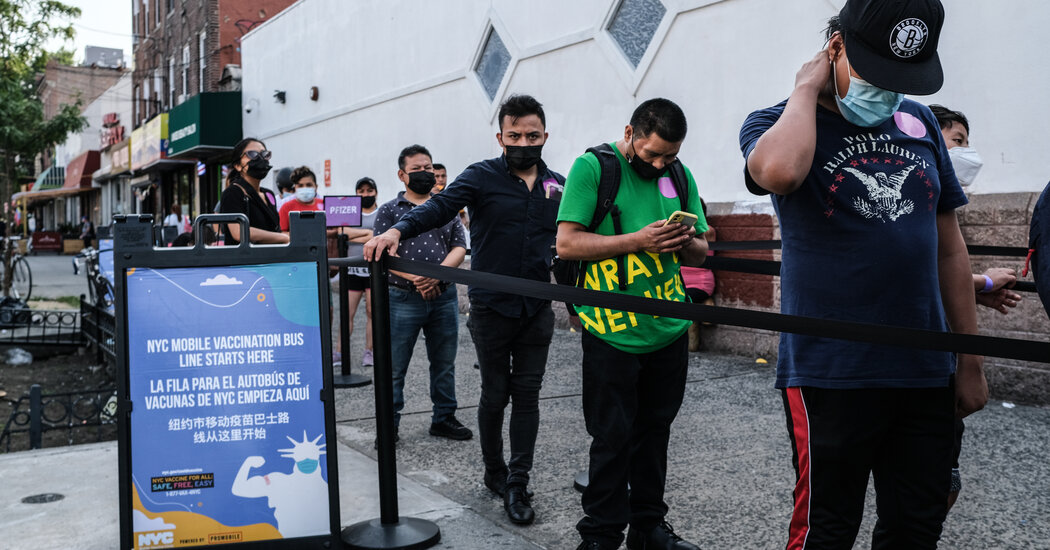
Will vaccine mandates slow the pandemic? Yes, scientists say — but not immediately.

President Biden’s new coronavirus vaccine mandates will have sweeping ramifications for businesses, schools and the political discourse in the United States. But for many scientists, the question is a simpler one: Will these measures turn back a surging pandemic?The answer: Yes, in the longer term.It has become clear that the nation cannot hope to end the pandemic with some 37 percent of Americans not having received a single dose of Covid vaccine, several experts said in interviews. Cases and hospitalizations are only expected to rise as Americans move indoors in homes, schools and offices in the cooling weather.The administration’s new plan should stem the flood of infections and return the country to some semblance of normalcy over the longer term, the researchers said.“It’s going to fundamentally shift the arc of the current surge,” said Dr. Ashish Jha, dean of Brown University School of Public Health. “It’s exactly what’s needed at this moment.”The vaccine mandates will protect millions more people, particularly against severe disease, and relieve pressure on the health care system, said Natalie Dean, a biostatistician at Emory University. “It also sets a precedent for other organizations to make similar decisions” about mandates, she said.But some experts cautioned that the results from the aggressive plan would take many weeks to unfold. Immunization is not an instant process — at least six weeks for a two-dose vaccine — and the administration did not emphasize the measures that work more quickly: masking and widespread rapid testing, for example.The nation has been overtaken by the contagious Delta variant, a far more formidable foe than the original version of the virus. The optimism of the spring and early summer gave way to dread as experts observed the variant’s march across Asia and Europe, sending rates soaring even in Britain, which had successfully protected most of its older adults.The variant became the dominant version of the virus in the United States only in mid-July, and the consequences have been beyond anything experts predicted. Reassuringly low numbers of cases and hospitalizations in June have risen inexorably for weeks to nearly 10-fold their levels. About 1,500 Americans, the vast majority of them unvaccinated, are dying each day.The mandates arrived on Thursday after weeks of arguments from public health experts that the federal government must do much more to raise vaccination rates.The administration’s mandates will affect nearly 100 million Americans. Among them are health care workers. The administration will require that any provider receiving Medicaid or Medicare funding impose a vaccination requirement on staff.This is the measure mostly likely to have an immediate impact, experts said, because health care facilities are high-risk settings for transmission. And there is ample historical precedent for the decision to hold hospitals to certain standards — notably, the historical directive to desegregate patients by race, said Dr. Jha said.“We have a real dearth of leadership from health care systems that have not mandated within their own organizations, and it is imperative that the president require that patients be protected,” he added.The requirement may drive some health care and nursing home workers, particularly many who are close to retirement age, to leave the profession. Even so, there is more to be gained than lost by the mandates, said Dr. Nahid Bhadelia, founding director of Boston University’s Center for Emerging Infectious Diseases Policy and Research..css-1xzcza9{list-style-type:disc;padding-inline-start:1em;}.css-3btd0c{font-family:nyt-franklin,helvetica,arial,sans-serif;font-size:1rem;line-height:1.375rem;color:#333;margin-bottom:0.78125rem;}@media (min-width:740px){.css-3btd0c{font-size:1.0625rem;line-height:1.5rem;margin-bottom:0.9375rem;}}.css-3btd0c strong{font-weight:600;}.css-3btd0c em{font-style:italic;}.css-w739ur{margin:0 auto 5px;font-family:nyt-franklin,helvetica,arial,sans-serif;font-weight:700;font-size:1.125rem;line-height:1.3125rem;color:#121212;}#NYT_BELOW_MAIN_CONTENT_REGION .css-w739ur{font-family:nyt-cheltenham,georgia,’times new roman’,times,serif;font-weight:700;font-size:1.375rem;line-height:1.625rem;}@media (min-width:740px){#NYT_BELOW_MAIN_CONTENT_REGION .css-w739ur{font-size:1.6875rem;line-height:1.875rem;}}@media (min-width:740px){.css-w739ur{font-size:1.25rem;line-height:1.4375rem;}}.css-9s9ecg{margin-bottom:15px;}.css-16ed7iq{width:100%;display:-webkit-box;display:-webkit-flex;display:-ms-flexbox;display:flex;-webkit-align-items:center;-webkit-box-align:center;-ms-flex-align:center;align-items:center;-webkit-box-pack:center;-webkit-justify-content:center;-ms-flex-pack:center;justify-content:center;padding:10px 0;background-color:white;}.css-pmm6ed{display:-webkit-box;display:-webkit-flex;display:-ms-flexbox;display:flex;-webkit-align-items:center;-webkit-box-align:center;-ms-flex-align:center;align-items:center;}.css-pmm6ed > :not(:first-child){margin-left:5px;}.css-5gimkt{font-family:nyt-franklin,helvetica,arial,sans-serif;font-size:0.8125rem;font-weight:700;-webkit-letter-spacing:0.03em;-moz-letter-spacing:0.03em;-ms-letter-spacing:0.03em;letter-spacing:0.03em;text-transform:uppercase;color:#333;}.css-5gimkt:after{content:’Collapse’;}.css-rdoyk0{-webkit-transition:all 0.5s ease;transition:all 0.5s ease;-webkit-transform:rotate(180deg);-ms-transform:rotate(180deg);transform:rotate(180deg);}.css-eb027h{max-height:5000px;-webkit-transition:max-height 0.5s ease;transition:max-height 0.5s ease;}.css-6mllg9{-webkit-transition:all 0.5s ease;transition:all 0.5s ease;position:relative;opacity:0;}.css-6mllg9:before{content:”;background-image:linear-gradient(180deg,transparent,#ffffff);background-image:-webkit-linear-gradient(270deg,rgba(255,255,255,0),#ffffff);height:80px;width:100%;position:absolute;bottom:0px;pointer-events:none;}.css-uf1ume{display:-webkit-box;display:-webkit-flex;display:-ms-flexbox;display:flex;-webkit-box-pack:justify;-webkit-justify-content:space-between;-ms-flex-pack:justify;justify-content:space-between;}.css-wxi1cx{display:-webkit-box;display:-webkit-flex;display:-ms-flexbox;display:flex;-webkit-flex-direction:column;-ms-flex-direction:column;flex-direction:column;-webkit-align-self:flex-end;-ms-flex-item-align:end;align-self:flex-end;}.css-12vbvwq{background-color:white;border:1px solid #e2e2e2;width:calc(100% – 40px);max-width:600px;margin:1.5rem auto 1.9rem;padding:15px;box-sizing:border-box;}@media (min-width:740px){.css-12vbvwq{padding:20px;width:100%;}}.css-12vbvwq:focus{outline:1px solid #e2e2e2;}#NYT_BELOW_MAIN_CONTENT_REGION .css-12vbvwq{border:none;padding:10px 0 0;border-top:2px solid #121212;}.css-12vbvwq[data-truncated] .css-rdoyk0{-webkit-transform:rotate(0deg);-ms-transform:rotate(0deg);transform:rotate(0deg);}.css-12vbvwq[data-truncated] .css-eb027h{max-height:300px;overflow:hidden;-webkit-transition:none;transition:none;}.css-12vbvwq[data-truncated] .css-5gimkt:after{content:’See more’;}.css-12vbvwq[data-truncated] .css-6mllg9{opacity:1;}.css-qjk116{margin:0 auto;overflow:hidden;}.css-qjk116 strong{font-weight:700;}.css-qjk116 em{font-style:italic;}.css-qjk116 a{color:#326891;-webkit-text-decoration:underline;text-decoration:underline;text-underline-offset:1px;-webkit-text-decoration-thickness:1px;text-decoration-thickness:1px;-webkit-text-decoration-color:#326891;text-decoration-color:#326891;}.css-qjk116 a:visited{color:#326891;-webkit-text-decoration-color:#326891;text-decoration-color:#326891;}.css-qjk116 a:hover{-webkit-text-decoration:none;text-decoration:none;}“This is an important step to get us out of the pandemic,” she said. “The very people who are taking care of the vulnerable coming into the hospital need to be our first line of defense.”The Labor Department will require all private-sector businesses with more than 100 employees to require that their workforces be fully vaccinated or be tested at least once a week. Employers will be required to give paid time off to employees to get vaccinated.That move alone will affect 80 million Americans; it’s not clear how many are already vaccinated. In any event, the effects will not be immediately evident.Given the time required between the first two doses of the vaccine, and then for immunity to build up, the effect of all these mandates is unlikely to be felt for many weeks, said Bill Hanage, an epidemiologist at Harvard University.And Dr. Hanage was skeptical that the mandates would be successful in inoculating millions more people than have already opted for the vaccine. Some of the people who most urgently need to be protected are older adults who will not be affected by workplace requirements.“I’m sure that the anti-vaxxers are already prepared to be up in arms about this,” he said. (Republican governors in several states have decried the mandates as unconstitutional and say they plan to file suits to stop them.)By insisting that vaccination is the way out of the pandemic, officials in both the Trump and Biden administrations have de-emphasized the importance of masks and testing in controlling the pandemic, several experts said.“It’s a lot quicker to put on a mask than it is to get a bunch of people vaccinated,” Dr. Hanage said.

Read more →

Vaccine creator says choice of UK boosters and first doses elsewhere is 'too simplistic'

Professor Dame Sarah Gilbert has said the choice between offering Covid booster jabs in the UK or first doses to people in other countries is “too simplistic”. The creator of the Oxford-AstraZeneca jab said the world needs a greater vaccine supply, so these choices don’t need to be made.Professor Gilbert also said that blood tests from people six months and a year after vaccinations had shown “strong maintenance” of an immune response.

Read more →

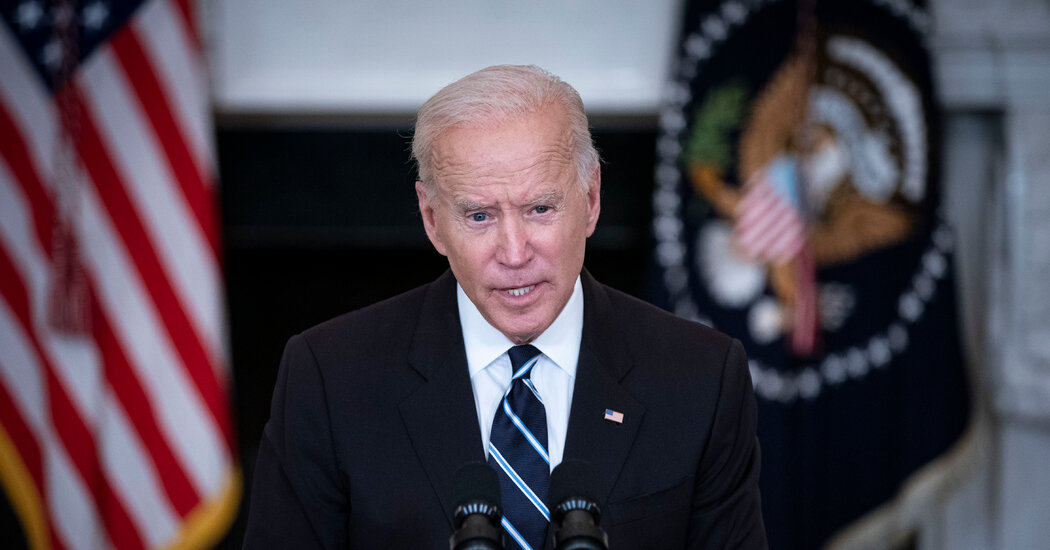
Biden’s Speech on Vaccine Mandates and the Delta Variant: Full Transcript

“My message to unvaccinated Americans is this: What more is there to wait for?” President Biden said on Thursday. “We’ve been patient, but our patience is wearing thin.”The following is a transcript of President Biden’s remarks on Thursday about his administration’s push to mandate coronavirus vaccines for two-thirds of American workers as the Delta variant surges across the United States.Good evening, my fellow Americans. I want to talk to you about where we are in the battle against Covid-19 — the progress we’ve made and the work we have left to do, and it starts in understanding this: Even as the Delta variant 19 has — Covid-19 has been hitting this country hard, we have the tools to combat the virus, if we can come together as a country and use those tools. If we raise our vaccination rate, protect ourselves and others with masking, expanding testing and identify people who are infected, we can and we will turn the tide on Covid-19.It will take a lot of hard work, and it’s going to take some time. Many of us are frustrated with the nearly 80 million Americans who are still not vaccinated, even though the vaccine is safe, effective and free. You might be confused about what is true and what is false about Covid-19. So, before I outline the new steps to fight Covid-19 that I’m going to be announcing tonight, let me give you some clear information about where we stand.First, we’ve made considerable progress in battling Covid-19. When I became president, about two million Americans were fully vaccinated. Today, over 175 million Americans have that protection. Before I took office, we hadn’t ordered enough vaccine for every American. Just weeks in office, we did. The week before I took office on Jan. 20 of this year, over 25,000 Americans died that week from Covid-19.Last week, that grim weekly toll was down 70 percent. And then three months before I took office, our economy was faltering, creating just 50,000 jobs a month. We’re now averaging 700,000 new jobs a month in the past three months. This progress is real. But while America is in much better shape than it was seven months ago, when I took office, I need to tell you a second fact. We’re in the tough stretch, and it could last for a while.Highly contagious Delta variant that I began to warn America back in July, spread late summer, like it did in other countries before us. While the vaccines provide strong protection for the vaccinated, we read about and hear about and we see the stories of hospitalized people, people on their death beds among the unvaccinated over the past few weeks. This is a pandemic of the unvaccinated.And it’s caused by the fact that despite America having unprecedented and successful vaccination program — despite the fact that for almost five months, free vaccines have been available in 80,000 different locations — we still have nearly 80 million Americans who have failed to get the shot. And to make matters worse, there are elected officials actively working to undermine the fight against Covid-19. Instead of encouraging people to get vaccinated and mask up, they are ordering mobile morgues for the unvaccinated dying from Covid in our communities. This is totally unacceptable.Third, if you wonder how all this adds up, here’s the math. The vast majority of Americans are doing the right thing. Nearly three-quarters of the eligible have gotten at least one shot. But one-quarter has not gotten any. That’s nearly 80 million Americans not vaccinated. In a country as large as ours, that’s 25 percent minority. That 25 percent can cause a lot of damage, and they are. The unvaccinated overcrowd our hospitals or overrun the emergency rooms and intensive care units, leaving no room for someone with a heart attack or pancreatitis or cancer.And fourth, I want to emphasize that the vaccines provide very strong protection from Covid-19. I know there’s a lot of confusion and misinformation, but the world’s leading scientists confirm that if you’re fully vaccinated, your risk of severe illness from Covid-19 is very low. In fact, based on available data from the summer, only one out of every 160,000 fully vaccinated Americans was hospitalized for Covid per day. These are the facts.So here’s where we stand. The path ahead, even with the Delta variant, is not nearly as bad as last winter. What makes it incredibly more frustrating is that we have the tools to combat Covid-19, and a distinct minority of Americans, supported by a distinct minority of elected officials, are keeping us from turning the corner. These pandemic politics, as I refer to, are making people sick, causing unvaccinated people to die.We cannot allow these actions to stand in the way of the large majority of Americans who have done their part and want to get back to life as normal. As your president, I’m announcing tonight a new plan to require more Americans to be vaccinated to combat those blocking public health. My plan also increases testing, protects our economy and will make our kids safer in schools.It consists of six broad areas of action and many specific measures of each of those actions that you can read more about at Whitehouse.gov. Whitehouse.gov. The measures, these are going to take time to have full impact. But if we implement them, I believe and the scientists indicate that the months ahead, we can reduce the number of unvaccinated Americans, decrease hospitalizations and deaths, and allow our children to go to school safely, and keep our economy strong by keeping businesses open.First, we must increase vaccinations among the unvaccinated with new vaccination requirements. With nearly 80 million eligible Americans who have not gotten vaccinated, many said they were waiting for approval from the Food and Drug Administration, the F.D.A. Well, last month the F.D.A. granted that approval. So, the time for waiting is over.This summer, we made progress through a combination of vaccine requirements and incentives as well as the F.D.A. approval. Four million more people got their first shot in August than they did in July. But we need to do more. This is not about freedom or personal choice. It’s about protecting yourself and those around you — the people you work with, the people you care about, the people you love.My job as president is to protect all Americans. So tonight, I’m announcing that the Department of Labor is developing an emergency rule to require all employers with 100 or more employees that together employ over 80 million workers to ensure their work forces are fully vaccinated or show a negative test at least once a week.Some of the biggest companies are already requiring this: United Airlines, Disney, Tyson Foods and even Fox News. The bottom line: We’re going to protect vaccinated workers from unvaccinated co-workers. We’re going to reduce the spread of Covid-19 by increasing the share of the work force that is vaccinated in businesses all across America.My plan will extend the vaccination requirements that I previously issued in the health care field. Already, I’ve announced we’ll be requiring vaccinations that all nursing home workers who treat patients on Medicare and Medicaid, because I have that federal authority.Tonight I’m using that same authority to expand that to cover those who work in hospitals, home health care facilities or other medical facilities. A total of 17 million health care workers. If you’re seeking care at a health facility, you should be able to know that the people treating you are vaccinated — simple, straightforward, period.Next, I will sign an executive order that will now require all executive branch federal employees to be vaccinated — all. I’ve signed another executive order that will require federal contractors to do the same. If you want to work with the federal government and do business with us, get vaccinated. If you want to do business with the federal government, vaccinate your work force.And tonight I’m removing one of the last remaining obstacles that make it difficult for you to get vaccinated. The Department of Labor will require employers with 100 or more workers to give those workers paid time off to get vaccinated. No one should lose pay in order to get vaccinated or take a loved one to get vaccinated.Today, in total, the vaccine requirements in my plan will affect about 100 million Americans — two-thirds of all workers. And for other sectors, I issue this appeal: To those of you running large entertainment venues from sports arenas to concert venues to movie theaters, please require folks to get vaccinated or show a negative test as a condition of entry.And to the nation’s family physicians, pediatricians, G.P.s — general practitioners — you’re the most trusted medical voice to your patients. You may be the one person who can get someone to change their mind about being vaccinated. Tonight, I’m asking each of you to reach out to your unvaccinated patients over the next two weeks and make a personal appeal to them to get the shot. America needs your personal involvement in this critical effort.My message to unvaccinated Americans is this: What more is there to wait for? What more do you need to see? We’ve made vaccinations free, safe and convenient. The vaccine is F.D.A. approved. Over 200 million Americans have gotten at least one shot. We’ve been patient, but our patience is wearing thin. And your refusal has cost all of us.So, please, do the right thing. But don’t just take it from me. Listen to the voices of unvaccinated Americans who are lying in hospital beds, taking their final breath, saying, “If only I had gotten vaccinated.” If only. It’s a tragedy. Please don’t let it become yours.The second piece of my plan is continuing to protect the vaccinated. The vast majority of you who have gotten vaccinated, I understand your anger at those who haven’t gotten vaccinated. I understand the anxiety about getting a breakthrough case. But as the science makes clear, if you’re fully vaccinated, you’re highly protected from severe illness even if you get Covid-19.In fact, recent data indicates there’s only one confirmed positive case per 5,000 fully vaccinated Americans per day. You’re as safe as possible, and we’re doing everything we can to keep it that way — keep it that way and keep you safe. That’s where boosters come in — the shots that give you even more protection than after your second shot.Now, I know there’s been some confusion about boosters, so let me be clear. Last month, our top government doctors announced an initial plan for booster shots for vaccinated Americans. They believe that a booster is likely to provide the highest level of protection yet. Of course, the decision of which booster shots to give or when to start them and who will give them will be left completely to the scientists at the F.D.A. and the Centers for Disease Control.But while we wait, we’ve done our part. We bought enough boosters, enough booster shots, and the distribution shot is ready to administer them. As soon as they are authorized, those eligible will be able to get a booster right away at tens of thousands of sites across the country — for most Americans, at your nearby drugstore and for free.The third piece of my plan is keeping — and maybe the most important — is keeping our children safe and our schools open. For any parent, it doesn’t matter how low the risk of any illness or accident is when it comes to your child or grandchild. Trust me. I know. So, let me speak to you directly. Let me speak to you directly to help ease some of your worries.It comes down to two separate categories: children ages 12 and older, who are eligible for a vaccine now, and children ages 11 and under, who are not yet eligible. The safest thing for your child 12 and older is to get them vaccinated. They get vaccinated for a lot of things. That’s it. Get them vaccinated.As with the adults, almost all of the serious Covid-19 cases we’re seeing among adolescents are in unvaccinated 12- to 17-year-olds, an age group that lags behind in vaccination rates. So parents, please get your teenager vaccinated.What about children under the age of 12 who can’t get vaccinated yet? Well, the best way for a parent to protect their child under the age of 12 starts at home. Every parent, every teen sibling, every caregiver around them should be vaccinated. Children have a four times higher chance of getting hospitalized if they live in a state with low vaccination rates rather than states with high vaccination rates.Now if you’re a parent of a young child and you’re wondering when will it be, when will it be — the vaccine — available for them? I strongly support independent scientific review for vaccine uses for children under 12. We can’t take shortcuts of that scientific work.But I’ve made it clear, I will do everything within my power to support the F.D.A. with any resource it needs to continue to do this as safely and as quickly as possible. And our nation’s top doctors are committed to keeping the public at large updated on the process so parents can plan..css-1xzcza9{list-style-type:disc;padding-inline-start:1em;}.css-3btd0c{font-family:nyt-franklin,helvetica,arial,sans-serif;font-size:1rem;line-height:1.375rem;color:#333;margin-bottom:0.78125rem;}@media (min-width:740px){.css-3btd0c{font-size:1.0625rem;line-height:1.5rem;margin-bottom:0.9375rem;}}.css-3btd0c strong{font-weight:600;}.css-3btd0c em{font-style:italic;}.css-w739ur{margin:0 auto 5px;font-family:nyt-franklin,helvetica,arial,sans-serif;font-weight:700;font-size:1.125rem;line-height:1.3125rem;color:#121212;}#NYT_BELOW_MAIN_CONTENT_REGION .css-w739ur{font-family:nyt-cheltenham,georgia,’times new roman’,times,serif;font-weight:700;font-size:1.375rem;line-height:1.625rem;}@media (min-width:740px){#NYT_BELOW_MAIN_CONTENT_REGION .css-w739ur{font-size:1.6875rem;line-height:1.875rem;}}@media (min-width:740px){.css-w739ur{font-size:1.25rem;line-height:1.4375rem;}}.css-9s9ecg{margin-bottom:15px;}.css-16ed7iq{width:100%;display:-webkit-box;display:-webkit-flex;display:-ms-flexbox;display:flex;-webkit-align-items:center;-webkit-box-align:center;-ms-flex-align:center;align-items:center;-webkit-box-pack:center;-webkit-justify-content:center;-ms-flex-pack:center;justify-content:center;padding:10px 0;background-color:white;}.css-pmm6ed{display:-webkit-box;display:-webkit-flex;display:-ms-flexbox;display:flex;-webkit-align-items:center;-webkit-box-align:center;-ms-flex-align:center;align-items:center;}.css-pmm6ed > :not(:first-child){margin-left:5px;}.css-5gimkt{font-family:nyt-franklin,helvetica,arial,sans-serif;font-size:0.8125rem;font-weight:700;-webkit-letter-spacing:0.03em;-moz-letter-spacing:0.03em;-ms-letter-spacing:0.03em;letter-spacing:0.03em;text-transform:uppercase;color:#333;}.css-5gimkt:after{content:’Collapse’;}.css-rdoyk0{-webkit-transition:all 0.5s ease;transition:all 0.5s ease;-webkit-transform:rotate(180deg);-ms-transform:rotate(180deg);transform:rotate(180deg);}.css-eb027h{max-height:5000px;-webkit-transition:max-height 0.5s ease;transition:max-height 0.5s ease;}.css-6mllg9{-webkit-transition:all 0.5s ease;transition:all 0.5s ease;position:relative;opacity:0;}.css-6mllg9:before{content:”;background-image:linear-gradient(180deg,transparent,#ffffff);background-image:-webkit-linear-gradient(270deg,rgba(255,255,255,0),#ffffff);height:80px;width:100%;position:absolute;bottom:0px;pointer-events:none;}.css-uf1ume{display:-webkit-box;display:-webkit-flex;display:-ms-flexbox;display:flex;-webkit-box-pack:justify;-webkit-justify-content:space-between;-ms-flex-pack:justify;justify-content:space-between;}.css-wxi1cx{display:-webkit-box;display:-webkit-flex;display:-ms-flexbox;display:flex;-webkit-flex-direction:column;-ms-flex-direction:column;flex-direction:column;-webkit-align-self:flex-end;-ms-flex-item-align:end;align-self:flex-end;}.css-12vbvwq{background-color:white;border:1px solid #e2e2e2;width:calc(100% – 40px);max-width:600px;margin:1.5rem auto 1.9rem;padding:15px;box-sizing:border-box;}@media (min-width:740px){.css-12vbvwq{padding:20px;width:100%;}}.css-12vbvwq:focus{outline:1px solid #e2e2e2;}#NYT_BELOW_MAIN_CONTENT_REGION .css-12vbvwq{border:none;padding:10px 0 0;border-top:2px solid #121212;}.css-12vbvwq[data-truncated] .css-rdoyk0{-webkit-transform:rotate(0deg);-ms-transform:rotate(0deg);transform:rotate(0deg);}.css-12vbvwq[data-truncated] .css-eb027h{max-height:300px;overflow:hidden;-webkit-transition:none;transition:none;}.css-12vbvwq[data-truncated] .css-5gimkt:after{content:’See more’;}.css-12vbvwq[data-truncated] .css-6mllg9{opacity:1;}.css-qjk116{margin:0 auto;overflow:hidden;}.css-qjk116 strong{font-weight:700;}.css-qjk116 em{font-style:italic;}.css-qjk116 a{color:#326891;-webkit-text-decoration:underline;text-decoration:underline;text-underline-offset:1px;-webkit-text-decoration-thickness:1px;text-decoration-thickness:1px;-webkit-text-decoration-color:#326891;text-decoration-color:#326891;}.css-qjk116 a:visited{color:#326891;-webkit-text-decoration-color:#326891;text-decoration-color:#326891;}.css-qjk116 a:hover{-webkit-text-decoration:none;text-decoration:none;}Now to the schools. We know that if schools follow the science and implement the safety measures like testing, masking, adequate ventilation systems that we provided the money for, social distancing and vaccinations, then children can be safe from Covid-19 in schools. Today, about 90 percent of school staff and teachers are vaccinated. We should get that to 100 percent.My administration has already required teachers at the schools run by the Defense Department — because I have the authority, as president, in the federal system, the Defense Department and the Interior Department — to get vaccinated. That’s the authority I possess. Tonight I’m announcing that we’ll require all of nearly 300,000 educators in the federal paid program, Head Start program, must be vaccinated as well to protect your youngest, our youngest, most precious Americans, and give parents the comfort.And tonight I’m calling on all governors to require vaccinations for all teachers and staff. Some already have done so. We need more to step up. Vaccination requirements in schools are nothing new. They work. They are overwhelmingly supported by educators and their unions and all school officials trying do the right thing by our children. I’ll always be on your side.Let me be blunt. My plan also takes on elected officials in states that are undermining you and these lifesaving actions. Right now, local school officials are trying to keep children safe in a pandemic while their governor picks a fight with them and even threatens their salaries or their jobs. Talk about bullying in schools.If they will not help, if those governors won’t help us beat the pandemic, I’ll use my power as president to get them out of the way. The Department of Education has already begun to take legal action against states undermining protection that local school officials have ordered. Any teacher or school official whose pay is withheld for doing the right thing, we will have that pay restored by the federal government, 100 percent. I promise you, I will have your back.The fourth piece of my plan is increasing testing and masking. From the start, America has failed to do enough Covid-19 testing. In order to better detect and control the Delta variant, I’m taking steps tonight to make testing more available, more affordable and more convenient. I’ll use the Defense Production Act to increase production of rapid tests, including those that you can use at home.While that production is ramping up, my administration has worked with top retailers like Walmart, Amazon and Kroger, and tonight we’re announcing that no later than next week each of these outlets will start to sell at-home rapid test kits at cost for the next three months.This is immediate price reduction for at-home test kits for up to 35 percent reduction. We’ll also expand free testing at 10,000 pharmacies around the country. And we’ll commit, we’re committing $2 billion to purchase nearly 300 million rapid tests for distribution to community health centers, food banks, schools, so that every American, no matter their income, can access free and convenient tests.This is important to everyone, particularly for a parent or a child — with a child not old enough to be vaccinated. You’ll be able to test them at home and test those around them. In addition to testing, we know masking helps stop the spread of Covid-19. That’s why when I came into office, I required masks for all federal buildings and on federal lands, on airlines and other modes of transportation.Today, tonight, I’m announcing that the Transportation Safety Administration, the T.S.A., will double the fines on travelers that refuse to mask. If you break the rules, be prepared to pay. And by the way, show some respect. The anger you see on television toward flight attendants and others doing their jobs is wrong. It’s ugly.The fifth piece of my plan is protecting our economic recovery. Because of our vaccination program, and the American Rescue Plan, which we passed early in my administration, we’ve had record job creation for a new administration. Economic growth unmatched in 40 years. We cannot let unvaccinated do this progress — undo it. Turn it back. So tonight I’m announcing additional steps to strengthen our economic recovery.We’ll be expanding Covid-19 economic injury disaster loan programs. That’s a program that’s going to allow small businesses to borrow up to $2 million, from the current $500,000, to keep going if Covid-19 impacts on their sales. These low-interest, long-term loans require no repayment for two years and can be used to hire and retain workers, purchase inventory or even pay down higher-cost debt racked up since the pandemic began. I’ll also be taking additional steps to help small businesses stay afloat during the pandemic.Sixth, we’re going to continue to improve the care of those who do get Covid-19. In early July, I announced the deployment of surge response teams. These are teams comprised of experts from the Department of Health and Human Services, the C.D.C., the Defense Department and the Federal Emergency Management Agency, FEMA, to areas in the country that need help to stem the spread of Covid-19. Since then, the federal government has deployed nearly 1,000 staff including doctors, nurses, paramedics, into 18 states. Today, I’m announcing that the Defense Department will double the number of military health teams that they will deploy to help their fellow Americans and hospitals around the country.Additionally, we’re increasing the availability of new medicines recommended by real doctors, not conspiracy theorists. The monoclonal antibody treatments have been shown to reduce the risk of hospitalization by up to 70 percent for unvaccinated people at risk of developing severe disease. We’ve already distributed 1.4 million courses of these treatments to save lives and reduce the strain on hospitals. Tonight, I’m announcing we’ll increase the average pace of shipment across the country of free monoclonal antibody treatments by another 50 percent.Before I close, let me say this: Communities of color are disproportionately impacted by this virus. As we continue to battle Covid-19, we will ensure that equity continues to be at the center of our response. We’ll ensure that everyone is reached. My first responsibility as president is to protect the American people and make sure we have enough vaccine for every American, including enough boosters for every American who’s approved to get one.We also know this virus transcends borders. That’s why even as we execute this plan at home we need to continue fighting the virus overseas, continue to be the arsenal of vaccines. We’re proud to have donated nearly 140 million vaccines to over 90 countries, more than all other countries combined — including Europe, China and Russia combined. That’s American leadership on a global stage, and that’s just the beginning. We’ve also now started to ship another 500 million Covid vaccines, Pfizer vaccines, purchased to donate to 100 lower-income countries in need of vaccines, and I’ll be announcing additional steps to help the rest of the world later this month.As I recently released the key parts of my pandemic preparedness plan so that America isn’t caught flat-footed with a new pandemic comes again, as it will. Next month I’m also going to release a plan in greater detail.So let me close with this: We’ve made so much progress during the past seven months of this pandemic. The recent increases in vaccinations in August already are having an impact in some states, where case counts are dropping in recent days. Even so, we remain at a critical moment, a critical time. We have the tools. Now we just have to finish the job with truth, with science, with confidence, and together as one nation.Look, we’re the United States of America. There’s nothing, not a single thing we’re unable to do if we do it together. So let’s stay together.God bless you all, and all those who continue to serve of on the front lines of this pandemic, and may God protect our troops.Get vaccinated.

Read more →

Biden Mandates Vaccines for Workers, Saying, ‘Our Patience Is Wearing Thin’

Initially reluctant to enact mandates, the president is now moving aggressively to require vaccination as the Delta variant races across the country.WASHINGTON — President Biden on Thursday used the full force of his presidency to push two-thirds of American workers to be vaccinated against the coronavirus, reaching into the private sector to mandate that all companies with more than 100 workers require vaccination or weekly testing.Mr. Biden also moved to mandate shots for health care workers, federal contractors and the vast majority of federal workers, who could face disciplinary measures if they refuse.The sweeping actions, which the president announced in a White House speech, are the most expansive he has taken to control the pandemic and will affect almost every aspect of society. They also reflect Mr. Biden’s deep frustration with the roughly 80 million Americans who are eligible for shots but have not gotten them.“We’ve been patient,” Mr. Biden said in a sharp message to those who refuse to be vaccinated. “But our patience is wearing thin. And your refusal has cost all of us.”Initially reluctant to enact mandates, Mr. Biden is now moving more aggressively than any other president in modern history to require vaccination, experts say. In his remarks, he promised to “protect vaccinated workers from the unvaccinated.”“We can and we will turn the tide on Covid-19,” he said. Even so, Mr. Biden conceded that the mandates would take time to “have full impact.” They are also all but certain to be the subject of legal challenges; already, the largest union representing federal workers has raised questions. It is also unclear how many workers subject to the new mandates have already been vaccinated.Mr. Biden is acting through a combination of executive orders and new federal rules. Under his plan, private sector businesses that have 100 or more employees will have to require vaccination, or mandatory weekly testing, after the Occupational Safety and Health Administration drafts a rule. Roughly 17 million health care workers employed by hospitals and other institutions that accept Medicare and Medicaid reimbursement will also face strict new vaccination requirements, as will federal contractors and most federal workers.Experts say Mr. Biden has the legal authority to impose vaccine requirements on the private sector, through laws that require businesses to comply with evidence-based federal health safety standards. OSHA, which enforces workplace safety, has already imposed other pandemic precautions, such as a rule in June requiring health care employers to provide protective equipment and adequate ventilation and ensure social distancing, among other measures.The moves, which Mr. Biden said would cover 100 million people, are part of a broader White House effort to curb the pandemic, which began to spin out of control in July even as Mr. Biden and his top aides were forecasting a “summer of joy” and declaring independence from the virus. Since then, the highly infectious Delta variant has spread rapidly, fueling a spike in cases and deaths.Also on Thursday, Mr. Biden ordered mandatory vaccination for nearly 300,000 educators in the federal Head Start Program and at more than 200 federally run schools. He announced that he would use the Defense Production Act to increase the production of rapid testing kits and would work with retailers, including Amazon and Walmart, to expand their availability. And he said the Transportation Security Administration would now double fines on passengers who refuse to wear masks.“If you break the rules, be prepared to pay — and by the way, show some respect,” Mr. Biden said, in a salty reference to angry airline passengers who refuse to mask up. “The anger you see on television toward flight attendants and others doing their jobs is wrong. It’s ugly.” Experts say vaccine mandates are highly effective at preventing the spread of infectious disease; that is why schools require vaccination against measles, mumps and other childhood ailments. Since the announcement on Aug. 25 that the Pentagon would require active duty military personnel to be vaccinated against Covid-19, the percentage of military members with at least one shot rose from 76.22 percent to 82.96 percent, according to Pentagon data. But Mr. Biden is unveiling his plan in a deeply polarized environment around Covid-19 vaccination, and experts seemed split on how effective it will be. Dr. Georges C. Benjamin, executive director of the American Public Health Association, said the actions might be “too little, too late,” and warned that Americans opposed to vaccination might dig in and bristle at being told what to do. The American Hospital Association was cautious, warning that the moves “may result in exacerbating the severe work force shortage problems that currently exist.”But Dr. William Schaffner, an infectious disease expert at Vanderbilt University, said the policy was necessary, and likened it to military service in a time of war.“To date we have relied on a volunteer army,” Dr. Schaffner said. “But particularly with the Delta variant, the enemy has been reinforced, and now a volunteer army is not sufficient. We need to institute a draft.”Slightly more than half of Americans, 53 percent, are fully vaccinated. The number of people seeking shots ticked up considerably in August, as Delta pushed the country’s daily average caseload over 150,000 for the first time since late January, overwhelming hospitals in hard-hit areas and killing roughly 1,500 people a day. But the vaccination rate has yet to help the nation cross the threshold of “herd immunity” — the tipping point that occurs when widespread vaccination, coupled with natural immunity, slows the spread of a virus. If it continues to spread, officials fear that it will mutate into another, even more dangerous variant that could evade vaccines.“When you have 75 to 80 million people who are eligible to be vaccinated, who don’t get vaccinated, you’re going to have a dynamic of continual smoldering spread of the infection,” Mr. Biden’s top medical adviser for the coronavirus pandemic, Dr. Anthony S. Fauci, warned in an interview, adding, “It’s very frustrating, because we have the wherewithal within our power to be able to actually suppress it.”The mandate for federal workers is an especially assertive move by the president. Jen Psaki, the White House press secretary, told reporters on Thursday that aside from some religious and disability exemptions, most would be subject to a 75-day grace period for receiving a vaccine. If workers decline to receive shots in that time frame, Ms. Psaki said, they will “go through the standard H.R. process,” which she said would include progressive disciplinary action. At least one major labor union challenged the mandate even before Mr. Biden delivered his speech..css-1xzcza9{list-style-type:disc;padding-inline-start:1em;}.css-3btd0c{font-family:nyt-franklin,helvetica,arial,sans-serif;font-size:1rem;line-height:1.375rem;color:#333;margin-bottom:0.78125rem;}@media (min-width:740px){.css-3btd0c{font-size:1.0625rem;line-height:1.5rem;margin-bottom:0.9375rem;}}.css-3btd0c strong{font-weight:600;}.css-3btd0c em{font-style:italic;}.css-w739ur{margin:0 auto 5px;font-family:nyt-franklin,helvetica,arial,sans-serif;font-weight:700;font-size:1.125rem;line-height:1.3125rem;color:#121212;}#NYT_BELOW_MAIN_CONTENT_REGION .css-w739ur{font-family:nyt-cheltenham,georgia,’times new roman’,times,serif;font-weight:700;font-size:1.375rem;line-height:1.625rem;}@media (min-width:740px){#NYT_BELOW_MAIN_CONTENT_REGION .css-w739ur{font-size:1.6875rem;line-height:1.875rem;}}@media (min-width:740px){.css-w739ur{font-size:1.25rem;line-height:1.4375rem;}}.css-9s9ecg{margin-bottom:15px;}.css-16ed7iq{width:100%;display:-webkit-box;display:-webkit-flex;display:-ms-flexbox;display:flex;-webkit-align-items:center;-webkit-box-align:center;-ms-flex-align:center;align-items:center;-webkit-box-pack:center;-webkit-justify-content:center;-ms-flex-pack:center;justify-content:center;padding:10px 0;background-color:white;}.css-pmm6ed{display:-webkit-box;display:-webkit-flex;display:-ms-flexbox;display:flex;-webkit-align-items:center;-webkit-box-align:center;-ms-flex-align:center;align-items:center;}.css-pmm6ed > :not(:first-child){margin-left:5px;}.css-5gimkt{font-family:nyt-franklin,helvetica,arial,sans-serif;font-size:0.8125rem;font-weight:700;-webkit-letter-spacing:0.03em;-moz-letter-spacing:0.03em;-ms-letter-spacing:0.03em;letter-spacing:0.03em;text-transform:uppercase;color:#333;}.css-5gimkt:after{content:’Collapse’;}.css-rdoyk0{-webkit-transition:all 0.5s ease;transition:all 0.5s ease;-webkit-transform:rotate(180deg);-ms-transform:rotate(180deg);transform:rotate(180deg);}.css-eb027h{max-height:5000px;-webkit-transition:max-height 0.5s ease;transition:max-height 0.5s ease;}.css-6mllg9{-webkit-transition:all 0.5s ease;transition:all 0.5s ease;position:relative;opacity:0;}.css-6mllg9:before{content:”;background-image:linear-gradient(180deg,transparent,#ffffff);background-image:-webkit-linear-gradient(270deg,rgba(255,255,255,0),#ffffff);height:80px;width:100%;position:absolute;bottom:0px;pointer-events:none;}.css-uf1ume{display:-webkit-box;display:-webkit-flex;display:-ms-flexbox;display:flex;-webkit-box-pack:justify;-webkit-justify-content:space-between;-ms-flex-pack:justify;justify-content:space-between;}.css-wxi1cx{display:-webkit-box;display:-webkit-flex;display:-ms-flexbox;display:flex;-webkit-flex-direction:column;-ms-flex-direction:column;flex-direction:column;-webkit-align-self:flex-end;-ms-flex-item-align:end;align-self:flex-end;}.css-12vbvwq{background-color:white;border:1px solid #e2e2e2;width:calc(100% – 40px);max-width:600px;margin:1.5rem auto 1.9rem;padding:15px;box-sizing:border-box;}@media (min-width:740px){.css-12vbvwq{padding:20px;width:100%;}}.css-12vbvwq:focus{outline:1px solid #e2e2e2;}#NYT_BELOW_MAIN_CONTENT_REGION .css-12vbvwq{border:none;padding:10px 0 0;border-top:2px solid #121212;}.css-12vbvwq[data-truncated] .css-rdoyk0{-webkit-transform:rotate(0deg);-ms-transform:rotate(0deg);transform:rotate(0deg);}.css-12vbvwq[data-truncated] .css-eb027h{max-height:300px;overflow:hidden;-webkit-transition:none;transition:none;}.css-12vbvwq[data-truncated] .css-5gimkt:after{content:’See more’;}.css-12vbvwq[data-truncated] .css-6mllg9{opacity:1;}.css-qjk116{margin:0 auto;overflow:hidden;}.css-qjk116 strong{font-weight:700;}.css-qjk116 em{font-style:italic;}.css-qjk116 a{color:#326891;-webkit-text-decoration:underline;text-decoration:underline;text-underline-offset:1px;-webkit-text-decoration-thickness:1px;text-decoration-thickness:1px;-webkit-text-decoration-color:#326891;text-decoration-color:#326891;}.css-qjk116 a:visited{color:#326891;-webkit-text-decoration-color:#326891;text-decoration-color:#326891;}.css-qjk116 a:hover{-webkit-text-decoration:none;text-decoration:none;}Cathie McQuiston, a deputy general counsel for the American Federation of Government Employees, a union representing some 700,000 federal workers, said in an interview that her organization would be working with agencies to “not skip over procedures and make sure employees have due process” if they are disciplined.The federal employee mandate will apply to employees of the executive branch, including the White House and all federal agencies and members of the armed services — a work force that numbers more than four million — but not to those who work for Congress or the federal court system, according to White House officials. The mandate for health care workers will apply to those employed by most institutions that accept Medicare and Medicaid reimbursement, including hospitals, dialysis centers and nursing homes, according to the officials. It will be enforced by the Centers for Medicare and Medicaid Services, which regulates the health care industry.“We would like to be a model for what we think other business and organizations should do around the country,” Ms. Psaki added. The mandates are a marked shift for a president who, mindful of the contentious political climate around vaccination, initially steered away from any talk of requiring vaccines. In late July, he took one step closer to mandates by announcing that federal workers who refused to be vaccinated would have to undergo regular coronavirus testing. But last month’s decision by the Food and Drug Administration to grant full approval to the Pfizer-BioNTech vaccine to those 16 and older — which also prompted the Pentagon to require its employees to be vaccinated — has strengthened Mr. Biden’s hand.Companies had put off the question of whether to mandate for months, worried about potential litigation and employee pushback. But stalling vaccination rates and the rise of the Delta variant put new pressure on executives. They were provided cover to go forward with requirements after earlier mandate moves by the Biden administration. Soon after, Walmart, Walt Disney Company, Google and others said they would adopt mandates. When the Pfizer vaccine received full federal approval late last month, Goldman Sachs, Chevron and others followed suit as Mr. Biden encouraged corporate mandates.Still, Lawrence O. Gostin, a Georgetown University law professor who specializes in public health, said there is much more the president could do. He has already exercised his executive authority to require masks on airplanes and interstate trains and buses, and could similarly mandate vaccination for international or interstate travel — a step that Mr. Gostin described as “low-hanging fruit.”One thing Mr. Biden cannot do is require all Americans to be vaccinated; in the United States, vaccinations are the province of the states. But Mr. Gostin said the president could also dangle the prospect of federal funding to prod states to require their own workers to be vaccinated, and his administration could offer technical guidance to states that want to develop “vaccine passports” for people to provide digital proof of vaccination. But the president made it clear on Thursday that he would do what he could to “require more Americans to be vaccinated to combat those blocking public health,” a reference to Republican governors who have blocked attempts to mandate masks or require vaccines. “If they will not help,” Mr. Biden said, “if those governors won’t help us beat the pandemic, I’ll use my power as president to get them out of the way.” Lauren Hirsch

Read more →