Winter-swimming Scandinavian men can teach us how the body adapts to extreme heat and cold

The Scandinavian winter swimming culture combines brief dips in cold water with hot sauna sessions — and now, a study of young men who participate regularly in these polar plunges finds that winter swimming may allow the body to adapt to extreme temperatures. The findings, publishing October 11 in the journal Cell Reports Medicine, suggest that routinely alternating swims or dips in chilly water with sauna sessions might affect how brown fat, also known as brown adipose tissue (BAT), burns energy and produces heat.
“Our data underscore that BAT in adult humans is part of the collective body temperature regulation system in collaboration with skeletal muscle and blood flow,” says senior study author Camilla Scheel of the University of Copenhagen. “Regular winter swimming combining cold dips with hot sauna might be a strategy to increase energy expenditure, which could result in weight loss if compensatory increase in food intake can be avoided.”
In the Denmark-based study, Scheele and her collaborators examined whether the Scandinavian practice of winter swimming is associated with changes in body temperature, resulting in acclimation to both cold and hot challenges. They also looked for differences in brown fat tissue, given its role in producing heat in response to exposure to cold environments.
To explore these ideas, first author Susanna Søberg of the University of Copenhagen recruited eight young male winter swimmers who had alternated several swims or dips in cold water with hot sauna sessions every week for at least two years. For the purposes of this study, winter swimming was loosely defined as swimming or sitting in open water and wearing only swim trunks or nothing. By contrast, the eight control participants did not use any cold or heat therapies during the study and had no history of winter swimming.
“We expected winter swimmers to have more brown fat than the control subjects, but it turned out that they instead had better thermoregulation,” Søberg says. In preliminary tests, the participants submerged one hand in cold water for three minutes. While both groups responded to the cold exposure, the swimmers displayed signs of cold tolerance, with a lower increase in pulse and blood pressure. They also had higher skin temperature, pointing to greater heat loss as a potential adaptation to frequent sauna exposure. In another preliminary test, the researchers used an adjustable system consisting of two water-perfused blankets to control and lower the participants’ body temperature. Here, the swimmers also showed a higher increase in skin temperature in response to cooling.
Using positron emission tomography, the researchers next measured activation of brown fat tissue in the participants as they were exposed to a comfortable temperature. Unlike the swimmers, the control subjects showed signs of activated brown fat tissue, as indicated by an uptake of glucose. “The findings support the notion that brown fat tissue fine tunes body temperature to a comfortable state in young adults,” Scheele says. “It was, however, a surprising finding that the winter swimmers had no activity at all when exposed to comfortable temperatures.”
Upon cold exposure, the activity of brown fat tissue increased in both groups. But the swimmers showed much higher heat production, or energy expenditure, in response to cool temperatures. “Winter swimmers burned more calories than control subjects during cooling, possibly in part due to higher heat production,” Scheele says.
The researchers also looked at thermoregulation for both groups over the course of a full day at a comfortable temperature. They found that swimmers reached a lower core body temperature — potentially a sign of heat acclimation due to regular sauna visits. Their skin temperature in areas close to BAT showed a distinct peak between 4:30 am and 5:30 am and revealed signs of a 24-hour rhythm in brown fat tissue activity and heat production, at least during rest at a comfortable temperature. “The difference between groups is possibly explained by increased maturation and cold adaptation of BAT in the winter swimmer group,” Scheele says.
The study’s small sample size, the absence of female participants, and the inability to draw causal conclusions about the direct effect of winter swimming on temperature regulation or brown fat tissue are all potential limitations to the findings. “We compared experienced winter swimmers with control subjects, which allows for the possibility that other lifestyle factors or genetic factors not measured in the current study also could impact the differences between the groups,” Søberg adds.
Nevertheless, the findings may have important health implications, given that brown fat tissue activity is associated with a lower risk of metabolic diseases. In future studies, the researchers plan to assess the potential effects of winter swimming on metabolic health in overweight participants. They would also like to examine the molecular mechanisms underlying brown fat activation, and how brown fat communicates with the brain to regulate feeding behavior. “Our results point to winter swimming as an activity that could increase energy expenditure, thus proposing a new lifestyle activity that might contribute to weight loss or weight control,” Scheele says.
Story Source:
Materials provided by Cell Press. Note: Content may be edited for style and length.

Read more →

Precision medicine data dive shows diuretic pill may be viable to test as Alzheimer's treatment

A commonly available oral diuretic pill approved by the U.S. Food and Drug Administration may be a potential candidate for an Alzheimer’s disease treatment for those who are at genetic risk, according to findings published in Nature Aging. The research included analysis showing that those who took bumetanide — a commonly used and potent diuretic — had a significantly lower prevalence of Alzheimer’s disease compared to those not taking the drug. The study, funded by the National Institute on Aging (NIA), part of the National Institutes of Health, advances a precision medicine approach for individuals at greater risk of the disease because of their genetic makeup.
The research team analyzed information in databases of brain tissue samples and FDA-approved drugs, performed mouse and human cell experiments, and explored human population studies to identify bumetanide as a leading drug candidate that may potentially be repurposed to treat Alzheimer’s.
“Though further tests and clinical trials are needed, this research underscores the value of big data-driven tactics combined with more traditional scientific approaches to identify existing FDA-approved drugs as candidates for drug repurposing to treat Alzheimer’s disease,” said NIA Director Richard J. Hodes, M.D.
Knowing that one of the most significant genetic risk factors for late-onset Alzheimer’s is a form of the apolipoprotein E gene called APOE4, researchers analyzed data derived from 213 brain tissue samples and identified the Alzheimer’s gene expression signatures, the levels to which genes are turned on or off, specific to APOE4 carriers. Next, they compared the APOE4-specific Alzheimer’s signatures against those of more than 1,300 known FDA-approved drugs. Five drugs emerged with a gene expression signature that the researchers believed might help neutralize the disease. The strongest candidate was bumetanide, which is used to treat fluid retention often caused by medical problems such as heart, kidney, and liver disease.
The researchers validated the data-driven discoveries by testing bumetanide in both mouse models of Alzheimer’s and induced pluripotent stem cell-derived human neurons. Researchers found that treating mice which expressed the human APOE4 gene reduced learning and memory deficits. The neutralizing effects were also confirmed in the human cell-based models, which led to the hypothesis that people already taking bumetanide should have lower rates of Alzheimer’s. To test this, the team pared down electronic health record data sets from more than 5 million people to two groups: adults over 65 who took bumetanide and a matching group who did not take bumetanide. The analysis showed that those who had the genetic risk and took bumetanide had a ~35% to 75% lower prevalence of Alzheimer’s disease compared to those not taking the drug.
“We know that Alzheimer’s disease will likely require specific types of treatments, perhaps multiple therapies, including some that may target an individual’s unique genetic and disease characteristics — much like cancer treatments that are available today,” said Jean Yuan, M.D., Ph.D., Translational Bioinformatics and Drug Development program director in the NIA Division of Neuroscience. “The data in this paper make a good case to conduct a proof-of-concept trial of bumetanide in people with genetic risk.”
The research team was led by scientists at Gladstone Institutes, San Francisco, the University of California, San Francisco, and the Icahn School of Medicine at Mount Sinai, New York City. This group is one of more than 20 teams supported by NIA through a program encouraging the researcher community to seek, through big data approaches, drugs that could potentially be repurposed.
Story Source:
Materials provided by NIH/National Institute on Aging. Note: Content may be edited for style and length.

Read more →

Link between COVID vaccination and reduced household transmission, Swedish study finds

People without immunity against COVID-19 were at considerably lower risk of infection and hospitalization as the number of family members with immunity from a previous infection or full vaccination increased. This is shown in a nationwide study performed by researchers at Umeå University, Sweden.
“The results strongly suggest that vaccination is important not only for individual protection, but also for reducing transmission, especially within families, which is a high-risk environment for transmission,” says Peter Nordström, professor of geriatric medicine at Umeå University.
There is a vast body of research showing that vaccines strongly reduce the risk of COVID-19. However, less is known about the influence of vaccination on transmission of the virus in high-risk environments, such as within families. This is what researchers at Umeå University aimed to investigate in a new study.
In the study, the researchers found that there was a dose-response association between the number of immune individuals in each family and the risk of infection and hospitalization in non-immune family members. Specifically, non-immune family members had a 45 to 97 per cent lower risk of infection and hospitalization, as the number of immune family members increased.
The study is a nationwide, registry-based study of more than 1.8 million individuals from more than 800,000 families. The researchers combined registry data from the Public Health Agency of Sweden, the National Board of Health and Welfare, and from Statistics Sweden, which is the government agency that oversees statistical data. In the analysis, the researchers quantified the association between the number of family members with immunity against COVID-19 and the risk of infection and hospitalization in nonimmune individuals. The researchers accounted for differences in age, socioeconomic status, clustering within families, and several diagnoses previously identified as risk factors for COVID-19 in the Swedish population.
“It seems as if vaccination helps not only to reduce the individual’s risk of becoming infected, but also to reduce transmission, which in turn minimizes not only the risk that more people become critically il, but also that new problematic variants emerge and start to take over. Consequently, ensuring that many people are vaccinated has implications on a local, national, and global scale,” says Marcel Ballin, doctoral student in geriatric medicine at Umeå University and co-author of the study.
Story Source:
Materials provided by Umea University. Original written by Ola Nilsson. Note: Content may be edited for style and length.
Read more →

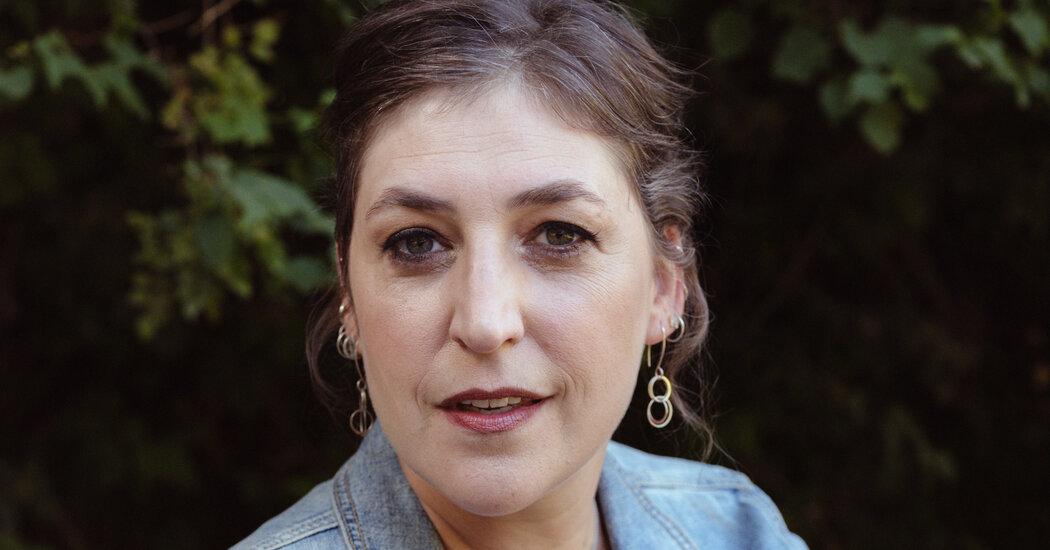
Mayim Bialik Wants the ‘Jeopardy!’ Job. Is She ‘Neutral’ Enough?

Alex Trebek projected impartiality. Bialik has questioned vaccines, endorsed a disputed brain supplement and weighed in on hot-button issues.After the succession debacle at “Jeopardy!” turned one of television’s most respected game shows into a punchline on late-night talk shows and at the Emmy Awards, Mayim Bialik took over as a temporary host this season with a simple goal: not to draw too much attention to herself.Her job, as she sees it, is to simply deliver the clues, and she has been favoring subdued colors like navy blue over the electric-pink she wore last season. “I didn’t want to be distracting — like, ‘Oh my gosh, there’s that lady!’” Bialik said in a recent interview. “I think a lot about ‘Jeopardy!’ just needs to be very neutral to pleasant.”Neutral to pleasant: It’s a fitting phrase for “Jeopardy!,” a staid television staple. But the show’s efforts to find a successor to Alex Trebek, the beloved host who died last year, have hardly been either. In August it announced Mike Richards would get the post and that Bialik would lead prime time specials. Then the Richards appointment imploded over a series of offensive comments he had made on a podcast. Now Bialik has stepped in as an interim host, while making it clear that she would like the top job permanently.Bialik has been temporarily hosting “Jeopardy!” but has made it clear that she is interested in the job permanently.Carol Kaelson/Jeopardy!, via Associated PressBut Bialik — a popular sitcom actor who blogged when blogging was popular, vlogged when vlogging was popular, and now has her own podcast — has long drawn attention, and controversy, with copious public statements of her own. Nearly a decade ago she wrote in a book of making an “informed decision not to vaccinate our children,” prompting her to clarify last year that they would get vaccinated against the coronavirus. She blogged about donating money to buy bulletproof vests for the Israel Defense Forces. She endorsed a “brain health supplement” earlier this year for a company that agreed to settle a class-action lawsuit accusing it of false advertising.Scrutiny of her many past statements has now become the latest chapter in the saga that is the game show’s attempts to find a host who sticks.“Right now we’ve got someone absolutely free of controversy, Mayim Bialik,” John Oliver joked on a recent episode of “Last Week Tonight,” going on to describe her as “a person I think is great because I don’t have Google.”The show has not addressed the criticism publicly, and Bialik’s episodes have seen a slight ratings bump compared to the five episodes that Richards had taped before his departure (likely helped by the winning streak of the reigning contestant, Matt Amodio). Bialik — who hopes to become the first woman to permanently get the top job on “Jeopardy!”— joked in an interview that the public scrutiny could have been worse.Mike Richards, who was initially announced as the successor to Alex Trebek, left the show because of offensive comments he had made on a podcast.Willy Sanjuan/Associated Press“I credit me and my publicist, Heather, that like there really wasn’t a lot more,” Bialik laughed. “I’ve been talking for a long time.”Bialik has been in the public eye for decades. She became the young star of a network sitcom, “Blossom” in 1990. Later, she spent years as a character on the “The Big Bang Theory.” But her freely-shared opinions have often attracted criticism.“The notion of subtlety and nuance is something that’s been lacking from our culture for many, many years now,” she lamented in the interview.The show recently announced that Bialik would continue as host through Nov. 5; after that she will split hosting duties with Ken Jennings, a former champion also seen as contender for the top job, until the end of the year. Part of the challenge for Bialik — and anyone in the running for the job — will be the comparison to Trebek, who started as host in 1984 and cultivated the image of an impeccably impartial omniscient narrator.Bialik, who earned a Ph.D. in neuroscience, has a matter-of-fact way of speaking that suggests the kind of authoritative intelligence Trebek projected as host. Her acting experience — she is currently starring in a Fox sitcom called “Call Me Kat” — has accustomed her to the on-set demands of TV. Bialik called the “Jeopardy!” job a “combination of everything I’ve ever worked for.”Bialik appeared on “The Big Bang Theory” on CBS for nine years. Michael Yarish/Warner Bros.But her willingness to share her opinions publicly on everything from parenting to the conflict in the Middle East represents a striking departure from the studied neutrality of Trebek. In his end-of-life memoir, Trebek wrote that he held his opinions so close to his chest that he got letters from Republican viewers thinking he was Republican and Democratic viewers thinking he was a Democrat (he was an independent).Googling Bialik’s name brings up expansive archives of written and recorded thoughts on subjects including her positions on shaving, the movie “Fifty Shades of Grey,” swearing, online dating, third-wave feminism, women’s sexuality, pop music, and a billboard featuring Ariana Grande in a revealing outfit. An essay she wrote in The New York Times in 2017, “Being a Feminist in Harvey Weinstein’s World,” in which she lamented the objectification of women in Hollywood and noted her personal choice to dress modestly, prompted criticism; Bialik later clarified that the only people responsible for assaults are “the predators who are committing those horrendous acts.”She has shared myriad personal details, discussing her divorce, her struggles with aging and body image, and her approach to raising children. This year, she started a podcast about mental health, speaking openly about dealing with anxiety and an eating disorder.She now appears on “Call Me Kat” on Fox.Lisa Rose/FOXFor several years, Bialik mostly disappeared from Hollywood. She earned a Ph.D., had two children and expected that she might spend the rest of her career teaching Hebrew and piano, until she began appearing in “The Big Bang Theory” in 2010. What was initially supposed to be a two-episode arc on the CBS sitcom turned into nine years and four Emmy nominations.Bialik never ended up in academia, as she once imagined she would, but she often cites her doctorate in her books on parenting and adolescent development and her affiliations with groups or products. (“Neuriva is the brain supplement trusted by a real neuroscientist — me!” she says in an ad for the company, whose claims had previously been described in Psychology Today as “pseudoscience”).Before her endorsement of Neuriva was announced, the company behind the product, Reckitt Benckiser, was sued in a class-action case in which plaintiffs claimed that there was no solid evidence that the supplement improved brain performance. The company, which denied wrongdoing, agreed to describe the product’s ingredients as “clinically tested” rather than “clinically proven.”Bialik said she remains an endorser — she signed onto a term of commitment — and that she had consulted a panel of doctors about the supplement before signing on. “It is exactly what it states that it is: It’s a supplement that has components that absolutely are healthy for your brain,” she said. “I make no claims and haven’t made any claims that it cures anything.”Bialik, who has courted controversy by weighing in on hot-button issues online, said “the notion of subtlety and nuance is something that’s been lacking from our culture for many, many years now.”Amanda Hakan for The New York TimesIn her 2012 book on attachment parenting, “Beyond the Sling,” Bialik wrote that she and her husband at the time had decided not to vaccinate their sons; she later rejected the label “anti-vaccine.” In response to recent criticism, Bialik, who home schools her sons, said she wanted to “shout from the rooftops” about a video she had recorded last year which she claimed clarified her position.In the video, she says she and her sons would be receiving the coronavirus and flu vaccines. “The truth is I delayed vaccinations for reasons that you don’t necessarily get to know about simply because you follow me on social media,” she said. Now, she said in the video, “my children may not have had every one of the vaccinations that your children have, but my children are vaccinated.” She then went on to add that she believes “we give way too many vaccines.”During the interview, Bialik said that her superiors at “Jeopardy!” had not asked her to tone down her outspokenness as the current face of the show, but that it was something she had been thinking about.Two topics Bialik has often weighed in on publicly are her devotion to Judaism and societal pressure on women’s appearances. But when asked her reaction to the departure of Richards — who had made a joke on his podcast centered on an antisemitic stereotype about the size of Jewish noses, along with demeaning comments about women’s bodies — she declined to share her opinion.“I had a reaction, but I don’t really feel like it’s for public consumption,” she said. “It further potentially complicates any discussion about trying to return to a state of normalcy for ‘Jeopardy!’ And so I’m kind of respectfully choosing not to talk about it.”

Read more →

Covid Australia: Sydney celebrates end of 107-day lockdown

SharecloseShare pageCopy linkAbout sharingAustralia’s largest city, Sydney, has emerged from Covid lockdown after almost four months, with locals celebrating a range of new freedoms.People queued for pubs and shops that opened at midnight on Monday. Many others have been enjoying anticipated reunions with relatives and friends.Household visits and travel had been banned beyond a 5km (3.1 mile) zone.Sydney exited lockdown after New South Wales state reached a 70% double-dose vaccination target for over-16s.Most restrictions have now been eased for fully vaccinated people.People can now share meals together at reopened cafes and restaurants, and visit gyms, libraries and pools. There were long queues for barbers and nail salons on Monday. The Lord Gladstone Hotel, an inner city pub, was doing a roaring lunch trade after months of limited trading and takeaway-only options.”We’re stoked to be back, we’re having the best Monday in months, even before Covid,” Pat Blake, the pub’s licensee, told the BBC.”People are just ready to come back and sit down for a schooie [beer], see their friends, be somewhere there’s always music playing,” he said.”The kitchen is pumping. I had forgotten about the pub smells. As soon as the fryers turned on it was really nostalgic.”Image source, EPAImage source, ReutersMore restrictions will ease when 80% of over-16s are fully vaccinated. Currently, over 90% have received a first dose. “It’s been a difficult 100 days,” state Premier Dominic Perrottet said on Monday.”But the efforts that people have made right across the state, to go out and get vaccinated, has enabled this great day.”Mr Perrottet warned that NSW was bracing for a surge in Covid cases, but said the healthcare system had been preparing for weeks.”We’ll see hospitalisations increase… but we need to learn to live alongside the virus,” he said.The state has not yet imposed a system to check vaccination status, leaving it up to individual businesses.Sydney’s lockdown began in late June after a Delta variant outbreak took hold, leading to more than 50,000 infections and 439 deaths.How Delta burst Australia’s Covid bubbleAustralia sends in army to enforce Sydney lockdownCovid crisis causes fury in Aboriginal communitiesIt spread to Melbourne and Canberra, prompting them to go into lockdown, as well as to New Zealand. Canberra is due to exit lockdown on Friday, while Melbourne is predicted to reopen in late October.Image source, EPAAustralia had previously adhered to a Covid elimination strategy, and this remains the objective in some states. But the rapid spread of the Delta variant forced a greater focus on vaccination efforts so Australia could switch to “living with the virus”.Queensland, Western Australia, South Australia, Tasmania and the Northern Territory have remained virus-free after shutting their borders to infected states.Authorities have flagged that Australians living abroad could travel back into Sydney next month, as the nation’s borders reopen.Reporting by the BBC’s Frances Mao

Read more →

Adverse complications for COVID positive pregnant women and their newborns

A new study, which finds an increased risk of poorer outcomes for the new-borns and symptomatic women with COVID-19, adds further weight to the argument for pregnant women to be vaccinated for the virus.
Assessing 2,471 women in the third trimester of their pregnancy, close to their delivery, researchers found “significant differences” for symptomatic covid positive patients including higher rates of gestational diabetes, lower white blood cell counts and heavier bleeding during delivery, whilst respiratory complications were witnessed in their babies.
Thankfully in the group of patients — which included 172 covid positive women (56 of whom were symptomatic) — monitored at the Mayanei Hayeshua Medical Center in Israel, only one person needed mechanical ventilation, and there were no maternal deaths.
The peer-reviewed findings are published today in The Journal of Maternal-Fetal & Neonatal Medicine. They show, lead Dr Elior Eliasi states, that COVID-19 in the third trimester of pregnancy “has clinical implications, albeit at lower rates than expected once asymptomatic patients are taken into account.”
“Our analysis finds there were no significant increase in cesarean delivery in women, who were COVID-19 positive and the incidence of preterm deliveries was not significantly different among the three groups (healthy, covid positive asymptomatic, covid positive symptomatic). Most pregnancy and delivery outcomes were similar between COVID-19-positive and -negative parturients (a woman about to give birth; in labour).
“However, There were significant differences between the COVID-19-positive and healthy controls included higher rates of GDM (gestational diabetes), low lymphocyte counts (white blood cell count) which were significantly lower, postpartum hemorrhage (bleeding during birth), and neonatal respiratory complications.”
Dr Eliasi, who is based at the Mayanei Hayeshua Medical Center, adds: “Our findings support the importance of vaccinating all pregnant women at all stages of pregnancy.”
The study looked at births at the hospital between 26 March and 30 September 2020. A total of 93% of women admitted to the labour ward during this period were negative for COVID-19. Of the COVID-19-positive patients, 67% were asymptomatic.
On average the increase risk of incidence of adverse outcomes was 13.8% higher for asymptomatic covid patients and 19.6% higher for those symptomatic.
“More data is now needed to better delineate the differences between pregnancy outcomes seen in certain populations, potentially related to different viral characteristics (subtypes, viral load), patient epigenetics, or other factors,” the authors state.
“Additionally, the effects of maternal infection on the fetus both in terms of symptomatic maternal illness and vertical viral transmission remain to be further investigated.”
Limitations of this study include it being retrospective; whilst another is that the sample includes a relatively healthy population admitted to just a single community hospital. “Therefore,” the authors state their findings, “may not be generalizable to all populations.”
Story Source:
Materials provided by Taylor & Francis Group. Note: Content may be edited for style and length.

Read more →

A cryptography game-changer for biomedical research at scale

Predictive, preventive, personalized and participatory medicine, known as P4, is the healthcare of the future. To both accelerate its adoption and maximize its potential, clinical data on large numbers of individuals must be efficiently shared between all stakeholders. However, data is hard to gather. It’s siloed in individual hospitals, medical practices, and clinics around the world. Privacy risks stemming from disclosing medical data are also a serious concern, and without effective privacy preserving technologies, have become a barrier to advancing P4 medicine.
Existing approaches either provide only limited protection of patients’ privacy by requiring the institutions to share intermediate results, which can in turn leak sensitive patient-level information, or they sacrifice the accuracy of results by adding noise to the data to mitigate potential leakage.
Now, researchers from EPFL’s Laboratory for Data Security, working with colleagues at Lausanne University Hospital (CHUV), MIT CSAIL, and the Broad Institute of MIT and Harvard, have developed “FAMHE.” This federated analytics system enables different healthcare providers to collaboratively perform statistical analyses and develop machine learning models, all without exchanging the underlying datasets. FAHME hits the sweet spot between data protection, accuracy of research results, and practical computational time — three critical dimensions in the biomedical research field.
In a paper published in Nature Communications on October 11, the research team says the crucial difference between FAMHE and other approaches trying to overcome the privacy and accuracy challenges is that FAMHE works at scale and it has been mathematically proven to be secure, which is a must due to the sensitivity of the data.
In two prototypical deployments, FAMHE accurately and efficiently reproduced two published, multi-centric studies that relied on data centralization and bespoke legal contracts for data transfer centralized studies — including Kaplan-Meier survival analysis in oncology and genome-wide association studies in medical genetics. In other words, they have shown that the same scientific results could have been achieved even if the the datasets had not been transferred and centralized.
“Until now, no one has been able to reproduce studies that show that federated analytics works at scale. Our results are accurate and are obtained with a reasonable computation time. FAMHE uses multiparty homomorphic encryption, which is the ability to make computations on the data in its encrypted form across different sources without centralizing the data and without any party seeing the other parties’ data” says EPFL Professor Jean-Pierre Hubaux, the study’s lead senior author.
“This technology will not only revolutionize multi-site clinical research studies, but also enable and empower collaborations around sensitive data in many different fields such as insurance, financial services and cyberdefense, among others,” adds EPFL senior researcher Dr. Juan Troncoso-Pastoriza.
Patient data privacy is a key concern of the Lausanne University Hospital. “Most patients are keen to share their health data for the advancement of science and medicine, but it is essential to ensure the confidentiality of such sensitive information. FAMHE makes it possible to perform secure collaborative research on patient data at an unprecedented scale,” says Professor Jacques Fellay from CHUV Precision Medicine unit.
“This is a game-changer towards personalized medicine, because, as long as this kind of solution does not exist, the alternative is to set up bilateral data transfer and use agreements, but these are ad hoc and they take months of discussion to make sure the data is going to be properly protected when this happens. FAHME provides a solution that makes it possible once and for all to agree on the toolbox to be used and then deploy it,” says Prof. Bonnie Berger of MIT, CSAIL, and Broad.
“This work lays down a key foundation on which federated learning algorithms for a range of biomedical studies could be built in a scalable manner. It is exciting to think about possible future developments of tools and workflows enabled by this system to support diverse analytic needs in biomedicine,” says Dr. Hyunghoon Cho at the Broad Institute.
So how fast and how far do the researchers expect this new solution to spread? “We are in advanced discussions with partners in Texas, The Netherlands, and Italy to deploy FAMHE at scale. We want this to become integrated in routine operations for medical research,” says CHUV Dr. Jean Louis Raisaro, one of the senior investigators of the study.

Read more →

Researchers find warning signs for dementia in the blood

Researchers at the DZNE and the University Medical Center Göttingen (UMG) have identified molecules in the blood that can indicate impending dementia. Their findings, which are presented in the scientific journal EMBO Molecular Medicine, are based on human studies and laboratory experiments. Various university hospitals across Germany were also involved in the investigations. The biomarker described by the team led by Prof. André Fischer is based on measuring levels of so-called microRNAs. The technique is not yet suitable for practical use; the scientists therefore aim to develop a simple blood test that can be applied in routine medical care to assess dementia risk. According to the study data, microRNAs could potentially also be targets for dementia therapy.
“When symptoms of dementia manifest, the brain has already been massively damaged. Presently, diagnosis happens far too late to even have a chance for effective treatment. If dementia is detected early, the odds of positively influencing the course of the disease increase,” says André Fischer, research group leader and spokesperson at the DZNE site in Göttingen and professor at the Department of Psychiatry and Psychotherapy at UMG. “We need tests that ideally respond before the onset of dementia and reliably estimate the risk of later disease. In other words, tests that give an early warning. We are confident that our current study results pave the way for such tests.”
Molecular Signature
The biomarker that Fischer and his colleagues have found is based on measuring so-called microRNAs in the blood. MicroRNAs are molecules with regulatory properties: they influence the production of proteins and thus a key process in the metabolism of every living being. “There are many different microRNAs and each of them can regulate entire networks of interdependent proteins and thus influence complex processes in the organism. So, microRNAs have a broad impact. We wanted to find out whether there are specific microRNAs whose presence in the blood correlates with mental fitness,” Fischer says.
Through extensive studies in humans, mice and cell cultures, the researchers ultimately identified three microRNAs whose levels were associated with mental performance. For this, they analyzed data from both young, cognitively normal individuals and from elderly people with mild cognitive impairment (MCI). For the data from healthy individuals, the Göttingen scientists cooperated with Munich University Hospital. The data from MCI patients came from a DZNE study that has been running for years and involves university clinics throughout Germany.
Omens of Dementia
In the end, the various findings came together like pieces of a puzzle: In healthy individuals, levels of microRNAs correlated with mental fitness. The lower the blood level, the better the subjects performed in cognition tests. In mice, in turn, this score increased even before the rodents started to show mental decline — regardless of whether this was due to age or because they developed symptoms similar to those of Alzheimer’s dementia. Further evidence came from patients with MCI: Of those in whom the blood marker was highly elevated, about 90 percent developed Alzheimer’s disease within two years. “We therefore see an increased blood level of these three microRNAs as a harbinger of dementia,” Fischer says. “We estimate that in humans this biomarker indicates a development that is about two to five years in the future.”
Potential Targets for Therapy
In their studies on mice and cell cultures, the researchers also found that the three identified microRNAs influence inflammatory processes in the brain and “neuroplasticity” which includes the ability of neurons to establish connections with each other. This suggests that the three microRNAs are more than warning signals. “In our view, they are not only markers, but also have an active impact on pathological processes. This makes them potential targets for therapy,” Fischer says. “Indeed, we see in mice that learning ability improves when these microRNAs are blocked with drugs. We’ve observed this in mice with age-related mental deficits, as well as in mice with brain damage similar to that occurring in Alzheimer’s disease.”
Application in Routine Care
The novel marker still requires further testing; moreover, the current measurement procedure is too complex for practical use: “In further studies, we aim to validate this biomarker clinically. In addition, we intend to develop a simple test procedure for point-of-care screening,” says Fischer. “Our goal is to have a low-cost test, similar to the rapid test for SARS-CoV-2 with the difference that for our purposes, you would need a drop of blood. Such a test could be used during routine checkups in doctors’ practices to detect an elevates risk of dementia early on. Individuals with suspicious results could then undergo more elaborate diagnostics.”

Read more →

Pregnant women urged to get Covid vaccine by NHS England

Pregnant women are being urged to get the Covid vaccine, following concerns about the growing number with the virus needing the most serious treatment in critical care.The call has come from NHS England and the Royal College of Obstetricians and Gynaecologists.Sultana Ashiq caught Covid-19 when she was nearly 31 weeks pregnant and was in intensive care for 46 days battling the disease. Her twins were born by Caesarean section while she was in a coma.She was ineligible for the vaccine at the time, but is calling on expectant mothers to get vaccinated against coronavirus.Producers: Bernadette Kitterick and Aisha DohertyCamera: Trevor Lloyd

Read more →

Inside the Courtroom With Theranos’s Elizabeth Holmes

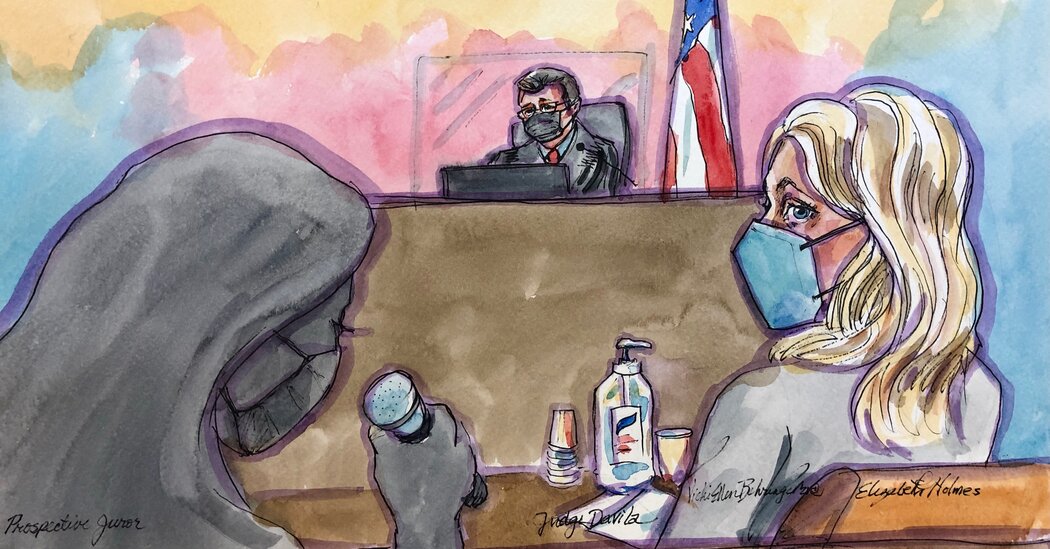
Behind the closed doors are whispers, gestures and a daily rhythm, plus two court artists, numbered tickets and some true-crime fans.SAN JOSE, Calif. — Three days a week, Adriana Kratzmann, an administrator, opens the door at 8:30 a.m. to Courtroom 4 of the Robert F. Peckham Federal Building and U.S. Courthouse.Journalists and spectators present her with numbered paper tickets that they get from security guards at the building entrance. Once Ms. Kratzmann checks their tickets, they stream into the beige-walled room, jostling for a place on five long wooden benches and a single, prized row of cushioned chairs.Then from a door on the east side of the windowless room, Elizabeth Holmes walks in.Only a select few have made it inside the San Jose courtroom where Ms. Holmes, the disgraced founder of the failed blood-testing start-up Theranos, is being tried on 12 counts of fraud, charged with misleading investors about her company’s technology. Just 34 seats are open for the public, and when those are filled, spectators are directed to an overflow room one floor down, where around 50 people squeeze in to watch the trial on large monitors.The matters being discussed at the trial are substantial. The fate of the 37-year-old Ms. Holmes — one of the most infamous entrepreneurs of her generation — is on the line in a case that has come to symbolize Silicon Valley’s hubris. Media coverage has been plentiful.But what the public can’t see are the dozens of small interactions that happen behind the courthouse’s closed doors: Ms. Holmes whispering through her mask to her lawyers; the jury of eight men and four women scribbling notes in large white binders; the packs of lawyers whizzing past reporters who camp out on the hallway’s carpeted floors during breaks, charging their laptops. That hallway often goes quiet when Ms. Holmes, who has a special quiet room but uses the same elevator, bathroom and entry as everyone else, walks by.Ms. Behringer’s sketch of lawyers and Ms. Holmes in front of a gallery including her partner, Billy Evans, and her mother, Noel Holmes.Vicki BehringerTo the affable security guards and other courtroom veterans, it’s no different from any other day at work. Courtroom 4 has seen its share of trials since the Robert F. Peckham Building, later named after a federal judge, was completed in 1984.“There’s nothing really remarkable about it,” said Vicki Behringer, 61, one of two court artists in the room, who has sketched trials in Northern California for 31 years.Six weeks in, Ms. Holmes’s trial has settled into a rhythm. As members of the public take their seats in the fifth-floor courtroom, lawyers for the prosecution and defense come in from the same door as Ms. Holmes. They confer among themselves and set binders down on wooden tables. Ringing the courtroom are framed vintage-style posters from the Golden Gate National Parks Conservancy.Then the crowd stands as Judge Edward J. Davila of U.S. District Court for the Northern District of California enters. He presides from an elevated bench, separated from everybody by a pandemic-era clear divider.Before the jury comes in, lawyers for each side spar over what evidence can be presented and what questions can be asked. Judge Davila, soft-spoken and calm, leans back in his seat as he considers each request. He has sometimes blocked lines of questioning to prevent unrelated “mini-trials” from dragging out the already lengthy trial.With this out of the way, the jurors file in from a door at the head of the courtroom. They sit on the left side in two rows of padded leather seats and one overflow wooden bench. Already, two jurors have been dismissed, including one who said her Buddhist faith made her uncomfortable with the idea of punishing Ms. Holmes. Three alternates remain.Then testimony starts. Witnesses sit at the front of the room behind a clear divider. Often, they have veered into technical jargon about the problems that plagued Theranos’s blood testing machines. Words like “immunoassays” and initials like H.C.G. (a hormone test) are bandied about as casually as slang.Ms. Behringer’s sketch of Lance Wade, Ms. Holmes’s main lawyer, cross-examining Adam Rosendorff, a former Theranos lab director.Vicki BehringerEmail threads, entered as evidence, also flash on monitors that have been set up on both sides of the courtroom. One reporter brought binoculars to read the tiny highlighted text.The mood during testimony is, oddly, sleepy. “A lot of it is very technically detailed and diagnostically detailed,” said Anne Kopf-Sill, 62, a retired biotechnology executive who has come to the trial nearly every day out of personal interest. “I cannot imagine the jury is getting very much out of this.”To produce her ink-and-watercolor sketches, Ms. Behringer, the court artist, looks for striking visual details, she said, like the thick binders of exhibits and expressive hand gestures from Ms. Holmes’s main lawyer, Lance Wade.Jane Sinense, 66, the other court artist, said she — like everyone — was looking to Ms. Holmes.“She’s so hard to read because there’s nothing there,” Ms. Sinense said, adding that Ms. Holmes is easy to draw because she barely moves. “She never gives a clue.”Ms. Holmes, who is always at the front with at least three lawyers, has traded her signature black turtleneck for more traditional business clothing: a short blazer over a solid-colored dress, or a blouse and a skirt with a medical mask to match.Directly behind her, in a gallery row reserved for the defense, are family members. Her mother, Noel Holmes, who often walks into the courtroom holding her daughter’s hand, is a constant companion. Elizabeth Holmes’s partner, Billy Evans, joins some days as well.Jane Sinense, also a court artist at the trial, sketched the prosecutor Robert Leach giving his opening statement.Jane SinenseThe family largely keeps to itself. Ms. Behringer, who sits next to the family in court, said that Noel Holmes seemed “very nice and quiet” and that Mr. Evans was “congenial,” but noted: “We’re not having conversations.”Noel Holmes and Mr. Evans declined to comment. Ms. Holmes’s law firm did not respond to a request for comment.The interest in Ms. Holmes has drawn many spectators, though not all of them have found the events as exciting as they hoped.“I get bogged down in the science of it,” said Mike Silva, 70, a retired paralegal who lives in San Jose and has attended each day with a friend. They have a routine of catching the same train and sitting in the same courtroom seats, he said.Beth Seibert, 63, who owns a record storage business in Los Altos, Calif., said she had shown up recently after choosing “Bad Blood,” a book about Theranos by the journalist John Carreyrou, for her book club.“I guess I’m kind of a junkie,” she said, adding that she has also listened to podcasts about the case.But when a former Theranos lab director was grilled on alternative assessment protocols, Ms. Siebert said the trial had “not quite” lived up to her expectations.“They’re really getting into the minutiae,” she said.Ms. Sinense sketched the cross-examination of James Mattis, the retired four-star general who served on the Theranos board.Jane SinenseThat minutiae may last for at least eight more weeks. To get through witnesses more expeditiously, Judge Davila has prolonged the trial’s hours until 3 p.m. instead of 2. At the end of each day, he reminds jurors not to discuss the trial and to ignore the media coverage.As the crowd files out, the security guards offer up small talk and a promise: “See you tomorrow!”

Read more →