Data supports early COVID-19 vaccination for essential workers

In areas where COVID-19 vaccines are limited, vaccinating essential workers before older adults can reduce infections and deaths, according to a modeling study published this week in the new open-access journal PLOS Global Public Health by Nicola Mulberry of Simon Fraser University, Canada, and colleagues.
In vaccination campaigns against COVID-19, many jurisdictions are using age-based rollout strategies, reflecting the higher risk of severe outcomes of infections in older adults. However, as new data emerge on the effectiveness of approved COVID-19 vaccines in reducing infection and transmission as well as minimizing severe outcomes and “Long COVID,” vaccine rollout strategies must be reassessed.
In the new study, researchers modeled the impact of five different vaccination strategies on COVID-19 infections, chronic outcomes, hospitalization and deaths in British Columbia, Canada. For each vaccine rollout scenario, the rates of vaccination per day matched the projected timelines released by the British Columbia Centre for Disease Control. The scenarios varied in whether or not vaccines were distributed by age group, and whether or not essential workers were given priority vaccination. In all scenarios, adults aged 80 years and older were vaccinated before any other groups.
The team found that, across a range of scenarios for COVID-19 transmission and vaccine efficacy, vaccinating essential workers earlier gives large reductions in infections, hospitalizations, deaths, and instances of Long COVID (with symptoms lasting longer than 28 days). In a simulated region with limited vaccine supply and a population of 5 million, vaccinating essential workers earlier leads to an estimated 200,000 fewer infections, 600 fewer deaths, and produces a net monetary benefit of more than $500 million USD. The authors conclude that vaccination strategies that explicitly target high-contact essential workers may be key to minimizing negative outcomes of COVID-19 during the rollout of vaccination.
Author Paul Tupper notes: “The COVID-19 pandemic has disproportionately impacted essential workers, who often have lower incomes and no option to work from home. Our findings suggest that prioritizing them for vaccination not only would help to reduce this substantial disparity, but it does not even come at the cost of increased adverse outcomes in others; rather, it is better for everyone.”
Story Source:
Materials provided by PLOS. Note: Content may be edited for style and length.

Read more →

Mosquito-based method to reduce dengue could be highly cost-effective in Singapore

New research suggests that dengue — a viral infection spread by mosquitos — could be suppressed in Singapore in a highly cost-effective manner through the release of mosquitos infected with the bacterium Wolbachia. Stacy Soh of the National Environment Agency in Singapore and colleagues present these findings in the new open-access journal PLOS Global Public Health on October 13, 2021.
Singapore experiences periodic dengue outbreaks, including a 2020 outbreak that peaked at 1,792 weekly cases. Mosquitos infected with the natural bacterium Wolbachia are less likely to spread dengue, and evidence suggests that dengue can be suppressed by releasing Wolbachia-infected mosquitos into local mosquito populations. However, the overall cost-effectiveness of this strategy had not been studied.
To evaluate the potential cost-effectiveness of Wolbachia suppression in Singapore, Soh and colleagues first used economic and epidemiological data to calculate the impact of dengue in the country from 2010 through 2020. They estimated that, over that 10-year period, dengue cost Singapore between $1.014 to $2.265 billion in 2010 U.S. dollars, as well as 7,645 to 21,262 disability adjusted life years (DALYs) — total years of human life lost to illness, disability, or death.
Next, the researchers calculated the hypothetical cost of a Wolbachia program over the same 10-year period. They considered a strategy in which Wolbachia-infected males would have been released, as opposed to infected females, in hopes of suppressing existing mosquito populations. In this scenario, the researchers modelled a minimum of 40 percent efficacy, in line with results from real-world studies.
The researchers calculated that, under such a program, averting a single DALY would cost $100,907, for a total of $329.40 million saved overall. The authors note that future work could help refine these cost estimates. For instance, future research could address how a Wolbachia suppression program might unfold in the context of distribution of a newly developed dengue vaccine, or alongside other existing vector control efforts, such as eliminating mosquito breeding sites.
Regardless, the authors consider their estimates indicate that a Wolbachia program would be highly cost-effective and suggest that its rollout be prioritized in Singapore to suppress the spread of dengue.
Author Dr Lim summarizes: “The release of Wolbachia-infected mosquitoes is a promising disease intervention strategy that aims to control dengue and other arboviral infections, however, the overall cost-effectiveness of the technology is not well studied under the suppression approach that aims to suppress the wild-type mosquito population through the release of Wolbachia-infected males. Using Singapore as the primary case example, this study found that the Wolbachia releases in Singapore are expected to be highly cost-effective and its rollout must be prioritised to reduce the onward spread of dengue.”
Story Source:
Materials provided by PLOS. Note: Content may be edited for style and length.

Read more →

High BMI independently associated with death and longer ICU stay for COVID patients

In patients with COVID-19, a high body mass index (BMI) is associated with an increased risk of death and prolonged intensive care unit (ICU) stay, according to a new study published this week in the open-access journal PLOS ONE by Lovisa Sjögren of Sahlgrenska Academy at University of Gothenburg, Sweden, and colleagues.
Previous studies have shown that a high BMI is a risk factor for severe COVID-19. Obesity increases the risk of comorbidities such as type 2 diabetes and hypertension, and has been shown to increase the need for mechanical ventilation in association with other respiratory infectious diseases such as influenza and pneumonia.
In the new study, Sjögren and colleagues analyzed data on 1,649 COVID-19 patients from the Swedish Intensive Care Registry, a national quality registry which covers all ICUs in Sweden. The patients included in the study were admitted to ICUs during the first wave of the COVID-19 pandemic, between March 6 and August 30, 2020, 96% had a positive PCR test for the SARS-CoV-2 virus or a clinical diagnosis of COVID-19, were all over the age of 18, and had current weight and height data available.
A majority of the study cohort had a high BMI; 78.3% were overweight or had obesity. There was a significant association between increasing BMI and the composite outcome of death during intensive care, or an ICU stay of longer than 14 days in survivors (OR per SD increase: 1.29 95%CI 1.16-1.43 adjusted for age, and sex). Individuals with a BMI of 35 kg/m2 or more were twice as likely to have one of the outcomes of death or prolonged ICU stay, adjusted for age and sex. Moreover, this association remained after adjusting for the presence of cardiovascular disease, hypertension, diabetes mellitus, liver or kidney disease, as well as after adjusting for severity of illness at ICU admission (OR 2.02 [1.39-2.94] versus normal weight). The authors conclude that obesity is an independent risk factor for severe outcome from intensive care in patients with COVID-19 and suggest that BMI be included in the severity scoring for COVID-19 ICU patients.
The authors add: “In this large cohort of Swedish ICU patients with COVID-19, a high BMI was associated with increasing risk of death and prolonged length of stay in the ICU. Based on our findings, we suggest that individuals with obesity should be more closely monitored when hospitalized for COVID-19.”
Story Source:
Materials provided by PLOS. Note: Content may be edited for style and length.

Read more →

Solving mystery of rare cancers directly caused by HIV

For nearly a decade, scientists have known that HIV integrates itself into genes in cells that have the potential to cause cancer. And when this happens in animals with other retroviruses, those animals often develop cancer. But, perplexingly and fortunately, that isn’t regularly happening in people living with HIV.
A team led by University of Pittsburgh School of Medicine and National Cancer Institute (NCI) scientists announce today in Science Advances that they’ve discovered why doctors aren’t seeing high rates of T cell lymphomas — or cancers of the immune system — in patients living with HIV.
“We seem to have explained some of the mystery of why HIV is rarely the direct cause of cancer,” said co-lead author John Mellors, M.D., who holds the Endowed Chair for Global Elimination of HIV and AIDS at Pitt. “Our investigation showed that it requires a very unusual series of events involving changes in both HIV and additional mutations in human genes for someone with HIV to develop lymphoma. Clinicians should always screen their patients for cancer as part of routine health care, but people with HIV do not need to fear that they will inevitably develop lymphomas.”
When HIV enters the body, it seeks out T cells and inserts its genetic sequence — called the “provirus” — into the cell’s DNA. This effectively hijacks the T cells, which normally patrol the body in search of foreign pathogens, instead instructing them to produce more HIV.
Previous research by the NCI and Pitt teams discovered that the provirus can insert itself into the T cells’ genetic code in a place that prompts these infected cells to grow into large, noncancerous clones of themselves and, in some instances, these clones can carry complete, infectious proviruses. Such clones are called “repliclones” because they carry a replication-competent provirus. It isn’t necessarily the goal of the virus to induce the growth of repliclones; it’s just the result of where the provirus happened to insert itself in the T cell’s genetic code.
These prior discoveries gave rise to a paradox: If HIV can integrate into T cell oncogenes (genes involved in normal cell division that, when mutated, result in cancerous cell growth), then shouldn’t it also cause lymphoma?
To answer this question, the team obtained samples from 13 HIV patients with lymphoma and picked out three that had high levels of HIV proviruses, indicating that the virus might be implicated in the cancer formation.
They then examined those samples to learn where the provirus had inserted into the T cell DNA. This painstaking analysis revealed that when the HIV provirus inserts into a gene called STAT3 or STAT3 and another gene called LCK, it can prompt cells with those proviruses to activate cell proliferation. With additional nonviral mutations in other human genes, this can result in T cell lymphomas.
“This is a complicated, multistep process that requires rare events — insertion into STAT3 or STAT3 and LCK genes in just the right spot — to even begin,” said Mellors, who also is chief of the Division of Infectious Diseases at UPMC. “As a physician, I am reassured that these events are rare. Although we need to be aware of the potential for HIV to cause lymphomas, it’s such a rare occurrence that there is no need for heightened anxiety, yet.”
Because people with HIV are living longer due to advances in medication and care, there are more years in which mutations could accumulate in host genes. When that is coupled with the effects of proviruses already inserted in oncogenes, the frequency of lymphoma could increase over time, Mellors noted. So far, this has not been observed. Nevertheless, the research team stressed the importance of additional studies to assess the role that HIV medications may play in preventing T cell lymphomas, coupled with continued surveillance for T cell lymphomas in people with HIV.
Shuang Guo, Ph.D., and Stephen H. Hughes, Ph.D., both of NCI, are co-lead and senior authors of this research, respectively. Additional authors are Asma Naqvi, Leah D. Brandt, Ph.D., Kevin W. Joseph, and Elias K. Halvas, Ph.D., all of Pitt; Ling Su, Zhonghe Sun, Dimiter Demirov, Ph.D., Donna Butcher, Baktiar Karim, D.V.M., Ph.D., and Xiaolin Wu, Ph.D., all of NCI; and Beth Scott, Aaron Hamilton, Ph.D., and Marintha Heil, Ph.D., all of Roche Molecular Diagnostics.
This research was supported by National Institutes of Health contracts 12XS547 and HHSN261200800001E.

Read more →

In neurodegenerative diseases, brain immune cells have a 'ravenous appetite' for sugar

At the beginning of neurodegenerative disease, the immune cells of the brain — the “microglia” — take up glucose, a sugar molecule, to a much greater extent than hitherto assumed. Studies by the DZNE, the LMU München and the LMU Klinikum München, published in the journal Science Translational Medicine, come to this conclusion. These results are of great significance for the interpretation of brain scans depicting the distribution of glucose in the brain. Furthermore, such image-based data could potentially serve as a biomarker to non-invasively capture the response of microglia to therapeutic interventions in people with dementia.
In humans, the brain is one of the organs with the highest energy consumption, which can change with age and also due to disease — e. g. as a result of Alzheimer’s disease. “Energy metabolism can be recorded indirectly via the distribution of glucose in the brain. Glucose is an energy carrier. It is therefore assumed that where glucose accumulates in the brain, energy demand and consequently brain activity is particularly high,” says Dr. Matthias Brendel, deputy director of the Department of Nuclear Medicine at LMU Klinikum München.
The measuring technique commonly used for this purpose is a special variant of positron emission tomography (PET), known as “FDG-PET” in technical jargon. Examined individuals are administered an aqueous solution containing radioactive glucose that distributes in the brain. Radiation emitted by the sugar molecules is then measured by a scanner and visualized. “However, the spatial resolution is insufficient to determine in which cells the glucose accumulates. Ultimately, you get a mixed signal that stems not only from neurons, but also from microglia and other cell types found in the brain,” says Brendel.
Cellular Precision
“The textbook view is that the signal from FDG-PET comes mainly from neurons, because they are considered the largest consumers of energy in the brain,” says Christian Haass, research group leader at DZNE and professor of biochemistry at LMU Munich. “We wanted to put this concept to the test and found that the signal actually comes predominantly from the microglia. This applies at least in the early stages of neurodegenerative disease, when nerve damage is not yet so advanced. In this case, we see that the microglia take up large amounts of sugar. This appears to be necessary to allow them for an acute, highly energy-consuming immune response. This can be directed, for example, against disease-related protein aggregates. Only in the later course of the disease does the PET signal appear to be dominated by neurons.”
The findings of the Munich researchers are based on laboratory investigations as well as PET studies in about 30 patients with dementia — either Alzheimer’s disease or so-called four-repeat tauopathy. The findings are supported, for instance, by studies on mice whose microglia were either largely removed from the brain or, so to speak, deactivated. In addition, a newly developed technique was used that allowed cells derived from the brains of mice to be sorted according to cell type and their sugar uptake to be measured separately.
Consequences for Research and Practice
“FDG-PET is used in dementia research as well as in the context of clinical care,” Brendel says. “Insofar, our results are relevant for the correct interpretation of such brain images. They also shed new light on some hitherto puzzling observations. However, this does not call into question existing diagnoses. Rather, it is about a better understanding of the disease mechanisms.”
Haass draws further conclusions from the current results: “In recent years, it has become evident that microglia play a crucial, protective role in Alzheimer’s and other neurodegenerative diseases. It would be very helpful to be able to monitor the activity of these cells non-invasively, for example their response to drugs. In particular, to determine whether a therapy is working. Our findings suggest that this may be possible by PET.”

Read more →

Evidence of microtubules’ mechanosensitive behavior

Direct evidence that microtubules function as mechano-sensors and regulate the intracellular transport of molecules has been reported, leading to new possibilities in the fields of biomechanics, medicine, and biosensors.
Inside cells, microtubules not only serve as a component of the cytoskeleton (cell skeleton) but also play a role in intracellular transport. In intracellular transport, microtubules act as rails for motor proteins such as kinesin and dynein. Microtubules, the most rigid cytoskeletal component, are constantly subjected to various mechanical stresses such as compression, tension, and bending during cellular activities. It has been hypothesized that microtubules also function as mechanosensors that convert mechanical information into biochemical information.
A research team led by Associate Professor Akira Kakugo of Hokkaido University has provided direct evidence that microtubules function as mechanosensors that regulate intracellular transport. The findings were published in the journal Science Advances. The team included Dr. Syeda Rubaiya Nasrin, Seiji Nishikawa, Dr. Arif Md. Rashedul Kabir and Professor Kazuki Sada of Hokkaido University; Dr. Christian Ganser of the National Institutes of Natural Sciences; Associate Professor Takefumi Yamashita of Research Center for Advanced Science and Technology (RCAST), The University of Tokyo; Professor Mitsunori Ikeguchi of Yokohama City University; Professor Takayuki Uchihashi of Nagoya University; and Professor Henry Hess of Columbia University.
Recent studies have shown that mechanical stress has a significant effect on cell differentiation, development, and disease. Some studies have suggested that microtubules, which are the most rigid cytoskeleton and play an important role in cell morphogenesis and intracellular material transport, may also function as mechanosensors; however, no direct evidence has been obtained to support such a speculation.
The team carried out experiments with microtubules in a cell free system. They found that kinesin movement is slowed down when the microtubule is bent. Using high-speed atomic force microscopy, which allows for the observation of dynamic processes at the atomic level, they confirmed that this phenomenon occurs even without cavities or cracks in the microtubule structure, which were thought to be the main reason behind the slowing. Analysis of the kinesin binding affinity showed that bent microtubules appear stickier to kinesin compared to unbent microtubules. From all-atom molecular dynamics simulations, it was found that the mechanism of such slowing down involves the enhanced interaction energy of kinesin and deformed microtubule structural units.
The results of this research have implications in the fields of biomechanics and mechanobiology, that study the mechanical environment in and around cells; in research on neurological diseases caused by impeded axonal cargo transport; and for the development of mechanical sensors by biomolecular proteins.
Story Source:
Materials provided by Hokkaido University. Note: Content may be edited for style and length.

Read more →

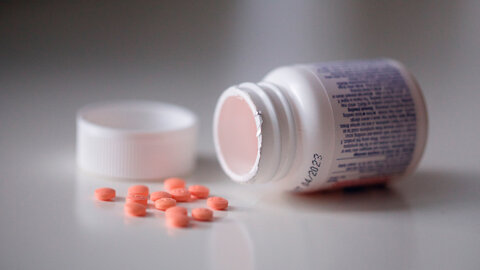
Aspirin Use to Prevent 1st Heart Attack or Stroke Should Be Curtailed, U.S. Panel Says

Adults at high risk for cardiovascular disease may face serious side effects if they start a daily regimen of low-dose aspirin.Doctors should no longer routinely start most people who are at high risk of heart disease on a daily regimen of low-dose aspirin, according to new draft guidelines by a U.S. panel of experts.The proposed recommendation is based on mounting evidence that the risk of serious side effects far outweighs the benefit of what was once considered a remarkably cheap weapon in the fight against heart disease.The U.S. panel also plans to retreat from its 2016 recommendation to take baby aspirin for the prevention of colorectal cancer, guidance that was groundbreaking at the time. The panel said more recent data had raised questions about the benefits for cancer, and that more research was needed.On the use of low-dose or baby aspirin, the recommendation by the U.S. Preventive Services Task Force would apply to people younger than 60 who were at high risk of heart disease and for whom a new daily regimen of the mild analgesic might have been a tool to prevent a first heart attack or stroke. The proposed guidelines would not apply to those already taking aspirin or those who have already had a heart attack.The U.S. task force also wants to strongly discourage anyone 60 and older from starting a low-dose aspirin regimen, citing concerns about the age-related heightened risk for life-threatening bleeding. The panel had previously recommended that people in their 60s who were at high risk for cardiovascular disease consult their doctors to make a decision. A low dose is 81 milligrams to 100 milligrams.The task force proposals follow years of changes in advice by several leading medical organizations and federal agencies, some of which had already recommended limiting the use of low-dose aspirin as a preventive tool against heart disease and stroke. Aspirin inhibits the formation of blood clots that can block arteries, but studies have raised concerns that regular intake increases the risk of bleeding, especially in the digestive tract and the brain, dangers that increase with age.“There’s no longer a blanket statement that everybody who’s at increased risk for heart disease, even though they never had a heart attack, should be on aspirin,” said Dr. Chien-Wen Tseng, a member of the national task force who is the research director of family medicine and community health at the University of Hawaii. “We need to be smarter at matching primary prevention to the people who will benefit the most and have the least risk of harms.”Research shows that the increased risk of bleeding occurs relatively quickly after someone begins regular use of aspirin.Those who are already taking baby aspirin should talk to their doctor.“We don’t recommend anyone stop without talking to a clinician, and definitely not if they have already had a heart attack or stroke,” she added.

Read more →

New Advice on Aspirin and Heart Health

New Advice on Aspirin and Heart HealthRoni Caryn RabinReporting on health issuesWhat prompted the change? The panel cited recent studies finding a risk of bleeding in the digestive tract and brain, associated with beginning a treatment of daily aspirin. That risk increases with age and outweighs any prevention benefit. With people better able to control risk factors like high blood pressure and drugs like statins to lower cholesterol, “there is less room for aspirin now to make a difference,” said Dr. Donald M. Lloyd-Jones, president of the American Heart Association.

Read more →

Telehealth addiction treatment rose rapidly during pandemic; but potential benefits still unclear

During the COVID-19 pandemic, addiction treatment providers rapidly pivoted to providing services via telehealth. New research highlights the potential for telehealth delivery to increase patient engagement by improving access and convenience. However, it also finds limited evidence that telehealth results in better retention or other outcomes relative to in-person treatment. The research appears online today in Psychiatric Services a journal of the American Psychiatric Association, ahead of the organization’s Mental Health Services Conference.
Prior to the COVID-19 pandemic, only about 27% of specialty addiction facilities had telehealth capabilities and telehealth was used in about 0.1% of addiction treatment visits. Addiction treatment services faced many restrictions on telehealth use. During the pandemic, state and federal agencies temporarily eased many of the restrictions to maintain access to treatment and use of telehealth expanded rapidly. Policymakers are now considering which of these changes to keep.
Researchers from RTI International and UCLA — University of California, Los Angeles reviewed studies of the efficacy of synchronous delivery of telehealth addiction treatment relative to in-person treatment. Eight published studies were identified that compared addiction treatment via telehealth with in-person treatment. Most of the studies were small (N < 150 patients). Seven found telehealth treatment as effective but not more effective in terms of retention, satisfaction with treatment, therapeutic alliance and substance use. One large Canadian study found better retention with telehealth methadone medication management. The researchers also conducted an online survey of addiction treatment organizations in California and held interviews with addiction professionals and other stakeholders. Addiction professionals were most comfortable with using telehealth for one-to-one counseling. Survey respondents were almost equally split with about 46% saying telehealth individual counseling was equally or more effective than in-person and 45% saying telehealth was less effective. When considering use of telehealth for intake assessment, 40% said telehealth was equally or more effective while 49% said it was less effective. Telehealth group counseling had less support with 25% reporting it was equally or more effective than in person and 62% reporting it was less effective than in person. Interview participants highlighted that telehealth reduces the time and cost to patients of participating in treatment and offers an opportunity for clinicians to observe patients' home environment and engage patients' families. On the other hand, many participants felt strongly that patients with substance use disorders need personal relationships and connectedness which are hard to establish virtually. Additionally, they noted that it is more difficult to sense how a patient is doing when meeting via telehealth and it can be challenging to keep patients focused online. Interviewees also noted that telehealth may work better for some patients and for some clinicians than for others. "Telehealth health may allow patients to more easily begin and stay in addiction treatment, which has been a longstanding challenge," said Tami L. Mark, Ph.D., M.B.A., lead author on the paper. "However, research is needed to confirm this benefit. As providers pivot to hybrid telehealth models -- offering both telehealth and in-person treatment -- they need information to help target telehealth to the most appropriate services and patients." "This research underscores the importance of offering telehealth for addiction treatment and the dramatic need to conduct more empirical work to test out the concerns regarding telehealth articulated by agency staff and on surveys," said Lisa Dixon, M.D., M.P.H., editor, Psychiatric Services. Mark is senior fellow, Behavioral Health Financing and Quality Measurement at RTI International, an independent nonprofit research institute dedicated to improving the human condition. The study's coauthors include Katherine Treiman, Ph.D., M.P.H., Howard Padwa, Ph.D., Kristen Henretty, M.A., Janice Tzeng, M.P.H., and Marylou Gilbert, M.A., J.D. Story Source: Materials provided by American Psychiatric Association. Note: Content may be edited for style and length.

Read more →

COVID testing using pooled samples showed high accuracy, low cost

Testing pooled saliva samples twice weekly for SARS-CoV-2 on a residential college campus yielded a greater than 95% agreement with the gold standard for accuracy — nasopharyngeal diagnostic samples tested singly. At an average of 665 tests per week, the cost, just $0.43 per sample, likely remains the least expensive method to date. The research is published this week in Microbiology Spectrum, a journal of the American Society for Microbiology.
“Our study demonstrates a significant step forward for achieving rapid test results on a large scale, while preserving supplies and reducing costs,” said study author Daniel R. Sharda, Ph.D.
Using pools of ten samples, the test provides results in less than 8 hours, and is among the most sensitive available, detecting virus at very low viral load, according to the report. This approach enabled successful screening of 43,884 samples, detecting 83% of the semester’s COVID-19 cases.
“Future pandemics should use pooled strategies from the very beginning, when tests are otherwise limited,” said Dr. Sharda, who is associate professor and chair in the Department of Biological Sciences, Olivet Nazarene University, Bourbonnais, IL.
In the study, students submitted saliva samples once or twice weekly during spring semester, 2021. Saliva samples were collected every weekday before 9am and delivered to the testing lab. “We first combined saliva in pools of 5 and 10 samples on the first RT-qPCR [reverse transcription quantitative PCR] run and then tested positive pools at the individual level in a second RT-qPCR run,” said Dr. Sharda.
“Positive individuals were notified to begin isolation immediately after being flagged as positive, and close contacts were told to quarantine shortly thereafter,” said Dr. Sharda.
The investigators noted that saliva sampling is noninvasive, does not require a transport medium and is stable at room temperature for at least 24 hours. Self-collection by students was handled via the honor system, and fewer than 1% of samples were invalid, with 92% submitted on the assigned date.
In the study, 36.2% of those tested were asymptomatic, and 48.3 % of participants reported experiencing “very mild” symptoms at the time of testing. This suggests that without the mandatory testing, 84.5% of students might not have gotten tested on their own at the time of screening, according to the report. Furthermore, only 56% developed flu-like or severe symptoms during their illness. These results raise the possibility that COVID-19 contagion would have swept the college without the testing program.
The motivation for this research was “a very difficult and unpredictable fall semester in 2020, when we relied solely on testing self-reporting symptomatic individuals,” said Dr. Sharda. The large caseloads “were challenging to manage, and the college experience was very restrictive. None of us wanted to live through that again.”
“We also recognized that our campus is an integral part of our local community, so our cases would surely spread off-campus and possibly reach more vulnerable individuals. We felt an obligation to our local community to do better,” said Dr. Sharda. “Our pooled saliva approach puts routine COVID-19 testing within reach for smaller organizations and countries where resources are limited.”
Story Source:
Materials provided by American Society for Microbiology. Note: Content may be edited for style and length.

Read more →