Covid: Scientists targeted with abuse during pandemic

SharecloseShare pageCopy linkAbout sharingThe Covid-19 pandemic has made celebrities out of scientists, who have graced the daily news headlines and gained large social-media followings. But this rise in prominence has come with online abuse and even physical harassment.The journal Nature surveyed scientists, who described receiving threats of violence after media appearances.Discussions about vaccines or the drug ivermectin were common triggers for harassment. In the past, scientists have faced abuse when discussing climate change or previous vaccination campaigns. Physically attackedThe self-selecting survey of 321 people working in fields relevant to Covid found more than a fifth had received threats of physical or sexual violence. While this is not representative of all scientists and cannot accurately reveal the scale of abuse, it provides a glimpse into some of the personal experiences of those who came into the public eye to give information during the global disease outbreak. Six people who responded to the questionnaire said they had been physically attacked following media appearances.Some of the more extreme cases have been widely reported. Leading Belgian virologist Prof Marc Van Ranst ended up in a safehouse after being targeted by a far-right trained sniper (since found dead) who despised lockdowns and threatened to kill health professionals. The UK’s chief medical adviser, Prof Chris Whitty, was assaulted in a park by a 24-year-old estate agent, while two prominent German scientists were posted bottles of clear liquid labelled “positive” and a note telling them to drink it.US infectious-diseases doctor Krutika Kuppalli, who gave national media interviews and testified to a congressional committee, told Nature she had received a death threat via a phone call to her home. Australian virologist Danielle Anderson, who worked at the Wuhan Institute for Virology and was critical of the theory it might be where the virus had escaped from, received an email telling her to “eat a bat and die”. Swinging coffinsProf Andrew Hill wrote a positive review of anti-parasite drug ivermectin for treating Covid but reversed his stance once he discovered data he had been basing his conclusions on was untrustworthy. Current available evidence suggests ivermectin is unlikely to be very effective for Covid – but Prof Hill has received a barrage of abuse, including accusing him of genocide, which has driven him off social media. “I was sent images of Nazi war criminals hanging from lampposts, voodoo images of swinging coffins, threats that my family were not safe, that we would all burn in hell,” he told BBC News.”This was happening most days – I opened my laptop in the morning to be confronted with a sea of hate and disturbing threats.”There were also threats to my scientific reputation on email.”I know many other scientists who have been threatened and abused in similar ways after promoting vaccination or questioning the benefits of unproven treatments like ivermectin.” Being harassedUniversity of Southampton senior research fellow in global health Dr Michael Head said there had been “a huge amount of abuse aimed at everyone contributing to the pandemic response… includ[ing] NHS front-line staff”. University College London behavioural scientist Prof Susan Michie said “disturbing” online abuse would happen “most intensively after media engagements and especially after those that address restrictions to social mixing ,the wearing of face masks or vaccination”.Other scientists surveyed mentioned emails being sent to their employers or their professional reputations being challenged. But of those being harassed on their own social media, almost half said they did not tell their employer. The Nature survey also found those targeted with the most frequent harassment were most likely to say it had affected their willingness to give media interviews in the future. Fiona Fox, chief executive of the UK Science Media Centre, which provides scientific comment and briefings to journalists, said it was a “great loss if a scientist who was engaging with the media, sharing their expertise, is taken out of a public debate at a time when we’ve never needed them so badly”. SOCIAL DISTANCING: How can I meet my friend safely? OXFORD JAB: What is the Oxford-AstraZeneca vaccine?FACE MASKS: When do I need to wear one?TREATMENTS: What progress are we making to help people?VACCINE: When will I get the jab?

Read more →
Mutations in liver cells linked to liver disease and fat metabolism

For the first time, DNA mutations in liver cells have been identified that impact metabolism and insulin sensitivity in patients with liver disease. These mutations are specific to liver disease that is associated with obesity, type 2 diabetes, and chronic alcohol consumption.
The study, from the Wellcome Sanger Institute, the Cancer Research UK Cambridge Institute, the Cancer Grand Challenges Mutographs team, and collaborators, identified five genes that are mutated in people with liver disease and offered a deeper understanding about the role that three of these play in the disordered fat metabolism seen in non-alcoholic fatty liver disease (NAFLD) and chronic alcohol consumption.
The research, published today (13th October 2021) in Nature, shows that these mutations reduce the sensitivity of liver cells to insulin, with resistance to insulin activity being the hallmark of type 2 diabetes. These findings demonstrate that mutations acquired during a person’s life could impair the liver’s ability to respond normally to dietary sugars and fats.
In the future, understanding the pattern of genetic mutations in a patient’s liver could help identify the correct diagnosis. These patterns of mutations could also be used to characterise different subtypes of liver disease, possibly helping to match treatments to each group. Also, while more studies are needed, this research could lead to a potential new model for understanding how mutations in specific cell types can contribute to systemic metabolic diseases, such as diabetes.
Currently, it is estimated that there are roughly 1.5 billion cases of chronic liver disease worldwide*, with liver disease being the third leading cause of premature death in the UK**. The most common causes of chronic liver disease are chronic alcohol consumption, viral hepatitis, and NAFLD, which is linked to obesity and type 2 diabetes.
This new research analysed 1590 genomes from 34 patient liver samples, including healthy livers and those with liver disease. The team identified five genes in liver cells, otherwise known as hepatocytes, that are mutated in patients who had liver disease. Three of these were genes that have a direct impact on how liver cells metabolise fat and respond to insulin.

Read more →

Mutated cells drive out early tumors from the esophagus

Cells carrying mutations can out compete early tumours in the mouse esophagus, so they never make it into cancers, new research has shown.
Normal human esophagus is a patchwork of cells containing mutations, known as mutant clones. This new research, from the Wellcome Sanger Institute, the University of Cambridge, and collaborators, used state of the art 3D imaging techniques and mouse models to visualise microscopic tumours at an earlier stage of development than was previously possible, allowing researchers to uncover an unexpected role that mutant clones play in tumour prevention.
The paper, published today (13th October 2021) in Nature, shows that these high mutant clone burden creates a highly competitive environment in which microscopic early tumours struggle to grow before they are swept out of the tissue by the surrounding mutant cells. Despite this, a few early tumours survive and may develop into esophageal cancer.
Understanding the mechanisms that prevent the majority of these newly formed microscopic tumours from becoming cancer will give new insights into the prevention of this disease.
All tissues in the human body accumulate mutations over an individual’s life. In the esophagus, there is a high density of these mutant clones, which compete for space in order to survive in the tissue.
While most mutant clones contain mutations that have been associated with the development of cancer, the rate of tumour formation is not as common as expected*, suggesting that there are other factors preventing the growth of cancer.

Read more →

It’s all in the delivery – Antibodies improve nanoparticle delivery of therapeutic nucleic acids

Research has shown that some nucleic acids, such as messenger RNA (mRNA), DNA and related molecules, can be effective disease treatments in laboratory settings, raising expectations that improved human therapies could be developed for conditions including cancer and genetic and vascular diseases. Therapeutic nucleic acids (TNA) can potentially serve as tools, drugs or vaccines for the treatment, prevention or diagnosis of conditions at the genetic level.
“Currently, a handful of TNAs have been approved for clinical applications and clinical trials are on their way” said Dr. Changyi Johnny Chen, professor of surgery and molecular and cellular biology at Baylor College of Medicine. “However, progress is limited mainly because TNAs typically are difficult to deliver effectively in living organisms.”
When naked nucleic acids enter the body, they encounter several obstacles that limit their availability. For instance, they can face endothelial barriers that reduce their desired distribution. They also can confront quick enzymatic digestion, liver retention, renal clearance and unexpected accumulation in the ‘wrong’ tissue. TNAs can activate the immune system and cause severe side effects.
“Despite the obstacles limiting their applications, TNAs are promising approaches to treat a variety of conditions. My lab is interested in developing strategies that can increase their safety and efficacy by improving their delivery,” Chen said.
One of the most widely used delivery systems is liposomes, artificially formed tiny spherical sacs of lipids enclosing a water droplet that carries TNAs. Virus-based delivery systems also have been used. Both strategies have been useful, but pose efficacy and safety challenges.
LGA-PEI nanoparticles
Since they moved to Baylor in 2002, the lab of Dr. Qizhi Cathy Yao, professor of surgery, molecular virology and microbiology and pathology and immunology, and Chen’s lab have been working on developing effective therapeutics for pancreatic cancer.

Read more →

Catching malaria evolution in the act

Understanding how malaria parasites evolve after a human is bitten by an infected mosquito is very difficult. There can be billions of individual parasites in a patient’s bloodstream and traditional genetic sequencing techniques can’t identify the raw material for evolution: new mutations.
“If you want to understand if the parasites are related to each other, if they are all from one mosquito or multiple mosquito bites, and what novel mutations are emerging in an infection, then you have to bring it down to the individual genome level,” says Assistant Professor Ian Cheeseman, Ph.D., and Co-lead of the Host-Pathogen Interactions Program at Texas Biomedical Research Institute.
Thanks to a combination of advanced techniques, Cheeseman and his collaborators are now able to sequence the genomes of individual parasites found in the blood of infected patients. Notably, they can now do this even when the infection burden is very low, which can occur during asymptomatic infections. They describe their approach this month in the journal Cell Host & Microbe. Gaining this incredibly detailed view of malaria parasite genetics and evolution is expected to give researchers and drug companies ammunition to develop more effective treatments, vaccines or therapies.
Malaria infects more than 200 million people a year, killing more than 400,000 in 2019 — most of them young children. Of the five malaria parasite species that infect humans, two are the most widespread: Plasmodium falciparum, which is the deadliest; and Plasmodium vivax, which is the leading cause of recurring malaria infections because it can lie dormant in the liver and reemerge later.
“We were really excited to understand how this dormant liver stage might impact genetic variation and evolution in a P. vivax infection,” says co-first paper author Aliou Dia, Ph.D., a postdoctoral researcher in Cheeseman’s lab who is now at the University of Maryland School of Medicine.
The challenge is that when P. vivax does emerge, it only infects very young red blood cells, so parasites are rare in the blood. Analyzing such low levels of infection is the microbiology equivalent of finding a needle in a haystack.

Read more →

F.D.A. Analysis Suggests J. & J. Submitted Weak Data for Boosters

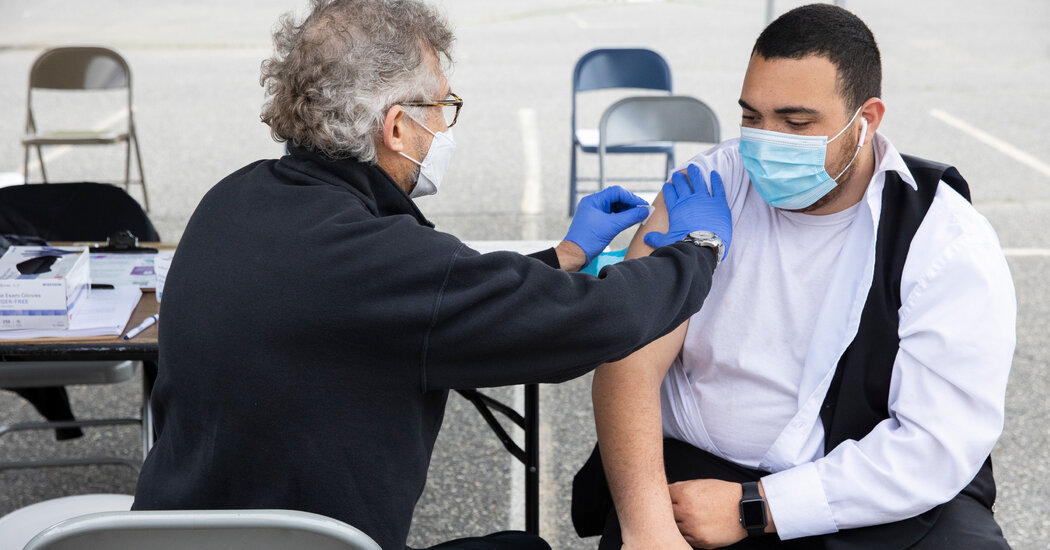
In a new analysis, the Food and Drug Administration questioned the strength of evidence Johnson & Johnson provided in its application for booster shots. A key test used by the company was likely not sensitive enough, the agency suggested, adding that it didn’t have enough time to independently review much of the raw data from the trials.The document, released in advance of a Friday meeting of the agency’s vaccine advisers, could have significant influence on whether the 15 million Americans who have received the one-dose vaccine will be allowed to get a second shot, or if they will instead be urged to get a different brand of vaccine for added protection.The authors of the report did not take a position on whether the agency should approve Johnson & Johnson’s application, and it was unclear whether the flaws they identified in the data would be considered significant enough to deny the authorization.The agency’s analysis follows a report released on Tuesday, in which Johnson & Johnson argued in favor of a booster, presenting data from a number of trials.“A booster dose is recommended at 6 months or later, based on the strength of the immune responses,” the company wrote.But on Wednesday, the F.D.A. said that the test used by the company to measure the immune response of a six-month-boost — known as a psVNA assay — is not sensitive enough for the task. The agency also questioned whether the increase in immune response was as big as the data suggested.“It is likely that the results seen are due to the low sensitivity of the psVNA assay used,” the F.D.A. stated in its report. Regulators warned that it was difficult to compare results from the company’s six-month and two-month booster studies as a result.The F.D.A. saw a potential improvement in protection from a J. & J. booster given two months after the first shot, based on a large trial sponsored by the company.“Although not independently confirmed by F.D.A. from datasets, summaries of the data suggest there may be a benefit in a second dose administered approximately 2 months after the primary dose,” the agency said in its report.The fact that the F.D.A. had not independently confirmed key data was a departure from past briefing documents for other vaccines. The F.D.A. said that it didn’t have time to vet much of Johnson & Johnson’s material before the meeting later in the week.The agency scheduled the meeting of its outside advisers before the company had even submitted its application for a booster dose — an unusual move, some public health experts said.“Except where noted, datasets were not submitted in sufficient time for FDA to conduct an independent review to verify the Sponsor’s analyses,” the F.D.A. said in its report.A spokesman for Johnson & Johnson did not immediately respond to a request for comment.The F.D.A. has already authorized an additional shot of the Pfizer-BioNTech vaccine for people over 65 years of age, or with health conditions or job exposures that put them at higher risk. Moderna has also submitted an application for a booster which will be evaluated by the F.D.A.’s advisers on Thursday. It may also win authorization, despite limited evidence that the protection provided by an initial two doses of Moderna is waning..css-1kpebx{margin:0 auto;font-family:nyt-franklin,helvetica,arial,sans-serif;font-weight:700;font-size:1.125rem;line-height:1.3125rem;color:#121212;}#NYT_BELOW_MAIN_CONTENT_REGION .css-1kpebx{font-family:nyt-cheltenham,georgia,’times new roman’,times,serif;font-weight:700;font-size:1.375rem;line-height:1.625rem;}@media (min-width:740px){#NYT_BELOW_MAIN_CONTENT_REGION .css-1kpebx{font-size:1.6875rem;line-height:1.875rem;}}@media (min-width:740px){.css-1kpebx{font-size:1.25rem;line-height:1.4375rem;}}.css-1gtxqqv{margin-bottom:0;}.css-k59gj9{display:-webkit-box;display:-webkit-flex;display:-ms-flexbox;display:flex;-webkit-flex-direction:column;-ms-flex-direction:column;flex-direction:column;width:100%;}.css-1e2usoh{font-family:inherit;display:-webkit-box;display:-webkit-flex;display:-ms-flexbox;display:flex;-webkit-box-pack:justify;-webkit-justify-content:space-between;-ms-flex-pack:justify;justify-content:space-between;border-top:1px solid #ccc;padding:10px 0px 10px 0px;background-color:#fff;}.css-1jz6h6z{font-family:inherit;font-weight:bold;font-size:1rem;line-height:1.5rem;text-align:left;}.css-1t412wb{box-sizing:border-box;margin:8px 15px 0px 15px;cursor:pointer;}.css-hhzar2{-webkit-transition:-webkit-transform ease 0.5s;-webkit-transition:transform ease 0.5s;transition:transform ease 0.5s;}.css-t54hv4{-webkit-transform:rotate(180deg);-ms-transform:rotate(180deg);transform:rotate(180deg);}.css-1r2j9qz{-webkit-transform:rotate(0deg);-ms-transform:rotate(0deg);transform:rotate(0deg);}.css-e1ipqs{font-size:1rem;line-height:1.5rem;padding:0px 30px 0px 0px;}.css-e1ipqs a{color:#326891;-webkit-text-decoration:underline;text-decoration:underline;}.css-e1ipqs a:hover{-webkit-text-decoration:none;text-decoration:none;}.css-1o76pdf{visibility:show;height:100%;padding-bottom:20px;}.css-1sw9s96{visibility:hidden;height:0px;}.css-1in8jot{background-color:white;border:1px solid #e2e2e2;width:calc(100% – 40px);max-width:600px;margin:1.5rem auto 1.9rem;padding:15px;box-sizing:border-box;font-family:’nyt-franklin’,arial,helvetica,sans-serif;text-align:left;}@media (min-width:740px){.css-1in8jot{padding:20px;width:100%;}}.css-1in8jot:focus{outline:1px solid #e2e2e2;}#NYT_BELOW_MAIN_CONTENT_REGION .css-1in8jot{border:none;padding:10px 0 0;border-top:2px solid #121212;}What to Know About Covid-19 Booster ShotsThe F.D.A. authorized booster shots for a select group of people who received their second doses of the Pfizer-BioNTech vaccine at least six months ago. That group includes: Pfizer recipients who are 65 or older or who live in long-term care facilities; adults who are at high risk of severe Covid-19 because of an underlying medical condition; health care workers and others whose jobs put them at risk. People with weakened immune systems are eligible for a third dose of either Pfizer or Moderna four weeks after the second shot.Regulators have not authorized booster shots for recipients of the Moderna and Johnson & Johnson vaccines yet, but an F.D.A. panel is scheduled to meet to weigh booster shots for adult recipients of the Moderna and Johnson & Johnson vaccines.The C.D.C. has said the conditions that qualify a person for a booster shot include: hypertension and heart disease; diabetes or obesity; cancer or blood disorders; weakened immune system; chronic lung, kidney or liver disease; dementia and certain disabilities. Pregnant women and current and former smokers are also eligible.The F.D.A. authorized boosters for workers whose jobs put them at high risk of exposure to potentially infectious people. The C.D.C. says that group includes: emergency medical workers; education workers; food and agriculture workers; manufacturing workers; corrections workers; U.S. Postal Service workers; public transit workers; grocery store workers.It is not recommended. For now, Pfizer vaccine recipients are advised to get a Pfizer booster shot, and Moderna and Johnson & Johnson recipients should wait until booster doses from those manufacturers are approved.Yes. The C.D.C. says the Covid vaccine may be administered without regard to the timing of other vaccines, and many pharmacy sites are allowing people to schedule a flu shot at the same time as a booster dose.When Johnson & Johnson’s vaccine was authorized in February, it had several advantages over the other two. As a single shot, it was more convenient than the two-dose formulation from Moderna and Pfizer-BioNTech. It also didn’t have to be frozen to stay viable. But it also provided less robust protection.A clinical trial showed that one dose of J. &. J. had an efficacy rate of 66 percent against moderate to severe Covid-19 worldwide, and 74 percent in the United States. Its efficacy against either severe or critical disease was stronger, at 85 percent worldwide.In its application for a booster, Johnson & Johnson included the results of another large-scale trial that began in November, in which they gave half their volunteers a second dose two months after the first. The other half received a placebo.In August, the company announced that in the portion of the trial that took place in the United States, the efficacy rose to 94 percent. But in its report, the F.D.A. focused on the worldwide results, in which the increase more modest, rising to 75 percent.Against severe to critical Covid-19, two shots had an efficacy of 100 percent. But regulators warned in the analysis posted Wednesday that there was little data from that trial on the Delta variant, which now causes the vast majority of infections in the United States.“The small number of accrued cases confirmed to be caused by the Delta variant precludes any conclusion regarding efficacy against that variant,” they wrote.

Read more →

Immune system keeps the intestinal flora in balance

The bacteria living in the intestine consist of some 500 to 1000 different species. They make up what is known as the intestinal flora, which plays a key role in digestion and prevents infections. Unlike pathogens that invade from the outside, they are harmless and tolerated by the immune system. The way in which the human immune system manages to maintain this delicate balance in the intestine largely remains unknown. It is known that type A immunoglobulins, referred to as IgA antibodies, play an important role. These natural defense substances are part of the immune system, and recognize an exogenous pathogen very specifically according to the lock-and-key principle.
A group of researchers led by Dr. Tim Rollenske and Prof. Andrew Macpherson from the Department of BioMedical Research (DBMR) at the University of Bern and the University Hospital for Visceral Surgery and Medicine at the Inselspital have recently been able to show in a mouse model that IgA antibodies specifically limit the fitness of benign bacteria at several levels. This enables the immune system to fine-tune the microbial balance in the intestine. “We have succeeded in demonstrating that the immune system recognizes and restricts these bacteria very specifically,” explains Tim Rollenske, PhD, lead author of the study. The results have been published in the journal Nature.
IgA antibodies created in natural form for the first time
IgA antibodies are the most common antibodies in the human immune system, and are secreted by specialist cells in the mucous membranes. They account for two-thirds of human immunoglobulins. Surprisingly, most IgA antibodies produced by the body are directed against benign bacteria in the intestinal flora. Without this immune protection, these microorganisms could also have a detrimental effect on health and cause intestinal diseases. However, the mystery of the way in which IgA antibodies regulate the consensual coexistence in the intestine has remained unsolved.
The reason for this: Until now, studying IgA antibodies in their natural form in animal models was not possible. In their experiment, the researchers led by Tim Rollenske and Andrew Macpherson were able to overcome this hurdle, however. They succeeded in producing a sufficient amount of IgA antibodies specifically directed against a type of Escherichia coli bacteria, a typical intestinal bacterium. The antibodies recognized and bound a building block on the membrane of the microorganisms.
Antibodies impair the fitness of the bacteria
In their experiment, which the researchers worked on for three years, they succeeded in tracking the in-vitro and in-vivo effect in the intestines of germ-free mice with pinpoint accuracy. The antibodies were found to affect the fitness of the bacteria in several ways. The mobility of bacteria was restricted, for example, or they hindered the uptake of sugar building blocks for the metabolism of the bacteria. The effect depended on the surface component that was specifically recognized. “This means that the immune system is apparently able to influence the benign intestinal bacteria through different approaches on a simultaneous basis,” explains Hedda Wardemann of the German Cancer Research Center, co-author. The researchers therefore speak of IgA parallelism.
The question of why the immune system achieves an equilibrium with the benign bacteria in the intestine while effectively destroying pathogenic invaders remains to have been conclusively clarified. “However, our experiment shows that IgA antibodies can fine-tune the balance between the human organism and the intestinal flora,” explains Andrew Macpherson of the DBMR and Inselspital, co-author. The findings not only build on the basic understanding of the immune system in the intestine, they can also contribute to the development of vaccines. “Understanding exactly how and where antibodies recognize microorganisms in the intestine will also allow us to develop vaccines against pathogenic organisms on a more targeted basis,” Tim Rollenske adds.
Story Source:
Materials provided by University of Bern. Note: Content may be edited for style and length.

Read more →

How many people get 'long COVID'? More than half, researchers find

More than half of the 236 million people who have been diagnosed with COVID-19 worldwide since December 2019 will experience post-COVID symptoms — more commonly known as “long COVID” — up to six months after recovering, according to Penn State College of Medicine researchers. The research team said that governments, health care organizations and public health professionals should prepare for the large number of COVID-19 survivors who will need care for a variety of psychological and physical symptoms.
During their illnesses, many patients with COVID-19 experience symptoms, such as tiredness, difficulty breathing, chest pain, sore joints and loss of taste or smell.
Until recently, few studies have evaluated patients’ health after recovering from the coronavirus. To better understand the short- and long-term health effects of the virus, the researchers examined worldwide studies involving unvaccinated patients who recovered from COVID-19. According to the findings, adults, as well as children, can experience several adverse health issues for six months or longer after recovering from COVID-19.
The researchers conducted a systematic review of 57 reports that included data from 250,351 unvaccinated adults and children who were diagnosed with COVID-19 from December 2019 through March 2021. Among those studied, 79% were hospitalized, and most patients (79%) lived in high-income countries. Patients’ median age was 54, and the majority of individuals (56%) were male.
The researchers analyzed patients’ health post-COVID during three intervals at one month (short-term), two to five months (intermediate-term) and six or more months (long-term).
According to the findings, survivors experienced an array of residual health issues associated with COVID-19. Generally, these complications affected a patient’s general well-being, their mobility or organ systems. Overall, one in two survivors experienced long-term COVID manifestations. The rates remained largely constant from one month through six or more months after their initial illness.

Read more →

Stress on mothers can influence biology of future generations

A mother’s response to stress can even influence her grandchildren.
Biologists at the University of Iowa found that roundworm mothers subjected to heat stress passed, under certain conditions and through modifications to their genes, the legacy of that stress exposure not only to their offspring but even to their offspring’s children.
The researchers, led by Veena Prahlad, associate professor in the Department of Biology and the Aging Mind and Brain Initiative, looked at how a mother roundworm reacts when she senses danger, such as a change in temperature, which can be harmful or even fatal to the animal. In a study published last year, the biologists discovered the mother roundworm releases serotonin when she senses danger. The serotonin travels from her central nervous system to warn her unfertilized eggs, where the warning is stored, so to speak, and then passed to offspring after conception.
Examples of such genetic cascades abound, even in humans. Studies have shown that pregnant women affected by famine in the Netherlands from 1944 to 1945, known as the Dutch Hunger Winter, gave birth to children who were influenced by that episode as adults — with higher rates than average of obesity, diabetes, and schizophrenia.
In this study, the biologists wanted to find out how the memory of stress exposure was stored in the egg cell.
“Genes have ‘memories’ of past environmental conditions that, in turn, affect their expression even after these conditions have changed,” Prahlad explains. “How this ‘memory’ is established and how it persists past fertilization, embryogenesis, and after the embryo develops into adults is not clear. “This is because during embryogenesis, most organisms typically reset any changes that have been made to genes because of the genes’ past activity.”
Prahlad and her teams turned to the roundworm, a creature regularly studied by scientists, for clues. They exposed mother roundworms to unexpected stresses and found the stress memory was ingrained in the mother’s eggs through the actions of a protein called the heat shock transcription factor, or HSF1. The HSF1 protein is present in all plants and animals and is activated by changes in temperature, salinity, and other stressors.

Read more →

Estimated pulse wave velocity predicts severe COVID

Assessing the stiffness of the arteries could help identify patients most at risk of dying from Covid-19, new research has revealed.
Estimated pulse wave velocity (ePWV), a readily available marker of aortic stiffening, has been shown to be an effective addition in identifying patients at risk of death in hospital due to the virus.
Accurate risk stratification at hospital admission of these patients is of utmost clinical importance as it is needed to guide therapeutic strategies.
The research is published in Scientific Reports today by Professor Konstantinos Stellos and Visiting Clinical Professor Kimon Stamatelopoulos at Newcastle University, UK and the Newcastle Hospitals NHS Foundation Trust. It demonstrates that ePWV provides an additional clinical tool to refine risk stratification of hospitalized patients beyond established risk factors and scores.
The study was carried out in two cohorts of hospitalized Covid-19 patients; 471 in the Newcastle upon Tyne Hospitals NHS Foundation Trust, Newcastle, UK and 266 in the University Hospital of Pisa, Tuscany, Italy and in a control cohort of 934 non-Covid-19 individuals in the Department of Clinical Therapeutics, National and Kapodistrian University of Athens, Athens, Greece.
It was found that the addition of ePWV to clinical predictive markers or a validated mortality score improved the prognostic value for in-hospital mortality and therefore could facilitate therapeutic decisions in acute Covid-19 disease.
Professor Stellos, Professor of Cardiovascular Medicine at Newcastle University and Heidelberg University, said: “Our findings suggest that increased aortic stiffening may serve as a predictor of mortality in Covid-19 infection reflecting a cumulative surrogate of ageing and high-risk cardiovascular profile.”
The team found that the optimal prognostic ePWV value was 13.0 m/sec for predicting in-hospital mortality.
When the total cohort of patients with COVID-19 (n=737) was compared with the total control cohort (n=934), ePWV progressively increased across the controls, COVID-19 survivors and COVID-19 patients who didn’t survive after controlling for age, sex, hypertension and other relevant factors. ePWV was significantly higher in COVID-19 patients as compared to their non-COVID-19 counterparts.
The readily available measure of arterial stiffness when used in addition to tools already recommended in clinical practice may facilitate therapeutic decisions in acute Covid-19 disease. The team will be continuing further research in this area to develop the technique and seek its validation into health service practice.
What is Estimated Pulse wave velocity?
Pulse-wave velocity (ePWV) is a measurement of aortic stiffness that is an independent predictor of cardiovascular risk and can be calculated by using age and blood pressure in a recently validated formula. It closely predicts the actual PWV assessed noninvasively by measuring the carotid and femoral pulse pressures, with sensors on the ankles and neck, and the time delay between the two or by other methods relying on pulse-wave analysis.
Story Source:
Materials provided by Newcastle University. Note: Content may be edited for style and length.

Read more →