Sense of smell is our most rapid warning system

The ability to detect and react to the smell of a potential threat is a precondition of our and other mammals’ survival. Using a novel technique, researchers at Karolinska Institutet in Sweden have been able to study what happens in the brain when the central nervous system judges a smell to represent danger. The study, which is published in PNAS, indicates that negative smells associated with unpleasantness or unease are processed earlier than positive smells and trigger a physical avoidance response.
“The human avoidance response to unpleasant smells associated with danger has long been seen as a conscious cognitive process, but our study shows for the first time that it’s unconscious and extremely rapid,” says the study’s first author Behzad Iravani, researcher at the Department of Clinical Neuroscience, Karolinska Institutet.
The olfactory organ takes up about five per cent of the human brain and enables us to distinguish between many million different smells. A large proportion of these smells are associated with a threat to our health and survival, such as that of chemicals and rotten food. Odour signals reach the brain within 100 to 150 milliseconds after being inhaled through the nose.
The survival of all living organisms depends on their ability to avoid danger and seek rewards. In humans, the olfactory sense seems particularly important for detecting and reacting to potentially harmful stimuli.
It has long been a mystery just which neural mechanisms are involved in the conversion of an unpleasant smell into avoidance behaviour in humans. One reason for this is the lack of non-invasive methods of measuring signals from the olfactory bulb, the first part of the rhinencephalon (literally “nose brain”) with direct (monosynaptic) connections to the important central parts of the nervous system that helps us detect and remember threatening and dangerous situations and substances.
Researchers at Karolinska Institutet have now developed a method that for the first time has made it possible to measure signals from the human olfactory bulb, which processes smells and in turn can transmits signals to parts of the brain that control movement and avoidance behaviour.
Their results are based on three experiments in which participants were asked to rate their experience of six different smells, some positive, some negative, while the electrophysiological activity of the olfactory bulb when responding to each of the smells was measured.
“It was clear that the bulb reacts specifically and rapidly to negative smells and sends a direct signal to the motor cortex within about 300 ms,” says the study’s last author Johan Lundström, associate professor at the Department of Clinical Neuroscience, Karolinska Institutet. “The signal causes the person to unconsciously lean back and away from the source of the smell.”
He continues:
“The results suggest that our sense of smell is important to our ability to detect dangers in our vicinity, and much of this ability is more unconscious than our response to danger mediated by our senses of vision and hearing.”
The study was financed by the Knut and Alice Wallenberg Foundation, the National Institute on Deafness and Other Communication Disorders and the Swedish Research Council. There are no reported conflicts of interest.
Story Source:
Materials provided by Karolinska Institutet. Note: Content may be edited for style and length.

Read more →

Metabolic restoration in HIV-infected patients as a therapeutic approach

The human immunodeficiency virus (HIV-1) particularly attacks CD4 lymphocytes, a type of white blood cell considered to be the conductor of the immune system. Hamza Loucif, a doctoral student in virology and immunology, and Julien van Grevenynghe, a professor at the Institut national de la recherche scientifique (INRS), have shown that optimizing the energy metabolism of these key cells enables people with HIV-1 to better defend themselves against the virus. Indeed, with better metabolism, the role of these white blood cells in protecting against the virus, and thus in improving the overall immune system response, becomes more important.
A combined action
This metabolic optimization exploits the cell recycling process, called “autophagy.” It would have a positive double effect! Autophagy in CD4 cells provides amino acids, including glutamine, to fuel the mitochondria, which serves as a cell’s energy powerhouse. This energy is then used to secrete the protein interleukin-21 (IL-21), which plays a key role in the defense against HIV-1.
Researchers have shown in a previous study that IL-21 can “retrain” the immune system of HIV patients. In fact, the protein optimizes the energy supply of CD8 immune cells and, by the same token, their defense system.
A promising way forward
“It is important that a single treatment act positively on the entire immune system, not just on a subpopulation of cells. Since these cells help each other and communicate with each other, the beneficial effect of autophagy on different cell populations supports the importance of this pathway from a therapeutic point of view,” said Professor van Grevenynghe.
“Our results corroborate and consolidate the therapeutic utility of autophagy in HIV-1 and potentially in other viral infections. This molecular mechanism has the potential to orchestrate an effective antiviral response by providing various energetic substances to fuel the mitochondrial metabolism,” reports Hamza Loucif.
The majority of people infected with HIV-1 must take daily antiretroviral treatments, which do not completely restore the proper functioning of their immune system. Acting on the metabolic pathway could eventually provide natural protection against the virus.
Story Source:
Materials provided by Institut national de la recherche scientifique – INRS. Note: Content may be edited for style and length.

Read more →

Unique underpinnings revealed for stomach’s acid pump

Nagoya University researchers and colleagues have improved understanding of the molecular mechanisms of a key protein that makes the stomach acidic. Their findings, published in the journal Nature Communications, could lead to better drugs for stomach ulcers and shed light on the functions of similar proteins across the human body. “This gastric protein pumps in acidic ions to fortify our stomach, which is important for digestion but can sometimes lead to ulcers. Our results improve our understanding of how these types of proteins work, and we expect them to have further applications in drug development,” says Kazuhiro Abe, a protein crystallographer at Nagoya University who led the research.
The H+/K+ ATPase protein is an enzyme that pumps hydrogen ions (H+) into the stomach to help digestion and kill any bugs we might swallow with our food and drink. However, excessive stomach acidification can lead to ulcers. Drugs that block the enzyme’s activity could therefore reduce acidification and ease ulcer symptoms.
To design more effective drugs, scientists need to know how the protein works. In this study, the researchers demonstrated it has an unusual feature. To pump the hydrogen ions into the stomach, the protein first needs to bind to a potassium ion (K+). Similar proteins typically bind two such potassium ions to trigger the pump mechanism. But H+/K+ ATPase needs only one.
To investigate, the scientists fabricated novel versions of the protein. By adding five amino acids at specific locations, and then studying the new structure with a cryo-electron microscope, they fabricated a mutant form of H+/K+ ATPase that bound to two potassium ions.
The findings will help scientists understand why these important pump proteins bind to different numbers of ions. They can use that information to unpick the molecular mechanisms of similar proteins elsewhere.
“We have many cation [ion with a positive charge] pumps in our body. Sodium (Na+) pumps keep cells alive and drive signaling in the nervous system. Calcium (Ca+) pumps are vital for muscle contraction,” Abe says. “Our strategy would be useful to investigate the cation selectivity for each cation pump, which is a central question for scientists working on the cation transport proteins.”
Story Source:
Materials provided by Nagoya University. Note: Content may be edited for style and length.

Read more →

He Was Suddenly Sick and Shaking Violently. What Was Going On?

Was it a tick-borne parasite — or something weirder?The 41-year-old man eased his car into a spot in front of a chain drugstore at the northern edge of Albuquerque. He felt awful. Suddenly he began to shiver, then shake. He watched helplessly as his arms, his legs, his entire 6-foot-5-inch body jumped and jolted like a rag doll shaken by a child. When the shivering stopped, the air-conditioned car suddenly felt as hot as the desert air outside. Nausea swept over him, and he opened the door just in time to vomit the little he’d been able to eat.He had felt sick for days. Earlier that week, he went for a walk with his wife through the beautiful mountain town of Durango, Colo., where they lived. It was a walk they did all the time, yet that day he felt heavy — as if he were wearing a backpack. Just lifting his feet was an effort. Before he left town, he took a Covid rapid test — just in case. It was negative. Then he drove to Albuquerque to compete in a long-​anticipated golf tournament. The day of the competition, his whole body ached, but he loaded himself up with acetaminophen and ibuprofen and muscled his way through the 36 holes. He felt too sick and too tired to attempt the four-hour drive home that afternoon. He took another Covid test — it was again negative — then checked himself in to a hotel to sleep it off.It was an awful night. Fever and chills culminated in sweats that twice soaked through his T-shirt. He finally slept, waking at checkout time to head home. Entering the highway, he had second thoughts. The road between Albuquerque and Durango was isolated. There were few gas stations, and no cell service for a good part of the way. He pulled over into the drugstore parking lot to consider his options, and that’s when the bone-rattling chills set in. No question about it, he was sick.He drove to the closest urgent-care center. They confirmed that he had a fever, but because there wasn’t a lab on the premises, they couldn’t tell him much more. He found a nearby hotel and hoped for a better night. He didn’t get one. As soon as it was light outside, he headed for the E.R. at the University of New Mexico Hospital.Plummeting PlateletsAs he waited, the man took his temperature with a thermometer he brought with him from home. It was 103. But by the time he was seen, hours later, it was down to normal. He felt sick but couldn’t really say what hurt. He was given IV fluids, which helped. The nurse told him he probably had some kind of virus, and she suspected he would be discharged once they got the labs back.Instead, the blood work showed that his platelet count was dangerously low. Platelets are the blood cells that initiate clot formation. Normally we have from 150,000 to 400,000 platelets per microliter of blood. He had only 41,000. The E.R. doctor reassured him that the risk of spontaneous bleeding wasn’t significant until there were fewer than 20,000 platelets. More worrying, he told the patient, was his high level of bilirubin, a breakdown product of red blood cells. Something was destroying his blood. He was admitted to the hospital.The next morning, Dr. Suman Pal, the hospitalist assigned to his care, went to see his newest patient. Just looking at him, he could see that he was normally healthy but pretty sick now. He was jaundiced — his skin and eyes yellowed from rising levels of bilirubin. And he moved restlessly in the bed, as if he couldn’t find a comfortable spot. He had a fever overnight but otherwise the only new finding was a faint rash that came from his low platelet count. That count had dropped to 20,000, and his bilirubin had nearly doubled.When the patient heard that his platelets had dropped to the level he was told would put him at risk for bleeding, he called his wife. He had been telling her not to come to Albuquerque because it was probably “just a virus,” but now he was worried. I’m not going to die in this hospital, he told her on the phone. She immediately headed to Albuquerque.Photo illustration by Ina JangCognitive DeclinePal came back in the afternoon to tell the couple that the blood smear, ordered to find out what was destroying his red blood cells, had shown the presence of many tiny ring-shaped organisms inside those cells. There were two possibilities: babesia — a tick-borne parasite seen mainly in the Northeast and upper Midwest in the United States — or malaria, a mosquito-borne infection that is common in much of the world but not here in this country. Had he traveled outside the U.S.? Yes, he’d been to London and parts of Scotland just a couple of weeks earlier to visit his family. And shortly after that he and his wife went hiking in Montana. Malaria isn’t common in any of those places. And while babesia has never been reported in Colorado and only once in the past five years in Montana, it had certainly been seen in other states across the U.S. Babesia microti is a parasite that, like malaria, invades red blood cells to reproduce. It then bursts the cell open to release a new generation of invaders, which then hijack even more cells. Infection with this parasite often causes high fevers, low platelet counts and high levels of bilirubin. Given his travel history, Pal told the couple, that was the most likely diagnosis. They would start treating him for babesiosis with the two antibiotics recommended by the C.D.C.When his wife returned the next morning, the patient seemed even sicker. He was more yellow and was now having trouble finding the right word. That embarrassed him and worried his nurse, Getachew Gobena, who had spent 15 years caring for malaria patients in different parts of Africa as well as his native Ethiopia.Gobena was worried that this wasn’t babesiosis at all. The ring forms seen in the lab here were just like those he’d seen in patients sick with malaria. In his experience, the diagnosis of malaria was often based on symptoms alone — and this man had those symptoms. His confusion was particularly worrisome.Give the treatment time to work, the doctors urged the patient’s wife. But when he didn’t recognize her that afternoon, she felt a stab of terror. He wasn’t getting better. As unlikely as the doctors said this was, could it be malaria after all?Pressing an Unlikely DiagnosisGobena needed no persuasion. As he watched the patient deteriorate, he was determined to make his case to the infectious-​disease specialist as soon as he had the chance. Passing the patient’s room later that day, he heard the voice of Dr. Mark Lacy, the infectious-disease doctor covering that weekend. He showed Lacy pictures of the rings seen in the blood smear and shared his concerns. Lacy had spent several years working in Indonesia, where he saw a lot of malaria. He agreed: The pictures were worrisome for malaria. He made his way to the lab to look at the slides himself. As unlikely as it was, Lacy felt certain the patient had malaria.Hearing that, Gobena made a point of giving the patient the first dose of his antimalarial drug before he went home that night. He had seen how quickly patients can deteriorate — especially once they become confused.The next morning, the patient’s wife was amazed to see how much better he looked. She approached his bed and asked the question she hoped he could answer: “Do you know who I am?” He paused for a moment.“Of course,” he answered. “You are my beautiful wife.” Tears ran down her face. She recognized him too. He was back.The results of the genetic test of the bug came back a few days later. It was malaria — and the most deadly version of that disease. By the end of the week, he was well enough to go home. Full recovery, however, took weeks more. There are 2,000 cases of malaria in the United States every year. Almost all occur in people returning from areas where malaria is common. But there are cases in which the source of the infection remains a mystery. In the literature, it’s known as airport malaria because in the first published cases the transmission was linked to airports where flights to endemic regions were common. Was he infected in an airport? We’ll never know. The only thing we can say for certain is that unlikely is not the same as impossible.Lisa Sanders, M.D., is a contributing writer for the magazine. Her latest book is “Diagnosis: Solving the Most Baffling Medical Mysteries.” If you have a solved case to share, write her at Lisa.Sandersmd@gmail.com.

Read more →

Laser treatment could significantly improve glaucoma care in Africa, potentially at no extra cost

Laser treatment has the potential to transform the management of glaucoma in Africa, and to prevent more people from going irreversibly blind, particularly in regions with high disease prevalence and incidence, suggests new research published in The Lancet Global Health.
Conducted in Tanzania, the research is the first randomised controlled trial exploring the use of the laser treatment, Selective Laser Trabeculoplasty (SLT), for patients with glaucoma in Sub-Saharan Africa.
Globally, glaucomas are the most frequent cause of irreversible blindness, caused by a build-up of fluid in the eye. Africa has the highest prevalence of the condition and highest prevalence of blindness due to glaucoma. Rates in Sub-Saharan Africa are predicted to nearly double by 2040.
Irreversible blindness caused by glaucoma can be prevented by reducing intraocular pressure through daily eye drops, eye surgery, or laser treatment. Currently timolol eye drops are the most affordable and commonly available treatments to reduce intraocular pressure.
The researchers found that SLT successfully reduced eye pressure to normal levels (up to 18 or 21mmHg) in significantly more patients after one year (61% of eyes) compared to the standard treatment of timolol eye drops (31% of eyes).
The study also considered the affordability of SLT, finding that in spite of the initial cost of the laser equipment, for hospitals dealing with high volumes of glaucoma patients the treatment could be offered at a similar price as the annual supply of eye drops.

Read more →

Data from Federal Scientists Raise Questions About J.&J. Booster Shots

People who have received the company’s one-shot vaccine may benefit from a booster with another brand. F.D.A. advisers will discuss the data on Friday.People who received a Johnson & Johnson coronavirus vaccine may be better off with a booster shot from Moderna or Pfizer-BioNTech, according to preliminary data from a federal clinical trial published on Wednesday.That finding, along with a mixed review by the Food and Drug Administration of the case made by Johnson & Johnson for an authorization of its booster, could lead to a heated debate about how and when to offer additional shots to the 15 million Americans who have received the single-dose vaccine.The agency’s panel of vaccine advisers will meet Thursday and Friday to vote on whether to recommend that the agency allow Moderna and Johnson & Johnson to offer booster shots.Despite the questions raised by the new data on the strength of Johnson & Johnson’s boosters, some experts anticipated that the agency would clear the shots anyway, since the effectiveness of the one-shot vaccine is lower than that of the two-dose mRNA vaccines made by Moderna and Pfizer-BioNTech. And the broader public may also be expecting the authorizations, given the Biden administration’s push for boosters from all brands.Once the agency authorized a booster from Pfizer-BioNTech last month, “the die was cast,” said John Moore, a virologist at Weill Cornell Medicine.The Pfizer and Moderna vaccines are by far the most used in the United States, with more than 170 million people in the United States fully immunized with either one or the other vaccine. When Johnson & Johnson’s was authorized in February, public health experts were eager to deploy the “one-and-done” option, particularly in communities with poor access to health care. But the shot’s popularity plummeted when the F.D.A. later paused its use to investigate rare blood clotting cases.For those who have received the Johnson & Johnson vaccine, the timing of a booster authorization — of any brand — is still uncertain. The F.D.A. panel is set to vote Friday only on whether the agency should permit a second dose of the Johnson & Johnson vaccine, a scenario the Centers for Disease Control and Prevention’s own vaccine advisory committee will discuss next week. If both agencies believe an additional dose should be offered, people could seek them out as early as next week.Whether the F.D.A. might authorize the mix-and-match approach, and how, is unclear. The strategy will be discussed at the agency panel’s meeting on Friday, but no vote will be taken. If regulators eventually believe there is enough scientific support for the approach, they would likely need to update the authorization language of the Moderna and Pfizer-BioNTech vaccines to allow for their use in people who initially received Johnson & Johnson’s.In a study conducted by the National Institutes of Health, researchers organized nine groups of roughly 50 people each. Each group received one of the three authorized vaccines, followed by a booster. In three groups, volunteers received the same vaccine for a boost. In the other six, they switched to a different brand.The researchers found that those who got a Johnson & Johnson shot followed by a Moderna booster saw their antibody levels rise 76-fold within 15 days, whereas those who received another dose of Johnson & Johnson saw only a fourfold rise in the same period. A Pfizer-BioNTech booster shot raised antibody levels in Johnson & Johnson recipients 35-fold.The authors cautioned about the study’s small size and noted that they did not follow the volunteers long enough to identify rare side effects.Scott Hensley, an immunologist at the University of Pennsylvania who was not involved in the new study, found the results compelling. He noted, however, that the trial only looked at antibody levels, which on their own are an insufficient measure of how well different combinations of vaccines would lower Covid-19 infections and hospitalizations.“At the end of the day, folks having the Johnson & Johnson should probably get an mRNA booster,” he said. “It’s just a matter of, how much data does the F.D.A. need before making that recommendation?”“I wouldn’t want to be in their shoes,” he added.Some scientists question how the federal government is considering boosters of any brand, given the limited data provided not only by Johnson & Johnson, but the other companies as well.“There are some of us who would really like to see more data,” said Dr. Celine Gounder, an infectious disease specialist at Bellevue Hospital Center in New York. “And then there are others who want to just move forward on boosters.”A pop-up Covid vaccine clinic at a high school in Albuquerque, N.M., this summer.Paul Ratje for The New York TimesEarlier on Wednesday, an F.D.A. analysis questioned a key test used by the company, known as a psVNA assay, saying it may have skewed the findings.“It is likely that the results seen are due to the low sensitivity of the psVNA assay used,” the F.D.A. stated in its report. The regulators also said that they didn’t have enough time to independently review much of the raw data from the company’s trials.The F.D.A. did see a potential improvement in protection from a Johnson & Johnson booster given two months after the first shot, based on a large trial sponsored by the company. Some scientists have contended that its vaccine should have been a two-dose shot from the beginning.“Although not independently confirmed by F.D.A. from data sets, summaries of the data suggest there may be a benefit in a second dose administered approximately two months after the primary dose,” the agency said in its report.Johnson & Johnson in a statement said it looked forward to discussing the data on Friday, when panelists will also hear a presentation on the mix-and-match study..css-1kpebx{margin:0 auto;font-family:nyt-franklin,helvetica,arial,sans-serif;font-weight:700;font-size:1.125rem;line-height:1.3125rem;color:#121212;}#NYT_BELOW_MAIN_CONTENT_REGION .css-1kpebx{font-family:nyt-cheltenham,georgia,’times new roman’,times,serif;font-weight:700;font-size:1.375rem;line-height:1.625rem;}@media (min-width:740px){#NYT_BELOW_MAIN_CONTENT_REGION .css-1kpebx{font-size:1.6875rem;line-height:1.875rem;}}@media (min-width:740px){.css-1kpebx{font-size:1.25rem;line-height:1.4375rem;}}.css-1gtxqqv{margin-bottom:0;}.css-k59gj9{display:-webkit-box;display:-webkit-flex;display:-ms-flexbox;display:flex;-webkit-flex-direction:column;-ms-flex-direction:column;flex-direction:column;width:100%;}.css-1e2usoh{font-family:inherit;display:-webkit-box;display:-webkit-flex;display:-ms-flexbox;display:flex;-webkit-box-pack:justify;-webkit-justify-content:space-between;-ms-flex-pack:justify;justify-content:space-between;border-top:1px solid #ccc;padding:10px 0px 10px 0px;background-color:#fff;}.css-1jz6h6z{font-family:inherit;font-weight:bold;font-size:1rem;line-height:1.5rem;text-align:left;}.css-1t412wb{box-sizing:border-box;margin:8px 15px 0px 15px;cursor:pointer;}.css-hhzar2{-webkit-transition:-webkit-transform ease 0.5s;-webkit-transition:transform ease 0.5s;transition:transform ease 0.5s;}.css-t54hv4{-webkit-transform:rotate(180deg);-ms-transform:rotate(180deg);transform:rotate(180deg);}.css-1r2j9qz{-webkit-transform:rotate(0deg);-ms-transform:rotate(0deg);transform:rotate(0deg);}.css-e1ipqs{font-size:1rem;line-height:1.5rem;padding:0px 30px 0px 0px;}.css-e1ipqs a{color:#326891;-webkit-text-decoration:underline;text-decoration:underline;}.css-e1ipqs a:hover{-webkit-text-decoration:none;text-decoration:none;}.css-1o76pdf{visibility:show;height:100%;padding-bottom:20px;}.css-1sw9s96{visibility:hidden;height:0px;}.css-1in8jot{background-color:white;border:1px solid #e2e2e2;width:calc(100% – 40px);max-width:600px;margin:1.5rem auto 1.9rem;padding:15px;box-sizing:border-box;font-family:’nyt-franklin’,arial,helvetica,sans-serif;text-align:left;}@media (min-width:740px){.css-1in8jot{padding:20px;width:100%;}}.css-1in8jot:focus{outline:1px solid #e2e2e2;}#NYT_BELOW_MAIN_CONTENT_REGION .css-1in8jot{border:none;padding:10px 0 0;border-top:2px solid #121212;}What to Know About Covid-19 Booster ShotsThe F.D.A. authorized booster shots for a select group of people who received their second doses of the Pfizer-BioNTech vaccine at least six months ago. That group includes: Pfizer recipients who are 65 or older or who live in long-term care facilities; adults who are at high risk of severe Covid-19 because of an underlying medical condition; health care workers and others whose jobs put them at risk. People with weakened immune systems are eligible for a third dose of either Pfizer or Moderna four weeks after the second shot.Regulators have not authorized booster shots for recipients of the Moderna and Johnson & Johnson vaccines yet, but an F.D.A. panel is scheduled to meet to weigh booster shots for adult recipients of the Moderna and Johnson & Johnson vaccines.The C.D.C. has said the conditions that qualify a person for a booster shot include: hypertension and heart disease; diabetes or obesity; cancer or blood disorders; weakened immune system; chronic lung, kidney or liver disease; dementia and certain disabilities. Pregnant women and current and former smokers are also eligible.The F.D.A. authorized boosters for workers whose jobs put them at high risk of exposure to potentially infectious people. The C.D.C. says that group includes: emergency medical workers; education workers; food and agriculture workers; manufacturing workers; corrections workers; U.S. Postal Service workers; public transit workers; grocery store workers.It is not recommended. For now, Pfizer vaccine recipients are advised to get a Pfizer booster shot, and Moderna and Johnson & Johnson recipients should wait until booster doses from those manufacturers are approved.Yes. The C.D.C. says the Covid vaccine may be administered without regard to the timing of other vaccines, and many pharmacy sites are allowing people to schedule a flu shot at the same time as a booster dose.The F.D.A.’s discussion this week of the Johnson & Johnson vaccine has big implications for the shot’s future in the United States, said Jason L. Schwartz, an associate professor of health policy at the Yale School of Public Health. The vaccine was already unlikely to gain more acceptance in the country in the long run, he said. And if the F.D.A. ultimately recommends a booster shot for Johnson & Johnson recipients of a different vaccine, he added, “it’s hard to see what would steer people to the J.&J. vaccine.”The F.D.A. has already authorized an additional shot of the Pfizer-BioNTech vaccine for people older than 65 years, or those 18 to 65 with underlying health conditions or job exposures that put them at higher risk. Moderna’s application, which will be discussed on Thursday, may also win authorization, despite limited evidence that the protection provided by the initial two-dose regimen of Moderna is waning.Regulators on Wednesday wrote that a single shot of the Johnson & Johnson vaccine “still affords protection against severe Covid disease and death in the United States.” But they also said that the highest estimates of protection, including for severe Covid, were “consistently less than the highest effectiveness estimates” for the Moderna and Pfizer-BioNTech shots.Both Moderna and Pfizer booster shots showed significant increases in antibody levels after 15 days in the new study, much more than Johnson & Johnson’s.Brittainy Newman for The New York TimesA clinical trial showed that one dose of J.&.J. had an efficacy rate of 66 percent against moderate to severe Covid worldwide, and 74 percent in the United States. Its efficacy against either severe or critical disease was stronger, at 85 percent worldwide.In its application for a booster, Johnson & Johnson included the results of another large-scale trial that began in November 2020, in which they gave half their volunteers a second dose two months after the first. The other half received a placebo.In August, the company announced that in the portion of the trial that took place in the United States, the efficacy rose to 94 percent. But in its report, the F.D.A. focused on the worldwide results, in which the increase was more modest, rising to 75 percent.Dr. Hensley cautioned that the efficacy estimates from the trials had a fairly wide range of uncertainty. “What that tells you is that the slight changes in effectiveness here might be due to chance,” he said.Against severe to critical Covid disease, two shots had an efficacy of 100 percent. But regulators warned in the analysis posted Wednesday that there was little data from that trial on the Delta variant, which now causes the vast majority of infections in the United States.The emphasis on enhancing Johnson & Johnson’s vaccine with a second shot “reflects the fact that our booster conversation has shifted in recent weeks to not just preventing severe cases, hospitalizations and deaths. It has shifted to how we prevent infections, period,” Dr. Schwartz said. “J.&J. was lagging behind from the beginning.”In August, when top Biden administration health officials announced plans to possibly begin administering booster shots in September to Moderna and Pfizer-BioNTech recipients, they said they anticipated that those who received Johnson & Johnson’s shot would also need one, though more data was needed.That announcement “set unreasonable expectations” for those who had received Johnson & Johnson’s vaccine, Dr. Schwartz said, and “made the J.&J. conversation even that much more confusing.”Sharon LaFraniere contributed reporting from Washington.

Read more →

Hormone widely used as an autism treatment shows no benefit

Oxytocin, a naturally occurring hormone that acts as a chemical messenger in the brain, showed no evidence of helping children with autism gain social skills, according to a large national study appearing Oct. 13 in the New England Journal of Medicine.
While disappointing for those holding hope that oxytocin could benefit children with autism, the long-awaited finding provides clarity for a drug that has shown mixed outcomes in smaller, less robust studies.
“There was a great deal of hope this drug would be effective,” said the study’s principal investigator and lead author, Linmarie Sikich, M.D., associate consulting professor in the Department of Psychiatry & Behavioral Sciences at Duke University School of Medicine. “All of us on the study team were hugely disappointed, but oxytocin does not appear to change social function of people with autism.”
Oxytocin is typically used to induce labor, but because of its activity in the brain, it has been investigated as a treatment for autism. Evidence has been conflicting, with several smaller studies suggesting it improved social and cognitive function among some children with autism, while other studies showed no benefit.
Sikich and colleagues, including senior author Jeremy Veenstra-VanderWeele, M.D., of New York State Psychiatric Institute and Columbia University, designed the multi-site trial to provide the best evidence yet about whether oxytocin was a safe and effective treatment for children with Autism Spectrum Disorder.
The research team enrolled 290 children ages 3-17, stratified by age and the severity of their autism symptoms. The children were randomized in similar, equal-sized groups to receive oxytocin or a placebo via a daily nasal spray over 24 weeks.
The study aimed to see if the regimen of oxytocin would have a measurable impact on the children’s social abilities based on screenings and assessments at the start of the trial, midway through and at the end. Both researchers and the children’s parents provided assessments using standard analytic tools for autism.
While the oxytocin was well tolerated and had few side effects, it showed no significant benefit among the group of children who received it compared to those who received the placebo.
“Thousands of children with autism spectrum disorder were prescribed intranasal oxytocin before it was adequately tested,” Veenstra-VanderWeele said. “Thankfully, our data show that it is safe. Unfortunately, it is no better than placebo when used daily for months. These results indicate that clinicians and families should insist that there is strong evidence for the safety and benefit of new treatments before they are provided to patients in the clinic.”
Sikich said no further study is likely of oxytocin, given the negative findings: “Our consensus as investigators is that there is no evidence in this large study that is strong enough to justify more investigation of oxytocin as a treatment for autism spectrum disorders.”
In addition to Sikich and Veenstra-VanderWeele, study authors include Alexander Kolevzon, Bryan H. King, Christopher J. McDougle, Kevin B. Sanders, Soo-Jeong Kim, Marina Spanos, Tara Chandrasekhar, Pilar Trelles, Carol M. Rockhill, Michelle L. Palumbo, Allyson Witters Cundiff, Alicia Montgomery, Paige Siper, Mendy Minjarez, Lisa A. Nowinski, Sarah Marler, Lauren C. Shuffrey, Cheryl Alderman, Jordana Weissman, Brooke Zappone, Jennifer E. Mullett, Hope Crosson, Natalie Hong, Stephen K. Siecinski, Stephanie N. Giamberardino, Sheng Luo, Lilin She, Manjushri Bhapkar, Russell Dean and Abby Scheer.
The study received funding from the Eunice Kennedy Shriver National Institute of Child Health and Human Development (U01HD073984) and the National Center for Advancing Translational Sciences (UL1TR002489).

Read more →

Henrietta Lacks: 'Mother' of modern medicine honoured

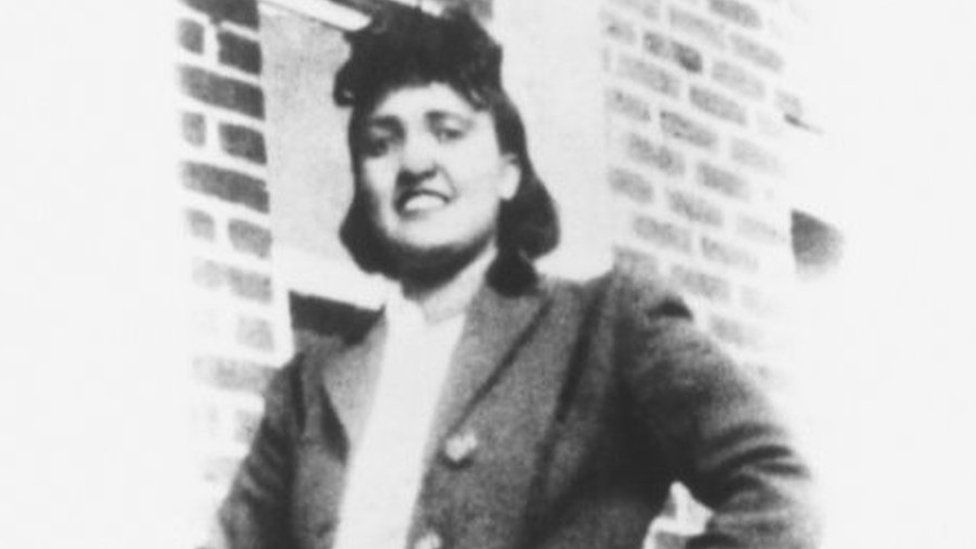
SharecloseShare pageCopy linkAbout sharingImage source, Getty ImagesThe World Health Organization (WHO) has honoured an African-American woman whose cells have led to crucial medical breakthroughs. Henrietta Lacks died, aged 31, in 1951 of cervical cancer and samples of her cells were collected by doctors without her or her family’s knowledge. They were the first living human cells to multiply outside the human body. They have been used in research that led to the polio vaccine, gene mapping and IVF treatment.These and other advances have resulted in Henrietta Lacks being named the “mother” of modern medicine.Henrietta Lacks: How her ‘immortal’ cells advanced modern science”What happened to Henrietta was wrong,” said WHO Director-General Tedros Adhanom Ghebreyesus in a special ceremony in Geneva, Switzerland, on Wednesday.”Henrietta Lacks was exploited. She is one of many women of colour whose bodies have been misused by science.”She placed her trust in the health system so she could receive treatment. But the system took something from her without her knowledge or consent,” Dr Tedros said.The HeLa cells – a name derived from the first two letters of Henrietta Lacks’ first and last names – were also used in the vaccine against cervical cancer, the very disease which killed Lacks.Receiving the award, Lacks’ 87-year-old son Lawrence described his mother as a remarkable woman, who continued to help the world long after her death.Lacks, a tobacco farmer from Virginia, was buried in an unmarked grave after her death in a racially segregated hospital in Baltimore, Maryland.The ‘immortal’ cells of Henrietta Lacks – BBC Ideas

Read more →

Covid: New WHO group may be last chance to find virus origins

SharecloseShare pageCopy linkAbout sharingImage source, Getty ImagesThe World Health Organisation (WHO) says a new taskforce may be the last chance to find the origins of Covid-19.It has nominated 26 experts to join the body, the Scientific Advisory Group on the Origins of Novel Pathogens (Sago). More than a year-and-a-half since the virus was detected in the Chinese city of Wuhan, the question of how it first emerged remains unclear.The team will consider if the virus jumped from animals to humans in Wuhan markets or leaked in a lab accident.China has strongly refuted the second theory.In February, a WHO team tasked with investigating Covid’s origins flew to China and concluded that the virus had probably come from bats but that more work was needed.The team called the lab leak theory “extremely unlikely”.But the WHO’s director general, Dr Tedros Adhanom Ghebreyesus, later said the investigation had been hampered by a lack of data and transparency from China.The proposed members of the Sago group include six experts who visited China as part of the previous team.Aside from coronavirus, Sago will also look into the origins of other high-risk pathogens.”Understanding where new pathogens come from is essential for preventing future outbreaks,” said Dr Tedros said.In a joint editorial in the journal Science, Dr Tedros and other WHO officials said “a lab accident cannot be ruled out”.EXPLAINER: Why the lab-leak theory is being taken seriously Michael Ryan, the WHO’s emergencies director, said Sago’s work may be the “last chance to understand the origins of this virus”.The announcement of the new group comes as CNN reported that China was preparing to test tens of thousands of blood bank samples taken in the early months of the pandemic. But Chen Xu, China’s ambassador to the UN in Geneva, said Sago’s work should not be “politicised”.”It is time to send teams to other places,” he said.WHO caught up in geopolitical fightTulip Mazumdar, Global Health CorrespondentAlmost two years since the start of the pandemic, we still don’t know where , when or how the deadly Sars-Cov-2 virus emerged. Investigating new viruses is always extremely complex, but scientists have been able to find the source of the two previous coronavirus outbreaks – both of which have emerged from animals. It’s been nine months since the last WHO-convened mission returned from Wuhan, saying a similar animal spillover was the most likely source of the pandemic. But questions continue to be raised about a potential accident at a Wuhan lab which studies coronaviruses and keeps thousands of bat samples. China has strenuously denied this. The WHO says China still hasn’t shared crucial data from the earliest days of the pandemic. The UN agency – which has been caught in the firing line between China and the US’s bigger geopolitical fight on this issue – has been hardening its language on investigations into a lab leak theory. The science is becoming increasingly politicised, with China so far refusing to allow international scientists back into the country. It’s hoped this new Sago body with experts from 26 different countries will be able to break this impasse, and finally get some much needed answers so the world can better prepare for future outbreaks.

Read more →

W.H.O. Announces New Team to Study Covid-19 Origins

Whether it’s reporting on conflicts abroad and political divisions at home, or covering the latest style trends and scientific developments, Times Video journalists provide a revealing and unforgettable view of the world.Whether it’s reporting on conflicts abroad and political divisions at home, or covering the latest style trends and scientific developments, Times Video journalists provide a revealing and unforgettable view of the world.

Read more →