Personalized clotting profiles may help in next generation of precision heart disease treatments

People at risk from strokes and heart attacks could benefit from personalised clotting profiles to help clinicians prescribe more precise treatments, thanks to new research.
In a paper published in Blood Advances, researchers have created a test that separates people into different groups based on how their bodies respond to clotting events.
Platelets are small cells found in blood which form clots to stop or prevent bleeding, but where platelets don’t function properly this can lead to serious health conditions such as strokes and heart attacks.
The researchers from the University of Reading and University of Cambridge used samples of donated blood from human participants, treated them in a laboratory to find out how platelets in their blood responded to a range of stimulants to trigger blood clotting and developed new computer software and algorithms to analyse and classify the data.
Dr Joanne Dunster, a mathematician based in the Institute for Cardiovascular and Metabolic Research at the University of Reading said:
“This research showcases how we can better understand the individual ways that our platelets respond to events that lead to clotting, either when clotting is needed for healing, or when they shouldn’t, which is when strokes and heart attacks happen.”
The team found that there were two important and independent characteristics that the platelets displayed, the sensitivity of a response to an agent, and the strength of response. These were found to be independent characteristics and allowed donors to be classified into different groups.
As a result of the testing, the research team were able to group donors into six distinct groups which remained the same for the majority of samples after retesting two years later.
Professor Jon Gibbins, Director of the Institute of Cardiovascular and Metabolic Research at the University of Reading said:
“The next big thing in medicine is the idea of personalisation of treatments, which requires much more detailed profiles of our bodies. Heart disease and strokes are the biggest killers around the world, and millions of patients are prescribed drugs to reduce their risk of having a potentially deadly attack. Currently mostly patients are treated the same — a one size fits all approach. We hope that our new testing will allow us to predict who needs treatment and which drug to use.
“This new research is therefore really exciting as we have a framework for building a personalised clotting profile that is simple to administer and could help clinicians to prescribe more effective treatments to reduce the risks of strokes and heart disease further.”
The team are now examining the use of the test with patients with established heart disease to help pave the way to personalised medicine approaches.
Story Source:
Materials provided by University of Reading. Note: Content may be edited for style and length.

Read more →

Waiting on U.S. Mandate, Some Nursing Homes Are Slow to Vaccinate Staff

Less than half of workers are still not immunized at facilities in several states. “I just feel like a sitting duck,” one resident said.When Jim Lewis was told earlier this month that his 90-year-old mother, who lives in a nursing home outside of Boise, Idaho, tested positive for Covid-19, he wondered if she had gotten the virus from an unvaccinated employee.And he had reason to worry. A little more than half of the workers in the home, Creekside Transitional Care and Rehabilitation, were not vaccinated at the time, federal data show.“It was obvious that the facility had staff members who were vaccine hesitant,” said Mr. Lewis, whose mother and immediate family are all immunized.Idaho was hard hit by the Delta surge this summer and early fall, and nursing homes were not impervious to the highly contagious variant that swept through many states with lower vaccination rates. Ten states, including Florida, Michigan and Ohio, still report vaccination rates for nursing home staff under 60 percent.Others, like New York and California, and some large nursing home chains have imposed their own mandates. But many nursing home administrators are waiting for the federal government to issue new rules that will govern a mandatory vaccination program for all their staff members that President Biden first announced two months ago. And some facilities and labor groups are still pushing for a testing option in lieu of a shot.But months of delays and vaccine resistance have had wrenching consequences for families like Mr. Lewis’s, who once again are barred from visiting because of outbreaks. Creekside did not return repeated calls and emails seeking comment.After steep declines earlier this year, Covid cases and deaths in nursing homes climbed in August and September, resulting in about 4,000 deaths — even though nearly 90 percent of the nation’s nursing home residents were fully vaccinated. Residents are particularly vulnerable to breakthrough infections because so many are older and suffer from serious medical conditions, like the multiple myeloma the former secretary of state Colin Powell was being treated for when he died from complications of Covid on Monday.“It is medically wrong and borders on unethical to have unvaccinated nursing home staff caring for residents,” said Dr. Michael Wasserman, a geriatrician and former nursing home executive who has become a critic of the industry. “The vaccine works. It has made a profound difference.”The Biden administration has said that nursing homes could face a loss of government funding — the industry heavily relies on Medicaid and Medicare funds — if they do not comply, but the regulations for enforcement of a mandate have yet to be disclosed.Federal officials say they expect to issue the regulations sometime later this month. The rules were delayed from last month after the mandate was broadened to include all health care workers.Officials from the Centers for Medicare and Medicaid Services, which will be issuing the rules, would not comment on the forthcoming regulations and did not make anyone available for an interview. It is unclear whether they are considering a testing option for nursing homes, according to people who have worked closely with the administration.Residents and their families say they are frustrated with the monthslong delays in securing that extra layer of protection, given that so many of the unvaccinated are aides and nurses who provide the most direct, daily care.Elizabeth, a nursing home resident in Minnesota, said she caught Covid earlier this year from an unvaccinated worker before she got her second dose of the Moderna vaccine. When she asked when the staff might be vaccinated under the president’s order, she was told the nursing home may focus on testing workers rather than requiring them to be vaccinated.“Nothing has happened,” said the resident, who asked that only her middle name be used and that her nursing home not be identified in fear of retaliation, a concern shared by others interviewed for this article.Her state’s Covid surge prompted the governor to call in the National Guard last week to help ease its severe shortage of health care workers.“I just feel like a sitting duck,” she said. While she continues to wear a mask, some of the staff are no longer taking the same precautions to control the spread of the virus. “It just feels horribly unsafe,” she said.While 14 percent of Americans 65 and over, including nursing home residents, have already gotten boosters, many nursing home employees have yet to get a first shot.Alisha Jucevic for The New York TimesWaning effectiveness of the vaccines that were first given to many nursing home residents has also raised concerns in the last few months.“People are dying, residents are dying,” said Susan Reinhard, the director of the AARP Public Policy Institute, which has pushed for more transparency about vaccination rates in nursing homes. “They should be afraid.”Lower vaccination rates translate into more infections, and mandates are a way to increase those rates, said Dr. Ezekiel J. Emanuel, a bioethicist at the University of Pennsylvania who advised Mr. Biden during his transition. “We should be clear that mandates have been working and have been working in every industry that has tried them,” he said.Vaccination rates among nursing home staff increased to 69 percent by early October from 62 percent in early August, when Mr. Biden announced the mandate, but some facilities still report a staff rate of half or fewer, according to the latest federal data.While some nursing homes have moved ahead with their own mandates, many are taking a wait-and-see approach, said Mark Neuberger, a lawyer with Foley & Lardner who advises health care organizations on employment issues.“Will there be an alternative?” asked Zach Shamberg, the chief executive of the Pennsylvania Health Care Association, a state trade group representing nursing homes that is pushing to be able to test employees in lieu of the vaccine. “That is preferable to simply losing those workers, especially as providers are combating work force shortages.”Many nursing homes “remain very concerned that we are not going to see vaccination acceptance rates increase,” he said.“Our hope is that the small print allows us to do a test-out option,” said Mary Susan Tack-Yurek, the chief quality officer and a partner at Quality Life Services. The family-owned nursing home chain in western Pennsylvania reports that a little more than half of the staff is vaccinated. “Are we pleased with our staff vaccination rate? No, we are not pleased with it,” she said..css-1kpebx{margin:0 auto;font-family:nyt-franklin,helvetica,arial,sans-serif;font-weight:700;font-size:1.125rem;line-height:1.3125rem;color:#121212;}#NYT_BELOW_MAIN_CONTENT_REGION .css-1kpebx{font-family:nyt-cheltenham,georgia,’times new roman’,times,serif;font-weight:700;font-size:1.375rem;line-height:1.625rem;}@media (min-width:740px){#NYT_BELOW_MAIN_CONTENT_REGION .css-1kpebx{font-size:1.6875rem;line-height:1.875rem;}}@media (min-width:740px){.css-1kpebx{font-size:1.25rem;line-height:1.4375rem;}}.css-1gtxqqv{margin-bottom:0;}.css-k59gj9{display:-webkit-box;display:-webkit-flex;display:-ms-flexbox;display:flex;-webkit-flex-direction:column;-ms-flex-direction:column;flex-direction:column;width:100%;}.css-1e2usoh{font-family:inherit;display:-webkit-box;display:-webkit-flex;display:-ms-flexbox;display:flex;-webkit-box-pack:justify;-webkit-justify-content:space-between;-ms-flex-pack:justify;justify-content:space-between;border-top:1px solid #ccc;padding:10px 0px 10px 0px;background-color:#fff;}.css-1jz6h6z{font-family:inherit;font-weight:bold;font-size:1rem;line-height:1.5rem;text-align:left;}.css-1t412wb{box-sizing:border-box;margin:8px 15px 0px 15px;cursor:pointer;}.css-hhzar2{-webkit-transition:-webkit-transform ease 0.5s;-webkit-transition:transform ease 0.5s;transition:transform ease 0.5s;}.css-t54hv4{-webkit-transform:rotate(180deg);-ms-transform:rotate(180deg);transform:rotate(180deg);}.css-1r2j9qz{-webkit-transform:rotate(0deg);-ms-transform:rotate(0deg);transform:rotate(0deg);}.css-e1ipqs{font-size:1rem;line-height:1.5rem;padding:0px 30px 0px 0px;}.css-e1ipqs a{color:#326891;-webkit-text-decoration:underline;text-decoration:underline;}.css-e1ipqs a:hover{-webkit-text-decoration:none;text-decoration:none;}.css-1o76pdf{visibility:show;height:100%;padding-bottom:20px;}.css-1sw9s96{visibility:hidden;height:0px;}.css-1in8jot{background-color:white;border:1px solid #e2e2e2;width:calc(100% – 40px);max-width:600px;margin:1.5rem auto 1.9rem;padding:15px;box-sizing:border-box;font-family:’nyt-franklin’,arial,helvetica,sans-serif;text-align:left;}@media (min-width:740px){.css-1in8jot{padding:20px;width:100%;}}.css-1in8jot:focus{outline:1px solid #e2e2e2;}#NYT_BELOW_MAIN_CONTENT_REGION .css-1in8jot{border:none;padding:10px 0 0;border-top:2px solid #121212;}What to Know About Covid-19 Booster ShotsThe F.D.A. authorized booster shots for a select group of people who received their second doses of the Pfizer-BioNTech vaccine at least six months before. That group includes: vaccine recipients who are 65 or older or who live in long-term care facilities; adults who are at high risk of severe Covid-19 because of an underlying medical condition; health care workers and others whose jobs put them at risk. People with weakened immune systems are eligible for a third dose of either Pfizer or Moderna four weeks after the second shot.Regulators have not authorized booster shots for recipients of Moderna and Johnson & Johnson vaccines yet. A key advisory committee to the F.D.A. voted unanimously on Oct. 14 to recommend a third dose of the Moderna vaccine for many of its recipients. The same panel voted unanimously on Oct. 15 to recommend booster shots of Johnson & Johnson’s one-dose vaccine for all adult recipients. The F.D.A. typically follows the panel’s advice, and should rule within days.The C.D.C. has said the conditions that qualify a person for a booster shot include: hypertension and heart disease; diabetes or obesity; cancer or blood disorders; weakened immune system; chronic lung, kidney or liver disease; dementia and certain disabilities. Pregnant women and current and former smokers are also eligible.The F.D.A. authorized boosters for workers whose jobs put them at high risk of exposure to potentially infectious people. The C.D.C. says that group includes: emergency medical workers; education workers; food and agriculture workers; manufacturing workers; corrections workers; U.S. Postal Service workers; public transit workers; grocery store workers.For now, it is not recommended. Pfizer vaccine recipients are advised to get a Pfizer booster shot, and Moderna and Johnson & Johnson recipients should wait until booster doses from those manufacturers are approved. ​​The F.D.A. is planning to allow Americans to receive a different vaccine as a booster from the one they initially received. The “mix and match” approach could be approved once boosters for Moderna and Johnson & Johnson recipients are authorized.Yes. The C.D.C. says the Covid vaccine may be administered without regard to the timing of other vaccines, and many pharmacy sites are allowing people to schedule a flu shot at the same time as a booster dose.But if those workers left rather than be forced to get the shots, “we just couldn’t function,” Ms. Tack-Yurek said. “There aren’t enough resources in agency staffing, in the National Guard, to pull from other states, to make it up.”Mary Susan Tack-Yurek, chief quality officer at Quality Life Services in New Castle, Pa. “Are we pleased with our staff vaccination rate? No, we are not pleased with it,” she said.Angelo Merendino for The New York TimesThe nursing home chain, which employs about 1,100 people, has been unable to persuade workers to get immunized, despite holding raffles offering rewards like a chance to go to Disneyworld or $5,000 in cash. “The response was minimal,” Ms. Tack-Yurek said.Other nursing home officials dismiss the option of testing as an alternative. “We already have testing,” said Brendan Williams, the chief executive of the New Hampshire Health Care Association, whose members have been more successful in vaccinating their employees. “That is just preserving the status quo.”Much depends on the communities where nursing homes draw their workers. If an area’s opposition to vaccination is strong, it becomes more difficult to sway recruits to get shots, and vice versa.At Chaparral House in Berkeley, Calif., where vaccination rates are high, the vast majority of employees presented with paperwork to get immunized were willing, said the nursing home’s chief financial officer, Chuck Cole. “Most people didn’t read beyond the first paragraph,” he said, because they were already persuaded they should get the shot. “That was very important.”By talking one-on-one with the small number of workers who were concerned about the vaccine, the nursing director and administrator were able to persuade the holdouts, he said. Only one employee of roughly 150 still refuses to get vaccinated.Covid cases in the United States have dropped significantly in the last month, as more people are vaccinated and the Delta surge seems to be subsiding in most regions of the country.The state mandates are helping to increase levels of protection for all age groups, and about 14 percent of the nation’s nursing home residents have already received a booster dose.And some nursing homes that successfully imposed their own requirements are contributing to a higher success rate, said Brian McGarry, a health researcher at the University of Rochester who is studying levels in nursing homes. Genesis HealthCare, a large chain in Pennsylvania, said while there were some departures, all of its staff is now vaccinated.“We are seeing the benefits of our policy in resident safety, as our Covid rates (and particularly the severity of any infections) have declined considerably since we instituted our policy, despite overall community infection rates remaining very high,” said Lori Mayer, a company spokeswoman, in a statement.“The mandates are starting to help,” Dr. McGarry said. The actual enactment of a requirement by a state or facility “is a heavy lever and signal to this group that it’s not going to be optional any more.”

Read more →

Small Needles, Short Lines and Few Tears: Biden’s Plan to Vaccinate Young Children

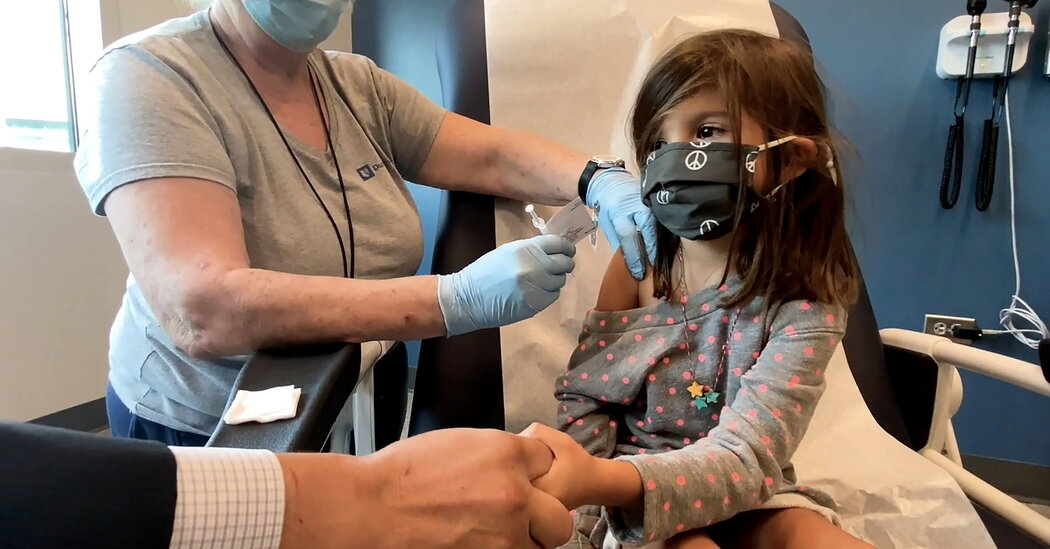
White House officials, anticipating the approval of coronavirus shots for 5- to 11-year-olds within weeks, will rely on doctors, clinics and pharmacies instead of mass inoculation sites.WASHINGTON — The campaign to vaccinate young children in the United States against the coronavirus will not look like it did for adults. There will be no mass inoculation sites. Pediatricians will be enlisted to help work with parents. Even the vials — and the needles to administer doses — will be smaller.Biden administration officials, anticipating that regulators will make the vaccines available to 5- to 11-year-olds in the coming weeks, is laying out plans to ensure that some 25,000 pediatric or primary care offices, thousands of pharmacies, and hundreds of school and rural health clinics will be ready to administer shots if the vaccine receives federal authorization.The campaign aims to fulfill the unique needs of patients largely still in elementary school, while absorbing the lessons from the rollout of vaccines to other age groups.This month, Pfizer and BioNTech asked the Food and Drug Administration to authorize emergency use of their vaccine for 5- to 11-year-olds, a move that could help protect more than 28 million people in the United States. A meeting to discuss the authorization is set for Oct. 26, and an F.D.A. ruling could come in the days after, possibly clearing a path for the Centers for Disease Control and Prevention to make recommendations on a pediatric dose in early November.If that happens, the Federal Emergency Management Agency will provide reimbursement for “full funding to states to support vaccinations and outreach,” said Sonya Bernstein, a senior policy adviser for the White House Covid-19 Response Team. That support would involve site setup as well as logistical help like providing transportation to and from vaccine sites.“We know that access is going to be critical here,” Ms. Bernstein said, adding that the administration has in recent weeks looked at ways to provide a “kid-friendly experience that makes sure that we’re getting shots in arms with trusted providers in ways that makes parents feel comfortable.”The process will not look or feel the way it did when other groups in the United States were first authorized to receive vaccines. The 5-to-11 age group, with 28 million children, is far larger than the 12-to-15 group, with 17 million, who became eligible for the Pfizer-BioNTech vaccine in May. But the younger group will not be expected to line up at mass vaccination sites: “We don’t want lines of kids,” said Ms. Bernstein, who pointed out that children tend to be more sensitive patients. (Read: They cry.) Pediatrician’s offices, children’s hospitals and pharmacies with in-store clinics will be the preferred options.The needles that administer the vaccine and the vials that hold it will need to be smaller to be more easily stored. (The Pfizer dose for children ages 5 to 11 is expected to contain 10 micrograms, rather than the 30-microgram dose used for ages 12 and up.) To keep doses from spoiling, the child-size vials can be stored for up to 10 weeks at standard refrigeration temperatures, and six months at colder temperatures, according to a memo administration officials plan to make public on Wednesday.Taking cues from what worked when shots were opened to teenagers, whose vaccinations generally require parental consent, officials are also leaning heavily on local health experts, who they believe are more trusted in their communities and can help reach high-risk children. “Children’s hospitals and health systems will be a critical part of our efforts to advance equity and ensure access for our nation’s highest-risk kids, including those with obesity, diabetes, asthma or immunosuppression,” the memo said.But while the administration aims to eliminate the types of availability and efficiency problems that plagued the initial vaccine process, reluctance has persisted among parents..css-1kpebx{margin:0 auto;font-family:nyt-franklin,helvetica,arial,sans-serif;font-weight:700;font-size:1.125rem;line-height:1.3125rem;color:#121212;}#NYT_BELOW_MAIN_CONTENT_REGION .css-1kpebx{font-family:nyt-cheltenham,georgia,’times new roman’,times,serif;font-weight:700;font-size:1.375rem;line-height:1.625rem;}@media (min-width:740px){#NYT_BELOW_MAIN_CONTENT_REGION .css-1kpebx{font-size:1.6875rem;line-height:1.875rem;}}@media (min-width:740px){.css-1kpebx{font-size:1.25rem;line-height:1.4375rem;}}.css-1gtxqqv{margin-bottom:0;}.css-k59gj9{display:-webkit-box;display:-webkit-flex;display:-ms-flexbox;display:flex;-webkit-flex-direction:column;-ms-flex-direction:column;flex-direction:column;width:100%;}.css-1e2usoh{font-family:inherit;display:-webkit-box;display:-webkit-flex;display:-ms-flexbox;display:flex;-webkit-box-pack:justify;-webkit-justify-content:space-between;-ms-flex-pack:justify;justify-content:space-between;border-top:1px solid #ccc;padding:10px 0px 10px 0px;background-color:#fff;}.css-1jz6h6z{font-family:inherit;font-weight:bold;font-size:1rem;line-height:1.5rem;text-align:left;}.css-1t412wb{box-sizing:border-box;margin:8px 15px 0px 15px;cursor:pointer;}.css-hhzar2{-webkit-transition:-webkit-transform ease 0.5s;-webkit-transition:transform ease 0.5s;transition:transform ease 0.5s;}.css-t54hv4{-webkit-transform:rotate(180deg);-ms-transform:rotate(180deg);transform:rotate(180deg);}.css-1r2j9qz{-webkit-transform:rotate(0deg);-ms-transform:rotate(0deg);transform:rotate(0deg);}.css-e1ipqs{font-size:1rem;line-height:1.5rem;padding:0px 30px 0px 0px;}.css-e1ipqs a{color:#326891;-webkit-text-decoration:underline;text-decoration:underline;}.css-e1ipqs a:hover{-webkit-text-decoration:none;text-decoration:none;}.css-1o76pdf{visibility:show;height:100%;padding-bottom:20px;}.css-1sw9s96{visibility:hidden;height:0px;}.css-1in8jot{background-color:white;border:1px solid #e2e2e2;width:calc(100% – 40px);max-width:600px;margin:1.5rem auto 1.9rem;padding:15px;box-sizing:border-box;font-family:’nyt-franklin’,arial,helvetica,sans-serif;text-align:left;}@media (min-width:740px){.css-1in8jot{padding:20px;width:100%;}}.css-1in8jot:focus{outline:1px solid #e2e2e2;}#NYT_BELOW_MAIN_CONTENT_REGION .css-1in8jot{border:none;padding:10px 0 0;border-top:2px solid #121212;}What to Know About Covid-19 Booster ShotsThe F.D.A. authorized booster shots for a select group of people who received their second doses of the Pfizer-BioNTech vaccine at least six months before. That group includes: vaccine recipients who are 65 or older or who live in long-term care facilities; adults who are at high risk of severe Covid-19 because of an underlying medical condition; health care workers and others whose jobs put them at risk. People with weakened immune systems are eligible for a third dose of either Pfizer or Moderna four weeks after the second shot.Regulators have not authorized booster shots for recipients of Moderna and Johnson & Johnson vaccines yet. A key advisory committee to the F.D.A. voted unanimously on Oct. 14 to recommend a third dose of the Moderna vaccine for many of its recipients. The same panel voted unanimously on Oct. 15 to recommend booster shots of Johnson & Johnson’s one-dose vaccine for all adult recipients. The F.D.A. typically follows the panel’s advice, and should rule within days.The C.D.C. has said the conditions that qualify a person for a booster shot include: hypertension and heart disease; diabetes or obesity; cancer or blood disorders; weakened immune system; chronic lung, kidney or liver disease; dementia and certain disabilities. Pregnant women and current and former smokers are also eligible.The F.D.A. authorized boosters for workers whose jobs put them at high risk of exposure to potentially infectious people. The C.D.C. says that group includes: emergency medical workers; education workers; food and agriculture workers; manufacturing workers; corrections workers; U.S. Postal Service workers; public transit workers; grocery store workers.For now, it is not recommended. Pfizer vaccine recipients are advised to get a Pfizer booster shot, and Moderna and Johnson & Johnson recipients should wait until booster doses from those manufacturers are approved. ​​The F.D.A. is planning to allow Americans to receive a different vaccine as a booster from the one they initially received. The “mix and match” approach could be approved once boosters for Moderna and Johnson & Johnson recipients are authorized.Yes. The C.D.C. says the Covid vaccine may be administered without regard to the timing of other vaccines, and many pharmacy sites are allowing people to schedule a flu shot at the same time as a booster dose.According to polling by the Kaiser Family Foundation published in late September, only about one in three parents of 5- to 11-year-olds planned to get their children inoculated “right away” once a vaccine is authorized. Another third said they wanted to “wait and see” how the vaccine affected children. But that same polling showed that reluctance among parents of teenagers had dropped in the months since vaccines had become available, and nearly half of parents of those ages 12 to 17 said their teenagers had received at least one dose.Hospitalizations and deaths from Covid-19 are uncommon in children, according to data collected by the American Academy of Pediatrics, but experts point out that children are still susceptible to serious or long-haul versions of the illness.“Of course, adults are going to have much more severe diseases, but that doesn’t mean that children are not affected as well,” said Dr. Flor Munoz-Rivas, an associate professor of pediatric infectious diseases at Baylor College of Medicine. “Children are typically ones that are vectors of transmitting the virus,” she said, and preventing them from getting infected “could potentially also have some effect” in slowing the spread of the virus.

Read more →

In a First, Surgeons Attached a Pig Kidney to a Human — and It Worked

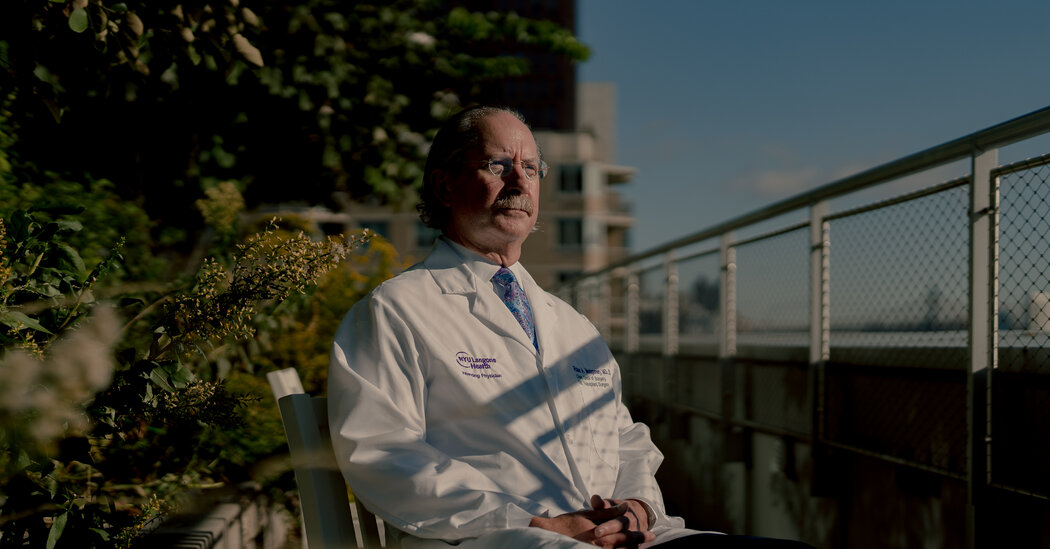
A kidney grown in a genetically altered pig seemed to function normally, potentially a new source for desperately needed transplant organs.Surgeons in New York have successfully attached a kidney grown in a genetically altered pig to a human patient and found that the organ worked normally, a scientific breakthrough that one day may yield a vast new supply of organs for severely ill patients.Although many questions remain to be answered about the long-term consequences of the transplant, which involved a brain-dead patient followed only for 54 hours, experts in the field said the procedure represented a milestone.“We need to know more about the longevity of the organ,” said Dr. Dorry Segev, professor of transplant surgery at Johns Hopkins School of Medicine who was not involved in the research. Nevertheless, he said: “This is a huge breakthrough. It’s a big, big deal.”Researchers have long sought to grow organs in pigs suitable for transplantation into humans. A steady stream of organs — which could eventually include hearts, lungs and livers — would offer a lifeline to the more than 100,000 Americans currently on transplant waiting lists, including the 90,240 who need a kidney. Twelve people on the waiting lists die each day.An even larger number of Americans with kidney failure — more than a half million — depend on grueling dialysis treatments to survive. In large part because of the scarcity of human organs, the vast majority of dialysis patients do not qualify for transplants, which are reserved for those most likely to thrive after the procedure.The surgery, carried out at N.Y.U. Langone Health, was first reported by USA Today on Tuesday. The research has not yet been peer-reviewed nor published in a medical journal.A surgical team at the hospital in New York examined a pig kidney attached to the body of a deceased recipient for any signs of rejection.Joe Carrotta/NYU Langone Health, via Associated PressThe transplanted kidney was obtained from a pig genetically engineered to grow an organ unlikely to be rejected by the human body. In a close approximation of an actual transplant procedure, the kidney was attached to a person who had suffered brain death and was maintained on a ventilator.The kidney, attached to blood vessels in the upper leg outside the abdomen, started functioning normally, making urine and the waste product creatinine “almost immediately,” according to Dr. Robert Montgomery, the director of the N.Y.U. Langone Transplant Institute, who performed the procedure in September.Although the organ was not implanted in the body, problems with so-called xenotransplants — from animals like primates and pigs — usually occur at the interface of the human blood supply and the organ, where human blood flows through pig vessels, experts said.The fact that the organ functioned outside the body is a strong indication that it will work in the body, Dr. Montgomery said.“It was better than I think we even expected,” he said. “It just looked like any transplant I’ve ever done from a living donor. A lot of kidneys from deceased people don’t work right away, and take days or weeks to start. This worked immediately.”Last year, 39,717 residents of the United States received an organ transplant, the majority of them — 23,401 — receiving kidneys, according to the United Network for Organ Sharing, a nonprofit that coordinates the nation’s organ procurement efforts.Genetically engineered pigs “could potentially be a sustainable, renewable source of organs — the solar and wind of organ availability,” Dr. Montgomery said. Reactions to the news among transplantation experts ranged from cautiously optimistic to wildly effusive, though all acknowledged the procedure represented a sea change. The prospect of raising pigs in order to harvest their organs for humans is bound to raise questions about animal welfare and exploitation, though an estimated 100 million pigs already are killed in the United States each year for food.While some surgeons speculated that it could be just months before genetically engineered pigs’ kidneys are transplanted into living human beings, others said there was still much work to be done.“This is really cutting-edge translational surgery and transplantation that is on the brink of being able to do it in living human beings,” said Dr. Amy Friedman, a former transplant surgeon and chief medical officer of LiveOnNY, the organ procurement organization in the greater New York area.The group was involved in the selection and identification of the brain-dead patient receiving the experimental procedure. The patient was a registered organ donor, and because the organs were not suitable for transplantation, the patient’s family agreed to permit research to test the experimental transplant procedure.Dr. Friedman said she envisioned using hearts, livers and other organs grown in pigs, as well. “It’s truly mind-boggling to think of how many transplants we might be able to offer,” she said, adding, “You’d have to breed the pigs, of course.”Other experts were more reserved, saying they wanted to see whether the results were reproducible and to review data collected by N.Y.U. Langone.“There’s no question this is a tour de force, in that it’s hard to do and you have to jump through a lot of hoops,” said Dr. Jay A. Fishman, associate director of the transplantation center at Massachusetts General Hospital.“Whether this particular study advances the field will depend on what data they collected and whether they share it, or whether it is a step just to show they can do it,” Dr. Fishman said. He urged humility “about what we know.”Many hurdles remain before genetically engineered pigs’ organs can be used in living human beings, said Dr. David Klassen, chief medical officer of the United Network for Organ Sharing.While he called the surgery “a watershed moment,” he warned that long-term rejection of organs occurs even when the donor kidney is well-matched, and “even when you’re not trying to cross species barriers.”The kidney has functions in addition to clearing blood of toxins. And there are concerns about pig viruses infecting recipients, Dr. Klassen said: “It’s a complicated field, and to imagine that we know all of the things that are going to happen and all the problems that will arise is naïve.”Xenotransplantation, the process of grafting or transplanting organs or tissues between different species, has a long history. Efforts to use the blood and skin of animals in humans go back hundreds of years.In the 1960s, chimpanzee kidneys were transplanted into a small number of human patients. Most died shortly afterward; the longest a patient lived was nine months. In 1983, a baboon heart was transplanted into an infant girl known as Baby Faye. She died 20 days later.Pigs offered advantages over primates for organ procurement — they are easier to raise, reach maturation faster, and achieve adult human size in six months. Pig heart valves are routinely transplanted into humans, and some patients with diabetes have received pig pancreas cells. Pig skin has also been used as temporary grafts for burn patients.The combination of two new technologies — gene editing and cloning — has yielded genetically altered pig organs. Pig hearts and kidneys have been transplanted successfully into monkeys and baboons, but safety concerns precluded their use in humans.“The field up to now has been stuck in the preclinical primate stage, because going from primate to living human is perceived as a big jump,” Dr. Montgomery said.The kidney used in the new procedure was obtained by knocking out a pig gene that encodes a sugar molecule that elicits an aggressive human rejection response. The pig was genetically engineered by Revivicor and approved by the Food and Drug Administration for use as a source for human therapeutics.Dr. Montgomery and his team also transplanted the pig’s thymus, a gland that is involved in the immune system, in an effort to ward off immune reactions to the kidney.After attaching the kidney to blood vessels in the upper leg, the surgeons covered it with a protective shield so they could observe it and take tissue samples over the 54-hour study period. Urine and creatinine levels were normal, Dr. Montgomery and his colleagues found, and no signs of rejection were detected during more than two days of observation.“There didn’t seem to be any kind of incompatibility between the pig kidney and the human that would make it not work,” Dr. Montgomery said. “There wasn’t immediate rejection of the kidney.”The long-term prospects are still unknown, he acknowledged. But “this allowed us to answer a really important question: Is there something that’s going to happen when we move this from a primate to a human that is going to be disastrous?”

Read more →

Maintaining balance in the brain

With the school year well on its way, we all recognize the importance of getting students energized. However, we also know that overstimulated children can wreak havoc on a classroom, leaving a teacher trying to regain control of their group. The situation is very similar in the brain, where cells must remain active — but in an orderly manner — to carry out their many important tasks.
If too many excitatory cells (the students in this metaphor) begin firing at the same time, the overexcitation can spread through an entire neural network (the classroom), resulting in epileptic activity. So, inhibitory cells (the teachers) tamp down the excitation to maintain balance in the brain.
Now, researchers at Gladstone Institutes uncovered that reducing levels of the protein tau, which is known for its role in Alzheimer’s disease and other neurodegenerative conditions, changes excitatory and inhibitory cells in ways that make it harder for the brain to burst with overexcitation.
“Epilepsy can be associated with many brain disorders, including Alzheimer’s disease and autism,” says Lennart Mucke, MD, director of the Gladstone Institute of Neurological Disease and senior author of the new study published in the journal Cell Reports. “We previously showed in mouse models that reducing tau levels makes the brain more resistant to epilepsy of diverse causes, but we have puzzled about the underlying mechanisms. Our recent findings shed light onto how tau reduction affects different types of brain cells involved in creating abnormal network activity.”
It is critical to preserve a balance between the activity of excitatory and inhibitory cells for the brain to process information, appropriately control movements, and perceive things as they really are, rather than in a distorted way.
“The diseases we’re interested in have in common that they cause an excitation-inhibition imbalance in the brain,” says Mucke, who is also the Joseph B. Martin Distinguished Professor of Neuroscience and a professor of neurology at UC San Francisco.
Mucke and his team discovered that reducing levels of tau impacts both excitatory and inhibitory cells, but in different ways. They showed that excitatory neurons that lack tau don’t fire as much, whereas inhibitory neurons that lack tau are more easily stimulated to fire.
Together, these effects reduce the excitation-inhibition ratio in brain networks, counteracting diseases that cause abnormal increases in that ratio. To return to the classroom example, the neural effects of reducing tau are the equivalent of making the students less rambunctious and the teachers more effective at supervising them.
Just like calm in the classroom facilitates learning, the calming effect of tau reduction on brain networks might improve the brain’s ability to perform its functions, especially when the calm is being disrupted by disease. The insights gained in the new study could help guide the development of novel therapies that target tau as a way of reducing abnormal brain activities in a range of neurological and psychiatric diseases.
Story Source:
Materials provided by Gladstone Institutes. Original written by Julie Langelier. Note: Content may be edited for style and length.

Read more →

New cancer treatment may reawaken the immune system

Immunotherapy is a promising strategy to treat cancer by stimulating the body’s own immune system to destroy tumor cells, but it only works for a handful of cancers. MIT researchers have now discovered a new way to jump-start the immune system to attack tumors, which they hope could allow immunotherapy to be used against more types of cancer.
Their novel approach involves removing tumor cells from the body, treating them with chemotherapy drugs, and then placing them back in the tumor. When delivered along with drugs that activate T cells, these injured cancer cells appear to act as a distress signal that spurs the T cells into action.
“When you create cells that have DNA damage but are not killed, under certain conditions those live, injured cells can send a signal that awakens the immune system,” says Michael Yaffe, who is a David H. Koch Professor of Science, the director of the MIT Center for Precision Cancer Medicine, and a member of MIT’s Koch Institute for Integrative Cancer Research.
In mouse studies, the researchers found that this treatment could completely eliminate tumors in nearly half of the mice.
Yaffe and Darrell Irvine, who is the Underwood-Prescott Professor with appointments in MIT’s departments of Biological Engineering and Materials Science and Engineering, and an associate director of the Koch Institute, are the senior authors of the study, which appears today in Science Signaling. MIT postdoc Ganapathy Sriram and Lauren Milling PhD ’21 are the lead authors of the paper.
T cell activation
One class of drugs currently used for cancer immunotherapy is checkpoint blockade inhibitors, which take the brakes off of T cells that have become “exhausted” and unable to attack tumors. These drugs have shown success in treating a few types of cancer but do not work against many others.

Read more →

Genomic study revealing among diverse populations with inherited retinal disease

An international team of researchers, led by scientists at University of California San Diego and Shiley Eye Institute at UC San Diego Health, has broadened and deepened understanding of how inherited retinal dystrophies (IRDs) affect different populations of people and, in the process, have identified new gene variants that may cause the diseases.
The findings published in the October 18, 2021 issue of PLOS Genetics.
IRDs are a group of diseases, from retinitis pigmentosa to choroideremia, that result in progressive vision loss, even blindness. Each IRD is caused by at least one gene mutation, though mutations in the same gene may lead to different IRD diagnoses.
IRDs are rare, but they affect individuals of all ages, progressing at different rates, even within families afflicted with the same disease. Specific diagnosis depends on finding the genetic causative mutations.
The U.S. Food and Drug Administration has approved gene therapy for treating one form of IRD involving the gene RPE65, but for other IRDs caused by mutations in more than 280 different genes, there are no cures or treatments proven to slow disease progression.
The researchers conducted whole-genome sequences (WGS) of 409 persons from 108 unrelated family lineages, each with a previously diagnosed IRD. WGS is a process of determining the entirety, or near-entirety, of the DNA sequence of an individual. It provides a comprehensive portrait of the person’s entire genome, including mutations and variants, which can be used for broad comparative purposes.

Read more →

New study characterizes the gut virome

A new study has added numerous previously uncharacterized viral genomes and genes to the ever-increasing worldwide pool of human gut viromes. The study, published in mSystems, an open-access journal of the American Society for Microbiology, will prove helpful in investigating the role of the gut virome in human health and disease.
“The human gut virome is still vastly underexplored and many novel viruses are to be discovered, some of which could have important influences on processes impacting human health and disease,” said study principal investigator Jelle Matthijnssens, Ph.D., a professor in the Department of Microbiology, Immunology & Transplantation, Rega Institute, Division of Clinical & Epidemiological Virology, Laboratory of Viral Metagenomics, KU Leuven, Leuven, Belgium.
The human gut contains a complex ecosystem of microorganisms, of which bacteria have been broadly studied. Dr. Matthijnssens said studies on viruses in the gut are lagging. The goal of the MicrobLiver project is to obtain understanding of the interaction between the host and gut microbiome in humans and the role of the gut-liver axis in early stages of alcoholic and non-alcoholic fatty liver disease. “In the framework of the MicrobLiver project, we aimed to generate a catalogue of virus genomes, which could be used in subsequent studies on several cohorts of people with early stages of alcoholic and non-alcoholic fatty liver disease,” said Dr. Matthijnssens.
In the new study, researchers used 254 fecal samples from 204 Danish subjects to generate the Danish Enteric Virome Catalog (DEVoC). The pediatric cohort included 50 children and adolescents (6-18 years old) with a body mass index (BMI) above the 90th percentile, together with 50 age- and sex-matched healthy controls. The adult cohort (34-76 years) included 52 patients with alcohol-related liver disease and 52 sex, BMI, and age-matched healthy controls.
The researchers used the Novel Enrichment Technique Of Viromes (NetoVIR) protocol to purify all virus particles from stool samples and sequenced their genomes using deep-sequencing technologies. (NetoVir allows researchers to attain a fast, reproducible, high-throughput sample preparation protocol for next-generation sequencing gut viromics studies.)
Furthermore, they used advanced bioinformatics tool to identify almost 13 thousand (partial) viral genomes, many of which were novel and not present in public databases.
Although gut viromes are known to be very individual specific, the researchers identified 39 genomes which were present in at least 10 healthy subjects. These 39 genomes were further compared with public virome datasets from all over the world showing several age, geography and disease-related prevalence patterns. In particular, 2 genomes showed a remarkably high prevalence worldwide. The first one was a crAss-like phage (20.6% prevalence), belonging to the tentative AlphacrAssvirinae subfamily, whereas the second one was a previously undescribed temperate phage infecting Bacteroides dorei (14.4% prevalence), called LoVEphage. The researchers next screened public databases and were able to retrieve 18 additional circular LoVEphage-like genomes (67.9 to 72.4 kb).
“Our findings further emphasize that the human gut virome is still understudied and that many novel viruses are to be discovered. Especially the identification of novel phages shared by people across the globe is of interest to be studied in more depth,” said Dr. Matthijnssens. “Next, the catalogue will be used to further study differences in the virome of various cohorts of patients with early stages of alcoholic and non-alcoholic fatty liver disease. We hope these studies will provide us basic insight into the role the gut virome might have in the development of alcoholic and non-alcoholic fatty liver disease. Furthermore, we will look into the virome to identify biomarkers for disease progression or prediction of treatment success.”
Story Source:
Materials provided by American Society for Microbiology. Note: Content may be edited for style and length.

Read more →

In your face: Children’s expressions tell the story of poor sleep

When Shakespeare called sleep “nature’s soft nurse,” he was definitely onto something. Centuries later researchers have found that inadequate sleep in children affects their emotional functioning in ways that may predict longer-term social problems. A new study, published in Affective Science by University of Houston professor of psychology Candice Alfano, examined whether changes in children’s facial expressions of emotion after sleep restriction predict social problems concurrently and/or over time.
“Sleep problems in children are routinely linked with lower social competence and more problems in peer relationships, but we really don’t understand what drives these associations,” reports Alfano. Based on findings from some of her prior research, Alfano hypothesized that the answers might partly lie in the ways children’s faces express emotions when tired.
To test this theory, Alfano and colleagues examined 37 children between the ages of 7 and 11 during two in-lab emotional assessments; one when children were well-rested and another after two nights of partial sleep restriction. During these assessments, children viewed positive (think kittens and ice cream) and negative (think getting a shot and ferocious dogs) pictures on a computer screen while a high-definition camera recorded their facial expressions. Participants’ parents provided reports of their child’s social functioning at that time and approximately two years later.
“As we suspected, children who displayed less positive facial expressions in response to pleasant images when sleep restricted were reported to have more social problems two years later, even when controlling for earlier social problems,” said Alfano.
Although concurrent relationships between sleep-based changes in facial expressions and social problems were not found, Alfano suggests that this may be due to developmental differences in social behavior and peer relationships.
“For younger children, more explicit behaviors such as sharing and taking turns may be more important for friendships than subtle facial expressions. However, emotional expression becomes more important with age,” explains Alfano. “Facial expressions not only provide others with an understanding of how you are feeling but are known to have a contagion effect on how others feel.”
The results support a burgeoning body of research that indicates poor sleep quality in childhood forecasts later socio-emotional problems and also indicates the importance of studies exploring how sleep affects multiple facets of children’s mental health and well-being. Facial expression, a central aspect of social communication, is one aspect of emotion where sleep loss takes a toll.
Story Source:
Materials provided by University of Houston. Original written by Laurie Fickman. Note: Content may be edited for style and length.

Read more →

Scientists develop sperm cells from primate stem cells

With global rates of male infertility continuing to rise, a new study in spermatogonial stem cell research led by researchers at the University of Georgia provides hope for future clinical therapies.
The study, which was published recently in Fertility and Sterility Science, is the first to show that functional sperm cells can be made in a dish using primate embryonic stem cells.
“This is a major breakthrough towards producing stem cell-based therapies to treat male infertility in cases where the men do not produce any viable sperm cells,” said lead researcher Charles Easley, an associate professor in UGA’s College of Public Health.
Researchers used embryonic stem cells from rhesus macaque monkeys to generate immature sperm cells known as round spermatids, which they showed to be capable of fertilizing a rhesus macaque egg.
Scientists have been able to produce sperm-like cells using mouse stem cells, said Easley, but rodent sperm production is distinctly different than humans. Until this work, it wasn’t clear that this technology could ever work in humans.
“This is the first step that shows this technology is potentially translatable. We’re using a species that’s more relevant to us, and we’re having success in making healthy embryos,” said Easley.
Rhesus macaques share similar reproductive mechanisms to humans, making them an “ideal and necessary model for exploring stem cell-based therapies for male infertility,” the authors write.
Using a novel method, the researchers differentiated the cells into immature sperm cells known as round spermatids. Like immature spermatids in vivo, fertilization with in vitrospermatids requires activating the egg and the addition of other factors to enable the fertilized egg to develop into a healthy embryo.
This fall, the researchers plan to take the next critical step of implanting these embryos into a surrogate rhesus macaque to examine whether these embryos from in vitro spermatids can produce a healthy baby.
If that step is successful, the team will carry out the same process using spermatid-like cells derived from macaque skin cells.
Collaborators include Jon Hennebold from the Oregon National Primate Research Center and Kyle Orwig and Gerald Schatten from the University of Pittsburgh.
Story Source:
Materials provided by University of Georgia. Original written by Lauren Baggett. Note: Content may be edited for style and length.

Read more →