Targeted prostate cancer screening could benefit men with inherited cancer syndrome

Men who inherit an increased risk of cancer through ‘Lynch syndrome’ could benefit from regular PSA testing from age 40 to detect early signs of prostate cancer, researchers believe.
Lynch syndrome raises the risk of several cancer types including most famously bowel cancer, and affects 175,000 people in the UK — although only 5 per cent of people with the condition know they have it.
New research found that annual PSA testing could pick up cases of prostate cancer up to eight times as often in men with genetic hallmarks of Lynch syndrome — faults in genes like MSH2 and MSH6 — than in those without.
Many of the cancer cases in men with Lynch syndrome were ‘clinically significant’, suggesting that targeted screening has the potential to save lives.
Scientists at The Institute of Cancer Research, London, believe that targeted annual screening from age 40 could lead to earlier diagnosis and treatment of prostate cancer in this high-risk group of men.
Identifying that patients have Lynch syndrome could also guide their treatment since increasing evidence suggests that immunotherapies — which harness the immune system to attack cancer — may be particularly effective in men with these mutations if they have disease recurrence.

Read more →

Novel sugar detector system in the human mouth has implications for designing tastier, healthier beverages and foods

Most everyone understands that a major role of our sense of taste is to inform us when sugar is present in foods and beverages by eliciting sweetness on our tongues. A study led by the Monell Chemical Senses Center, published this month in PLOS ONE, identifies a new human sensory ability to detect sugars in the mouth with a molecular calorie detector, of sorts.
“Our mouth can identify when a sweetener has the potential to deliver calories versus a non-caloric sweetener, which cannot,” said first author Paul Breslin, PhD, a Monell investigator and a professor of Nutritional Sciences at Rutgers University.
The paper describes the first-in-human demonstration of a pathway that uses the sugar glucose, a component of table sugar and high fructose corn syrup, to signal the presence of calories, in addition to the well-studied sweet-taste receptor in taste buds.
Glucose comprises about half of the commercial sugar sweeteners used today. Over millennia, humans have derived glucose in their diet from such sugar-rich foods as fruits and honey, and today from added sugars, such as sucrose (table sugar) from sugar beets or sugar cane and high fructose corn syrup.
“Humans love fruit and sugar, as do many other apes, which obtain most of their calories from sugar,” said Breslin.
Spurred by recent data from Monell that showed taste bud cells in mice could identify when a sweetener has calories to burn for energy, the current team examined whether the ability to sense glucose in the human mouth may also involve this additional pathway. The team asked if this calorie detector is functional, and, perhaps most importantly, affects our responses to sugar in our diet.

Read more →

Guidance on supplemental breast cancer screening for women with dense breast tissue

An article published in the October issue of Mayo Clinic Proceedings offers recommendations for clinicians and patients regarding supplemental screening for women with dense breast tissue.
Breast cancer is the second most common cause of cancer death in women. Although 1 in 8 women will be affected by breast cancer, early detection leads to improved survival.
“One challenge for some women is dense breast tissue,” says author Suneela Vegunta, M.D., a women’s health specialist at Mayo Clinic. Dr. Vegunta says there are millions of women in the U.S. with dense breast tissue. It’s found in nearly half of women eligible for breast cancer screening, particularly in younger women. She says breast density may decrease after menopause.
“Dense breast tissue is an independent risk factor for breast cancer and may also mask small breast cancers, thereby reducing the sensitivity of a screening mammogram,” says Dr. Vegunta.
She says that since legislation requiring providers to notify women about breast density was passed in several states, more women are aware of their breast density and are reaching out to health care professionals with questions.
“Supplemental breast cancer screening modalities can help diagnose additional cancers that are possibly masked by dense breast tissue on mammograms,” says Dr. Vegunta. “Our paper provides information and guidance for health care professionals and patients on the benefits and drawbacks of various supplemental screening modalities in the background of using a risk-based stratification of patients with dense breast tissue.”
Dr. Vegunta says that dense breast tissue is only one risk factor for breast cancer. If a patient has additional risk factors, such as family history of breast cancer, experienced early menstruation, has not given birth to a child, or has a prior history of abnormal breast biopsies, she should discuss enhanced surveillance with her health care provider.
Dr. Vegunta says consensus-based guidelines are not available related to screening women with dense breast tissue. Also, randomized controlled studies have not been performed that review the effect of supplemental screening versus mammography alone on breast cancer mortality. She says these studies, along with guidelines for screening women with dense breast tissue, are needed.
Story Source:
Materials provided by Mayo Clinic. Original written by Joe Dangor. Note: Content may be edited for style and length.

Read more →

Researchers find novel means of flagging inpatient pharmacy orders for intervention

Medication order errors are a significant, and preventable, public health problem. The widespread deployment of electronic health records and computerized order entry systems has largely reduced medication order errors and inefficiencies in the inpatient setting. Emerging research suggests, however, that they have also introduced new sources of error related to the interaction between the provider and the platform.
While, for medication order errors, manual review of incoming pharmacy orders is the “gold standard” for improving the use of medications and minimizing prescribing errors, the manual review of medication orders by hospital-based clinical pharmacists and the computerized ordering of medication by physicians may be affected by such factors as alert fatigue, potentially leading to medical errors.
To begin to address these errors and inefficiencies, a team led by Martina Balestra, a former post-doc and an adjunct professor at the Center for Urban Science and Progress (CUSP) at the NYU Tandon School of Engineering, and including Oded Nov, professor of technology management and innovation at NYU Tandon, as well as Ji Chen, Eduardo Iturrate, and Yindalon Aphinyanaphongs of NYU Grossman and NYU Langone, developed a machine learning model to identify medication orders requiring pharmacy intervention using only provider behavior and other contextual features that may reflect these new sources of inefficiencies, rather than patients’ medical records.
Their work, “Predicting inpatient pharmacy order interventions using provider action data,” recently published in JAMIA Open, used a major metropolitan hospital system as a case study. The team collected data on providers’ actions in the EHR system and pharmacy orders. With this dataset, the researchers then constructed a machine-learning based classification model to identify orders more likely to require pharmacist intervention.
Whereas previous models predicting medication order errors ingest data from patients’ medical records, the classification model developed by the team focuses on clinicians’ data. As such, the risk to the privacy and security of patient data is reduced. With proper tuning, this and similar models could significantly alleviate the workload of pharmacists and increase patient safety.
Story Source:
Materials provided by NYU Tandon School of Engineering. Note: Content may be edited for style and length.

Read more →

New way to find cancer at the nanometer scale

Diagnosing and treating cancer can be a race against time. By the time the disease is diagnosed in a patient, all too often it is advanced and able to spread throughout the body, decreasing chances of survival. Early diagnosis is key to stopping it.
In a new Concordia-led paper published in the journal Biosensors and Bioelectronics, researchers describe a new liquid biopsy method using lab-on-a-chip technology that they believe can detect cancer before a tumour is even formed.
Using magnetic particles coated in a specially designed bonding agent, the liquid biopsy chip attracts and captures particles containing cancer-causing biomarkers. A close analysis can identify the type of cancer they are carrying. This, the researchers say, can significantly improve cancer diagnosis and treatment.
Trapping the messenger
The chip targets extracellular vesicles (EVs), a type of particle that is released by most kinds of organic cells. EVs — sometimes called exosomes — are extremely small, usually measuring between 40 and 200 nanometres. But they contain a cargo of proteins, nucleic acids such as RNA, metabolites and other molecules from the parent cell, and they are taken up by other cells. If EVs contain biomarkers associated with cancer and other diseases, they will spread their toxic cargo from cell to cell.
To capture the cancer-carrying exosomes exclusively, the researchers developed a small microfluidic chip containing magnetic or gold nanoparticles coated with a synthetic polypeptide to act as a molecular bonding agent. When a droplet of organic liquid, be it blood, saliva, urine or any other, is run through the chip, the exosomes attach themselves to the treated nanoparticles. After the exosomes are trapped, the researchers then separate them from the nanoparticles and carry out proteomic and genomic analysis to determine the specific cancer type.
“This technique can provide a very early diagnosis of cancer that would help find therapeutic solutions and improve the lives of patients,” says the paper’s senior author Muthukumaran Packirisamy, a professor in the Department of Mechanical, Industrial and Aerospace Engineering and director of Concordia’s Optical Bio-Microsystems Laboratory.
Alternatives to conventional chemo and exploratory surgeries
“Liquid biopsies avoid the trauma of invasive biopsies, which involve exploratory surgery,” he adds. “We can get all the cancer markers and cancer prognoses just by examining any bodily fluid.”
Having detailed knowledge of a particular form of cancer’s genetic makeup will expose its weaknesses to treatment, notes Anirban Ghosh, a co-author and affiliate professor at Packirisamy’s laboratory. “Conventional chemotherapy targets all kinds of cells and results in significant and unpleasant side effects,” he says. “With the precision diagnostics afforded to us here, we can devise a treatment that only targets cancer cells.”
The paper’s lead author is PhD student Srinivas Bathini, whose academic background is in electrical engineering. He says the interdisciplinary approach to his current area of study has been challenging and rewarding and notes that the technology’s potential could revolutionize medical diagnostics. The researchers used breast cancer cells in this study but are looking at ways to expand their capabilities to include a wide range of disease testing.
“Perhaps one day this product could be as readily available as other point-of-care devices, such as home pregnancy tests,” he speculates.
Story Source:
Materials provided by Concordia University. Original written by Patrick Lejtenyi. Note: Content may be edited for style and length.

Read more →

Severe pregnancy illness: 'I won't have another baby'

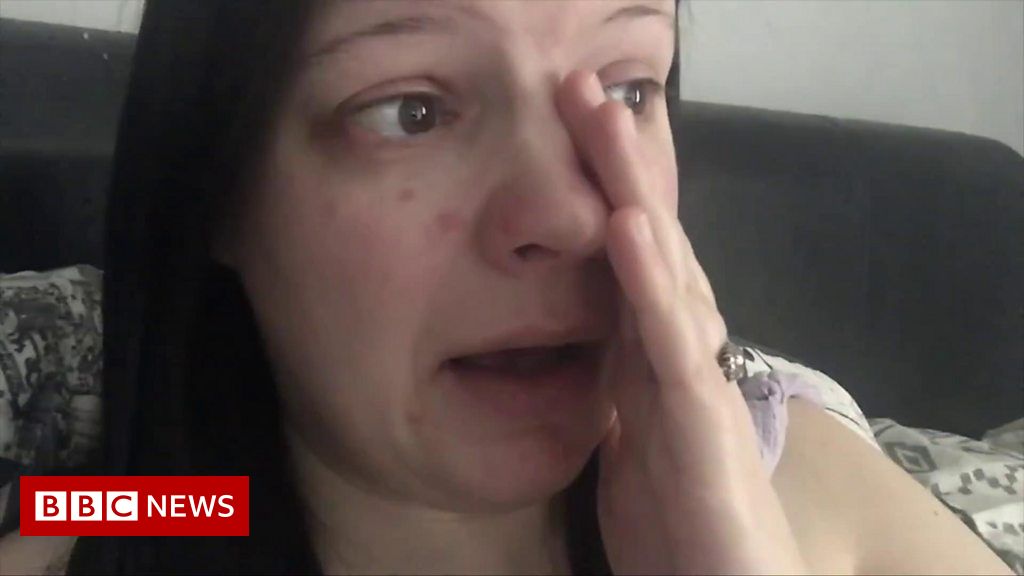
Laura Anderson shares her experience of hyperemesis gravidarum during her pregnancy two years ago.HG is a condition of prolonged and severe nausea and vomiting. Some women can be left vomiting up to 100 times a day.The Duchess of Cambridge experienced the illness during her three pregnancies.For information and support for issues covered in this video, visit bbc.co.uk/actionline

Read more →

Racism Is Declared a Public Health Crisis in New York City

The Board of Health passed a resolution directing the Health Department to work toward a “racially just recovery” from the coronavirus pandemic.The New York City Board of Health declared racism a public health crisis on Monday, passing a resolution that directed the Health Department to take steps to ensure a “racially just recovery” from the coronavirus pandemic.The resolution called on the department to work with other agencies to root out systemic racism within policies, plans and budgets on a wide range of matters that affect health, including land use, transportation and education. It also directed the department to improve data-collection practices and examine both the health code and its own history for structural bias.Dr. Dave A. Chokshi, the department’s commissioner, is also one of the 11 medical experts who sit on its board. At the meeting on Monday, he noted that the board was founded amid epidemics of yellow fever, cholera and smallpox in the early 1800s. Advances in sanitation and understanding the links between environmental factors and health helped curb those diseases.He drew a parallel to the current pandemic, and its outsize toll on communities of color.“Why do some nonwhite populations develop severe disease and die from Covid-19 at higher rates than whites?” he said. “Underlying health conditions undoubtedly play a role. But why are there higher rates of hypertension, diabetes and obesity in communities of color? The answer does not lie in biology. Structural and environmental factors such as disinvestment, discrimination, and disinformation underlie a greater burden of these diseases in communities of color.”He added, “The Covid-19 pandemic must render unacceptable that which has been condoned for generations.”The department is one of the largest public health agencies in the world, and one of the oldest in the country. The members of its board, who are appointed by the mayor with the consent of the City Council, serve without pay and oversee the health code.More than 200 similar declarations have been made by municipalities, health agencies and elected officials across the country, according to a database maintained by the American Public Health Association. The federal Centers for Disease Control and Prevention has also called attention to how racism affects illness rates and life expectancy.But the New York Health Department said its resolution was one of the first that was tied to specific directives. Those include making recommendations to the mayor’s Racial Justice Commission and establishing a Data for Equity working group, designed to ensure the department applies an “equity lens” to public health data and educates other agencies on how to do the same.The resolution also called on the department to investigate its own role in “divesting and underinvesting in critical community-led health programs.”Dr. Michelle Morse, chief medical officer and a deputy commissioner at the Health Department, called the resolution’s passage “a hopeful milestone,” but added that it was only one piece of a much larger puzzle. She said that strategies like updating the city’s health code and investing in disadvantaged areas were key.“One of the ways that racism is expressed at a policy level is inaction in the face of need,” she said. The resolution builds on a statement the department released in June 2020, amid widespread protests after the killing of George Floyd by a police officer in Minneapolis. The statement vowed to address racism “as a social determinant of health as part of our mission to protect the health of New Yorkers.”Dr. Kitaw Demissie, dean of the School of Public Health at SUNY Downstate Health Sciences University in Brooklyn, welcomed the resolution as a good start.“I like the idea, that they’re focusing on this issue,” he said. “Now the most important thing is to see its implementation, to see the investment, and to see the changes that are going to come.”He said the stark differences in disease and death rates seen during the pandemic brought attention to longstanding inequities.“Covid-19 was like a magnifying glass for us to see what has already been in existence for a long time,” he said. “Racial/ethnic disparities in health have been a pandemic.”

Read more →

N.Y.C. Board of Health Declares Racism a Public Health Crisis

The Board of Health passed a resolution directing the Health Department to work toward a “racially just recovery” from the coronavirus pandemic.The New York City Board of Health declared racism a public health crisis on Monday, passing a resolution that directed the Health Department to take steps to ensure a “racially just recovery” from the coronavirus pandemic.The resolution called on the department to work with other agencies to root out systemic racism within policies, plans and budgets on a wide range of matters that affect health, including land use, transportation and education. It also directed the department to improve data-collection practices and examine both the health code and its own history for structural bias.Dr. Dave A. Chokshi, the department’s commissioner, is also one of the 11 medical experts who sit on its board. At the meeting on Monday, he noted that the board was founded amid epidemics of yellow fever, cholera and smallpox in the early 1800s. Advances in sanitation and understanding the links between environmental factors and health helped curb those diseases.He drew a parallel to the current pandemic, and its outsize toll on communities of color.“Why do some nonwhite populations develop severe disease and die from Covid-19 at higher rates than whites?” he said. “Underlying health conditions undoubtedly play a role. But why are there higher rates of hypertension, diabetes and obesity in communities of color? The answer does not lie in biology. Structural and environmental factors such as disinvestment, discrimination, and disinformation underlie a greater burden of these diseases in communities of color.”He added, “The Covid-19 pandemic must render unacceptable that which has been condoned for generations.”The department is one of the largest public health agencies in the world, and one of the oldest in the country. The members of its board, who are appointed by the mayor with the consent of the City Council, serve without pay and oversee the health code.More than 200 similar declarations have been made by municipalities, health agencies and elected officials across the country, according to a database maintained by the American Public Health Association. The federal Centers for Disease Control and Prevention has also called attention to how racism affects illness rates and life expectancy.But the New York Health Department said its resolution was one of the first that was tied to specific directives. Those include making recommendations to the mayor’s Racial Justice Commission and establishing a Data for Equity working group, designed to ensure the department applies an “equity lens” to public health data and educates other agencies on how to do the same.The resolution also called on the department to investigate its own role in “divesting and underinvesting in critical community-led health programs.”It builds on a statement the department released in June 2020, amid widespread protests after the killing of George Floyd by a police officer in Minneapolis. The statement vowed to address racism “as a social determinant of health as part of our mission to protect the health of New Yorkers.”Dr. Kitaw Demissie, dean of the School of Public Health at SUNY Downstate Health Sciences University in Brooklyn, welcomed the resolution as a good start.“I like the idea, that they’re focusing on this issue,” he said. “Now the most important thing is to see its implementation, to see the investment, and to see the changes that are going to come.”He said the stark differences in disease and death rates seen during the pandemic brought attention to longstanding inequities.“Covid-19 was like a magnifying glass for us to see what has already been in existence for a long time,” he said. “Racial/ethnic disparities in health have been a pandemic.”

Read more →

Bolsonaro's Pandemic Handling Draws Explosive Allegation: Homicide

A long-awaited report from a panel of Brazilian senators concludes that Jair Bolsonaro purposely let the coronavirus kill Brazilians in a failed bid for herd immunity.BRASÍLIA, Brazil — A Brazilian congressional panel is set to recommend mass homicide charges against President Jair Bolsonaro, asserting that he intentionally let the coronavirus rip through the country and kill hundreds of thousands in a failed bid to achieve herd immunity and revive Latin America’s largest economy.A report from the congressional panel’s investigation, excerpts from which were viewed by The New York Times ahead of its scheduled release this week, also recommends criminal charges against 69 other people, including three of Mr. Bolsonaro’s sons and numerous current and former government officials.It is at best uncertain whether the report from the 11-member panel — seven of them opponents of Mr. Bolsonaro — will lead to any actual criminal charges, given the political realities of the country.But in deeply polarized Brazil, it reflects the depths of anger against a leader who refused to take the pandemic seriously. The report may prove a major escalation in the challenges confronting Mr. Bolsonaro, who took office in 2019, faces re-election next year and is suffering falling popularity.The extraordinary accusations appear in a nearly 1,200-page report that effectively blames Mr. Bolsonaro’s policies for the deaths of more than 300,000 Brazilians, half of the nation’s coronavirus death toll, and urges the Brazilian authorities to imprison the president, according to the excerpts from the report and interviews with two of the committee’s senators.Employees of a cemetery in São Paulo carrying the coffin of a person who died from Covid-19 in April.Adriana Zehbrauskas for The New York Times“Many of these deaths were preventable,” Renan Calheiros, the centrist Brazilian senator who was the lead author of the report, said in an interview in his office late Monday. “I am personally convinced that he is responsible for escalating the slaughter.”From the outset of the pandemic, Mr. Bolsonaro has gone out of his way to minimize the threat of the virus. As countries around the world locked down, and his own people began filling hospitals, he encouraged mass gatherings and discouraged masks. An avowed vaccine skeptic, he lashed out at any who dared criticize him as irresponsible.Those actions, the report argued, amounted to mass homicide.Mr. Bolsonaro’s office did not respond to requests for comment, but the president has criticized the Senate’s investigation into his handling of the pandemic as politically motivated. “Did you know that I was indicted for homicide today?” he asked supporters after the first details leaked out. He later called Mr. Calheiros “dirty.”The report’s findings culminate a six-month investigation by a special Covid-19 Senate committee that held more than 50 hearings. They became must-see television in Brazil, featuring testimony about bribery schemes and disinformation operations. One lawmaker wore a bulletproof vest to testify that some vaccine purchases included kickbacks.Written by a small group of senators after a wide-ranging investigation, the report also accuses Mr. Bolsonaro of “genocide” against Indigenous groups in the Amazon, where the virus decimated populations for months after hospitals there ran out of oxygen. Those allegations are unlikely to gain traction with Brazilian prosecutors, according to legal experts, and seem certain to further divide an already fractured nation.The report found that the president had pushed unproven drugs like hydroxychloroquine well after they had been shown to be ineffective for treating Covid-19 and that his administration caused a monthslong delay in the distribution of vaccines in Brazil by ignoring more than 100 emails from Pfizer. Instead, his government opted to overpay for an unapproved vaccine from India, the report said, a deal that was later canceled over suspicions of graft.Mr. Calheiros defended the committee’s plans to recommend charges of homicide and “Indigenous genocide” against Mr. Bolsonaro, saying they were accurate under a technical reading of Brazilian law. He framed the homicide charge as murder “by omission” — meaning that Mr. Bolsonaro allowed deaths he was responsible for preventing. Mr. Bolsonaro watching a military parade in August.Victor Moriyama for The New York TimesCreomar De Souza, an independent political analyst in Brasília, said that while the committee’s hearings revealed a mishandling of the pandemic, “I didn’t see any concrete element that was strong enough to accuse the president of genocide or homicide.” He said seven senators who oppose the president effectively control the 11-member committee.The committee was scheduled to release the report on Wednesday and then vote on it a week later. The group of seven opposition senators generally agree on the report, Mr. Calheiros said, suggesting that it would be approved. The Times viewed what was described as a final draft, though the details could still change before its release.One of the four senators on the committee who support the president is his son, Flavio Bolsonaro. The report that he will vote on next week will recommend criminal charges against him, too.In addition to the homicide and genocide charges, the report recommends nine additional charges against Mr. Bolsonaro, including forging documents and “crimes against humanity.”If the report is approved, Brazil’s attorney general will have 30 days to decide whether to pursue criminal charges against Mr. Bolsonaro and the others named in the report. Brazil’s lower house in Congress would also have to approve charges against Mr. Bolsonaro. Mr. De Souza said that outcome was unlikely: Mr. Bolsonaro appointed the attorney general, who remains his supporter, and his supporters control the lower house.Mr. Calheiros said that if the attorney general did not pursue charges against the president, the senate committee would seek other potential legal avenues, including in Brazil’s Supreme Court and the International Criminal Court in The Hague.If Mr. Bolsonaro is formally charged, he will be suspended from office for 180 days while the Supreme Court decides the case, said Irapuã Santana, a law professor at Rio de Janeiro State University. If convicted, he would be blocked from the presidency for eight years and face years in prison, Mr. Santana said. There is no death penalty in Brazil.Mr. Bolsonaro, Brazil’s 38th president, would not be the first to face homicide accusations. Brazil’s 13th president, Washington Luis, was arrested and charged with murder in 1930 after an opposition politician was assassinated, Mr. Santana said. Once Mr. Luis was deposed the military took control and installed a political rival as president.The three presidents who preceded Mr. Bolsonaro have all had their own legal issues, too.Michel Temer, a center-right president, was arrested on corruption charges that were later dropped. Dilma Rousseff, Brazil’s first female president, was impeached in 2016 on accusations she had manipulated the federal budget. And Luiz Inácio Lula da Silva, a leftist who led the country from 2003 to 2010, served 19 months in prison on corruption charges. They were dropped this year and he is now leading Mr. Bolsonaro in the polls in the 2022 presidential race.Supporters of a Bolsonaro political opponent, Luiz Inácio Lula da Silva, at a protest this month.Victor Moriyama for The New York TimesThe committee’s report represents Mr. Bolsonaro’s biggest fight yet with Brazil’s Congress, though with the election nearing, it is likely to be far from the last.As his poll numbers decline, Mr. Bolsonaro is seeking to push tax changes and a government overhaul through Congress to shore up his pitch to voters. There is also a looming fight over the federal debt and another committee investigating allegations that the president and his supporters spread online misinformation. Although more than half of the country now disapproves of the job Mr. Bolsonaro is doing as president, he retains control in the lower house of Congress and has enough support in the Senate to block the opposition from a majority.Mr. Bolsonaro called the virus a “little flu.” He joked that vaccines would turn people into alligators, prompting many Brazilians to get their vaccine shots in alligator costumes. And when he attended a United Nations meeting last month, New York’s vaccination rules for restaurants forced him and Brazil’s health minister to eat pizza on the sidewalk because Mr. Bolsonaro remains unvaccinated. The health minister tested positive for Covid-19 days later.Mr. Bolsonaro took a different tack when it came to hydroxychloroquine, an antimalarial medicine once thought to be a possible coronavirus treatment. After he tested positive last year, Mr. Bolsonaro posted a video of himself gulping the antimalarial pills, although scientists had warned against it.The Senate committee found that Mr. Bolsonaro and his allies had systematically pushed unproven drugs instead of practices that worked, such as social distancing and masks.In January, the Brazilian government took down a health app it created after researchers found it nearly always recommended unproven drugs like hydroxychloroquine and Ivermectin, an anti-parasitic drug for animals. Mr. Calheiros said that the Senate committee found that the federal government had spent millions of dollars on such drugs, even forcing Brazil’s armed forces to mass-produce them.Mr. Bolsonaro’s support for hydroxychloroquine and other unproven drugs persisted longer than it did among other world leaders who also once backed them. Former President Donald J. Trump, for instance, promoted hydroxychloroquine for months at the start of the pandemic, but largely stopped talking about it last year as the science became clearer.An image on one of his social media accounts was said to show Mr. Bolsonaro taking hydroxychloroquine after testing positive for the virus.Mr. Bolsonaro’s views on the pandemic were amplified by a coordinated network of conservative pundits, social-media influencers and anonymous online profiles, who railed against lockdowns and masks, pushed unproven drugs, questioned vaccines and claimed that Brazil’s death count was exaggerated, according to the report.The Senate committee accused Mr. Bolsonaro and his three eldest sons, who all hold elected office, of having constituted the “command nucleus” of the network. The committee’s report also corroborated stories in the Brazilian press that Mr. Bolsonaro’s government operated a so-called Cabinet of Hate out of government offices that directed online campaigns supporting the president’s goals and attacking his enemies. Leonardo Coelho contributed reporting.

Read more →

Bolsonaro Should Face Homicide Charges Over Pandemic, Brazil Lawmakers Say

A long-awaited report from Brazil’s Senate concludes that Jair Bolsonaro purposely let the coronavirus kill Brazilians in a failed bid for herd immunity.BRASÍLIA, Brazil — A Brazilian congressional panel is set to recommend mass homicide charges against President Jair Bolsonaro, asserting that he intentionally let the coronavirus rip through the country and kill hundreds of thousands in a failed bid to achieve herd immunity and revive Latin America’s largest economy.A report from a congressional investigation, excerpts from which were viewed by The New York Times ahead of its scheduled release this week, also recommends criminal charges against 69 other people, including three of Mr. Bolsonaro’s sons and numerous current and former government officials.The extraordinary accusations appear in a nearly 1,200-page report that effectively blames Mr. Bolsonaro’s policies for the deaths of more than 300,000 Brazilians, half of the nation’s coronavirus death toll, and urges the Brazilian authorities to imprison the president, according to the excerpts from the report and interviews with two of the committee’s senators.Employees of a cemetery in São Paulo carrying the coffin of a person who died from Covid-19 in April.Adriana Zehbrauskas for The New York Times“Many of these deaths were preventable,” Renan Calheiros, the centrist Brazilian senator who was the lead author of the report, said in an interview in his office late Monday. “I am personally convinced that he is responsible for escalating the slaughter.”It is unclear at best whether the report will lead to criminal charges. But it may prove a major escalation in the political challenges confronting Mr. Bolsonaro, a polarizing leader who took office in 2019, faces re-election next year and is suffering falling popularity.From the outset of the pandemic, Mr. Bolsonaro has gone out of his way to minimize the threat of the virus. As countries around the world locked down, and his own people began filling hospitals, he encouraged mass gatherings and discouraged masks. An avowed vaccine skeptic, he lashed out at any who dared criticize him as irresponsible.Those actions, the report argued, amounted to mass homicide.Mr. Bolsonaro’s office did not respond to requests for comment, but the president has criticized the Senate’s investigation into his handling of the pandemic as politically motivated. “Did you know that I was indicted for homicide today?” he asked supporters after the first details leaked out. He later called Mr. Calheiros “dirty.”The report’s findings culminate a six-month investigation by a special Covid-19 Senate committee that held more than 50 hearings. They became must-see television in Brazil, featuring testimony about bribery schemes and disinformation operations. One lawmaker wore a bulletproof vest to testify that some vaccine purchases included kickbacks.Written by a small group of senators after a wide-ranging investigation, the report also accuses Mr. Bolsonaro of “genocide” against Indigenous groups in the Amazon, where the virus decimated populations for months after hospitals there ran out of oxygen. Those allegations are unlikely to gain traction with Brazilian prosecutors, according to legal experts, and seem certain to further divide an already fractured nation.The report found that the president had pushed unproven drugs like hydroxychloroquine well after they had been shown to be ineffective for treating Covid-19 and that his administration caused a monthslong delay in the distribution of vaccines in Brazil by ignoring more than 100 emails from Pfizer. Instead, his government opted to overpay for an unapproved vaccine from India, the report said, a deal that was later canceled over suspicions of graft.Mr. Calheiros defended the committee’s plans to recommend charges of homicide and “Indigenous genocide” against Mr. Bolsonaro, saying they were accurate under a technical reading of Brazilian law. He framed the homicide charge as murder “by omission” — meaning that Mr. Bolsonaro allowed deaths he was responsible for preventing. Mr. Bolsonaro watching a military parade in August.Victor Moriyama for The New York TimesCreomar De Souza, an independent political analyst in Brasília, said that while the committee’s hearings revealed a mishandling of the pandemic, “I didn’t see any concrete element that was strong enough to accuse the president of genocide or homicide.” He said seven senators who oppose the president effectively control the 11-member committee.The committee was scheduled to release the report on Wednesday and then vote on it a week later. The group of seven opposition senators generally agree on the report, Mr. Calheiros said, suggesting that it would be approved. The Times viewed what was described as a final draft, though the details could still change before its release.One of the four senators on the committee who support the president is his son, Flavio Bolsonaro. The report that he will vote on next week will recommend criminal charges against him, too.In addition to the homicide and genocide charges, the report recommends nine additional charges against Mr. Bolsonaro, including forging documents and “crimes against humanity.”If the report is approved, Brazil’s attorney general will have 30 days to decide whether to pursue criminal charges against Mr. Bolsonaro and the others named in the report. Brazil’s lower house in Congress would also have to approve charges against Mr. Bolsonaro. Mr. De Souza said that outcome was unlikely: Mr. Bolsonaro appointed the attorney general, who remains his supporter, and his supporters control the lower house.Mr. Calheiros said that if the attorney general did not pursue charges against the president, the senate committee would seek other potential legal avenues, including in Brazil’s Supreme Court and the International Criminal Court in The Hague.If Mr. Bolsonaro is formally charged, he will be suspended from office for 180 days while the Supreme Court decides the case, said Irapuã Santana, a law professor at Rio de Janeiro State University. If convicted, he would be blocked from the presidency for eight years and face years in prison, Mr. Santana said. There is no death penalty in Brazil.Mr. Bolsonaro, Brazil’s 38th president, would not be the first to face homicide accusations. Brazil’s 13th president, Washington Luis, was arrested and charged with murder in 1930 after an opposition politician was assassinated, Mr. Santana said. Once Mr. Luis was deposed the military took control and installed a political rival as president.The three presidents who preceded Mr. Bolsonaro have all had their own legal issues, too.Michel Temer, a center-right president, was arrested on corruption charges that were later dropped. Dilma Rousseff, Brazil’s first female president, was impeached in 2016 on accusations she had manipulated the federal budget. And Luiz Inácio Lula da Silva, a leftist who led the country from 2003 to 2010, served 19 months in prison on corruption charges. They were dropped this year and he is now leading Mr. Bolsonaro in the polls in the 2022 presidential race.Supporters of a Bolsonaro political opponent, Luiz Inácio Lula da Silva, at a protest this month.Victor Moriyama for The New York TimesThe committee’s report represents Mr. Bolsonaro’s biggest fight yet with Brazil’s Congress, though with the election nearing, it is likely to be far from the last.As his poll numbers decline, Mr. Bolsonaro is seeking to push tax changes and a government overhaul through Congress to shore up his pitch to voters. There is also a looming fight over the federal debt and another committee investigating allegations that the president and his supporters spread online misinformation. Although more than half of the country now disapproves of the job Mr. Bolsonaro is doing as president, he retains control in the lower house of Congress and has enough support in the Senate to block the opposition from a majority.Mr. Bolsonaro called the virus a “little flu.” He joked that vaccines would turn people into alligators, prompting many Brazilians to get their vaccine shots in alligator costumes. And when he attended a United Nations meeting last month, New York’s vaccination rules for restaurants forced him and Brazil’s health minister to eat pizza on the sidewalk because Mr. Bolsonaro remains unvaccinated. The health minister tested positive for Covid-19 days later.Mr. Bolsonaro took a different tack when it came to hydroxychloroquine, an antimalarial medicine once thought to be a possible coronavirus treatment. After he tested positive last year, Mr. Bolsonaro posted a video of himself gulping the antimalarial pills, although scientists had warned against it.The Senate committee found that Mr. Bolsonaro and his allies had systematically pushed unproven drugs instead of practices that worked, such as social distancing and masks.In January, the Brazilian government took down a health app it created after researchers found it nearly always recommended unproven drugs like hydroxychloroquine and Ivermectin, an anti-parasitic drug for animals. Mr. Calheiros said that the Senate committee found that the federal government had spent millions of dollars on such drugs, even forcing Brazil’s armed forces to mass-produce them.Mr. Bolsonaro’s support for hydroxychloroquine and other unproven drugs persisted longer than it did among other world leaders who also once backed them. Former President Donald J. Trump, for instance, promoted hydroxychloroquine for months at the start of the pandemic, but largely stopped talking about it last year as the science became clearer.An image on one of his social media accounts was said to show Mr. Bolsonaro taking hydroxychloroquine after testing positive for the virus.Mr. Bolsonaro’s views on the pandemic were amplified by a coordinated network of conservative pundits, social-media influencers and anonymous online profiles, who railed against lockdowns and masks, pushed unproven drugs, questioned vaccines and claimed that Brazil’s death count was exaggerated, according to the report.The Senate committee accused Mr. Bolsonaro and his three eldest sons, who all hold elected office, of having constituted the “command nucleus” of the network. The committee’s report also corroborated stories in the Brazilian press that Mr. Bolsonaro’s government operated a so-called Cabinet of Hate out of government offices that directed online campaigns supporting the president’s goals and attacking his enemies. Leonardo Coelho contributed reporting.

Read more →