Treatment enhances anti-leukemia effect of bone marrow transplant, reduces recurrence, study finds

Researchers at the University of Michigan Health Rogel Cancer Center have identified a drug that, when given along with a bone marrow transplant, drops the risk of leukemia recurring by 20% among the high-risk patients.
The study, published in Blood Advances, looked at patients with an advanced form of acute myeloid leukemia that had grown resistant to other treatments. Their next step was a bone marrow transplant from a donor, a procedure that is sometimes not recommended because the patients are so sick. It’s a risky option: even with a transplant, 60% of patients relapse within six months.
Previous laboratory studies by the group, led by Pavan Reddy, M.D., suggested the drug interferon could enhance function of a key subset of dendritic cells that can selectively enhance T cells which recognize and kill leukemia cells after transplant. Interferon-alpha is used in some autoimmune diseases, but the response does not last long.
To get around that, researchers looked at a long-acting form of interferon called pegylated IFN-alpha. It’s commercially available to treat hepatitis B and C, as well as some blood cancers.
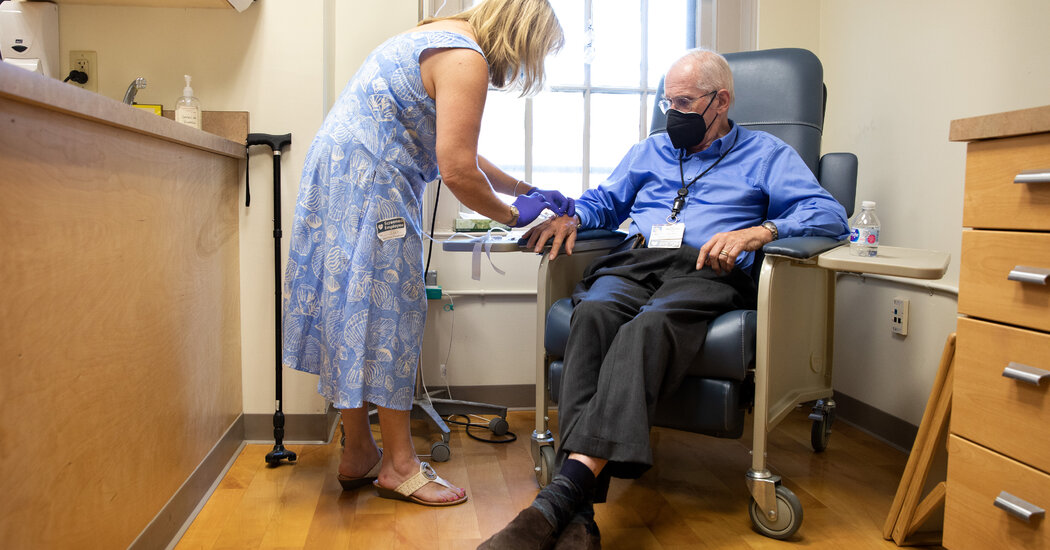
An early stage clinical trial enrolled 36 patients who received four doses of pegIFN-alpha, every 14 days beginning just before their transplant. At six months, 39% of patients had relapsed, reducing the disease relapse by over 20%. The drug was generally well-tolerated, with side effects in line with what many transplant patients experience. Moreover, the interferon treatment did not appear to increase graft-vs.-host disease.
“Despite the curative potential of bone marrow transplant, relapse remains the greatest barrier to successful outcomes. This result suggests that a brief course of peg-IFN may increase the anti-leukemic potency of an allogeneic transplant. If this intervention can reduce relapse, even by 10-20%, it could translate into improved survival,” said study lead author John Magenau, M.D., clinical associate professor of internal medicine at Michigan Medicine.
While more research is needed to confirm the findings in a larger, randomized clinical trial, the researchers note that new strategies are essential for this group of patients who have few options.
“It’s not a homerun. We moved the bar up, but it’s not high enough. We need to determine what else we can do in addition to interferon to get to those patients who still relapsed,” said Reddy, division chief and Frances and Victor Ginsberg Professor of Hematology/Oncology.
The team has some ideas based on ongoing laboratory research to try to improve upon these results. In addition, they are looking to perform a randomized trial, potentially also exploring interferon in other types of transplants or blood cancers.
Story Source:
Materials provided by Michigan Medicine – University of Michigan. Note: Content may be edited for style and length.

Read more →

Depression: Magnetic seizure therapy may be attractive alternative to electricity

Treatment-resistant depression or TRD is exactly what it sounds like: a form of mental illness that defies effective therapy. It is not rare, with an estimated 3 million persons in the United States suffering from TRD.
In a novel study, published in the October 19, 2021 online issue of The Journal of Clinical Psychiatry, an international team of scientists led by senior author Zafiris J. Daskalakis, MD, PhD, professor of psychiatry and chair of the Department of Psychiatry at University of San Diego School of Medicine, investigated whether continued magnetic seizure therapy (MST) might effectively prevent the relapse of TRD, particularly in comparison to what is known about electroconvulsive therapy (ECT), the current standard of care but a method with mixed results and a controversial history.
ECT is a procedure, performed under general anesthesia, in which small electric currents are passed through the brain, triggering a brief seizure and changes in brain chemistry that reverse symptoms of some mental health conditions, most notably depression and mania.
ECT dates back to the 1930s. Early treatments involved high doses of electricity administered without anesthesia, resulting in memory loss, fractured bones and other serious side effects. Contemporary ECT uses much lower levels of electric stimulus in combination with anesthesia to avoid pain and muscle relaxants to reduce the physical dangers of a seizure.
ECT often works when other treatments are unsuccessful, but it does not work for everyone, and some side effects may still occur, such as confusion and memory loss. These concerns, and a lingering public stigma, have limited its widespread use.
MST is a different form of electrical brain stimulation, debuting in the late-1990s. It induces a seizure in the brain by delivering high intensity magnetic field impulses through a magnetic coil. Stimulation can be tightly focused to a region of the brain, with minimal effect on surrounding tissues and fewer cognitive side effects. Like ECT, MST is being studied for treating depression, psychosis and obsessive-compulsive disorder.

Read more →

Depression, anxiety may be linked to c-section risk among pregnant women

Depression and anxiety in pregnant women may be connected to the type of delivery they have, new research suggests.
Perinatal mood and anxiety disorders have already been associated with adverse pregnancy outcomes like low birth weight and preterm birth. And now, a new Michigan Medicine study finds that they may also be linked to significantly higher rates of first time cesarean deliveries among women who were otherwise at low risk of having one.
“Our findings reinforce the importance of better identifying and treating perinatal depression and anxiety disorders in pregnant women,” said senior author Vanessa Dalton, M.D., M.P.H., obstetrician gynecologist at University of Michigan Health Von Voigtlander Women’s Hospital.
“It’s critical to better understand how these mood disorders increase the likelihood of cesarean section deliveries, which we know have both short and long-term health consequences for both expecting moms and their babies.”
Researchers analyzed national data for 360,225 delivery hospitalizations among commercially insured women ages 15-44 during the decade between 2008 and 2017, with 24% including a first-time delivery by cesarean section. The findings appear in Health Affairs.
The study is among the largest to document a link between predated mood and anxiety disorders and first-time c-sections among low-risk pregnant women. Previous research on this relationship is limited, often including patients who had previous cesarean deliveries — one of the most significant predictors of a repeat c-section — or who may not have already been diagnosed with a perinatal mood disorder.

Read more →

Male-female differences in heart disease could start before birth

Males and females differ in prevalence, treatment responses, and survival rates for a variety of diseases. For cardiac disease, women almost uniformly fare far worse than men. There are likely many reasons for this, and scientists at the University of North Carolina at Chapel Hill and Princeton University seemed to have found one deep inside cells before we’re even born.
Published in the journal Development Cell, this research suggests that male-female differences in protein expression occur immediately after embryonic cells become heart cells called cardiomyocytes. This is the earliest stage of heart development, well before the embryo is exposed to sex hormones.
This comprehensive report is the first to detail the mechanisms of cardiac sex disparities at such an early stage, providing new opportunities for research of cardiac disease and treatment, as well as advancing the biological study of sex differences in this burgeoning field.
“Our studies show that sex biases in heart development occurs prior to primary sex determination and can be, and are, associated with sex bias congenital heart disease,” said co-senior author Frank Conlon, PhD, professor of genetics and biology at the University of North Carolina at Chapel Hill. “Since sex disparities have been reported in many other disease states, including cancer, dementia, chronic kidney disease, obesity, autoimmune disease, and COVID19, our studies provide a framework for uncovering the mechanisms and pathways of these disease states, as well.”
This research was a collaboration between Conlon lab at the UNC School of Medicine, and the lab of co-senior author is Ileana Cristea, PhD, the Henry L. Hillman Professor of Molecular Biology at Princeton.
Such health disparities between males and females have been known for a long time and led to “The Report of the National Heart, Lung, and Blood Institute Working Group on Sex Differences Research in Cardiovascular Disease” in 2016. Although sex plays a critical role in cardiac disease, the mechanisms underlying sex differences in cardiac health and disease have been unknown.
Co-first authors Wei Shi, PhD, a postdoctoral researcher in the Conlon lab, and Xinlei Sheng, PhD, a postdoctoral researcher in the Cristae lab, led a systems-based approach to identifying the molecular differences, at both the RNA and protein levels of cells, between male and female embryonic and adult hearts in mice. They leveraged the power of the Collaborative Cross (CC) as a surrogate for human diversity, identifying the proteins, protein complexes, and protein pathways that are common between mammals and those that diverge between males and females. The CC is composed of eight founding strains of genetically diverse mice to address the many research shortcomings in most other available mouse-strain resources, including small numbers of strains, limited genetic diversity, and a less than ideal population structure.
Conlon’s team then defined the cell types that express a subset of these proteins to show differences in expression in the cardiomyocyte lineage between male and female hearts.
“Contrary to the current paradigm, we discovered that male-female cardiac sex differences are not solely controlled by hormones but also through a sex chromosome mechanism independent of sex hormones,” said Conlon, who is also a member of the UNC McAllister Heart Institute. “Our analysis showed that protein expression differs between male and female hearts at the embyronic period prior to primary sex determination and prior to the embryo being exposed to sex hormones.”
Understanding the basic biology of heart development at this very early stage provides crucial information for stem cell biologists interested in using cardiac progenitor cells for regeneration of heart tissue and other cardiac replacement therapies.

Read more →

Sales of Biogen’s costly new Alzheimer’s drug fall far short of expectations.

The drug maker Biogen reported on Wednesday that Aduhelm, its new Alzheimer’s drug, had brought in $300,000 in revenue from July to September, far short of the company’s goals and Wall Street expectations.The sales figures, which Biogen disclosed in its financial report for the third quarter, the drug’s first full period of availability, represented a remarkably slow start for a treatment that was introduced with a $56,000 annual price tag and expectations that it would strain Medicare’s budget within a few years. Uptake has been substantially slowed by concerns among insurers, physicians and families that the drug is backed by little evidence of effectiveness while coming with significant risk of potentially serious side effects.“It’s a huge disappointment,” said Brian Skorney, an analyst at Robert W. Baird & Company.“People have for a while talked about this being potentially the biggest drug ever,” he added. “There’s no drugs that have been successful to that extent that have really had that slow of a start.”Wall Street analysts had forecast that the drug would bring at least $12 million in the third quarter, though expectations had been tempered after the news organization STAT reported last month that just over 100 patients had received the treatment in its first few months of availability. Biogen’s stock was up about 0.3 percent on Wednesday.Biogen did not disclose how many patients received its treatment in the July-to-September quarter. In its first few weeks of availability in June, the treatment brought in $1.6 million in revenue, much of which came from stockpiled inventory. Biogen said on Wednesday that it expected Aduhelm to continue to bring in minimal revenue through the rest of this year, a damaging blow for the company, which was counting on the drug to make up for declining revenue from other products.Biogen’s chief executive, Michel Vounatsos, told analysts that the company was “not panicking” about the low sales numbers and continued “to believe in Aduhelm’s long-term potential.” He blamed the slow sales on a lack of clarity about the whether the drug would paid for by insurers.The federal agency that administers Medicare said in July that it was starting a monthslong review to determine whether to standardize coverage of the drug nationwide, a step that could restrict which patients receive it. A draft decision is expected in January, with a final decision by April.Several prominent academic medical centers, including the Cleveland Clinic and Mount Sinai Health System in New York, have decided not to give the drug to patients. Several regional Blue Cross Blue Shield health plans have declined to cover it, and in August, the Department of Veterans Affairs decided not to add the drug to its formulary of available medicines.The Food and Drug Administration decided in June to approve Aduhelm, which is given as a monthly intravenous infusion, despite conflicting clinical trial results and internal dissent among its reviewers and advisers. In one study that yielded a positive result, a high dose of the drug slowed decline by 0.39 on an 18-point scale. Typically mild but potentially serious side effects like brain swelling or bleeding occurred in 40 percent of clinical trial participants.The agency’s independent advisory panel and many outside scientists opposed the approval decision. Several members of the panel quit in protest. The F.D.A. itself later called for a federal investigation of the process that led to the approval.

Read more →

Does Estrogen Impact Exercise? What Scientists Are Learning

A study in mice raises intriguing questions about the ways that hormones influence the brain and motivate the body to move.Estrogen may change brain activity in ways that could affect how physically active we are, according to a remarkable new study in mice that looked at DNA, hormones and brain cells. Using advanced technology to pinpoint and reprogram specific genes and neurons in living animals, the study found that surges of estrogen jump-started processes in the mouse brain that prompted the animals — even males — to become more active.The study, which was published recently in Nature, involved mice. While humans share many of the same relevant hormones, genes and neurons, we are not mice and cannot yet say whether our brains and physiological systems work the same way. But the findings may open intriguing avenues of inquiry into why women so often become inactive after menopause, when estrogen fades. The results also underscore how the brain and internal biological processes work together to play an unexpected and substantial role in whether the body gets up and moves or remains mostly still.Moving and matingFor close to a century, since a famous 1924 study involving rats, scientists have known that female mammals tend to be most physically active just before they ovulate, when they are also most sexually receptive. This behavior makes evolutionary sense, since female animals presumably need to be on the hunt then for a mate. In the intervening decades, researchers began to speculate that estrogen must play a driving role in this behavior, with subsequent studies indicating that female lab animals’ daily skitterings typically would surge and wane in tandem with their estrogen levels. But how could estrogen, which primarily controls ovulation and other aspects of reproduction, influence physical activity? That physiological puzzle recently drew the attention of Holly Ingraham, the Herzstein Endowed Professor of Physiology at the University of California, San Francisco, who has a longstanding research interest in women’s physiology and metabolism. She and her collaborators wondered if estrogen might somehow shape genetic activity in the brain, which would then activate brain cells in ways that could set in motion, well, motion itself.To investigate that possibility, the scientists first gathered a crowd of healthy adult female mice and chemically blocked estrogen uptake in some of them, while tracking how much all of the animals moved. Almost immediately, the animals without estrogen became noticeably more sedentary than the other females, confirming that estrogen somehow affects physical activity.Finding the movement cellsNext, the researchers examined the activity of a number of genes in the animals’ brains, noting that one, in particular, enthusiastically pumped out extra proteins when the animals’ brains were bathed in estrogen but became almost quiet when estrogen was absent. This gene, melanocortin-4, or Mc4r, previously had been linked in people to food intake and regulation of body weight. But the scientists now guessed it might also be the bridge between estrogen and the impulse to be physically active, an idea they substantiated by using high-tech genetic mapping techniques refined by one of the study’s authors, Jessica Tollkuhn, an assistant professor at Cold Spring Harbor Laboratory School of Biological Sciences in Cold Spring Harbor, N.Y.These techniques showed, in real time, estrogen binding to Mc4r genes in certain neurons, especially those in a part of the mouse brain involved in energy expenditure. These brain cells also shared connections with other neurons elsewhere in the brain that control the speed at which animals move. Taken together, this experiment showed estrogen firing up a particular gene that turns on certain brain cells that then should be expected to nudge an animal to move.But the scientists had not yet seen these genes and neurons in action, so, as a final aspect of the study, they used a sophisticated technique known as chemogenetics to directly galvanize the relevant neurons in female mice that had been bred to produce no estrogen. Once physically sluggish, these mice now explored, stood, played and ran far more than they had before.Similarly, when the scientists used a form of the gene-editing technology CRISPR to gin up activity of the Mc4r gene in female animals’ brains, the mice became almost twice as active as before, a physical surge that persisted for weeks. Even male mice moved more when their Mc4r gene activity was dialed up by CRISPR, although not as much as the peripatetic females.These results highlight the “complexity of physical activity behavior,” Dr. Ingraham said, and how the willingness to spontaneously move — or not — for any animal likely involves an intricate interplay between genetics, endocrinology and neurology, along with conscious deliberation.The study also raises the intriguing possibility that the “timing of exercise, to have its most beneficial impact for women, might be fine-tuned by considering the changing hormonal milieu,” including the hormonal changes of menopause, said Dr. Tamas Horvath, a professor of neuroscience and obstetrics, gynecology and reproductive sciences at the Yale School of Medicine and chairman of the school’s department of comparative medicine. “Of course, all these observations in mice need to be confirmed to operate in us, humans,” said Dr. Horvath, who was not involved in the current research. “However, the fact that this mechanism is found in an ancient part of the brain suggests that it will be applicable for most mammals, including humans.”‘Knowledge is power’Dr. Ingraham agreed. “We assume this circuit is working in humans, too,” she said and, if so, the new study and any subsequent, related research could help to explain, in part, why inactivity is so common in women after menopause and also offer some potential strategies for overcoming the pull toward lassitude. Increasing estrogen levels in older women, for instance, might, in theory, encourage more movement, though estrogen replacement therapy remains a complicated subject because of heightened cancer risks and other health concerns. The study does hint, however, that it could, eventually, be possible to bypass estrogen and recreate its effects with new therapies that would directly target the Mc4r gene or the relevant neurons in people’s brains and mimic the effects of estrogen without the hormone itself. Any such medical advances are years in the future, Dr. Ingraham said.Already, though, by delving into “the interrelationship between hormones and physical activity in females, this study has significant implications for human research studying the menstrual cycle and hormonal contraceptives and also menopause,” said Paul Ansdel, a lecturer in exercise physiology at Northumbria University in England, who was not involved with the study but has extensively studied menstruation and physical performance. “We know the importance of exercising in later life for promoting and maintaining health,” he continued, “so the challenge for us now is to understand the best ways to stay active throughout the major hormonal transition that is menopause.”“Knowledge is power,” Dr. Ingraham concluded. She noted that because so many of us are living longer now, better understanding of why — and whether — we choose to move can help make those years healthier. For example, knowing that biology might angle us toward the couch if we are women and aging, we could use fitness trackers or training diaries to help us compare our activities from year to year. Or, just honestly assess whether we are as active now as we would like to be, whatever our age (or gender). The brain is a complex organ and our motivations for exercise varied and deep, but we always have the option “to decide to be active,” Dr. Ingraham said, to make the choice to get up and move.

Read more →

Ancient-DNA Researchers Set Ethical Guidelines for Their Work

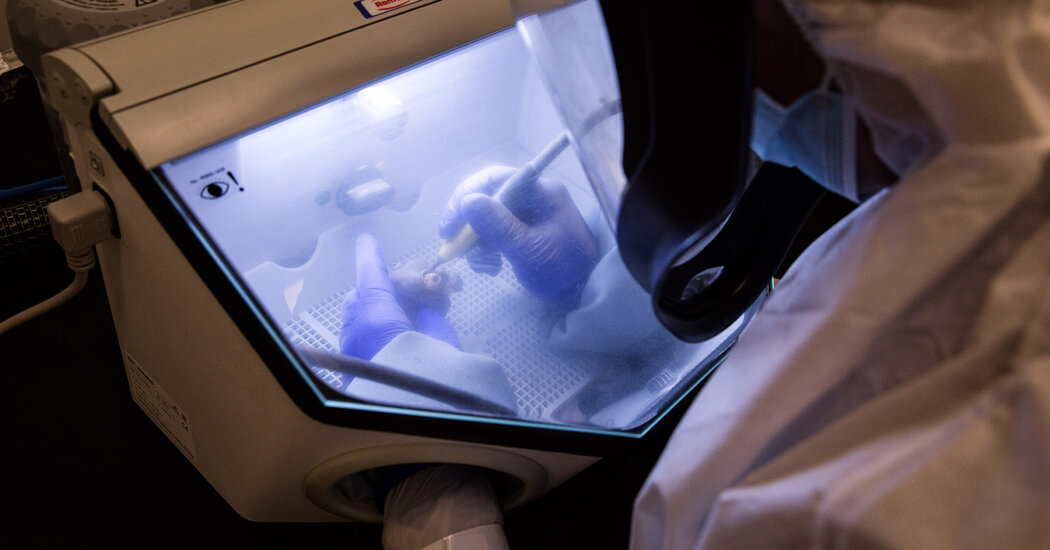
New, international standards for handling ancient genetic material draw support from many scientists, criticism from others.In 2017, a team of scientists successfully extracted the DNA of members of a Pueblo community who were buried starting around 1,300 years ago in what is now Chaco Canyon in New Mexico. The DNA suggested that these people had lived in a matrilineal society, with power passed down through generations of mothers.The paper was a powerful example of how ancient DNA could illuminate the lives of people who died long ago.It was also a case study in poor ethics, some researchers contended at the time. They alleged that the scientists had failed to consult with local tribes and used culturally insensitive terms, such as referring to a tribal ancestor as “cranium 14.”Such criticisms have grown more numerous in the past decade as the practice of extracting DNA from ancient human remains has become more widespread, thanks to advances in genetic-sequencing technologies.On Wednesday, an international group of researchers who work on ancient DNA articulated a set of ethical guidelines to ensure that their work does no harm, either to the once-living people they study or to the modern communities who have a stake in the matter. Their perspective, published in the journal Nature and translated into more than 20 languages, listed 64 authors from 31 countries, and represented every continent except for Antarctica.The group met virtually starting in November 2020 to hash out the guidelines.“This paper sets the steps toward new policies in aDNA research,” Hiba Babiker, a postdoctoral fellow at the Max Planck Institute for Evolutionary Biology in Plön, Germany, and an author on the paper, wrote in a message.The researchers hope the guidelines “will be taken up by the wider community engaged in ancient DNA research,” Rodrigo Nores, a researcher at the National Scientific and Technical Research Council of Argentina and an author on the paper, wrote in an email.The paper specifies five general guidelines for ancient DNA researchers: that they follow local regulations, prepare a detailed plan before any study, minimize damage to human bones, make data available for re-examination and, to ensure respect and sensitivity, engage with all stakeholders before starting any study.Many scientists who were not involved in the virtual meeting expressed support for the guidelines.“I will say that it’s encouraging to see a group of scientists like this say we have talked about this standard of behavior and we’re willing to agree to it,” said John Hawks, a paleoanthropologist at the University of Wisconsin-Madison, who was not involved with the paper. “It’s a step forward for them to say at least we’re going to follow the law.”But some researchers criticized the past actions of some authors of the guidelines, including several who worked on the Chaco Canyon paper.“If I look at the five principles they’ve come up with,” said Maui Hudson, an associate professor at the University of Waikato in New Zealand, “they seem like they’re stating what they should be doing anyway and not really pushing toward the place where Indigenous communities would like them to be.”Some outside researchers found the guidelines vague. “We need to be as sophisticated in our applications and understandings of bioethics and decolonial practice as we are with ancient DNA,” said Rick W.A. Smith, a biocultural anthropologist at George Mason University, who was not involved with the research.Still other scientists, many of them Indigenous, who have written extensively about ethics in ancient DNA research, wondered why they were not asked to be involved.A technician in the lab of David Reich, a paleogeneticist at Harvard, sandblasting a bone several thousand years old to isolate and extract DNA.Kayana Szymczak for The New York Times“I was a bit surprised that a meeting like this happened and that I was not invited,” said Nanibaa’ Garrison, a bioethicist and geneticist at the University of California, Los Angeles, who works on the project aDNA Ethics, which is focused on the ethics of studying North American ancient DNA. “They talk about community engagement but fail to engage the community of researchers who have been involved in that space, too.”Krystal Tsosie, a genetics researcher at Vanderbilt University, wrote in an email, “I feel like this entire paper is really geared toward excusing paleogenomicists’ extraction of data without the consent of communities.”The authors of the new paper intentionally chose to invite only active practitioners of ancient DNA research, according to Kendra Sirak, a paleogeneticist at Harvard Medical School and one of the authors. They also emphasize that these guidelines come from a particular group of scholars in the ancient DNA community.“We realized that what’s lacking in this field is a statement from a group of practitioners from all over the world, so that’s what we wanted to contribute here,” said Dr. Sirak, who works in the lab of David Reich, one of the leading experts in ancient DNA.The new paper is not the first published set of ethical guidelines on the issue. In 2018, a group of scientists based in North America published guidelines for ancient DNA research — the first recommendations approved by a professional organization, the American Society of Human Genetics.But concerns arose during the virtual workshop that the guidelines of that paper could not be extended worldwide, the authors said. “Our lab is global, and we heard from a lot of our collaborators who said those guidelines are good steppingstones but not universally applicable,” said Jakob Sedig, a postdoctoral fellow in Dr. Reich’s lab.The task of creating globally applicable guidelines for ancient DNA research is daunting, as historical and cultural context and regulations vary widely across the world, the authors noted in the new paper. In the United States and Hawaii, where Indigenous peoples were historically displaced by white settlers, “it is critical to center Indigenous perspectives,” said Nathan Nakatsuka, a postdoctoral fellow at Harvard Medical School and an author on the paper. Elsewhere in the world, the authors contend that consulting with communities who live in the vicinity of a site or profess ties to it does not always make sense.The fourth recommendation in the new paper, on making data available after publication to check the scientific findings, garnered much debate. The guidelines call making data fully open a “best practice,” but would require only that other researchers be allowed to confirm the accuracy of the original study.Many authors made the case for fully open data, Dr. Sirak said; restricted data access could tilt the availability of such data to larger, well-funded labs, they argued. “But we saw instances where we could possibly justify limiting data if there were concerns,” Dr. Sirak said.If any researcher can gain access to ancient DNA for new purposes, Mr. Hudson said, related communities would lose the opportunity to determine how the data is used.Dr. Hawks suggested that ancient DNA could offer an unethical shortcut to modern DNA. “If you’re working on skeletal remains from a region of the world that we know historically was occupied by ancestors or relatives of an Indigenous group today, that’s an avenue to capitalize on information from an Indigenous group while circumventing these research ethics,” Dr. Hawks said.The final guideline asks that researchers engage with stakeholders to ensure the research is conducted with respect and sensitivity to all people involved, living and dead.Some outside researchers felt this guidelines siloed researchers and stakeholders. “Most of these guidelines seem to be about ancient DNA researchers working in isolation of communities and not with communities,” said Ripan Malhi, a genetic anthropologist at the University of Illinois at Urbana-Champaign who was not involved with the paper.The authors on the new paper say they hope to continue the conversation around the ethics of ancient DNA. “I think every single one of us is open to having discussions now with a wider group of people,” Dr. Sirak said.Dr. Malhi said: “I do like the conversation. But I guess I would want to see the conversation not erasing guidelines and topics and people that have been talking about ethics for a long time on genetics in the past.”

Read more →

Gates Foundation Pledges $120 Million to Help Get Covid Pills Quickly to Poor Countries

Regulatory hurdles and supply chain issues could slow efforts to produce generic versions of Merck’s antiviral molnupiravir for developing nations, despite licensing agreements.The first easy-to-use Covid-19 treatment could be available in the United States by the end of this year, but it is unlikely to reach developing countries, where hundreds of millions of people remain without access to vaccines, until at least the middle of 2022, according to public health officials.The Bill and Melinda Gates Foundation announced on Wednesday that it would attempt to expedite the timetable for getting the drug, the antiviral molnupiravir, to low-income countries. It pledged an initial investment of up to $120 million to prompt eight generic drugmakers that have signed licensing agreements with the drug’s developer Merck to start producing the medicine now, a sort of insurance policy gambling that it will be approved by regulatory bodies.Molnupiravir was developed in record speed by Merck and Ridgeback Biotherapeutics, who have submitted an application to the Food and Drug Administration for emergency use authorization. Merck is already manufacturing the drug in anticipation of that approval, which could come in December.The U.S. government has a pre-purchase contract for 1.7 billion courses of the medication, a simple pill that in a large clinical trial halved the risk of hospitalizations and death from the coronavirus among high-risk people who took it in the first days of infection.In addition to licensing the eight Indian manufacturing companies to produce generic versions of molnupiravir, Merck is in discussions with the Medicines Patent Pool, a nonprofit backed by the United Nations, raising hopes the simple treatment could be widely accessible in nations where large numbers of unvaccinated people will continue to die of Covid infections.But drug production experts say there are critical challenges, such as the supply of raw materials, regulatory approval and financial investment, that will mean the drug will be available in Omaha long before it is in Zimbabwe.The drug approval and authorization process often takes about a year; the foundation and Unitaid, the global health agency based in Geneva, have been working for months — since conversations with Merck indicated early data on the drug’s effectiveness were strong — on steps to make this process as fast as possible.Mark Suzman, the Gates Foundation’s chief executive officer, said in an interview that it would be “an outrageous outcome” if the inequities in vaccine access were to carry over into access to therapeutics.“We can use resources that multilateral agencies would not be able to put forward at this stage, because they’re constrained waiting for regulatory approval, to incentivize those producers to start manufacturing now, so that we would have a stockpile ready to distribute if and when we get approval,” he said.The generic versions of molnupiravir will be evaluated by the World Health Organization and receive prequalification, the global body’s stamp of approval, which would allow countries to fast track purchases.Still, that process will take months, said Prashant Yadav, a supply chain expert with the Center for Global Development. There are only a few suppliers of the drug’s components (called the active pharmaceutical ingredient, or A.P.I.), and its manufacturers will have to be persuaded to ramp up their at-risk production, as well.The Gates Foundation’s efforts could make a meaningful difference, he said. “The foundation investing in a volume guarantee creates a more guaranteed supply of high quality A.P.I. for whosoever wants to make the finished formulation for the drug,” he said.The foundation has also been funding research into how the drug production process can be done more cheaply, and more quickly, Mr. Suzman said.Dr. Yadav said that individual companies would be unlikely to make such expenditures on their own, and that it would help to drive down the price of the medication.If a country such as Zimbabwe were to approve the drug and order it, the timeline to get it to patients would depend on how much was being made globally. “It could be months before the product is even shipped out,” he said. “To be pragmatic I think we are talking about six months before, I’m not even talking about somebody taking it, but even let’s say, before it’s in warehouses in a country.”Multilateral donors and national governments should consider a molnupiravir stockpile as a way to ensure continued flow of the drug’s ingredients, he said. Markets for therapeutics can be uncertain: If case counts fall, manufacturers may cut back their production, and the drug would not be available if there were a surge in infections.In addition to the deals Merck has negotiated with the Indian companies, the foundation hopes to spur drug manufacturers in other parts of the world to seek licenses, knowing the Gates pledge will underwrite their risk, Mr. Suzman said. “Ideally you wouldn’t want to have a single producer in a single country doing it because we’ve seen some of those risks,” he said.The Gates Foundation played a similar role trying to expedite Covid vaccine access, making a $300 million deal with the Serum Institute of India that facilitated accelerated production of the AstraZeneca and Novavax vaccines. However India banned vaccine exports for months during its second Covid waves.Financial and vaccine donations to Covax, the global body meant to ensure supply delivery to low-income nations, have been slow and erratic.“The world learned the hard way with Covid vaccines that unless we are willing to invest at-risk and at-scale as soon as promising technologies emerge — and ideally before — then there will be limited equitable access for far too long even when need and demand are extraordinarily clear,” said Herve Verhoosel, spokesman for Unitaid.

Read more →

New deep learning algorithm can pick up genetic mutations and DNA mismatch repair deficiency in colorectal cancers more efficiently

A new deep learning algorithm created by researchers from the University of Warwick can pick up the molecular pathways and development of key mutations causing colorectal cancer more accurately than existing methods, meaning patients could benefit from targeted therapies with quicker turnaround times and at a lower cost.
In order to quickly and efficiently treat colorectal cancer the status of molecular pathways involved in the development and key mutations of the cancer must be determined. Current methods to do so involve costly genetic tests, which can be a slow process.
However, researchers from the Department of Computer Science at the University of Warwick have been exploring how machine learning can be used to predict the status of three main colorectal cancer molecular pathways and hyper-mutated tumours. A key feature of the method is that it does not require any manual annotations on digitized images of the cancerous tissue slides.
In the paper, ‘A weakly supervised deep learning framework to predict the status of molecular pathways and key mutations in colorectal cancer from routine histology images’, published today the 19th of October, in the journal The Lancet Digital Health, researchers from the University of Warwick have explored how machine learning can detect three key mutations from whole-slide images of Colorectal cancer slides stained with Hematoxylin and Eosin, as an alternate to current testing regimes for these pathways and mutations.
The researchers propose a novel iterative draw-and-rank sampling algorithm, which can select representative sub-images or tiles from a whole-slide image without needing any detailed annotations at cell or regional levels by a pathologist. Essentially the new algorithm can leverage the power of raw pixel data for predicting clinically important mutations and pathways for colon cancer, without human interception.
Iterative draw-and-rank sampling works by training a deep convolutional neural network to identify image regions most predictive of key molecular parameters in colorectal cancers. A key feature of iterative draw-and-rank sampling is that it enables a systematic and data-driven analysis of the cellular composition of image tiles strongly predictive of colorectal molecular pathways.
The accuracy of iterative draw-and-rank sampling has also been analysed by researchers, who found that for the prediction of the three main colorectal cancer molecular pathways and key mutations their algorithm proved to be significantly more accurate than current published methods.
This means the new algorithm can potentially be used to stratify patients for targeted therapies, at lower costs and quicker turnaround times, as compared to sequencing or special stain based approaches after large-scale validation.
Dr Mohsin Bilal, first author of the study and a data scientist in the Tissue Image Analytics (TIA) Centre at the University of Warwick, says: “I am very excited about the possibility of iterative draw-and-rank sampling algorithm use to detect molecular pathways and key mutations in colorectal cancer and select patients likely to benefit from targeted therapies at lower cost with quicker turnaround times. We are also looking forward to the vital next step of validating our algorithm on large multi-centric cohorts.”
Professor Nasir Rajpoot, Director of the TIA Centre at Warwick and senior author of the study, comments: “This study demonstrates how smart algorithms can leverage the power of raw pixel data for predicting clinically important mutations and pathways for colon cancer. A major advantage of our iterative draw-and-rank sampling algorithm is that it does not require time-consuming and laborious annotations from expert pathologists. “These findings open up the possibility of potential use of iterative draw-and-rank sampling to select patients likely to benefit from targeted therapies and do that at lower costs and with quicker turnaround times as compared to sequencing or special marker based approaches.
“We will now be looking to conduct a large multi-centric validation of this algorithm to pave the way for its clinical adoption.”
Story Source:
Materials provided by University of Warwick. Note: Content may be edited for style and length.

Read more →