Redefining human diseases through the lens of your DNA

Throughout most of medical history, physicians have diagnosed individuals with various diseases based upon their description and presentation of clinical symptoms. In recent years, investigations using genome-wide association studies (GWAS) have helped scientists understand genetic factors involved in different diseases. In a newly published article in Nature Genetics, a team led by researchers at Osaka University and Harvard Medical School performed GWAS in biobank samples from various populations to identify specific genomic loci related to a diverse array of medical indications and traits.
Although GWAS have intensively been performed for the past decades, their widespread applicability has not been sufficient. Most GWAS have used European population data, with a relatively small number of phenotypes, as individuals with certain diseases were recruited for participation. A methodical way to interpret the results and put them in context has also been lacking. Thus, the Osaka University group aimed to address these limitations and perform equitable GWAS.
To achieve this, the team performed GWAS using BioBank Japan, which includes medical data from 180,000 people and is one of the largest non-European biobanks. This incorporated 220 health-related diseases and traits and made the study extremely diverse and comprehensive, particularly in Asian populations.
“We wanted to significantly expand the scope of this GWAS to gain as much meaningful insight from this biobank as possible,” says lead author of the study Saori Sakaue. “In fact, 108 of the phenotypes had never been part of GWAS in East Asian people,” says the co-first author of the study Masahiro Kanai.
The researchers then performed cross-population meta-analyses with the UK Biobank (United Kingdom) and FinnGen (Finland), which involved 628,000 individuals. This work helped identify over 14,000 genomic loci of phenotypic significance. Of these, 5,000 loci were novel discoveries. The group ensured their summary statistics were publicly available on a web portal (https://pheweb.jp) as a resource for geneticists and researchers worldwide.
“We believed it was extremely important to create a way to let others in the greater genetics community access our data,” explains Yukinori Okada, senior author. “We definitely want to foster global collaborations and hope meaningful functional follow-up experiments will be performed from our findings.”
Because of the complex nature of their GWAS results and disease genetics in general, the team performed statistical deconvolution of their summary statistics and other data. This step was important because it allowed the researchers to make disease-relevant conclusions from their enormous dataset.
“The deconvolution allowed us to pinpoint specific genetic variants and shared mechanisms associated with various diseases across populations. Those mechanisms were in turn useful in reevaluating and restructuring human diseases through the lens of human genetics,” explains Sakaue.
This work provides groundbreaking results that address pertinent predispositions within previous GWAS. The team’s findings will allow investigators to examine human diseases through genetics with an unbiased eye.
Story Source:
Materials provided by Osaka University. Note: Content may be edited for style and length.

Read more →

Increased consumption of whole grains could significantly reduce the economic impact of type 2 diabetes

Increased consumption of whole grain foods could significantly reduce the incidence of type 2 diabetes and the costs associated with its treatment in Finland, according to a recent study by the University of Eastern Finland and the Finnish Institute for Health and Welfare. The findings were published in Nutrients.
“Our study shows that already one serving of full grains as part of the daily diet reduces the incidence of type 2 diabetes at the population level and, consequently, the direct diabetes-related costs, when compared to people who do not eat whole grain foods on a daily basis. Over the next ten years, society’s potential to achieve cost savings would be from 300 million (-3.3%) to almost one billion (-12.2%) euros in current value, depending on the presumed proportion of whole grain foods in the daily diet. On the level of individuals, this means more healthier years,” says Professor Janne Martikainen from the University of Eastern Finland.
Type 2 diabetes is one of the fastest-growing chronic diseases both in Finland and globally. Healthy nutrition that supports weight management is key to preventing type 2 diabetes. The association of daily consumption of whole grain foods with a lower risk of diabetes has been demonstrated in numerous studies.
“According to nutrition recommendations, at least 3-6 servings of whole grain foods should be eaten daily, depending on an individual’s energy requirement. One third of Finns do not eat even one dose of whole grains on a daily basis, and two thirds have a too low fibre intake,” Research Manager Jaana Lindström from the Finnish Institute for Health and Welfare says.
The now published study utilised findings from, e.g., national follow-up studies, such as the FinHealth Study, to assess the health and economic effects of increased consumption of whole grain foods on the prevention of type 2 diabetes.
“By combining population-level data on the incidence of type 2 diabetes and the costs of its treatment, as well as published evidence on the effects of how consumption of whole grain foods reduces the incidence of type 2 diabetes, we were able to assess the potential health and economic benefits from both social and individual viewpoints,” Martikainen says.
Story Source:
Materials provided by University of Eastern Finland. Note: Content may be edited for style and length.

Read more →

Researchers discover a way to increase the effectiveness of antibiotics

A multi-disciplinary project driven by EMBL Australia researchers at Monash University and Harvard University has found a way to make antibiotics more effective against antibiotic-resistant bacteria — also known as ‘superbugs.
Antimicrobial resistance to superbugs has been evolving and is one of the top 10 global public health threats facing humanity, according to the World Health Organization.
This new research will provide a pathway to increasing the effectiveness of antibiotics, without clinicians having to resort to risky strategies of giving patients higher doses or relying on the discovery of new types of antibiotics.
During a bacterial infection, the body uses molecules called chemoattractants to recruit neutrophils to the site of the infection. Neutrophils are immune cells with the ability to encapsulate and kill dangerous bacteria, critical to the immune response. Researchers attached a chemoattractant to an antibiotic, enabling them to enhance the recruitment of immune cells and improve their killing ability.
The findings have now been published in Nature Communications.
“When looking at how our immune system can fight bacteria there are two important aspects we look at. The first is our ability to entrap bacterial cells and kill them. The second is the signals — the chemoattractants — calling for more neutrophils, white blood cells which lead the immune system’s response to resolve infection,” said Dr Jennifer Payne, the lead researcher from EMBL Australia and the Monash Biomedicine Discovery Institute.

Read more →

New research finds air pollution reduces sperm counts through brain inflammation

Researchers have long known that air pollution can increase the risk of disorders such as obesity, diabetes, and fertility, but they did not know the exact mechanism for how it can lead to these health conditions.
Now, University of Maryland School of Medicine (UMSOM) researchers have shown how air pollution reduces sperm count in mice by causing inflammation in the brain.
Scientists already know that the brain has a direct line to the reproductive organs affecting fertility and sperm count under stressful conditions. For example, emotional stress can lead to skipped menstrual periods in women. However, this latest study, published on Sept. 8 in Environmental Health Perspectives, connects the dots on how breathing polluted air can lower fertility.
“Our findings showed that the damage due to air pollution — at least to the sperm count — could be remedied by removing a single inflammation marker in the brains of mice, suggesting that we may be able to develop therapies that could prevent or reverse the damaging effects of air pollution on fertility,” said lead study author Zhekang Ying, PhD, Assistant Professor of Medicine at UMSOM.
Charles Hong, MD, PhD, the Melvin Sharoky, MD Professor in Medicine and Director of Cardiology Research at UMSOM said, “These findings have wider implications than just fertility, as there are many conditions, such as high blood pressure, diabetes, and heart disease that can result from brain inflammation due to air pollution.”
About 92 percent of the world population lives in areas where the level of fine particles in the air smaller than 2.5 micrometers in diameter exceed the minimum safety standards set by the World Health Organization. These particles can come from sources such as car exhaust, factory emissions, wildfires, and woodburning stoves.
In past studies, some results have shown that mice exposed to air pollution did not always have inflammation of the testes — the male sex organs that make sperm — meaning that some other mechanism was potentially responsible for reduced sperm counts. Knowing the direct link between the brain and the sex organs, the researchers tested whether air pollution increased inflammation in the brain.
For this new study, researchers tested healthy mice and mice bred to lack a marker of inflammation in the brain, called Inhibitor KappaB Kinase 2, or IKK2 for short, specifically located in the brain’s neurons. They exposed both healthy and IKK2 mutant mice to filtered air or air pollution and then tested their sperm counts. The mice bred without the IKK2 inflammation marker in their neurons did not have reductions in their sperm counts when exposed to the polluted air, unlike the healthy mice.
Researchers then removed IKK2 from specific neurons to determine more precisely how air pollution was leading to lower sperm counts. They found that one specific kind of neuron typically associated with sleep cycle and obesity was responsible for the reduced sperm count due to air pollution. These neurons typically are found in the hypothalamus, a part of the brain which controls hunger, thirst, and sex drive. The hypothalamus also works with the brain’s pituitary gland, which makes hormones that communicate directly with reproductive organs.
“Looking back, it makes perfect sense that the neurons in the hypothalamus are the culprits perpetuating this inflammation response that results in low sperm count, as we know that the hypothalamus is a major pathway link between the brain and the reproductive system,” said Dr. Ying.
E. Albert Reece, MD, PhD, MBA, Executive Vice President for Medical Affairs, UM Baltimore, and the John Z. and Akiko K. Bowers Distinguished Professor and Dean at UMSOM commented, ” Environmental pollution is a problem of equity in that some persons who are poor or of color tend to face more severe health-related conditions due to greater exposure. It is important to explore the mechanisms by which pollution affects the body, so we can devise ways to prevent or treat these conditions to eliminate these health disparities.”

Read more →

Metabolic memory plays a key role in breast cancer relapse

Molecular targets for therapies that could prevent breast cancer recurrence have been identified by a group of German, Norwegian and British scientists who analyzed tumour cells that proved resistant to the original treatment. Recent advances in early detection and targeted therapy have led to a growing success in treating breast cancer upon first presentation. This often is achieved by silencing tumour driving oncogenes and causing tumour regression. However, the survival of small numbers of tumour cells after initial therapy is an increasing challenge as such cells lead to subsequent recurrence of mostly incurable cancer in 20% to 40% of patients after a few years or even decades. The findings published today in Molecular Systems Biology are potentially relevant for breast cancer treatment outcomes as they can help tackling tumour recurrence.
Oncogenes are genes whose elevated expression is associated with many cancers, as a result of either mutations or changes in control over their expression. One of the main processes involved in elevated oncogene expression during tumourigenesis is altered DNA methylation, the attachment of methyl groups to DNA molecules resulting in changes in expression of underlying genes. The European team analyzed methylation changes in the small number of cells that survive initial treatment responsible for what is known as Minimal Residual Disease (MRD). MRD can proliferate following a considerable dormancy phase and thereby cause incurable relapse of the cancer. Applying advanced data intensive techniques in a mouse model of breast cancer and integrating different levels of cellular behaviour, the metabolism and methylation of MRD cells were compared with the same processes in original tumour cells and normal healthy cells.
The main finding was that the resistant cells exhibited very similar metabolic behavior and methylation patterns to cells of the original tumour, but not to normal cells. However, they did not show other characteristics of the original tumour cells, such as high proliferation propensity and presence of oncogenic signalling. As such the researchers concluded that MRD cells carry some form of ‘metabolic and epigenetic memory’ of the tumour state. This finding was confirmed using transcriptomic data derived from patients after they had received neo-adjuvant therapy, which is usually a form of chemotherapy to shrink the tumour prior to subsequent surgical excision.
The researchers went on to demonstrate that memorized elevated glycolysis in MRD cells is crucial for their survival, generating the energy in the form of adenosine triphosphate (ATP) from glucose required to sustain cellular metabolism. This memory process is an obvious therapeutic target and the researchers have already identified a small molecule that inhibits that pathway in MRD without having any impact on normal healthy cells.
While that molecule itself might not lead directly towards future therapies, an important aspect of this work is that it allowed obtaining an in-depth molecular view of MRD through comprehensive comparisons of the normal, tumour and treatment resistant state of the cells. Use of 3D cell cultures — also known as organoids — allowed the researchers to study the rare residual cells that are difficult to obtain in a clinical setting. The study thereby not only provides a specific target to tackle breast cancer relapse, but also an organoid approach that could in future be extended to patient-derived cells for precision medicine.
Story Source:
Materials provided by EMBO. Note: Content may be edited for style and length.

Read more →

Genes may affect the level of harmful bacterial toxins in the bloodstream

Lipopolysaccharide, a virulence factor produced by bacteria, is a toxin that can cause a systemic inflammation via the circulation. In a recently completed study, genetic markers were discovered which are associated with a heightened lipopolysaccharide level in the blood.
Microbes are part of the human body, and bacteria or their components often end up in the circulation. One such bacterial component is lipopolysaccharide (LPS), which is a toxin. High concentrations of LPS in the blood cause sepsis. Low LPS levels, known as endotoxemia, cause low-grade inflammation. In fact, endotoxemia commonly occurs in connection with, for example, obesity, predicting a heightened risk for both diabetes and cardiovascular diseases.
In a study recently completed at the University of Helsinki, LPS levels were measured in the blood of more than 11,000 Finns, after which genome-wide association analyses were carried out to chart the link to the genome. Utilised in further analyses was the FinnGen cohort, which includes genome and disease data on close to 200,000 Finns. The study was carried out collaboratively by the University of Helsinki, the Folkhälsan Research Center, the Finnish Institute for Health and Welfare and the French Institute of Health and Medical Research (INSERM).
“As an entirely new find, we identified an apparent link between the human genome and the amount of bacterial toxins in the blood,” says researcher Jaakko Leskelä.
Low-grade inflammation linked to thrombosis
Blood coagulation and defence against infections are interlinked traits, which is in fact beneficial for, for example, the healing of wounds: bleeding must be arrested, while the wound must be protected against infection. In the recently published study, a link between endotoxemia and certain genes associated with blood coagulation was found.

Read more →

Moderna Says Vaccine Produces Powerful Immune Response in Those 6 Through 11

The coronavirus vaccine made by Moderna is safe and produces a powerful immune response in children 6 through 11, the company said on Monday.One month after immunization was complete, the children in Moderna’s trial had antibody levels that were 1.5 times higher than those seen in young adults, the company said.Moderna did not release the full data, nor are the results published in a peer-reviewed journal. The results were announced one day before an advisory committee of the Food and Drug Administration is scheduled to review data for the Pfizer-BioNTech vaccine in children 5 through 11.Moderna tested two shots of the vaccine given 28 days apart in 4,753 children. They received 50 micrograms of vaccine, half the adult dose, in each shot. (Last week, based on data showing that the half dose is still highly effective, the F.D.A. authorized a booster shot of the Moderna vaccine at this dose.)Moderna submitted study results for the vaccine’s use for adolescents 12 through 17 in June, but the F.D.A. has not yet announced a decision for that age group. Some research indicates that the Moderna vaccine may increase the risk of a rare side effect called myocarditis, an inflammation of the heart muscle, in boys and young men. In July, the F.D.A. asked both Pfizer and Moderna to expand the size of their trials in order to detect less common side effects.In children aged 6 through 11, most of the side events were mild or moderate; the most common were fatigue, headache, fever and pain at the injection site, Moderna said in its statement on Monday. An independent committee will continue to review the vaccine’s safety in the trial participants for 12 months after the second dose.Moderna is still recruiting children aged 2 through 5 and 6 months to under 2 years for trials of the vaccine in those age groups. The company has enrolled about 5,700 children in the United States and Canada in the trial.Moderna plans to submit the results soon to the F.D.A. and to regulatory agencies in Europe and elsewhere, the company said.

Read more →

Are Vaccine Boosters Widely Needed? Some Federal Advisers Have Misgivings

“In our hearts, I think people don’t quite agree with this notion of a booster dose,” said one leading vaccine expert.Following a series of endorsements over the last month by scientific panels advising federal agencies, tens of millions of Americans are now eligible for booster shots of coronavirus vaccines.But the recommendations — even those approved unanimously — mask significant dissent and disquiet among those advisers about the need for booster shots in the United States.In interviews last week, several advisers to the Centers for Disease Control and Prevention and to the Food and Drug Administration said data show that, with the exception of adults over age 65, the vast majority of Americans are already well protected against severe illness and do not need booster shots.All the advisers felt that they were obligated to make difficult choices, based on sparse research, in the middle of a public health emergency. But some said they felt compelled to vote for the shots because of the way the federal agencies framed the questions that they were asked to consider.Other committee experts said that they wanted to avoid confusing the public further by dissenting, or that they voted according to their views of the evidence and were simply overruled.“These are not evidence-based recommendations,” said Dr. Sarah S. Long, a pediatric infectious disease expert at Drexel University College of Medicine in Philadelphia, and a member of the C.D.C.’s Advisory Committee on Immunization Practices.Following a series of votes, the official position of the F.D.A. and C.D.C. now is that older adults, people with certain medical conditions and those whose jobs or living situations regularly expose them to the virus can opt for a booster dose of any of the three vaccines.The C.D.C. also advised last week that people in certain high-risk groups who got one type of Covid-19 vaccine could choose a different one for their booster.“I don’t think that we have evidence that everybody in those groups needs a booster today,” said Dr. Matthew Daley, senior investigator at Kaiser Permanente Colorado and a member of the C.D.C. advisory committee.Dr. Long and Dr. Daley both voted in favor of booster shots at their committee’s meeting on Thursday, but with reservations over how the decision would be viewed by anxious Americans who might conclude mistakenly that the vaccines are ineffective.When the C.D.C. committee reviewed evidence for the Pfizer-BioNTech booster in September, the advisers agreed unanimously only on extra shots for adults over age 65. Two of the 15 panelists voted against booster doses for adults over age 50 with certain medical conditions.Approval of boosters for people aged 18 to 49 with other medical risk factors squeaked by in a vote of nine to six. And the booster recommendation for people whose occupations put them at risk did not pass.That last category was included in the final C.D.C. recommendations only because Dr. Rochelle Walensky, the agency’s director, overruled her advisers.“You can see the hesitancy in all this,” said Dr. Paul Offit, director of the Vaccine Education Center at Children’s Hospital of Philadelphia and a member of the F.D.A.’s vaccine advisory committee. “It’s because in our hearts, I think people don’t quite agree with this notion of a booster dose.”“The door just got bigger and bigger and bigger, it got wider and wider with each step,” Dr. Offit added. “The companies got what they wanted, the administration got what they wanted.”Dr. Rochelle Walensky, the C.D.C. director, overruled agency advisers and broadened the number of Americans eligible for booster shots.Pool photo by Jim Lo ScalzoIn interviews, the experts bemoaned the limited data on the safety and efficacy of the booster shots. The data supporting extra doses of the Moderna and Johnson & Johnson vaccines was “of very low quality,” Dr. Kathleen Dooling, a C.D.C. scientist, acknowledged at the committee meeting on Thursday.Still, some said they felt they had to vote in favor of booster shots of the Moderna and Johnson & Johnson vaccines because they had already recommended boosters of the Pfizer-BioNTech vaccine and did not want to deny other Americans.“The problem that troubled me is that we don’t know if boosters are necessary,” said Dr. Cody Meissner, a professor of pediatrics at Tufts University School of Medicine and a member of the F.D.A. advisory committee.But “if you’re going do it for one group, I think fairness kind of dictates you have to do it for all the groups,” he added.In interviews, panelists were hesitant to voice their discomfort, saying they did not want to undercut the final decisions from the committees.“It’s hard to show some of the misgivings, because we don’t want to have mixed messaging,” said Dr. Camille Kotton, an infectious disease physician at Massachusetts General Hospital and a member of the C.D.C. committee.But several panelists who did not wish to speak on the record said privately that the final recommendations for booster shots were inevitable as soon as President Biden promised them to all adults.“We are in a very difficult position to do much of anything other than what everybody has already announced that we’ve done,” said Dr. Long, one of the few to publicly express her unhappiness.Some administration officials “pay lip service to science and the evidence,” she said.Experts outside these committees also said that President Biden’s promise of boosters, in August, made it difficult for the agencies to weigh the data objectively in September and October.“The perception is that the horse is out of the barn, and there’s not really much you can do at this point,” said Dr. Celine Gounder, an infectious disease specialist at Bellevue Hospital Center who has previously advised the Biden administration.“The fact is, you can’t have this confusing mess — it’s going to create more problems,” she added, referring to mixed signals from the White House and federal scientists.Much of the dissent in recent hearings sprang from one central contention: that the coronavirus vaccines, like nearly all other vaccines, should be used to prevent illness severe enough to require medical attention, not milder infection.The bulk of the evidence presented to the federal advisers demonstrated only that the original immunizations were waning in potency against infections. The vaccines seem to be holding steady against severe Covid-19 and death, except perhaps in older Americans..css-1kpebx{margin:0 auto;font-family:nyt-franklin,helvetica,arial,sans-serif;font-weight:700;font-size:1.125rem;line-height:1.3125rem;color:#121212;}#NYT_BELOW_MAIN_CONTENT_REGION .css-1kpebx{font-family:nyt-cheltenham,georgia,’times new roman’,times,serif;font-weight:700;font-size:1.375rem;line-height:1.625rem;}@media (min-width:740px){#NYT_BELOW_MAIN_CONTENT_REGION .css-1kpebx{font-size:1.6875rem;line-height:1.875rem;}}@media (min-width:740px){.css-1kpebx{font-size:1.25rem;line-height:1.4375rem;}}.css-1gtxqqv{margin-bottom:0;}.css-k59gj9{display:-webkit-box;display:-webkit-flex;display:-ms-flexbox;display:flex;-webkit-flex-direction:column;-ms-flex-direction:column;flex-direction:column;width:100%;}.css-1e2usoh{font-family:inherit;display:-webkit-box;display:-webkit-flex;display:-ms-flexbox;display:flex;-webkit-box-pack:justify;-webkit-justify-content:space-between;-ms-flex-pack:justify;justify-content:space-between;border-top:1px solid #ccc;padding:10px 0px 10px 0px;background-color:#fff;}.css-1jz6h6z{font-family:inherit;font-weight:bold;font-size:1rem;line-height:1.5rem;text-align:left;}.css-1t412wb{box-sizing:border-box;margin:8px 15px 0px 15px;cursor:pointer;}.css-hhzar2{-webkit-transition:-webkit-transform ease 0.5s;-webkit-transition:transform ease 0.5s;transition:transform ease 0.5s;}.css-t54hv4{-webkit-transform:rotate(180deg);-ms-transform:rotate(180deg);transform:rotate(180deg);}.css-1r2j9qz{-webkit-transform:rotate(0deg);-ms-transform:rotate(0deg);transform:rotate(0deg);}.css-e1ipqs{font-size:1rem;line-height:1.5rem;padding:0px 30px 0px 0px;}.css-e1ipqs a{color:#326891;-webkit-text-decoration:underline;text-decoration:underline;}.css-e1ipqs a:hover{-webkit-text-decoration:none;text-decoration:none;}.css-1o76pdf{visibility:show;height:100%;padding-bottom:20px;}.css-1sw9s96{visibility:hidden;height:0px;}.css-1in8jot{background-color:white;border:1px solid #e2e2e2;width:calc(100% – 40px);max-width:600px;margin:1.5rem auto 1.9rem;padding:15px;box-sizing:border-box;font-family:’nyt-franklin’,arial,helvetica,sans-serif;text-align:left;}@media (min-width:740px){.css-1in8jot{padding:20px;width:100%;}}.css-1in8jot:focus{outline:1px solid #e2e2e2;}#NYT_BELOW_MAIN_CONTENT_REGION .css-1in8jot{border:none;padding:10px 0 0;border-top:2px solid #121212;}What to Know About Covid-19 Booster ShotsThe F.D.A. has authorized booster shots for millions of recipients of the Pfizer-BioNTech, Moderna and Johnson & Johnson vaccines. Pfizer and Moderna recipients who are eligible for a booster include people 65 and older, and younger adults at high risk of severe Covid-19 because of medical conditions or where they work. Eligible Pfizer and Moderna recipients can get a booster at least six months after their second dose. All Johnson & Johnson recipients will be eligible for a second shot at least two months after the first.Yes. The F.D.A. has updated its authorizations to allow medical providers to boost people with a different vaccine than the one they initially received, a strategy known as “mix and match.” Whether you received Moderna, Johnson & Johnson or Pfizer-BioNTech, you may receive a booster of any other vaccine. Regulators have not recommended any one vaccine over another as a booster. They have also remained silent on whether it is preferable to stick with the same vaccine when possible.The C.D.C. has said the conditions that qualify a person for a booster shot include: hypertension and heart disease; diabetes or obesity; cancer or blood disorders; weakened immune system; chronic lung, kidney or liver disease; dementia and certain disabilities. Pregnant women and current and former smokers are also eligible.The F.D.A. authorized boosters for workers whose jobs put them at high risk of exposure to potentially infectious people. The C.D.C. says that group includes: emergency medical workers; education workers; food and agriculture workers; manufacturing workers; corrections workers; U.S. Postal Service workers; public transit workers; grocery store workers.Yes. The C.D.C. says the Covid vaccine may be administered without regard to the timing of other vaccines, and many pharmacy sites are allowing people to schedule a flu shot at the same time as a booster dose.“I don’t think we ever see 100 percent protection from any vaccine,” Dr. Kotton said. “The goal of getting to zero is an evanescent one and, unfortunately, not really achievable.”“People are using it because they’re so anxious about Covid, and anxious about the state of affairs in the world,” she added, referring to booster shots.President Biden receiving a booster shot last month. Some experts said that final recommendations for boosters were inevitable as soon as Mr. Biden promised them to all adults.Doug Mills/The New York TimesGenerally, scientists on the two committees are asked to vote yes or no on questions posed to them by the federal agencies they are advising. In some cases, committee members said they voted one way or another simply because of the way those questions were phrased.In December, when F.D.A. advisers evaluated the Pfizer-BioNTech vaccine for people ages 16 and older, the evidence for its use in 16- and 17-year-olds was limited.Dr. Archana Chatterjee and three other committee members voted against the vaccine and were criticized for it. But Dr. Chatterjee said she would have voted differently if the F.D.A. had asked about authorizing the vaccine in adults 18 and older.“We were basically told, ‘Here’s the question, and say yes or no,’” said Dr. Chatterjee, a pediatric infectious disease expert and dean of the Chicago Medical School. “We were also not given the opportunity to explain the vote.”In subsequent meetings, the F.D.A. allowed the science advisers to request changes to the question and to explain their votes. But they are still restricted to voting only on the data included in a company’s application.At a recent meeting, for example, some F.D.A. advisers said they wanted to recommend that Johnson & Johnson recipients have the option to choose any vaccine for their booster. But the F.D.A. only asked the panel to vote on a booster of the Johnson & Johnson vaccine.One of the panelists, Dr. Stanley Perlman, said he voted yes because it was clear that Johnson & Johnson recipients would benefit from a second shot. But the unanimous vote signaled far more confidence in the Johnson & Johnson vaccine as a booster than he felt, said Dr. Perlman, an immunologist and coronavirus expert at the University of Iowa.Dr. Perlman said he was opposed to boosters for younger people at first, but voted in favor for other reasons. In the case of health care workers, for example, “I didn’t want to have any nurses or doctors staying home because they had asymptomatic” infections, he said.Several experts said they have tried to be clear about the limitations of the data and the rationale behind their decisions. But communicating in the midst of a pandemic has proved to be tricky.“Through no intentional fault of anyone, the messaging has been challenging — and then there’s a lot of misinformation, which is tragic,” Dr. Kotton said.In approving the boosters, however reluctantly, federal agencies and their advisers may have given Americans the impression that two doses were not protective enough, some experts said.“They continue inadvertently to damn the vaccine, when what they should say is, ‘It is remarkable,’” said Dr. Offit. “It’s a miracle vaccine.”

Read more →

Sajid Javid says £5.9bn for NHS is 'new money'

Health Secretary Sajid Javid has said the extra £5.6bn, which will be allocated to the NHS in this week’s Budget, will be “new money” to help tackle waiting lists and make sure patients get seen more quickly.Mr Javid said Chancellor Rishi Sunak would set out where the money was coming from in Wednesday’s Budget announcement.When asked about making vaccines for NHS staff mandatory, the health secretary said a consultation had just closed, but that it was something he was “minded to do”.Watch his interview on BBC Breakfast here.

Read more →

F.D.A. Says Pfizer Vaccine’s Benefits Outweigh Key Risks in Children 5 to 11

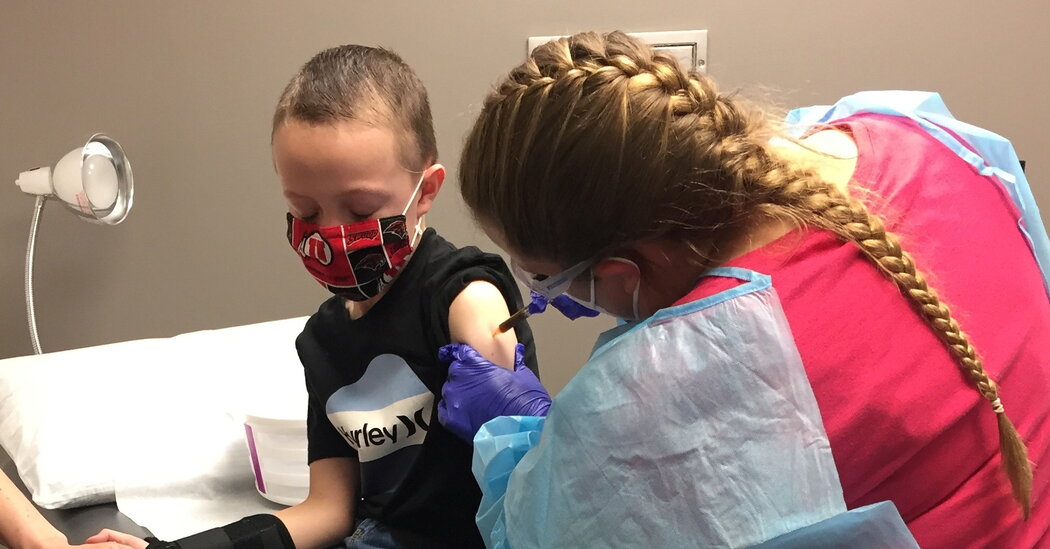
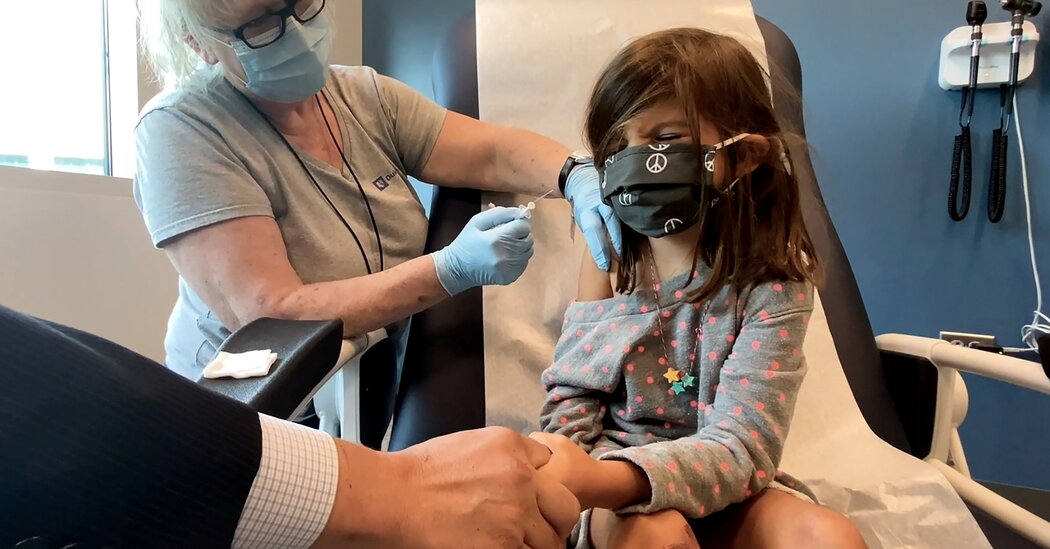
The findings could add momentum for F.D.A. authorization of the pediatric dose, perhaps as early as next week, a long-awaited development that would affect 28 million children.WASHINGTON — Federal regulators evaluated for the first time on Friday the safety and efficacy of a coronavirus vaccine for children 5 to 11, saying that the benefits of staving off Covid-19 with the Pfizer-BioNTech vaccine generally outweighed the risks of the most worrisome possible side effects in that age group.The analysis came on the same day that the Food and Drug Administration posted data from Pfizer showing that the vaccine had a 90.7 percent efficacy rate in preventing symptomatic Covid-19 in a clinical trial of 5- to 11-year-olds.The findings could add momentum for F.D.A. authorization of the pediatric dose on an emergency basis, perhaps as early as next week, opening up a long-awaited new phase of the nation’s vaccination campaign. The agency’s independent vaccine expert committee is set to vote Tuesday on whether to recommend authorization.In a briefing document posted on the F.D.A. website, the agency said it had balanced the dangers of hospitalization, death or other serious consequences from Covid-19 against the risk of myocarditis. A rare condition involving inflammation of the heart muscle, myocarditis has been linked to the Pfizer-BioNTech and Moderna vaccines, especially among young men.“The overall analysis predicted that the numbers of clinically significant Covid-19-related outcomes prevented would clearly outweigh the numbers of vaccine-associated excess myocarditis cases,” regulators wrote.As is customary before a vote of the F.D.A.’s advisory committee, the regulators took no stance on whether the new use of a vaccine should be authorized.If the F.D.A. rules in favor of authorization and the Centers for Disease Control and Prevention and its own panel of vaccine experts agree, the 28 million children in that age group could become eligible for shots in the first week of November.“There’s a lot of data to be encouraged by,” said Dr. Kathryn M. Edwards, a professor of pediatrics in the division of infectious diseases at Vanderbilt University School of Medicine. She said the results exceeded the protection offered by the best flu vaccine and could eventually lead to the easing of restrictions intended to prevent elementary school children from contracting the virus.The Biden administration has been eagerly promoting the prospect of a pediatric shot, and many parents are anxiously awaiting the development. Covid-19 cases among those younger than 18 peaked in the first week of September, when nearly a quarter of a million cases were reported.But they have remained high, with more than 130,000 cases reported in the second week of October, the American Academy of Pediatrics said, accounting for a quarter of all cases nationwide. Fewer than two percent of those cases resulted in hospitalization, but that figure was based on data from only half the states, the organization said.Pfizer and BioNTech announced a month ago that their vaccine worked well for young children, but no comprehensive clinical data was released publicly until Friday. Children in the trial received two doses of 10 micrograms — one-third of the adult dose — three weeks apart. Researchers said that the dosage was safe, and that trial participants had seen only mild side effects.Of 2,268 children in the trial, twice as many were given the vaccine as received a placebo. Sixteen children who received the placebo got Covid-19, compared with three who received the vaccine. All of the Covid cases occurred in July or later, as the highly transmissible Delta variant was spreading in the United States and globally, according to the company. The F.D.A. said it could not determine whether the cases were caused by the Delta variant.Pfizer said it had follow-up safety data for an additional 2,250 children, but only for a median of two-and-a-half weeks after they received a second dose.There were no cases of severe Covid among trial participants, and no cases of two rare heart conditions that have been linked to the vaccine in teenagers and adults, especially young males. But the trial was likely not big enough to detect whether those particular conditions — myocarditis and pericarditis — might appear with any frequency in younger children.Minor side effects in the study group generally occurred more frequently after the second dose, the F.D.A. reported; the most common were pain at the injection site, fatigue and headache.The F.D.A. modeled different scenarios with varying levels of viral spread to determine the number of symptomatic Covid cases, including severe ones, that would be prevented by the vaccine. They balanced that against the risks from myocarditis and pericarditis cases associated with vaccination.Even given a low rate of Covid infections, they said, the benefits of vaccination could outweigh the risks because the virus could lead to more serious health consequences than any side effects.Researchers looked at immune responses, comparing them with levels in adults who had received the vaccine. Pfizer then deduced that the protection afforded by the lower dose in children could be as substantial as that afforded by the higher dose in adults. That approach is particularly important in small trials.After the second shot, the children had levels of neutralizing antibodies that were at least equal to those of 16-to-25-year-old volunteers in another Pfizer-BioNTech trial. Although antibody levels are just one measure of the immune system’s response, experts have said such a finding would indicate that one-third of an adult dose was the proper dosage for young children..css-1kpebx{margin:0 auto;font-family:nyt-franklin,helvetica,arial,sans-serif;font-weight:700;font-size:1.125rem;line-height:1.3125rem;color:#121212;}#NYT_BELOW_MAIN_CONTENT_REGION .css-1kpebx{font-family:nyt-cheltenham,georgia,’times new roman’,times,serif;font-weight:700;font-size:1.375rem;line-height:1.625rem;}@media (min-width:740px){#NYT_BELOW_MAIN_CONTENT_REGION .css-1kpebx{font-size:1.6875rem;line-height:1.875rem;}}@media (min-width:740px){.css-1kpebx{font-size:1.25rem;line-height:1.4375rem;}}.css-1gtxqqv{margin-bottom:0;}.css-k59gj9{display:-webkit-box;display:-webkit-flex;display:-ms-flexbox;display:flex;-webkit-flex-direction:column;-ms-flex-direction:column;flex-direction:column;width:100%;}.css-1e2usoh{font-family:inherit;display:-webkit-box;display:-webkit-flex;display:-ms-flexbox;display:flex;-webkit-box-pack:justify;-webkit-justify-content:space-between;-ms-flex-pack:justify;justify-content:space-between;border-top:1px solid #ccc;padding:10px 0px 10px 0px;background-color:#fff;}.css-1jz6h6z{font-family:inherit;font-weight:bold;font-size:1rem;line-height:1.5rem;text-align:left;}.css-1t412wb{box-sizing:border-box;margin:8px 15px 0px 15px;cursor:pointer;}.css-hhzar2{-webkit-transition:-webkit-transform ease 0.5s;-webkit-transition:transform ease 0.5s;transition:transform ease 0.5s;}.css-t54hv4{-webkit-transform:rotate(180deg);-ms-transform:rotate(180deg);transform:rotate(180deg);}.css-1r2j9qz{-webkit-transform:rotate(0deg);-ms-transform:rotate(0deg);transform:rotate(0deg);}.css-e1ipqs{font-size:1rem;line-height:1.5rem;padding:0px 30px 0px 0px;}.css-e1ipqs a{color:#326891;-webkit-text-decoration:underline;text-decoration:underline;}.css-e1ipqs a:hover{-webkit-text-decoration:none;text-decoration:none;}.css-1o76pdf{visibility:show;height:100%;padding-bottom:20px;}.css-1sw9s96{visibility:hidden;height:0px;}.css-1in8jot{background-color:white;border:1px solid #e2e2e2;width:calc(100% – 40px);max-width:600px;margin:1.5rem auto 1.9rem;padding:15px;box-sizing:border-box;font-family:’nyt-franklin’,arial,helvetica,sans-serif;text-align:left;}@media (min-width:740px){.css-1in8jot{padding:20px;width:100%;}}.css-1in8jot:focus{outline:1px solid #e2e2e2;}#NYT_BELOW_MAIN_CONTENT_REGION .css-1in8jot{border:none;padding:10px 0 0;border-top:2px solid #121212;}What to Know About Covid-19 Booster ShotsThe F.D.A. has authorized booster shots for millions of recipients of the Pfizer-BioNTech, Moderna and Johnson & Johnson vaccines. Pfizer and Moderna recipients who are eligible for a booster include people 65 and older, and younger adults at high risk of severe Covid-19 because of medical conditions or where they work. Eligible Pfizer and Moderna recipients can get a booster at least six months after their second dose. All Johnson & Johnson recipients will be eligible for a second shot at least two months after the first.Yes. The F.D.A. has updated its authorizations to allow medical providers to boost people with a different vaccine than the one they initially received, a strategy known as “mix and match.” Whether you received Moderna, Johnson & Johnson or Pfizer-BioNTech, you may receive a booster of any other vaccine. Regulators have not recommended any one vaccine over another as a booster. They have also remained silent on whether it is preferable to stick with the same vaccine when possible.The C.D.C. has said the conditions that qualify a person for a booster shot include: hypertension and heart disease; diabetes or obesity; cancer or blood disorders; weakened immune system; chronic lung, kidney or liver disease; dementia and certain disabilities. Pregnant women and current and former smokers are also eligible.The F.D.A. authorized boosters for workers whose jobs put them at high risk of exposure to potentially infectious people. The C.D.C. says that group includes: emergency medical workers; education workers; food and agriculture workers; manufacturing workers; corrections workers; U.S. Postal Service workers; public transit workers; grocery store workers.Yes. The C.D.C. says the Covid vaccine may be administered without regard to the timing of other vaccines, and many pharmacy sites are allowing people to schedule a flu shot at the same time as a booster dose.Studies have shown that the risk of developing myocarditis or pericarditis from Covid-19 is higher than from vaccination. Still, some countries have recommended a single dose of the Pfizer-BioNTech vaccine for children 12 and older, offering less protection but possibly with a lower risk of side effects.Experts will almost certainly raise concerns about those side effects at the F.D.A. advisory committee meeting, according to Dr. H. Cody Meissner, a member of the panel and the chief of the Division of Pediatric Infectious Diseases at Tufts Children’s Hospital in Boston.“I certainly hope that we’re in a position to to recommend this because people are certainly waiting for it, they’re anxious to have it,” he said. “But our responsibility is to balance both risk and benefit.”Vaccine experts have said that Pfizer’s lower dosing could mitigate risks. “We always like to use the least amount of vaccine that’s needed to generate an immune response,” Dr. Edwards, the Vanderbilt expert, said, “because it’s generally associated with fewer adverse events.”Dr. Brian Feingold, an expert on heart inflammation in children at the UPMC Children’s Hospital of Pittsburgh, said that, “If you just focus on myocarditis or other potentially rare things, you’re probably still going to be left wanting more information.”But “we cannot consider a risk in isolation,” he added. “Risks from Covid need to be considered when you make a decision about whether this vaccine has greater net benefit.”Dr. Edwards said that researchers and regulators were in a quandary. “The more people that you that you enroll, the more time that it takes,” she said. “A lot of times, in order to really look at the data for very rare events, you’re not going to be able to do that in studies until the vaccine is really used more broadly.”The Centers for Disease Control and Prevention, which sets vaccine policy for the government, has scheduled a meeting of its advisory committee for Nov. 2 and 3 to consider the issue. Federal officials have said they intend to ship 15 million doses to the states immediately if regulatory and health officials authorize the move. The needles that administer the vaccine and the vials that hold it will need to be smaller for children who are still largely in elementary school.About 17 million adolescents aged 12 to 15 became eligible for the Pfizer-BioNTech vaccine in May. Vaccine manufacturers continue to study the possibility of a vaccine for those aged six months to 5 years old.Only about one in three parents of 5- to 11-year-olds planned to get their children inoculated “right away” once a vaccine is authorized, according to polling by the Kaiser Family Foundation conducted last month. Another third said they wanted to “wait and see” how the vaccine affected children.But that same polling showed that reluctance among parents of teenagers had dropped in the months since vaccines became available to that age group.Aina J. Khan

Read more →