Engineers devise a way to selectively turn on RNA therapies in human cells

Researchers at MIT and Harvard University have designed a way to selectively turn on gene therapies in target cells, including human cells. Their technology can detect specific messenger RNA sequences in cells, and that detection then triggers production of a specific protein from a transgene, or artificial gene.
Because transgenes can have negative and even dangerous effects when expressed in the wrong cells, the researchers wanted to find a way to reduce off-target effects from gene therapies. One way of distinguishing different types of cells is by reading the RNA sequences inside them, which differ from tissue to tissue.
By finding a way to produce transgene only after “reading” specific RNA sequences inside cells, the researchers developed a technology that could fine-tune gene therapies in applications ranging from regenerative medicine to cancer treatment. For example, researchers could potentially create new therapies to destroy tumors by designing their system to identify cancer cells and produce a toxic protein just inside those cells, killing them in the process.
“This brings new control circuitry to the emerging field of RNA therapeutics, opening up the next generation of RNA therapeutics that could be designed to only turn on in a cell-specific or tissue-specific way,” says James Collins, the Termeer Professor of Medical Engineering and Science in MIT’s Institute for Medical Engineering and Science (IMES) and Department of Biological Engineering and the senior author of the study.
This highly targeted approach, which is based on a genetic element used by viruses to control gene translation in host cells, could help to avoid some of the side effects of therapies that affect the entire body, the researchers say.
Evan Zhao, a research fellow at the Wyss Institute for Biologically Inspired Engineering at Harvard University, and Angelo Mao, an MIT postdoc and technology fellow at the Wyss Institute, are the lead authors of the study, which appears today in Nature Biotechnology.

Read more →

Long-lived proteins in mitochondria of brain stabilize protein complexes

Mitochondria are known as the powerhouses of the cell, generating the energy that’s needed to fuel the functions that our cells carry out. Now, scientists at the Salk Institute and the University of California San Diego (UCSD) have taken a closer look at how mitochondria are maintained in nondividing cells, such as neurons, with the ultimate goal of developing a better understanding of how to prevent or treat age-related diseases. The researchers found that many of the proteins in mitochondria last much longer than expected, and that this stability likely protects them from damage. The findings were published October 28, 2021, in Developmental Cell.
“There is longstanding interest in the question of how certain cells in various tissues are maintained over the course of an entire life span,” says Martin Hetzer, the paper’s senior author and Salk’s senior vice president and chief science officer. “One thing we would like to understand is how it’s possible that biological systems, which are made up of many dynamic constituents like proteins and biomolecules, can remain stable for a whole century in people who live that long.”
The Hetzer lab uses genetic approaches and advanced imaging to study how tissues are maintained and repaired over an entire lifetime. In a previous study, published in 2012, his group looked at specific surface proteins in the nucleus of rodent brain cells. They found that some of these proteins have a remarkably long life span, and in some cases are as old as the animals themselves.
Building on this previous work, Hetzer’s team at Salk and colleagues at UCSD collaborated to take a closer look at mitochondria in mouse brain cells. They chose mitochondria because — like the nucleus — it’s important for these organelles (cellular structures) to remain stable in order to maintain proper cell function. Also, like the nucleus, mitochondria contain genetic material. Hetzer says that building a stable structure around mitochondria to protect their DNA makes sense.
Within the mitochondria, the researchers decided to focus on proteins that are part of the electron transport chain, which is vital to the primary function of the mitochondria — generating energy. The researchers labeled the proteins with stable but unusual isotopes that degrade over time. The technique is similar to carbon dating, which is used by archaeologists to determine the age of materials from once-living organisms.
“We were surprised to find that some mitochondrial proteins remained very stable and turned over much more slowly than most proteins,” says first author Shefali Krishna, a staff scientist in the Hetzer lab.

Read more →

Covid: Moscow shops and restaurants shut in partial lockdown

SharecloseShare pageCopy linkAbout sharingImage source, Getty ImagesShops, restaurants and schools have shut in Moscow in a partial lockdown, as Russia battles record Covid deaths and infections.Only essential shops like supermarkets and pharmacies are allowed to open in the capital, while food outlets are only providing takeaways.Authorities have also given workers across Russia nine days off from Saturday in a bid to curb infections.Russia has reported a record 1,159 deaths from Covid in the past 24 hours. The official data also reveals 40,096 new infections in 85 regions of Russia – another record. Russia’s last major lockdown was in May-June 2020. Russia’s overall Covid death toll in the pandemic is officially more than 230,000, the highest in Europe and one of the highest in the world. Last October however the state statistics agency Rosstat calculated the Russian Covid death toll to be above 400,000 – far higher than the government figures.The proportion of Russia’s population fully vaccinated remains low – on 23 October it was 32.8%, Our World in Data reports. Most European countries have much higher rates. Many still out and about in the capitalRichard Galpin, BBC News, Moscow On a grey, damp day here it seems little has changed as a result of the partial lockdown. The streets may be a little quieter than normal but there are still plenty of cars, including taxis, on the roads.The extensive metro system has also been quite busy, as have the bicycle couriers who deliver takeaway food.Construction work on a major shopping development continues, albeit at a slow pace.But even if this is not turning out to be the lockdown it was supposed to be, Muscovites must be wondering what might happen next. Could there be a full lockdown in the coming days or weeks, if it becomes clear the current restrictions are not sufficient to tackle this latest wave of coronavirus?Despite an intensive state vaccination drive, many Russians remain suspicious of the Sputnik V vaccine, which is internationally recognised as an effective shield against Covid.Vaccine rejection drives Russia’s Covid nightmareHow Russia glosses over its Covid death tollFaced with this partial lockdown between 30 October and 9 November, many Russians have decided to go on holiday. Resort hotels in Egypt – a popular destination for Russians – are reported to be fully booked, and Russian flights to Egypt are sold out.The Russian news service Vesti reports some panic-buying because of the new restrictions. There has been a rush on meat and fish at the central market in Orenburg, a city in the Urals east of Moscow.

Read more →

PTSD symptoms vary over course of menstrual cycle, research finds

In women who have experienced trauma, post-traumatic stress disorder symptoms may vary over the course of the menstrual cycle, with more symptoms during the first few days of the cycle when the hormone estradiol is low, and fewer symptoms close to ovulation, when estradiol is high, finds research published by the American Psychological Association.
The results could have implications for PTSD diagnosis and treatment, according to lead author Jenna Rieder, PhD, an assistant professor of psychology at Thomas Jefferson University in Philadelphia. “When in the cycle you assess women might actually affect whether they meet diagnostic criteria for PTSD, especially for people who are right on the border,” she said. “And that can have real practical implications, say for someone who is a veteran and entitled to benefits or for health insurance purposes.”
The research was published in the journal Psychological Trauma: Theory, Research, Practice and Policy.
Estradiol is a form of estrogen that regulates the reproductive cycle in women. During the follicular phase of the menstrual cycle, rising estradiol levels trigger a cascade of events that result in ovulation. Studies have linked low-estradiol portions of the cycle to greater activation in the limbic areas of the brain, which are related to emotion, and to lower activation in the prefrontal cortex when viewing emotional content. Low estradiol has also been linked to greater stress and anxiety as well as increased fear responses.
In order to examine whether those links might affect trauma response, researchers studied 40 women, ages 18 to 33, all of whom had experienced or witnessed a traumatic event, such as a serious injury or sexual violence. In the first part of the study, which took place in a research lab, researchers measured the participants’ level of estradiol in their saliva, then asked them to describe the trauma that had happened to them and the PTSD symptoms they’d experienced in the past month. They found that lower estradiol was associated with greater self-reported symptom severity in the participants.
The researchers also measured two stress biomarkers in participants’ saliva, the hormone cortisol and the enzyme salivary alpha-amylase, before and after the participants described their trauma. Salivary alpha-amylase is related to the “fight-or-flight” stress response and cortisol is related to the body’s slower, more sustained stress response.
“In a healthy system we want a moderate, coordinated response of both of these biomarkers,” Rieder said. In the women in the low-estradiol portions of their menstrual cycles, the researchers instead found low cortisol and high salivary alpha-amylase levels in response to retelling their trauma stories — a pattern that’s been linked in previous studies with maladaptive stress responses.
In the second part of the study, the researchers asked the participants to answer five daily questionnaires (upon waking, before bed, and at three times during the day), for 10 days spanning the high- and low-estradiol portions of their menstrual cycles. The questionnaires measured how participants were feeling at each time (from “extremely unpleasant” to “extremely pleasant,” and “extremely non-stimulated or activated” to “extremely stimulated or activated”). Participants also completed a PTSD symptom checklist each evening.
On average, the researchers found that participants had greater variability in their daily moods during the low-estradiol days of their cycle and reported more severe PTSD symptoms on those days.
The findings could have implications for diagnosing and treating PTSD in women, who have long been underrepresented in PTSD research. “PTSD for a long time was mostly studied in men, in part because it was mainly studied in veterans, who were mostly men,” Rieder said.
In addition to affecting diagnosis, knowing how the menstrual cycle affects PTSD symptoms could be useful for both clinicians and patients, according to Rieder. “I think this is something that clinicians would want to know, so they can impart this knowledge as part of psychoeducation,” Rieder said. “For women who are naturally cycling, it may be useful to understand how the menstrual cycle affects their symptoms. When you can explain what’s happening biologically, it often becomes less threatening.”

Read more →

Serial radiation therapy is safe and effective as alternative treatment to systemic therapy for kidney cancer, study suggests

In a new single-arm study, researchers at The University of Texas MD Anderson Cancer Center reported that radiation therapy as monotherapy is a safe and effective noninvasive treatment for oligometastatic renal cell carcinoma (RCC). The findings were published today in The Lancet Oncology.
Led by Chad Tang, M.D., assistant professor of Radiation Oncology, the MD Anderson RCC Oligometastasis Phase II trial is the first study to investigate and report the use of stereotactic body radiation therapy (SBRT) as an alternative treatment to standard-of-care systemic therapy for oligometastatic RCC, a disease state in which a small number of new RCC tumors form in one or two other areas of the body. Serial SBRT as monotherapy demonstrated antitumor activity and achieved a median progression-free survival (PFS) 22.7 months in patients with RCC, the most common type of kidney cancer.
“These findings are exciting because we’re challenging the dogma in radiation oncology that RCC is biologically radioresistant,” Tang said. “Our strategy to iteratively radiate tumors as they grow and appear has demonstrated promising results. This adds to a growing body of evidence suggesting/indicating radiation therapy could offer an alternative treatment beyond systemic therapy for patients with this disease.”
SBRT uses highly concentrated doses of radiation to precisely treat tumor sites without damaging surrounding healthy tissue. Guided by computed tomography (CT), magnetic resonance imaging (MRI) and other advanced imaging techniques to map the position and shape of the tumor and determine its exact angles and intensities, SBRT is a noninvasive local treatment that can be repeatedly applied to control metastatic lesions in various anatomic locations. This approach is typically used to treat patients with small, early-stage lung cancer and prostate cancer.
For patients with kidney cancer, radiation is more often used as a palliative approach to relieve pain or manage symptoms, while systemic therapies — such as immunotherapy and targeted agents — are typically used as front-line treatments. Although highly effective, systemic therapy agents affect the entire body and can be associated with substantial toxicities.
“By developing this novel radiation treatment strategy, we sought to shift the treatment paradigm in an effort to provide select RCC patients with a lower-cost, less toxic alternative treatment to systemic therapy,” Tang said.
From July 2018 to September 2020, researchers enrolled 30 patients who were diagnosed with RCC of the clear cell subtype and had five or fewer metastatic lesions. The trial consisted of 20 Caucasian (67%), 7 Hispanic (23%), 2 Black (7%) and 1 Native American (3%) participants. The median age was 65, with six women (20%) and 24 men (80%). The primary endpoints of the study were to estimate PFS and evaluate feasibility.
Overall, radiation therapy was well tolerated with conservative management. All patients completed at least one round of radiation therapy without requiring dose reduction or discontinuation due to toxicities. Six patients (20%) experienced a grade 2 or less adverse event, two patients experienced a grade 3 event (pain and muscle weakness) and one patient experienced a grade 4 event (hyperglycemia).
Biopsies collected three months after treatment confirmed that radiation therapy was effective in eliminating viable tumor cells or significantly reducing their proliferation. Researchers conducted CT-guided biopsies on 14 patients at first follow-up. Six patients (43%) tested negative for viable malignancy. All remaining patients whom researchers were able to test showed a meaningful reduction in tumor cell proliferation, dropping from 15% before radiation therapy to 6% after treatment. At the end of the reported study period, 23 patients (77%) remained off systemic therapy.
While larger randomized trials will be needed to further investigate the risks and benefits of SBRT as monotherapy, the study showed that radiation therapy for the treatment of oligometastatic RCC is feasible and produced favorable outcomes with minimal toxicity.
“Given these results, I’m encouraged that serial radiation therapy for oligometastatic RCC has the potential to be practice-changing,” Tang said. “We are giving patients another option for treatment that minimizes the burden of toxicity on the body, while extending survival and maximizing their quality of life. We plan to continue studying this strategy on patients with slightly larger burdens of disease and to analyze biomarkers from these treated patients to improve our ability to select patients who benefit from this treatment.”
The trial was supported by the Anna Fuller Foundation, the Cancer Prevention and Research Institute of Texas (CPRIT) and the National Cancer Institute. Pavlos Msaouel, M.D., Ph.D., assistant professor of Genitourinary Medical Oncology, served as co-first author and Nizar Tannir, M.D., professor of Genitourinary Medical Oncology, served as senior author.

Read more →

Computer scientists developed method for identifying disease biomarkers with high accuracy

Researchers are developing a deep learning network capable of detecting disease biomarkers with a much higher degree of accuracy.
Experts at the University of Waterloo’s Cheriton School of Computer Science have created a deep neural network that achieves 98 per cent detection of peptide features in a dataset. That means scientists and medical practitioners have a greater chance of discovering possible diseases through tissue sample analysis.
There are multiple existing techniques for detecting diseases by analyzing the protein structure of bio-samples. Computer programs increasingly play a part in this process by examining the large amount of data produced in such tests to pinpoint specific markers of disease.
“But existing programs are often inaccurate or can be limited by human error in their underlying functions,” said Fatema Tuz Zohora, a PhD researcher in the Cheriton School of Computer Science.
“What we’ve done in our research is to create a deep neural network that achieves 98 percent detection of peptide features in a dataset. We’re working to make disease detection more accurate to provide healthcare practitioners with the best tools.”
Peptides are the chains of amino acids that make up proteins in human tissue. It is these small chains that often display the specific markers of disease. Having better testing means it will be possible to detect diseases earlier and with greater accuracy.
Zohora’s team calls their new deep learning network PointIso. It is a form of machine learning or artificial intelligence that was trained on an enormous database of existing sequences from bio-samples.
“Other methods for disease biomarker detections usually have lots of parameters which have to be manually set by field experts,” Zohora said. “But our deep neural network learns the parameters itself, which is more accurate, and makes the disease biomarker discovery approach automated.”
The new program is also unique in that it is not trained to only look for one kind of disease but to identify the biomarkers associated with a range of diseases, including heart disease, cancer and even COVID-19.
“It’s applicable for any kind of disease biomarker discovery,” Zohora said. “And because it is essentially a pattern recognition model, it can be used for detection of any small objects within a large amount of data. There are so many applications for medicine and science; it’s exciting to see the possibilities opening up through this research and how it can help people.”
Story Source:
Materials provided by University of Waterloo. Note: Content may be edited for style and length.

Read more →

He Had Severe Abdominal Pain and a Fever. It Wasn’t Food Poisoning.

He was too weak to even get out of the bed to go to the bathroom. What could be causing this devastating illness?To the 33-year-old man, the workday seemed to stretch on forever. He had felt bad for a couple of days at that point but just wanted to push through because he and his girlfriend would get to spend the next day — Christmas — and most of the following week with his mother, his sister and her baby. It would be his first vacation since SARS CoV-2 pushed the Hackensack University Medical Center, where he worked, into overdrive. When his shift finally ended, rather than go straight home, he took a detour through the emergency department. He tested negative for Covid recently, but feeling this sick, he wanted to get checked out before he saw his family.Dr. Nava Bak was the emergency-medicine doctor on duty that evening. The E.R. resident told her about the hospital employee who had come in after work complaining of a high fever and severe abdominal pain for the past two days. He had some diarrhea and a little nausea. He definitely looked as if he was in a lot of pain, the doctor in training acknowledged, and his belly was tender when she examined him, but she still wasn’t sure what he had. He said the symptoms started after eating some fast food earlier in the week. And his white-blood-cell count was elevated — so maybe it was some kind of gastrointestinal bug. But that usually comes with lots of vomiting, and he hadn’t had any. And though he described himself as healthy, he’d been sick recently. Six weeks earlier, he and his girlfriend both got Covid. It wasn’t that bad — a little diarrhea and shortness of breath — and he went back to work as soon as he was cleared.And then 10 days ago he came to the E.R. because he started drooling out of the left side of his mouth. He was drinking an iced tea and felt something cold on his shirt. The drink had come right out, and he hadn’t even felt it until the icy liquid hit his chest. In the mirror he could see that one side of his mouth was sagging. A friend at work made him go to the E.R. just in case he was having a stroke. The doctors who saw him then said it was Bell’s palsy — a temporary paralysis of the nerve that powers the muscles of the face. It was usually triggered by a viral infection, they told him, so he was treated with steroids and an antiviral, and everything got better.The patient was lying flat when Bak entered the small examining room. The first thing she noticed was that he was clearly in a lot of pain. His face was flushed and shiny with a thin film of sweat. She introduced herself and asked the question she often asked patients who presented with a lot of different symptoms: “What’s bothering you the most right now?” His belly, he told her. This was a pain that he’d never had in his life. It started up in his chest but over the past couple of hours moved to his lower right side. And he had a terrible headache. On exam, he was sore no matter where on his abdomen she pressed, though it may have been worse on the right. Abdominal pain and fever — most of the time that’s going to be appendicitis or maybe diverticulitis. The headache was odd, though. And the diarrhea.Whatever he had, Bak decided, it seemed to be in his gut. She ordered a CT scan, which showed swollen lymph nodes in his abdomen and chest. And both his liver and his spleen were enlarged. It was probably an infection, but where? His illness still didn’t fit any pattern that Bak recognized. She started the patient on broad-spectrum antibiotics — she didn’t feel comfortable withholding treatment from a man this sick — and admitted him to the hospital.Photo illustration by Ina JangA Pattern Slowly Takes ShapeBak continued to follow the patient over the next few days. She often kept track of puzzling cases just to find out what they had. But so far this patient remained a mystery. He continued to spike high fevers. And he had sweats that soaked through his pajamas and sheets. He developed strange muscle twitches in his face. He was too weak to even get out of the bed to go to the bathroom. What could be causing this devastating illness?A couple of days in, he started to get worse, despite the antibiotics. His red-blood-cell count fell. His liver labs began to rise. His heart wasn’t beating well, and his blood pressure began to drop. Covid infections can predispose a patient to form unnatural clots, even after the disease has run its course. The scan they ordered didn’t show any clots but did reveal that the enlarged lymph nodes in his chest and abdomen were even larger. Was this lymphoma — a cancer of the lymph system? Oncologists joined the infectious-disease doctors, the gastroenterologists and the rheumatologists in their efforts to figure out the diagnosis.As Bak watched this man’s symptoms develop and his inflammatory markers begin to rise, she finally started to see a pattern take shape. Her four children were in school in Paramus, N.J., and she headed a group of parent volunteers who advised the school on issues concerning the Covid-19 epidemic. If this patient had been a child, Bak was certain, his pediatrician would be starting to wonder about a disorder called Multisystem Inflammatory Syndrome in children, or MIS-C, a rare disorder involving widespread inflammation that is seen in some children after recovering from Covid. It was something she had heard about and read about but never actually seen. Not in children, and certainly not in adults.MIS was first described in May 2020 in a letter published in the British journal The Lancet. A group of pediatricians described eight children, most of whom had some documented exposure to Covid-19, who came to a London hospital with unrelenting fevers, abdominal pain and diarrhea. Their blood pressures were extremely low, and testing showed that their hearts were not working well. The doctors caring for these patients postulated that this was an immune-system overreaction, triggered by infection with the coronavirus. Just a couple of weeks later, The Washington Post reported several cases of young adults who were hospitalized with a similar illness, eventually called MIS-A. Although it remains unclear how even a mild infection with SARS CoV-2 might cause this life-threatening disorder, treatment with steroids, a class of drugs that suppresses the immune system, has been shown to help.An Adult With a Children’s Syndrome?Before suggesting this rare diagnosis, Bak reached out to a colleague, Dr. Bindu Balani, an infectious-disease specialist at the hospital. “I admitted a patient … and find his case very intriguing, so I’ve been following up. I am wondering if he may have MIS-C,” she wrote. “Curious what you think.” Balani, who was on vacation with her family, didn’t have immediate access to a computer and texted back, “He is a 33 yr old!” Still, she was curious and found a computer later that day to read up on the patient. His presentation was totally consistent with MIS. And she knew the syndrome had been seen in adults. She called her colleague who was assigned to the patient’s case and proposed the diagnosis, explaining that the E.R. doctor had suggested it to her.MIS in either children or adults can be diagnosed only when infection has been ruled out. In this patient’s case, he was on antibiotics for days without improvement, and none of the tests sent to look for other types of infection had been positive. The possibility of MIS-A was discussed with all the specialists involved, and the following day the patient was started on high-dose steroids.The response was immediate. Within 24 hours both the fever and the diarrhea were gone. He was able to get out of bed and walk around. He was hungry — something he hadn’t felt in over a week. He was discharged from the hospital a few days later.Recovery was tough — both physically and mentally. It took weeks before he started to feel himself again, and even now, 10 months later, he still feels out of breath when he hurries. But even worse are the scars left on his sense of who he is. He described himself to me as a “textbook tough guy.” And he took care of himself — not a smoker, never used drugs, rarely drank. He tried to eat healthy foods and stayed physically active. Despite all that, he came close to dying. And though his rational mind understood what happened, there was part of him that was still afraid — frightened it happened in the first place, and terrified it could happen again.Lisa Sanders, M.D., is a contributing writer for the magazine. Her latest book is “Diagnosis: Solving the Most Baffling Medical Mysteries.” If you have a solved case to share, write her at Lisa.Sandersmd@gmail.com.

Read more →

Death rate from Parkinson's rising in U.S., study finds

A new study shows that in the last two decades the death rate from Parkinson’s disease has risen about 63% in the United States. The research is published in the October 27, 2021, online issue of Neurology®, the medical journal of the American Academy of Neurology. The study also foundthat the death rate was twice as high in men as in women, and there was a higher death rate in white people than other racial/ethnic groups.
“We know that people are living longer and the general population is getting older, but that doesn’t fully explain the increase we saw in the death rate in people with Parkinson’s,” study author Wei Bao, MD, PhD, who conducted the research at the University of Iowa in Iowa City. “Understanding why more people are dying from this disease is critical if we are going to reverse the trend.”
The study looked at a national death registry that included 479,059 people who died of Parkinson’s between 1999 and 2019.
After adjusting for age, researchers found that the number of people who died from the disease increased from 5.4 per 100,000 people in 1999 to 8.8 per 100,000 people in 2019. The average annual increase was 2.4%.
Researchers found mortality increased significantly across all age groups, both sexes, various racial and ethnic groups and different urban-rural classifications. However, death rates were twice as high in men as in women. Bao says one possible explanation for this sex difference is that estrogen, which leads to higher dopamine levels in parts of the brain that control motor responses, may protect women from developing Parkinson’s.
White people were more likely to die from Parkinson’s than other racial and ethnic groups. In 2019, the death rate for white people was 9.7 per 100,000 people, followed by Hispanic people, at 6.5 per 100,000 people, and non-Hispanic Black people, at 4.7 per 100,000 people. Bao said previous studies have shown that compared to white people, Black and Hispanic people are less likely to see an outpatient neurologist, due to socioeconomic barriers, suggesting that white people may have a higher chance of receiving a Parkinson’s diagnosis.
“It’s important to continue to evaluate long-term trends in Parkinson’s death rates,” Bao said. “This can inform future research that may help pinpoint why more people are dying of the disease. Also, updating vital statistics about Parkinson’s death rates may be used for priority setting and financing of health care and policy.”
A limitation of the study is that only one underlying cause of death was recorded on each death certificate, so only people who were recorded as having died of Parkinson’s were included in the study. This may not accurately reflect the prevalence of the disease as a cause of death.
Story Source:
Materials provided by American Academy of Neurology. Note: Content may be edited for style and length.

Read more →

Patients Must Be Warned of Breast Implant Risks, F.D.A. Says

A decade after scientists identified a link between certain implants and cancer, the agency ordered “black box” warnings and a new checklist of risks for patients to review.Federal regulators on Wednesday placed so-called black box warnings on breast implant packaging and told manufacturers to sell the devices only to health providers who review the potential risks with patients before surgery.Both the warnings and a new checklist that advises patients of the risks and side effects state that breast implants have been linked to a cancer of the immune system and to a host of other chronic medical conditions, including autoimmune diseases, joint pain, mental confusion, muscle aches and chronic fatigue.Startlingly, the checklist identifies particular types of patients who are at higher risk for illness after breast implant surgery. The group includes breast cancer patients who have had, or plan to have, chemotherapy or radiation treatments.That represents a large percentage of women who until now were encouraged to have breast reconstruction with implants following their treatment.The Food and Drug Administration is also requiring manufacturers for the first time to disclose the ingredients used to make breast implants, information that patient advocates have long sought. The information must be made public in 30 days.It is not clear how the new requirements will be enforced, and patients are highly unlikely to ever see a warning label on a packaged sterile medical device that is usually handled only by a surgeon. F.D.A. officials said in a statement that the patients “must be given the opportunity” to sign the checklist.The agency’s new warnings have been years in the making. A decade ago, the F.D.A. first identified a possible link between breast implants with a textured surface and a particular cancer, anaplastic large cell lymphoma.In early 2019, after receiving hundreds of thousands of reports of adverse side effects linked to implants over the years, the agency heard testimony from dozens of women about their struggles with cancer and a constellation of other debilitating medical problems that developed after implant surgery, conditions that are often referred to as breast implant illness.Reactions to the new requirements were mixed. While some doctors welcomed the new warning system, others worried that the potential risks and side effects would not be conveyed adequately by plastic surgeons who were eager to reassure patients the procedure is safe and that the new checklist would be handled in a dismissive manner.Critics also said the checklist was overly long and written in obtuse language. “It’s better than nothing, but it’s not as good as it could be,” said Diana Zuckerman, a scientist who heads the National Center for Health Research and was a member of the working group that advised the F.D.A. on implant safety.“They say things like, ‘Breast implants are associated with lymphoma,’ but lymphoma is actually caused by the implants,” Dr. Zuckerman said. “People understand it if you say, ‘Breast implants can cause lymphoma.’”She worried that surgeons would not take the time to adequately review the information with patients.“What if a surgeon says, ‘Here’s a checklist — I know it’s long, so it’s up to you if you want to read it or not’?” Dr. Zuckerman said. “Patient groups are very concerned that will happen.”But Dr. Mark Clemens, a professor at M.D. Anderson Cancer Center in Houston who serves a liaison to the F.D.A. for the American Society of Plastic Surgeons Society, said the black box warning and checklist represented “a huge step forward for patient safety and implants.”But more high-quality data about long-term outcomes for women with implants is needed, he added.The F.D.A. also issued updates regarding ongoing studies that implant manufacturers are required to carry out. Four of the five so-called post-marketing studies have made “inadequate progress,” according to the agency.The patient checklist states explicitly that there are some medical conditions that should preclude women from getting implants. (They are listed under the heading “Considerations for a candidate for successful breast implantation.”)In addition to breast cancer that has been treated, those conditions include active infections, existing cancer or pre-cancer of the breast that has not been treated, pregnancy and nursing.Women with diabetes, which can make healing difficult, and lupus, which interferes with blood clotting, are also listed as having a higher risk of a poor outcome. So, too, are smokers and former smokers.One-third of women who have breast implant surgery will experience breast pain, sensitivity or loss of sensitivity in the breast, or asymmetry, the agency said.Half will experience a painful tightening of scar tissue around the implant, and one-third will have implants that rupture or leak. Nearly 60 percent will need a repeat operation.“Breast implants are not considered lifetime devices,” the new warnings will say. “The longer people have them, the greater the chances are that they will develop complications, some of which will require more surgery.”About 400,000 women in the United States get breast implants every year — 300,000 for cosmetic reasons and 100,000 for reconstruction after mastectomies performed to treat or prevent breast cancer.

Read more →

How to Decide Which Covid Booster Shot to Get

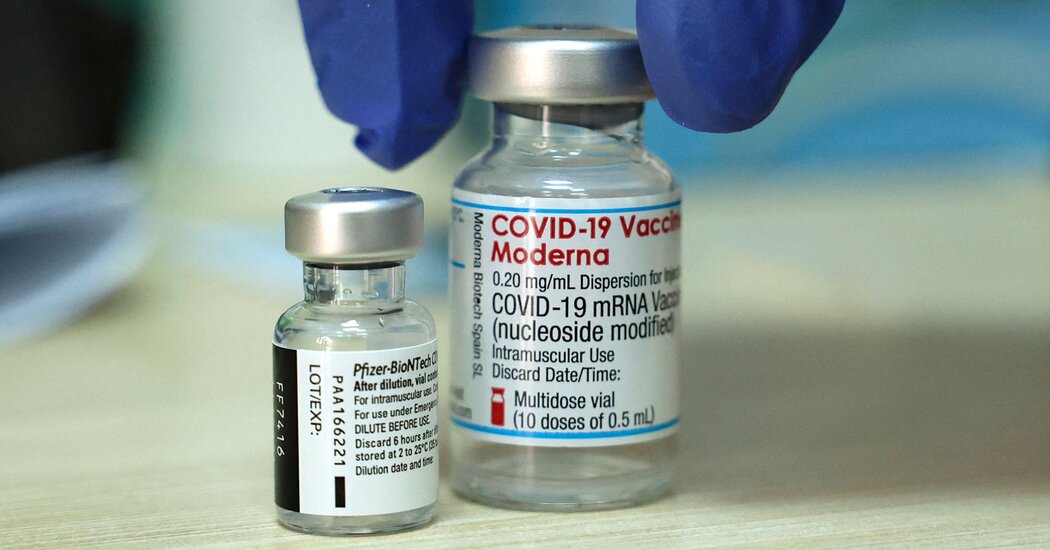
Health officials approved mix-and-match Covid booster shots, but didn’t say whether it’s better to switch vaccines or stick with your original shot.Deciding which booster shot to get can feel a lot like a choose-your-own-adventure book — you’ve got three options, but don’t have a clue which one leads to the best outcome.The Food and Drug Administration recently authorized a mix-and-match booster shot strategy that now allows eligible adults to pick a booster from one of three Covid-19 vaccines — Pfizer-BioNTech, Moderna or Johnson & Johnson — even if it’s different from the one they initially received.But many people are confused about whether they should switch vaccines for the booster dose or stick with the one they know. And if they do decide to mix and match, which one should they choose?Public health officials have declined to recommend a specific shot, leaving it up to individuals to decide. So what should you do? Here’s a look at the science behind mix-and-match boosters and some advice from the experts to help you decide.Why did the experts approve mixing and matching of booster shots?One reason is convenience. Since the goal is to get as many people vaccinated as possible and help vulnerable people get boosters quickly, the expert committees authorized the mix-and-match strategy. This means if you’ve had Johnson & Johnson or Moderna, but the local pharmacy is only offering Pfizer, you can get whatever shot is available without delay.But the committee was also following the science. Early studies have shown the mix-and-match strategy not only is safe and effective, but that mixing vaccines also can sometimes create a broader, more potent response than getting multiple doses of a single vaccine.Why isn’t a specific booster shot recommended?The scientific studies didn’t show a clear winner, but did show that all the booster shots offered strong antibody response no matter what the combination.“Part of the beauty of the mix and match is it enables people no matter where they are — rural or in the city — to have a choice,” said Dr. Kirsten E. Lyke, a professor at the University of Maryland School of Medicine who presented early results of a booster shot trial to the F.D.A. vaccine panel. “They’re all safe, they’re all going to give you a boost, and they’re all going to protect you against severe disease and death.”So what did the studies show?It depends on which set of studies you consider. In June, the National Institutes of Health began its own study looking at what happens when people fully vaccinated with Pfizer, Moderna or Johnson & Johnson get a booster of the same vaccine or switch to a new one. The study looked at nine different combinations of vaccines and boosters, with 50 volunteers in each group.Early results looked at neutralizing antibodies, which are the specific antibodies that stop the virus and protect you from getting sick. All the booster shots stimulated a neutralizing antibody response, but there were differences. Those who received the Moderna vaccine for their first two doses and Moderna as a booster had the highest antibody levels. Second place went to people who got two doses of Pfizer, followed by Moderna.But it’s important to note that the small study groups weren’t designed to compare which shot was best, and the first studies used a full dose (100 micrograms) of Moderna, and not the half dose that has been approved. It’s possible that differences in the study subjects led to the difference in results. And while the difference in antibody levels sounds impressive, it’s probably not all that meaningful in terms of protecting you in the real world.The biggest differences in antibody levels were seen in the Johnson & Johnson recipients, who showed a fourfold rise in neutralizing antibodies after the J.&J. booster, but had a 76-fold rise after the Moderna booster and a 35-fold increase after a Pfizer booster.Does that mean if I had Johnson & Johnson, I should definitely switch to Moderna or Pfizer?Not necessarily. For J.&J. recipients, who initially would have received a single dose, there’s another study to consider. This one included 30,000 people and didn’t measure antibodies. Instead it looked at overall protection from the coronavirus. That study found that a second dose of J.&J., at least two months after the first, resulted in 94 percent protection against mild to severe cases of Covid-19.What’s intriguing about the Johnson & Johnson vaccine is that it appears to trigger a different part of the immune system, stimulating not just neutralizing antibodies but also T cells, possibly resulting in more durable protection. The N.I.H. study will eventually look at T-cell response following the various booster shot combinations, but the data aren’t available yet.So how should I decide which one to pick?All the booster shots stimulate the immune system, so the answer about which shot to get depends on your priorities and personal risk. Here are some examples to help you decide.Talk to your doctor: Depending on your personal health circumstances — whether you have underlying health problems, or are prone to blood clots or heart problems, or have been undergoing cancer treatment — your physician might have an opinion about which shot is best for you. Different vaccines, for example, have different possible side effects.Convenience: If you just want convenience, pick the shot that’s easiest to get. My 80-year-old mother-in-law, who lives in New Mexico, originally got the Johnson & Johnson shot because that’s what was offered in the small village where she lives. Her plan is to get whatever is offered by her local provider because finding a different shot would require a long drive. My advice to her is to get whatever shot she can as soon as she can. It’s probably going to be a J.&J. booster, which I know will give her more protection than she has now..css-1kpebx{margin:0 auto;font-family:nyt-franklin,helvetica,arial,sans-serif;font-weight:700;font-size:1.125rem;line-height:1.3125rem;color:#121212;}#NYT_BELOW_MAIN_CONTENT_REGION .css-1kpebx{font-family:nyt-cheltenham,georgia,’times new roman’,times,serif;font-weight:700;font-size:1.375rem;line-height:1.625rem;}@media (min-width:740px){#NYT_BELOW_MAIN_CONTENT_REGION .css-1kpebx{font-size:1.6875rem;line-height:1.875rem;}}@media (min-width:740px){.css-1kpebx{font-size:1.25rem;line-height:1.4375rem;}}.css-1gtxqqv{margin-bottom:0;}.css-k59gj9{display:-webkit-box;display:-webkit-flex;display:-ms-flexbox;display:flex;-webkit-flex-direction:column;-ms-flex-direction:column;flex-direction:column;width:100%;}.css-1e2usoh{font-family:inherit;display:-webkit-box;display:-webkit-flex;display:-ms-flexbox;display:flex;-webkit-box-pack:justify;-webkit-justify-content:space-between;-ms-flex-pack:justify;justify-content:space-between;border-top:1px solid #ccc;padding:10px 0px 10px 0px;background-color:#fff;}.css-1jz6h6z{font-family:inherit;font-weight:bold;font-size:1rem;line-height:1.5rem;text-align:left;}.css-1t412wb{box-sizing:border-box;margin:8px 15px 0px 15px;cursor:pointer;}.css-hhzar2{-webkit-transition:-webkit-transform ease 0.5s;-webkit-transition:transform ease 0.5s;transition:transform ease 0.5s;}.css-t54hv4{-webkit-transform:rotate(180deg);-ms-transform:rotate(180deg);transform:rotate(180deg);}.css-1r2j9qz{-webkit-transform:rotate(0deg);-ms-transform:rotate(0deg);transform:rotate(0deg);}.css-e1ipqs{font-size:1rem;line-height:1.5rem;padding:0px 30px 0px 0px;}.css-e1ipqs a{color:#326891;-webkit-text-decoration:underline;text-decoration:underline;}.css-e1ipqs a:hover{-webkit-text-decoration:none;text-decoration:none;}.css-1o76pdf{visibility:show;height:100%;padding-bottom:20px;}.css-1sw9s96{visibility:hidden;height:0px;}.css-1in8jot{background-color:white;border:1px solid #e2e2e2;width:calc(100% – 40px);max-width:600px;margin:1.5rem auto 1.9rem;padding:15px;box-sizing:border-box;font-family:’nyt-franklin’,arial,helvetica,sans-serif;text-align:left;}@media (min-width:740px){.css-1in8jot{padding:20px;width:100%;}}.css-1in8jot:focus{outline:1px solid #e2e2e2;}#NYT_BELOW_MAIN_CONTENT_REGION .css-1in8jot{border:none;padding:10px 0 0;border-top:2px solid #121212;}What to Know About Covid-19 Booster ShotsThe F.D.A. has authorized booster shots for millions of recipients of the Pfizer-BioNTech, Moderna and Johnson & Johnson vaccines. Pfizer and Moderna recipients who are eligible for a booster include people 65 and older, and younger adults at high risk of severe Covid-19 because of medical conditions or where they work. Eligible Pfizer and Moderna recipients can get a booster at least six months after their second dose. All Johnson & Johnson recipients will be eligible for a second shot at least two months after the first.Yes. The F.D.A. has updated its authorizations to allow medical providers to boost people with a different vaccine than the one they initially received, a strategy known as “mix and match.” Whether you received Moderna, Johnson & Johnson or Pfizer-BioNTech, you may receive a booster of any other vaccine. Regulators have not recommended any one vaccine over another as a booster. They have also remained silent on whether it is preferable to stick with the same vaccine when possible.The C.D.C. has said the conditions that qualify a person for a booster shot include: hypertension and heart disease; diabetes or obesity; cancer or blood disorders; weakened immune system; chronic lung, kidney or liver disease; dementia and certain disabilities. Pregnant women and current and former smokers are also eligible.The F.D.A. authorized boosters for workers whose jobs put them at high risk of exposure to potentially infectious people. The C.D.C. says that group includes: emergency medical workers; education workers; food and agriculture workers; manufacturing workers; corrections workers; U.S. Postal Service workers; public transit workers; grocery store workers.Yes. The C.D.C. says the Covid vaccine may be administered without regard to the timing of other vaccines, and many pharmacy sites are allowing people to schedule a flu shot at the same time as a booster dose.Concerns about risk: People who are particularly anxious about Covid-19 may decide to base decisions about booster shots on preliminary research and pick Moderna, because of the early research showing it stimulates a higher level of neutralizing antibodies.Familiarity: Some people may make decisions based on the experience they had with their first shot. They already know their body handled the first dose with no complications, so they may be inclined to pick the same vaccine for the booster shot.Dr. Asaf Bitton, executive director of Ariadne Labs at Brigham and Women’s Hospital and the Harvard T.H. Chan School of Public Health, said he’s received a number of questions from patients about which shot to get. For patients who received Johnson & Johnson, he advises them to mix and match with Moderna or Pfizer, based on the preliminary study data showing a higher antibody response. But for patients who have received Moderna or Pfizer, which are mRNA vaccines, he suggests sticking with what you know if you didn’t have any complications with the first two doses.“The pragmatic side of me says if you got Pfizer and you did fine with that, then getting a booster of the same one makes sense,” said Dr. Bitton. “To track down that pharmacy that has Moderna instead of Pfizer — is it worth it? I’m not convinced yet with the data we have that it is. Unless you find yourself only able to get one particular kind, I’d say stick with what you’ve got in the mRNA family.”Does it matter that the Moderna booster is only half a dose?The N.I.H. study of booster shots is looking at whether there’s a difference in response between those who received 100 microgram boosters of Moderna and those who received a 50 microgram dose. Those results aren’t available yet, but it seems unlikely there will be much of a difference, if any, say experts.How long does the booster last? Will I need another one soon?There’s not an answer to that question yet, but we’ll find out in the coming months as scientists continue to study large groups of people who have been vaccinated and received boosters.What if I’m not eligible for a booster yet?Depending on how the current guidelines for boosters are interpreted, roughly 85 percent of the adult population already may be eligible. But while the evidence is clear that people who are older or immune-compromised can benefit from additional shots, the original vaccine doses are still doing a good job protecting people from serious illness and hospitalization. And it’s important to remember that booster shots alone will not end the pandemic.“The question is to what extent will this whole booster mania really affect this pandemic,” said Dr. Paul A. Offit, the director of the Vaccine Education Center at Children’s Hospital of Philadelphia. “Probably not much. If you’re hospitalized with this virus it’s not because you haven’t gotten a third dose; it’s because you haven’t gotten any dose.”

Read more →