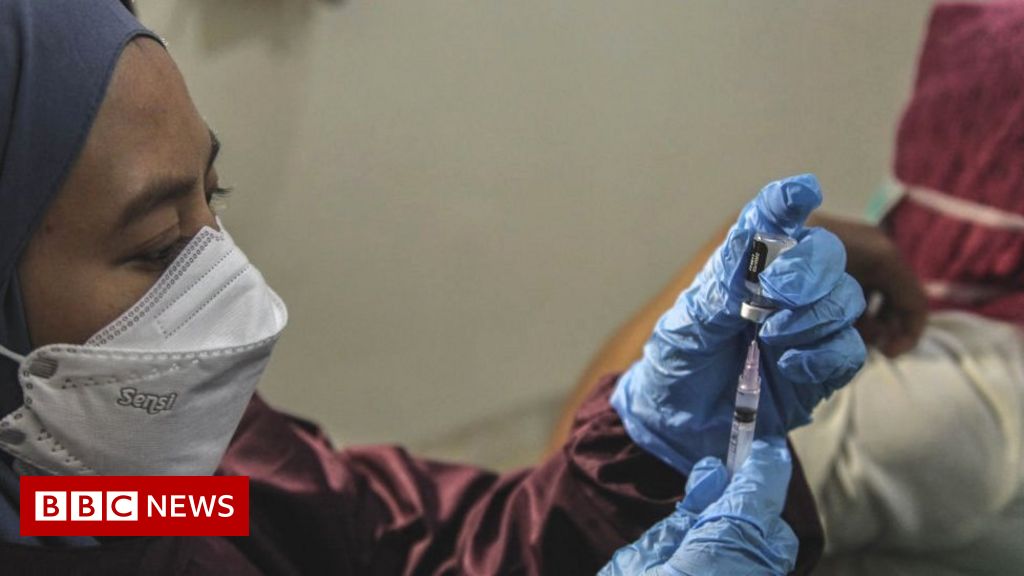
Gordon Brown calls for richer countries to airlift surplus Covid vaccines

The former UK prime minister has called for richer countries to immediately airlift millions of surplus Covid vaccines to less developed nations.Gordon Brown told BBC Breakfast that the risk from new mutations in countries that don’t have access to vaccines means that “nobody is safe anywhere, until everyone is vaccinated everywhere”.Mr Brown has organised a letter, signed by 160 former world leaders and global figures, calling for the surplus doses to not be wasted as thousands die with the virus each day.It is addressed to Italian PM Mario Draghi, who is hosting the G20 group of major economies in Rome this weekend.

Read more →

Chronic fatigue syndrome advice scraps exercise therapy

SharecloseShare pageCopy linkAbout sharingImage source, Getty ImagesA health watchdog has scrapped a previous recommendation of graded exercise therapy for ME.The National Institute of Health and Care Excellence (NICE) has published a long-awaited and contentious final update to guidance on treatment.Many patients with ME or chronic fatigue syndrome (CFS) say the therapy, which encourages patients to slowly increase their levels of activity, makes their condition worse.The advice was due out in August. But NICE pulled the publication at the last minute.At that time, NICE said the delay was necessary to allow more conversations with patient groups and professionals, so that its advice would be supported. There are strong and varied views on how the illness should be best managed.What my ME could teach long Covid sufferersThe updated guidance for England and Wales recommends people judge their own “energy limit” when undertaking activity of any kind, and a physical activity programme should only be considered in specific circumstances. This video can not be playedTo play this video you need to enable JavaScript in your browser.It warns practitioners: “Do not advise people with ME/CFS to undertake exercise that is not part of a programme overseen by an ME/CFS specialist team, such as telling them to go to the gym or exercise more, because this may worsen their symptoms.”It also clarifies advice on a talking therapy, known as CBT, stressing that it is only helpful in treating anxiety around the condition, not the illness itself. And it emphasises the need for early and accurate diagnosis. Baroness Finlay, a consultant in palliative medicine and vice-chairwoman of the guideline committee, said: “Those with ME/CFS need to be listened to, understood and supported to adapt their lives. The committee members involved in this guideline have worked particularly hard to ensure care becomes more empathetic and focused on the individual’s needs.”Opposing viewsME Research UK said the publication was “a significant step in both the acceptance of ME as a physical illness and recognition of appropriate treatment needs of those affected by the condition”.Sian Leary from the campaign group ME Action UK, said not publishing the guideline in August had been “devastating to thousands of people with ME”, who she said had been “seriously harmed by graded exercise therapy”.Dr Charles Shepherd, medical adviser to the ME Association, said: “This new guideline will have a big impact on care for people with ME, and draws a line under the damaging therapies of the past.”Dr Alastair Miller, an NHS consultant physician in acute medicine and infectious disease in North Cumbria, said exercise programmes could be helpful: “It is unfortunate that so much emphasis is given to working ‘within current energy limits’ rather than a gentle and controlled pushing of those limits. “However, it is to be welcomed that clinics will still be able to provide appropriate personalised activity and exercise programmes for those patients in whom it is felt to be appropriate.”Prof Peter White from Queen Mary University of London said: “I worry that this guideline seems to suggest that patients need to learn to live with CFS/ME, rather than be helped to recover from it. “NICE have banned graded exercise therapy, in spite of it being found to be helpful in a major Cochrane systematic review, while recommending an energy management programme, which involves ‘staying within your energy limits’, for which there is little evidence for it helping, and some evidence that it doesn’t.”Are you affected by issues covered in this story? Share your experiences by emailing haveyoursay@bbc.co.uk.Please include a contact number if you are willing to speak to a BBC journalist. You can also get in touch in the following ways:WhatsApp: +44 7756 165803Tweet: @BBC_HaveYourSayUpload pictures or videoPlease read our terms & conditions and privacy policy

If you are reading this page and can’t see the form you will need to visit the mobile version of the BBC website to submit your question or comment or you can email us at HaveYourSay@bbc.co.uk. Please include your name, age and location with any submission.

Read more →

'The menopause made me feel I was disappearing inside myself'

SharecloseShare pageCopy linkAbout sharing”I am a Wednesday and a Sunday person. Don’t laugh, but I deep condition my hair, put on a face pack and change my HRT patch. It’s all self-care in one go.”Fifty-one year-old Adelle Martin is sitting in the pub she runs in Rochester in Kent, showing us the HRT patches she sticks on her hip twice a week.Now post-menopausal, she coaches other women through a life stage which can be extremely challenging.Adelle’s menopausal symptoms started very early, when she was just 39, and working in finance. She went through the menopause itself three years later and says the experience affected everything about her life.”It was like I was disappearing inside myself – I could be really, really tearful or really, really grumpy and that was really difficult for the people around me.”When I was at work and with my team, I had to try hard not to cry and not to scream.”Drug exports restricted ‘to protect NHS patients’Medical leaders demand action over HRT shortagesShe lost her confidence, suffered from mood swings and “brain fog”. She also had the classic symptom associated with menopause – the hot flush.”It is the most burning feeling ever. What people see is the sweat. For me, it was burning and tightening of my chest and the feeling of suffocating sometimes and wanting to get out.”Adelle says she even had one of the stranger of the 34 symptoms of menopause – the sensation of getting electric shocks. She laughs. “That was quite funny”Overall, what was happening to her though was anything but funny.Her voice starts to crack as she recalls having to take time out of her job.”The hardest thing was looking in the mirror and not recognising yourself and that’s what took me out of the boardroom.”The confidence had gone, I felt hot all the time, my skin, my hair… everything lacked. I felt like I just completely lost myself. At the time I didn’t know what it was. It was the menopause.”Relief came when Adelle asked to be put on hormone replacement therapy (HRT) which, she says, stopped her hot flushes and helped her think more clearly.Nine years on, she still uses the patches to guard against any possible weakening of her bones.Each prescription costs £9.35 on the NHS. Adelle currently gets one box every three months but used to pay for it every month before asking her GP for a longer prescription. She has one patch that contains two hormones – oestrogen and progesterone. Some women have to buy them separately, which means they pay twice.In Scotland, Wales and Northern Ireland, prescriptions are free on the NHS.Labour MP Carolyn Harris has put forward a Private Members’ Bill to Parliament calling for that to be extended to England too.She acknowledges HRT is “not for everyone” but says there should be choice.”We’re talking about 51% of the population who are suffering this and need the choices to make this decision if they want HRT.”She is putting the bill forward as part of a wider campaign to raise awareness of the menopause.”It’s not just about the HRT, it’s about education, it’s about employment, it’s about relationships, it’s about sharing, it’s about talking about it.”The bill certainly has got Westminster talking about the menopause.Health Minister Maria Caulfield has promised it will be a priority in the government’s forthcoming Women’s Health Strategy.She made the commitment in a debate to mark World Menopause Month.Several female MPs had earlier shared their personal experiences, symptoms and all.Speaking up to end the stigma around menopauseEarly menopause ‘feels like you’ve been robbed’With millions of women eligible, the cost of making HRT free in England would be significant.It’s not just menopausal women who have to pay regularly for prescriptions. People with long-term health conditions have been campaigning for their medications to become free in England too.The Prescription Charges Coalition is a group of 51 organisations calling on the government to scrap charges for those with long-term conditions.Coalition chair Laura Cockram says the cost of buying multiple items can prove difficult. “If you’re somebody who has Parkinson’s, you could have eight or nine medications each month so it’s really expensive to live with a long-term condition like that,” she says.”You can buy a pre-payment certificate – for three months, it costs just over £30. For 12 months, it costs just over £108. But some people have told us, particularly those with long-term conditions, that actually that is quite a lot of money to find to pay that upfront cost.”According to the Menopause Charity, only 12% of menopausal women in the UK take HRT.Some argue that misinformation and a lack of knowledge can be more of a barrier for women than cost.A flawed study conducted in the US in the early 2000s led to misleading publicity about the possible risks of HRT, which is still blamed by some for putting women off taking it.The government says it is “crucial” the menopause is “taken seriously and women get the support they need”.It says it is “deeply committed to ensuring women are able to access high quality menopause treatment, including HRT, which can be a lifeline for women who are experiencing severe symptoms.”

Read more →

Indonesia calls for vaccine equity after Covid toll

SharecloseShare pageCopy linkAbout sharingThis video can not be playedTo play this video you need to enable JavaScript in your browser.Indonesia’s President Joko Widodo has urged richer countries to share their vaccines with poorer ones, in an exclusive interview with the BBC.Mr Widodo said it “shouldn’t be just a few countries that get all the vaccines, and some other countries get only a little”.He was speaking ahead of a visit to the G20 and COP26 meetings, where he will be meeting other world leaders.Indonesia was one of the countries hardest hit by the Covid pandemic.President Jokowi – as he is popularly known – also made the case for why there should be more vaccine equity so that developing and poorer countries aren’t left behind in this pandemic. “Everyone has helped, but in my opinion it’s not enough,” he said, in a virtual interview from the Indonesian presidential palace in Jakarta. “In this time of crisis, advanced countries need to do more in helping poor countries get vaccines, so that we can overcome this pandemic together.” Mr Widodo’s comments come as Indonesia attempts to recover from the ravages of the pandemic. At its peak, the country officially recorded more than 50,000 cases a day, but the real numbers may have been higher. Nearly 150,000 people have died, according to government data. People died in their homes, gasping for breath as oxygen supplies ran out across the archipelago. The sick were turned away from overflowing hospitals and funeral grounds ran out of space for the dead. Dying alone in Indonesia’s grim battle with Covid-19Indonesia grapples with fear of a hidden virus surgeIs China’s vaccine success waning in Asia?The International Federation of Red Cross and Red Crescent Societies said that the country was “teetering on the edge of a Covid-19 catastrophe”. But Mr Widodo’s administration initially downplayed the disease. His former health minister Terawan Agus Putranto famously said the country would be spared from the virus, because of “all the prayers.”In the interview, he acknowledged the mistakes his administration made in managing the pandemic, saying that it was down to the lack of healthcare infrastructure in the country. “Our hospitals, our facilities were full and could not handle the load,” he said, “and that led to a lot of deaths.”The COVID situation has improved since then, with both deaths and case numbers falling, according to government data. The vaccination drive has also picked up. According to the latest data from the World Bank, Indonesia has given more than 100 million doses of vaccines in the country, with almost 30% of the population fully vaccinated – no easy feat in a huge archipelago.But while urban areas like Jakarta are now seeing high levels of vaccination rates, rural areas are harder to get to. “The difference between facilities is huge [between rural and urban areas], this is what we need to reform,” Mr Widodo said. “For example there is no ICU in some hospitals, we need to fix that and buy the equipment and get these facilities ready so that we can make it better.”But critics say that it was not just a lack of investment in healthcare that was the problem – it was a lack of preparedness on the part of the government that led to hundreds of thousands dying when they could have been saved.Among them healthcare workers, who had been inoculated using the Chinese Sinovac vaccine – what Indonesia first used in its attempts to vaccinate its population.Authorities later added other vaccines into the mix and have been able to procure more supplies. But the delay in getting vaccines to the vast population has cost the country dearly. Which is why Mr Widodo is pushing for developing countries to be allowed to house manufacturing facilities for vaccines – a proposal he is taking with him to the G20 meeting where he will meet with his global peers.Earlier this year, leaked documents seen by the BBC showed that rich countries have attempted to block the vaccine manufacturing capabilities of poorer nations, citing patent protection and funding in new research for future vaccines.

Read more →

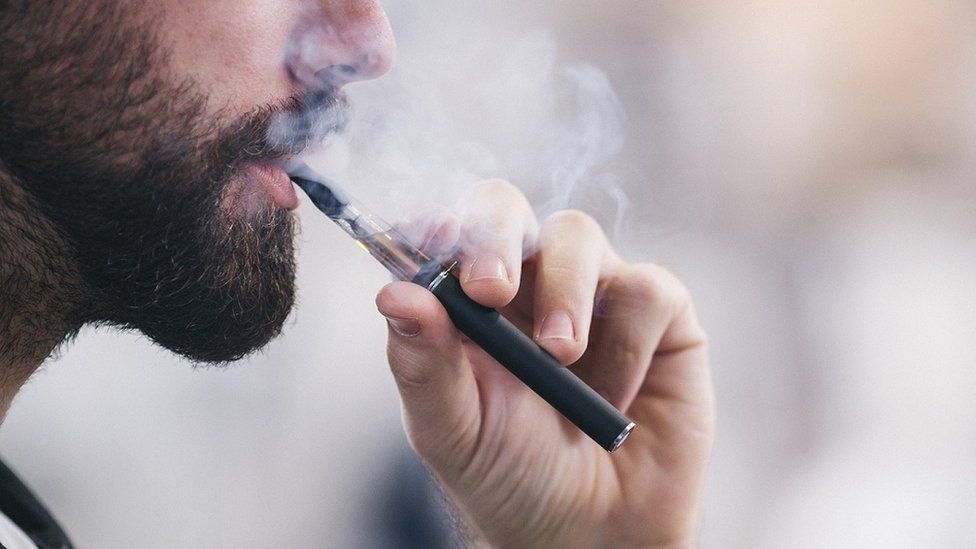
E-cigarettes could be available on NHS to tackle smoking rates

SharecloseShare pageCopy linkAbout sharingImage source, Getty ImagesE-cigarettes could soon be prescribed on the NHS in England to help people stop smoking tobacco products.The Medicines and Healthcare Products Regulatory Agency is inviting manufacturers to submit goods for approval to be prescribed.It could mean England becomes the first country in the world to prescribe e-cigarettes as a medical product.There has been much debate over the years about whether e-cigarettes should be used for this purpose.How safe are e-cigarettes?How many people vape?E-cigarettes are not completely risk-free but they carry a small fraction of the risk of cigarettes.They do not produce tar or carbon monoxide, two of the most harmful elements in tobacco smoke.The liquid and vapour contain some potentially harmful chemicals also found in cigarette smoke but at much lower levels.A medically licensed e-cigarette would have to pass even more rigorous safety checks than those required for them to be sold commercially.E-cigarettes are the most popular aid used by smokers trying to quit, with more than one-in-four smokers relying on them – more than those who use nicotine-replacement therapy products such as patches or gum.But apart from being used in a number of pilot schemes, they have not been available on prescription.However, in 2017 the government started promoting them as part of its annual Stoptober campaign.It is estimated that about 3.6 million people use e-cigarettes – most of them ex-smokers.Almost 64,000 people died from smoking in England in 2019.Health Secretary Sajid Javid said e-cigarettes could be an important tool to reduce smoking rates.”Opening the door to a licensed e-cigarette prescribed on the NHS has the potential to tackle the stark disparities in smoking rates across the country,” he said.But Prof Peter Hajek, director of the tobacco dependence research unit at Queen Mary University of London, said the move sent a positive message that e-cigarettes could help people to quit.He questioned whether it would have the intended consequences as the costs of applying for approval could be a barrier to many manufacturers.”Smokers are more likely to benefit from e-cigarettes if they can select flavours, strengths and products that they like, rather than being limited to whatever becomes licensed. “It also does not seem necessary for the NHS to pay for something that smokers are happy to buy themselves. “Overall, it would seem easier to just recommend existing products which are well regulated by consumer protection regulations.” Have you used E-cigarettes to quit smoking? Share your experiences by emailing haveyoursay@bbc.co.uk.Please include a contact number if you are willing to speak to a BBC journalist. You can also get in touch in the following ways:WhatsApp: +44 7756 165803Tweet: @BBC_HaveYourSayUpload pictures or videoPlease read our terms & conditions and privacy policy

If you are reading this page and can’t see the form you will need to visit the mobile version of the BBC website to submit your question or comment or you can email us at HaveYourSay@bbc.co.uk. Please include your name, age and location with any submission. Using e-cigarettes to stop smoking – NHS.websiteThe BBC is not responsible for the content of external sites.

Read more →

Severe asthma symptoms worsen when treated with psoriasis medicine, study finds

A medicine licensed to treat psoriasis worsened symptoms in patients with severe asthma, according to trial results published today in the New England Journal of Medicine.
The study, which was led by researchers at the National Institute for Health Research (NIHR) Leicester Biomedical Research Centre — a partnership between Leicester’s Hospitals, the University of Leicester and Loughborough University — investigated whether risankizumab could potentially improve the symptoms and reduce ‘attacks’ in people with severe asthma.
The international study, co-led by researchers in Manchester, Belgium and Canada, recruited 214 patients into the trial; 105 patients were randomised to a risankizumab injection every four weeks over a 24-week period, while 109 patients received a placebo.
Researchers measured the ‘time-to-first’ worsening determined by increasing symptoms, deterioration in breathing tests, increased use of inhalers and need for steroid tablets. Patients treated with risankizumab had an average time-to-first-worsening of 40 days, compared to 86 days for the patients given a placebo. Studying ‘gene signatures’ from immune cells in airway samples, risankizumab was shown to decrease molecules known to be important in protection against infection, which possibly explains the observed poorer asthma control.
Professor Chris Brightling, NIHR Senior Investigator at the NIHR Leicester Biomedical Research Centre (BRC) and study lead, said: “It is always disappointing when a potential treatment is shown to be ineffective at treating a disease, more so when it makes symptoms worse.
“We think risankizumab reduces the presence of substances in the airways that are important factors in preventing infections, which probably makes the patients’ symptoms worse. This theory is backed by molecular profiling, which shows reduced levels of these substances in samples taken from patients on the trial.”
The study, which was sponsored by AbbVie and Boehringer Ingelheim is registered on ClinicalTrials.gov, NCT02443298. It was also part-funded by 3TR-Innovative Medicines Initiative (IMI), a consortium of academic institutions, charities and industry partners that aims to provide fundamental new insights into the molecular pathways and mechanisms of response and non-response to treatment for autoimmune, inflammatory and allergic diseases.
Story Source:
Materials provided by University of Leicester. Note: Content may be edited for style and length.

Read more →

Researchers identify core genetic networks driving human embryonic stem cell behavior

At the earliest stages of human embryonic development, a small collection of cells known as human embryonic stem cells (hESCs) orchestrates growth and differentiation, eventually giving rise to highly specialized human tissues. As pluripotent cells — progenitors of every type of cell type in the body — hESCs are of central interest to developmental and regenerative biologists. Many genes driving hESC functioning have previously been identified, but powerful tools that shed light on the interrelated activities of these genes have only emerged more recently. Researchers from Brigham and Women’s Hospital and Harvard Medical School used genome-wide genetic screening to both over-express and inactivate (“knock out”) tens of thousands of genes in hESCs. They uncovered key networks that simultaneously control pluripotency and readiness for cell death (apoptosis), helping to ensure optimal conditions for embryonic development. The study’s findings, published in Genes and Development, offer new insights into cancer genetics and a novel approach for regenerative medicine research.
“Our methods allowed us to create an ‘atlas’ of nearly every gene in the human genome and determine what its over-expression or loss does to the most fundamental first steps of human development,” said lead author Kamila Naxerova, PhD, a former postdoctoral fellow in the Elledge lab in the Brigham’s Division of Genetics. “Instead of looking at genes one by one, we looked at thousands of genetic alterations at the same time to determine how they affect the proliferation of embryonic stem cells, and, subsequently, the development of the three germ layers that serve as the raw material for human tissues.”
“Elucidating how human embryonic stem cell function is controlled by genetics is essential for our understanding of developmental biology and regenerative medicine,” said co-corresponding author Stephen Elledge, PhD, the Gregor Mendel Professor of Genetics and of Medicine at the Brigham and HMS. “Our study provides the most extensive examination of gene functionality in hESCs to date.”
In conducting their experiment — which involved knocking out roughly 18,000 genes and overexpressing 12,000 genes — the researchers noticed a unique role played by hESC genes that control pluripotency, or differentiation capacities. When the researchers deleted these well-known genes, among them OCT4 and SOX2, the stem cells surprisingly increased their resistance to death, indicating that under normal circumstances pluripotency regulators also contribute to apoptosis pathways. The researchers hypothesized that the genetic link between pluripotency and tightly regimented cell death helps ensure that if a stem cell is damaged, it is destroyed early on in embryonic development before it can compromise the functioning of future cells and tissues.
These interrelated behaviors were especially evident in a pluripotency regulator known as the SAGA complex. The researchers demonstrated for the first time that hESCs died less readily in the absence of the SAGA complex. In addition, its absence inhibited the development of all three germ layers (the endoderm, mesoderm, and ectoderm), testifying to the SAGA complex’s central role in a range of hESC activities. Finally, the researchers observed that many of the genes that regulate the formation of the three germ layers also are known contributors to the growth of cancers when they are over- or under-expressed in somatic cells.
Beyond offering a new perspective on the genetic basis of cancers, the study’s high-throughput genetic screening approach may inform future work in regenerative biology.
“Genetic screens present a wonderful opportunity to probe how genetic networks contribute to interrelated cellular behaviors like growth, differentiation and survival,” said Naxerova who is now an assistant professor in the Center for Systems Biology at Massachusetts General Hospital. “This approach can help regenerative and developmental biologists systematically map out genetic networks that are involved in the formation of particular tissues and manipulate those genes to more efficiently grow different kinds of human tissues from stem cells.”
Story Source:
Materials provided by Brigham and Women’s Hospital. Note: Content may be edited for style and length.

Read more →

Breath test can identify COVID-19 In critically ill patients, study finds

Instead of an invasive nasal swab, researchers at The Ohio State University Wexner Medical Center are exploring the use of a unique breath test for the rapid screening of patients for COVID-19.
Results from the initial study in patients, published today in the journal PLOS ONE, found the breath test is highly accurate in identifying COVID-19 infections in critically ill patients.
“The gold standard for diagnosis of COVID-19 is a PCR test that requires an uncomfortable nasal swab and time in a lab to process the sample and obtain the results,” said Dr. Matthew Exline, lead researcher, director of critical care at Ohio State Wexner Medical Center University Hospital and professor of internal medicine at The Ohio State University College of Medicine. “The breathalyzer test used in our study can detect COVID-19 within seconds.”
COVID-19 infection produces a distinct breath print from the interaction of oxygen, nitric oxide and ammonia in the body. The breath detector device, developed by Pelagia-Irene Gouma, researcher and professor in the Department of Materials Science and Engineering and the Department of Mechanical and Aerospace Engineering at The Ohio State University and Milutin Stana?evi?, associate professor in the Department of Electrical and Computer Engineering at Stony Brook University, can detect the breath print of COVID-19 in exhaled breath within 15 seconds.
“This novel breathalyzer technology uses nanosensors to identify and measure specific biomarkers in the breath,” said Gouma. “This is the first study to demonstrate the use of a nanosensor breathalyzer system to detect a viral infection from exhaled breath prints.”
The study followed 46 patients in the intensive care unit with acute respiratory failure that required mechanical ventilation. Half of the patients had an active COVID-19 infection and the remaining half didn’t have COVID-19. All patients had a PCR COVID-19 test when they were admitted to the unit.
Researchers collected exhaled breath bags from the patients on day 1, 3, 7 and 10 of their inpatient stay. The breath bag samples were tested within 4 hours of sample collection in a lab. The breath print was identified in patients with COVID-19 pneumonia with 88% accuracy upon admission to the ICU.
“PCR tests often miss early COVID-19 infections and results can be positive after the infection has resolved,” Exline said. “However, this noninvasive breath test technology can pick up early COVID-19 infection within 72 hours of the onset of respiratory failure, allowing us to rapidly screen patients in a single step and exclude those without COVID-19 on mechanical ventilation.”
The use of breathalyzer technology to rapidly diagnose patients with respiratory infections has the potential to greatly improve the ability to rapidly screen both patients and asymptomatic people. Future studies will look at the use of this technology for less severe COVID-19 patients and will explore whether other diseases and infections could benefit from it. The research team has applied to the U.S. Food and Drug Administration for emergency use authorization of the breathalyzer technology.
Dr. Andrew S. Bowman, associate professor in the Department of Veterinary Preventive Medicine at The Ohio State University College of Veterinary Medicine, contributed to this study.
Story Source:
Materials provided by Ohio State University Wexner Medical Center. Note: Content may be edited for style and length.

Read more →

More strategic COVID-19 testing could prevent distancing and shutdowns

Strategically increasing testing capacity, either by making diagnostic tests faster or more available, can reduce reliance on costly preventative interventions, such as distancing and shutdowns, according to a team of researchers led by Penn State. The team designed its mathematical model to support government and public health officials in implementing testing and isolation programs to control the spread of SARS-CoV-2 while reducing reliance on socially and economically costly interventions.
“The global spread of SARS-CoV-2 and the strategies used to manage it have come at significant societal costs; for example, shutdowns of non-essential businesses and stay-at-home orders are powerful tools to control the pandemic spread of the virus, but are unsustainable over time,” said Katriona Shea, Alumni Professor in the Biological Sciences, Penn State. “Understanding the efficacy of combined public health interventions is a key first step in identifying cost-effective ways to manage the pandemic, especially in areas where there is low vaccine uptake and as we continue to see new, and potentially more dangerous, variants of the virus emerge.”
The team used a mathematical model of SARS-CoV-2 transmission to measure public health outcomes under a variety of intervention scenarios, including testing and isolation and non-pharmaceutical interventions (NPIs) like masking, distancing and lockdown. Their results appeared today (Oct. 28) in the journal PLOS Computational Biology.
“Our work specifically addresses the impact of combining multiple public health interventions,” said Emily Howerton, graduate student in biology, Penn State. “Though these interventions have been well studied in isolation, understanding the combined effectiveness of these interventions is important for planning and pandemic response.”
In their model, the team’s testing system comprised three components — test administration, test delays and test sensitivity. The researchers modeled the number of tests that are administered each day. They defined testing delays as the average time, after test administration, it takes to receive test results and subsequently isolate those with a positive diagnosis. They defined test sensitivity as the percent of actively infectious individuals correctly identified by the diagnostic test. Because NPIs reduce the chance of new infections by preventing transmission, they are modeled to decrease transmission by a certain amount that the team calls the ‘NPI intensity.’
The team’s results suggest that high test administration, short testing delays and more intense non-pharmaceutical interventions all decreased SARS-CoV-2 infection burdens.

Read more →