One in 20 achieve remission from type 2 diabetes, Scottish study finds

Around one in twenty people in Scotland diagnosed with type 2 diabetes achieve remission from the disease, according to research publishing Nov. 2 in the open-access journal PLOS Medicine. This suggests people are achieving remission outside of research trials and without bariatric surgery. Recognising individuals in remission, following their progress, and better understanding the factors involved in remission could lead to improved initiatives to help others.
There were an estimated 463 million people with diabetes in the world in 2019, of whom 90-95% have type 2 diabetes, and these numbers are rising due to ageing populations, growing obesity and sedentary lifestyles. Some people with type 2 diabetes have achieved remission after bariatric surgery, or after taking part in a research trial of a very low-calorie diet, but it is unknown how many people in the general population are in remission. Using a national register of people with type 2 diabetes in Scotland, Mireille Captieux at the University of Edinburgh and colleagues estimated how many people were in remission in 2019 and described the characteristics of those in remission and not in remission.
Of 162,316 patients aged over 30 years who were eligible for the analysis, 7,710 — around 5% — were in remission in 2019. Individuals in remission tend to have not previously taken glucose lowering medication; have lost weight since their diagnosis; be older; have lower blood sugar levels at diagnosis; or have had bariatric surgery. Understanding how many individuals are in remission as well as their characteristics creates a baseline against which to evaluate future initiatives and studies. It could also help clinicians identify patients with whom to discuss remission and weight management options.
Captieux adds, “We have been able to show, for the first time, that 1 in 20 people in Scotland with type 2 diabetes achieve remission. This is higher than expected and indicates a need for updated guidelines to support clinicians in recognising and supporting these individuals.”
Story Source:
Materials provided by PLOS. Note: Content may be edited for style and length.

Read more →

Drinking alcohol to stay healthy? That might not work, says new study

Increased mortality risk among current alcohol abstainers might largely be explained by other factors, including previous alcohol or drug problems, daily smoking, and overall poor health, according to a new study publishing November 2nd in PLOS Medicine by Ulrich John of University Medicine Greifswald, Germany, and colleagues.
Previous studies have suggested that people who abstain from alcohol have a higher mortality rate than those who drink low to moderate amounts of alcohol. In the new study, researchers used data on a random sample of 4,028 German adults who had participated in a standardized interview conducted between 1996 and 1997, when participants were 18 to 64 years old. Baseline data were available on alcohol drinking in the 12 months prior to the interview, as well as other information on health, alcohol and drug use. Mortality data were available from follow-up 20 years later.
Among the study participants, 447 (11.10%) had not drunk any alcohol in the 12 months prior to the baseline interview. Of these abstainers, 405 (90.60%) were former alcohol consumers and 322 (72.04%) had one or more other risk factor for higher mortality rates, including a former alcohol-use disorder or risky alcohol consumption (35.40%), daily smoking (50.00%), or fair to poor self-rated health (10.51%). The 125 alcohol abstinent persons without these risk factors did not show a statistically significantly difference in total, cardiovascular or cancer mortality compared to low to moderate alcohol consumers, and those who had stayed alcohol abstinent throughout their life had a hazard ratio of 1.64 (95% CI 0.72-3.77) compared to low to moderate alcohol consumers after adjustment for age, sex and tobacco smoking.
“The results support the view that people in the general population who currently are abstinent from alcohol do not necessarily have a shorter survival time than the population with low to moderate alcohol consumption,” the authors say. “The findings speak against recommendations to drink alcohol for health reasons.”
John adds, “It has long been assumed that low to moderate alcohol consumption might have positive effects on health based on the finding that alcohol abstainers seemed to die earlier than low to moderate drinkers. We found that the majority of the abstainers had alcohol or drug problems, risky alcohol consumption, daily tobacco smoking or fair to poor health in their history, i.e., factors that predict early death.”
Story Source:
Materials provided by PLOS. Note: Content may be edited for style and length.

Read more →

Potential strategy for fighting obesity

UT Southwestern scientists may have identified a method of safely mimicking the weight-loss benefits of a plant compound that — despite its harmful side effects — hold critical answers to developing therapies for obesity.
Celastrol, derived from the root extracts of a white-flowered plant in China, has drawn increased attention in recent years after studies showed it can both prevent and reverse obesity in mice. However, because celastrol can cause reactions such as high blood pressure and lethargy in mice, researchers have sought to understand how the compound works and use that knowledge to develop safe weight-loss treatments for people.
UT Southwestern may have solved part of the puzzle in a new study that shows celastrol requires a specific protein in a type of neuron that influences metabolism. Scientists found they can mimic a “fed” signal to mouse brains by deleting this protein from the neurons, resulting in mice losing 7% of their body weight in two weeks despite being a fed high-fat diet.
Key to the findings: The mice did not appear to endure the same physical ailments documented in previous research in which celastrol was administered.
“This new understanding of how celastrol works on the cellular level opens more possibilities for targeting pathways that can improve our metabolism without the negative health impact,” said study author Kevin W. Williams, Ph.D., an investigator at UT Southwestern’s Center for Hypothalamic Research. “We haven’t uncovered all the cell populations that influence weight loss, but each of these findings brings us closer to developing effective, safe therapies for obesity.”
The study, published in JCI Insight, is the latest research from Dr. Williams that may someday help improve glucose metabolism in patients with obesity-driven conditions such as diabetes. More than 30 million Americans have diabetes, accounting for nearly 10% of the population, according to the Centers for Disease Control and Prevention.

Read more →

Quadricep muscle contracts differently after ACL reconstruction; may contribute to lingering weakness

After an anterior cruciate ligament reconstruction surgery, it’s common to experience quadriceps weakness, which was thought to be caused primarily by muscle atrophy, or shrinkage.
But researchers at the University of Michigan School of Kinesiology have found an additional cause, which could help clinicians design more effective rehabilitation programs.
They found that besides muscle loss, the quadricep muscle — specifically, the fibers within that muscle — contract differently. Taken together, these deficits result in a muscle that is weaker and behaves like that of someone much older.
“This is the first human-based paper that is focused on proving that muscle is not just smaller after injury, but it also contracts differently,” said Lindsey Lepley, assistant professor and corresponding author on the study. “This is a key new discovery that helps explain the persistent weakness that is so commonly observed.”
Lepley said her group follows the aging literature and that many of the factors that plague aged muscle also emerge after ACL injury.
“Generally our group has been saying that an ACL injury prematurely ages the limb — the joint itself often shows signs of arthritis within 10 years and the muscle also exhibits factors like aged muscle tissue,” Lepley said.

Read more →

Number of premature deaths worldwide caused by consumption in G20 nations

The haze that blurs a blue sky or a beautiful skyline is caused by tiny particles called PM2.5. PM2.5 describes particulate matter, often made from pollution, less than 2.5 microns wide. Despite their microscopic size, PM2.5 are responsible for more than 4 million premature deaths every year. A new study in Nature Communications led by Japanese researchers shows that the pollution caused by consumption in the world’s biggest economies leads to half of those deaths.
Their very small size is what makes PM2.5 so dangerous. Easily inhalable, they accumulate inside the lungs, where they severely increase the risk of cancer and other deadly diseases. Yet it is the poor that are especially vulnerable to PM2.5 and die prematurely.
“Most deaths are in developing countries, and without international coordination the situation will worsen,” said Dr. Keisuke Nansai, Research Director at the Material Flow Innovation Research Program of the National Institute for Environmental Studies in Japan, who had been a visiting professor at ISA of the University of Sydney, and one of the lead authors of the study.
While most countries acknowledge they contribute to PM2.5 levels, there is little agreement on how much and thus their financial responsibility. In particular, far harder to measure than the direct production of PM2.5 by factories and cars is the amount caused by consumption.
This is a vital question to answer, says Nansai. Unlike direct production, which first affects the producing nation and then spreads across borders to neighbouring nations, the PM2.5 caused by consumption may originate in distant nations and have negligible effects on the consuming nation.
“Pollution in the form of production emissions creates a motive to implement joint PM2.5 reduction measures in neighbouring countries. Such cooperation is unlikely among countries that are geographically distinct,” said Nansai.

Read more →

Covid Vaccines Are This Year's Thanksgiving Conflict

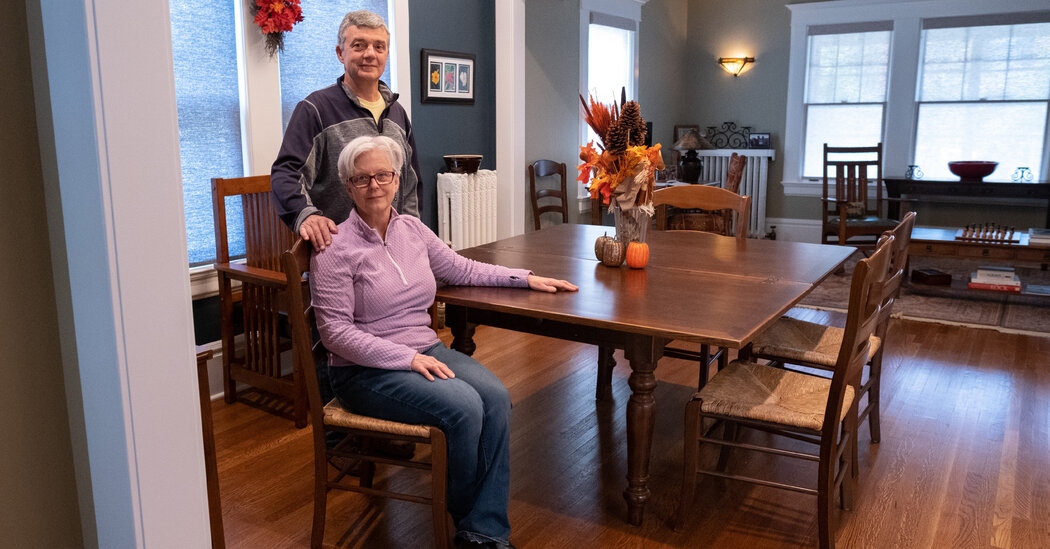
As many Americans plan larger celebrations this year, the inoculation status of dinner guests is becoming a topic of conversation, concern and conflict.For the first time in two years, Tim Wyatt is hosting a Thanksgiving feast at his home in Birmingham, Ala. Along with the traditional turkey, Mr. Wyatt will spend days preparing his slow-roasted pork shoulder with Alabama white sauce. His wife, Nancy Wyatt, will cook all of her enticing side dishes, like sour cream mini-muffins and sweet potato casserole with sage butter.Everyone from their extended family is invited. But Mr. Wyatt has made a request: If you want to come by and eat his signature fall-off-the-bone pork, you have to be vaccinated against the coronavirus.“I felt responsible for myself, my wife and anybody else visiting my house that day,” said Mr. Wyatt, 72, who expects at least 15 guests.Like Mr. Wyatt, many Americans thinking about hosting or attending a bigger Thanksgiving celebration this year are considering a question that has become sensitive and often polarizing: Will they and other guests be vaccinated?The age-old wisdom about dinner conversation “is to avoid sex, death and politics,” said Noel Brewer, a professor specializing in health behaviors at the University of North Carolina at Chapel Hill. “Vaccinations have moved onto that list.”Still, they threaten to complicate the holiday planning and the meal itself. “People who get vaccinated can also be self-righteous, and some people who haven’t been vaccinated can be belligerent,” Dr. Brewer said, adding, “That could really be a combustible mix.”In interviews, many people — both vaccinated and unvaccinated — said they were planning to tiptoe around the subject, in some cases avoiding a meal with those they might disagree with. Others, who are immunocompromised or have children too young to be vaccinated, are grappling with how to decline invitations from unvaccinated relatives. And some hosts, worried about safety, are drawing a line.Mr. Wyatt was talking on the phone with his sister last month about his Thanksgiving plans when he impulsively told her, “Tell your kids they can’t come unless they’re vaccinated.” Within a week, he received a text message from his sister, with a photo of his nephew at a pharmacy where he was getting his shot.Mr. Wyatt forwarded the picture to his daughter, Emily Plumlee, 41, of Huntsville, Ala. Her father’s vaccine mandate put her at ease about the get-together. “I’m relieved for a sense of normalcy,” she said.Mr. Wyatt decided to require vaccinations for his dinner because he felt responsible for the safety of his wife, guests and himself.Charity Rachelle for The New York TimesLast year, the pre-Thanksgiving concerns centered on social distancing and taking risks with the coronavirus. This year, the focus is inoculation; more than 192 million Americans had been fully vaccinated as of Sunday morning, but that is only about 58 percent of the total population.Those conversations are already happening as people send out invitations, said Richard M. Carpiano, a public-health scientist who studies vaccine hesitancy at the University of California, Riverside. “While lots of invitation lists are taken for granted every year, this year, it provides the opportunity for people to actually set parameters,” he said.The Centers for Disease Control and Prevention’s guidance for the holiday season is that people should protect others ineligible for vaccines, such as young children, by getting inoculated and encouraging guests to be vaccinated. The C.D.C. also advises that people gathering with others from multiple households in different parts of the country consider taking additional precautions, like getting a coronavirus test beforehand.But many people oppose the vaccines, for various reasons. Some said that stance had alienated them from their families and friends.In Honolulu, Rasa Fournier, a spokeswoman for the Aloha Freedom Coalition — an organization formed in September 2020 to fight against stringent health mandates in the pandemic — said she had invited family and friends, both vaccinated and unvaccinated, for a vegan Thanksgiving.“All of that fear and distancing is a really awful way to go,” said Ms. Fournier, 49, who is unvaccinated against the coronavirus because she believes the vaccines are not safe or effective, despite overwhelming evidence that they are. “We just want to live life normally, and with love, and with aloha.”Ms. Fournier said the vaccine had been used as a way to divide people. “The vaccinated people will uninvite people, and it’s incredibly hurtful and sad,” she said, adding that she had lost many friends because of her beliefs.Alana Newman, 35, who lives near Lake Charles, La., plans to celebrate Thanksgiving at her parents’ home, just outside Dallas. She is unvaccinated, and said she unsuccessfully tried to persuade her parents not to get vaccines. She said she had co-founded the Health Freedom Summit, a group that disputes mainstream information about vaccines and the coronavirus.“I believe this might be my last Thanksgiving to be with my parents,” said Ms. Newman, who worries about the vaccines’ side effects. “I’m not going to start a fight over the topic. I’m going to go to Thanksgiving and just love them.”She said many unvaccinated people would avoid having a Thanksgiving dinner with vaccinated relatives. “There’s a lot of people who don’t want to be demonized and humiliated for their decisions,” she said. “It’s easier to stay home and keep things private.”Most Americans probably won’t argue about vaccines at the Thanksgiving table, because they normally gather with people they’re politically aligned with, said Yanna Krupnikov, a political science professor at Stony Brook University and co-author of “Independent Politics: How American Disdain for Parties Leads to Political Inaction.”All the same, Dr. Krupnikov said vaccines were a very personal matter for many people, and could enter the holiday conversation. “Nobody would discuss the election or other political issues,” she said, but “they’re going to think about the vaccine.”Even before the pandemic, Elizabeth Bossert, of Bryan-College Station, Texas, said vaccines were a sore subject for her family.“We just kind of listen and silently disagree,” said Ms. Bossert, 36, who has been vaccinated and plans to observe the holiday at her sister’s home in Houston. “No sense in arguing with people and making things unpleasant. We always get along at Thanksgiving.”Abdullah Shihipar, a research associate at Brown University, said that conflict may be necessary in conversations about vaccines.Gavin NowlanBut trying to avoid arguments completely can be foolish, said Abdullah Shihipar, a research associate at Brown University. “I’d rather have a conflict with a relative now and reconcile it later than have someone die,” he said.Although Ashlye Cox, 37, hasn’t finalized her Thanksgiving plans yet, she said one thing is certain: She won’t have someone who opposes vaccines over for dinner.“I’m very, very pro-vaccine,” said Ms. Cox, a nurse in Rolesville, N.C. “I just wouldn’t even want them in there because I wouldn’t feel like dealing with it. Not in my house.” Debating the issue with guests would just make her more adamant. “I’ll talk about it until I’m blue in the face,” she said..css-1kpebx{margin:0 auto;font-family:nyt-franklin,helvetica,arial,sans-serif;font-weight:700;font-size:1.125rem;line-height:1.3125rem;color:#121212;}#NYT_BELOW_MAIN_CONTENT_REGION .css-1kpebx{font-family:nyt-cheltenham,georgia,’times new roman’,times,serif;font-weight:700;font-size:1.375rem;line-height:1.625rem;}@media (min-width:740px){#NYT_BELOW_MAIN_CONTENT_REGION .css-1kpebx{font-size:1.6875rem;line-height:1.875rem;}}@media (min-width:740px){.css-1kpebx{font-size:1.25rem;line-height:1.4375rem;}}.css-1gtxqqv{margin-bottom:0;}.css-k59gj9{display:-webkit-box;display:-webkit-flex;display:-ms-flexbox;display:flex;-webkit-flex-direction:column;-ms-flex-direction:column;flex-direction:column;width:100%;}.css-1e2usoh{font-family:inherit;display:-webkit-box;display:-webkit-flex;display:-ms-flexbox;display:flex;-webkit-box-pack:justify;-webkit-justify-content:space-between;-ms-flex-pack:justify;justify-content:space-between;border-top:1px solid #ccc;padding:10px 0px 10px 0px;background-color:#fff;}.css-1jz6h6z{font-family:inherit;font-weight:bold;font-size:1rem;line-height:1.5rem;text-align:left;}.css-1t412wb{box-sizing:border-box;margin:8px 15px 0px 15px;cursor:pointer;}.css-hhzar2{-webkit-transition:-webkit-transform ease 0.5s;-webkit-transition:transform ease 0.5s;transition:transform ease 0.5s;}.css-t54hv4{-webkit-transform:rotate(180deg);-ms-transform:rotate(180deg);transform:rotate(180deg);}.css-1r2j9qz{-webkit-transform:rotate(0deg);-ms-transform:rotate(0deg);transform:rotate(0deg);}.css-e1ipqs{font-size:1rem;line-height:1.5rem;padding:0px 30px 0px 0px;}.css-e1ipqs a{color:#326891;-webkit-text-decoration:underline;text-decoration:underline;}.css-e1ipqs a:hover{-webkit-text-decoration:none;text-decoration:none;}.css-1o76pdf{visibility:show;height:100%;padding-bottom:20px;}.css-1sw9s96{visibility:hidden;height:0px;}.css-1in8jot{background-color:white;border:1px solid #e2e2e2;width:calc(100% – 40px);max-width:600px;margin:1.5rem auto 1.9rem;padding:15px;box-sizing:border-box;font-family:’nyt-franklin’,arial,helvetica,sans-serif;text-align:left;}@media (min-width:740px){.css-1in8jot{padding:20px;width:100%;}}.css-1in8jot:focus{outline:1px solid #e2e2e2;}#NYT_BELOW_MAIN_CONTENT_REGION .css-1in8jot{border:none;padding:10px 0 0;border-top:2px solid #121212;}What to Know About Covid-19 Booster ShotsThe F.D.A. has authorized booster shots for millions of recipients of the Pfizer-BioNTech, Moderna and Johnson & Johnson vaccines. Pfizer and Moderna recipients who are eligible for a booster include people 65 and older, and younger adults at high risk of severe Covid-19 because of medical conditions or where they work. Eligible Pfizer and Moderna recipients can get a booster at least six months after their second dose. All Johnson & Johnson recipients will be eligible for a second shot at least two months after the first.Yes. The F.D.A. has updated its authorizations to allow medical providers to boost people with a different vaccine than the one they initially received, a strategy known as “mix and match.” Whether you received Moderna, Johnson & Johnson or Pfizer-BioNTech, you may receive a booster of any other vaccine. Regulators have not recommended any one vaccine over another as a booster. They have also remained silent on whether it is preferable to stick with the same vaccine when possible.The C.D.C. has said the conditions that qualify a person for a booster shot include: hypertension and heart disease; diabetes or obesity; cancer or blood disorders; weakened immune system; chronic lung, kidney or liver disease; dementia and certain disabilities. Pregnant women and current and former smokers are also eligible.The F.D.A. authorized boosters for workers whose jobs put them at high risk of exposure to potentially infectious people. The C.D.C. says that group includes: emergency medical workers; education workers; food and agriculture workers; manufacturing workers; corrections workers; U.S. Postal Service workers; public transit workers; grocery store workers.Yes. The C.D.C. says the Covid vaccine may be administered without regard to the timing of other vaccines, and many pharmacy sites are allowing people to schedule a flu shot at the same time as a booster dose.The message is quieter at Brother Jeff’s Cultural Center, in Denver, where Thanksgiving meals will be given out free, along with the vaccine information the center continually distributes. The center’s founder, Jeff S. Fard, said he won’t browbeat people to get vaccinated.“We don’t push mandates and Covid shaming,” said Mr. Fard, 55. “When you mandate something in our community, it raises more suspicions than comfort.”After remodeling her home in Madison, N.J., during the pandemic, Laurie Erickson, 60, said she was looking forward to having a Thanksgiving feast with about 25 people, including children and grandchildren whom she hadn’t had over for Thanksgiving in three years. But when the Delta variant contributed to the surge of cases over the summer, she and her husband, David, felt it was necessary to impose a vaccine requirement for those over age 11 this Thanksgiving.She decided to write a note, but was reluctant to send it for a few weeks because she was concerned about backlash. She finally decided to send it to only a small group of relatives at the end of August. “We hope you will reconsider your decision to forego [sic] the vaccination,” she wrote. “For your own sake and ours, and mostly because we love you, please vaccinate.”The guest list dwindled. At least eight people declined to come, and simply said they had made other plans for the holiday, which is traditionally held in Ms. Erickson’s home.“I don’t regret sending it,” she said. “It was guidelines for what we want at our house. It makes me sad, but I don’t regret it.”Laurie Erickson and David Upton of Madison, N.J., recently remodeled their home, and were looking forward to a larger Thanksgiving. But their requirement that everyone be vaccinated steered some guests away.Dakota Santiago for The New York TimesThe varied viewpoints that family members bring together are a hallmark of Thanksgiving, said Timothy Callaghan, a professor at Texas A&M University who studies vaccine hesitancy and health politics.When people debate partisan issues, Dr. Callaghan said, each side will marshal reasons it is right. “We have a very clear evidence base as to why we need Americans to be vaccinated against Covid-19,” he said. “Whereas with politics, there are two sides and both sides can be heard. But the big difference is that your choice to vaccinate has a huge impact not on only on yourself, but on society as a whole.”Christine Natalie, 35, of Bennington County, Vt., says it is still too risky for her to join a large Thanksgiving gathering because she has undergone immunomodulation therapy, which would make her more vulnerable if she contracted the virus. Instead, she’ll go to a smaller family celebration where all adults will be vaccinated. Children too young for a vaccine will also attend; the presence of an unvaccinated adult could put them at risk.“My relatives are more concerned of spreading it to me,” Ms. Natalie said. “I feel differently toward people who haven’t taken the steps to protect others. It shows a lot about their character.”Billie Jean Van Knight, who has rheumatoid arthritis, doesn’t allow unvaccinated people in her home because she fears contracting the virus.Courtesy of Billie Jean Van KnightBillie Jean Van Knight, 43, who has rheumatoid arthritis, doesn’t allow unvaccinated people in her home in St. Paul, Minn., and minimizes her trips outside. But now that she has her booster shot, she feels more freedom. She’ll spend the holiday at the home of her husband’s aunt and uncle, where everyone will have been vaccinated.“I wish people would just be kinder to each other and think about each other a little more,” she said. “It’s not about your freedoms. It’s about other people’s as well.”If someone wants to start a Thanksgiving discussion about the importance of getting vaccinated, it’s important to remember that they won’t change someone’s mind during one conversation, said Melody Butler, 35, a nurse from Lindenhurst, N.Y., and the executive director of Nurses Who Vaccinate. People should be prepared to make themselves available to answer questions or continue talking.“What’s really important is to let them know that you want them to be vaccinated because you care,” she said. “You want them to be around for next Thanksgiving.”Follow NYT Food on Twitter and NYT Cooking on Instagram, Facebook, YouTube and Pinterest. Get regular updates from NYT Cooking, with recipe suggestions, cooking tips and shopping advice.

Read more →

Widespread Coronavirus Infection Found in Iowa Deer, New Study Says

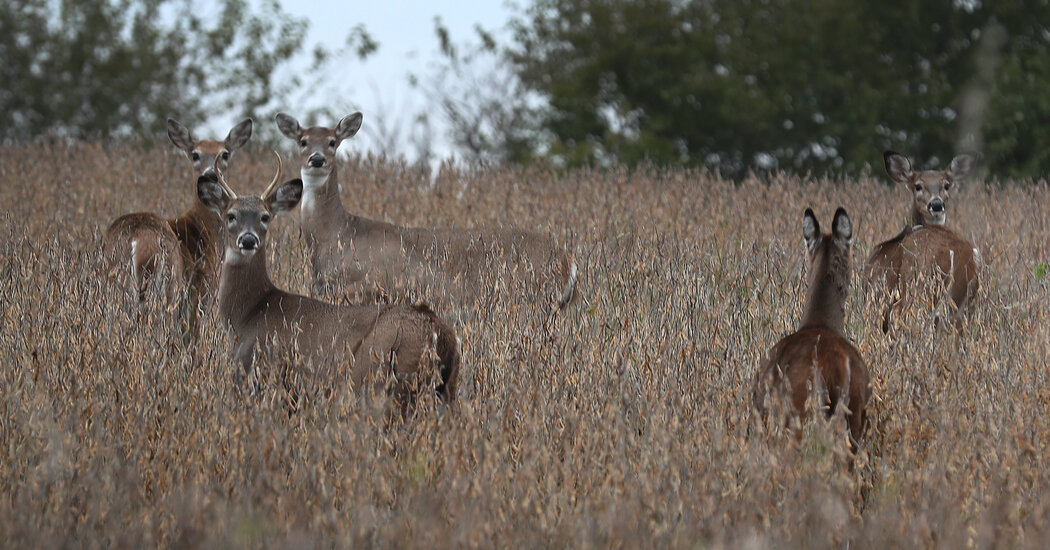
The analysis by Penn State and Iowa researchers strongly indicates that deer are getting the virus from humans, worrying experts about a deep wild reservoir for the virus.A new study of hundreds of white-tailed deer infected with the coronavirus in Iowa has found that the animals probably are contracting the virus from humans, and then rapidly spreading it among one another, according to researchers.Up to 80 percent of deer sampled from April 2020 through January 2021 in the state were infected, the study indicated.Scientists said the findings pose worrisome implications for the spread of the coronavirus, although they were not able to identify how the deer might have contracted the virus from humans. There is no evidence that deer have passed the virus back to humans.Researchers and outside experts characterized the study’s findings as a troubling development in the course of the pandemic. Widespread infection among North America’s most ubiquitous game species could make eradicating the pathogen even more difficult, especially if they became a reservoir for mutations that eventually spilled back over to humans.The study has not been published in a peer-reviewed science journal yet, but its authors at Penn State University and wildlife officials in Iowa found the results so disturbing that they are alerting deer hunters and others who handle deer to take precautions to avoid transmission.Earlier this year, a multistate survey of white-tailed deer by the U.S. Department of Agriculture’s Animal and Plant Health Inspection Service turned up antibodies for the virus among less than half the deer in four states, but that study confirmed exposure, not infection. (Antibodies could mean the deer fought off infection.)This new analysis — conducted by examining the lymph nodes of samples from roadkill and from those felled by hunters — showed active infections, the researchers said. The veterinary microbiologists who led the Penn State study, Suresh Kuchipudi and Vivek Kapur, said they were not prepared to find such widespread infection.“It was effectively showing up in all parts of the state,” said Dr. Kuchipudi. “We were dumbfounded.”Evidence of transmission from people, the scientists said, was found in the genomic sequencing of the samples collected over months that reflected the virus lineages circulating among humans.“There is no reason to believe that the same thing isn’t happening in other states where deer are present,” Dr. Kapur said.Previous studies have hinted at such a possibility because a number of other animals are susceptible to infection with SARS-CoV-2, the virus that causes Covid-19 in humans. They include ferrets and primates that have been intentionally infected in lab experiments, zoo animals that caught the virus from their handlers and captive mink that were sickened after being exposed to the pathogen by farm workers.In the case of mink, the coronavirus has already demonstrated an ability to sicken animals infected by humans, and last year, Denmark slaughtered its entire population of 17 million farmed mink after scientists discovered they could pass the virus back to people. The virus, they found, had also picked up mutations along the way, but officials said none were especially worrisome.If the virus were to become endemic in wild animals like deer, it could evolve over time to become more virulent and then infect people with a new strain capable of evading the current crop of vaccines.The findings were verified on Tuesday by federal scientists at the National Veterinary Services Laboratories, according to a spokesperson.Scientists unaffiliated with the study who reviewed the findings said they were stunned, but not entirely surprised.“If deer can transmit the virus to humans, it’s a game changer,” said Tony Goldberg, a veterinarian at the University of Wisconsin-Madison who studies the evolution of infectious diseases as they jump between animals and people. “To have a wildlife species become a reservoir after transmission from humans is very rare and unlucky, as if we needed more bad luck.”The Penn State researchers have been working with the Iowa Department of Natural Resources, which already conducts surveillance on chronic wasting disease, a fatal neurological illness among white-tailed deer. The first positive test results showed up in September 2020 — in two deer at different ends of the state. Between late November and early January, as the pandemic was surging in humans across Iowa, 80 percent of the deer specimens tested positive for the virus.By then, the researchers had tested only 300 of the 5,000 lymph nodes available to them; but the evidence was overwhelming.Such a high rate of infection, Dr. Kuchipudi said, was effectively 50 times greater than its prevalence among Iowa’s human residents during the peak of the pandemic.What they found as they probed deeper was even more astounding. Using tests to decode the genomic makeup of each viral sample, they found similar patterns between the emergence of mutations and variants in the state’s deer population and those infecting people. Researchers said that offered stronger proof of human-to-deer transmission as well as evidence that deer were then spreading the virus to one another at a rapid clip. Mapping the location of each sample also suggested that the infections were occurring simultaneously across the state as hunting season ramped up. The study’s authors say it is unclear whether the deer were sickened by the infection.How the virus passes from people to deer, however, is not entirely clear. Rachel Ruden, Iowa’s state wildlife veterinarian and an author of the study, said there were plenty of opportunities for transmission given that 445,000 deer roam the state.The virus can spread when people feed deer in their backyard, through sewage discharges or maybe when an animal licks a splotch of chewing tobacco left behind by an infected hunter. “Perhaps it doesn’t take much of a loading dose to get deer infected,” she said. “But either way, all of this is a striking example that we’re all in this pandemic together.”The study raises a multitude of questions that scientists will be keen to examine, including whether other wild animals can also carry the virus, particularly rodents like mice that live in even closer proximity to people. The more species capable of carrying the virus, the greater the chances it can evolve in ways that threaten human health.Such a scenario is not at all far-fetched. Even if the exact origins of SARS-CoV-2 remain a subject of debate, many scientists are inclined to believe the virus was a product of natural transmission from animals, most likely bats. There is no shortage of unpleasant pathogens that toggle between humans and animals, among them yellow fever, West Nile virus and strains of seasonal influenza that can infect birds and pigs.Despite their concerns that the country’s 38 million white-tailed deer could become a lasting reservoir for the coronavirus, experts say such a scenario does not mean all hope is lost in the battle to conquer the pandemic.A dangerous mutation that one day finds its way from deer to people could be tackled with a booster shot — not unlike how vaccines for the seasonal flu are developed each year. A coronavirus vaccine for deer is also a possibility — scientists have already created them for zoo animals — but the practicality of inoculating millions of free-roaming ungulates would be daunting, to say the least.In the meantime, several states have advised deer hunters to take precautions when dealing with white-tailed deer: wear rubber gloves and perhaps a mask when field dressing and processing; sanitize hands and instruments after dressing; and bag carcass remains before disposing in trash. Health officials say eating cooked venison carries little risk as long as it reaches an internal temperature of 165°F.Barbara Han, a disease ecologist at the Cary Institute of Ecosystem Studies who has been studying the spillover capacity of SARS-CoV-2 in various mammals, said the findings reinforced the need for a more robust system of surveillance that can quickly detect the transmission of pathogens from animals to people.The pandemic has already prompted better coordination among laboratories across the United States, but she said she hoped the latest findings might turbocharge efforts to create a national, federally funded surveillance network for so-called zoonotic diseases. Despite a global death toll that has surpassed five million, Dr. Han and other experts say Covid-19 could have been far deadlier, a possibility underscored by viruses like Ebola.“We can’t keep playing whack-a-mole with these zoonotic diseases because it’s just too costly, both financially and from a human losses standpoint,” she said. “We have got to do better.”

Read more →

Javid on 'Covid is over' risk and new variants

The health secretary has said he worries about an “vaccine escape variant” of Covid.Sajid Javid warned people not to “let down their guard” and that “we have got to keep working at it”.In his first appearance before the Health and Social Care committee, he told MPs there were a “lot more defences today” to deal with any new variant, but people must not assume was “almost all over or… all over”.

Read more →

Scientists identify new antibody for COVID-19 and variants

A research collaboration between scientists at Duke University and the University of North Carolina at Chapel Hill has identified and tested an antibody that limits the severity of infections from a variety of coronaviruses, including those that cause COVID-19 as well as the original SARS illness.
The antibody was identified by a team at the Duke Human Vaccine Institute (DHVI) and tested in animal models at UNC-Chapel Hill. Researchers published their findings Nov. 2 in the journal Science Translational Medicine.
“This antibody has the potential to be a therapeutic for the current epidemic,” said co-senior author Barton Haynes, M.D., director of DHVI. “It could also be available for future outbreaks, if or when other coronaviruses jump from their natural animal hosts to humans.”
Haynes and colleagues at DHVI isolated the antibody by analyzing the blood from a patient who had been infected with the original SARS-CoV-1 virus, which caused the SARS outbreak in the early 2000s, and from a current COVID-19 patient.
They identified more than 1,700 antibodies, which the immune system produces to bind at specific sites on specific viruses to block the pathogen from infecting cells. When viruses mutate, many binding cites are altered or eliminated, leaving antibodies ineffectual. But there are often sites on the virus that remain unchanged despite mutations. The researchers focused on antibodies that target these sites because of their potential to be highly effective across different lineages of a virus.
Of the 1,700 antibodies from the two individuals, the Duke researchers found 50 antibodies that had the ability to bind to both the SARS-CoV-1 virus as well as SARS-CoV-2, which causes COVID-19.

Read more →

Scientists build on AI modeling to understand more about protein-sugar structures

New research building on AI algorithms has enabled scientists to create more complete models of the protein structures in our bodies — paving the way for faster design of therapeutics and vaccines.
The study — led by the University of York — used artificial intelligence (AI) to help researchers understand more about the sugar that surrounds most proteins in our bodies.
Up to 70 per cent of human proteins are surrounded or scaffolded with sugar, which plays an important part in how they look and act. Moreover, some viruses like those behind AIDS, Flu, Ebola and COVID-19 are also shielded behind sugars (glycans). The addition of these sugars is known as modification.
To study the proteins, researchers created software that adds missing sugar components to models created with AlphaFold, which is an artificial intelligence program developed by Google’s DeepMind which performs predictions of protein structures.
Senior author, Dr Jon Agirre from the Department of Chemistry said: “The proteins of the human body are tiny machines that in their billions, make up our flesh and bones, transport our oxygen, allow us to function, and defend us from pathogens. And just like a hammer relies on a metal head to strike pointy objects including nails, proteins have specialised shapes and compositions to get their jobs done.”
“The AlphaFold method for protein structure prediction has the potential to revolutionise workflows in biology, allowing scientists to understand a protein and the impact of mutations faster than ever.”
“However, the algorithm does not account for essential modifications that affect protein structure and function, which gives us only part of the picture. Our research has shown that this can be addressed in a relatively straightforward manner, leading to a more complete structural prediction.”
The recent introduction of AlphaFold and the accompanying database of protein structures has enabled scientists to have accurate structure predictions for all known human proteins.
Dr Agirre added: “It is always great to watch an international collaboration grow to bear fruit, but this is just the beginning for us. Our software was used in the glycan structural work that underpinned the mRNA vaccines against SARS-CoV-2, but now there is so much more we can do thanks to the AlphaFold technological leap. It is still early stages, but the objective is to move on from reacting to changes in a glycan shield to anticipating them.”
The research was conducted with Dr Elisa Fadda and Carl A. Fogarty from Maynooth University. Haroldas Bagdonas, PhD student at the York Structural Biology Laboratory, which is part of the Department of Chemistry, also worked on the study with Dr Agirre.
Story Source:
Materials provided by University of York. Note: Content may be edited for style and length.

Read more →