2 Austrian States, Including Salzburg, to Impose Covid Lockdowns

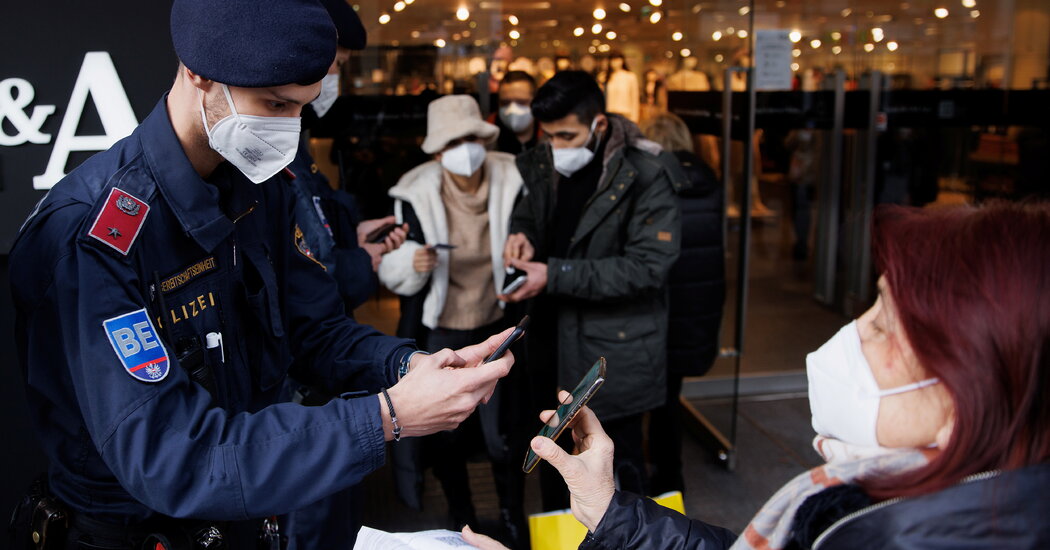
Two states in Austria will restrict public life for vaccinated and unvaccinated people starting next week as hospitals strain under the latest surge in coronavirus infections. The general lockdown in the states — Salzburg and Upper Austria — goes into affect a week after the country imposed broad restrictions on the activities of unvaccinated people.“We no longer see an alternative to a lockdown beginning next week,” Wilfried Haslauer, the governor of Salzburg, told the Austrian news service APA on Thursday.The general lockdown in the two states, which is expected to last at least several weeks, comes amid record caseloads. The Austrian authorities registered 15,609 new cases in a single day nationwide on Tuesday, a record in the country since the pandemic began. About 40 percent of those cases were in Salzburg and Upper Austria.The exact rules were expected be announced on Thursday afternoon.The national opposition leader, Pamela Rendi-Wagner, called for the measures to be expanded for the entire country. She said the choice was stark.“The national government must not stand by while people die because they can no longer get adequate health care,” Ms. Rendi-Wagner told a news conference in Vienna on Thursday.

Read more →

Extreme heat events jeopardize cardiovascular health, experts warn

A consequence of global warming is a greater frequency and intensity of extreme heat events. This extreme heat is associated with a greater risk of adverse cardiovascular incidents, especially for adults with pre-existing cardiovascular diseases. Experts writing in the Canadian Journal of Cardiology, published by Elsevier, discuss how extreme heat affects cardiovascular health, why health professionals should care and what recommendations they can make to minimize consequences.
Extreme heat events, such as heatwaves, are predicted to increase in frequency, severity and duration. Extreme heat poses a risk to human health, increasing the risk of morbidity and mortality. Examples include 70,000 deaths attributed to the European heatwave in 2003, and 55,000 deaths attributed to the 2010 Russian heatwave. Risk factors for heat-related hospitalization include age, chronic illnesses, social isolation, some medications, and lack of access to air conditioning. Among chronic illnesses, cardiovascular diseases are often identified as a risk factor for heat-related hospitalization and death.
“The Intergovernmental Panel on Climate Change (IPCC) recently reported that global temperatures are rising at a greater rate than previously projected, and that the number of extreme heat days will significantly increase across most land regions,” explained senior author Daniel Gagnon, PhD, Montreal Heart Institute, and School of Kinesiology and Exercise Science, University of Montreal, Montreal, Canada. “Although we don’t yet fully understand the reasons, people with cardiovascular disease are at greater risk of hospitalizations and death during extreme heat events.”
The authors conducted a comprehensive review of evidence-based epidemiological studies and noted a consistent association between extreme heat and a greater risk of adverse cardiovascular outcomes. Furthermore, they examined systematic reviews and meta-analyses that considered the effect of extreme heat on adverse cardiovascular outcomes and report that heatwaves significantly increase the risk of death from ischemic heart disease, stroke, and heart failure.
“Although the effects of extreme heat on adverse cardiovascular events have been explained in the context of heatstroke, many events occur without heatstroke, and the mechanisms of these events in the absence of heatstroke remain unclear,” observed Dr. Gagnon. “It is likely that heat exposure increases myocardial oxygen needs.”
The authors consider the possibility that heat exposure puts too much strain on the heart for individuals with heart disease and that heat exposure increases the risk of blood clots forming within the blood vessels that supply the heart.
The authors propose that preventive strategies to minimize cardiovascular risk during extreme heat events should aim to reduce the extent of hyperthermia and dehydration. In Canada, heat-health warnings systems act as a first line of defense by raising awareness of upcoming heat events and recommending strategies to minimize possible heat complications. For example, heat warnings are issued 18-24 hours before a heat event in Ontario and Québec, when ambient temperature will remain above 30 degrees C for a minimum of two days. Public advisories include identifying the signs of heat stress, ensuring people drink adequate amounts of cold fluid or seeking an air-conditioned environment.
Recent research supports electric fan use, skin wetting and immersing the feet in tap water as simple alternatives to air conditioning to stay cool during extreme heat events. “Air conditioning is the most effective strategy that can be recommended since it effectively removes the heat stimulus and minimizes the risk of adverse cardiovascular outcomes,” commented Dr. Gagnon. “However, less than one third of global households own air conditioning.”
The authors note that more research is needed to better understand the reasons why extreme heat is associated with a greater risk of adverse cardiovascular outcomes; the effect of cardiovascular medication on the human body’s physiological responses during heat exposure; the optimal cooling strategies that can be recommended to individuals with heart disease during heatwaves; and safe environmental limits for outdoor exercise in individuals with heart disease.
“Cardiovascular health professionals need to be aware of the negative consequences of extreme heat on cardiovascular health. A better awareness and understanding of the cardiovascular consequences of extreme heat, and of the measures to take to prevent and mitigate adverse events, will help us all assess the risk and optimize the care of patients exposed to an increasingly warm climate,” concluded Dr. Gagnon.
Story Source:
Materials provided by Elsevier. Note: Content may be edited for style and length.

Read more →

New findings on the link between CRISPR gene-editing and mutated cancer cells

A protein that protects cells from DNA damage, p53, is activated during gene editing using the CRISPR technique. Consequently, cells with mutated p53 have a survival advantage, which can cause cancer. Researchers at Karolinska Institutet in Sweden have found new links between CRISPR, p53 and other cancer genes that could prevent the accumulation of mutated cells without compromising the gene scissors’ effectiveness. The study, published in Cancer Research, can contribute to tomorrow’s precision medicine.
Much hope is being pinned on the potential of gene editing using the CRISPR (gene scissors) method as a crucial part in the precision medicine of the future. However, before the method can become hospital routine, several hurdles need to be overcome.
One of these challenges is associated with how cells behave when subjected to DNA damage, which CRISPR gene editing causes in a controlled fashion. Damage to cells activates the protein p53, which acts as the cell’s “first aid” response to DNA damage.
It is already known that the technique is less effective when p53 is active; at the same time, however, a lack of p53 can allow cells to start growing uncontrollably and become cancerous. In over half of all cancers the gene for p53 is mutated and thus unable to protect against uncontrolled cell division. It is therefore important to avoid the enrichment (accumulation) of such mutated cells.
Researchers at Karolinska Institutet have now shown that cells with inactivating mutations of the p53 gene gain a survival advantage when subjected to CRISPR and can thus accumulate in a mixed cell population.
The researchers have also identified a network of linked genes with mutations that have a similar effect to p53 mutations, and shown that the transient inhibition of p53 is a possible pharmaceutical strategy for preventing the enrichment of cells with such mutations.

Read more →

‘Surgery selfies’ could spot serious infections early

Smartphone pictures of post-surgical wounds taken by patients and then assessed by clinicians can help with the early identification of infections, a study has found.
Researchers discovered these so-called ‘surgery selfies’ were linked with a reduced number of visits to GPs and improved access to advice among patients who took them.
The practice could help manage surgical patients’ care while they recover and reduce pressure on the NHS, experts say.
Death within 30 days of surgery is the third largest cause of death globally. Surgical wound infections are associated with more than a third of deaths after an operation.
On average, surgical wound infections cost the NHS an extra £10,000 per patient because of longer stays in hospital, readmissions after going home and the extra treatments needed.
Researchers from the University of Edinburgh ran a randomised clinical trial involving 492 emergency abdominal surgery patients to see if photos from smartphones and questions on symptoms of infection could be used to diagnose wound infections early.

Read more →

Study links stress to Crohn’s disease flare-ups

A possible link between psychological stress and Crohn’s disease flare-ups has been identified by a McMaster University-led study.
Researchers using mouse models found that stress hormones suppressed the innate immune system that normally protects the gut from invasive Enterobacteriaceae, a group of bacteria including E. coli which has been linked to Crohn’s disease.
Key to innate immunity is the protective barrier of epithelial cells in the gut, which rely on molecular signals from immune cells to keep out harmful microbes, repair the cell wall and secrete mucus. Without properly functioning immune cells, the epithelial cellular wall can break down, allowing microbes associated with Crohn’s disease to invade the gut and trigger symptom flare-ups.
“The main takeaway is that psychological stress impedes the body’s ability to fight off gut bacteria that may be implicated in Crohn’s disease. Innate immunity is designed to protect us from microbes that do not belong in the gut, like harmful bacteria,” said senior author Brian Coombes, professor and chair of biochemistry and biomedical sciences at McMaster.
“When our innate immune system functions properly, it prevents harmful bacteria from colonizing us, but when it breaks down, it leaves an opening for pathogens to colonize locations they normally cannot and cause illness.”
The study was published in Nature Communications on Nov. 18.
Coombes said that removing stress hormones in the mouse models restored proper function to immune cells and epithelial cells, blocking the invasion of harmful microbes.
While this discovery could lead to new treatments for Crohn’s disease, Coombes emphasizes these findings are still at the pre-clinical stage and more work needs to be done.
“The more we know about what triggers Crohn’s disease, the closer we come to new treatments and potentially even disease prevention,” said Coombes.
Crohn’s disease is an inflammatory condition that causes inflammation, ulcers and scarring in the digestive system. While its root cause is still not fully understood, Coombes said patients with the disease often have an altered gut microbiome dominated by Enterobacteriaceae like E. coli.
The Coombes lab is part of the Michael G. DeGroote Institute for Infectious Disease Research and the Farncombe Family Digestive Health Research Institute based at McMaster University. External funding for the study was provided by the Canadian Institutes of Health Research and Crohn’s and Colitis Canada.
Story Source:
Materials provided by McMaster University. Note: Content may be edited for style and length.

Read more →

Must This Swab Go That Far Up Your Nose to Test for Covid?

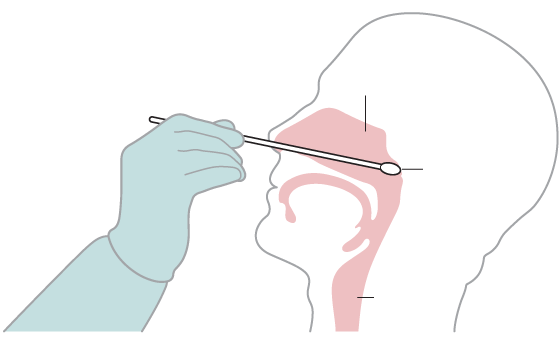
Some testers gently swab the front of your nostril and send you on your way. Others dig deep, bringing the pain. What’s the gold standard?One Canadian said it felt like a painful poke to his brain. An American heard crunching sounds in her head. A Frenchwoman suffered a severe nosebleed. Others got headaches, cried or were left in shock.They were all tested for Covid-19 with deep nasal swabs. While many people have no complaints about their experience, for some, the swab test — a vital tool in the global battle against the coronavirus — engenders visceral dislike, severe squirming or buckled knees.“It felt like someone was going right into the reset button of my brain to switch something over,” Paul Chin, a music producer and DJ in Toronto, said of his nasal swab test. “There’s truly nothing like it.”“Oh, my goodness,” he continued, “the swab just going farther back into my nose than I’d ever imagined or would have guessed — it’s such a long and sharp and pointy kind of thing.”Since the coronavirus emerged, millions of swabs have been stuck into millions of noses to test for a pernicious virus that has killed millions across the planet. One of the ways to fight the virus, officials say, is to test widely and to test often. The imperative has been to use a test that people are willing to take repeatedly.The swab generally fits the bill.In some parts of the United States, health workers hand people the swab to test themselves, assuring a level of personal comfort. To many South Africans, the only Covid-19 test is a painful one — you see stars or gag because a nasal swab goes down your throat.The range of swabbing raises questions: Who is doing it right? How deeply should the swab slide into your nostril? How long should it spend up there? Does an accurate test have to be uncomfortable? Unfairly or not, some countries have reputations for brutal tests.First, a brief anatomy lesson: No, the swab is not actually stabbing your brain.

Read more →

The Women Bringing Sex Ed to the Arab World

Activists are using social media to do what Arab countries have failed to do: teach women about their bodies. They are aiming for nothing less than a cultural awakening.CAIRO — When Nour Emam decided to devote herself to educating Arab women about their bodies, the subject was so taboo that one of her first challenges was figuring out how to pronounce the word “clitoris” in Arabic.“I had never heard it,” said Ms. Emam, 29, a women’s health activist from Cairo. “No one uses it, so there’s nowhere to find the right way to say it.”After careful research, now she knows, and so do her hundreds of thousands of followers on social media, where she hosts one of the leading platforms for sex education in the Arab world.With formal schooling on sexuality minimal to nonexistent in much of the Middle East, and a patriarchal culture that has left many Arab women ignorant and ashamed of their own bodies, Ms. Emam and a growing number of activists have built online platforms to try to fill the gap.Using the internet to circumvent social taboos and government censorship, they are educating Arab women about their bodies, shattering myths and misinformation, and in some cases changing women’s lives. ​In Cairo, Ms. Emam, known by the web handle “motherbeing,” has posted hundreds of videos on Instagram and TikTok in which she discusses intimate subjects in a deliberately casual manner, sometimes while she’s cooking. She started a podcast on sexual and reproductive health in March; the first episode, on orgasms, drew tens of thousands of listeners.Notes about periods and strategy on a wall in Ms. Emam’s home office.Heba Khamis for The New York TimesTeaching aids on giving birth.Heba Khamis for The New York TimesThe website Mauj — a pan-Arab project run by women in several countries — publishes educational posts on sexual and reproductive health and sells mail-order vibrators, which are banned in many Arab countries.“Sex Talk in Arabic,” produced by a group of Arab women in the Middle East and expatriates, has drawn tens of thousands of followers on Instagram and Facebook for its sex ed graphics and videos and L.G.B.T.Q. advocacy. “Our main goal is to break down taboos and break down myths,” says its founder, Fatma Ibrahim, 32.Physicians like Dr. Sandrine Atallah, a sexologist in Beirut, Lebanon, and Dr. Deemah Salem, an OB-GYN in Dubai, United Arab Emirates, are taking to YouTube and Instagram to debunk myths and stereotypes about sexuality that are common throughout the region, like the belief that using a tampon takes away a woman’s virginity.“It’s a moment,” said Nancy Ali, a research associate at Sorbonne University in Paris who specializes in the study of gender and memory in the Middle East and North Africa. “Our culture and our language regarding sex is extremely euphemistic, so the idea of discussing sexual body parts in this direct way is new to us, let alone the fact that women are doing it.”At a time when social media is under fire for spreading misinformation, these initiatives and others like them are using the platform to counter misinformation, exploiting social media’s ability to cut across class and national boundaries to reach Arab women throughout the region and beyond.Taken together, advocates say, these sites and platforms may be the leading edge of a cultural shift, a kind of an “Our Bodies, Ourselves” revolution for the Arab world, but 50 years later and on your phone.Arab states lag far behind most of the world in gender equality, including in the realm of reproductive health and sexual education.About 40 percent of pregnancies in Arab countries are unintended, according to a 2018 study by the Guttmacher Institute. Female genital mutilation is prevalent in several countries. The region’s teenage birthrate is higher than average.And according to a United Nations study, not a single Arab country offers comprehensive sex education in schools. Tunisia, one of the most socially liberal Arab countries, introduced a free sex ed app last year, but plans for a school sex ed program have stalled.For Ms. Emam, recording an Instagram post, speaking openly about women’s sexuality is part of a mission to break what she describes as an intergenerational cycle of trauma.Heba Khamis for The New York TimesThe new social media platforms are stepping in to provide factual information and a woman’s point of view in an arena where patriarchal traditions, conservative religious doctrine and, more recently, online pornography have set the tone.While their approaches vary, most focus on education about female anatomy, sex and dismantling mores seen as harmful to women.One primary target is the religious belief that women have a duty to oblige their husbands’ every sexual desire, a duty rooted in the saying attributed to the Prophet Muhammad that “the angels curse” a woman who refuses her husband. The activists seek to replace this obligation with a consent-based approach.Another bubble they aim to burst is the popular conception in the Middle East that attaches family honor to a woman’s virginity.There has been pushback from conservatives, usually in the form of comments replying to the posted articles or videos.“There’s no way I’d let my sister or want my daughter to see things like that when they’re still virgins, before they get married,” said Ahmed Osama, 25, a computer engineer from Cairo who was upset about a post on masturbation. “Why bring awareness to things like that instead of how to be a good housewife or how to endure and tolerate and love? What happened to modesty and religion?”Norhan Osama, 24, a customer support rep from Giza, Egypt, said that she appreciated the need for education but was concerned that these platforms take away “the shame and embarrassment” of doing something wrong.“If you’re not firm in your beliefs, you might walk away thinking it’s OK to have sex when you’re not married,” she said. “It’s sinful. That’s the simple answer.”Perhaps the biggest difference with previous iterations of Arabic sex advice columns and TV programs is that the new platforms prize openness. They are without exception blunter and more explicit.For Ms. Emam, speaking openly about women’s sexuality — including getting women accustomed to hearing the word clitoris — is part of a broader mission to break what she described as an intergenerational cycle of trauma that has led many Arab women to feel like “our existence is wrong and shameful and sinful.”Not saying the word, she said, “was another way of distancing ourselves from truly connecting to our bodies, our heritage and our roots.”Ms. Emam was a full-time techno music DJ before she became a mother and developed postpartum depression, which led her to train as a doula, a professional who supports women giving birth, and from there to focus on reproductive health and sex education.The founders of Mauj, center, who asked not to be identified, sought to create a “judgment-free space” where women could talk about issues like sex, body shaming and harassment.Tara Todras-Whitehill for The New York TimesShe is based in Egypt, but said that about 25 percent of her social media followers come from other countries, including Saudi Arabia, Iraq, the United Arab Emirates, Jordan and Morocco.The effort appears to have filled a need.Sarah el-Setouhy, 30, a petroleum economist in Cairo who attended Ms. Emam’s “Mastering Your Cycle” class via Zoom, said she had suffered from painful periods. She said she had been taught “to just live with it” and, a common myth, that the pain would subside when she got married and had children.Ms. Emam told her that the pain could be caused by a number of factors and encouraged her to see a doctor.“She gives you the confidence to understand your body,” Ms. el-Setouhy said. “I have worked a lot on myself since then.”Bit by bit, such exchanges will transform society, Ms. Emam contends.“I think women have started to wake up,” she said. “And we’ve amplified each other’s voices.”As if to illustrate the connectedness among the various efforts across the region, she jumped up to fetch a gift she had received in the mail: a vibrator from Mauj.A vibrator by Mauj, designed for Arab women who value modesty as much as sexual desire. Tara Todras-Whitehill for The New York TimesMauj (“waves” in Arabic) was founded last year by two 32-year-old women who asked not to be identified over fears of repercussions over their work. When they were growing up, the founders said, neither of them received sex education beyond a quick word on menstruation and warnings not to get pregnant.In an effort to create “a judgment-free space” to talk about topics long suppressed, Mauj has a video series inviting women to share their experiences anonymously with issues like sex, body shaming and sexual harassment.Unlike the other platforms, Mauj has also developed a product, a vibrator designed for Arab women who value modesty as much as sexual desire. For the sake of discretion, it resembles a tear drop and it fits in the palm of a hand.Vibrators are not openly sold in Arab countries, and some nations strictly forbid them. The United Arab Emirates, for one, prohibits them under the ban on “items that contradict Islamic faith and public morals.”The Mauj founders see their vibrator as an extension of their educational mission: They created it to inspire women to become more curious about their bodies, they said, and to puncture the common notion that male pleasure trumps female pleasure.Dr. Salem, a Dubai OB-GYN, created an Instagram account aimed at conservative, Muslim women who are too shy, embarrassed or afraid to see a gynecologist in person.Dr. Deemah Salem, an OB-GYN in Dubai, records Instagram videos aimed at conservative Muslim women. Natalie Naccache for The New York Times“In the Middle East, there is this misconception that girls really should not see the gynecologist until they get married,” she said. “Many go years without visiting one — if at all — over fear that undergoing a pelvic exam would lead to a loss of virginity.”Women and girls send her questions over Instagram, and while she cannot give treatment or diagnoses over the app, she offers general advice, knowing that many of her correspondents may never visit a clinic.Another common problem she has found is that the emphasis on celibacy before marriage, often instilled through fear, can carry over into the marriage. A virgin suddenly finding herself lying next to her husband on her wedding night, she said, may be overcome with fear and discomfort, which can manifest physically in vaginismus, a condition in which vaginal muscles involuntarily contract during penetration.For some women, the new platforms have changed their lives in small but powerful ways.Salma, 32, an Egyptian high school teacher who preferred not to use her last name, said a class she took with Ms. Emam left her feeling more comfortable about her body.When she gets her period, for instance, she no longer feels the need to conceal a pad on the way to the bathroom. “Because why do I have to hide?” she said.She has found her body to be a source of pleasure.“I used to feel like masturbating was something shameful,” she said. “But now I know that it’s normal and natural, something to do and enjoy.”And she knows the name for it in Arabic.Mona el-Naggar reported from Cairo, and Sara Aridi from New York.

Read more →

First long-acting injection for HIV approved

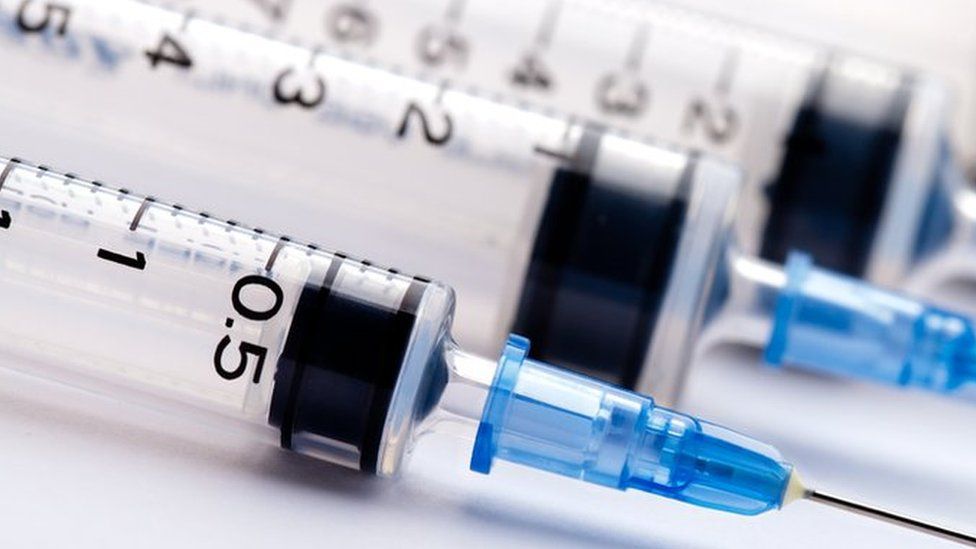
SharecloseShare pageCopy linkAbout sharingImage source, Getty ImagesThousands of people with HIV will now be offered a new long-acting injection to manage their condition if they would prefer to stop taking daily pills. Charities have welcomed the approval of the treatment by the NHS drugs watchdog, the National Institute for Health and Care Excellence. The therapy keeps the virus at bay, in a similar way to conventional antiretroviral drugs. An estimated 13,000 people in England could make the switch. Cabotegravir and rilpivirine are given as two separate injections every two months, after an initial phasing-in period. The treatment is only suitable for those who have already achieved undetectable levels of virus in blood while taking tablets.Experts say it could be more convenient for many. Prof Chloe Orkin, an expert in HIV at Queen Mary University of London, said it would release people with HIV from the burden of daily oral therapy, and offer them instead only six treatments per year.Dr Sanjay Bhagani, president of the European Aids Clinical Society, said: “This is very welcome indeed. “Stigma remains a significant issue in the HIV community, and taking tablets every day may be difficult for some people. This offers an injectable alternative for many people. “The data and studies underpinning this recommendation are solid, and real-world experience suggests that patients that start injectable treatments prefer to stay on them.”NICEThe BBC is not responsible for the content of external sites.

Read more →

Scientist advances prospect of regeneration in humans

In a seminal 2013 study, MDI Biological Laboratory scientist James Godwin, Ph.D., discovered that a type of white blood cell called a macrophage is essential to limb regeneration in the axolotl, a Mexican salamander that is nature’s champion of regeneration.
Without macrophages, which are part of the immune system, regeneration did not take place. Instead of regenerating a limb, the axolotl formed a scar at the site of the injury, which acted as a barrier to regeneration, just as it would in a mammal such as a mouse or human. In terms of regenerative capability, Godwin had turned the salamander into a mammal. In a follow-up 2017 study, he found the same to be true in heart tissue.
Now, in a study that builds on his earlier research, Godwin has identified the origin of pro-regenerative macrophages in the axolotl as the liver. By providing science with a place to look for pro-regenerative macrophages in humans — the liver, rather than the bone marrow, which is the source of most human macrophages — the finding paves the way for regenerative medicine therapies in humans.
Although the prospect of regrowing a human limb may be unrealistic in the short term due to a limb’s complexity, regenerative medicine therapies could potentially be employed in the shorter term in the treatment of the many diseases in which scarring plays a pathological role, including heart, lung and kidney disease, as well as in the treatment of scarring itself — for instance, in the case of burn victims.
“In our earlier research, we found that scar-free healing hinges on a single cell type, the macrophage,” Godwin said. “This finding means we have a way in. If axolotls can regenerate by having a single cell type as their guardian, then maybe we can achieve scar-free healing in humans by populating our bodies with an equivalent guardian cell type, which would open up the opportunity for regeneration.”
The paper on Godwin’s research, entitled “Identification of the Adult Hematopoietic Liver As the Primary Reservoir for the Recruitment of Pro-regenerative Macrophages Required for Salamander Limb Regeneration,” was recently published in the journal Frontiers in Cell and Developmental Biology.

Read more →