Chronic stress and depression boost this brain receptor; a new study maps out how to block it

Scientists at Scripps Research, Florida have determined the near-atomic-scale structure of an unusual brain-cell receptor called GPR158, which has been linked to depression and anxiety. The structural study reveals both the receptor and its regulating complex, advancing understanding of basic cell receptor biology. It also enables work on potential therapeutics designed to block GPR158 as a strategy for treating depression, anxiety and possibly other mood disorders.
In the study, published Nov. 18 in the journal Science, the researchers used ultracold, single-particle electron microscopy, or cryo-EM, to map, at a resolution of about a third of a billionth of a meter, the atomic structure of GPR158, both on its own and when bound to a group of proteins that mediate its activity.
“We’ve been studying this receptor for more than 10 years, and have done a lot of biology on it, so it’s really gratifying to see for the first time how it’s organized,” says lead author Kirill Martemyanov, PhD, Professor and Chair of the Department of Neuroscience at the Scripps Research.
Clinical depression, also called major depressive disorder, is estimated to affect roughly 20 million people in the United States in any given year. Current treatments work on other known receptors, including monoamine, but don’t always work well for all people and alternative options are needed.
Martemyanov and his team found in a 2018 study that GPR158 is present at unusually high levels in the prefrontal cortex of people diagnosed with major depressive disorder at the time of their death. They also found that exposing mice to chronic stress increased levels of this receptor in the mouse prefrontal cortex, leading to depression-like behavior — whereas eliminating GPR158 activity in chronically stressed mice made them resistant to depression and the effects of stress. Additionally, the activity of GPR158 receptor has been also linked to prostate cancer.
Historically, GPR158 hasn’t been easy to study. It is called an “orphan receptor” because scientists haven’t yet identified the molecule responsible for turning its signaling function “on” in a manner similar to flipping a switch. The receptor is also considered unusual because, in the brain, unlike most receptors in its family, it exists in close association with a protein complex called the RGS signaling complex. RGS is short for “regulator of G protein signaling” and it acts as a powerful brake on cellular signaling. However, it has been unclear why GPR158 engages it.

Read more →

The brain uses bodily signals to regulate fear

Fear is essential for survival, but must be well regulated to avoid harmful behaviors such as panic attacks or exaggerated risk taking. Scientists at the Max Planck Institute of Neurobiology have now demonstrated in mice that the brain relies on the body’s feedback to regulate fear. The brain’s insular cortex strongly reacts to stimuli signaling danger. However, when the body freezes in response to fear, the heartbeat slows down leading to attenuated insular cortex activity. Processing these opposing signals helps the insular cortex to keep fear in balance. The body’s reactions are thus actively used to regulate emotions and are much more than passive emotional responses.
We usually experience fear as extremely unpleasant. Nevertheless, this emotion has a crucial function: it prevents us from engaging in too risky behaviors. However, this only works if fear is kept within a healthy range. Too intense fear can severely impair our daily lives, as in the case of anxiety disorders or panic attacks. So how can fear be kept in balance? It seems obvious that bodily signals may play a crucial role, as fear causes noticeable changes in our bodies: the heart beats faster or breathing becomes shallower. However, how exactly the brain processes this information to ultimately regulate emotions like fear is still largely unknown.
Scientists in Nadine Gogolla’s research group have now gained important new insights into the influence of body-brain interactions on emotion regulation. They focused on the insular cortex, a brain region that processes both positive and negative emotions. In addition, it receives information from the body, for example from the heart or the lungs. The researchers played a tone to mice and combined it with an unpleasant stimulus. After some time, the mice became fearful of the tone, which was expressed through “freezing” — a typical fear behavior that is shared among humans and many other species. When the tone was no longer paired with the unpleasant stimulus, the mice gradually learned not to be afraid of it anymore.
Insular cortex keeps fear in balance
To investigate the role of the insular cortex in fear regulation, the scientists inactivated the insular cortex during this “fear unlearning.” “The result was a real surprise for us,” says Alexandra Klein, first author of the study. “We observed a large difference on the behavior of the mice, depending on how fearful they were in the beginning. Highly fearful mice unlearned their fear slower compared to mice with normal insular cortex activity, whereas less fearful mice unlearned much faster.” The results suggested that the insular cortex keeps fear levels within a certain range. In highly fearful animals it supports unlearning of the fearful memory, whereas in less fearful mice it helps to maintain the fear memory.
To learn more about the underlying processes, the researchers examined the activity of the insular cortex in mice with different fear levels. In less fearful mice, the insular cortex’s activity increased as soon as they were exposed to the fear-evoking tone. In contrast, fearful animals displayed a decrease in insular cortex activity when hearing the tone. Strikingly, Alexandra Klein observed that as soon as a mouse showed fear-evoked freezing behavior, its heart rate decreased — and so did the insular cortex’s activity. Fearful mice froze substantially more often and longer when hearing the tone, which could explain the observed deactivation of their insular cortex.
Feedback from the body
To test the connection between heart rate and insular cortex activity, the scientists interfered with the information flow between body and brain through the vagus nerve. Interestingly, when the exchange between heart and brain was disrupted, the activity of the insular cortex remained stable and did not decrease during freezing. The study thus demonstrates that the insular cortex requires feedback from the body to maintain fear at an appropriate level. Moreover, it provides evidence that bodily changes that occur during freezing are an essential part of emotion regulation and that freezing is much more than a passive emotional response.
Since dysfunctions of the insular cortex in humans are associated with various types of anxiety disorders, this research opens up exciting new perspectives. Can we use behavior and its bodily feedback to actively regulate emotions? “For a long time, neuroscience has ignored the fact that the brain does not work in isolation. The body also plays a crucial role in emotion regulation. Our study suggests that we should consider the importance of bodily signals when trying to understand how emotions are regulated,” says Alexandra Klein.
Story Source:
Materials provided by Max-Planck-Gesellschaft. Note: Content may be edited for style and length.

Read more →

New cell discovered and shown to regulate heart rate

Researchers at the University of Notre Dame discovered a new type of cell in the heart that may help regulate heart rate, and could be an important key in understanding certain types of congenital heart defects and other diseases that involve the heart.
The cells, which were termed nexus glia, resemble critical glial cells called astrocytes in the brain, according to research completed in the lab of Cody Smith, the Elizabeth and Michael Gallagher Associate Professor in the Department of Biological Sciences. When the newly identified cells were removed, the heart rate increased, and when they were deprived of a key gene that drives their glial development, the heart beat irregularly. The research was published recently in PLOS Biology.
“For me the definition of great science is something that you discover that opens up even more questions, and this, I think, is the definition of that,” said Smith, who is also affiliated with the University’s Center for Stem Cells and Regenerative Medicine. “It’s a discovery that now we have 100 questions we didn’t even know existed, so we’re following up on them to explore this path that has never been studied before.”
And while there is not a definitive connection between the discovery and congenital heart defects, these cardiac nexus glia cells are located in the outflow tract of the heart, the same place where many congenital heart defects are found. The outflow tract is a structure that forms during development and contributes to a pathway connecting the ventricles to the arteries leaving the heart. The research team discovered the cells first in zebrafish hearts, then confirmed their existence in both mouse and human hearts.
Astrocytes were previously thought to reside only in the central nervous system — the brain and the spinal cord. Researchers in the Smith lab had wondered why organs that are supplied with nerves by the peripheral nervous system, which include all the remaining nerves in the body, did not appear to have astrocyte-like glial cells. They play an important role in building and maintaining neural circuits in the brain. Why would they not also exist elsewhere?
Nina Kikel-Coury, first author of the paper and a recent graduate of Smith’s lab, said she searched for astrocyte-like glial cells in the heart because of the gap in knowledge, and because glial cells have been found in multiple organs, including the pancreas, spleen, lungs and intestines. However, their function is not always clear.

Read more →

New imaging technology may reduce need for skin biopsies

Instead of surgically removing a sample of skin, sending it to a lab and waiting several days for results, your dermatologist takes pictures of a suspicious-looking lesion and quickly produces a detailed, microscopic image of the skin.
This could become routine in clinics, the result of a new “virtual histology” technology being developed by researchers at the UCLA Samueli School of Engineering and the David Geffen School of Medicine at UCLA, according to today’s article in Light: Science & Applications, a journal of the Springer Nature Group. Histology is the study of the microscopic structure of tissues.
“This process bypasses several standard steps typically used for diagnosis — including skin biopsy, tissue fixation, processing, sectioning and histochemical staining. Images appear like biopsied, histochemically stained skin sections imaged on microscope slides,” said the study’s senior author, Aydogan Ozcan, Chancellor’s Professor and Volgenau Chair for Engineering Innovation of the Electrical and Computer Engineering Department at UCLA Samueli.
The technology, which has been in research and development for more than three years, may provide a new avenue for rapid diagnosis of malignant skin tumors, reducing the number of unnecessary invasive skin biopsies and allowing earlier diagnosis of skin cancer. Previously, this technology has only been applied to microscopy slides that contained unstained tissue, acquired through a biopsy. This report is the first to apply virtual histology to intact, unbiopsied tissue.
“The current standard for diagnosing skin diseases, including skin cancer, relies on invasive biopsy and histopathological evaluation. For patients, this often leads to unnecessary biopsies and scars as well as multiple visits to doctors. It also can be costly for patients and the health care system,” said Dr. Philip Scumpia, assistant professor of dermatology and dermatopathology at the David Geffen School of Medicine at UCLA and the West Los Angeles Veterans Affairs Hospital and a member of the UCLA Jonsson Comprehensive Cancer Center. “Our approach potentially offers a biopsy-free solution, providing images of skin structure with cellular-level resolution.”
The research team, led by Ozcan, Scumpia and Dr. Gennady Rubinstein, a dermatologist at the Dermatology & Laser Centre in Los Angeles, created a deep-learning framework to transform images of intact skin acquired by an emerging noninvasive optical technology, reflectance confocal microscopy (RCM), into a format that is user-friendly for dermatologists and pathologists. Analyzing RCM images requires special training because they are in black and white, and unlike standard histology, they lack nuclear features of cells.

Read more →

We’re Having a Holiday Gathering. Are We Nuts?

After nearly two years of pandemic living, we’re all ready to spend more time with friends and family. And most public health experts agree that it’s OK to make holiday plans with your favorite people, as long as you’re taking precautions.While there’s no one-size-fits-all answer for lowering risk, answering a few simple questions can help you make decisions about safer holiday gatherings.
Let’s get started.

Read more →

The doctor fleeing Tennessee over Covid

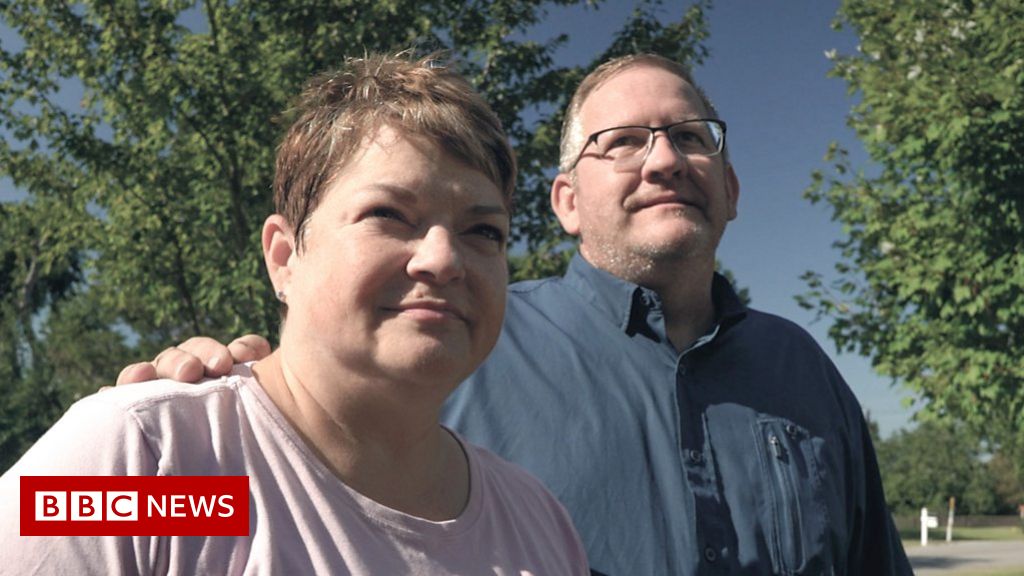
The former head of Tennessee’s vaccine rollout, Dr Michelle Fiscus and her husband, have been forced out of their home after facing threats and taunts. Political divides over mask and vaccine mandates have only deepened since the Covid vaccine became widely available. Filmed, written and directed by Matt DanzicoProduced by Annie PhrommayonSecond camera by Shrai PopatEdited by Alexandra OstasiewiczExecutive produced by Ben Bevington

Read more →

Why Are More Black Children Dying by Suicide?

Joe was 17 when he decided life wasn’t worth living.He was tired of the violence in his Boston neighborhood, where his older brother had spent more than a year recovering from a gunshot wound to his leg. And he was especially tired of the comments about his weight.“You think you can sit on that chair?” his classmates would ask.Other times they were more direct, saying simply: “You’re fat.”“Sometimes I’d be so depressed I wouldn’t eat for three days,” said Joe, now 25, who was a lineman on his high school’s football team.(Joe’s surname and that of another young person interviewed for this article are being withheld to protect their privacy. Joe is being identified by his middle name.)He thought about ending his life if the bullying didn’t stop. Those thoughts eventually became so pervasive that one day he came home from school and took a small handful of pills. But it was enough only to produce a bad stomachache.Months later, he was still feeling depressed. “Let me go see a therapist. My head’s not right,” he told his father. “I’m having these thoughts of killing myself — that you’d all be better without me here.”Joe still remembers his father’s response: “That’s not true. We love you. But you want to talk to somebody and tell someone that? They’re going to think you’re crazy.”Over the past generation, a mental health crisis has been brewing among Black youths like Joe, one that very few people — including Black families — have spoken about publicly. Self-reported suicide attempts rose nearly 80 percent among Black adolescents from 1991 to 2019, while the prevalence of attempts did not change significantly among those of other races and ethnicities. Legislators and academics are now pushing for better research to understand why, especially in light of new evidence that suggests Black children may have unique risk factors for self-harm.‘I Didn’t Necessarily Want to Die’One study of high school students, published in September, found that the Black teenagers surveyed were more likely than the white teenagers to have attempted suicide without first having suicidal thoughts or plans. Because suicide screening questionnaires typically ask whether people are having suicidal thoughts or have made plans to hurt themselves, the authors speculated that the questionnaires might fail to identify some Black youths who are at risk of suicide, or that there could be additional factors that might indicate a need for intervention.More research is needed, but a government study conducted last year suggested that Black children and adolescents who died by suicide were more likely than white youths to have experienced a crisis in the two weeks before they died. They were also more likely to have had a family relationship problem, argument or conflict, or a history of suicide attempts.Jordan Burnham, who survived a jump from a ninth-story window when he was 18, said that if he had been asked whether he was planning to kill himself that day, the answer would have been no.“I couldn’t even think that far ahead,” he said.The fall broke his pelvis, shattered his left leg and fractured his wrist, skull and jaw. It would be four years before he could walk again.“I didn’t necessarily want to die,” added Mr. Burnham, who is now 32 and visits as many as 60 schools a year to speak about suicide prevention and mental illness. “But the part of me that had depression and shame and sadness everyday — I wanted that pain to die. I wanted that part to go away.”On the day of his suicide attempt, he was confronted by his parents about a stash of alcohol that they had found in his car. Although Mr. Burnham was diagnosed with depression as a teenager, he became so good at hiding it that even his own family members, who were loving and supportive, did not fully understand how much pain he held inside — or the extent to which he felt like an outsider as one of the few Black students at a mostly white school in suburban Philadelphia.Suicide and mental illness are often thought of as a “white phenomenon,” said Michael A. Lindsey, the executive director of the McSilver Institute for Poverty Policy and Research at New York University, who studies the mental health of Black adolescents.Looking at the raw numbers, it’s easy to understand why. White deaths by suicide far outnumber those of Black people. But when taking into account youth suicide rates — the number of suicides per 100,000 individuals under age 25 — a different picture emerges.“I think the statistics are shocking,” said Dr. Lindsey, who was the first to document trends in rising suicide attempts among Black adolescents.A 2018 study found that while the suicide rate of Black children 5 to 12 was low, it was nearly twice that of white children in the same age group. In one of the most recent examples, a 10-year-old Black girl with autism died by suicide in Utah in early November. Her parents said she had been subjected to racist bullying by her classmates.Among teenagers and young adults, suicide rates remain highest among whites, Native Americans and Alaska Natives. But while the suicide rate has recently declined among those groups, it has continued to rise among Black youths. From 2013 to 2019 the suicide rate of Black boys and men 15 to 24 years old rose by 47 percent, and by 59 percent for Black girls and women of the same age.Adolescents of color who identify as L.G.B.T.Q. may be especially at risk of a suicide attempt, according to a national survey conducted by the Trevor Project, a suicide prevention group for L.G.B.T.Q. youth.Despite the racial disparities — and the fact that suicide is the second leading cause of death among all adolescents — there has been a dearth of research examining the racial and ethnic differences in youth suicidal ideation, plans or suicide attempts.This is partly because Black researchers who examine health disparities have been underfunded — in March the director of the National Institutes of Health issued a public apology for “structural racism in biomedical research” — but also because there are only a handful of academics who study these topics.“You have to bring culture into this, you have to talk about racism, you have to talk about discrimination,” said Arielle Sheftall, a principal investigator at the Center for Suicide Prevention and Research at Nationwide Children’s Hospital in Columbus, Ohio. “It is something that Black youth experience every single day.”A report presented to Congress in 2019 identified gaps in research and policy and has resulted in more research dollars flowing to studies related to Black youth suicide, including a program to teach middle schoolers about mental health and a suicide prevention intervention called Success Over Stress, which touches on themes like systemic racism and police brutality to help ninth-grade students at predominantly Black schools develop coping skills.“These kids have stressors that are uniquely different than other kids,” said LaVome Robinson, the lead investigator of the Success Over Stress study and a professor of psychology at DePaul University in Chicago.‘Nothing to Stress About’Deaths by suicide are more common among boys than girls overall, but a study published in September found that suicide rates among Black girls increased by an average of 6.6 percent each year from 2003 to 2017 — more than twice the increase for Black boys. A diagnosis of depression or anxiety was more common among the girls. Additionally, nearly 20 percent of the girls had engaged in an argument within 24 hours of their deaths.Denise (her middle name), 19, a high school senior in Cleveland, lives with her mother and six siblings. She struggles with depression and anxiety, largely driven by conflict at home and the lingering trauma of a sexual assault.“When I told Mom how I was feeling, she didn’t seem to care,” Denise said, adding: “She said I had nothing to stress about because I’m a kid.”“I just felt like there was nothing nobody could do to change the situation.”One evening in September, after a disagreement with her mother, she texted one of her school counselors and told her: “I don’t want to be here no more.”Her counselor insisted that she go to the hospital to get a psychiatric evaluation.“The first three nights I spent in the hospital, all I could do is cry,” said Denise, who received her first prescription for psychiatric medication while she was there. “I just felt relieved that somebody could actually understand what I’m going through. It felt good to let it all out after holding it in for so long.”Suicidal behavior is already a well-known problem in Denise’s school district, which is about two-thirds Black. In 2019, data from the Centers for Disease Control and Prevention showed that 18 percent of Cleveland high school students had attempted suicide in the previous 12 months, compared with about 9 percent nationally. Many students in Cleveland face chronic stressors, including neighborhood violence and food insecurity. Researchers have found that young people are more likely to die by suicide in high-poverty communities.Lisa Ellis, a counselor at a high school in Cleveland, developed an eight-week program for first-year students at her school that aims to help reduce the stigma of mental illness, which she sees as a large barrier preventing students of color from getting the help they need.Tips for Parents to Help Their Struggling TeensCard 1 of 6Are you concerned for your teen?

Read more →

CVS will close 900 stores as it looks beyond traditional pharmacies.

CVS will close about 300 stores a year in the next three years, the company said on Thursday, as the pharmacy chain focuses on offering more health care services and expanding its digital services.The closures, which will affect about 9 percent of the company’s stores, are part of an effort to realign its retail strategy, CVS said in statement on its website.The company operates more than 9,900 stores in the United States, according to its website. A CVS spokesman said the company did not expect CVS pharmacies in Target stores to be affected.“We remain focused on the competitive advantage provided by our presence in thousands of communities across the country, which complements our rapidly expanding digital presence,” said Karen S. Lynch, the president and chief executive of CVS Health.CVS is aiming to remake many of its stores. Some will offer primary care services, and others will offer broader health care services than standard pharmacies, such as treatment for diabetes. The company will also maintain traditional CVS stores, which provide prescription services and health products.“Hybrid models really took off during the pandemic, including rapid delivery services, curbside pickup and buy online/pick up in-store,” said Ted Rossman, a senior analyst at Bankrate.com. “Those approaches could be particularly advantageous for CVS.”CVS said earlier this month that about 70 percent of CVS Pharmacy customers were enrolled in its text messaging program.“We continue to modernize our operating systems and enhance the integration of pharmacy models, simplifying consumer interactions and driving further engagement with our customers,” Ms. Lynch said during the company’s earnings conference call on Nov. 3.

Read more →

Vials Labeled ‘Smallpox’ Are Found in Pennsylvania Laboratory

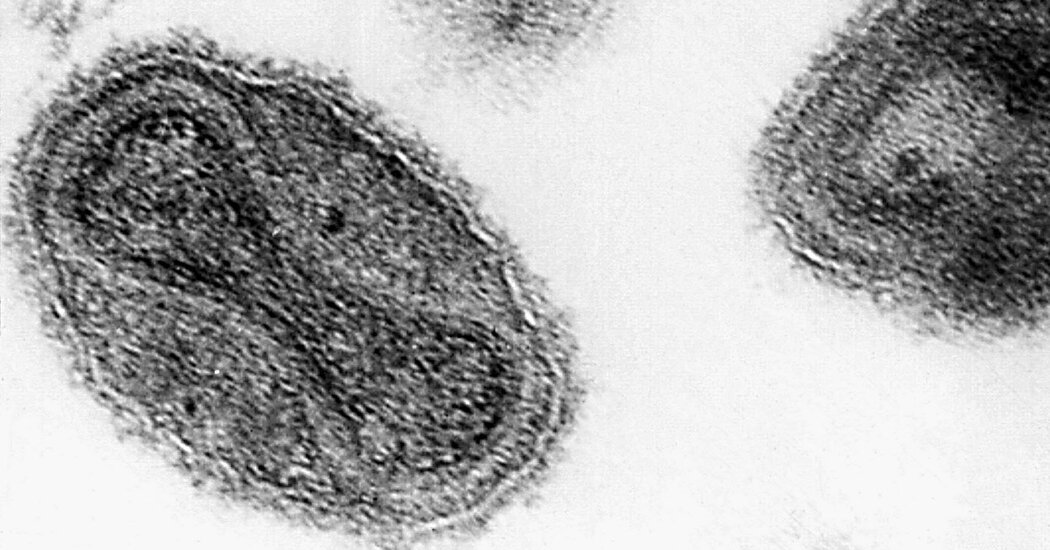
The Centers for Disease Control and Prevention said it was working with law enforcement to investigate the vials.The Centers for Disease Control and Prevention is investigating the discovery of vials that are labeled “smallpox” at a laboratory in Pennsylvania, the health agency said on Thursday.The frozen vials “were incidentally discovered by a laboratory worker while cleaning out a freezer in a facility that conducts vaccine research in Pennsylvania,” Belsie González, a spokeswoman for the C.D.C., said in an email on Thursday.She added that the C.D.C. was working with law enforcement officials to investigate the vials. The agency said the vials appeared to be intact.“The laboratory worker who discovered the vials was wearing gloves and a face mask,” she said. “There is no indication that anyone has been exposed to the small number of frozen vials. We will provide further details as they are available.”The C.D.C. did not say where in Pennsylvania the vials were discovered or how many there were. Yahoo News, citing an alert sent to leaders at the Department of Homeland Security, reported that the vials were found at a Merck facility outside Philadelphia. A local news station, 6ABC, reported that officials in Montgomery County had also received an alert about the discovery.Merck did not immediately respond to a request for comment on Thursday. The Federal Bureau of Investigation referred inquiries to the C.D.C.“The Pennsylvania Department of Health would like to stress that there has been no known threat to public health and safety,” Mark O’Neill, a press secretary for the department, said. “As referenced by the C.D.C., there is no indication that anyone was exposed to the small number of frozen vials that were labeled ‘smallpox.’”Smallpox, an infectious disease caused by the variola virus, caused devastating outbreaks for centuries, with about three of every 10 cases proving fatal, according to the C.D.C.Symptoms include a very high fever and a blistering, progressive skin rash.The virus claimed the lives of 300 million people in the 20th century, according to the World Health Organization.In the event of an outbreak, the C.D.C. said, “there is enough smallpox vaccine to vaccinate every person in the United States.”The agency said that the last natural outbreak of smallpox in the United States was in 1949. The last known natural case was in Somalia in 1977, according to the W.H.O.The W.H.O. said that there were two authorized repositories of variola virus stocks, with the C.D.C. in Atlanta and at a facility in Russia. That year, six glass vials that contained the smallpox virus were found in a storeroom in a government laboratory outside Washington. At the time, the C.D.C. said there was no indication that lab workers or the public had been exposed to the contents.The C.D.C. said that smallpox research in the United States focused on the development of vaccines, drugs and diagnostic tests to protect people against smallpox in the event that it is used for bioterrorism.Dr. Robert Glatter, an emergency physician at Lenox Hill Hospital in New York, said that smallpox can be lethal “even after it is freeze-dried.”He said that because of its highly infectious nature, “the virus itself must be kept cold.” At room temperature after many years, he said, it was “unlikely that the virus would retain any ability to infect people.”Dr. Glatter added that there had been an ongoing debate about whether governments should retain viral samples or eliminate all known copies of the virus.

Read more →

New Clues to Delta Variant’s Spread in Studies of Virus-Like Particles

About 70,000 people in the United States are diagnosed with COVID-19 each and every day. It’s clear that these new cases are being driven by the more-infectious Delta variant of SARS-CoV-2, the novel coronavirus that causes COVID-19. But why does the Delta variant spread more easily than other viral variants from one person to the next?

Now, an NIH-funded team has discovered at least part of Delta’s secret, and it’s not all attributable to those widely studied mutations in the spike protein that links up to human cells through the ACE2 receptor. It turns out that a specific mutation found within the N protein coding region of the Delta genome also enables the virus to pack more of its RNA code into the infected host cell. As a result, there is increased production of fully functional new viral particles, which can go on to infect someone else.

This finding, published in the journal Science [1], comes from the lab of Nobel laureate Jennifer Doudna at the Howard Hughes Medical Institute, the Gladstone Institutes, San Francisco, and the Innovative Genomics Institute at the University of California, Berkeley. Co-leading the team was Melanie Ott, Gladstone Institutes.

The Doudna and Ott teams have developed an exciting new tool to study variants of the coronavirus. It’s a lab construct called a virus-like particle (VLP). These specially made VLPs have all the structural proteins of SARS-CoV-2 (shown above), but they contain no genetic material. Consequently, they are non-infectious replicas of the real virus that can be studied safely in any lab. Scientists don’t have to reserve time in labs equipped with heightened levels of biosafety, as is required when working with whole virus.

The VLPs also allow researchers to explore changes found in the coronavirus’s other essential proteins, not just the spike protein on its surface. In fact, all of the SARS-CoV-2 variants of concern, as defined by the World Health Organization (WHO), carry at least one mutation within the same stretch of seven amino acids in a viral protein known as the nucleocapsid (N protein). This protein, which hasn’t been widely studied, is required for the virus to make more of itself. It is also involved in the virus’s ability to package and release infectious RNA.

In the Science paper, Doudna and colleagues took a closer look at the N protein. They did so by developing a special system that used VLPs to package and deliver viral RNA messages into human cells.

Here’s how it works: The VLPs include all four of SARS-CoV-2’s structural proteins, including the spike and N proteins. In addition, they contain the RNA sequence that allows the virus to recognize its genetic material within the cell, so that it can be packaged into the next generation of viral particles.

Though the particles look just like SARS-CoV-2 from the outside, they lack the vast majority of the viral genome on the inside. But they do have one other key component: a snippet of RNA that makes cells invaded by VLPs glow. In fact, the more RNA messages a VLP delivers, the brighter the cells will glow. It allowed the researchers to spot successful invasions, while also quantifying the amount of RNA a particular VLP packed into a cell.

The researchers then produced SARS-CoV-2 VLPs including four mutations that are universally found within the N proteins of more transmissible variants of concern. That’s when they discovered those variants produced and delivered 10 times more RNA messages into cells.

The increased RNA also fits with what has been observed in people infected with the Delta variant. They produce about 10 times more virus in their nose and throat compared to people infected with the older variants.

But did those findings match what happens in the real virus? To find out, the researchers and their colleagues tested the N protein mutation found in the Delta variant in a high-level biosafety lab. And, indeed, their studies showed that the mutated virus within infected human lung cells produced about 50 times more infectious virus compared to the original SARS-CoV-2 variant.

The findings suggest that the N protein could be an important new target for effective COVID-19 therapeutics, and that tracking newly emerging mutations in the N protein might also be important for identifying new viral variants of concern. This new system is a powerful tool, and one that can also be used for exploring how newly arising variants in the future might affect the course of this terrible pandemic.

Reference:

[1] Rapid assessment of SARS-CoV-2 evolved variants using virus-like particles. Syed AM, Taha TY, Tabata T, Chen IP, Ciling A, Khalid MM, Sreekumar B, Chen PY, Hayashi JM, Soczek KM, Ott M, Doudna JA. Science. 2021 Nov 4:eabl6184.

Links:

COVID-19 Research (NIH)

Doudna LabNIH Support: National Institute of Allergy and Infectious Diseases

Read more →