Omicron symptoms mild so far, says South African doctor who spotted it

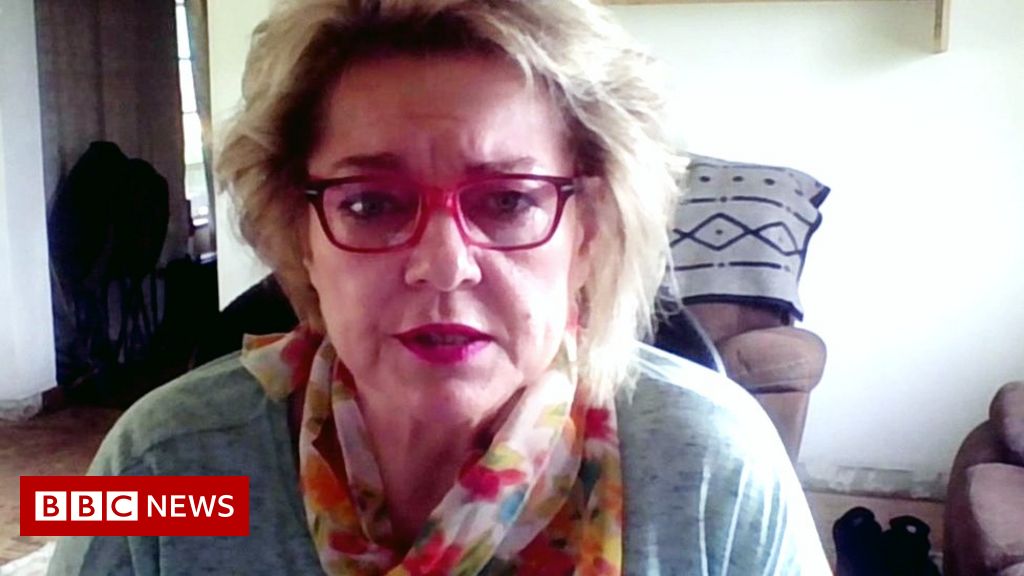
Dr Angelique Coetzee, the South African doctor who first spotted the new Covid variant Omicron, says the patients seen so far have had “extremely mild symptoms” – but more time is needed before we know the seriousness of the disease for vulnerable people. Watch her tell the BBC’s Andrew Marr how patients in South Africa have told her they’ve been feeling.

Read more →

Covid: Tighter rules to be set out after two cases of new variant found in UK

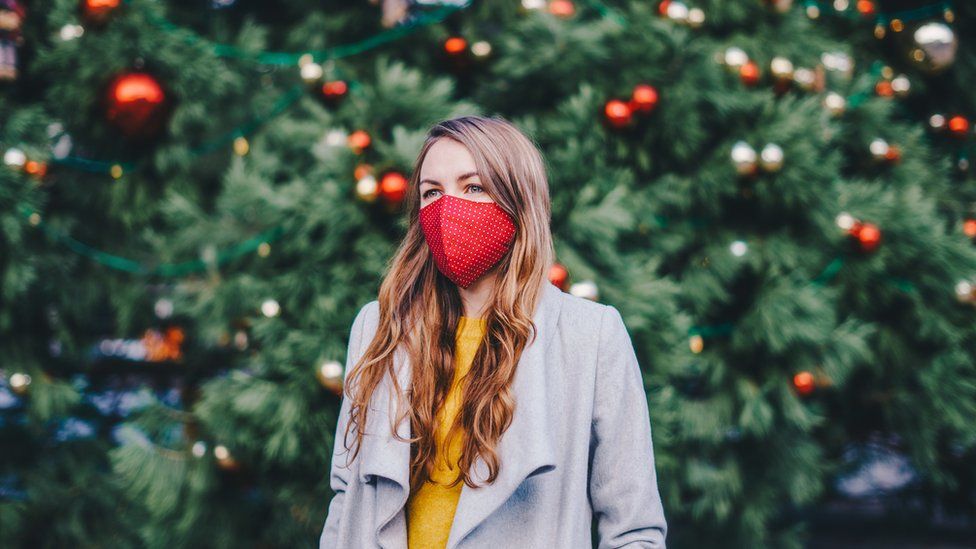
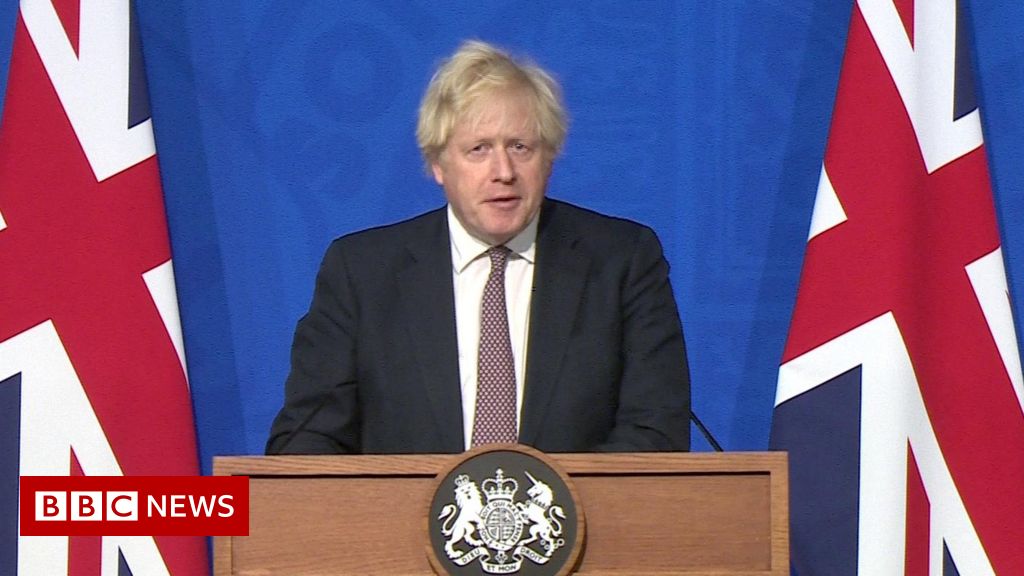
SharecloseShare pageCopy linkAbout sharingImage source, Getty ImagesHealth Secretary Sajid Javid is due to set out further details of new Covid measures after two UK cases of the new Omicron variant were detected.The PM has said face coverings would be mandatory again in shops and on public transport in England from next week.PCR tests for everyone entering the UK will be introduced and all contacts of new variant cases will have to self-isolate, even if fully jabbed. But Boris Johnson said Christmas would be “considerably better” than in 2020.The measures, which include reinstating the travel red list with mandatory hotel quarantine for 10 countries, were “temporary and precautionary”, Mr Johnson said.The health secretary is expected to provide more details of the new measures later.At a Downing Street news conference on Saturday, the prime minister said Mr Javid would outline the tightening up of the mask rules. He did not indicate when the PCR testing requirements would begin, with the Department for Health saying only that it was among measures to be “introduced from next week”.The new restrictions come after it was confirmed that two Omicron cases had been detected in Brentwood, Essex, and Nottingham. Officials said the cases were linked and connected to travel in southern Africa.In Scotland, Wales and Northern Ireland, face coverings are already mandatory on public transport and many indoor areas.How are England’s Covid rules changing because of Omicron?How are masks rules being tightened?The UK’s red list is back… which countries are on it?The new variant was first reported from South Africa on Wednesday, with early evidence suggesting it has a higher reinfection risk.Mr Johnson said: “Our scientists are learning more hour by hour, and it does appear that Omicron spreads very rapidly and can be spread between people who are double vaccinated.”This video can not be playedTo play this video you need to enable JavaScript in your browser.He added: “We need to slow down the spread of this variant here in the UK, because measures at the border can only ever minimise and delay the arrival of a new variant rather than stop it all together.”The prime minister said the new measures would be reviewed in three weeks, by which time they should have better information about the “continuing effectiveness” of vaccines.Labour has called for improved sick pay to encourage self-isolation and for full implementation of Plan B for winter – the government’s contingency plan, which includes mandatory Covid passports and encouraging people to work from home as well as compulsory face coverings.All the measures can do is buy timeThe government’s response is to test everyone coming in to the UK, isolate all Omicron contacts, ramp up boosting and bring back compulsory face masks in some public places.Let’s be clear – that will not stop more Omicron cases arriving or circulating. It’s already arrived. If a virus is good at spreading then eventually it will slip through.And it has the potential to spread here too. Cases of Covid have been climbing except for a lull over the October half term.They are averaging at more than 40,000 a day and the R number is just above the crucial threshold of one. If Omicron can combine faster transmission with some ability to evade immunity then it too could spread.All the measures can do is buy time, but for what? Science and boosters.Read more from JamesCovid restrictions were tightened across the UK days before Christmas last year amid a surge in cases.Asked by the BBC’s Iain Watson if the prime minister could say with any confidence whether or not people could keep their Christmas plans this year, Mr Johnson replied: “We continue to be in a strong position largely thanks to the speed of the vaccine rollout, another booster rollout, and… I’m pretty confident to absolutely confident this Christmas will be considerably better than last Christmas.” Countries around the world are introducing travel bans and restrictions on southern African countries in an effort to contain the variant’s spread.Under the plans: Everyone entering the UK (other than those coming from the Common Travel Area that covers the Channel Islands and Ireland) will have to take PCR test by the end of the second day after their arrival and self-isolate until they receive a negative resultAll contacts of suspected Omicron cases must self-isolate, regardless of whether or not they are fully jabbedFace coverings will be made compulsory in shops and on public transport – but hospitality settings will be exempt from the changesThe health secretary is to ask advisers to consider rapidly extending boosters, including reducing the gap between the second dose of the vaccine and the boosterThe UK’s chief medical adviser, Prof Chris Whitty, said there was a “reasonable chance” that vaccines could be less effective against the new variant but stressed people who are vaccinated or receive the booster jab will be less likely to become seriously ill.He said the Joint Committee on Vaccination and Immunisation would now need to decide whether to extend the booster vaccine down to adults age 18, and whether a second dose should be offered to children aged 12-15.Do we need new vaccines yet?How worrying is the new Covid variant?Paddy Lillis from the shopworkers’ union Usdaw accused ministers of “flip-flopping on basic and sensible Covid measures” and said the face covering rules should have been kept in place when restrictions were relaxed in July.This video can not be playedTo play this video you need to enable JavaScript in your browser.”Retail staff working with the public every day are deeply worried about catching Covid-19 and the arrival of the Omicron variant is a further concern,” he said.Carol Popplestone, chairwoman of the Royal College of Nursing, said face coverings were “something we have already called for and it should not have been a new variant that forced the prime minister to act”.This is a moment the government had wanted to avoid. We’ve got used to restrictions in England being lifted. But for the first time in months, they’re now being re-imposed in response to the new variant. And these restrictions could have a significant impact.For example, anyone who goes on holiday will now need to pay for a PCR test and self-isolate until they get a negative result. If Omicron spreads quickly, there could be a lot of people forced to self-isolate for 10 days as close contacts.But the government hasn’t gone for its full plan B. Masks won’t be mandatory in hospitality settings in England like they are in Scotland. People aren’t being told to work from home – and there still aren’t plans for vaccine passports. But it’s a sign of the uncertainty and concern in Whitehall that Boris Johnson felt he had to announce these measures. Both the UK cases of the Omicron variant and their households are self-isolating. Additional testing is being carried out at locations where those people were likely to have been infectious.”Confirmed cases and contacts are being followed up and requested to isolate and get tested as necessary,” the Department of Health said.Ten countries – South Africa, Namibia, Zimbabwe, Botswana, Lesotho, Eswatini, Angola, Mozambique, Malawi and Zambia – are now on the UK’s travel red list meaning, from Sunday at 04:00 GMT, all arrivals will have to quarantine in a hotel for 10 days.Other countries are also introducing travel bans and restrictions on southern African countries in an effort to contain the variant’s spread.The average number of daily confirmed Covid cases in the UK began rising again in early November. A further 39,567 confirmed cases were announced on Saturday.IS THERE AN IDEAL POST-COVID DIET? How what you eat can help your recoveryCANADA’S MISSING CHILDREN: Who should be held accountable?Have you been affected by issues covered in this story? Share your experiences by emailing haveyoursay@bbc.co.uk.Please include a contact number if you are willing to speak to a BBC journalist. You can also get in touch in the following ways:WhatsApp: +44 7756 165803Tweet: @BBC_HaveYourSayUpload pictures or videoPlease read our terms & conditions and privacy policy

If you are reading this page and can’t see the form you will need to visit the mobile version of the BBC website to submit your question or comment or you can email us at HaveYourSay@bbc.co.uk. Please include your name, age and location with any submission.

Read more →

Covid: Netherlands tightens partial lockdown amid surging infections

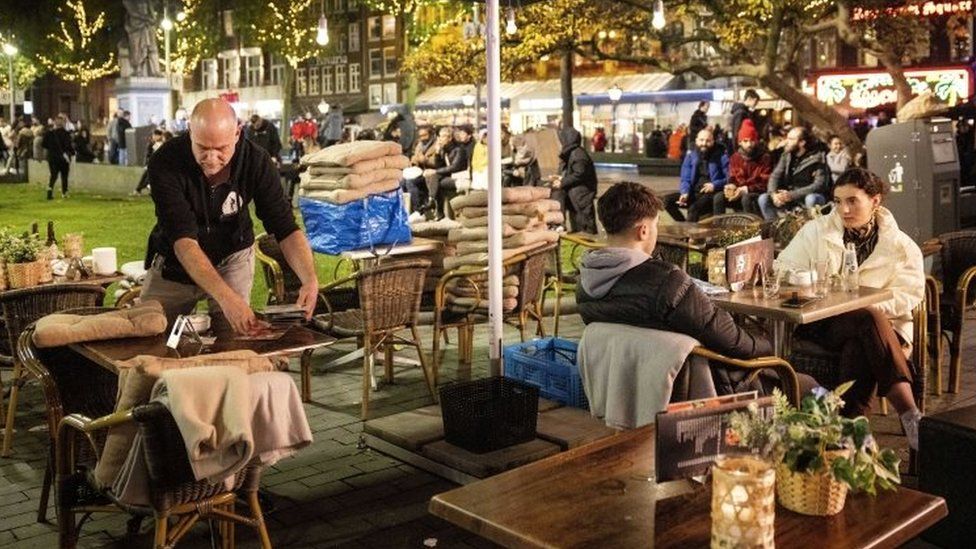
SharecloseShare pageCopy linkAbout sharingImage source, EPATighter restrictions have come into force in the Netherlands, amid record Covid cases and concerns over the new Omicron variant.For at least the next three weeks, hospitality and cultural venues such as cafes, museums, and cinemas must close by 17:00 local time (16:00 GMT).The authorities consider the measures critical to protect the country’s hospitals from becoming overwhelmed. Meanwhile, some 61 people are currently being tested for the new variant. They all have recently arrived on two KLM flights from South Africa, where Omicron was detected earlier this month. The passengers tested positive for Covid-19 and have been quarantined at a hotel near Amsterdam’s Schiphol airport while they undergo further tests, Dutch officials said.The World Health Organization (WHO) has said variant is “of concern”, with early evidence suggesting a higher re-infection risk.A number of countries around the world have now banned flights to and from South Africa and several neighbouring nations.South Africans fear impact of new variant measuresHow worrying is the new Covid variant?Three weeks of restrictions for shops, sport and catering were announced by Dutch Prime Minister Mark Rutte earlier this month.The Netherlands has a shortage of intensive care beds, operations are being cancelled and hundreds of people are dying of Covid every week, the BBC’s Anna Holligan in The Hague reports. More than 22,000 new daily cases were reported on Friday, and the new rules are designed to bring the record-high infection rate under control, our correspondent says.The Dutch government has published the full list of the restrictions, which state that:Non-essential shops must be shut between 17:00 and 05:00 local timeThe 17:00 closure applies to cinemas, theatres, and saunas as well as “contact professions”Supermarkets, chemists and wholesalers must be closed between 20:00 and 05:00Indoor and outdoor sport facilities must close at 17:00 But evening training sessions and sports matches for professional athletes may continueA maximum of four guests aged over 13 are allowed at people’s homesAs many people should work from home as possibleDuring the lockdown, nurseries, schools and universities across the country will stay open.Thousands of protesters took to the streets shortly after the government made the lockdown announcement.In The Hague, police used water cannon to disperse the crowds.Meanwhile, a spokesman for the Dutch catering industry told public broadcaster NOS that the government had “crossed a line”. The Netherlands has had nearly 20,000 confirmed Covid-related deaths since the pandemic started. This video can not be playedTo play this video you need to enable JavaScript in your browser.

Read more →

Covid: Israel to impose travel ban for foreigners over new variant

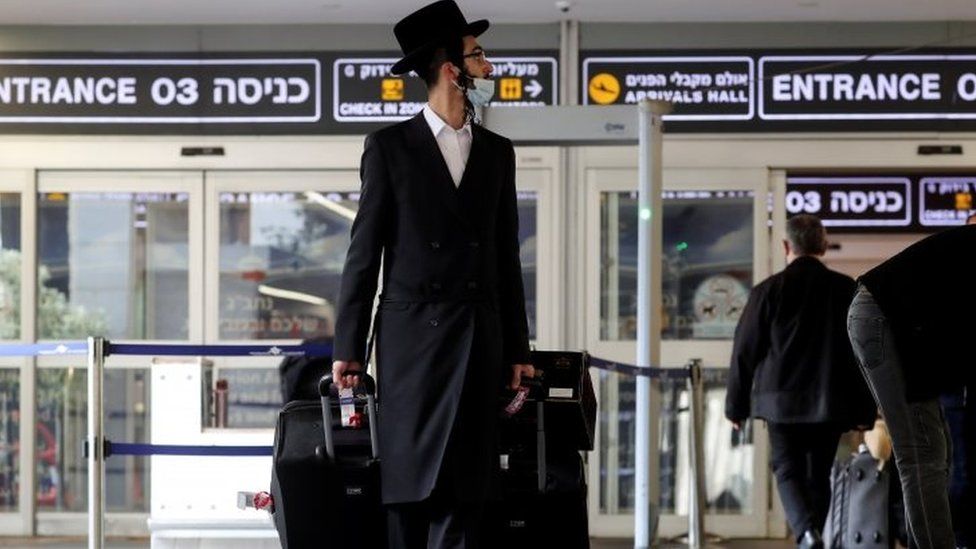
SharecloseShare pageCopy linkAbout sharingImage source, ReutersIsrael is to ban foreigners from entering the country for 14 days and use surveillance to halt the spread of the new Covid strain, local media report.The ban is expected to come into effect at midnight on Sunday, following full cabinet approval. Israel has so far confirmed one case of the potentially more infectious Omicron strain first detected in South Africa. Many countries have since banned travel to South Africa and its neighbours.South Africa has complained that it is being punished – instead of applauded – for discovering Omicron earlier this month.The World Health Organization (WHO) has warned the new variant is “of concern”, with early evidence suggesting a higher re-infection risk. However, the WHO has warned against countries hastily imposing travel restrictions, saying they should look to a “risk-based and scientific approach”.South Africans fear impact of new variant measuresHow worrying is the new Covid variant?The UK’s red list is back… which countries are on it?The Israeli coronavirus cabinet agreed a series of new restrictions at a crisis meeting late on Saturday and are subject to final approval by the larger cabinet. In addition to the entry ban for non-Israelis, a three-day mandatory quarantine would be required for all vaccinated Israeli nationals, and a seven-day quarantine for those who have not been vaccinated. The cabinet also authorised surveillance of confirmed coronavirus patients by the Israel’s Shin Bet security agency.In a statement, Prime Minister Naftali Bennett said phone-tracking technology would be used.Earlier on Saturday, the Israeli authorities had put 50 African nations on the so-called “red” list. All Israeli nationals returning from those countries must quarantine in the government-approved hotels and undergo Covid tests. A ban on foreigners entering Israel from most African countries was imposed on Friday. Israel has confirmed more than 1.3 million Covid infections since the start of the pandemic, with over 8,100 deaths, according to America’s Johns Hopkins university.In other developments on Saturday:The UK announced PCR tests would be mandatory for everyone entering the country, and all contacts of new variant cases would have to self-isolateAustria saw thousands of people protesting against government plans to make vaccinations mandatorySwitzerland toughened its quarantine requirements for travellers from several European and African countries. A referendum is taking place on Sunday on whether to keep the covid passport certificate that’s required to get into most public spaces. US Secretary of State Antony Blinken praised South Africa for promptly sharing information with the world. He said its transparency should serve as a model for the world, and he’d spoken to his South African counterpart about co-operation on vaccinating people in Africa Australia said flights from South Africa, Namibia, Zimbabwe, Botswana, Lesotho, Eswatini, the Seychelles, Malawi, and Mozambique would be suspended for 14 days. Non-Australians who have been in those countries in the past two weeks are now banned from entering AustraliaAfter an emergency meeting on Friday, the WHO said the first known confirmed infection from this variant had been collected on 9 November, it had “a large number of mutations, some of which are concerning”.This video can not be playedTo play this video you need to enable JavaScript in your browser.The WHO said it would take a few weeks to understand the impact of the new variant, as scientists worked to determine how transmissible it was.The head of the South African Medical Association told the BBC that the cases found so far in South Africa – where only about 24% of the population is fully vaccinated – were not severe, but said investigations into the variant were still at a very early stage.

Read more →

What are the Covid variants and will vaccines still work?

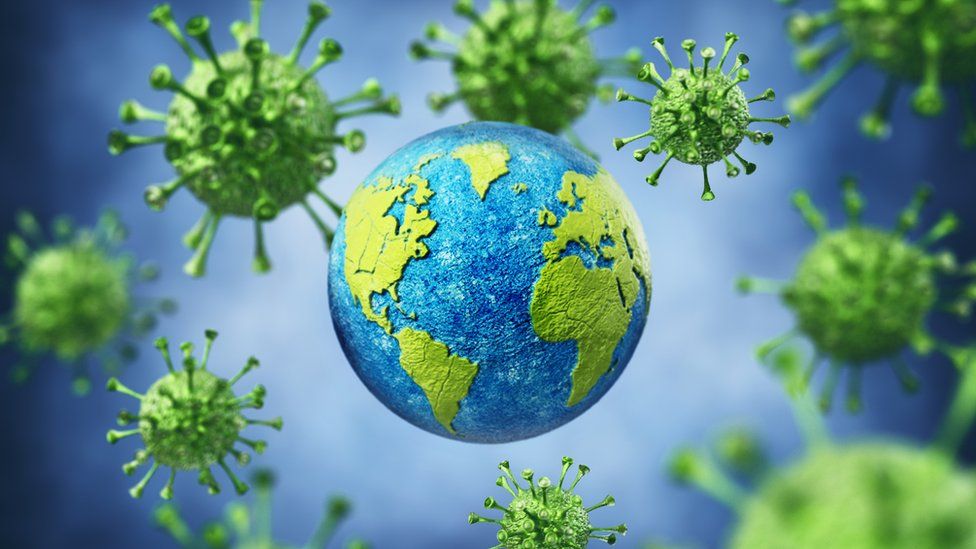
SharecloseShare pageCopy linkAbout sharingImage source, Getty ImagesA new heavily mutated version of coronavirus has been found that scientists say is of “great concern”. One of most pressing questions is will vaccines still work?What is this new variant?There are thousands of different types, or variants, of Covid circulating across the world. That’s to be expected because viruses mutate all the time. But this new variant, called B.1.1.529 or Omicron, has experts particularly worried because it is very different to the original Covid, which current vaccines were designed to fight. It has a long list of genetic changes – 50 in all. Of these, 32 are in the spike protein of the virus – the part which is the target of vaccines. However, it is too soon to know how much of a threat it poses. What do we know about this new variant?Will vaccines still work?Current vaccines are not an ideal match so might not work quite as well, say experts.But that doesn’t mean they’ll offer zero protection. Remember, vaccines are still very effective at protecting lives by cutting the risk of severe illness against other major Covid variants, including Delta, Alpha, Beta and Gamma. Doctors say it is vital people get the recommended number of doses to gain maximum protection against existing and emerging variants. In the UK, booster jabs are being offered to:Over-40sFrontline health and social care workersOlder adults in residential care homesPeople aged 16-49 years old with underlying health conditions which put them at greater risk of severe CovidAdults who share a household with vulnerable peopleMore than 16m booster or third doses have been given so far in the UK.Although Covid infections have been rising again across the UK, the number of hospitalisations and deaths has remained well below the levels seen in earlier waves. Experts say this is because of the success of the vaccine programme. Scientists will be running lots of tests to check if the vaccines will hold up against this latest variant. It is early days, but experts will study potentially important mutations that might make it more infectious and able to sidestep some of the protection given by vaccines. And they will assess if it is causing more serious disease than other variants. How many people have been vaccinated so far?How quickly could we get new vaccines against variants? Updated versions of vaccines against Covid variants are already being designed and tested, in case they are needed at some point. Should that time arrive, a new vaccine could be ready within weeks, to run checks on.Manufacturers could scale up production quickly too and regulators have already discussed how to fast track the approval process. No corners would be cut, but the whole process – from design to approval – could be much faster than when Covid vaccines were first launched. What about the other variants?Officials have a close watch on a few. The most potentially dangerous ones are called variants of concern and include:Delta (B.1.617.2), first identified in India and now the most common type circulating in the UKAlpha (B.1.1.7), first identified in the UK but which spread to more than 50 countriesBeta (B.1.351), first identified in South Africa but which has been detected in at least 20 other countries, including the UKGamma (P.1), first identified in Brazil but which has spread to more than 10 other countries, including the UK UK officials are also keeping an eye on a recent descendent of the Delta variant, called AY.4.2 or “Delta plus”. How dangerous are variants?There is no evidence that any of them cause more serious illness for the vast majority of people. As with original Covid, the risk remains highest for people who are elderly or have significant underlying health conditions. But even so, if a variant is more infectious it will lead to more deaths in an unvaccinated population.Vaccines offer high protection against severe illness with Covid-19, including infections caused by variants of concern. The shots also reduce the risk of infection. But they do not completely eliminate all risk. The advice to avoid infection remains the same for all strains: wash your hands, keep your distance, wear a face covering in crowded places and be vigilant about ventilation.How many cases are there in the UK?Why has the Delta variant spread so quickly in UK?Why are variants occurring?Viruses make carbon copies of themselves to reproduce but they aren’t perfect at it. Errors can creep in that change the genetic blueprint, resulting in a new version or variant. If this gives the virus a survival advantage, the new version will thrive. The more chances coronavirus has to make copies of itself in us – the host – the more opportunities there are for mutations to occur. That’s why keeping infections down is important. Vaccines help by cutting transmission as well as protecting against serious Covid illness. Experts say it is possible that the new highly altered variant B.1.1.529 may have originated in a patient whose immune system was unable to get rid of a Covid infection quickly, giving the virus more time to morph.

Read more →

How Did Omicron, the New Covid-19 Variant, Get Its Name?

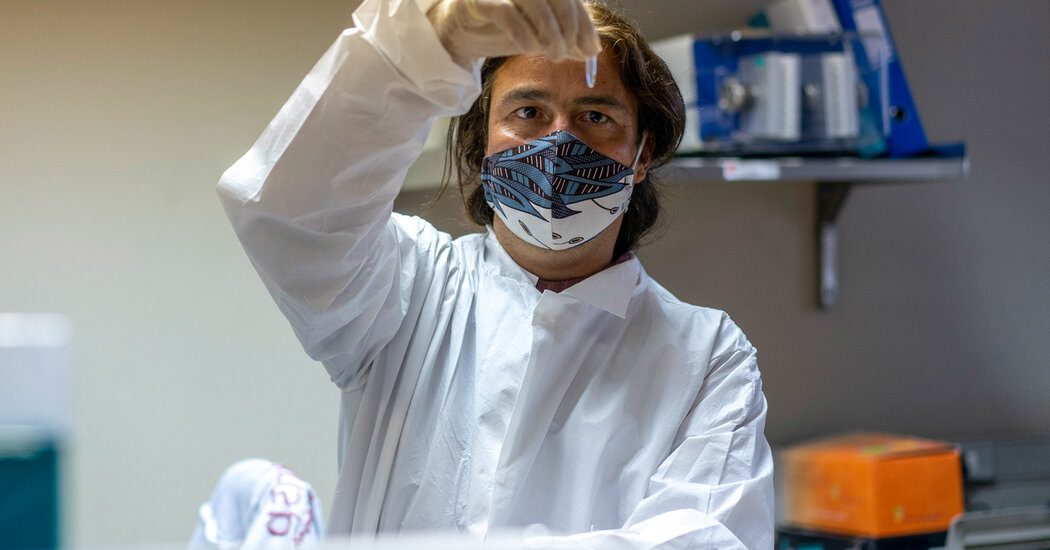
The World Health Organization began naming the variants after Greek letters to avoid public confusion and stigma.Markets plunged on Friday, hope of taming the coronavirus dimmed and a new term entered the pandemic lexicon: Omicron.The Covid-19 variant that emerged in South Africa was named after the 15th letter of the Greek alphabet.The naming system, announced by the World Health Organization in May, makes public communication about variants easier and less confusing, the agency and experts said.For example, the variant that emerged in India is not popularly known as B.1.617.2. Rather, it is known as Delta, the fourth letter of the Greek alphabet.There are now seven “variants of interest” or “variants of concern” and they each have a Greek letter, according to a W.H.O. tracking page.Some other variants with Greek letters do not reach those classification levels, and the W.H.O. also skipped two letters just before Omicron — “Nu” and “Xi” — leading to speculation about whether “Xi” was avoided in deference to the Chinese president, Xi Jinping.“‘Nu’ is too easily confounded with ‘new,’” Tarik Jasarevic, a W.H.O. spokesman, said on Saturday. “And ‘Xi’ was not used because it is a common last name.”He added that the agency’s best practices for naming diseases suggest avoiding “causing offense to any cultural, social, national, regional, professional or ethnic groups.”The W.H.O. has promoted the naming system as simple and accessible, unlike the variants’ scientific names, which “can be difficult to say and recall, and are prone to misreporting,” it said.Some researchers agree.Dr. Angela Rasmussen, a virologist at the University of Saskatchewan, said she conducted many interviews with reporters this year, before the Greek naming system was announced, and she stumbled through confusing explanations about the B.1.1.7 and B.1.351 variants. They are now known as Alpha, which emerged in the United Kingdom, and Beta, which emerged in South Africa.“It makes it really cumbersome to talk about when you’re constantly using an alphabet soup of variant designations,” she said, adding, “Ultimately people end up calling it the U.K. variant or the South African variant.”That’s the other big reason that the W.H.O. moved to the Greek naming system, Dr. Rasmussen said: The older naming convention was unfair to the people where the virus emerged. The agency called the practice of describing variants by the places they were detected “stigmatizing and discriminatory.”The practice of naming viruses for regions has also historically been misleading, Dr. Rasmussen said. Ebola, for example, is named for a river that’s actually far from where the virus emerged.“From the very beginning of the pandemic, I remember people saying: ‘We called it the Spanish flu. Why don’t we call it the Wuhan coronavirus?’” Dr. Rasmussen said. “The Spanish flu did not come from Spain. We don’t know where it emerged from, but there’s a very good possibility it emerged from the U.S.”The W.H.O. encouraged national authorities and media outlets to adopt the new labels. They do not replace the technical names, which convey important information to scientists and will continue to be used in research.

Read more →