Prenatal exposure to phthalates damages reproductive tissue in female mice

Phthalates are a ubiquitous family of chemicals that are used every day. In a new study, researchers have investigated how these compounds affect tissue development in the reproductive systems of female mice offspring.
“Phthalates are found everywhere: building products, personal care products, food and beverage containers, and medical equipment,” said Jodi Flaws (EIRH co-leader/MME), a professor of comparative biosciences. “My research group focuses on how exposure to these environmental chemicals during pregnancy affect the offspring.”
Previous studies by the group have found that phthalate mixtures disrupt female reproduction, change organ weights, and cause ovarian cysts. In the current study, they are looking at how these mixtures affect ovarian steroidogenesis — a process that produces hormones that are required for reproduction — in female mice offspring. The researchers also looked at folliculogenesis, which is essential for fertility. Follicles are small fluid-filled sacs inside ovaries that contain the eggs. They undergo maturation before they release the egg during ovulation.
In the study, the pregnant mice were orally given either a control or a phthalate mixture every day from the first day of pregnancy till birth. “The reproductive system of the offspring develops during this window. The mice are no longer exposed to any phthalates after they are born,” Flaws said.
The ovaries of the female offspring were then collected 60 days after birth and the tissues and their hormone levels were analyzed. “We examined hormones such as estrogen, testosterone, and progesterone because they are important for normal fertility and tissue maintenance,” Flaws said.
The female mice whose mothers had been exposed to phthalates had lower levels of all three hormones compared to the controls. “Since the hormones are also important for other things in the body, such as cardiovascular health, bone health, and brain development, it is possible there are other effects of the mixture,” Flaws said.
“The main takeaway message is that if mothers are exposed to phthalates during their pregnancy, it can interfere with the female offspring’s ability to make normal levels of hormones,” Flaws said. “We saw that the mixture can inhibit the expression of important genes that are involved in making hormones.
The researchers now collaborating with other researchers in the EIRH theme to see whether male offspring are similarly affected and to see whether phthalate exposure affects other female reproductive organs. They will also investigate whether these changes get passed on to subsequent generations. “We need to better understand the mechanism of these changes,” Flaws said. “We are interested in looking at whether these chemicals can increase tissue inflammation or whether they can affect other body parts such as the uterus, the hypothalamus, and the pituitary.”
Flaws is grateful to all the undergraduate researchers who performed the experiments: Sarah Gill, Kathleen Leon, and Justin Chiu. The other authors include Emily Brehm, a former graduate student, and Daryl Meling, a former postdoctoral fellow.
“Prenatal exposure to an environmentally relevant phthalate mixture alters ovarian steroidogenesis and folliculogenesis in the F1 generation of adult female mice” was published in Reproductive Toxicology. The work was funded by the National Institutes of Health and the Billie A. Field Fellowship.
Read more →

Now scientists can efficiently screen billions of chemical compounds to find effective new drug therapies

Searching for molecules that could act as effective therapies for devastating diseases requires extensive time, money and resources — and it often ends in failure.
Researchers at the USC Dornsife College of Letters, Arts and Sciences have created a process that increases the chances of finding effective drugs in a fraction of the time and at significantly less expense than current methods of drug discovery.
The research was published Dec. 15 in the journal Nature.
Puzzling together new, effective drug therapies
Scientists working to create new drugs are equal parts puzzle-solvers and construction workers.
Having peered into a cell and identified a protein that, if manipulated, could help ease or avoid disease, they search for chemical molecules with a specific shape and size, as well as the right features, to fit a target pocket on that protein.

Read more →

Omicron: What can we learn from South Africa's experience so far?

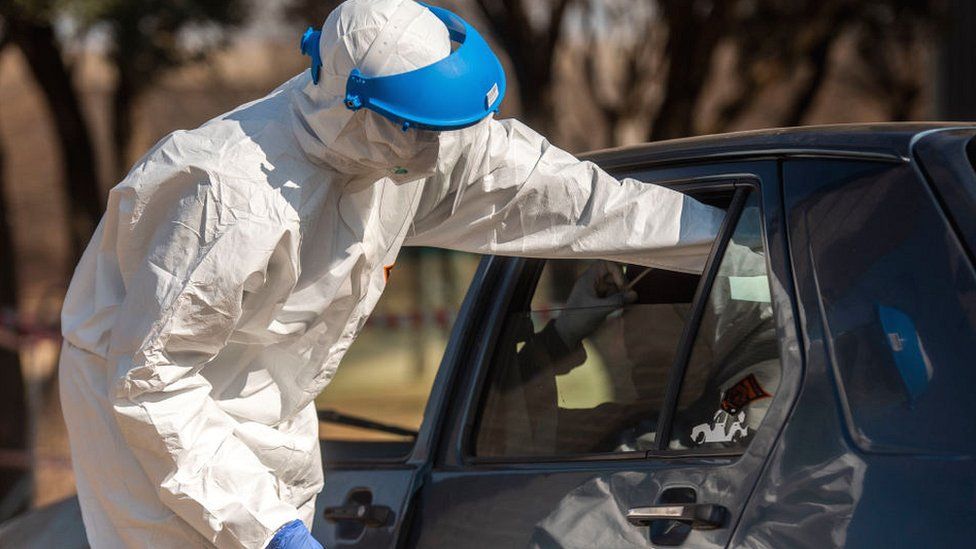
SharecloseShare pageCopy linkAbout sharingImage source, Getty ImagesSouth Africa was where the new Omicron variant was first identified, and cases there have taken off rapidly. This is starting to be seen in other countries, and the World Health Organization (WHO) says it is “spreading at a rate we have not seen with any previous variant”.What else can we learn from the South African experience?Does Omicron cause milder disease? Data on hospital admissions for Covid in South Africa show them rising quite sharply in all provinces.But they are not going up as fast as you would expect given the number of cases. Fewer patients currently need oxygen and ventilators, and they are in hospital for shorter periods.Discovery Health, a major health provider there, calculated adults infected early in the Omicron outbreak were roughly 30% less likely to be admitted to hospital than those infected in South Africa’s first wave. Senior South African scientists say this doesn’t show the variant itself is milder, though.The big difference from previous waves is the rate of vaccination and natural immunity in the population. Although either two doses of vaccine or a previous infection appear much less effective at stopping people catching the Omicron variant, they still seem to provide protection against severe illness. Dr Vicky Baillie, a senior scientist at Chris Hani Baragwanath hospital in Johannesburg, said the lower rates of hospital treatment were probably because of people having greater immunity”There’s no evidence it’s a less virulent mutation,” she said. Image source, Getty ImagesThe WHO warns that the data suggesting the variant could be milder could also be skewed by the fact that numbers in hospital are small, and most of those admitted are under the age of 40 – so at lower risk of falling seriously ill.They may be in hospital for other reasons – but South African hospitals test everyone who is admitted, so pick up a lot of mild cases.It could also be because over-60s in South Africa are much more likely than the average population there to be vaccinated, protecting them against severe disease. And South Africa has a young population, with a median age of 27.6 years compared with 40.4 in the UK for example – so its experience of Omicron may not be the same as countries with older populations. Are more children getting ill from Omicron?Reports from hospitals in the hardest-hit areas of South Africa – including Gauteng province – show an increase in children admitted to hospital.Some have pointed to this with alarm, suggesting it shows the variant could be more dangerous for the young. But it’s based on very small numbers and, as with adults, we generally cannot distinguish between children admitted because of Covid, and those discovered to have the virus after being admitted for something else, says Prof Helen Rees at the University of Witwatersrand in Johannesburg. Dr Baillie told the BBC her hospital had seen small numbers of children admitted because they were quite ill with Covid, but they recovered in the space of two to three days.She also points out this data comes from an area where many children are living in poverty, so they may be malnourished and at higher risk from the virus than average.The proportion of children admitted to hospitals with Covid in Gauteng has also been dropping, from a high of 14% during the first week to 8% in the third week.What’s the role of vaccination against Omicron?Image source, Getty ImagesSouth Africa has relatively low vaccination rates, with 26% of its population fully immunised, so its experience may not be directly comparable to more vaccinated countries. But it does have very high rates of natural immunity.Dr Muge Cevik, at the University of St Andrews, believes the risk of infecting others is considerably reduced through vaccination because people will be sick for shorter periods and clear it faster, giving it less opportunity to spread. But it’s clear this variant is still spreading fast – even in more highly vaccinated populations. Few vaccines can completely stop infections, but when it comes to preventing severe disease, the evidence suggests vaccination is still largely doing the job even after this significant mutation.What’s not clear is exactly by how much. Preliminary studies in South Africa have suggested the Pfizer vaccine prevents roughly 70% of hospital admissions even after two doses several months down the line, increasing to over 90% after a third booster dose. But South Africa has also used other vaccines, with many receiving the Johnson & Johnson jab, so more research is needed to show how far different vaccines remain effective for different groups. Additional reporting by Nicola Morrison, BBC MonitoringWhat claims do you want BBC Reality Check to investigate? Get in touchRead more from Reality Check

Read more →

Vaccines will likely protect against severe disease from Omicron, new lab studies suggest.

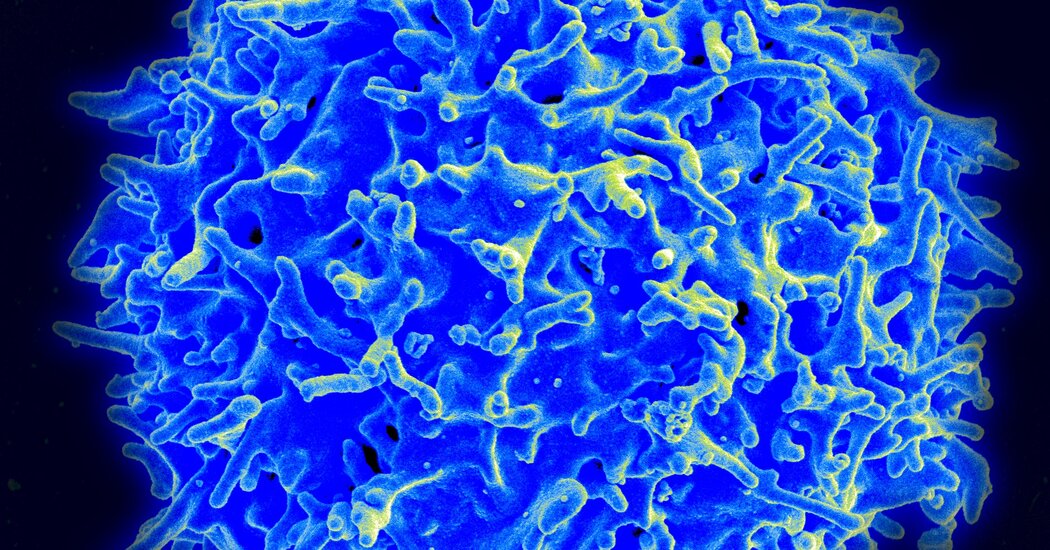
At a World Health Organization meeting on Wednesday, scientists offered some encouraging findings about immunity against the fast-spreading Omicron variant of the coronavirus. Several laboratory studies suggest that so-called T cells in vaccinated people can put up a strong defense against the variant, which could help prevent severe disease, hospitalization and death.The findings are a welcome departure from a torrent of worrying new data about Omicron. The variant’s mutations enable it to evade many of the antibodies produced either by vaccination or infection with previous variants. But antibodies are not the only important player in a person’s immune response to the virus.“The good news is that T cell responses are largely maintained to Omicron,” said Wendy Burgers of the University of Cape Town during a presentation of new research she and her colleagues have carried out in recent days.Over the past week, it has become increasingly clear that Omicron can deftly evade antibodies, part of the body’s first line of defense, which likely explains why infections with the variant have exploded in many countries.Infections are happening more frequently in two groups of people who carry antibodies: those who have received shots, as well as those who aren’t vaccinated but had recovered from an earlier infection with the coronavirus.At Wednesday’s meeting, one scientist after another presented laboratory findings showing that antibodies are performing more poorly against Omicron than against other variants.But the researchers also presented data showing that boosters of mRNA vaccines — Pfizer-BioNTech and Moderna — can restore antibodies to levels believed high enough to provide strong protection against Omicron infection. Epidemiological findings from Britain and South Africa also suggest that boosters reduce the risk.Speaking at the White House on Wednesday, Dr. Anthony S. Fauci, the administration’s lead adviser on the pandemic, echoed those findings. “Our booster vaccine regimens work against Omicron,” he said.Many countries are rushing boosters to their populations, but Omicron is spreading so fast it may well outstrip even the best efforts. “The projected transmission rates, if borne out, do not give us much time for interventions,” Phil Krause, a former vaccine regulator at the Food and Drug Administration, said at the W.H.O. meeting.That prospect has led many scientists to hope that T cells will serve as an effective backup when antibodies fail. If these immune cells can fight Omicron, they may prevent many infections from turning into severe disease.After a cell is infected with the coronavirus, T cells can learn to recognize fragments of viral proteins that end up on the cell’s outer surface. The T cells then kill the infected cell, or alert the immune system to launch a stronger attack against the virus.Alessandro Sette, an immunologist at the La Jolla Institute for Immunology, and Andrew Redd of the National Institutes of Health reported that despite Omicron’s many mutations, most of the protein fragments recognized by T cells are identical to those of other variants.Those findings suggest that T cells trained by vaccines or previous infections will respond aggressively to Omicron, rather than standing by. “It appears the T cell response is largely preserved,” Dr. Sette said.Dr. Burgers and her colleagues tested that possibility by collecting T cells from 16 people vaccinated with two doses of the Pfizer-BioNTech vaccine and exposing those T cells to protein fragments from the Omicron variant. The scientists found that the response of the T cells to the variant was about 70 percent as powerful as their attack on the original form of the virus.Some scientists cautioned that these data come from studying cells in a laboratory, known as in vitro experiments. It will take a few more weeks of examining real infections in people before anyone knows for sure how well T cells prevent severe disease.“We don’t know yet what these in vitro findings actually mean for disease severity,” said Nora Gerhards, a virologist at Wageningen University in the Netherlands. “And that’s what it’s all about. Because in the end we want to prevent a collapse of the health care systems in our countries.”

Read more →

Vaccines Prevent Severe Disease From Omicron, New Studies Say

In the lab, immune cells put up a strong fight against Omicron, suggesting that vaccines will be able to prevent the worst outcomes of the virus variant.A flurry of new laboratory studies indicate that vaccines, and especially booster shots, may offer protection against the worst outcomes from the fast-spreading Omicron coronavirus variant. The highly mutated virus, however, will still cause many breakthrough infections in vaccinated people and in those who have been infected with older versions of the virus, according to the research.At a World Health Organization meeting on Wednesday, scientists reported on several studies suggesting that T cells in vaccinated people can put up a strong defense against the variant, which could help prevent severe disease, hospitalization and death.Also on Wednesday, Dr. Anthony S. Fauci, President Biden’s top medical adviser for the coronavirus response, shared preliminary data from his institute’s analysis of the Moderna vaccine. While two shots produced a negligible antibody response against Omicron in the laboratory, the protection shot up after a third dose, he said.Other researchers at the W.H.O. meeting presented similar results, showing that booster shots of either Moderna or Pfizer-BioNTech mRNA vaccines lifted antibodies back to levels believed high enough to offer strong protection against infection.Though the research is based on preliminary observations of cells in the laboratory, it is nevertheless a welcome departure from a torrent of worrying new data about Omicron. Over the past week, it has become increasingly clear that Omicron can deftly evade antibodies, part of the body’s first line of defense, which probably explains why infections with the variant have exploded in many countries. But antibodies are not the only important players in a person’s immune response to the virus. T cells have their own role.“The good news is that T cell responses are largely maintained to Omicron,” said Wendy Burgers of the University of Cape Town during a presentation of new research she and her colleagues have carried out in recent days.Dr. Anthony Fauci spoke at the White House this month about the new variant. “Our booster vaccine regimens work against Omicron,” he said on Wednesday.Doug Mills/The New York TimesOmicron infections are happening more frequently in two groups of people who carry antibodies: those who have received shots, as well as those who aren’t vaccinated but have recovered from an earlier infection with the coronavirus.This week, scientists in South Africa reported that two doses of the Pfizer vaccine were 33 percent effective against an Omicron infection, down from about 80 percent during what Dr. Fauci called “the pre-Omicron era.” The study found that two doses of the Pfizer vaccine offered 70 percent protection against severe hospitalization and death, down from about 95 percent before Omicron was detected.At Wednesday’s W.H.O. meeting, one scientist after another presented similar laboratory findings showing that vaccine-induced antibodies performed much worse against Omicron than against other variants.But boosters seem to provide enough extra antibodies to lessen these infections. Dr. Fauci described experiments at the National Institutes of Health, in which scientists took blood serum from people who had two doses of the Moderna vaccine as well as from others who had a third dose. The researchers then mixed the serum with viruses engineered to carry Omicron’s surface proteins.These “pseudoviruses” evaded many antibodies from people who had received two doses of Moderna, but the boosters produced such high levels of antibodies that the viruses were blocked from invading cells.“So the message remains clear: If you are unvaccinated get vaccinated, and particularly in the arena of Omicron, if you are fully vaccinated, get your booster shot,” Dr. Fauci said.Dr. Fauci’s admonition comes as Biden administration officials are bracing for a potential wave of Omicron infections that could overwhelm the health care system. The Centers for Disease Control and Protection warned recently that the percentage of coronavirus cases in the United States caused by the Omicron variant had increased sharply and might portend a significant surge in infections as soon as next month. The Delta variant remains by far the dominant version across the United States.In anticipation of that wave, the administration is trying to encourage all Americans who are eligible — those 16 and older who received their second vaccine dose at least six months ago — to get their booster shots. About 27 percent of fully vaccinated Americans have also had booster shots, according to the C.D.C.Many countries are rushing boosters to their populations, but Omicron is spreading so fast it may well outstrip even the best efforts.“The projected transmission rates, if borne out, do not give us much time for interventions,” Phil Krause, a former vaccine regulator at the Food and Drug Administration, said at the W.H.O. meeting.A line for Covid boosters at St. Thomas’ Hospital in London. Many countries are rushing booster shots to their populations, but Omicron may be spreading too quickly for them to keep up.Dan Kitwood/Getty ImagesThat prospect has led many scientists to hope that T cells will serve as an effective backup when antibodies fail. If these immune cells can fight Omicron, they may prevent many infections from turning into severe disease.The Coronavirus Pandemic: Key Things to KnowCard 1 of 4U.S. surpasses 800,000 deaths.

Read more →

New Studies Raise Hopes That Vaccines Prevent Severe Disease From Omicron

In the lab, immune cells put up a strong fight against Omicron, suggesting that vaccines will be able to prevent the worst outcomes of the virus variant.A flurry of new laboratory studies indicate that vaccines, and especially booster shots, may offer protection against the worst outcomes from the fast-spreading Omicron coronavirus variant. The highly mutated virus, however, will still cause many breakthrough infections in vaccinated people and in those who have been infected with older versions of the virus, according to the research.At a World Health Organization meeting on Wednesday, scientists reported on several studies suggesting that T cells in vaccinated people can put up a strong defense against the variant, which could help prevent severe disease, hospitalization and death.Also on Wednesday, Dr. Anthony S. Fauci, President Biden’s top medical adviser for the coronavirus response, shared preliminary data from his institute’s analysis of the Moderna vaccine. While two shots produced a negligible antibody response against Omicron in the laboratory, the protection shot up after a third dose, he said.Other researchers at the W.H.O. meeting presented similar results, showing that booster shots of either Moderna or Pfizer-BioNTech mRNA vaccines lifted antibodies back to levels believed high enough to offer strong protection against infection.Though the research is based on preliminary observations of cells in the laboratory, it is nevertheless a welcome departure from a torrent of worrying new data about Omicron. Over the past week, it has become increasingly clear that Omicron can deftly evade antibodies, part of the body’s first line of defense, which probably explains why infections with the variant have exploded in many countries. But antibodies are not the only important players in a person’s immune response to the virus. T cells have their own role.“The good news is that T cell responses are largely maintained to Omicron,” said Wendy Burgers of the University of Cape Town during a presentation of new research she and her colleagues have carried out in recent days.Dr. Anthony Fauci spoke at the White House this month about the new variant. “Our booster vaccine regimens work against Omicron,” he said on Wednesday.Doug Mills/The New York TimesOmicron infections are happening more frequently in two groups of people who carry antibodies: those who have received shots, as well as those who aren’t vaccinated but have recovered from an earlier infection with the coronavirus.This week, scientists in South Africa reported that two doses of the Pfizer vaccine were 33 percent effective against an Omicron infection, down from about 80 percent during what Dr. Fauci called “the pre-Omicron era.” The study found that two doses of the Pfizer vaccine offered 70 percent protection against severe hospitalization and death, down from about 95 percent before Omicron was detected.At Wednesday’s W.H.O. meeting, one scientist after another presented similar laboratory findings showing that vaccine-induced antibodies performed much worse against Omicron than against other variants.But boosters seem to provide enough extra antibodies to lessen these infections. Dr. Fauci described experiments at the National Institutes of Health, in which scientists took blood serum from people who had two doses of the Moderna vaccine as well as from others who had a third dose. The researchers then mixed the serum with viruses engineered to carry Omicron’s surface proteins.These “pseudoviruses” evaded many antibodies from people who had received two doses of Moderna, but the boosters produced such high levels of antibodies that the viruses were blocked from invading cells.“So the message remains clear: If you are unvaccinated get vaccinated, and particularly in the arena of Omicron, if you are fully vaccinated, get your booster shot,” Dr. Fauci said.Dr. Fauci’s admonition comes as Biden administration officials are bracing for a potential wave of Omicron infections that could overwhelm the health care system. The Centers for Disease Control and Protection warned recently that the percentage of coronavirus cases in the United States caused by the Omicron variant had increased sharply and might portend a significant surge in infections as soon as next month. The Delta variant remains by far the dominant version across the United States.In anticipation of that wave, the administration is trying to encourage all Americans who may be eligible — those 16 and older who received their second vaccine dose at least six months ago — to get their booster shots. About 27 percent of fully vaccinated Americans have also had booster shots, according to the C.D.C.Many countries are rushing boosters to their populations, but Omicron is spreading so fast it may well outstrip even the best efforts.“The projected transmission rates, if borne out, do not give us much time for interventions,” Phil Krause, a former vaccine regulator at the Food and Drug Administration, said at the W.H.O. meeting.A line for Covid boosters at St. Thomas’ Hospital in London. Many countries are rushing booster shots to their populations, but Omicron may be spreading too quickly for them to keep up.Dan Kitwood/Getty ImagesThat prospect has led many scientists to hope that T cells will serve as an effective backup when antibodies fail. If these immune cells can fight Omicron, they may prevent many infections from turning into severe disease.The Coronavirus Pandemic: Key Things to KnowCard 1 of 4U.S. surpasses 800,000 deaths.

Read more →

Skin sensing made easier: Improved methods facilitate monitoring of body movement and health

From wide-ranging body movements as minute as a pulse to the various movements of joints, muscles and limbs, wearable pressure sensors placed directly on the skin may be used in myriad ways to monitor health. Other types of skin sensors can monitor health indicators through measurement of sweat and temperature on the skin’s surface.
These capabilities translate into useful medical applications, such as in monitoring motor-control diseases like Parkinson’s disease, evaluating movements in athletes, or in monitoring physical or even emotional parameters through measurements of the skin’s moisture. Other examples of game-changing skin-sensing devices include skin sensors to monitor stress levels in autistic children (who have trouble with emotional expression) and tactile sensors that can assist patients with recovering motor skills after a stroke.
Skin-sensing wearables for pressure-sensing applications must have electronic sensors that localize and detect a wide range of pressure changes obtained by contact with the human skin. They must also be able to translate these pressure changes into a detectable signal using an electrically conductive material.
The sensors are generally composed of a stretchy substrate layer which is placed on the skin and moves in response to pressure changes accompanying body movement. These changes are translated into signals that can be detected by a layer of conductive material placed in close contact with the substrate.
Among the different types of pressure sensors available, the piezoresistive sensor (PS) is commonly used. These conductive material sensors use the change in electrical resistance when they’re stretched to measure pressure changes.
To maximize the sensitivity range of these sensors, various microstructures have previously been incorporated; however, these often involve complex fabrication procedures and costly conductive materials. Copper nanowires are a low-cost option, and exhibit superior electrical, thermal, and optical properties. They are, however, subject to corrosive damage under ambient conditions.

Read more →

New study associates mask laws to reduction of COVID-19 deaths

A study of the impact of national face mask laws on COVID-19 mortality in 44 countries with a combined population of nearly one billion people found that, over time, the increase in COVID-19 related deaths was significantly slower in countries that imposed mask laws compared to countries that did not. The study, appearing in the American Journal of Preventive Medicine, published by Elsevier, shows that masks provide a supplementary layer of protection that could prevent unnecessary COVID-19 deaths.
“While several studies before this have looked at the impact of masks on COVID-19 cases, fewer studies were focused on whether mask wearing may reduce COVID-19 deaths, and no study had looked at the data across multiple countries,” said lead investigator Sahar Motallebi, MD, MPH, from Malmo, Sweden. “The large sample of culturally diverse countries in this retrospective study covers a large population, giving us more evidence towards the life-saving potential of masks during the COVID-19 pandemic.”
The top 50 countries according to the United Nations Development Programme Human Development Index, which measures life expectancy, education, and standard of living, were targeted because of comparability and reduced chance of selection bias. Four countries in the Southern Hemisphere (New Zealand, Australia, Chile, and Argentina) were excluded to avoid potential seasonality characteristics. The United States and Canada were excluded because public health policies are made at the state/province level and a unified national policy does not exist. Data from the remaining 44 countries were used to model COVID-19 mortality.
Twenty-seven countries with face mask policies and 17 countries without face mask policies, covering a combined population of nearly one billion people, were included in the study. Investigators looked at COVID-19 deaths between February 15, 2020, the date of the first confirmed death in the targeted countries, to May 31, 2020, when many countries began to lift gathering and movement restrictions. Ten relevant demographic, social, clinical and time-dependent factors were examined. Potential confounders between face mask policy and mortality reduction, such as non-pharmaceutical interventions, were identified.
The 44 countries studied reported 2,167,664 confirmed deaths, 1,253,757 in countries without face mask mandates and 913,907 in countries with face mask mandates. The average COVID-19 mortality per million population was 48.40 in countries with face mask policies and 288.54 in countries without face mask policies, and this was significantly greater compared to countries with mask mandates. Face mask countries had significantly lower average daily increase in deaths compared to no face mask countries.
Surprisingly, the countries with no mask mandate started with a lower COVID-19 daily mortality. However, the death rate accelerated so fast in those countries that they not only caught up with the death rate in mask law countries, but significantly surpassed them over time.
“To reach its full potential of saving lives, public health research should be practical and pragmatic,” Dr. Motallebi stressed. “Our primary objective was to assess lessons learned from the pandemic in order to better prepare for future potential epidemics of airborne diseases, before pharmaceutical interventions are available.”
As delays in vaccination continue to challenge heath systems across the globe, the study adds evidence that before, and even after, full vaccination of the population, face masks continue to be a preventive measure against COVID-19.
“Across variants, vaccines may reduce mortality but not necessarily morbidity, and face masks continue to protect against both. So, we don’t have to choose between these two good policies of vaccination and face masks or substitute one for the other when we can and must do both in parallel,” Dr. Motallebi concluded.
Story Source:
Materials provided by Elsevier. Note: Content may be edited for style and length.

Read more →

Uncovered: Key to how exercise protects against consequences of aging

Monash University scientists have discovered an enzyme that is key to why exercise improves our health. Importantly this discovery has opened up the possibility of drugs to promote this enzyme’s activity, protecting against the consequences of ageing on metabolic health, including type 2 diabetes.
The proportion of people worldwide over 60 years old will double in the next three decades and by 2031, more than six million Australians will be over 65 years old. The incidence of type 2 diabetes increases with age so this ageing population will also result in an increased incidence of the disease globally.
One of the main reasons for the increased prevalence of type 2 diabetes with age is the development of insulin resistance, or an inability for the body to respond to insulin, and this is often caused by reduced physical activity as we age.
However, the precise mechanisms by which physical inactivity facilitates the development of insulin resistance has remained a mystery.
Now researchers from Monash University in Australia have discovered how physical activity actually enhances insulin responsiveness and in turn promotes metabolic health. Importantly, the enzymes they have discovered that are key to this mechanism have the potential to be targeted by drugs to protect against consequences of ageing such as muscle wasting and diabetes.
The team of scientists at the Monash University Biomedicine Discovery Institute (BDI), led by Professor Tony Tiganis, reveals that reductions in skeletal muscle reactive oxygen species (ROS) generation during ageing is instrumental in the development of insulin resistance. According to Professor Tiganis, skeletal muscle constantly produces ROS and this is increased during exercise.
“Exercise-induced ROS drives adaptive responses that are integral to the health-promoting effects of exercise,” he said.
In a paper published Dec. 15 in the journal Science Advances, the research team show how an enzyme called NOX-4 is essential for exercise-induced ROS and the adaptive responses that drive metabolic health.
In mice the researchers found that NOX4 is increased in skeletal muscle after exercise and that this then leads to increased ROS which elicits adaptive responses that protect mice from the development of insulin resistance, which otherwise occurs with ageing or diet induced-obesity.
Importantly, the scientists have shown that the levels of NOX4 in skeletal muscle are directly related to age-associated decline in insulin sensitivity. “In this study we have shown, in animal models, that skeletal muscle NOX 4 abundance is decreased with ageing and that this leads to a reduction in insulin sensitivity,” Professor Tiganis said.
“Triggering the activation of the adaptive mechanisms orchestrated by NOX4 with drugs, might ameliorate key aspects of ageing, including the development of insulin resistance and type 2 diabetes,” he said.
“One of these compounds is found naturally, for instance, in cruciferous vegetables, such as broccoli or cauliflower, though the amount needed for anti-ageing effects might be more than many would be willing to consume.”
Story Source:
Materials provided by Monash University. Note: Content may be edited for style and length.

Read more →