Exploring genetics of SARS-CoV-2 and related viruses in animals around the world

A genetic and geographic analysis of variants of SARS-CoV-2 — the virus that causes COVID-19 — and related viruses in humans and animals may provide evidence of interspecies transmission worldwide. Dr. Ariful Islam, of EcoHealth Alliance and the Bangladesh Institute of Epidemiology, Disease Control and Research, and colleagues present these findings Dec. 15 in the open-access journal PLOS ONE.
Prior research has suggested that SARS-CoV-2 might have originated through genetic changes that occurred among closely related viruses in horseshoe bats. Reports also suggest that the virus can spread from humans to domesticated and wild animals (known as spillback). However, much remains to be learned about the epidemiology, evolutionary dynamics and genetic relationships between SARS-CoV-2 and related viruses in animals around the world.
To provide new insights, Dr. Islam and colleagues conducted a comprehensive analysis of the genome sequences of SARS-CoV-2-related viruses found in bats and pangolins, and of the SARS-CoV-2 strains that have been found in a variety of animals across the globe, including dogs, cats and lions.
Genetic analysis showed that SARS-CoV-2 strains found in animals are closely related to strains found in humans in the same geographic regions — including Germany, France, Spain, and Denmark — which evidences the theory that human to animal transmission has occurred worldwide. In future, if the virus becomes established in animal hosts, that animal species might act as a SARS-CoV-2 reservoir.
The researchers also quantified the degree to which genetic mutations associated with key SARS-CoV-2 subtypes and variants are found in animal species in different regions. Multiple emerging variants of concern, such as the Alpha, Delta and Mu-variants, were detected across many countries in species including dogs, gorillas, lions, and cats, and these variants showed notable genetic similarity with human SARS-CoV-2 sequences. For example, cats and American mink were frequently infected with one subtype of virus known as the GR clade (31.6% and 49.7% of samples respectively), which is also often seen in humans, supporting the likelihood of interspecies transmission. However, most dogs were affected by a different subtype, clade O (66.7%), which the authors suggest indicates a particular affinity of clade O for dogs. The SARS-CoV-2 Alpha variant comprised just 2.6% of cat and 4.8% of dog samples, but 66.7% of gorilla and 77.3% of lion samples.
Their genetic analysis revealed very high similarity between SARS-CoV-2 and related viruses found in multiple horseshoe bat species, as well as high similarity with related viruses in the Malayan pangolin. The analysis supports the hypothesis that SARS-CoV-2 originated from closely related bat viruses that genetically recombined with each other, and that the virus also passed through pangolins.
Animals appear to be susceptible to SARS-CoV-2 and may contribute to its spread. Thus, on the basis of their findings, the researchers call for continued genetic monitoring of SARS-CoV-2 in animals. They also call for prevention of contact between infected humans and animals, as well as vaccination of pets, zoo animals, and farm animals. The researchers advocate for surveillance at the human-animal interface to detect and prevent emergence of future viruses.
The authors add: “Spillover and spillback of SARS-CoV-2 has been proved, and the mutant strain of the virus is still dominating. It is our responsibility not to destroy the natural habitats of wildlife. As bats play an important role in maintaining a healthy ecosystem, we need to work on how to live safely with bats. We should not wait until the next pandemic, and we need to apply the One Health approach to secure a healthier future for the world.”
Story Source:
Materials provided by PLOS. Note: Content may be edited for style and length.
Read more →

Artificial intelligence accurately predicts who will develop dementia in two years

Artificial intelligence can predict which people who attend memory clinics will develop dementia within two years with 92 per cent accuracy, a largescale new study has concluded.
Using data from more than 15,300 patients in the US, research from the University of Exeter found that a form of artificial intelligence called machine learning can accurately tell who will go on to develop dementia.
The technique works by spotting hidden patterns in the data and learning who is most at risk. The study, published in JAMA Network Open and funded by funded by Alzheimer’s Research UK, also suggested that the algorithm could help reduce the number of people who may have been falsely diagnosed with dementia.
The researchers analysed data from people who attended a network of 30 National Alzheimer’s Coordinating Center memory clinics in the US. The attendees did not have dementia at the start of the study, though many were experiencing problems with memory or other brain functions.
In the study timeframe between 2005 and 2015, one in ten attendees (1,568) received a new diagnosis of dementia within two years of visiting the memory clinic. The research found that the machine learning model could predict these new dementia cases with up to 92 per cent accuracy — and far more accurately than two existing alternative research methods.
The researchers also found for the first time that around eight per cent (130) of the dementia diagnoses appeared to be made in error, as their diagnosis was subsequently reversed. Machine learning models accurately identified more than 80 per cent of these inconsistent diagnoses. Artificial intelligence can not only accurately predict who will be diagnosed with dementia, it also has the potential to improve the accuracy of these diagnoses.
Professor David Llewellyn, an Alan Turing Fellow based at the University of Exeter, who oversaw the study, said: “We’re now able to teach computers to accurately predict who will go on to develop dementia within two years. We’re also excited to learn that our machine learning approach was able to identify patients who may have been misdiagnosed. This has the potential to reduce the guesswork in clinical practice and significantly improve the diagnostic pathway, helping families access the support they need as swiftly and as accurately as possible.”
Dr Janice Ranson, Research Fellow at the University of Exeter added “We know that dementia is a highly feared condition. Embedding machine learning in memory clinics could help ensure diagnosis is far more accurate, reducing the unnecessary distress that a wrong diagnosis could cause.”
The researchers found that machine learning works efficiently, using patient information routinely available in clinic, such as memory and brain function, performance on cognitive tests and specific lifestyle factors. The team now plans to conduct follow-up studies to evaluate the practical use of the machine learning method in clinics, to assess whether it can be rolled out to improve dementia diagnosis, treatment and care.
Dr Rosa Sancho, Head of Research at Alzheimer’s Research UK said “Artificial intelligence has huge potential for improving early detection of the diseases that cause dementia and could revolutionise the diagnosis process for people concerned about themselves or a loved one showing symptoms. This technique is a significant improvement over existing alternative approaches and could give doctors a basis for recommending life-style changes and identifying people who might benefit from support or in-depth assessments.”
Story Source:
Materials provided by University of Exeter. Note: Content may be edited for style and length.

Read more →

Nanoparticle therapeutic enhances cancer immunotherapy

Researchers at Wake Forest School of Medicine have discovered that a nanoparticle therapeutic enhances cancer immunotherapy and is a possible new approach in treating malignant pleural effusion (MPE). MPE is the accumulation of fluid between the chest wall and lungs and is accompanied by malignant cells and/or tumors.
Results from the study are published in the current issue of Nature Nanotechnology.
There are more than 200,000 new cases of MPE in the United States each year, and non-small cell lung cancer accounts for more than one-third of cases.
“MPE is indicative of late-stage metastatic cancer and is associated with a poor prognosis with an average survival of only four to nine months,” said Dawen Zhao, M.D., Ph.D., associate professor of biomedical engineering at Wake Forest School of Medicine. “MPE can also severely impact quality of life as it causes breathlessness, pain, weight loss and reduced physical activity.”
According to Zhao, recent clinical trials involving immune checkpoint inhibitors (ICI) or novel immunotherapies such as anti-PD-1 have shown some encouraging data in patients with MPE. However, only a small number of MPE patients benefit from immunotherapy and many experience immunotoxicity.
“Clinical evidence also suggests that MPE comprises abundant tumor-associated immune cells that prevent the body’s immune system from recognizing and eliminating the cancer,” Zhao said. “This ‘cold’ immune environment could be a major contributor to the failure of ICI.”
To mitigate the immune ‘cold’ MPE, Zhao and his team developed a nanoparticle called liposomal cyclic dinucleotide (LNP-CDN) for targeted activation of an immune pathway called STING, which reprograms tumor-associated immune cells to active anti-tumor ones.

Read more →

New potential treatment for graft-versus-host-disease and other inflammatory disorders

A new study led by UC Davis Health researchers showed that blocking IL-6 and TNF cytokines provides a more effective approach to preventing life-threatening graft-versus-host-disease (GVHD), an inflammatory condition that develops in patients after their allogeneic hematopoietic stem cell transplantation (allo-HSCT). The study was published today in Blood.
Allo-HSCT, a treatment for some blood disorders and cancers, entails infusing a donor’s bone marrow stem cells into patients undergoing intensive chemo and radiation therapy. The donated immune cells in the transplanted tissue (graft) initiate an immune response to the patient’s tumor cells, leading to favorable graft-versus-tumor (GVT) effects. However, these cells may also attack the patient’s healthy tissues, resulting in potentially lethal graft-versus-host-disease.
What is graft-versus-host-disease?
GVHD is a significant cause of morbidity among allo-HSCT patients. It occurs when donor immune cells in the graft attack multiple organs and induce a “cytokine storm,” an inflated proinflammatory reaction caused by cytokines. Acute GVHD develops suddenly and shortly after transplantation. Chronic GVHD shows up later with delayed inflammation and may lead to tissue fibrosis.
“GVHD remains a major barrier limiting the success of the stem cell transplantation for cancer patients,” said Vice Chair of Research and Distinguished Professor at the Departments of Dermatology and Internal Medicine William Murphy, the senior author on the study.
From single to dual cytokine blockade
TNF and IL-6 are two cytokines that play a key role in many health conditions, including autoimmunity and excessive immune reactions to viruses, such as SARS-CoV-2, the virus causing COVID-19. Current therapies focus on blocking one of these cytokines to control the cytokine storm.

Read more →

Study questions widely used race-based formula to define lung disease

New results from a long-term epidemiologic study reveal that one of the oldest racially based diagnostic formulas in medicine is no better than a race-neutral equation, which suggests the formula used to diagnose lung disease should be changed.
The study, led by researchers at Columbia University Vagelos College of Physicians and Surgeons, was published Dec. 16 in the American Journal of Respiratory and Critical Care Medicine.
The race-based formula is used to define the severity of COPD (chronic obstructive pulmonary disease) and diagnose other lung diseases. Though it is based on old methodology, it is still recommended for use in the United States and globally.
Because the formula includes racial adjustments in defining normal lung function, Black people may be less likely to be treated with medications for COPD or diagnosed with other serious lung disorders compared to white people with the same test results on a spirometer, an instrument that measures the lungs’ air capacity. (In an accompanying paper in the same issue, UCSF researchers found that fewer Black patients with COPD and other lung diseases are diagnosed correctly because of the race-based formula).
History of the formula
The history of the formula is nearly 200 years old.

Read more →

A new way to find genetic variations removes bias from human genotyping

Since the first sequencing of the human genome more than 20 years ago, the study of human genomes has relied almost exclusively on a single reference genome to which others are compared to identify genetic variations. Scientists have long recognized that a single reference genome cannot represent human diversity and that using it introduces a pervasive bias into these studies. Now, they finally have a practical alternative.
In a paper published December 16 in Science, researchers at the UC Santa Cruz Genomics Institute have introduced a new tool, called Giraffe, that can efficiently map new genome sequences to a “pangenome” representing many diverse human genome sequences. They show that this approach allows a more comprehensive characterization of genetic variations and can improve the genomic analyses used by a wide range of researchers and clinicians.
“We’ve been working toward this for years, and now for the first time we have something practical that works fast and works better than the single reference genome,” said corresponding author Benedict Paten, associate professor of biomolecular engineering at UC Santa Cruz and associate director of the Genomics Institute. “It’s important for the future of biomedicine that genomics helps everyone equally, so we need tools that account for the diversity of human populations and are not biased.”
All humans have the same genes, but there are many variations in the exact sequences of the genes — meaning the sequence of DNA subunits (abbreviated A, C, T, G) that spell out the genetic code — as well as in the vast stretches of the genome outside of the protein-coding genes. A difference in a single letter of code is called a single nucleotide variant (SNV), and insertions or deletions of short sequences are known collectively as “indels.”
The most complex variants are structural variations involving rearrangements of large segments of code (50 or more letters). These are especially hard to find using a single reference genome, yet they can have significant effects and are known to play an important role in some diseases. The average person has millions of SNVs and indels and tens of thousands of larger structural variants, and collectively the structural variants actually involve more letters of code than the other types of variants do.
“The workhorses of genomics have been SNVs and short indels, because structural variants have been hidden from view,” Paten said. “Pangenomics is making structural variants visible so we can study them the same way we do SNVs and short indels. There are a lot of structural variants and they can have a big impact, so this is critical for the future of genetic studies of disease.”
A pangenome reference can be created from multiple genome sequences using a mathematical graph structure to represent the relationships between different sequences. In the new paper, the researchers built two human genome reference graphs using publicly available data. These were used to evaluate the new tool, Giraffe, which is a set of algorithms for mapping new sequence data to a pangenome reference.

Read more →

Choline transporter in the brain is necessary for tuning out unneeded information

In habituation, an organism gets so used to a ubiquitous sight, smell, sensation or sound that it virtually disappears. Runa Hamid of the CSIR-Centre for Cellular and Molecular Biology in Hyderabad, India, and colleagues have identified a transporter protein in the brain that plays a vital role in habituation, which they report in a new study publishing Dec. 16 in the journal PLOS Genetics.
Habituation is common in humans and other organisms because it enables them to pay attention to the most essential features in their surroundings — food, mates, and danger — while safely ignoring extraneous information. Currently, the circuitry in the brain and the molecular mechanisms involved in habituation are poorly understood. Hamid’s team investigated these mechanisms by studying the ability of fruit flies to tune out a specific scent. They discovered that the choline transporter, a protein that takes up choline into neurons so that the cells can produce the neurotransmitter acetylcholine, regulates habituation to smells. Fruit flies with fewer choline transporters in certain parts of the brain did not become habituated to the scent and instead became hypersensitive.
The hypersensitivity and other changes observed in the flies with fewer choline transporters are similar to symptoms seen in people with Autism spectrum disorder. Additionally, previous work has shown that variations in the choline transporter have been associated with attention deficit hyperactivity disorder (ADHD). The study’s findings open new avenues for future research to investigate the role of choline transporters in disorders related to habituation. This work may have far-reaching implications for our understanding of several neurological disorders.
Hamid adds, “Our study brings to the fore a new perspective of Choline Transporter function. It gives an insight into the mechanism of ‘Habituation’, a conserved phenomenon across the animal kingdom that enables an organism to focus attention only on salient sensory stimuli in the surroundings and ignore inconsequential stimuli.”
Story Source:
Materials provided by PLOS. Note: Content may be edited for style and length.

Read more →

Parkinson's disease mutation misdirects iron in the brain

A common gene mutation for Parkinson’s disease drives mislocalization of iron in activated microglia, according to a new study publishing Dec. 16 in the open-access journal PLOS Biology, by Mark Cookson of the National Institute on Aging and colleagues. The results may help explain the accumulation of toxic iron in affected brain areas in the disease and provide a basis for the development of therapies designed to correct the iron trafficking defect.
Mutations in the LRRK2 gene account for about 5% of all cases of familial Parkinson’s disease, and about 1% of non-familial disease cases. LRRK2 is a kinase, an enzyme that regulates other proteins through addition of a phosphate group, and disease-causing mutations are known to increase the kinase activity of the enzyme. One of the targets that LRRK2 regulates is called Rab8a, a protein which, along with many others of the Rab family, helps control the movement or “trafficking” of a wide variety of cellular vesicles (membrane-bound subcellular compartments). One of Rab8a’s jobs is to regulate the import of iron into the cell via the transferrin receptor, and to help recycle that receptor back to the membrane after it releases the transferrin and the iron it carries.
To understand how the LRRK2 mutations found in Parkinson’s disease might affect this process, the authors first visualized Rab8a movements in mouse astrocytes containing LRRK2 with a pathogenic mutation. They found that the mutant protein was responsible for redirecting Rab8a away from its normal location at the endocytic recycling compartment and sequestering it at damaged lysosomes.
This mislocalization of Rab8a had a clear effect on the transferrin receptor: in cells containing normal LRRK2, the transferrin receptor was distributed among multiple vesicle types. However, in cells containing the Parkinson’s mutant LRRK2, the transferrin receptor and its iron instead clustered at the same damaged lysosomes where Rab8a and mutant LRRK2 were found. That same mislocalization of Rab8a and transferrin receptors was observed in activated microglia derived from human cells carrying a pathogenic LRRK2 mutation. Microglia are key drivers of inflammation in the brain. Finally, when mice carrying the same Parkinson’s mutation were exposed to a proinflammatory trigger, iron accumulated in microglia in the striatum, a region of the brain that controls movement and is one of the most prominent parts of the brain affected in Parkinson’s disease.
“Our data suggest that a key step in the pathogenesis of LRRK2 Parkinson’s disease is the interaction of the protein with Rab8a and its subsequent effect on mislocalization of iron in activated microglia,” Cookson said. Iron deposition in the brain is a feature of Parkinson’s disease and other neurodegenerative diseases, and its accumulation may drive free radical production and damage to mitochondria, both thought to be critical steps in the disease cascade. “These results should help us understand the implications of blocking LRRK2 as a potential therapeutic for Parkinson’s disease.”
“Our study demonstrates altered regulation of iron in Parkinson’s disease models based on the gene LRRK2,” Cookson adds. “Previous data has shown that iron can be deposited in the brain, which we now link to a known genetic cause of Parkinson’s disease that may be relevant to novel treatments.”
Story Source:
Materials provided by PLOS. Note: Content may be edited for style and length.

Read more →

COVID-19 may have spread faster in United States because first symptom was cough

The strain of COVID-19 virus that was circulating in the United States and Europe during the first wave of the pandemic may have been particularly infectious because the most common first symptom was likely a cough, according to a study led by researchers from the USC Dornsife College of Letters, Arts and Science.
The study suggests that people infected with what was the world’s most infectious strain of COVID-19 in May 2020, and the most dominant strain in the U.S. two months later, were likely to experience a cough as their first symptom, followed by fever. The research was conducted at the USC Michelson Center for Convergent Bioscience in the Convergent Science Institute in Cancer led by Peter Kuhn.
The greater transmissibility of that variant — D614G — might be explained by infected individuals coughing and spreading the virus before they were incapacitated by fever. COVID-19 is most commonly spread through respiratory droplets, often amplified by a cough of symptomatic patients.
Conversely, those infected with the COVID-19 variant during the initial outbreak in China, the Wuhan reference strain, probably experienced fever as their first symptom, followed by cough.
Studying the likely order of symptoms, in addition to how the disease spreads, can inform additional research and health care about how people experience the disease.
The study, which was published in PLOS Computational Biology, also noted that: In Japan, it’s likely a fever was the initial symptom when the Wuhan reference strain was dominant there. When the D614G variant supplanted it, a cough was likely the first symptom. This finding validates similar results from other geographical regions and supports the hypothesis that a cough occurs earlier in the D614G variant than the Wuhan reference strain. The predicted symptom order was not altered by region, weather, patient age, or comorbidity. The study did not answer the question of whether the order of symptoms found in the initial waves of the pandemic holds true for current variants.Expert Analysis

Read more →

A C.D.C. panel weighs the risks of blood clots linked to the J.&J. vaccine.

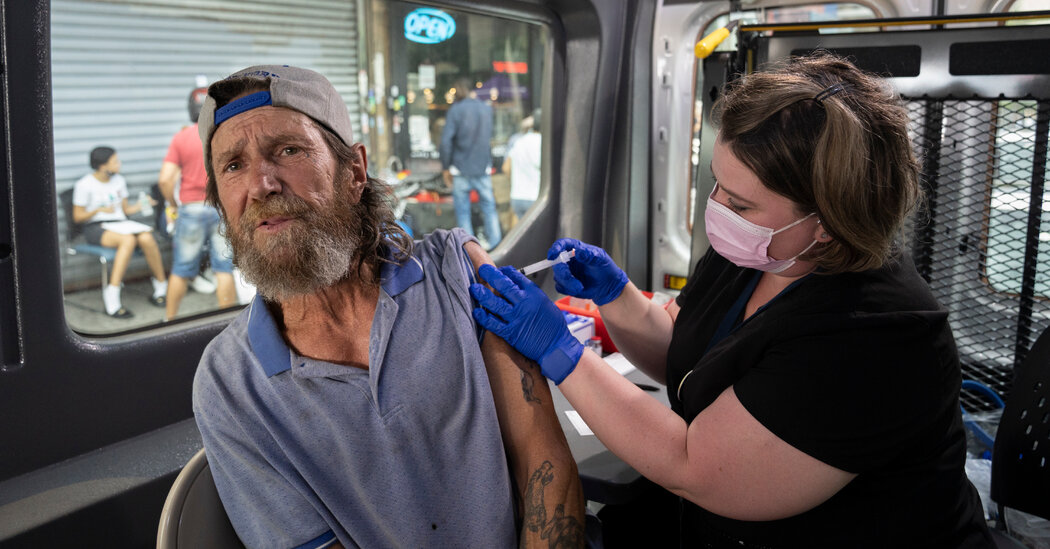
In a meeting of its expert vaccine advisers on Thursday, the Centers for Disease Control and Prevention presented new details on concerning rates of a rare blood clotting condition linked to Johnson & Johnson’s Covid vaccine, including nine confirmed deaths.The new data set the stage for the experts to consider recommending new restrictions on use of the vaccine. The panel, the Advisory Committee on Immunization Practices, could advise doing nothing, that the vaccine be restricted to only older people, or that it not be used at all in the United States. The panel could also recommend that Pfizer-BioNTech and Moderna’s vaccines should be preferred over Johnson & Johnson’s shot, except in cases where people cannot access a different brand or who want it despite the risk.Earlier this week, the Food and Drug Administration issued updated guidance on the risks of the blood-clotting disorder, but said again that the benefits of the vaccine outweighed its risks.C.D.C. officials went into detail on the clotting-related syndrome identified in 54 people in the United States who received the shot before the end of August. Overall, the rate of the condition was 3.8 cases per one million people given the vaccine. That is higher than the rate had been previously thought to be.The risk for the condition, which is known as thrombosis with thrombocytopenia syndrome and can cause internal bleeding, was highest in women ages 30 to 49, showing up in about 1 in 100,000 recipients in that age group. The rate at which the condition would normally be expected in the general population is not known, said Dr. Isaac See, a C.D.C. official.Of all Johnson & Johnson vaccine recipients diagnosed with the condition, 36 were admitted to an intensive care unit and the longest hospital stay was 132 days. Eight of them died. Since September, a ninth person has died.“We’ve been struck from reviewing these cases by how rapidly the status deteriorates and results in death,” Dr. See said.The people who died ranged in age from 28 to 62. Seven were women, and all were white. Obesity was the most common underlying medical condition. Two of the people who died did not have known medical problems, Dr. See said.Dr. See said additional cases had been identified since earlier C.D.C. meetings because of lags in reporting and delays in identifying and confirming illnesses related to the vaccine.An increased risk for the condition has been linked to the Johnson & Johnson vaccine and the shot from AstraZeneca, which is not authorized in the United States. It has not been linked to the vaccines from Moderna or Pfizer.On Thursday, C.D.C. officials also reported on side effects among children aged 5 to 11 who have received the Pfizer vaccine in the last several weeks. With 7.1 million doses administered, the C.D.C. confirmed eight cases of myocarditis, or swelling of the heart muscle, and has an additional case under review.It was previously reported that males between 16 and 29 years had a heightened risk of developing myocarditis. Nearly 11 out of every 100,000 of them developed the condition a few days after being fully vaccinated. On balance, it was estimated that for boys 12 to 17, the shots would cause an estimated 70 myocarditis cases but prevent 5,700 infections, 215 hospitalizations and two deaths, the C.D.C. said. But most recovered within a short period of time.Among the six cases in younger children with known outcomes, five recovered from the symptoms. The eight confirmed cases were evenly split between males and females.The Coronavirus Pandemic: Key Things to KnowCard 1 of 4U.S. surpasses 800,000 deaths.

Read more →