Robotic manipulators inspired by nature

Traditional robots can have difficulty grasping and manipulating soft objects if their manipulators are not flexible in the way elephant trunks, octopus tentacles, or human fingers can be.
In Applied Physics Reviews, by AIP Publishing, investigators from Shanghai Jiao Tong University in China developed a type of multiple-segment soft manipulator inspired by these biological systems. The soft manipulators are based on pneu-nets, which are pneumatically actuated elastomeric structures.
These structures have a tentaclelike shape and consist of a series of connected internal chambers which can be inflated pneumatically, blowing them up like a balloon. One side of the tentacle is highly flexible while the other is stiffer. Increasing air pressure to the chambers causes the structure to bend toward the stiff side.
“We have designed soft manipulators using a mathematical model that can follow a particular 3D spatial trajectory,” said author Dong Wang. “Our soft manipulator consists of multiple segments where each segment shows a different actuation mode — twisting, in-plane bending, or helical actuation — by choosing different chamber orientations.
“The key advance of this work is the development of a mathematical methodology that can automatically design soft manipulators matching complex 3D trajectories upon single pressurization.”
The group designed manipulators for a variety of 3D trajectories by varying the geometric, material, and loading parameters for their pneu-net structures. They were able to do an inverse design to create a manipulator that would follow a specific trajectory.
The design method relies on a mathematical model that is much less costly to use than traditional computational models. The group confirmed their mathematical technique produced manipulator designs with behaviors similar to computational models. They validated their results using simple experiments.
“To achieve truly versatile applications of the designed soft manipulators, more work is needed,” said author Guoying Gu.
Among this future work are strategies to extend the approach to systems with multiple actuators. In addition, the inverse design process is still not fully automatic, since the first stage of the process requires a human operator choose the regions of the curve that are assigned to twisting, bending, or helical deformation.
“We can envision an automated system to do this step using machine learning or other methods,” said Gu.
This work should have applications in robotic grippers, implantable and wearable devices, and robots moving through unpredictable terrains.
Story Source:
Materials provided by American Institute of Physics. Note: Content may be edited for style and length.

Read more →

Genes are switched on in the human embryo from the get-go

The finding that some genes are active from the get-go challenges the textbook view that genes don’t become active in human embryos until they are made up of four-to-eight cells, two or three days after fertilisation.
The newly discovered activity begins at the one-cell stage — far sooner than previously thought — promising to change the way we think about our developmental origins.
The research, published today in Cell Stem Cell, was co-led by Professor Tony Perry at the University of Bath, Dr Giles Yeo at the University of Cambridge and Dr Matthew VerMilyea at Ovation Fertility, US.
Using a method called RNA-sequencing, the team applied precision analysis to individual human eggs and one-cell embryos to make a detailed inventory of tell-tale products of gene activity, called RNA transcripts. It revealed that hundreds of genes awaken in human one-cell embryos. Because the gene activity starts small, previous techniques had not been sensitive enough to detect it. But state-of-the art RNA-sequencing used in this study was able to reveal even small changes.
“This is the first good look at the beginning of a biological process that we all go through — the transit through the one-cell embryo stage,” said Professor Perry, from the Department of Biology and Biochemistry at Bath. “Without genome awakening, development fails, so it’s a fundamental step.”
The team found that many genes activated in one-cell embryos remain switched on until the four-to-eight cell stage, at which point they are switched off.

Read more →

Honing in on shared network of cancer genes

Wilmot Cancer Institute researchers are a step closer to understanding the complex gene interactions that cause a cell to become malignant. In a new Cell Reports study published today, the group used network modeling to hone in on a set of such interactions that are critical to malignancy, and likely to be fertile ground for broad cancer therapies.
Discrete genetic mutations that can be targeted by drugs have only been identified for a small fraction of cancer types. But those mutations rely on a downstream network of non-mutated genes in order to cause cancer. Those downstream genes — and their intricate interactions — may be common across many cancers and could offer a giant leap forward in cancer therapy.
One of the lead authors of the study, Hartmut “Hucky” Land, Ph.D., who is the deputy director of the Wilmot Cancer Institute and the Robert and Dorothy Markin Professor of Biomedical Genetics at the University of Rochester Medical Center and has worked to identify common core features of cancers for over 10 years. His goal is to find cancers’ shared vulnerabilities and exploit them.
“Targeting non-mutated proteins that are essential to making cells cancerous is a broader approach that could be used in multiple cancers,” said Land, “but it’s hard to find these non-mutated, essential genes.”
That is why Land turned to Matthew McCall, Ph.D., MHS, a Wilmot Cancer Institute investigator who is an associate professor of Biostatistics and Computational Biology at URMC, for collaboration. McCall, who is the other lead author of the study, developed a new network modeling method, called TopNet, that the group paired with genetic experiments in cells and mice to pinpoint functionally relevant gene networks.
Land’s group previously identified a very diverse set of non-mutated genes that are crucial to cancer. In this study, the group wanted to see how those genes interact — starting with a subset of 20 genes. Increasing or decreasing expression of one gene in cultured cells would have numerous effects on the expression levels of the other genes in the set.
“There were so many interactions, you could waste a lot of time, energy and money testing interactions that might not be useful,” McCall said. “To hone in on the interactions that are more likely to be useful, we used network modeling, and compared our model networks back to the lab findings,” McCall said.
For context, the number of possible gene network models considered by TopNet was many times greater than the estimated number of atoms in the universe. After weeding out models that didn’t closely fit the observed data and further focusing in on gene interactions that appeared in at least 80 percent of the models, the team was left with a manageable set of 24 high-confidence gene interactions. Subsequent experimentation demonstrated that these interactions often play an important role in malignancy.
“Dr. McCall’s elegant and mind-boggling methodology is essentially helping us disentangle a hair ball of genetic networks,” said Land. “These networks are usually very messy and it’s nearly impossible to extract useful information from them. But Dr. McCall has found a way to cut through this Gordian knot.”
The group has already tested a sampling of the genetic interactions revealed by TopNet, and confirmed via experiments in cells and mice that the interactions are functionally linked. Next, the group intends to test the limits of TopNet, with the intent to use this method to find potential cancer therapies that are broadly effective.
This work was completed as part of a $6.3M National Cancer Institute Outstanding Investigator Award granted to Land in 2015 and a K99/R00 grant from the National Human Genome Research Institute to McCall. Helene McMurray, Ph.D., assistant professor of Biomedical Genetics and Pathology and Laboratory Medicine at URMC was first author on the study.
Story Source:
Materials provided by University of Rochester Medical Center. Original written by Susanne Pallo. Note: Content may be edited for style and length.

Read more →

Sensor based on quantum physics could detect SARS-CoV-2 virus

A novel approach to testing for the presence of the virus that causes Covid-19 may lead to tests that are faster, less expensive, and potentially less prone to erroneous results than existing detection methods. Though the work, based on quantum effects, is still theoretical, these detectors could potentially be adapted to detect virtually any virus, the researchers say.
The new approach is described in a paper published in the journal Nano Letters, by Changhao Li, an MIT doctoral student; Paola Cappellaro, a professor of nuclear science and engineering and of physics; and Rouholla Soleyman and Mohammad Kohandel of the University of Waterloo.
Existing tests for the SARS-CoV-2 virus include rapid tests that detect specific viral proteins, and polymerase chain reaction (PCR) tests that take several hours to process. Neither of these tests can quantify the amount of virus present with high accuracy. Even the gold-standard PCR tests might have false-negative rates of more than 25 percent. In contrast, the team’s analysis shows the new test could have false negative rates below 1 percent. The test could also be sensitive enough to detect just a few hundred strands of the viral RNA, within just a second.
The new approach makes use of atomic-scale defects in tiny bits of diamond, known as nitrogen vacancy (NV) centers. These tiny defects are extremely sensitive to minute perturbations, thanks to quantum effects taking place in the diamond’s crystal lattice, and are being explored for a wide variety of sensing devices that require high sensitivity.
The new method would involve coating the nanodiamonds containing these NV centers with a material that is magnetically coupled to them and has been treated to bond only with the specific RNA sequence of the virus. When the virus RNA is present and bonds to this material, it disrupts the magnetic connection and causes changes in the diamond’s fluorescence that are easily detected with a laser-based optical sensor.
The sensor uses only low-cost materials (the diamonds involved are smaller than specks of dust), and the devices could be scaled up to analyze a whole batch of samples at once, the researchers say. The gadolinium-based coating with its RNA-tuned organic molecules can be produced using common chemical processes and materials, and the lasers used to read out the results are comparable to cheap, widely available commercial green laser pointers.
While this initial work was based on detailed mathematical simulations that proved the system can work in principle, the team is continuing to work on translating that into a working lab-scale device to confirm the predictions. “We don’t know how long it will take to do the final demonstration,” Li says. Their plan is first to do a basic proof-of-principle lab test, and then to work on ways to optimize the system to make it work on real virus diagnosis applications.
The multidisciplinary process requires a combination of expertise in quantum physics and engineering, for producing the detectors themselves, and in chemistry and biology, for developing the molecules that bind with the viral RNA and for finding ways to bond these to the diamond surfaces.
Even if complications arise in translating the theoretical analysis into a working device, Cappellaro says, there is such a large margin of lower false negatives predicted from this work that it will likely still have a strong advantage over standard PCR tests in that regard. And even if the accuracy were the same, this method would still have a major advantage in producing its results with a matter of minutes, rather than requiring several hours, she says.
The basic method can be adapted to any virus, she says, including any new ones that may arise, simply by adapting the compounds that are attached to the nanodiamond sensors to match the generic material of the specific target virus.
He adds that for his company, “we’re very excited about using diamond-based quantum sensors to build powerful tools for biomedical diagnostics. Needless to say, we will be following along with great interest as the ideas presented in this work are translated to the lab.”
The work was supported by the U.S. Army Research Office and the Canada First Research Excellence Fund.
Story Source:
Materials provided by Massachusetts Institute of Technology. Original written by David L. Chandler. Note: Content may be edited for style and length.

Read more →

Promising new target for tuberculosis treatment

Mycobacterium tuberculosis (Mtb), the hardy bacterial species that causes tuberculosis (TB), has an unexpected vulnerability that future drugs may be able to exploit, according to a study from researchers at Weill Cornell Medicine.
The researchers, whose findings appeared Nov. 15 in Nature Communications, investigated the role of an Mtb enzyme that had never been studied in depth before, and discovered that it is crucial for Mtb’s breakdown of available fatty acids to supply energy and molecular building blocks for growth and survival. Deleting just that one enzyme, which they called EtfDMtb, rendered Mtb unable to sustain an infection in mice.
“This enzyme is an attractive drug target for TB — silencing it not only starves the bacterium but also has an additional toxic effect on it,” said senior author Dr. Sabine Ehrt, a professor of microbiology and immunology at Weill Cornell Medicine.
The new findings arose from an observation by lead author Dr. Tiago Beites, an instructor in the Ehrt laboratory. Dr. Beites was analyzing Mtb proteins and noted that two of them have intriguingly close resemblances to human metabolic enzymes called ETF-α and ETF-β. The latter are known to be involved in the metabolism of fatty acids, and their mutation can cause metabolic disease.
Dr. Beites and his colleagues investigated further, and ultimately discovered that the two Mtb proteins, which they renamed EtfAMtb and EtfBMtb, together form an enzyme that works with another Mtb enzyme, which they called EtfDMtb, to carry out a similar metabolic function for Mtb — specifically a breakdown-related process called the beta oxidation of fatty acids.
Although it had been assumed that fatty acid metabolism in Mtb was covered by a multitude of redundant enzymes, making this set of pathways a poor drug target, the team found that the three-component complex they uncovered is critical for Mtb’s normal growth and survival. A mutant Mtb lacking EtfDMtb — the most promising drug target of the three because it has no human counterpart — was unable to fuel its growth with fatty acids or related cholesterol. It was also directly harmed through a toxic effect by the buildup of long-chain fatty acids and could not establish a long-term infection in mice.

Read more →

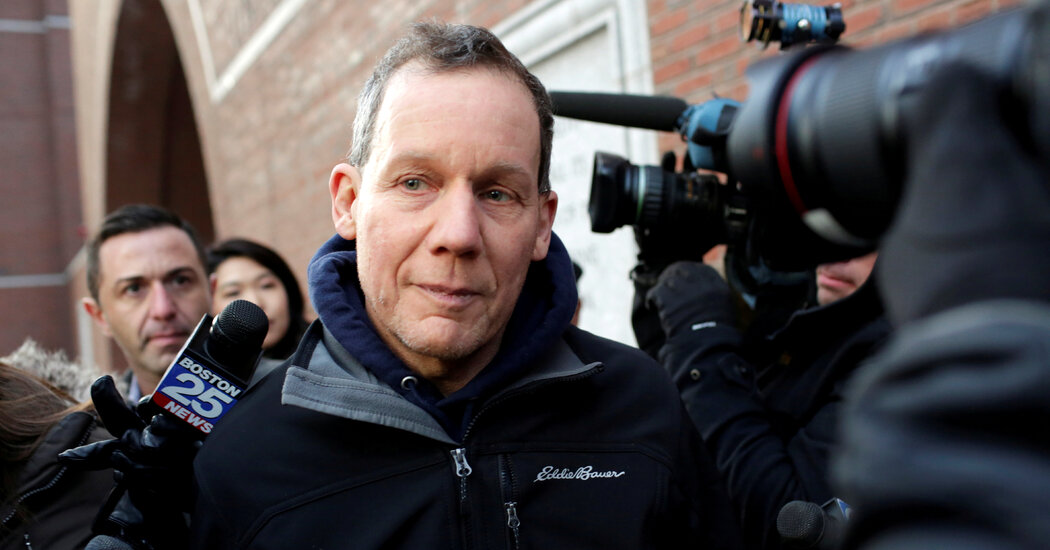
In a Boston Court, a Harsh Spotlight Falls on a Heavyweight of Science

The trial of Charles Lieber offers a peek inside the world of big-money, big-prestige science as the U.S. cracked down on Chinese funding.BOSTON — Charles Lieber, one of the country’s top research chemists, sat at the Harvard Police Department, trying to explain to two F.B.I. agents why he had agreed to partner with a lesser-known Chinese university in a relationship that had soured and landed him in trouble with the U.S. government.The university had money to spend — “that’s one of the things China uses to try to seduce people,” Dr. Lieber said in the interrogation, clips of which were shown in court. He described returning from several visits to China carrying tens of thousands of dollars in cash, wrapped in “a package, a brown thing with some Chinese characters on it.”But money wasn’t why he had become involved, he said. By training young scientists in the use of technology he had pioneered, he hoped to burnish his credentials with the committee that decides the ultimate scientific honor.“This is embarrassing,” he said. “Every scientist wants to win a Nobel Prize.”The trial of Dr. Lieber, which is expected to conclude this week, has offered a glimpse inside the big-money, big-prestige world of elite science as the U.S. government began the China Initiative, an effort to root out scientists suspected of sharing sensitive information with China.Like many of the government’s cases against researchers, the one against Dr. Lieber does not bring charges of espionage or intellectual property theft but something narrower: a failure to disclose Chinese funding that could be viewed as a conflict of interest by the U.S. government, which also funds their research.Dr. Lieber is accused of lying to the government on two occasions about whether he participated in China’s Thousand Talents Plan, an effort to attract foreign-educated scientists to China; of failing to declare income earned in China on his tax returns; and of failing to declare a Chinese bank account. Though participating in the Chinese recruitment program is not a crime, making false statements to government agencies about it is.The trial comes as the China Initiative, which began under the Trump administration in 2018, has experienced a series of setbacks. In July, the Justice Department dropped cases against five researchers accused of hiding ties to the Chinese military, and in September, the one against a researcher, Anming Hu, the first prosecution to reach the trial stage, ended in an acquittal.The verdict in Dr. Lieber’s case is being watched in scientific circles as an indicator of whether the Justice Department will proceed with the prosecutions of other researchers.The department of chemistry and chemical biology at Harvard, where Dr. Lieber was chair. He is on leave from the university.Katherine Taylor/ReutersDr. Lieber’s lawyer, Marc Mukasey, argued in court that the government could not prove the false statements charges because the two interviews in question, in 2018 and 2019, were neither taped nor precisely transcribed.“That day almost two years ago when the F.B.I. raided Charlie’s home and office, they turned off one of the leading lights in the world of science,” he said in an opening statement, referring to Dr. Lieber’s 2020 arrest.A guilty verdict requires “proof beyond a reasonable doubt, and the government simply doesn’t have it,” he added. “If there was a Nobel Prize for inventing something out of nothing, the government’s case would win.”Conviction on a false statement charge could bring a sentence of up to five years in prison.Among the researchers under federal prosecution as part of the China Initiative, Dr. Lieber is by far the most prominent. Celebrated in the world of chemistry, he served as chair of Harvard’s department of chemistry and chemical biology and was seen by many in the field as a potential Nobel winner.Every morning, a handful of Dr. Lieber’s colleagues have filed into the gallery in Boston’s federal courthouse to listen to testimony.Adam Cohen, a professor of chemistry, chemical biology and physics, who attended last week, called him “one of the best and most impactful chemists alive.”Brian Timko, who worked under Dr. Lieber as a graduate student and now heads his own laboratory at Tufts University, said Dr. Leiber had invented electronic chips so small and flexible that they could be injected into parts of the human body, like the brain or the retina.Eventually, he said, the technology could lead to breakthroughs in bioelectronic medicine, like restoring sight to blind people or movement to paralyzed limbs.“I was especially devastated this week just by the way all of Charlie’s accomplishments, his altruistic accomplishments, were twisted,” Dr. Timko said. “Charlie spent his whole career trying to help the world, and a handful of individuals who don’t even understand how science works tore the whole thing down. And that is just not fair.”Mr. Mukasey, Dr. Lieber’s lawyer, tried during the trial to shift the focus toward the importance of Dr. Lieber’s work, asking one government witness to read aloud the paragraph of his curriculum vitae that lists 23 prizes he has won, among them the Welch Award in Chemistry, the John Gamble Kirkwood Award and the Von Hippel Award.‘These people want to use me’Dr. Lieber in 2002. He studies nanotechnologies and has pursued commercial nanotechnology projects outside of his work at Harvard. He was considered a contender for a Nobel Prize in chemistry.Volker Steger/Science SourceIt is standard for high-level academic researchers to enter into contracts with outside employers, either consulting with private-sector firms or maintaining affiliations at universities in other countries.In 2011, Dr. Lieber started a joint venture with Wuhan University, where one of his former students had taken a post.A three-year contract emailed to Dr. Lieber in 2012, and displayed to the jury by prosecutors, made him a “One Thousand Talent High Level Foreign Expert,” entitling him to $50,000 a month, plus about $150,000 in living expenses and more than $1.5 million for a laboratory, which they called the WUT-Harvard Joint Nano Key Laboratory.Mr. Mukasey has argued that the document proves nothing about payments or Dr. Lieber’s status, comparing it to a congratulatory letter from Publishers Clearing House.Dr. Lieber, who has been on paid administrative leave from Harvard since his arrest in 2020, told the F.B.I. that he received a smaller amount, with between $50,000 and $100,000 paid in cash and another portion deposited into a bank account in China, which at one time contained about $200,000, but which he said he had never touched.Emails read at trial trace the deterioration of Dr. Lieber’s relationship with his colleagues in Wuhan. In one email, Dr. Lieber complained to a colleague that his partners there were pressuring him to credit their grants in his published work.He was also upset when Wuhan University nominated him as a member the Chinese Academy of Sciences, but he was not elected, an outcome he described in an email as “an insult to me and all that I’ve done for Chinese scientists.” (He was elected later, in 2015.)“I definitely do not have a good taste” about “many ‘friends’ in China,” Dr. Lieber wrote in an email to a Chinese colleague at another institution. “These people want to use me, so we will not let that happen, versus me using them. But we’ll be ever so polite in the mean time.”To make things worse, Harvard administrators had discovered that the Wuhan institution was using the Harvard’s name on its nanotechnology laboratory without permission.By 2018, the Wuhan arrangement had become a serious problem for Dr. Lieber. Investigators from the Department of Defense and the National Institutes of Health approached Dr. Lieber to ask if he had participated in the Thousand Talents program.“They are threatening not only to end my funding (which supports much of my research) but also force me to pay back the last three plus years they supported much of my work,” he wrote to a Chinese colleague, adding, “perhaps someone (Chinese) who does not like me brought this to attention of N.I.H.?”Since 2008, Dr. Lieber’s lab had received research grants totaling $18 million from the Department of Defense and the National Institutes of Health, court documents show.This year, the Justice Department has dropped cases against five researchers accused of hiding ties to the Chinese military, and one case, which reached the trial stage, ended in acquittal.Stefani Reynolds for The New York TimesDr. Lieber had said little to investigators until 6:30 a.m. on Jan. 28, 2020, when two F.B.I. agents arrested and handcuffed him at his office in Cambridge.After initially asking for a lawyer, he went on to answer the agents’ questions for about three hours.At first, according to a video clip shown in court, he suggested the charges may have been based on a mix-up, because he had written a paper with a former student who “had Thousand Talents funding, which is a big no-no.”He also told them he had never received payment from Wuhan University aside from travel expenses and had not qualified for the Thousand Talents grant because it required spending extended time in China.Then the agents produced a series of documents, including contracts from 2011 and 2012, and Dr. Lieber examined them, remarking at one point, “I should pay more attention to what I’m signing.”“That’s pretty damning,” he said. “Now that you bring it up, yes, I do remember.”He went on to offer detail about his financial arrangements with Wuhan University: A portion of his salary was deposited in a Chinese bank account and the remainder was paid in $100 bills, which he carried home in his luggage.He said his involvement with the university had ended by 2016 but acknowledged he had not been forthcoming when approached by the Defense Department two years later.“I was scared of being arrested, like I am now,” he said.At moments in the interview, Dr. Lieber was reflective about the role of international funding in the lives of researchers, saying that relationships with foreign partners were never as straightforward as they seemed at first.“Early on, if someone said, ‘We’ll give you this title and we’ll pay your travel to and from,’ you don’t think anything about it,” he explained, “but partners “always want something from you.”“A lot of countries, money is what they have in excess,” he said.He tried to impress on the two special agents that a different motive, the desire for acclaim, had brought him to partner with Wuhan and train scientists there. “I was younger and stupid,” he said. “I want to be recognized for what I’ve done. Everyone wants to be recognized.” He offered a comparison he had given his son, a high school wrestler. The Nobel Prize is “kind of like an Olympic gold medal — it’s very, very rare,” he said.A prize he had won recently was more like a bronze medal, he said with a self-deprecating laugh. “That probably is the underlying reason I did this,” he said.

Read more →

Anesthesia: Double chalice breaks the blockade

Under anesthesia, patients are often given muscle-relaxing neuromuscular blockers to make intubations easier and reduce the skeletal muscle tone during surgery. Using a drug to remove the blocking agent after the operation improves patient recovery and reduces the risk of complications. In the journal Angewandte Chemie, a Canadian research team has now reported a novel broad-spectrum antidote. It consists of two “chalices” that are linked together and cover the two ends of the blocker.
Neuromuscular blockers are drugs that inhibit the transmission of stimuli to the synapses between nerves and muscles by blocking the acetylcholine binding sites on the nicotinic acetylcholine receptors. Different types of blockers meet different pharmacological needs. Antidotes in this class are “drugs that bind other drugs,” capturing free blockers in the blood stream and reversing the blockade.
Until now, most “unblockers” have been donut-shaped molecules that encircle the rod-shaped blockers. For this to work the donut hole must be tailored for the thickness of the “rod” — which isn’t the same for all types of blocker. Different blockers require different donuts. However, the blockers do share a rodlike structure with two positively charged ends (amino groups), and the rods are all of equal length, because they must simultaneously bridge the gap between two opposite acetylcholine binding cavities.
A team at the University of Victoria (Canada) devised a novel approach to make an unblocking agent that can bind a broad spectrum of blockers. Instead of having the rods threaded through a hole, the blocker shields both ends of the rod.
Fraser Hof and his team created cup-shaped molecules known as calix[4]- or calix[5]arenes (calix = chalice). They attached negatively charged groups to the upper rims of the “chalice.” Such molecular cups will take up positively charged molecules like the ends of the blocker rod — but unspecifically. To attain selectivity for the blockers, the team wanted to attach two cups to each other by means of a linking segment with a length that exactly matches that of the rod in question — putting the two cups neatly over the two ends.
Because the link needed to be very short, there was repulsion between the two negatively charged chalice rims. The solution was to use a blocker rod as a “template.” The team put reactive groups on the chalices and let them bind to a typical blocker. They then used a suitable linker (hydrazine) to tie together the two cups bound to the same blocker rod.
The “double chalices” — Super-sCx4 and Super-sCx5 — bind to a broad spectrum of neuromuscular blockers with high selectivity but do not block acetylcholine and other physiologically important amines.
Story Source:
Materials provided by Wiley. Note: Content may be edited for style and length.

Read more →

Cochlear implant as a sensor

The cochlear implant (CI) is the most successful neural prosthesis worldwide. Thanks to direct stimulation of the auditory nerve, it enables more than half a million people worldwide to hear, even though those affected were born deaf or deafened. In close collaboration, researchers from the Faculty of Medicine and the Faculty of Engineering at the University of Freiburg have developed a method to convert the stimulation electrodes of common CIs into electrochemical sensors. With the help of this novel sensor function, the functionality of cochlear implants could be monitored directly in the inner ear in the long term. The researchers published their results on December 9, 2021 in the journal Biosensors and Bioelectronics.

advertisement

Read more →

Study finds artificial intelligence accurately detects fractures on x-rays, alert human readers

Emergency room and urgent care clinics are typically busy and patients often have to wait many hours before they can be seen, evaluated and receive treatment. Waiting for x-rays to be interpreted by radiologists can contribute to this long wait time because radiologists often read x-rays for a large number of patients.
A new study has found that artificial intelligence (AI) can help physicians in interpreting x-rays after an injury and suspected fracture.
“Our AI algorithm can quickly and automatically detect x-rays that are positive for fractures and flag those studies in the system so that radiologists can prioritize reading x-rays with positive fractures. The system also highlights regions of interest with bounding boxes around areas where fractures are suspected. This can potentially contribute to less waiting time at the time of hospital or clinic visit before patients can get a positive diagnosis of fracture,” explained corresponding Ali Guermazi, MD, PhD, chief of radiology at VA Boston Healthcare System and Professor of Radiology & Medicine at Boston University School of Medicine (BUSM).
Fracture interpretation errors represents up to 24 percent of harmful diagnostic errors seen in the emergency department. Furthermore, inconsistencies in radiographic diagnosis of fractures are more common during the evening and overnight hours (5 p.m. to 3 a.m.), likely related to non-expert reading and fatigue.
The AI algorithm (AI BoneView), was trained on a very large number of X-rays from multiple institutions to detect fractures of the limbs, pelvis, torso and lumbar spine and rib cage. Expert human readers (musculoskeletal radiologists, who are subspecialized radiology doctors after receiving focused training on reading bone x-rays) defined the gold standard in this study and compared the performance of human readers with and without AI assistance.
A variety of readers were used to simulate real life scenario, including radiologists, orthopedic surgeons, emergency physicians and physician assistants, rheumatologists, and family physicians, all of whom read x-rays in real clinical practice to diagnose fractures in their patients. Each reader’s diagnostic accuracy of fractures, with and without AI assistance, were compared against the gold standard. They also assessed the diagnostic performance of AI alone against the gold standard. AI assistance helped reduce missed fractures by 29% and increased readers’ sensitivity by 16%, and by 30% for exams with more than 1 fracture, while improving specificity by 5%.
Guermazi believes that AI can be a powerful tool to help radiologists and other physicians to improve diagnostic performance and increase efficiency, while potentially improving patient experience at the time of hospital or clinic visit. “Our study was focused on fracture diagnosis, but similar concept can be applied to other diseases and disorders. Our ongoing research interest is to how best to utilize AI to help human healthcare providers to improve patient care, rather than making AI replace human healthcare providers. Our study showed one such example,” he added.
These findings appear online in the journal Radiology.
Funding for this study was provided by GLEAMER Inc.
Story Source:
Materials provided by Boston University School of Medicine. Note: Content may be edited for style and length.

Read more →

Autism-linked gene, if deleted, results in less myelin

Myelin, a sheath of insulation around nerves that enables electrical impulses to efficiently travel through the central nervous system, is diminished in mice that have a gene deletion associated with autism spectrum disorder, new research finds.
Scientists at The University of Texas Health Science Center at San Antonio (also referred to as UT Health San Antonio) reported the discovery in the journal Molecular Psychiatry on Nov. 5. In mice the team deleted one copy of a gene, Tbx1, that is encoded in the chromosome 22q11.2 region linked to impaired cognition.
“Variants of this gene, Tbx1, are associated with autism spectrum disorder, intellectual disability and many other developmental issues,” said Noboru Hiroi, PhD, professor of pharmacology at UT Health San Antonio. “These ultra-rare variants are found in only a few families in the world.”
The researchers observed that Tbx1 deletion significantly impacted cognitive speed of mice on two tests: the Morris water maze, which challenges spatial memory, and attentional set shifting, which taxes cognitive flexibility.
Collaborating with scientists at Tohoku University in Japan who performed whole-brain magnetic resonance imaging (MRI) studies, the Texas scientists sought to learn which brain regions had altered white matter. Robust changes were seen only in the fimbria, a band of nerve fibers that connect various brain regions with the hippocampus, the latter of which is a key center of learning and memory.
“That is a very regionally specific deficit,” Dr. Hiroi said. The team confirmed the findings through electron microscopy.

Read more →