Why Is My Eyelid Twitching? Questions and Answers

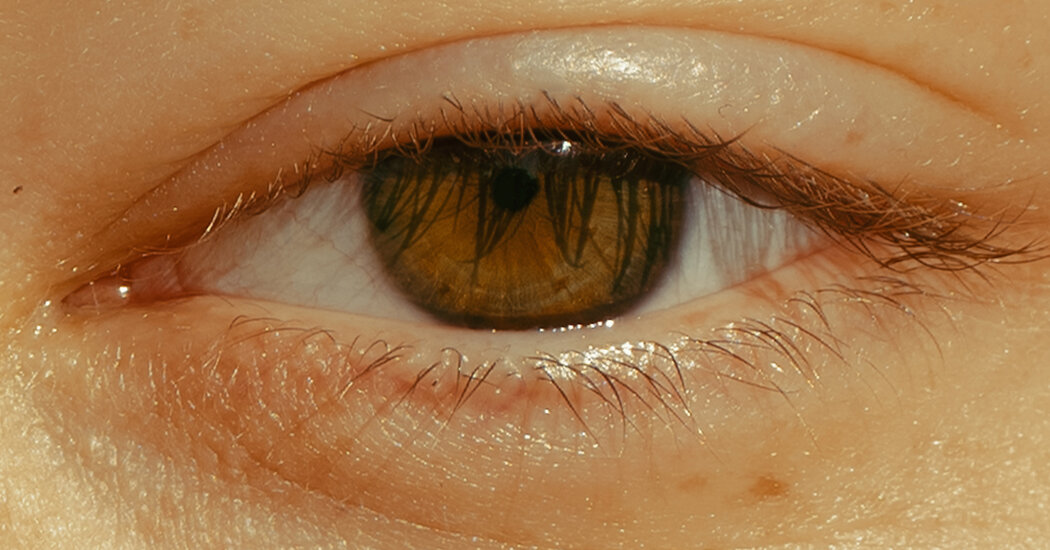
Q: Sometimes my eyelid twitches on and off for days — weeks, even. It’s distracting and irritating. How do I get it to stop? And should I be concerned?Eyelid spasms, while annoying, are “rarely a sign of something serious,” said Stephanie Erwin, an optometrist at Cleveland Clinic’s Cole Eye Institute.The most common type of eye twitch is a series of muscle contractions called eyelid myokymia, which produces involuntary and intermittent contractions of the eyelid, typically the lower one.Only one eye is affected at a time because the twitch originates in the muscle surrounding the eye, and not the nerve that controls the blink reflex, which sends the same message to both eyes simultaneously, Dr. Erwin added.The spasms can last from hours to days to months.“If the twitching persists for a long period of time, or is accompanied by additional symptoms, it is a good idea to be checked by an eye doctor to make sure nothing else is going on,” she said.If the twitching spreads to other muscles in the face or if you notice both eyes are twitching at the same time, those are indications of a more serious problem. Other red flags include a drooping eyelid or a red eye.But if just one eyelid is twitching on and off, it is usually a harmless (and often exasperating) case of eyelid myokymia.As for why it happens: “Nobody knows exactly why,” said Dr. Alice Lorch, an ophthalmologist at Massachusetts Eye and Ear in Boston.Sometimes it stems from a small irritation, for example a contact lens rubbing against the eyelid, she added.But more commonly, it is stress, lack of sleep or excessive caffeine intake that brings on eyelid twitching, the experts said. Dry eye, a common affliction among those who stare at screens most of the day, is another culprit. Studies have indicated that we blink less when looking at digital devices, which makes our eyes feel dry.There is no quick fix for an eyelid twitch once it starts, Dr. Lorch said. But artificial tears, eyedrops that lubricate the eye, can help. Ideally, choose ones that are preservative-free, because chemical preservatives can sometimes be irritating. You can also try massaging your eyes in the shower or covering your eyes with a damp, warm washcloth right before bed, she added, which will help relax your eye muscles and open the glands on the margins of the eyelids. This increases oil flow into the eyes and slows down tear evaporation.Other preventive measures include getting more rest and reducing stress.“Twitching is a signal by your body asking you to slow down,” said Dr. Raj Maturi, a spokesman for the American Academy of Ophthalmology.Decreasing caffeine intake can also help prevent eye twitching, because large amounts of caffeine can lead to muscle tension. Having one or two cups of coffee each day should be fine, Dr. Lorch said.It’s also important to stay hydrated and eat a balanced diet that includes foods high in potassium (potatoes, bananas and lentils are great sources), magnesium (found in leafy green vegetables, whole grains, beans, nuts and fish) and calcium (try dairy, sardines, dark leafy greens or fortified breakfast cereals), since imbalances in these minerals may lead to twitching.Tonic water is sometimes touted as a remedy for eyelid twitching because it contains a small amount of quinine. Quinine, a medication approved by the Food and Drug Administration to treat malaria, has also been used off-label to treat nighttime leg cramps, something the F.D.A. says is neither safe nor effective. There is no scientific evidence that tonic water prevents or alleviates eyelid twitching.Rarely, eye doctors will use Botox to stop the twitching by injecting a small amount into the orbicularis muscle that surrounds the eyelids, but this is done “only in severe cases,” Dr. Erwin said.Eyelid myokymia usually goes away on its own without medical intervention, the experts said. For most patients, it’s just a matter of resting, taking steps to reduce stress, lubricating the eye and waiting it out.

Read more →

Why Is My Eyelid Twitching?

Q: Sometimes my eyelid twitches on and off for days — weeks, even. It’s distracting and irritating. How do I get it to stop? And should I be concerned?Eyelid spasms, while annoying, are “rarely a sign of something serious,” said Stephanie Erwin, an optometrist at Cleveland Clinic’s Cole Eye Institute.The most common type of eye twitch is a series of muscle contractions called eyelid myokymia, which produces involuntary and intermittent contractions of the eyelid, typically the lower one.Only one eye is affected at a time because the twitch originates in the muscle surrounding the eye, and not the nerve that controls the blink reflex, which sends the same message to both eyes simultaneously, Dr. Erwin added.The spasms can last from hours to days to months.“If the twitching persists for a long period of time, or is accompanied by additional symptoms, it is a good idea to be checked by an eye doctor to make sure nothing else is going on,” she said.If the twitching spreads to other muscles in the face or if you notice both eyes are twitching at the same time, those are indications of a more serious problem. Other red flags include a drooping eyelid or a red eye.But if just one eyelid is twitching on and off, it is usually a harmless (and often exasperating) case of eyelid myokymia.As for why it happens: “Nobody knows exactly why,” said Dr. Alice Lorch, an ophthalmologist at Massachusetts Eye and Ear in Boston.Sometimes it stems from a small irritation, for example a contact lens rubbing against the eyelid, she added.But more commonly, it is stress, lack of sleep or excessive caffeine intake that brings on eyelid twitching, the experts said. Dry eye, a common affliction among those who stare at screens most of the day, is another culprit. Studies have indicated that we blink less when looking at digital devices, which makes our eyes feel dry.There is no quick fix for an eyelid twitch once it starts, Dr. Lorch said. But artificial tears, eyedrops that lubricate the eye, can help. Ideally, choose ones that are preservative-free, because chemical preservatives can sometimes be irritating. You can also try massaging your eyes in the shower or covering your eyes with a damp, warm washcloth right before bed, she added, which will help relax your eye muscles and open the glands on the margins of the eyelids. This increases oil flow into the eyes and slows down tear evaporation.Other preventive measures include getting more rest and reducing stress.“Twitching is a signal by your body asking you to slow down,” said Dr. Raj Maturi, a spokesman for the American Academy of Ophthalmology.Decreasing caffeine intake can also help prevent eye twitching, because large amounts of caffeine can lead to muscle tension. Having one or two cups of coffee each day should be fine, Dr. Lorch said.It’s also important to stay hydrated and eat a balanced diet that includes foods high in potassium (potatoes, bananas and lentils are great sources), magnesium (found in leafy green vegetables, whole grains, beans, nuts and fish) and calcium (try dairy, sardines, dark leafy greens or fortified breakfast cereals), since imbalances in these minerals may lead to twitching.Tonic water is sometimes touted as a remedy for eyelid twitching because it contains a small amount of quinine. Quinine, a medication approved by the Food and Drug Administration to treat malaria, has also been used off-label to treat nighttime leg cramps, something the F.D.A. says is neither safe nor effective. There is no scientific evidence that tonic water prevents or alleviates eyelid twitching.Rarely, eye doctors will use Botox to stop the twitching by injecting a small amount into the orbicularis muscle that surrounds the eyelids, but this is done “only in severe cases,” Dr. Erwin said.Eyelid myokymia usually goes away on its own without medical intervention, the experts said. For most patients, it’s just a matter of resting, taking steps to reduce stress, lubricating the eye and waiting it out.

Read more →

Sickle Cell Math Is Brutally Simple, but Not Widely Taught

An inexpensive blood test can warn couples if they face one in four odds of having a baby with the disease. No one ever told Lametra Scott and Rickey Buggs about it.No doctor ever counseled Lametra Scott and her husband, Rickey Buggs, to get a simple blood test that would have warned them they each carried a mutated gene that — if inherited from both — would cause sickle cell disease in their baby.It was only after a routine blood test around week 16 of her pregnancy that she learned she had the gene. Mr. Buggs, honorably discharged from the Marines around the same time, was informed upon leaving that he, too, was a carrier.They went forward with the pregnancy, hoping their baby would be spared, but luck was not with them. Rickey, his father’s namesake, was born with sickle cell, a blood disorder that would cause him searing pain throughout a life likely to be cut short by the disease.“At that moment, my life changed forever,” said Dr. Scott, 40, a pharmacist in Nashville who is director of pharmacy for the Tennessee Department of Correction.Rickey, now 9 years old, has frequent episodes of intense pain, usually in his shins. Stiff, sickle-shaped red blood cells get caught in his blood vessels, blocking the flow, damaging their linings and causing pain because cells are deprived of oxygen-carrying blood.His mother massages his legs with oils, applies heating pads, gives him pain relievers and takes him to the hospital when the pain is unbearable, and she tries to instill him with the resolve to be strong and take each day as it comes.But she’s haunted by a question: What if she’d known before she got pregnant that her child might be born with sickle cell?About 100,000 people in the United States have the disease, which mostly affects Americans of African descent, but also people of Hispanic, Indian and Mediterranean ancestry. Yet few of the couples at risk for having babies with sickle cell know it.A person who inherits the mutated gene from just one parent has what is called sickle cell trait, not the disease itself. But if both partners in a couple have the trait, there’s a one in four chance that their baby will inherit it from both of them and have sickle cell disease.There is no routine testing of adults for the trait. Medical science is fast approaching a cure for the disease — one that would almost certainly cost more than $1 million per person — but the fractured American medical system does not ensure that parents-to-be get a simple, inexpensive blood test that would inform them if they carry the sickle cell trait.“In my view, sickle cell represents the worst and best of health care,” said Dr. Elliott Vichinsky, a sickle cell expert at the University of California, San Francisco. “We have developed new therapies and molecular testing, but people don’t get them.”Dr. Michael R. DeBaun, Rickey’s doctor, who heads a center for sickle cell treatment and research at Vanderbilt University, said that to his knowledge, “none, I mean none of the quality measures in U.S. medicine address the concept of preconception genetic counseling as a metric of standard care.”Dr. Michael DeBaun, Rickey’s doctor, says families need to be counseled on their risk of having a baby with sickle cell disease before they conceive a child.Morgan Hornsby for The New York TimesDr. Scott encourages her son, Rickey, who has sickle cell disease, to take each day as it comes.Morgan Hornsby for The New York TimesGuidelines from the American College of Obstetricians and Gynecologists say couples planning to have a baby should be tested for the sickle cell genetic mutation, but Dr. Steven Ralston, chief of obstetrics at Howard University and past chairman of the group’s committee on genetics, said testing before pregnancy was rarely done.Understand Sickle Cell DiseaseThe rare blood disorder, which can cause debilitating pain, strokes and organ failure, affects 100,000 Americans and millions of people globally, mostly in Africa.The Global Epicenter: In Nigeria, where 150,000 babies are born each year with sickle cell disease, the effects of the condition are pervasive and devastating. On the Edge of Fear: A cure for the disease, which in the United States mostly affects Black people, seems near. For some, it may come too late.Preventing Complications: A legacy of neglect toward Americans with sickle cell means that patients may not receive the treatments needed to stave off the disease’s risks. A Haunting Memory: The Times reporter Gina Kolata shares her experience reporting on the inequities in access to medical advances in the treatment of the disease.“Part of it is an educational problem,” he said. “The guideline hasn’t trickled down to people.”The U.S. Preventive Services Task Force, an independent panel of experts that advises the federal government on screening tests and services to prevent disease, has never considered sickle cell. The chairman of the task force until last spring, Dr. Doug Owens, chairman of the department of health policy in the Stanford University School of Medicine, explained in an interview that it studies only diseases nominated for consideration by a member of the public. Yet, though screening for sickle cell trait “is a very important topic,” Dr. Owens said, it had never been nominated.Sickle cell experts say what happened to Dr. Scott and Mr. Buggs was an outrage that is still all too common.Dr. Scott’s obstetrician suggested the couple see a genetic counselor well into her pregnancy, after learning they both had the sickle cell trait. Dr. Scott declined. She was in the medical field and believed she had only two options — to continue the pregnancy or have prenatal testing and abort if the baby had the disease. She and Mr. Buggs decided to take a chance.Their lives would have been so different, she said, had they known they were carriers of the trait before she got pregnant. They could have chosen to adopt or not to have children.And there was a third choice: preimplantation genetic diagnosis. Her eggs would have been removed from her ovaries and fertilized with her husband’s sperm. But only embryos that did not carry the mutation would have been implanted in her womb.The procedure typically costs tens of thousands of dollars out of pocket. Yet the lifelong costs of medical care for a person with sickle cell are over $2 million, according Dr. Scott Ramsey of the Fred Hutchinson Cancer Research Center, whose federally funded study of the costs of sickle cell care is now under review at a medical journal.“I would have had preimplantation genetic diagnosis,” Dr. Scott said, “hands down.”How Can I Help My Child?Dr. Scott and Mr. Buggs were in shock when they learned their baby had the disease. She turned to Facebook, looking for support groups.“People were always in the hospital, always dying,” she said. “My baby is only a couple of months old. Is this what is going to happen to him?”“I started praying really, really hard,” she said.She and her husband have devoted themselves to caring for Rickey. Sickle cell is a way of life for him — he can’t even remember when he first realized he had it. His mother coaches him to live each day as it comes.“I tell him, ‘You can be your own spokesperson and tell your own story,’” she said. “If your mind is in the right place, you can get through everything,”“I can still have fun,” Rickey said on a recent Sunday afternoon.Rickey’s passion is video games He recently wore a shirt that bore a slogan: Due to Video Games, Sleep is Canceled. Morgan Hornsby for The New York Times“I can still have fun,” Rickey says. He attends an after-school program at Boost Gymnastics in Nashville.Morgan Hornsby for The New York TimesHis passion is video games. His shirt bore a slogan: Due to Video Games, Sleep is Canceled. He patiently sat through an interview, waiting for the moment when he could run upstairs and play Fortnite.His parents want Rickey to have a normal childhood, but after consulting with Dr. DeBaun they decided soccer was too risky. He wanted to swim, so Dr. Scott found places with heated pools and bought him a wet suit because cold can bring on pain crises.His parents hope he will be free of sickle cell one day.“I know that in his lifetime there will be a cure,” Ms. Scott said. “I am praying it will be before he turns 21.”A Fraught History of RacismIt sounds so obvious. Why not just test all adults for the sickle cell trait? But it’s anything but simple. In the United States, Black people with the trait have faced discrimination.As recently as the early 1980s, people with the trait were barred from the Air Force Academy and charged much higher rates for life insurance.Even Linus Pauling, who famously discovered that sickle cell was caused by the substitution of a single amino acid in the globin protein, was part of this dismal history. He proposed that young people with the trait have that information tattooed on their foreheads, saying he wanted to make sure they were identified and choose not to have children or to have abortions if their baby would have sickle cell.“Genetic counseling, difficulties with insurance coverage, and employment restrictions raised the specter of discrimination, racism and even accusations of genocide,” said Keith Wailoo, a historian at Princeton University.The fraught history of the disease in the United States has complicated efforts to devise a public health strategy to test and inform those who have the trait.Routine genetic tests of newborns detect not just sickle cell disease but also sickle cell trait. If a baby has the trait, that means at least one parent has the mutation. Both parents should be counseled and tested to see if future children are at risk of having sickle cell disease.But it is up to each state to decide what to do with the newborn screening results. Practices vary — greatly.Most states’ guidelines say the baby’s pediatrician should be told if the child has sickle cell trait — but the information chain can end there.Often, especially in big cities, said Dr. Kwaku Ohene-Frempong, president of the Sickle Cell Foundation of Ghana and an emeritus professor at the University of Pennsylvania, the baby is cared for in a public health clinic with no assigned pediatrician at birth. Test results are noted in the mother’s chart, with no follow-up.And despite the guidelines, pediatricians may not be informed, said Mary Brown, president of the California Sickle Cell Disease Foundation. The test results “might just sit on a shelf,” she said.The Black Panthers made a push in the 1970s to raise awareness about sickle cell disease in Black communities. In 1972, they held a sickle cell testing drive at the Civic Auditorium in San Francisco.Dave Randolph/San Francisco Chronicle via Getty ImagesThere was a moment in the early 1970s when the Black Panthers made sickle cell part of their drive to improve health care for Black people. Testing was controversial but, noted Dr. Wailoo, the Panthers emphasized Black pride and self-sufficiency. Testing for sickle cell trait fit their mission, along with tests for high blood pressure and elevated levels of lead in the blood.Bobby Seale, Black Panthers chairman in 1970, instructed the group’s chapters to open health care clinics. There was a major effort in Oakland, Calif., staffed by volunteers, doctors and nurses. Clinics were held on the streets in good weather and in Panthers offices when it was bad, said Jamal Joseph, a former Panthers lmember who is now a professor of professional practice at Columbia University School of the Arts.The volunteers counseled people who had the trait that “if they were dating or married that should be something they should consider,” Professor Joseph said.That focus on sickle cell disease is long gone, Dr. Vichinsky noted.In California, for example, the state asks the pediatrician in the hospital to inform the family their baby has the sickle cell trait and to provide contacts for the Sickle Cell Disease Foundation of California, the only group authorized to provide counseling. Then, said Deborah Green, a program administrator at the foundation, “it is on the parent to follow up.” The state’s confidentiality laws prohibit the foundation from contacting the parents.“The assumption is that people who get the letter understand the letter,” Ms. Green said. “People may not even get the letter.”Dr. Richard Olney, head of the foundation’s genetic disease screening program, said that when parents do not contact the Sickle Cell Disease Foundation, the state sends a second letter telling them again that their baby has sickle cell trait and, once again, giving them the telephone number for the Sickle Cell Disease Foundation of California.But, he said, only about 10 to 15 percent of the 5,000 families notified each year call for counseling.‘I Feel Like It’s a Ministry’She got the idea from the mother of Rickey’s best friend, who asked her: Have you ever thought about forming a sickle cell foundation?That passing suggestion got Dr. Scott thinking about how she could help people learn from her and her husband’s experiences, both about the need to get screened for the sickle cell trait before conceiving a child and the full range of choices if both partners carried the mutation.And so in 2015 she started a nonprofit, Breaking the Sickle Cell Cycle. Her husband, a technology consultant, helped her plan and market events.“You never know what you can do until you jump in and do it,” Dr. Scott said.It’s an all-volunteer effort run on a shoestring, and she takes little Rickey with her whenever she can. She visits churches, colleges, schools and health fairs to spread the word.Dr. Scott said she recognized her foundation’s limitations, but cherished small victories.She raised money to help a woman caring for her 14-year-old nephew who had sickle cell. He wet his bed at night because sickle cell damaged his kidneys. His aunt did not have a washer or dryer and “was washing sheets all the time,” Dr. Scott said.Dr. Scott got the family supplies of Depends, sheets and cleaning items.Dr. Scott prepared Rickey’s medicine on a recent evening at home.Morgan Hornsby for The New York TimesAttending a virtual support meeting for people living with sickle cell disease and their caregivers.Morgan Hornsby for The New York TimesDr. DeBaun, Rickey’s doctor, calls Dr. Scott “an army of one.”“The effort is important,” he said. “But it’s a lonely job for a mother focused on changing health care delivery for a rare disease, particularly a rare disease that disproportionally affects African Americans.”Dr. Scott regularly takes her son, Rickey, with her on her travels to educate the public.“People think it’s all gloom and doom,” she said. “I want him to be an advocate and to speak up and encourage others in his own little way.”“I feel like it’s a ministry,” she said. “If I only make a difference in one person’s life, I will have changed a whole generation.”

Read more →

Covid: France tightens restrictions amid Omicron surge

SharecloseShare pageCopy linkAbout sharingImage source, Getty ImagesFrance has announced tighter Covid restrictions amid concerns over the Omicron variant. From 3 January, remote working will become compulsory for those who can and public gatherings will be limited to 2,000 people for indoor events. The news comes as France recorded more than 100,000 new infections on Saturday – the highest number reported in the country since the pandemic began. But France’s prime minister did not bring in a New Year’s Eve curfew. Countries across Europe are tightening restrictions as infections rise and the new Omicron variant spreads through the continent.Studies suggest the strain is milder than Delta, with a 30% to 70% lower chance of infected people ending up in hospital. But there are fears the sheer number of cases could overwhelm hospitals. ‘A film without an ending’French Prime Minister Jean Castex told reporters the pandemic felt “like a film without an ending” as he unveiled the new measures at a news conference following a crisis cabinet meeting. Health Minister Olivier Véran said coronavirus infections were doubling every two days, warning of a “mega wave” of new cases. The new rules also include limits on outdoor public gatherings – which will be restricted to 5,000 people – and a ban on eating and drinking on long distance transport. Nightclubs will remain closed until further notice and cafés and bars will be able to provide table service only. Employees who work from home will have to do so at least three days a week. Mask-wearing will become compulsory in city centres. The government is also shortening the length of time between booster shots from four months after the last vaccination to three months. France’s planned vaccine pass – which will require proof of vaccination, not just a negative test, to enter public spaces – will come into effect from 15 January, if parliament approves a draft bill. But Mr Castex did not introduce a full lockdown or New Year’s Eve curfew. Schools will also reopen as planned on 3 January. According to the country’s coronavirus dashboard, France currently has an average of more than 70,000 new daily infections. On Monday, more than 1,600 new hospitalisations were recorded, bringing the total number of people in hospital as a result of Covid-19 to 17,000, according to data from France’s public health authority.Omicron: Good news, bad news and what it all meansCovid map: Where are cases the highest? Elsewhere in Europe, additional restrictions were announced in Germany and Greece as governments seek to stem the tide of positive cases. Gatherings in Germany have been restricted and gyms, swimming pools, nightclubs and cinemas will be closed to the public in several states. Private gatherings of vaccinated people will also be limited to a maximum of 10.Local media report that at least 10 police officers were injured and around 100 protesters were arrested in the German town of Bautzen on Monday as people took to the streets to ​protest against new measures.From 3 January, the Greek government will require bars and restaurants to close by midnight and tables will be limited to six customers. Venues will not be allowed to cater for standing customers, and if they do not comply, music will be banned in those establishments, the Reuters news agency reported. Denmark – a country of 5.8 million people – currently has the world’s highest infection rate, with 1,612 cases per 100,000 people. Seven deaths were recorded in the last 24 hours. It has closed cultural attractions and limited opening hours in bars and restaurants in a bid to stem new infections.And before Christmas, Iceland cut the number of people allowed at gatherings amid soaring case numbers. Until mid-December the island nation had never reported more than 200 daily cases, but in the past 24 hours it has registered a record 672 infections.In contrast, in the UK, the Health Secretary Sajid Javid has said no further Covid restrictions will be implemented in England before the new year. But he said people should “remain cautious” and celebrate outside on New Year’s Eve if possible.Both England and Scotland reported record cases over Christmas.This video can not be playedTo play this video you need to enable JavaScript in your browser.

Read more →

As Omicron Cases Surge, CDC Shortens Isolation Times for Many Americans

Hoping to prevent further disruptions to daily life, the C.D.C. reduced the period that certain infected Americans must sequester.As daily coronavirus cases in the United States soared to near record levels, federal health officials on Monday shortened by half the recommended isolation period for many infected Americans, hoping to minimize rising disruptions to the economy and everyday life.Virus-related staff shortages have upended holiday travel, leading to the cancellation of thousands of flights, and now threaten industries as diverse as health care, restaurants and retail. Yet health experts warn the country is only in the early stages of a fast-moving surge.“The Omicron variant is spreading quickly and has the potential to impact all facets of our society,” said Dr. Rochelle Walensky, the director of the Centers for Disease Control and Prevention.The agency had previously recommended that infected patients isolate for 10 days from when they were tested for the virus. But on Monday, it slashed that period to five days for those without symptoms, or those without fevers whose other symptoms were resolving.Americans leaving isolation should wear masks around others for an additional five days after their isolation periods have ended, officials said.The updated guidance comes amid a rising tide of infections that threatens to swamp the U.S. health care system, particularly given that tens of millions remain unvaccinated. The new recommendations “balance what we know about the spread of the virus and the protection provided by vaccination and booster doses,” Dr. Walensky said. “These updates ensure people can safely continue their daily lives.”Still, the C.D.C. did not recommend that people take rapid tests before ending their isolation periods, a step that scientists said would offer considerably more reassurance that people were not continuing to spread the virus.Health officials also shortened the quarantine period for certain uninfected Americans who were exposed to the virus. They said that people who were unvaccinated had to quarantine for just five days after exposure, down from 14 days. That also applied to people who were six months past receiving the primary series of the Moderna or Pfizer vaccines, or two months past a Johnson & Johnson shot, but who had not received booster shots.Officials also said that uninfected Americans who had received booster shots did not need to quarantine at all after exposure. But people who have been exposed are encouraged to wear masks around other people for 10 days and get tested five days after being exposed.Last week, the C.D.C. reduced, in some circumstances, the number of days it recommended that health care workers who test positive must isolate.The Omicron variant has moved with extraordinary swiftness across the country, from New York to Hawaii, both of which reported more coronavirus cases in the past week than in any other seven-day period of the pandemic. Delaware, Massachusetts, New Jersey and Puerto Rico have also reported record caseloads.On Sunday, the seven-day national average of new daily cases climbed past 214,000, an 83 percent jump over the past 14 days. Deaths also increased by 3 percent during that time, to a seven-day average of 1,328, according to a New York Times database.Hospitalizations are up, too, although not as much as cases. More than 71,000 Americans are hospitalized with Covid-19, 8 percent higher than two weeks ago but still well below previous peaks.In New York, Mayor Bill de Blasio on Monday implemented what he cast as the most sweeping vaccine mandate for private businesses in the nation. All employers in New York City now have to verify that their on-site workers have received at least one dose of a vaccine.In Puerto Rico, new travel guidelines went into effect, requiring all passengers arriving on domestic flights to show a negative Covid test upon arrival or risk a fine. In Massachusetts, where Gov. Charlie Baker has activated the National Guard, 300 members were sent on Monday to acute-care hospitals and ambulance service providers.In a conference call with governors on Monday, President Biden spoke of cooperation at various levels of government. Asa Hutchinson, the Republican governor of Arkansas, praised the president’s plan to give away 500 million rapid at-home tests, but said that federal efforts to stanch the infections must yield to state remedies.“Look, there is no federal solution,” Mr. Biden replied. “This gets solved at the state level.”“Ultimately it gets down to where the rubber meets the road, and that’s where the patient is in need of help or preventing the need for help,” he added.On Monday, some business owners said the new C.D.C. guidance was helpful in addressing staffing shortages, as waves of workers fall sick. But they said that it still left employers and their workers with the challenge of determining how long people should isolate on a case-by-case basis.“It’s a common-sense change, but it doesn’t really take the burden away,” said Barbara Sibley, who runs four restaurants in New York City and is currently isolating with Covid.Unions warned that companies could use the guidance as a pretext to rush employees with symptoms back to work, exacerbating the pressures on workers resulting from a lack of paid sick leave. “We cannot allow pandemic fatigue to lead to decisions that extend the life of the pandemic or put policies on the backs of workers,” said Sara Nelson, the president of a flight attendants union.With Americans wearying of pandemic restrictions and cases rising, some scientists said that narrowing isolation periods for infected people was overdue.Dr. Ashish K. Jha, dean of the Brown University School of Public Health, said that people were generally some days into their infections by the time they tested positive, shortening the period afterward during which they remained infectious.He also said that the personal and social costs of 10-day isolation periods were considerable, citing the difficulty facing single parents, for example. He worried that some people, especially those relying on hourly wages, had been resisting getting tested in the first place because of the toll of missing work.“It’s hugely harmful asking people to unnecessarily isolate,” Dr. Jha said. “If you can shorten that isolation in a clinically responsible way, I think it does lower the bar for people to go ahead and get tested.”Dr. Jha said he wished that the C.D.C. had recommended negative rapid test results before people ended their isolation. “But given that tests are not widely available,” Dr. Jha added, “this is a reasonable approach.”But Dr. Michael Mina, an immunologist and expert on rapid tests, called the C.D.C.’s new guidance “reckless.” Studies have demonstrated wide variations in the periods during which people remained contagious.And with more people now testing regularly, other scientists said, some may be catching their infections in the very early stages. In those cases, five days may be insufficient to stop people from spreading the virus.The Coronavirus Pandemic: Key Things to KnowCard 1 of 4The global surge.

Read more →

As Omicron Surges, Officials Shorten Isolation Times for Many Americans

Hoping to prevent further disruptions to daily life, the C.D.C. reduced the period that certain infected Americans must sequester.As daily coronavirus cases in the United States soared to near record levels, federal health officials on Monday shortened by half the recommended isolation period for many infected Americans, hoping to minimize rising disruptions to the economy and everyday life.Virus-related staff shortages have upended holiday travel, leading to the cancellation of thousands of flights, and now threaten industries as diverse as health care, restaurants and retail. Yet health experts warn the country is only in the early stages of a fast-moving surge.“The Omicron variant is spreading quickly and has the potential to impact all facets of our society,” Dr. Rochelle Walensky, the director of the Centers for Disease Control and Prevention, said.The agency had previously recommended that infected patients isolate for 10 days from when they were tested for the virus. But on Monday it slashed that period to five days for those without symptoms, or those without fevers whose other symptoms were resolving.Americans leaving isolation should wear masks around others for an additional five days after their isolation periods have ended, the officials said.The new recommendations “balance what we know about the spread of the virus and the protection provided by vaccination and booster doses,” Dr. Walensky said. “These updates ensure people can safely continue their daily lives.”Still, the C.D.C. did not recommend that Americans take rapid tests before ending isolation periods, a step that scientists said would offer considerably more reassurance that people were not continuing to spread the virus.Health officials also said that uninfected Americans who had received booster shots did not need to quarantine after exposure to the virus. Last week, the C.D.C. reduced, in some circumstances, the number of days it recommended that health care workers who test positive must isolate.The updated guidance comes amid a rising tide of infections that threatens to swamp the U.S. health care system, particularly given that tens of millions remain unvaccinated. New York, Delaware, Hawaii, Massachusetts, New Jersey and Puerto Rico have reported more coronavirus cases in the past week than in any other seven-day period.On Sunday, the seven-day national average of new daily cases climbed past 214,000, an 83 percent jump over the past 14 days. Deaths also increased by 3 percent during that time, to a seven-day average of 1,328, according to a New York Times database.Hospitalizations are up, too, although not as much as cases. More than 71,000 Americans are hospitalized with Covid-19, 8 percent higher than two weeks ago but still well below previous peaks.In New York, Mayor Bill de Blasio on Monday implemented what he cast as the most sweeping vaccine mandate for private businesses in the nation. All employers in New York City now have to verify that their on-site workers have received at least one dose of a vaccine.In Puerto Rico, new travel guidelines went into effect, requiring all passengers arriving on domestic flights to show a negative Covid test upon arrival or risk a fine. In Massachusetts, where Gov. Charlie Baker has activated the National Guard, 300 members were sent on Monday to acute-care hospitals and ambulance service providers.In a conference call with governors on Monday, President Biden spoke of cooperation at various levels of government. Asa Hutchinson, the Republican governor of Arkansas, praised the president’s plan to give away 500 million rapid at-home tests, but said that federal efforts to stanch the infections must yield to state remedies.“Look, there is no federal solution,” Mr. Biden replied. “This gets solved at the state level.”“Ultimately it gets down to where the rubber meets the road, and that’s where the patient is in need of help or preventing the need for help,” he added.On Monday, some business owners said the new C.D.C. guidance was helpful in addressing staffing shortages, as waves of workers fall sick. But they said that it still left employers and their workers with the challenge of determining how long people should isolate on a case-by-case basis.“It’s a common-sense change, but it doesn’t really take the burden away,” said Barbara Sibley, who runs four restaurants in New York City and is currently isolating with Covid.Several of her workers have tested positive and had to stay home in recent days. “You have to have good communication with your employees so they tell you how they are,” Ms. Sibley said.With Americans wearying of pandemic restrictions and cases rising, some scientists said that narrowing isolation periods for infected people was overdue.Dr. Ashish K. Jha, dean of the Brown University School of Public Health, said that people were generally some days into their infections by the time they tested positive, shortening the period afterward during which they remained infectious.He also said that the personal and social costs of 10-day isolation periods were considerable, citing the difficulty facing single parents, for example. He worried that some people, especially those relying on hourly wages, had been resisting getting tested in the first place because of the toll of missing work.“It’s hugely harmful asking people to unnecessarily isolate,” Dr. Jha said. “If you can shorten that isolation in a clinically responsible way, I think it does lower the bar for people to go ahead and get tested.”Dr. Jha said he wished that the C.D.C. had recommended negative rapid test results before people ended their isolation. “But given that tests are not widely available,” Dr. Jha added, “this is a reasonable approach.”But Dr. Michael Mina, an immunologist and expert on rapid tests, called the C.D.C.’s new guidance “reckless.” Studies have demonstrated wide variations in the periods during which people remained contagious.And with more people now testing regularly, other scientists said, some may be catching their infections in the very early stages. In those cases, five days may be insufficient to stop people from spreading the virus.The Coronavirus Pandemic: Key Things to KnowCard 1 of 4End-of-year gatherings.

Read more →

Covid: US halves isolation time for asymptomatic infection

SharecloseShare pageCopy linkAbout sharingImage source, Getty ImagesThe United States has halved the recommended isolation time for people with asymptomatic Covid infections from 10 to five days.The Centers for Disease Control (CDC) said that this must be followed by five days of wearing a mask around others.While the new recommendations are not mandatory, they are closely followed by many businesses and policymakers across the US.It comes as a surge in Covid cases causes travel chaos across the country.President Joe Biden has pledged to deal with a shortage of tests as Omicron threatens to overwhelm hospitals.The CDC said the change is “motivated by science” demonstrating that most transmission happens early in the course of illness. It has also updated recommendations for people exposed to Covid who are either unvaccinated or yet to get a booster jab.For these groups, the CDC said it “now recommends quarantine for five days followed by strict mask use for an additional five days” after exposure.People who have received their booster shot do not need to quarantine following exposure but should wear a mask for 10 days after the exposure, the CDC said.In the press release announcing the update, CDC director Rochelle Walensky said the changes “ensure people can safely continue their daily lives.””Prevention is our best option: get vaccinated, get boosted, wear a mask in public indoor settings in areas of substantial and high community transmission, and take a test before you gather.”Omicron is now the dominant strain in the US, which has recorded more than 200,000 daily Covid infections in the last two days.President Biden has warned that hospitals could be “overrun” but that people do not need to panic as the country is better equipped to deal with the latest Covid surge. He also acknowledged that more needs to be done to make testing readily available. “Seeing how tough it was for some folks to get a test this weekend shows that we have more work to do,” he said as he joined a call with the administration’s Covid response team and state governors. “It’s clearly not enough.”He said that new steps will include improving at-home test manufacturing and making it easier to use Google to locate nearby test centres.Different states and local authorities in the US are introducing new measures in a bid to combat rising cases. New vaccine requirements have come into force in New York City, including a vaccine mandate for private-sector workers in the city. This video can not be playedTo play this video you need to enable JavaScript in your browser.

Read more →

Researchers develop structural blueprint of nanoparticles to target white blood cells responsible for acute lung inflammation

The COVID-19 pandemic highlighted the devastating impact of acute lung inflammation (ALI), which is part of the acute respiratory distress syndrome (ARDS) that is the dominant cause of death in COVID-19. A potential new route to the diagnosis and treatment of ARDS comes from studying how neutrophils — the white blood cells responsible for detecting and eliminating harmful particles in the body — differentiate what materials to uptake by the material’s surface structure, and favor uptake of particles that exhibit “protein clumping,” according to new research from the Perelman School of Medicine at the University of Pennsylvania. The findings are published in Nature Nanotechnology.
Researchers investigated how neutrophils are able to differentiate between bacteria to be destroyed and other compounds in the bloodstream, such as cholesterol particles. They tested a library consisting of 23 different protein-based nanoparticles in mice with ALI which revealed a set of “rules” that predict uptake by neutrophils. Neutrophils don’t take up symmetrical, rigid particles, such as viruses, but they do take up particles that exhibited “protein clumping,” which the researchers call nanoparticles with agglutinated protein (NAPs).
“We want to utilize the existing function of neutrophils that identifies and eliminates invaders to inform how to design a ‘Trojan horse’ nanoparticle that overactive neutrophils will intake and deliver treatment to alleviate ALI and ARDS,” said study lead author Jacob Myerson, PhD, a postdoctoral research fellow in the Department of Systems Pharmacology and Translational Therapeutics. “In order to build this ‘Trojan horse’ delivery system, though, we had to determine how neutrophils identify which particles in the blood to take up.”
ALI and ARDS are life-threatening forms of respiratory failure with high morbidity and mortality rates. Prior to COVID-19, there were 190,000 annual cases of ARDS in the U.S. and 75,000 deaths, with the ARDS being caused by pneumonia, sepsis, and trauma. However, COVID has increased ARDS cases into the millions. When ALI or ARDS occurs, the lung’s air sacs recruit neutrophils to the lungs in order to eliminate circulating microbes. This process causes neutrophils to release compounds that further aggravate lung injury and damage the air sacs, so patients develop low blood oxygen levels. Unfortunately, despite the severity of ALI/ARDS, there is no effective drug to control it, and treatment currently focuses on supporting patients while the lungs naturally, but slowly, heal.
To address ARDS and other medical problems, researchers at Penn and elsewhere have been using nanoparticles to concentrate drugs in injured or diseased organs. Such nanoparticles are also being used for gene therapy and immunotherapy.
The researchers note that while the development of viable therapies for ALI/ARDS using nanoparticles to deliver treatments via neutrophils are a long way off, this research represents a significant step in understanding the condition and function of the immune system.
“Now that we have determined that neutrophils patrol for nanoparticles with agglutinated protein, our next step is to understand how and why other microbes, like viruses, which are rigid and symmetrical, evolved to evade neutrophils,” said senior author Jacob Brenner, MD, PhD, an associate professor of Pulmonary Medicine in the Division of Pulmonary, Allergy, and Critical Care. “With this knowledge, we can continue to utilize this unique combination of material science and engineering, to create disease-specific therapies that target more advanced and complicated pathologies.”
The research was funded by the National Institutes of Health (R01 HL125462).

Read more →

Is energy the key to Alzheimer’s disease?

A team of researchers at the University of Adelaide has found a link between the way that cells produce energy for brain function and the mutated genes found in Alzheimer’s disease.
The discovery published in Disease Models and Mechanisms has prompted further examination of the link as a fundamental, early driver of Alzheimer’s disease in humans.
In the study, the researchers analysed the young adult brains of zebrafish with gene mutations associated with early-onset Alzheimer’s disease. Zebrafish were chosen for the study because they produce very large families, which makes it easier to detect subtle effects.
The team used cutting-edge gene technology and mathematical analysis to compare gene activity and detect subtle differences between the normal fish and those with the mutations.
While the researchers found different mutations in different genes have many different effects on brain cell function, they also found Alzheimer’s disease mutations affect one very important cell function in common — the use of oxygen within cells to produce energy.
Lead researcher Dr Karissa Barthelson from the University of Adelaide’s Alzheimer’s Disease Genetics Laboratory said: “This is very interesting because we know when Alzheimer’s disease eventually develops, people’s brains become severely deficient in energy production.

Read more →

Study of fully vaccinated patients with cancer who had breakthrough COVID-19 shows 13 percent mortality rate

The first study to evaluate the clinical characteristics and outcomes of fully vaccinated patients with cancer who had breakthrough COVID-19 infections indicates they remained at high risk for hospitalization and death.
The study, published Dec. 24 in Annals of Oncology showed that fully vaccinated patients who experienced breakthrough infections had a hospitalization rate of 65%, an ICU or mechanical ventilation rate of 19%, and a 13% death rate. The study was conducted by the COVID-19 and Cancer Consortium (CCC19), a group of 129 research centers that has been tracking the impact of COVID-19 on patients with cancer since the beginning of the pandemic.
“Patients with cancer who develop breakthrough COVID-19 even following full vaccination can still experience severe outcomes, including death,” said Toni Choueiri, MD, director of the Lank Center for Genitourinary Care at Dana-Farber Cancer Institute and a senior author on the report. “That is why a multilayered approach that includes masking and social-distancing, along with vaccination plus booster against COVID-19 remains an essential approach for the foreseeable future.”
Patients were considered fully vaccinated after having received two doses of either the BioNTech, Pfizer vaccine or the Moderna, NIAD vaccine, or one dose of the J&J vaccine, with the last vaccine dose long enough before breakthrough COVID-19, to consider them as fully vaccinated. The data were collected between Nov. 1, 2020, and May 31, 2021, before booster vaccines were recommended for patients with cancer by the U.S. Centers for Disease Control and Prevention.
“Because measures of immunity are not routinely collected in clinical care, we don’t know whether these were patients who mounted effective immune responses after vaccination; a lot of emerging data have suggested that patients with cancer, especially blood cancers, don’t mount adequate protective antibody responses. It’s important to note that many of the same factors that we identified prior to the availability of vaccination — age, comorbidities, performance status, and progressing cancer — still seem to drive many of the bad outcomes,” said Jeremy Warner, MD, director of the CCC19 Research Coordinating Center, associate professor at Vanderbilt-Ingram Cancer Center and a senior author of the study.
The consortium identified 1,787 patients with cancer and COVID-19 for the study, the vast majority of which were unvaccinated. The number of fully vaccinated was 54, and 46% of those fully vaccinated had reduced levels of lymphocytes — the T cells and B cells responsible for immunological responses to viruses. Lymphopenia commonly occurs in patients with cancer receiving anti-CD20 monoclonal antibodies or CAR-T-cell treatments for hematologic malignancies, including lymphoma and leukemia. The study appears to support previous observations that patients with hematologic malignancies are at greater risk for severe outcomes from COVID-19. However, the number of patients in the study is too small to make definitive conclusions about specific types of anticancer therapies that might be associated with breakthrough infections, the researchers noted. Patients on a treatment regimen of corticosteroids also appeared to be more susceptible to hospitalization.
“Similar results (high mortality rates among fully vaccinated individuals) have been reported in other immunocompromised patient populations, such as organ transplant recipients, prior to the utilization of additional vaccine doses. These findings come at a time of concerns that immune escape mutants such as the omicron strain may emerge from chronically infected patients with weakened immune systems. Thus, the immunosuppressed and their close contacts should be target groups for therapeutic and preventive interventions, including community-level outreach and educational efforts,” said Dimitrios Farmakiotis, MD, an infectious disease clinician at the Warren Alpert Medical School of Brown University and a senior author of the study.
The study’s lead authors are Andrew Schmidt, MD; Chris Labaki, MD; Ziad Bakouny, MD, all from Dana-Farber Cancer Institute; and Chih-Yuan Hsu, PhD, of Vanderbilt-University Medical Center. The senior authors are Choueiri of Harvard, Farmakiotis of Brown University, and Warner and Yu Shyr, PhD, of Vanderbilt University Medical Center. Other contributors include Nino Balanchivadze, MD; Stephanie Berg, DO; Sibel Blau, MD; Ahmad Daher, MD, PhD; Talal El Zarif, MD; Christopher Riese, PhD, RN; Elizabeth Griffiths, MD; Jessica Hawley, MD; Brandon Hayes-Lattin, MD; Vidhya Karivedu, MBBS; Tahir Latif, MBBS, MBA; Blanche Mavromatis, MD; Rana McKay; MD; Ryan Nguyen, DO; Orestis Panagiotou, MD, PhD; Andrew Portuguese, MD; Matthew Puc, MD; Miriam Santos Dutra, PhD; Brett Schroeder, MD; Astha Thakkar, MD; Elizabeth Wulff-Burchfield, MD, and Sanjay Mishra, PhD.

Read more →