With No Way to Identify Omicron and Delta Patients, US Doctors Struggle With Treatment Decisions

Most U.S. doctors have no way to determine which variant of the coronavirus a patient is carrying, a distinction that could mean the difference between life and death.High-risk patients carrying the Delta variant could benefit greatly from two particular monoclonal antibody treatments shown to reduce hospitalization and death. But those medications would most likely do nothing for patients with Omicron, who would only respond to a third antibody treatment that is in very short supply.While U.S. officials have endorsed using a workaround test that can identify Omicron’s genetic signature, experts say it’s not feasible for large health systems facing a crush of patients to employ in each case.That makes treating patients challenging in places like Maryland, where cases are spiking and Omicron accounts for roughly 58 percent of them. The Delta variant is also holding strong in the Great Plains and swaths of the West, including California.While there is no approved test to determine each individual’s variant, a national network of state and other labs use genome-sequencing tests to track variants broadly in communities. Health systems then use those regional estimates or their own data to decide which antibody treatments to use in their clinics and hospitals.Many of them concluded that a community of largely Delta patients would benefit most from the antibody drugs made by Regeneron and Eli Lilly, while communities where Omicron patients are predominant would benefit from antibodies from GlaxoSmithKline and Vir Biotechnology.Preparing Covid-positive samples for genomic sequencing at the Washington State Department of Health in Shoreline, Wash.Ted S. Warren/Associated PressFederal officials have dabbled with making the decision for the nation. On Dec. 23, they stopped shipments of antibody treatments by Eli Lilly and Regeneron after the Centers for Disease Control and Prevention said 73 percent of U.S. Covid cases were Omicron.An outcry followed from Republican political leaders, who argued that some people in their states were still infected with Delta. And on Tuesday, the C.D.C. slashed its estimate of national Omicron cases to 59 percent. On Dec. 31, federal officials resumed national shipping all of the antibody treatments.For the next few weeks, as the country grapples with this uneven mix of both variants, tailoring treatments to each patient will be “extraordinarily difficult,” said Dr. Alex Greninger, assistant director of the clinical virology laboratories at the University of Washington Medical Center.Dr. Greninger is credited with developing one of the first tests to detect the coronavirus in the United States. But he is pessimistic that health systems can pivot quickly to sort out which patients have Delta or Omicron. And although a shortcut test can detect Omicron, there’s no simple way to report the results in bulk, he said.What’s more, the genome sequencing used by public health officials takes nearly a week — too long to target the early antibody treatments that have been found to reduce the need for hospitalizations. That makes patient care particularly difficult right now, said Dr. Mark Siedner, an infectious disease clinician and researcher at Massachusetts General Hospital.In Massachusetts and nearby states, an estimated 44.5 percent of cases are Omicron. Dr. Siedner said his health system has stopped using the Regeneron and Eli Lilly antibodies that are not effective against Omicron and are “anxiously awaiting” more doses of the effective treatment by GlaxoSmithKline and Vir Biotechnology.“We’re in a holding pattern and it’s a terrible time to be in that place,” he said.

Read more →

Covid: England must stick with Plan B to protect NHS – PM

SharecloseShare pageCopy linkAbout sharingThis video can not be playedTo play this video you need to enable JavaScript in your browser.England will continue with its Plan B Covid measures amid growing pressures on the NHS, Boris Johnson has said.The prime minister said it would be “folly” to think the pandemic was over and pressure on hospitals would be “considerable” over the coming weeks.However, he added the country was in a “much better position” than this time last year thanks to vaccinations.The PM stressed Omicron looks less severe than other variants, despite it being “incredibly transmissible”.Speaking during a visit to a vaccination centre in Aylesbury, he said the “mixture of things we’re doing at the moment” were the correct measures.He said this included continuing with Plan B, which includes mask wearing in certain indoor settings and guidance to work from home where possible, ensuring it is taken “seriously” by people.These measures are due to expire on 26 January, although they are expected to be reviewed on Wednesday. BBC political correspondent Chris Mason said to expect the status quo to rumble on until the end of the month, when the picture should be clearer as to what impact Christmas and New Year mixing had.On Monday, 157,758 new coronavirus cases were reported across England and Scotland, with data from Wales and Northern Ireland to be reported after the holiday weekend.A further 42 deaths within 28 days of a positive coronavirus test were reported in England.Classroom masks in England for no longer than necessary – Zahawi Lincolnshire hospitals declare ‘critical incident’ over staff shortagesCovid staff shortages will continue into New Year, businesses sayMr Johnson added people should be “sensible” and take a rapid test before going to see people they do not usually meet, as well as getting their first, second and booster jabs.”We’ve got to make sure we look after our NHS in any way that we can” he said, adding: “I appreciate the pressures that our hospitals are under.”‘Remain cautious’As NHS trusts warn of staffing pressures, Mr Johnson said the government was looking at what it could do to “move people into those areas that are particularly badly affected”. He said: “Looking at the pressures on the NHS in the next couple of weeks and maybe longer… looking at the numbers of people who are going to be going into hospital, it would be absolute folly to say that this thing is all over now bar the shouting.”We’ve got to remain cautious, we’ve got to stick with plan B, we’ve got to get boosted.”Chris Hopson, chief executive of NHS Providers, which represents NHS trusts, said on Twitter it was “very clear” the NHS in the rest of the country was “now coming under the significant pressure London has been encountering”.Many trusts said the biggest challenge was rising staff absence, he said, so some were declaring critical incidents to manage those.Parts of the health service are in crisis, Matthew Taylor, NHS Confederation chief executive, warned.”Some hospitals are making urgent calls to exhausted staff to give up rest days and leave to enable them to sustain core services. Many more hospitals are having to ban visitors to try to reduce the spread of infection,” he said.The devolved administrations in Scotland, Wales and Northern Ireland have the power to set their own Covid restrictions.It comes as secondary school children are due to head back to school this week, with testing and mask wearing in classrooms part of their return. On a new requirement for masks, Mr Johnson agreed with Education Secretary Nadhim Zahawi and said the government “won’t keep them on a day more than is necessary”. Mr Johnson said he did not “like the idea of having face masks in classrooms any more than anybody else does”, but said there is an “increasing body of scientific support” for the idea that face masks contain transmission. Earlier on Monday, Mr Zahawi defended plans to require secondary pupils to wear masks during lessons until 26 January, adding ministers were determined to keep schools open after learning a “painful lesson” from earlier closures.He confirmed all secondary pupils in England would be tested before returning this week.THE GREATEST JOURNEY OF THEM ALL: Can they really make it around the world in 80 days?FILMS FOR THE WHOLE FAMILY: Enjoy a cosy night in with BBC iPlayer

Read more →

COVID-19 patients have severely increased levels of oxidative stress and oxidant damage, and glutathione deficiency, study finds

Researchers at Baylor College of Medicine have investigated the effect of infection with COVID-19 on the levels of oxidative stress, oxidant damage and glutathione, the most abundant physiological antioxidant. Compared to healthy age-matched individuals whose samples were taken before the pandemic started in 2019, patients hospitalized with COVID-19 had significantly increased levels of oxidative stress and oxidant damage, and markedly reduced levels of glutathione.
The results, published in the journal Antioxidants, suggest that supplementation with GlyNAC, a combination of glutathione precursors previously shown to reduce oxidative stress and oxidant damage and increase glutathione as well as improve health indicators such as inflammation, might be beneficial to COVID-19 patients. However, GlyNAC supplementation has not as yet been studied in association with COVID-19.
“Increased oxidative stress and reduced glutathione levels are associated with a number of conditions including aging, diabetes, HIV infection, neurodegenerative disorders, cardiovascular disorders, neurometabolic diseases, obesity and others,” said corresponding author Dr. Rajagopal Sekhar, associate professor of medicine in the section of endocrinology, diabetes and metabolism at Baylor. “We suspected that COVID-19 also might be affecting oxidative stress and glutathione, and in this study we confirmed this in adults hospitalized with COVID-19. We found that these defects occur in all adult age groups including young people, and worsen with increasing age.”
Sekhar and his colleagues worked with 60 participants (25 women, 35 men; age range 21 to 85 years old), who had been admitted to the hospital based on a diagnosis of COVID-19. The team measured the levels of oxidative stress, oxidant damage and glutathione in the patients’ blood samples and compared them with those from healthy individuals.
The researchers organized the samples in three different groups, according to the age of the COVID-19 patients: the 21- to 40-year-old group, the 41 to 60 and the 61 and above. In earlier work, Sekhar’s group had shown that in healthy adults, the levels of oxidative stress, oxidative damage and glutathione remain stable until people enter their 60s, when oxidative stress and oxidative damage begin to increase and glutathione to decline. COVID-19 infection changed this pattern.
“We were surprised to see that the COVID-19 patients in the 21 to 40 and the 41 to 60 groups had much less glutathione and more oxidative stress than the corresponding age groups without COVID-19,” Sekhar said. “We knew that healthy people without COVID-19 above the age of 60 years tend to be glutathione-deficient and have elevated oxidative stress. However, when the 60-plus age group gets COVID-19, their glutathione levels were much lower and oxidative stress was much higher than those of a similar age but without COVID-19.”
“This is an important new discovery,” Sekhar said. “The finding that younger people with COVID-19 also are glutathione deficient and have elevated oxidative stress and oxidant damage is really surprising, because we do not normally see these defects in younger age groups. These defects appear to get progressively worse with increasing age, and the oldest patients with COVID-19 had higher level of defects in these outcomes. We propose that these changes might be involved in the disease.”

Read more →

More insight into how vision works

PSI scientists have shed light on an important component of the eye: a protein in the rod cells of the retina which helps us see in dim light. Acting as an ion channel in the cell membrane, the protein is responsible for relaying the optical signal from the eye to the brain. If a genetic disorder disrupts the molecular function in a person, they will go blind. Scientists have deciphered the protein’s three-dimensional structure, preparing the way for innovative medical treatments. The study is published in the scientific journal Nature Structural & Molecular Biology.
“It’s thanks to the rod cells in our eye that we can observe the stars in the night sky,” explains Jacopo Marino, a biologist with PSI’s Laboratory of Biomolecular Research. “These photo cells are so sensitive to light that they can detect even a single photon reaching us from a very remote part of the universe — a truly incredible feat.” The ability of our brain to eventually translate these light beams into a visual impression is partly down to the cyclic nucleotide-gated (CNG) ion channels whose three-dimensional structure has now been illuminated by a PSI research group led by Jacopo Marino.
The ion channel acts as a gatekeeper controlling whether specific particles are allowed through to the interior of the receptor cell. It is embedded in the protein-rich shell — the cell membrane — of the rod cells. In darkness, the ion channel, and thus the gate to the cell, is completely open. But when light hits the eye, it triggers a cascade of processes in the rod cells. This ultimately causes the gate to close, with the result that positively charged particles, such as calcium ions, can no longer enter into the cell.
This electrochemical signal continues via the nerve cells into the brain’s visual cortex, where a visual impression — such as a flash of light — is created. “The idea of solving the structure of this channel dates back to nearly 20 years ago, when Gebhard Schertler and Benjamin Kaupp already collaborated on this topic,” says Jacopo Marino. Both are co-authors of the new study.
Endurance paid off
PhD student Diane Barret first had to extract the channel protein from cows’ eyes supplied by an abattoir — a complicated and arduous process. “This was a very challenging task, as the protein is extremely sensitive and decomposes very quickly. In addition, it is only available in tiny quantities in the source material,” Barret explains. It took a whole two years to obtain enough protein to work with. “We were both too stubborn to simply give up,” says Jacopo Marino, laughing. “But in the end that stubbornness paid off.”
The scientists then used cryo-electron microscopy to reveal the three-dimensional structure of the ion channel. “In contrast to previous studies on the structure of the ion channel, we investigated the native protein as it exists in the eye. We are therefore much closer to the real conditions that exist in living creatures,” Diane Barret says.
One of the reasons why a clearer understanding of the channel protein’s natural structure is important is to advance the development of treatments for genetic disorders for which there is no known cure, such as retinitis pigmentosa. With this disease, photoreceptors gradually die off, leaving people blind. One possible cause is that the body is unable to correctly produce the CNG channel protein due to a genetic defect. As a result, the ion channel does not close completely when light hits the eye, disrupting the cell’s electrochemical balance and causing the cells to die.
“If we could find molecules that affect the protein in such a way that the channel would completely close, we could prevent the cells from dying — and thus stop people going blind,” explains Jacopo Marino. Now that researchers have identified the precise structure of the protein they are able to search specifically for such molecules.
Additional barrier
The protein comprises four parts: three lots of subunit A, and one lot of subunit B. A correctly functioning ion channel is only possible in this combination. In their study, PSI scientists show why the B subunit seems to play such an important role: a side arm of the protein — a single amino acid — protrudes from the rest of the protein, like a barrier across a gateway. This narrows the passage in the channel to the point where no ions can pass through.
“No one expected that — it came as a total surprise,” says Diane Barret. Other narrow places already exist in the A subunit — like main gateways — which were previously thought to be the only ones. It is interesting to note that the additional barrier is found not only in the protein from the cow’s eye, but seems to apply to all types of animal, as the scientists showed. Whether crocodiles, eagles or humans — all living creatures with an ion channel in their eye have the same protruding amino acid at this position in the protein. As it has been preserved so consistently during evolution, it must be essential for the functioning of the channel.
Story Source:
Materials provided by Paul Scherrer Institute. Original written by Brigitte Osterath. Note: Content may be edited for style and length.

Read more →

Neuroprotective mechanism altered by Alzheimer's disease risk genes

The brain has a natural protective mechanism against Alzheimer’s disease, and researchers at Baylor College of Medicine, Texas Children’s Hospital and collaborating institutions have discovered that gene variants associated with risk of developing the disease disturb the protective mechanism in ways that can lead to neurodegeneration. The researchers also showed in a fruit fly model of the condition that a chemical known as ABCA1 agonist can restore certain alterations of the brain protective mechanism.
The team reveals evidence supporting reactive oxygen species (ROS), natural byproducts of cellular metabolism linked to inflammation and other processes, as key players in events leading to the disruption of the neuroprotective mechanism. In addition, the researchers found that ROS, together with amyloid-beta, the main component in the plaques found in the brains of people with Alzheimer’s disease, accelerated disease development in animal models. Altogether, the findings provide new mechanistic insight into factors involved in Alzheimer’s disease development, supporting the idea that multiple alterations at the genetic and other cellular levels combine to induce the disease. The study appears in the Proceedings of the National Academy of Sciences.
“Previous work conducted by Dr. Lucy Liu in Dr. Hugo Bellen’s lab and colleagues showed that two brain cell types, neurons and glia, work together to protect against neurodegeneration,” said first author Dr. Matthew Moulton, a postdoctoral associate in the Bellen lab. “In the current study, we worked with fruit fly and mammal models to investigate whether known genetic risk factors for Alzheimer’s disease were associated with disturbing the protective mechanism, diving deep into the details of how this happened.”
The neuroprotective mechanism is engaged when neurons face high levels of ROS, which stimulates neurons to produce abundant lipids. ROS levels increase with aging, different forms of stress or because of genetic factors. The combination of ROS and lipids produces peroxidated lipids, which deteriorate cellular health. Neurons try to avoid the damage by secreting these lipids, and apolipoproteins, proteins that transport lipids, carry them to glia cells. Glia store the lipids in lipid droplets, sequestering them from the environment, thus keeping them from damaging neurons.
In the previous work, the researchers connected the neuroprotective mechanism to the strongest genetic risk factor for Alzheimer’s disease, apolipoprotein APOE4. “We found that APOE4 is practically unable to transfer lipids to glia, while other two forms of APOE, APOE2 and APOE3, carry out the transfer effectively,” said Bellen, Distinguished Service Professor of molecular and human genetics at Baylor. “With APOE4, lipid droplet accumulation in glia is drastically reduced and the protective mechanism breaks down. This fundamental difference in the function in APOE4 likely primes an individual to be more susceptible to the damaging effects of ROS, which becomes elevated with age.”
“In the current work, we wanted to identify genes that are critical for lipid droplet formation, specifically genes that are required for lipid export from neurons and lipid import into glia,” Moulton said. “We looked at genes that interact with APOE in neurons to get the lipids out, and also in glia to get the lipids in. One reason we are interested in this comes from human studies that show that genes involved in both import and export of lipids have been implicated in Alzheimer’s disease and other related conditions.”
The team investigated the role of these Alzheimer’s risk genes in a fruit fly model, one gene at a time. The model allowed them to visualize, in the presence or absence of ROS, the effect of knocking down a particular gene, either in neurons or in glia, on the formation of lipid droplets, as well as on neurodegeneration.

Read more →

Researchers identify biomarker for depression, antidepressant response

Researchers are one step closer to developing a blood test that provides a simple biochemical hallmark for depression and reveals the efficacy of drug therapy in individual patients.
Published in a new proof of concept study, researchers led by Mark Rasenick, University of Illinois Chicago distinguished professor of physiology and biophysics and psychiatry, have identified a biomarker in human platelets that tracks the extent of depression.
The research builds off of previous studies by several investigators that have shown in humans and animal models that depression is consistent with decreased adenylyl cyclase — a small molecule inside the cell that is made in response to neurotransmitters such as serotonin and epinephrine.
“When you are depressed, adenylyl cyclase is low. The reason adenylyl cyclase is attenuated is that the intermediary protein that allows the neurotransmitter to make the adenylyl cyclase, Gs alpha, is stuck in a cholesterol-rich matrix of the membrane — a lipid raft — where they don’t work very well,” Rasenick said.
The new study, “A Novel Peripheral Biomarker for Depression and Antidepressant Response,” published in Molecular Psychiatry, has identified the cellular biomarker for translocation of Gs alpha from lipid rafts. The biomarker can be identified through a blood test.
“What we have developed is a test that can not only indicate the presence of depression but it can also indicate therapeutic response with a single biomarker, and that is something that has not existed to date,” said Rasenick, who is also a research career scientist at Jesse Brown VA Medical Center.

Read more →

Covid-19: French MPs get death threats over support for vaccine pass

SharecloseShare pageCopy linkAbout sharingImage source, Getty ImagesSeveral French MPs say they have received death threats as they debate a Covid-19 pass that would bar the unvaccinated from much of public life.The government is seeking to pass a law that would require people to show proof of vaccination to access public venues and transport with some exceptions.The legislation is expected to be approved in a vote this week but has angered vaccine opponents.France has one of the highest Covid vaccination rates in the EU.At least 91% of the adult population have been fully jabbed, according to the French government.On Sunday Agnès Firmin Le Bodo of the centre-right Agir party tweeted an email she received containing graphic threats to kill her over her support for the vaccination pass.”Our democracy is in danger,” wrote Ms Firmin Le Bodo, who is also a pharmacist and vaccinates people against Covid.In an interview with BFM TV, she said she had reported the threats to the police and would not be deterred from supporting the vaccine pass.Image source, Getty ImagesAnother MP, Naïma Moutchou of the Horizons party, shared a similar tweet which included a screenshot of an emailed threat.In parliament on Monday, Health Minister Olivier Véran condemned the death threats and the “selfishness” of vaccine opponents.Last week Interior Minister Gérald Darmanin said police would strengthen protections for elected officials ahead of the vote on vaccine passes.Barbara Bessot Ballot of the ruling En Marche! party said MPs had received messages threatening to kill them for “attacking our freedom”.”Those death threats are unacceptable,” she wrote on Twitter.Throughout the pandemic, critics have accused French President Emmanuel Macron’s government of violating freedoms by imposing Covid rules. Protests against these rules have been held regularly.For months France has asked people to show either proof of vaccination or a negative Covid test to access many public venues.But the French government has decided to remove the option to show a negative test in response to record increases in infections, driven by the highly contagious Omicron and Delta variants of Covid.Omicron: Good news, bad news and what it all meansCovid map: Where are cases the highest? The government is aiming to bring the vaccine pass into force in mid-January, once it has been approved by parliament.Most parties back the vaccine pass, which is expected to be passed by the lower house early this week, before being debated in the Senate on Wednesday.This video can not be playedTo play this video you need to enable JavaScript in your browser.

Read more →

The Benefits of Working Out for Strength

It’s high time for women to reclaim the real strength behind exercise.When I was a teenager in the mid-90s, I didn’t think much about exercising to become strong. I ran a season of track and cross-country my freshman year of high school, but I was at the back of the pack. (OK, behind the pack.) I didn’t aspire to become athletic. I aspired to mold, refine, perfect my post-puberty body — which was decidedly less lean than my childhood body — into a conventionally beautiful one. Which meant a smaller one. And the now fully hatched fitness industrial complex offered me a cornucopia of resources promising to help me achieve this goal.But working out for strength? That was a fringe benefit. The pursuit of visible muscle — once a bold feminist action — had become, for many women, a secondary goal. It would be years before that would change for me, and for many American women.A child of the 80s, I had grown up playing with Mattel’s Great Shape Barbie, who sported a teal spandex catsuit, leg warmers and the not-so-subtle tagline: “She works out & looks great!” I coveted Hasbro’s Get in Shape, Girl! workout sets — toy kits “for today’s young girl” that came with various combinations of exercise books, audiocassettes and kid-sized workout equipment, including pastel hand weights, a ballet barre and a floor mat. I remember how exercising to the tapes made me feel like a grown-up, in the same way that wearing my mom’s lipstick did. Working out, I gathered, was just what ladies did.In middle school, my fitness bible was “Beauty and Fitness With ‘Saved by the Bell,’” a slim 1992 manual featuring inspiration from stars Tiffani-Amber Thiessen, Elizabeth Berkley and Lark Voorhies. “Working out can be a total blast!” the book promises. “Elizabeth, Lark and Tiffani all work out regularly, and they love it.” I devoured issues of Seventeen and YM for tips on how to improve each region of my body, awkwardly attempting to follow along with the photo guides of sweatless, perfectly made-up teen girls exercising on neon-hued mats.As I entered high school, I became most loyal to a home workout VHS series called The Firm. (Get it?) Night after night, I summoned a shirtless fitness model named Tracy James onto our old wood-paneled television and followed his advice, delivered in a thick Jersey accent, for developing six-pack abs. (Mr. James, I recently learned, was essentially just a well-developed hunk The Firm hired to host this particular video. He was later voted Cosmopolitan’s Man of the Year and also appeared on the covers of romance novels.) After absorbing his introduction to the concept of situps, I followed along as nameless ladies in shiny leotards instructed me to reach, crunch and tune into my abdominals, my ankles wrapped in weights.I wanted muscle — badly. I wanted “well-defined” arms that, I thought, would look nice in tank tops. I wanted a firm stomach. I wanted sleek thighs and a compact butt. (I spotted my first patches of cellulite around age 16.) But the women’s fitness industry focus on cosmetic transformation had blinded me to exercise’s more profound potential.It wasn’t until I became pregnant, at 36, that I began to truly appreciate the value of strength. During most of my pregnancy, I felt powerful knowing I was growing a new life inside me. But after my son was born, I felt diminished. I’d endured a third-trimester blood pressure spike and an emergency C‑section. For the first time, I didn’t trust my body. For weeks that turned into months after giving birth, consumed by caring for a newborn, my husband and I rarely left home, and usually only to shuffle to the drugstore for diapers.When I tried to locate my abs, I couldn’t find them. And I don’t mean in the mirror. Standing in my bedroom one morning with my breast-milk-stained Gap sleep shirt raised, I poked and pressed, attempting to flex and feel at least a remnant of resistance. Instead, I felt only a void.I didn’t want my pre-baby body “back.” I didn’t feel like the person I was before I gave birth, and trying to re‑create her felt like going backward. Yet I did want to feel in control again, to feel strong again. Strong enough to nurture a baby, a marriage and a career. The pursuit of physical power now felt urgent.***In the last decade, the women’s fitness industry has started to change, slowly but steadily. As a culture, we still aren’t fully comfortable with women choosing to increase rather than decrease their size. Women’s bodybuilding remains a kind of sideshow sport, due in part to a fundamental lack of understanding of “Why?” Why would a woman feel compelled to get that big? But there are signs of progress, evidenced perhaps most potently by the rise of CrossFit, the popular hard-core strength-building regimen whose devotees are nearly 50 percent women.When women first show up to CrossFit gyms, writes journalist J. C. Herz in “Learning to Breathe Fire: The Rise of CrossFit and the Primal Future of Fitness,” they balk at the prospect of someday becoming as large — as “ripped” — as the more seasoned female lifters. “But then two months go by, and these women decide they want to climb a rope or dead lift their body weight.” And eventually, “their bodies become a byproduct of what they’re able to do.”Shannon Kim Wagner, founder of the Women’s Strength Coalition, a group dedicated to helping members of all gender identities build muscle, described her experience with weight training this way: “For me, picking up a barbell meant focusing on my body, for the first time, in a way that had nothing to do with shrinking or making myself smaller. It felt radical to search for safety in myself, as opposed to looking for it in approval from others. When I chose to stop getting smaller in my physical body, I stopped existing for other people.”Today, I exercise not only for physical but also mental strength. I exercise to feel the endorphin high of accomplishment and to manage life’s lows. I exercise to remind myself I can persevere, and that I am not alone. Most of the women I know (as well as the many women I’ve interviewed across the country) consider regular physical activity essential to their emotional and physical well-being. My mom, who is in her early 70s, calls her weekly cardio dance classes “a surefire source of joy.”Not long ago, when I mentioned Get in Shape, Girl! on social media, an acquaintance sent me this note: I totally remember Get in Shape, Girl! and could sing the ad jingle for you. I grew up chubby and was overweight by college — precisely because I started dieting by fifth grade. I remember asking for it for my birthday or Christmas, thinking, This will be the thing that makes me “normal,” by which I meant “thin.” Of course it wasn’t. It wasn’t until I was in my late 20s and early 30s that I realized physical exercise didn’t have to be punitive.I now know how fortunate I am to be living in an era when a growing number of fitness professionals sell exercise not as a punishment, but as a celebration of what our bodies can do; an era when women are encouraged to cultivate strength not for anyone else’s pleasure but our own. Increasingly, it’s just what ladies do.Danielle Friedman is a journalist in New York City. This essay was adapted from her new book, “Let’s Get Physical: How Women Discovered Exercise and Reshaped the World,” a cultural history of women’s fitness.

Read more →

Why Stress May Be Your Heart’s Worst Enemy

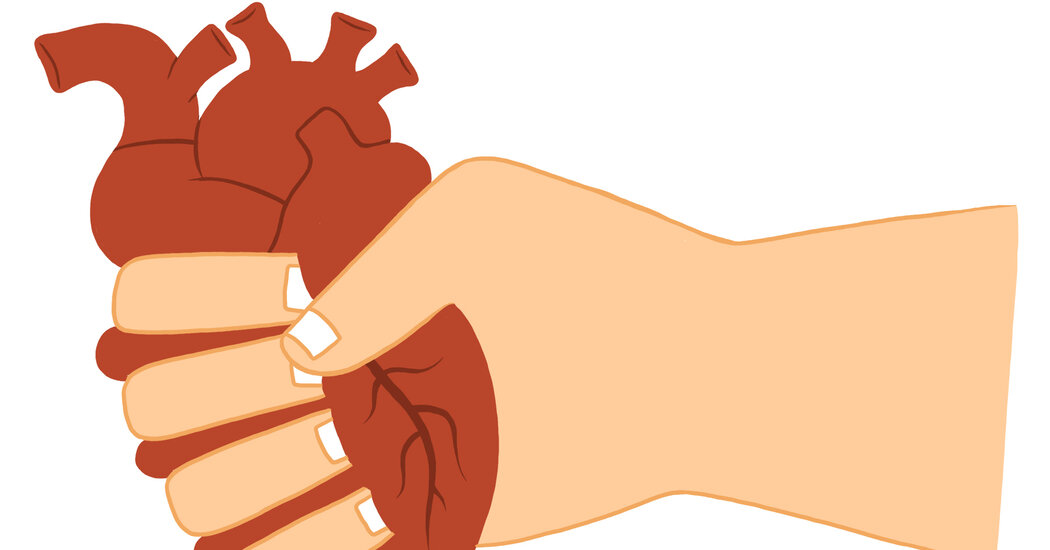
Psychological stress activates the fear center in the brain, setting into motion a cascade of reactions that can lead to heart attacks and strokes.You’re probably familiar with these major risk factors for heart disease: high blood pressure, high cholesterol, smoking, diabetes, obesity and physical inactivity. And chances are your doctor has checked you more than once for these risks and, I would hope, offered advice or treatment to help ward off a heart attack or stroke.But has your doctor also asked about the level of stress in your life? Chronic psychological stress, recent studies indicate, may be as important — and possibly more important — to the health of your heart than the traditional cardiac risk factors. In fact, in people with less-than-healthy hearts, mental stress trumps physical stress as a potential precipitant of fatal and nonfatal heart attacks and other cardiovascular events, according to the latest report.The new study, published in November in JAMA, assessed the fates of 918 patients known to have underlying, but stable, heart disease to see how their bodies reacted to physical and mental stress. The participants underwent standardized physical and mental stress tests to see if their hearts developed myocardial ischemia — a significantly reduced blood flow to the muscles of the heart, which can be a trigger for cardiovascular events — during either or both forms of stress. Then the researchers followed them for four to nine years.Among the study participants who experienced ischemia during one or both tests, this adverse reaction to mental stress took a significantly greater toll on the hearts and lives of the patients than did physical stress. They were more likely to suffer a nonfatal heart attack or die of cardiovascular disease in the years that followed.I wish I had known that in 1982, when my father had a heart attack that nearly killed him. Upon leaving the hospital, he was warned about overdoing physical stresses, like not lifting anything heavier than 30 pounds. But he was never cautioned about undue emotional stress or the risks of overreacting to frustrating circumstances, like when the driver ahead of him drove too slowly in a no-passing zone.The new findings underscore the results of an earlier study that evaluated the relationship between risk factors and heart disease in 24,767 patients from 52 countries. It found that patients who experienced a high level of psychological stress during the year before they entered the study were more than twice as likely to suffer a heart attack during an average follow-up of five years, even when traditional risk factors were taken into account.The study, known as Interheart, showed that psychological stress is an independent risk factor for heart attacks, similar in heart-damaging effects to the more commonly measured cardiovascular risks, explained Dr. Michael T. Osborne, a cardiologist at Massachusetts General Hospital.But what about the effects of stress on people whose hearts are still healthy? Psychological stress comes in many forms. It can occur acutely, caused by incidents like the loss of a job, the death of a loved one, or the destruction of one’s home in a natural disaster. A recent study in Scandinavia found that in the week following a child’s death, the parents’ risk of a heart attack was more than three times the expected rate. Emotional stress can also be chronic, resulting, for example, from ongoing economic insecurity, living in a high-crime area or experiencing unrelenting depression or anxiety. Bereaved parents in the Scandinavian study continued to experience an elevated cardiac risk years later.How stress damages the heartDr. Osborne participated with a team of experts led by Dr. Ahmed Tawakol, also at Massachusetts General, in an analysis of how the body reacts to psychological stress. He said the accumulated evidence of how the brain and body respond to chronic psychological stress strongly suggested that modern medicine has been neglecting a critically important hazard to heart health.It all starts in the brain’s fear center, the amygdala, which reacts to stress by activating the so-called fight-or-flight response, triggering the release of hormones that over time can increase levels of body fat, blood pressure and insulin resistance. Furthermore, as the team explained, the cascade of reactions to stress causes inflammation in the arteries, fosters blood clotting and impairs the function of blood vessels, all of which promote atherosclerosis, the arterial disease that underlies most heart attacks and strokes.Dr. Tawakol’s team explained that advanced neuroimaging made it possible to directly measure the impact of stress on various body tissues, including the brain. A prior study of 293 people initially free of cardiovascular disease who underwent full-body scans that included brain activity had a telling result. Five years later, individuals found to have high activity in the amygdala were shown to have higher levels of inflammation and atherosclerosis.Translation: Those with an elevated level of emotional stress developed biological evidence of cardiovascular disease. In contrast, Dr. Osborne said, “people who are not tightly wired” are less likely to experience the ill heart effects of stress.The researchers are now investigating the impact of a stress-reducing program called SMART-3RP (it stands for Stress Management and Resiliency Training-Relaxation Response Resiliency Program) on the brain as well as biological factors that promote atherosclerosis. The program is designed to help people reduce stress and build resilience through mind-body techniques like mindfulness-based meditation, yoga and tai chi. Such measures activate the parasympathetic nervous system, which calms the brain and body.Defusing stress and its effectsEven without a formal program, Dr. Osborne said individuals could minimize their body’s heart-damaging reactions to stress. One of the best ways is through habitual physical exercise, which can help to tamp down stress and the body-wide inflammation it can cause.Given that poor sleep increases stress and promotes arterial inflammation, developing good sleep habits can also reduce the risk of cardiovascular damage. Adopt a consistent pattern of bedtime and awakening, and avoid exposure at bedtime to screens that emit blue light, like smartphones and computers, or use blue-light filters for such devices.Practice relaxing measures like mindfulness meditation, calming techniques that slow breathing, yoga and tai chi.Several common medications can also help, Dr. Osborne said. Statins not only reduce cholesterol, they also counter arterial inflammation, resulting in a greater cardiovascular benefit than from their cholesterol-lowering effects alone. Antidepressants, including the anesthetic ketamine, may also help to minimize excessive amygdalar activity and ease stress in people with depression.

Read more →

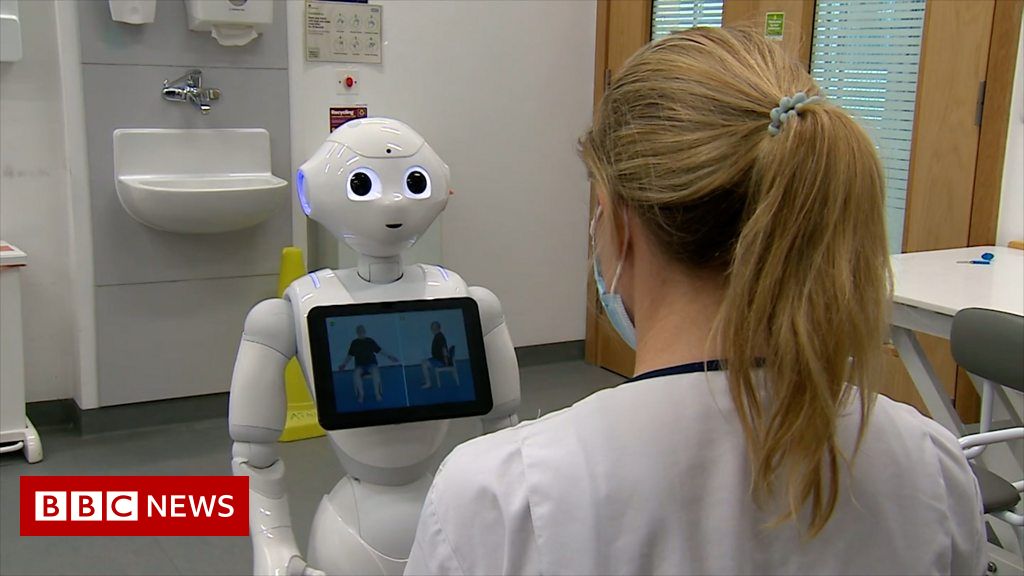
NHS hospital uses robot technology

The NHS is facing unprecedented challenges with long waiting lists for treatment and staff shortages. But could robots be part of the solution? A hospital in Bristol is already using robots to improve efficiency in some behind the scenes roles and is now experimenting with how robots might interact with patients.

Read more →