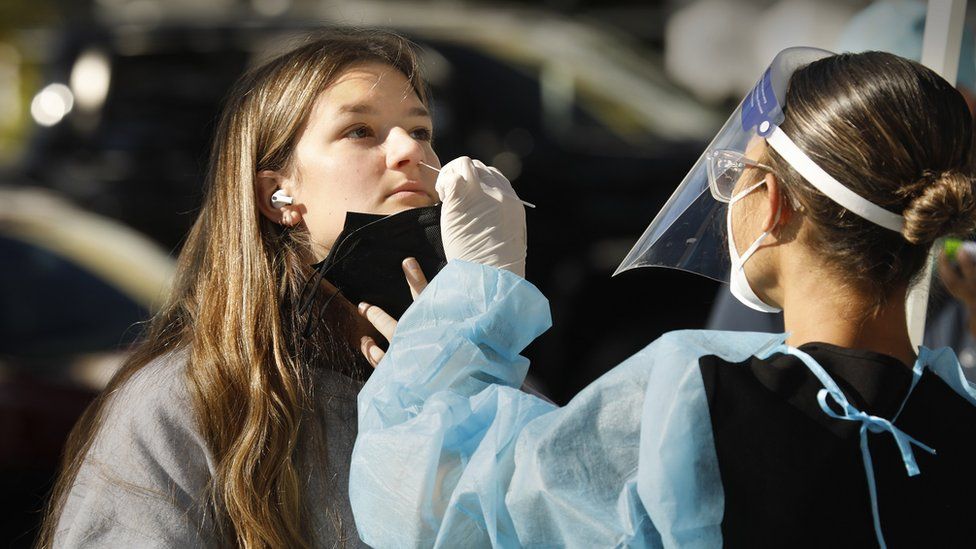
First time genome editing made possible on cells lining blood vessel walls

The lab of Youyang Zhao, PhD, from Stanley Manne Children’s Research Institute at Ann & Robert H. Lurie Children’s Hospital of Chicago developed a unique nanoparticle to deliver genome editing technology, including CRISPR/Cas9, to endothelial cells, which are cells that line blood vessel walls. This is the first time that vascular endothelial cells could be reached for genome editing, since the usual way to deliver CRISPR/Cas9 — through a virus — does not work for this cell type. Findings were published in the journal Cell Reports.
“The nanoparticle we developed is a powerful new delivery system for genome editing in vascular endothelial cells, and could be used to treat many diseases, including acute respiratory distress syndrome from severe COVID-19,” said senior author Dr. Zhao from Lurie Children’s. “With this nanoparticle we can introduce genes to inhibit vascular injury and/or promote vascular repair, correct gene mutations and turn genes on or off to restore normal function. It also allows us to edit multiple genes at the same time. This is an important advance for treating any disease caused by endothelial dysfunction.”
Endothelial dysfunction is at the root of many diseases, such as coronary artery disease, stroke, bronchopulmonary dysplasia and pulmonary artery hypertension. Dr. Zhao explained that genome editing in endothelial cells could even treat cancers by cutting off the blood supply to the tumor or blocking cancer metastasis.
At this stage, Dr. Zhao and colleagues achieved excellent results in a mouse model. The nanoparticle carrying CRISPR/Cas9 plasmid DNA was introduced via a one-time IV injection and required a few days to be effective. Preclinical testing will be necessary before clinical trials can begin.
“Our nanoparticle delivery system for genome editing and transgene expression also is a huge advance for cardiovascular research,” added Dr. Zhao.
Story Source:
Materials provided by Ann & Robert H. Lurie Children’s Hospital of Chicago. Note: Content may be edited for style and length.

Read more →

Babies born during pandemic's first year score slightly lower on a developmental screening test

Columbia researchers found that babies born during the pandemic’s first year scored lower on a developmental screening test of social and motor skills at 6 months — regardless of whether their mothers had COVID during pregnancy — compared to babies born just before the pandemic.
The study, which included 255 babies born at a NewYork-Presbyterian’s Morgan Stanley Children’s Hospital and Allen Hospital between March and December 2020, was published in the journal JAMA Pediatrics.
“Infants born to mothers who have viral infections during pregnancy have a higher risk of neurodevelopmental deficits, so we thought we would find some changes in the neurodevelopment of babies whose mothers had COVID during pregnancy,” says Dani Dumitriu, MD, PhD, assistant professor of pediatrics and psychiatry at Columbia University Vagelos College of Physicians and Surgeons and lead investigator of the study.
“We were surprised to find absolutely no signal suggesting that exposure to COVID while in utero was linked to neurodevelopmental deficits. Rather, being in the womb of a mother experiencing the pandemic was associated with slightly lower scores in areas such as motor and social skills, though not in others, such as communication or problem-solving skills. The results suggest that the huge amount of stress felt by pregnant mothers during these unprecedented times may have played a role.”
“These were not large differences, meaning we did not see a higher rate of actual developmental delays in our sample of a few hundred babies, just small shifts in average scores between the groups,” Dumitriu says. “But these small shifts warrant careful attention because at the population level, they can have a significant public health impact. We know this from other pandemics and natural disasters.”
Developmental trajectory of infants begins early
When the first wave of COVID hit New York City in early 2020, Dumitriu led a group of pediatric researchers at Columbia University Irving Medical Center and NewYork-Presbyterian in organizing studies investigating the impact of the virus on infants through the COVID-19 Mother Baby Outcomes (COMBO) Initiative.

Read more →

Revitalizing batteries by bringing 'dead' lithium back to life

Researchers at the Department of Energy’s SLAC National Accelerator Laboratory and Stanford University may have found a way to revitalize rechargeable lithium batteries, potentially boosting the range of electric vehicles and battery life in next-gen electronic devices.
As lithium batteries cycle, they accumulate little islands of inactive lithium that are cut off from the electrodes, decreasing the battery’s capacity to store charge. But the research team discovered that they could make this “dead” lithium creep like a worm toward one of the electrodes until it reconnects, partially reversing the unwanted process.
Adding this extra step slowed the degradation of their test battery and increased its lifetime by nearly 30%.
“We are now exploring the potential recovery of lost capacity in lithium-ion batteries using an extremely fast discharging step,” said Stanford postdoctoral fellow Fang Liu, the lead author of a study published Dec. 22 in Nature.
Lost connection
A great deal of research is looking for ways to make rechargeable batteries with lighter weight, longer lifetimes, improved safety, and faster charging speeds than the lithium-ion technology currently used in cellphones, laptops and electric vehicles. A particular focus is on developing lithium-metal batteries, which could store more energy per volume or weight. For example, in electric cars, these next-generation batteries could increase the mileage per charge and possibly take up less trunk space.

Read more →

Researchers reveal scale of prevalence of a condition that can cause type 2 diabetes and high blood pressure

Scientists at the University of Birmingham are calling for changes to healthcare policy following research which has shown for the first time the scale of the impact of a condition associated with benign tumours that can lead to type 2 diabetes and high blood pressure.
Up to 10 per cent of adults have a benign tumour, or lump, known as an ‘adrenal incidentaloma’ in their adrenals — glands situated on top of the kidneys which produce a variety of hormones. The lumps can be associated with the overproduction of hormones including the stress steroid hormone cortisol, which can lead to type 2 diabetes and high blood pressure. Previous small studies suggested that one in three adrenal incidentalomas produce excess cortisol, a condition called Mild Autonomous Cortisol Secretion (MACS).
Now, an international research team led by the University of Birmingham in the UK has carried out the largest ever prospective study of over 1,305 patients with adrenal incidentalomas to assess their risk of high blood pressure and type 2 diabetes and their cortisol production, comparing patients with and without MACS. The study is also the first to undertake a detailed analysis of the steroid hormone production in patients by analysing cortisol and related hormones by mass spectrometry in 24-hour urine samples they collected.
Their study findings, published today (January 3rd) in journal Annals of Internal Medicine, show that MACS is much more prevalent than previously reported: with almost every second patient in the study with an adrenal incidentaloma having MACS. Notably, 70% of patients with MACS were women and most of them were of postmenopausal age (aged over 50). Following their findings, the researchers now estimate that up to 1.3 million adults in the UK could have MACS. Considering that around two out of three of these patients are women, MACS is potentially a key contributor to women’s metabolic health, in particular in women after the menopause.
First author Dr Alessandro Prete, of the University of Birmingham’s Institute of Metabolism and Systems Research, said: “Compared to those without MACS, we observed that patients with MACS were more likely to be diagnosed with high blood pressure and to require three or more tablets to achieve an adequate blood pressure control. When we looked at patients with a diagnosis of type 2 diabetes, those with MACS were twice more likely to be treated with insulin, indicating that other medications haven’t helped managing their blood sugar levels. In conclusion, our study found that MACS is very frequent and is an important risk condition for high blood pressure and type 2 diabetes, especially in older women, and the impact of MACS on high blood pressure and type 2 diabetes risk has been underestimated until now.”
Senior author Professor Wiebke Arlt, Director of the University of Birmingham’s Institute of Metabolism and Systems Research, said: “Previous studies suggested that MACS is associated with poor health. However, our study is the largest ever study to establish conclusively the extent of the risk and severity of high blood pressure and type 2 diabetes in patients with MACS. Our hope is that this research will put a spotlight on this condition and increase awareness of its impact on health. We advocate that all patients who are found to carry an adrenal incidentaloma are tested for MACS and have their blood pressure and glucose levels measured regularly.”
The study was funded by Diabetes UK, the European Commission, the Medical Research Council, and the Claire Khan Trust Fund at University Hospitals Birmingham Charity.
Dr Lucy Chambers, Head of Research Communications at Diabetes UK, said: “This important research, funded by Diabetes UK, reveals that a condition associated with benign adrenal tumours — Mild Autonomous Cortisol Secretion (MACS) — is more common and may have more of a negative impact on health, including increasing the risk of type 2 diabetes, than previously thought. These findings suggest that screening for MACS could help to identify people — particularly women, in whom the condition was found to be more common — who may benefit from support to reduce their risk of type 2 diabetes. We look forward to further research to uncover how MACS is linked to increased risk of type 2 diabetes, which could in the future lead to new ways of treating and preventing type 2 diabetes in those with MACS. If you have MACS and are concerned about your risk of type 2 diabetes, it’s important to speak to your GP or endocrinologist.”
Professor Arlt added: “Now that we have established that MACS is an important risk factor for high blood pressure and type 2 diabetes, our research will focus on three main areas. First, we want to look into how MACS is linked to this increased risk by investigating how cortisol excess affects human metabolism. Second, we are working on a test that can be used in the clinic to identify early on which patients with MACS carry a higher risk of developing high blood pressure and type 2 diabetes. Third, we are testing new treatment strategies to mitigate this risk in affected individuals. Our ultimate aim is to improve the health of the many patients living with MACS.”
The research, which took three years to complete, is part of EURINE-ACT, which is the largest prospective, multi-centre, international study conducted to date on patients with newly diagnosed adrenal tumours. This first of its kind research effort was achieved thanks to a collaboration with an international network of adrenal tumour specialist centres known as the European Network for the Study of Adrenal Tumours (ENSAT).

Read more →

New light shed on potentially damaging effects of standard heart attack treatment

A study led by Indiana University School of Medicine is challenging standard treatment methods used to prevent muscle damage during heart attack.
In a paper published in the high impact Journal of the American College of Cardiology, Rohan Dharmakumar, PhD asserts that a common treatment given to patients experiencing heart attack may not be as successful in halting muscle damage as once thought.
Heart attacks occur when the blood vessel supplying oxygen to the heart muscle — also known as the coronary artery — is suddenly blocked. In heart attack patients, the amount of heart muscle that is irreversibly damaged is directly linked to how much time elapses between the onset of heart attack symptoms and when the blockage is opened up. More damage means higher risk of complications like heart failure after a heart attack. Therefore, treating heart attacks focuses on opening up the coronary arteries as quickly as possible through a procedure called reperfusion — often with a stent.
The common belief in reperfusion therapy is that once the coronary arteries are opened, the damage to the heart muscle is stopped. However, according to Dharmakumar, that is not always the case.
“In our work, we demonstrate that if reperfusion results in internal bleeding — or, hemorrhage — within the heart muscle, the heart muscle can continue to die even after the culprit coronary artery is opened,” said Dharmakumar, executive director of the Krannert Cardiovascular Research Center at IU School of Medicine. “Hemorrhage is known to occur in heart muscle of around half of all heart attack patients who undergo reperfusion. We sought to determine what effect that internal bleeding has on progressive heart muscle damage after reperfusion.”
In his work, Dharmakumar and his team studied blood samples of heart attack patients obtained before and after they received reperfusion therapy. Using cardiac magnetic resonance imaging (cardiac MRI), they noninvasively identified which patients experienced hemorrhage within their heart muscle following reperfusion. A key protein called troponin is known to go up with heart muscle damage; in patients with heart muscle hemorrhage, troponin values rose more rapidly reaching higher values when compared to patients without hemorrhage.
The team also used a large animal model to prove that hemorrhage is directly involved in the extent of infarction after reperfusion. Serial cardiac MRIs noninvasively tracked infarct size in animals with and without hemorrhage; similar findings as those seen in patients means that the team can use the animal model to develop new treatments to reduce hemorrhage that can be brought back to help patients.
In the modern era of revascularization, Dharmakumar asserts in his study that infarct size is not only determined by restricted blood supply to the heart, but also by the effects of reperfusion therapy. The introduction of hemorrhage within the at-risk area might in some cases nearly negate in total the benefits of reperfusion therapy. Dharmakumar said that for physicians, having an awareness of the role reperfusion can play on continued muscle death can help in providing better treatment to patients in the future.
“This all means that although we might not be able to do much when it comes to lost time before a patient arrives at the hospital, minimizing the effects of hemorrhage following reperfusion can give us a new opportunity to reduce the size of infarction, and downstream negative consequences, in nearly half a million heart attack patients in the United States alone,” said Dharmakumar.
Next for the study, Dharmakumar said that his team will expand the findings to a larger patient population, working to develop greater insight into how hemorrhage drives expansion of infarction and testing strategies to halt the effects of those hemorrhages.
According to Subha Raman, MD, chief of the Division of Cardiology and director of the Cardiovascular Institute at IU School of Medicine and IU Health, the future real-world applications of this study showcase the research leadership of Dharmakumar and the Krannert Cardiovascular Research Center.
“The work being done by our researchers at the Krannert Cardiovascular Research Center, under the leadership of Dr. Dharmakumar, is truly groundbreaking and will fundamentally improve how we take care of patients suffering heart attacks, improving the health of Hoosiers and beyond,” said Raman. “I am proud of the high-impact cardiovascular science happening in our research labs, and look forward to seeing that work pay real dividends in the future of heart health.”

Read more →

Inverted order: The direction of your DNA may be as important as which parent it came from

Mammalian offspring inherit two versions, or alleles, of each gene with one allele from each biological parent. However, gene expression is tightly regulated and certain genes undergo the phenomenon of “genomic imprinting,” which is where only the allele received by the male or the female parent is expressed. Imprinted genes play diverse roles in development and disruption of their mono-allelic expression can cause diseases, thus understanding the mechanisms behind their regulation is critical. In a recent article published in Communications Biology, a team led by researchers at the University of Tsukuba examined genomic imprinting of a specific genetic locus in mice. Their experiments helped reveal the molecular details of how this mechanism governs expression levels of these genes.
The team focused on the H19 gene locus, which was previously shown to be controlled by the H19 imprinted control region (ICR) via genomic imprinting. The paternal H19 ICR is modified via DNA methylation while the maternal H19 ICR allele isn’t methylated. Methylation of the H19 ICR is in part responsible for repressing the expression of H19. However, H19 itself can also be methylated, and the effects of this had yet to be clarified.
“While the general imprinting mechanism for the mouse H19 locus is well established, it is less clear how expression of H19 is affected by its own methylation status,” explains Assistant Professor Hitomi Matsuzaki, lead author of the study. “Our previous finding suggested that the methylation state of the H19 ICR is transferred directionally downstream to H19 in the fertilized embryo post-implantationwhich makes it difficult to study the two in isolation.”
Then, the team hypothesized that by inverting the H19 ICR, thus reversing its direction, they could reduce H19 methylation and they created mutant mice to test this. Interestingly, with paternally inherited inverted ICR, H19 had decreased levels of methylation and as a result was derepressed. However, when the same experiments were conducted for the maternally inherited inverted ICR, H19 expression levels were lower compared with the un-inverted ICR allele, despite having low methylation.
“Our findings involving the maternally inherited allele were quite unexpected, especially given the paternal data,” describes Assistant Professor Matsuzaki. “We did observe slightly more ICR methylation in the inverted allele compared with the wild type one.”
Further work did not provide evidence that ICR methylation status was responsible for the differential H19 expression in the maternally inherited alleles. Collectively, these data suggest that, for maternal inheritance, H19 expression is in fact affected by the ICR orientation, but it is independent of DNA methylation.
Overall, Assistant Professor Matsuzaki and colleagues provided compelling insights into the complex nature of genomic imprinting in mice. The methylation status and direction of certain DNA sequences can affect genes found at the locus in different manners, and the effects also vary based on which parent the allele was inherited from. These results shed new light on the current knowledge and raise intriguing questions to be addressed by further studies.
This work was supported in parts by JSPS KAKENHI grants (grant numbers JP20K06481 to H.M., JP19H03134 to K.T., and JP20K21360 to K.T.), MEXT KAKENHI grants (grant number JP20H05379 to H.M.), and a research grant from the Takeda Science Foundation to K.T.
Story Source:
Materials provided by University of Tsukuba. Note: Content may be edited for style and length.

Read more →

Biomedical Research Leads Science’s 2021 Breakthroughs

Hi everyone, I’m Larry Tabak. I’ve served as NIH’s Principal Deputy Director for over 11 years, and I will be the acting NIH director until a new permanent director is named. In my new role, my day-to-day responsibilities will certainly increase, but I promise to carve out time to blog about some of the latest research progress on COVID-19 and any other areas of science that catch my eye.

I’ve also invited the directors of NIH’s Institutes and Centers (ICs) to join me in the blogosphere and write about some of the cool science in their research portfolios. I will publish a couple of posts to start, then turn the blog over to our first IC director. From there, I envision alternating between posts from me and from various IC directors. That way, we’ll cover a broad array of NIH science and the tremendous opportunities now being pursued in biomedical research.

Since I’m up first, let’s start where the NIH Director’s Blog usually begins each year: by taking a look back at Science’s Breakthroughs of 2021. The breakthroughs were formally announced in December near the height of the holiday bustle. In case you missed the announcement, the biomedical sciences accounted for six of the journal Science’s 10 breakthroughs. Here, I’ll focus on four biomedical breakthroughs, the ones that NIH has played some role in advancing, starting with Science’s editorial and People’s Choice top-prize winner:

Breakthrough of the Year: AI-Powered Predictions of Protein Structure

The biochemist Christian Anfinsen, who had a distinguished career at NIH, shared the 1972 Nobel Prize in Chemistry, for work suggesting that the biochemical interactions among the amino acid building blocks of proteins were responsible for pulling them into the final shapes that are essential to their functions. In his Nobel acceptance speech, Anfinsen also made a bold prediction: one day it would be possible to determine the three-dimensional structure of any protein based on its amino acid sequence alone. Now, with advances in applying artificial intelligence to solve biological problems—Anfinsen’s bold prediction has been realized.

But getting there wasn’t easy. Every two years since 1994, research teams from around the world have gathered to compete against each other in developing computational methods for predicting protein structures from sequences alone. A score of 90 or above means that a predicted structure is extremely close to what’s known from more time-consuming work in the lab. In the early days, teams more often finished under 60.

In 2020, a London-based company called DeepMind made a leap with their entry called AlphaFold. Their deep learning approach—which took advantage of 170,000 proteins with known structures—most often scored above 90, meaning it could solve most protein structures about as well as more time-consuming and costly experimental protein-mapping techniques. (AlphaFold was one of Science’s runner-up breakthroughs last year.)

This year, the NIH-funded lab of David Baker and Minkyung Baek, University of Washington, Seattle, Institute for Protein Design, published that their artificial intelligence approach, dubbed RoseTTAFold, could accurately predict 3D protein structures from amino acid sequences with only a fraction of the computational processing power and time that AlphaFold required [1]. They immediately applied it to solve hundreds of new protein structures, including many poorly known human proteins with important implications for human health.

The DeepMind and RoseTTAFold scientists continue to solve more and more proteins [1,2], both alone and in complex with other proteins. The code is now freely available for use by researchers anywhere in the world. In one timely example, AlphaFold helped to predict the structural changes in spike proteins of SARS-CoV-2 variants Delta and Omicron [3]. This ability to predict protein structures, first envisioned all those years ago, now promises to speed fundamental new discoveries and the development of new ways to treat and prevent any number of diseases, making it this year’s Breakthrough of the Year.

Anti-Viral Pills for COVID-19

The development of the first vaccines to protect against COVID-19 topped Science’s 2020 breakthroughs. This year, we’ve also seen important progress in treating COVID-19, including the development of anti-viral pills.

First, there was the announcement in October of interim data from Merck, Kenilworth, NJ, and Ridgeback Biotherapeutics, Miami, FL, of a significant reduction in hospitalizations for those taking the anti-viral drug molnupiravir [4] (originally developed with an NIH grant to Emory University, Atlanta). Soon after came reports of a Pfizer anti-viral pill that might target SARS-CoV-2, the novel coronavirus that causes COVID-19, even more effectively. Trial results show that, when taken within three days of developing COVID-19 symptoms, the pill reduced the risk of hospitalization or death in adults at high risk of progressing to severe illness by 89 percent [5].

On December 22, the Food and Drug Administration (FDA) granted Emergency Use Authorization (EUA) for Pfizer’s Paxlovid to treat mild-to-moderate COVID-19 in people age 12 and up at high risk for progressing to severe illness, making it the first available pill to treat COVID-19 [6]. The following day, the FDA granted an EUA for Merck’s molnupiravir to treat mild-to-moderate COVID-19 in unvaccinated, high-risk adults for whom other treatment options aren’t accessible or recommended, based on a final analysis showing a 30 percent reduction in hospitalization or death [7].

Additional promising anti-viral pills for COVID-19 are currently in development. For example, a recent NIH-funded preclinical study suggests that a drug related to molnupiravir, known as 4’-fluorouridine, might serve as a broad spectrum anti-viral with potential to treat infections with SARS-CoV-2 as well as respiratory syncytial virus (RSV) [8].

Artificial Antibody Therapies

Before anti-viral pills came on the scene, there’d been progress in treating COVID-19, including the development of monoclonal antibody infusions. Three monoclonal antibodies now have received an EUA for treating mild-to-moderate COVID-19, though not all are effective against the Omicron variant [9]. This is also an area in which NIH’s Accelerating COVID-19 Therapeutic Interventions and Vaccines (ACTIV) public-private partnership has made big contributions.

Monoclonal antibodies are artificially produced versions of the most powerful antibodies found in animal or human immune systems, made in large quantities for therapeutic use in the lab. Until recently, this approach had primarily been put to work in the fight against conditions including cancer, asthma, and autoimmune diseases. That changed in 2021 with success using monoclonal antibodies against infections with SARS-CoV-2 as well as respiratory syncytial virus (RSV), human immunodeficiency virus (HIV), and other infectious diseases. This earned them a prominent spot among Science’s breakthroughs of 2021.

Monoclonal antibodies delivered via intravenous infusions continue to play an important role in saving lives during the pandemic. But, there’s still room for improvement, including new formulations highlighted on the blog last year that might be much easier to deliver.

CRISPR Fixes Genes Inside the Body

One of the most promising areas of research in recent years has been gene editing, including CRISPR/Cas9, for fixing misspellings in genes to treat or even cure many conditions. This year has certainly been no exception.

CRISPR is a highly precise gene-editing system that uses guide RNA molecules to direct a scissor-like Cas9 enzyme to just the right spot in the genome to cut out or correct disease-causing misspellings. Science highlights a small study reported in The New England Journal of Medicine by researchers at Intellia Therapeutics, Cambridge, MA, and Regeneron Pharmaceuticals, Tarrytown, NY, in which six people with hereditary transthyretin (TTR) amyloidosis, a condition in which TTR proteins build up and damage the heart and nerves, received an infusion of guide RNA and CRISPR RNA encased in tiny balls of fat [10]. The goal was for the liver to take them up, allowing Cas9 to cut and disable the TTR gene. Four weeks later, blood levels of TTR had dropped by at least half.

In another study not yet published, researchers at Editas Medicine, Cambridge, MA, injected a benign virus carrying a CRISPR gene-editing system into the eyes of six people with an inherited vision disorder called Leber congenital amaurosis 10. The goal was to remove extra DNA responsible for disrupting a critical gene expressed in the eye. A few months later, two of the six patients could sense more light, enabling one of them to navigate a dimly lit obstacle course [11]. This work builds on earlier gene transfer studies begun more than a decade ago at NIH’s National Eye Institute.

Last year, in a research collaboration that included former NIH Director Francis Collins’s lab at the National Human Genome Research Institute (NHGRI), we also saw encouraging early evidence in mice that another type of gene editing, called DNA base editing, might one day correct Hutchinson-Gilford Progeria Syndrome, a rare genetic condition that causes rapid premature aging. Preclinical work has even suggested that gene-editing tools might help deliver long-lasting pain relief. The technology keeps getting better, too. This isn’t the first time that gene-editing advances have landed on Science’s annual Breakthrough of the Year list, and it surely won’t be the last.

The year 2021 was a difficult one as the pandemic continued in the U.S. and across the globe, taking far too many lives far too soon. But through it all, science has been relentless in seeking and finding life-saving answers, from the rapid development of highly effective COVID-19 vaccines to the breakthroughs highlighted above.

As this list also attests, the search for answers has progressed impressively in other research areas during these difficult times. These groundbreaking discoveries are something in which we can all take pride—even as they encourage us to look forward to even bigger breakthroughs in 2022. Happy New Year!

References:

[1] Accurate prediction of protein structures and interactions using a three-track neural network. Baek M, DiMaio F, Anishchenko I, Dauparas J, Grishin NV, Adams PD, Read RJ, Baker D., et al. Science. 2021 Jul 15:eabj8754.

[2] Highly accurate protein structure prediction with AlphaFold. Jumper J, Evans R, Pritzel A, Green T, Senior AW, Kavukcuoglu K, Kohli P, Hassabis D. et al. Nature. 2021 Jul 15.

[3] Structural insights of SARS-CoV-2 spike protein from Delta and Omicron variants. Sadek A, Zaha D, Ahmed MS. preprint bioRxiv. 2021 Dec 9.

[4] Merck and Ridgeback’s investigational oral antiviral molnupiravir reduced the risk of hospitalization or death by approximately 50 Percent compared to placebo for patients with mild or moderate COVID-19 in positive interim analysis of phase 3 study. Merck. 1 Oct 2021.

[5] Pfizer’s novel COVID-19 oral antiviral treatment candidate reduced risk of hospitalization or death by 89% in interim analysis of phase 2/3 EPIC-HR Study. Pfizer. 5 November 52021.

[6] Coronavirus (COVID-19) Update: FDA authorizes first oral antiviral for treatment of COVID-19. Food and Drug Administration. 22 Dec 2021.

[7] Coronavirus (COVID-19) Update: FDA authorizes additional oral antiviral for treatment of COVID-19 in certain adults. Food and Drug Administration. 23 Dec 2021.

[8] 4′-Fluorouridine is an oral antiviral that blocks respiratory syncytial virus and SARS-CoV-2 replication. Sourimant J, Lieber CM, Aggarwal M, Cox RM, Wolf JD, Yoon JJ, Toots M, Ye C, Sticher Z, Kolykhalov AA, Martinez-Sobrido L, Bluemling GR, Natchus MG, Painter GR, Plemper RK. Science. 2021 Dec 2.

[9] Anti-SARS-CoV-2 monoclonal antibodies. NIH COVID-19 Treatment Guidelines. 16 Dec 2021.

[10] CRISPR-Cas9 in vivo gene editing for transthyretin amyloidosis. Gillmore JD, Gane E, Taubel J, Kao J, Fontana M, Maitland ML, Seitzer J, O’Connell D, Walsh KR, Wood K, Phillips J, Xu Y, Amaral A, Boyd AP, Cehelsky JE, McKee MD, Schiermeier A, Harari O, Murphy A, Kyratsous CA, Zambrowicz B, Soltys R, Gutstein DE, Leonard J, Sepp-Lorenzino L, Lebwohl D. N Engl J Med. 2021 Aug 5;385(6):493-502.

[11] Editas Medicine announces positive initial clinical data from ongoing phase 1/2 BRILLIANCE clinical trial of EDIT-101 For LCA10. Editas Medicine. 29 Sept 2021.

Links:

Structural Biology (National Institute of General Medical Sciences/NIH)

The Structures of Life (NIGMS)

COVID-19 Research (NIH)

2021 Science Breakthrough of the Year (American Association for the Advancement of Science, Washington, D.C)

Read more →

France's Bogdanoff TV twins die of Covid six days apart

SharecloseShare pageCopy linkAbout sharingImage source, Getty ImagesGrichka and Igor Bogdanoff became France’s most famous twins, hosting a TV science and science-fiction show in the 1980s on a spaceship set.They died of coronavirus within days of each other in hospital, Grichka on 28 December and his brother on Monday.Aged 72, the brothers had not been vaccinated against Covid-19. Their friends said they were convinced their healthy lifestyle would protect them and they were admitted to hospital in mid-December.Although their families did not specify the cause of their deaths, their lawyer Edouard de Lamaze confirmed they had both contracted the virus. Family friend Pierre-Jean Chalençon said they had left it too late to seek hospital treatment, deciding it was similar to flu. “People have said they were anti-vaxxers but they absolutely weren’t,” he told BFMTV. “Several friends told them to get themselves vaccinated but they felt because of their lifestyle and their [lack of] comorbidity, they weren’t at risk of Covid.”The Bogdanoff brothers were a pair of eccentrics, descended from Austrian nobility. Feted for their initial Saturday afternoon TV programme Temps X which ran from 1979, they were synonymous for years with popular science and were part of public life for the rest of their lives. Their programme on TF1 was for years seen in some ways as highlighting cutting-edge technology, according to Le Monde, which described them as icons from a kitsch period of culture. Temps X showcased other TV shows such as Doctor Who, The Prisoner and Star Trek, with guests including electronic music pioneer Jean-Michel Jarre.Image source, Getty ImagesHowever, when the TV channel went private in 1987, they were dropped.During the 1990s their facial features changed dramatically, leaving them with odd-looking chins, lips and cheek-bones. “We are proud of having faces like extra-terrestrials,” they once said. Grichka Bogdanoff was adamant that they had never had “what people call cosmetic surgery”, insisting that he and his brother were experimental by nature and had tried out very advanced technology.That was contradicted by their friend, former education minister Luc Ferry, who said they had both had Botox injections.The brothers later tried their hands at academic work, writing doctoral theses in mathematics and theoretical physics which were both panned by their peers. Ridiculed by sections of French media, they won a 2014 court case for defamation before losing a lawsuit against the French National Centre for Scientific Research.Asked why they had chosen not to have the Covid vaccines if they were not themselves anti-vaxxers, Luc Ferry said on Monday: “Like Igor, Grichka wasn’t antivax, he was just antivax for himself.”They were both athletic, with not an inch of fat, and they thought the vaccine was more dangerous than the virus.”Before they were admitted to hospital, the twins had been working on a pilot project to resurrect their old TV show, again set on a spaceship and planned for broadcast on another channel in the near future.In a statement on Monday, Igor Bogdanoff’s family said he had “gone towards the light”, surrounded by his children and family.This video can not be playedTo play this video you need to enable JavaScript in your browser.

Read more →

Covid: US reports record 1m cases with peak still to come

SharecloseShare pageCopy linkAbout sharingImage source, Getty ImagesThe US has recorded more than one million new Covid cases, as officials warn the peak of a fast-spreading Omicron surge is still to come.A record 1,080,211 cases were reported on Monday – the highest one-day tally of new cases anywhere in the world, according to Johns Hopkins University.The Omicron variant accounts for the majority of cases in the US.The top US pandemic adviser Anthony Fauci has said the country is facing “almost a vertical increase” in cases.He said the peak may be weeks away.But Dr Fauci said the example of South Africa – where Omicron first spread rapidly before subsiding – offered some hope.Rates of death and hospital admissions in the US have been far lower in recent weeks than in previous infection spikes.LIVE: Follow the latest Covid updatesEXPLAINER: Omicron up to 70% less likely to need hospital careIN CHARTS: Where are cases highest?Some 8,652 people are reported to have died from the disease in the past week, according to Johns Hopkins.The previous US record of cases was 590,000, reported four days ago.The highest number outside the US came during India’s Delta surge, when more than 414,188 people were confirmed as having the disease in May 2021.Studies suggest that Omicron is milder than the previously dominant Delta variant, but fears remain that the sheer number of cases stemming from the highly infectious Omicron could overwhelm hospitals.

Read more →

Considering Bone or Joint Surgery? You May Not Need It.

For many common problems of the knee, hip, shoulder, spine and wrist, nonsurgical options may be just as good.Considering bone or joint surgery? In many cases, surgery may be no more effective than options like exercise, physical therapy and drug treatments. Hip and knee replacements, surgery for carpal tunnel syndrome and other orthopedic procedures are among the most common elective surgeries performed today, but they involve cost, risk and sometimes weeks or months of recovery. Many of these surgeries are not supported by evidence from randomized trials, a review found. Even when surgery has been shown to be effective, the review concluded, it may not be significantly better than nonsurgical care.British researchers looked at studies of 10 common orthopedic operations, including surgeries of the knee, hip, shoulder, spine and wrist. They found good evidence of the superiority of surgery over other treatments for carpal tunnel syndrome and total knee replacement. For six other common surgeries, randomized trials found little advantage over interventions like exercise, weight management, physical therapy and drug treatment. The researchers found no controlled trials that had compared hip replacement or knee cartilage repair with nonsurgical care. The study is in The BMJ.“Our study doesn’t show that these operations don’t make patients better,” said the lead author, Dr. Ashley W. Blom, a professor of orthopedic surgery at the University of Bristol in England. “And it does not say that treatments do not work if they have not undergone testing by randomized controlled trials. It’s just that some don’t work any better than the best nonsurgical treatments.”Dr. Saam Morshed, a professor of orthopedic surgery at the University of California, San Francisco, who was not involved in the study, said, “I think it’s fair that we hold the mirror up to ourselves and scrutinize effectiveness for some of these operations. It’s important to understand where we have gaps in knowledge of the efficacy or nonefficacy of common surgical treatments.”At the same time, he said, “It’s also important to understand that just because there isn’t a randomized trial supporting a given treatment, that doesn’t mean that the treatment is not effective.” Hip surgery, he said, is a good example. There may be no randomized trials of hip surgery, but there is overwhelming observational evidence for its effectiveness compared with nonsurgical treatment.In other common procedures, the picture may be different. An arthroscopic operation to repair the anterior cruciate ligament, or ACL, in the knee, among the most common sports-injury surgeries in the United States, has a rate of success as high as 97 percent in some studies. But when the operation was compared with nonsurgical treatments, the review found, there was little difference in pain scores or the need for further surgical or nonsurgical treatment.The researchers describe a large review of studies of the operation to repair the rotator cuff, the group of tendons and muscles that keeps the upper arm bone in the shoulder socket. Compared with exercise and steroid injections, the review found, there was little or no clinically significant difference in pain, function, quality of life or patient satisfaction with the results.Some studies were randomized controlled trials, giving one group of patients real surgery and a matched group a placebo operation. In two such studies of surgery for shoulder impingement, a condition that causes pain on raising the arm, there was no difference between surgery and placebo surgery in patient-reported outcomes or adverse events.Lumbar spine decompression is an operation to relieve the pain caused by a ruptured or bulging disk, sometimes called a pinched nerve, in the lower spine. Although the quality of the evidence was low, three analyses showed that surgery and nonsurgical treatments provided equivalent improvements.There were no studies that compared surgical repair of the meniscus, the cartilage that covers the knee, with nonoperative care or a placebo. But in 10 randomized trials comparing a different procedure known as meniscectomy, or partial removal of the meniscus, with more conservative treatment, the operation did not provide meaningful improvement in knee pain, function or quality of life.“The best nonoperative care is often multimodal and may involve a combination of physical, medical and psychological interventions, and it should not be assumed that these are necessarily the easiest or most cost-effective options for patients,” Dr. Blom said. “Clinicians should discuss both operative and the best nonoperative care with patients so that patients can consider all options and thereby make informed choices.”Patient outcomes from these surgeries vary greatly, and these differences are important, Dr. Morshed said. “Future research is going to provide more nuanced inferences on the effect of surgery as we begin to understand on a patient level those characteristics that make them more or less likely to respond to a procedure,” he said.

Read more →