Millions are dying from drug-resistant infections, global report says

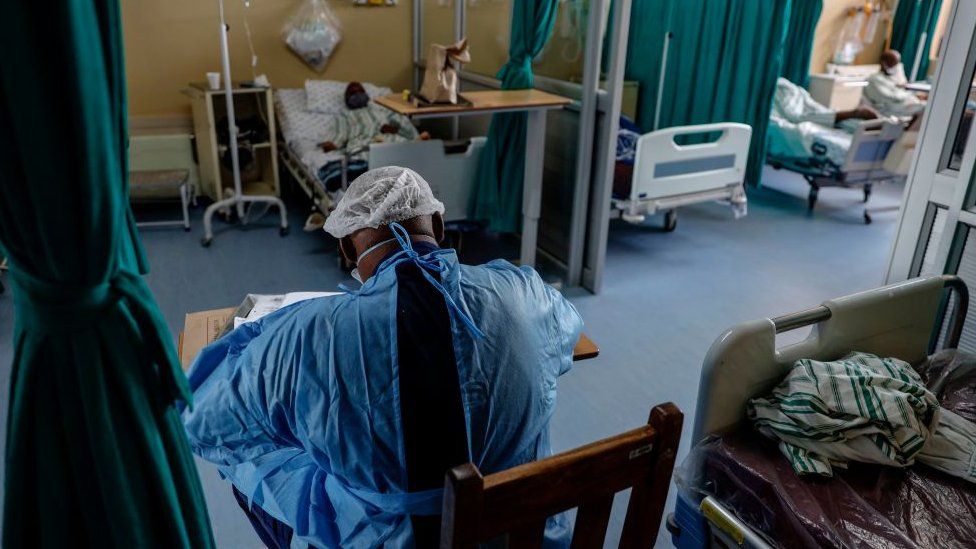
SharecloseShare pageCopy linkAbout sharingImage source, Getty ImagesMore than 1.2 million people died worldwide in 2019 from infections caused by bacteria resistant to antibiotics, according to the largest study of the issue to date.This is more than the annual death toll from malaria or Aids.Poorer countries are worst affected but antimicrobial resistance threatens everyone’s health, the report says.Urgent investment in new drugs and using current ones more wisely are recommended to protect against it.The overuse of antibiotics in recent years for trivial infections means they are becoming less effective against serious infections. People are dying from common, previously treatable infections because the bacteria that cause them have become resistant to treatment. UK health officials recently warned antimicrobial resistance (AMR) was a “hidden pandemic” that could emerge in the wake of Covid-19 unless antibiotics were prescribed responsibly.Particularly deadly The estimate of global deaths from AMR, published in the Lancet, is based on an analysis of 204 countries by a team of international researchers, led by the University of Washington, US.They calculate up to five million people died in 2019 from illnesses in which AMR played a role – on top of the 1.2 million deaths it caused directly. In the same year, Aids (acquired immune deficiency syndrome) is thought to have caused 860,000 deaths and malaria 640,000.Image source, Getty ImagesMost of the deaths from AMR were caused by lower respiratory infections, such as pneumonia, and bloodstream infections, which can lead to sepsis.MRSA (methicillin-resistant Staphylococcus aureus) was particularly deadly, while E. coli, and several other bacteria, were also linked to high levels of drug resistance.Using patient records from hospitals, studies and other data sources, the researchers say young children are at most risk, with about one in five deaths linked to AMR being among the under-fives.Deaths from AMR were estimated to be:highest in sub-Saharan Africa and South Asia, at 24 deaths in every 100,000lowest in high-income countries, at 13 in every 100,000Prof Chris Murray, from the Institute for Health Metrics and Evaluation at the University of Washington, said the new data revealed the true scale of antimicrobial resistance worldwide and was a clear signal immediate action was needed “if we want to stay ahead in the race against antimicrobial resistance.Other experts say better tracking of resistance levels in different countries and regions is essential.Dr Ramanan Laxminarayan, from the Centre for Disease Dynamics, Economics and Policy, in Washington DC, said global spending on addressing AMR needed to rise to levels seen for other diseases.”Spending needs to be directed to preventing infections in the first place, making sure existing antibiotics are used appropriately and judiciously, and to bringing new antibiotics to market,” he said.Much of the world faced the challenge of poor access to affordable, effective antibiotics – and that needed to be taken seriously by political and health leaders everywhere, Dr Laxminarayan added.This video can not be playedTo play this video you need to enable JavaScript in your browser.Antibiotic resistance – NHSThe BBC is not responsible for the content of external sites.

Read more →
TV watching linked with potentially fatal blood clots

Take breaks when binge-watching TV to avoid blood clots, say scientists. The warning comes as a study reports that watching TV for four hours a day or more is associated with a 35% higher risk of blood clots compared with fewer than 2.5 hours. The research is published today in the European Journal of Preventive Cardiology, a journal of the ESC.
“Our study findings also suggested that being physically active does not eliminate the increased risk of blood clots associated with prolonged TV watching,” said lead author Dr. Setor Kunutsor of the University of Bristol, UK. “If you are going to binge on TV you need to take breaks. You can stand and stretch every 30 minutes or use a stationary bike. And avoid combining television with unhealthy snacking.”
The study examined the association between TV viewing and venous thromboembolism (VTE). VTE includes pulmonary embolism (blood clot in the lungs) and deep vein thrombosis (blood clot in a deep vein, usually the legs, which can travel to the lungs and cause pulmonary embolism).
To conduct the study, the researchers conducted a systematic review to collect the available published evidence on the topic and then combined the results using a process called meta-analysis. “Combining multiple studies in a meta-analysis provides a larger sample and makes the results more precise and reliable than the findings of an individual study,” explained Dr. Kunutsor.
The analysis included three studies with a total of 131,421 participants aged 40 years and older without pre-existing VTE. The amount of time spent watching TV was assessed by questionnaire and participants were categorised as prolonged viewers (watching TV at least four hours per day) and never/seldom viewers (watching TV less than 2.5 hours per day).
The average duration of follow-up in the three studies ranged from 5.1 to 19.8 years. During this period, 964 participants developed VTE. The researchers analysed the relative risk of developing VTE in prolonged versus never/seldom TV watchers. They found that prolonged viewers were 1.35 times more likely to develop VTE compared to never/seldom viewers.
The association was independent of age, sex, body mass index (BMI) and physical activity. “All three studies adjusted for these factors since they are strongly related to the risk of VTE; for instance, older age, higher BMI and physical inactivity are linked with an increased risk of VTE,” said Dr. Kunutsor. “The findings indicate that regardless of physical activity, your BMI, how old you are and your gender, watching many hours of television is a risky activity with regards to developing blood clots.”
Dr. Kunutsor noted that the findings are based on observational studies and do not prove that extended TV watching causes blood clots.
Regarding the possible reasons for the observed relationship, he said: “Prolonged TV viewing involves immobilisation which is a risk factor for VTE. This is why people are encouraged to move around after surgery or during a long-haul flight. In addition, when you sit in a cramped position for long periods, blood pools in your extremities rather than circulating and this can cause blood clots. Finally, binge-watchers tend to eat unhealthy snacks which may lead to obesity and high blood pressure which both raise the likelihood of blood clots.”
Dr. Kunutsor concluded: “Our results suggest that we should limit the time we spend in front of the television. Long periods of TV watching should be interspersed with movement to keep the circulation going. Generally speaking, if you sit a lot in your daily life — for example your work involves sitting for hours at a computer — be sure to get up and move around from time to time.”
Story Source:
Materials provided by European Society of Cardiology. Note: Content may be edited for style and length.

Read more →

Immunotherapy before liver cancer surgery can kill tumor, and likely residual cancer cells

Immunotherapy given before surgery caused liver cancer tumors to die off in one-third of the patients enrolled in a first-of-its-kind clinical trial, Mount Sinai researchers reported in The Lancet Gastroenterology & Hepatology in January.
The phase 2 trial results suggested that the neoadjuvant immunotherapy — therapy given before surgery — may kill not only the tumor, but also microscopic cancer cells that surgery would miss and that could later cause the cancer to recur or metastasize, the researchers said. In effect, the therapy teaches the immune system to fight off any recurrences.
“Ultimately, we think it’s better for the patient to receive immunotherapy before surgery because people are healthier before metastases, and their immune systems are in better shape to fight off the cancer,” said senior author Thomas Marron, MD, PhD, Director of the Early Phase Trials Unit at The Tisch Cancer Institute and Associate Professor of Medicine (Hematology and Medical Oncology) at the Icahn School of Medicine at Mount Sinai. “This study, together with neoadjuvant immunotherapy trials in many other types of tumors, supports the need for continued evaluation of perioperative immunotherapy to decrease recurrence rates.”
Dr. Marron added: “Typically when cancer recurs it is no longer a curable disease. Larger trials in the future will aid in defining the utility, safety, and survival of neoadjuvant immunotherapy, specifically this type of PD-1 blockade.”
Liver cancer, the most common type of which is known as hepatocellular carcinoma (HCC), is the third-leading cause of cancer-related deaths globally. While immunotherapies have changed the prognosis of patients with advanced HCC, the majority of patients still die from this disease. Although liver cancer surgery often appears successful, in more than half of patients the cancer comes back, due to either residual micrometastatic disease, or in some cases an entirely new tumor, highlighting the potential benefit of neoadjuvant therapy to improve survival.
This study’s findings are important because to date, no therapy given before or shortly after surgery has demonstrated any real improvement in survival for liver cancer patients.
Researchers gave 21 early-stage liver cancer patients two rounds of the immunotherapy agent cemiplimab, an anti-PD-1 antibody, before their surgery in late 2020. Doctors studied tumor death and cancer-fighting immune system activation via magnetic resonance imaging and blood, tumor, and stool samples.
They found that in one-third of the patients, much of their tumors died before surgery. Patients whose immune system was already working against the cancer tended to have more of a response to the immunotherapy, which suggests that the immune system was further activated and would kill any microscopic remnants of cancer. Tumor death in response to neoadjuvant therapy is an indication for improved outcomes in many cancer types, and the researchers are currently following the patients to assess if this rings true for HCC as well.
This study was able to measure the immune system response in a novel way. Dr. Marron and colleagues used a new collaborative approach between researchers and clinicians: The neoAdjuvant Research Group to Evaluate Therapeutics or TARGET, which maximizes the useful information that can be gleaned from smaller neoadjuvant clinical trials. The TARGET platform focuses on coordinating detailed, real-time profiling of the immune system’s response in patients receiving cancer immunotherapy as a neoadjuvant treatment.
The TARGET platform showed how the PD1 blockade boosted the number of activated immune cells that invade HCC tumors, induced tumor necrosis, and shrank tumors prior to surgery. The platform helped researchers determine that PD1 blockade is likely beneficial in HCC, but because only some patients had a robust response, the immunotherapy may need to be used in combination with other treatments. The aim of the in-depth analysis of tissue samples is to identify biomarkers — biological identifiers — that will help show who will and will not respond well to a therapy. The aim of TARGET is to identify the optimal therapy for each patient, and decrease the likelihood that suboptimal treatments go into large phase 3 trials, wasting resources and the time and efforts of patients.
“You normally don’t get to study how drugs work in humans in such a detailed manner,” said Dr. Marron. “When you do simple biopsies, you get very little tissue and the analysis often doesn’t produce detailed information about the cancer or the immune system’s response. With this platform’s analysis, you get several biopsies before treatment as well as blood and stool samples. Then when the tumor is removed in surgery, we analyze that as well as more blood and stool samples, so we have a lot of detailed information on what is going on microscopically than ever before. This is an exciting platform to study in that level of detail.”

Read more →

COVID-19 vaccine booster provides good antibody protection against Omicron, researchers find

A third ‘booster’ dose of COVID-19 vaccine successfully raises antibody levels that neutralise the Omicron variant, according to laboratory findings from the Francis Crick Institute and the National Institute for Health Research (NIHR) UCLH Biomedical Research Centre, published today (Wednesday) as a Research letter in The Lancet.
Researchers found that antibodies generated in people who had received only two doses of either the Oxford/AstraZeneca vaccine or the Pfizer/BioNTech vaccine were less able to neutralise the Omicron variant as compared to the Alpha and Delta variants.*
They also found that antibody levels dropped off in the first three months following the second dose but that a third ‘booster’ dose raised levels of antibodies that effectively neutralise the Omicron variant.
In people who had received the Pfizer/BioNTech vaccine for all three doses, antibody levels against Omicron after a third dose were similar to those previously reached against Delta after only two doses.** Overall, antibody levels were nearly 2.5x higher against Omicron after three doses compared to after two.***
Higher levels of antibodies against the Omicron variant were also found in people who received two doses of either vaccine and also reported previously having COVID-19 symptoms, compared to those had not previously had COVID-19 symptoms.
Whilst levels of antibodies alone do not predict vaccine effectiveness, they are a very good indicator of protection against severe COVID-19. This study confirms that three doses of COVID-19 vaccine are essential to boost antibodies to quantifiable levels and maximise the amount of protection against severe disease and hospitalisation. 
Researchers have submitted their findings to the Genotype-to-Phenotype National Virology Consortium (G2P-UK), the New and Emerging Respiratory Virus Threats Advisory Group (NERVTAG) and the Joint Committee on Vaccination and Immunisation (JCVI).  

Read more →

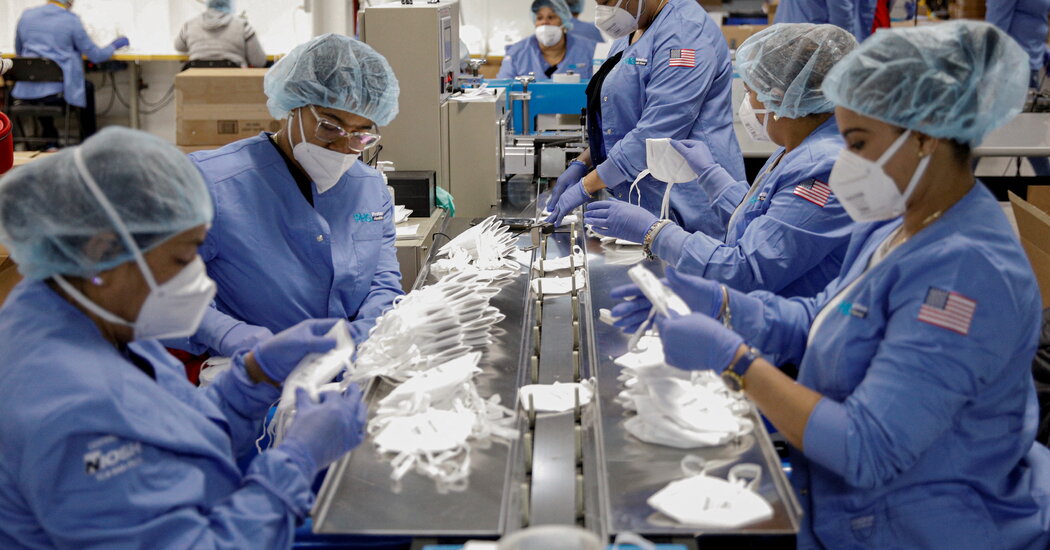
Biden Will Provide 400 Million N95 Masks For Free

The masks will be distributed at pharmacies and community health centers, but some public health experts said the effort was coming too late.WASHINGTON — Two years into the coronavirus pandemic, Americans who have had a hard time getting their hands on masks and at-home tests are suddenly being showered with offers of freebies — courtesy of taxpayers and the Biden administration, which had come under sharp criticism for not acting sooner.On Wednesday, the administration announced that it would make 400 million nonsurgical N95 masks available free of charge at community health centers and retail pharmacies across the United States. The White House said that to “ensure broad access for all Americans,” there would be a limit of three masks per person.The news came a day after the administration rolled out covidtests.gov, its new website where Americans can order at-home coronavirus tests at no cost.Taken together, the moves represent a stepped-up effort by the White House to combat Omicron, the fast-moving coronavirus variant that first appeared in November and has fueled a spike in cases, hospitalizations and deaths across the country. But some public health experts said that while the efforts were welcome, they were too late.“It will not be as impactful as it would have been had we done it at the beginning of the Omicron surge or the beginning of the Delta surge,” said Julia Raifman, a health law and public policy expert at the Boston University School of Public Health.The White House called the distribution of masks the “largest deployment of personal protective equipment in U.S. history.” Wednesday’s announcement came days after the Centers for Disease Control and Prevention updated its mask guidance to acknowledge that cloth masks do not offer as much protection as surgical masks or respirators.The N95 masks will come from the Strategic National Stockpile, the nation’s emergency reserve of medical supplies. The stockpile was badly depleted at the outset of the pandemic, leaving health care workers without masks and other personal protective gear essential to fighting the coronavirus. As late as December 2020, the United States was still facing alarming shortages of personal protective gear.The decision to distribute masks from the stockpile to the public is a sharp departure from prior practice; in the past, they were reserved for health care workers.According to the C.D.C.’s new description of masks, well-fitting respirators, including N95s, offer the highest level of protection. Their name refers to their ability to filter out 95 percent of all airborne particles when used correctly.This month, in a series of opinion articles in the Journal of the American Medical Association, six former advisers to President Biden’s transition team called for a new pandemic strategy that would include making N95 masks free and easily available to all Americans, and vastly increasing the number of free coronavirus tests.But Mr. Biden faced challenges, particularly on the testing front. His administration had pledged to ramp up testing capacity but had not done so by the time the Omicron variant emerged. So while he announced shortly before Christmas that his administration would purchase 500 million rapid tests to distribute free to the public, Americans had to wait for them.“They talked a lot about substantially ramping up testing and it didn’t happen,” said Dr. Ashish K. Jha, the dean of the Brown University School of Public Health, adding, “I think that was a real failure of the administration, to not have more tests available by the time we got into the holidays.”N95 respirators, which can filter out 95 percent of all airborne particles when used correctly, were in short supply early in the pandemic.Brendan Mcdermid/ReutersLast week, Mr. Biden stepped up the testing initiative and announced that his administration would purchase another 500 million tests, bringing the total to one billion. Jeffrey D. Zients, the president’s coronavirus response coordinator, also told reporters last week that the administration was “actively exploring” ways to make high-quality masks available.The Coronavirus Pandemic: Key Things to KnowCard 1 of 4Omicron in retreat.

Read more →

Was South Africa ignored over mild Omicron evidence?

SharecloseShare pageCopy linkAbout sharingImage source, AFPSouth African scientists – praised internationally for first detecting the Omicron variant – have accused Western nations of ignoring early evidence that the new Covid variant was “dramatically” milder than those which drove previous waves of the pandemic.Two of South Africa’s most prominent coronavirus experts told the BBC that Western scepticism about their work could be construed as “racist,” or, at least, a refusal “to believe the science because it came from Africa”.”It seems like high-income countries are much more able to absorb bad news that comes from countries like South Africa,” said Prof Shabir Madhi, a vaccine expert at Johannesburg’s University of the Witwatersrand. “When we’re providing good news, all of a sudden there’s a whole lot of scepticism. I would call that racism.”Prof Salim Karim, former head of the South African government’s Covid advisory committee and vice-president of the International Science Council agrees.”We need to learn from each other. Our research is rigorous. Everyone was expecting the worst [about Omicron] and when they weren’t seeing it, they were questioning whether our observations were sufficiently scientifically rigorous,” he said, while acknowledging that the sheer number of new mutations in Omicron may have contributed to an abundance of scientific caution.South Africa’s latest wave of Covid, which began in late November 2021, is now declining as sharply as it once rose and is likely to be declared over, nationwide, in the coming days. There are still concerns that the infection rate could spike again following the reopening of schools, but, overall, the country’s Omicron wave is expected to last half as long as previous waves.By early last month, scientists and doctors here were already sharing anecdotal evidence indicating that Omicron, while highly contagious, was resulting in far fewer hospital admissions or deaths than the Delta wave.’Data met with scepticism'”The predictions we made at the start of December still hold. Omicron was less severe. Dramatically. The virus is evolving to adapt to the human host, to become like a seasonal virus,” said Prof Marta Nunes, senior researcher at the Vaccines and Infectious Diseases Analytics department of the University of Witwatersrand.The WHO continues to warn against calling Omicron “mild,” pointing out that its high transmissibility was causing a “tsunami” worldwide, threatening to overwhelm health systems. But South African scientists are sticking by their data.”The death rate is completely different [with Omicron]. We’ve seen a very low mortality rate,” said Prof Karim, who pointed to the latest data showing hospital admissions were four times lower than with Delta, and the number of patients requiring ventilation was similarly reduced.”It didn’t take even two weeks before the first evidence started coming out that this is a much milder condition. And when we shared that with the world there was some scepticism,” Prof Karim added.It has been argued that Africa – or at least some parts of the continent – may be experiencing the pandemic differently due to demographics and other factors. South Africa’s average age, for instance, is 17 years younger than the UK’s. But scientists in South Africa insist that any demographic advantage the population might have in terms of battling Covid is outweighed by poor health. Excess deaths in South Africa during the pandemic now sit at 290,000 – or 480 per 100,000 people – which is more than double the UK figure. “The fact is that South Africa has got a much more susceptible population than the UK when it comes to severe disease. Yes, we’ve got a younger population… but we’ve got an unhealthier population because of a higher prevalence of other co-morbidities including obesity and HIV,” said Prof Madhi.”Each situation and each country has some unique characteristics. But we’ve learned how to extrapolate from one setting to another,” said Prof Karim.The figure of 290,000 excess deaths has not been confirmed as an accurate reflection of the pandemic’s toll in South Africa. It is three times the number of official Covid-19 deaths. But scientists here believe a majority of those excess deaths are probably due to the pandemic. Half of them occurred during the Delta wave, but, so far, only 3% transpired during the Omicron wave, said Prof Madhi.No more quarantineSouth Africa’s government declined to introduce tighter restrictions during the Omicron wave and bitterly criticised foreign governments for their initial imposition of strict travel bans from the region. Scientists here have generally welcomed the government’s light-touch response, and now argue that other countries might do well to follow its example.”We believe the virus is not going to be eradicated from the human population. We must now learn how to live with this virus and it will learn how to live with us,” said Prof Nunes.Image source, AFP”The [low death rate from Omicron] shows we’re in a different phase of the pandemic. I’d refer to it as a convalescent phase,” said Prof Madhi. He observed that South Africa had, “for all intents and purposes”, stopped quarantining and contact tracing, and he urged the government to stop testing for Covid-19 at a community level too, saying it was unnecessary and amounted to pointless “bean counting”. Instead, he said the priority should be to minimise the number of people who are hospitalised by Covid-19. Prof Madhi also expressed concern that mixed messages about South Africa’s growing success in fighting the pandemic could “really diminish confidence in vaccines [despite the fact that] we know vaccines prevent severe disease”.Although South Africa lags far behind countries like the UK in terms of vaccination rates, at least three-quarters of the population now enjoys significant protection from a combination of prior infections and vaccinations. Prof Karim acknowledged that Omicron’s high transmissibility was causing temporary problems for countries like the US, but, citing South Africa’s own experience, he said “the good thing is that because [the infection rate] has gone up that fast, it’ll go down that fast too, so the pressure on hospitals will be much less”.WHO warns Covid not over amid Europe case recordsHas the UK’s Omicron wave peaked already?What can South Africa teach us about Omicron?South Africa battles Omicron fear and vaccine myths

Read more →

Why Are Men More Likely to Die of Covid? It’s Complicated.

Sex differences in Covid death rates vary widely from state to state, suggesting they are rooted in behavior as well as biology.It’s one of the most well-known takeaways of the pandemic: Men die of Covid-19 more often than women do.Early on, some scientists suspected the reason was primarily biological, and that sex-based treatments for men — like estrogen injections or androgen blockers — could help reduce their risk of dying.But a new study analyzing sex differences in Covid-19 deaths over time in the United States suggests that the picture is much more complicated.While men overall died at a higher rate than women, the trends varied widely over time and by state, the study found. That suggests that social factors — like job types, behavioral patterns and underlying health issues — played a big role in the apparent sex differences, researchers said.“There is no single story to tell about sex disparities during this pandemic, even within the United States,” said Sarah Richardson, director of the GenderSci Lab at Harvard University, which studies how biological sex interacts with cultural influences in society.Dr. Richardson’s team began collecting sex data on Covid cases and deaths early in the pandemic, before the Centers for Disease Control and Prevention began collecting and sharing this information. Her research group logged on every Monday morning and checked each state’s data, maintaining it on a tracker on the lab’s website. The tracker, which stretches from April 2020 through December 2021, is the only source of sex-based weekly Covid-19 data by state.That data enabled the researchers to analyze Covid case rates and deaths across all 50 states and Washington, D.C. over a period of 55 weeks.Nationally, they found no significant differences in case rates between men and women. But the death rates — the number of deaths among men or women divided by the state’s total population of each sex — were often higher among men than women.Just how much higher depended on the state and the date. In Texas, for example, men died at a notably higher rate in every week the research group analyzed. In New York, men died at a higher rate than women — although the gap was not quite as large as in Texas — during all but three weeks. But in Connecticut, women died more than men in 22 of the weeks analyzed.“You can have states right next door to each other, like Connecticut and New York, that have a totally different pattern but yet experienced the same wave,” Dr. Richardson said.Cumulatively over 55 weeks, mortality rates were slightly higher for women in two states, Rhode Island and Massachusetts. In nine states, including Connecticut, the rates were roughly equal. And in the rest of the country, death rates were higher for men.Sex differences in genes, hormones or immune responses are not likely to explain these differences, the researchers said.“There would be no reason for biology to be that variable across time and space,” said Katharine Lee, a biological anthropologist and engineer at Washington University in St. Louis and an author of the new study.But social and behavioral factors, the researchers said, could help explain many of these patterns.For example, men are more likely to have jobs in transportation, factories, meatpacking plants, agriculture and construction — occupations with higher rates of Covid-19 exposure and fatalities. Men are also more likely to be incarcerated and to experience homelessness, increasing their risk of virus exposure.Women are more likely than men to report hand washing, mask wearing and complying with social distancing restrictions, all of which may lower their risk of contracting the virus. And women are more likely to be vaccinated.The researchers speculated that states with more public health restrictions might see reduced sex differences. In New York, which saw a significantly higher number of male deaths in the first six weeks of the pandemic, mortality rates evened out once restrictions were put in place. The observed differences in New York could also be partly explained by better data collection, as well as underreporting of deaths in long-term care facilities, where the majority of residents are women.Dr. Richardson’s research group did not have access to age data for each sex, an important factor since older people are more likely to die of Covid and different states have different age distributions. Even before Covid, men had a lower life expectancy, possibly driven by higher rates of certain chronic conditions, more risk-taking behaviors and more dangerous jobs. That “pre-existing mortality gap,” rather than a specific male vulnerability to the virus, could help explain the disparity with Covid, Richardson said.Still, independent experts said the new findings should not lead researchers to entirely discount the role of biology.The Coronavirus Pandemic: Key Things to KnowCard 1 of 4Omicron in retreat.

Read more →

Sara McLanahan, Who Studied Single Motherhood, Dies at 81

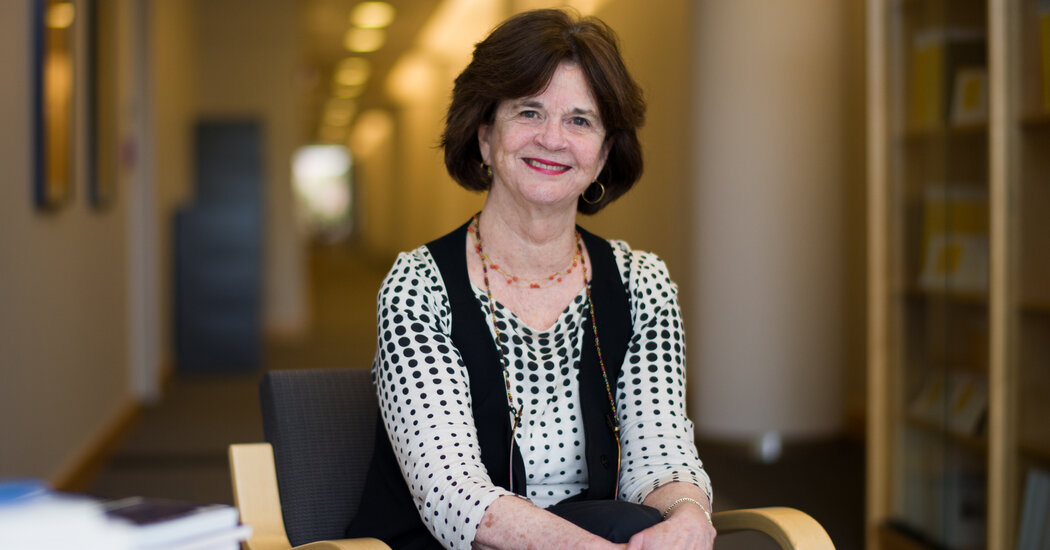
A Princeton sociologist and a single mother herself, she brought her own experience to her wide body of scholarly work.Sara McLanahan, a Princeton sociologist whose landmark studies of households led by one parent — much of which suggested poorer outcomes for children born to single mothers — laid the groundwork for research into the changing structure of the American family, died on Dec. 31 at her home in Manhattan. She was 81.The cause was lung cancer, her husband and research partner, Irwin Garfinkel, said.Dr. McLanahan’s research grew in part out of her personal experience as a single mother to three children, but it was also driven by her disappointment at the limited data available on single motherhood at the time. She was further prodded into action by an article she read.While completing a postdoctoral fellowship at the University of Wisconsin, Dr. McLanahan came across “The Underclass,” a 60,000-word article by Ken Auletta that appeared in three consecutive issues of The New Yorker in 1981. (It was later expanded into a book.) In it Mr. Auletta argued that the “weakened family structure of the poor’’ was a major reason for poverty in the country.She set out to design her own studies, hoping to contradict the thesis of “The Underclass.” But her research consistently found that single motherhood came with increased risk of income loss, conflict and poorer overall outcomes.“Her research showed that growing up in this single-parent family, even as you control for as much of the observables that you could possibly do with data, was damaging,” Dr. Garfinkel said in a phone interview. “And children did less well, and that was not very welcome news.”Despite that conclusion, Dr. McLanahan remained optimistic. She turned her sociological eye to public policy solutions. She pushed for mental health services for unmarried mothers as well as universal health care for children.Her best-known work was the Fragile Families and Child Wellbeing Study, which in 1988 took a longitudinal look at 5,000 children, primarily in households led by single mothers.The study, which she co-founded with Dr. Garfinkel and the Columbia University researcher Ron Mincy, identified major disparities in life outcomes — which she termed “Diverging Destinies” — between children with more involved mothers and those born to mothers with fewer resources and less time. She used four primary variables: mother’s age, mother’s employment, single motherhood and father’s involvement. The study over-sampled for single motherhood, using what researchers term “marital births” as a smaller control group.Older, more educated mothers who had jobs and who involved the children’s fathers led to better cognitive and social outcomes for their children, the study found; mothers who had children young and had more unstable relationships with the childrens’ fathers were correlated with worse outcomes. And, Dr. McLanahan argued, the gaps between the groups of children were widening.Dr. Garfinkel said the results of the Fragile Families study “provide no support for the culture of poverty thesis,” which posits that different values and behaviors among the poor trap them in self-perpetuating cycles of privation. Rather, he said, “circumstances and opportunities,” not value differences, have the greatest impact.Though her findings rankled some advocates for single mothers, Dr. McLanahan continued to publish books and papers on the topic.“We reject the argument that people should not talk about the negative consequences of single motherhood for fear of stigmatizing single mothers and their children,” Dr. McLanahan and the researcher Gary Sandefur wrote in their 1994 book, “Growing Up With a Single Parent: What Hurts, What Helps.” “While we appreciate the compassion that lies behind this position, we disagree with the bottom line. Indeed, we believe that not talking about these problems does more harm than good.”Sara Frances Smith was born on Dec. 27, 1940, in Tyler, Texas. Her father, Norman Smith, was a general manager for a local oil company. Her mother, Iredell (Brown) Smith, was a homemaker.She attended Robert E. Lee High School in Tyler, now known as Tyler Legacy High School. A gifted pianist, she studied at the Aspen Music Festival in Colorado for a summer. She attended Bennett Junior College in Irvington, N.Y., and went on to Smith College. After a year at Smith, she dropped out in 1962 and married Ellery McLanahan. They had three children, Sara, Ellery and Anna Bell, all of whom survive her. The family moved to Houston, and the couple divorced in 1972.Dr. McLanahan returned to school and graduated from the University of Houston with a bachelor’s degree in sociology in 1974. She received her masters and doctoral degrees in sociology from the University of Texas at Austin.She began her postdoctoral fellowship at the University of Wisconsin in 1979. It was there that she met Dr. Garfinkel and focused her research on single motherhood. (She had avoided the topic in her doctoral thesis at the University of Texas because, she said, it felt too close to home.) She and Dr. Garfinkel married in 1982.After completing the fellowship, Dr. McLanahan remained in Wisconsin as an assistant professor in sociology and became a full professor in 1989. She began her tenure at Princeton in 1990, and Dr. Garfinkel moved on to Columbia University. At Princeton, she was a founder of the Bendheim-Thoman Center for Research on Child Wellbeing.In addition to her husband and children, she is survived by her stepdaughters, Leah Matthew and Lynn Garfinkel, and five grandchildren.The Fragile Families data set has been used in nearly 1,000 published papers, according to a remembrance by the National Council on Family Relations, of which Dr. McLanahan was a member.

Read more →

Researchers find newer variants of SARS-CoV-2 can infect mice, unlike the original version of the virus

A team of biology researchers at Georgia State University has found that some of the newer variants of the virus that causes COVID-19 can infect the respiratory tract of wild mice, unlike the original strain that emerged from China.
The study, published in the journal Viruses, found that the Alpha variant, first identified in the United Kingdom, and the Beta variant, first found in South Africa, were able to replicate in the lungs of wild mice, which the original version of the SARS-CoV-2 virus was not able to do without scientists genetically modifying the mice.
This evolution of the virus means that regular laboratory mice are now a useful model for researchers working to understand the virus, including the long-term effects suffered by many survivors, and to test possible treatments, said Mukesh Kumar, a virologist and immunologist who led the study.
Kumar said the results also highlight the potential for the virus to replicate and mutate in rodents, which often live in close proximity to city dwellers.
“The virus is now able to infect animal species much easier than it used to be,” Kumar said.
“So that does raise concerns about bats, rodents and other wild animals. There may be another dangerous mutation that happens in animals and eventually jumps into humans.”
Researchers and veterinarians have found strains of the virus in white-tailed deer in several states; gorillas, big cats, hippos and other animals in zoos; mink raised on farms in Europe; and a small number of pet cats and dogs.
Kumar noted that many animals show few or no symptoms of infection, though at least three endangered snow leopards in the U.S. have died due to the virus. In Hong Kong, officials plan to euthanize more than 2,000 hamsters after finding nearly a dozen in a pet shop infected with the Delta variant, though they noted there was no evidence that the animals had infected people.
Public health experts and researchers generally agree that infected zoo animals and pets have likely gotten the virus from people or other animals and say there is low risk of transmission from these animals to humans.
Kumar’s team found that the Beta variant was more able to infect mice than the Alpha variant and generated a higher viral load in the lungs. The researchers are also studying whether wild mice can be infected with the Delta and Omicron variants and expect to release results soon.
The other authors of the study are Ph.D. students Shannon Stone, Janhavi Prasad Natekar, Pratima Kumari, Shaligram Sharma, Heather Pathak and Tabassum Tasnim Auroni, and post-doctoral fellows Hussin Alwan Rothan and Komal Arora.
Story Source:
Materials provided by Georgia State University. Note: Content may be edited for style and length.

Read more →

Survey of Americans Who Attempted Suicide Finds Many Aren’t Getting Care

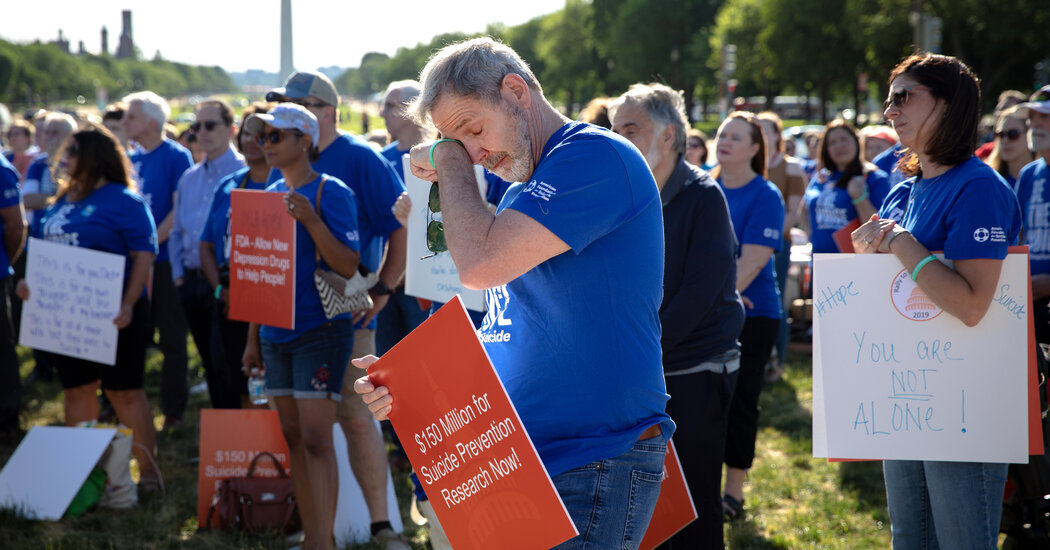
The number of people who try suicide has risen steadily in the U.S. But despite gains in health coverage, nearly half are not getting mental health treatment.Suicide attempts in the United States showed a “substantial and alarming increase” over the last decade, but one number remained the same, a new study has found: Year in and year out, about 40 percent of people who had recently tried suicide said they were not receiving mental health services.The study, published in JAMA Psychiatry on Wednesday, traces a rise in the incidence of suicide attempts, defined as “self-reported attempts to kill one’s self in the last 12 months,” from 2008 to 2019. During that period, the incidence rose to 564 in every 100,000 adults from 481.The researchers drew on data from 484,732 responses to the federal government’s annual National Survey on Drug Use and Health, which includes people who lack insurance and have little contact with the health care system. Because the data is self-reported, it could reflect faulty or inexact recollections.They found the largest increase in suicide attempts among women; young adults between 18 and 25; unmarried people; people with less education; and people who regularly use substances like alcohol or cannabis. Only one group, adults 50 to 64 years old, saw a significant decrease in suicide attempts during that time.Among the major findings was that there was no significant change in the use of mental health services by people who had tried suicide, despite the passage of the Affordable Care Act in 2010 and receding stigma around mental health care.Over the 11-year period, a steady rate of about 40 percent of people who tried suicide in the previous year said they were not receiving mental health care, said Greg Rhee, an assistant professor of psychiatry at the Yale School of Medicine and one of the authors of the study.The Affordable Care Act, which took effect fully in 2014, required all health plans to cover mental health and substance abuse services, and also sharply reduced the number of uninsured people in the U.S. In 2008, 43.8 million Americans, or 14.7 percent of the population, were uninsured, according to the Centers for Disease Control and Prevention. By 2020, the total uninsured had fallen to 28 million, or 8.6 percent of the population, the Census Bureau reported.Still, many respondents to the survey in the new report said the cost of mental health care was prohibitive; others said they were uncertain where to go for treatment or had no transportation.“It is a huge public health problem,” Dr. Rhee said. “We know that mental health care in the U.S. is really fragmented and complicated, and we also know not everybody has equal access to mental health care. So, it’s somewhat not surprising.”Since people who try suicide have a higher likelihood of making another attempt in the next six months compared with the general population, the barriers to treatment are particularly troubling, he said.“That is our idea of hope,” he said. “That is the goal of the medical structure. We want to provide health care to people who attempt suicidal behavior.”Suicide is one of the top 10 leading causes of death in the United States, with a yearly death toll that has risen 60 percent in recent decades, to 48,344 in 2018 from 29,180 in 1999. During that period, the rate of suicide in the population increased by 35 percent, dipping for the first time, by 2 percent, in 2019, according to the C.D.C.This has happened despite significant advances in brain science and the development of promising interventions using cognitive behavioral therapy, attachment-based family therapy and dialectical behavioral therapy, said Dr. Christine Moutier, the chief medical officer for the American Foundation for Suicide Prevention.“One would argue, why haven’t the rates been going down?” she said. “Until 2018, it’s very clear that those have yet to be made accessible to the general population.”The study suggests that overall, people who attempt suicide face especially high barriers to access, since the U.S. population as a whole is using mental health services at a higher level than ever before, with recent research suggesting that one in four Americans was receiving some care, Dr. Moutier said.“This is not a new finding, from that standpoint, but it is terribly concerning,” said Dr. Moutier, who was not involved in the study.The population of people who have tried suicide is distinct, demographically, from those who have died by suicide: While women make up a majority of suicide attempts, more than three-quarters of those who die by suicide are men, the data shows, among other reasons because men are more likely to use guns.People who survive a suicide attempt often do well afterward, said Dr. Paul Nestadt, an assistant professor of psychology at Johns Hopkins who has researched the epidemiology of suicide.He cited a 1978 study of 515 people who had tried suicide at the Golden Gate Bridge in San Francisco; after following up with the survivors for 26 years, researchers found 94 percent of them were alive or had died of natural causes, and only 4.9 percent had died by suicide subsequently.Dr. Nestadt, who was not involved in the study, said the new data points, once again, to the scarcity of psychiatric beds or mental health professionals who take insurance, factors that have prevented medical science from bringing down the country’s suicide rates.“The bottom line is, our treatments really work, that’s one of the things that always surprises medical students doing psychiatry rotations,” he said. “But people have to be able to access care. When they can’t, they’re left with less choices.”

Read more →